Car buyers often focus on styling, brand image, and features that stand out during a quick test drive. Hidden beneath those visible traits, however, some sedans are engineered with a level of durability and precision that goes largely unnoticed at launch.
These are the vehicles that quietly exceed expectations, built with components and structural strength that go far beyond what their price or marketing suggests.
That kind of engineering does not always receive immediate praise. In several cases, these sedans entered the market without much excitement, overshadowed by flashier competitors or misunderstood by buyers who could not yet see their long-term value. Years later, their true character becomes clear through reliability, resilience, and the ability to age gracefully.
Automakers sometimes overbuild certain models as a result of strict internal standards, ambitious engineering goals, or a desire to prove capability in competitive segments. These decisions lead to vehicles that last longer, handle wear better, and deliver a more solid driving experience than expected.
This page highlights ten sedans that fit that description. Each one was introduced without widespread recognition for its engineering depth, yet proved itself through durability and long-term ownership satisfaction. From understated family cars to refined executive models, these machines earned respect after time revealed what early impressions missed.
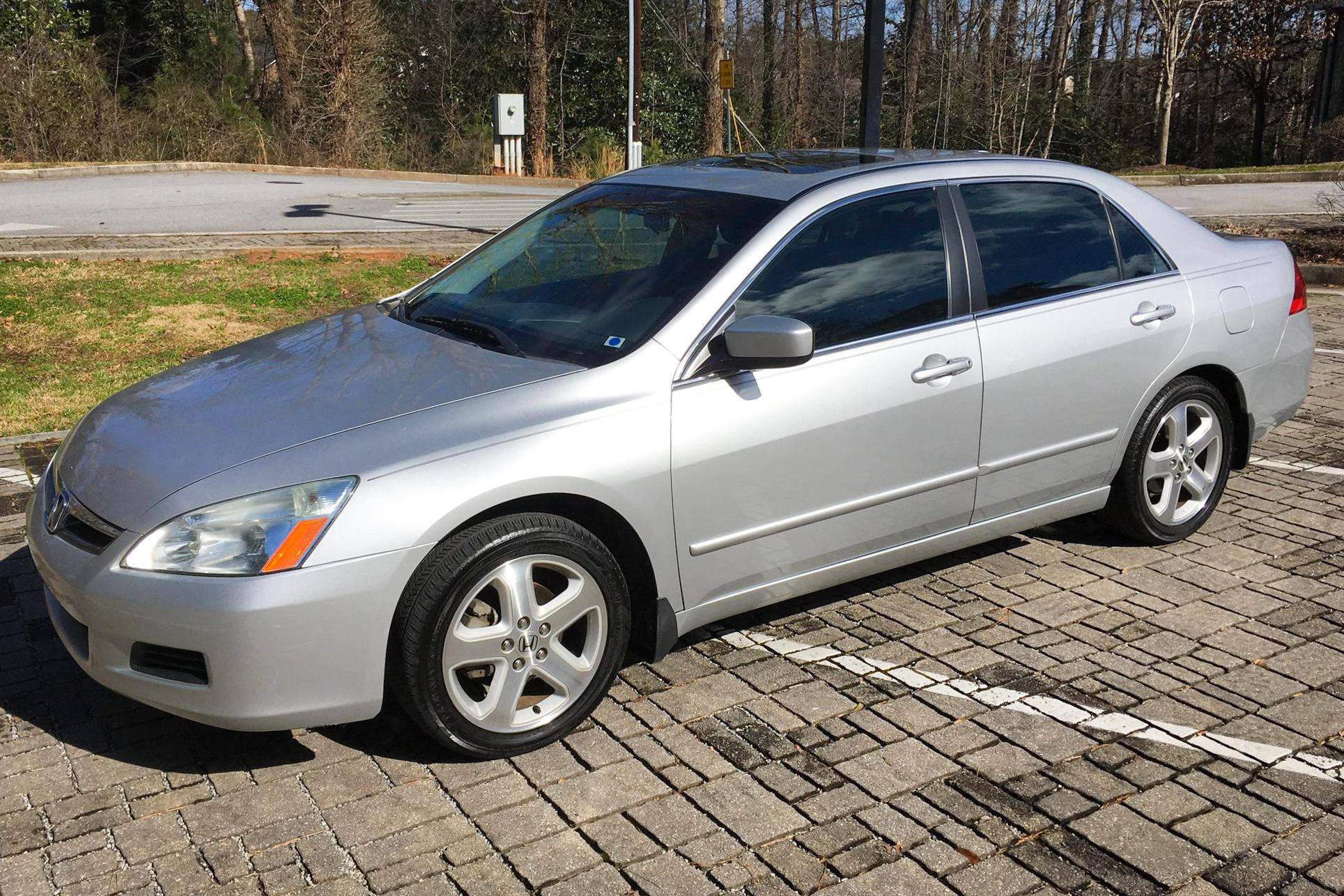
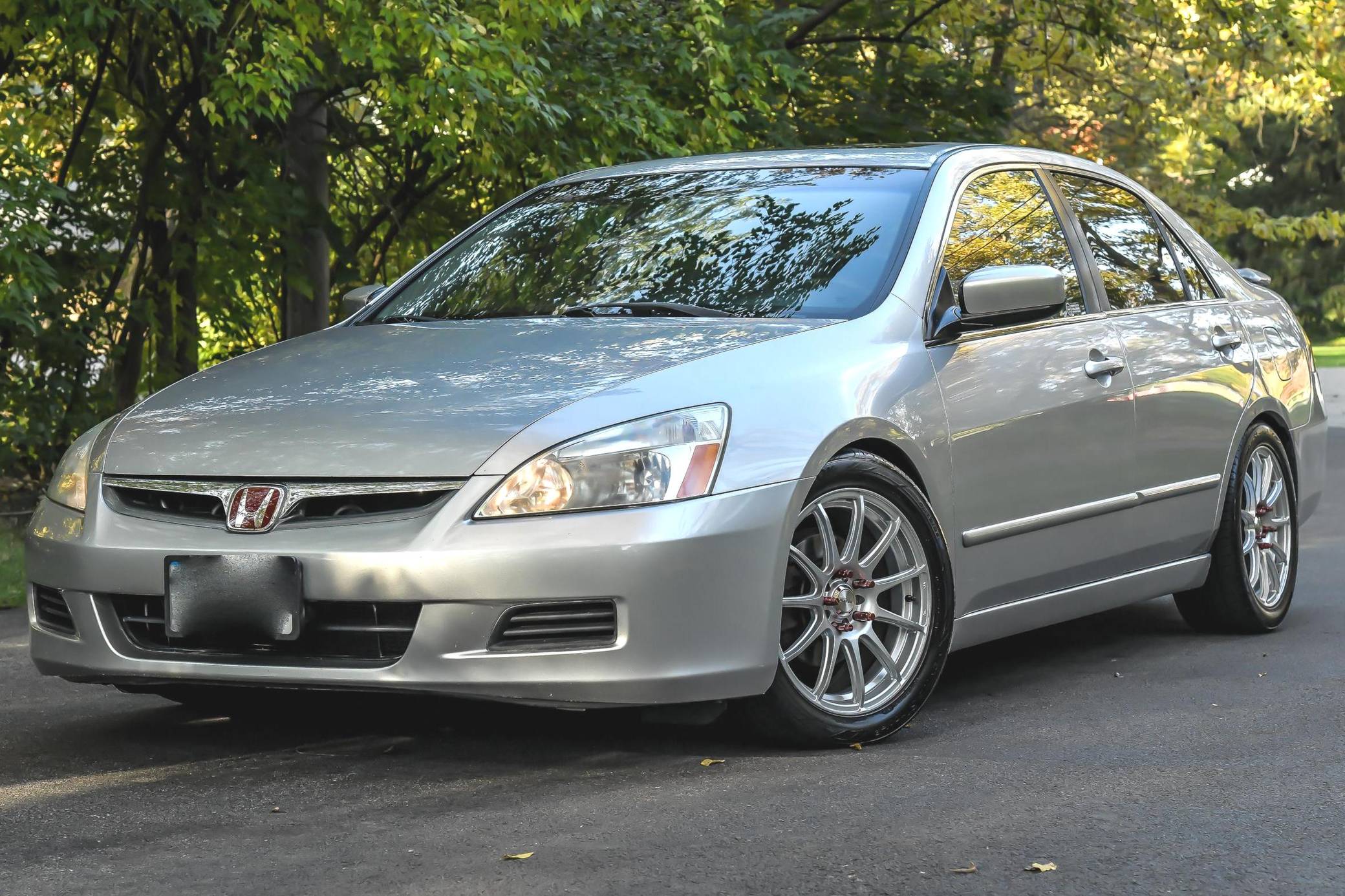
1. 2006 Honda Accord EX V6 Sedan
Quiet confidence defines the 2006 Honda Accord EX V6 Sedan, a car that arrived without bold claims yet carried engineering depth that would reveal itself over the years of ownership. At launch, it blended into a crowded midsize segment, where buyers often focused on styling updates and feature lists rather than structural integrity and mechanical refinement.
Beneath its familiar exterior sat a robust platform paired with a well-proven V6 engine. This powertrain delivered smooth acceleration and dependable performance, but what truly set it apart was its consistency. Owners discovered that the engine maintained its strength even after extended mileage, provided routine servicing was followed.
Attention to build quality played a major role in its durability. Panel fitment remained tight, interior components resisted wear, and mechanical systems held up under daily use. These traits did not create headlines at release, yet they became clear through long-term ownership.
Driving experience offered a balance between comfort and control. Suspension tuning absorbed road imperfections without sacrificing stability, allowing the sedan to remain composed in a variety of conditions. Steering response felt predictable, which contributed to driver confidence during everyday use.
Reliability reputation grew steadily. As years passed, the Accord EX V6 became known for its ability to remain on the road with minimal major repairs. This consistency built trust among buyers, especially in the used market. Resale demand reflected that trust. Vehicles equipped with this engine and platform retained interest due to their proven durability. Buyers recognized the value of a sedan that could deliver both comfort and longevity.
Durability, consistency, and understated engineering define this model. Its true strength was not fully appreciated at launch, yet time revealed a sedan built to exceed expectations.
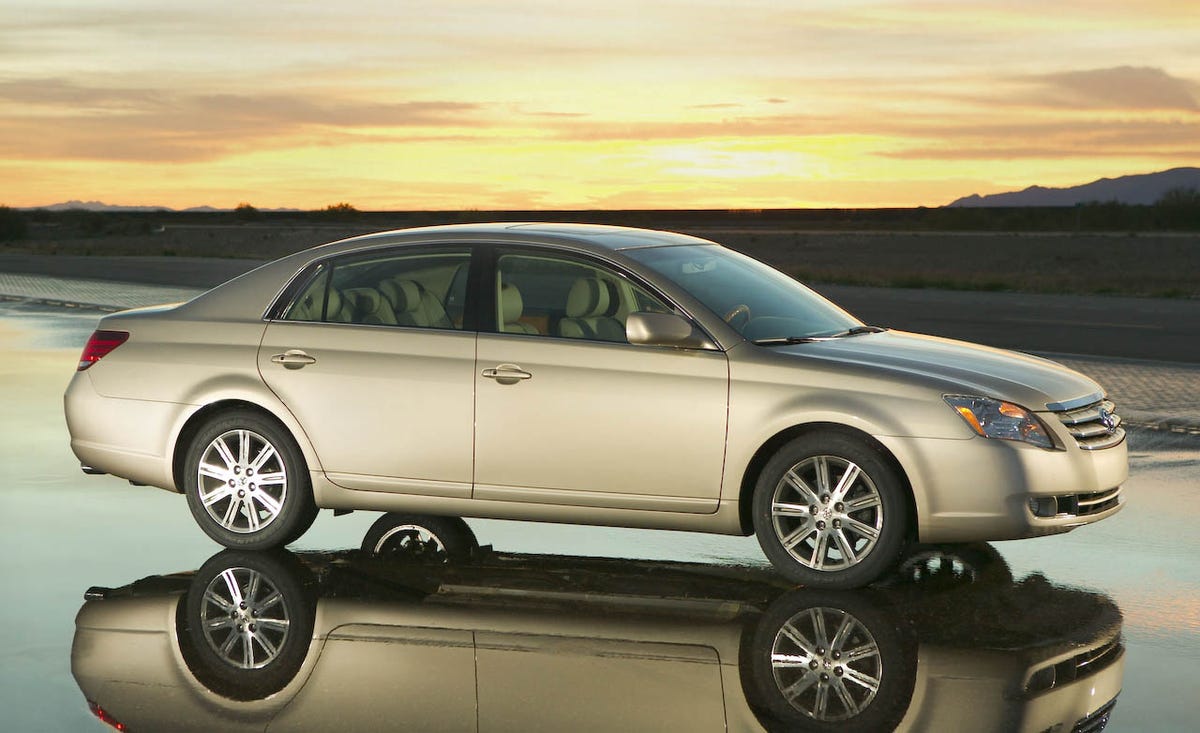
2. 2008 Toyota Avalon XLS Sedan
Luxury often hides behind simplicity, and the 2008 Toyota Avalon XLS Sedan demonstrated that principle with quiet assurance. At its introduction, it did not draw widespread attention, partly because its design remained conservative. What many overlooked was the level of engineering refinement beneath that restrained appearance.
Power delivery came from a smooth V6 engine that prioritized reliability and comfort. Acceleration felt effortless, yet the real strength lay in its durability. Owners found that the engine continued to perform reliably even after years of use, reinforcing Toyota’s reputation for dependable powertrains.
Cabin construction revealed careful attention to detail. Materials were selected not just for appearance but for longevity. Surfaces resisted wear, and controls maintained their function without degradation. This focus on durability allowed the interior to age gracefully.
Ride quality set a high standard. Suspension components were tuned to absorb imperfections while maintaining stability. Passengers experienced a calm and composed ride, which made long-distance travel more comfortable. The engineering discipline has been extended to noise control. Insulation reduced road and wind noise, creating a quiet environment that enhanced the driving experience.
Resale strength followed this move in perception. As more owners shared positive experiences, demand increased for used examples. This sustained interest highlighted the value of its engineering. Comfort, durability, and quiet refinement define the Avalon XLS. Its engineering depth remained underappreciated at launch, yet it proved its worth through years of reliable service.
Also Read: 4 Cargo-Ready Wagons for Active Lifestyles In Boulder vs 4 Sedans with No Space
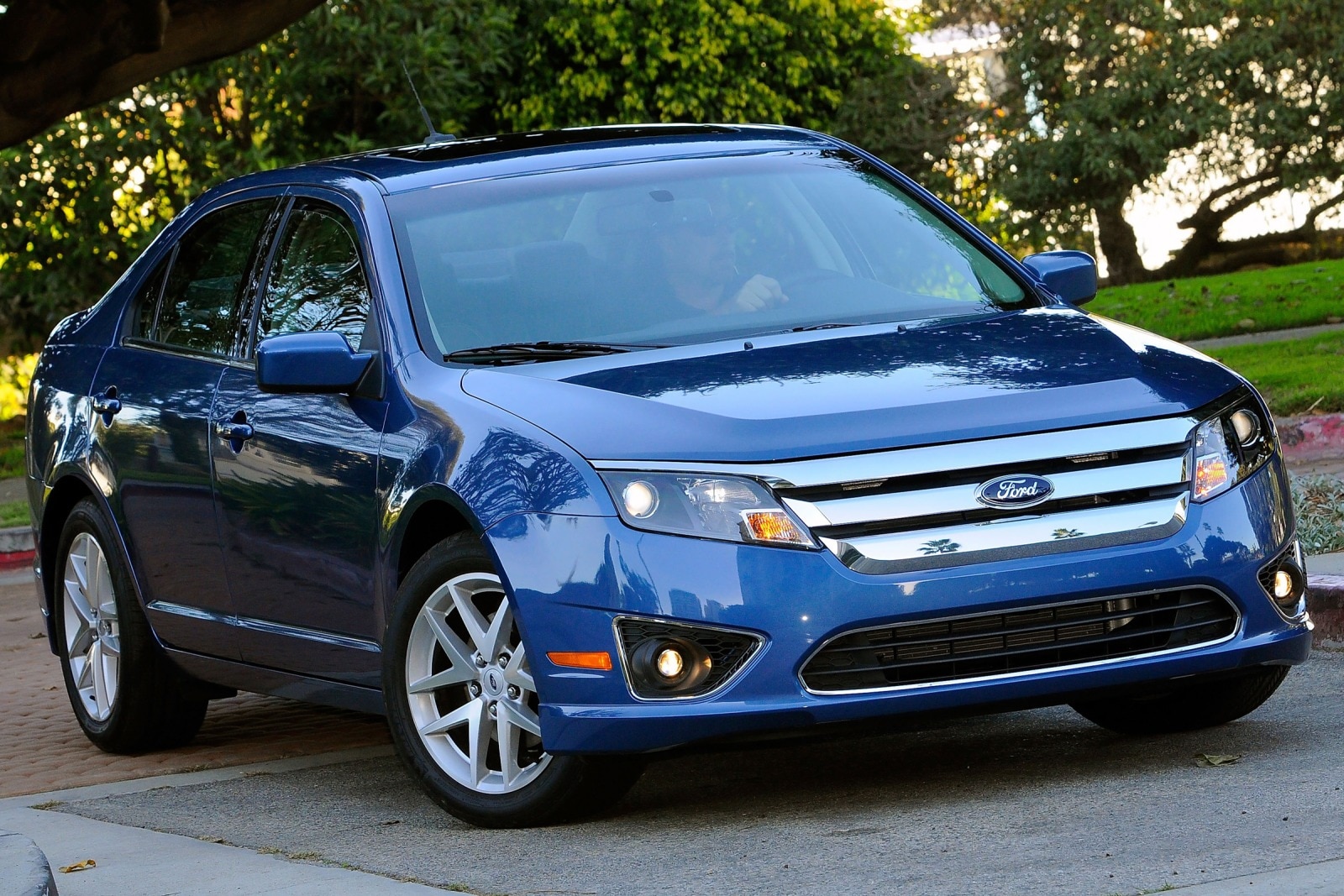
3. 2010 Ford Fusion SE Sedan
Unexpected resilience characterizes the 2010 Ford Fusion SE Sedan, a model that entered the market with modest expectations but delivered far more than anticipated. At release, it competed in a segment dominated by established names, which made it easy to overlook its engineering strengths.
Structural integrity played a central role in its durability. The Fusion featured a solid chassis that enhanced both safety and long-term reliability. This foundation allowed the vehicle to maintain its composure even after extended use. Engine options emphasized balance.
The available four-cylinder and V6 engines provided steady performance while maintaining reasonable efficiency. Owners found that these powertrains held up well with routine maintenance. Interior design combined practicality with durability. Materials were chosen to withstand daily use, and controls remained functional without excessive wear. This approach contributed to a cabin that aged better than expected.
Driving dynamics offered a pleasant surprise. Steering felt responsive, and suspension tuning provided a comfortable yet controlled ride. This balance made the Fusion enjoyable for both commuting and longer trips. Reliability perception improved as the model gained mileage.
Early skepticism gave way to recognition of its durability, which helped strengthen its reputation in the used market. Ownership costs remained manageable. Maintenance procedures were straightforward, and parts availability supported affordable repairs.
This accessibility increased its appeal among budget-conscious buyers. Resale interest reflected growing confidence. Buyers began to recognize the Fusion as a dependable option, which helped sustain demand. Its engineering strengths became more apparent with time.
Durability, balance, and practicality define the Fusion SE. Its overbuilt qualities were not widely recognized at launch, yet they became evident through years of dependable performance.
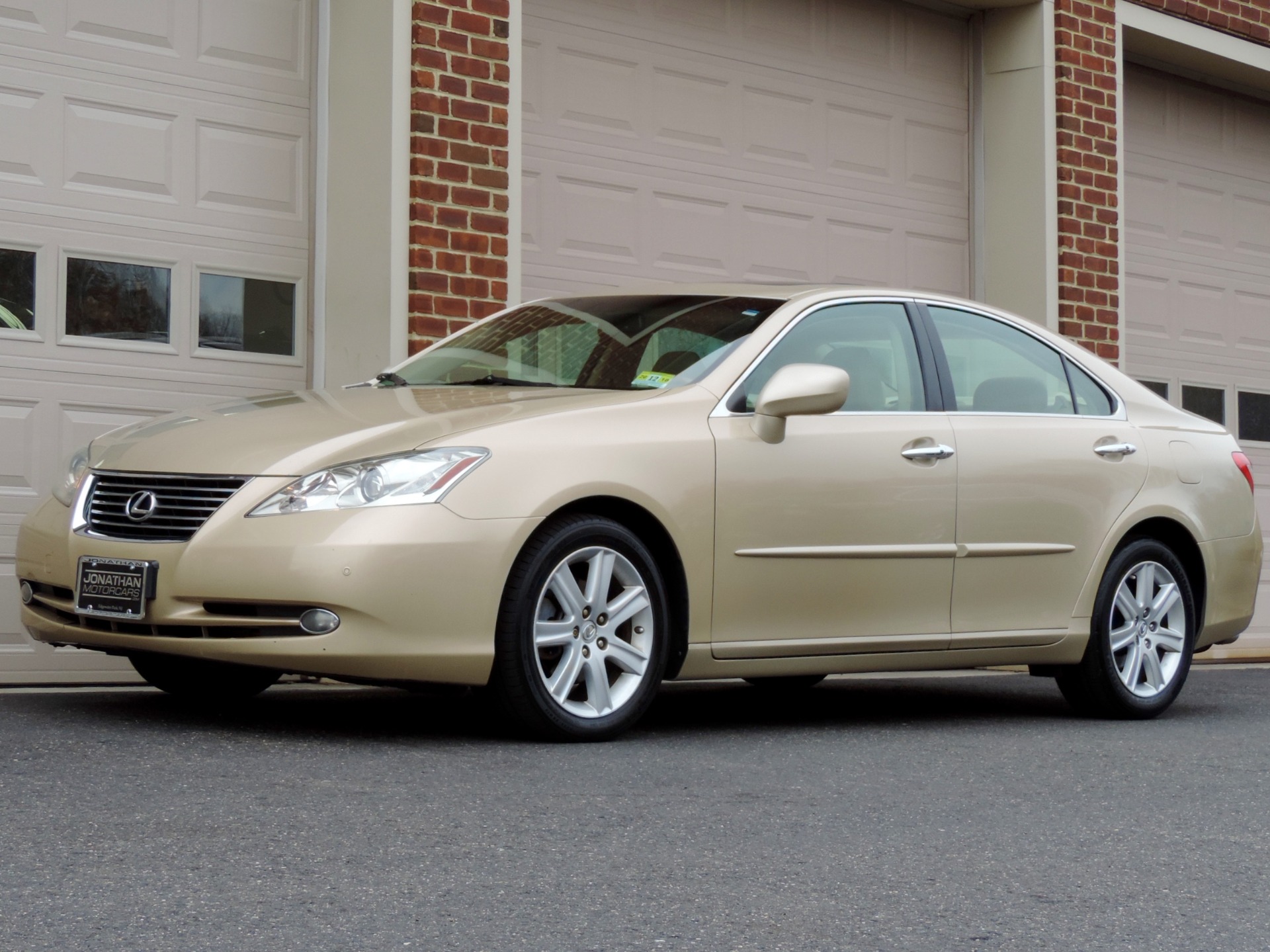
4. 2007 Lexus ES 350 Sedan
Refinement frequently conceals structural strength, and the 2007 Lexus ES 350 Sedan provides a compelling illustration of this principle. At the point of its introduction, public attention centered largely on its comfort, smooth ride quality, and luxury-focused presentation. Beneath that polished exterior, however, existed a level of engineering discipline that did not receive the recognition it warranted during its early years in the market.
Closer technical consideration reveals a well-developed platform supported by a reliable V6 engine configuration. This powertrain delivered consistent and predictable performance across varied driving conditions, maintaining composure even after prolonged use. Owners gradually observed that the engine retained its responsiveness and smooth delivery long after many competing vehicles began to show signs of mechanical fatigue.
Interior craftsmanship contributed meaningfully to its enduring appeal. Materials were selected not only for visual refinement but also for durability, ensuring that surfaces resisted wear despite regular use. Controls remained logically arranged and continued to function effectively across extended ownership periods, reinforcing confidence in the vehicle’s design philosophy.
Ride quality served as one of its defining characteristics. Suspension tuning allowed the sedan to absorb road imperfections with a high level of composure, reducing disturbances felt within the cabin. Stability remained consistent, offering drivers reassurance and control even at higher speeds or on uneven surfaces.
Engineering attention extended to acoustic insulation. Cabin noise levels were kept to a minimum, creating a quiet and composed environment that enhanced long-distance comfort. This level of detail contributed to a driving experience that remained satisfying long after initial ownership.
Market appreciation developed gradually. Early emphasis on luxury features shifted toward recognition of its durability and engineering integrity. This change in perception supported sustained demand and stable resale performance.
Durability, comfort, and disciplined engineering define the ES 350. Its true capabilities were not immediately apparent, yet time revealed a vehicle built with lasting quality at its core.
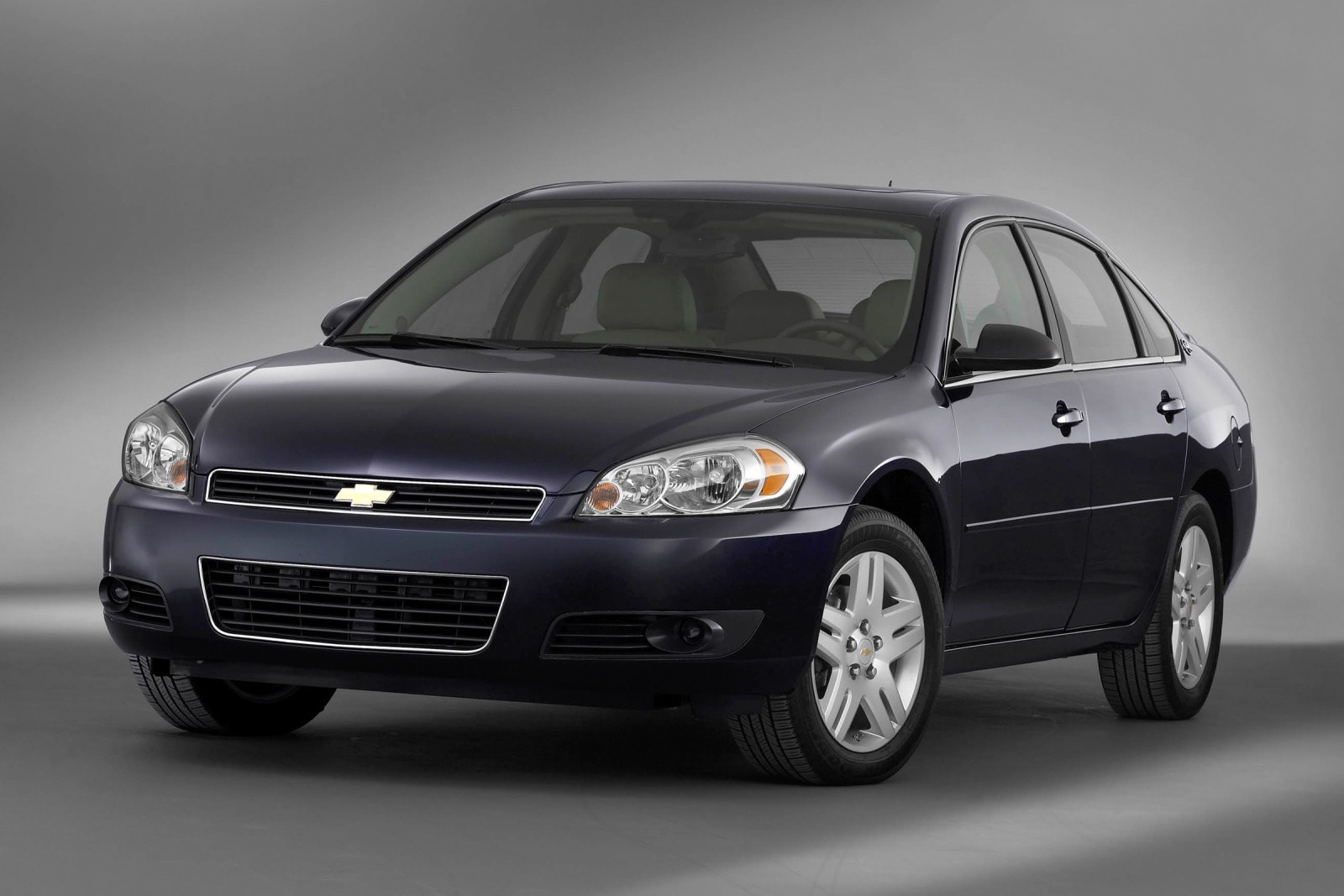
5. 2009 Chevrolet Impala LT Sedan
Conservative styling can often obscure underlying durability, and the 2009 Chevrolet Impala LT Sedan stands as a fitting example of this reality. At launch, it was regarded primarily as a practical family sedan, with limited attention given to the robustness of its engineering foundation. Over the years of ownership, a different picture began to emerge.
Powertrain dependability formed a central pillar of its long-term appeal. Equipped with a proven V6 engine, the Impala delivered steady and reliable performance under typical driving conditions. Owners frequently reported that, with proper servicing, the engine maintained consistent operation without major complications.
Structural design also contributed to its longevity. The chassis was engineered to withstand regular use, maintaining integrity even after extended mileage. This resilience supported confidence among drivers who required a vehicle capable of handling daily demands without frequent mechanical concerns.
Interior execution reflected a focus on practicality rather than luxury. Materials were selected for durability, allowing the cabin to endure repeated use without rapid deterioration. Controls remained straightforward and accessible, reducing the likelihood of operational issues.
Ride comfort played a meaningful role in shaping its identity. Suspension calibration prioritized smoothness, enabling the vehicle to manage uneven road surfaces with relative ease. This quality made it suitable for extended journeys as well as routine commuting.
Perception of reliability improved as ownership experiences accumulated. Initial expectations did not fully capture its durability, yet long-term use demonstrated a pattern of consistent performance. This gradual move in understanding enhanced its standing among used car buyers.
Service requirements remained manageable. Mechanical systems were designed with simplicity in mind, allowing for routine maintenance without high cost. This accessibility contributed to its appeal among budget-conscious owners.
Resale activity reflected growing appreciation. Buyers began to recognize the Impala as a dependable and practical choice, which supported steady demand within the secondary market. Durability, practicality, and understated engineering define this sedan. Its strengths were revealed through continued use, establishing a reputation built on reliability rather than initial perception.
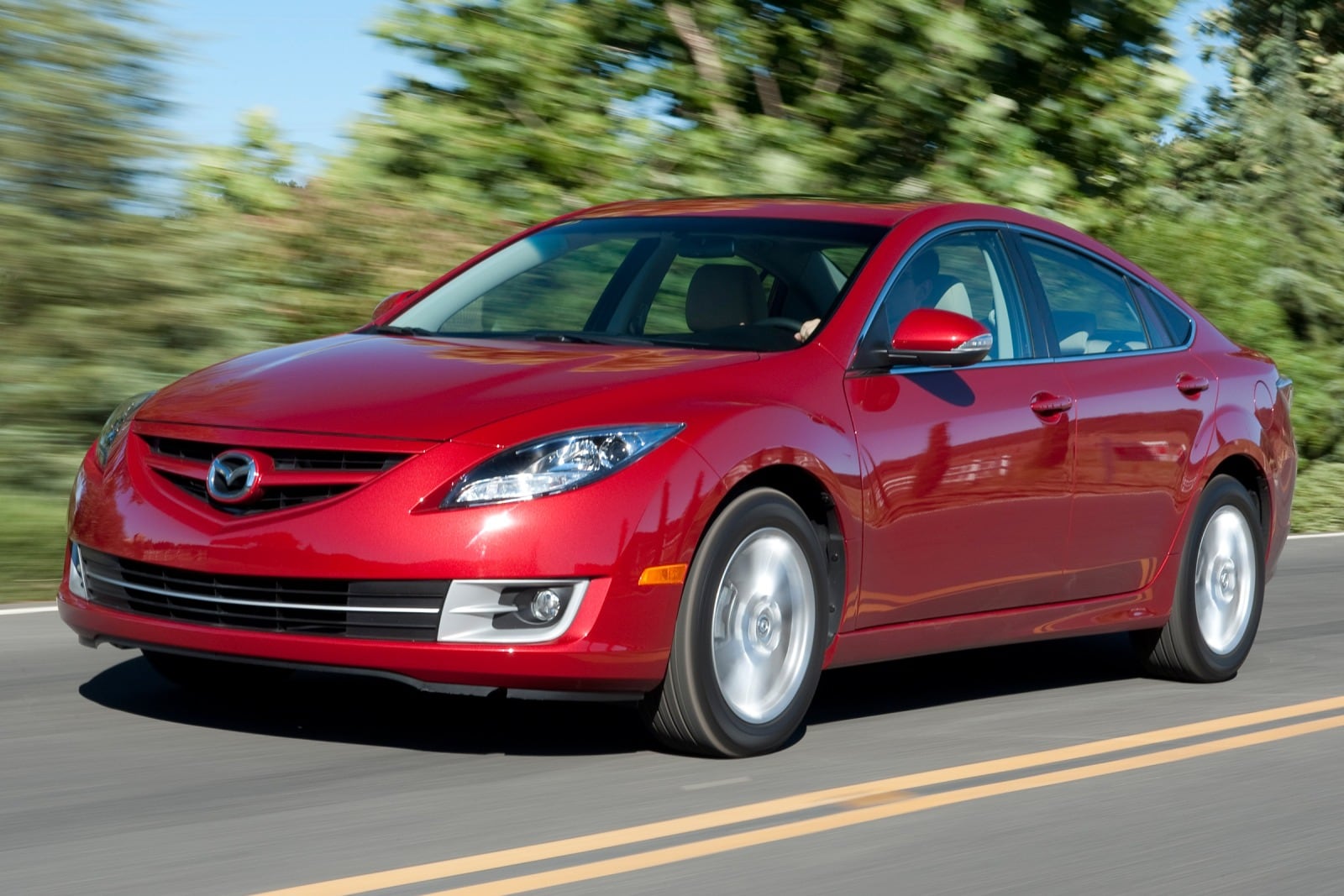
6. 2012 Mazda6 i Touring Sedan
Unexpected durability often reveals itself long after first impressions fade, and the 2012 Mazda6 i Touring Sedan stands as a clear example. At release, attention leaned toward its sharp styling and engaging handling, yet the deeper engineering strength beneath its surface did not receive equal recognition. Time has since revealed a sedan built with a level of structural integrity and mechanical resilience that exceeded expectations.
A closer examination of its chassis shows a carefully reinforced structure designed to handle stress without premature wear. This foundation contributes to long-term stability, allowing the vehicle to maintain its composure even after years of daily driving. Owners frequently report that the body remains solid, free from the looseness that can develop in less robust designs.
Engine performance supports this durability. The four-cylinder powertrain emphasizes steady output and efficient operation, reducing strain on internal components. With consistent maintenance, the engine continues to perform reliably, making it a practical choice for extended ownership.
Driving dynamics provide another layer of value. Suspension tuning strikes a balance between comfort and responsiveness, allowing the vehicle to handle road imperfections without excessive harshness. Steering remains precise, which enhances driver confidence in a variety of conditions.
Ownership costs remain manageable, thanks to straightforward service requirements and accessible parts. This practicality adds to its appeal among drivers seeking long-term value. Resale interest has grown as more buyers recognize its durability. The Mazda6 i Touring has earned a reputation as a dependable option, supported by its solid engineering foundation.
Durability, balance, and understated strength define this sedan. Its engineering depth may have gone unnoticed at launch, yet it continues to prove its worth through years of reliable performance.
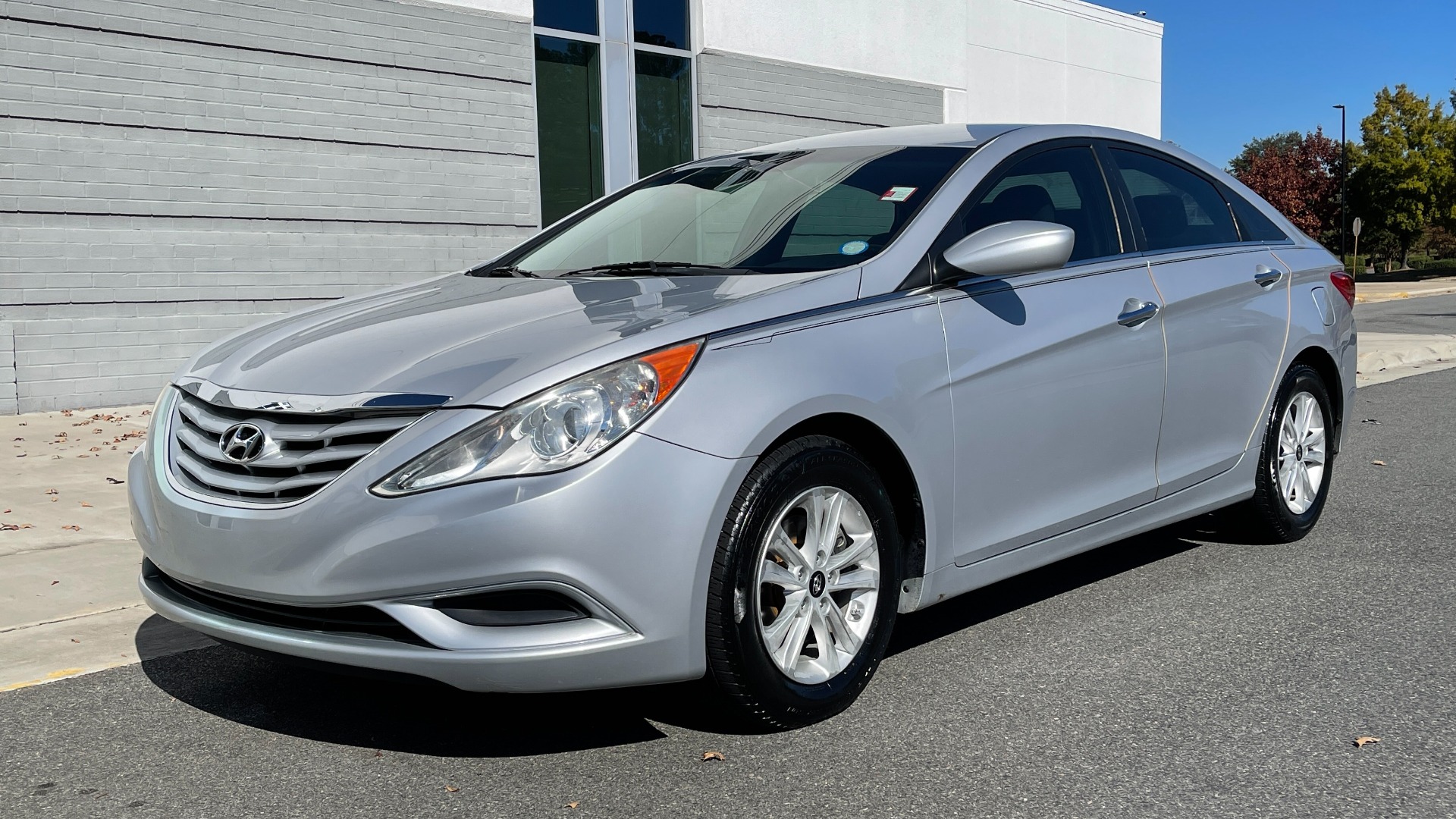
7. 2011 Hyundai Sonata GLS Sedan
Fresh design often draws immediate attention, yet deeper engineering qualities can remain overlooked, as seen with the 2011 Hyundai Sonata GLS Sedan. At introduction, focus centered on its bold styling and improved features, leaving its structural strength and durability underappreciated.
A reinforced platform provides the backbone of its resilience. Built to handle daily use without excessive wear, the Sonata maintains its structural integrity even as mileage increases. This durability becomes evident through consistent performance and reduced rattling or looseness.
Powertrain reliability adds to its appeal. The four-cylinder engine delivers efficient and steady output, minimizing stress on components. With proper maintenance, the engine continues to operate smoothly over extended periods. Ride quality reflects careful tuning. Suspension components absorb road imperfections while maintaining stability, creating a comfortable driving experience.
This balance supports long-term usability without compromising control. Interior design emphasizes durability alongside style. Materials are selected to withstand regular use, and controls remain accessible and functional. This approach ensures that the cabin retains its usability as time goes on.
Technology systems remain straightforward, reducing the likelihood of costly electronic issues. This simplicity contributes to lower ownership costs and easier maintenance. Market perception has improved steadily. Early attention focused on aesthetics, yet long-term ownership revealed the strength of its engineering.
Buyers began to recognize its durability, which increased demand in the used market. Resale value reflects this move in perception. The Sonata GLS maintains interest due to its proven reliability and practical design. Durability, efficiency, and thoughtful engineering define this model. Its strengths were not fully recognized at launch, yet they have become clear through years of dependable service.
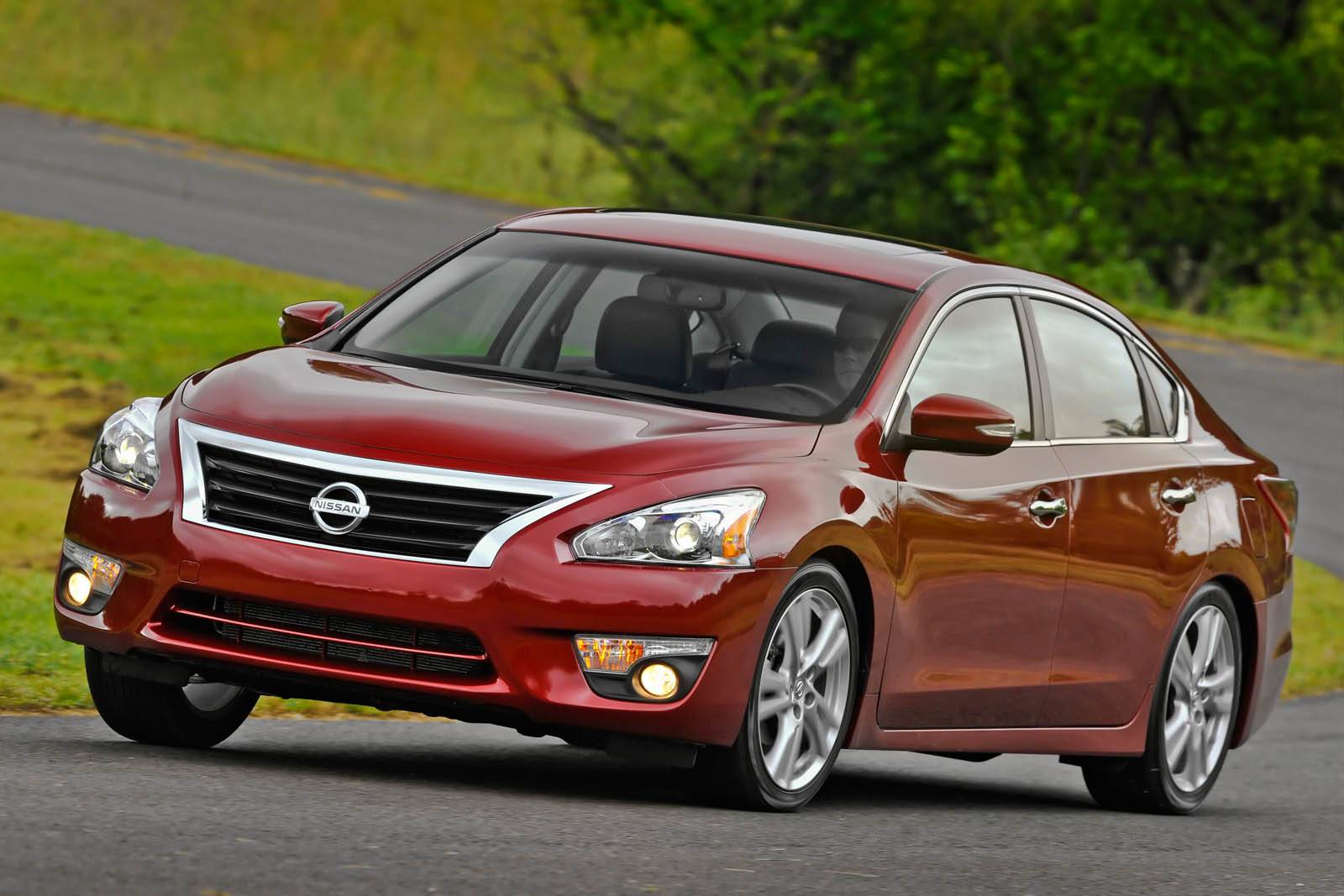
8. 2013 Nissan Altima 2.5 SV Sedan
Measured engineering often goes unnoticed at first, and the 2013 Nissan Altima 2.5 SV Sedan illustrates this idea well. At release, attention leaned toward fuel efficiency and updated styling, while its underlying durability remained less discussed.
Structural design plays a central role in its longevity. The Altima features a solid chassis that maintains stability even after extended use. This strength supports consistent performance across different driving conditions. Engine efficiency contributes to its durability.
The four-cylinder powertrain delivers steady output while minimizing wear, allowing it to remain reliable with routine servicing. Owners benefit from predictable performance and manageable upkeep. Driving experience emphasizes comfort. Suspension tuning absorbs road imperfections effectively, creating a smooth ride that suits daily commuting. This characteristic enhances long-term usability.
Interior construction reflects practicality. Materials are chosen for durability, ensuring that the cabin withstands regular use without rapid deterioration. Controls remain intuitive and functional. Transmission design, while requiring proper care, supports efficient operation when maintained correctly. Regular servicing ensures continued performance and reliability.
Ownership costs remain reasonable due to accessible parts and straightforward maintenance procedures. This affordability adds to its appeal among a wide range of drivers. Resale demand has strengthened as reliability becomes more widely recognized. Buyers appreciate its balance of efficiency and durability, which supports its presence in the used market.
Durability, efficiency, and practical engineering define the Altima 2.5 SV. Its strengths were not immediately apparent, yet they have proven themselves through consistent performance.
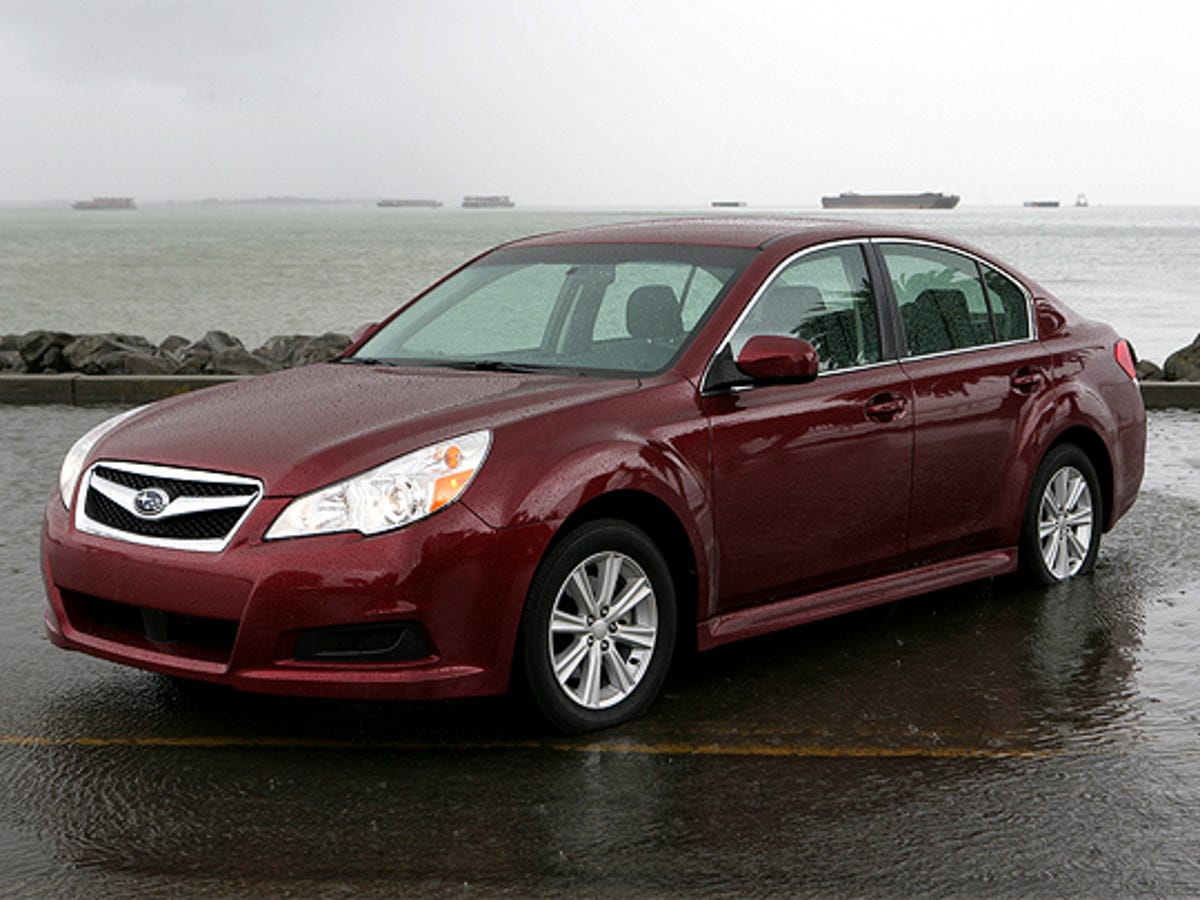
9. 2010 Subaru Legacy 2.5i Premium Sedan
Measured engineering judgment tends to reveal its full worth with continued use, and the 2010 Subaru Legacy 2.5i Premium Sedan presents a clear example of this reality. At the time of its release, public attention leaned heavily toward its symmetrical all-wheel drive system, while the broader depth of its construction and durability received limited appreciation.
With the passage of time, a more complete understanding of its strengths has emerged. A well-structured platform forms the backbone of its enduring performance. Designed to accommodate a range of driving conditions, the Legacy demonstrates consistent structural integrity and stability throughout extended ownership.
This solid foundation contributes to its reputation for dependability, especially among drivers who require a vehicle capable of handling varied road environments without deterioration in performance. Engine configuration plays an essential role in supporting this durability.
The flat-four engine layout provides balanced power delivery and contributes to reduced mechanical stress across components. When maintained in accordance with recommended service intervals, the engine continues to operate with steady reliability, offering owners confidence in long-term usage.
All-wheel drive functionality enhances its practical value. By distributing power across all four wheels, the system improves traction and control, particularly under challenging weather or road conditions. This capability supports safer and more predictable driving, which strengthens its appeal to a broad category of users.
Suspension tuning reflects a deliberate effort to balance comfort with stability. The system effectively absorbs road irregularities while maintaining composure, ensuring that occupants experience a controlled and steady ride. This equilibrium between ride quality and handling contributes to sustained driving satisfaction.
Interior construction emphasizes durability and functionality. Materials are selected to withstand regular use, preserving the cabin’s condition as time goes on. Controls remain logically arranged, allowing for ease of operation without unnecessary complication.
Servicing requirements remain manageable when routine maintenance is observed. Widespread familiarity among technicians ensures that repairs can be conducted efficiently, reducing the burden associated with ownership. Market perception has improved steadily as long-term reliability becomes evident. Buyers increasingly recognize its durability and versatility, leading to sustained demand within the secondary market.
Durability, adaptability, and disciplined engineering define the Legacy. Its capabilities may not have been fully appreciated at introduction, yet consistent performance has firmly established its value.
Also Read: 4 Compact Crossovers for Tight Alleys In Pittsburgh vs 4 Wide Luxury Sedans
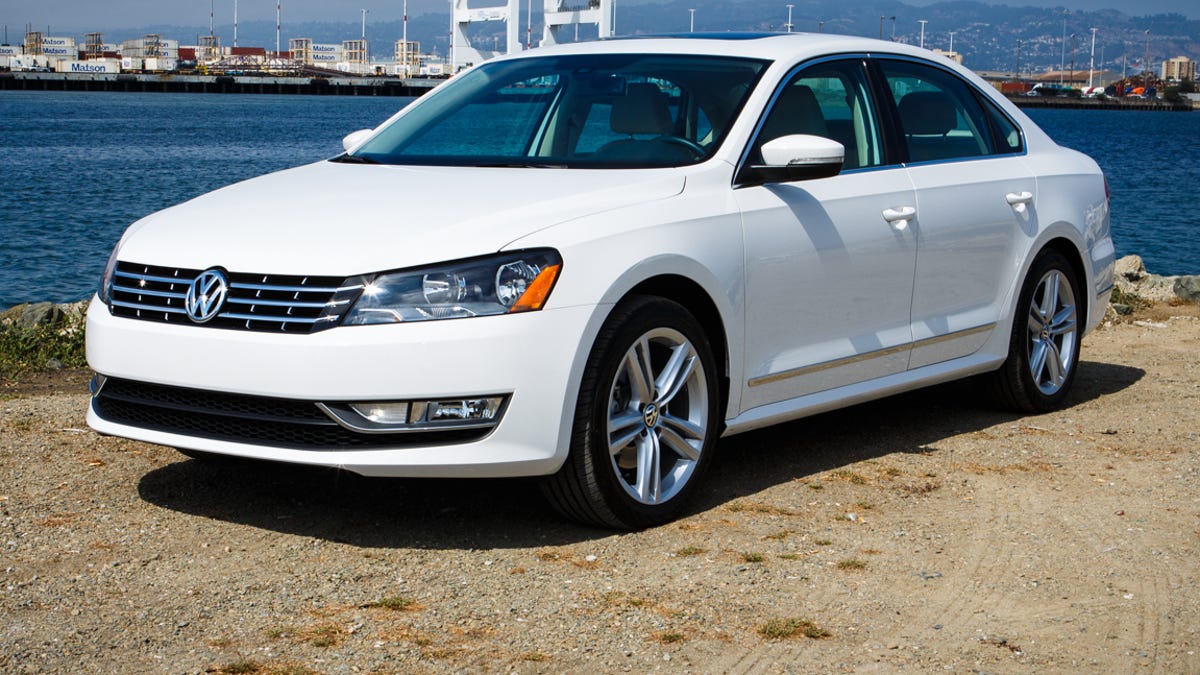
10. 2014 Volkswagen Passat 1.8T SE Sedan
Refined execution combined with structural resilience often escapes early recognition, and the 2014 Volkswagen Passat 1.8T SE Sedan illustrates this circumstance effectively. At release, attention centered primarily on its comfort features and available technology, while the strength of its engineering foundation received less acknowledgment than it merited.
A carefully constructed chassis provides the basis for its lasting reliability. Designed to endure extended use, the Passat maintains stability and composure even as mileage increases. This structural consistency supports dependable performance and reinforces confidence among long-term owners.
Engine performance reflects a thoughtful balance between efficiency and responsiveness. The turbocharged 1.8-liter engine delivers adequate power for daily driving while maintaining fuel economy. With consistent servicing and adherence to maintenance schedules, the engine demonstrates dependable operation across extended ownership periods.
Ride quality remains a defining attribute. Suspension calibration prioritizes comfort, allowing the vehicle to absorb imperfections in the road surface with ease. This characteristic supports a relaxed driving experience, making it suitable for both short journeys and extended travel.
Interior design reveals careful attention to material selection and usability. Surfaces are chosen for durability, enabling the cabin to retain its condition despite repeated use. Controls remain intuitive and functional, ensuring that drivers can operate the vehicle without unnecessary difficulty.
Technological features are incorporated with a focus on practicality. Infotainment systems, driver assistance functions, and digital interfaces enhance usability while remaining accessible. This measured approach reduces the likelihood of excessive repair costs associated with overly intricate systems.
Maintenance demands remain reasonable when regular servicing is observed. Availability of replacement parts and familiarity among technicians contribute to accessible and efficient upkeep, supporting long-term ownership. Market recognition has strengthened as buyers become aware of its durability and comfort.
Continued interest within the used vehicle market reflects growing appreciation for its balanced engineering. Durability, refinement, and practical design define the Passat 1.8T SE. Although its strengths were not widely acknowledged at introduction, consistent performance has confirmed its enduring value.