
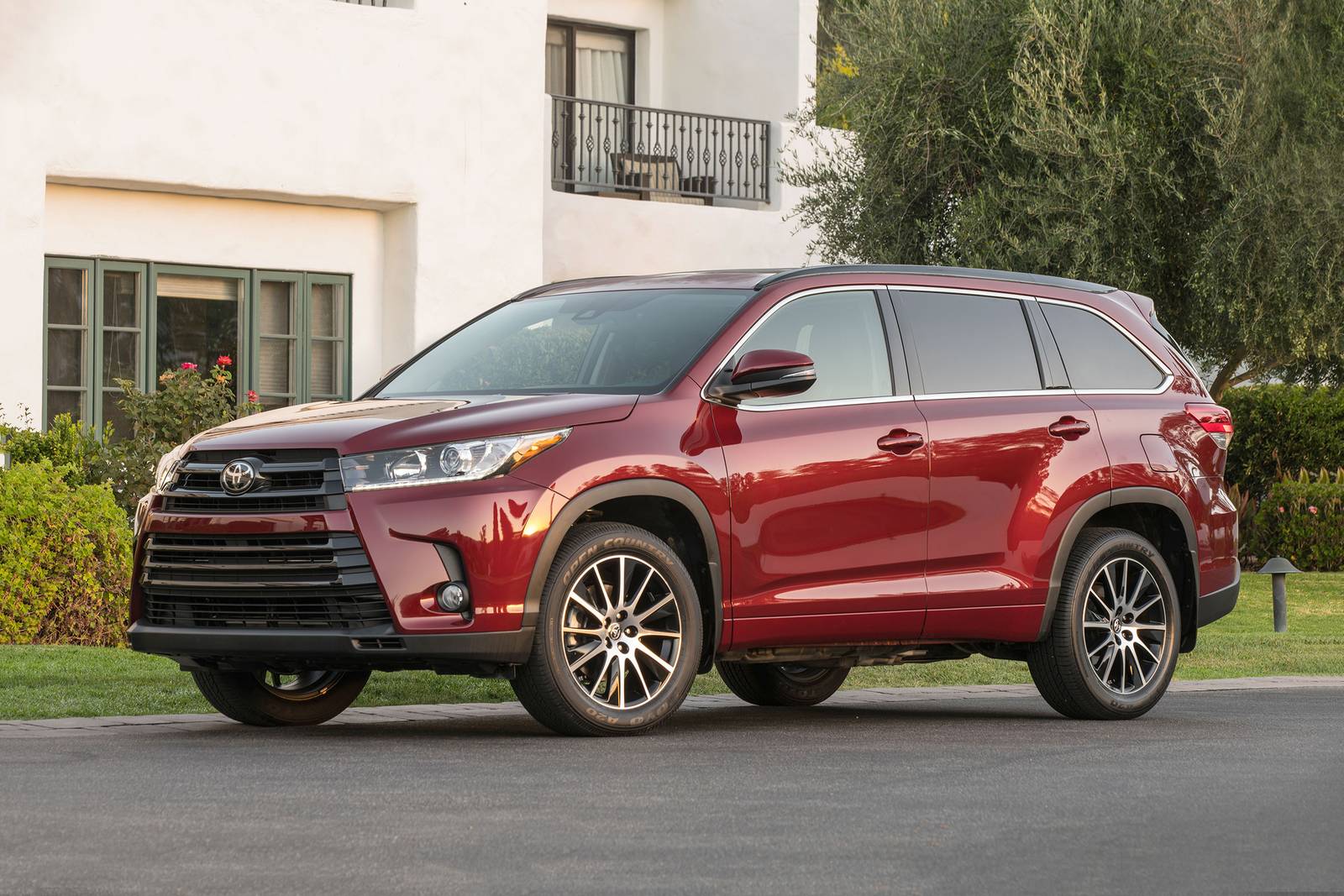
Used SUV shopping in 2026 carries more weight than it did a decade ago. Prices remain elevated, repair costs have climbed, and modern vehicles bring technology that can either reward ownership or quietly drain a bank account. Choosing wisely now means understanding which SUVs age with dignity and which ones turn routine ownership into a cycle of invoices and warning lights.
This is no longer just about brand reputation or glossy reviews from launch year. Real ownership patterns, long-term durability, repair frequency, and parts availability now matter more than ever. Some SUVs quietly prove their value long after depreciation takes its toll.
These vehicles deliver reliable drivetrains, predictable service needs, and interiors that still feel solid after years of use. Others promise luxury, performance, or innovation, then punish second owners with fragile systems and expensive failures once warranties expire. Separating these two groups requires looking past marketing claims and focusing on ownership reality.
This guide breaks that reality into two clear categories. The first five focus on SUVs that continue to make financial sense on the used market in 2026. These models reward careful buyers with dependable performance and manageable ownership costs. The next five examine SUVs that often become financial traps once mileage climbs, and factory coverage ends. Each vehicle earns its place through consistent ownership patterns, repair data, and long-term behavior rather than isolated anecdotes.
If buying used is the plan, this comparison offers clarity before commitment. Smart choices still exist. Costly mistakes do too.
5 SUVs Worth Buying Used in 2026
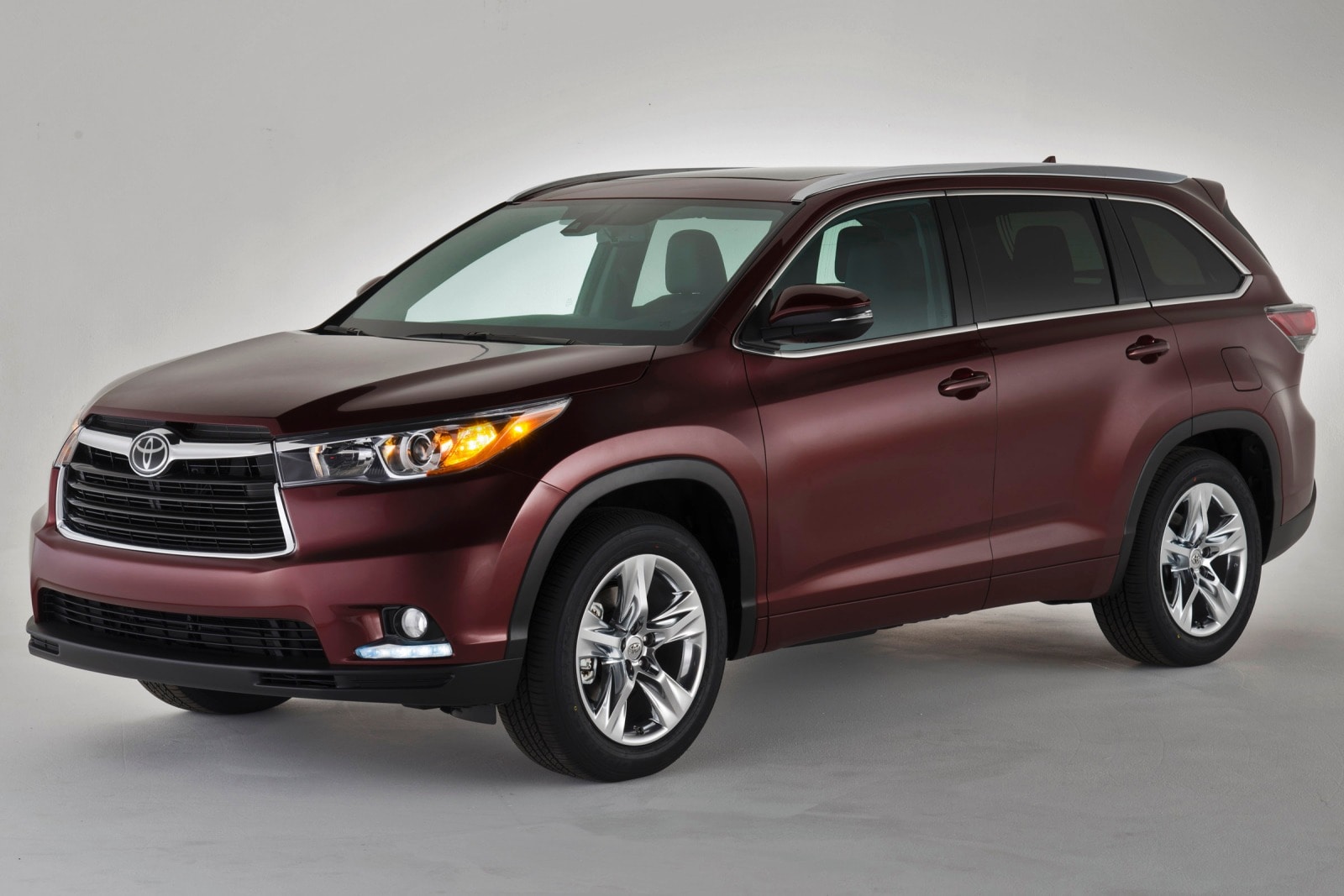
1. Toyota Highlander V6 AWD (2016 to 2019)
Estimated Price $18,000-$28,000
Confidence defines the ownership experience of the Toyota Highlander V6 AWD from this period. Power comes from a naturally aspirated V6 that avoids turbocharging stress while delivering smooth acceleration and steady highway performance.
That engine pairs with a conventional automatic transmission that emphasizes durability rather than aggressive acceleration behavior. Owners often report consistent drivability well beyond 150,000 miles with routine servicing. Interior construction favors longevity over flash.
Switchgear resists wear, seat materials age evenly, and cabin rattles remain minimal even as mileage climbs. Climate controls and infotainment systems from these years avoid the overcomplication seen in later designs, reducing failure points. Practical ergonomics support daily use without unnecessary learning curves or distractions.
Suspension tuning strikes a balance between comfort and control. Components such as bushings, struts, and ball joints follow predictable replacement schedules rather than early failures. All Wheel Drive hardware remains reliable when fluid services occur on time, making this configuration suitable for varied climates without adding ownership anxiety.
Parts availability plays a major role in long-term value. Toyota’s global production scale ensures steady access to replacement components at reasonable prices. Independent shops remain familiar with this platform, which keeps labor costs grounded. Diagnostic procedures stay straightforward, avoiding software dependencies that inflate service visits.
Fuel economy remains competitive for a V6 midsize SUV, especially for buyers prioritizing reliability above maximum efficiency. Insurance costs tend to remain reasonable due to strong safety records and widespread repair familiarity. Buyers seeking a used family SUV that emphasizes dependability, resale stability, and ownership calm find this Highlander generation difficult to beat. Depreciation works in the buyer’s favor without introducing hidden risks that surface later.
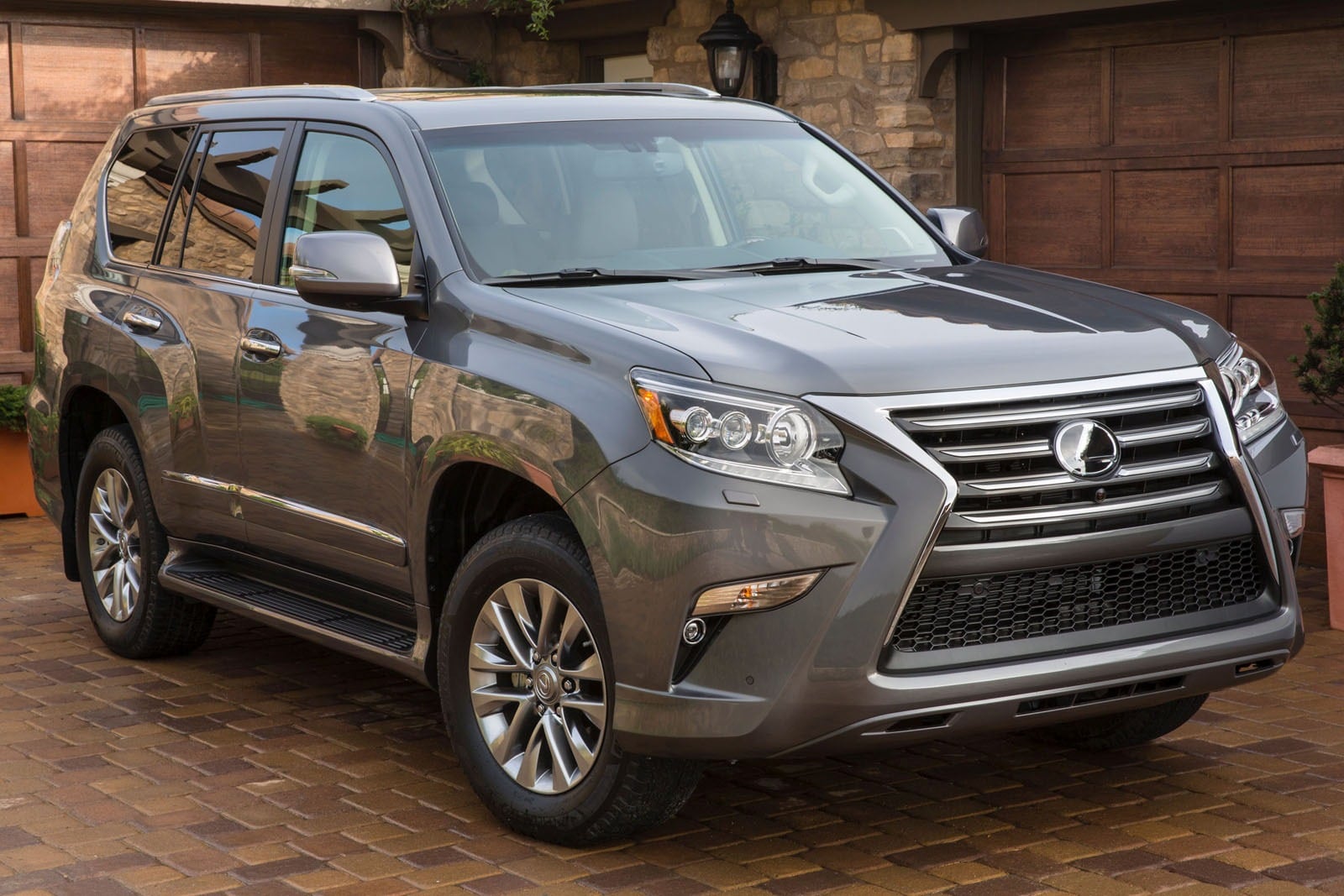
2. Lexus GX 460 (2014 to 2019)
Estimated Price $25,000-$40,000
Body-on-frame construction sets the Lexus GX 460 apart in a segment dominated by unibody crossovers. Built on a proven truck platform, this SUV offers structural strength that ages well under demanding conditions. A naturally aspirated V8 supplies power without relying on forced induction, reducing thermal stress and mechanical strain as mileage increases.
Cabin quality reflects Lexus priorities. Leather surfaces, trim panels, and switch mechanisms retain their integrity even after years of daily use. Noise isolation remains impressive, preserving a refined driving experience that does not fade quickly. Electrical systems benefit from conservative engineering rather than experimental features.
Four Wheel Drive hardware delivers durability when maintained properly. Transfer cases and differentials show long service life under routine fluid changes. Suspension components handle uneven roads with confidence, and steering systems maintain consistency without premature wear.
Service access remains straightforward despite the vehicle’s premium badge. Shared components with Toyota trucks keep parts costs manageable. Skilled technicians familiar with this platform are widely available, avoiding dealership dependence for routine repairs.
Fuel consumption reflects its size and powertrain, yet owners often accept that tradeoff in exchange for long-term durability. Depreciation softens purchase prices on the used market, creating an appealing value proposition for buyers who plan extended ownership.
This SUV suits drivers who value mechanical strength, interior comfort, and predictable aging behavior. Few vehicles combine luxury and toughness as effectively once initial depreciation has passed.
Also Read: 10 Luxury SUVs That Americans Buy More Than Their Home Markets
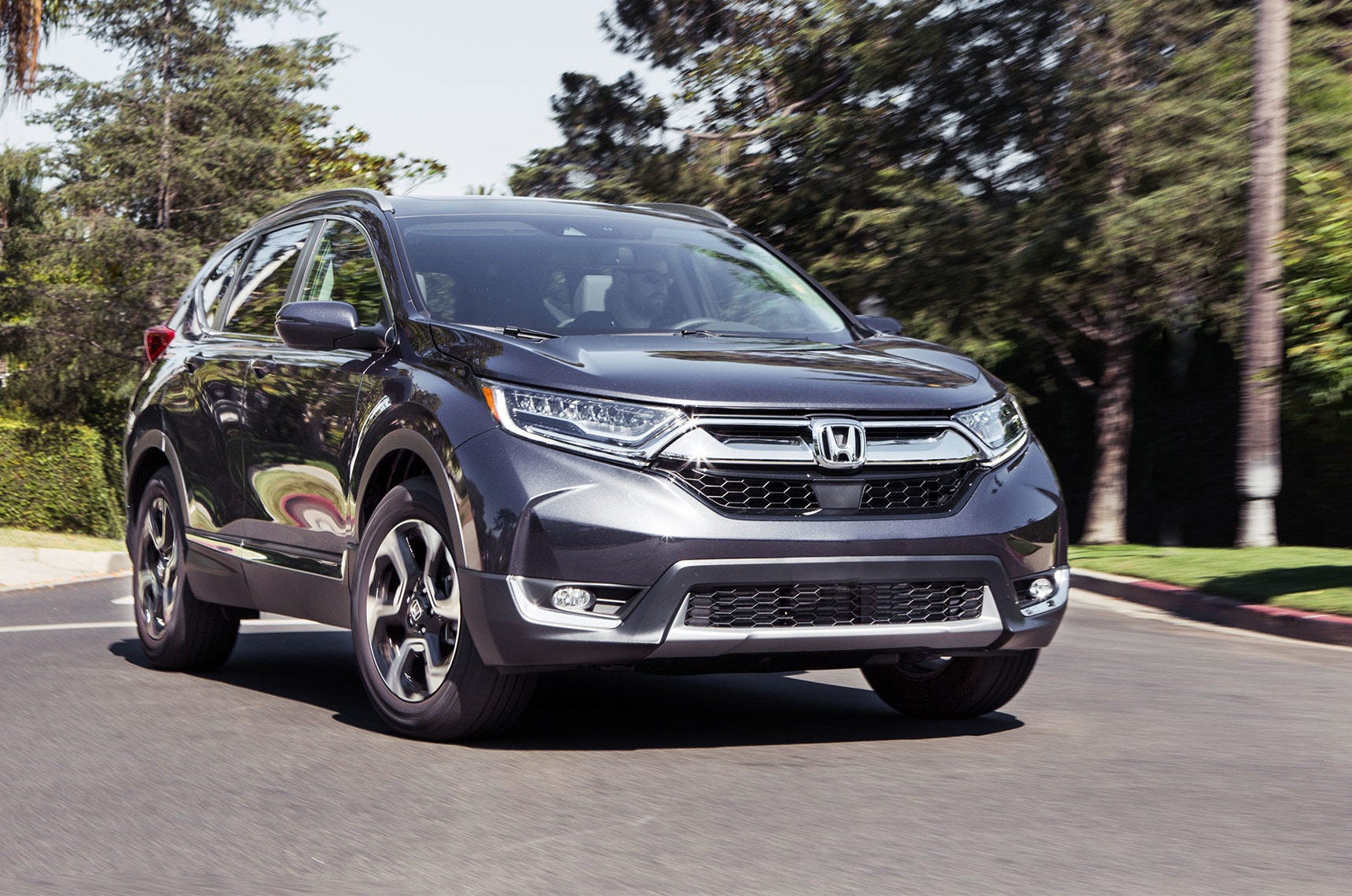
3. Honda CR-V AWD (2017 to 2020)
Estimated Price $16,000-$24,000
Practical engineering forms the foundation of the Honda CR-V AWD produced between 2017 and 2020. This generation reflects a deliberate focus on dependable transportation rather than mechanical excess. The turbocharged four-cylinder engine was developed to deliver steady output while maintaining efficiency, provided servicing routines remain disciplined.
Regular oil replacement, attention to coolant condition, and adherence to recommended service intervals allow the power unit to operate with minimal strain. When these basics are respected, the drivetrain demonstrates commendable endurance suitable for long-term ownership.
Cabin design emphasizes intelligent space management. Rear passengers benefit from generous legroom, while cargo capacity adapts easily to changing needs through a flexible folding seat arrangement. Control placement follows logical patterns, reducing distraction and easing daily operation. Interior surfaces prioritise resilience, with fabrics and plastics selected to withstand repeated use without rapid deterioration.
This focus on durability contributes to a cabin that retains a tidy appearance even after several years of service. Ride and handling characteristics align with predictable road behaviour rather than aggressive performance. Suspension geometry supports stability on varied road surfaces, allowing components to retain structural soundness through regular use.
Steering response remains accurate without developing excessive play, even as mileage accumulates. Brake assemblies rely on commonly available parts, ensuring servicing remains straightforward and reasonably priced for owners who prefer independent workshops.
Electronic features reflect measured integration. The infotainment system provides essential connectivity and navigation support without reliance on fragile proprietary software. Updates, when required, remain uncomplicated. Driver assistance technologies operate quietly in the background, offering support without intrusive warnings or frequent calibration demands. This restrained approach limits electronic disruptions that often trouble vehicles loaded with experimental systems.
Running expenses represent a major strength. Fuel consumption remains moderate for an All Wheel Drive compact SUV, while insurance costs remain accessible across most markets. Replacement parts are widely distributed, reducing delays and preventing inflated pricing. Skilled technicians outside authorised dealerships manage routine servicing confidently, allowing owners flexibility in maintenance planning.
Market depreciation has created favourable opportunities for buyers seeking a dependable used vehicle. Attention has shifted toward newer redesigns, leaving this generation undervalued despite its proven mechanical stability. For individuals prioritising efficiency, usability, and predictable ownership expenses, this Honda CR-V AWD continues to provide steady satisfaction without unpleasant financial surprises.
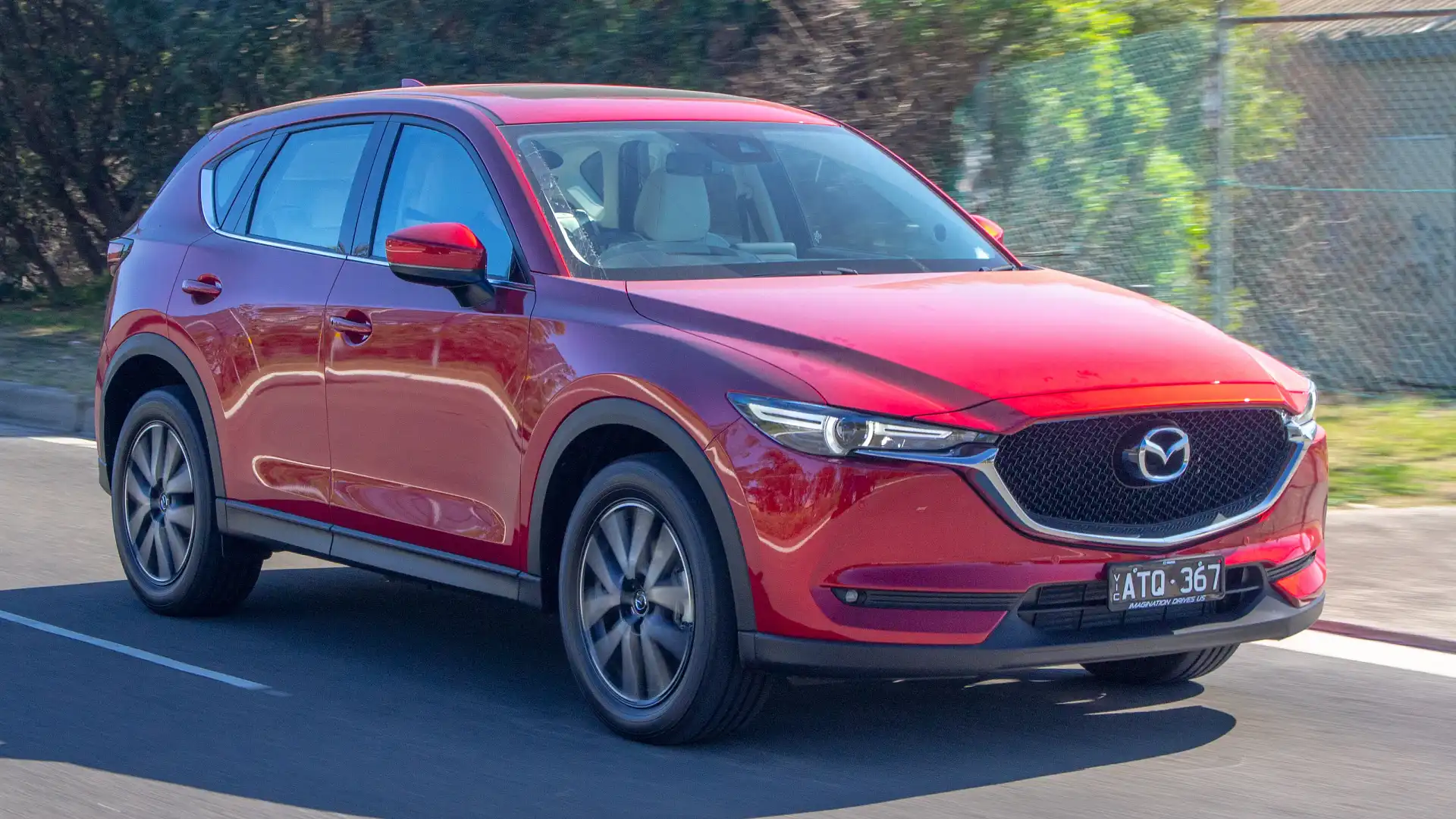
4. Mazda CX-5 AWD (2018 to 2021)
Estimated Price $18,000-$27,000
A sense of design maturity defines the Mazda CX-5 AWD built between 2018 and 2021. Exterior styling avoids exaggerated trends, allowing the vehicle to retain visual appeal as seasons pass. Inside the cabin, materials reflect careful selection, combining refined textures with durability.
Surfaces resist premature wear, and trim choices minimise visual fatigue, creating an environment that remains pleasant through extended ownership. Powertrain options favour naturally aspirated engines, a decision that reduces dependency on forced induction components.
This approach lowers exposure to heat-related stress and auxiliary system failures commonly associated with turbocharged designs. Transmission calibration prioritises smooth progression rather than abrupt movements, preserving internal components through balanced power delivery. Owners frequently report consistent mechanical behaviour well beyond initial coverage periods, reinforcing confidence in long-term dependability.
Chassis tuning strikes a deliberate balance between firmness and comfort. Suspension assemblies manage uneven road conditions without transmitting excessive vibration into the cabin. This measured setup reduces strain on bushings, dampers, and mounting points, contributing to sustained structural health.
Steering feel remains uniform, supporting driver assurance without introducing accelerated wear to steering racks or linkages. Electronic systems follow a disciplined philosophy. Driver assistance features operate predictably, relying on proven sensor configurations rather than experimental technology.
Alerts and interventions occur when required, without generating unnecessary interruptions. Infotainment hardware maintains stability through reliable software architecture, limiting the frustration associated with repeated system resets or interface failures.
Service requirements follow clear schedules, avoiding specialised procedures that inflate ownership costs. Parts pricing remains accessible due to shared platforms within the manufacturer’s lineup. Independent service centres possess the knowledge and tools required to manage routine maintenance, granting owners broader choice and financial control.
Operational expenses align favourably within the compact SUV category. Fuel usage remains economical for an All Wheel Drive configuration, while insurance premiums reflect moderate repair expectations. Resale values show steady retention, allowing owners flexibility should circumstances change.
For buyers seeking a used compact SUV that delivers refinement without imposing luxury-level servicing demands, the Mazda CX-5 AWD presents a carefully engineered option that rewards disciplined design and long-term usability.
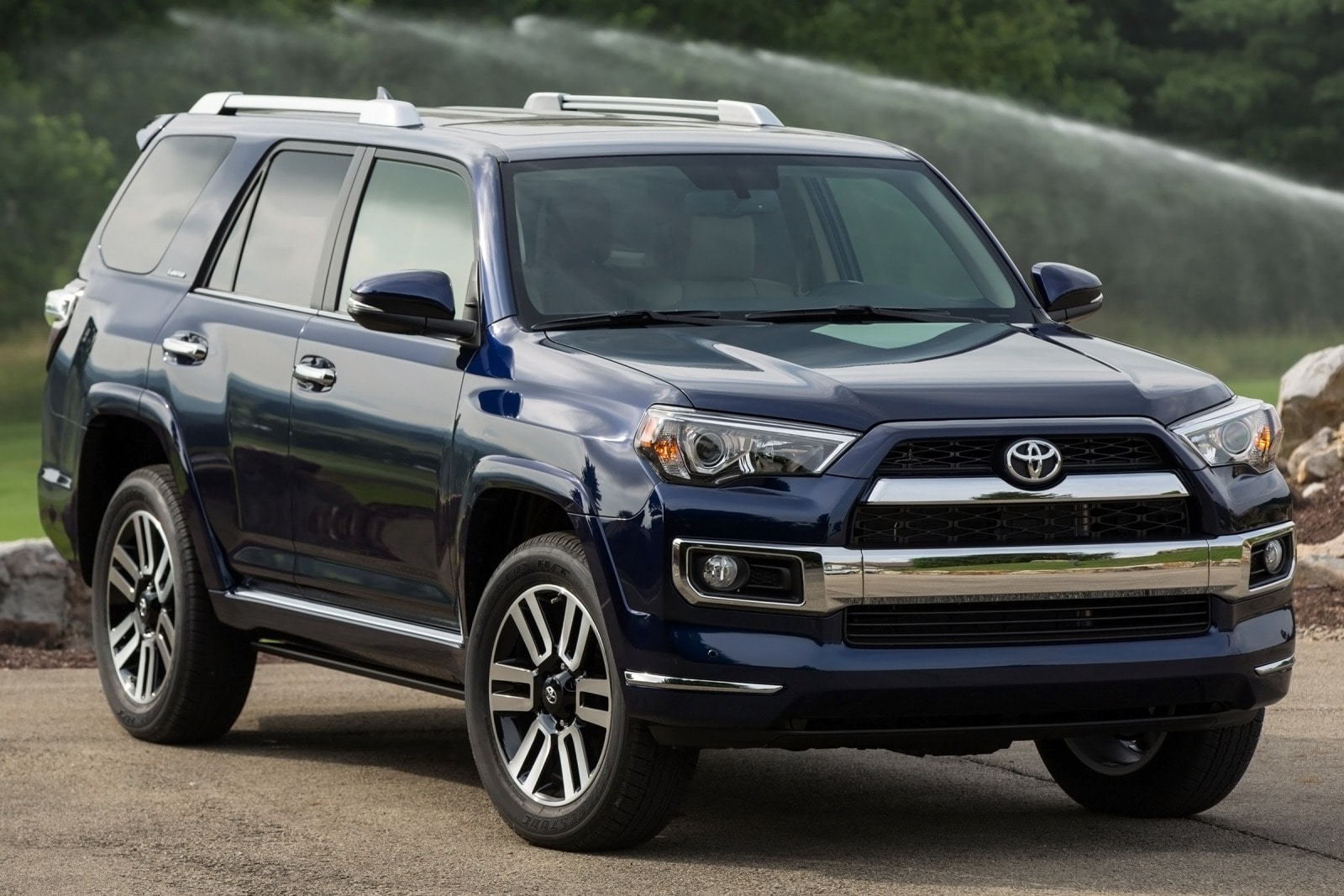
5. Toyota 4Runner SR5 (2015 to 2019)
Estimated Price $28,000-$42,000
Durability anchors the Toyota 4Runner SR5’s reputation. Built on a truck-based platform, this SUV prioritizes structural strength and mechanical simplicity. A naturally aspirated V6 paired with a proven automatic transmission delivers dependable power under demanding conditions.
Interior design emphasizes function over fashion. Controls remain tactile, seating materials resist wear, and cabin components hold alignment even after years of vibration and use. Technology offerings remain basic by modern standards, reducing electronic failure risk.
Four Wheel Drive systems show strong longevity when maintained properly. Suspension components handle off-road and daily driving demands without premature fatigue. Frame integrity supports long service life in regions with varied climates. Service access remains straightforward.
Parts availability stays strong due to long production runs and shared Toyota components. Repair costs stay predictable, and independent shops manage most work efficiently. Fuel economy lags behind crossover alternatives, yet buyers accept this tradeoff for proven toughness.
Depreciation remains slower than average, reflecting sustained demand and trust in the platform. Used buyers seeking a rugged SUV with consistent ownership behavior often gravitate toward this model. It rewards patience and maintenance discipline with years of reliable service.
5 SUVs That Often Become Money Pits in 2026
Some SUVs deliver strong ownership value, while others drain budgets with constant repairs, weak reliability, and high maintenance costs. Below are five SUVs that avoid that pattern in 2026, helping buyers understand which models demand caution before purchase decisions.
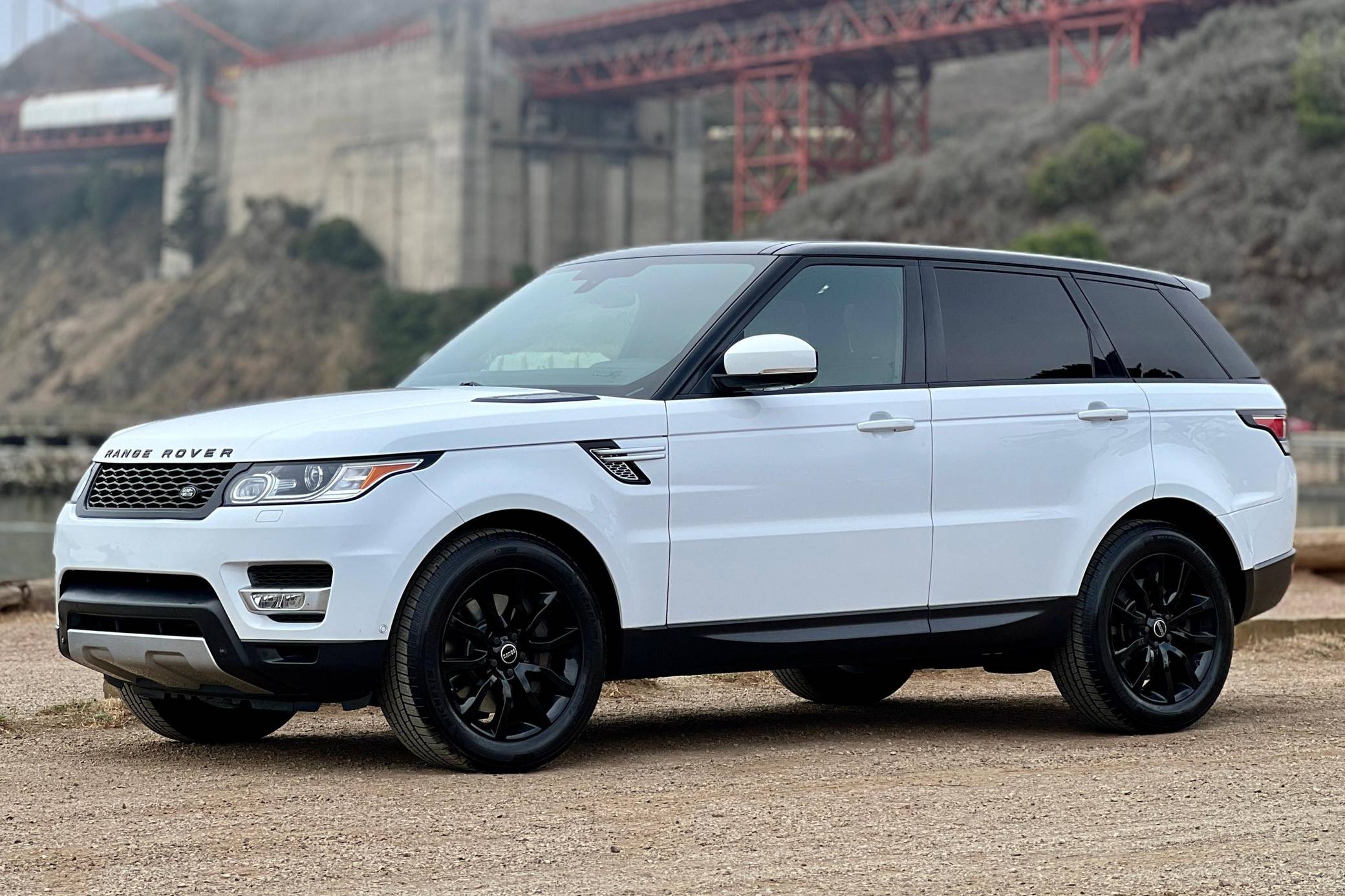
1. Land Rover Range Rover Sport (2014 to 2018)
Estimated Price $12,000-$25,000
Luxury appeal defines the Range Rover Sport from this era, yet long-term ownership frequently tells a different story once factory protection expires. Air suspension systems represent one of the most common financial pressure points. Height sensors, compressors, and air struts tend to fail in stages, meaning repairs often arrive sequentially rather than as a single event. Each visit restores function briefly while setting the stage for the next failure.
Electrical architecture adds another layer of concern. Multiple control modules manage comfort, driveline behavior, and safety features, creating a dense network where a single fault can cascade into multiple warning messages. Diagnosing these issues requires specialized equipment and brand-specific expertise, pushing owners toward dealership service rates even for moderate concerns.
Powertrain options deliver strong performance but introduce their own costs. Supercharged engines generate heat that accelerates wear on cooling components, hoses, and seals. Oil consumption complaints appear regularly as mileage climbs, demanding close monitoring to avoid more serious damage. Transmission behavior often remains smooth, yet software calibration issues can surface and require updates that do not always resolve underlying problems.
Interior craftsmanship feels impressive initially, though long-term durability tells a mixed story. Seat controls, infotainment interfaces, and climate modules show higher failure rates than rivals. Replacement parts often carry premium pricing with limited aftermarket alternatives.
Depreciation becomes steep, tempting buyers with low entry prices. That initial savings frequently disappear within the first few years of ownership through accumulated repair bills. Ownership satisfaction depends heavily on tolerance for downtime and repair planning rather than simple routine servicing.
For buyers drawn to presence and performance, this SUV offers undeniable appeal. For used shoppers prioritizing financial predictability, ownership frequently proves demanding beyond expectations.
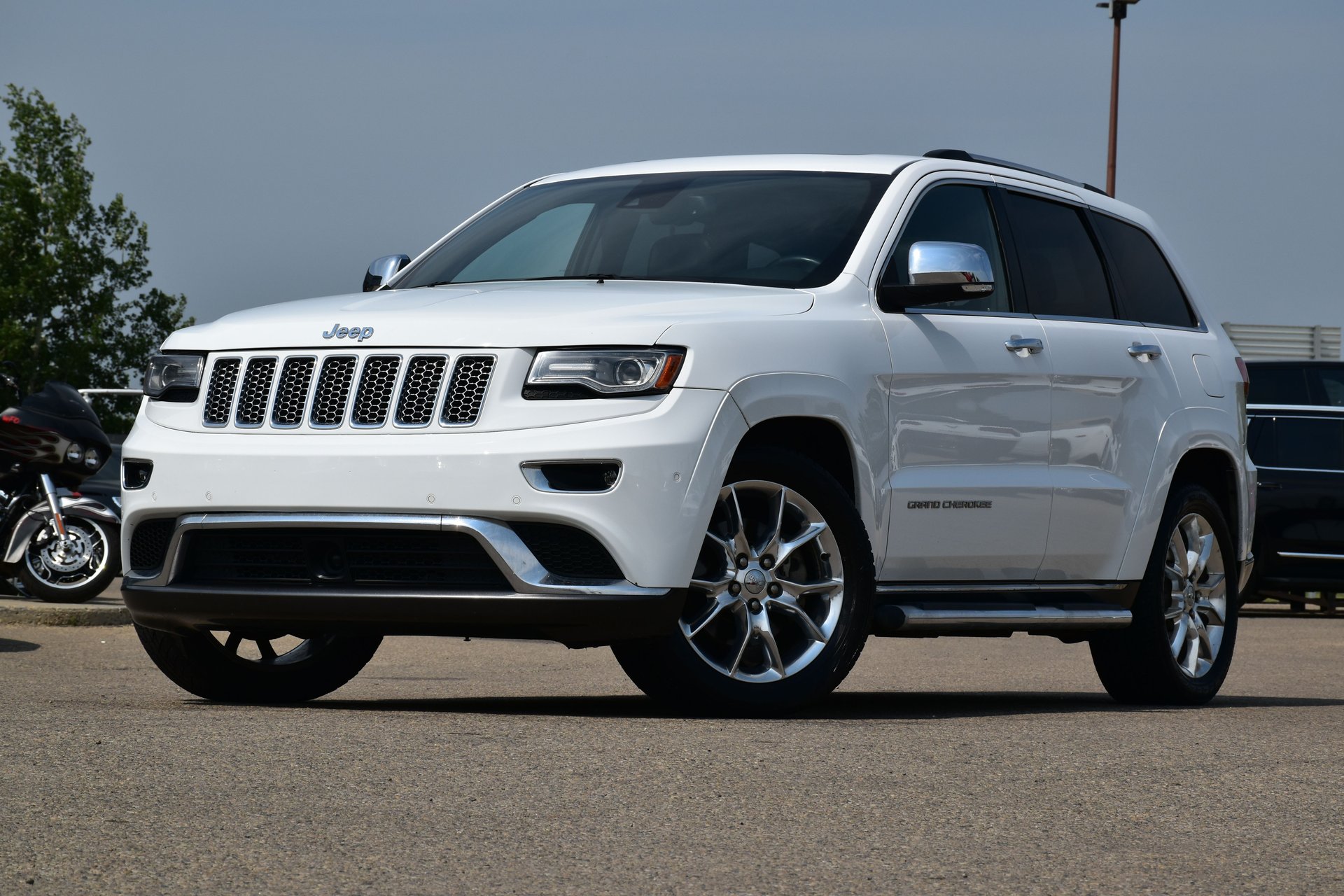
2. Jeep Grand Cherokee Summit (2014 to 2019)
Estimated Price $10,000-$22,000
Comfort and technology define the Grand Cherokee Summit, yet ownership patterns reveal recurring expenses that challenge its value proposition. Air suspension systems mirror the concerns seen in other premium SUVs, with leaks and sensor failures appearing as mileage grows. Repairs often require complete component replacement rather than minor fixes.
Powertrain choices introduce additional considerations. Certain V6 engines experience valvetrain and cooling-related issues that surface after extended use. V8 options deliver strong towing capability but bring higher operating costs and increased service demands. Transmission behavior varies by year, with some owners reporting rough shifting that requires software intervention or hardware attention.
Interior electronics form another cost center. Touchscreens, seat modules, and driver assistance sensors rely on integrated systems that do not age gracefully. A single malfunction can disable multiple features simultaneously, increasing diagnostic complication and repair expense.
Chassis components such as suspension bushings and steering elements show accelerated wear when compared with simpler competitors. Replacement intervals arrive sooner than expected, especially for vehicles driven on uneven surfaces. Resale value declines quickly, encouraging used buyers.
That depreciation reflects ownership risk rather than opportunity alone. Warranty coverage expiration often coincides with rising service needs, creating a narrow window of low-cost ownership. Drivers seeking features and comfort may find satisfaction early. Long-term cost control proves difficult once repair cycles begin stacking year after year.
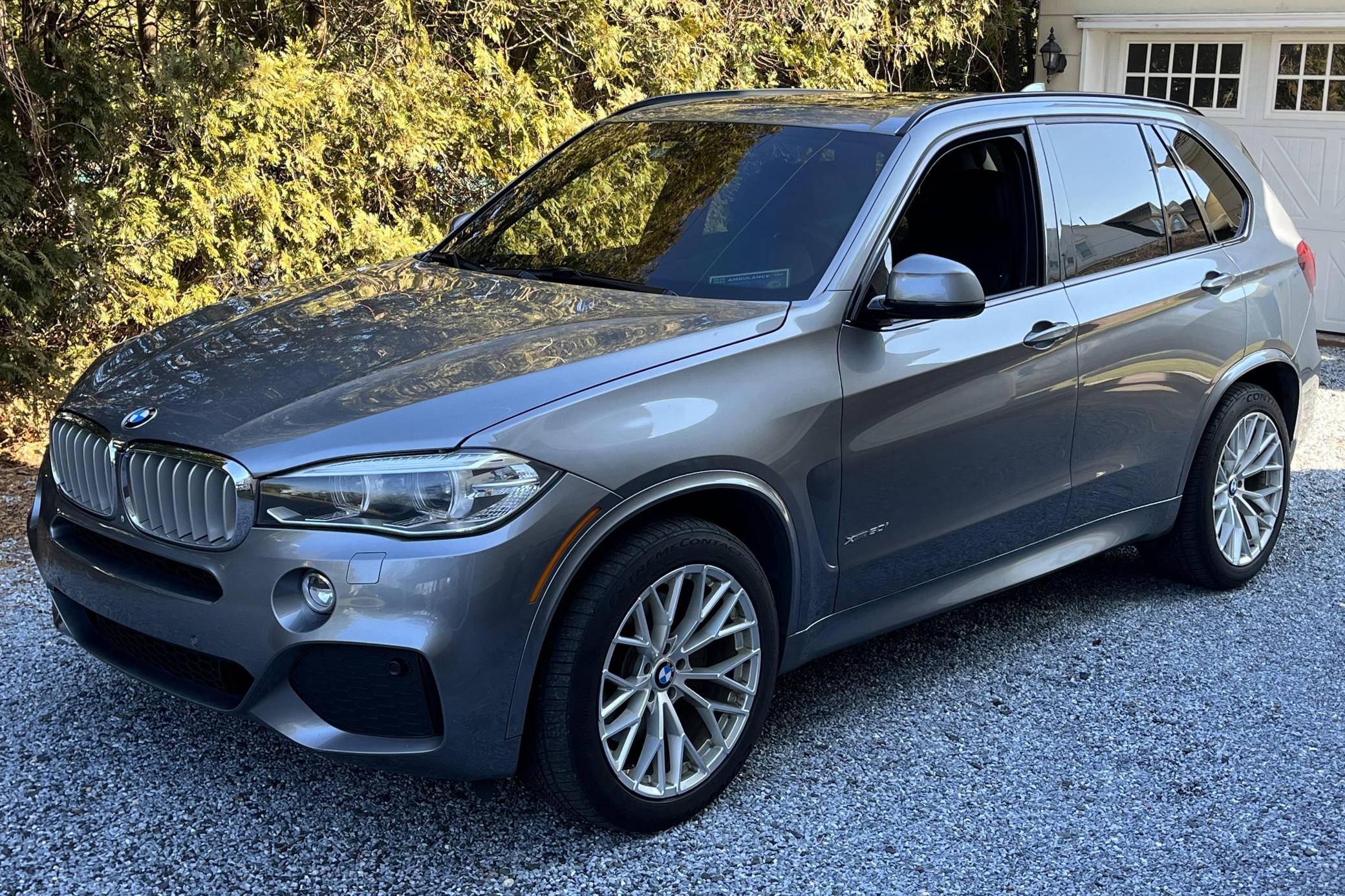
3. BMW X5 xDrive50i (2014 to 2018)
Estimated Price $14,000-$28,000
Performance-oriented luxury defines the X5 xDrive50i, powered by a twin-turbo V8 that delivers impressive acceleration. That same engine introduces thermal stress and mechanical strain that frequently surface in used ownership. Cooling system components, including pipes and expansion tanks, demand attention as mileage rises.
Oil leaks represent another recurring theme. Gaskets and seals deteriorate under heat, leading to gradual leaks that require labor-intensive repairs. Addressing one area often reveals additional aging components nearby, compounding service costs. Electronics contribute to ownership difficulty.
Advanced infotainment systems, digital displays, and driver assistance features rely on tightly integrated modules. Failures rarely isolate cleanly, increasing both diagnostic time and parts expense. Suspension systems with adaptive damping add to the cost profile.
Struts and control units provide excellent ride quality when functioning correctly, but require costly replacement once wear sets in. Tire replacement intervals shorten due to performance-oriented alignment settings. Interior materials deliver a premium feel initially, yet show wear patterns that do not always match expectations for the price segment.
Replacement trim pieces carry high pricing with limited alternatives. Depreciation appears attractive to used buyers, though it often reflects anticipated service needs. Ownership suits enthusiasts willing to budget aggressively for upkeep rather than those seeking long-term financial stability.
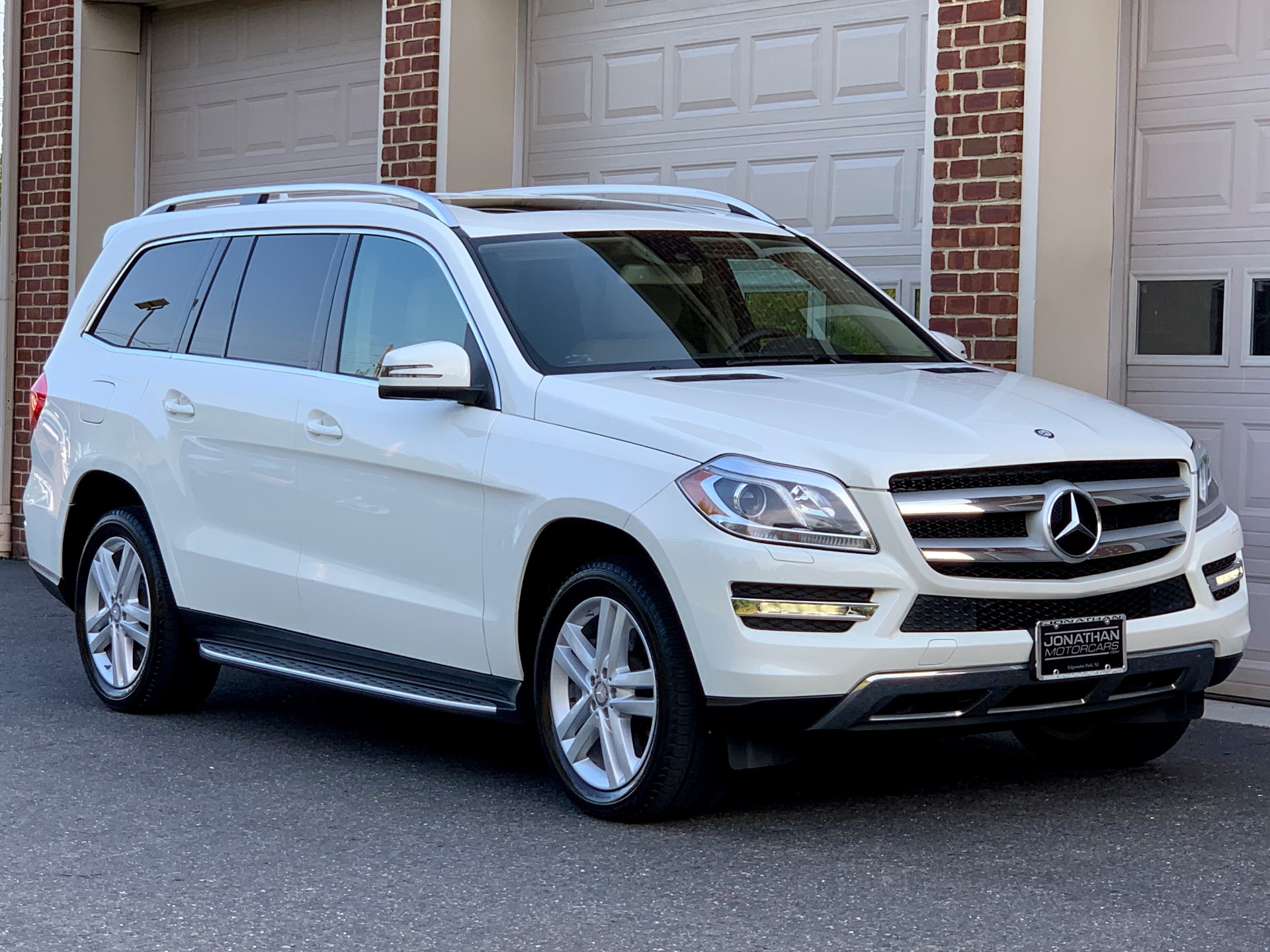
4. Mercedes-Benz GL-Class GL450 (2013 to 2016)
Estimated Price $10,000-$20,000
The GL450 was designed to project authority, comfort, and engineering confidence, and at first encounter, it largely succeeds. Its substantial dimensions, elevated driving position, and refined cabin create the sense of a flagship SUV built without compromise. However, extended ownership reveals a different story, one shaped by weight, complication, and long-term operating demands that often exceed expectations.
A major pressure point lies in the suspension system. The GL450 relies heavily on air suspension to balance ride comfort with handling stability. As time goes on, the constant stress of managing a heavy body places strain on compressors, air struts, and associated valves.
Failures tend to emerge gradually, sometimes beginning with uneven ride height or warning messages before progressing into full system shutdowns. Repairs are rarely isolated, as replacing one component often exposes wear in others. The electrical framework introduces another layer of difficulty. This model integrates numerous control units responsible for comfort, safety, and drivetrain behavior.
As the vehicle ages, communication faults between modules become more common. Sensor degradation, wiring fatigue, and software inconsistencies can trigger multiple alerts from a single underlying issue. Diagnosing these faults requires specialized tools and extensive labor, frequently limiting service options to authorized facilities.
Under the bonnet, the V8 engine delivers smooth and confident performance, particularly on highways or when carrying passengers. That performance comes with higher fuel consumption and elevated service requirements. Cooling systems, ignition components, and seals operate under thermal load, which accelerates wear.
Transmission performance varies by production year, with some examples experiencing delayed moves or hesitation that software updates do not always fully resolve. Inside the cabin, luxury features increase ownership complications. Multi-zone climate control, power-adjustable seating, and advanced infotainment systems rely on motors and electronic controls that degrade after a long period of time.
Small failures, such as a non-responsive seat switch or malfunctioning vent actuator, can require extensive disassembly to access, inflating labor costs beyond the price of the part itself. Market depreciation reflects these realities. While resale values drop sharply, the reduced purchase price often masks the true cost of maintaining the vehicle at expected standards.
The GL450 remains appealing for its space, road presence, and comfort, but long-term ownership favors buyers prepared for fluctuating expenses rather than consistent predictability.
Also Read: 10 SUVs Where the Hybrid Version Actually Saves Money
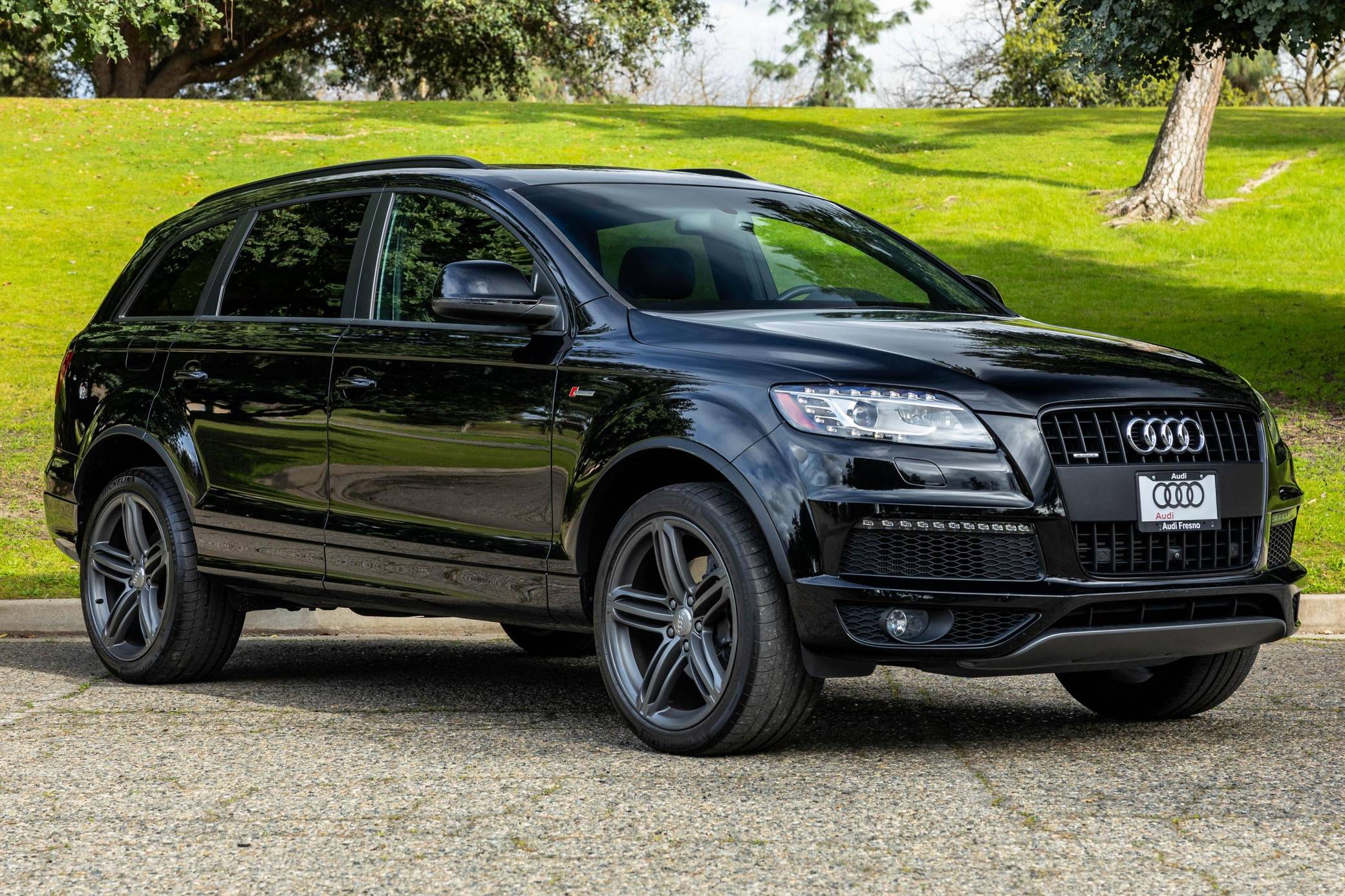
5. Audi Q7 3.0T (2014 to 2018)
Estimated Price $12,000-$24,000
The Q7 3.0T presents itself as a balanced blend of performance, technology, and understated luxury. Audi’s focus on precision engineering is evident in its composed ride, responsive handling, and advanced interior layout. Yet as mileage accumulates, the systems that deliver this refined experience introduce long-term ownership challenges.
At the heart of the vehicle is a supercharged V6 engineered for smooth power delivery and efficiency. While generally capable, the supporting systems require close attention as the vehicle ages. Cooling components, including pumps and hoses, face sustained pressure from both thermal load and packaging density. Supercharger-related hardware adds another layer of maintenance, with auxiliary components often requiring replacement earlier than expected.
Electronics form one of the most important cost factors. The MMI infotainment system integrates navigation, media, vehicle settings, and connectivity into a single interface. When faults arise, they rarely remain isolated. A failure in one module can disable multiple features simultaneously, increasing diagnostic time and repair scope. Driver assistance systems further complicate matters, relying on sensors and cameras that demand precise calibration.
Suspension design contributes both comfort and expense. Adaptive damping systems enhance ride quality but do not age gracefully. Once wear sets in, replacement costs escalate quickly, particularly when control modules are involved. Wheel and tire specifications, chosen for performance and appearance, also shorten replacement intervals and increase operating costs.
Interior presentation is modern and visually appealing, yet durability does not always align with expectations for the segment. Switchgear, trim surfaces, and touch points show wear patterns that require attention to maintain a premium feel. Replacement components often carry high pricing due to limited alternatives.
Depreciation accelerates faster than many competitors, attracting used buyers with lower entry costs. That depreciation frequently reflects anticipated service demands rather than undervaluation. The Q7 3.0T delivers strong early ownership satisfaction, but sustaining that experience over several years requires careful budgeting and proactive maintenance planning.
