
The automotive world has always been divided into two camps: those who can afford luxury and those who aspire to it. But the gap between these two worlds is narrowing faster than ever before. Modern engineering and fierce competition have pushed mainstream manufacturers to deliver experiences that were once reserved exclusively for premium brands.
Buying a luxury car used to be straightforward. You paid a premium price and received a premium experience. Today, that equation is far more complicated. Some affordable cars now offer features, comfort, and refinement that genuinely rival vehicles costing twice as much.
At the same time, not every expensive car delivers on its promise. Some luxury vehicles carry prestigious badges but disappoint with cheap plastics, unreliable technology, and uninspiring driving dynamics. The badge on the hood does not always reflect what is inside the cabin.
Consumers today are smarter than ever before. They research thoroughly and demand value at every price point. A well-informed buyer can find extraordinary comfort and sophistication without breaking the bank.
This article explores both sides of that coin. We highlight five affordable cars that punch well above their weight class. We also expose five so-called luxury cars that fail to justify their price tags. The results might genuinely surprise you.
5 Cars That Feel Like a Luxury Car for Half the Price
These vehicles deliver a premium experience without the premium badge, offering soft-touch interiors, quiet cabins, and smooth ride quality at a much lower cost. Models like the Toyota Camry, Hyundai Sonata, and Kia K5 are known for refined interiors and comfort that rival entry-level luxury cars.
Others like the Mazda6 and Honda Accord stand out for driver-focused design, high-quality materials, and excellent ride balance, making them feel far more upscale than their price suggests. For buyers who want a luxury feel without luxury costs, these cars offer outstanding value.
1. Genesis G70
Genesis is a brand that most people did not take seriously when it launched. It was seen as nothing more than a rebadged Hyundai wearing expensive clothes. That perception changed dramatically the moment people actually sat inside the G70 and drove it.
The Genesis G70 is a compact sports sedan that competes directly against the BMW 3 Series and Mercedes C-Class. It offers similar levels of refinement, performance, and interior quality. The difference is that it costs significantly less than either of those German rivals.
Step inside the G70 and you are immediately greeted by a beautifully crafted interior. The dashboard is wrapped in genuine leather and soft-touch materials. Every surface you touch feels solid, premium, and carefully considered.
The seats in the G70 are exceptionally comfortable for long journeys. They offer excellent lateral support during spirited driving. The stitching is precise and the materials hold up well over time.
Genesis offers the G70 with a turbocharged 2.0-litre four-cylinder engine. It produces 252 horsepower and delivers genuinely exciting performance. There is also a 3.3-litre twin-turbocharged V6 that takes things to an entirely different level.
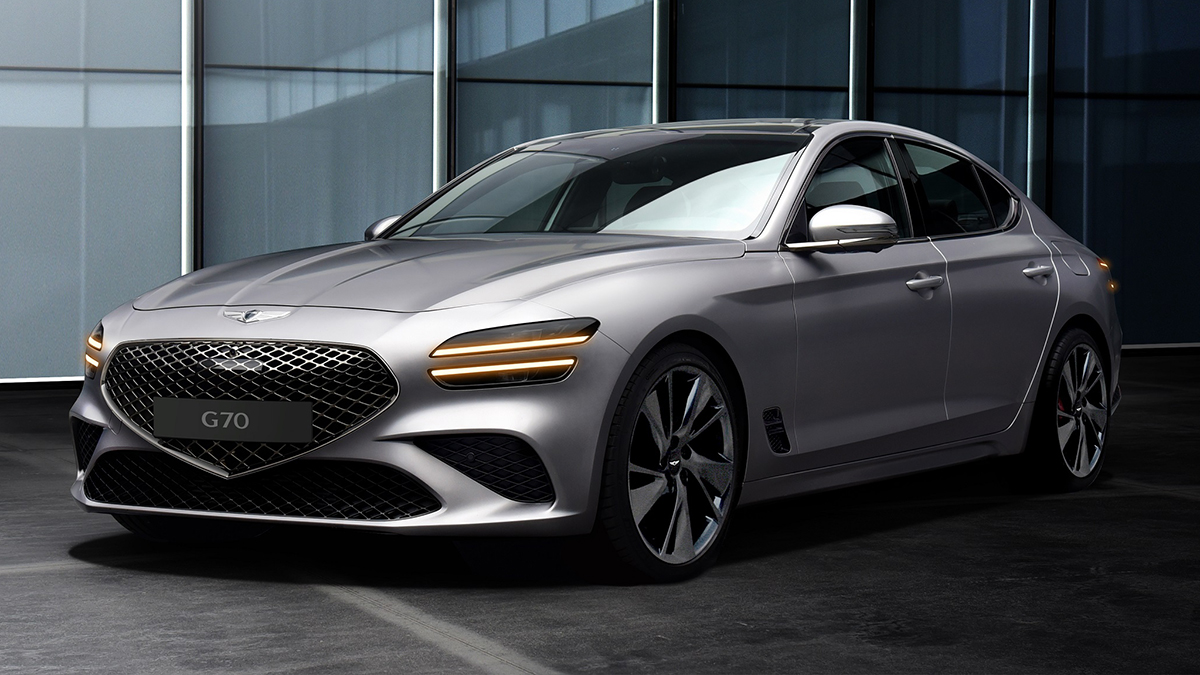
The driving dynamics of the G70 are among the best in its class. The steering is sharp and communicative. The chassis feels planted and responsive in a way that shames many more expensive rivals.
Technology inside the G70 is thoroughly modern and intuitive. The infotainment system is easy to use and visually sharp. Connectivity features include Apple CarPlay, Android Auto, and a premium Lexicon audio system.
Safety technology is also impressive for the price point. The G70 comes standard with forward collision warning and lane-keeping assist. Blind-spot monitoring and rear cross-traffic alert are also included in most trims.
Genesis backs the G70 with an exceptional warranty package. The powertrain warranty stretches to 10 years or 100,000 miles. This level of coverage puts every single European luxury brand to shame.
The resale value of the G70 has improved significantly over recent years. Buyers are beginning to recognize the genuine quality that Genesis offers. The brand’s reputation has grown steadily and continues to climb.
Compared to a BMW 3 Series of similar specification, the G70 saves buyers tens of thousands of dollars. That saving does not come at the cost of quality or enjoyment. It comes purely from the absence of a German badge.
The Genesis G70 proves that luxury is about experience, not just heritage. It delivers everything a discerning driver could want. It does so without demanding an outrageous premium.
2. Kia Stinger
When Kia announced the Stinger, the automotive world raised an eyebrow. Kia was known for affordable, sensible family transportation. Nobody expected them to produce a genuine performance grand tourer that could embarrass established luxury nameplates.
The Stinger was designed with a clear mission in mind. It was built to take on the BMW 4 Series Gran Coupe and Audi A5 Sportback directly. It succeeded in ways that very few people anticipated.
The exterior design of the Stinger is genuinely stunning. It features a long, swooping roofline and athletic proportions. Many automotive journalists described it as one of the most beautiful Korean cars ever produced.
Inside, the Stinger offers a genuinely premium experience. The cabin is wide, airy, and finished with quality materials throughout. Soft leather, brushed metal accents, and a driver-focused layout create a truly aspirational atmosphere.
The rear seats in the Stinger are particularly impressive. They offer generous legroom for adult passengers. The sloping roofline does reduce headroom slightly, but the experience remains comfortable.
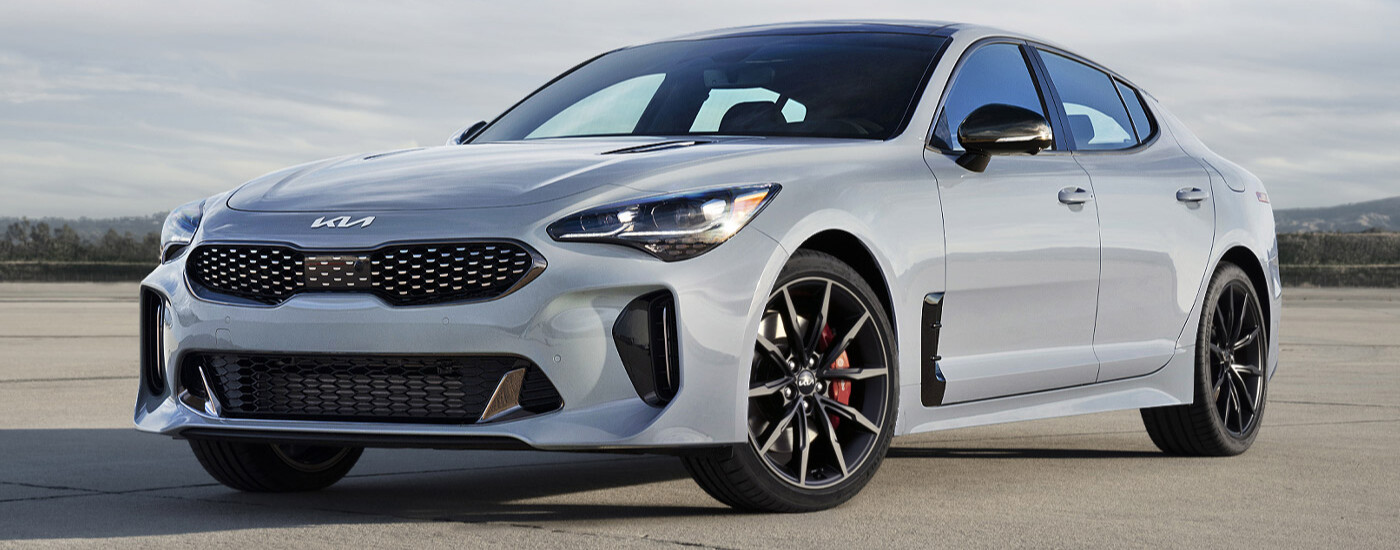
Kia offered the Stinger with multiple powertrain options. The top-tier 3.3-litre twin-turbo V6 produces 365 horsepower. It launches the Stinger from zero to 60 mph in just 4.7 seconds.
The driving experience is genuinely rewarding and engaging. The rear-wheel-drive layout gives the Stinger a dynamic character that feels authentic. Sport mode sharpens the throttle response and adds drama to every input.
The Stinger’s suspension is well-tuned for both comfort and handling. It absorbs road imperfections with composure at highway speeds. Yet it remains composed and controlled when pushed hard through corners.
Technology features in the Stinger are comprehensive and modern. The infotainment system is large, crisp, and logically organized. Wireless smartphone integration makes everyday connectivity effortless.
Kia includes a Harman Kardon premium audio system in higher trims. The sound quality is genuinely exceptional and deeply immersive. Music lovers will appreciate the clarity and depth it delivers.
The Stinger’s boot space is also a practical advantage over many rivals. The hatchback configuration provides excellent access to a large cargo area. It combines grand touring capability with everyday practicality seamlessly.
The Stinger costs roughly half the price of comparable European grand tourers. Yet the shortfall in experience is almost imperceptible in daily driving. For value-conscious performance enthusiasts, it remains an extraordinary proposition.
3. Mazda CX-5
Mazda has always occupied an interesting space in the automotive market. It is not a luxury brand by any definition. Yet the company consistently produces vehicles that feel significantly more upmarket than their price suggests.
The CX-5 is perhaps the finest example of Mazda’s philosophy. It is a mid-size SUV that competes with mainstream rivals like the Honda CR-V and Toyota RAV4. Yet it feels unmistakably closer to a luxury product in nearly every way.
The exterior design of the CX-5 is genuinely elegant and sophisticated. Mazda’s Kodo design language creates flowing, sculpted surfaces. The result is a vehicle that looks far more expensive than it actually is.
Climb inside the CX-5 and the premium impression deepens considerably. The dashboard design is clean, uncluttered, and beautifully executed. Real stitched leather, genuine wood trim, and quality plastics are found throughout the cabin.
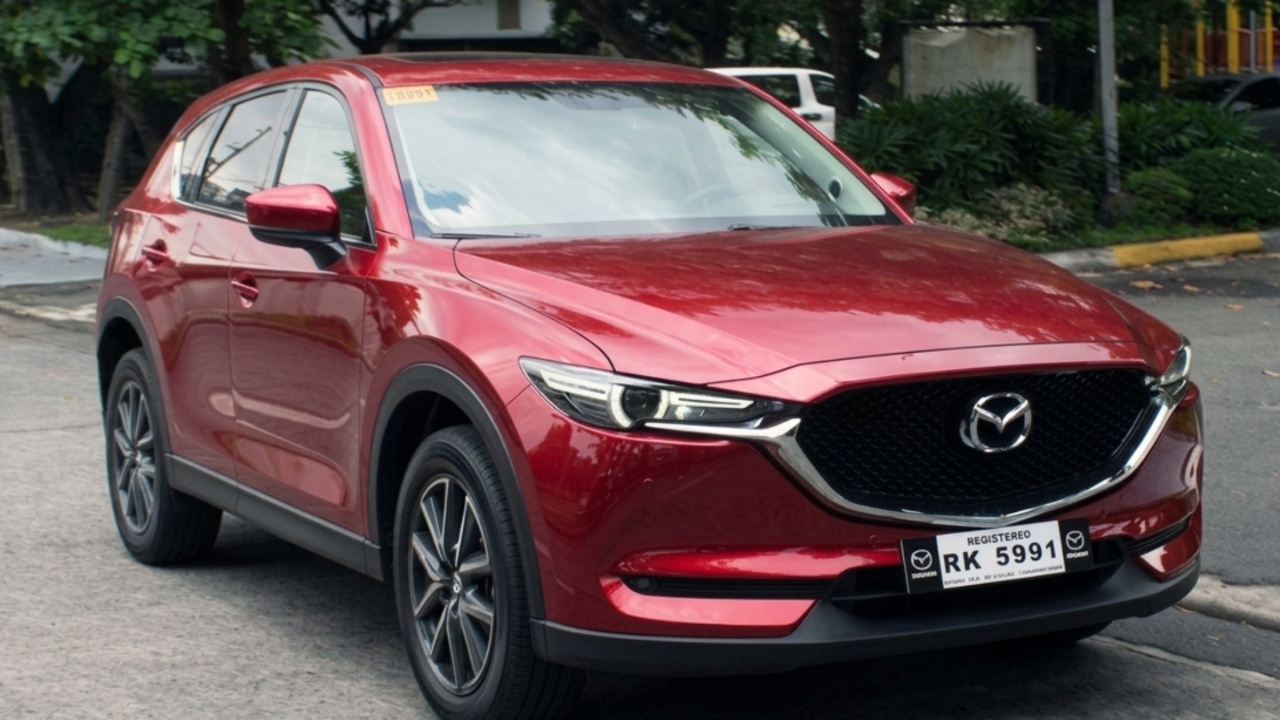
Mazda uses soft-touch materials in virtually every place your hands make contact. The steering wheel is wrapped in quality leather with precise stitching. Even the door handles feel solid and satisfying to use.
The seats in the higher Signature trim are upholstered in Nappa leather. This is the same leather material found in luxury vehicles, costing far more. The level of craftsmanship is remarkable for the price category.
Ride quality in the CX-5 is smooth and refined beyond expectations. Mazda has invested heavily in noise, vibration, and harshness reduction. The result is a cabin that remains hushed and serene even at motorway speeds.
The driving dynamics of the CX-5 set it apart from every mainstream rival. The steering is precise and naturally weighted. Body control through corners is remarkably disciplined for a family SUV.
Mazda’s infotainment system is clean and logically designed. The rotary controller interface keeps the driver’s eyes on the road. The system is not the most feature-rich but it is refreshingly intuitive.
The Bose premium audio system available in higher trims is genuinely impressive. It fills the cabin with rich, clear, well-balanced sound. Music sounds noticeably better than in most vehicles at this price level.
Reliability is another significant advantage the CX-5 holds over rivals. Mazda consistently ranks among the most reliable brands in major surveys. Ownership costs remain low and predictable over the long term.
The CX-5 costs substantially less than an entry-level Audi Q5 or BMW X3. Yet in daily driving, the difference in experience is surprisingly minimal. For families seeking luxury feel without luxury bills, the CX-5 is unbeatable.
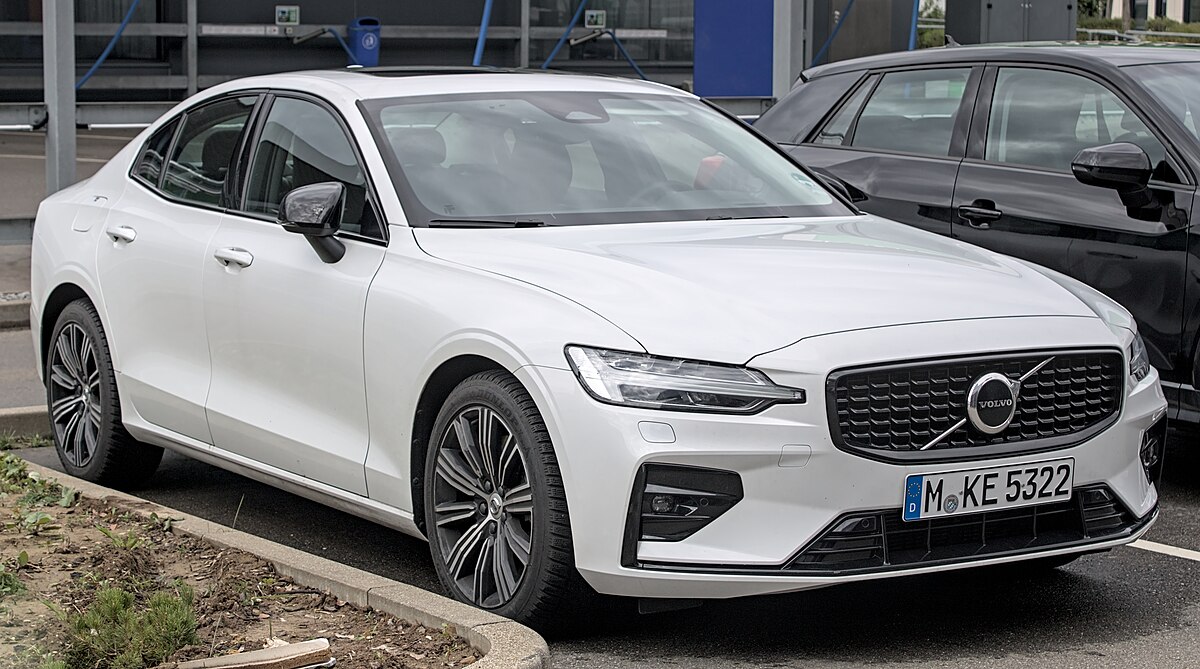
4. Volvo S60
Volvo is technically a luxury brand, but it occupies the entry-level end of the premium spectrum. The S60 sedan regularly sells at prices that place it in direct competition with non-luxury alternatives. Yet the experience it delivers is thoroughly, unapologetically premium.
The S60’s interior is where the car makes its most powerful impression. Volvo’s cabin design philosophy emphasizes clean Scandinavian minimalism. The result is a space that feels calm, sophisticated, and genuinely special.
The seats in the S60 are among the finest in any car at any price. Volvo has spent decades perfecting seat design and comfort. Long-distance journeys become genuinely relaxing experiences in this remarkably comfortable car.
The crystal gear selector and optional fine Nappa leather upholstery add a sense of occasion. These are details that feel thoughtful rather than ostentatious. Volvo understands luxury as understatement rather than excess.
The large portrait-oriented touchscreen dominates the centre console elegantly. The interface is clean, modern, and logically organized. Google’s operating system powers the infotainment, making it intuitive for smartphone users.
The S60 is available with a range of efficient turbocharged and plug-in hybrid powertrains. The T8 Recharge plug-in hybrid produces over 400 horsepower in top specification. It delivers rapid performance with genuine everyday efficiency.
Volvo has built the S60 on a platform shared with more expensive siblings. The structural rigidity translates directly into exceptional ride quality. Road noise is well suppressed, and the refinement level is impressive.
Safety technology in the S60 is class-leading and comprehensive. Volvo invented many of the safety features now standard across the industry. The S60 continues that tradition with an extensive suite of active safety systems.
The Harman Kardon audio system available in the S60 is outstanding. It produces rich, detailed sound that transforms every drive into a concert. Even at high volume levels, the audio remains clear and undistorted.
Resale values for Volvo have improved significantly in recent years. The brand’s growing reputation for quality and safety supports stronger used car prices. Ownership costs are increasingly competitive with mainstream brands.
Compared to a similarly equipped BMW 3 Series, the S60 often costs less. The experience gap between the two is genuinely difficult to identify in daily use. The Volvo frequently wins in terms of interior comfort and material quality.
The S60 demonstrates that accessible pricing and premium experience are not mutually exclusive. It offers a compelling alternative for buyers who want genuine luxury without German price premiums. Scandinavian sophistication has never been more attainable.
Also Read: 5 Discontinued Models Worth Hunting Down And 5 That Should Stay Forgotten In 2026
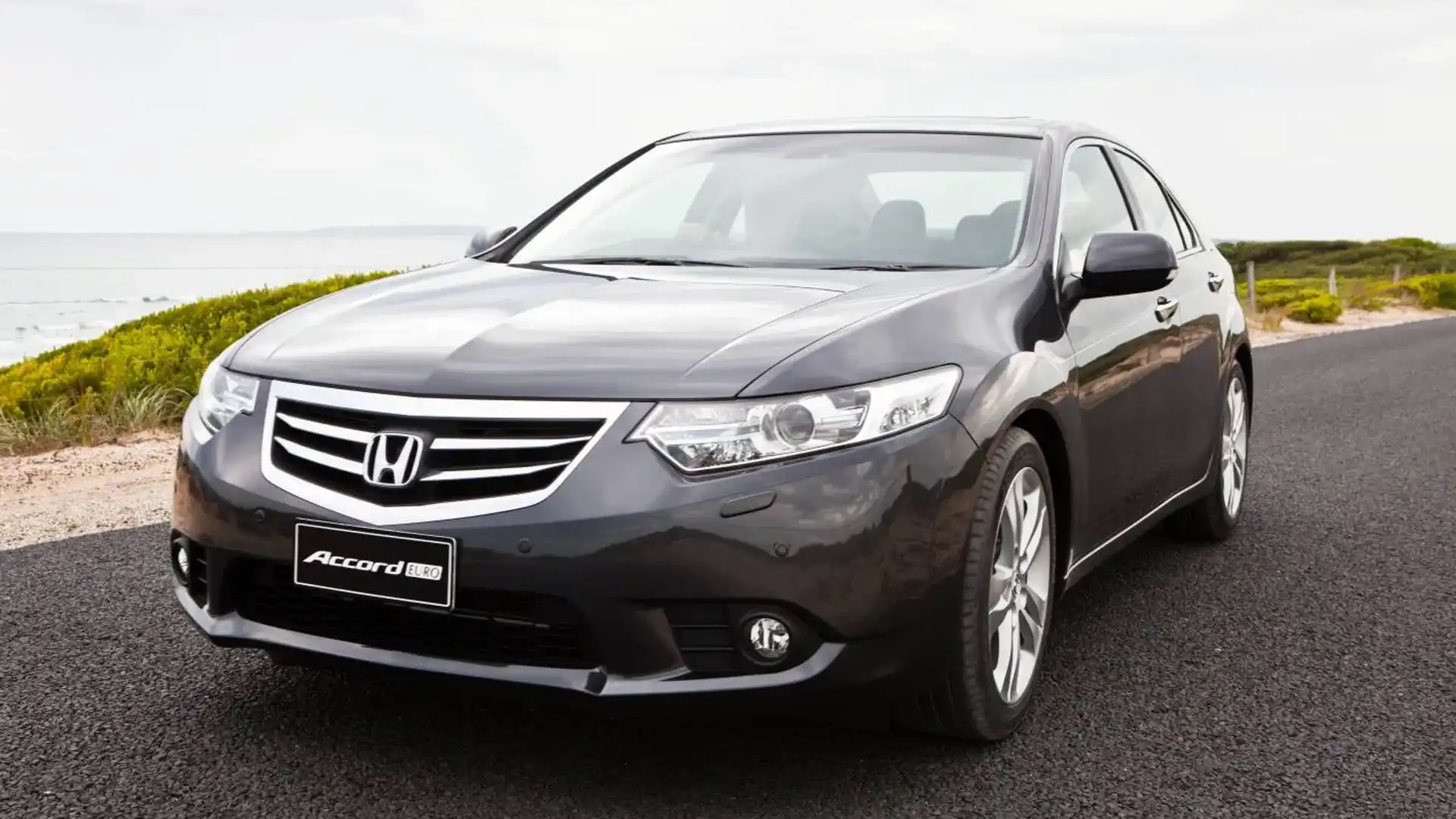
5. Honda Accord
The Honda Accord has been a benchmark in the mid-size sedan segment for decades. It is not marketed as a luxury vehicle. Yet the latest generation Accord delivers comfort, technology, and refinement that rival those of cars costing considerably more.
The exterior design of the current Accord is confident and mature. It has shed its previously conservative appearance for something genuinely stylish. The proportions are elegant, and the execution is precise.
Open the door of a top-specification Accord and the interior surprises immediately. The cabin is wide, airy, and finished with materials that feel genuinely premium. Soft leather, contrast stitching, and a clean dashboard layout create a sophisticated atmosphere.
Honda has invested heavily in noise insulation in the latest Accord. Wind noise at highway speeds is remarkably well suppressed. The cabin remains a quiet, serene environment even during long-distance motorway driving.
The front seats in the Accord offer exceptional comfort and support. They are wide, well-cushioned, and offer an extensive adjustment range. Heating and ventilation features add further refinement to the experience.
The rear seat is one of the most spacious in the entire mid-size segment. Adult passengers can sit comfortably without feeling cramped. Legroom rivals those found in some entry-level luxury sedans from Europe.
Honda offers the Accord with a smooth and efficient turbocharged powertrain. The 1.5-litre turbo provides adequate performance for daily driving. The 2.0-litre turbo option delivers genuinely brisk and satisfying acceleration.
The Honda Sensing safety suite comes standard across all Accord trims. It includes adaptive cruise control, lane keeping assist, and automatic emergency braking. This comprehensive safety package was once reserved for far more expensive vehicles.
The infotainment system in the Accord is modern and responsive. The large touchscreen interface is clear and logically organized. Wireless Apple CarPlay and Android Auto are included as standard features.
A Bose premium audio system is available in higher specification trims. The sound quality is rich and detailed throughout the cabin. Music sounds notably better than what budget competitors typically offer.
The Accord’s reliability record is virtually unmatched in the segment. Honda’s reputation for long-term dependability translates into lower ownership costs. Servicing is affordable, and parts are widely available.
A fully loaded Accord costs significantly less than an entry-level BMW 5 Series. Yet in the real world, the difference in daily satisfaction is remarkably small. The Accord is perhaps the greatest automotive value proposition currently on sale.
5 Luxury Cars That Feel Cheap
These vehicles carry luxury badges but sometimes fall short in interior quality, material choice, or refinement, making them feel less premium than expected. Some entry-level luxury models rely heavily on hard plastics, basic trims, or shared parts from lower-cost vehicles.
Despite higher price tags, issues like poor sound insulation, average seat comfort, or dated infotainment systems can make them feel underwhelming. In these cases, buyers may end up paying more for the badge while getting an experience that doesn’t fully match true luxury expectations.
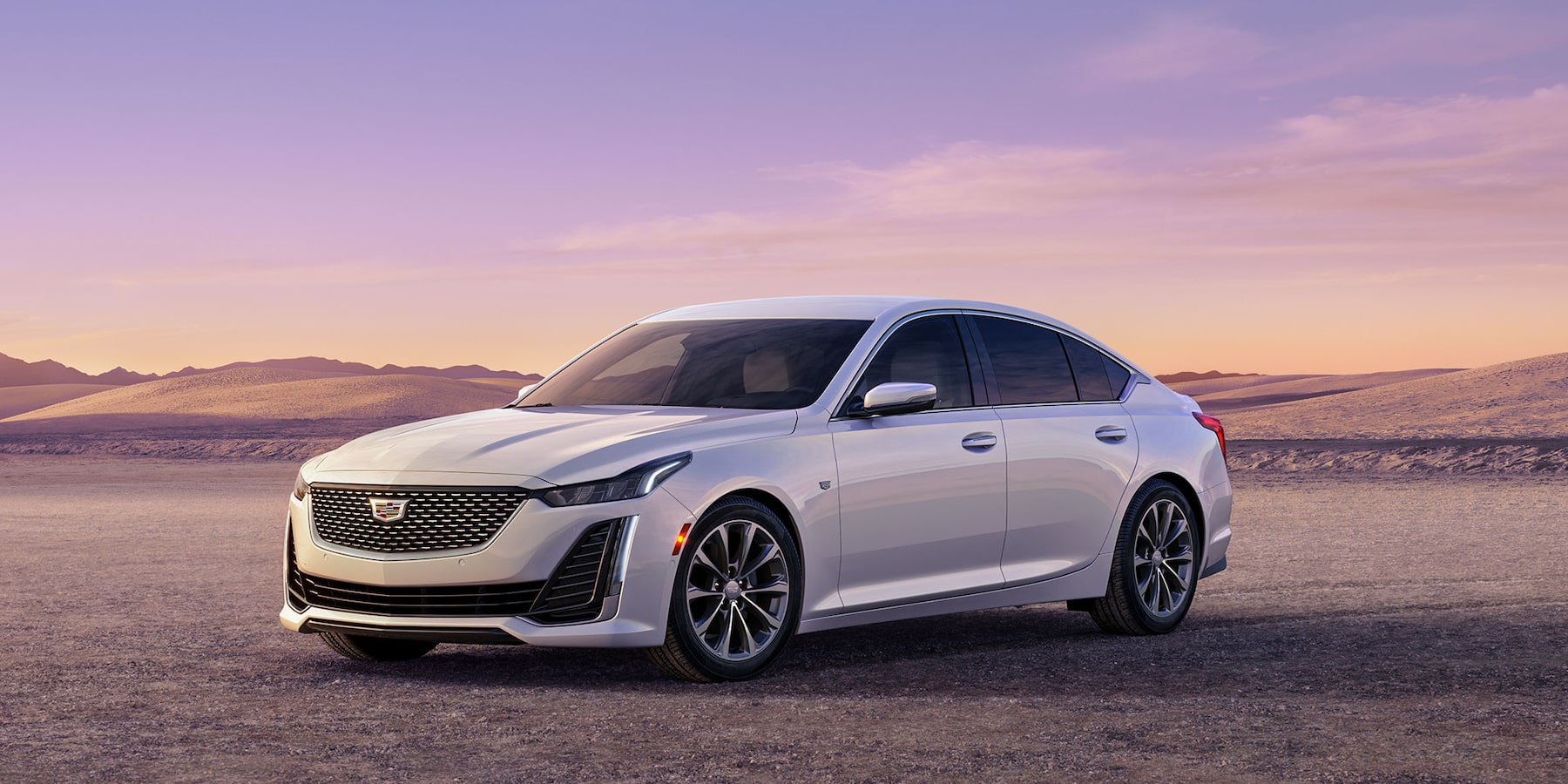
1. Cadillac CT5
Cadillac spent decades as the undisputed symbol of American luxury. The brand represented success, prestige, and automotive excellence. Today, while the CT5 has genuine strengths, it also carries disappointing reminders of where the brand has fallen short.
The exterior design of the CT5 is genuinely impressive and distinctive. The angular, sharp styling gives it a presence that commands attention. On the outside, it looks every bit like the premium sedan it claims to be.
Step inside, however, and the initial impression begins to waver. Certain interior panels use hard plastic where rivals deploy soft-touch materials. These budget compromises become increasingly noticeable over time and feel out of place.
The centre console area features some controls that feel distinctly low-rent. Toggle switches and rotary knobs lack the satisfying precision of European rivals. Every interaction with these components undermines the premium narrative.
The infotainment system in older CT5 models has been a persistent frustration. The interface can feel slow and unresponsive during daily use. Competitors at similar price points offer significantly more polished and intuitive technology.
Cadillac has updated the system in recent iterations with improvements. However, it still trails behind Audi’s MMI and BMW’s iDrive in terms of execution. Technology is a critical battleground in this segment, and Cadillac still struggles.
The ride quality of the CT5 is genuinely good in the standard configuration. The magnetic ride control system delivers impressive composure over rough surfaces. This is an area where American engineering genuinely excels.
Performance credentials of the CT5 are also legitimately impressive. The turbocharged V6 engine delivers strong, confident power delivery. The Blackwing variant is a genuinely sensational performance machine.
The rear seat space in the CT5 disappoints, given its exterior dimensions. Legroom is tighter than expected for a car of this size. European rivals offer more generous accommodation for rear passengers.
Build quality consistency has been an ongoing concern for Cadillac ownership satisfaction surveys. Panel gaps and interior fit can vary between individual vehicles. This inconsistency is simply unacceptable at luxury price points.
The warranty package Cadillac offers is reasonable but not exceptional. It does not come close to matching Genesis’s class-leading coverage. For buyers spending luxury money, warranty reassurance matters enormously.
The CT5 is a car with genuine talent buried beneath its shortcomings. It offers real performance and distinctive styling. But the interior quality and technology fail to consistently justify its premium asking price.
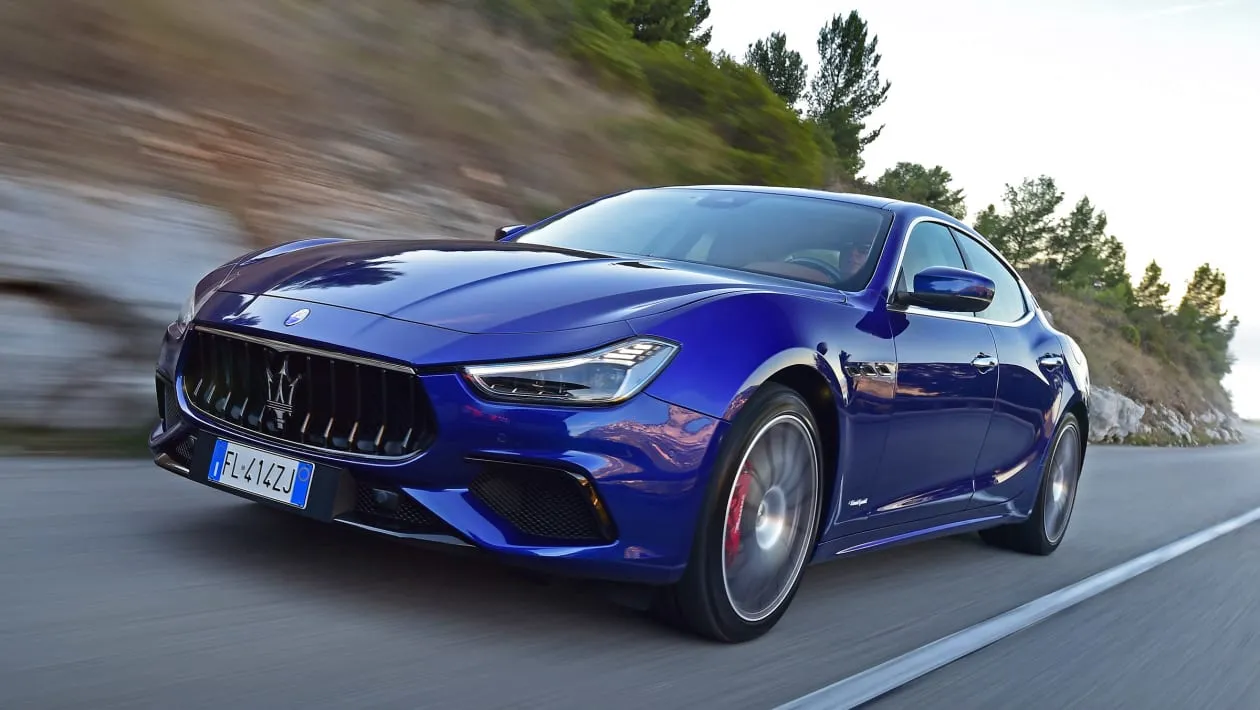
2. Maserati Ghibli
Few automotive badges carry the romance and history of Maserati. The Trident emblem represents Italian passion, motorsport heritage, and exotic appeal. Unfortunately, the Ghibli has spent years failing to live up to the exceptional expectations that badge creates.
The Ghibli’s exterior is genuinely beautiful in a classically Italian way. The proportions are elegant, and the styling is unmistakably sophisticated. On appearance alone, it looks every inch the exotic Italian luxury sedan.
The interior is where the illusion begins to crumble rather painfully. The dashboard design feels dated and uninspired compared to German and British rivals. Materials that should feel premium instead feel ordinary and disappointing.
Maserati relied heavily on Chrysler-sourced switchgear for many years. The same buttons and controls found in a Dodge Challenger appeared in the Ghibli. Finding American economy car parts in an Italian luxury sedan priced above $70,000 is inexcusable.
The infotainment system has been a long-standing weakness of the Ghibli. The interface feels outdated in a market where technology evolves rapidly. Competitors offer dramatically more sophisticated and intuitive systems as standard.
The engine sound of the Ghibli is genuinely spectacular and emotional. The Ferrari-derived V6 produces a soundtrack that stirs the soul. This is perhaps the single most compelling reason to consider ownership.
However, performance delivery does not always match the drama of the soundtrack. Rivals offer comparable or superior performance for significantly less money. The emotional theatre occasionally overshadows the rational driving experience.
Reliability has been a persistent and damaging concern for Ghibli owners. Owner satisfaction surveys consistently place Maserati near the bottom of luxury brand rankings. Repair costs are high, and dealer network coverage is often limited.
The ride quality of the Ghibli can feel unsettled on imperfect road surfaces. It lacks the serene composure that British and German rivals deliver effortlessly. This compromises long-distance comfort in a segment where refinement is paramount.
Depreciation of the Ghibli is among the steepest in the entire luxury segment. A new Ghibli loses a substantial portion of its value within the first year. This brutal depreciation makes ownership an expensive proposition beyond just the purchase price.
For the money Maserati asks, buyers should receive a flawless premium experience. Instead, they receive beautiful styling, an intoxicating engine note, and numerous daily frustrations. The Ghibli is a car that promises everything and consistently delivers less.
3. Land Rover Discovery Sport
Land Rover occupies a unique and powerful position in the global automotive world. The brand represents British heritage, off-road capability, and aspirational lifestyle appeal. The Discovery Sport wears this prestigious badge but carries significant quality concerns that undermine its luxury credentials.
The exterior design of the Discovery Sport is handsome and purposeful. The raised stance and clean bodywork give it a genuine presence on the road. It looks convincingly premium from the outside, particularly in darker colour options.
The interior offers a mixed experience that reflects the brand’s ongoing quality struggles. Certain materials feel appropriately premium and well considered. Others feel cheap and unsuitable for a vehicle at this price point.
The centre stack area uses buttons and switches that lack tactile quality. They feel flimsy compared to what Audi and Volvo offer at similar price points. This is a daily reminder that something is not quite right with the execution.
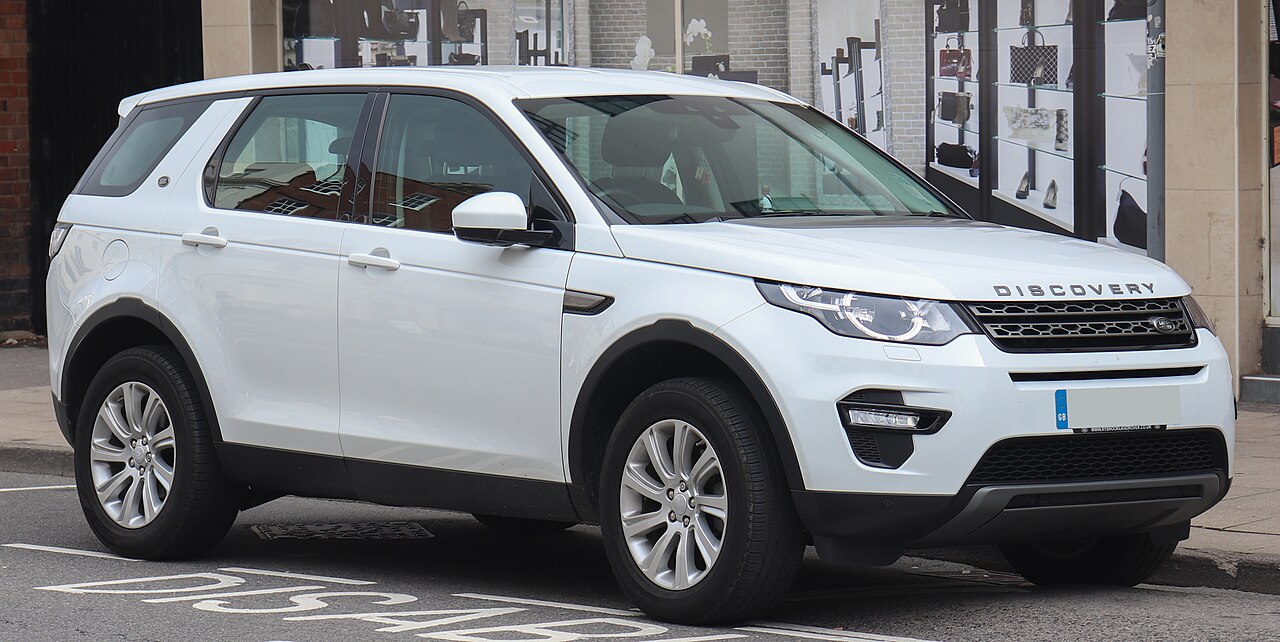
Land Rover’s infotainment systems have improved significantly in recent years. Previous iterations were notoriously unreliable and frustrating to operate. The newer Pivi Pro system is better but still trails the best in the segment.
Reliability is perhaps the most serious concern surrounding the Discovery Sport. JD Power reliability surveys have consistently placed Land Rover near the bottom. Stories of electrical gremlins, software failures, and mechanical issues are alarmingly common.
The driving dynamics of the Discovery Sport prioritize comfort over engagement. Body roll through corners is significant, and the steering lacks precision. Drivers seeking any kind of dynamic satisfaction will find the Discovery Sport disappointing.
Off-road capability remains a genuine strength of the Discovery Sport. The Terrain Response system is genuinely impressive and capable. This is where the vehicle earns its premium badge most convincingly.
Fuel economy figures from the Discovery Sport are consistently poor. The petrol engines in particular return disappointing real-world consumption figures. Running costs add further financial pressure on top of an already high purchase price.
The second and third row seats are less practical than rivals suggest they should be. The third row is genuinely only suitable for small children. Adults attempting to use it will find the experience deeply uncomfortable.
Ownership costs of the Discovery Sport extend well beyond the purchase price. Service costs, parts prices, and potential repairs add up quickly. For the total cost of ownership, significantly better options exist in this price range.
The Discovery Sport sells on image, heritage, and aspiration more than substance. It delivers genuine capability in specific situations. But day-to-day refinement and reliability fall short of what luxury buyers deserve.
4. Alfa Romeo Giulia
The Alfa Romeo Giulia is one of the most visually stunning sedans ever produced. Its design is a masterpiece of Italian automotive artistry. The Quadrifoglio variant is a genuine performance legend that embarrasses Ferrari-badged rivals on track.
The problem is that beauty and passion do not always translate into daily luxury satisfaction. The standard Giulia trim levels disappoint in several key areas. Interior quality and reliability concerns cast a long shadow over the entire model range.
The dashboard design of the Giulia is elegant but feels sparse in certain areas. The quality of materials varies noticeably depending on where you look. Premium surfaces sit alongside plastics that feel more appropriate in an economy vehicle.
The infotainment system in the Giulia has been a significant weakness. The interface feels outdated relative to German competitors at similar pricing. Connectivity features and system responsiveness lag behind industry standards considerably.
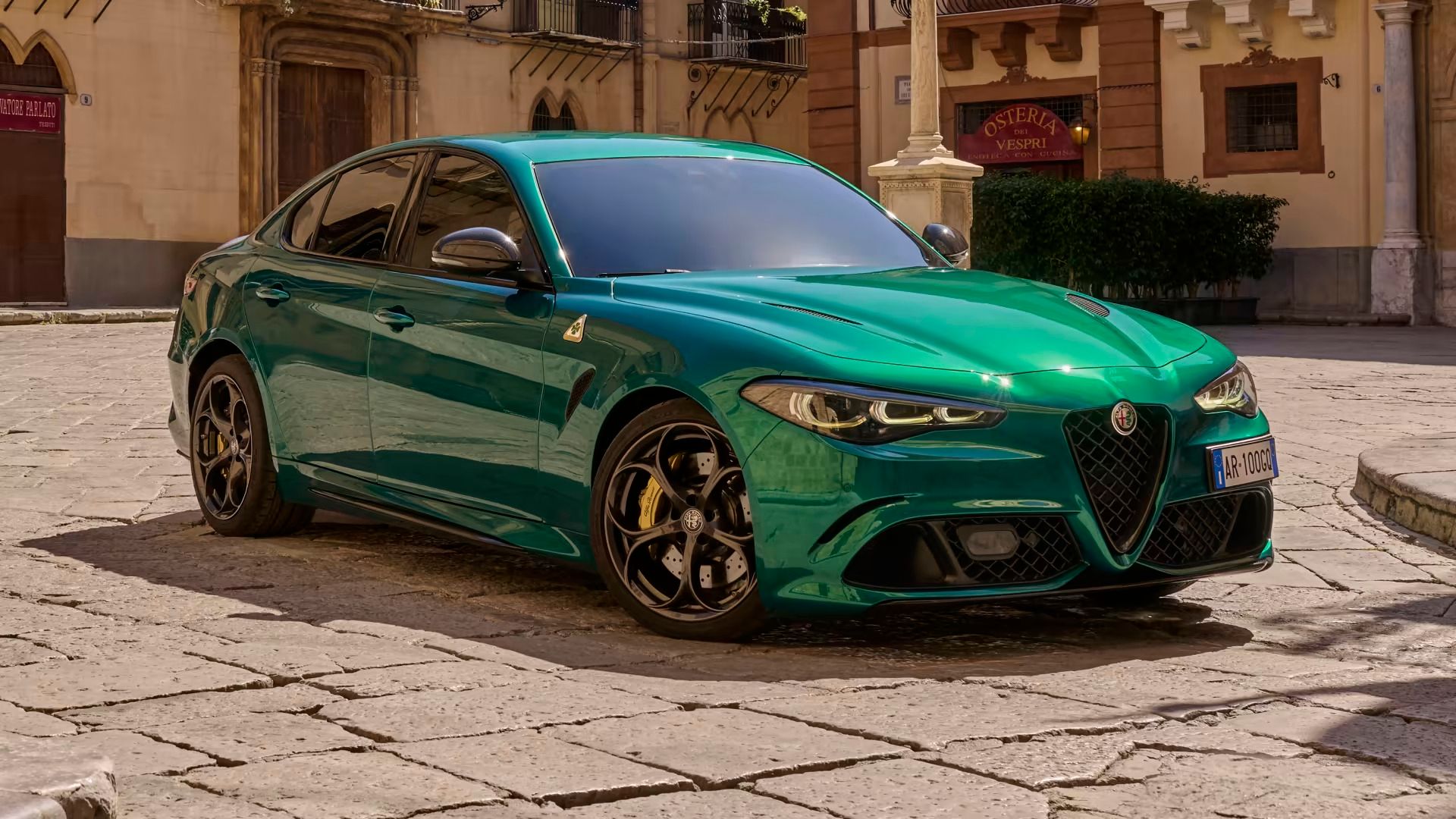
Alfa Romeo has struggled with build quality consistency for many years. Panel gaps and interior trim fit can be inconsistent between individual cars. This is a fundamental problem that no amount of beautiful design can excuse.
Reliability surveys consistently place Alfa Romeo near the lower end of luxury brand rankings. Electrical system issues are the most frequently reported concern among owners. Unexpected repair bills are a common and unwelcome feature of ownership.
The driving dynamics of the Giulia are a genuine highlight and strength. The chassis is beautifully balanced and communicates road feel superbly. This is a car that rewards skilled drivers with a genuinely special experience.
The turbocharged 2.0-litre engine produces adequate performance in standard trim. It sounds characterful and responds well to enthusiastic driving inputs. The driving experience is the Giulia’s single most compelling argument for purchase.
Dealer network quality and coverage are another concern for potential buyers. Service centres are less numerous than German rival brands. Waiting times for parts and specialist expertise can be frustrating.
The warranty package offered by Alfa Romeo is reasonable but unremarkable. It does not provide the additional reassurance that reliability concerns demand. Buyers taking on a Giulia accept a meaningful level of financial risk.
The Giulia occupies a fascinating position in the luxury sedan market. It is simultaneously one of the most desirable and most frustrating cars available. Passion and reliability remain awkward and unresolved companions in this beautiful Italian machine.
5. Lincoln Nautilus
Lincoln has been attempting a comeback in the luxury segment for over a decade. The brand has made genuine progress in recent years with improved products. The Nautilus represents that effort honestly but also reveals where significant gaps remain.
The exterior design of the Nautilus is clean, restrained, and genuinely attractive. The front fascia with its distinctive grille creates a memorable face. Lincoln’s design language has matured considerably and now looks purposeful.
The interior of the Nautilus makes a strong initial impression. The available Perfect Position front seats are genuinely exceptional and deeply comfortable. These 30-way adjustable seats are among the finest in any vehicle at any price point.
However, the quality of materials across the rest of the cabin is inconsistent. Some surfaces feel premium and well-executed. Others feel more appropriate for a mainstream Ford product than a genuine luxury vehicle.
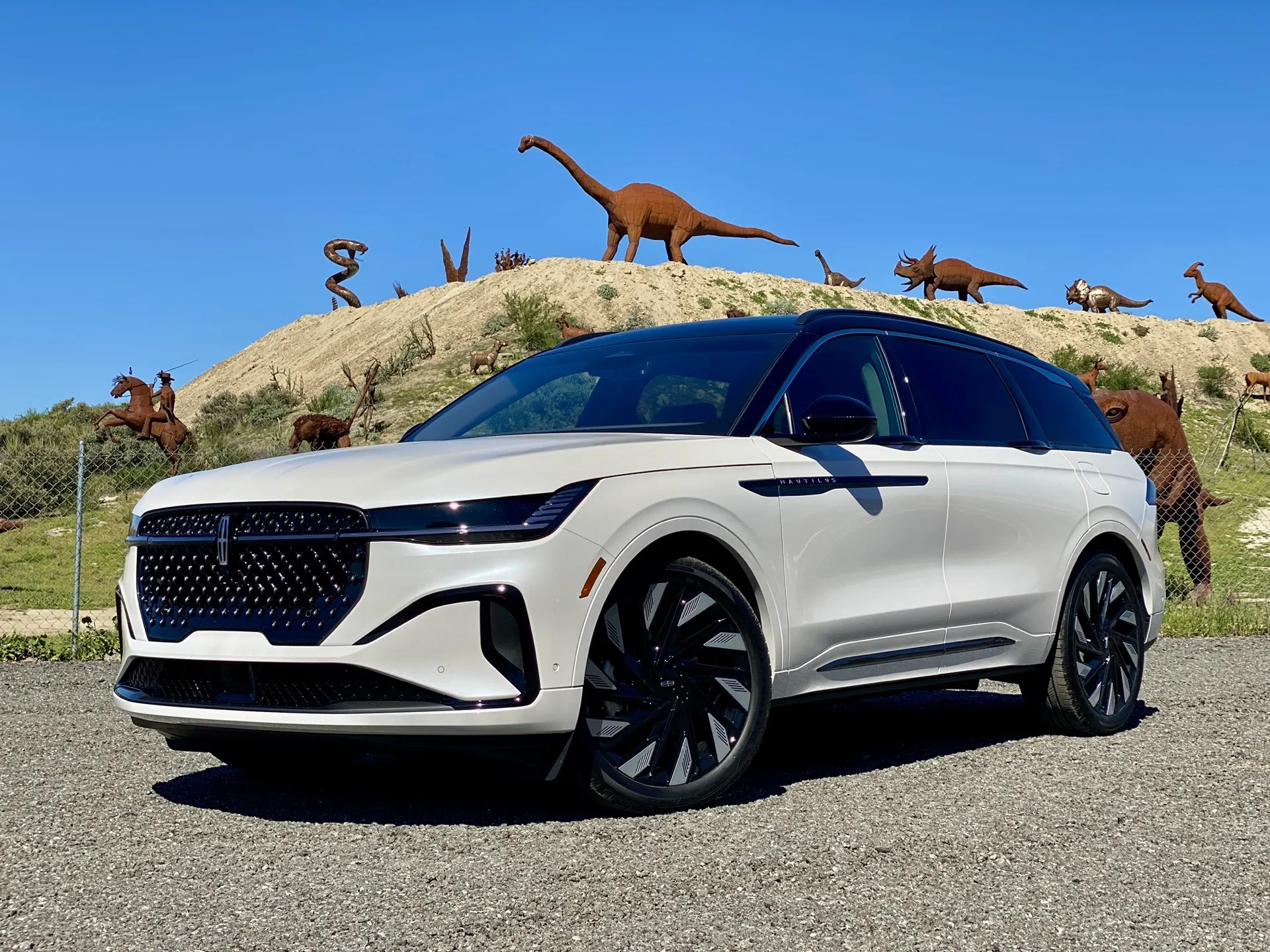
The dashboard layout is clean but feels somewhat uninspired in execution. It lacks the visual drama and architectural interest of European luxury interiors. A Mercedes GLC or Audi Q5 interior simply looks and feels more special.
Lincoln’s Sync infotainment system has improved steadily over recent model years. The large touchscreen is responsive and logically organized. However, it still does not match the sophistication of German or Volvo systems.
The powertrain options in the Nautilus are adequate rather than exciting. The turbocharged four-cylinder feels strained when worked hard. It lacks the refinement and smoothness expected at this price point in this segment.
Refinement levels of the Nautilus are generally acceptable but not class-leading. Road noise intrusion at highway speeds is more noticeable than rivals. The sense of hushed, serene luxury that defines premium vehicles is not always present.
The ride quality is comfortable in most driving situations. Lincoln has tuned the suspension for American road conditions effectively. But the handling dynamics are uninvolving, and the steering lacks meaningful feedback.
Resale values for Lincoln remain weaker than those of European luxury rivals. This makes the total cost of ownership higher than the purchase price suggests. Depreciation continues to be a significant disadvantage of Lincoln ownership.
Lincoln offers a genuinely impressive ownership experience program. Complimentary loaner vehicles and pickup service add real convenience value. These touches demonstrate an understanding of what luxury buyers actually want from ownership.
The Nautilus is a comfortable, capable, and honestly pleasant vehicle to live with. It simply does not consistently deliver the full luxury experience its price demands. It remains a car that gets very close to luxury without quite achieving it.
Also Read: 5 Used Performance Cars That Are Steals And 5 That Are Overpriced In 2026
