The comparison of “4 Luxury Sedans for CEO Comfort In the USA vs. 4 That Are Too Sporty” highlights two very different interpretations of premium automotive design. One group is engineered to create calm, spacious, and highly refined environments suited for executives who spend significant time being driven between meetings or working on the move.
These vehicles prioritize quiet cabins, smooth ride quality, advanced comfort features, and technology that supports productivity without distraction. The other group takes a performance-first approach, focusing on acceleration, sharp handling, and driver engagement, often at the cost of isolation and softness.
While both categories carry luxury branding, their priorities diverge sharply depending on whether the goal is relaxation or excitement. For executives, this distinction defines whether a vehicle becomes a mobile office or a machine that demands active involvement.
Together, these eight models demonstrate how premium sedans can serve entirely different roles, from serene executive transport to high-performance machines built for driving enthusiasts.
4 Luxury Sedans for CEO Comfort In the USA
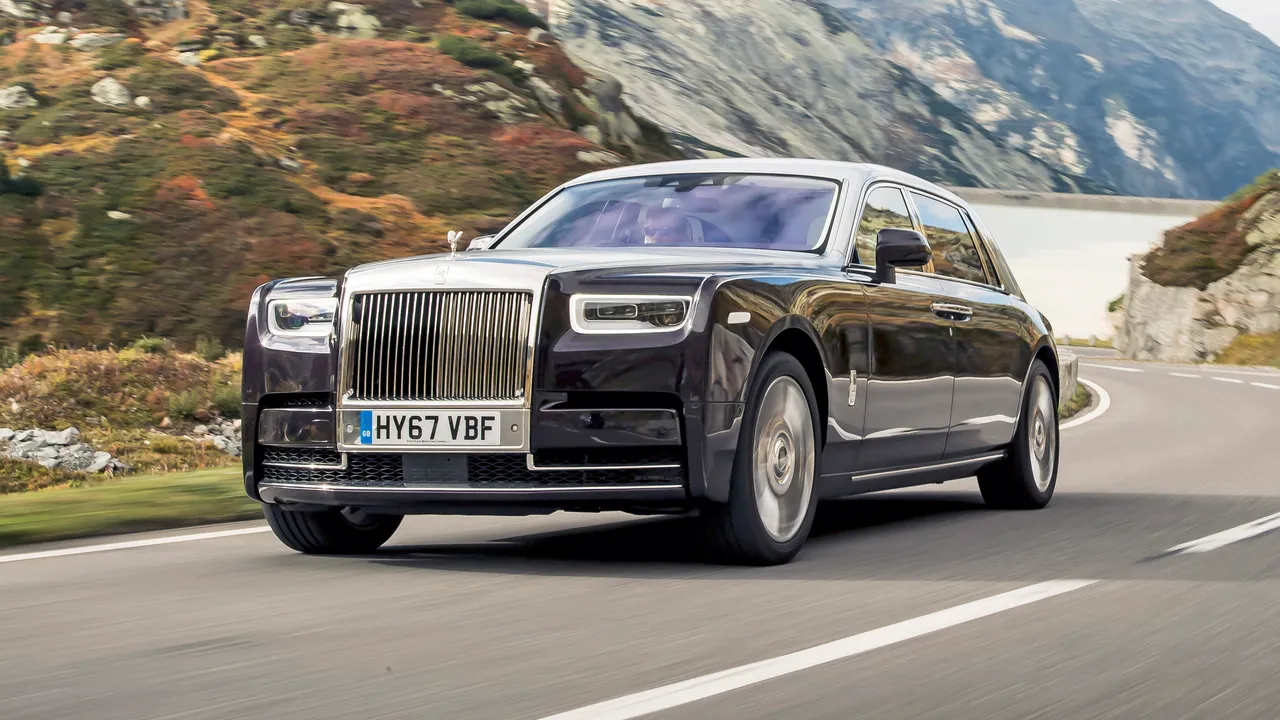
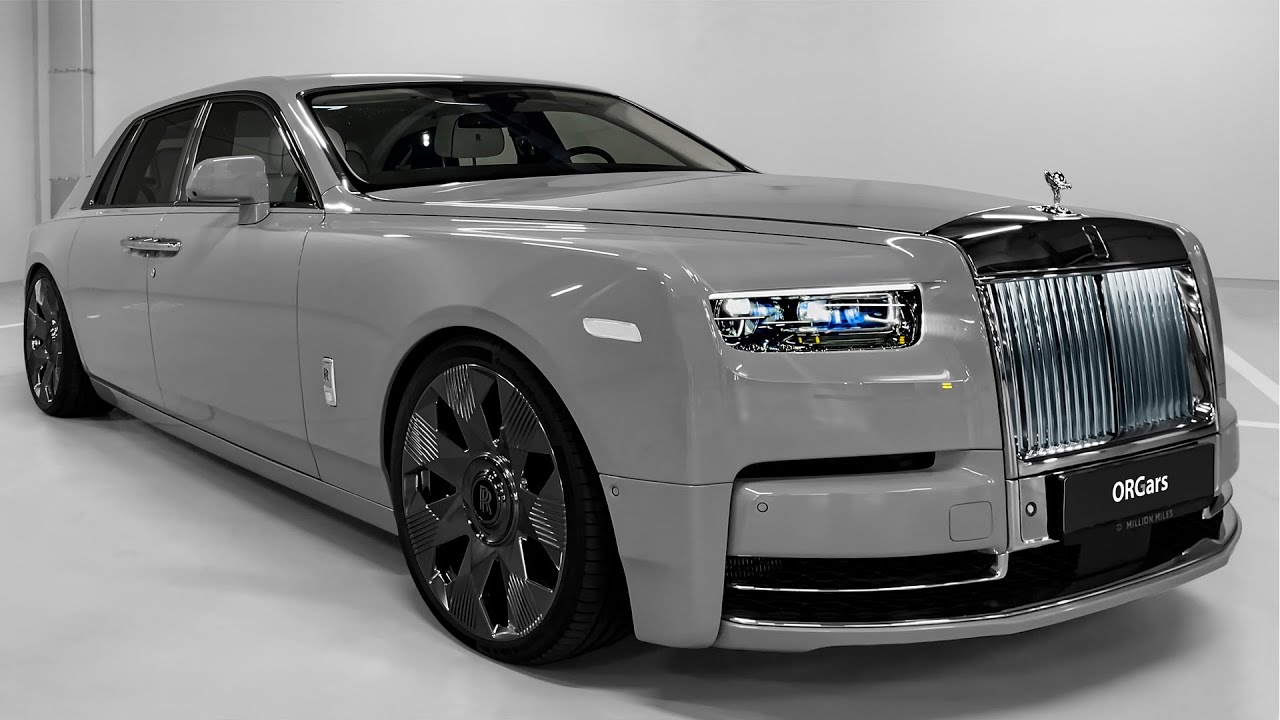
1. 2025 Rolls-Royce Phantom
Few vehicles are built with the intention of removing the outside world as completely as the 2025 Rolls-Royce Phantom. It is not simply a luxury sedan but a carefully engineered environment designed for absolute comfort, privacy, and prestige, especially for executives who prefer to be driven rather than drive.
Powering the Phantom is a 6.75-liter twin-turbocharged V12 engine that produces around 563 horsepower. It is paired with an 8-speed automatic transmission and rear-wheel drive. Even though it can reach 60 mph in about 4.5 seconds, speed is not its priority. The focus is on smooth, uninterrupted progress that feels effortless and detached from road conditions.
Ride quality is one of its defining strengths. The suspension system uses forward-facing cameras to read the road and adjust continuously, reducing the impact of imperfections before they are even felt. This creates a sensation of near-total floatation. Combined with extensive sound insulation, the cabin remains exceptionally quiet, making it ideal for work, rest, or private conversation.
Inside, the Phantom emphasizes craftsmanship and personalization. High-grade leather, wood veneers, and metal details are used throughout the cabin, with extensive customization options. One of its standout design elements is the “Gallery,” a glass-encased section of the dashboard that displays custom artwork, turning the interior into a curated visual space.
Rear-seat passengers are the primary focus of the vehicle. The seating area offers generous legroom, reclining massage functions, footrests, and plush carpeting. Rear-hinged coach doors enhance the sense of occasion when entering or exiting the vehicle. In extended wheelbase versions, the rear cabin becomes even more spacious, reinforcing its role as a mobile lounge.
For professional use, the optional Privacy Suite allows the rear cabin to function as a secure workspace. A partition can separate the driver from passengers, while integrated screens support presentations, video calls, or entertainment. This makes the Phantom particularly suitable for executives who require confidentiality and productivity during travel.
Technology is present but discreet. A 10.3-inch infotainment system is hidden behind a glass panel and operated through a rotary controller. Rear passengers also benefit from individual entertainment screens mounted in the front seatbacks, offering access to media, navigation, and live content. Connectivity features include Bluetooth, wireless Apple CarPlay, and Android Auto. An available 18-speaker audio system delivers high-end sound quality.
Safety systems include forward-collision warning, lane-departure warning, and parking sensors, with optional upgrades such as adaptive cruise control and night vision assistance.
Fuel consumption is high, with estimates of about 12 mpg in city driving and 19 mpg on highways. However, efficiency is not a design priority. Ownership includes a four-year unlimited-mile warranty and maintenance coverage.
The 2025 Rolls-Royce Phantom prioritizes serenity, privacy, and craftsmanship over all else, positioning itself as a moving executive suite and a global symbol of luxury and status.
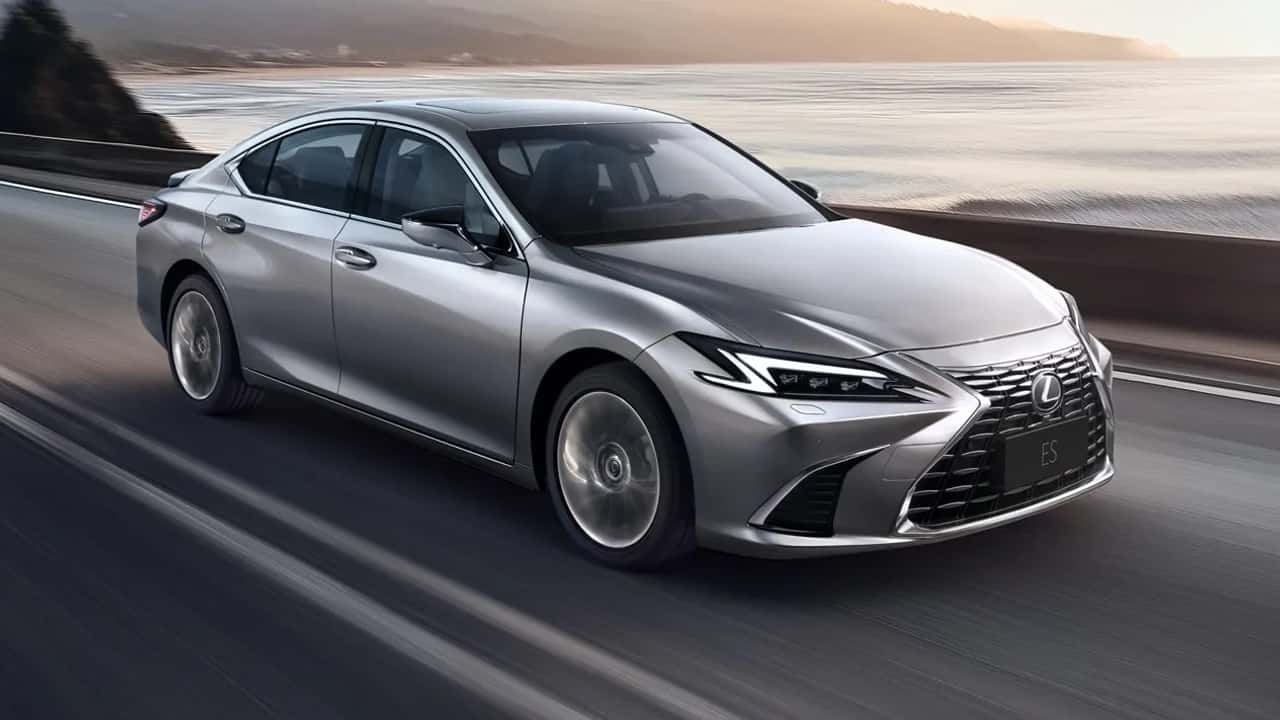
2. 2026 Lexus ES Hybrid
Built with a strong focus on calmness and long-distance comfort, the 2026 Lexus ES Hybrid is aimed at executives who need a dependable luxury sedan for daily commuting and professional travel. It emphasizes silence, efficiency, and rear-seat comfort rather than sporty performance or aggressive styling.
The redesigned ES is built on an updated GA-K platform that increases the vehicle’s dimensions, improving cabin space and especially rear-seat legroom. This makes the rear seating area more suitable for chauffeur-driven use, with generous room that supports working or resting during travel. The cabin is also engineered to reduce vibration and road noise, maintaining a quiet and steady ride experience.
Rear comfort is further enhanced with the available Executive Package. It adds reclining and massaging rear seats along with an ottoman-style footrest for the passenger side. These features create a more relaxed seating environment designed for extended journeys and high-comfort business travel.
The hybrid powertrain uses Lexus’ sixth-generation system, which is tuned for smooth, quiet, and efficient operation. It performs particularly well in stop-and-go city traffic, where electric assistance reduces noise and fuel consumption. This makes the ES Hybrid practical for executives who travel frequently and prefer low running costs.
Ride quality benefits from a refined multi-link rear suspension and standard all-wheel drive. These improvements enhance stability and help absorb road imperfections, resulting in a composed and predictable driving experience that prioritizes comfort over sharp handling.
Inside, the cabin features a modern, minimalist layout with high-quality materials such as semi-aniline leather and optional natural wood or bamboo trims. A 14-inch touchscreen controls the updated Lexus Interface system, giving access to navigation, media, and vehicle settings through a clean digital interface.
The “Just Talk” voice assistant enables hands-free control of key functions such as communication, navigation, and scheduling. This supports productivity during travel by reducing the need for manual interaction with the system.
Safety is handled through Lexus Safety System+ 4.0, which includes advanced driver assistance technologies designed to improve awareness and reduce driving stress in various conditions. Connectivity features integrate smoothly with smartphones and business tools, keeping work accessible on the move.
Lexus is known for long-term durability, and the ES Hybrid continues that tradition with a design focused on reliability and low maintenance requirements. This makes it suitable for high-usage executive and fleet applications where consistent performance is important.
The 2026 Lexus ES Hybrid delivers a balanced combination of quiet operation, hybrid efficiency, expanded space, and modern technology, creating a refined environment tailored for professional and executive travel.
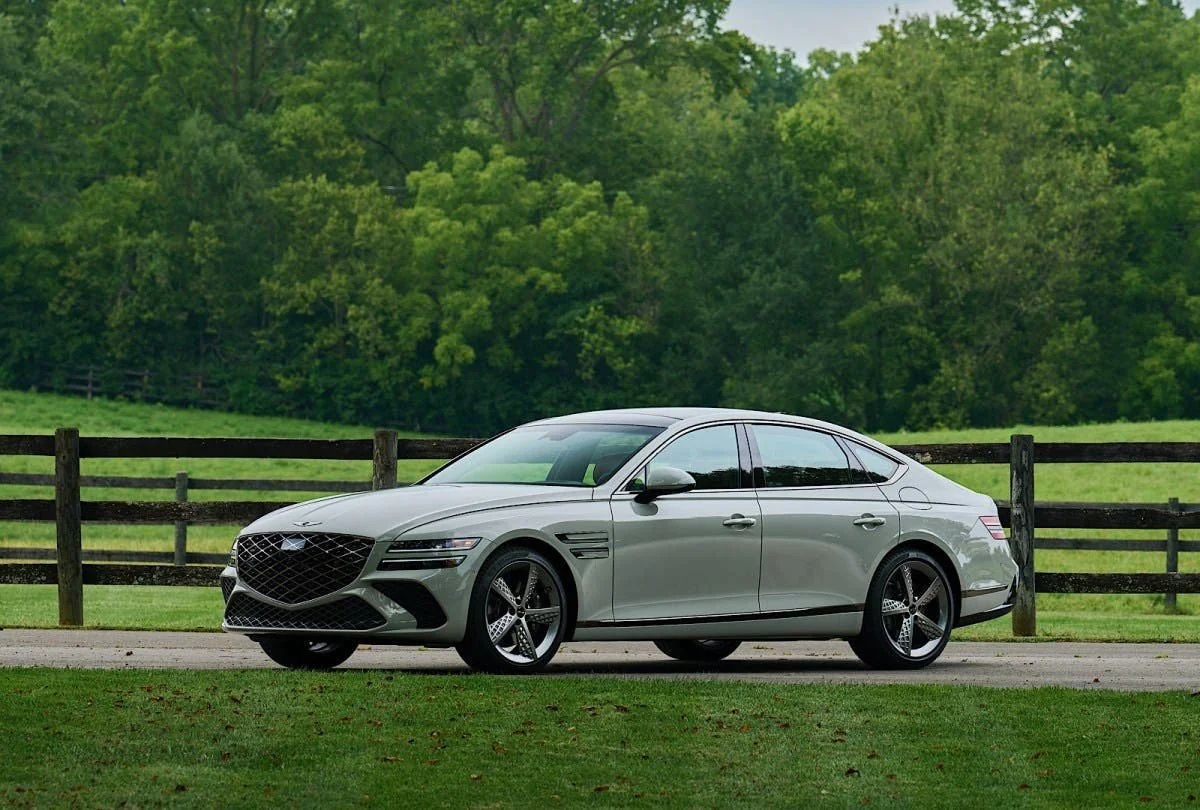
3. 2025 Genesis G80
The 2025 Genesis G80 positions itself as a strong alternative to traditional German luxury sedans by combining advanced comfort technology, refined materials, and a smooth, quiet driving experience. It is designed for executives who prioritize rear-seat comfort, cabin sophistication, and stress-free travel over outright performance.
A key highlight of the G80 is its focus on comfort-oriented engineering. The “Ergo Motion” seating system uses multiple air pockets that automatically adjust to the occupant’s posture, reducing fatigue during long journeys.
In the rear, the VIP seating package adds power reclining functions along with heating and ventilation, all controlled through an integrated armrest system. These features create a first-class rear cabin experience aimed at business travel.
Ride quality is enhanced by an electronically controlled suspension system with “Road Preview” technology. This system uses navigation and camera data to anticipate road imperfections and adjust damping in advance, resulting in a smoother and more composed ride. This makes the G80 particularly suited for urban commuting and highway cruising where comfort is essential.
Inside, the cabin reflects a blend of modern technology and traditional luxury craftsmanship. A wide 27-inch OLED display integrates both the instrument cluster and infotainment system into a single digital interface. This reduces visual clutter while providing clear access to navigation, media, and vehicle information. Premium materials such as Nappa leather, real wood trims, and soft-touch surfaces further enhance the upscale feel.
Rear passengers benefit from a spacious and quiet environment with generous legroom, making the sedan suitable for chauffeur-driven use. The cabin is engineered for sound insulation, contributing to a calm atmosphere that supports work, rest, or private conversations while in motion.
Performance is delivered through available engine options, including a 3.5-liter twin-turbo V6 producing around 375 horsepower. While not class-leading in acceleration, the focus remains on smooth power delivery and comfortable driving dynamics rather than aggressive performance. Standard all-wheel drive and an automatic transmission support stability and ease of use in various driving conditions.
Safety is another strong point, with the G80 earning top ratings such as a 5-star NHTSA score and IIHS Top Safety Pick+ recognition. Advanced driver assistance systems further enhance confidence and security for both drivers and passengers.
Ownership experience is also designed to be premium, with services such as Genesis Concierge support and complimentary maintenance for the initial ownership period. These offerings reduce ownership stress and add convenience for busy professionals.
Pricing places the G80 below many European competitors while still offering comparable luxury features, making it a value-oriented option in the executive sedan segment. It appeals to buyers seeking high-end comfort, advanced technology, and understated design without the premium cost typically associated with German rivals.
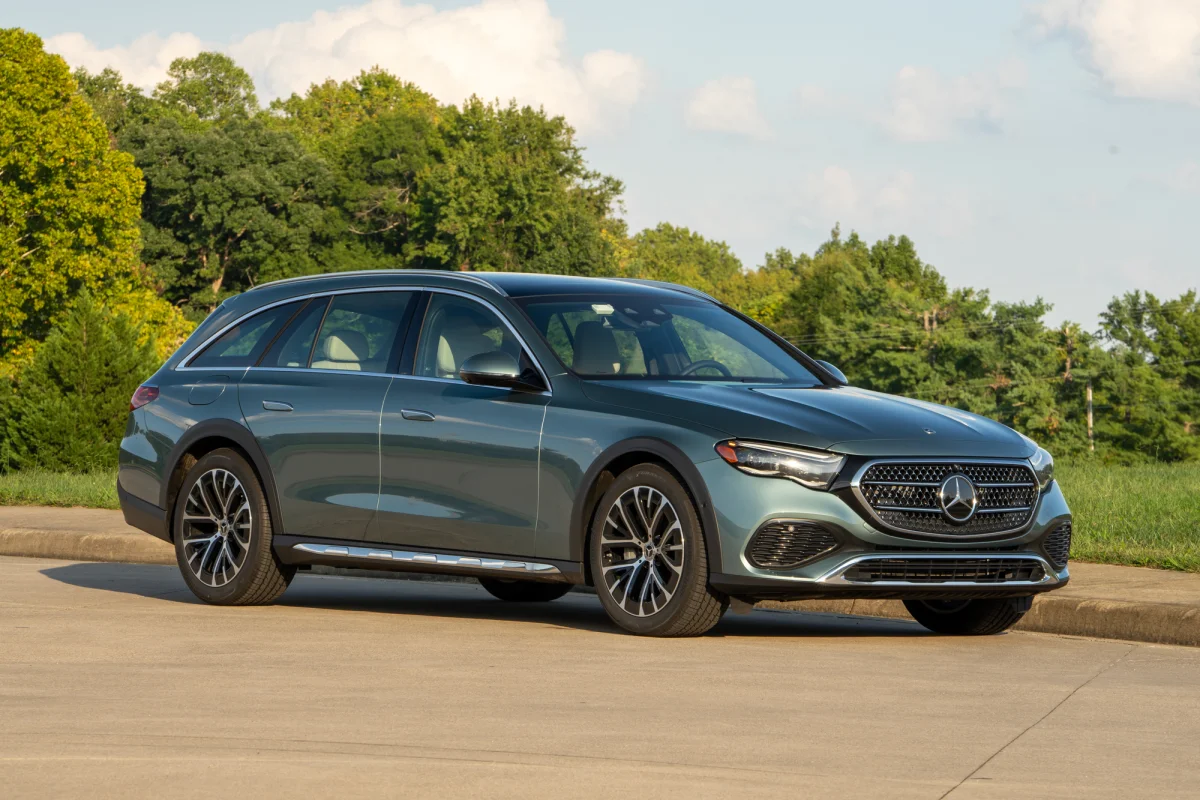
4. 2025 Mercedes-Benz E-Class
The modern executive sedan is increasingly expected to function as both a luxury vehicle and a mobile workspace, and the 2025 Mercedes-Benz E-Class is designed precisely around that idea. It combines advanced digital systems, refined comfort, and smooth driving dynamics to support productivity and relaxation during daily professional travel.
A standout element of the E-Class is the MBUX Superscreen, which stretches across the dashboard to create a fully integrated digital interface. It allows occupants to manage navigation, entertainment, and communication through a unified system. A built-in camera enables video calls directly from the cabin, while the AI-driven software adapts to user habits over time, offering personalized suggestions and automatic adjustments.
Comfort is a central focus throughout the cabin. The “Energizing Comfort” system synchronizes climate control, ambient lighting, and massage functions to reduce fatigue and create a more relaxed driving environment. Seats are highly adjustable and can be equipped with heating, ventilation, and active support features that improve comfort during longer journeys.
Ride quality is enhanced through available Airmatic air suspension, which continuously adjusts to road conditions to deliver a smooth and controlled experience. Rear-axle steering improves maneuverability, making the sedan easier to handle in tight city streets while maintaining stability at higher speeds.
Engine options include efficient mild-hybrid powertrains. The E350 features a turbocharged 2.0-liter four-cylinder engine paired with electric assistance, while the E450 uses a more powerful 3.0-liter inline-six hybrid system. Both are engineered for smooth acceleration, reduced lag, and quiet operation, with a strong emphasis on fuel efficiency and refined performance.
The interior is designed with a premium and functional approach. High-quality materials such as leather upholstery, soft-touch surfaces, and metal accents contribute to a sophisticated cabin feel. Rear passengers benefit from generous space, making the E-Class suitable for chauffeur-driven use as well as self-driving executives.
Technology integration is extensive, with features such as 5G connectivity, augmented reality navigation, and support for productivity apps. Video conferencing capabilities and downloadable applications enhance the car’s role as a mobile office, allowing users to stay connected and productive while on the move.
Safety systems include automated emergency braking, blind-spot monitoring, and optional adaptive cruise control with lane-centering. These features work together to reduce driving stress and improve situational awareness in various traffic conditions.
The E-Class has earned strong recognition for its refinement and innovation, including industry awards for its blend of comfort and technology. Its quiet cabin and advanced systems make it well-suited for executives who spend significant time in transit.
Warranty coverage includes four years or 50,000 miles for both basic and powertrain protection, though complimentary maintenance is not provided. The 2025 E-Class stands as a technologically advanced executive sedan that prioritizes comfort, connectivity, and intelligent driving assistance.
Also read: 6 Cars for Small American Garages vs 6 Trucks That Won’t Fit
4 That Are Too Sporty
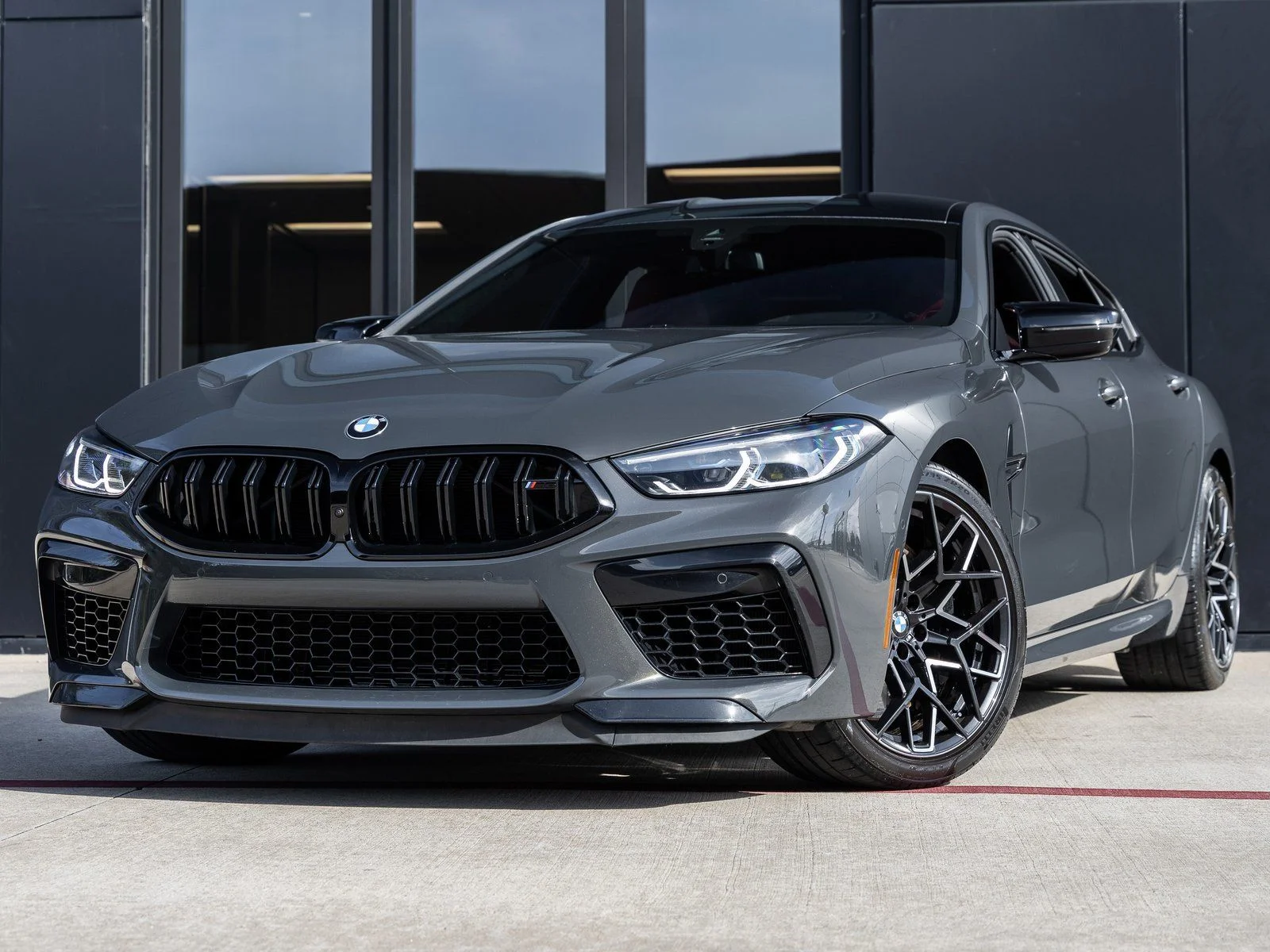
1. 2025 BMW M8 Competition Gran Coupe
Few luxury sedans blur the line between daily driver and high-performance machine as sharply as the 2025 BMW M8 Competition Gran Coupe. It is engineered with supercar-level performance in a four-door body, prioritizing speed, precision, and driver engagement over traditional comfort-focused executive luxury.
Power comes from a 4.4-liter twin-turbocharged V8 engine producing 617 horsepower. This allows the M8 Competition Gran Coupe to accelerate from 0 to 60 mph in about 2.7 to 3.1 seconds, placing it among the fastest luxury sedans in the world. Its M xDrive all-wheel-drive system and adaptive M suspension are tuned for sharp handling, maximum grip, and aggressive driving dynamics.
That performance focus shapes the ride quality. The suspension is extremely firm and designed for track use, which can feel harsh on imperfect city roads. Instead of prioritizing softness or isolation, the chassis emphasizes cornering ability and road feedback, making it more suitable for spirited driving than relaxed commuting.
Inside, the cabin is finished with premium materials such as leather upholstery, carbon fiber trim, and advanced digital displays. However, the layout is centered around the driver, with heavily bolstered sport bucket seats that provide strong support during high-speed cornering. These seats are less suited for long hours of relaxed rear-seat travel or working comfortably on the move.
Despite its aggressive nature, the M8 still delivers a high level of luxury equipment, including modern infotainment systems and refined interior craftsmanship. The blend of comfort materials and motorsport-inspired design creates a unique environment that sits between a luxury sedan and a performance coupe.
The exterior design reinforces its performance identity with a low stance, wide body proportions, and aerodynamic styling elements. A powerful engine note further enhances its sporty character, making the driving experience feel more like a performance car than a traditional executive vehicle.
With the two-door M8 Coupe no longer offered in the U.S., the Gran Coupe remains the flagship variant. It combines everyday usability with extreme performance capability, though its firm ride and driver-focused setup make it more appealing to enthusiasts than to those seeking a quiet, rear-seat-oriented executive sedan.
2. Cadillac CT5-V Blackwing
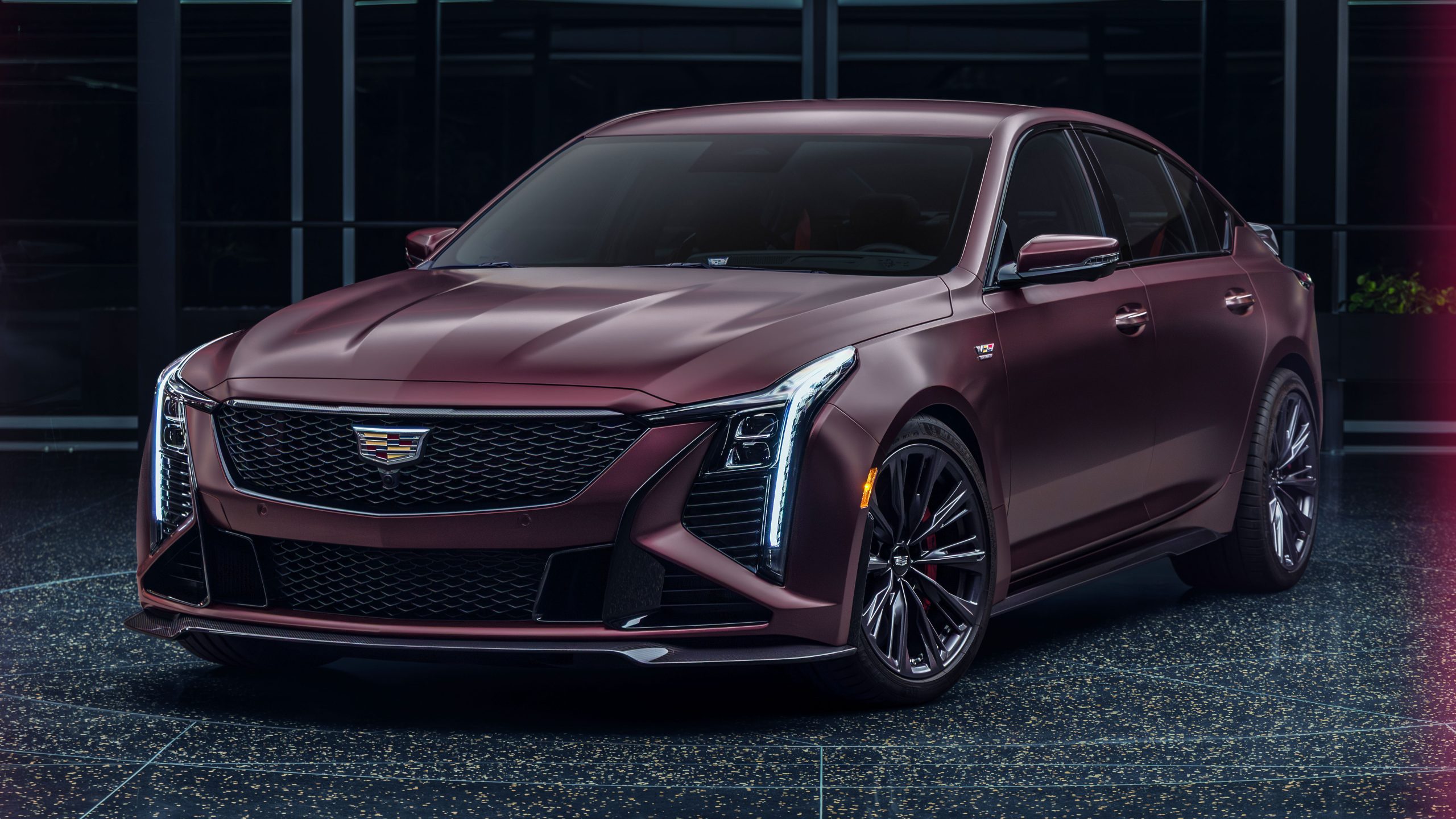
In a segment where most luxury sedans aim for quiet refinement, the Cadillac CT5-V Blackwing takes a very different path by prioritizing raw performance and driver involvement. It is built as a high-output sports sedan that delivers supercar-level speed while still wearing a luxury badge, making it far more aggressive than typical executive cars.
Power is provided by a 6.2-liter supercharged V8 engine producing 668 horsepower and 659 lb-ft of torque. This allows the car to exceed 200 mph and places it firmly in performance territory usually reserved for exotic sports cars. A rare 6-speed manual transmission is also available, reinforcing its focus on driving engagement rather than automation.
The chassis is engineered for precision and track capability. Magnetic Ride Control suspension continuously adjusts damping for improved handling, while the widebody design accommodates wider tires for increased grip. These systems deliver sharp cornering ability and strong high-speed stability, but they are tuned with a firm setup that prioritizes control over comfort.
This performance-oriented tuning has a noticeable effect on ride quality. Road imperfections are more directly felt in the cabin, especially on uneven city streets. The suspension communicates the surface clearly, which benefits spirited driving but can feel tiring during long executive commutes.
Inside, the CT5-V Blackwing offers a mix of premium materials and driver-focused design. The cabin includes supportive sport seats with strong bolstering, designed to hold occupants in place during aggressive cornering. However, the layout is clearly centered on the driver, with less emphasis on rear-seat comfort or workspace usability.
The engine sound is another defining trait. The V8 produces an aggressive and loud exhaust note that enhances the performance experience but makes quiet conversation or phone calls more challenging compared to traditional luxury sedans.
Despite its luxury branding, the CT5-V Blackwing behaves like a performance machine first. Its steering is heavy, its chassis is highly communicative, and its setup prioritizes feedback over isolation. Even though it includes advanced technology and premium finishes, comfort takes a secondary role.
This sedan is best suited for drivers who want track-level capability in a four-door form. It blends daily usability with extreme performance, but its focus remains firmly on speed, precision, and driving excitement rather than executive-level comfort and relaxation.
3. 2025 BMW 5 Series
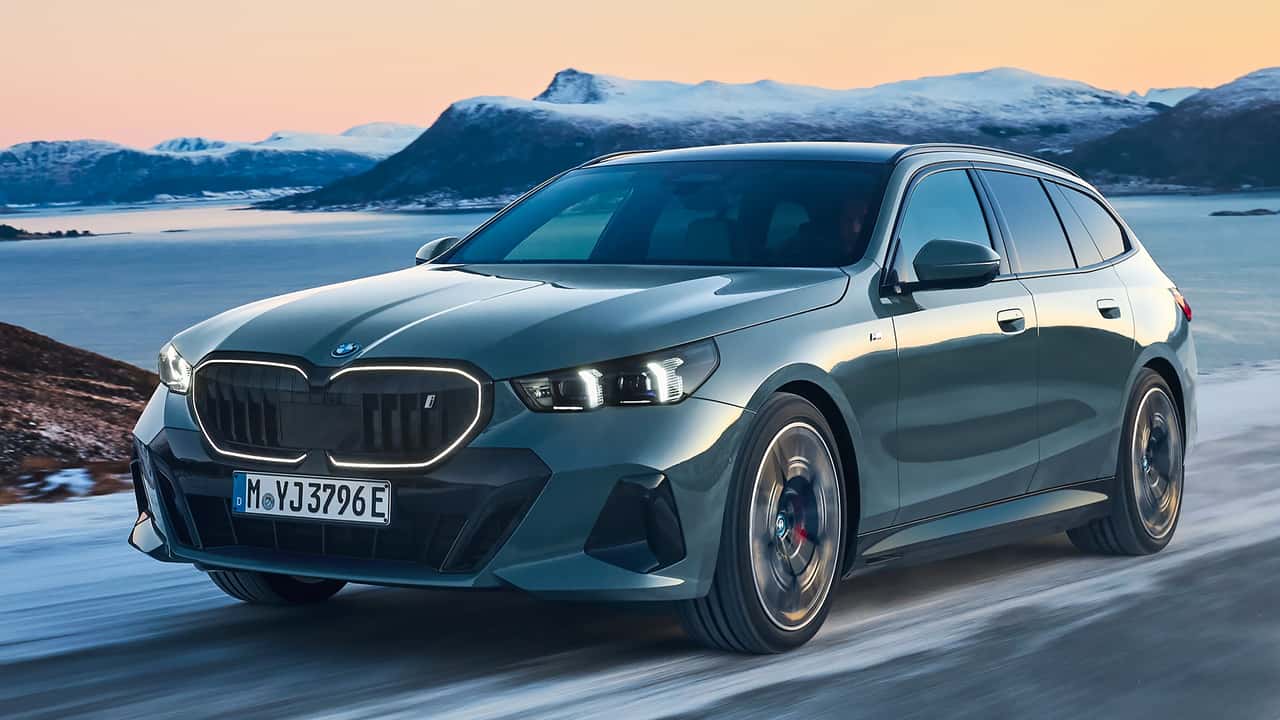
Blending executive comfort with performance DNA, the 2025 BMW 5 Series is often labeled “too sporty” because it sits between a traditional luxury sedan and a performance-focused machine. It delivers strong turbocharged engines, sharp handling, and sport-oriented design elements that prioritize driving engagement over a soft, cushioned ride.
A key reason for its sporty reputation is its powertrain range. Even entry versions feel athletic, while higher trims significantly raise performance levels. The 540i xDrive produces around 375 horsepower and reaches 60 mph in about 4.4 seconds, while plug-in hybrid models like the 550e xDrive deliver up to 483 horsepower. The fully electric i5 M60 pushes performance further with an even more aggressive output, reinforcing the car’s dynamic identity.
Handling is tuned for precision and driver confidence. The steering provides clear feedback from the road, making the car especially capable on winding routes. Many versions equipped with the M Sport package feature firmer suspension settings and a more aggressive appearance, further enhancing its performance character.
Performance-focused engineering also extends to technology. Systems such as brake energy regeneration and individual wheel braking help improve stability and cornering control. These features contribute to a driving experience that feels responsive and tightly controlled rather than softly isolated.
Inside, the 5 Series offers a premium cabin with high-quality materials, modern digital displays, and strong comfort features. However, its seat firmness and suspension tuning reflect a balance that still favors driver involvement. The ride remains refined, but road feedback is more noticeable compared to softer luxury sedans.
This approach creates a dual personality. For drivers, it delivers an engaging and confident experience that aligns with BMW’s “Ultimate Driving Machine” philosophy. For passengers, especially on long-distance travel, the firmer setup and increased road communication can feel more active than relaxing.
The 2025 5 Series ultimately emphasizes agility, technology, and performance within a luxury framework. It is best suited for executives who enjoy driving and prefer a more connected feel to the road, rather than those seeking maximum isolation and softness in rear-seat comfort.
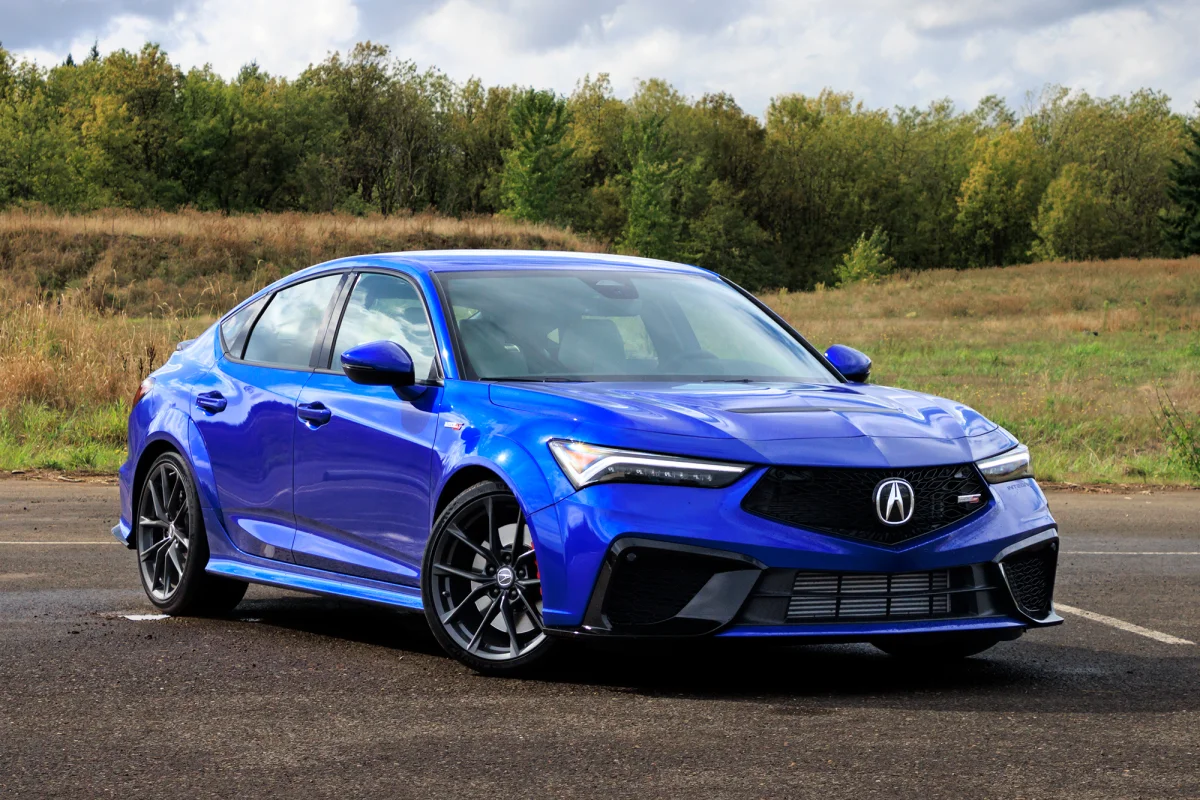
4. Acura Integra Type S
This sport compact is engineered for drivers who prioritize precision, engagement, and performance over luxury comfort. It is designed around a driving-first philosophy, making it more appealing to enthusiasts than executives seeking quiet, relaxed transportation.
At its core is a 2.0-liter turbocharged VTEC engine producing around 320 horsepower, paired exclusively with a 6-speed manual transmission. This setup emphasizes direct driver involvement, requiring active gear changes and delivering a strong mechanical connection to the road. The experience is focused on responsiveness and control rather than smooth, effortless cruising.
The chassis is tuned with a firm, track-oriented suspension using an adaptive damper system. This improves cornering grip, steering accuracy, and high-speed stability, but it also creates a stiff ride that transmits more road imperfections into the cabin. Comfort is clearly secondary to agility and performance capability.
Sound is a defining part of its personality. The exhaust system produces a loud, aggressive tone with pops and crackles during shifts and deceleration. While this enhances excitement for enthusiasts, it can be intrusive in quiet environments and unsuitable for professional calls or relaxed long-distance travel.
Inside, the cabin adopts a minimalist, driver-focused layout. Lighter materials are used to reduce weight and improve performance, giving the interior a more functional feel rather than a luxury-oriented atmosphere. Features such as heated seats and a premium audio system add some comfort, but the main focus remains driving engagement.
Road and engine noise are more noticeable inside the cabin due to limited sound insulation compared to traditional luxury sedans. This creates a more connected driving experience but reduces the level of calm expected in executive transport.
The exterior design reinforces its performance intent with aggressive styling elements, including large air intakes, aerodynamic shaping, and a rear diffuser that supports downforce. These features clearly signal its track-inspired engineering rather than luxury positioning.
This vehicle delivers strong performance, manual engagement, and sharp handling in a practical compact form. Its firm suspension, loud character, and stripped-back comfort make it best suited for spirited driving enthusiasts rather than executive or chauffeur-driven use.
These eight sedans reveal a clear split between comfort-oriented executive travel and performance-driven excitement. The CEO-focused models emphasize quiet cabins, generous rear seating, advanced driver assistance systems, and suspension tuning designed to smooth out road imperfections.
Vehicles like the Rolls-Royce Phantom, Lexus ES Hybrid, Genesis G80, and Mercedes-Benz E-Class transform travel time into a productive or restful experience, where comfort and privacy take priority. In contrast, the sporty group prioritizes speed, handling precision, and driver feedback, often introducing firmer suspensions, louder exhaust notes, and more aggressive setups.
Cars such as the BMW M8 Competition Gran Coupe, Cadillac CT5-V Blackwing, BMW 5 Series, and Acura Integra Type S deliver strong emotional engagement but reduce the sense of calm expected in executive transport.
The comparison makes it clear that choosing between these categories depends on intent: whether the priority is being efficiently and comfortably chauffeured or actively experiencing performance behind the wheel.
Also read: 5 Cars Designed For Long Trips And 5 That Get Tiring After An Hour In 2026