
Buying a brand-new car is one of the biggest financial decisions most people make, and naturally, buyers want reassurance that their investment will hold up over time. That is where warranties become a crucial factor.
A car warranty is essentially a promise from the manufacturer to cover repairs and certain defects for a specific period or mileage, giving owners peace of mind and protection against unexpected costs. While most standard warranties last around three years or 36,000 miles, many automakers have begun extending coverage significantly to stand out in a competitive market.
This shift has transformed warranties from a basic after-sales benefit into a major selling point that can strongly influence purchase decisions.
Longer warranties are more than just marketing tools. They often reflect a manufacturer’s confidence in the reliability and durability of their vehicles. For buyers, this can translate into lower long-term ownership costs, especially during the early years when repair expenses can be unpredictable.
In addition, extended warranties can improve resale value, since coverage is often transferable to subsequent owners. This makes vehicles with longer warranties especially appealing for people who plan to keep their cars for many years or want added security when selling later. In many cases, the presence of a long warranty can even outweigh minor differences in styling or features when buyers compare models.
Another reason long warranties are becoming more common is the increasing complexity of modern vehicles. With advanced electronics, hybrid systems, turbocharged engines, and integrated software, repair costs can rise quickly if something goes wrong.
Manufacturers respond by offering extended coverage to reduce buyer hesitation and increase trust in new technologies. Some brands now even provide warranties of up to 10 years or 100,000 miles on key components like the powertrain, which includes the engine and transmission. This kind of coverage helps reduce anxiety for first-time buyers and those upgrading to newer technologies such as hybrids and EVs.
It is also important to understand that not all warranties are created equal. There are typically two main types: a basic or bumper-to-bumper warranty and a powertrain warranty. The basic warranty covers most parts of the car but lasts for a shorter time, while the powertrain warranty focuses on major mechanical components and usually lasts longer.
Some manufacturers also include corrosion protection, roadside assistance, free maintenance programs, and hybrid or battery warranties that extend even further. These additional services can significantly reduce ownership stress and improve the value of the vehicle.
In this article, we will explore eight cars that offer some of the longest warranties available when bought new. These vehicles come from brands known for reliability, customer confidence, and strong after-sales support. Each one provides a compelling combination of coverage, value, and peace of mind, making them excellent choices for anyone who wants to minimize risk and maximize long-term ownership satisfaction.
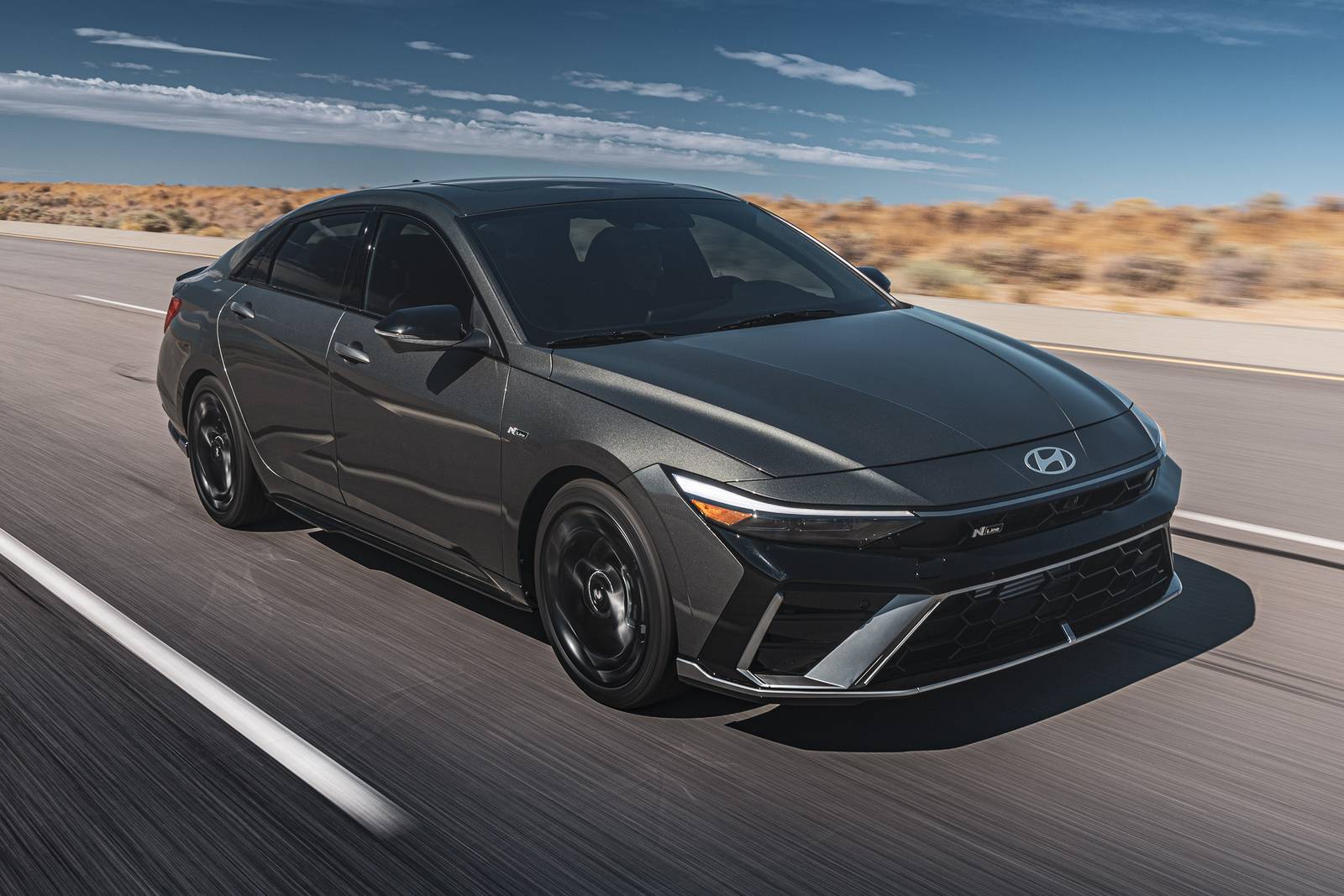
1. Hyundai
Hyundai has established itself as one of the most aggressive and customer-focused automakers when it comes to warranty coverage. Most new Hyundai vehicles come with a five-year or 60,000-mile basic warranty and an impressive 10-year or 100,000-mile powertrain warranty.
This level of protection is among the best in the global automotive industry and has played a major role in reshaping public perception of the brand over the past two decades. It has helped Hyundai transition from a budget-focused manufacturer into a mainstream competitor known for reliability and strong value retention.
One of the biggest advantages of Hyundai’s warranty is its comprehensive nature. The basic warranty covers a wide range of components including electrical systems, infotainment units, suspension parts, air conditioning systems, and various interior and exterior components.
Meanwhile, the powertrain warranty specifically protects the engine, transmission, and drivetrain, which are typically the most expensive parts to repair or replace. This dual-layer protection ensures that owners are shielded from both minor repair costs and major mechanical failures during the early and mid stages of ownership.
Hyundai’s warranty is also transferable to subsequent owners, which significantly boosts resale value. A used Hyundai that still falls within its 10-year or 100,000-mile powertrain coverage becomes much more attractive in the second-hand market.
Buyers are often willing to pay a premium for vehicles that still carry manufacturer-backed protection, as it reduces the risk associated with used car purchases. This makes Hyundai a strong choice not just for first owners but also for those considering long-term investment value.
Another major benefit is Hyundai’s roadside assistance program, which typically runs alongside the basic warranty period. This includes services such as towing, flat tire assistance, battery jump starts, emergency fuel delivery, and lockout services.
These features may seem small, but they add a significant layer of convenience and safety, especially for drivers who frequently travel long distances or live in areas with limited service access. Combined with the warranty, it creates a strong ownership package.
Hyundai stands out as a leader in warranty coverage because it combines long-term mechanical protection with practical everyday support services. This reflects the company’s confidence in its engineering and its commitment to reducing ownership risk for customers.
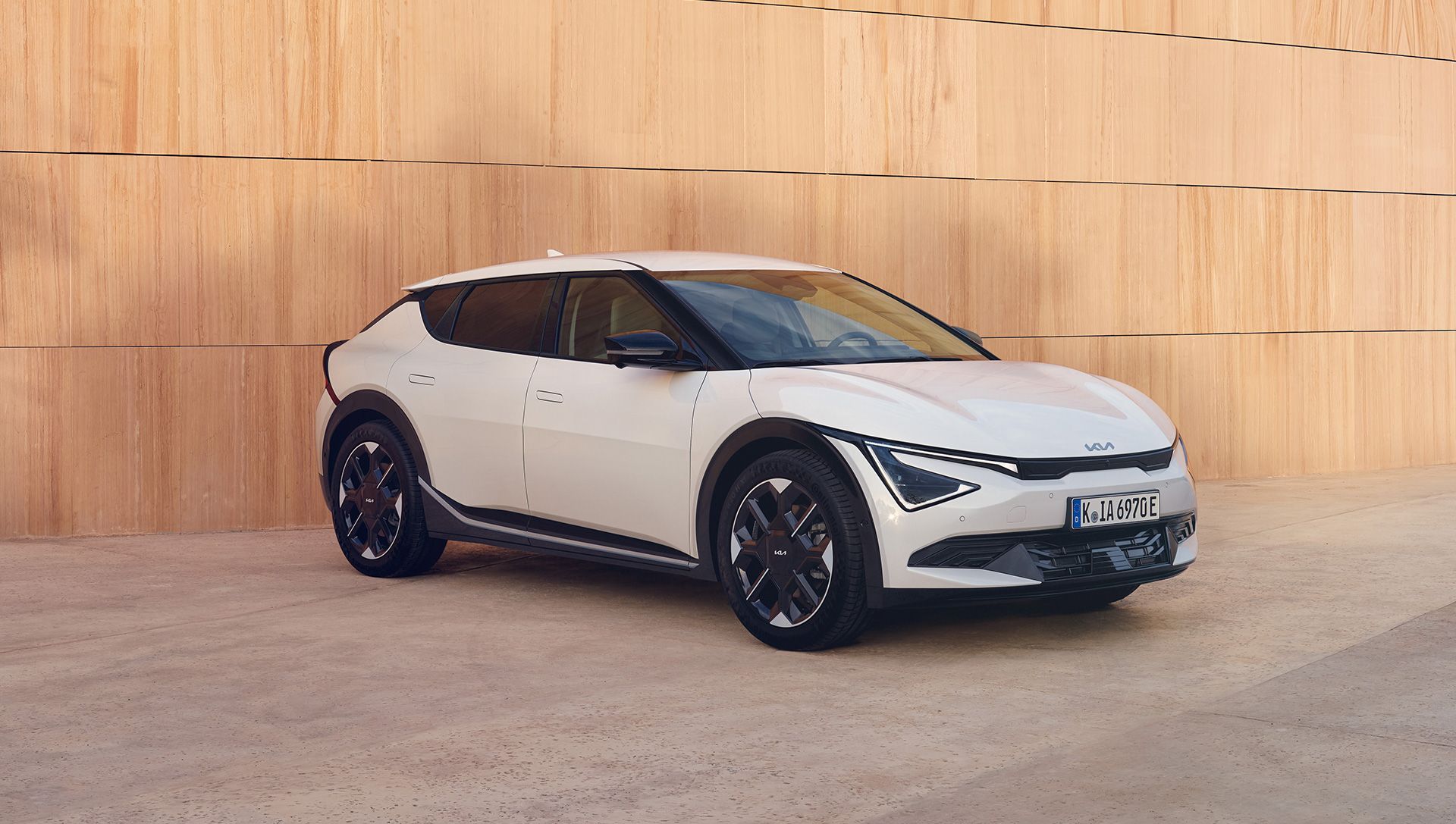
2. Kia
Kia offers one of the most competitive warranty packages in the automotive industry, closely mirroring its sister company, Hyundai. Most new Kia vehicles come with a five-year or 60,000 mile basic warranty and a 10-year or 100,000-mile powertrain warranty.
This consistency across the lineup ensures that whether a buyer chooses a compact sedan, SUV, or electric model, they receive the same high level of long-term protection. This uniform approach simplifies decision-making for customers who prioritize warranty coverage above all else.
Kia’s long warranty is not just about duration but also about the breadth of coverage. The basic warranty includes protection for a wide range of vehicle systems such as electrical components, climate control systems, safety features, infotainment systems, and factory-installed technology.
This is particularly important in modern vehicles, where even minor electronic failures can be costly to diagnose and repair. By covering these systems early in ownership, Kia reduces the financial uncertainty that often comes with new technology adoption.
The brand has also significantly improved its build quality and reliability over the years. This means the extended warranty is not simply compensating for potential issues but rather reinforcing confidence in a product that is increasingly dependable. Kia has invested heavily in design, engineering, and quality control, which has helped strengthen its reputation from a budget alternative to a strong mainstream competitor.
Another important aspect of Kia’s warranty is its contribution to resale value. Like Hyundai, Kia offers transferable powertrain coverage, which makes its vehicles highly attractive in the used market.
Buyers often prefer used Kia models that still have several years of warranty remaining, as this reduces the risk of unexpected repair costs. This helps owners retain more value when selling or trading in their vehicles.
In addition to mechanical coverage, Kia also provides roadside assistance and corrosion protection in many regions. These added benefits enhance the ownership experience and demonstrate the brand’s commitment to long-term customer satisfaction. For buyers seeking affordability combined with strong protection, Kia remains one of the most compelling choices available today.
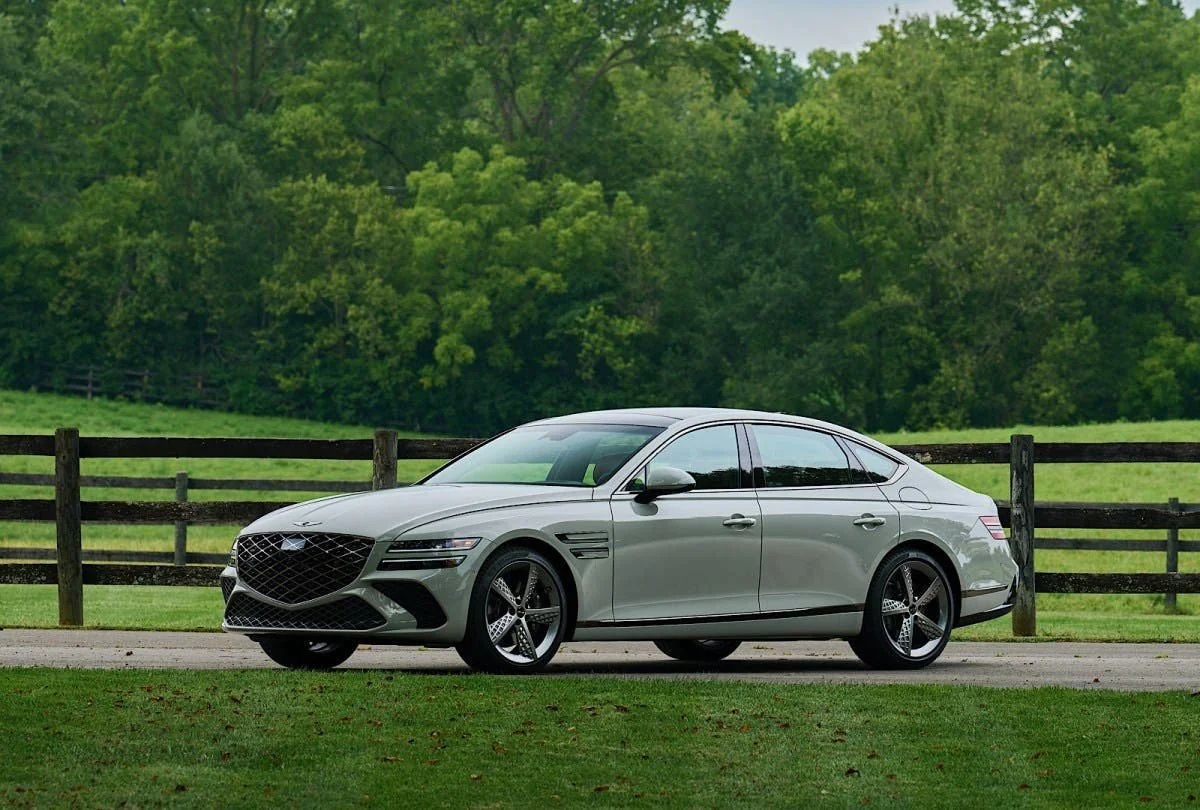
3. Genesis
Genesis, the luxury division of Hyundai, takes the already impressive Hyundai warranty and enhances it with premium ownership benefits. New Genesis vehicles typically include a five-year or 60,000-mile basic warranty and a 10-year or 100,000-mile powertrain warranty, matching the industry leaders in coverage duration.
However, what truly sets Genesis apart is how it integrates warranty protection with a high-end customer experience designed to rival established luxury brands like BMW, Mercedes-Benz, and Lexus.
One of the standout features of Genesis ownership is the inclusion of complimentary maintenance programs in many markets. This often covers scheduled services such as oil changes, inspections, and basic wear-and-tear maintenance for the first few years of ownership.
By removing routine service costs, Genesis reduces both financial burden and inconvenience, allowing owners to enjoy a more seamless luxury experience.
Genesis also offers concierge-style services that enhance the ownership experience beyond traditional warranty coverage. These may include valet service for maintenance pickup and drop-off, 24/7 customer support, and personalized assistance for service scheduling. This level of attention to convenience is designed to match or exceed expectations in the premium automotive segment.
From a reliability standpoint, Genesis benefits from Hyundai’s proven engineering foundation but applies stricter quality control and premium materials. This helps reduce the likelihood of issues while still providing extensive warranty coverage as a safeguard. The combination of strong engineering and long warranty protection creates a compelling value proposition in the luxury market.
Genesis successfully blends luxury, reliability, and long-term protection into a single ownership package. For buyers seeking a premium vehicle without the traditional concerns about repair costs, it stands out as a highly attractive option.
4. Mitsubishi
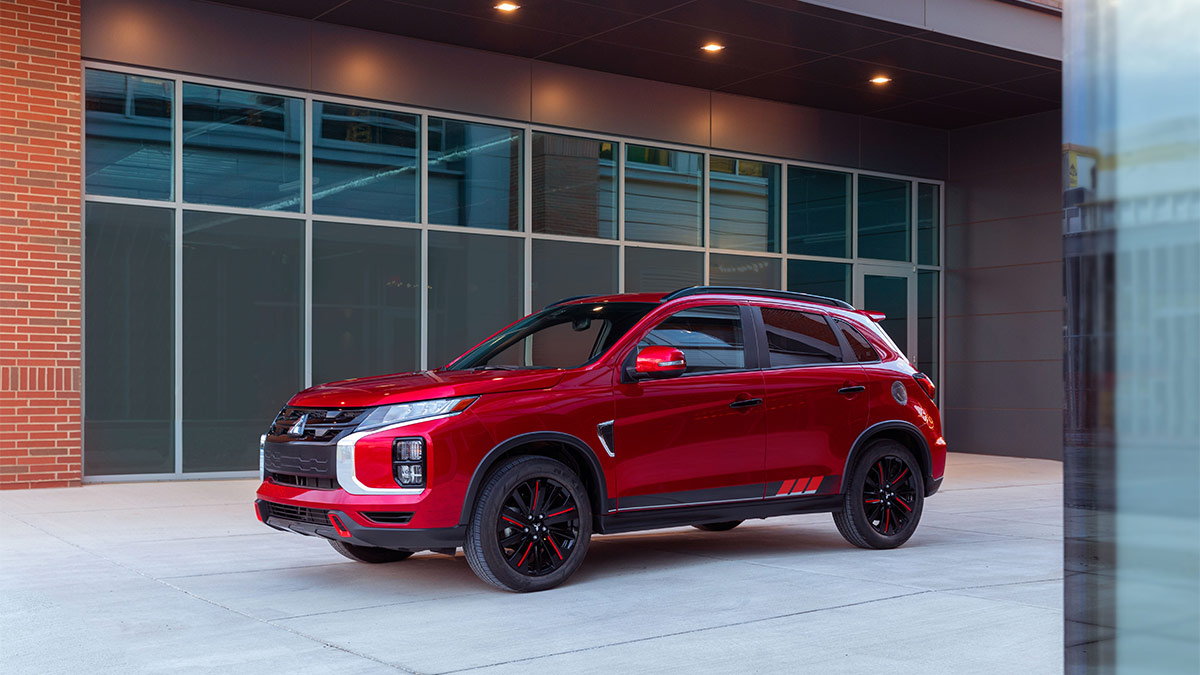
Mitsubishi offers one of the most straightforward yet appealing warranty structures in the automotive market, especially for budget-conscious buyers. Most new Mitsubishi vehicles come with a 10-year or 100,000-mile powertrain warranty and a five-year or 60,000-mile basic warranty.
This long-term coverage positions Mitsubishi as a strong contender for buyers who prioritize affordability and peace of mind over luxury features or brand prestige.
One of the key strengths of Mitsubishi’s warranty is its simplicity and clarity. Unlike some brands that offer complex tiered coverage, Mitsubishi provides a straightforward structure that is easy for customers to understand. This transparency builds trust and reduces confusion for first-time car buyers who may not be familiar with warranty terms and conditions.
The warranty is particularly valuable given Mitsubishi’s pricing strategy. The brand typically focuses on offering affordable vehicles that emphasize practicality and efficiency. The long warranty coverage adds significant value to this proposition by reducing long-term ownership risk. For many buyers, this combination of low upfront cost and extended protection is highly attractive.
Mitsubishi also includes roadside assistance and corrosion protection in its warranty package, which further enhances ownership confidence. These additional services ensure that drivers are not left stranded in emergency situations and that their vehicles are protected against environmental wear over time.
Mitsubishi’s warranty strategy is designed to offer maximum reassurance at a minimal cost, making it an appealing choice for budget-focused drivers who still want long-term protection.
Also read: 5 Cars That Outlast Their Owners And 5 That Die Before The Loan Ends
5. Toyota
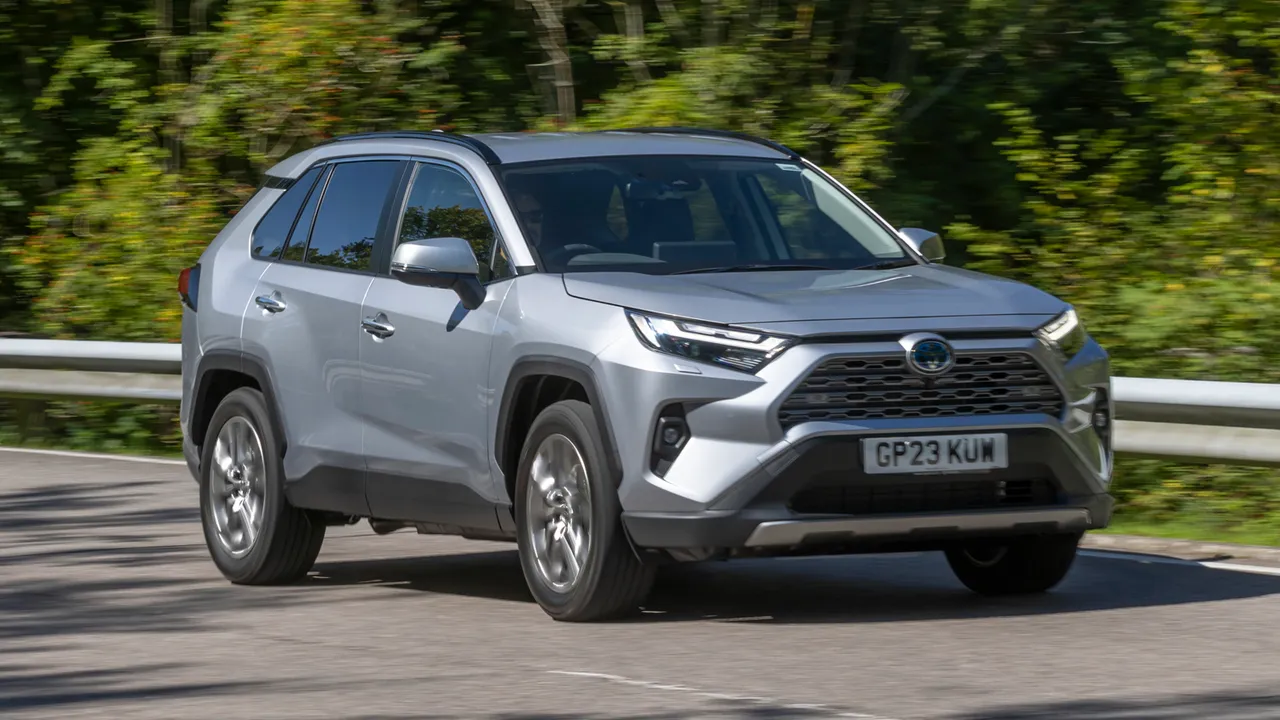
Toyota has built its global reputation on one core principle: long-term reliability. While its standard factory warranty is similar to most mainstream automakers, typically around three years or 36,000 miles basic coverage with five years or 60,000 miles for the powertrain in many markets, the real strength of Toyota lies in its extended protection options and hybrid-specific warranties.
In several regions, Toyota offers enhanced warranty programs that can stretch up to 10 years or 100,000 miles when owners follow scheduled maintenance requirements at authorized service centers. This approach blends customer loyalty incentives with long-term mechanical assurance.
One of the most important aspects of Toyota’s warranty strategy is its focus on preventative maintenance compliance. Instead of simply offering blanket extended coverage to all buyers, Toyota encourages regular servicing at approved dealerships. This ensures that vehicles remain in optimal condition and reduces the likelihood of major mechanical failures.
As a result, Toyota can confidently extend coverage in certain cases while maintaining high reliability standards across its fleet. This model benefits both the manufacturer and the customer by aligning incentives toward proper vehicle care.
Toyota’s hybrid lineup also receives special attention under its warranty structure. Components such as hybrid batteries, electric motors, and associated control systems are often covered for longer periods compared to conventional powertrain parts.
In many markets, hybrid battery coverage can extend up to 8 years or 100,000 miles, with some regions offering even longer protection. This is particularly significant as hybrid technology becomes more widespread and buyers seek reassurance about long-term battery durability and replacement costs.
Another strength of Toyota’s warranty ecosystem is its consistency across global markets. While exact terms may vary by region, the philosophy remains the same: provide dependable baseline coverage and reinforce it with optional extended protection programs. This consistency has helped Toyota maintain strong resale values worldwide, as buyers associate the brand with durability and predictable ownership costs.
Toyota’s warranty approach may not always be the longest in standard form, but when combined with its extended programs and reputation for reliability, it creates one of the most trustworthy long-term ownership experiences in the automotive industry.
6. Lexus
Lexus, Toyota’s luxury division, takes the foundation of Toyota’s reliability and enhances it with premium ownership benefits and refined warranty coverage.
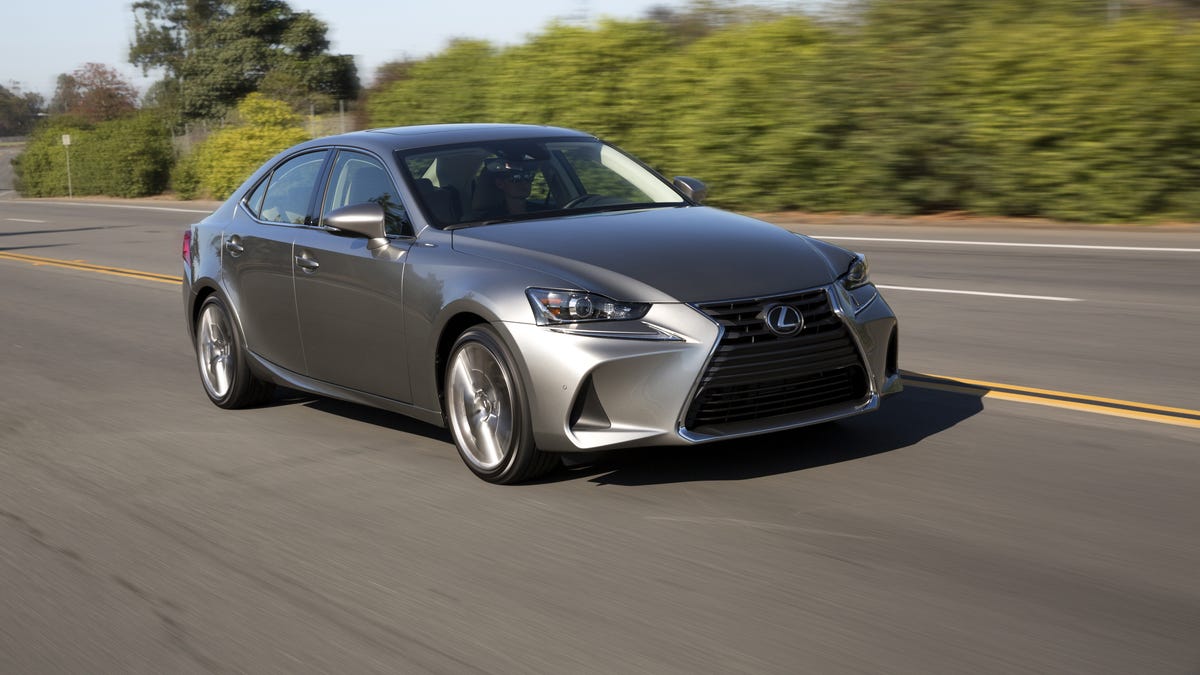
In most markets, Lexus vehicles come with a four-year or 50,000-mile basic warranty and a similar powertrain warranty, but like Toyota, the brand often offers extended protection options that can reach up to 10 years or 100,000 miles under specific service conditions or certified programs. This positions Lexus as one of the most dependable luxury brands when it comes to long-term ownership security.
One of the defining characteristics of Lexus ownership is its exceptional reliability record. Lexus consistently ranks at the top of global dependability surveys, which means that warranty claims are statistically lower compared to many competitors in the luxury segment.
This high level of engineering quality allows Lexus to confidently support its vehicles with strong warranty coverage while maintaining lower long-term maintenance concerns for owners.
Lexus also enhances its warranty offering with premium service experiences. Many dealerships provide complimentary maintenance packages for the first few years of ownership, covering essential services such as oil changes, inspections, and tire rotations. This reduces early ownership costs and ensures that vehicles are maintained according to manufacturer standards, further improving long-term reliability.
Another important advantage is Lexus roadside assistance, which typically matches the duration of the basic warranty in many regions. This service includes towing, emergency repairs, battery assistance, and lockout services, ensuring that drivers receive prompt support in unexpected situations. Combined with the brand’s strong dealer network, this creates a highly reliable support system for owners.
Lexus stands out in the luxury segment by combining proven Toyota engineering with high-quality customer service and extended protection options. For buyers seeking luxury without the long-term risk often associated with premium vehicles, Lexus provides one of the most balanced and dependable ownership experiences available.
7. Peugeot
Peugeot has significantly strengthened its warranty offerings in recent years, particularly as the automotive industry shifts toward electrification and longer-term customer assurance.
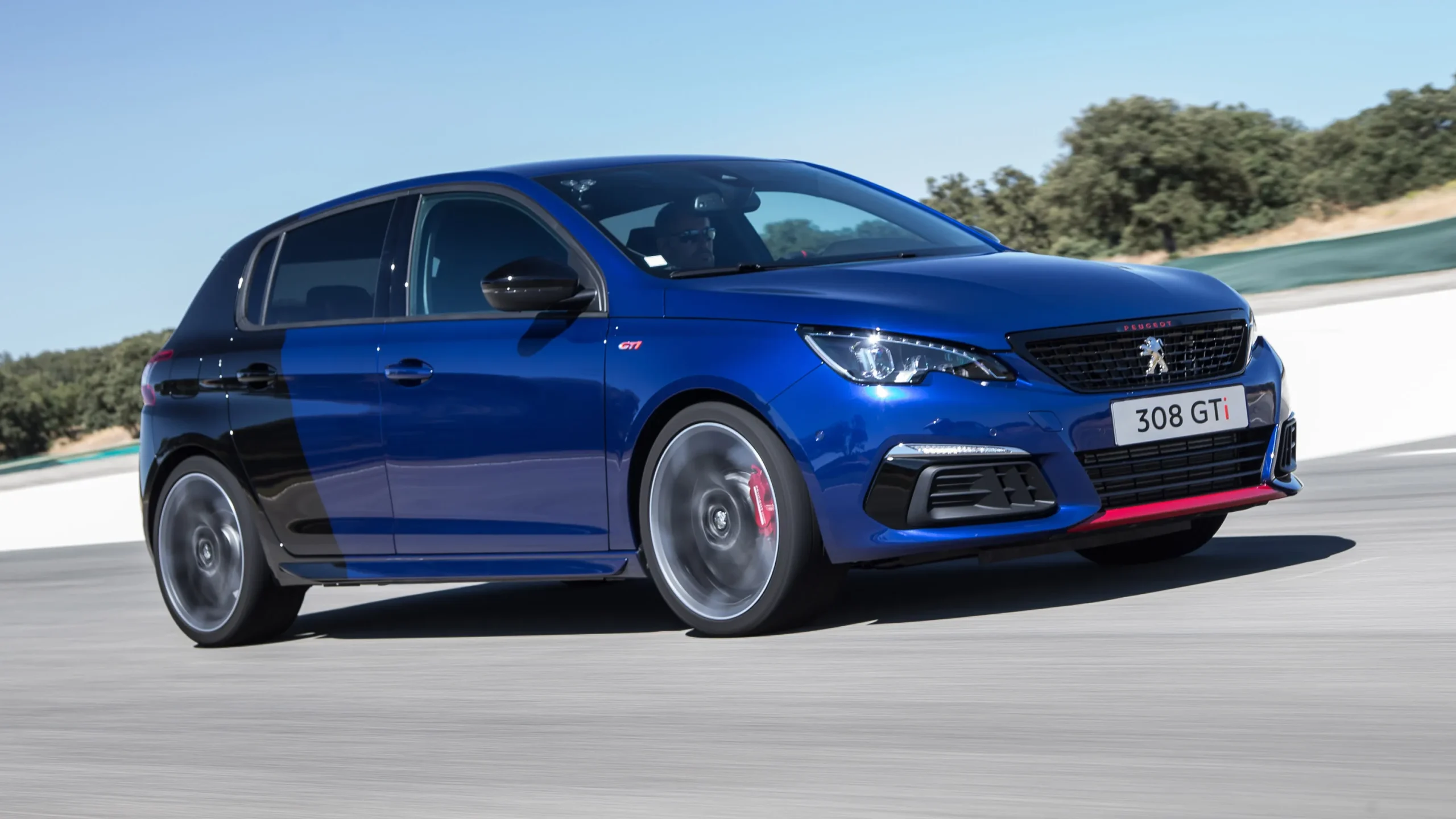
In many European markets, Peugeot now offers warranty programs that can extend up to eight years or 100,000 miles under specific conditions, especially when combined with approved service plans or maintenance programs. This represents a major improvement over traditional European manufacturer warranty lengths and reflects a broader industry trend toward increased consumer protection.
A key driver behind Peugeot’s extended warranty strategy is the growing importance of electric and hybrid vehicles. As the brand expands its electric lineup, it has introduced longer coverage for critical components such as battery packs, electric motors, and power electronics. These systems are among the most expensive parts of an EV, and extended warranty coverage helps reduce buyer hesitation when transitioning from internal combustion engines to electric mobility.
Peugeot’s warranty also emphasizes customer retention through service-based extensions. Many of its extended coverage options require regular maintenance at authorized service centers, which ensures that vehicles remain in optimal condition while keeping warranty protection active. This approach strengthens the relationship between the customer and the dealership network while also improving long-term vehicle reliability.
Another important aspect is Peugeot’s focus on affordability within the European market. By offering extended warranty programs, the brand enhances the perceived value of its vehicles, making them more competitive against both mainstream and premium rivals. This is particularly important in markets where buyers are highly sensitive to long-term ownership costs.
Peugeot’s extended warranty strategy reflects its adaptation to modern automotive trends, especially electrification, and provides added reassurance for buyers looking for long-term protection in a rapidly evolving industry.
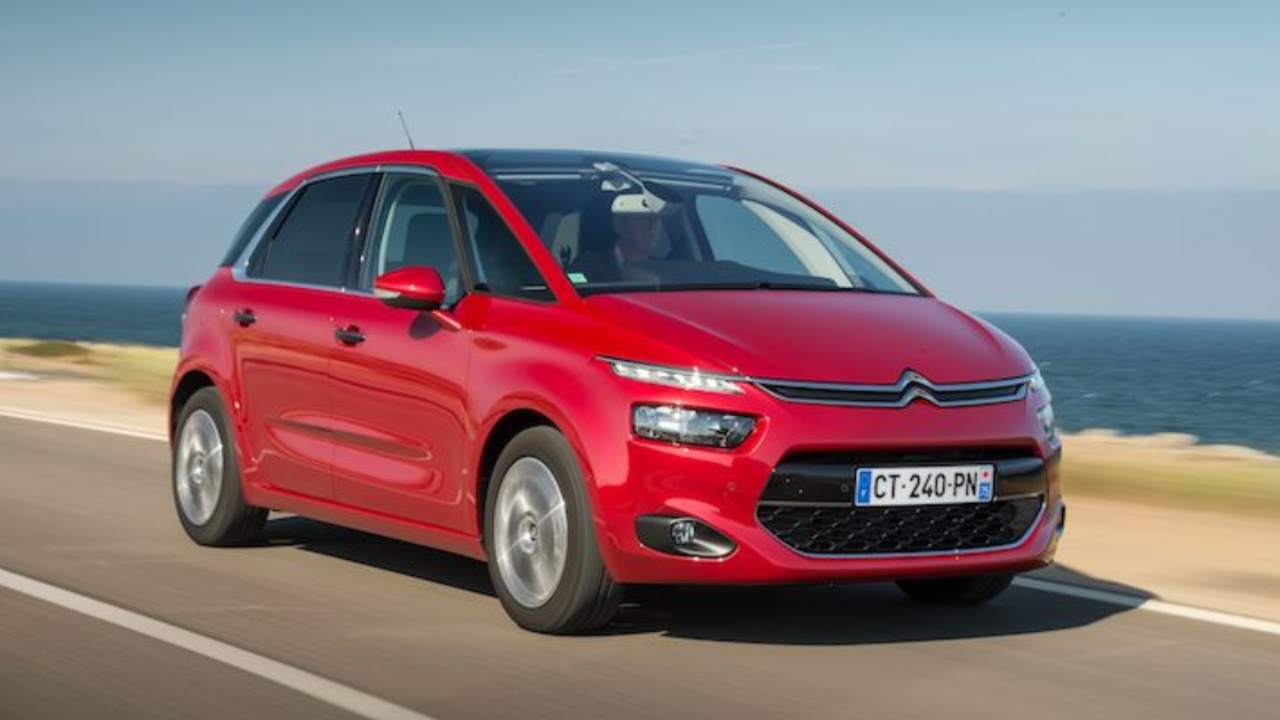
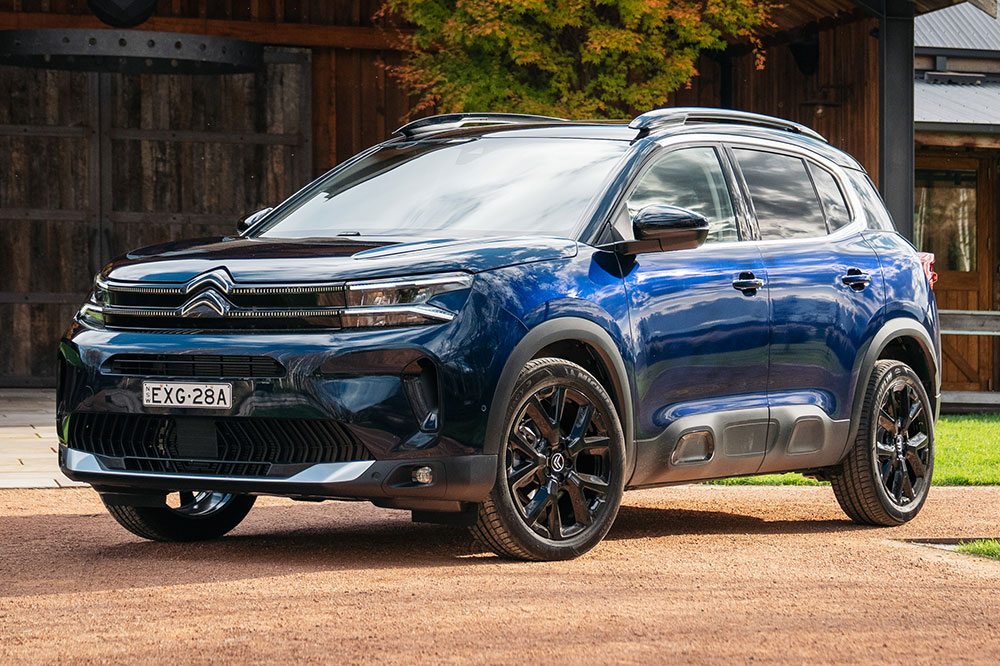
8. Citroën
Citroën, like Peugeot, has embraced extended warranty programs as part of its strategy to improve customer confidence and adapt to the changing automotive industry. In several markets, Citroën offers warranty coverage that can extend up to eight years or 100,000 miles when combined with specific service plans or extended care packages. This positions the brand as a strong option for buyers seeking affordable vehicles with long-term protection.
One of Citroën’s key strengths is its focus on comfort-oriented and value-driven vehicles. The extended warranty complements this philosophy by reducing long-term ownership concerns, especially for buyers who prioritize practicality and affordability over performance or luxury features.
This makes Citroën particularly appealing in urban and family-focused markets where cost efficiency is important.
Citroën’s warranty coverage typically includes major mechanical components such as the engine, transmission, and drivetrain, along with protection for select electronic systems depending on the model and region. This ensures that owners are protected against the most expensive potential repairs, which is especially important for budget-conscious drivers.
The brand has also increased its focus on electric and hybrid models, which benefit from extended warranties for battery systems and electric drivetrains. This reflects the broader industry transition toward electrification and ensures that Citroën remains competitive in emerging automotive segments.
Citroën’s extended warranty offering enhances its value proposition significantly. By combining affordability, comfort, and long-term protection, it provides a practical ownership solution for drivers who want financial security without a premium price tag.
Also read: 10 Cars That Are Cheapest To Fix At Any Mechanic in the United States
