
Luxury sedans are often seen as the perfect combination of comfort, performance, and advanced technology. Brands like BMW, Mercedes-Benz, Audi, Lexus, and Jaguar compete in a space where refinement matters as much as speed.
However, what many buyers overlook when stepping into this segment is the long-term maintenance cost, especially when it comes to batteries. While most people assume battery replacement is a minor expense, the reality is more complex in luxury vehicles due to dual battery systems, hybrid technology, start-stop systems, and advanced electrical architectures.
In modern luxury sedans, there are typically two main types of batteries. The first is the conventional 12-volt battery that powers electronics, ignition systems, and control modules. The second is the high-voltage hybrid or electric battery found in hybrid and plug-in hybrid variants.
Even though EV traction batteries cost thousands of dollars, even the smaller auxiliary or hybrid components can easily reach or exceed $800, depending on brand, model, and labor charges.
Luxury automakers often use specialized battery designs that are integrated into vehicle architecture. This means replacing them is not as simple as swapping a standard car battery. Labor costs are higher, diagnostic systems are required, and in some cases, programming or calibration is needed after installation. As a result, even the “basic” battery replacement in luxury sedans can be significantly more expensive than in mainstream vehicles.
For example, a conventional luxury sedan 12-volt battery can cost between $300 and $800 installed, while hybrid auxiliary batteries or mild-hybrid systems can push costs higher. In hybrid and plug-in hybrid luxury sedans, the main battery packs can cost anywhere from $3,000 to over $20,000, depending on model and age.
However, the focus of this article is on the surprising fact that even smaller batteries in these vehicles can cross the $800 threshold.
This article explores 8 luxury sedans where battery replacement costs are high, sometimes surprisingly so, even for non-traction batteries. These examples highlight how luxury engineering, premium components, and complex electrical systems contribute to long-term ownership costs.
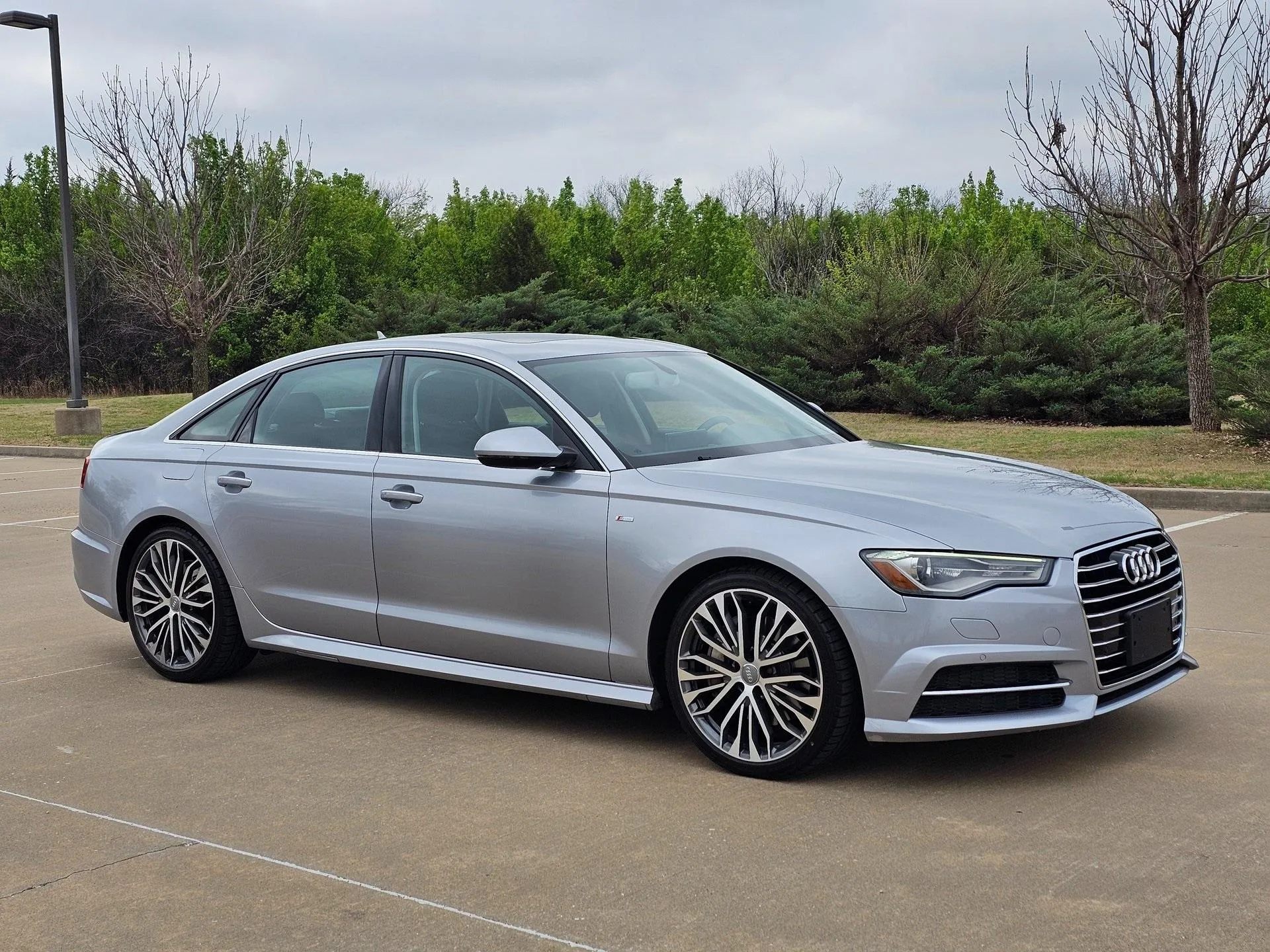
Whether you are a buyer considering a luxury sedan or an owner planning for maintenance expenses, understanding these battery costs is essential for realistic budgeting.
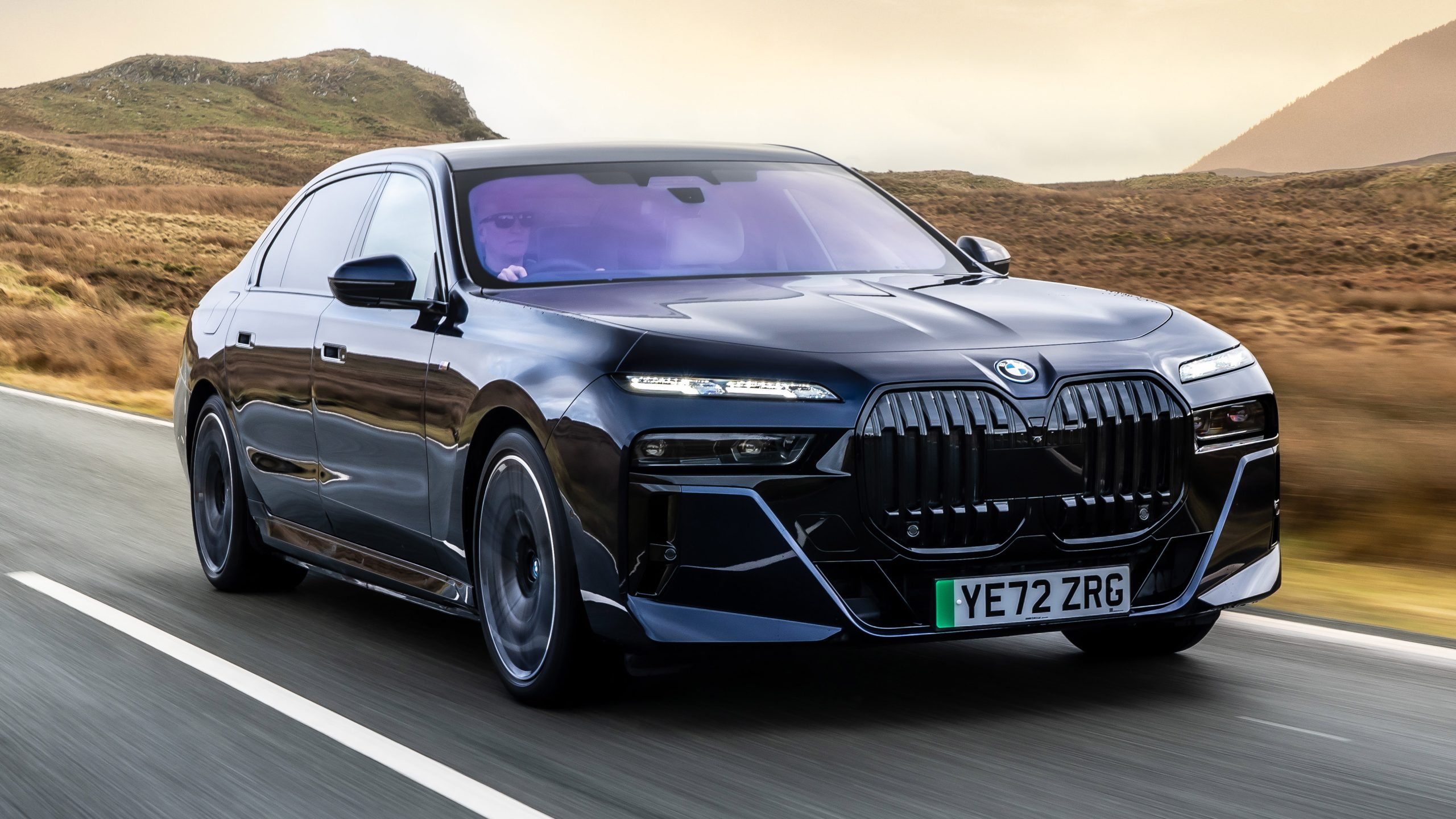
1. BMW 7 Series
The BMW 7 Series is not just a luxury sedan; it is essentially BMW’s technological showcase on wheels. Every generation of the 7 Series introduces more electronics, more driver assistance systems, and more integrated comfort features.
This level of complexity directly affects something as simple as battery replacement, because the car does not treat the battery as a standalone component. Instead, it is part of a tightly controlled energy management ecosystem that constantly monitors voltage, load distribution, and charging cycles.
In most modern versions of the 7 Series, the standard 12-volt battery is an AGM or absorbent glass mat type. This is required because the car’s start-stop system and always-on electronics demand higher stability than conventional flooded batteries can provide.
As a result, the cost of the battery alone is already significantly higher than that of mainstream vehicles. When you factor in dealership pricing, coding requirements, and labor charges, the total replacement cost often reaches between $500 and $800, and in some cases, even higher, depending on region and model year.
One of the biggest reasons for this high cost is BMW’s battery registration system. After installing a new battery, technicians must register it in the vehicle’s ECU. This process ensures the car’s energy management system knows the age, capacity, and charging characteristics of the new battery.
Without this step, the vehicle may overcharge or undercharge the battery, reducing lifespan and potentially affecting performance. This requirement adds both time and technical labor costs to what would otherwise be a simple replacement.
Hybrid and mild-hybrid versions of the 7 Series introduce another layer of complexity. These models often include lithium-ion auxiliary batteries that support acceleration bursts, regenerative braking, and power smoothing for electrical systems. These batteries are smaller than full EV packs but still highly specialized and expensive.
Even these auxiliary units alone can cross $800, especially when sourced through authorized dealerships. Independent repair shops may offer lower prices, but compatibility and warranty concerns often push owners toward OEM replacements.
Another important factor is the sheer number of electronic systems in the 7 Series. Features like adaptive suspension, massage seats, advanced climate control, gesture-based infotainment, and driver assistance systems all rely on stable electrical input.
This means the battery is not just starting the car; it is essentially acting as a stabilizing backbone for dozens of subsystems. Any fluctuation in voltage can cause warning messages or system malfunctions, which is why BMW emphasizes precision battery management.
The BMW 7 Series demonstrates how luxury engineering transforms even a basic maintenance item like a battery into a premium service procedure. The combination of high-end AGM technology, mandatory software registration, and integrated electrical complexity ensures that ownership costs remain significantly higher than those of average sedans, even before considering major repairs.
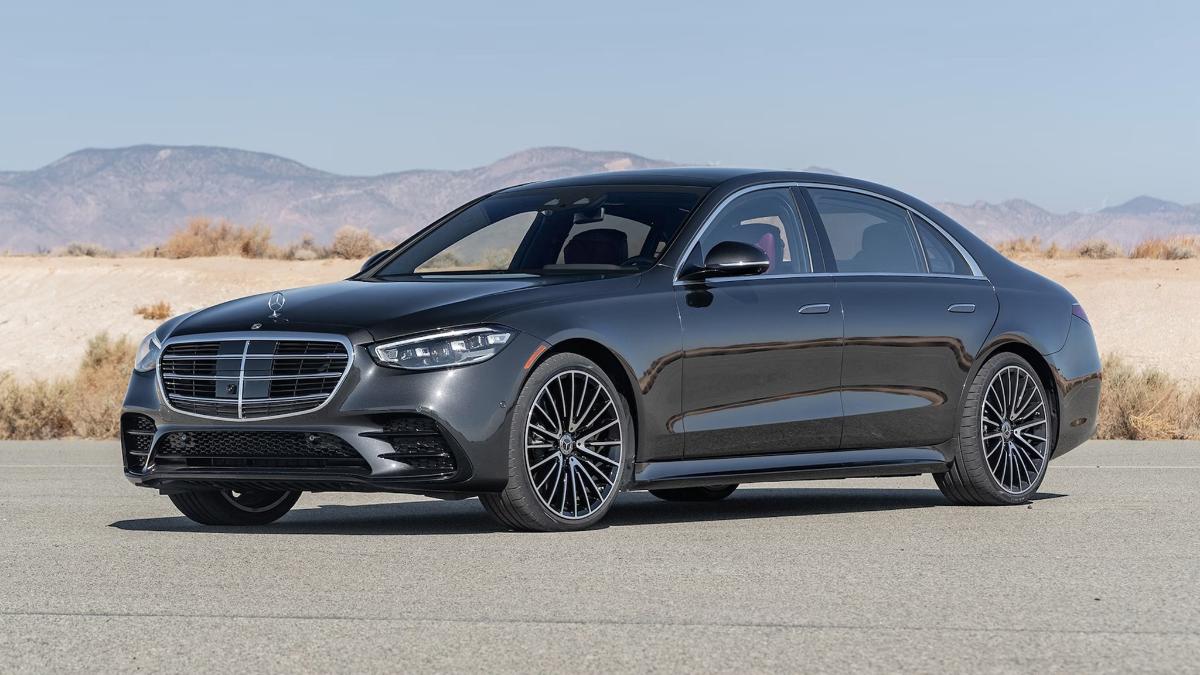
2. Mercedes-Benz S-Class
The Mercedes-Benz S-Class is often described as the most advanced traditional luxury sedan in the world, and that reputation is built on decades of engineering innovation. Every generation of the S-Class introduces new levels of digital integration, safety systems, and comfort technologies. However, this technological sophistication comes with a hidden cost that becomes very clear when it is time to replace the battery.
In most S-Class models, the 12-volt battery is not a simple starter battery. It is typically an AGM high-performance battery designed to handle constant electrical demand.
The S-Class is always active in some way, even when parked, due to its security systems, sensor networks, and onboard computers. This means the battery must maintain a stable voltage under continuous load, which shortens its lifespan and increases replacement frequency compared to simpler vehicles.
The cost of replacing this battery typically ranges from $400 to $900, depending on the exact model, engine type, and dealership pricing structure. The battery itself is expensive, but the larger cost driver is labor and system integration. Mercedes-Benz vehicles require electronic battery registration and system adaptation after installation. This ensures the vehicle’s energy management system correctly adjusts charging behavior for the new battery’s age and capacity.
Hybrid versions of the S-Class introduce even more expensive components. Mild-hybrid systems use integrated starter generators and auxiliary lithium-ion batteries that assist with acceleration and improve fuel efficiency. These auxiliary batteries are not large like EV packs, but they are highly specialized and can easily exceed $800 when replacement is required. In some cases, they are located in difficult-to-access areas of the vehicle, increasing labor costs significantly.
Another factor contributing to high costs is the S-Class’s reliance on uninterrupted power stability. Systems such as active suspension, air ride control, advanced driver assistance, and digital cockpit displays all depend on consistent voltage.
If the battery weakens, even slightly, the vehicle may display warnings or temporarily disable certain functions. This sensitivity forces owners to replace batteries earlier and often through authorized service centers to ensure proper calibration.
The S-Class also uses intelligent energy recovery systems that constantly monitor and adjust power distribution. This means the battery is not just a storage unit; it is part of an active energy ecosystem. When replaced, the system must be recalibrated to ensure proper communication between all modules.
The Mercedes-Benz S-Class shows how luxury and engineering excellence directly translate into higher maintenance costs. Even a seemingly simple battery replacement becomes a technical procedure involving diagnostics, programming, and high-performance components that push costs well above mainstream expectations.
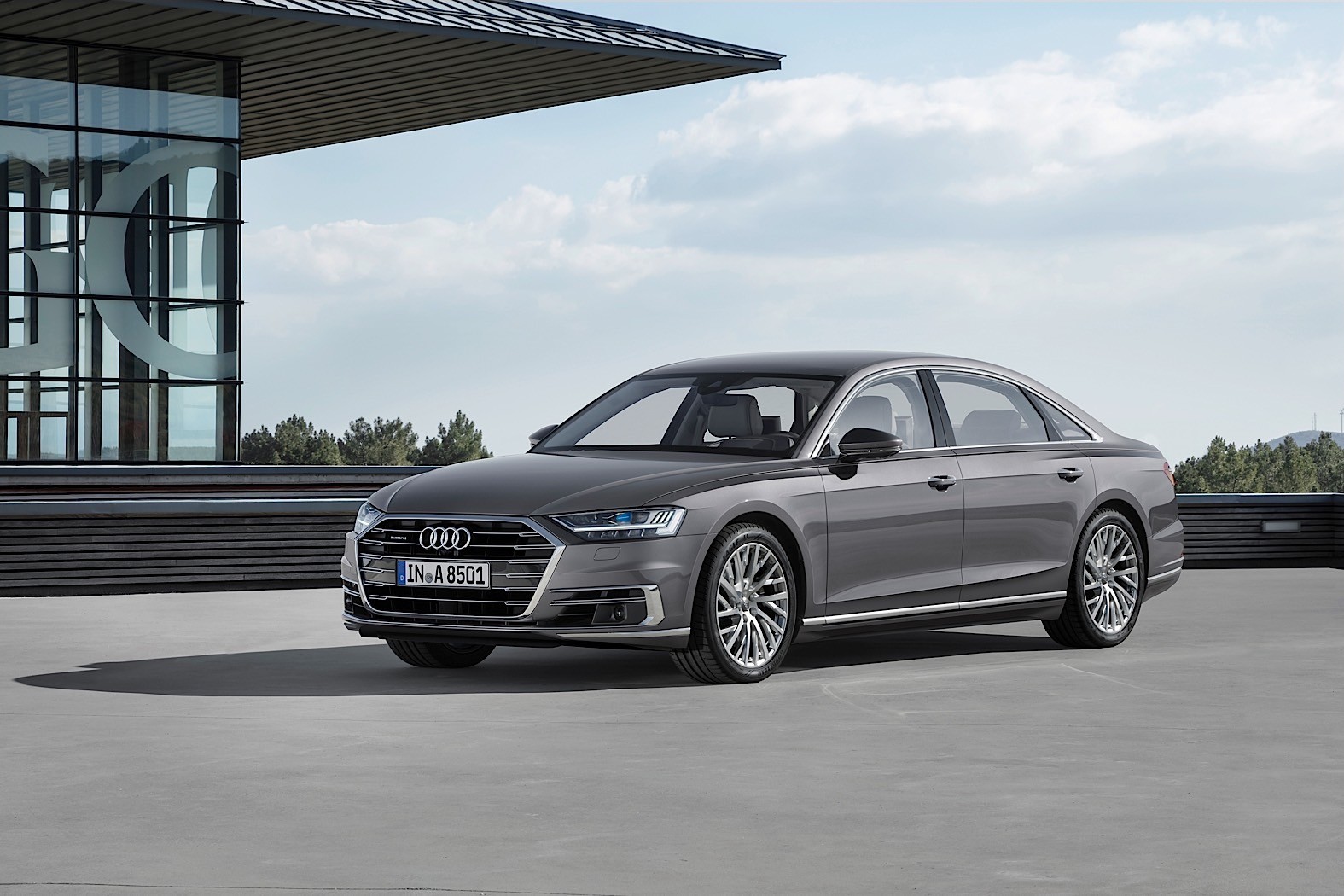
3. Audi A8
The Audi A8 is designed to compete directly with the BMW 7 Series and Mercedes S-Class, and it achieves this through a combination of advanced engineering, lightweight construction, and highly sophisticated electronics. One of the most important aspects of the A8 is its electrical architecture, which is far more complex than that of typical luxury sedans. This complexity plays a major role in why battery replacement costs are significantly higher than those of average vehicles.
Most Audi A8 models use AGM batteries as standard due to the high electrical demands of the vehicle. These batteries are designed to support features like Quattro all-wheel drive systems, adaptive air suspension, matrix LED lighting, and fully digital instrument clusters. Because of this, even the basic 12-volt battery is not a low-cost component. Replacement costs typically range between $400 and $800, depending on battery specifications and service location.
In newer versions of the A8, mild-hybrid systems have been introduced to improve efficiency and reduce emissions. These systems include a 48-volt electrical subsystem that supports engine start-stop functionality, regenerative braking, and temporary power boosts.
Within this system are lithium-ion battery modules that are significantly more expensive than traditional lead-acid batteries. Even though they are smaller than EV batteries, their replacement cost can easily exceed $800 due to specialized design and limited supply.
Another important factor is Audi’s requirement for battery adaptation through diagnostic software. After a new battery is installed, the vehicle must be programmed to recognize the new battery’s specifications. This process ensures proper charging behavior and prevents electrical system errors. Without this step, the vehicle may incorrectly manage power distribution, leading to reduced battery life or system warnings.
Labor costs also contribute heavily to total expenses. The A8’s engine bay and electrical systems are tightly packed, making battery access more complex than in simpler vehicles. Technicians often require additional time to remove protective panels or components before reaching the battery compartment. This increases service duration and cost.
The A8 also places heavy demand on electrical stability due to its advanced infotainment system, driver assistance features, and comfort technologies. Systems such as adaptive cruise control, lane assist, night vision, and multi-zone climate control rely on consistent voltage. This makes battery health critical, as even minor voltage drops can impact multiple systems simultaneously.
The Audi A8 demonstrates how modern luxury sedans rely on highly integrated electrical systems that turn even routine maintenance into premium service procedures. Battery replacement is no longer a simple mechanical task, but a calibrated electronic process that reflects the vehicle’s high level of sophistication.
4. Lexus LS
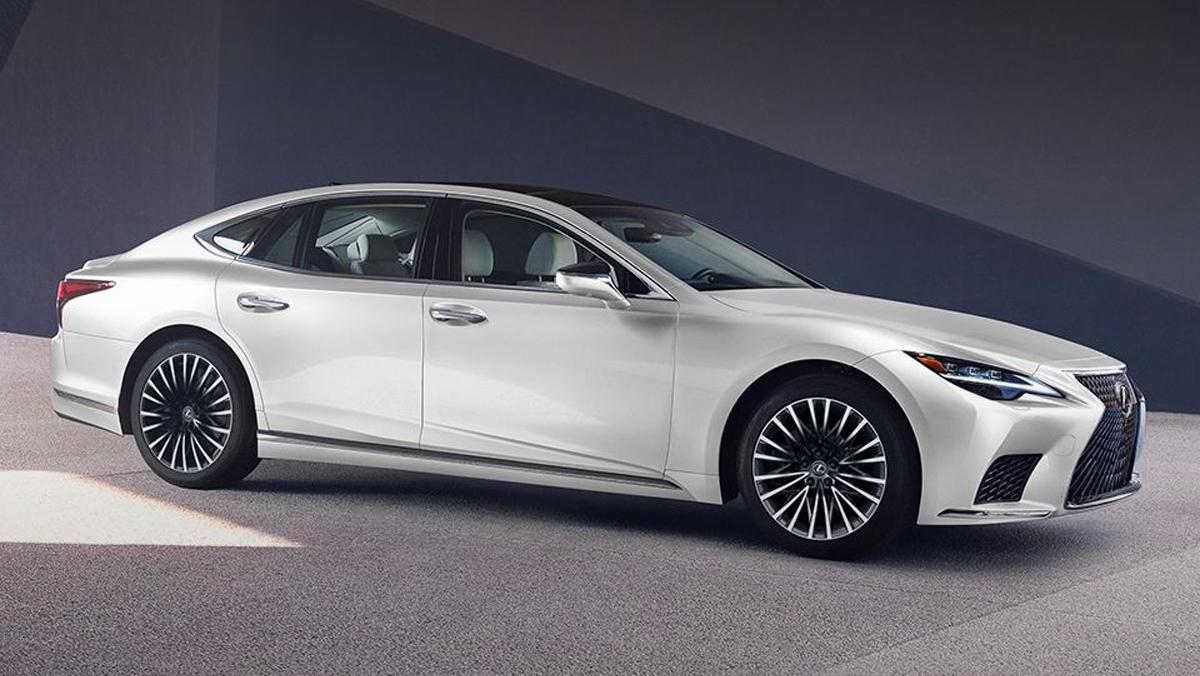
The Lexus LS has long been known for reliability, refinement, and long-term durability, often outperforming European rivals in terms of mechanical longevity. However, even this flagship luxury sedan is not immune to rising complexity in modern automotive design, especially when hybrid systems are involved. While Lexus has built a reputation for lower maintenance costs, battery replacement in certain LS variants can still become surprisingly expensive.
In standard gasoline versions of the Lexus LS, the 12-volt battery is relatively more affordable compared to German competitors. However, even here, premium AGM batteries are commonly used due to the vehicle’s advanced electronics and start-stop systems.
These batteries typically cost between $300 and $700 installed, depending on dealership pricing and region. While this is lower than some European rivals, it is still significantly higher than non-luxury sedans.
The situation changes more dramatically in hybrid versions of the Lexus LS. These models use high-voltage hybrid systems paired with auxiliary batteries that support energy management and system stability. While Lexus hybrid systems are generally more reliable and cost-effective than many competitors, battery replacement still represents a major expense when it becomes necessary. In some cases, auxiliary or hybrid-related battery components can push total replacement costs beyond $800.
One of the reasons Lexus is often considered more affordable to maintain is its engineering philosophy. The brand focuses on long-term reliability and fewer failure points, which helps reduce unexpected repair costs. However, hybrid integration introduces unavoidable complexity.
Even though Lexus hybrid batteries are known for durability and often last over 150,000 miles, eventual replacement remains a significant financial event.
Labor costs for Lexus vehicles are generally lower than those for German luxury brands, but battery replacement still requires diagnostic verification. Technicians must ensure proper communication between the battery system and vehicle control modules. This ensures optimal charging cycles and prevents system inefficiencies. While not as complex as BMW or Mercedes coding procedures, it still adds time and cost to service appointments.
The Lexus LS also integrates multiple electronic systems that depend on stable power delivery. Features such as adaptive suspension, premium infotainment, advanced safety systems, and climate control require consistent voltage. This means battery health directly impacts driving experience, making timely replacement essential rather than optional.
The Lexus LS demonstrates a balance between luxury and practicality. While it remains more affordable to maintain than many European competitors, hybrid variants still introduce battery replacement costs that can reach or exceed the $800 threshold, especially when factoring in parts, labor, and diagnostic procedures.
5. Jaguar XJ
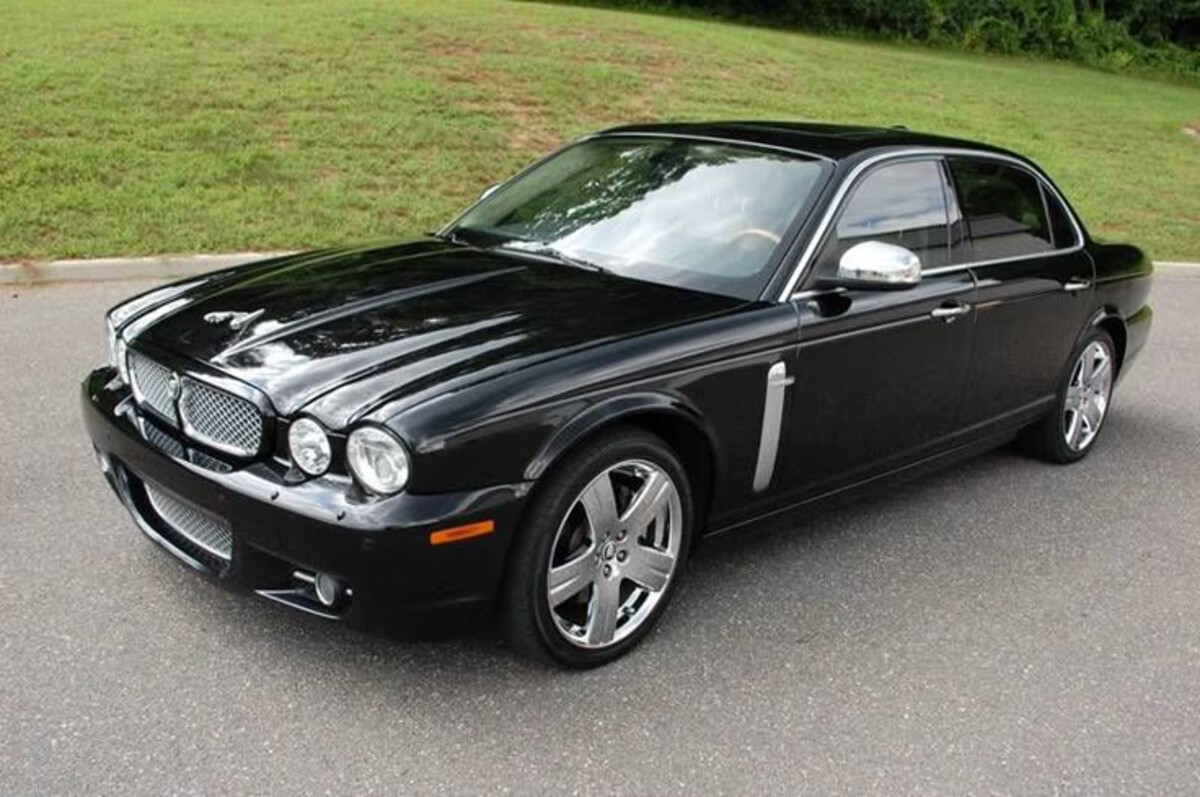
The Jaguar XJ stands as one of the most elegant British luxury sedans ever produced, combining traditional craftsmanship with modern performance engineering. However, beneath its refined exterior lies an electrical system that is more complex and costly to maintain than many buyers initially expect.
Unlike some Japanese competitors that prioritize long-term cost efficiency, Jaguar has historically focused more on performance feel and luxury experience, which directly influences maintenance costs such as battery replacement.
In most Jaguar XJ models, the standard 12-volt battery is not a basic component. It is typically an AGM battery designed to support a high number of electronic systems, including adaptive suspension, infotainment interfaces, advanced lighting systems, and multiple driver assistance features.
Because of this, even the base battery is significantly more expensive than those found in non-luxury vehicles. Replacement costs commonly range between $400 and $850, depending on model year, engine configuration, and service provider.
One of the key factors that increases cost in the XJ is electrical sensitivity. Jaguar vehicles are known for being highly dependent on stable voltage, and even small fluctuations can trigger warning messages or temporary system malfunctions.
This means the battery must maintain consistent output under varying load conditions, which reduces lifespan and increases the likelihood of earlier replacement compared to simpler sedans.
Another cost driver is the need for system resets and battery registration after installation. While not as complex as some German rivals, Jaguar vehicles still require diagnostic tools to ensure the new battery is properly integrated into the vehicle’s electrical management system. This ensures correct charging behavior and prevents overloading sensitive electronics.
Older XJ models with more advanced trim levels also include additional electronic modules that remain active even when the car is off. These parasitic drains increase battery wear over time, making high-quality AGM replacements essential rather than optional. This further contributes to the likelihood of higher replacement costs.
The Jaguar XJ shows how luxury styling and performance-focused engineering can result in higher maintenance costs. Even a basic component like a battery turns into a premium service item due to system complexity, parts pricing, and the need for specialized labor.
6. BMW 5 Series
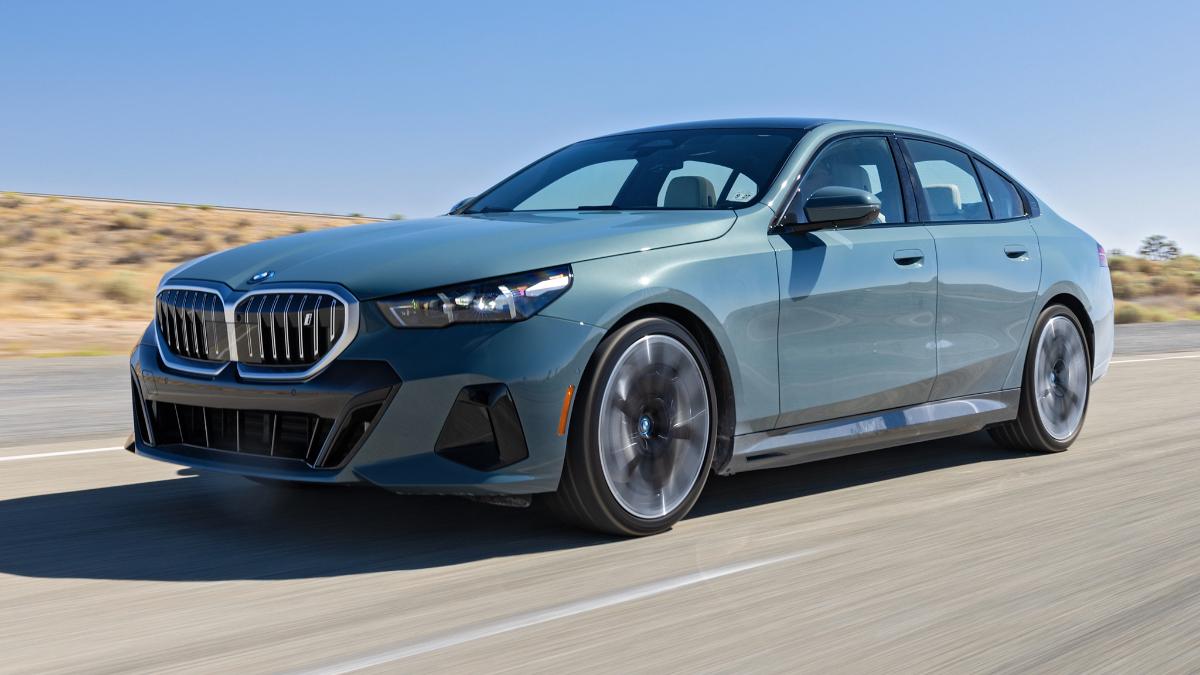
The BMW 5 Series Hybrid represents a balance between executive comfort and improved fuel efficiency, but it also introduces additional layers of electrical complexity compared to traditional gasoline versions. While the 5 Series is positioned below the 7 Series in BMW’s lineup, its hybrid variants share many of the same advanced energy management principles, which directly affect battery replacement costs.
In these hybrid models, the 12-volt battery is typically an AGM high-performance unit designed to handle frequent engine start-stop cycles and continuous electronic load. Because the hybrid system relies on seamless switching between electric assist and combustion power, voltage stability is critical.
As a result, battery quality requirements are significantly higher than standard vehicles, leading to replacement costs that often fall between $400 and $800 installed.
However, the complexity does not stop at the standard battery. BMW hybrid systems often include additional lithium-ion auxiliary batteries that support energy recovery and electrical smoothing functions.
These components are smaller than full EV packs but are highly specialized and expensive due to their integration into the vehicle’s energy architecture. In some cases, these auxiliary batteries alone can exceed $800 depending on model year and configuration.
A major contributor to cost in the 5 Series Hybrid is BMW’s mandatory battery registration system. After replacement, technicians must input battery specifications into the vehicle’s control unit. This ensures proper charging behavior and prevents system imbalance. Without registration, the car may mismanage charging cycles, reducing battery life and potentially affecting hybrid efficiency.
Labor costs also play a significant role. Hybrid components are often positioned in more compact and protected areas of the vehicle to maintain weight distribution and safety standards. This makes access more time-consuming compared to conventional sedans, increasing service duration and expense.
In addition, the 5 Series Hybrid is equipped with multiple electronic systems that rely on stable power delivery, including digital instrument clusters, adaptive cruise control, regenerative braking systems, and advanced infotainment interfaces. These systems place continuous demand on the battery, contributing to faster wear and more frequent replacement intervals.
The BMW 5 Series Hybrid illustrates how even mid-level luxury hybrids carry premium maintenance costs. The combination of AGM technology, auxiliary battery systems, and mandatory electronic registration ensures that battery replacement is a technical and costly process rather than a simple service task.
7. Mercedes-Benz E-Class
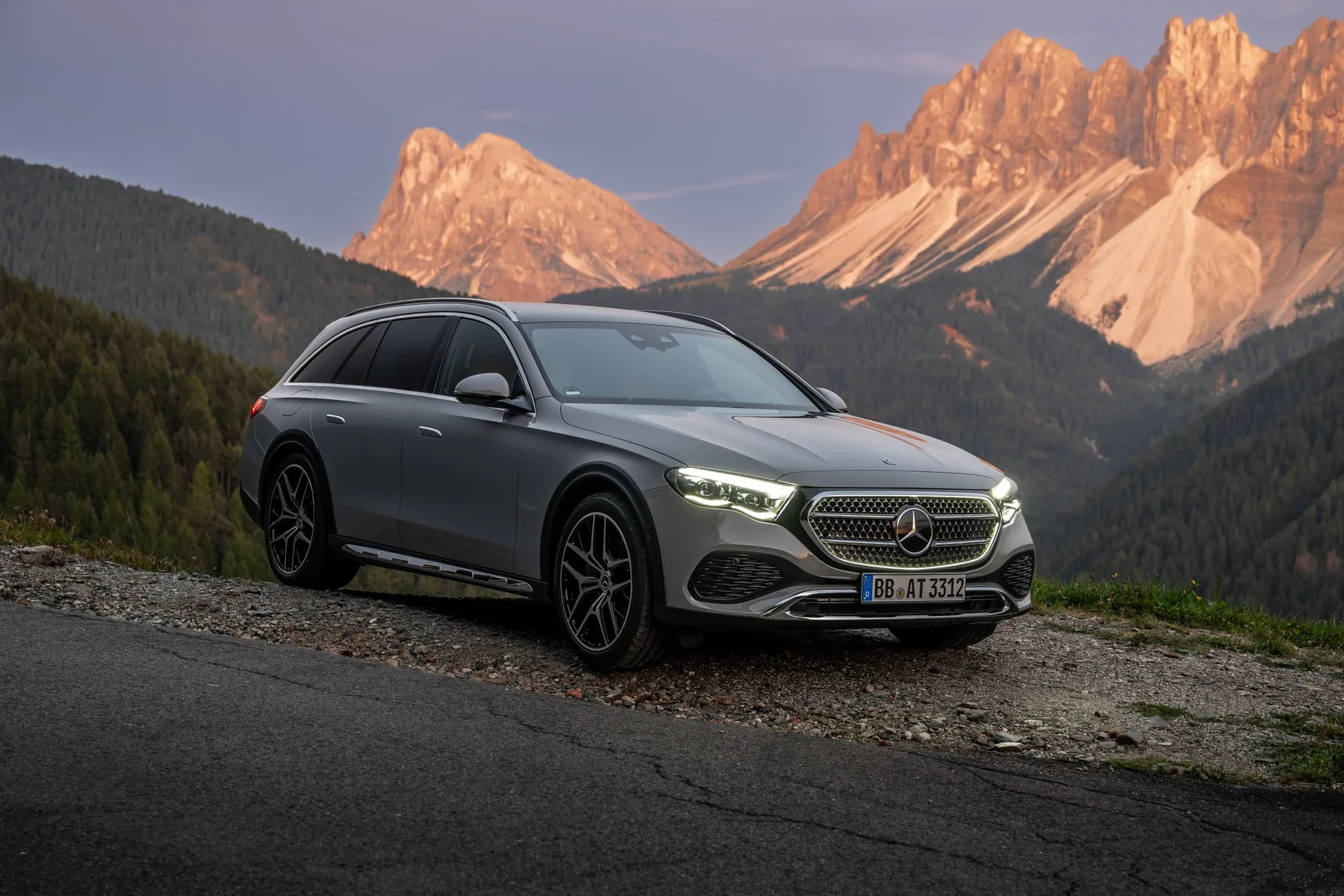
The Mercedes-Benz E-Class occupies a critical position in the luxury sedan market, bridging the gap between entry-level executive cars and flagship models like the S-Class. While it is often considered more accessible than the S-Class, it still incorporates many of the same advanced technologies, which significantly influence maintenance costs, such as battery replacement.
Most modern E-Class models use AGM batteries due to the presence of start-stop systems and high electrical demand from onboard electronics. These include digital cockpit displays, advanced driver assistance systems, multi-zone climate control, and intelligent lighting systems. Because of these requirements, even the standard 12-volt battery is more expensive and more technically demanding than those in non-luxury vehicles.
Battery replacement costs in the E-Class typically range between $350 and $750, but in many cases, especially with higher trims or newer models, the cost can exceed $800 when dealership labor and coding are included. The battery itself is only part of the expense, as Mercedes requires system adaptation after installation to ensure proper integration with vehicle electronics.
One of the key reasons for higher costs is the intelligent energy management system used in the E-Class. The vehicle continuously monitors power consumption and adjusts charging behavior based on driving patterns and battery condition. This means the battery is actively managed throughout its lifespan, and replacement requires recalibration to restore optimal system balance.
In hybrid versions of the E-Class, additional complexity is introduced through mild-hybrid systems that include integrated starter generators and auxiliary batteries. These components assist with acceleration, fuel efficiency, and smoother engine restart functions. However, when these auxiliary batteries fail or degrade, replacement costs can quickly rise above $800 depending on the part involved.
Labor requirements also contribute to total expense. The E-Class is designed with tightly integrated engine bays and electronic modules, which often require partial disassembly to access the battery. This increases service time and makes DIY replacement impractical for most owners.
The Mercedes E-Class shows how advanced technology and luxury comfort features turn even routine maintenance into more complex service work. Battery replacement is no longer a simple hardware swap, but a carefully calibrated process that involves diagnostics, programming, and high-performance components.
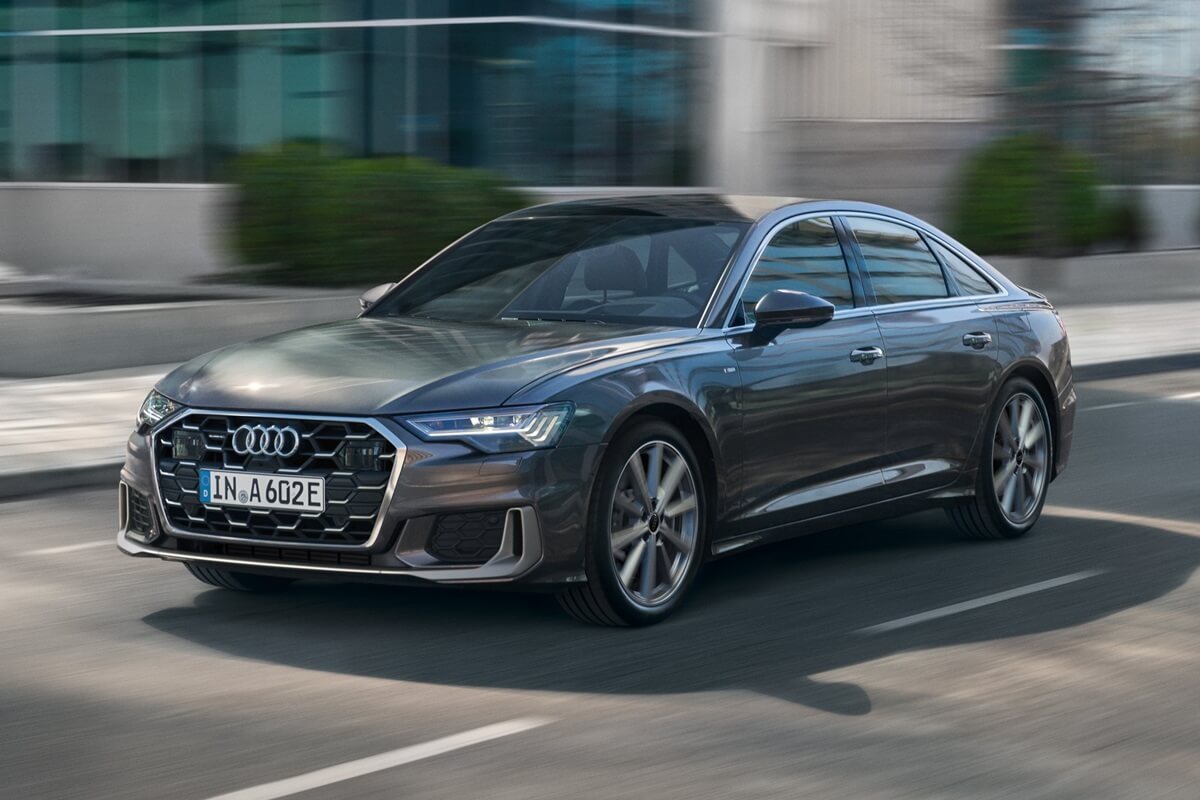
8. Audi A6
The Audi A6 is one of the most popular executive luxury sedans in the world, known for its combination of performance, technology, and understated design. However, like many modern German luxury vehicles, its sophistication comes with increased maintenance costs, particularly when it comes to battery replacement.
Most Audi A6 models are equipped with AGM batteries due to their advanced electrical systems. These systems support features such as Quattro all-wheel drive management, adaptive cruise control, lane assistance, matrix LED lighting, and fully digital dashboards. Because of these demands, the battery must provide consistent and stable power output under varying load conditions, making it more expensive than conventional batteries.
Typical replacement costs for the Audi A6 battery range between $350 and $800, depending on model year, trim level, and service location. However, higher-end versions with mild-hybrid systems often exceed this range due to additional lithium-ion components and increased labor requirements.
Audi’s mild-hybrid technology plays a major role in increasing complexity. These systems use a 48-volt electrical architecture that supports regenerative braking and engine assist functions. Within this system, smaller lithium-ion batteries help manage energy flow and improve fuel efficiency. Although these batteries are not large, they are highly specialized and can be expensive to replace.
Another important factor is Audi’s requirement for battery adaptation after replacement. Technicians must use diagnostic software to register the new battery with the vehicle’s control systems. This ensures correct charging behavior and prevents electrical inconsistencies that could affect performance or system reliability.
Accessing the battery in the A6 can also contribute to higher labor costs. Depending on the engine configuration, technicians may need to remove protective covers or components to reach the battery compartment, increasing service time.
In addition, the A6 relies heavily on a stable electrical supply for its comfort and safety systems. Features such as virtual cockpit displays, driver assistance systems, and advanced infotainment interfaces all depend on consistent voltage levels. This makes battery condition critical to vehicle performance.
The Audi A6 reflects the broader trend in modern luxury sedans, where advanced technology and efficiency systems significantly increase maintenance complexity. Even a routine battery replacement becomes a technically detailed and cost-sensitive procedure that often approaches or exceeds the $800 mark.
Also read: 10 Cars Under $25,000 That Get Over 40 MPG
