
Most people assume that engines perform best when they are new and gradually lose efficiency as miles accumulate. While that is true for many modern powertrains, there is a fascinating category of engines that seem to defy this expectation.
These engines do not just maintain performance as they age; they often become smoother, more responsive, and more refined after significant use. By the time they cross 200,000 miles, they can feel better than they did at 50,000, a trait that sets them apart in a world focused on short-term reliability.
This phenomenon is not magic. It comes down to how certain engines are engineered and how their internal components interact over time. When an engine is built with tight tolerances and durable materials, its moving parts gradually wear into a more harmonious state.
Friction points settle, seals adapt, and the entire system begins to operate with a level of balance that was not fully achieved when the engine was new. Instead of degrading quickly, these engines mature.
Another contributing factor is the simplicity found in many of these designs. Engines that avoid excessive complexity tend to age more gracefully.
They rely on proven mechanical layouts rather than pushing the limits of technology, which reduces the chances of early wear or unexpected failures. As a result, they are able to maintain consistent performance while gradually improving in smoothness and efficiency.
Maintenance habits also play an important role, but these engines are often forgiving enough to handle less-than-perfect care.
Their robust construction allows them to continue functioning reliably even when conditions are not ideal. This resilience is one of the reasons they are frequently found in high-mileage vehicles that are still used daily.
This article highlights ten engines that are known for reaching their peak after years of use. Each one demonstrates how thoughtful engineering can create a powertrain that improves with time rather than declining.
These engines challenge the idea that new is always better, showing that true performance can develop gradually and last for hundreds of thousands of miles.
Also Read: 8 SUVs That Hold Up to Three Kids and a Dog for 10 Years
1. Toyota 1UZ-FE V8
The Toyota 1UZ-FE V8 is often described as an engine that feels almost overbuilt for its purpose. Introduced in luxury sedans, it was designed with a level of precision and durability that allows it to age in a unique way.
At lower mileage, it is already smooth and refined, but as the miles accumulate, something interesting happens. The engine begins to feel even more settled, as if all its components have fully synchronised.
Early in its life, the 1UZ-FE operates with tight tolerances that can create a slightly restrained character. As it crosses higher mileage, internal components such as piston rings and bearings wear into optimal alignment.
This reduces internal resistance and allows the engine to spin more freely. The result is a smoother and more responsive feel that many owners notice after years of driving.
Another reason for this transformation is the quality of materials used in its construction. The engine features a strong block and carefully engineered internals that resist wear in a controlled manner.
Instead of degrading rapidly, it evolves gradually, maintaining its structural integrity while improving in refinement. This balance is what allows it to continue performing at a high level long after many engines would begin to decline.
Maintenance plays a role, but the 1UZ-FE is known for its ability to tolerate variations in care. Even when service intervals are not perfectly followed, it often continues to run reliably. This resilience contributes to its reputation as an engine that not only lasts but improves with time.
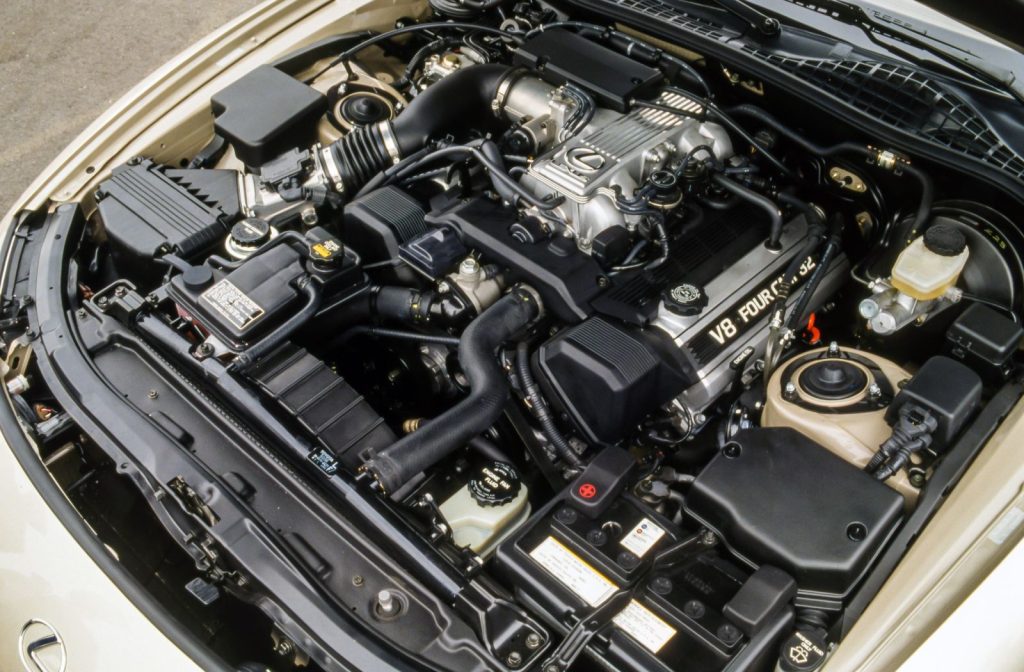
Drivers who have experienced high-mileage examples frequently describe a sense of effortlessness that was less pronounced when the engine was newer. It delivers power in a smooth and consistent manner, reinforcing the idea that its best years come after it has fully settled into its mechanical rhythm.
2. Honda K24 Inline-4
The Honda K24 inline-four takes a different path to long-term excellence, focusing on balance and efficiency rather than sheer strength. At lower mileage, it is already a capable and reliable engine, but it often feels slightly tight during its early years. As it accumulates miles, the character begins to change in subtle but noticeable ways.
One of the key factors behind this improvement is how the engine’s internal components wear in. The K24 is built with precise tolerances, and as these components settle, friction decreases.
This allows the engine to rev more freely and respond more smoothly to throttle inputs. Drivers often notice that the engine feels less constrained and more willing to deliver power as mileage increases.
The design of the K24 also supports this gradual refinement. It avoids unnecessary complexity while incorporating modern engineering principles that enhance efficiency.
This combination allows it to maintain consistent performance while benefiting from the natural wear-in process. Instead of becoming less reliable, it becomes more predictable and enjoyable to drive.
Another aspect that contributes to its long-term improvement is its cooling and lubrication systems. These are designed to maintain stable operating conditions, which helps prevent uneven wear. As a result, the engine ages in a controlled manner, preserving its core performance characteristics while enhancing smoothness.
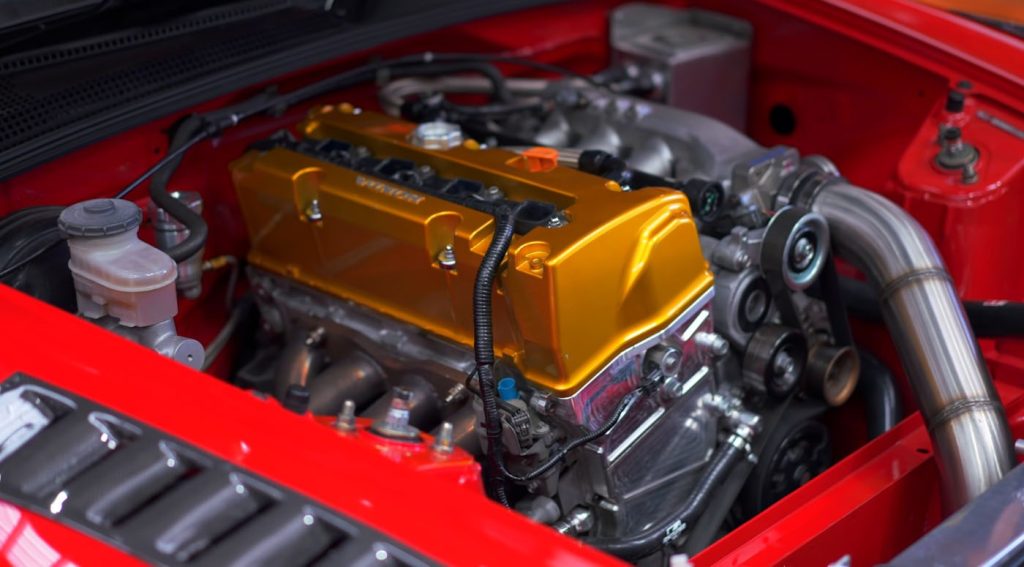
Owners who keep their vehicles for extended periods often find that the K24 becomes more satisfying over time. It delivers a refined driving experience that feels more natural and less mechanical than it did in its early stages.
This progression highlights how thoughtful engineering can create an engine that grows into its full potential rather than fading away.
3. Mercedes-Benz OM617 Diesel
The Mercedes-Benz OM617 diesel engine follows a completely different philosophy compared to modern gasoline engines. It does not try to impress with quick acceleration or high-revving performance.
Instead, it builds its reputation slowly, proving its strength over time. At lower mileage, it can feel slightly rough and mechanical, almost as if it has not fully settled into its role. As the miles accumulate, that character changes in a way that surprises many owners.
There is a gradual smoothing process that takes place inside this engine. The internal components, including pistons, valves, and injection systems, begin to work together more efficiently after extended use.
What once felt rigid starts to feel composed. Vibrations reduce, and the engine develops a steady rhythm that becomes its defining trait. This transformation is not immediate, but once it happens, it remains consistent for a very long time.
Another interesting aspect of the OM617 is how it handles stress. It is built to operate under demanding conditions, which means it is rarely pushed to its limits during normal driving. This reserve capacity allows it to age without significant strain.
As a result, by the time it reaches high mileage, it is still operating well within its comfort zone, contributing to its improved performance.
The fuel delivery system also plays a role in this evolution. Mechanical injection systems tend to become more consistent as they wear in, leading to smoother combustion. This adds to the engine’s refined feel at higher mileage. It is a subtle improvement, but one that becomes noticeable during long drives.
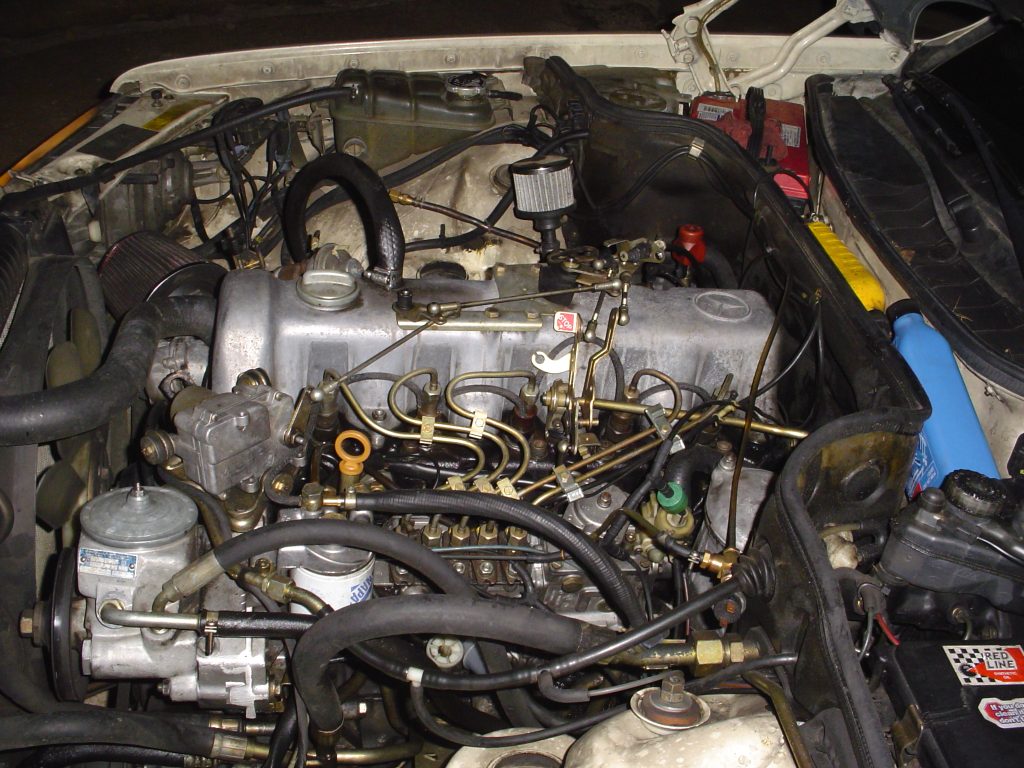
For those who have experienced the OM617 at 200,000 miles or more, there is a sense that the engine has reached its true form. It feels stable, predictable, and remarkably composed, qualities that were less pronounced in its earlier years.
4. Chevrolet LS3 V8
The Chevrolet LS3 V8 presents a more modern example of an engine that improves with age, but its journey is defined by a different kind of refinement. When new, it delivers strong performance and responsiveness, yet there is often a slight tightness in how it operates.
Over time, as the miles build, that tightness fades and gives way to a more fluid and confident character.
One of the key reasons behind this change is the way the engine’s internal components settle. The LS3 is built with precision, and as its parts wear in, friction decreases. This allows the engine to rev more freely and respond more smoothly to inputs. Drivers often notice that throttle response becomes more natural and less abrupt as the engine matures.
The design of the LS3 also contributes to its long-term behaviour. It uses a relatively simple pushrod layout, which reduces complexity and potential points of failure. This simplicity allows the engine to maintain its structural integrity over time, enabling it to benefit from the natural wear-in process without introducing new issues.
Another factor is the engine’s ability to handle heat and stress. The cooling system and materials are designed to manage high performance without excessive wear.
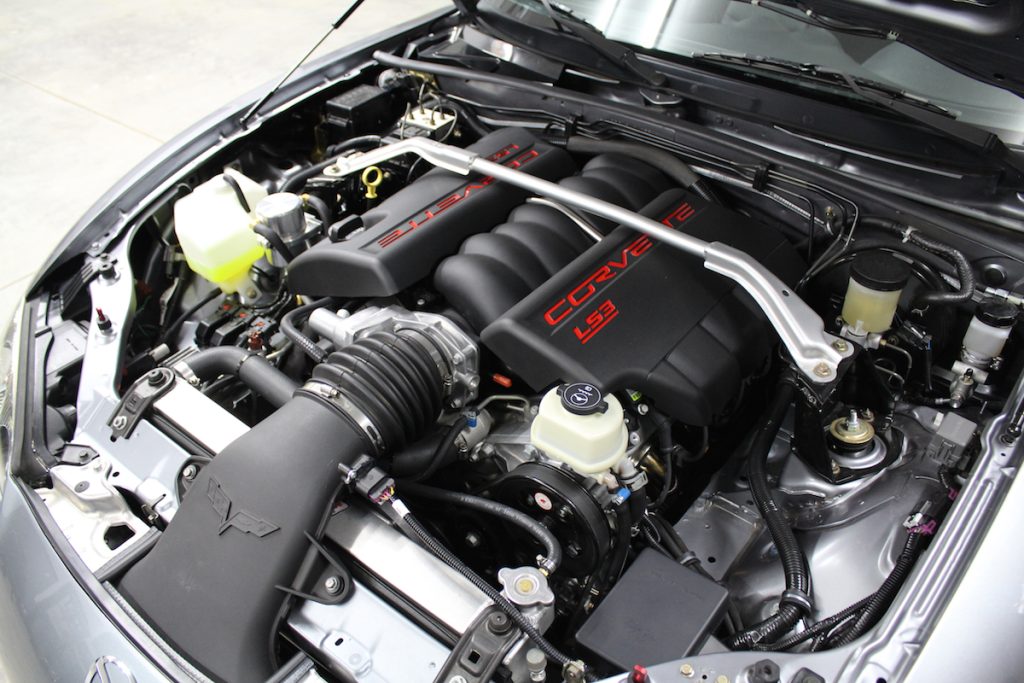
As a result, the engine can sustain its performance characteristics while gradually improving in smoothness. This balance is what allows it to feel better at higher mileage rather than declining.
Drivers who have spent time with high-mileage LS3 engines often describe a sense of ease that was not as noticeable when the engine was newer. It delivers power in a more controlled and predictable manner, making it feel more refined despite its performance-oriented nature.
5. Toyota 22R-E Inline-4
There is something almost old-school about the way the Toyota 22R-E develops its character over time. At lower mileage, it can feel a bit stiff and mechanical, as if everything inside is still settling into place.
It does its job reliably, yet it lacks the fluidity that many drivers expect from a well-worn engine. Then the miles begin to stack up, and the transformation becomes noticeable in a gradual, almost quiet way.
The 22R-E benefits from a design that does not push its limits. It operates within a comfortable range, which allows its internal components to wear evenly. As this process unfolds, friction decreases,s and the engine begins to run with less resistance.
The change is not dramatic in a single moment, but over thousands of miles, it becomes clear that the engine is working more efficiently than it did earlier in its life.
Another point worth noting is how forgiving the engine is. It does not demand perfect conditions to continue improving. Even with basic maintenance, it tends to settle into a smoother rhythm as time goes on. This resilience is part of what makes it so widely respected among those who keep their vehicles for extended periods.
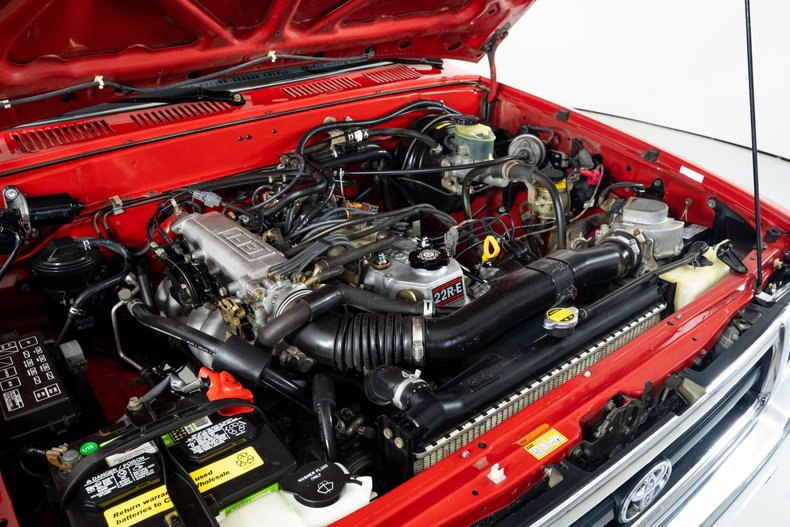
There is also a certain predictability in how the 22R-E evolves. It does not surprise the driver with sudden changes. Instead, it steadily refines its behaviour, becoming easier to live with as it ages. This consistency builds confidence, encouraging owners to rely on it for years beyond what they initially expected.
By the time it reaches very high mileage, the engine often feels more relaxed and cooperative. It delivers power in a way that seems more natural, reinforcing the idea that it has fully settled into its mechanical balance.
6. BMW M54 Inline-6
The BMW M54 inline-six takes a more refined approach to ageing, one that aligns with its original purpose as a smooth and responsive engine. When new, it already delivers a balanced driving experience, but there is often a subtle tightness beneath that refinement.
As the miles increase, that underlying tension begins to fade, revealing a more fluid and harmonious character.
One of the defining changes occurs in how the engine handles rotation. The internal components, including the crankshaft and pistons, gradually align in a way that reduces resistance.
This allows the engine to spin more freely, enhancing its responsiveness. Drivers often notice that it becomes easier to maintain a steady flow of power, especially during extended drives.
The M54 also benefits from its inline-six configuration, which naturally promotes balance. As the engine wears in, this balance becomes even more pronounced. Vibrations decrease, and the full operation feels smoother. It is not a transformation that happens overnight, but once achieved, it significantly enhances the driving experience.
Cooling and lubrication systems play an important role in this process. They help maintain stable conditions, ensuring that wear occurs evenly rather than unevenly.
This controlled ageing allows the engine to improve in refinement without compromising its reliability. It is a delicate balance that the M54 manages effectively.
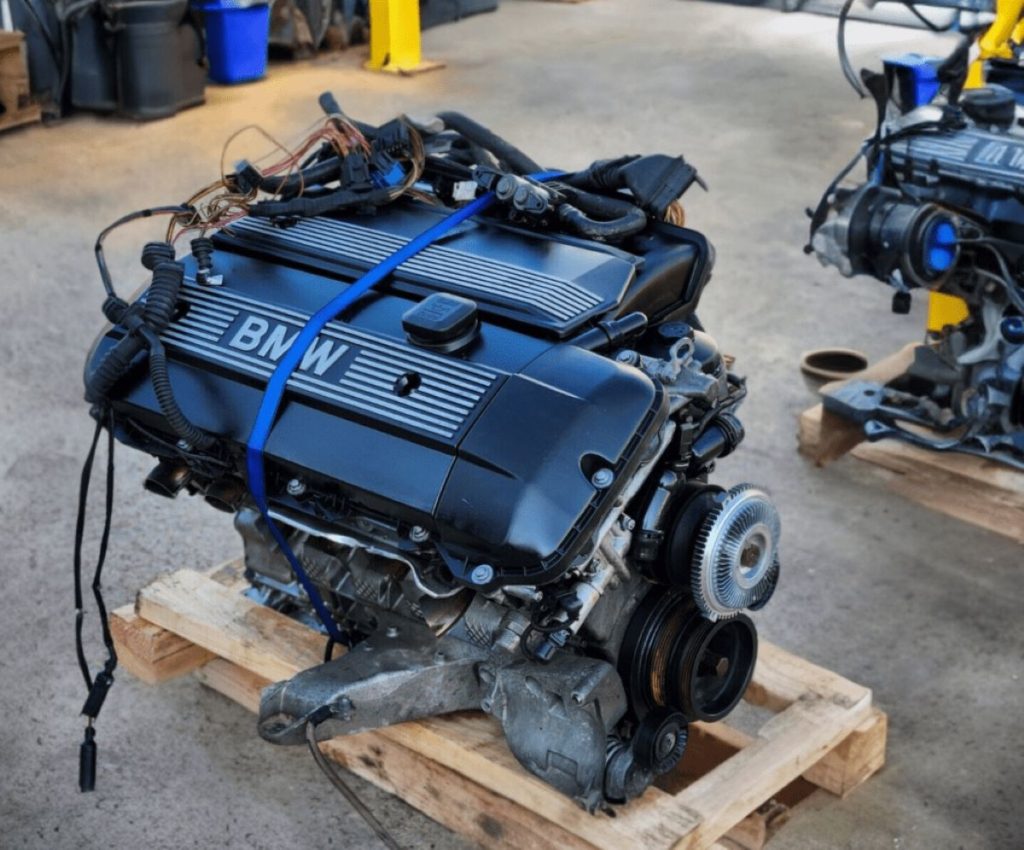
Owners who have driven high-mileage examples often describe a sense of effortlessness that grows over time. The engine feels less constrained and more willing to deliver power smoothly. This progression highlights how a well-designed engine can continue to evolve positively long after its early years.
7. Ford 4.6L Modular V8
The Ford 4.6L Modular V8 does not rush to impress in its early life. When relatively new, it often feels composed but slightly restrained, as if it is still settling into its mechanical rhythm. Many drivers appreciate its reliability from the start, yet the real character of this engine begins to emerge only after years of consistent use.
As mileage builds, the engine develops a smoother and more confident delivery. Internal components gradually align through regular operation, reducing friction and allowing the engine to breathe more freely.
This change is particularly noticeable during steady cruising, where the engine feels less effort-driven and more relaxed in maintaining speed.
One of the reasons behind this progression is the engine’s conservative design. It is not engineered to operate at the edge of its capabilities, which means it has room to adapt over time without experiencing excessive wear. This reserve capacity allows it to age in a controlled manner, leading to a more refined feel at higher mileage.
Another element that contributes to its improvement is the durability of its construction. The materials and layout are chosen to handle long-term use, ensuring that the engine does not lose its structural integrity as it ages.
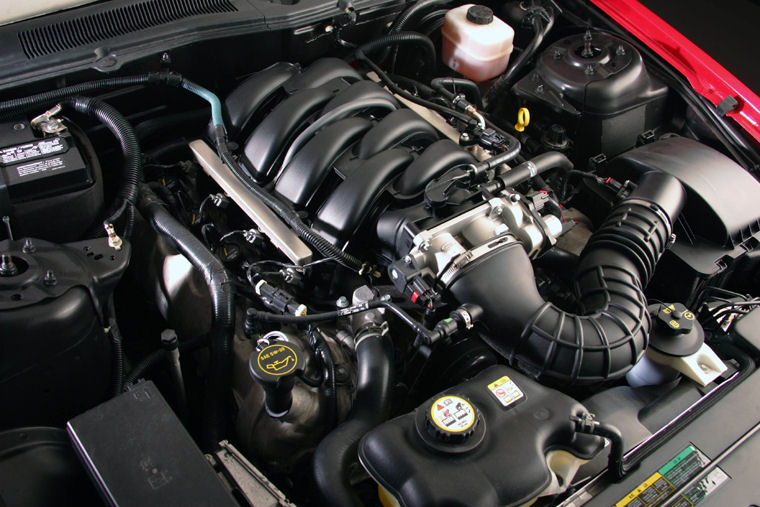
Instead of developing inconsistencies, it becomes more uniform in its operation, which enhances both smoothness and reliability.
Drivers who have spent years with this engine often notice that it becomes easier to live with as it ages. It responds more predictably and delivers power in a way that feels natural rather than forced. This gradual refinement is what makes it stand out as an engine that improves with time.
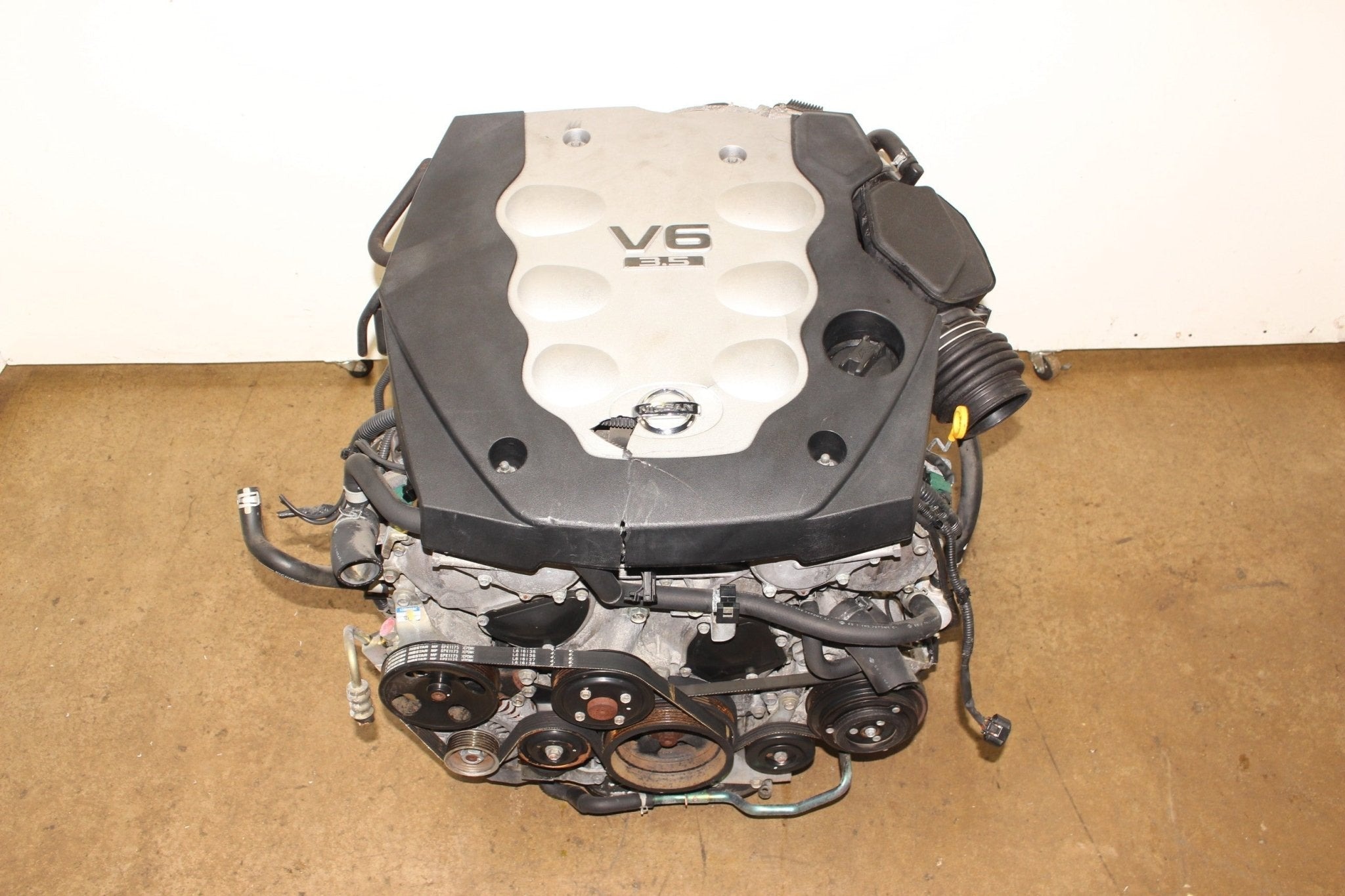
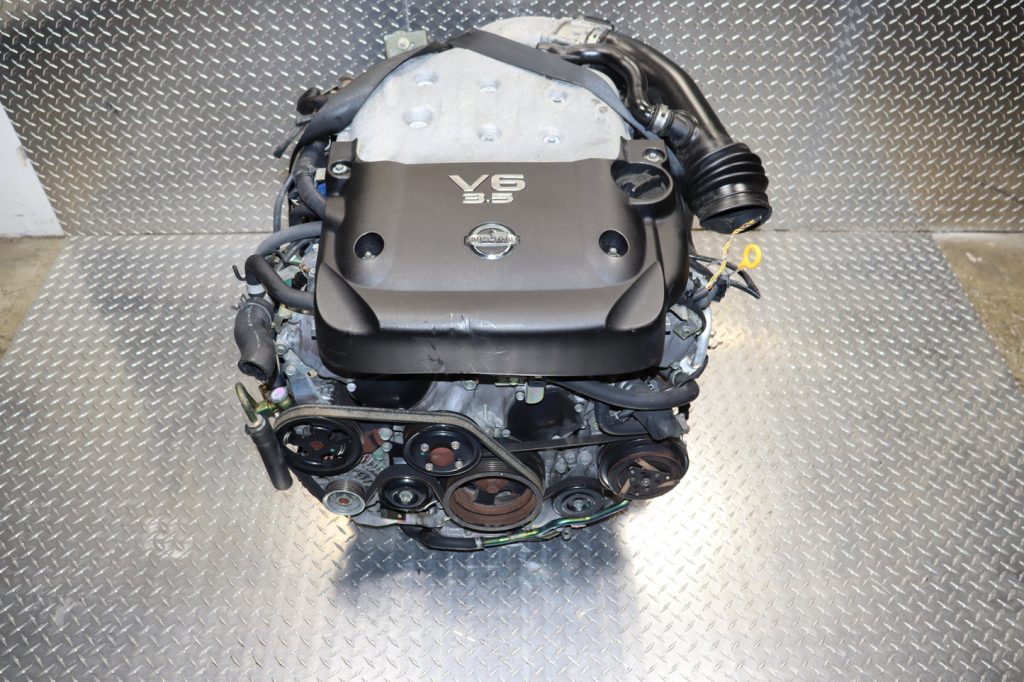
8. Nissan VQ35DE V6
The Nissan VQ35DE V6 presents a different kind of evolution, one that blends performance with long-term refinement.
Early in its life, it is energetic and responsive, yet there can be a slight roughness in how it delivers power. As the miles accumulate, that roughness begins to fade, revealing a more polished and controlled character.
This change is closely tied to how the engine’s internal components settle. Over time, the interaction between moving parts becomes more efficient, reducing resistance and improving full smoothness. The engine begins to feel less mechanical and more fluid, particularly during acceleration and sustained driving.
The design of the VQ35DE supports this transformation. It is built to handle a wide range of operating conditions, which allows it to adapt as it ages.
Instead of losing performance, it maintains its strength while becoming more refined in how it delivers that performance. This balance is one of the reasons it remains highly regarded among enthusiasts.
Another factor is how the engine manages heat and lubrication. Stable operating conditions help ensure that wear occurs evenly, preventing the kind of irregularities that can lead to a decline in performance. This controlled environment allows the engine to mature in a way that enhances its full behaviour.
Owners who have driven high-mileage examples often describe a noticeable improvement in smoothness compared to earlier stages.
The engine feels more composed and less strained, making it more enjoyable to drive. This progression highlights how a well-engineered powertrain can continue to develop positively long after its initial break-in period.
9. Cummins 5.9L 12-Valve Diesel
There is a completely different rhythm to the way the Cummins 5.9L 12-valve diesel ages, and it becomes obvious the longer it stays in service.
At lower mileage, it can feel industrial and slightly unrefined, delivering power with a raw edge that reflects its heavy-duty roots. It does its job with authority, yet there is a sense that it has not fully settled into its stride.
As the miles build, the engine begins to change in character. The internal components wear into a more harmonious alignment, reducing the harshness that is often present early on.
What emerges is a smoother, more composed engine that still retains its strength but delivers it with greater control. The transformation is subtle but unmistakable to those who spend enough time behind the wheel.
One of the defining traits of this engine is its ability to operate under minimal stress during normal driving. Designed for demanding applications, it rarely reaches its limits in everyday use.
This reserve capacity allows it to age without strain, which contributes to its improved performance at higher mileage. Instead of wearing out, it settles into a steady and reliable rhythm.
Fuel delivery also plays a role in this progression. The mechanical injection system becomes more consistent over time, leading to smoother combustion. This refinement enhances both efficiency and drivability, making the engine feel more predictable and easier to manage during long journeys.
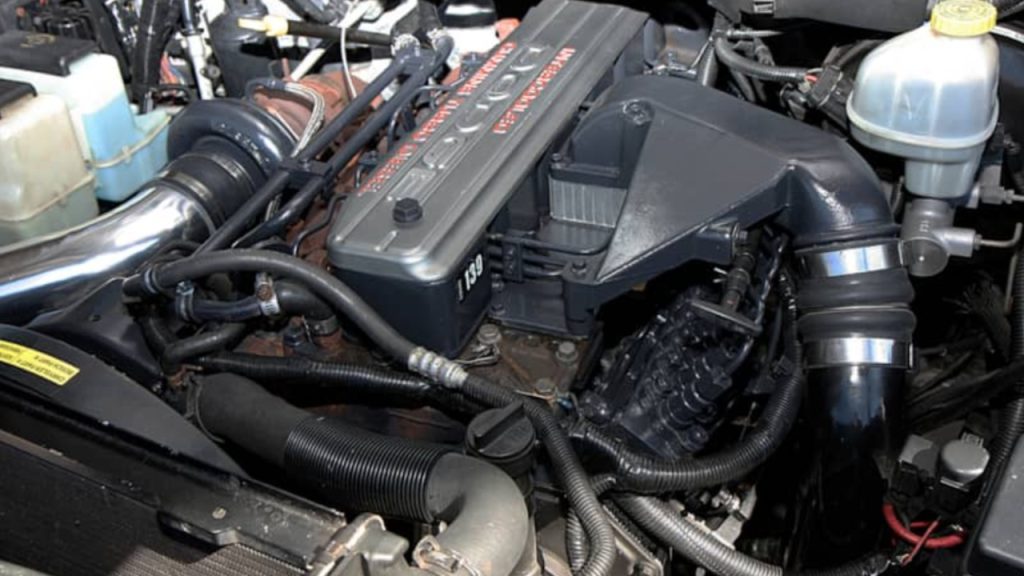
By the time it crosses 200,000 miles, the 5.9L Cummins often feels like it has reached its ideal state. It delivers power with confidence and consistency, proving that durability and gradual refinement can go hand in hand.
10. Mazda BP 1.8L Inline-4
The Mazda BP 1.8L inline-four takes a lighter and more responsive approach to ageing, yet it still follows the same principle of improvement over time.
When relatively new, it offers a lively driving experience, but there can be a slight tightness in how it revs. As mileage increases, that tightness fades, revealing a smoother and more eager character.
This engine benefits from a design that encourages balanced wear. Its components are engineered to work together efficiently, and as they settle, the engine begins to operate with less resistance.
The result is a more fluid response, particularly noticeable when accelerating or maintaining higher revs. It feels more natural and less constrained than it did in its earlier stages.
Another aspect that contributes to its long-term improvement is its simplicity. The BP engine avoids unnecessary complexity, which allows it to age gracefully. Without excessive systems to manage, it can focus on delivering consistent performance while benefiting from the natural wear-in process. This simplicity is a key factor in its enduring appeal.
The engine’s cooling and lubrication systems also support its evolution. They maintain stable conditions that prevent uneven wear, allowing the engine to refine its operation over time. This controlled environment ensures that improvements in smoothness do not come at the cost of reliability.
Drivers who have experienced high-mileage versions of this engine often notice how much more relaxed and responsive it feels compared to its earlier years.
It retains its lively nature while gaining a level of refinement that enhances the driving experience. This progression makes it a fitting conclusion to a list of engines that truly come into their own with time.
Engines are typically judged by how they perform when new, with the expectation that age and mileage will gradually reduce their efficiency and refinement. However, the engines discussed in this article challenge that assumption by demonstrating a rare ability to improve with time.
Rather than declining after thousands of miles, they develop smoother operation, more consistent power delivery, and a greater sense of mechanical balance as they age. This unique behaviour sets them apart from conventional powertrains and highlights the importance of thoughtful engineering.
A key reason behind this improvement is the way internal components wear in over time. In well-built engines, parts such as pistons, bearings, and valves gradually settle into optimal alignment.
This reduces friction and allows the engine to operate more freely. Instead of creating inefficiency, controlled wear leads to refinement, making the engine feel more responsive and less strained at higher mileage. This process transforms what might initially feel tight or slightly rigid into a more fluid and predictable driving experience.
Another important factor is design philosophy. Many of these engines avoid unnecessary complexity and focus on durability. By operating within comfortable limits rather than pushing extreme performance boundaries, they reduce stress on internal components.
This allows them to age in a controlled manner, preserving their structural integrity while benefiting from gradual improvements in smoothness and efficiency.
Consistency also plays a significant role. These engines are known for maintaining stable operating conditions, supported by effective cooling and lubrication systems.
This stability ensures even wear, preventing the kind of irregularities that can lead to performance decline. As a result, they continue to deliver reliable output while becoming more refined with use.
For owners, this translates into a rewarding long-term experience. Instead of worrying about deterioration, they often find their vehicles becoming more enjoyable to drive over time. These engines encourage extended ownership and build a sense of trust that grows with each mile.
In the end, these powertrains prove that ageing does not always mean losing capability. When designed with precision and durability in mind, an engine can reach its peak after years of use, offering a level of performance and refinement that surpasses its earlier stages.
Also Read: 8 Pickup Trucks With Frames That Refuse to Crack Under Heavy Towing
