
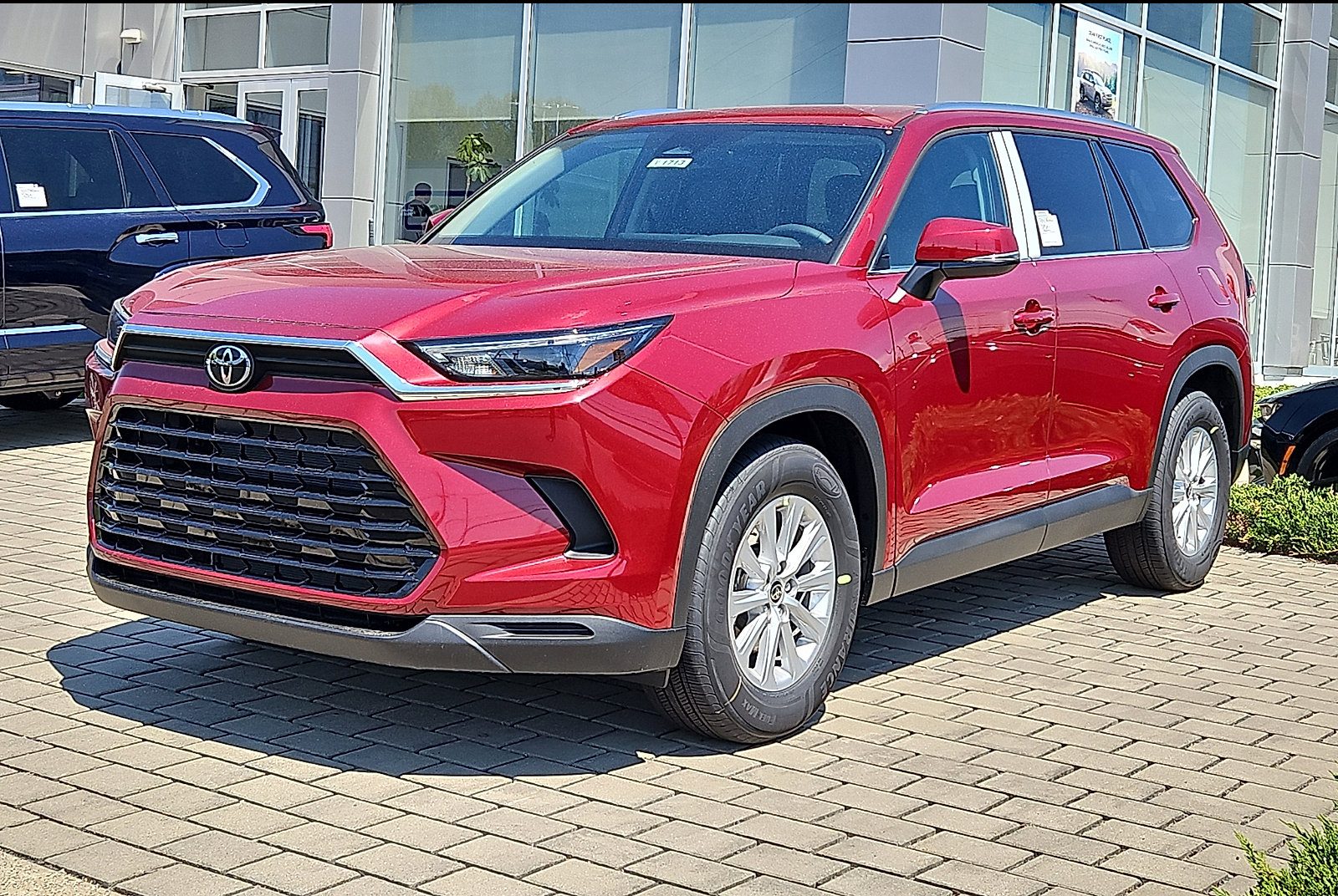
Three kids and a dog in an SUV is not a lifestyle choice. It is a daily operational reality that involves juice boxes behind the seat, dog hair in every seat gap, muddy paw prints on the rear cargo liner, cracker dust in the third row, and at least one mystery stain that you gave up trying to identify sometime around year three.
This is not gentle use. This is sustained, relentless, family-grade punishment applied to every surface of a vehicle, seven days a week, for a decade. Buying the wrong SUV for this situation is an expensive mistake. Some SUVs that look perfect on paper, solid cargo volume, good reliability ratings, and attractive interior materials, reveal their limitations within the first two years of serious family use.
Seat fabric that pills and stains permanently. Interior trims that crack from the UV exposure through the rear windows, where kids sit all day. Third-row seats that develop squeaks and rattles from repeated folding and unloading. Cargo area floors that scratch through their finish the moment you slide a dog crate across them. These are the details that family reviews never mention until it is too late to return the vehicle.
Buying the right SUV for this situation changes the experience entirely. An SUV that was genuinely designed for long-term, high-use family ownership has seat materials selected for stain resistance and wear durability rather than showroom appeal, cargo floors robust enough to handle repeated animal and cargo abuse, third-row configurations that fold and function reliably across thousands of cycles, and powertrain reliability that keeps the vehicle on the road rather than in the shop when the family depends on it most.
This page covers eight specific SUVs whose combination of durability, interior resilience, practical family features, and long-term ownership track record makes them genuinely capable of surviving three kids and a dog for a full decade of real use.
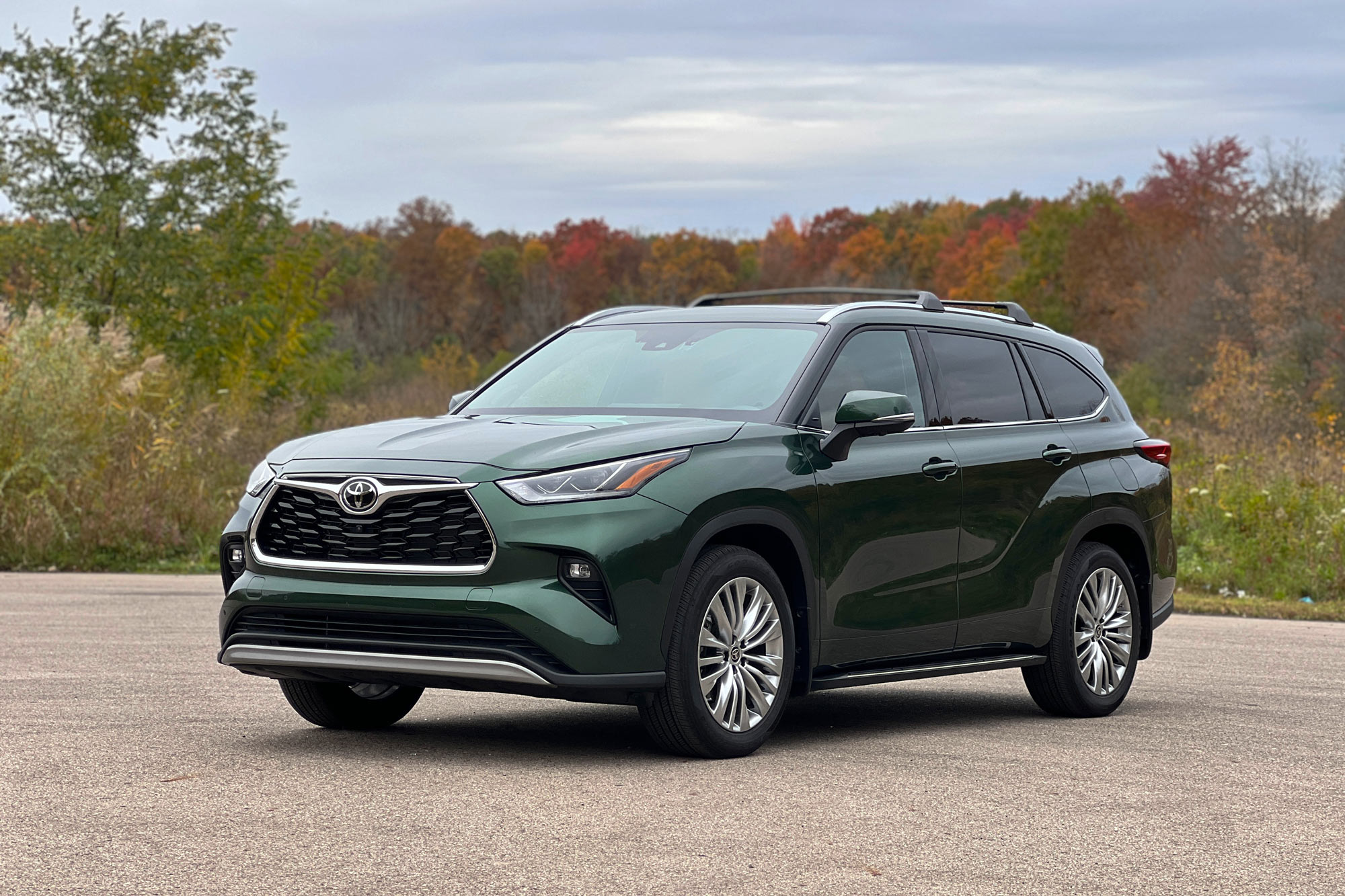
1. Toyota Highlander XLE AWD (Fourth Generation, 2020 to 2024)
The fourth-generation Toyota Highlander XLE AWD was developed with long-term household ownership as a central objective, not short-term showroom appeal. Toyota’s engineering decisions in this model reflect an understanding of how family vehicles are used daily, repeatedly, and often without mercy. When a vehicle is responsible for school runs, weekend errands, sports transport, holidays, and pet movement, weaknesses appear quickly. The Highlander XLE AWD was designed to resist that pattern of wear rather than merely survive it.
Interior seating materials in the XLE trim illustrate this approach. Toyota selected leather-trimmed surfaces that balance visual restraint with practical cleaning ability. Family use introduces liquids, skin products, dirt, and unknown residues that cannot be avoided. These seats respond well to frequent wiping without losing texture or developing surface cracking. Toyota’s surface treatment resists deterioration from cleaning agents, allowing owners to maintain hygiene and appearance without accelerating wear. Fabric seats in similar use conditions often absorb stains and require aggressive cleaning that shortens their lifespan.
Families routinely convert the third row to cargo on weekdays and to passengers on weekends. This repetition exposes poor hardware quickly. In the fourth-generation Highlander, the mechanism maintains smooth motion, alignment, and quiet operation even after years of daily use.
Powertrain dependability also supports family stability. The available 2.4-litre turbocharged engine and hybrid configuration were developed for sustained operation rather than peak output drama. For families managing multiple schedules, vehicle reliability determines whether daily routines remain orderly or become disrupted. Breakdowns affect children, pets, and commitments simultaneously. Highlander ownership records show consistent mechanical behaviour that reduces the likelihood of unexpected service interruptions.
Suspension tuning also contributes to long-term satisfaction. The vehicle absorbs repeated passenger load variations without developing looseness or ride inconsistency. Child seats, sports equipment, groceries, and pets alter weight distribution daily. The Highlander maintains composure under these changes, protecting chassis components from premature fatigue.
Owners approaching five years of continuous family use often report interiors that show honest wear rather than collapse. Controls remain responsive, trim panels stay secure, and seat padding retains shape. This pattern suggests a vehicle structured to age gradually instead of degrading rapidly.
For families planning extended ownership, the Toyota Highlander XLE AWD offers a dependable environment that supports routine rather than demanding constant repair attention. Its design supports long service without surrender to daily pressure.
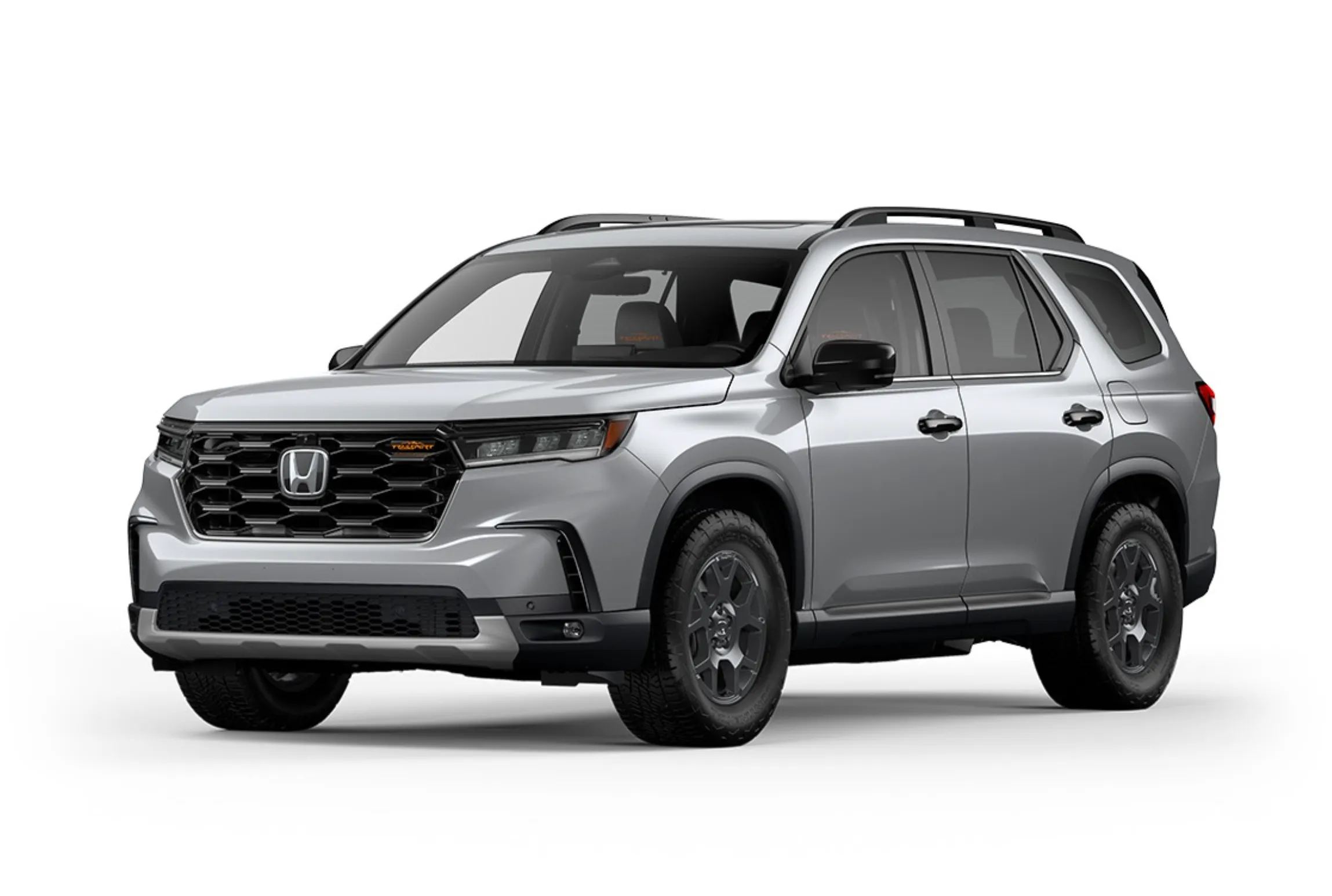
2. Honda Pilot TrailSport AWD (Fourth Generation, 2023 to 2024)
Honda’s fourth-generation Honda Pilot TrailSport AWD reflects a clear response to feedback from family buyers who needed durability rather than cosmetic appeal. This redesign focuses on physical strength, practical access, and materials selected for repeated exposure to moisture, dirt, and handling stress. The TrailSport AWD specification strengthens this direction by pairing interior resilience with traction capability suitable for demanding conditions.
Seat material selection shows purposeful planning. Honda introduced water-resistant fabric in high-contact zones such as seat cushions and lower backrests. These areas experience the highest frequency of spills during daily use. While no fabric fully resists oil-based substances, water-based spills account for the majority of family incidents. This material choice reduces permanent marking and limits absorption, allowing faster cleanup and preserving seat appearance without specialised treatments.
Third-row access received focused attention. Honda’s Magic Slide second-row seating system allows seats to move forward and sideways, creating a clear walking path. For households with young children, this feature removes the physical strain of lifting or climbing over fixed seats. Daily usability matters more than showroom novelty. The mechanism maintains smooth operation after repeated use, supporting consistent access rather than becoming stiff or misaligned with age.
Cargo area construction reflects unspoken family needs. Although not advertised for pets, the TrailSport cargo floor uses materials that tolerate scratching, moisture, and dirt transfer. Dogs introduce repeated claw contact and shifting weight. Soft carpeting degrades quickly under such use. Honda’s tougher surface resists damage and maintains structural integrity even under constant movement.
Door hardware and hinges were also reinforced. Repeated opening by children places stress on door systems that lighter designs cannot handle. The Pilot’s doors open and close with controlled resistance, reducing strain on hinges while allowing predictable motion. This balance protects both the vehicle and users during daily handling.
AWD capability strengthens household confidence during adverse weather. School transport and errands do not pause due to rain or poor road conditions. Traction stability allows families to maintain routines without hesitation, reducing reliance on alternative transport arrangements.
Interior layout supports family order. Storage placement reduces clutter accumulation, while seat spacing allows occupants to remain comfortable during extended trips. Honda’s layout prioritises function rather than decoration. Controls remain tactile and clear even after prolonged use, supporting consistency rather than distraction.
The Honda Pilot TrailSport AWD provides families with a vehicle that accepts routine strain without complaint. Its strength lies in materials and access solutions that support daily demands with reliability and physical resilience.
Also Read: 10 SUVs Where the Sun Visors Don’t Sag After 15 Years
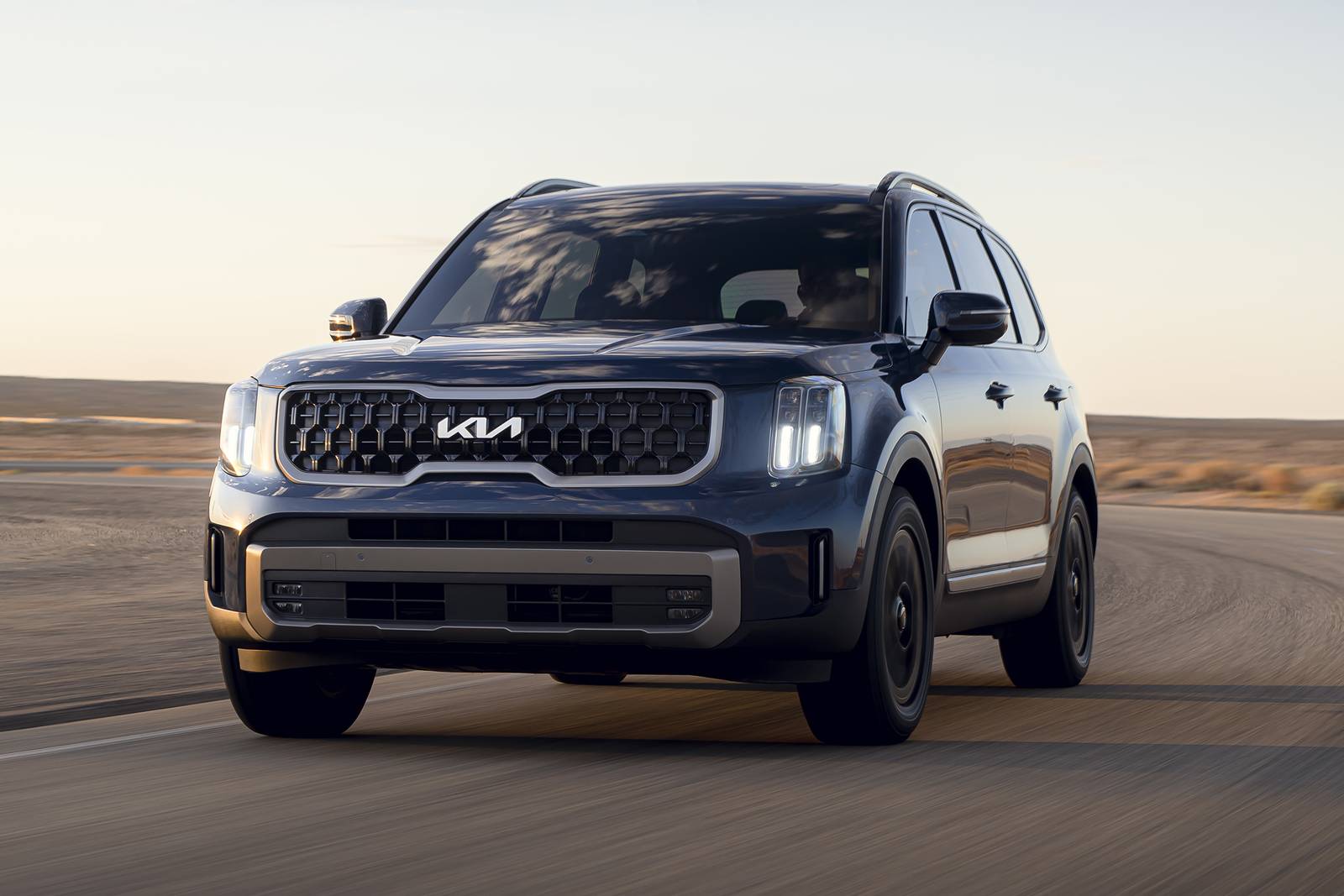
3. Kia Telluride SX AWD (Second Generation Facelift, 2024)
Kia’s Telluride arrived in the US market and immediately established itself as one of the most thoughtfully executed family three-row SUVs available at its price point, with build quality and interior material choices that distinguished it from Korean brand expectations that some buyers still carried from earlier brand generations.
Telluride SX AWD’s relevance to the three-kids-and-a-dog ownership scenario comes specifically from the interior material selections, structural build quality, and powertrain reliability that have held up across the early ownership years of this generation’s production.
SX trim interior materials in the Telluride use a nappa leather seating surface in combination with a center console and armrest material that resists the scratching and scuffing that keys, snaps, and toy parts create when children treat the interior as a general storage environment.
Leather surface quality at the SX specification level is consistent enough across door panels and seat surfaces that cleaning wipes, which family SUV interiors receive in quantities that manufacturer material testing probably does not fully simulate, do not leave visible residue patterns or surface degradation after repeated application.
Structural rigidity of the Telluride’s body in high-cycle family use shows up in door operation quality that remains consistent through years of repeated opening and closing by kids who have not yet learned to close car doors gently. Door hinge and latch quality is a detail that distinguishes SUVs that maintain their quality feel at seven years from those that have developed the rattle, alignment creep, and closing resistance that suggest structural fatigue in their door systems.
Telluride AWD system reliability has been documented across the first-generation production run that established this platform’s family ownership track record, and second-generation facelift examples carry forward the powertrain architecture that produced positive long-term reliability reports.
Kia’s 10-year powertrain warranty provides the financial backstop that gives family buyers confidence in their ownership decision across the decade-long ownership period that this article addresses specifically.
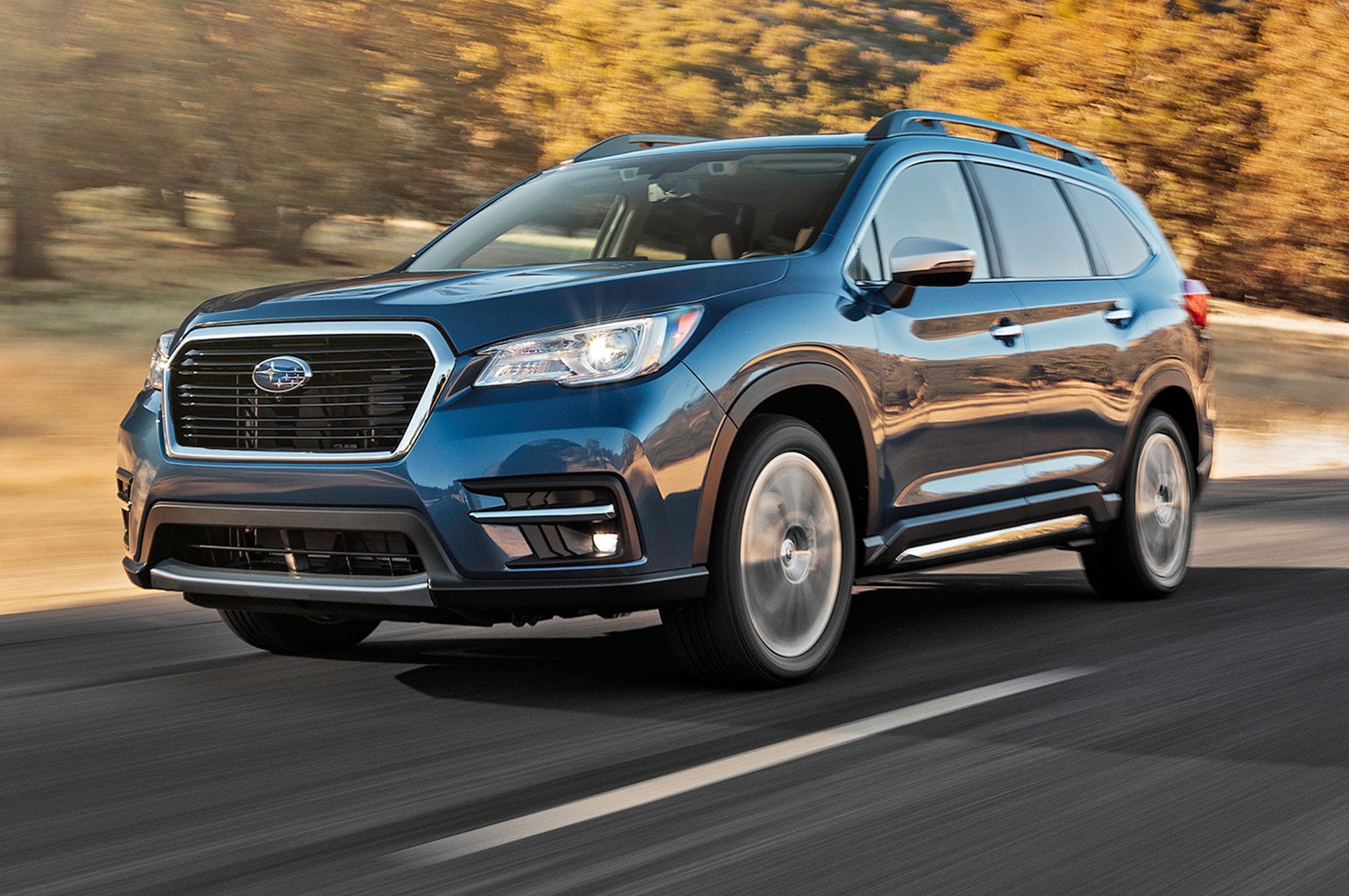
4. Subaru Ascent Premium AWD (Second Generation, 2019 to 2023)
Subaru’s Ascent is the brand’s largest vehicle and its most direct statement about what three-row family SUV ownership means to a customer base that specifically buys Subaru because they use their vehicles rather than preserve them. Ascent Premium AWD builds on the brand’s all-weather capability heritage to deliver a three-row SUV whose interior is engineered with an honesty about how families actually use these spaces that some competitors’ designs do not fully reflect.
StarTex water-repellent upholstery in the Ascent Premium replaces fabric with a Subaru-developed material that provides the tactile softness of fabric with a water-resistant surface treatment that handles spills, pet moisture, and wet swimsuits with measurably better results than untreated fabric alternatives.
For families who load three kids and a wet dog into the rear seats after a lake day, this material selection difference is visible and audible in the difference between a substrate that absorbs moisture and one that allows it to be wiped away before it penetrates to the seat foam beneath.
Symmetrical AWD as a standard feature across the Ascent lineup removes the traction capability limitation that two-wheel-drive base model options create in cold-weather markets where families need their vehicles to function reliably on every school morning, regardless of what the road surface conditions are.
Standard AWD deployment in school parking lots, daycare driveways, and grocery store lots during winter weather events is precisely the use case that Subaru’s AWD was developed to handle, and the Ascent delivers this capability consistently across the ownership period without the maintenance concerns that some on-demand AWD systems develop at higher mileage.
Cargo area dimensional generosity in the Ascent behind the third row is one of its specific advantages for families with large dogs who need cargo space for both the dog crate and the children’s equipment simultaneously. Ascent cargo volume with all three rows in use is among the more generous in its segment, and the square-edged cargo opening that avoids the dramatic taper that some competitors use for aerodynamic shaping makes loading and unloading easier for the daily family use that cargo area design should accommodate first.
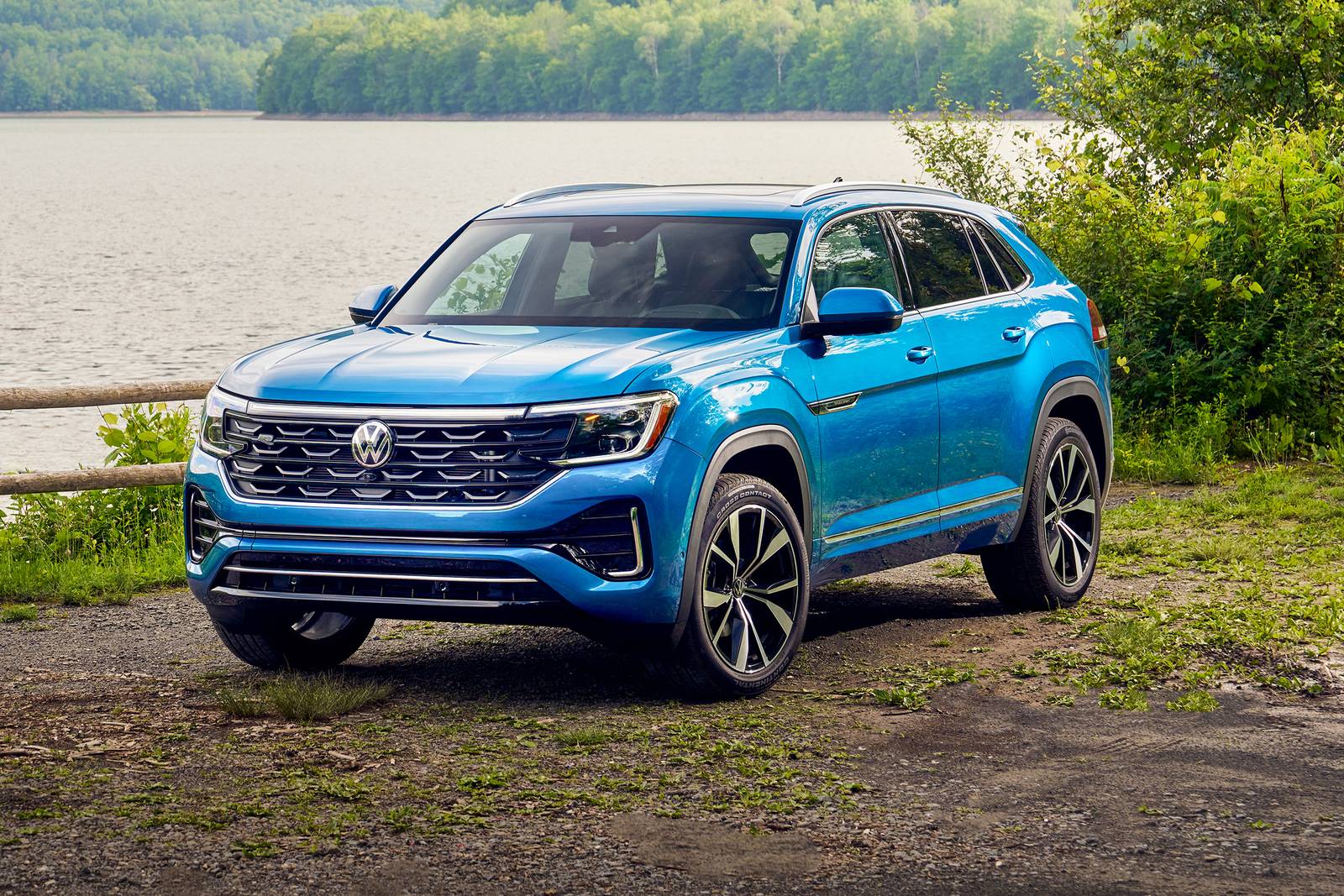
5. Volkswagen Atlas SE With Technology 4Motion AWD (Second Generation, 2024)
Volkswagen’s second-generation Atlas represents a full redesign that addressed the first generation’s most common family ownership criticisms, including interior material durability concerns that appeared in longer-term owner reviews and cabin noise levels that some buyers found inconsistent with VW’s quality positioning.
Atlas SE With Technology 4Motion AWD in its second-generation form delivers a three-row family SUV whose interior dimensions, seat material choices, and powertrain refinement align specifically with the decade-long family ownership scenario that three kids and a dog create.
Second-generation Atlas interior material updates include revised seat fabric and trim surface specifications that show better resistance to the physical wear patterns that family use creates, specifically the abrasion from backpacks dragged across seat surfaces, the edge wear on armrests and door panels from repeated contact, and the color transfer from athletic equipment and pet gear that lighter interior colors make immediately visible.
VW’s specific fabric grade in the SE With Technology specification uses a tighter weave and a more wear-resistant surface treatment than base Atlas models, reflecting the engineering response to first-generation owner feedback about long-term fabric condition.
Atlas’s second-generation structural improvements that reduce long-term noise development address one of family ownership’s most progressive quality complaints: the rattle and squeak accumulation that begins appearing in many SUVs around years three through five as repeated thermal cycling, high passenger loads, and vibration from child-generated interior movement causes assembly joints to develop clearance that produces acoustic symptoms. VW’s improved assembly quality in the second generation targets this specific concern with more consistent build tolerances and improved fastener specifications at the joints most likely to develop acoustic issues under family use loading.
4Motion AWD in the second-generation Atlas uses a more sophisticated control strategy than the first generation, providing more responsive torque distribution that family drivers appreciate, specifically in the wet-road school parking lot scenarios and highway on-ramp situations with full passenger loads, where all-wheel traction makes the difference between confident and hesitant vehicle behavior. Powertrain confidence with a full load of children and their gear is not a luxury consideration but a daily safety requirement for families who carry maximum passengers on every trip.
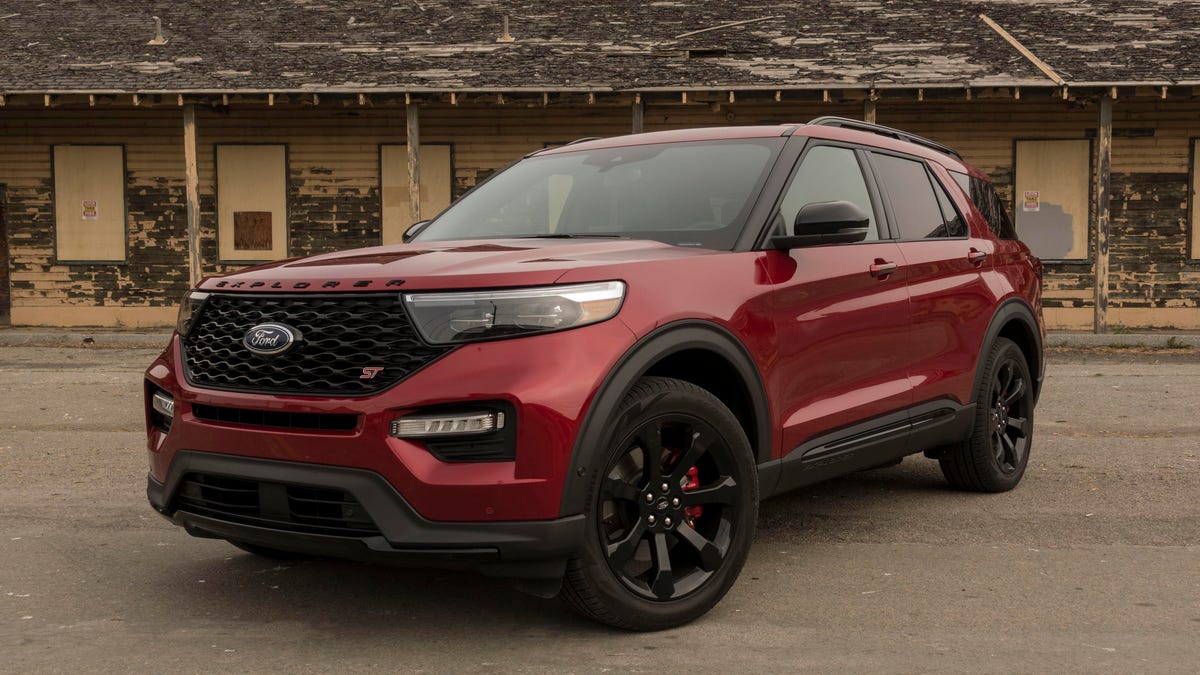
6. Ford Explorer XLT 4WD (Seventh Generation, 2020 to 2024)
The seventh-generation Ford Explorer XLT 4WD reflects decades of accumulated experience drawn from American family ownership. Across multiple generations, this nameplate has served households that rely on a single primary vehicle for school transport, work commuting, weekend travel, and extended road trips.
That long history shaped the engineering decisions seen in the current XLT 4WD, especially in areas where repeated family use reveals weaknesses early. The result is a vehicle structured to tolerate sustained pressure rather than merely impress during early ownership. Interior material durability shows measurable improvement compared with the previous generation.
Ford responded to reports of accelerated wear in high-contact areas by revising seat fabric density, door panel surface hardness, and centre console finishes. These adjustments matter in homes where doors are opened dozens of times daily, and seats absorb constant movement. Owner reports at higher mileage bands describe interiors that retain cohesion rather than appearing prematurely tired. Panels remain secure, seat surfaces resist sagging, and trim pieces maintain alignment under daily handling.
Seat comfort also supports extended ownership. Cushion structure balances firmness with compliance, reducing fatigue during long drives while retaining shape under repeated entry and exit. Families place uneven loads on seats through child seats, backpacks, and pets. The Explorer’s seating architecture tolerates this imbalance without rapid compression or loss of support.
Powertrain selection in the XLT 4WD reinforces reliability expectations. The 2.3-litre EcoBoost engine has accumulated sufficient service history to demonstrate stable operation when maintained properly. For families, mechanical predictability carries heightened importance.
Unplanned downtime disrupts schedules that include school commitments, medical appointments, and work obligations. The Explorer’s drivetrain design prioritises steady delivery rather than mechanical drama, aligning with the practical demands of daily use.
Cargo area flexibility further supports household adaptability. Fold-flat second and third rows convert the interior from passenger carrier to cargo hauler with minimal effort. Families transporting pets benefit from a floor that remains level and usable after repeated configuration changes. Fold mechanisms continue operating smoothly at mileage points where lesser systems begin to bind or misalign. This consistency protects usability long after the initial warranty period.
Third-row access remains a daily concern for households with children. The one-touch second-row folding system creates an opening wide enough for younger passengers to reach the rear seats without climbing gymnastics. The mechanism maintains alignment and ease of movement under repeated cycling, reducing strain on both the hardware and the users. Parents notice quickly when access systems degrade. The Explorer’s design resists that decline.
Suspension tuning also contributes to longevity. The vehicle absorbs load variation without developing looseness or instability. Family use introduces constant weight changes, from empty commutes to fully loaded weekend travel. The Explorer remains composed under these conditions, preserving steering response and ride control across years of service.
For households seeking a three-row vehicle capable of extended duty, the Ford Explorer XLT 4WD delivers a structure shaped by experience rather than theory. Its durability reflects lessons learned through millions of family miles.
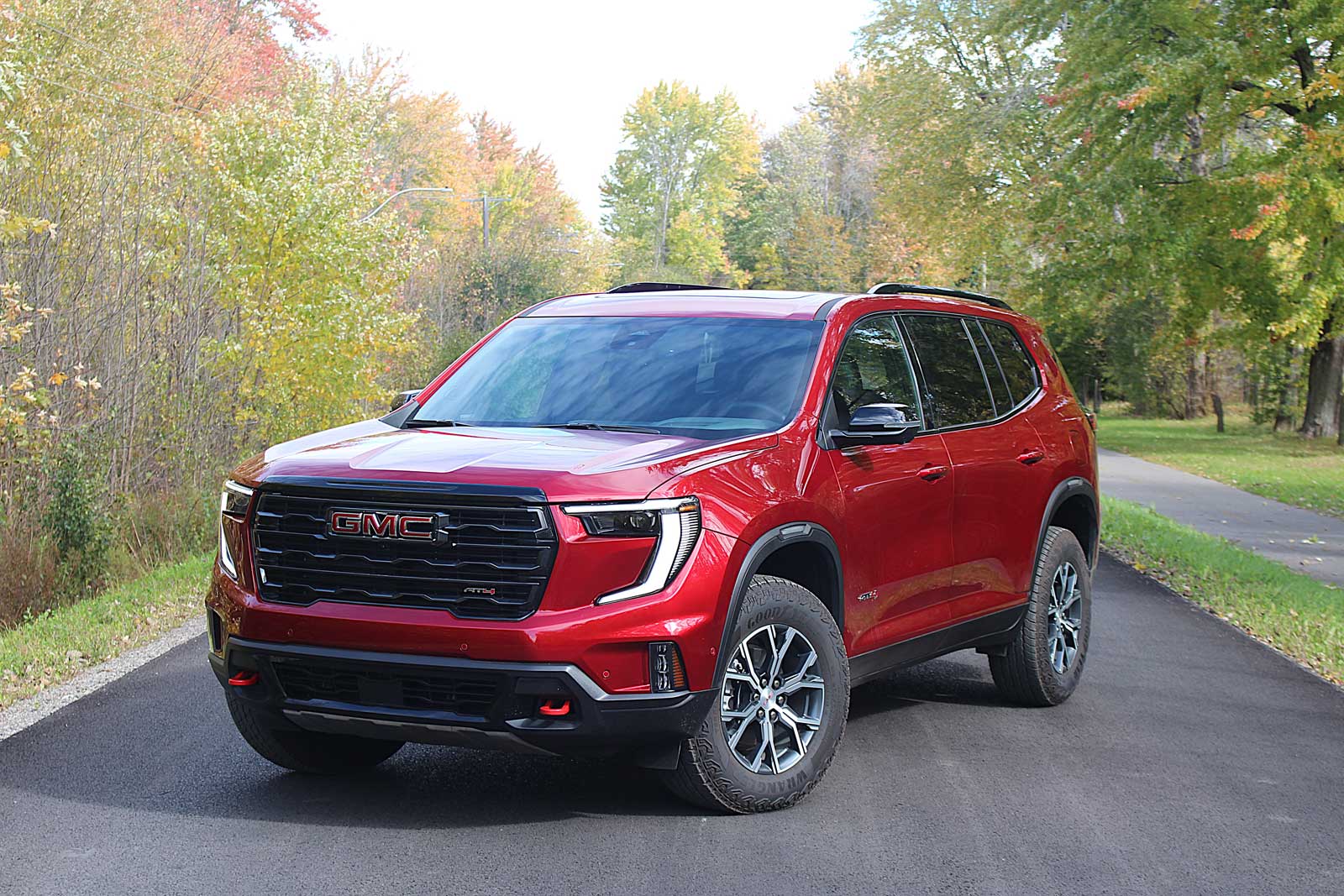
7. GMC Acadia AT4 AWD (Third Generation, 2024)
The third-generation GMC Acadia AT4 AWD represents a deliberate reset following feedback directed at earlier versions. GMC approached this redesign with clarity about where the second generation fell short for households that depend on a single vehicle for varied responsibilities. The AT4 AWD trim combines physical robustness with interior decisions that recognise the realities of family ownership, especially for homes balancing children, pets, and frequent travel.
Interior dimensions received particular attention. Second and third-row space increased in response to consistent buyer concerns. Third-row seating determines whether a three-row SUV functions practically or symbolically. In this generation, children can occupy the rear seats with improved comfort, while shorter adults manage occasional trips without immediate discomfort. This adjustment reflects realistic expectations rather than inflated seating claims.
Material selection within the AT4 cabin supports repeated exposure to dirt, moisture, and handling. Seat surfaces resist absorption from common household spills, while darker interior tones reduce visible wear between cleanings. These choices prioritise manageability rather than showroom brightness. Families value surfaces that tolerate real use without constant maintenance effort. Floor materials withstand abrasion from footwear and pet movement without rapid deterioration.
Cargo area design continues this theme. The rear load space accommodates shifting needs without demanding delicate handling. Pet transport introduces scratching and uneven weight distribution that quickly exposes material weakness. The Acadia AT4’s cargo surfaces maintain integrity under these conditions, supporting continued use without degradation.
AWD system refinement strengthens daily confidence. GMC’s updated torque distribution improves traction behaviour in poor weather. Families depend on consistent handling when schedules cannot pause due to road conditions. A system that responds smoothly reduces stress during rain or winter driving. Stability remains predictable rather than reactive, supporting safe operation during routine journeys.
Seat access systems also benefit from redesign. Second-row movement allows clearer paths to the third row, reducing the effort required for children to reach their seats. Hardware tolerates repeated operation without stiffness or alignment loss, preserving daily usability rather than fading with age.
Ride quality balances firmness with compliance. The suspension absorbs road irregularities without excessive body movement, protecting occupants and interior components alike. Children and pets experience less motion fatigue, while the structure avoids stress accumulation that shortens component lifespan.
Powertrain pairing within the AT4 AWD supports consistent delivery rather than aggressive output. The focus remains on dependable performance that aligns with household expectations. Mechanical behaviour stays predictable across varied driving conditions, supporting trust in the vehicle as a primary transport asset.
Through its redesign, the GMC Acadia AT4 AWD positions itself as a practical response to family feedback. Its structure reflects attention to space, materials, and daily usability that support long-term household ownership.
Also Read: 10 SUVs With Hidden Storage Compartments Most Owners Never Find
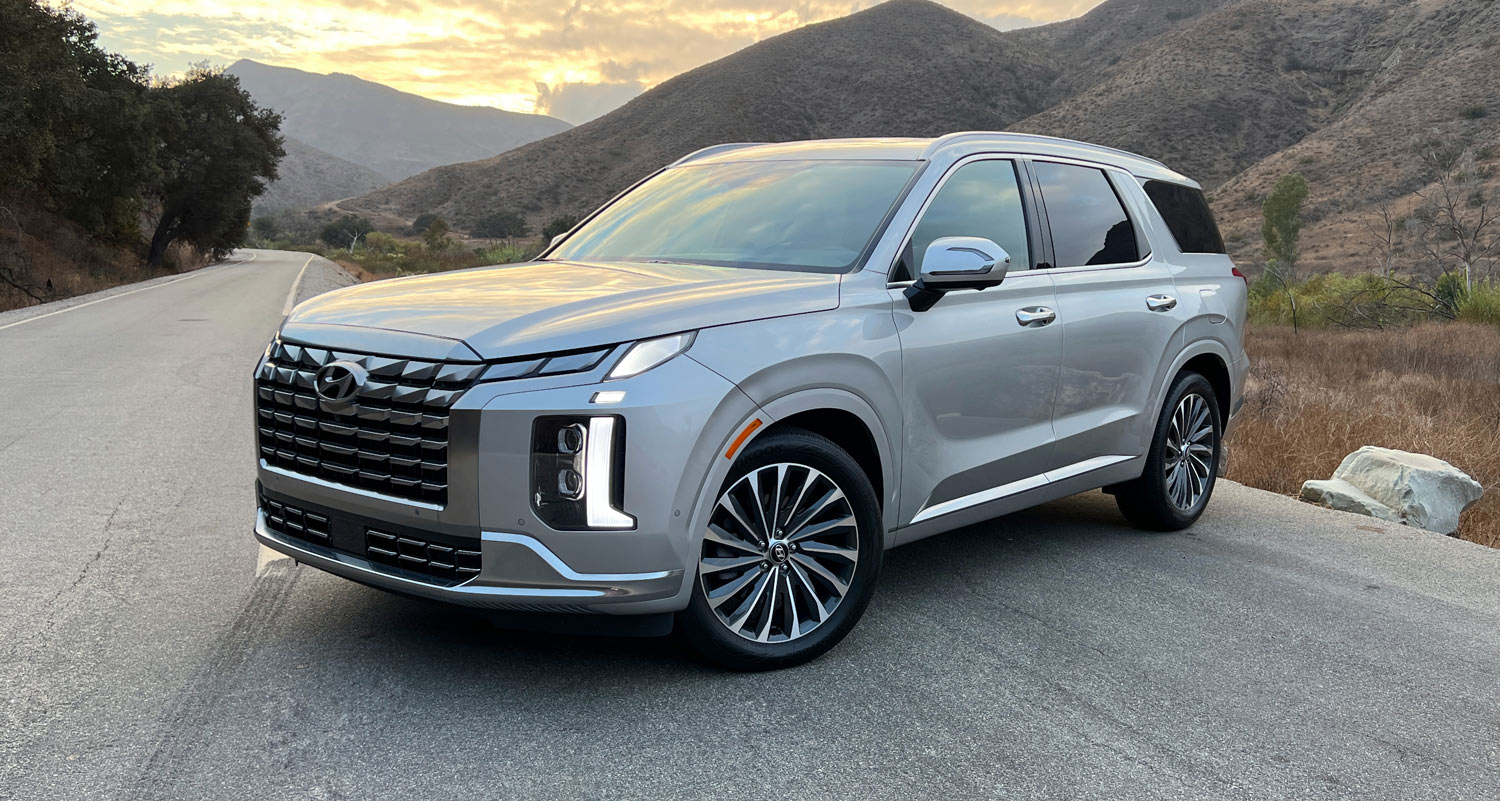
8. Hyundai Palisade Calligraphy AWD (First Generation Facelift, 2023 to 2024)
Hyundai’s Palisade entered the three-row family SUV market and immediately positioned itself as a premium-feel option at a price point that family buyers found accessible, and the Calligraphy AWD specification’s specific combination of interior quality, seat configuration options, and powertrain reliability makes it one of the strongest choices for the demanding ten-year family ownership scenario that this article addresses.
Palisade Calligraphy interior materials at this trim level use Nappa leather seating surfaces with perforation patterns that balance appearance with the cleaning accessibility that family use requires. Nappa leather quality at the Calligraphy level maintains its surface integrity through cleaning cycles that fabric and lower-grade leatherette surfaces would not survive with the same consistency.
Families who clean their SUV interiors regularly, which three kids and a dog make a weekly rather than occasional activity, need seat surfaces that can absorb this cleaning frequency without showing degradation at the cleaning contact points. Second and third-row seat configuration flexibility in the Palisade Calligraphy provides the passenger arrangement options that families with three children of different ages need as those ages change across a decade of ownership.
Young children in car seats require different second-row configurations than school-age children, who need access to the third row, and school-age children require different arrangements than teenagers, who occupy full seat positions with adult-sized legs. Palisade’s seat configuration flexibility accommodates these life-stage changes across the ownership period without requiring the family to work around the vehicle’s limitations at each developmental stage.
Hyundai’s 3.8-liter V6 powertrain in the Palisade Calligraphy AWD provides a power reserve that families with full passenger loads and cargo specifically appreciate during highway merging, mountain passes, and the acceleration situations where being underpowered with a full family load creates both inefficiency and mild anxiety.
Adequate power for real-world family loading conditions is a practical consideration that owners notice on every loaded trip, and the Palisade V6’s output level provides comfortable margins for the three-kids-and-dog loading scenario that defines this article’s evaluation context.
Hyundai’s 5-year/60,000-mile bumper-to-bumper warranty and 10-year/100,000-mile powertrain warranty provide the financial protection that family buyers need across the full decade-long ownership period that this SUV is specifically evaluated for. Warranty coverage that extends through the ownership period changes the financial risk calculation for unexpected repair events, which family budgets are specifically poorly positioned to absorb when three children and their activities are already maximizing the household’s financial flexibility.
