
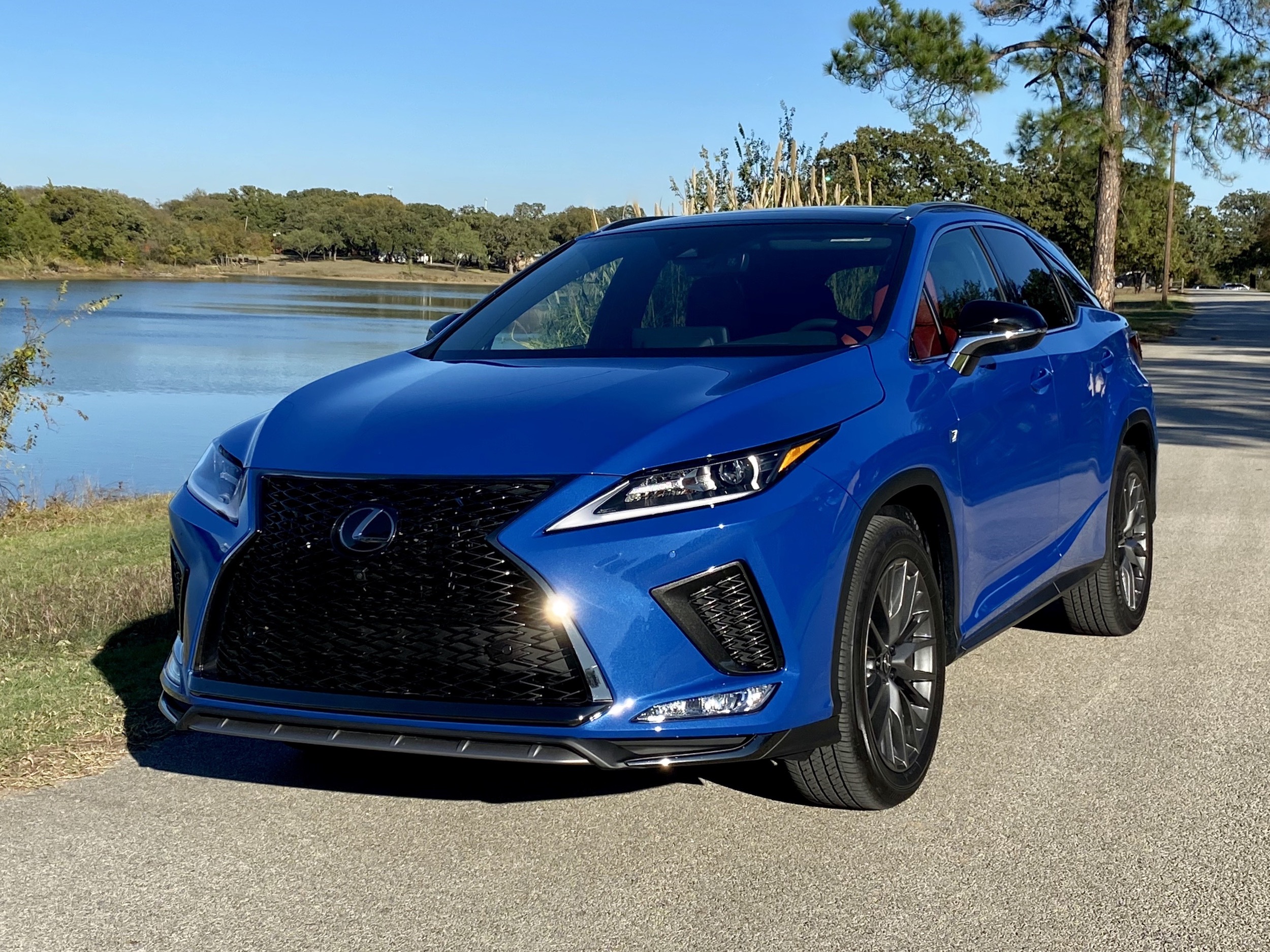
Buying an SUV with the intention of keeping it for the long run requires a very different mindset compared to choosing something based on design, features, or short-term comfort.
When the goal is to reach 300,000 miles, the focus shifts toward engineering durability, ease of maintenance, and how well the vehicle handles years of real-world driving conditions. Not every SUV is built for that kind of endurance, even if it performs well when new.
One of the first things to understand is that longevity is not just about the engine. It is about how the entire vehicle is put together. A strong engine paired with a weak transmission or fragile electronics will not make it to extreme mileage without costly repairs.
The most durable SUVs tend to have balanced designs where every major component is built to last within similar limits.
Another major factor is how forgiving the vehicle is over time. As mileage increases, wear becomes unavoidable. The best long-lasting SUVs are those that continue to function reliably even when parts begin to age. They do not become overly sensitive to minor issues, and they allow owners to address maintenance gradually instead of facing sudden failures.
Cost also plays a key role. Staying under $20,000 means looking at used models, which adds another layer of consideration. Vehicles that hold up well over time usually have a strong reputation for reliability, widely available parts, and straightforward repair processes. These qualities make it easier to keep them running without excessive expense.
Driving conditions influence longevity more than many people realise. SUVs that handle highway miles efficiently and remain stable under consistent use tend to last longer than those constantly subjected to stop-and-go traffic or heavy strain. However, the right engineering can still allow certain models to survive even under less-than-ideal conditions.
Maintenance habits ultimately determine whether a vehicle reaches high mileage. Regular oil changes, proper cooling system care, and attention to wear items like suspension components all contribute to long-term survival. The SUVs that make it to 300,000 miles are almost always supported by consistent upkeep.
In this article, we will look at nine SUVs that can be found under $20,000 and have the potential to reach 300,000 miles with proper care. Each one represents a different approach to durability, showing that there is more than one path to achieving long-term reliability.
We will go through these two at a time, focusing on what makes each model capable of lasting far beyond typical expectations.
Also Read: 9 Cars With Trunk Hinges That Still Work in Sub-Zero Cold
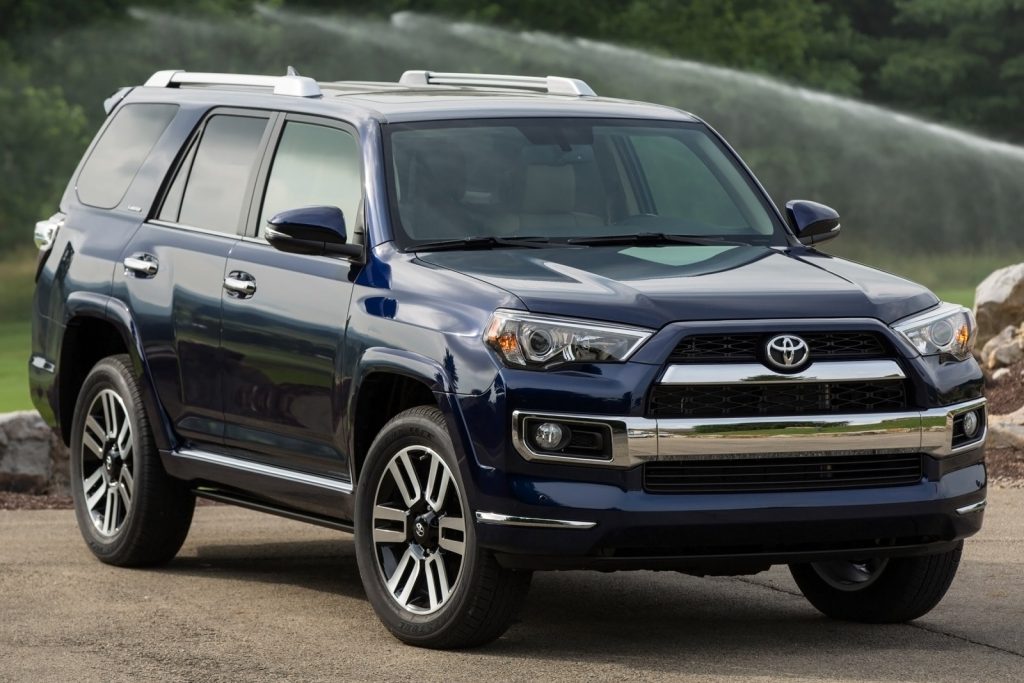
1. Toyota 4Runner (2005–2009)
Some SUVs earn their reputation slowly, through years of consistent performance rather than flashy first impressions. The Toyota 4Runner from this generation fits that description perfectly. It is not built to impress in the short term, but it proves its value over time, especially when the goal is to push toward 300,000 miles.
The foundation of its durability lies in its body-on-frame construction. Unlike crossover SUVs that prioritise comfort, this structure is designed for strength. It handles stress from rough roads, towing, and daily driving without transferring excessive strain to critical components. That structural integrity plays a major role in long-term survival.
Under the hood, the engine options are known for their reliability. They are not tuned aggressively, which means internal components operate within safe limits.
This reduces wear over time and allows the engine to maintain consistent performance even as mileage climbs. It is common to see these engines continue running smoothly well beyond what most drivers expect.
Another advantage is how the vehicle handles ageing. As parts begin to wear, the 4Runner does not become overly sensitive. It continues to operate reliably, giving owners time to address maintenance without facing immediate breakdowns. This forgiving nature is essential for reaching high mileage.
The drivetrain is equally important. The transmission and four-wheel-drive system are built to handle long-term use, whether on highways or uneven terrain. This balance ensures that no single component becomes a weak point as the vehicle ages.
Maintenance is straightforward, which makes it easier to keep the SUV in good condition. Parts are widely available, and repairs do not require overly complex procedures. This accessibility encourages owners to stay on top of servicing, which directly impacts longevity.
Driving experience also plays a role. The 4Runner encourages a steady and controlled style rather than aggressive inputs. This naturally reduces stress on the engine and drivetrain, helping preserve them over time.
In real-world scenarios, it is not unusual to find these SUVs with high mileage still performing reliably. The combination of strong construction, dependable engineering, and practical usability makes the 4Runner a clear candidate for reaching 300,000 miles.
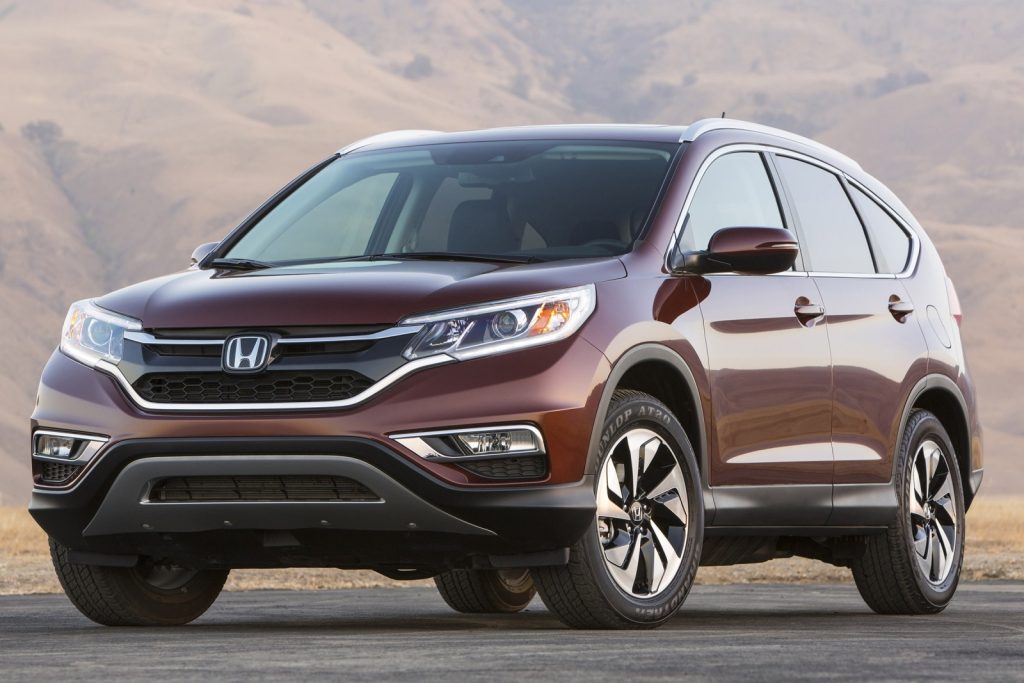
2. Honda CR-V (2007–2011)
Now shift to a completely different type of SUV, one that prioritises efficiency and everyday usability. The Honda CR-V may not look like a heavy-duty machine, yet it has proven time and again that it can achieve impressive longevity when properly maintained.
The key to its durability is balance. The engine is designed to deliver consistent performance without placing unnecessary stress on internal components. It operates smoothly, with controlled power delivery that reduces wear over long periods.
Unlike larger SUVs, the CR-V benefits from a lighter full weight. This reduces the load on the engine, transmission, and suspension. Each component works within a comfortable range, which helps extend its lifespan.
Another important factor is how the vehicle handles daily use. Many CR-Vs spend their lives in urban environments, dealing with frequent stops and starts. Despite this, the engine and drivetrain remain resilient. This suggests a level of engineering that accounts for real-world conditions rather than ideal scenarios.
The transmission is tuned for smooth operation, avoiding harsh shifts that could accelerate wear. This contributes to a more stable driving experience and reduces long-term stress on the system.
Maintenance simplicity is one of the CR-V’s strongest advantages. Routine servicing is easy to perform, and parts are readily available. This lowers the barrier for keeping the vehicle in good condition over time.
There is also a behavioural element tied to ownership. The CR-V encourages calm and predictable driving. It is not a vehicle that invites aggressive acceleration, and this naturally helps preserve its mechanical components.
As mileage increases, the CR-V continues to perform reliably without becoming overly sensitive to minor issues. This resilience allows it to keep going even as parts age.
In many high-mileage examples, the vehicle remains functional and dependable long after reaching milestones that would retire other SUVs. This combination of efficiency, simplicity, and durability makes the CR-V a strong contender for reaching 300,000 miles.
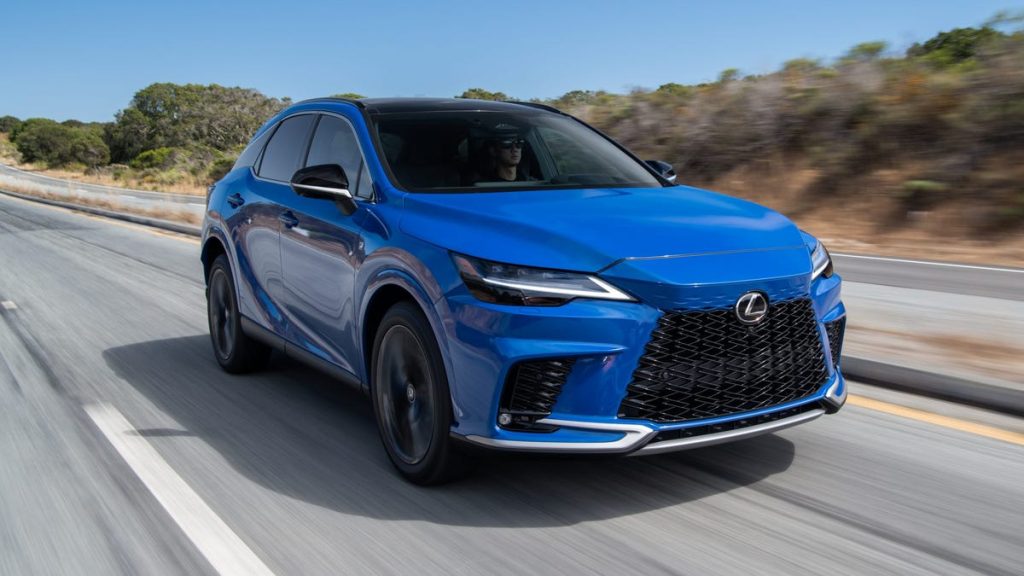
3. Lexus RX 350 (2007–2012)
Move into a segment where comfort meets durability in a way that feels almost effortless. The Lexus RX 350 is often seen as a luxury-focused SUV, yet beneath its refined surface lies engineering that can carry it well beyond 300,000 miles. This is not a vehicle that relies on rugged construction alone. Its strength comes from precision, balance, and consistency.
The V6 engine used in this model is known for smooth operation rather than aggressive output. That smoothness is not just about comfort. It reduces internal vibration and uneven stress, which helps preserve components over long periods. When an engine runs without harsh fluctuations, it experiences less wear.
Another factor is how well the vehicle manages heat. The cooling system is designed to maintain stable temperatures even during extended drives. Keeping temperatures consistent prevents excessive expansion and contraction of metal parts, which is a major cause of long-term deterioration.
The transmission complements the engine by delivering power in a controlled manner. Gear changes are seamless, avoiding the kind of abrupt shifts that can accelerate wear. This harmony between engine and transmission is one of the reasons the RX 350 ages gracefully.
Owners often maintain these vehicles carefully, which contributes to their longevity. Regular servicing, timely fluid changes, and attention to detail help keep the mechanical systems in excellent condition. When maintenance is consistent, the vehicle responds by delivering long-term reliability.
Driving experience plays a subtle role as well. The RX 350 encourages a relaxed driving style. It is built for comfort, not aggressive performance, and this naturally reduces stress on the drivetrain.
As the miles increase, the vehicle continues to perform with a level of stability that is uncommon in many SUVs. Minor issues may appear, but they do not disrupt the full functionality.
This is a case where durability is achieved through refinement rather than toughness. The RX 350 proves that a well-engineered luxury SUV can go the distance just as effectively as more rugged alternatives.
4. Chevrolet Tahoe (2007–2014)
Step into a full-size SUV built for strength and long-term use. The Chevrolet Tahoe from this generation is designed to handle heavy loads, long trips, and demanding conditions. Despite its size and capability, it has the potential to reach 300,000 miles when properly maintained.
The engine is a central part of this durability. It delivers strong performance without operating at extreme limits. This balance allows it to handle daily driving and heavier tasks without excessive strain. When an engine is not constantly pushed to its maximum, it lasts longer.
Another important aspect is the vehicle’s construction. The Tahoe uses a body-on-frame design, which provides a solid foundation for long-term use. This structure absorbs stress effectively, preventing it from damaging critical components.
The transmission is built to match the engine’s capabilities. It handles power delivery smoothly, even under load. This reduces wear and helps maintain consistent performance over time.
Usage patterns often include highway driving and towing, both of which can be beneficial when managed properly. Long-distance travel allows the engine to operate at stable temperatures, while controlled towing within limits prevents unnecessary strain.
Maintenance plays a crucial role here. Regular fluid changes, attention to the cooling system, and proper servicing keep the vehicle running reliably. These steps are essential for reaching high mileage.
There is also a level of tolerance built into the design. As the vehicle ages, it continues to function without becoming overly sensitive to minor issues. This allows owners to address maintenance gradually rather than facing sudden failures.
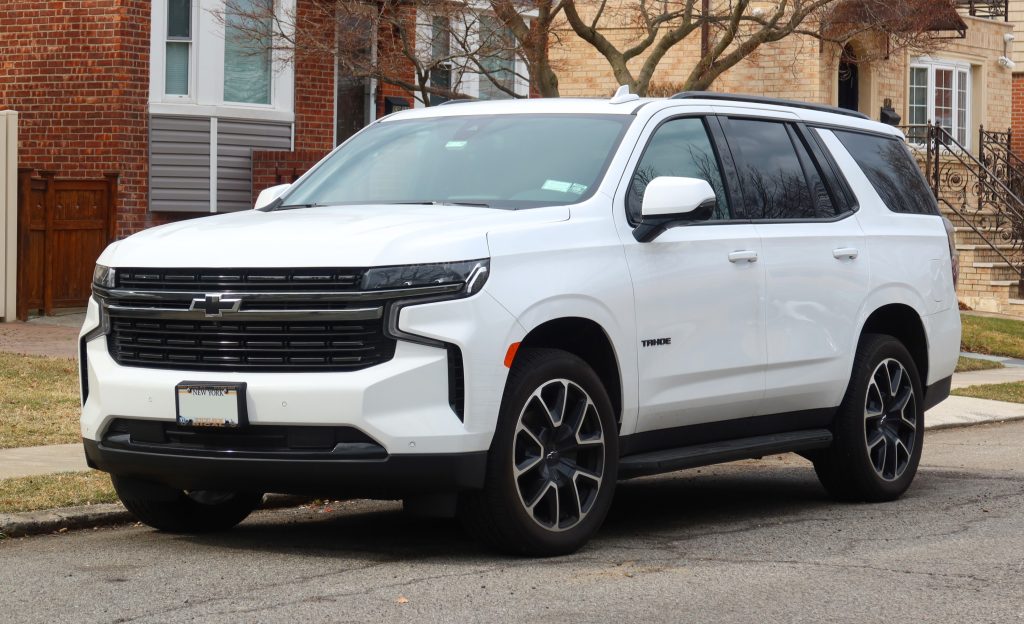
The driving experience encourages steady operation. While the Tahoe is capable of strong performance, it feels most comfortable when driven smoothly. This natural tendency helps preserve its mechanical components.
In long-term ownership scenarios, it is common to see these SUVs still running reliably with high mileage. The combination of strength, balance, and practical usability makes the Tahoe a strong candidate for reaching 300,000 miles.
5. Subaru Forester (2009–2013)
The Subaru Forester approaches durability from a different angle, one that focuses on balance and all-weather usability rather than brute strength. It is not the largest SUV in this group, yet it consistently proves capable of reaching very high mileage when treated with care. Its longevity comes from how efficiently its components work together.
At the centre of the Forester is a horizontally opposed engine layout. This design lowers the centre of gravity and reduces vibration during operation.
Less vibration means less stress on internal components, which helps extend engine life over long periods. The engine does not feel strained during normal driving, which is a key factor in long-term reliability.
The all-wheel-drive system contributes more than just traction. It distributes power evenly, allowing the vehicle to move smoothly from a stop without requiring aggressive throttle input. This reduces strain on the drivetrain and helps preserve components such as the transmission and differentials.
Another strength lies in how the Forester handles daily driving conditions. Whether in city traffic or on open roads, it maintains a consistent and predictable behaviour. This stability allows drivers to operate the vehicle in a way that minimises wear, even without consciously trying to extend its lifespan.
Maintenance is an important part of the equation. Regular oil changes and attention to cooling systems are especially critical for this engine design. When properly maintained, the Forester rewards owners with dependable performance over many years.
The vehicle also benefits from a relatively simple mechanical layout compared to more complex SUVs. This simplicity reduces the likelihood of unexpected failures and makes repairs more manageable when they are needed.
As mileage increases, the Forester continues to function reliably without becoming overly sensitive to small issues. It maintains drivability even as components begin to age, which is essential for reaching high mileage.
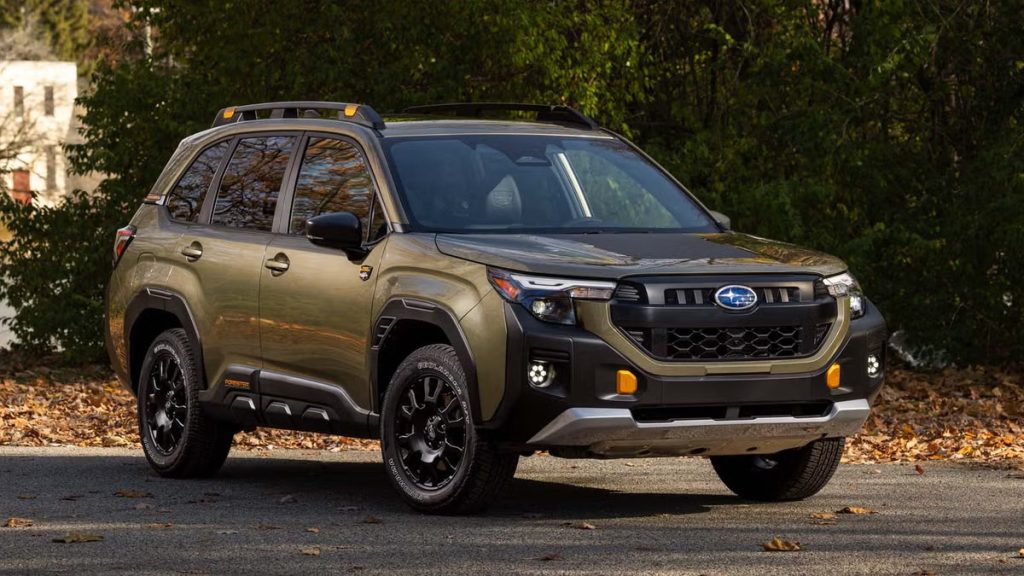
Many Foresters have surpassed expectations by continuing to perform long after most would consider retirement. Its durability comes not from being overbuilt, but from being thoughtfully engineered to operate efficiently under a wide range of conditions.
6. Ford Expedition (2007–2014)
The Ford Expedition represents a full-size SUV built with long-distance capability in mind. It is designed to carry passengers, handle cargo, and cover large distances with ease. Despite its size, it has the potential to reach 300,000 miles when maintained properly.
The engine plays a major role in this capability. It delivers steady power without requiring high stress levels during normal operation. This allows internal components to operate within safe limits, which slows down wear over time.
Another factor is how the vehicle handles weight. The Expedition is built to manage its size efficiently, which reduces strain on the drivetrain. Even when fully loaded, it maintains a sense of stability that helps preserve mechanical components.
The transmission is designed to complement the engine’s characteristics. Smooth gear changes reduce shock to the system, which is important for long-term durability. When power is transferred consistently, components experience less fatigue.
Highway driving is where the Expedition truly excels. Long-distance travel allows the engine to run at stable temperatures and speeds, which is ideal for minimising wear. Many high-mileage examples have accumulated their distance through steady cruising rather than constant stop-and-go driving.
Maintenance is essential for keeping this SUV in good condition. Regular servicing of fluids, cooling systems, and suspension components ensures that the vehicle remains reliable as it ages.
There is also a practical aspect to ownership. The Expedition is often used in a controlled manner, with drivers focusing on comfort and stability rather than aggressive performance. This driving style naturally reduces stress on the vehicle.
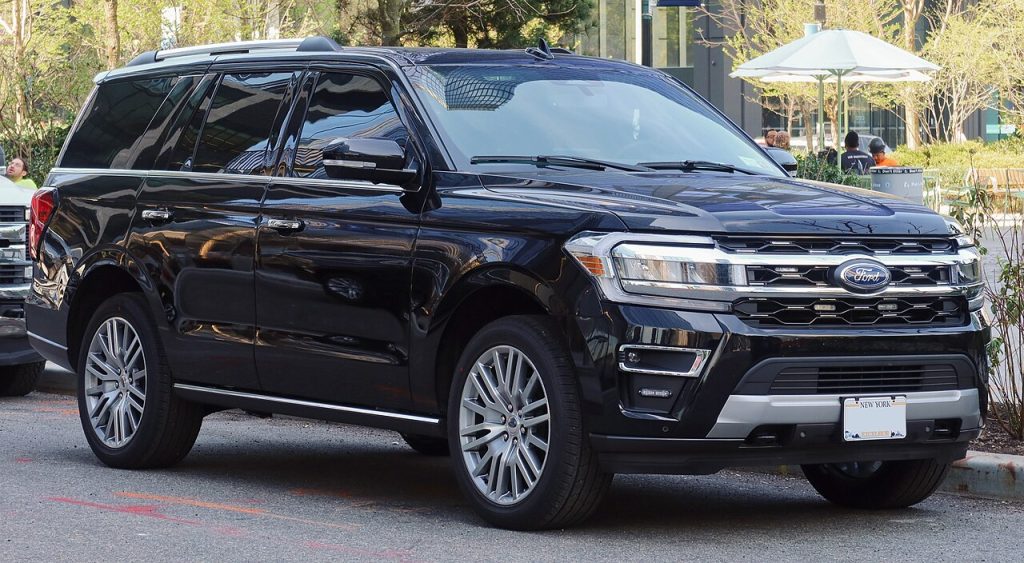
As the miles add up, the Expedition continues to perform without becoming overly fragile. It may require attention in certain areas, but it does not lose its core functionality.
It is not unusual to find these SUVs still operating reliably with very high mileage. The combination of strong engineering, balanced performance, and proper care allows the Expedition to remain a dependable option for those aiming for 300,000 miles.
7. Toyota Highlander (2008–2013)
There is a certain quiet durability in the Toyota Highlander that does not immediately stand out, yet becomes obvious as the miles accumulate. It is not built like a traditional truck-based SUV, and it does not rely on heavy-duty construction. Instead, its strength comes from refinement, consistency, and a drivetrain that avoids unnecessary stress.
The engine used in this generation is known for smooth and predictable behaviour. It does not surge or feel strained during normal driving. This controlled power delivery reduces internal pressure on components, allowing them to wear gradually rather than rapidly. Over time, that difference becomes significant.
Another advantage is how the vehicle manages daily use. The Highlander transitions between city driving and highway cruising without putting excessive load on the drivetrain. This versatility allows it to operate efficiently in different environments without accelerating wear.
The transmission plays a supportive role by maintaining smooth gear changes. It avoids harsh shifts, which helps preserve both the gearbox and the engine. When power is transferred consistently, the entire system benefits.
Weight distribution is also balanced, which reduces strain on suspension and drivetrain components. The vehicle does not feel overly heavy or difficult to move, and that efficiency contributes to long-term reliability.
Maintenance is straightforward and accessible. Routine servicing can be performed without complex procedures, encouraging owners to stay consistent with upkeep. This regular attention is one of the key reasons these SUVs reach high mileage.
Driving style naturally leans toward smoothness. The Highlander is designed for comfort and stability, not aggressive performance. This encourages inputs that are gentle on the mechanical systems.
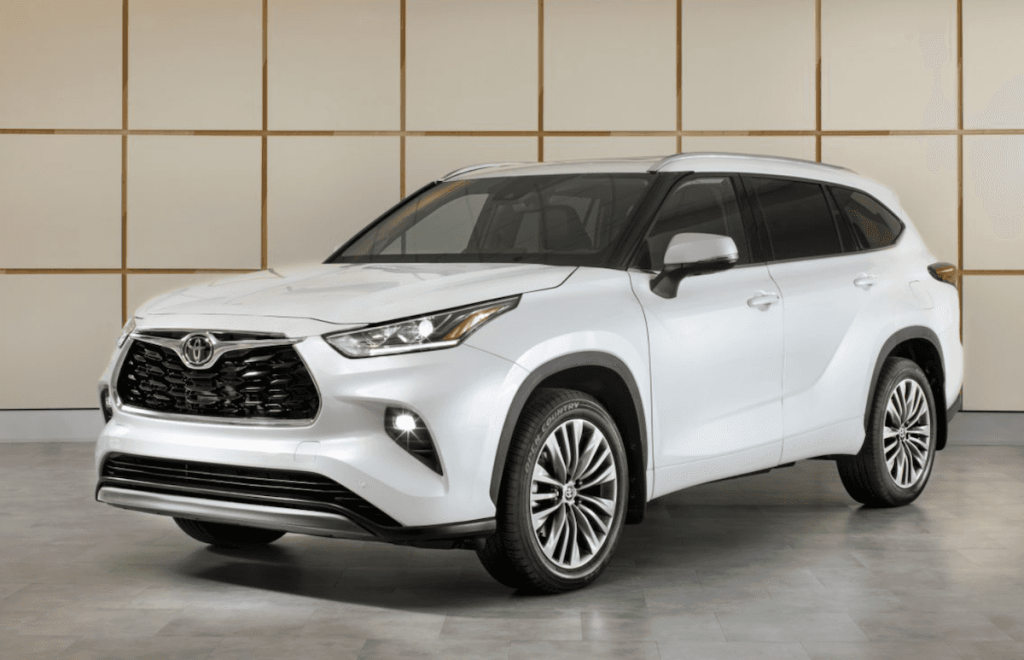
As the vehicle ages, it continues to function without becoming overly sensitive to minor wear. This tolerance allows owners to manage repairs gradually, keeping the SUV on the road for longer periods.
Many high-mileage examples show that while cosmetic or secondary components may age, the core drivetrain remains dependable. This makes the Highlander a strong choice for those aiming to reach 300,000 miles.
8. Nissan Xterra (2005–2012)
Shift attention to a more rugged and purpose-driven SUV. The Nissan Xterra is built with durability in mind, designed to handle rough terrain while still functioning as a daily driver. This combination creates a platform capable of lasting well beyond typical expectations.
The engine is tuned for reliability rather than peak performance. It delivers power in a steady manner, avoiding sudden spikes that could increase wear. This controlled output allows the engine to maintain its integrity over long periods.
Construction plays a major role in its longevity. The Xterra uses a body-on-frame design, which provides a solid base for handling stress. Whether on uneven terrain or regular roads, this structure helps protect key components from excessive strain.
The drivetrain is designed to support off-road capability, but it also benefits long-term durability. Components are built to handle varying conditions, which means they are less likely to fail under normal use.
Another important factor is how the vehicle is typically driven. Even though it is capable of off-road performance, many owners use it in a measured and controlled way. This balanced usage helps extend the life of the engine and transmission.
Maintenance is relatively simple, with accessible components and widely available parts. This makes it easier to keep the vehicle in good condition over time.
The Xterra also shows a level of resilience as it ages. It continues to operate reliably even when minor issues develop, allowing owners to address them without immediate urgency.
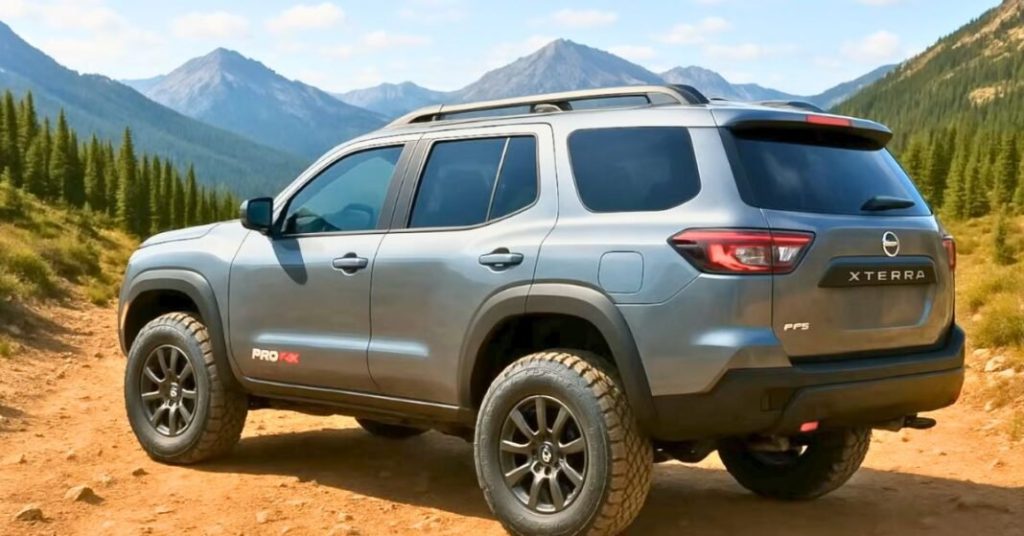
In long-term ownership cases, it is common to see these SUVs with high mileage still performing their intended role. The combination of rugged design, steady power delivery, and practical usability allows the Xterra to reach distances that many vehicles never achieve.
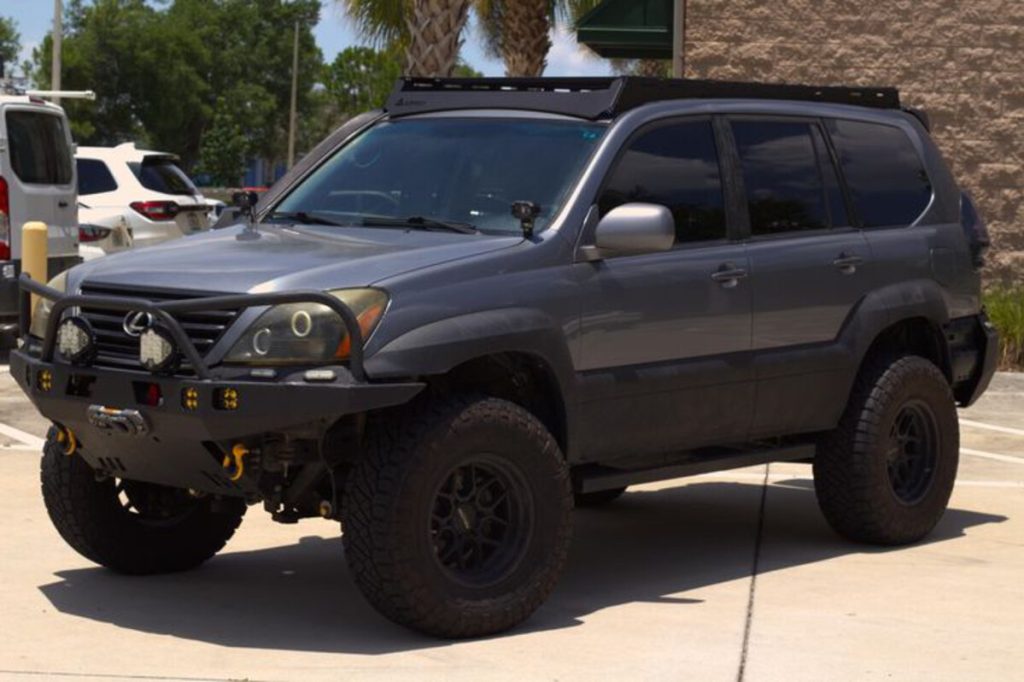
9. Lexus GX 470 (2003–2009)
Some SUVs achieve longevity through simplicity, others through strength, but the Lexus GX 470 manages to combine both while adding a layer of refinement that does not interfere with durability. Built on a platform shared with rugged off-road vehicles, it carries a structure that is meant to endure years of stress without losing integrity.
The V8 engine in this model is engineered with a clear focus on reliability. It delivers power in a smooth and controlled manner, avoiding sudden spikes that could accelerate internal wear. This steady output allows components such as pistons, bearings, and valves to operate within safe limits for extended periods.
Look deeper into how the drivetrain is configured,d and a pattern emerges. Every major component is matched to handle similar levels of stress. The transmission does not struggle to keep up with the engine, and the four-wheel-drive system distributes load efficiently. This balance prevents one part from wearing out faster than the rest.
There is also a structural advantage. The body-on-frame construction provides a solid base that absorbs external forces before they reach sensitive mechanical parts. Whether the vehicle is used on highways or uneven terrain, this design helps maintain long-term stability.
Ownership habits often reinforce this durability. Drivers tend to use the GX 470 in a composed manner, taking advantage of its smooth ride rather than pushing it aggressively. This style of driving naturally reduces strain on the drivetrain.
Maintenance plays a steady role in keeping the vehicle on the road for hundreds of thousands of miles. Routine servicing, fluid changes, and attention to cooling systems ensure that the engine continues to operate efficiently as it ages.
Another detail worth noting is how the vehicle behaves over time. It does not become fragile as mileage increases. Instead, it continues to perform reliably, allowing owners to address wear gradually rather than dealing with sudden breakdowns.
In many high-mileage examples, the GX 470 remains dependable even as other parts of the vehicle begin to show age. This consistency highlights the strength of its engineering.
For those aiming to reach 300,000 miles on a budget under $20,000, this SUV stands as one of the most capable choices. It brings together durability, balance, and long-term reliability in a way that few vehicles manage to achieve.
Reaching 300,000 miles in an SUV is not about luck, but about choosing the right vehicle and maintaining it with discipline. The models listed in this article stand out because they combine durable engineering with balanced performance, allowing them to handle years of real-world driving without major failure.
From rugged body-on-frame options like the Toyota 4Runner and Lexus GX 470 to efficient crossovers like the Honda CR-V and Toyota Highlander, each SUV offers a different path to long-term reliability.
What connects all of them is consistency. Their engines operate within safe limits, their transmissions deliver smooth power, and their designs avoid unnecessary complexity.
These traits reduce wear and make them more forgiving as they age. When paired with regular maintenance and steady driving habits, these SUVs can comfortably exceed expectations.
For buyers working within a $20,000 budget, these vehicles prove that long-term ownership and high mileage are still very achievable goals.
Also Read: 10 Vehicles Where Window Tint Stays Black Instead of Turning Purple
