
Window tinting has become one of the most popular automotive upgrades worldwide, offering benefits such as heat reduction, UV protection, glare control, privacy, and enhanced aesthetics. However, one of the most common complaints among vehicle owners is tint discoloration over time, especially the unwanted purple hue that appears in low-quality dyed films.
This issue is often misunderstood as being caused by the vehicle itself, when in reality it is almost entirely dependent on the quality of the tint material, installation method, and exposure to sunlight and heat over time. In modern automotive styling, drivers increasingly search for solutions that maintain a deep black appearance instead of fading into purple or bluish tones.
The purple tint problem typically happens in cheaper dyed window films. These films use organic dyes that degrade when exposed to ultraviolet radiation. As the dyes break down, the black shade fades, and the red or blue undertones become more visible, creating the purple effect.
In contrast, high-quality ceramic tint and carbon-based films are engineered to resist UV degradation, maintaining a stable dark shade for many years. Additionally, many modern vehicles now come with factory-installed privacy glass in rear windows, which is not a film but a tinted glass layer that does not peel, bubble, or discolor like aftermarket films.
When people search for “vehicles where window tint stays black instead of turning purple,” they are usually trying to identify cars that either come with durable factory privacy glass or are commonly paired with premium ceramic tint installations.
It is important to clarify that no specific vehicle inherently prevents tint from turning purple. Instead, some vehicles are more commonly equipped with higher-quality factory glass or are frequently chosen by owners who invest in better tinting solutions.
Luxury sedans, SUVs, and trucks tend to fall into this category because manufacturers often include UV resistant glass, and owners of these vehicles are more likely to install ceramic tint for performance and appearance reasons. Brands like Toyota, BMW, Mercedes, Audi, Tesla, Ford, and Land Rover are often associated with long lasting tint aesthetics when properly maintained.
In this article, we will explore 10 vehicles that are commonly known for maintaining a deep black window tint appearance when equipped with quality films or factory privacy glass. Each vehicle is discussed based on real-world usage trends, aftermarket tint compatibility, and factory glass technology rather than myths. The goal is to help you understand which vehicles are most likely to maintain a clean, non-purple tint look over time when properly treated.
ALSO READ: 9 Vehicles With Side Mirrors Wide Enough for Older Eyes
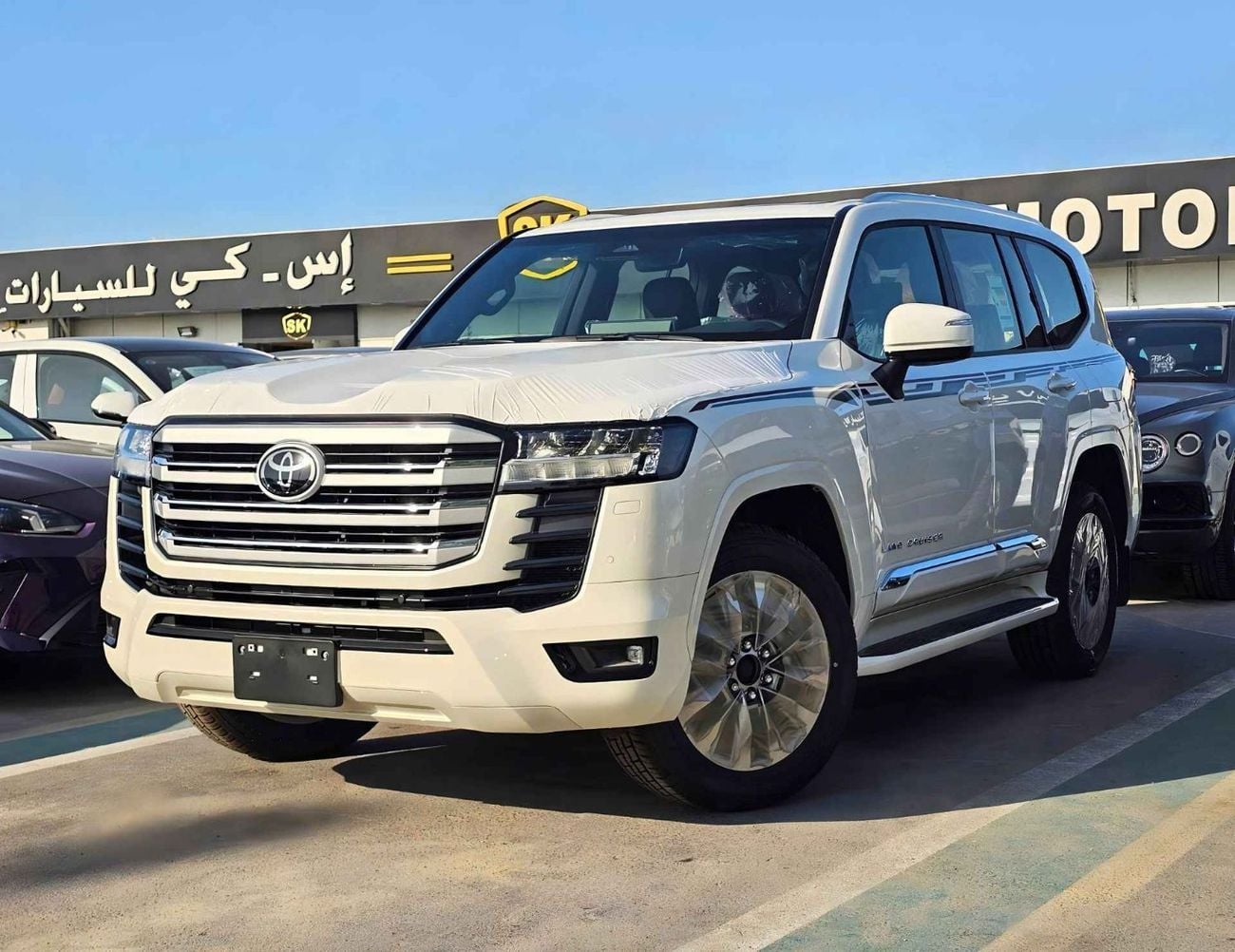
1. Toyota Land Cruiser
The Toyota Land Cruiser is widely regarded as one of the most durable SUVs in the world, and its glass and interior materials are built with long term performance in mind. While the vehicle itself does not control tint color stability, it is frequently equipped with factory privacy glass in the rear section, which already provides a naturally dark appearance that does not fade or discolor like aftermarket dyed films.
This factory glass uses embedded tinting rather than surface coatings, which makes it highly resistant to UV damage and environmental wear. Because the tint is part of the glass structure itself, it does not suffer from peeling, bubbling, or oxidation, which are common causes of purple discoloration in cheaper aftermarket films.
Another major reason the Land Cruiser maintains a consistently dark window appearance is the type of owners it attracts. This vehicle is often used in extreme climates such as deserts, mountainous regions, and tropical environments where sunlight exposure is intense.
In such conditions, owners are more likely to invest in premium ceramic tint rather than low-cost dyed films. Ceramic tint is engineered to block infrared heat and ultraviolet radiation without relying on dyes that break down over time, which means it retains its deep black tone for many years.
In addition, the Land Cruiser is frequently used for long-distance travel and off-road expeditions. This means that thermal comfort inside the cabin becomes a priority. High-quality tint helps reduce interior heat buildup, protecting upholstery and electronic components.
As a result, professional installers often recommend multi-layer ceramic films for this vehicle, further reducing any chance of tint fading or turning purple.
The large and boxy design of the Land Cruiser also plays a role in how tint is perceived visually. Because of its wide windows and tall greenhouse structure, any discoloration would be highly noticeable from both inside and outside the vehicle. This pushes owners toward higher-quality installations and discourages the use of cheap dyed films that degrade quickly under sunlight exposure.
The Toyota Land Cruiser is one of the strongest examples of a vehicle that consistently maintains a deep black-tinted appearance over time. This is not because it has special anti-fading technology, but because its factory glass quality, owner behavior, and frequent use of premium ceramic tint all combine to produce long-lasting visual stability.
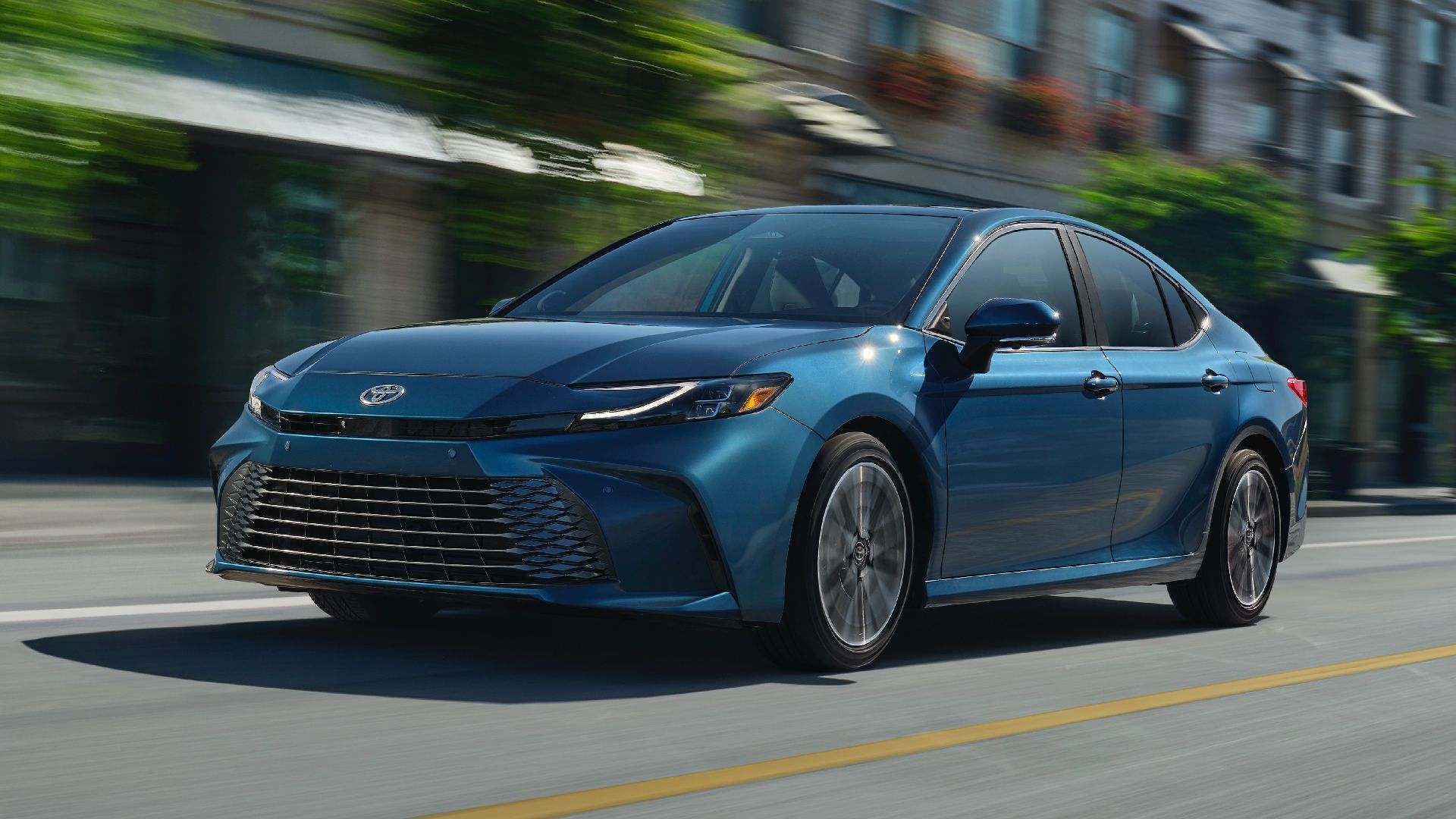
2. Toyota Camry
The Toyota Camry is one of the most widely used sedans globally, and its reputation for reliability extends into how owners approach modifications such as window tinting. While base trims do not always include heavily tinted glass, many mid and upper level variants come with mild factory privacy glass in the rear windows.
This glass is manufactured with built-in tinting that does not fade or change color over time, providing a stable foundation for a consistent appearance.
A major factor contributing to the Camry’s long-lasting tint look is the widespread use of ceramic tint among owners. Because the Camry is extremely popular in hot climates, especially in regions with strong year-round sunlight, owners frequently prioritize heat rejection performance. Ceramic films are designed to remain stable under UV exposure, meaning they do not break down into purple or reddish hues like lower-grade dyed films.
The Camry is also one of the most commonly tinted vehicles in professional shops, which has led to a high level of installer familiarity. This reduces the chances of installation errors such as trapped air bubbles, uneven adhesive application, or edge lifting. Proper installation is critical because even high-quality film can degrade prematurely if applied incorrectly.
Another important aspect is the Camry’s role as a daily commuter vehicle. Many owners keep their cars for long periods, sometimes exceeding a decade of use. This encourages investment in durable modifications rather than temporary cosmetic upgrades. As a result, higher-end tint materials are more commonly chosen for this model compared to cheaper alternatives.
Finally, the Camry’s balanced window size and aerodynamic design help ensure even heat distribution across the glass surfaces. This reduces stress points on the tint film, allowing it to maintain its original deep black shade for many years. When properly installed, the Camry is one of the most reliable sedans for maintaining a clean, non-purple tint appearance.
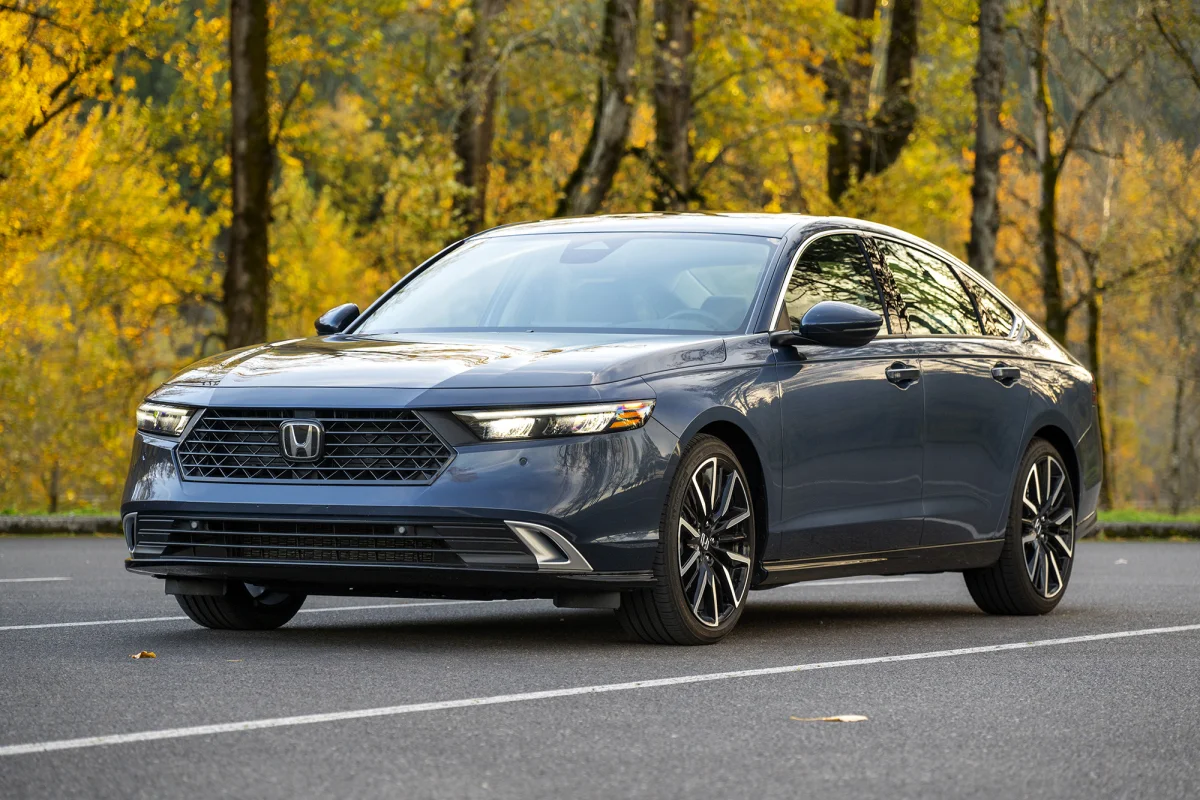
3. Honda Accord
The Honda Accord is another globally popular sedan that is frequently associated with long-lasting tint aesthetics due to its strong aftermarket support and widespread use of professional installation services. While the vehicle itself does not include special anti-discoloration tint technology, it often comes with lightly tinted rear glass in higher trims, which helps maintain a uniform base shade across the vehicle.
One of the key reasons the Accord maintains a stable black tint appearance is the high rate of ceramic and carbon film usage among owners. Because the model is widely used in both hot and moderate climates, owners tend to prioritize comfort and heat reduction. Ceramic films are highly resistant to UV degradation, which is the primary cause of purple tinting in cheaper dyed alternatives.
The Accord also benefits from being one of the most frequently serviced vehicles in tint shops worldwide. Installers have extensive experience working with its window shapes and sealing structures, which leads to more consistent application quality. Proper edge alignment and heat curing significantly reduce the chances of early tint failure.
In addition, the Accord is often used by ride-sharing drivers and long-distance commuters. These users tend to prioritize durability and appearance consistency, as their vehicles remain on the road for extended hours daily. This increases the likelihood that higher-quality tint materials are chosen from the beginning rather than budget options.
Over time, Honda Accords equipped with ceramic tint maintain a uniform deep black shade that resists fading even under constant sun exposure. This makes the model a strong example of how user behavior and material choice play a far greater role in tint longevity than the vehicle itself.
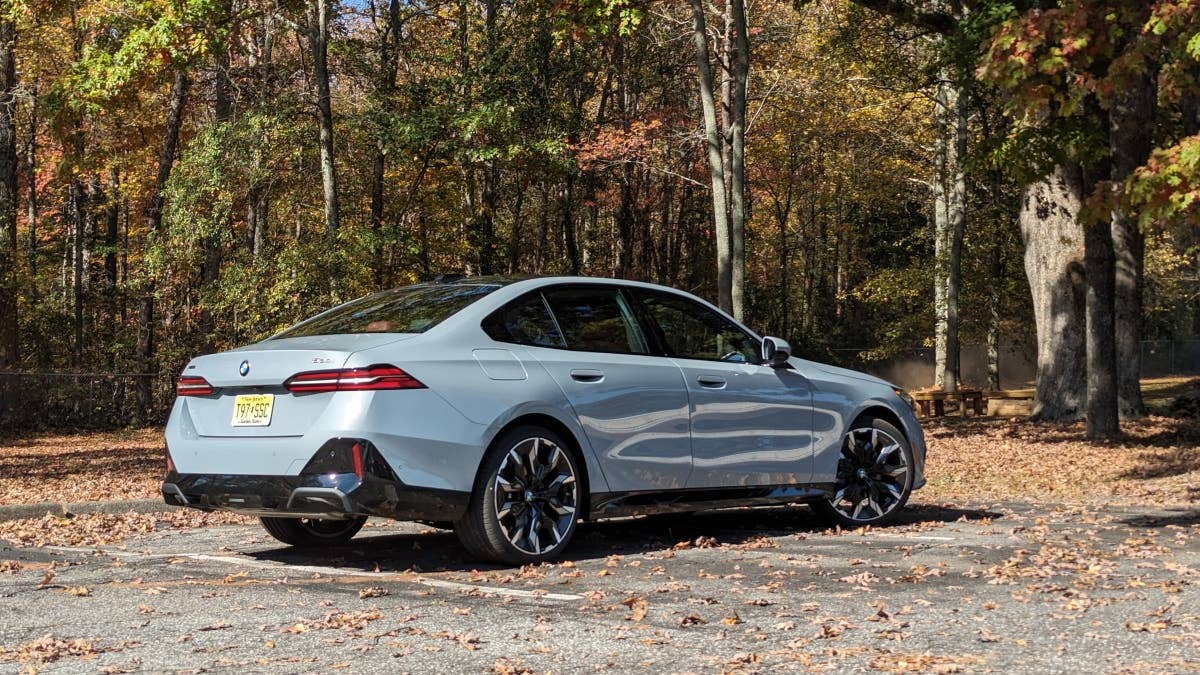
4. BMW 5 Series
The BMW 5 Series is a luxury executive sedan that is often associated with premium materials and high-quality construction, including its glass components. While BMW does not specifically design its vehicles to prevent tint discoloration, the factory glass used in the 5 Series is generally of higher clarity and UV resistance compared to entry-level vehicles, which indirectly supports better tint performance.
Owners of the 5 Series typically choose high-end ceramic tint installations to match the luxury nature of the vehicle. These films are engineered to provide strong heat rejection while maintaining optical clarity and color stability. Because they do not rely on dyes, they are far less likely to fade into purple tones over time.
Another important factor is the aesthetic expectations of BMW owners. The 5 Series is often selected by individuals who value clean, professional, and refined styling. As a result, low-cost tint films that degrade quickly are rarely used. Instead, premium installers are commonly chosen, ensuring a higher quality application and long-term durability.
The large glass surfaces in the 5 Series, including panoramic roof options in some models, make tint quality highly visible. Any inconsistency in color or fading becomes immediately noticeable, which further encourages investment in better materials and installation techniques.
As a result, the BMW 5 Series consistently maintains a deep black-tinted appearance when properly equipped. This outcome is driven more by owner preference and premium aftermarket choices than by any built-in tint technology from the manufacturer.
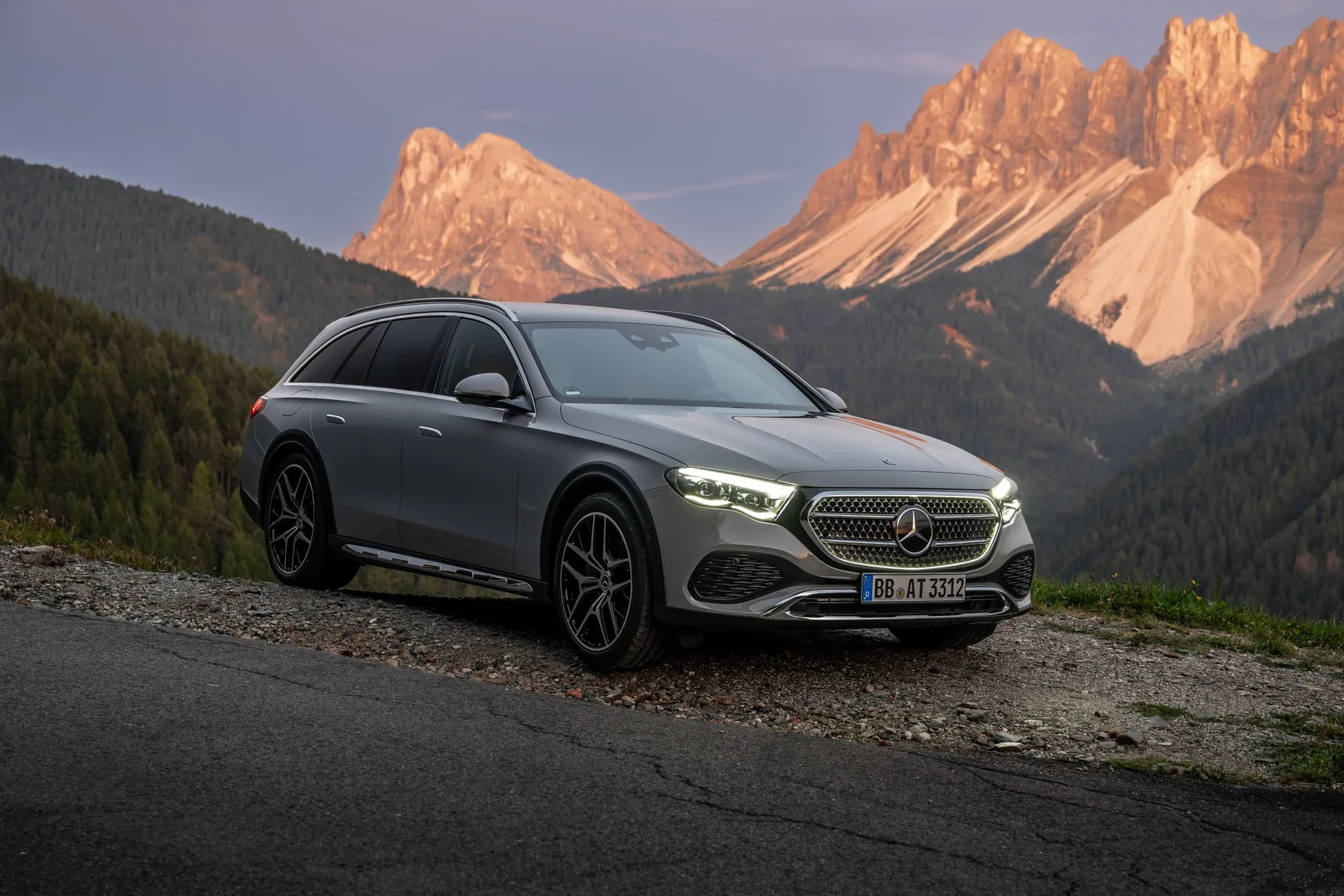
5. Mercedes E-Class
The Mercedes E-Class is known for its refined engineering, advanced comfort features, and high-quality materials, including its glass systems. While it does not come with a special tint that prevents discoloration, many models include factory UV-treated glass that helps reduce interior heat and protect surfaces from sun damage, indirectly supporting tint longevity.
Owners of the E-Class frequently install premium ceramic tint to complement the luxury design of the vehicle. Ceramic films provide excellent heat rejection and long-term color stability, which ensures that the windows maintain a consistent dark appearance without shifting toward purple or blue tones as they age.
Mercedes vehicles are also built with extremely smooth and precise glass surfaces, which improve adhesion quality for aftermarket tint films. A clean and uniform surface reduces the likelihood of installation defects such as peeling edges or uneven bonding, both of which can contribute to premature tint failure.
The E-Class is commonly driven in urban and highway environments where exposure to sunlight is strong but consistent. This stable exposure pattern is less damaging than irregular extreme heat cycles, allowing high-quality tint films to maintain their original appearance for longer periods.
The Mercedes E-Class is strongly associated with long-lasting black window tint appearance because of its premium glass quality, professional installation standards, and frequent use of ceramic films. While the vehicle itself does not prevent tint from turning purple, it provides an ideal foundation for durable and visually stable tint performance.
ALSO READ: 10 Cars Mechanics Often Advise Against for Their Own Families
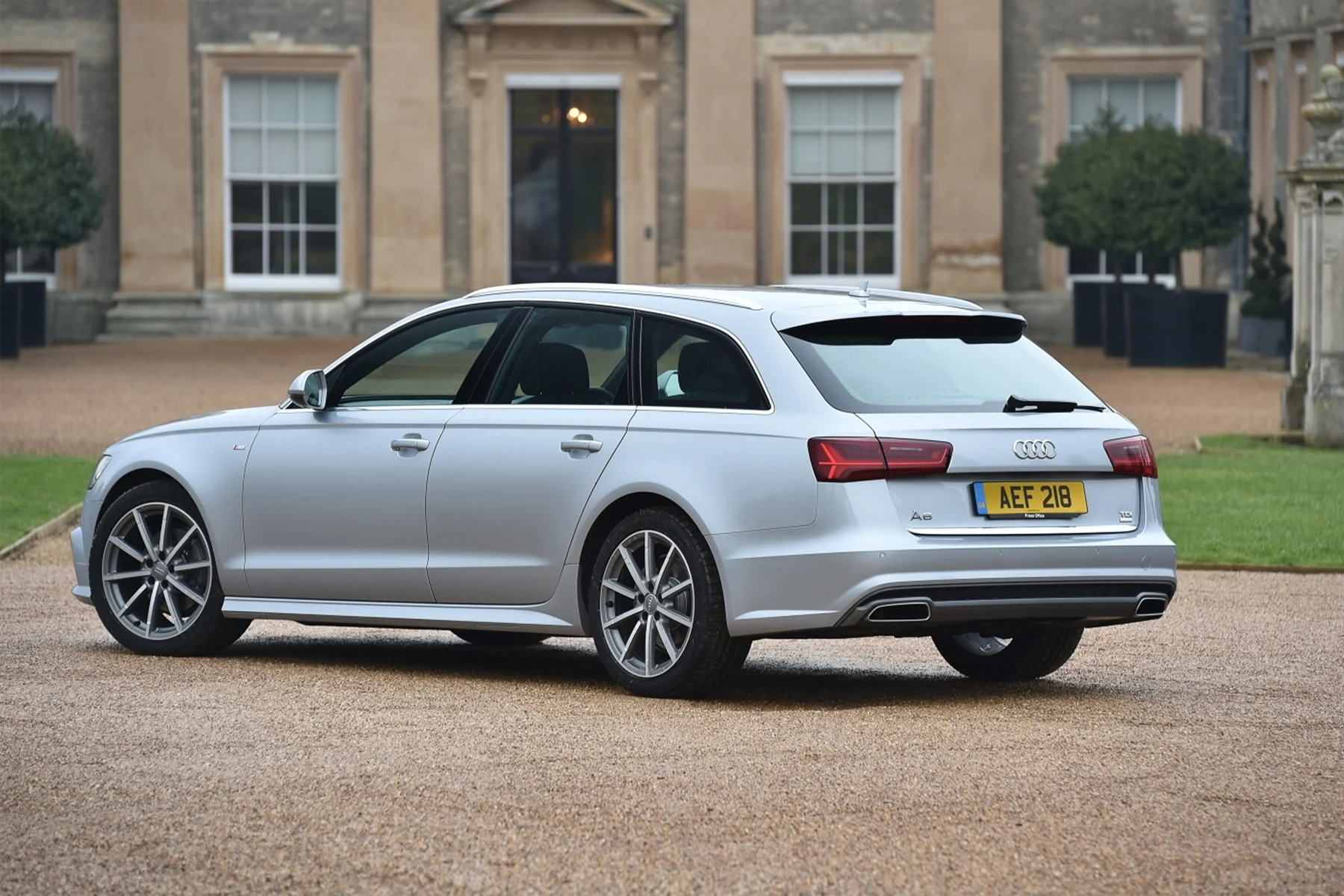
6. Audi A6
The Audi A6 is a premium executive sedan that combines modern design with precision engineering, and this extends to its glass quality as well. While the vehicle does not include any special mechanism to prevent tint discoloration, it is often equipped with high clarity factory glass that offers a strong base for aftermarket tint application.
This glass typically includes UV filtering properties, which help reduce interior heat buildup and indirectly support the longevity of window tint films.
One of the biggest reasons the Audi A6 maintains a deep black tinted appearance over time is the widespread use of ceramic tint among owners.
Ceramic films are designed to resist ultraviolet radiation and infrared heat without relying on organic dyes, which are the primary cause of purple fading in cheaper tint materials. As a result, A6 vehicles fitted with ceramic tint tend to retain their original shade for many years even under constant sun exposure.
Another contributing factor is the demographic of Audi A6 owners. This vehicle is often purchased by professionals and enthusiasts who value long-term aesthetic consistency. Because of this, low-quality dyed tint films are rarely chosen. Instead, owners prefer premium tint solutions installed by experienced professionals, ensuring proper adhesion and curing.
The A6 also features a sleek and modern window design that emphasizes clean lines and large glass surfaces. This makes any tint imperfections or color changes very noticeable. As a result, installers and owners are more cautious about selecting materials that will not degrade visually over time.
The Audi A6 maintains a consistent black window tint appearance primarily due to high-quality ceramic film usage, professional installation standards, and UV-resistant factory glass. The vehicle itself does not prevent tint from turning purple, but it strongly supports long-term visual stability when properly equipped.
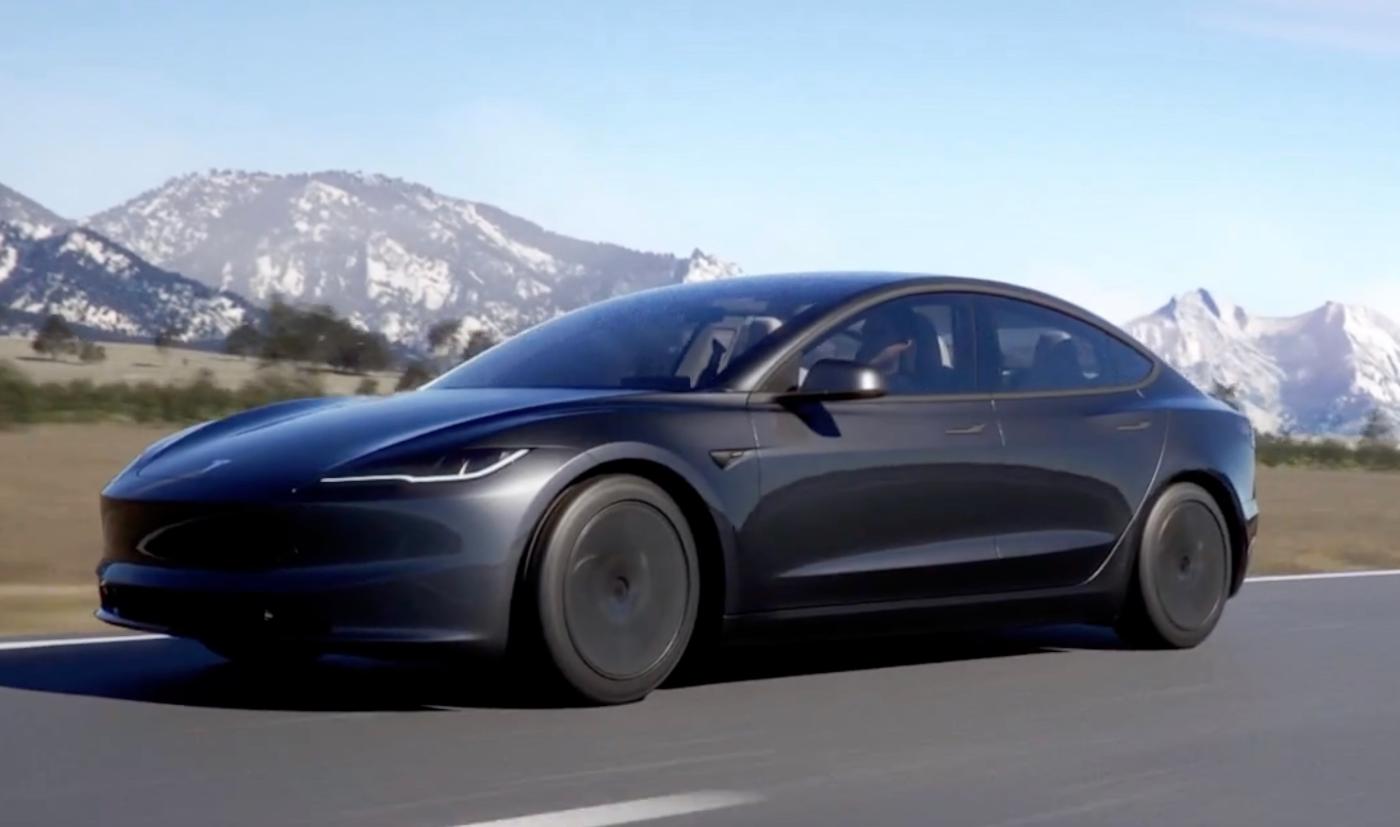
7. Tesla Model 3
The Tesla Model 3 is one of the most modern vehicles in terms of design and glass usage, featuring large panoramic surfaces that significantly influence cabin lighting and temperature control.
Tesla uses factory laminated glass with built-in UV and heat rejection properties, which already reduces the need for heavy aftermarket tinting in some cases. This factory glass does not use dye-based tint layers, so it does not suffer from fading or turning purple.
However, many owners still choose to install ceramic tint on the Model 3 to further improve heat rejection, especially on the side windows and windshield. Ceramic films are ideal for this vehicle because they provide strong thermal protection without altering color stability over time. Unlike dyed films, ceramic tint maintains a consistent dark appearance even after prolonged exposure to direct sunlight.
The Model 3 is also widely owned by tech-savvy users who tend to research and invest in higher-quality aftermarket modifications. This increases the likelihood that professional-grade tint products are used instead of low-cost alternatives. As a result, installation quality is generally higher, reducing issues like bubbling, peeling, or uneven fading.
Another important aspect is the large glass roof, which makes any tint inconsistency highly visible from both inside and outside the vehicle. This encourages owners to use uniform high-performance films across all windows to maintain a consistent aesthetic look. Poor quality tint would be immediately noticeable, making it an undesirable choice for most owners.
The Tesla Model 3 maintains a long-lasting black-tinted appearance due to a combination of factory UV-resistant glass and the widespread use of ceramic tint. The vehicle’s design and owner preferences both strongly support high-quality tint choices that resist discoloration over time.
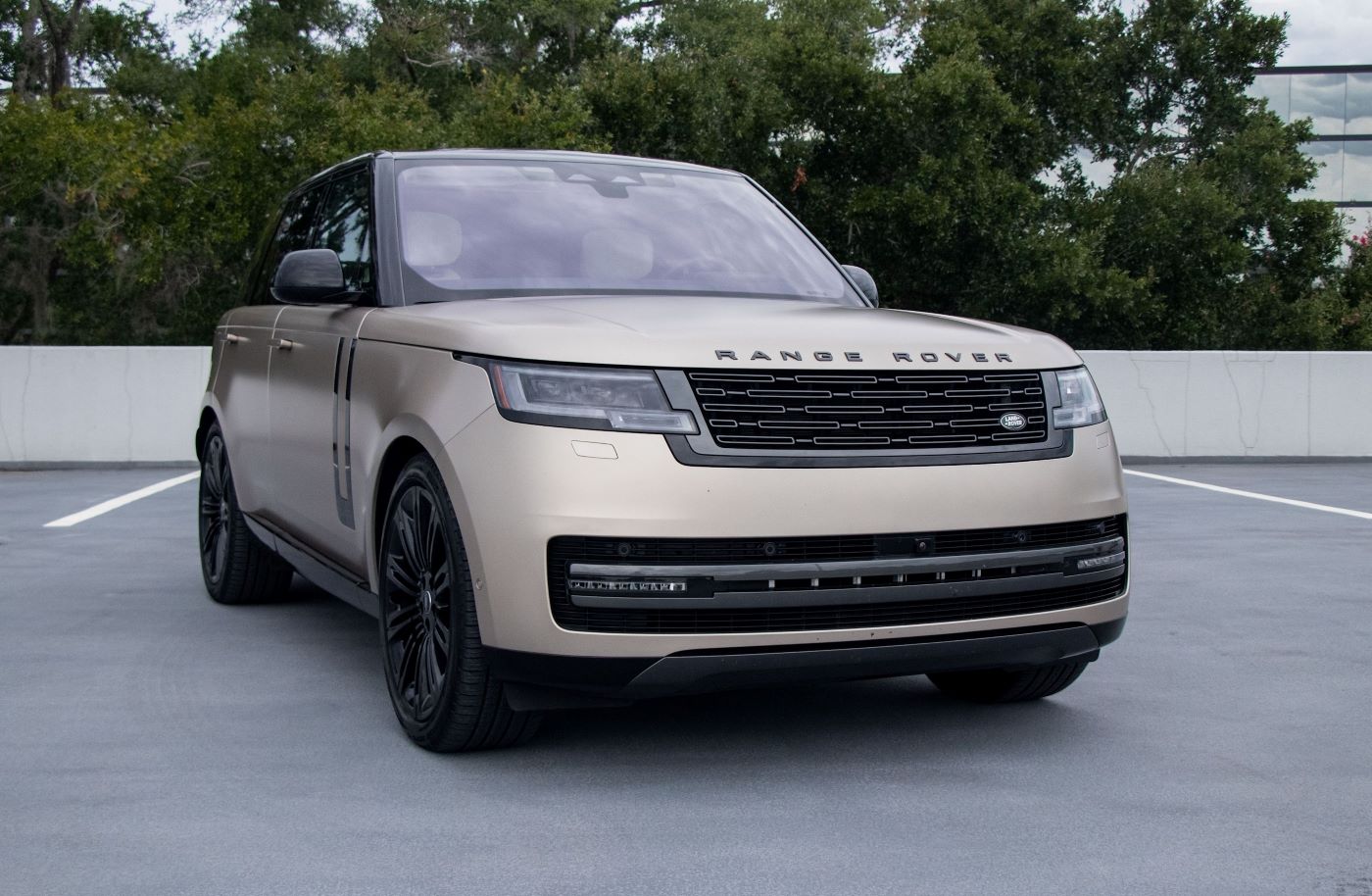
8. Range Rover
The Range Rover is a luxury SUV known for its premium design, off-road capability, and high-end interior materials. Its glass system is engineered to withstand a wide range of environmental conditions, including strong sunlight, humidity, and temperature fluctuations. Many variants come with factory privacy glass in the rear windows, which provides a permanent dark shade that does not fade or turn purple.
Owners of the Range Rover typically enhance the front windows with ceramic tint to achieve a uniform blacked-out appearance across the entire vehicle. Ceramic films are particularly well-suited for this SUV because they offer excellent heat rejection while maintaining color stability under harsh sunlight conditions. This ensures that the tint remains visually consistent for many years.
Another key reason the Range Rover maintains a stable tint appearance is the ownership demographic. Buyers in this segment are more likely to invest in high-quality aftermarket upgrades rather than budget solutions. This leads to a strong preference for professional installation and premium film brands, which significantly reduces the risk of discoloration.
The large body and expansive glass surfaces of the Range Rover also play a role in how tint is perceived. Any fading or color shift would be highly visible due to the vehicle’s prominent styling. This encourages installers to use advanced application techniques and ensures that only high grade materials are used.
The Range Rover achieves long term tint consistency through a combination of factory privacy glass, ceramic aftermarket films, and high standards of customization. While the vehicle itself does not prevent tint from changing color, it is almost always paired with materials that maintain a deep black finish.
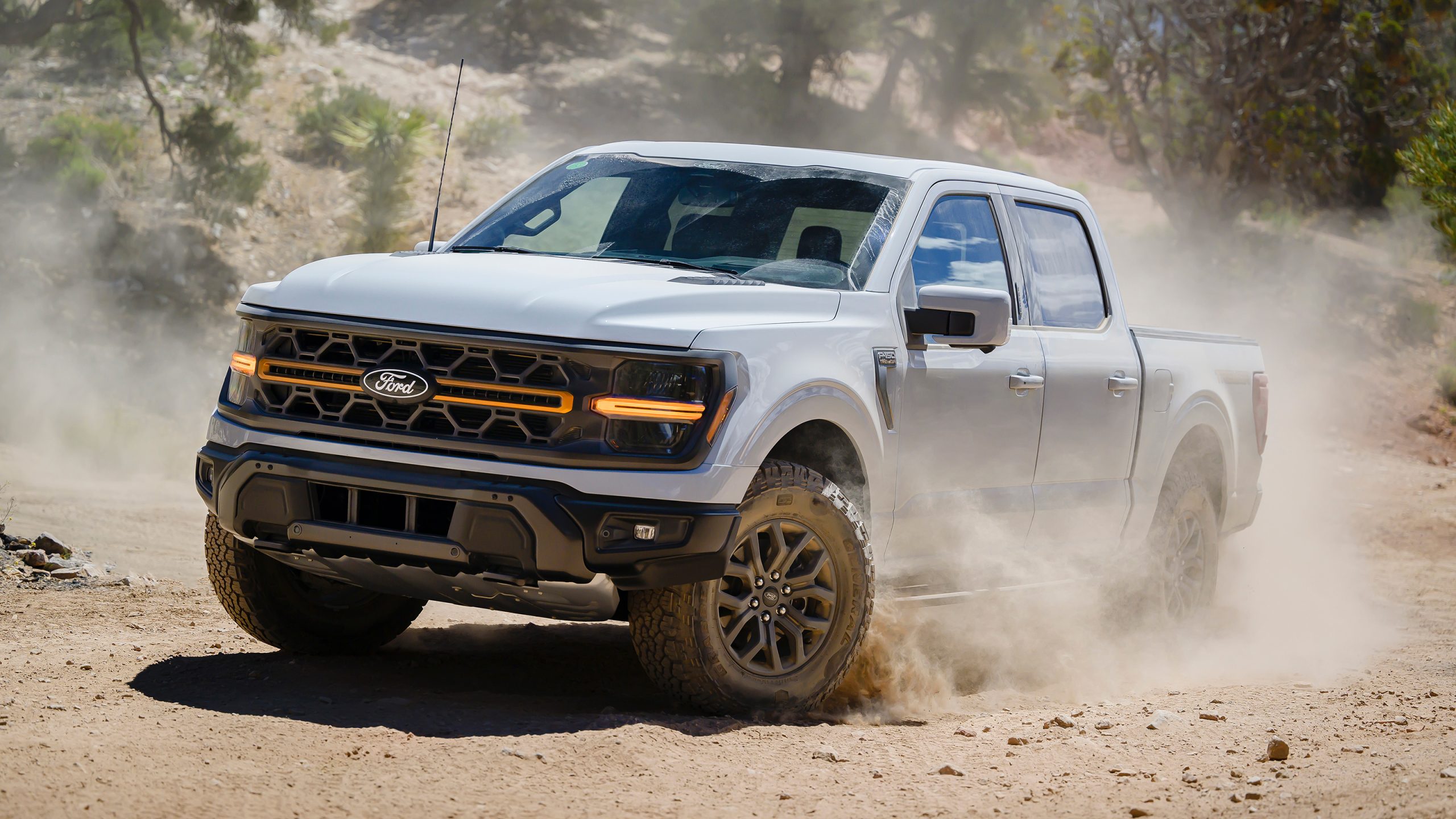
9. Ford F-150
The Ford F-150 is one of the most popular pickup trucks in the world and is widely used for both personal and commercial purposes. Many trims come equipped with factory-tinted rear glass, which provides a durable and permanent dark appearance. This factory privacy glass is embedded during manufacturing and does not rely on surface films, meaning it does not fade or turn purple over time.
Owners of the F-150 frequently apply aftermarket tint to the front windows to match the rear factory glass. In most cases, ceramic tint is chosen due to its superior heat rejection and long-term stability. Since the truck is often used in outdoor environments with heavy sun exposure, durability becomes a major factor in tint selection.
The F-150 also benefits from a strong aftermarket ecosystem, with many professional tint shops experienced in handling its large and flat window surfaces. Proper installation is critical in preventing early failure, and experienced installers help ensure a clean, uniform finish that lasts for years.
Another factor contributing to long-lasting tint appearance is the truck’s functional usage. Many owners use the F-150 for work, travel, and daily commuting, which means the vehicle is exposed to varying environmental conditions. This encourages the use of higher-grade materials designed to withstand temperature extremes without discoloration.
The Ford F-150 maintains a consistent black window tint look due to factory privacy glass, widespread ceramic tint usage, and professional installation practices. These factors combine to ensure that the tint remains visually stable and does not degrade into purple tones.
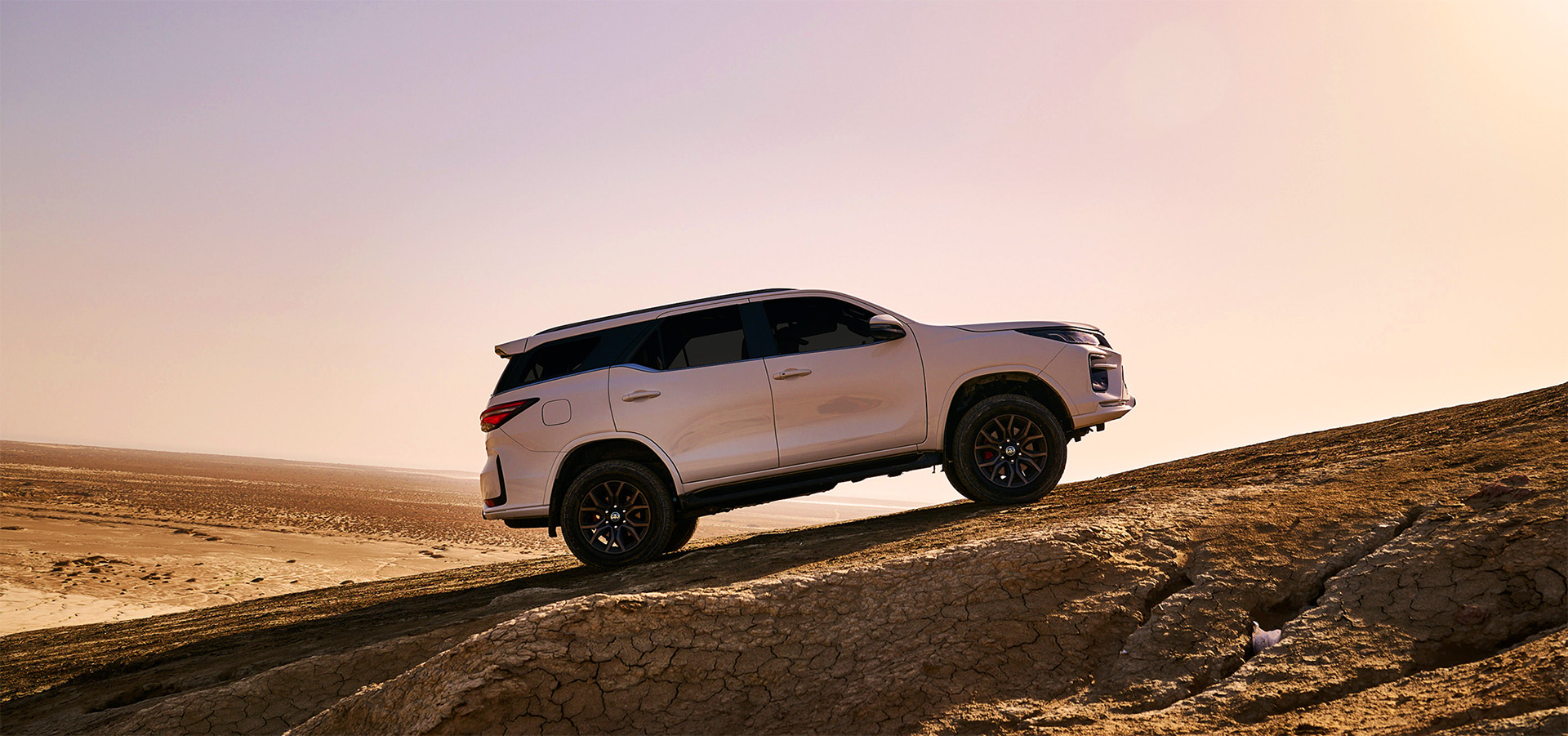
10. Toyota Fortuner
The Toyota Fortuner is a mid-size SUV that is especially popular in markets such as India, Southeast Asia, and Australia. It is often chosen for its durability, road presence, and ability to handle both urban and off-road conditions. Depending on the variant and region, the Fortuner may come with factory-tinted rear glass, which provides a stable dark appearance that does not fade or change color over time.
Owners of the Fortuner frequently install aftermarket tint on the front windows to create a uniform look across the entire vehicle. Due to the hot climates in many regions where the Fortuner is sold, ceramic tint is the most commonly preferred option. This type of film is highly resistant to UV degradation and maintains a consistent black shade even after prolonged exposure to sunlight.
The Fortuner also benefits from strong aftermarket support, making it easy for owners to access professional tint installation services. Proper installation ensures that the film adheres smoothly to the glass surface without bubbles or imperfections that could reduce durability.
Because the Fortuner is often used in both city driving and rugged terrain conditions, durability is a key consideration for owners. This leads to a preference for higher-quality tint materials that can withstand environmental stress without fading or peeling.
The Toyota Fortuner maintains a long-lasting black-tinted appearance through a combination of factory privacy glass, ceramic aftermarket tint, and widespread professional installation practices. These factors ensure that the windows remain dark and visually consistent without turning purple over time.
