
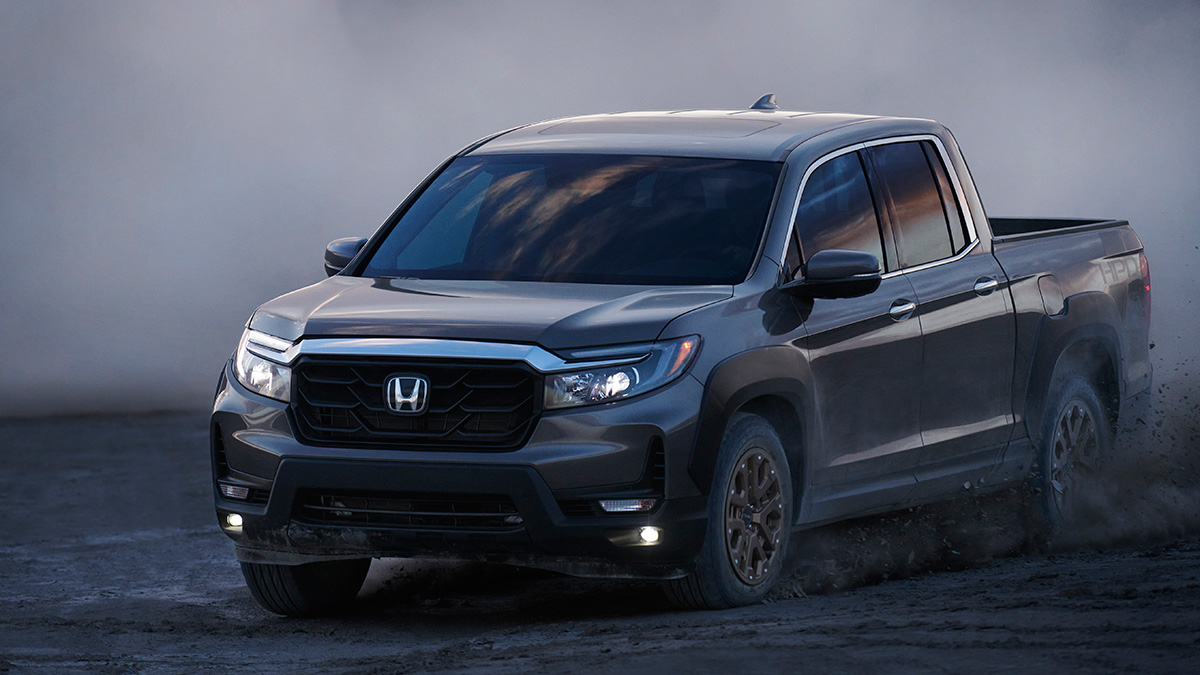
Buying a truck on a budget often feels like a compromise, but that assumption doesn’t always hold. There are still several pickups under $25,000 that deliver serious long-term reliability, especially when paired with engines known for durability rather than flashy specs.
These trucks were built in an era when simplicity mattered, and that simplicity is exactly what keeps them running long after others have faded away.
The key to finding a “bulletproof” engine isn’t about chasing horsepower or the latest tech. It’s about proven designs, strong internal components, and engines that have survived years of real-world abuse.
Whether it’s hauling, towing, or daily driving, certain powertrains have earned a reputation for shrugging off high mileage with minimal drama. That reputation is often backed by mechanics who see these engines come in for routine maintenance instead of major repairs.
Another advantage of these trucks is accessibility. Parts are widely available, repair costs remain reasonable, and many of these engines are straightforward enough for DIY maintenance.
This matters when you’re trying to keep ownership costs low over time. A truck that runs forever but costs a fortune to maintain defeats the purpose of buying smart.
It’s also important to recognise that reliability doesn’t mean perfection. Every truck has its quirks, but the ones on this list stand out because their engines consistently outlast the rest of the vehicle. In many cases, the body or interior may show wear long before the engine gives up, which says a lot about their engineering priorities.
This list focuses on trucks that combine affordability with engines that have stood the test of time. These are not rare collector items or unrealistic finds. They are practical, widely available options that you can actually purchase within budget, making them ideal for anyone who values longevity over trends.
Below are eight trucks that prove you don’t need to spend big money to get an engine that refuses to quit.
Also Read: 8 Trucks With Door Seals That Don’t Crack After 15 Winters
1. Toyota Tacoma (2005–2015)
There’s a reason the Toyota Tacoma has become almost synonymous with long-term reliability. Its 4.0-litre V6 engine, known internally as the 1GR-FE, has developed a reputation for surviving well beyond 300,000 miles with proper maintenance. What makes this engine stand out is not just durability, but consistency across years and driving conditions.
Unlike many modern engines that rely heavily on complex systems, this V6 sticks to a more traditional design. That simplicity reduces the number of failure points and makes it easier to maintain. Owners often report that the engine continues to run smoothly even after years of heavy use, whether it’s off-road driving or hauling equipment.
One of the strongest aspects of the Tacoma’s engine is its tolerance for neglect. While regular maintenance is always recommended, this engine has proven capable of handling less-than-perfect care without catastrophic failure. That resilience makes it especially appealing for used truck buyers who may not know the full service history.
Another point worth noting is how well the engine pairs with the rest of the truck. The transmission, cooling system, and drivetrain components are all designed to complement the engine’s durability. This creates a balanced vehicle where the engine isn’t the only strong point, but rather part of a reliable package.
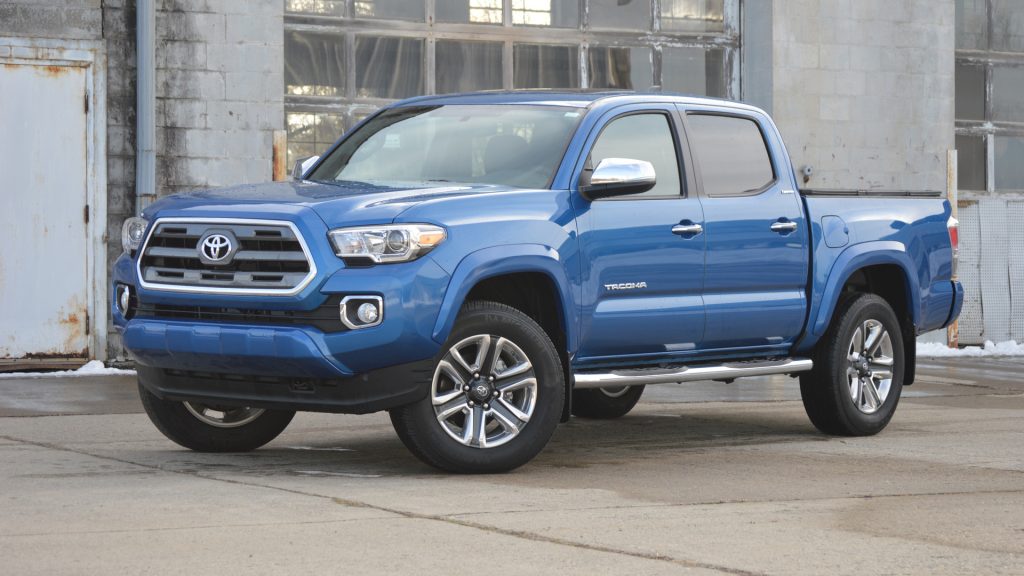
Fuel efficiency isn’t its strongest suit, but most buyers looking at a Tacoma in this price range aren’t prioritising that. Instead, they value the peace of mind that comes from owning a truck that refuses to die. The trade-off is worth it for those who need a dependable workhorse.
Even today, high-mileage Tacomas continue to command strong resale values. That’s not just brand loyalty talking, but a reflection of how well these engines hold up over time. When a truck consistently proves its reliability year after year, the market takes notice.
2. Ford F-150 (2009–2014) with 4.6L V8
The Ford F-150 equipped with the 4.6-litre V8 from this era represents a different philosophy of durability. This engine doesn’t rely on cutting-edge performance features, but instead focuses on steady, predictable operation. It’s the kind of engine that doesn’t demand attention because it rarely causes problems.
One of the defining traits of the 4.6L V8 is its robust construction. Built as part of Ford’s Modular engine family, it features a strong iron block in earlier versions and a well-tested aluminium design in later ones. This foundation allows it to handle years of stress without developing major internal issues.
Owners often describe this engine as “unexciting in the best way possible.” It doesn’t deliver thrilling acceleration, but it provides consistent power and reliability. That consistency is exactly what makes it valuable in a used truck, where dependability matters more than performance numbers.
Maintenance is straightforward, and parts availability is excellent. This engine has been used across multiple Ford vehicles, which means mechanics are familiar with it and replacement components are easy to find. That keeps repair costs manageable, even as the truck ages.
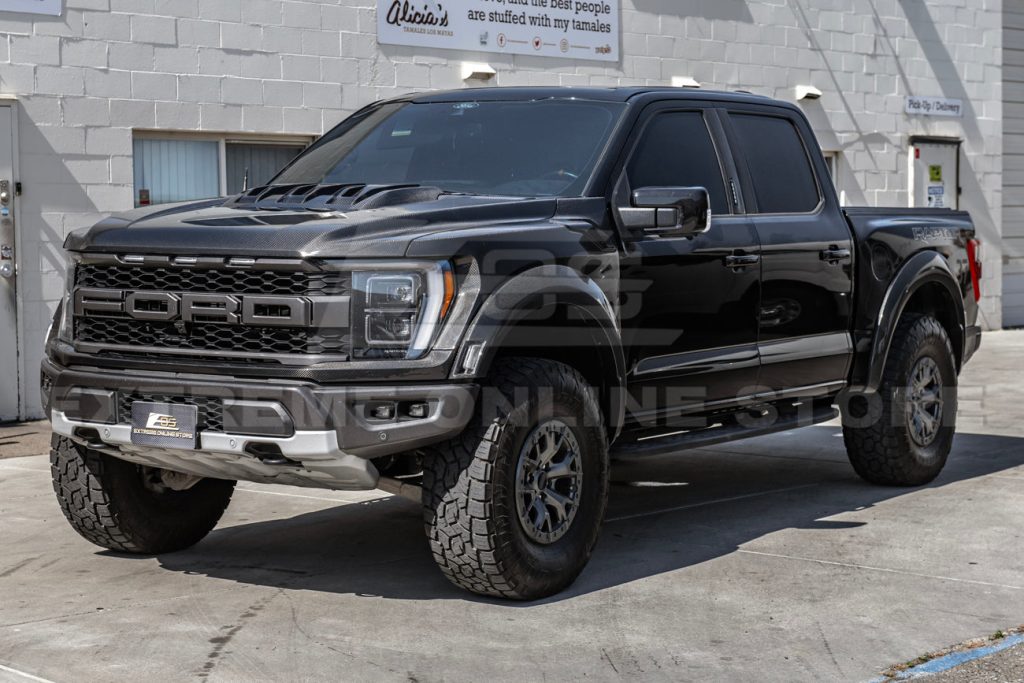
Another advantage is how well the engine handles daily use. Whether it’s short city trips or long highway drives, it operates without strain. It doesn’t feel overly stressed, which contributes to its long lifespan. Many examples easily surpass 250,000 miles without requiring major engine work.
The F-150 itself adds to the appeal with its comfortable ride and practical design. When paired with the 4.6L V8, it becomes a reliable option for buyers who need a truck that can handle both work and everyday driving without constant worry.
While newer engines may offer better fuel efficiency or more power, the 4.6L V8 stands out for its proven track record. It’s a reminder that sometimes, the simplest approach is the one that lasts the longest.
3. Chevrolet Silverado 1500 (2007–2013) with 5.3L V8
The Chevrolet Silverado from this generation benefits from one of the most recognisable engines in the truck world, the 5.3-litre Vortec V8. This engine has been refined over decades, and by the time it reached this version, it had already proven itself in countless real-world scenarios. It’s not just about longevity, but about how effortlessly it handles high mileage.
What separates this engine from many others is its adaptability. It performs just as confidently on a job site as it does cruising on the highway. That balance comes from a design that prioritises torque delivery and mechanical strength rather than pushing limits. As a result, it rarely feels overworked, even when used for towing or hauling.
One of the most interesting aspects of the 5.3L V8 is how forgiving it can be. While proper maintenance extends its life significantly, many examples continue running well even when service intervals haven’t been perfect. That doesn’t make neglect advisable, but it does highlight the engine’s tolerance and resilience under less-than-ideal conditions.
The cylinder deactivation system, known as Active Fuel Management, is sometimes discussed as a weak point. However, many owners either maintain it carefully or choose to disable it, allowing the engine to operate more consistently. Once that concern is addressed, the core engine remains extremely dependable.
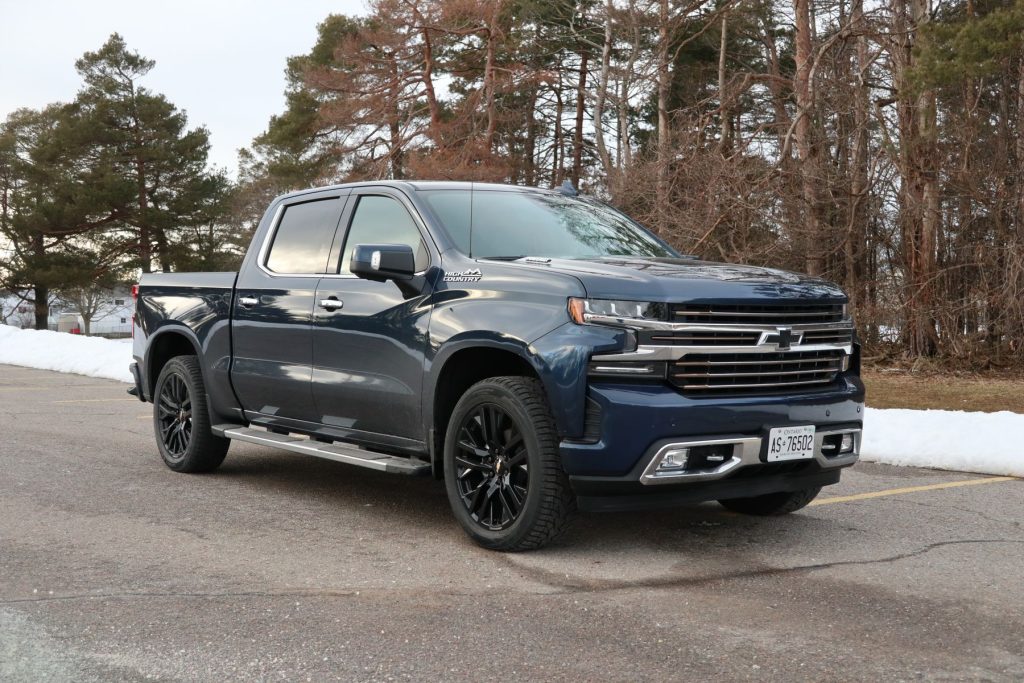
Sound and feel also play a role in why this engine is appreciated. It has a steady, confident tone that reflects its durability. There’s no sense of strain or fragility, which adds to the full ownership experience. It simply does its job without drawing attention to itself.
The Silverado platform complements this engine well, offering a sturdy frame and practical features. When combined, they create a truck that can rack up miles without turning into a constant repair project. It’s a combination that has earned long-term trust among truck owners.
Even today, it’s common to find these trucks still in active service with well over 200,000 miles. That kind of longevity doesn’t happen by accident. It’s the result of a design that values endurance above all else.
4. Honda Ridgeline (2006–2014)
The Honda Ridgeline approaches durability from a completely different angle, yet still earns a place among trucks with engines that last. Its 3.5-litre V6, part of Honda’s J-series family, is widely respected for its smooth operation and long lifespan. While it may not have the rugged image of a traditional truck engine, it delivers reliability in its own way.
Instead of focusing on brute strength, this engine emphasises precision engineering. The internal components are built with tight tolerances, which helps reduce wear over time. That attention to detail results in an engine that can run for hundreds of thousands of miles with minimal internal degradation.
One of the standout qualities of the Ridgeline’s engine is refinement. It operates quietly and smoothly, which might not seem like a durability trait at first glance. However, reduced vibration and stress contribute significantly to long-term reliability. An engine that runs smoothly tends to last longer.
Maintenance plays an important role here, particularly when it comes to timing belt service. Staying on top of this requirement ensures that the engine continues to perform as intended. Owners who follow recommended service intervals are often rewarded with exceptional longevity.
The Ridgeline itself is built on a unibody platform, which changes the driving experience compared to body-on-frame trucks. This design reduces full stress on the engine and drivetrain, as the vehicle handles more like an SUV. That difference in structure indirectly supports the engine’s long life.
Another point worth mentioning is how consistent this engine feels over time. It doesn’t develop the roughness or unpredictability that some engines show as they age. Instead, it maintains its original character, which adds confidence for long-term ownership.
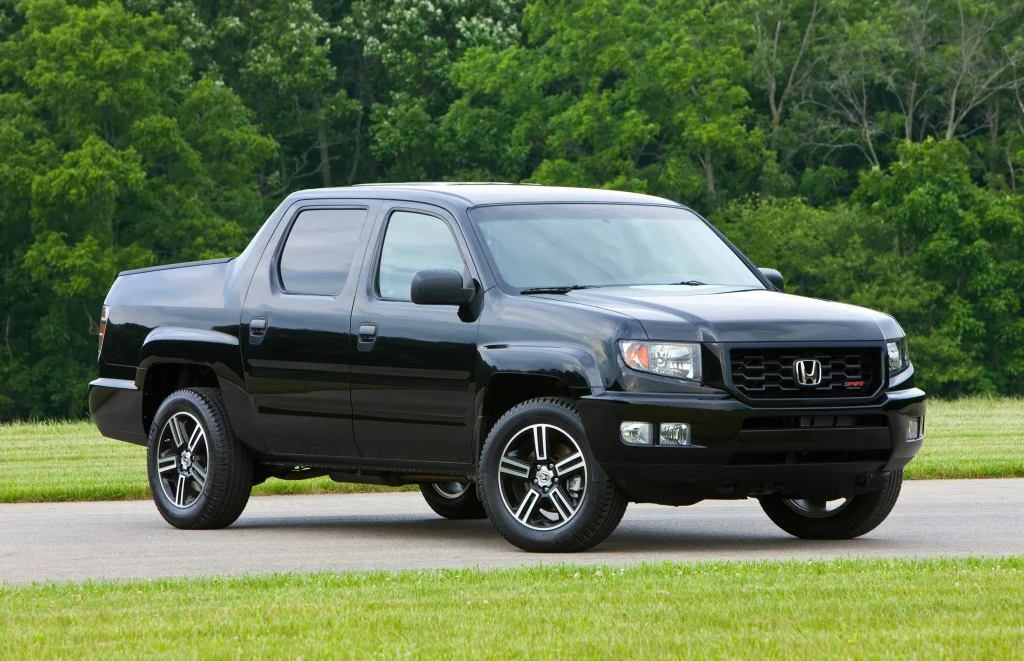
While it may not be the first truck that comes to mind for heavy-duty tasks, the Ridgeline proves that durability doesn’t always have to come from brute force. Sometimes, careful engineering and balance can achieve the same result differently.
5. Nissan Frontier (2005–2019)
The Nissan Frontier stands as one of the most underrated durable trucks in the used market, and much of that reputation comes from its 4.0-litre V6 engine.
Known as the VQ40DE, this engine carries the DNA of Nissan’s long-running VQ family, which has been recognised globally for its reliability and engineering strength. In the Frontier, it translates into an engine that feels sturdy, predictable, and capable of handling years of hard use.
What makes this engine particularly interesting is how it balances power with endurance. It produces enough torque to handle hauling and off-road driving without pushing itself to extremes.
That means it rarely operates at the edge of its limits, which is one of the key reasons it lasts so long. Engines that aren’t constantly stressed tend to age more gracefully, and the Frontier benefits from that philosophy.
Drivers often notice how consistent the engine feels across different conditions. Whether starting on a cold morning or running after hours of highway driving, it maintains a steady character.
There’s no dramatic shift in behaviour as mileage climbs, which builds trust over time. That kind of predictability is something many modern engines struggle to deliver as complexity increases.
The Frontier’s engine bay also reflects a more old-school approach. There’s enough space to work on components without excessive disassembly, which makes routine maintenance less frustrating.
This practicality encourages owners to stay on top of basic service, indirectly contributing to the engine’s long life. When maintenance feels manageable, it actually gets done more often.
Another aspect worth highlighting is how well this engine tolerates real-world usage. It doesn’t demand perfect driving habits or ideal conditions.
From dusty construction sites to uneven off-road trails, it continues to perform without showing signs of weakness. That rugged adaptability is a big part of why so many Frontiers remain on the road with high mileage.
The transmission and drivetrain pairing also deserve mention, as they complement the engine’s durability. A strong engine can only go so far if the supporting components fail early, but in this case, the entire setup feels cohesive. This balance ensures that the engine’s longevity isn’t wasted by weaker surrounding systems.
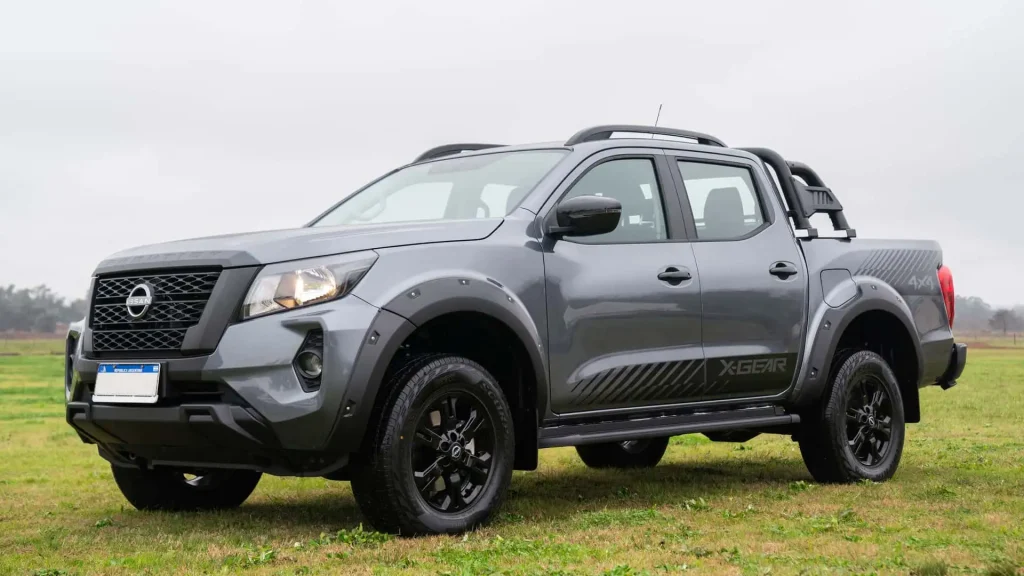
There’s also a certain honesty in how the Frontier delivers its performance. It doesn’t try to feel more advanced than it is. Instead, it offers a straightforward driving experience that prioritises function over flair. That simplicity is refreshing, especially in a market filled with overly complicated designs.
Over time, owners tend to develop a quiet confidence in this truck. It may not stand out in terms of features or design, but it proves its worth through reliability. When a vehicle consistently starts, runs, and completes tasks without complaint, it earns a level of trust that goes beyond specifications.
The Nissan Frontier’s engine isn’t about making a strong first impression. It’s about maintaining that impression year after year, mile after mile. For buyers looking at used trucks under $25,000, that kind of long-term dependability is exactly what makes it such a smart choice.
6. Toyota Tundra (2007–2013) with 4.7L V8
The Toyota Tundra equipped with the 4.7-litre V8 represents a classic example of durability through overengineering.
This engine, part of Toyota’s UZ family, was originally designed with longevity in mind rather than chasing high output figures. That decision has paid off in the form of engines that regularly exceed 300,000 miles without requiring major internal repairs.
Unlike some engines that rely on advanced technology to achieve efficiency or power, the 4.7L V8 focuses on mechanical strength. The components are built to handle more stress than they typically encounter in everyday use.
This creates a margin of safety that becomes increasingly valuable as the engine ages. It’s not operating on the edge, which allows it to maintain performance over a long period.
One of the defining characteristics of this engine is its smooth and controlled power delivery. It doesn’t surge or feel unpredictable, which reduces wear on internal parts. That steady behaviour also extends to how it handles towing and hauling. Even under load, it maintains composure, avoiding the strain that can shorten an engine’s lifespan.
The timing belt setup is often discussed when talking about this engine, but it’s not a drawback when properly maintained. Regular replacement at recommended intervals keeps the system functioning reliably. Owners who follow this simple requirement often experience years of trouble-free operation, reinforcing the engine’s reputation.
There’s also a noticeable difference in how this engine ages compared to others. Instead of gradually developing roughness or noise, it tends to retain its original refinement. This consistency gives drivers confidence, especially when purchasing a used model with higher mileage. The engine feels like it still has plenty left to give.
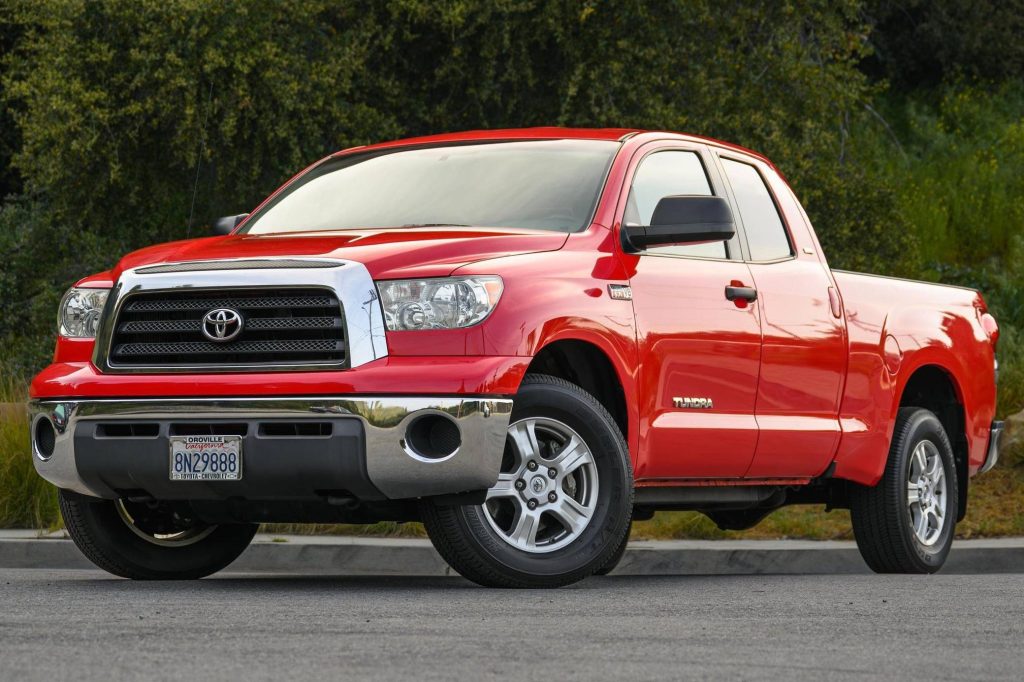
The Tundra itself is built to support this level of durability. Its strong frame and well-matched drivetrain ensure that the engine isn’t the only reliable component. Everything works together in a way that feels intentional, creating a truck that can handle long-term ownership without becoming a burden.
Another point that stands out is how little drama is associated with this engine. It doesn’t have a long list of common failures or widely known weak points. That absence of recurring issues is often what separates truly reliable engines from those that are simply average. When there’s nothing major to worry about, ownership becomes much more straightforward.
The driving experience reflects this dependability. There’s a sense of solidity in how the truck responds, whether accelerating onto a highway or handling rough terrain. It feels composed and capable, reinforcing the idea that it was built to last rather than impress in the short term.
For many buyers, the appeal of the 4.7L V8 comes down to trust. It has been proven over years of use in different vehicles and conditions. That history provides reassurance that the engine will continue to perform, even as it accumulates mileage.
Choosing a Toyota Tundra with this engine isn’t about chasing modern features or efficiency. It’s about investing in a powertrain that has already demonstrated its ability to endure. In a market where reliability can sometimes feel uncertain, that kind of proven strength is difficult to ignore.
7. Ford Ranger (2011–2019)
The Ford Ranger from this generation proves that durability doesn’t always need a large displacement engine or a heavy-duty badge. Its 2.3-litre EcoBoost engine might sound like an unusual candidate for long-term toughness, yet it has steadily built a reputation for handling mileage with surprising confidence.
The key lies in how this engine was engineered to balance efficiency with structural strength rather than chasing extreme output.
At first glance, a turbocharged four-cylinder may raise concerns about longevity. However, this particular engine avoids many of the pitfalls associated with smaller turbo setups.
It doesn’t operate at constant high stress, and its cooling and fuel systems are designed to manage heat effectively. When those factors are under control, turbo engines can last far longer than expected, and this one demonstrates that clearly.
The Ranger’s engine delivers its power in a controlled and predictable manner. There’s no sudden surge that feels like it’s pushing components to their limits. Instead, acceleration builds progressively, which reduces strain on internal parts. Over time, this kind of delivery plays a quiet but important role in preserving engine health.
Owners often highlight how well this engine adapts to daily use. It doesn’t feel out of place in city traffic, and it remains composed during longer highway drives. That versatility means it isn’t subjected to constant extremes, which again supports longevity. Engines that experience balanced usage tend to age more evenly.
Maintenance habits do matter more here compared to older, naturally aspirated engines. Regular oil changes and attention to cooling systems are essential. The good news is that when these basic steps are followed, the engine rewards owners with consistent performance over many miles. It’s not fragile, but it does appreciate proper care.
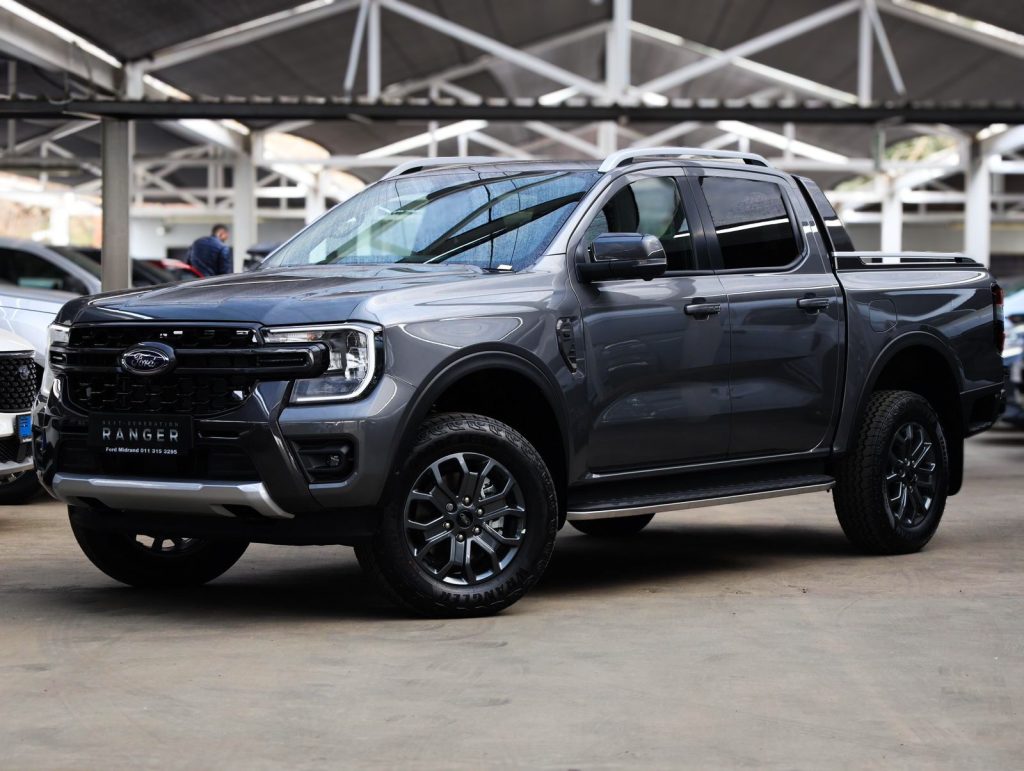
The full design of the Ranger supports this engine’s durability. The truck itself is lighter than many full-size pickups, which reduces the workload placed on the powertrain. Less weight means less stress, and that directly contributes to longer engine life. It’s a subtle advantage that often goes unnoticed.
There’s also a refinement in how the engine operates that sets it apart. It runs smoothly, with minimal vibration, which helps reduce long-term wear. This isn’t just about comfort; it’s about preserving the internal components over time. Smooth operation is often a sign of a well-balanced engine.
Another interesting aspect is how quietly this engine builds trust. It doesn’t rely on a long history like some older V8S. Instead, it earns confidence through consistent performance in real-world conditions. Owners who rack up high mileage begin to notice that the engine continues to behave just as it did earlier in its life.
The Ranger’s approach to durability feels modern yet grounded. It shows that newer technology doesn’t automatically mean reduced lifespan, as long as it’s implemented thoughtfully. This engine strikes that balance, offering both efficiency and resilience.
For buyers looking at trucks under $25,000, the Ranger provides a different kind of reliability story. It’s not about decades-old simplicity, but about a newer design that has proven it can endure when treated correctly. That makes it a compelling option in a market filled with older alternatives.
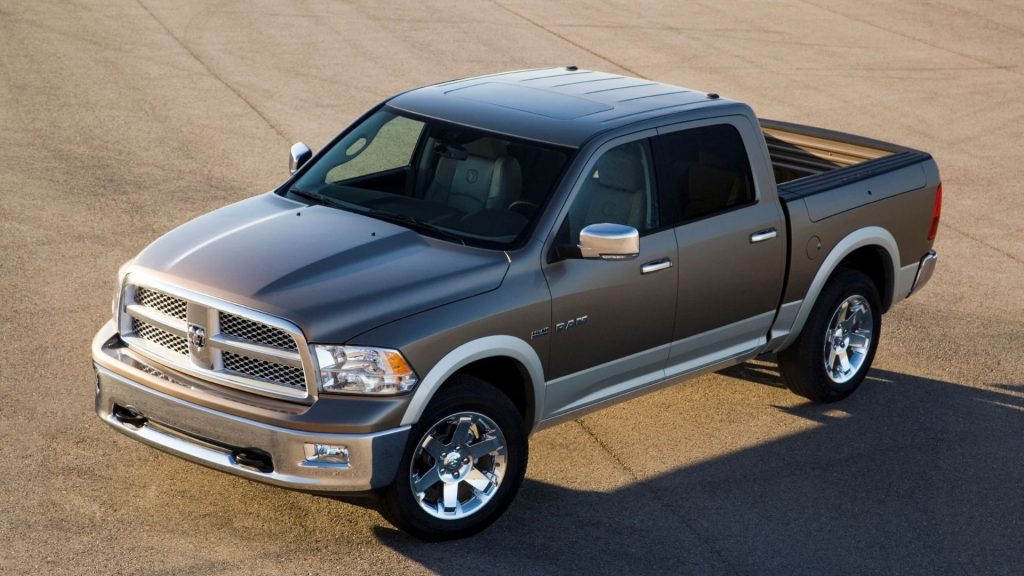
8. Dodge Ram 1500 (2003–2008) with 5.7L HEMI V8
The Dodge Ram 1500 equipped with the 5.7-litre HEMI V8 delivers durability with a completely different personality.
This engine is known for its strong presence, both in terms of sound and performance, yet beneath that bold character lies a surprisingly resilient design. It’s an engine that combines power with a level of toughness that allows it to handle years of demanding use.
One of the first things people notice about the HEMI V8 is its effortless power delivery. It doesn’t struggle to move the truck, even under load. That ease of operation reduces the stress placed on internal components, which is a major factor in long-term durability. When an engine isn’t constantly working at its limits, it tends to last longer.
The construction of this engine plays a significant role in its reputation. It features a solid bottom end and components designed to withstand repeated use. This isn’t an engine built for delicate operation. It’s built to handle real-world conditions where trucks are expected to perform without hesitation.
There’s also a certain rhythm to how the HEMI operates. The power comes in a smooth, controlled wave rather than abrupt bursts. That consistency helps maintain internal balance, reducing wear over time. It’s a characteristic that becomes more noticeable as the miles add up.
Maintenance is an important part of keeping this engine in top condition, particularly when it comes to oil quality and regular servicing. When cared for properly, it shows a strong ability to maintain performance even at higher mileage. Neglect, on the other hand, can shorten its lifespan, so attention to basics is key.
The Ram platform itself complements the engine’s strengths. It provides a sturdy foundation that allows the powertrain to function without excessive strain. This balance ensures that the engine’s durability isn’t undermined by weaknesses elsewhere in the vehicle.
Another aspect that stands out is how this engine retains its character over time. It doesn’t lose its responsiveness or feel significantly weaker as it ages. Instead, it continues to deliver the same confident performance, which adds to the sense of reliability.
Drivers often describe a feeling of assurance when behind the wheel of a HEMI-powered Ram. There’s a sense that the engine is more than capable of handling whatever is asked of it. That confidence is built through experience, as the engine proves itself over years of use.
It’s also worth noting that this engine has a wide support network in terms of parts and knowledge. Mechanics are familiar with it, and replacement components are easy to find. This accessibility helps keep long-term ownership practical and manageable.
The Dodge Ram 1500 with the 5.7L HEMI V8 represents durability with personality. It doesn’t hide its strength behind subtlety. Instead, it delivers a bold driving experience backed by an engine that can go the distance when properly maintained.
For those who want a truck that feels powerful yet dependable, this combination offers a compelling choice. It proves that durability doesn’t have to come at the expense of character, making it a fitting conclusion to this list of trucks with engines built to last.
Also Read: 8 Used Cars Tow Truck Drivers See on the Side of the Road Most
