
Door seals are the kind of thing you never think about until they fail. When they are working correctly, they are invisible. Your cab stays quiet on the highway, rain stays outside where it belongs, and cold air does not find its way through the door gap when you are parked in a January parking lot. Life is good, and the door seals get exactly zero credit for any of it.
Then they start to go. First, it is a subtle whistle at highway speeds that you attribute to wind. Then it is that distinctly damp smell in the cab after a rainstorm. Then one morning, you find a thin icicle hanging from inside the door frame because condensation is getting into a gap that did not exist when the truck was new.
At that point, you have officially started down the path of realizing that door seal quality is a real thing, it varies enormously between manufacturers, and you probably should have thought about it before buying. In a cold climate, door seal degradation accelerates faster than in mild climates because of the specific stress that temperature cycling creates.
A door seal expands and contracts with every temperature change, compresses when the door closes, and recovers when it opens, and is simultaneously exposed to road salt spray from below, UV radiation from above, and door cleaner chemicals from well-meaning owners who do not realize that many cleaning products accelerate rubber degradation. Put all of that together across fifteen winters, and you see why some seals arrive looking brand new, and others are cracked, shrunk, stiff, and functionally useless.
This page covers eight trucks whose door seals have proven themselves specifically in extended cold-climate service. Each one earned its place through documented owner experience and engineering choices that produced real longevity.
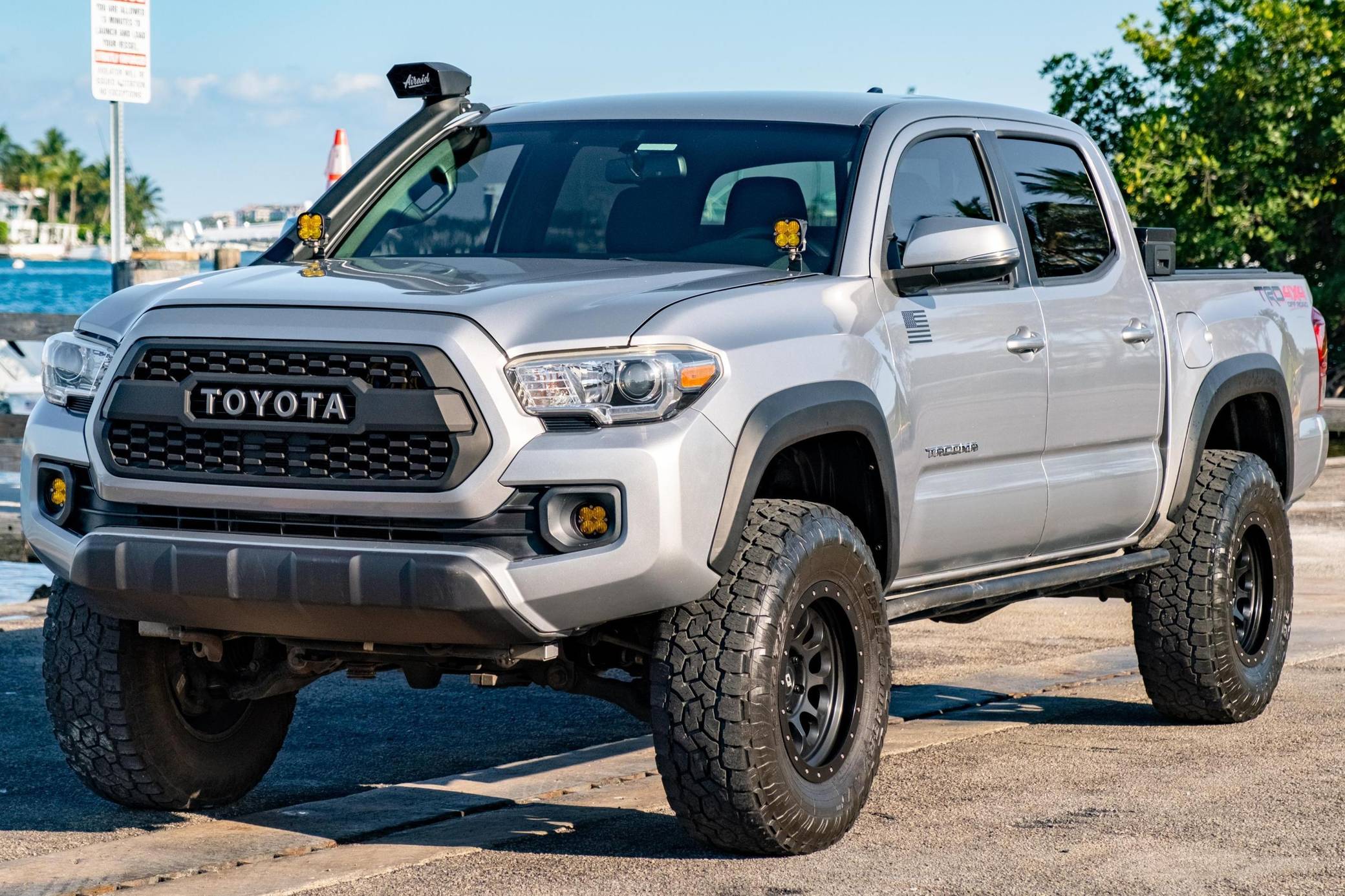
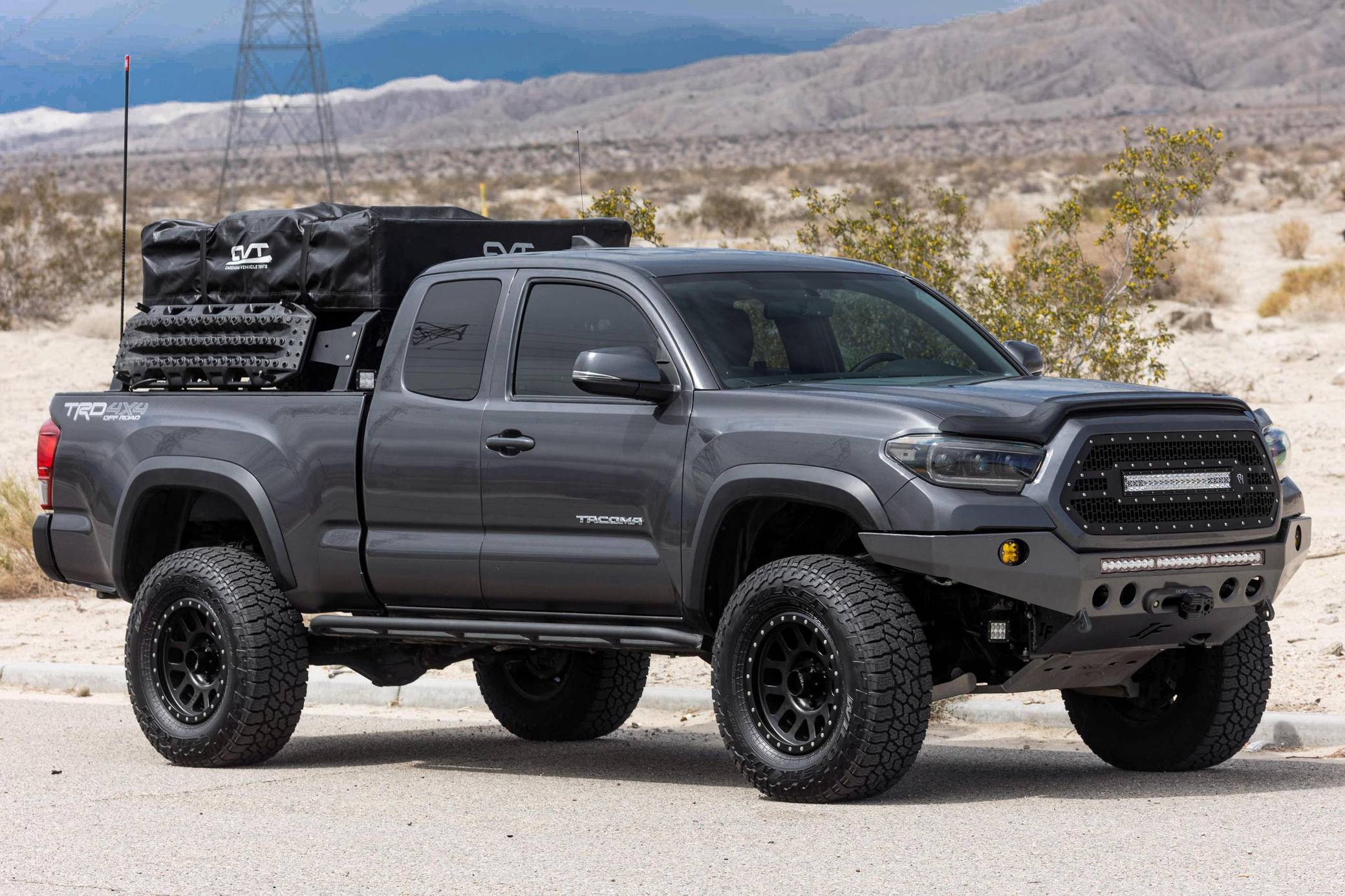
1. Toyota Tacoma TRD Pro Double Cab 4×4 (Third Generation, 2016 to 2023)
Toyota’s approach to door seal specification on the third-generation Tacoma TRD Pro reflects the brand’s understanding that this truck is purchased by owners who will expose it to conditions that passenger car door seals were never designed to handle. TRD Pro buyers routinely encounter water crossings, mud submersion, heavy rain on forest service roads, and the sustained vibration of rough trail driving that stresses door seal compression and adhesion in ways that highway-only use never creates.
Door seals that survive this use pattern, in addition to fifteen winters of cold-climate cycling, have to be better than average, and Toyota specified accordingly. EPDM rubber compound is the foundation of door seal longevity on the third-generation Tacoma, and Toyota’s specific EPDM formulation for this application was developed with the temperature range, UV exposure, and mechanical cycling demands that Tacoma use profiles generate.
EPDM, which stands for ethylene propylene diene monomer, provides weather resistance properties that exceed most alternative rubber compounds for automotive sealing applications, with superior resistance to ozone exposure, UV radiation, and temperature extremes that make it the standard for long-life automotive sealing applications when manufacturers specify quality compound rather than cost-optimized alternatives.
Door frame geometry on the third-generation Tacoma creates consistent compression contact between the door seal and the cab aperture frame, distributing the seal’s closing compression load evenly across the contact surface rather than concentrating it at specific points where stress cracks initiate.
Even compression distribution matters for longevity because rubber that is stressed unevenly develops fatigue cracking at high-compression points long before the entire compound reaches its natural end of life. Toyota’s door aperture geometry achieves this consistency through dimensional accuracy in door panel stamping and frame fabrication that maintains seal contact uniformity across the full door perimeter.
Seal retention systems on Tacoma doors use a combination of adhesive bonding and mechanical retention channels that work together to prevent the seal lift and separation that leads to both air infiltration and accelerated compound degradation. When door seals pull away from their mounting channel, the exposed adhesive interface collects moisture and salt that attack the channel material, create a gap where water intrusion begins, and allow the freed seal section to flex rather than compress during door closing, changing its stress pattern in ways that accelerate cracking.
Third-generation Tacoma owners in Minnesota, Colorado, and Wyoming who have tracked their trucks’ door seal condition at eight and ten years of ownership report condition that shows surface age without functional degradation, confirming that Toyota’s door seal specification delivers the genuine longevity that the Tacoma’s demanding use profile requires.
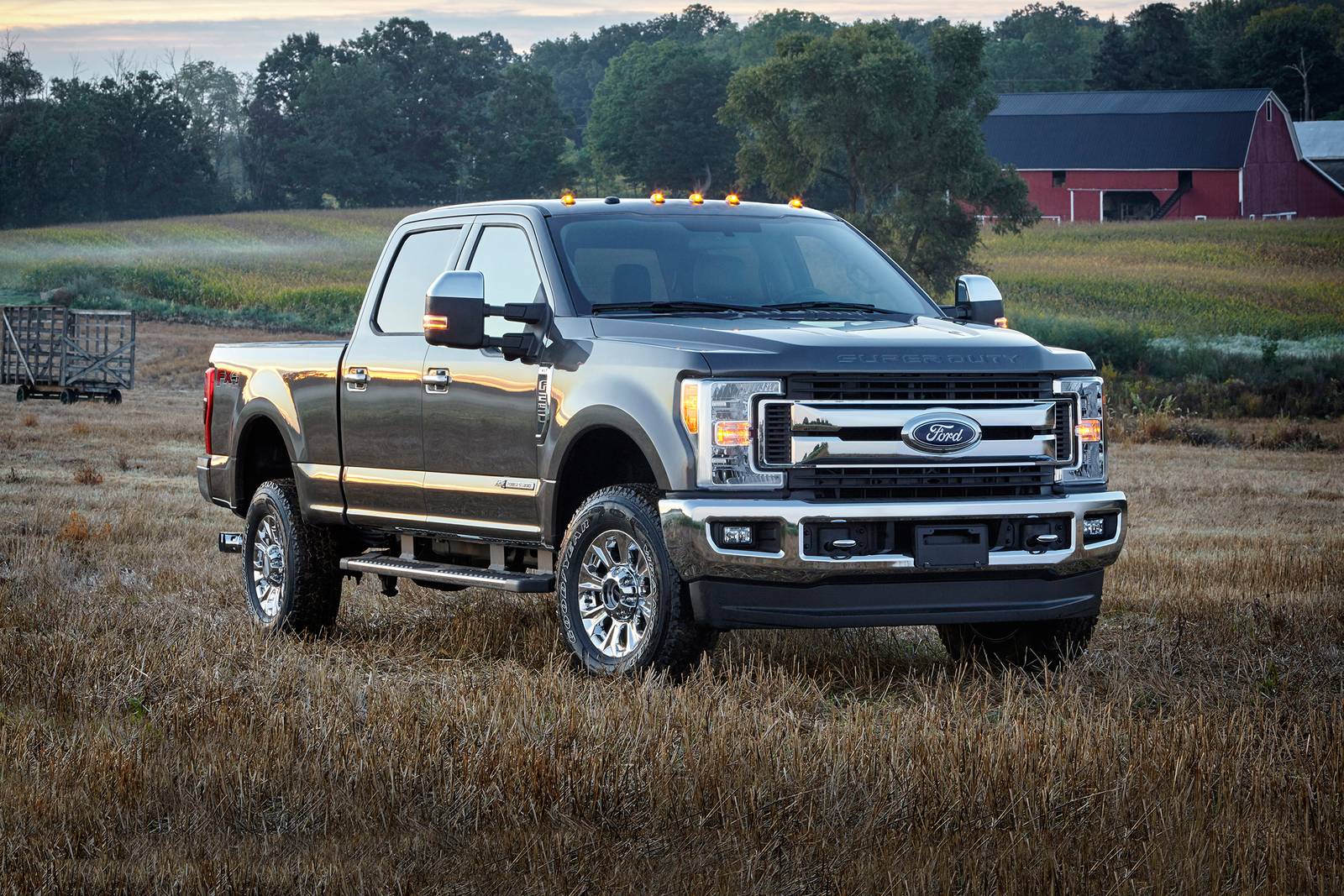
2. Ford F-350 Super Duty XL Regular Cab 4×4 With 7.3L Godzilla V8 (Fourteenth Generation, 2020 to 2024)
Ford designed the fourteenth-generation F-350 Super Duty’s cab sealing system for the commercial and contractor markets that depend on these trucks as year-round working tools rather than weekend recreation vehicles. Commercial operators who purchase F-350 Super Duty trucks for work use in northern climates expect cab integrity across the multi-year fleet service periods that define their purchasing decisions, and Ford’s door seal specification reflects the durability demands of the buyers who kept the Super Duty at the top of commercial fleet sales charts.
Commercial-grade EPDM seals on the fourteenth-generation F-350 Super Duty use a higher durometer compound than passenger car applications to provide the firmness needed for consistent compression across the F-350’s larger, heavier doors. Heavier doors require seals that provide consistent resistance to the higher closing energy that greater door mass generates, and seal compounds that are too soft flow rather than compress under repeated heavy-door closing loads, developing permanent deformation that creates air gaps long before the compound itself has experienced thermal or UV degradation.
Door hinge durability on the F-350 Super Duty directly affects door seal performance over extended service because hinge wear that allows door sag changes the seal-to-frame contact geometry. When a door drops even slightly on its hinges, the lower door edge advances into the door opening while the upper edge retreats, creating a contact pressure differential between upper and lower seal sections that was not present when the hinges were tight.
Ford’s heavy-duty hinge specification on the F-350 Super Duty resists this wear-induced misalignment, preserving the seal geometry that the original seal specification depends on for consistent performance across extended service. Fourteenth-generation F-350 Super Duty trucks in commercial fleet service with documented maintenance records show door seal condition at four and five years that reflects the compound’s durability relative to the demanding commercial use environment, and early fleet assessments suggest a long-term seal performance trajectory that supports the multi-decade working life that F-350 Super Duty buyers in demanding commercial applications expect from their trucks.
Also Read: 8 Trucks That Tow A Camper Without Breaking A Sweat
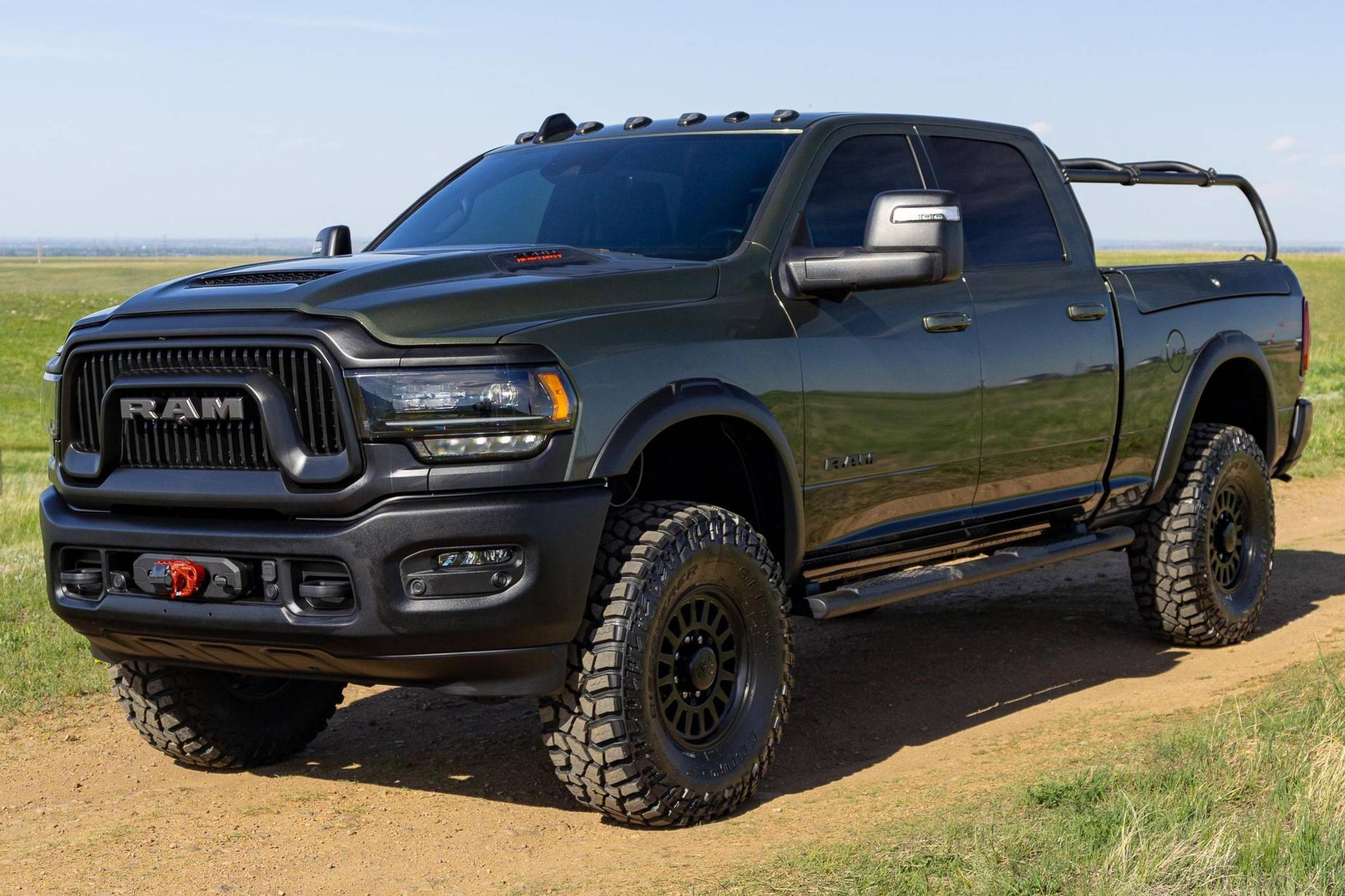
3. Ram 2500 Power Wagon Crew Cab 4×4 (DT Generation, 2021 to 2024)
The Ram 2500 Power Wagon Crew Cab 4×4 is built around a specialised engineering purpose that places demands on component durability far beyond those faced by regular heavy-duty pickup trucks. Its design focus includes water fording, prolonged exposure to mud reaching rocker panel height, repeated vibration from rock crawling activity, and full steering articulation during tight off-road manoeuvres. These conditions place sustained stress on door sealing systems, requiring a level of durability that exceeds what standard Tradesman or Laramie specifications are designed to handle.
To address these demands, Ram engineered door seals capable of maintaining integrity under both off-road and extreme weather conditions. These seals are required to resist water intrusion during deep fording and heavy rain while also performing reliably in cold regions where temperature variation and road salt exposure replace mud and water as primary stress factors. This dual-purpose requirement influenced material choice, seal geometry, and installation tolerances.
The DT platform uses a dual-lip sealing structure at critical contact areas, particularly around the A-pillar and B-pillar zones. These sections of the door frame experience the highest pressure variation during highway travel in wet conditions and during low-speed off-road use, where body articulation occurs. The dual-lip approach provides layered protection, allowing the secondary sealing surface to remain effective even when the primary surface experiences momentary deflection under pressure.
Door jamb dimensions on the Power Wagon are calibrated to support proper seal compression without introducing excessive stress that could accelerate wear. This balance allows the seals to resist water entry at manufacturer-rated fording depths while avoiding premature fatigue caused by repeated opening, closing, and body movement. Such calibration separates purpose-built heavy-duty sealing systems from designs adapted from less demanding vehicle applications.
Cold-weather performance is equally considered in the seal specification. Thermal cycling, ice buildup, and salt exposure can degrade poorly specified seals as time goes on. The Power Wagon’s sealing system maintains flexibility across temperature extremes, preserving consistent contact with door frames even after repeated seasonal exposure.
Owner feedback from regions such as Colorado, Utah, and the Pacific Northwest provides real-world validation of this engineering approach. These areas combine year-round off-road use with winter conditions, offering a clear test of seal longevity. Reports from these markets indicate sustained sealing performance across extended service periods, reflecting the effectiveness of the design choices made for this model.
The Ram 2500 Power Wagon demonstrates how focused engineering attention to sealing systems supports long-term durability in vehicles intended for demanding environments.
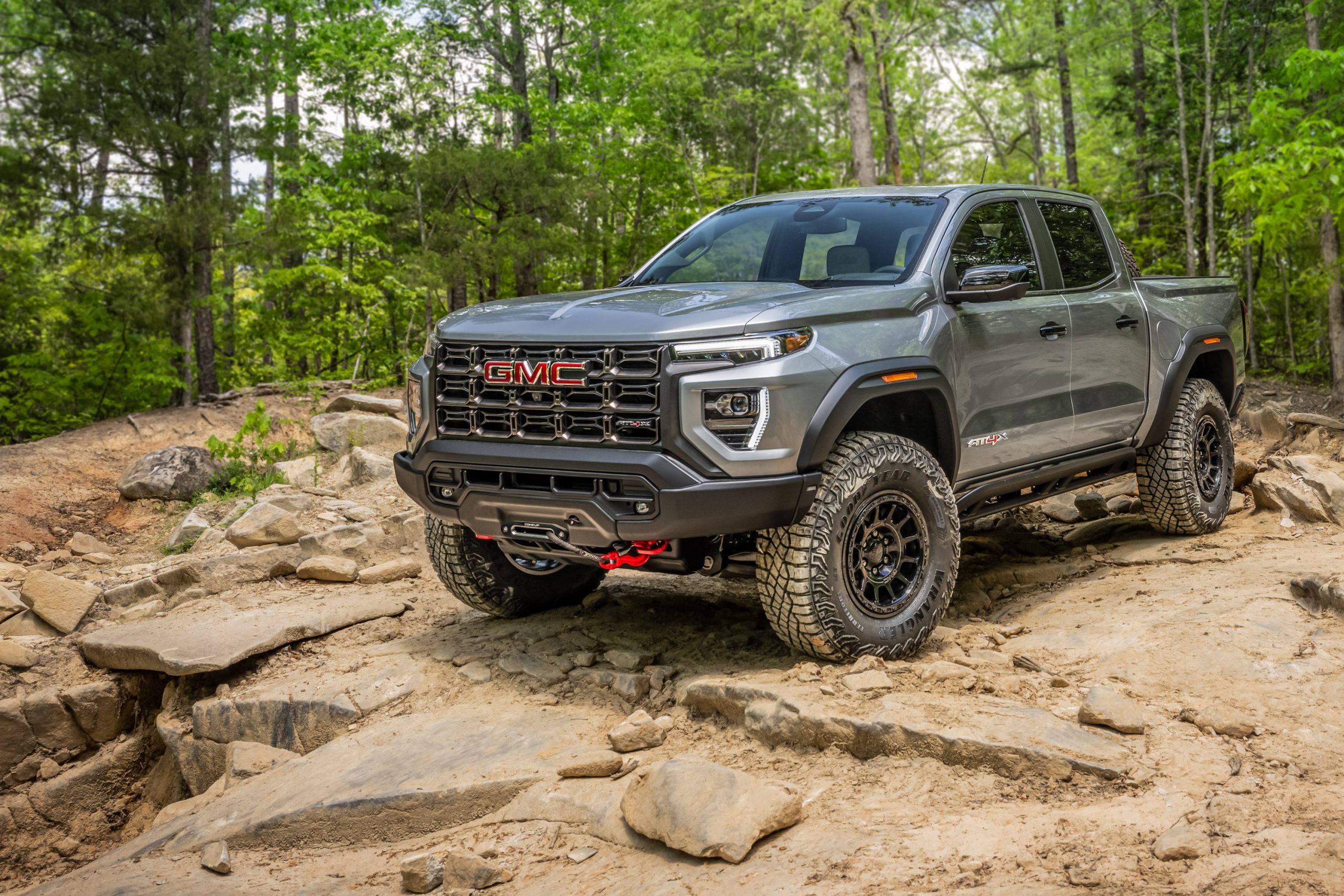
4. GMC Canyon AT4X AEV Edition Crew Cab 4×4 (Third Generation, 2023 to 2024)
The GMC Canyon AT4X AEV Edition Crew Cab 4×4 represents a midsize pickup developed with expedition-level use in mind. Its engineering scope extends beyond standard production models, influenced heavily by the involvement of American Expedition Vehicles in validating its suitability for sustained outdoor use.
This collaboration introduced additional requirements for component performance, including door sealing systems capable of operating reliably in extreme climates. Cold-weather operation plays a central role in defining seal requirements for this model.
Expedition use often includes extended stays in sub-zero temperatures, repeated freeze and thaw cycles at elevation, and frequent door operation while ice forms along exterior sealing surfaces. These conditions generate concentrated contact stress during door movement, which can compromise seals not designed for such use.
To meet these demands, GMC specified an EPDM rubber compound formulated for low-temperature flexibility. Standard EPDM materials gradually stiffen as temperatures fall, reducing their ability to conform to door frame surfaces. At extreme cold levels, this stiffness can allow air and moisture intrusion due to minor gaps at contact points. The formulation used in the AT4X AEV Edition retains elasticity at temperatures below minus twenty degrees Fahrenheit, preserving continuous contact and sealing effectiveness.
Validation testing conducted as part of the AEV development process subjected seals to accelerated climate cycling. These tests simulated years of exposure to temperature changes, ultraviolet radiation, ozone, and mechanical wear within compressed timeframes. Such testing goes beyond standard development procedures, reflecting real expedition vehicle usage rather than routine urban or highway operation.
Mechanical cycling during testing replicated repeated door opening and closing under adverse conditions, ensuring that seal materials could withstand prolonged stress without cracking, tearing, or permanent deformation. This level of validation aligns with the expectations of buyers who plan extended ownership and intensive outdoor use.
As third-generation Canyon AT4X models continue accumulating real-world mileage, early feedback from high-use outdoor markets supports confidence in the durability of the AEV Edition’s sealing systems. The additional engineering and testing investment provides reassurance that door seals will maintain performance through prolonged service periods.
The GMC Canyon AT4X AEV Edition illustrates how focused material selection and rigorous validation support long-term reliability for vehicles intended for demanding expedition-style use.
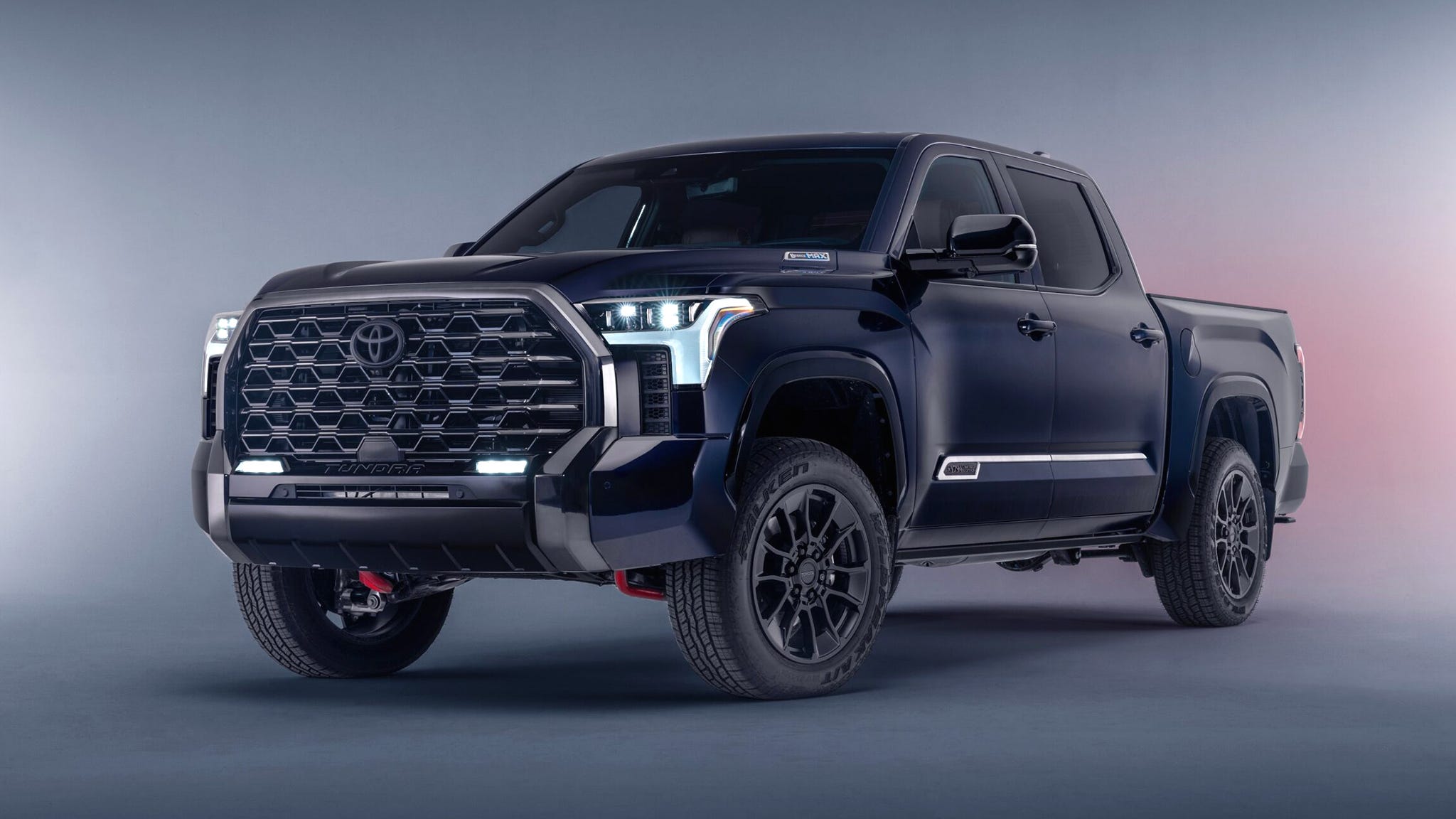
5. Toyota Tundra TRD Pro CrewMax 4×4 (Third Generation, 2022 to 2024)
Toyota’s third-generation Tundra builds on the seal engineering expertise that the brand accumulated across decades of cold-climate Tacoma and Land Cruiser service, applying this experience to the full-size truck platform in ways that address the specific door size and weight challenges that larger, heavier doors create for seal longevity.
CrewMax cab configuration adds rear door seals to the longevity equation, and Toyota’s handling of the additional door perimeter and the rear door’s different stress pattern from the front doors reflects engineering attention to the complete cab sealing system rather than only the primary front door seals.
TRD Pro specification on the third-generation Tundra adds visual and functional elements that attract owners who specifically plan to use their trucks in demanding year-round conditions, including winter off-road use where door seals face the combined stresses of cold temperature operation, and trail use mechanical cycling.
Toyota’s awareness that TRD Pro buyers are specifically not the owners who garage their trucks and keep them from winter conditions informed the seal specification approach for this configuration. Toyota’s third-generation Tundra uses an advanced door seal retention system that addresses the specific challenge of maintaining seal adhesion across the Tundra’s larger door panel dimensions without creating the concentration stress points that broad adhesion surfaces develop when differential thermal expansion between the rubber compound and the door panel substrate creates peel stress at adhesion boundaries.
Toyota’s approach uses a mechanical retention channel as the primary seal mounting method, with adhesive providing supplemental retention at specific locations rather than carrying the full retention load across the seal’s length. Cold-crack resistance is the most visible door seal quality test in prolonged winter service, and Toyota’s EPDM compound formulation for the third-generation Tundra maintains flexibility across the temperature range that northern US and Canadian owners experience across full seasonal variation from summer peaks to winter lows.
A compound that remains flexible at -20 to -30 degrees Fahrenheit resists the surface cracking that stiffened rubber develops when door closing energy creates brief impact stress on a compound that has lost its low-temperature compliance. Third-generation Tundra owners in cold-climate markets are building their long-term condition reports across the early years of the generation’s production life, and the seal quality foundation established by Toyota’s engineering investment provides confidence in the long-term performance trajectory based on Toyota’s well-documented track record in seal longevity across prior generations.
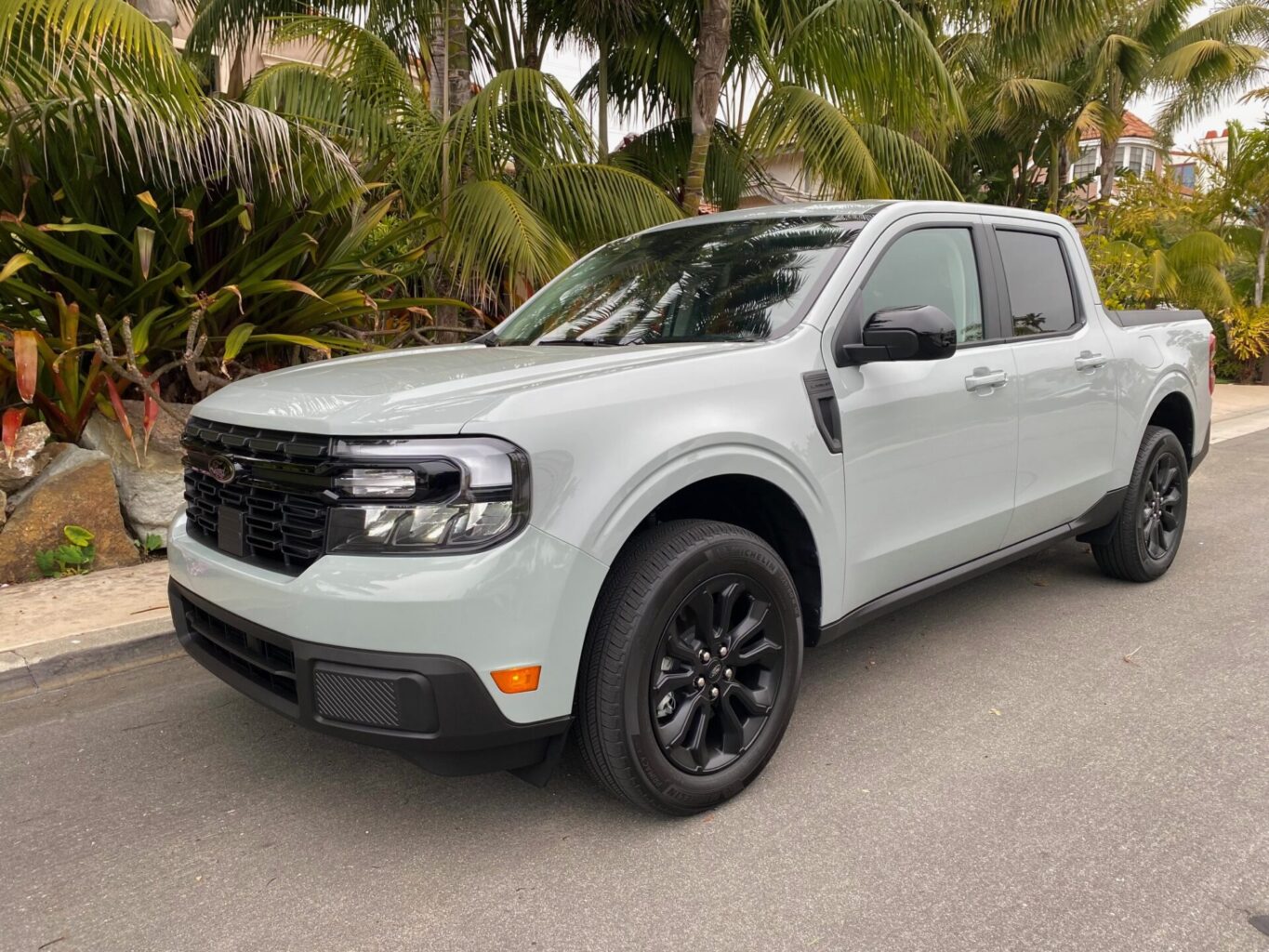
6. Ford Maverick XLT Crew Cab FWD Hybrid (First Generation, 2022 to 2024)
Ford’s Maverick occupies a market position where cost discipline is essential for the truck’s value proposition, yet the Maverick’s door seal specification manages to deliver durability that owners in cold-climate markets have documented favorably in the truck’s early production years. Ford’s engineers achieved this quality within cost constraints through material choices and design decisions that deliver longevity without requiring premium rubber compound specifications that would compromise the Maverick’s competitive pricing.
Maverick door seal design uses a closed-cell foam core within the seal cross-section, a construction approach that provides consistent compression force across the seal perimeter without requiring extremely tight dimensional tolerances between the seal geometry and the door frame contact surface.
Closed-cell foam’s controlled compression characteristics maintain consistent contact pressure as the seal ages and experiences some natural hardening from UV and thermal exposure, delivering a progressive reduction in compression rather than the sudden performance cliff that solid rubber seals can exhibit when compound hardening removes their ability to conform to contact surface variations.
Door aperture consistency on the Maverick benefits from the unibody construction that Ford uses for this platform, with body construction methods that maintain tighter door aperture dimensional tolerances than body-on-frame construction typically achieves. Tighter aperture tolerances mean that seal compression is more consistent around the full door perimeter, reducing the stress concentration variations that cause early cracking in seals whose contact pressure varies from point to point around the door opening.
Maverick owner reports from northern US states and Canadian provinces across the first two years of production show door seal condition that performs better than the truck’s price class positioning might predict, with no early cracking or loss of sealing function reported in the cold-climate owner community despite the Maverick’s first two winters including some of the most severe cold episodes in recent memory in many northern markets. This early-life performance provides a positive foundation for longer-term durability projections.
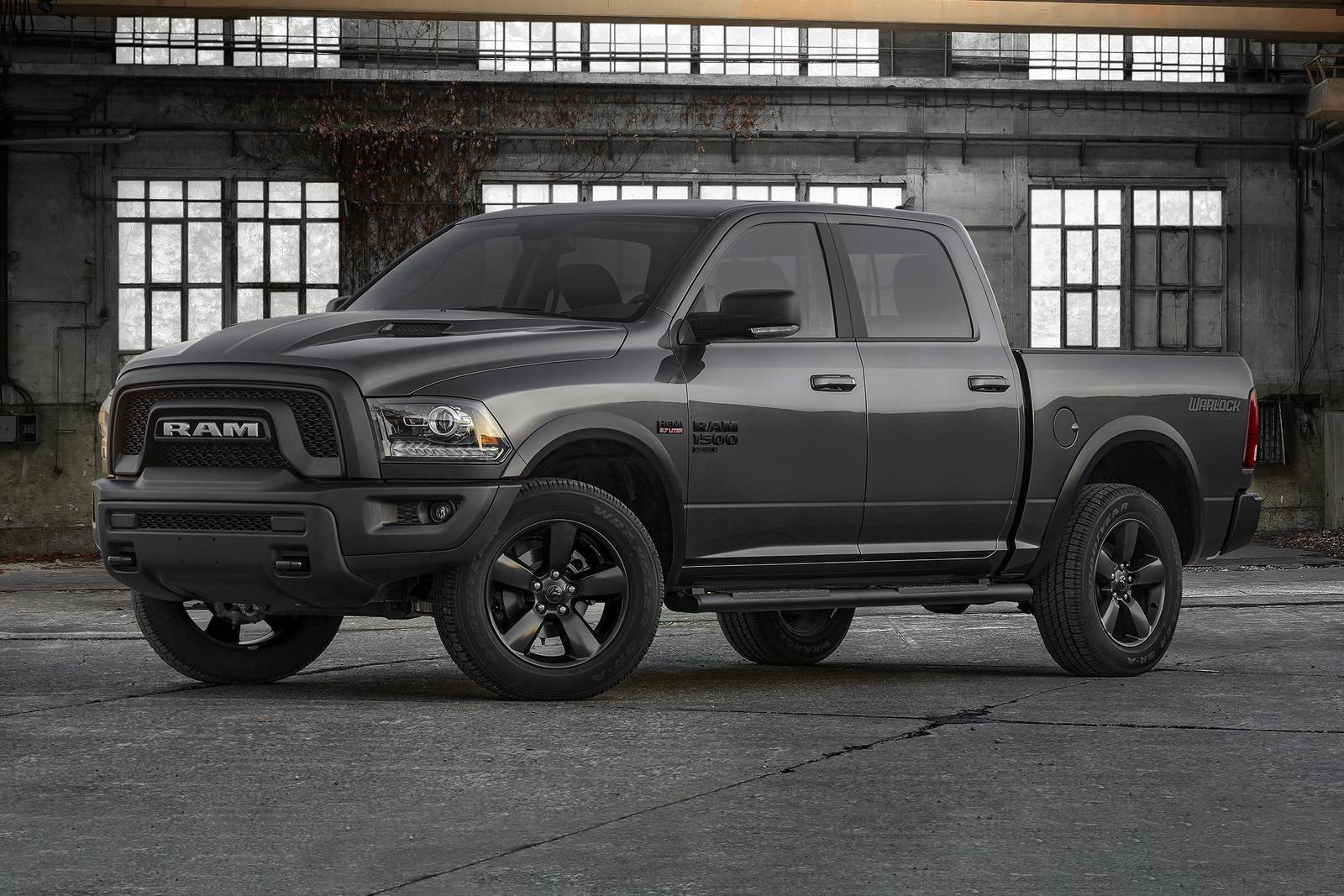
7. Ram 1500 Classic Tradesman Regular Cab 4×4 (DS Generation, 2019 to 2023)
Ram’s decision to retain production of the DS-generation 1500 Classic alongside the newer platform was directed at buyers who place strong value on a platform with an established service record. The DS architecture has accumulated many years of real operational data, especially in colder regions, allowing engineers and manufacturers to understand how each component behaves after prolonged use. Door seal performance on the Ram 1500 Classic reflects this maturity, as the design and material composition benefited from repeated evaluation across several production cycles rather than relying on early-stage assumptions.
The door seal compound used on the DS-generation Classic underwent gradual improvement following observations from warranty records and long-term owner reports. Early production models highlighted specific cold-weather concerns, including seal stiffness during freezing conditions and reduced sealing efficiency after repeated thermal cycling.
These issues guided targeted adjustments to rubber formulation and bonding processes. As a result, later DS-generation seals display better flexibility retention during low-temperature operation and reduced cracking under repeated opening and closing cycles.
The Regular Cab layout of the Tradesman trim also contributes to seal longevity. With only two doors, the total seal perimeter is lower than that of extended or crew cab versions. This reduced perimeter limits the number of joints, corners, and compression zones that must remain effective for full cabin isolation. Fewer interfaces translate to lower cumulative stress across the sealing system, improving durability under prolonged commercial or fleet use.
Fleet-operated DS Classic Tradesman trucks from the 2019 and 2020 model years provide practical evidence of this durability. Many of these vehicles have accumulated substantial mileage in northern service areas where winter exposure places continuous strain on body seals. Inspection reports at the five-year service mark commonly show retained sealing function without the need for early replacement. This reliability supports predictable maintenance planning and aligns with the ownership expectations of buyers who prioritise operational dependability over new feature adoption.
Also Read: 5 Pickup Trucks That Last 300,000 Miles And 5 Pickup Trucks That Won’t In 2026
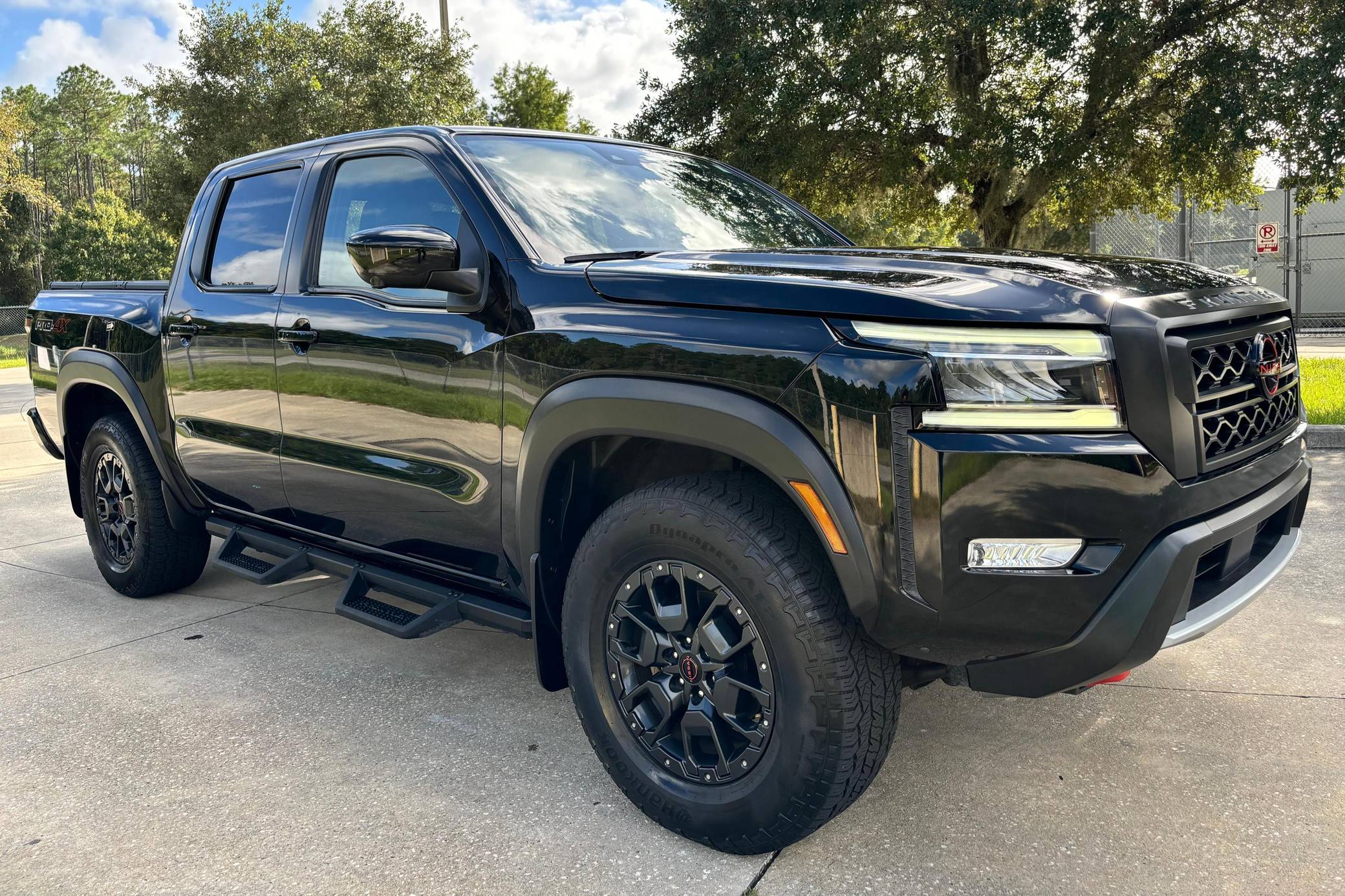
8. Nissan Frontier Pro-4X Crew Cab 4×4 (Third Generation, 2022 to 2024)
The third-generation Nissan Frontier was developed with direct attention to cold-weather performance feedback gathered from earlier models. Owners of the previous generation reported premature deterioration of door seals in low-temperature regions, prompting engineers to revise both material choice and structural design for the updated platform.
The Pro-4X variant reflects this response, as its sealing system was specified to address documented service shortcomings rather than theoretical performance targets. A revised door seal cross-section is central to the third-generation design. The updated profile spreads compression more evenly across the contact surface when the door is closed. This wider distribution lowers concentrated stress at individual points, slowing rubber fatigue and delaying crack formation.
Uniform compression also improves air and moisture exclusion during winter driving, supporting stable cabin conditions even after extended exposure to freezing temperatures. Material selection also received focused attention. The seal compound was formulated to maintain pliability during severe cold, preventing the stiffness that often leads to poor door closure and air leakage during early morning starts.
Improved flexibility allows the seal to conform closely to the door frame even when temperatures fall sharply, maintaining consistent contact without requiring excessive closing force. The Pro-4X trim adds exterior protection components that indirectly support seal longevity.
Side guards, rocker protection, and enhanced underbody coatings reduce the amount of salt and moisture that accumulates near door openings. By limiting chemical exposure at the lower seal sections, these measures slow material degradation caused by winter road treatments. Early ownership reports from colder markets during the first two production years indicate improved door operation and sealing consistency compared with earlier Frontier models.
Feedback from drivers familiar with both generations frequently points to easier door closure and reduced stiffness during cold starts, reflecting the effectiveness of the design and material revisions applied to the third-generation Pro-4X.
