
Tow truck drivers develop a very specific kind of knowledge over time. It is not the kind you find in brochures or online reviews, but the kind you learn from experience on highways, city streets, and rural roads at all hours of the day and night. When you spend years picking up broken-down vehicles, patterns start to appear.
Certain used cars show up again and again on the back of a tow truck, and not always because they are bad cars, but because of how they are used, how they are maintained, and how aging affects their systems. This article explores eight used cars that tow truck drivers frequently encounter on the side of the road, explaining why they break down, what issues are most common, and what owners should know if they want to avoid becoming part of that roadside pattern.
In many cases, these vehicles are popular models that sold in large numbers, which naturally increases their presence on the road. More cars in circulation means more breakdowns statistically. However, popularity is not the only factor.
Driving habits, maintenance neglect, high mileage, and wear on critical systems like transmissions, batteries, and cooling systems also play a major role. Tow truck drivers often see the same issues repeatedly: overheating engines in summer traffic, dead batteries in winter mornings, transmission failures after years of stop and go driving, and suspension wear from rough roads.
Another important factor is aging fleets. Many of these used cars are purchased second hand because they are affordable and fuel efficient. They often become daily drivers for students, delivery workers, or families trying to save money. As a result, they are driven hard and maintained inconsistently. Over time, small issues turn into roadside failures.
This guide is not about blaming specific models. Most of these vehicles are well known for reliability when properly maintained. Instead, it is about understanding real world patterns that tow truck drivers observe every day.
By learning what commonly goes wrong, drivers can take preventive steps to reduce the risk of breakdowns and extend the life of their vehicles. From compact sedans to full size pickups, these are the eight used cars most often seen waiting for a tow.
1. Toyota Corolla
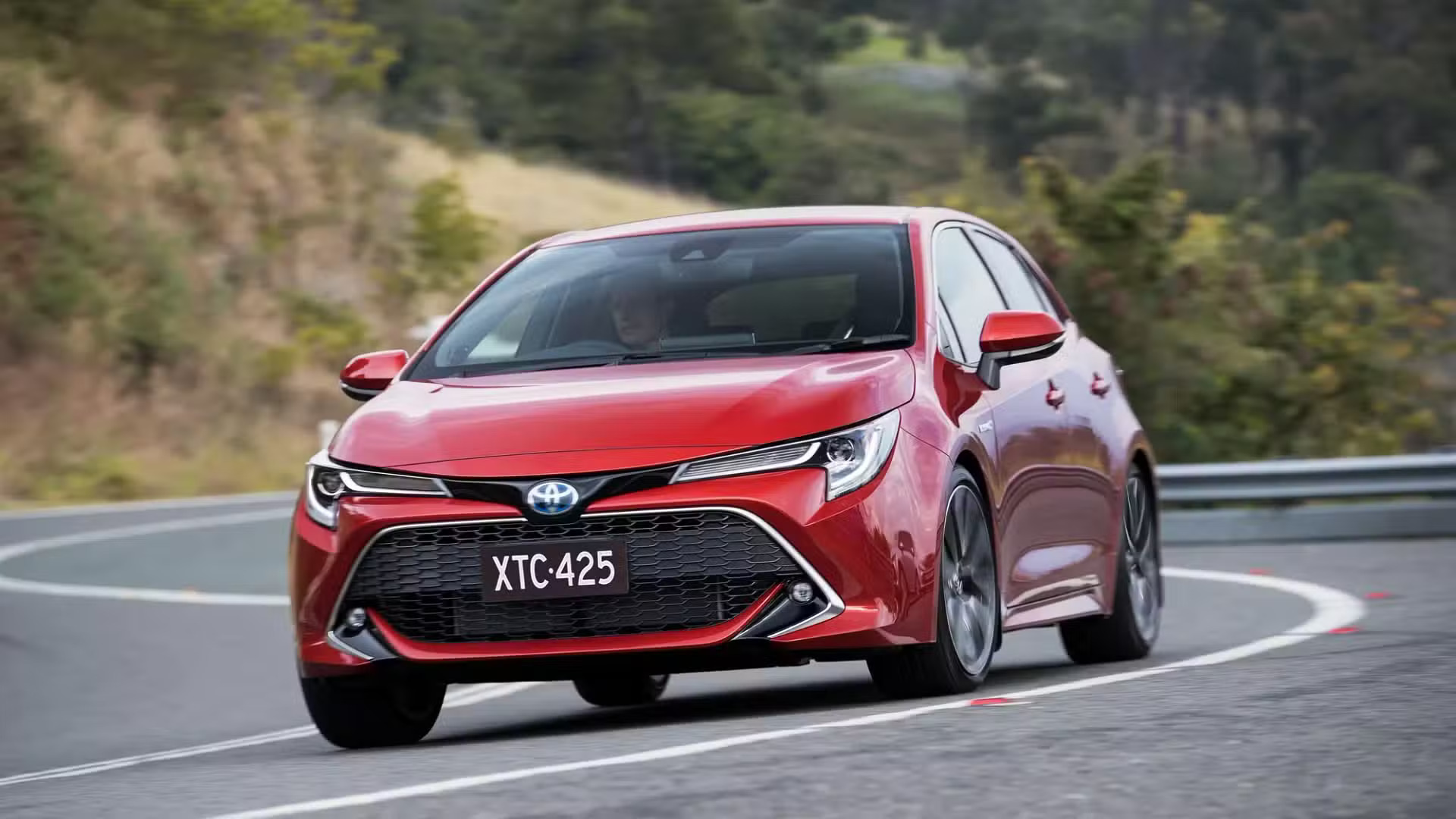
The Toyota Corolla is one of the most commonly encountered vehicles on tow truck calls, not because it is unreliable, but because it is one of the most widely owned used cars in the world. When a car exists in such massive numbers across cities, highways, and rural roads, it naturally becomes a frequent presence in breakdown statistics.
Tow truck drivers often describe the Corolla as a “daily survivor,” meaning it usually keeps running for years, but eventually shows up on the roadside due to age related wear, skipped maintenance, or simple fatigue of components rather than sudden catastrophic failure.
One of the most repeated issues seen in older Corollas is battery and charging system failure. Many owners continue driving on weak batteries until the vehicle refuses to start entirely. Because Corollas are often used for short commutes, school runs, or city errands, the alternator does not always get enough consistent driving time to fully recharge the battery.
Over weeks and months, this creates a slow decline that surprises drivers when the car suddenly clicks instead of starting. Tow operators report that jump starts are one of the most common Corolla service calls, especially in winter mornings or after long periods of parking.
Another major reason for roadside breakdowns is aging ignition and fuel system components. In higher mileage Corollas, spark plugs, ignition coils, and fuel injectors can degrade gradually. This leads to symptoms like rough idling, misfires, reduced acceleration, and occasional stalling at traffic signals.
Many drivers ignore these early warning signs because the car still runs, but eventually the deterioration becomes severe enough that the engine cannot maintain stable operation. At that point, the vehicle may stall in traffic or refuse to restart, requiring towing.
Cooling system neglect is another pattern tow truck drivers notice frequently. While the Corolla engine itself is known for durability, components like radiators, hoses, and water pumps still wear out over time. Small coolant leaks often go unnoticed until the engine temperature spikes during heavy traffic or summer driving.
In some cases, drivers continue operating the vehicle even after the temperature warning light appears, which leads to overheating and forced shutdown. Tow operators often arrive to find the car sitting on the shoulder with steam coming from under the hood, a classic sign of cooling system failure.
Suspension wear is also extremely common, especially in regions with rough or uneven roads. Corollas are frequently used as budget commuter cars, meaning they are driven daily over potholes, speed bumps, and imperfect road surfaces.
Over time, struts, bushings, and ball joints begin to degrade, resulting in knocking sounds, poor handling, and uneven tire wear. While this does not always cause immediate breakdowns, it contributes to unsafe driving conditions and eventually leads to situations where the car becomes undriveable or too unstable to continue safely.
Despite these issues, tow truck drivers often emphasize that the Corolla is still one of the most dependable vehicles on the road.
Most breakdowns are preventable with basic maintenance, but because many of these cars are older and purchased at low cost, they are often maintained minimally. This combination of high mileage, low upkeep, and massive global popularity is what keeps the Corolla consistently appearing on the side of the road.
2. Honda Civic
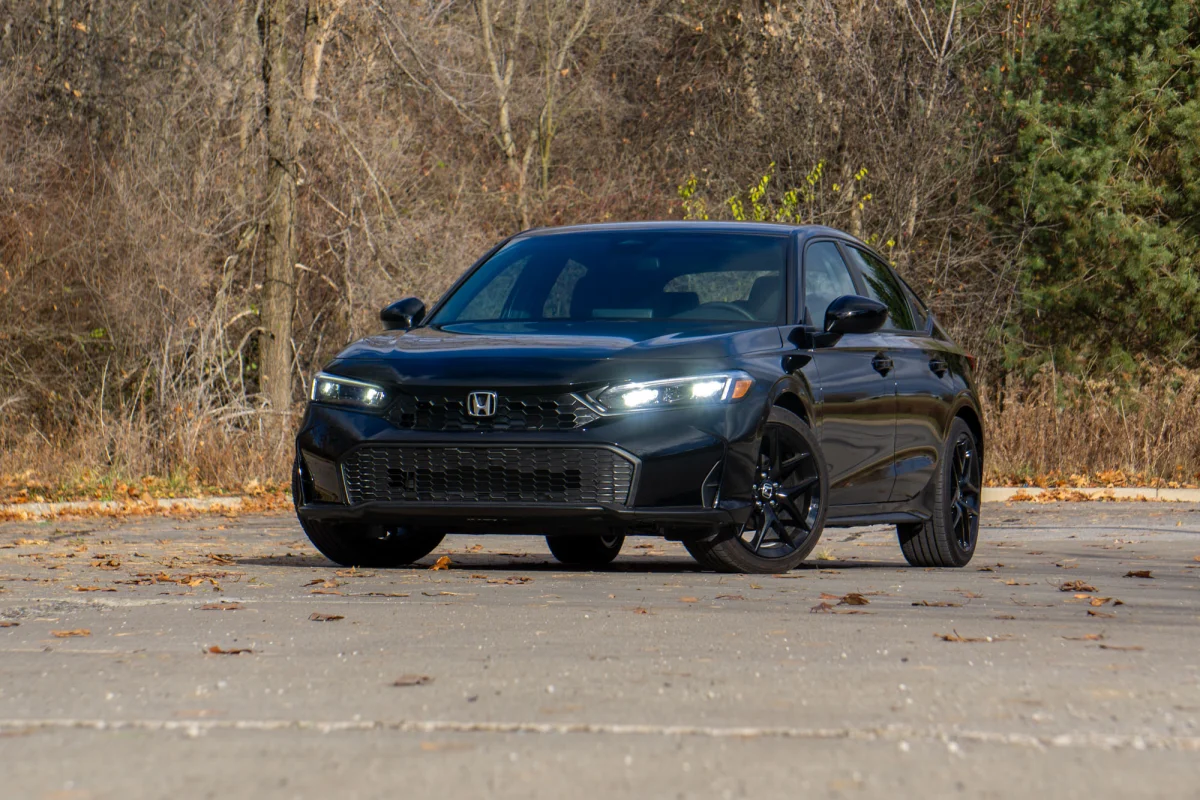
The Honda Civic is another vehicle that tow truck drivers see extremely often, largely because it shares many characteristics with the Corolla: widespread ownership, long lifespan, and heavy use as a daily commuter car. Civics are known for their reliability and fuel efficiency, but when they age or are poorly maintained, they develop predictable patterns of failure that frequently lead to roadside breakdowns.
One of the most common issues in older Civics is cooling system failure. Tow truck operators often report overheated Civics pulled over on highways or city streets, especially during hot weather or heavy traffic conditions. Radiators, thermostats, and coolant hoses are all wear items that degrade over time.
When coolant levels drop or circulation becomes restricted, engine temperatures rise quickly. Unfortunately, many drivers do not notice early warning signs like fluctuating temperature gauges or heater performance changes. By the time the problem becomes obvious, the engine is already overheating, forcing an immediate shutdown to prevent permanent damage.
Transmission issues are another significant factor, especially in older automatic Civic models. Over time, transmission fluid breaks down, internal components wear, and shifting becomes less smooth. Drivers may notice delayed acceleration, jerking between gears, or slipping during uphill driving.
If these symptoms are ignored, the transmission can eventually fail completely. Tow truck drivers often encounter Civics that suddenly stop moving in traffic because the transmission no longer engages properly, leaving the driver stranded without warning.
Electrical system failures also contribute to breakdown calls. The Civic relies heavily on sensors and electronic controls to manage engine performance. When alternators weaken or wiring becomes corroded, the vehicle may experience intermittent power loss or complete shutdown. In some cases, the car may start fine in the morning but die unexpectedly during driving. These unpredictable electrical issues are particularly frustrating because they are difficult for drivers to anticipate.
Engine mount wear is another issue that becomes more noticeable in high mileage Civics. When mounts degrade, the engine vibrates excessively, especially during acceleration or idling.
While this alone may not cause a breakdown, it puts stress on other components and can lead to disconnected hoses, wiring issues, or accelerated wear on nearby parts. Tow operators often notice Civics shaking significantly before they eventually stall or become unsafe to drive.
Despite these problems, the Civic remains a strong and durable vehicle. Tow truck drivers consistently point out that most breakdowns are related to aging parts and maintenance delays rather than inherent design flaws. A well maintained Civic can easily surpass high mileage thresholds, but once neglected, it tends to show predictable failure points that result in roadside assistance calls.
3. Ford Focus
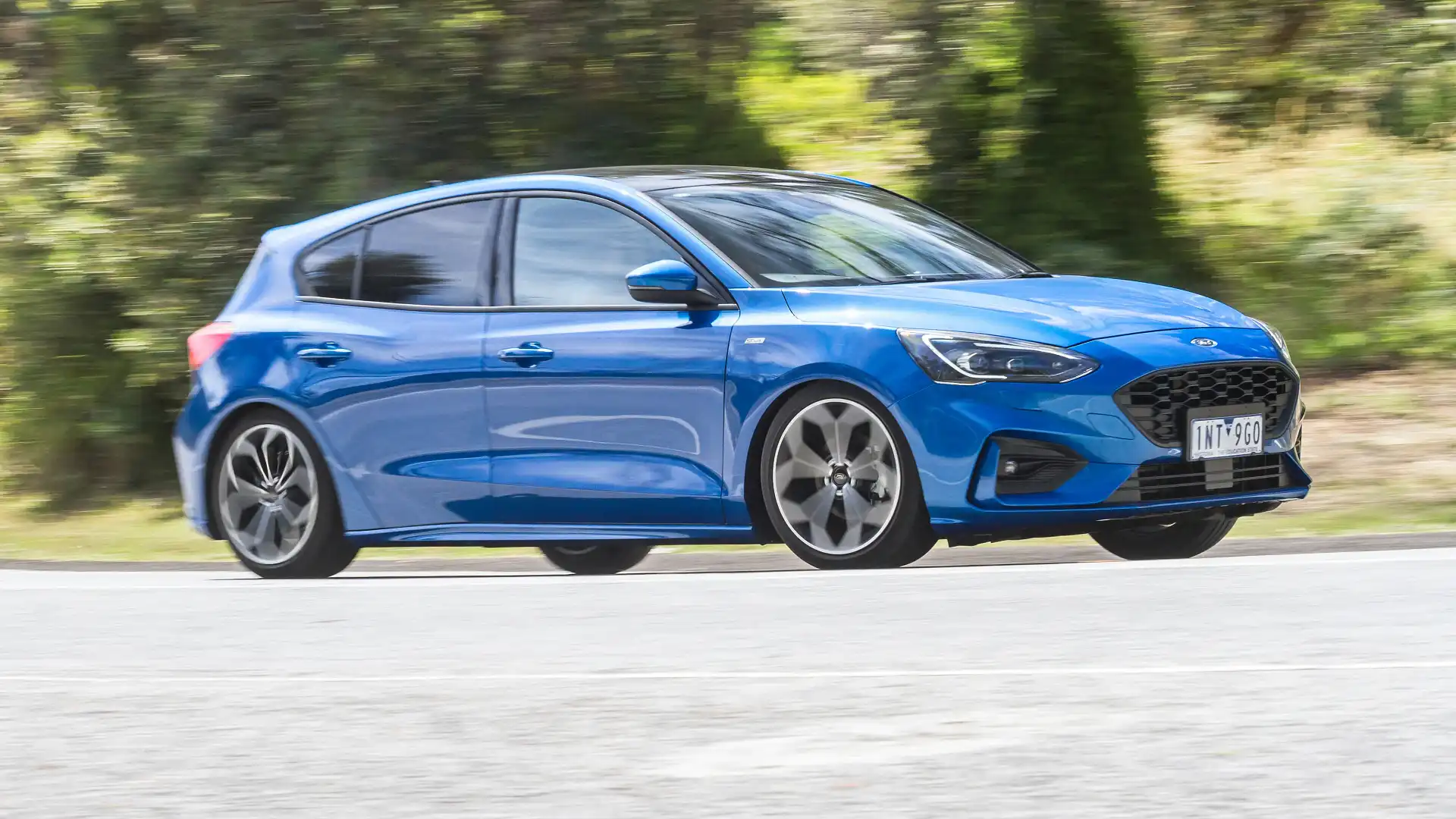
The Ford Focus is a compact car that appears frequently in tow truck service reports, particularly due to transmission related problems in certain model years. While it was designed as an affordable and efficient vehicle for urban driving, long term reliability has been inconsistent, which leads to a noticeable pattern of breakdowns once the vehicle reaches higher mileage.
One of the most well known issues is related to the dual clutch transmission system used in many Focus models. This transmission was designed to improve fuel efficiency and shifting speed, but in real world driving conditions it often develops problems such as shuddering, hesitation, and inconsistent gear engagement.
Drivers may first notice a rough feeling when accelerating from a stop or delayed response when pressing the gas pedal. Over time, these symptoms worsen until the vehicle becomes unreliable or completely unable to move. Tow truck drivers frequently report Focus vehicles that simply will not engage drive or reverse, making towing the only option.
Battery drain problems are another common reason for roadside assistance. Electrical systems in some Focus models can continue drawing power even when the vehicle is turned off, leading to unexpected battery depletion. Drivers often return to their car after a short stop to find it completely dead. While jump starting may temporarily solve the issue, repeated battery drain eventually shortens battery life significantly, resulting in frequent tow or jump start calls.
Cooling system issues also appear regularly, especially in older or high mileage Focus vehicles. Radiator leaks, thermostat failures, and water pump issues can all contribute to overheating. Because compact cars like the Focus are often used in heavy city traffic, engines are frequently exposed to stop and go conditions that place additional stress on the cooling system.
Once overheating begins, drivers are forced to stop immediately to prevent engine damage, often requiring roadside towing.
Suspension wear is another contributing factor. The Focus is commonly driven on uneven city roads, where potholes, speed bumps, and rough surfaces accelerate wear on shocks, struts, and control arms. As these components degrade, the car may begin to feel unstable or produce clunking noises over bumps. In severe cases, suspension failure can make the vehicle unsafe to drive, especially at higher speeds.
Tow truck drivers often describe the Focus as a car that performs well when new but becomes increasingly unpredictable as it ages. Maintenance history plays a major role in whether it remains reliable or becomes a frequent roadside call.
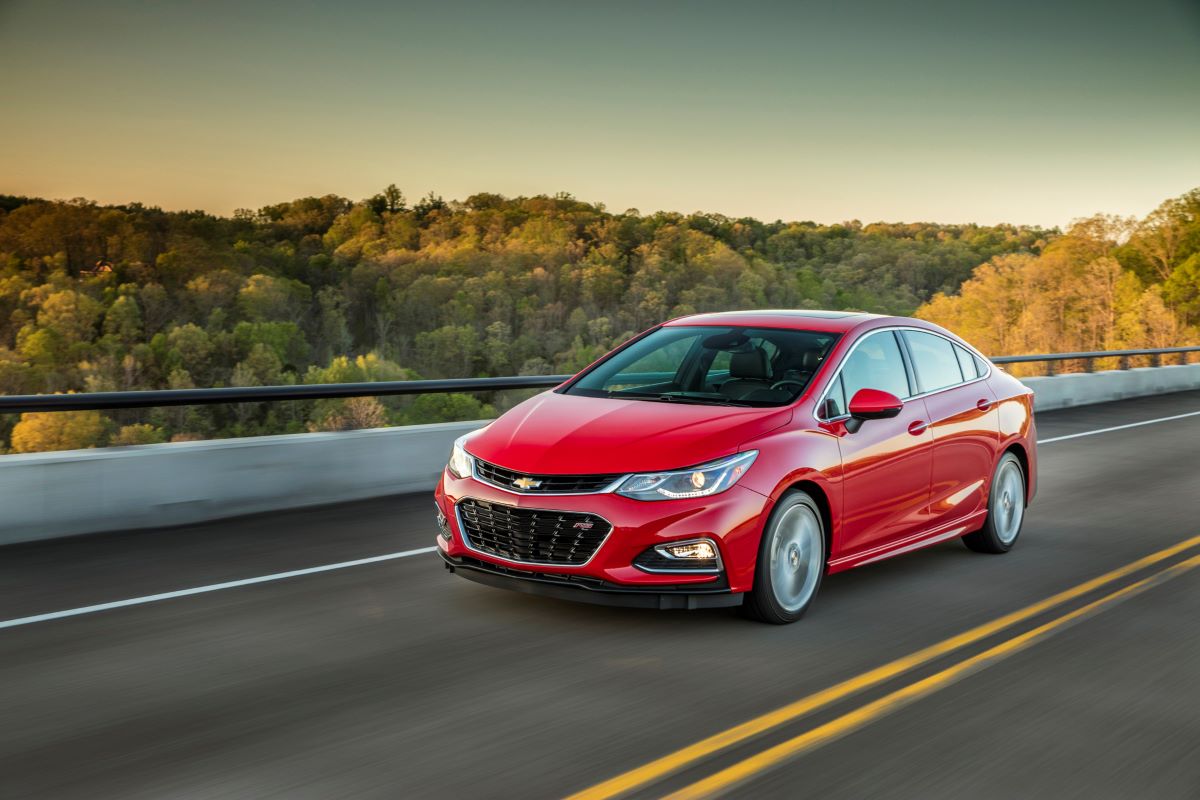
4. Chevrolet Cruze
The Chevrolet Cruze is another compact sedan that appears regularly on tow truck routes, especially in older or high mileage versions. While it was designed to offer comfort, fuel efficiency, and modern styling, several mechanical weaknesses become more apparent as the vehicle ages, leading to breakdown situations that tow operators frequently respond to.
One of the most common issues is coolant system failure. The Cruze is known for coolant leaks caused by aging plastic components, hose connections, or reservoir cracks. Because these leaks often start small, drivers may not notice them until coolant levels drop significantly.
Once this happens, the engine can overheat quickly, especially in traffic or during long drives. Tow truck drivers often encounter Cruzes pulled over with steam coming from under the hood, a clear sign that the cooling system has failed and the engine has entered a protective shutdown state.
Turbocharger issues are another frequent cause of breakdowns in turbocharged Cruze models. The turbo system relies heavily on clean oil and consistent maintenance. When oil changes are delayed or incorrect oil is used, turbo components can wear prematurely. Symptoms include loss of power, excessive exhaust smoke, and unusual whistling or whining noises. In severe cases, turbo failure results in complete loss of engine performance, leaving the vehicle unable to accelerate or maintain speed.
Electrical system faults also contribute significantly to roadside assistance calls. Sensor failures are relatively common, and when critical sensors malfunction, the engine may enter limp mode, reducing power output dramatically. While this mode is designed to protect the engine, it often leaves drivers unable to continue driving safely, especially on highways. In such cases, towing becomes necessary.
Transmission problems in automatic Cruze models are another concern. Drivers may experience rough shifting, delayed engagement, or hesitation when accelerating. Over time, these issues can worsen until the transmission becomes unreliable.
Since transmission repair costs are often high relative to the vehicle’s value, many owners choose to stop driving the car once major symptoms appear, leading to more tow truck pickups.
Oil leaks are also a recurring issue. If not addressed, low oil levels can cause severe engine damage, including overheating and internal wear. Many roadside breakdowns occur simply because oil warning lights were ignored for too long.
Despite these issues, the Chevrolet Cruze remains popular in the used market due to its affordability and comfort, which explains why tow truck drivers continue to see it regularly on the side of the road.
Also read: 5 Cars Boomers Got Right And 5 They Got Wrong
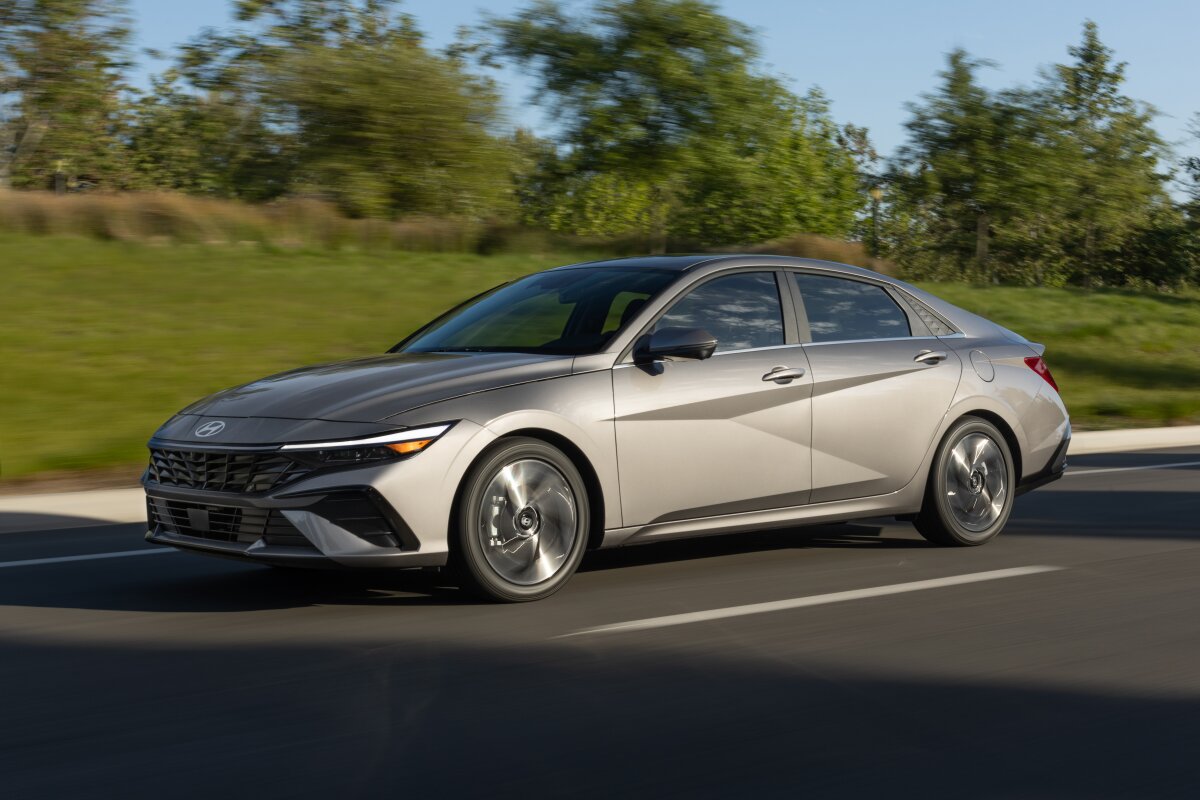
5. Hyundai Elantra
The Hyundai Elantra is one of the most commonly towed compact sedans in modern roadside recovery work, largely because of its popularity as an affordable used car combined with increasing mileage in aging fleets. Tow truck drivers frequently point out that the Elantra is not inherently unreliable, but rather highly dependent on consistent maintenance, and when that maintenance is skipped or delayed, small issues tend to escalate quickly into breakdown situations.
One of the most frequent causes of roadside failures in the Elantra is engine stalling, which can happen suddenly and without much warning. This is often linked to failing crankshaft position sensors, fuel delivery inconsistencies, or ignition system degradation.
When these components begin to fail, the engine may run normally one moment and then shut off completely the next. Drivers often report that the car restarts after cooling down briefly, which leads many to underestimate the seriousness of the problem until it happens again in traffic or on highways, eventually requiring towing.
Battery and alternator related failures are also extremely common. The Elantra is often used as a daily commuter vehicle, especially for short urban trips where the engine does not run long enough to fully recharge the battery. Over time, this creates a cycle of undercharging that weakens the battery.
In addition, alternators in older models may struggle to maintain consistent output under load, especially when air conditioning, headlights, and infotainment systems are all running simultaneously. Tow truck drivers often arrive to find Elantras that simply will not crank, particularly during early morning hours or after overnight parking.
Transmission hesitation is another recurring issue, especially in automatic variants. Drivers may notice delayed acceleration, rough shifting between gears, or a feeling that the vehicle is struggling to find power when merging or climbing hills. While these symptoms may start subtly, they tend to worsen over time if transmission fluid is not replaced regularly. Eventually, the vehicle may enter a reduced performance state or fail to engage drive properly, leaving the driver stranded.
Cooling system leaks also appear frequently in higher mileage Elantras. Components such as radiator hoses, water pumps, and thermostats naturally degrade with age. When coolant levels drop, the engine becomes prone to overheating, particularly in stop and go traffic conditions.
Tow operators often report Elantras pulled over with the hood open and warning lights illuminated, a classic sign of thermal overload. If the driver continues operating the vehicle in this condition, engine damage can become severe enough to make repairs uneconomical.
Despite these recurring issues, the Elantra remains a widely used and budget friendly vehicle, which explains its consistent presence on tow trucks. Most breakdowns are tied to age, mileage, and deferred maintenance rather than sudden manufacturing defects, but its high usage rate ensures it remains a regular part of roadside recovery work.
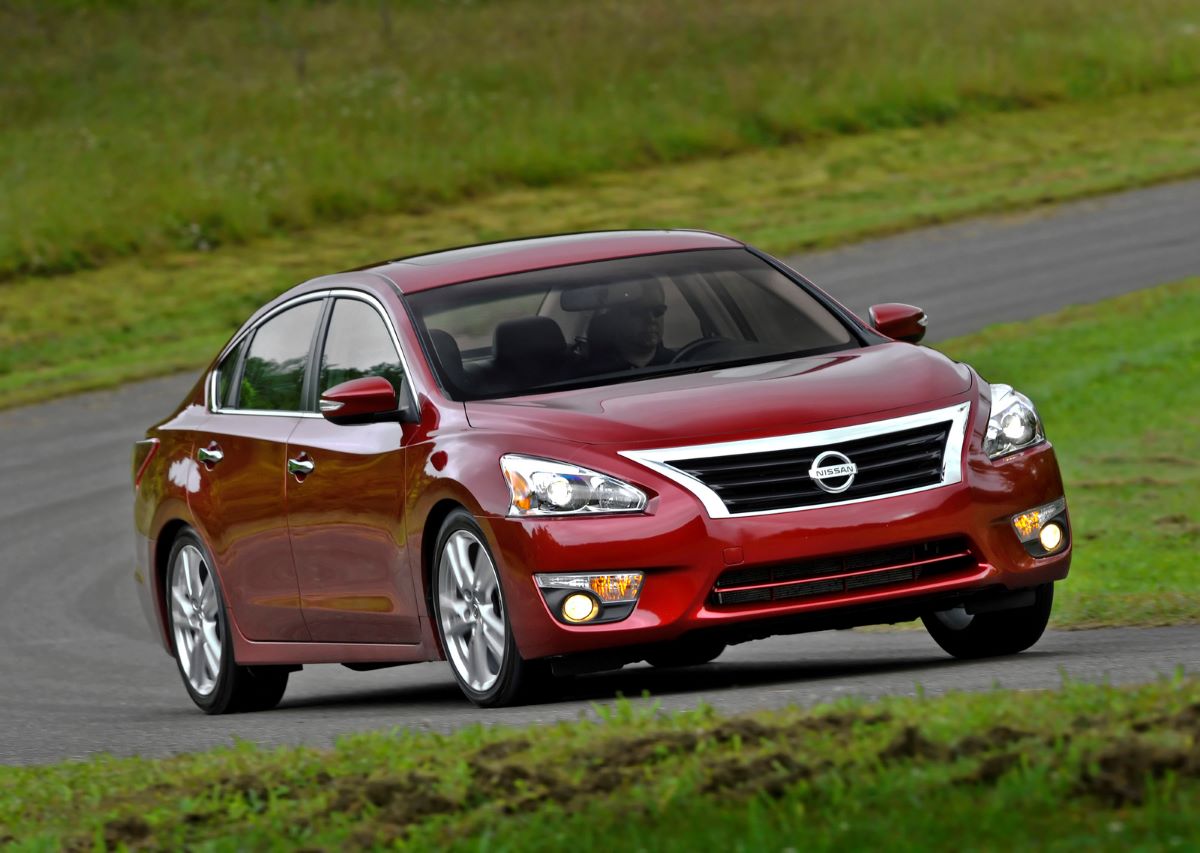
6. Nissan Altima
The Nissan Altima is a midsize sedan that tow truck drivers frequently encounter, especially in older model years and high mileage fleets. Its popularity as a comfortable, fuel efficient commuter vehicle means it is often driven extensively in both urban and highway conditions. However, certain mechanical patterns have made it a regular candidate for roadside assistance calls, particularly involving transmission and engine related issues.
One of the most well known concerns in the Altima is related to its continuously variable transmission system. While CVT technology is designed to provide smoother acceleration and improved fuel efficiency, in real world conditions it can be sensitive to wear and heat. Over time, drivers may notice symptoms such as whining noises, delayed throttle response, or a sensation of the vehicle “slipping” during acceleration.
As the transmission deteriorates, these symptoms become more pronounced until the car may lose the ability to move forward or reverse entirely. Tow truck operators frequently respond to Altimas that have suddenly stopped moving in traffic due to CVT failure, making them one of the more common transmission related tow calls.
Another significant issue is excessive oil consumption in certain engine variants. Some Altima engines gradually burn oil at a higher rate than expected, and drivers may not notice the reduction until oil levels become critically low.
When this happens, engine lubrication becomes insufficient, leading to overheating and internal wear. In severe cases, this can result in engine seizure or catastrophic failure. Tow truck drivers often find Altimas stranded with engine warning lights ignored for extended periods, highlighting how small maintenance gaps can escalate into major roadside breakdowns.
Electrical system issues also contribute to Altima towing frequency. Faulty sensors, worn wiring, or alternator inconsistencies can trigger dashboard warnings, reduced engine performance, or intermittent shutdowns.
Because modern vehicles rely heavily on electronic control systems, even minor electrical faults can have a noticeable impact on drivability. In some cases, the vehicle may enter limp mode, reducing speed and acceleration to protect the engine, which forces drivers to pull over and call for assistance.
Suspension wear is another common factor, especially in vehicles used for long distance commuting or rough road conditions. Components such as struts, bushings, and control arms gradually degrade, leading to uneven tire wear, knocking noises, and reduced handling stability.
While suspension problems do not always cause immediate breakdowns, they contribute to unsafe driving conditions and can indirectly lead to roadside stops when combined with other mechanical issues.
Despite these challenges, the Altima remains a popular choice in the used car market due to its comfort and affordability. However, its frequency on tow trucks highlights the importance of early maintenance, especially for transmission and engine health.
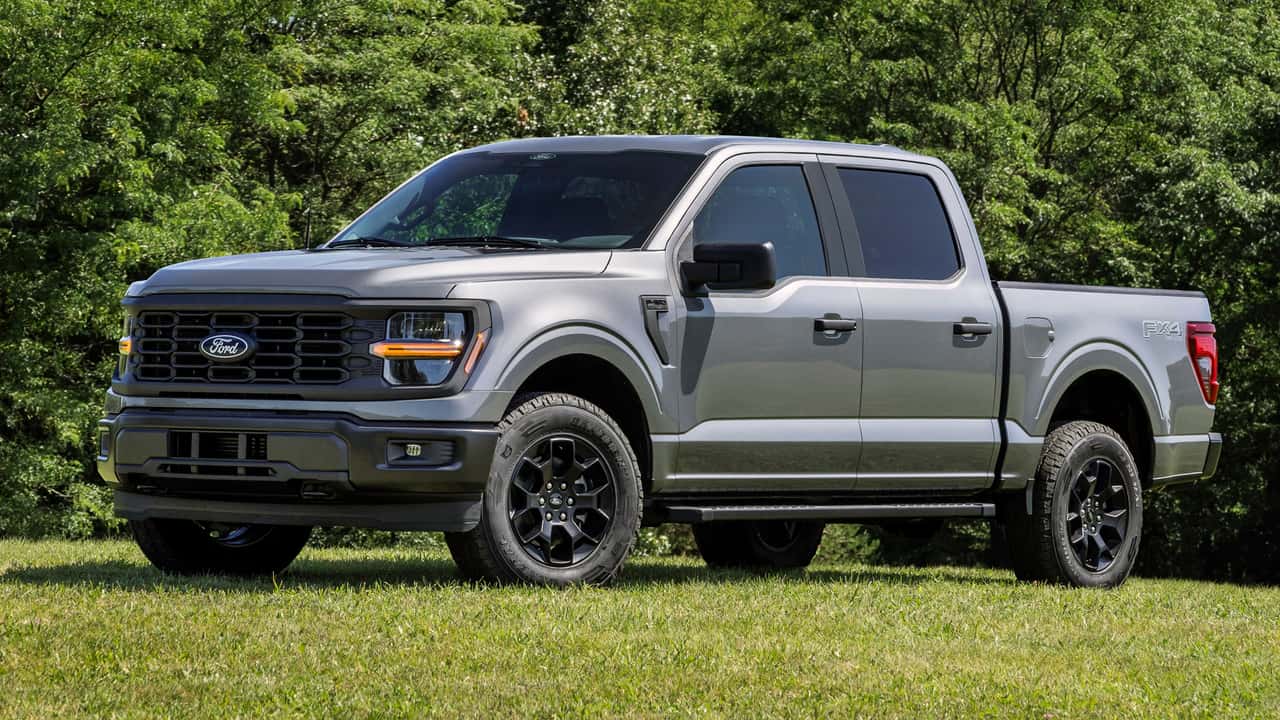
7. Ford F-150
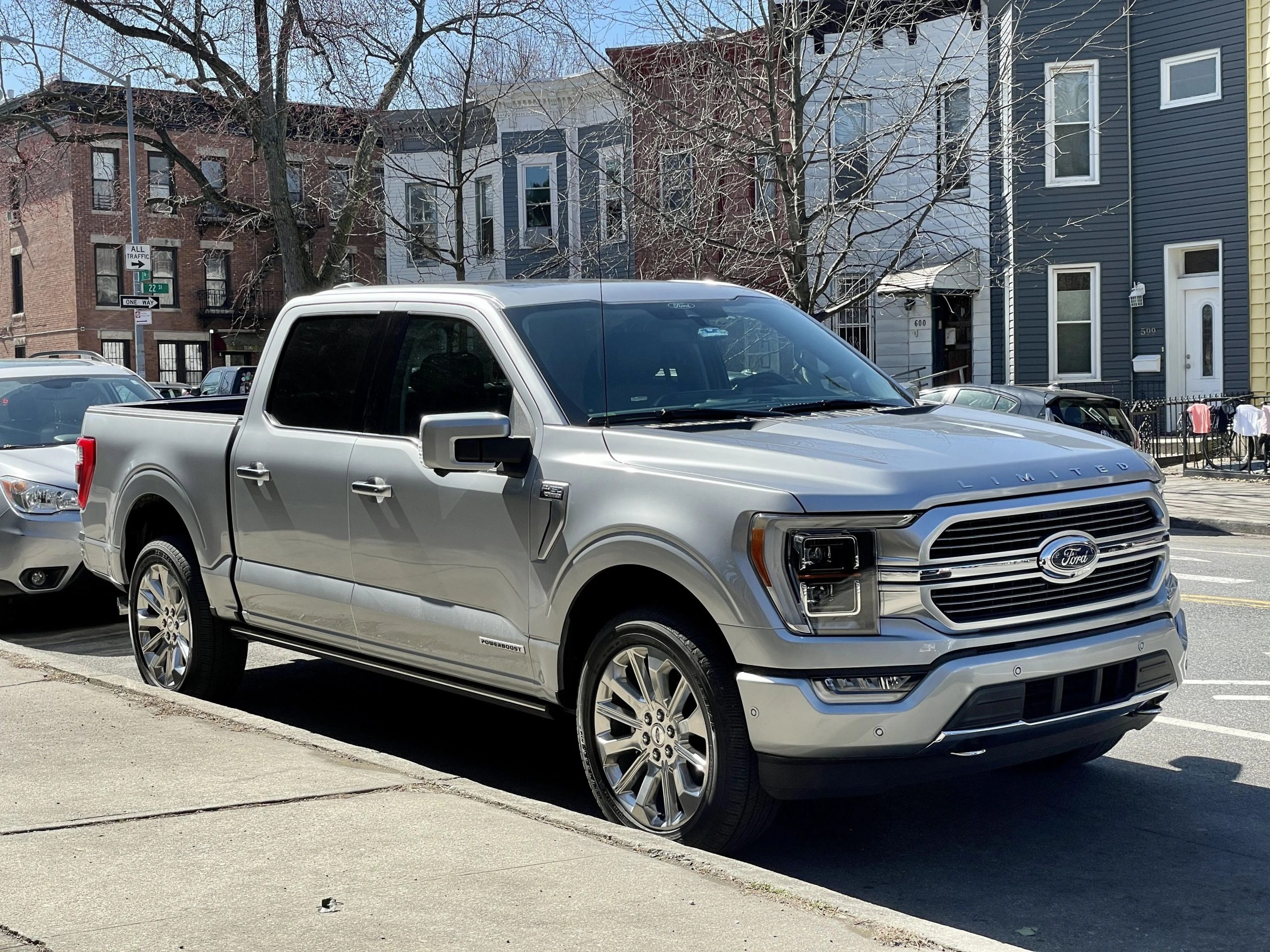
The Ford F 150 is one of the most frequently seen vehicles on tow trucks, but for very different reasons than compact sedans. As one of the most widely used pickup trucks in North America, it serves a variety of roles including work truck, family vehicle, and towing platform. This heavy duty usage means it is often pushed harder than typical passenger cars, resulting in a different pattern of roadside breakdowns.
One of the most common issues seen in older or heavily used F 150 models is transmission wear. Because these trucks are frequently used for hauling, towing trailers, or carrying heavy loads, the transmission is under constant stress. Over time, this leads to slipping gears, delayed shifting, or overheating during extended towing situations.
In severe cases, the transmission may fail entirely, leaving the truck unable to move under its own power. Tow operators often encounter F 150s stranded on highways after towing heavy loads that exceeded safe operating limits or after long periods of strain without proper cooling.
Ignition system and fuel delivery issues are also common contributors to breakdowns. Faulty ignition coils, worn spark plugs, or failing fuel pumps can cause misfires, reduced power, or sudden engine shutdowns. These issues are often intermittent at first, which leads drivers to continue operating the vehicle until a complete failure occurs unexpectedly, often in inconvenient or remote locations.
Cooling system strain is another significant factor, especially in trucks used for commercial or heavy duty applications. The F 150 engine generates considerable heat under load, and components such as radiators, thermostats, and water pumps are essential for maintaining safe operating temperatures.
When these components wear out or coolant levels drop, overheating can occur quickly, particularly during towing or uphill driving. Tow truck drivers frequently respond to overheated F 150s pulled over with steam or warning lights active.
Suspension and steering wear also play a major role in roadside assistance calls. Because trucks are often driven on uneven terrain, construction sites, or rural roads, suspension components such as ball joints, tie rods, and shocks experience accelerated wear.
When these parts fail, the vehicle may become unstable or difficult to control, making it unsafe to continue driving. In such cases, towing is required to prevent further damage or accidents.
Despite these issues, the F 150 remains highly durable when properly maintained. Most breakdowns are the result of heavy usage rather than design flaws, which is why it continues to appear so frequently on tow trucks across regions where trucks are essential daily vehicles.
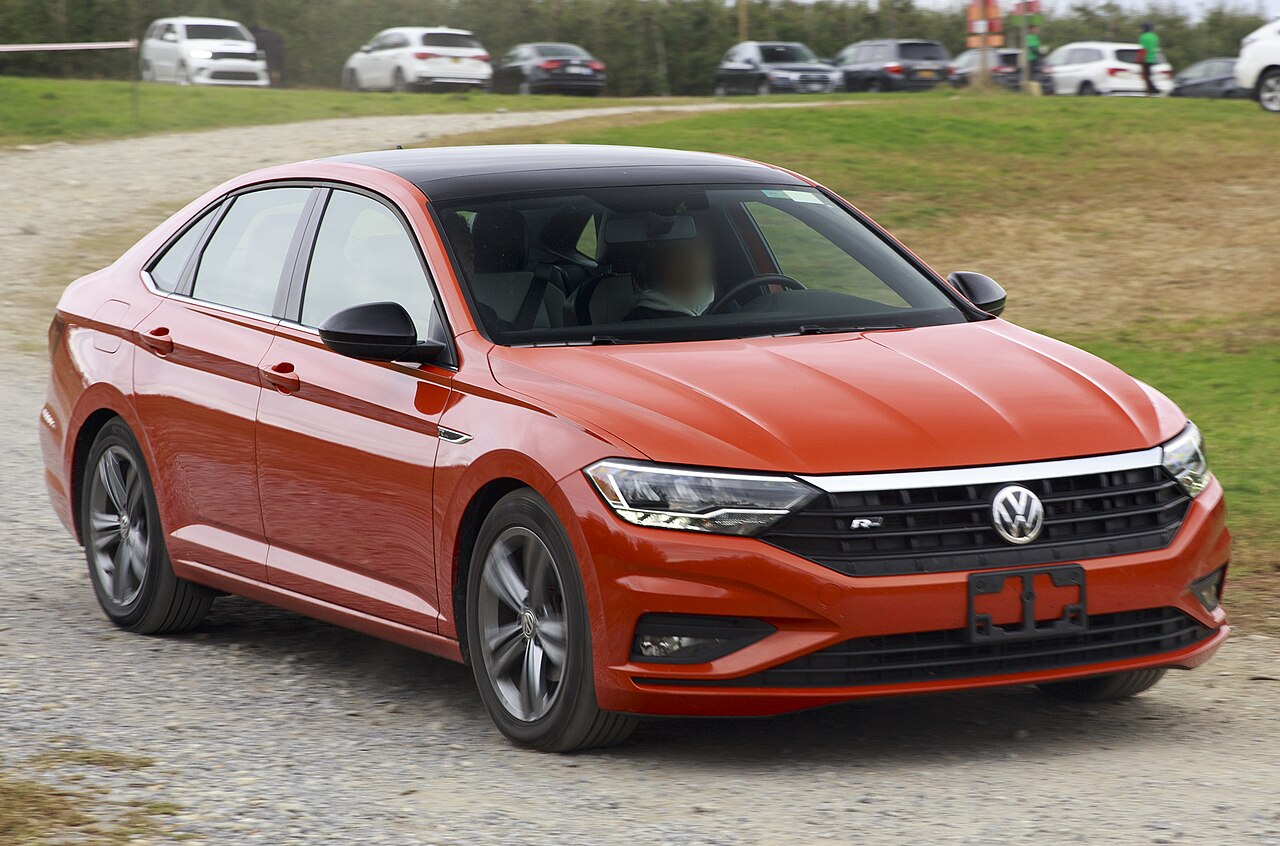
8. Volkswagen Jetta
The Volkswagen Jetta is a compact sedan that tow truck drivers regularly encounter, particularly in older European built models and high mileage vehicles. While it is known for its solid build quality, comfortable driving experience, and efficient engines, it also requires strict maintenance discipline, and when that is lacking, it becomes prone to predictable roadside failures.
One of the most common issues in the Jetta is related to electrical system complexity. Modern Jetta models rely heavily on sensors and electronic control units to manage engine performance, fuel delivery, and emissions systems.
When any of these sensors begin to fail, drivers may experience warning lights, reduced engine power, or irregular performance. In some cases, the vehicle may enter limp mode, severely limiting speed and acceleration, which often forces drivers to stop and request towing assistance.
Turbocharged engine wear is another frequent issue, especially in models where oil maintenance has been inconsistent. Turbo systems require clean, high quality oil to function properly. When oil changes are delayed or incorrect oil is used, carbon buildup and lubrication issues can damage turbo components. This leads to symptoms such as loss of power, excessive exhaust smoke, and unusual engine noises. If left unresolved, turbo failure can render the vehicle undriveable.
Cooling system leaks are also a known concern in aging Jetta models. Radiators, coolant flanges, and plastic connectors can degrade over time, leading to slow leaks that gradually reduce coolant levels. Because these leaks are often not immediately visible, drivers may only notice the problem when the engine begins to overheat. Tow truck drivers frequently arrive to find Jettas parked on the roadside with the engine bay hot and warning lights active, indicating a cooling system failure.
Transmission issues, particularly in automatic variants, also contribute to breakdown frequency. Drivers may experience hesitation when shifting gears, jerky acceleration, or delayed response when pressing the accelerator. Over time, these symptoms can worsen to the point where the transmission no longer functions reliably.
Since repair costs can be high relative to the vehicle’s market value, many owners choose to stop driving the car altogether once major transmission problems appear, resulting in more towing cases.
Despite these issues, the Volkswagen Jetta remains popular due to its driving comfort and European styling. However, tow truck drivers consistently note that it demands more attentive maintenance than many Japanese or American competitors, and neglect quickly leads to roadside breakdowns.
Also read: 10 Cars Where the Oil Change Alone Runs Over $200
