Urban driving in the USA often puts small SUVs to the test, especially when it comes to parallel parking in tight, crowded streets. While compact size helps, not every SUV is equally easy to position without stress. Some models are designed with upright shapes, large windows, and predictable body lines that allow drivers to rely mainly on mirrors and natural sightlines.
Others prioritize bold styling, luxury design, and advanced safety structures that reduce rear visibility, making cameras and sensors essential rather than optional. This creates a clear divide between SUVs that feel intuitive to park and those that depend heavily on digital assistance.
Modern technology, including 360-degree cameras and automated parking systems, further widens this gap by either supporting drivers or fully taking over parking tasks. This comparison highlights four small SUVs that are naturally easier to park in the USA and four that require camera-based systems to handle parallel parking confidently in everyday city conditions.
4 Small SUVs for Parallel Parking in the USA
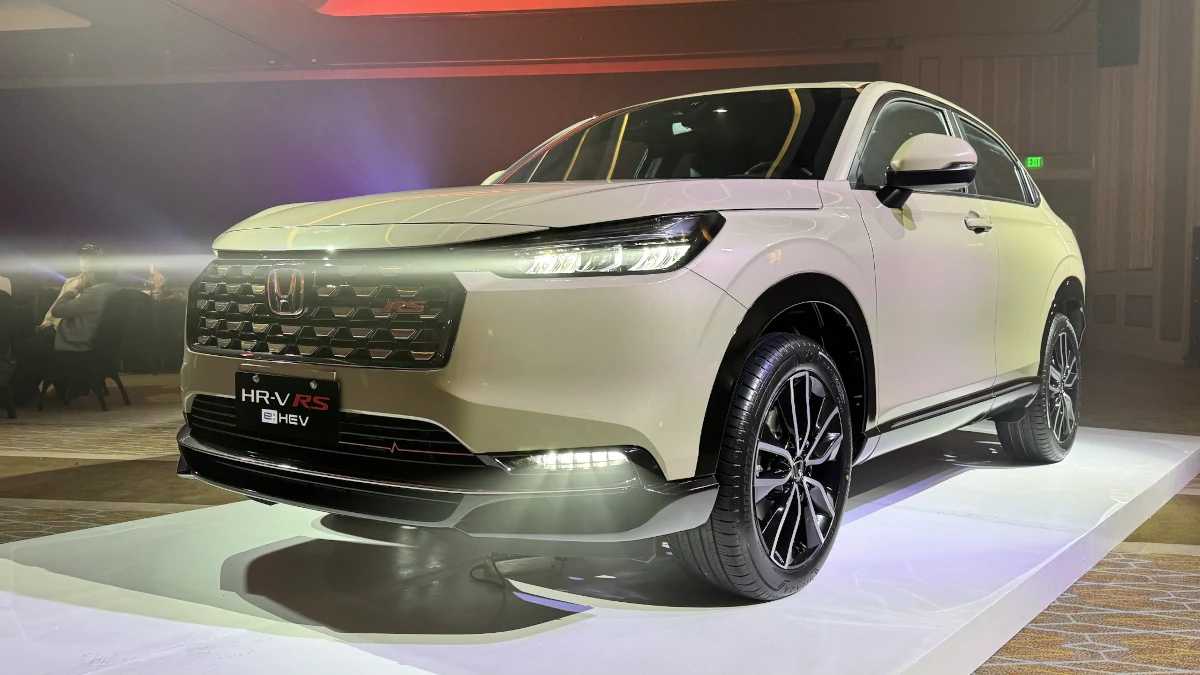
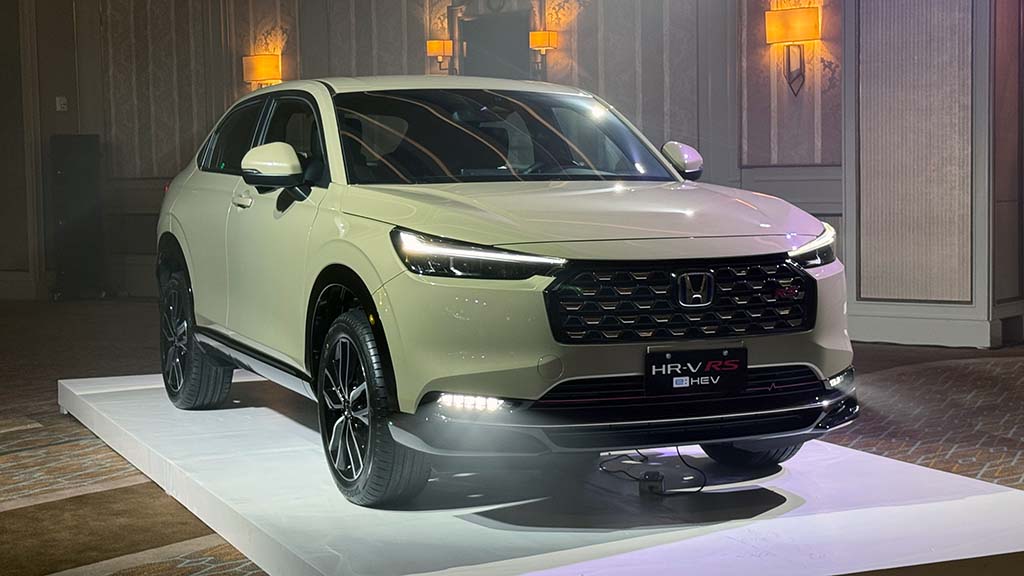
1. Honda HR-V (2025)
Built for city-focused driving, the 2025 Honda HR-V is defined by its compact dimensions, upright stance, and strong outward visibility. These characteristics make it well-suited for dense traffic environments where space is limited and precise positioning matters. Its straightforward body shape helps drivers better judge surrounding distances, reducing reliance on advanced assistance systems in routine situations.
Parking performance is a major advantage. The small footprint and tight turning radius allow the HR-V to fit into narrow parallel parking spots with relative ease. A standard rearview camera and parking sensors assist with reversing, while 2025 updates add auto reverse-tilt side mirrors that angle downward to help prevent curb damage. Even without a full 360-degree camera system, the combination of large windows and clear sightlines makes it easier to place the vehicle accurately in confined spaces.
Under the hood, the HR-V uses a 2.0-liter four-cylinder engine producing 158 horsepower, paired with a continuously variable transmission. Front-wheel drive is standard, and all-wheel drive is optional. The setup focuses more on efficiency and smooth operation than strong acceleration, which becomes noticeable during highway merging or overtaking. With a 0–60 mph time of about 9.4 seconds, performance is modest but consistent for daily use.
Fuel economy remains one of its strengths. Front-wheel-drive models deliver up to 32 mpg on the highway, while all-wheel-drive versions return slightly lower figures. Real-world results suggest the HR-V can exceed its highway estimates, offering a useful driving range for commuting and longer trips.
Inside, the cabin follows a clean, functional design influenced by Honda’s Civic. Seats are supportive and comfortable, while the layout emphasizes practicality with useful storage areas throughout the interior. Cargo capacity is generous for the segment, with space for multiple carry-on suitcases behind the rear seats and significantly more when the seats are folded down, making it suitable for travel and everyday hauling needs.
Technology is centered around ease of use, featuring a 7-inch or 9-inch touchscreen system with Apple CarPlay and Android Auto support. Higher trims add wireless smartphone connectivity, wireless charging, and a Wi-Fi hotspot. The interface prioritizes simplicity over complexity, making it accessible for a wide range of drivers.
Safety equipment is comprehensive thanks to Honda Sensing, which comes standard. Key features include adaptive cruise control, lane-keeping assist, and automated emergency braking, all designed to support safer driving in traffic-heavy conditions.
Warranty coverage is typical for the segment, with standard limited and powertrain protection and a short complimentary maintenance period, keeping ownership expectations straightforward and predictable.
2. Mazda CX-30 (2025)
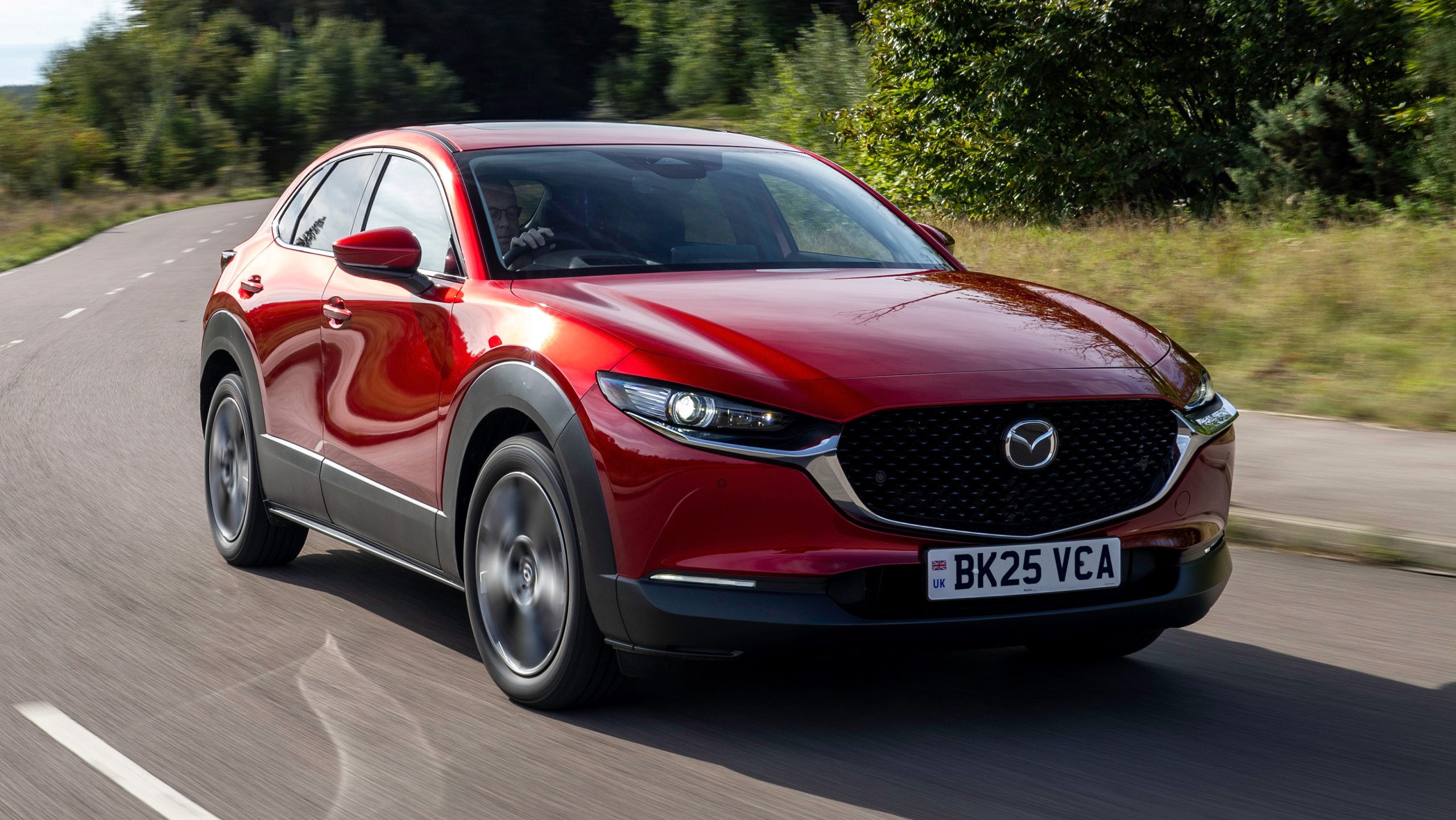
A compact crossover designed for urban use, the 2025 Mazda CX-30 stands out for its sharp steering, short length, and athletic driving character, making it particularly well-suited for tight parking spaces and city streets. Its 10.6-meter turning circle allows quick corrections during low-speed maneuvers, while its small footprint helps it slip into standard parallel spots with ease.
Although the sloping roofline reduces rearward visibility, drivers often adapt quickly to its proportions, gaining confidence through its predictable handling. The vehicle behaves more like a sporty hatchback than a traditional SUV, delivering a connected feel that enhances control in confined areas. Reviewers frequently highlight its agility, noting that it responds precisely to steering inputs and feels composed even in demanding urban conditions.
Power comes from a standard 2.5-liter four-cylinder engine producing 191 horsepower, paired with a six-speed automatic transmission tuned for smooth gear changes. An optional turbocharged version raises output to 250 horsepower, delivering significantly quicker acceleration for those seeking stronger performance.
In testing, the standard version reached 60 mph in 8.1 seconds, while the turbo reduced that time to 6.2 seconds, placing it closer to sportier rivals. Fuel efficiency remains competitive, with the base model achieving up to 29 mpg combined and the turbo returning slightly lower figures due to increased power output.
Inside, the cabin reflects Mazda’s focus on refinement, with a clean layout, quality materials, and intuitive controls. An infotainment system sits prominently on the dashboard and is operated through a rotary controller, complemented by physical climate buttons for ease of use.
Available screens range from 8.8 to 10.3 inches, depending on trim, with higher variants offering wireless smartphone connectivity and advanced features such as Alexa integration. Cargo capacity is modest compared with larger SUVs, yet practical enough for daily use, fitting multiple carry-on suitcases behind the rear seats and expanding significantly with seats folded.
Safety technology is a strong point, with standard features including adaptive cruise control, lane-keeping assist, and automated emergency braking with pedestrian detection. Higher trims add enhancements like a head-up display and traffic sign recognition. Ownership coverage includes a three-year limited warranty and five-year powertrain protection, which trails some competitors but remains consistent within the segment.
Additional strengths include its user-friendly infotainment interface, strong reliability reputation, and engaging driving feel that distinguishes it from more utilitarian rivals. While not the most spacious option in its class, it compensates with premium touches typically found in higher-priced vehicles.
The CX-30 appeals to drivers seeking a balance between everyday practicality and a more engaging drive. Its combination of compact size, responsive steering, and upscale interior design makes it a compelling choice for city-oriented buyers who value both comfort and driving enjoyment in daily real-world driving conditions.
3. Hyundai Tucson (2025)
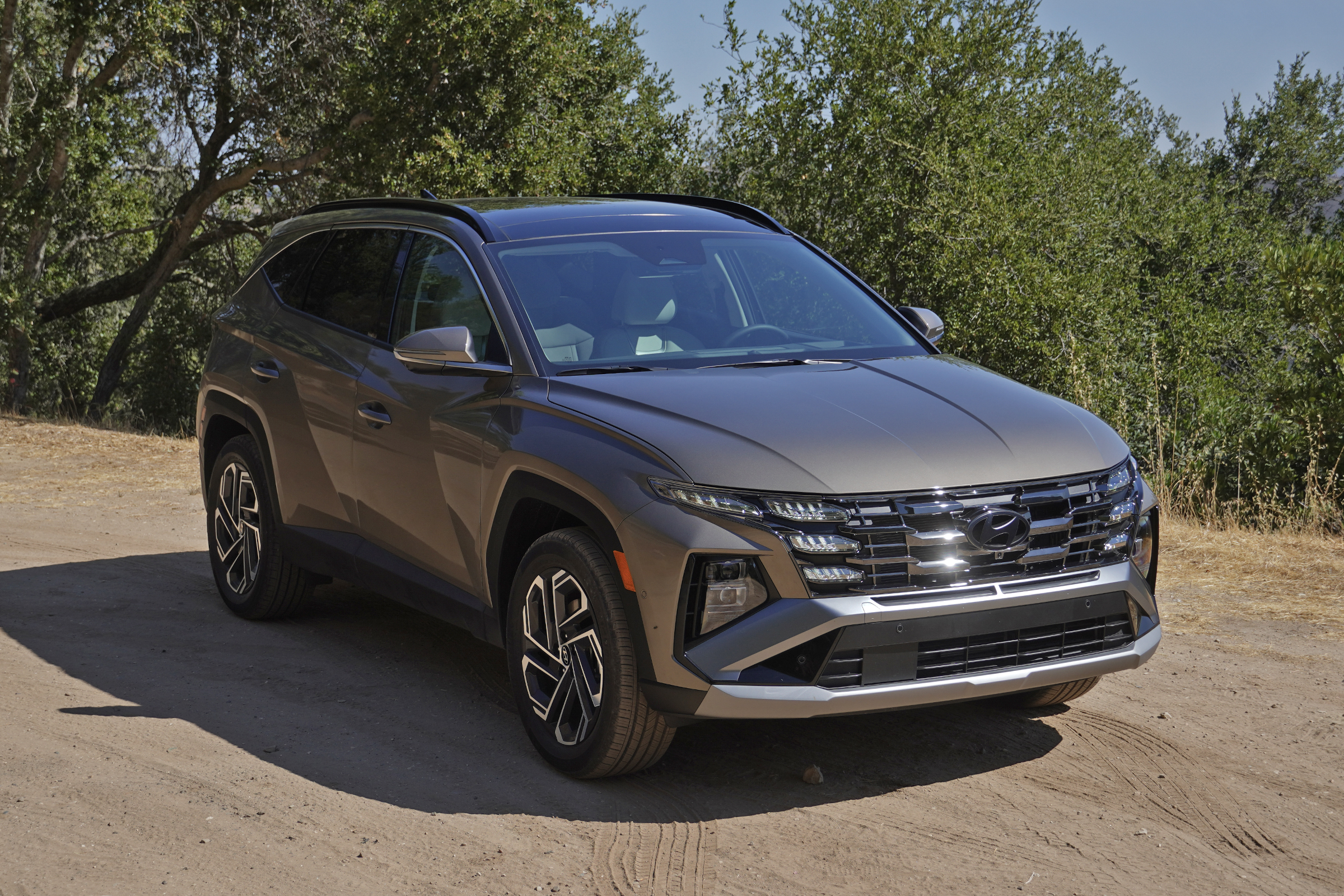
A well-rounded compact SUV, the 2025 Hyundai Tucson offers a slightly larger cabin than many rivals while still maintaining easy maneuverability in urban environments. Its squared-off design and short front overhang help drivers judge body positioning more accurately, especially when fitting into tight street-side spaces.
Large windows, wide mirrors, and an upright seating position contribute to strong outward visibility, reducing dependence on camera systems during low-speed parking situations. The vehicle’s shape also helps drivers estimate where the rear bumper ends, which is especially useful when aligning within narrow parking gaps.
One of the standout technologies is Remote Smart Parking Assist, available on select hybrid variants. This system allows the vehicle to move forward or backward using the key fob, simplifying entry into tight spots where door clearance may be limited.
Combined with a 360-degree camera system and parking sensors, the Tucson provides strong situational awareness during close-quarters driving. Additional assistance features, such as Rear Cross-Traffic Collision-Avoidance Assist and Blind-Spot Collision-Avoidance Assist, further support safe maneuvering in congested areas.
Powering the Tucson is a 2.5-liter four-cylinder engine producing 187 horsepower, paired with an eight-speed automatic transmission and available all-wheel drive. Acceleration is steady rather than aggressive, reaching 60 mph in 8.8 seconds in testing, which is adequate for everyday commuting but not focused on performance.
Hybrid variants offer improved responsiveness, though still prioritizing efficiency over speed. Fuel economy is competitive, with front-wheel-drive models reaching up to 32 mpg on the highway under EPA estimates.
Inside, the Tucson features a modern and functional layout with digital instrumentation and a user-friendly control arrangement. Higher trims introduce a wide dual-screen display that integrates infotainment and driver information into a single panel.
Standard Apple CarPlay and Android Auto connectivity, along with wireless functionality across all trims, enhance convenience. Available upgrades include premium audio systems, navigation, and a digital key smartphone system for remote access.
Passenger comfort is a strong point, with generous rear-seat space and a flexible cargo area capable of holding multiple suitcases depending on seat configuration. Ride quality is smooth and quiet, contributing to a more premium driving feel compared with many competitors. The suspension is tuned for comfort, making longer drives more relaxed without sacrificing stability.
Safety equipment is extensive, featuring standard automated emergency braking with pedestrian detection, lane-keeping assistance, and available adaptive cruise control with lane-centering capability.
Warranty coverage is among the strongest in the segment, including a 10-year powertrain warranty, five-year limited coverage, and complimentary maintenance for three years. This combination of technology, space, comfort, and safety makes the Tucson a practical and confident choice for everyday driving.
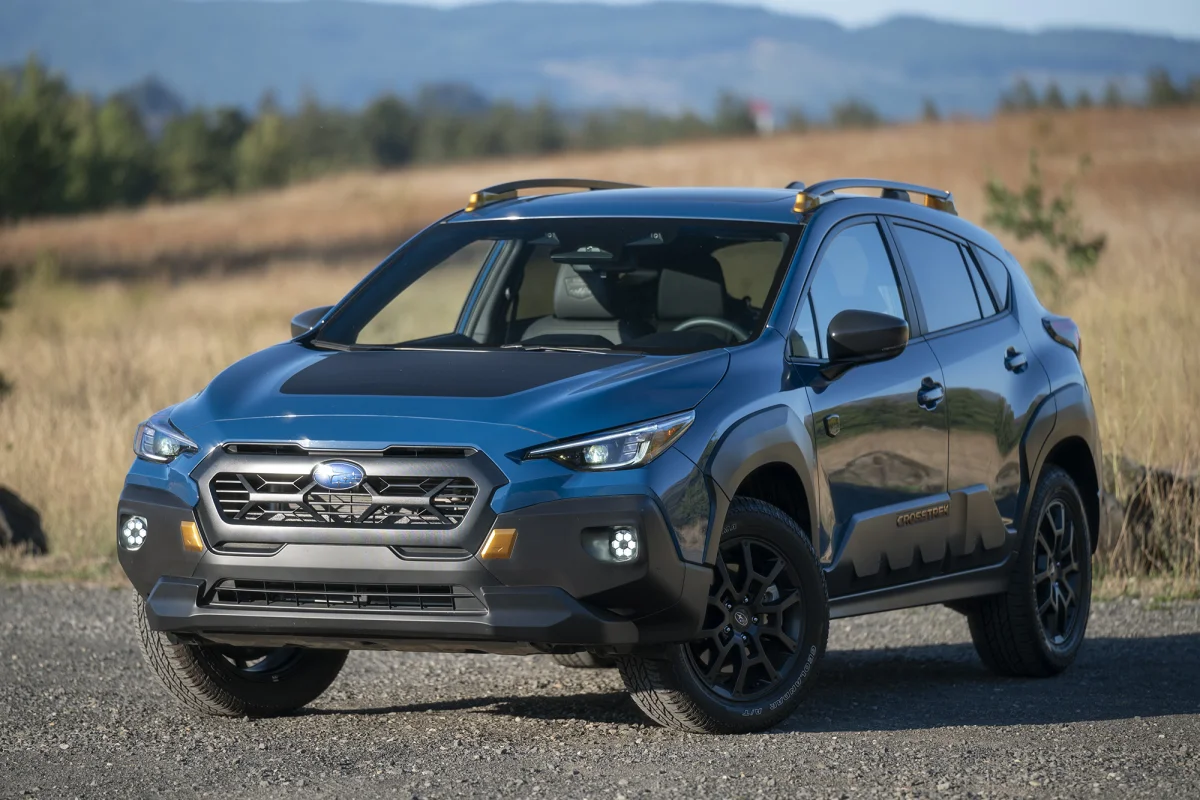
4. Subaru Crosstrek (2025)
A compact crossover built with practicality in mind, the 2025 Subaru Crosstrek is widely recognized for its exceptional visibility and driver confidence in tight urban environments. Thin roof pillars and large glass panels create an open, airy view of the road, reducing blind spots that are common in more heavily styled SUVs.
This design approach, based on Subaru’s Global Platform, prioritizes awareness and simplicity over aggressive styling, allowing drivers to rely more on direct sightlines than digital aids. Its short wheelbase and light, responsive steering further enhance control, making it easier to position the vehicle accurately in narrow parking spaces.
Urban driving is supported by a compact footprint that helps the Crosstrek slip into tight curbside gaps with minimal adjustment. A 360-degree camera system provides a complete view around the vehicle, reducing uncertainty when reversing or aligning between closely parked cars.
Subaru’s EyeSight Driver Assist Technology adds another layer of support through features such as adaptive cruise control, lane assistance, and collision warnings. Available Rear Cross-Traffic Alert improves safety when backing out of confined spaces, while the vehicle’s high seating position ensures clear awareness of surrounding traffic and pedestrians.
Under the hood, the Crosstrek offers a 2.0-liter engine producing 152 horsepower as standard, with an optional 2.5-liter engine delivering 182 horsepower for improved highway performance. Both engines are paired with a continuously variable transmission, which prioritizes smoothness and efficiency over rapid acceleration.
While the base engine can feel underpowered in demanding situations, the larger option provides better responsiveness for merging and passing. Fuel economy remains solid, averaging around 27 mpg in the city and 33 mpg on the highway.
One of the Crosstrek’s defining strengths is its capability beyond paved roads. With 8.7 inches of ground clearance and Subaru’s symmetrical all-wheel-drive system, it handles rough surfaces, snow, and light off-road conditions with confidence.
The X-Mode system enhances traction on slippery terrain, reinforcing its reputation as a dependable all-weather vehicle. Safety performance is also strong, supported by high crash-test ratings and a comprehensive suite of standard driver-assistance features.
Inside, the cabin is designed for durability and practicality. Materials feel solid and long-lasting, though cargo space is more limited compared to some rivals. Infotainment options vary by trim, with base models using smaller dual screens and higher trims featuring a larger vertical display with smartphone integration. While technology features are extensive, response times can feel slower than in some competitors.
The Crosstrek suits drivers seeking a compact, capable vehicle that performs reliably in city traffic while still offering confidence in rough weather or light off-road conditions, making it a versatile everyday choice.
Also read: 5 Cars That Get Cheaper To Own Over Time And 5 That Get More Expensive Every Year
4 Small SUVs That Require Cameras
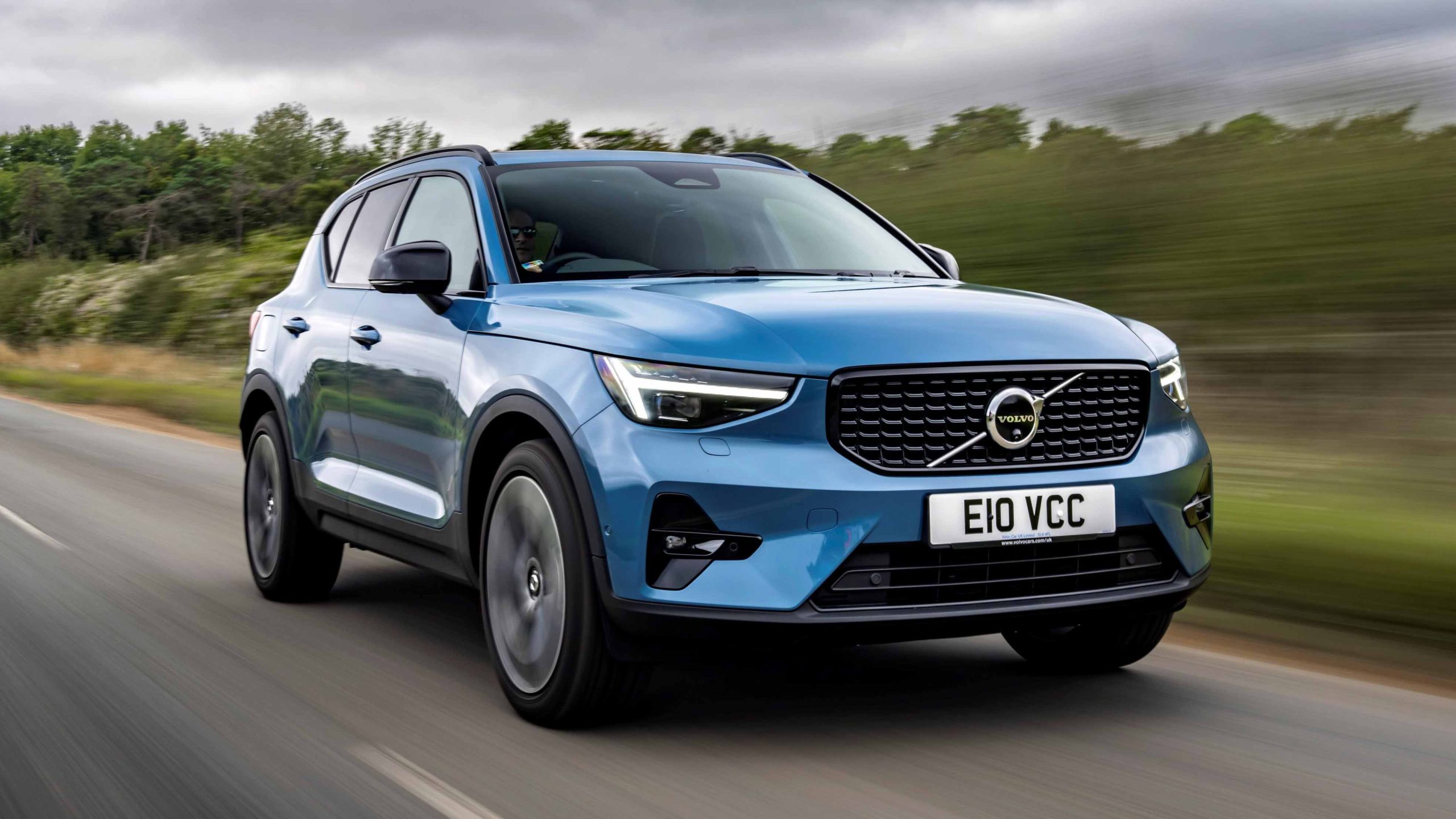
1. Volvo XC40 and EX30
Strong emphasis on safety and minimalist Scandinavian design shapes these Volvo SUVs, but that design choice also reduces natural rear visibility due to thick pillars and compact rear glass. Over-the-shoulder sightlines are limited, making it harder to judge distances in tight spaces during low-speed maneuvers such as parallel parking. To address this, Volvo relies heavily on digital support systems that replace much of the need for direct visual judgment.
High-resolution 360-degree camera setups provide a full overhead view of the vehicle’s surroundings, helping drivers detect curbs, pedestrians, and nearby vehicles that may be hidden from direct view. These visuals include parking guidelines and proximity markers, improving accuracy when positioning the vehicle in narrow urban spaces. The system is especially useful in congested city environments where space is limited and small errors can lead to contact with obstacles.
Park Pilot Assist in the EX30 adds a further layer of convenience by automating key parking functions. The system can control steering, braking, and acceleration during parallel parking, with input managed through the central touchscreen. This reduces driver effort in tight spots and increases consistency in vehicle placement. The XC40 also offers similar assistance features, ensuring both models maintain a strong focus on ease of parking despite their limited outward visibility.
Because physical sightlines are restricted, digital tools become essential for safe maneuvering. These systems significantly reduce the likelihood of wheel scrapes, bumper contact, and misalignment when parking in tight urban environments. While drivers must adapt to screen-based guidance rather than relying on direct observation, the technology provides a high level of precision and confidence.
Overall, Volvo’s approach combines safety-focused design with advanced automation, ensuring that limited natural visibility is effectively offset by intelligent parking assistance systems designed for modern city driving conditions.
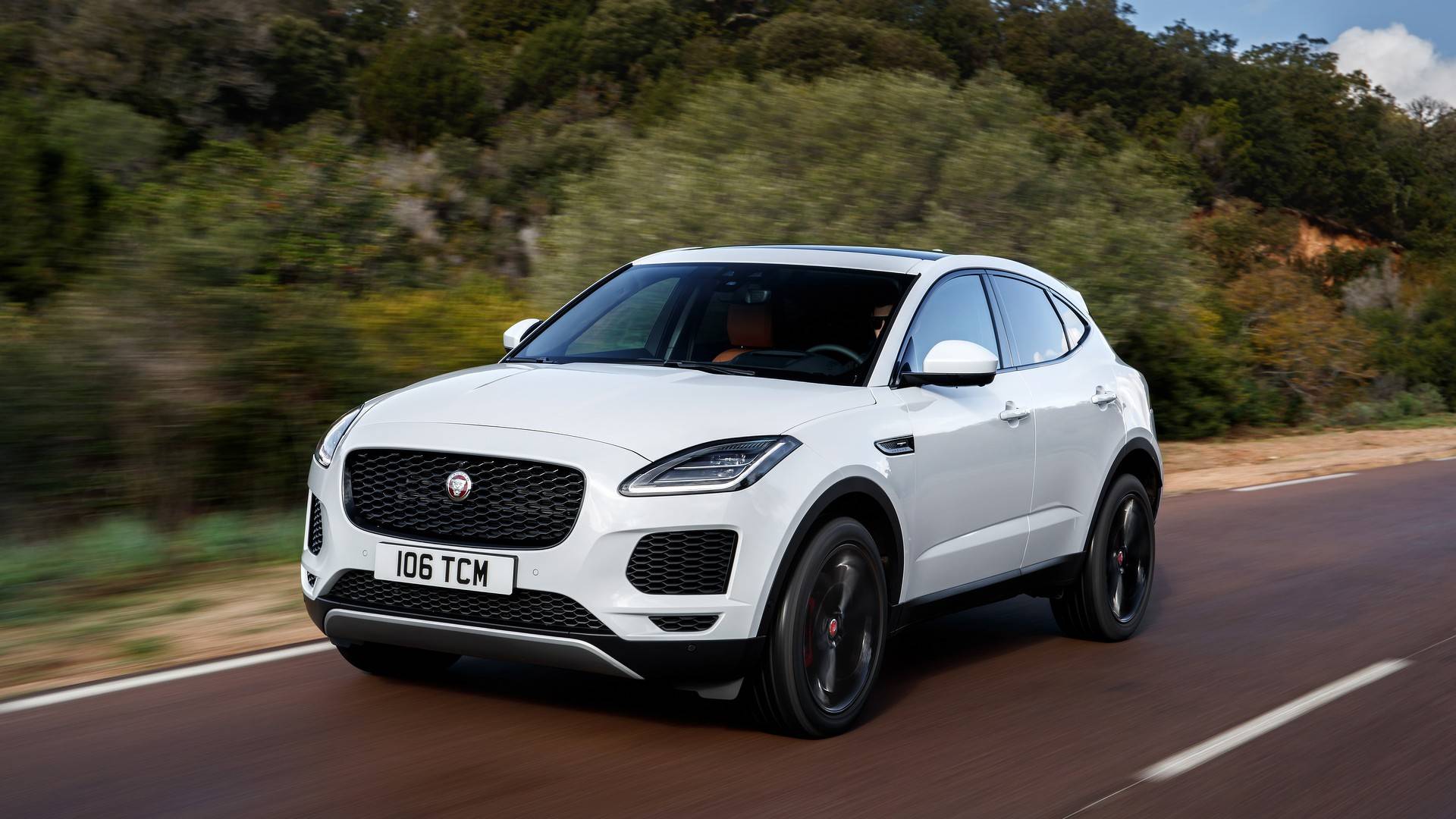
2. Jaguar E-Pace
A strong focus on sporty design and luxury craftsmanship defines the Jaguar E-Pace, but this styling choice comes at the cost of rearward visibility. A high beltline, steeply raked rear window, and thick rear pillars significantly reduce what drivers can see directly behind the vehicle. The compact and elevated rear glass further limits awareness of objects close to the bumper, making low-speed maneuvers such as parallel parking more challenging without electronic assistance.
To compensate for these blind spots, the E-Pace relies heavily on advanced camera and sensor technology. A high-resolution rear-view camera is standard, projecting clear images with guiding lines onto the central display to help drivers position the vehicle accurately in tight spaces. Many trims also include a 360-degree surround camera system that provides a bird’s-eye view, allowing for better alignment with curbs and surrounding vehicles during parking.
Parking sensors placed in the front and rear bumpers add another layer of support by providing audio and visual alerts when objects are detected nearby. These systems help reduce the risk of minor collisions and wheel damage, especially in congested urban environments where space is limited and reaction time is critical.
Higher-spec versions of the E-Pace also include Park Assist, which can take control of steering during parallel and perpendicular parking. The driver manages acceleration and braking while the system guides the vehicle into position using sensor data and camera input. This reduces the complexity of parking in narrow spaces and improves consistency during repeated maneuvers.
A Rear Traffic Monitor further enhances safety by warning of approaching vehicles or pedestrians when reversing out of parking spots, addressing the limitations created by restricted rear visibility. Together, these technologies transform parking from a visually demanding task into a more controlled, system-assisted process.
The E-Pace prioritizes style and performance, but depends on digital driving aids to ensure safe and confident parking in everyday urban conditions.
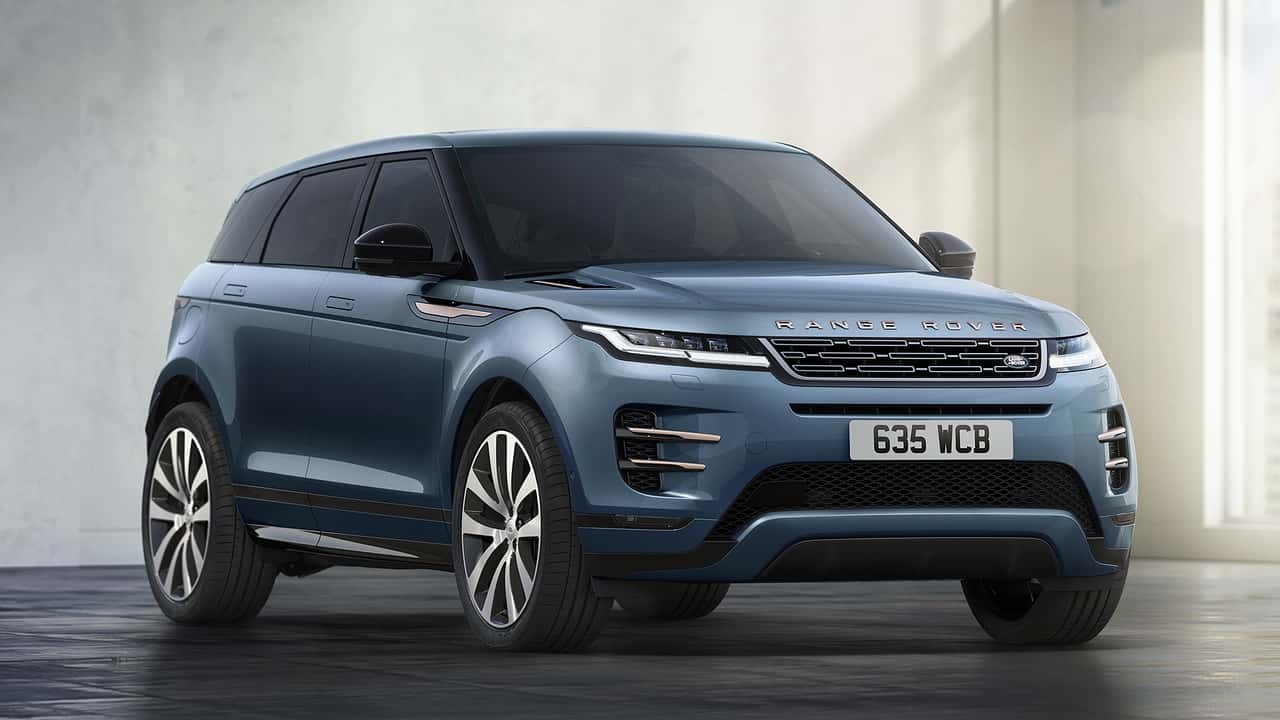
3. Range Rover Evoque
A bold, coupe-inspired design defines the Range Rover Evoque, but its styling brings a major compromise in rearward visibility. The narrow “letterbox” rear window, sloping roofline, and thick rear pillars create significant blind spots that make judging space behind the vehicle extremely difficult. In tight city environments, relying only on mirrors is often not enough to safely position the vehicle during parallel parking or reversing maneuvers.
To overcome these limitations, the Evoque depends heavily on advanced camera-based systems. A key feature is the ClearSight interior rear-view mirror, which transforms the traditional mirror into a live video display fed by a roof-mounted camera. This allows drivers to see a wide, unobstructed view of what is directly behind the vehicle, even when the physical window view is blocked.
A 360-degree surround camera system further enhances awareness by providing a bird’s-eye perspective of the SUV and its surroundings. This is especially useful when aligning the vehicle within narrow parking spaces or avoiding nearby obstacles. Parking sensors complement this system by alerting the driver to objects that may not be visible on the screen.
The Evoque also includes Park Assist, which can automatically steer the vehicle into parallel or perpendicular spaces while the driver manages braking and gear selection. This reduces the difficulty of parking a wide-bodied SUV in confined urban areas. Additionally, ClearSight Ground View helps reveal curbs and low obstacles near the front of the vehicle by projecting camera feeds onto the display, improving precision during forward positioning.
Because of its design, the Evoque makes advanced driver-assistance systems essential rather than optional. While experienced drivers may rely partly on mirrors, most situations require cameras and sensors to safely and efficiently handle parking in modern city environments.
4. BMW X1 (2025)
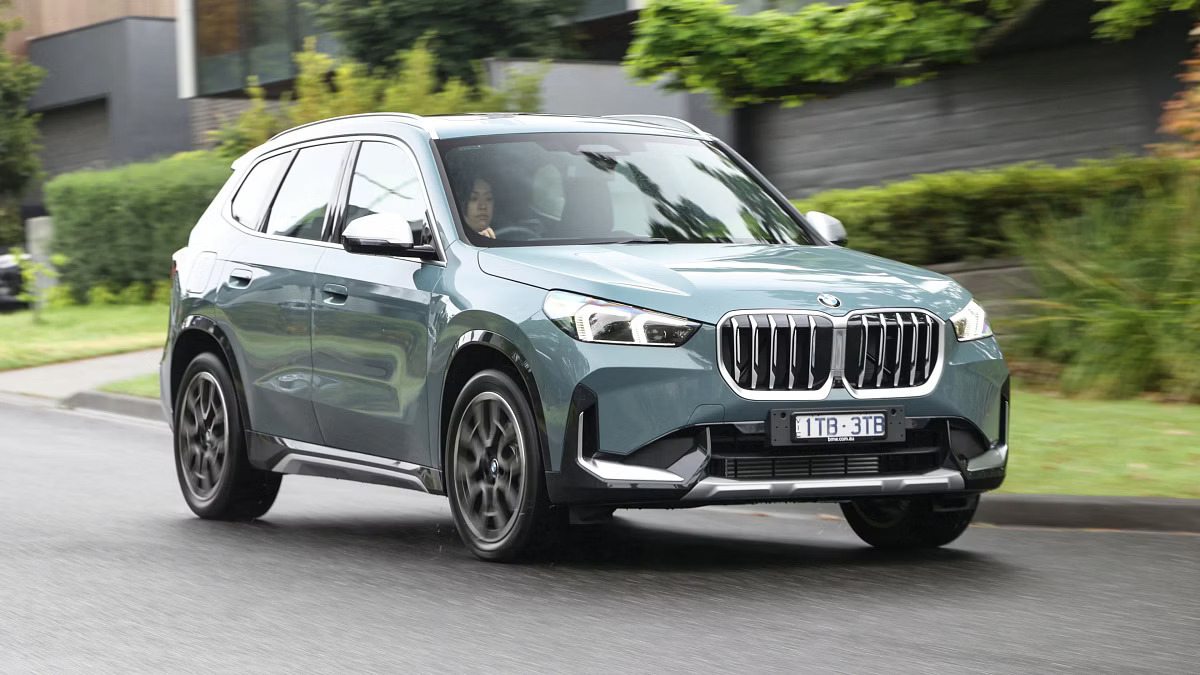
A modern luxury design approach defines the 2025 BMW X1, with its high beltline, sculpted bodywork, and thick pillar structure enhancing safety and styling while reducing natural rearward visibility. These design choices create blind spots that make it difficult to judge distance using mirrors alone, especially in tight urban parking situations. As a result, the vehicle is engineered around advanced driver-assistance systems that handle much of the precision required during low-speed maneuvers.
Central to this approach is the Parking Assistant system, which can automatically control steering, acceleration, braking, and gear shifts during parallel parking. Using a combination of cameras and ultrasonic sensors, the system identifies suitable spaces and guides the vehicle into position with minimal driver input. This reflects a shift in driving assistance, where software takes over tasks traditionally managed through manual judgment.
Higher-level packages such as Parking Assistant Plus provide a 360-degree 3D bird’s-eye view, offering detailed spatial awareness in crowded or unfamiliar environments. This is particularly useful in dense city settings where obstacles may not be visible from the driver’s seat. The Reversing Assistant function adds further convenience by retracing the vehicle’s previous path, relying heavily on camera input to guide the car out of tight spaces.
Standard equipment also includes a rearview camera, parking sensors, and rear cross-traffic alert, all designed to reduce collision risk when reversing. Active Park Distance Control continuously monitors surrounding objects and provides alerts when space becomes limited. Remote 3D viewing through the My BMW App further extends visibility beyond the cabin.
Due to these systems, the X1 depends significantly on digital assistance for safe and accurate parking. While compliant with rear camera regulations, its advanced automation makes these technologies essential tools for everyday urban driving and positioning in confined spaces.
Choosing the right small SUV for city driving often comes down to how much assistance a driver is comfortable using during parking. Vehicles like the Honda HR-V, Mazda CX-30, Hyundai Tucson, and Subaru Crosstrek offer strong visibility, compact dimensions, and responsive handling, making them easier to position in tight parallel spaces with minimal dependence on technology.
Their designs prioritize driver awareness and predictable control, which reduces the stress of everyday urban parking. On the other hand, models such as the Volvo XC40/EX30, Jaguar E-Pace, Range Rover Evoque, and BMW X1 rely heavily on cameras, sensors, and automated parking systems due to restricted rear visibility and styling-driven blind spots.
These systems are highly effective but essential for safe maneuvering. Together, both groups reflect how modern SUVs balance design and technology differently, giving drivers a clear choice between traditional visual confidence and advanced digital parking assistance in busy American city environments.
Also read: 10 Cars That Are Cheapest To Fix At Any Mechanic in the United States