
Modern SUVs are expected to deliver comfort, practicality, and a refined driving experience, but one factor often separates a good vehicle from a great one: cabin noise.
Whether you are commuting daily, taking long highway trips, or simply driving through busy city streets, the level of noise inside the cabin plays a huge role in how relaxed and focused you feel. A quiet SUV can make hours behind the wheel feel effortless, while a noisy one can turn even a short drive into a tiring experience.
Automakers use different strategies to control noise. Some focus on advanced sound insulation, thicker glass, and better sealing to block out external disturbances.
Others fine-tune suspension and aerodynamics to reduce wind and road noise before it even reaches the cabin. On the other hand, some SUVs fall short in these areas, allowing tire hum, engine sounds, and passing traffic to intrude constantly.
The contrast becomes especially clear on highways. In a well-insulated SUV, the cabin remains calm even at high speeds, allowing conversations to flow easily and music to sound clearer. In less refined models, every passing truck, gust of wind, and rough patch of road becomes part of the experience, whether you like it or not.
This article highlights both ends of that spectrum. First, we look at SUVs that deliver impressively quiet cabins, making them ideal for comfort-focused drivers. Then, we shift to those where noise levels are noticeably higher, affecting long-term comfort and usability.
Understanding these differences is important because cabin noise is something you experience every single time you drive. It is not just about luxury; it is about how enjoyable and stress-free your daily journeys feel.
Also Read: 7 Cars With Window Switches That Light Up At Night
7 SUVs With Quiet Cabins
A quiet cabin is not just a luxury feature reserved for high-end vehicles anymore. It has become a defining factor in how premium an SUV feels, regardless of price. When noise is kept under control, everything else improves. Conversations become easier, audio systems sound better, and long drives feel less exhausting.
The SUVs in this section stand out because they actively minimize outside disturbances. This is achieved through a combination of insulation, smart engineering, and careful material choices. Some use acoustic glass to block wind noise, while others rely on advanced sealing techniques to keep unwanted sounds from entering the cabin.
Another key factor is how these vehicles manage different types of noise. Road noise from tires, wind noise at higher speeds, and engine vibrations are all handled in a balanced way. Instead of eliminating just one source, these SUVs address the entire sound environment, creating a consistently calm interior.
We are focusing on these models because they represent thoughtful design. They do not just rely on thick insulation, but also on intelligent engineering that prevents noise from becoming an issue in the first place.
Each SUV listed here achieves this in its own way. Some emphasize luxury, while others rely on clever engineering solutions. What they all share is the ability to provide a peaceful driving experience that makes every journey more comfortable.
1. Lexus RX
The Lexus RX has long been associated with refinement, and its cabin quietness is one of the reasons it continues to stand out. From the moment you close the doors, there is a noticeable sense of isolation from the outside world. External noise fades away, creating an environment that feels calm and controlled.
What makes the RX particularly impressive is how it handles different types of noise simultaneously. Road imperfections do not translate into intrusive sounds, and wind noise remains minimal even at highway speeds. This balance creates a consistent level of quietness rather than occasional moments of silence.
The materials used inside the cabin also contribute to this experience. Soft surfaces and carefully chosen insulation work together to absorb sound rather than reflect it. This results in a more natural and less tiring environment for occupants.
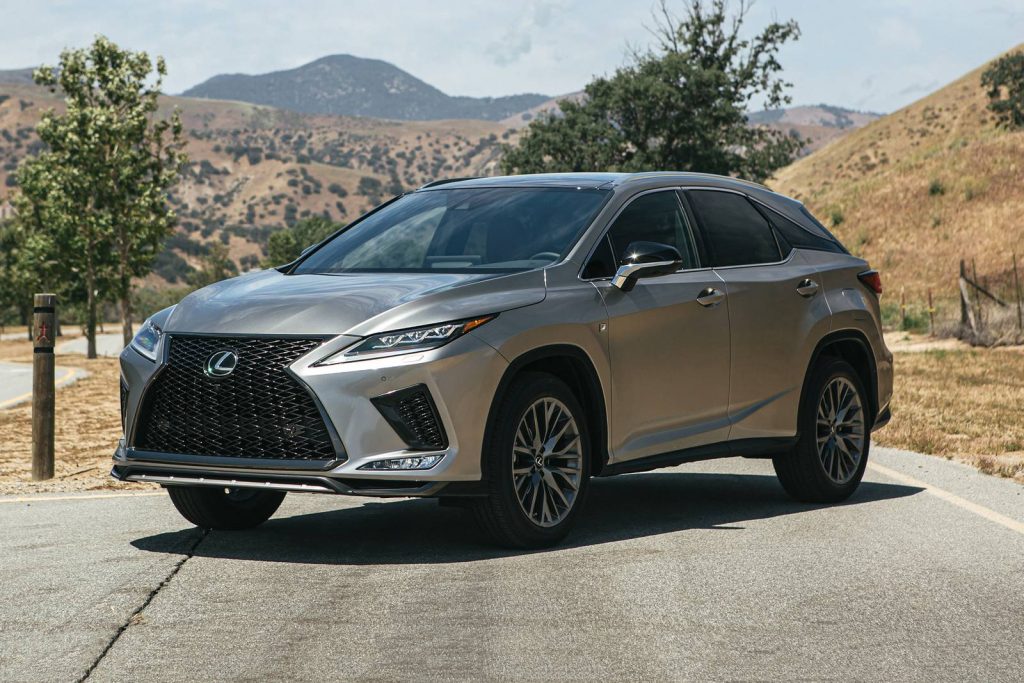
I am including the RX because it represents a benchmark in comfort-focused design. It shows how attention to detail can transform the driving experience, making it more relaxing and enjoyable for both short trips and long journeys.
2. Volvo XC90
The Volvo XC90 approaches cabin quietness with a focus on composure and stability. Instead of relying solely on insulation, it combines multiple elements to create a peaceful interior. The result is a cabin that feels insulated without feeling disconnected from the driving experience.
One of the standout features is how the XC90 manages wind noise. Even at higher speeds, the cabin remains remarkably calm, allowing passengers to speak in normal tones without raising their voices. This is particularly noticeable on long highway drives.
The suspension also plays a role in maintaining quietness. By smoothing out road imperfections, it reduces the vibrations that often lead to unwanted noise. This adds another layer of refinement to the full experience.
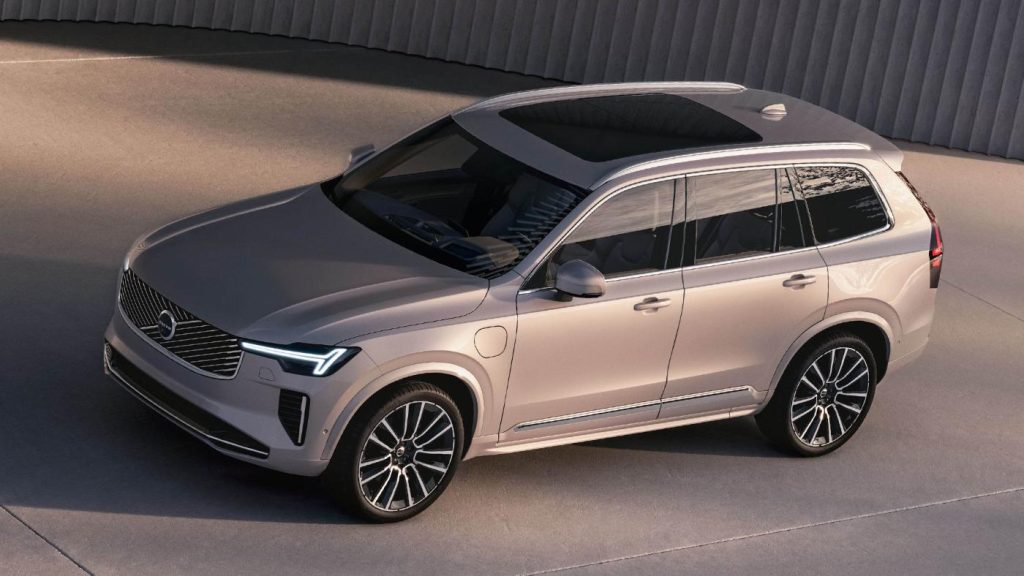
I chose the XC90 because it demonstrates a balanced approach to comfort. It does not rely on a single solution but instead integrates multiple elements to achieve a quiet cabin. This makes it a strong option for drivers who value a calm and composed driving environment.
3. Mercedes-Benz GLE
Step inside the Mercedes-Benz GLE and the first impression is not visual, it is acoustic. There is a distinct absence of outside interference that immediately changes how the vehicle feels. The cabin isolates you in a way that feels deliberate, almost like the SUV is filtering the world before letting anything reach you.
What makes the GLE stand out is how it deals with layered noise. Highway driving often introduces a mix of wind, tire hum, and distant traffic sounds, yet this SUV manages to keep those elements in the background.
You are aware of movement, but not distracted by it. That difference becomes more noticeable the longer you spend behind the wheel.
Another interesting trait is how the silence enhances other aspects of the vehicle. The audio system feels richer because there is less competing noise. Conversations feel effortless, even at higher speeds. The cabin becomes a controlled environment rather than a shared space with the outside world.
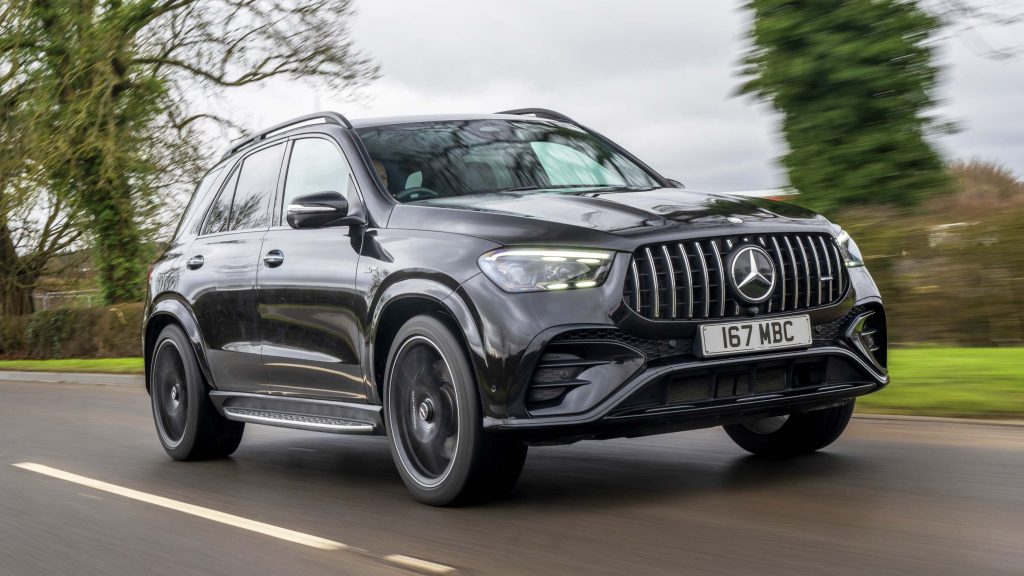
I am including the GLE because it demonstrates how luxury is often defined by what you do not hear. It creates a refined atmosphere without needing to announce it. For drivers who spend a lot of time on highways, this level of quietness can make a meaningful difference in daily comfort.
4. Audi Q7
The Audi Q7 delivers its quietness in a way that feels subtle rather than dramatic. There is no sudden realization of silence; instead, the calm builds naturally as you start driving. Within moments, you notice how little effort it takes to focus or relax, which speaks to how well the cabin is insulated.
One of the strengths of the Q7 is how it maintains consistency. Some vehicles feel quiet at lower speeds but struggle once the pace increases. The Q7 avoids that shift by keeping noise levels controlled across different driving conditions. Whether in city traffic or on open highways, the cabin remains composed.
There is also a sense of precision in how sound is managed. Instead of simply blocking everything out, the SUV filters noise in a way that prevents harsh or intrusive frequencies from entering the cabin. This results in a smoother and less tiring experience for occupants.
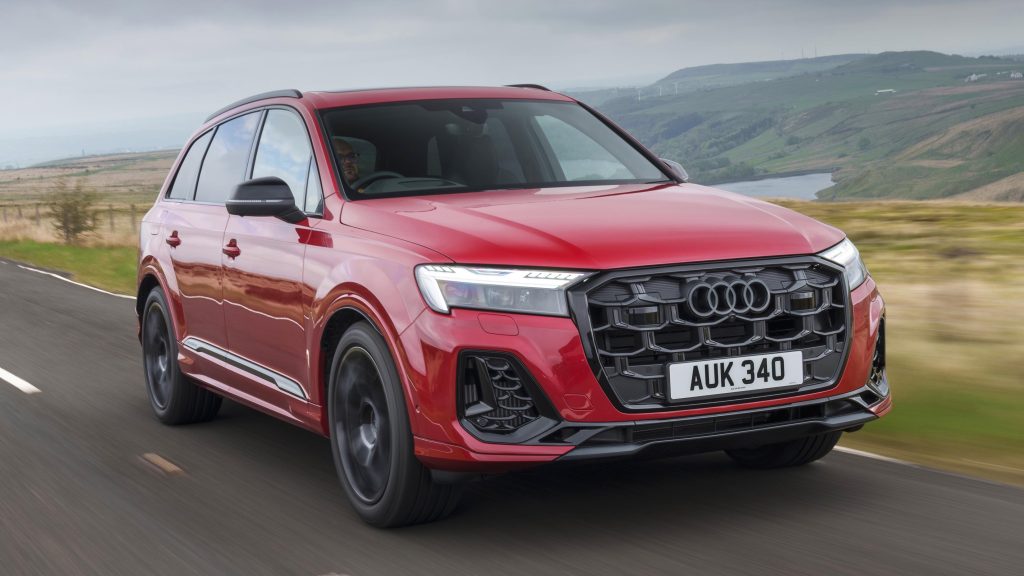
I chose the Q7 because it represents a measured approach to refinement. It does not rely on dramatic insulation or exaggerated claims. Instead, it delivers a steady and dependable level of quietness that becomes more impressive over time.
5. BMW X5
The BMW X5 approaches cabin quietness with a focus on control rather than isolation alone. Instead of simply blocking out every external sound, it manages noise in a way that keeps the cabin calm without feeling disconnected from the driving experience. This creates a balance that many drivers appreciate, especially those who still want a sense of engagement.
One of the defining qualities of the X5 is how it handles speed. As you move from city streets to open highways, the noise level does not rise dramatically. Wind resistance is kept in check, and tire noise remains subdued, allowing the cabin to maintain its composure even when the pace increases. This consistency makes long drives feel less tiring.
Another aspect worth noting is how the structure of the vehicle contributes to quietness. The body feels solid, and that solidity reduces vibrations that often translate into unwanted noise. Instead of hearing the road, you experience it in a more controlled and refined manner.
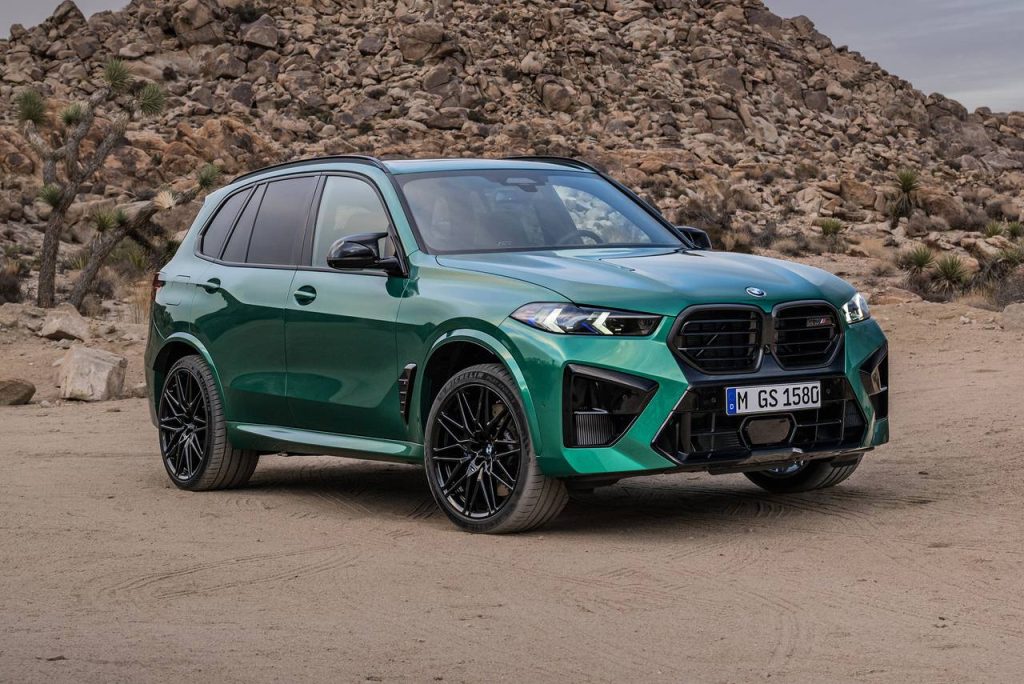
I am including the X5 because it shows that quietness does not have to come at the expense of character. It delivers a calm interior while still allowing the driver to feel connected to the vehicle. This makes it a strong option for those who want both comfort and involvement.
6. Hyundai Palisade
The Hyundai Palisade proves that a quiet cabin is not limited to luxury badges. From the moment you begin driving, there is a noticeable reduction in outside noise that makes the SUV feel more premium than its price might suggest. The cabin feels insulated in a way that enhances everyday usability.
What stands out in the Palisade is how it handles road noise. Rough surfaces and highway expansion joints are softened not just through suspension tuning but also through sound management. The result is a smoother and quieter experience that benefits both the driver and passengers.
There is also a sense of intentional design in how the cabin is put together. Materials are chosen not only for comfort but also for their ability to absorb sound. This helps create an environment where noise does not bounce around but instead fades into the background.
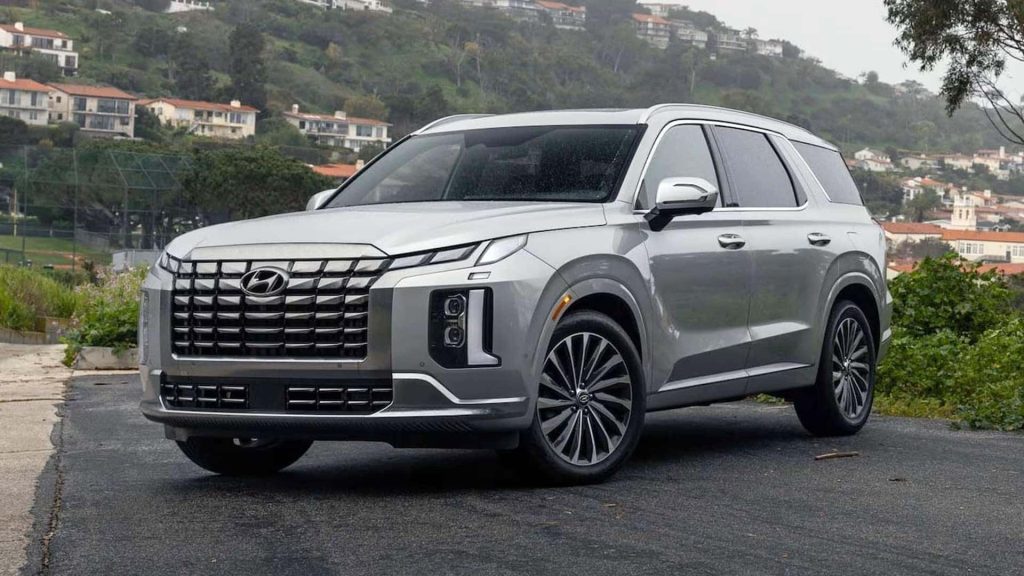
I chose the Palisade because it represents value done right. It delivers a level of quietness that competes with more expensive SUVs, making it accessible to a wider range of buyers. For families and long-distance drivers, this refinement can make a significant difference in daily comfort.
7. Kia Telluride
The Kia Telluride completes this group by delivering a cabin environment that feels composed in a way few mainstream SUVs manage. From the first drive, there is a sense that external noise has been carefully filtered rather than simply reduced. The result is not just quietness, but a calm atmosphere that stays consistent across different conditions.
One of Telluride’s strengths is how it handles real-world driving scenarios. On highways, passing trucks and changing road surfaces do not intrude into the cabin as much as they do in less refined SUVs. Instead of reacting to every external disturbance, the interior maintains a steady level of quietness that allows occupants to remain relaxed.
Another detail that stands out is how well the SUV manages long-distance comfort. After extended time on the road, the absence of constant background noise becomes more noticeable. It reduces fatigue in a subtle but meaningful way, making journeys feel shorter and less demanding.
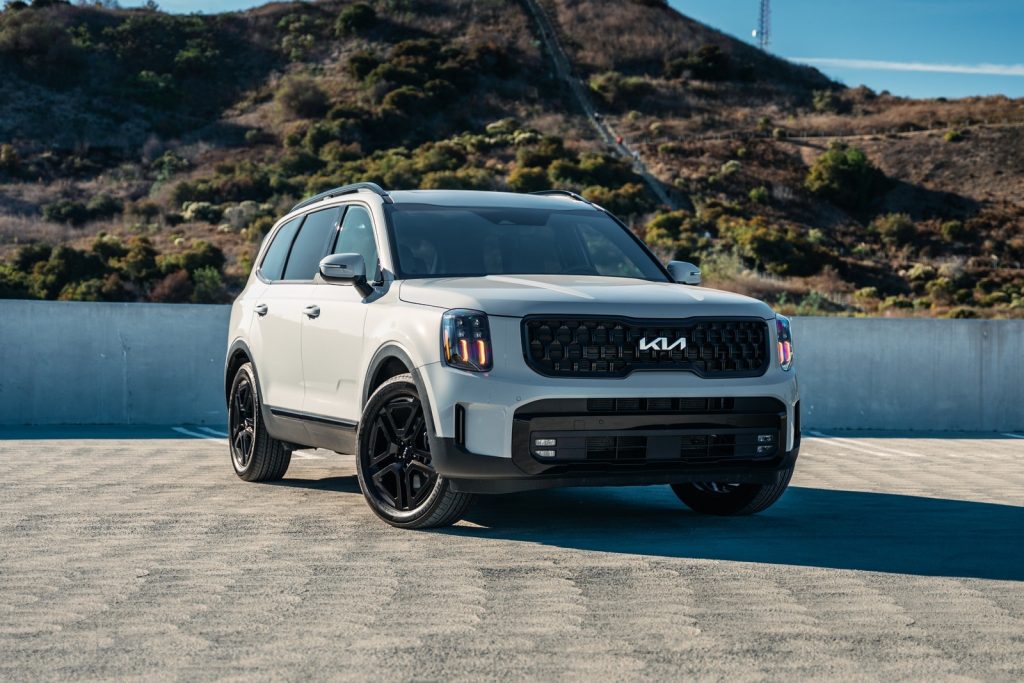
I am including the Telluride because it highlights how thoughtful engineering can transform the driving experience. It combines strong insulation, balanced tuning, and careful material choices to create a cabin that feels peaceful without feeling isolated. For many drivers, this makes it one of the most satisfying SUVs in its segment.
7 SUVs Where You Hear Every Truck On The Highway
Not every SUV delivers the same level of refinement when it comes to cabin noise. In this section, the focus shifts to vehicles where outside sounds are much more noticeable. These SUVs do not necessarily fail in all areas, but when it comes to noise control, they allow more of the outside world to enter the cabin.
One of the most common issues is road noise. Tire hum and vibrations from rough surfaces can travel into the cabin more easily, especially at higher speeds. Over time, this constant background noise can become tiring, particularly during long drives.
Wind noise is another factor. At highway speeds, poorly managed aerodynamics or less effective sealing can lead to noticeable air movement sounds around windows and mirrors. This adds to the full noise level and can make conversations more difficult.
We are highlighting these SUVs to provide a realistic perspective. Many of them offer strong performance, practicality, or value, but their cabin noise levels may not meet the expectations of drivers who prioritize quietness.
1. Jeep Wrangler
The Jeep Wrangler is built with a completely different philosophy compared to most modern SUVs, and that philosophy directly impacts its cabin noise. Designed primarily for off-road capability, it sacrifices insulation and aerodynamic smoothness, which becomes obvious the moment you take it onto the highway.
Driving at higher speeds introduces a constant mix of wind and road noise that is hard to ignore. The upright shape, removable panels, and rugged construction all contribute to this experience. Instead of filtering out sound, the Wrangler allows much of it to pass through.
Another factor is how the noise changes depending on conditions. A slightly rough road or strong crosswind can amplify the sound levels, making the cabin feel even more exposed. This variability makes it less predictable compared to quieter SUVs.
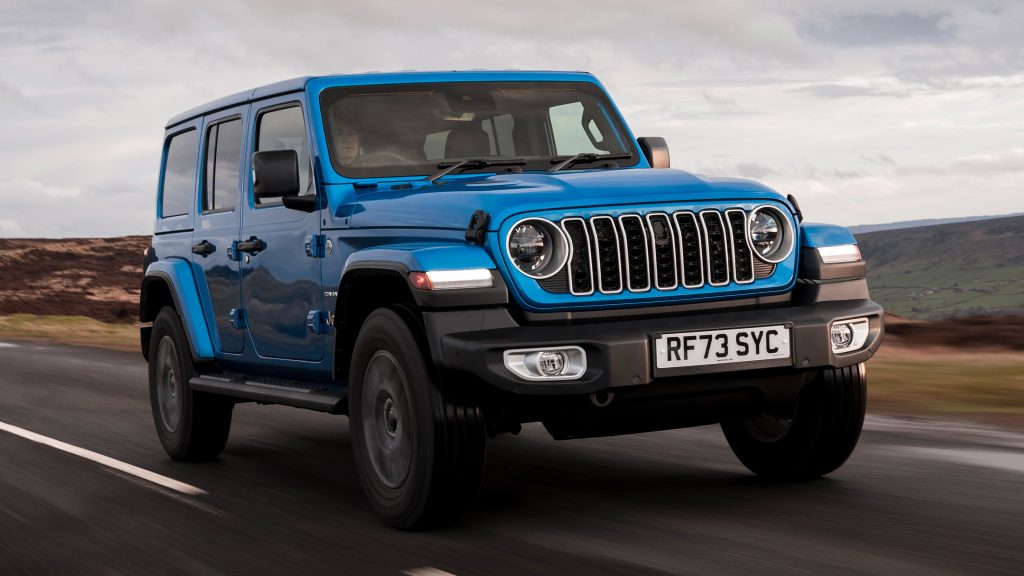
I am including the Wrangler because it clearly shows how design priorities shape the driving experience. It excels in areas like off-road performance, but quietness is not one of its strengths. For drivers who spend a lot of time on highways, this level of noise can become a noticeable drawback.
2. Subaru Forester
The Subaru Forester offers practicality and visibility, but its cabin does not isolate occupants from external noise as effectively as some competitors. At city speeds, the sound levels are manageable, but once you transition to highways, the increase in noise becomes more apparent.
One of the main contributors is road noise. Tire sounds and surface imperfections are more noticeable, creating a constant background hum that does not fully fade away. This can make longer drives feel more tiring, especially when compared to quieter SUVs.
Wind noise also plays a role. As speed increases, air movement around the vehicle becomes more audible, adding another layer to the full sound environment. While not overwhelming, it is enough to affect the sense of refinement.
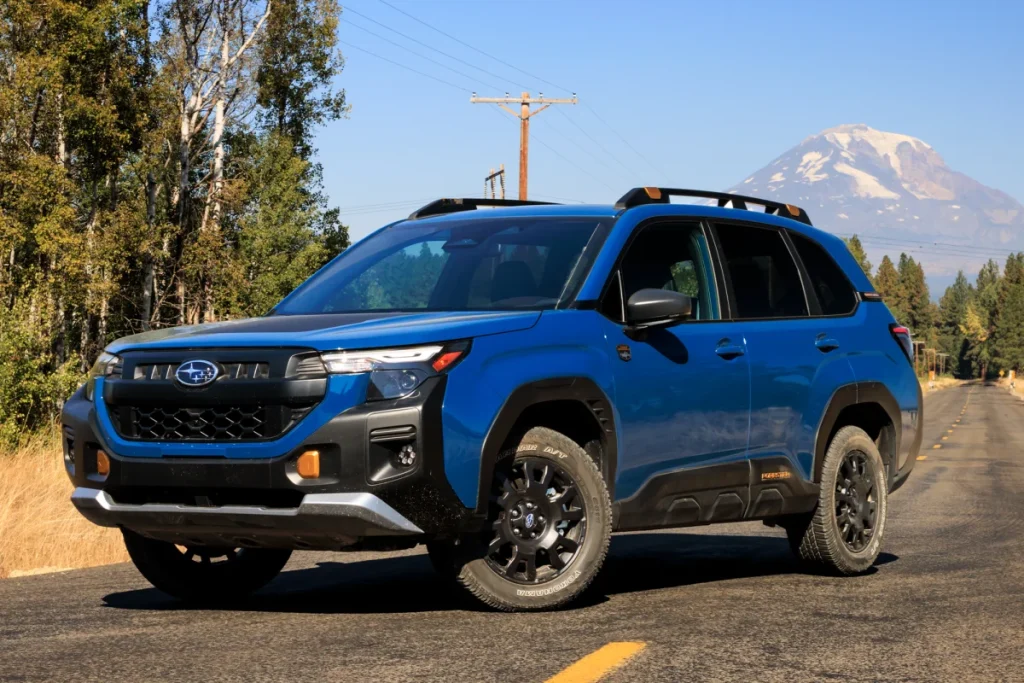
I chose the Forester because it represents a practical SUV that prioritizes other strengths over cabin isolation. It delivers reliability and usability, but its noise levels may not satisfy drivers who expect a more refined and quieter driving experience.
3. Toyota RAV4
The Toyota RAV4 has built its reputation on reliability and everyday practicality, but when it comes to cabin quietness, it does not reach the same level of refinement as some of its competitors.
At lower speeds, the cabin feels acceptable, yet the moment you transition onto a highway, the sound environment begins to change in a noticeable way.
Road noise is one of the first things that stands out. Tire interaction with the surface creates a steady hum that remains present throughout the drive.
On smoother roads, it stays manageable, but on rougher surfaces, it becomes more pronounced, adding a layer of constant background sound that does not fade easily. This makes longer trips feel slightly more demanding than they should be.
Wind noise also contributes to the experience. As speed increases, air movement around the mirrors and window edges becomes audible. It is not harsh, but it is persistent enough to affect the full sense of calm inside the cabin. Conversations may require a slightly raised voice, and music needs to be turned up more than expected.
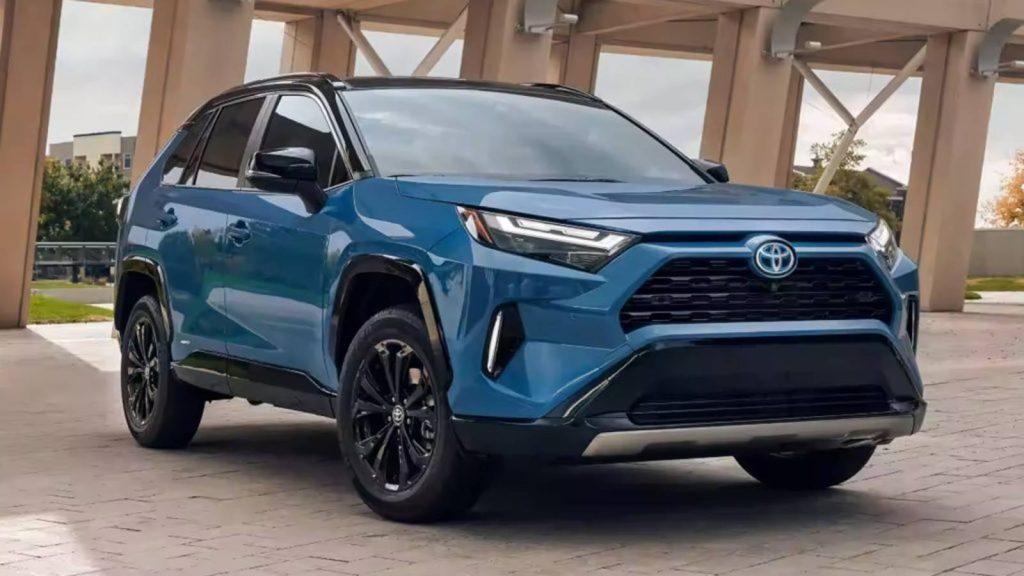
I am including the RAV4 because it highlights a common trade-off in practical SUVs. It delivers strong reliability and usability, yet its noise control is not its strongest point. For drivers who prioritize a quiet and relaxed highway experience, this becomes something they notice regularly rather than occasionally.
4. Ford Bronco
The Ford Bronco embraces a rugged and adventurous identity, and that identity comes with compromises in cabin refinement. Built for off-road capability, it does not focus heavily on isolating passengers from external noise. This becomes very clear when driving at highway speeds.
Wind noise is a dominant factor in the Bronco. Its boxy shape and removable roof panels allow more air disturbance around the cabin. As speed increases, the sound becomes more pronounced, creating a constant presence that can be difficult to ignore. Unlike smoother SUVs, the Bronco does not attempt to hide this characteristic.
Road noise also plays a role, especially with off-road-oriented tires. These tires generate more sound as they interact with the road surface, increasing the noise level inside the cabin. The combination of wind and tire noise creates an environment that feels active rather than calm.

I chose the Bronco because it represents a clear example of design priorities influencing comfort. It excels in rugged capability and outdoor usability, but quietness is not part of its core focus.
For drivers who frequently travel on highways, this level of noise can become a constant companion rather than a minor inconvenience.
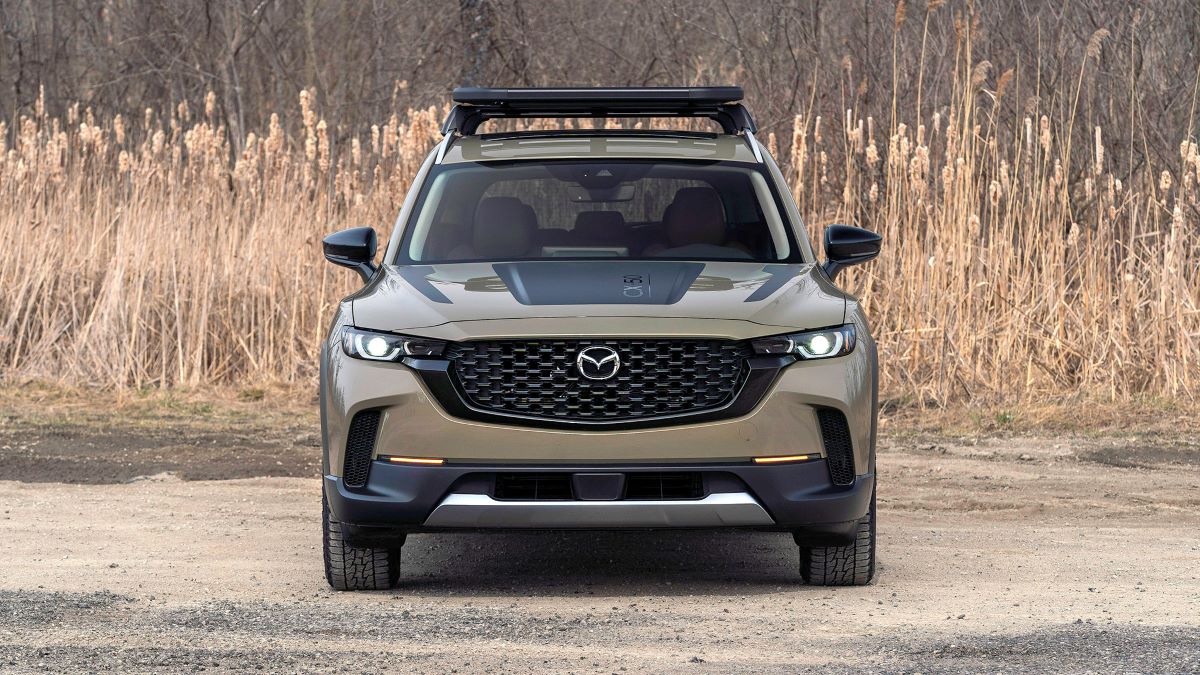
5. Mazda CX-50
The Mazda CX-50 aims to deliver a slightly more rugged character than other models in the brand’s lineup, and that shift brings a different acoustic experience inside the cabin. While it feels composed at moderate speeds, the sound profile becomes more noticeable once you push into highway driving.
A large part of this comes from the way road noise enters the cabin. The CX-50’s tires and suspension setup allow more feedback from the surface, which translates into a steady background presence. It is not harsh or jarring, but it is persistent enough to remind you of the road conditions beneath you.
Wind noise also builds gradually. As speed increases, the airflow around the body becomes more audible, especially near the side mirrors. This creates a layered sound environment where different types of noise combine rather than fade away.
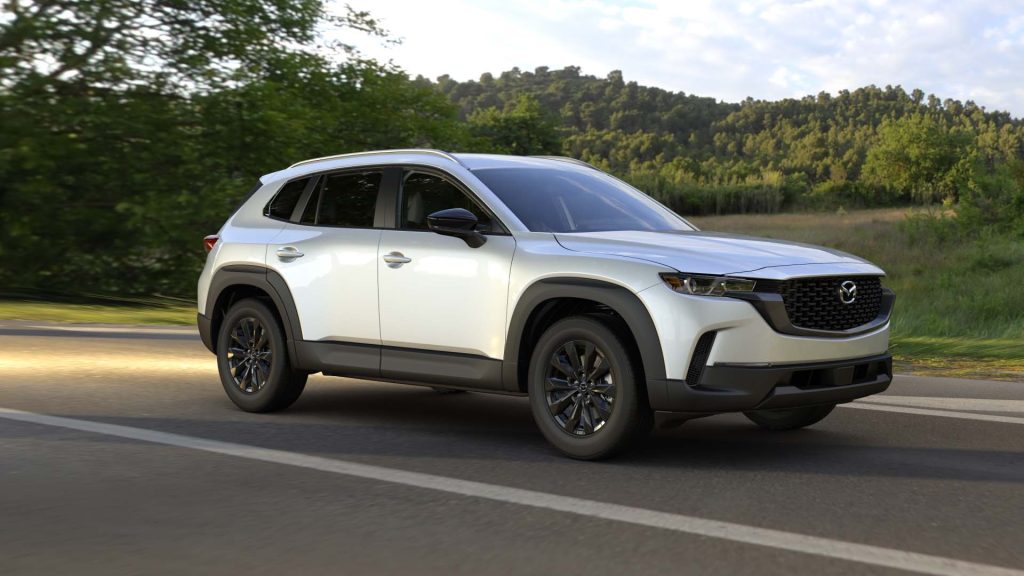
I am including the CX-50 because it reflects a deliberate tuning choice. It leans toward a connected driving feel rather than full isolation. For drivers who prioritize engagement, this may be acceptable, but for those seeking a quieter highway experience, it can feel like a compromise.
6. Chevrolet Trax
The Chevrolet Trax focuses on affordability and practicality, but that focus comes with some trade-offs in cabin refinement. One of the more noticeable compromises is how much external noise makes its way inside, particularly when driving at higher speeds.
Road noise is a consistent presence in the Trax. As the tires interact with different surfaces, the sound travels into the cabin with limited filtering. On rougher roads, this becomes more pronounced, creating a continuous hum that does not easily fade into the background.
Another factor is how the cabin handles insulation. Compared to more premium SUVs, the materials do not absorb sound as effectively. This means that once noise enters the cabin, it tends to linger rather than dissipate quickly.
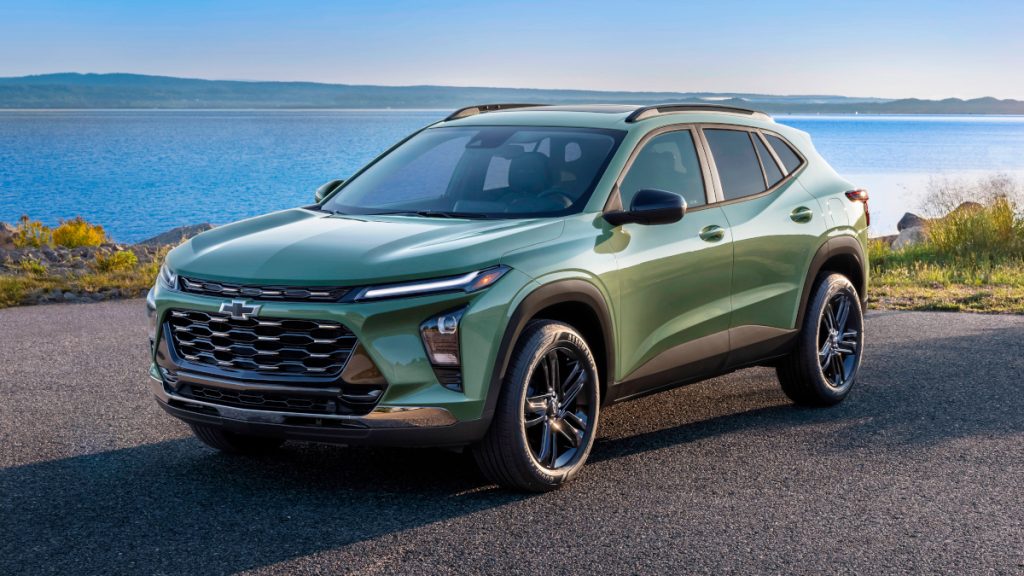
I chose the Trax because it represents an entry-level approach where cost efficiency influences refinement. It delivers solid value in many areas, but its ability to keep the cabin quiet is limited. For drivers who spend a lot of time on highways, this can affect long-term comfort.
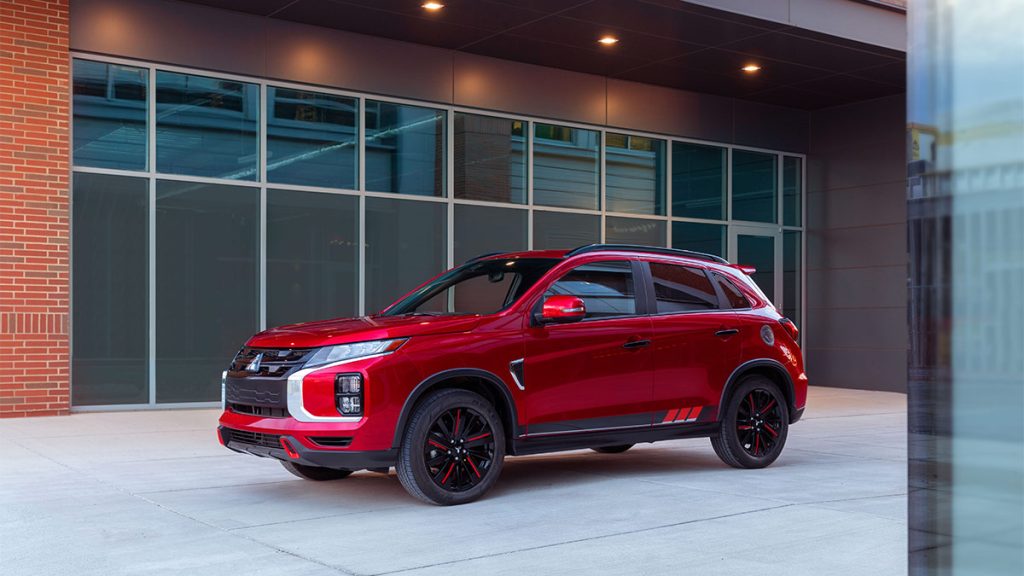
7. Mitsubishi Outlander Sport
The Mitsubishi Outlander Sport closes this section with a cabin that allows a noticeable amount of external sound to pass through. While it performs adequately in urban environments, highway driving reveals its limitations in noise control.
Wind noise becomes increasingly apparent as speed rises. The sound of air moving around the vehicle is not aggressively loud, but it is constant enough to affect the sense of calm inside the cabin. Over time, this steady presence can become tiring.
Road noise adds another layer to the experience. Surface imperfections and tire interaction contribute to a background hum that remains present throughout the drive. The cabin does not fully isolate these sounds, which makes longer journeys feel less relaxed.
I am including the Outlander Sport because it highlights how older design approaches can impact refinement. While it offers practicality and simplicity, its cabin does not provide the level of quietness that many drivers now expect. For those who value a peaceful driving environment, this can be a noticeable drawback.
Cabin noise plays a major role in how comfortable and relaxing an SUV feels during daily use and long highway drives. This comparison highlights two clear categories: SUVs that create a calm, insulated environment and those that allow more external noise to enter the cabin.
Models like the Lexus RX, Volvo XC90, and Kia Telluride stand out for their refined interiors. They use better insulation, thoughtful engineering, and balanced tuning to minimize road, wind, and engine noise, making long drives more comfortable and less tiring.
On the other hand, SUVs such as the Jeep Wrangler, Toyota RAV4, and Ford Bronco allow more sound into the cabin. Their design priorities, including rugged capability or cost efficiency, result in higher noise levels, especially at highway speeds.
Choosing the right SUV depends on priorities, but for drivers who value comfort and reduced fatigue, cabin quietness can make a significant difference.
Also Read: 8 SUVs With The Best Heated Seats For Cold Mornings
