
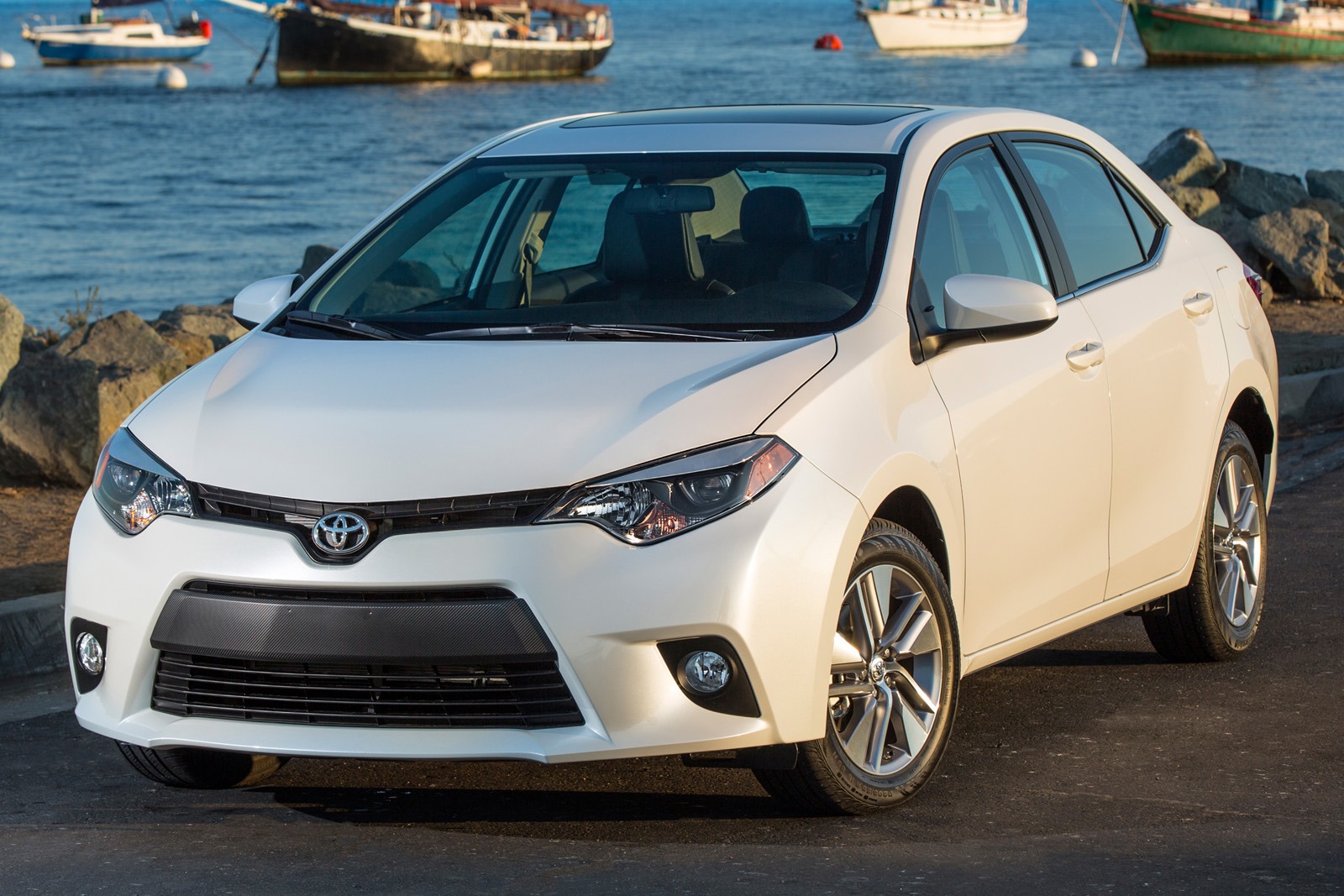
Buying a car is only the beginning of the financial story. What happens after you drive it off the lot often matters far more than the purchase price itself. Fuel costs, repairs, insurance, and long-term durability all shape the real cost of ownership. Some vehicles quietly reward patience, becoming easier and cheaper to maintain as years pass. Others move in the opposite direction, slowly increasing the financial pressure with age.
A smart buyer looks beyond styling or performance and pays attention to how a vehicle behaves across time. Reliability trends, parts availability, and mechanical simplicity all influence whether a car becomes a burden or a dependable companion. This is where certain models stand out. They are built with longevity in mind, supported by wide service networks and predictable maintenance needs.
Drivers who choose wisely often discover that ownership costs begin to stabilize or even decline after the initial depreciation phase. Repairs remain manageable, fuel efficiency stays consistent, and reliability reduces unexpected expenses. These vehicles tend to build a reputation for lasting value, attracting owners who prioritize practicality.
This page highlights five cars that become easier on your wallet as the years go by. Each one offers a combination of durability, affordability, and consistent performance that supports long-term ownership. The focus stays on real-world usability rather than short-term appeal, making these vehicles strong choices for anyone planning to keep their car for many years.
5 Cars That Get Cheaper To Own Over Time
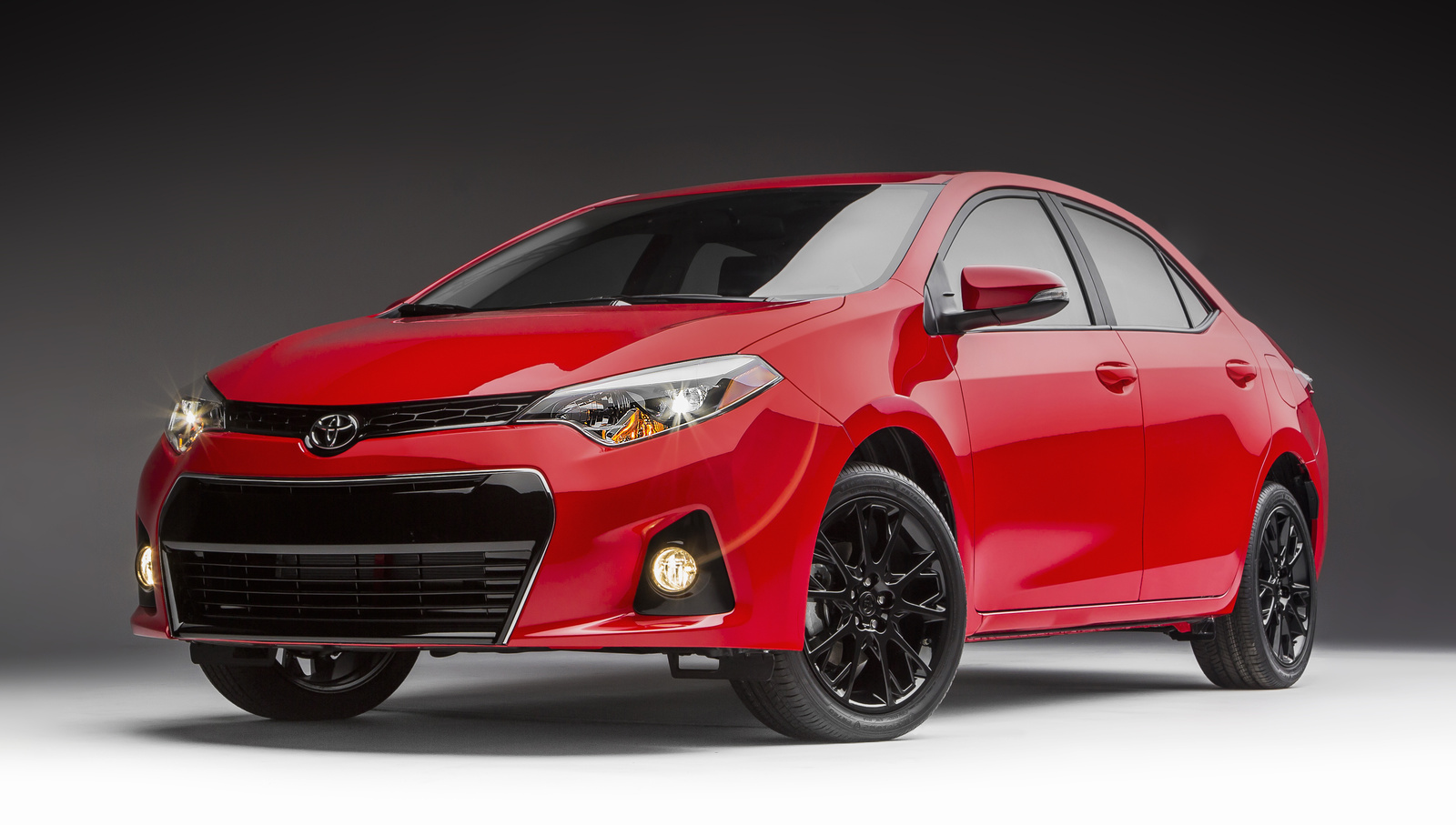
1. 2016 Toyota Corolla LE
Reliability sits at the center of the 2016 Toyota Corolla LE, shaping its reputation as one of the most cost-effective vehicles to own long after purchase. This compact sedan focuses on durability and predictable operation, allowing owners to experience fewer unexpected repair expenses as mileage increases.
Mechanical simplicity plays a major role in its affordability. The engine design avoids unnecessary complications, making it easier for technicians to diagnose and repair issues. Routine servicing, such as oil changes, brake replacements, and fluid checks, can be completed quickly, which reduces labor costs. As time goes on, this straightforward engineering approach leads to consistent savings.
Parts availability remains strong due to the model’s widespread presence. Replacement components are easy to source, and competitive pricing keeps repair bills manageable. Independent repair shops are familiar with the vehicle, giving owners flexibility when choosing where to service it. This widespread support system contributes to lower long-term costs.
Fuel efficiency also supports affordability. The Corolla LE delivers steady mileage, reducing the frequency of refueling. This benefit becomes more noticeable during extended ownership, especially for drivers who rely on their vehicle daily. Lower fuel expenses combine with reduced repair needs to create a balanced cost structure.
Durability ensures that the vehicle continues to perform well even as it ages. Components are built to withstand regular use, limiting the need for major repairs. When maintenance is required, it tends to follow a predictable pattern, allowing owners to plan expenses with confidence.
Ownership becomes less demanding as time passes. Depreciation slows, insurance costs often decrease, and maintenance remains steady. This combination makes the Corolla LE a practical option for drivers who value consistency and long-term savings.
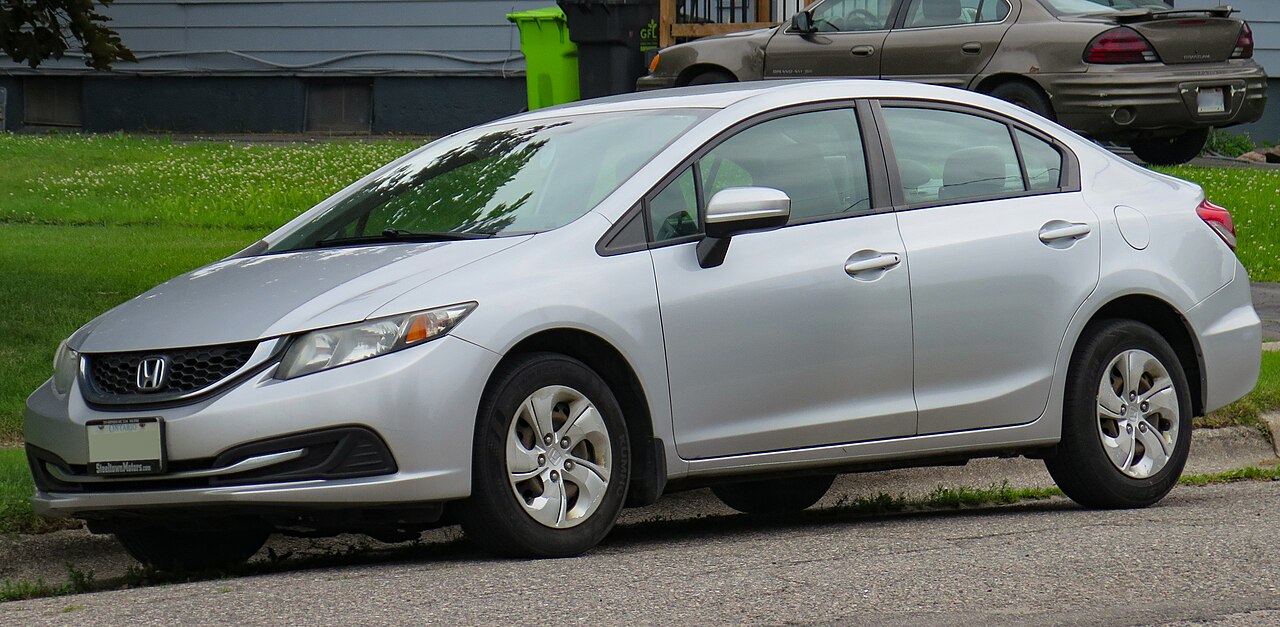
2. 2015 Honda Civic LX
Longevity defines the 2015 Honda Civic LX, offering a driving experience that remains dependable without introducing rising ownership costs. Built with a focus on efficiency and durability, this sedan proves that a well-engineered vehicle can become easier to maintain with continued use.
Engine performance remains stable across high mileage. The powertrain delivers consistent output without placing excessive strain on internal components. This steady operation reduces wear, which helps limit the frequency of repairs. Owners benefit from a vehicle that continues to function reliably without demanding frequent attention.
Service accessibility contributes to lower expenses. Components are arranged in a manner that allows technicians to complete repairs efficiently. Reduced labor time translates into cost savings, especially for routine maintenance tasks. This design approach supports long-term affordability.
Replacement parts are widely available, thanks to the Civic’s popularity. Competitive pricing ensures that repairs do not become a financial burden. Owners also gain access to a wide network of service providers, allowing them to choose cost-effective maintenance options.
Fuel economy strengthens its value. Efficient performance reduces daily operating costs, making it easier to manage expenses as time goes on. Drivers who commute regularly benefit from fewer visits to the gas station, which adds to the whole savings.
Reliability plays a defining role in ownership experience. Breakdowns remain uncommon when the vehicle is properly maintained, allowing drivers to focus on daily use rather than unexpected repairs. This dependability helps keep long-term costs predictable.
Choosing the Civic LX means investing in a vehicle that continues to deliver value as it ages. Its combination of efficiency, durability, and accessible servicing ensures that ownership becomes more affordable rather than more demanding.
Also Read: 6 Handling Front-Wheel-Drive Cars In the USA vs. 4 Dull RWD Cruisers
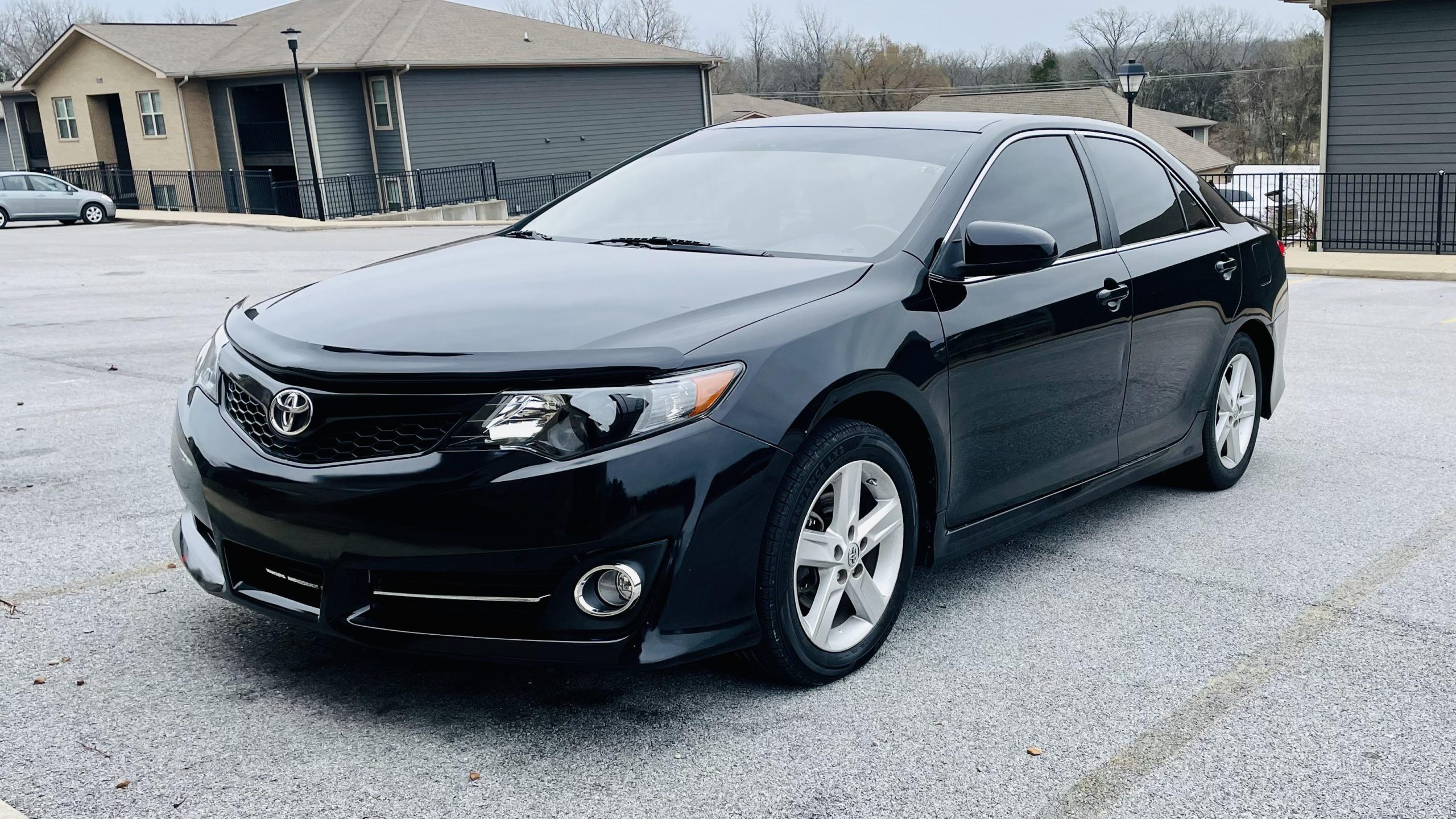
3. 2014 Toyota Camry SE
Consistency defines the 2014 Toyota Camry SE, providing a stable ownership experience that becomes more economical with time. This midsize sedan blends comfort with durability, making it a practical choice for drivers who plan to keep their vehicle for many years.
Engine construction focuses on reliability. The powertrain operates smoothly, reducing stress on components and limiting wear. This approach helps prevent major mechanical failures, which can be costly in other vehicles. Owners benefit from a system designed to maintain performance without frequent intervention.
Maintenance remains straightforward. Routine tasks can be completed without difficulty, allowing service centers to perform work efficiently. Reduced labor time contributes to lower costs, while predictable service intervals make it easier to plan expenses.
Parts supply remains abundant. The Camry’s popularity ensures that replacement components are widely available at reasonable prices. This accessibility reduces delays during repairs and keeps costs under control. Owners can maintain their vehicle without facing high expenses.
Fuel efficiency supports long-term affordability. The vehicle delivers steady mileage, helping drivers manage fuel costs effectively. This advantage becomes more apparent during extended ownership, especially for those who rely on their car for daily travel.
Durability ensures that the Camry SE continues to perform well even after years of use. Components are designed to withstand regular driving conditions, reducing the likelihood of frequent repairs. When maintenance is required, it tends to be manageable and predictable.
Selecting the Camry SE provides a dependable ownership experience where costs stabilize rather than increase. Its balanced design supports long-term savings, making it a reliable choice for practical drivers.
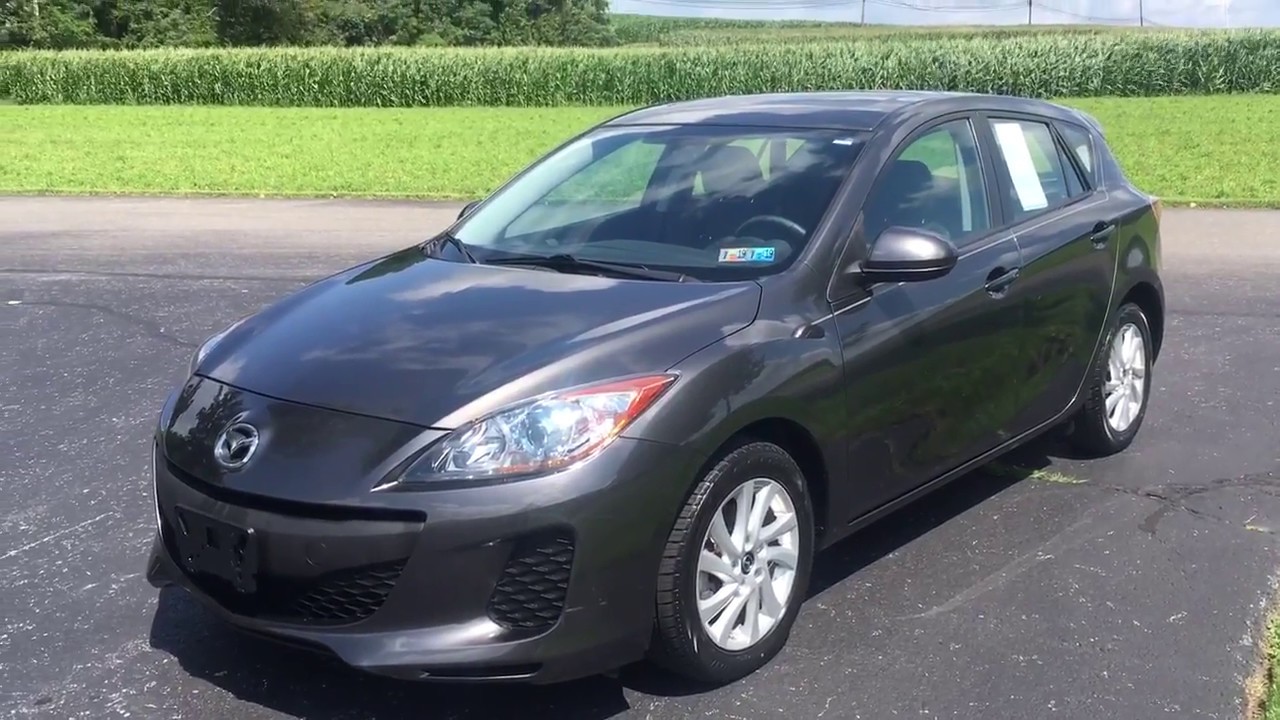
4. 2013 Mazda3 i Touring
Efficiency and simplicity define the 2013 Mazda3 i Touring, creating a vehicle that becomes easier to maintain as it ages. This compact sedan offers a combination of engaging driving dynamics and manageable ownership costs, appealing to drivers who value both performance and practicality.
Mechanical layout supports accessibility. Key components are positioned for ease of service, allowing technicians to complete repairs without unnecessary effort. This reduces labor time and keeps costs within a reasonable range. Owners benefit from a vehicle that does not require specialized procedures for routine maintenance.
Parts availability remains consistent. The Mazda3 has a strong presence in the market, ensuring that replacement components are easy to obtain. Competitive pricing helps keep repair expenses under control, even as the vehicle accumulates mileage.
Fuel economy contributes to long-term savings. Efficient engine performance reduces daily operating costs, making the vehicle affordable to run. Drivers who rely on their car for commuting benefit from steady fuel consumption that does not fluctuate dramatically.
Durability supports extended ownership. Components are designed to handle regular use, reducing the need for frequent repairs. When maintenance is required, it is typically straightforward and predictable, allowing owners to manage expenses effectively.
Driving experience remains enjoyable without increasing costs. The vehicle maintains responsive handling and smooth operation, ensuring that performance does not decline rapidly with age. This consistency adds value to long-term ownership.
Choosing the Mazda3 i Touring offers a practical solution for drivers seeking affordability and reliability. Its balanced design ensures that costs remain stable, allowing owners to enjoy their vehicle without financial strain.
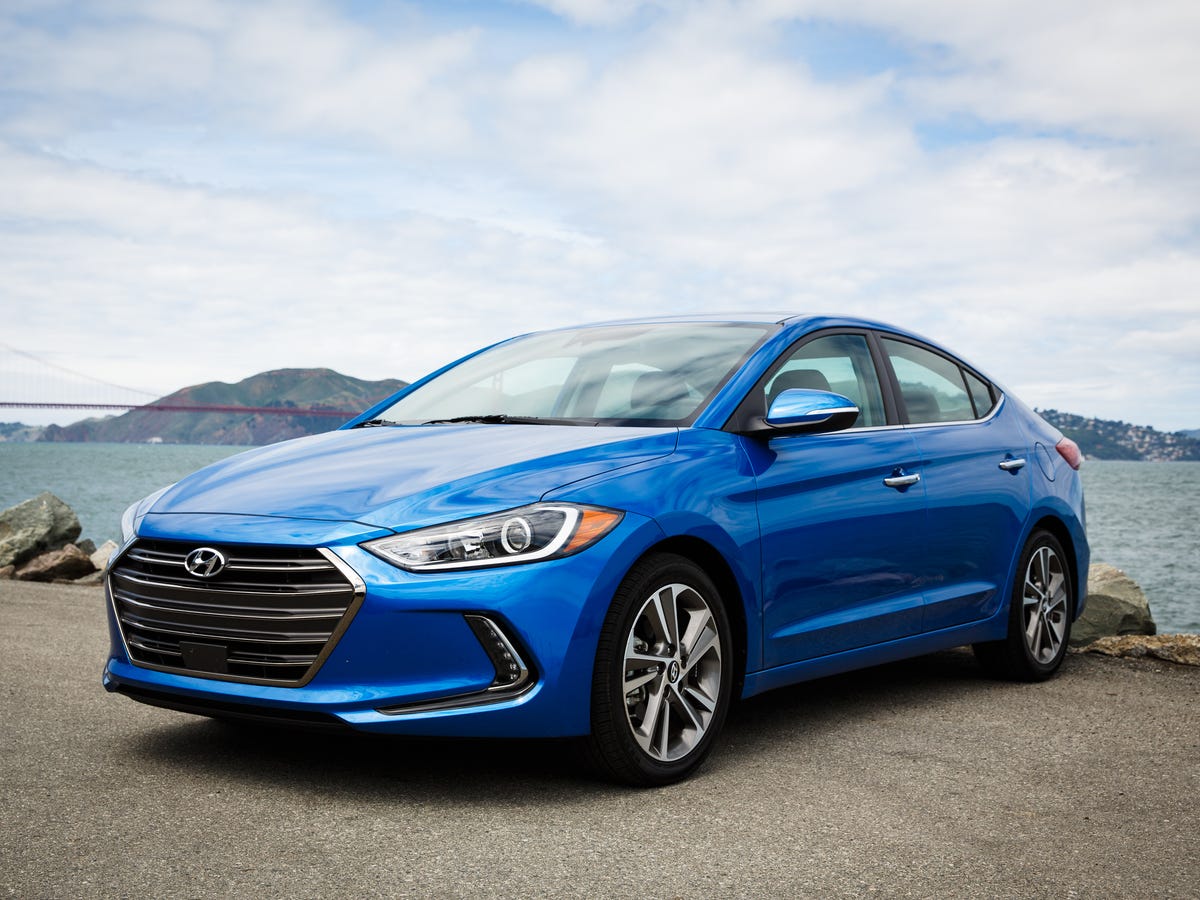
5. 2017 Hyundai Elantra SE
Affordability and efficiency define the 2017 Hyundai Elantra SE, making it a strong candidate for long-term ownership with decreasing costs. This compact sedan focuses on delivering dependable performance while keeping maintenance and operating expenses manageable.
Engine design emphasizes reliability. The powertrain operates smoothly, reducing wear on internal components. This helps limit the need for major repairs, allowing owners to maintain their vehicles without facing high costs. Consistent performance supports long-term use.
Service requirements remain simple. Routine maintenance can be completed efficiently, reducing labor expenses. Technicians are familiar with the vehicle, ensuring that repairs are handled without unnecessary delays. This accessibility contributes to lower ownership costs.
Parts availability supports affordability. Replacement components are widely accessible, allowing owners to source parts quickly and at reasonable prices. This reduces downtime and keeps repair expenses predictable. Fuel efficiency enhances its practicality.
The vehicle delivers steady mileage, helping drivers manage fuel costs effectively. This advantage becomes more noticeable during extended ownership, especially for daily commuters. Durability ensures that the Elantra SE continues to perform reliably as it ages.
Components are built to handle regular use, reducing the likelihood of frequent breakdowns. When maintenance is required, it remains manageable and consistent. Selecting the Elantra SE provides a dependable ownership experience where costs remain controlled. Its combination of efficiency, reliability, and accessible servicing makes it a practical choice for drivers seeking long-term value.
5 Cars That Get More Expensive Every Year
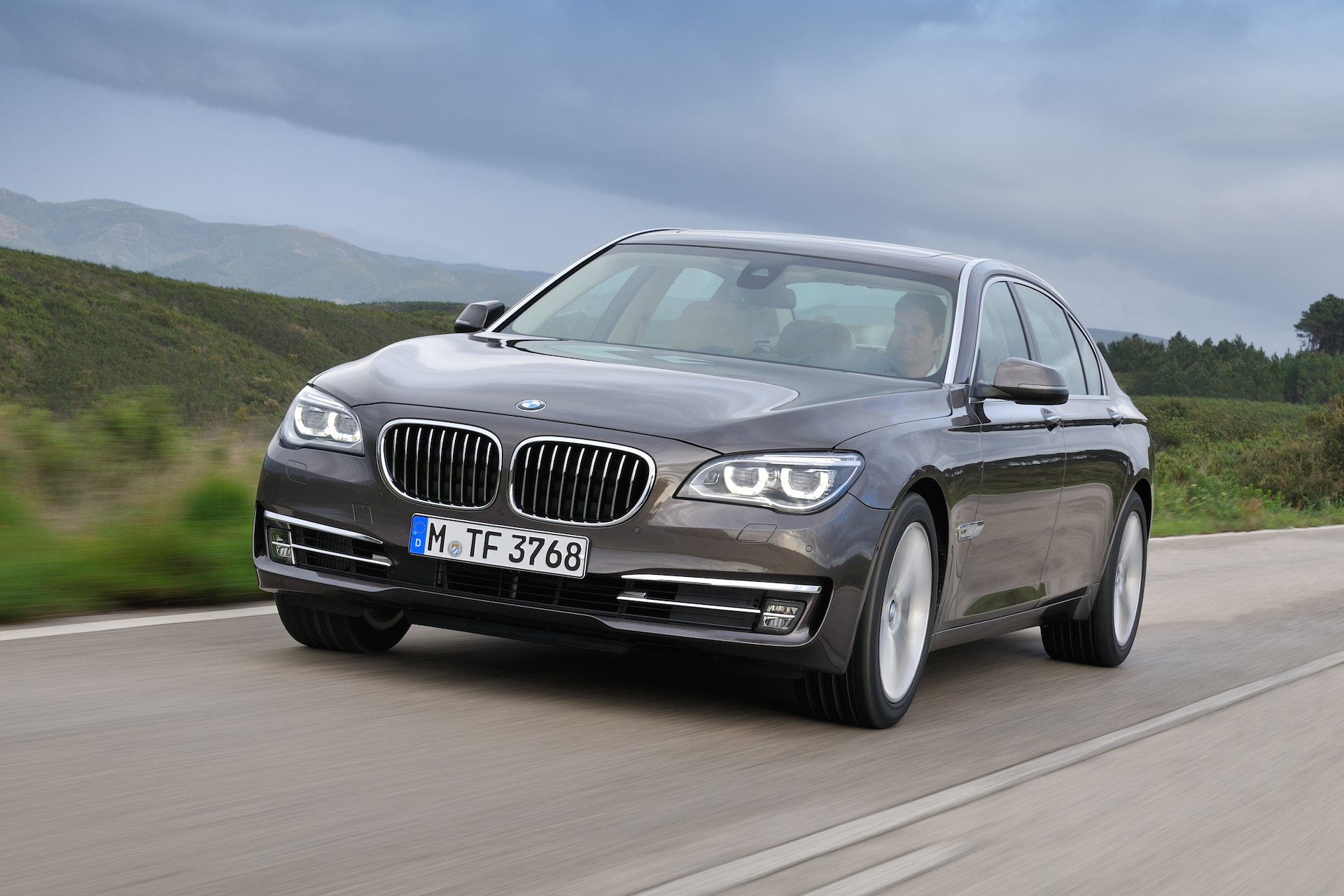
1. 2015 BMW 7 Series 750i
Luxury ownership often carries long-term financial implications, and the 2015 BMW 7 Series 750i provides a clear example of how costs can increase as a vehicle ages. This full-size sedan delivers strong performance and advanced features, yet those same qualities contribute to higher maintenance demands.
Engineering within this model prioritizes performance and refinement, which introduces a higher level of mechanical intricacy. The twin-turbocharged V8 engine delivers impressive power, though it operates under conditions that place consistent stress on internal components.
As mileage increases, wear becomes more apparent, leading to repairs that require both specialized tools and technical expertise. Service procedures are rarely simple, and labor time tends to be extensive. Electronics add another layer of expense.
The vehicle includes a wide range of digital systems designed to enhance comfort and convenience. While these features improve the driving experience, they also increase the likelihood of faults as the vehicle ages. Diagnosing such issues often requires advanced diagnostic equipment, which contributes to higher service costs.
Parts availability does not present a shortage, yet pricing remains elevated. Components designed for this level of luxury are produced to precise standards, which raises replacement costs. Owners frequently encounter situations where even minor repairs carry a substantial financial impact.
Routine maintenance itself becomes more demanding. Oil changes, brake servicing, and cooling system upkeep require premium materials and careful handling. These recurring expenses accumulate, especially for drivers who intend to keep the vehicle for extended periods.
Ownership gradually transitions from enjoyable to demanding if costs are not carefully managed. While the 7 Series 750i delivers refinement and performance, maintaining those qualities requires ongoing financial commitment that increases with time.
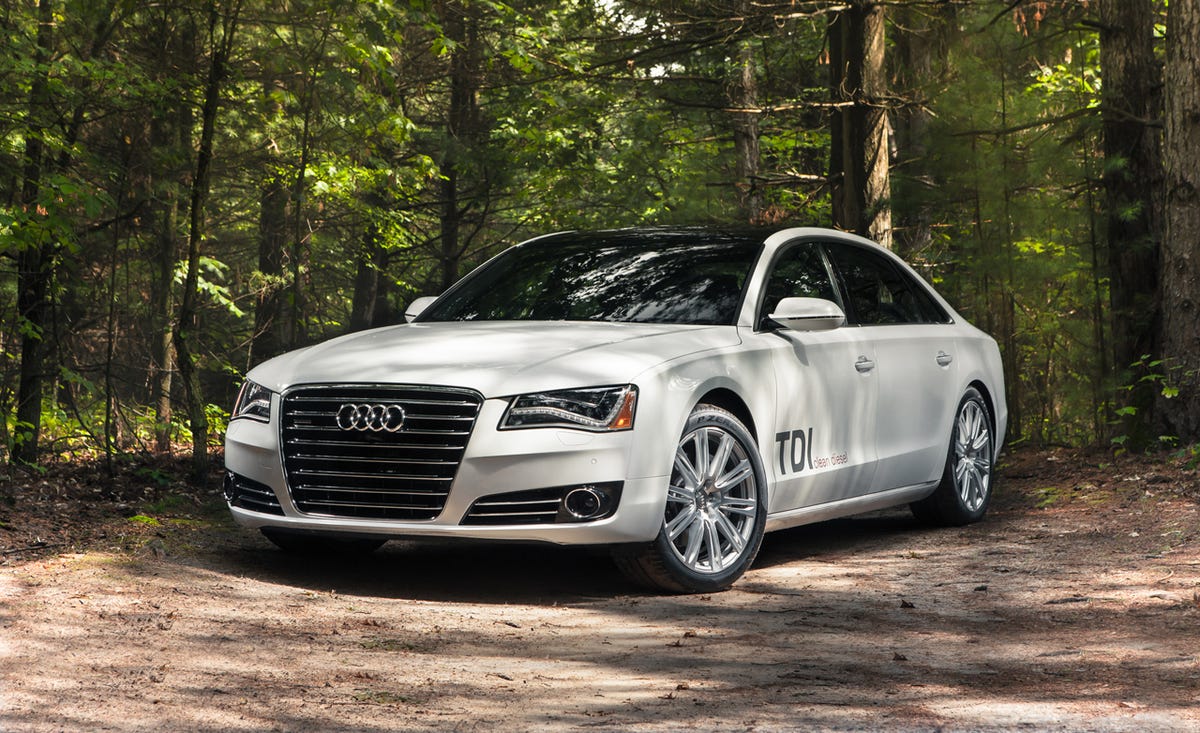
2. 2014 Audi A8 L 4.0T
Refinement and advanced engineering define the 2014 Audi A8 L 4.0T, yet these attributes often lead to rising ownership costs as the vehicle ages. This luxury sedan integrates sophisticated systems that demand careful attention, particularly as mileage increases.
Mechanical systems operate with precision, though they rely on intricate components that can become costly to maintain. The turbocharged V8 engine delivers smooth performance, but it requires consistent upkeep to maintain efficiency. As parts wear, replacement procedures become more involved, often requiring skilled technicians familiar with the platform.
Air suspension technology contributes to ride comfort, yet it introduces additional maintenance concerns. As time goes on, components within the system may require replacement, and these repairs are typically expensive. Labor involved in accessing and servicing these parts adds to the total cost.
Electronics play a central role in the driving experience. Advanced infotainment and driver assistance systems provide convenience, though they also increase the potential for faults. Troubleshooting electronic issues can be time-consuming, leading to higher service charges.
Parts pricing reflects the vehicle’s premium positioning. Replacement components are manufactured to exact standards, which results in higher costs compared to more conventional vehicles. Owners must account for these expenses when planning long-term ownership.
Routine servicing requires attention to detail. Fluids, filters, and other consumables must meet specific requirements, increasing maintenance costs. Skipping recommended service intervals often leads to more serious issues, which further raises expenses.
Ownership of the A8 L 4.0T demands careful budgeting. While the vehicle offers comfort and performance, maintaining those qualities becomes increasingly expensive as the years pass.
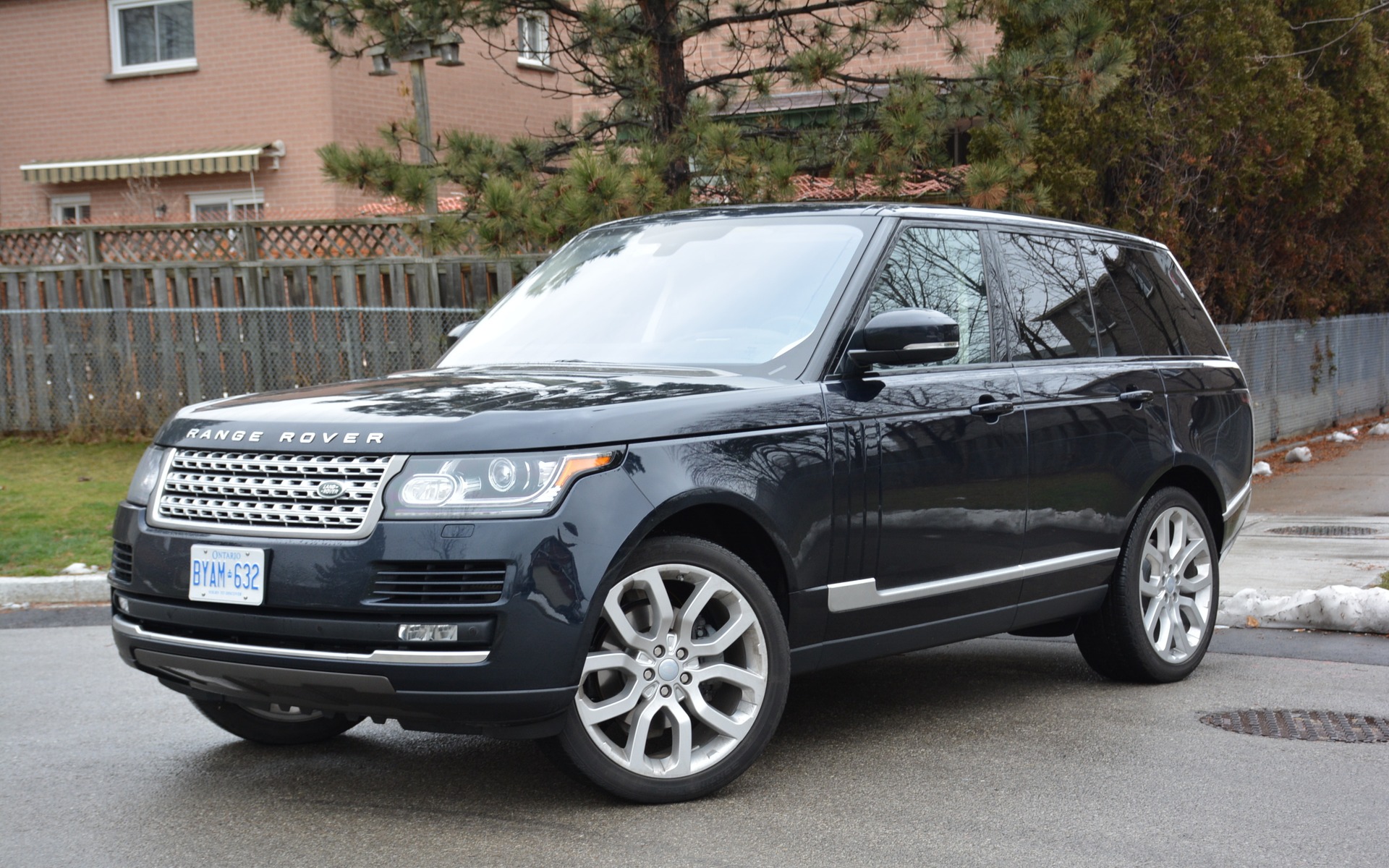
3. 2016 Land Rover Range Rover HSE
Capability and luxury combine in the 2016 Land Rover Range Rover HSE, creating a vehicle that excels in comfort and off-road performance. Despite these strengths, ownership costs tend to rise steadily, particularly as the vehicle accumulates mileage.
Engineering complications play a major role in this trend. The vehicle incorporates advanced systems designed to handle varied driving conditions, including air suspension and road response features. While these systems enhance capability, they also introduce additional maintenance requirements. Repairs often involve detailed procedures that increase labor costs.
Engine performance remains strong, yet it requires consistent servicing to maintain reliability. Components operate under demanding conditions, and wear can lead to repairs that are both time-consuming and expensive. Owners may encounter higher costs as the vehicle ages.
Electronic systems contribute to both convenience and expense. Features designed to enhance comfort and safety rely on multiple sensors and control units. Diagnosing faults within these systems can be challenging, requiring specialized equipment and expertise.
Parts availability is generally sufficient, though pricing reflects the vehicle’s premium status. Replacement components tend to be expensive, especially for systems related to suspension and drivetrain. This increases the financial impact of repairs.
Routine maintenance requires attention to detail. Regular servicing helps prevent larger issues, yet the cost of maintaining the vehicle remains higher than average. Skipping maintenance often leads to more severe problems, which further increase expenses.
Ownership of the Range Rover HSE offers a refined driving experience, though it demands ongoing investment. Costs tend to increase with age, making long-term ownership a financial consideration for prospective buyers.
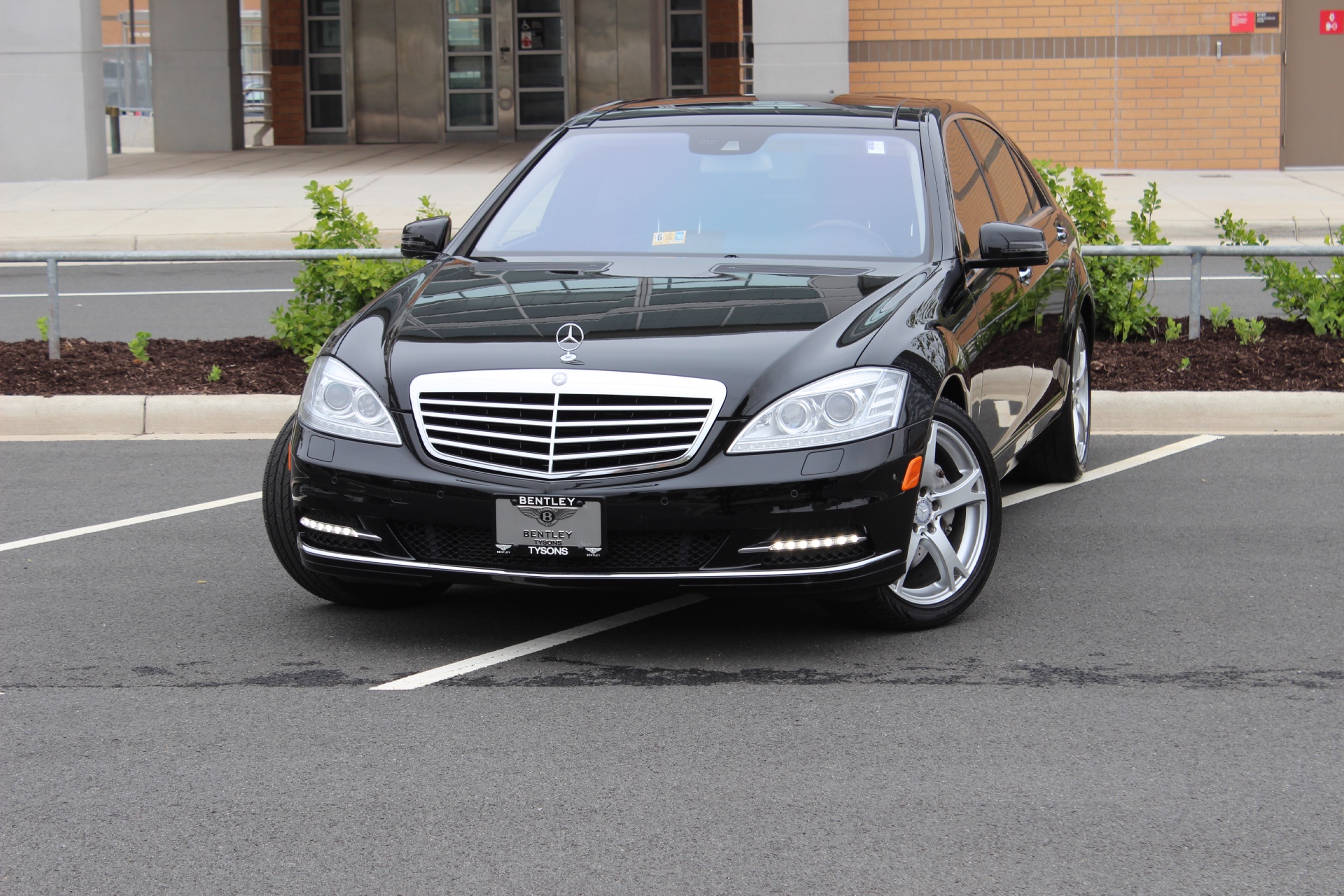
4. 2013 Mercedes-Benz S-Class S550
Ownership of the 2013 Mercedes-Benz S-Class S550 tends to become more expensive as the vehicle ages, largely due to the depth of engineering involved in its construction. At the point of purchase, it presents a smooth, refined driving experience backed by a powerful V8 engine, but the financial demands grow once mileage accumulates.
Systems that once felt seamless begin to require more attention, and that attention rarely comes cheaply. Power delivery remains strong through the 5.5-liter V8, yet keeping that performance stable requires consistent upkeep. Components such as ignition coils, sensors, and cooling system parts tend to wear under regular use.
Once they begin to degrade, repair work often involves specialized labor. Independent mechanics may struggle with certain diagnostics, pushing owners toward dealership-level servicing where labor rates are higher. Ride comfort relies heavily on an advanced air suspension system. That system is one of the main reasons the S550 feels smooth on the road, but it is also a major contributor to rising ownership costs.
Air struts, compressors, and related components are known to require replacement after years of service. When they fail, replacement costs can feel steep, especially since multiple components may need attention at the same time. Electronics inside the cabin add another layer of expense.
Seat controls, climate modules, infotainment systems, and driver assistance features are all interconnected. When one module malfunctions, troubleshooting becomes time-consuming. Diagnosis often requires factory-level scan tools, and replacement parts carry premium pricing due to the vehicle’s class.
Routine servicing is not optional if reliability is the goal. Oil changes, transmission service, and brake work must be performed using approved fluids and parts. Skipping these intervals tends to accelerate wear across multiple systems, leading to larger repair bills later. Even simple maintenance jobs can carry higher costs due to labor complications.
Long-term ownership of the S550 demands financial readiness. While it delivers comfort, quiet operation, and strong performance, those benefits come with increasing upkeep requirements as the vehicle ages.
Also Read: 9 Cars That Get 35 MPG Without Being A Hybrid
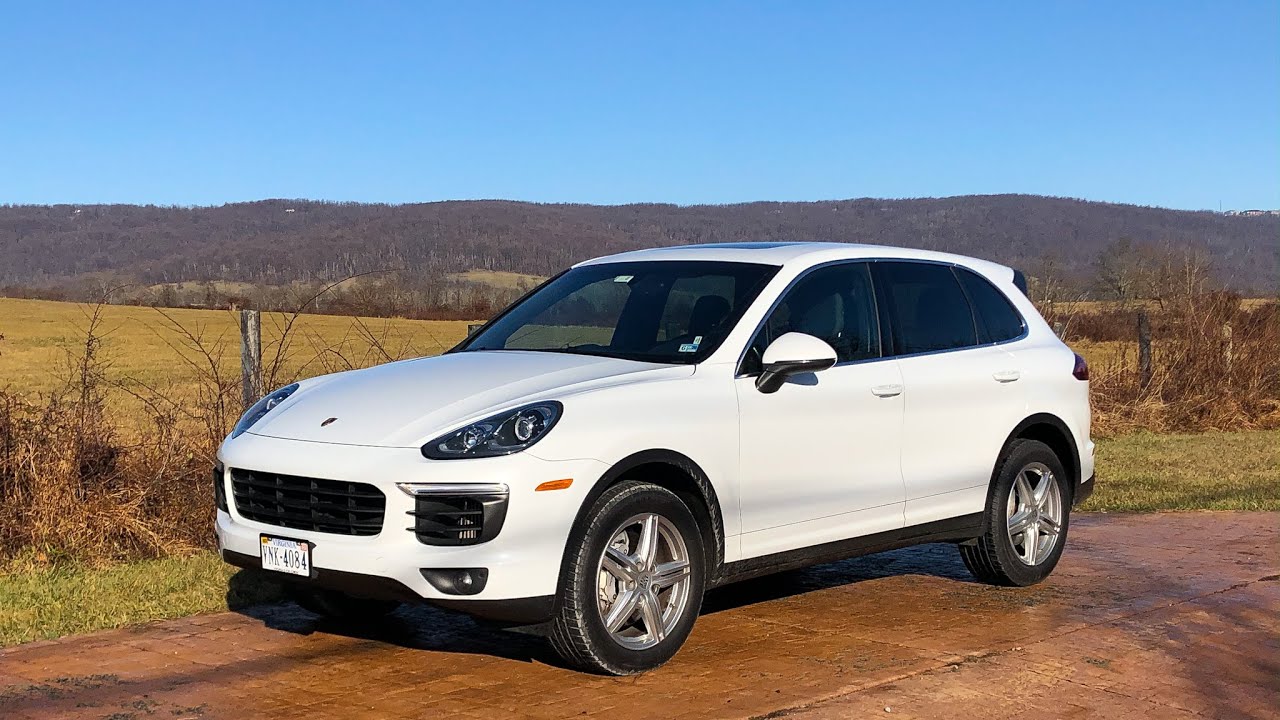
5. 2015 Porsche Cayenne S
The 2015 Porsche Cayenne S delivers a strong blend of performance and utility, yet the cost of ownership tends to rise steadily with age. Its sport-focused engineering introduces mechanical demands that go beyond what is typically seen in standard SUVs.
At lower mileage, the vehicle feels tight and responsive, but long-term use brings increased attention to maintenance and repair needs. Engine performance is built around a 3.6-liter V6 that delivers strong acceleration and confident highway power. However, that level of performance places consistent stress on internal components.
After a long time, items such as water pumps, coolant hoses, and ignition components may require replacement. Repairs are rarely simple, since engine layout and packaging often require extra labor time, which increases service costs.
Transmission behavior adds another layer of expense as mileage increases. The automatic system is tuned for performance driving, and while it performs smoothly when new, wear can introduce rough shifting or hesitation. Addressing these issues may involve fluid servicing, software recalibration, or more extensive mechanical repair, each carrying its own cost level.
Suspension systems are designed for sharp handling and stability, but that precision relies on complicated components. Control arms, bushings, and adaptive damping systems tend to wear faster under demanding driving conditions. Replacement parts for these systems are priced at a premium, and labor requirements further increase total repair bills.
Electronics play a major role in driving experience and comfort. Systems managing drive modes, traction control, and infotainment require specialized diagnostic tools when faults appear. Even minor electrical issues can lead to extended troubleshooting sessions, which increases workshop charges.
Parts pricing reflects Porsche’s premium positioning. Genuine components are engineered to strict standards, but those standards come with higher costs. Owners often face a choice between expensive original parts and aftermarket alternatives, each with trade-offs in reliability and performance.
Regular servicing remains essential to avoid larger failures. Oil changes, brake servicing, and scheduled inspections help maintain performance, but costs remain higher than average due to specialized requirements. Long-term ownership of the Cayenne S demands financial commitment. While it delivers strong driving dynamics and versatility, maintenance costs tend to increase steadily as the vehicle accumulates mileage.
