
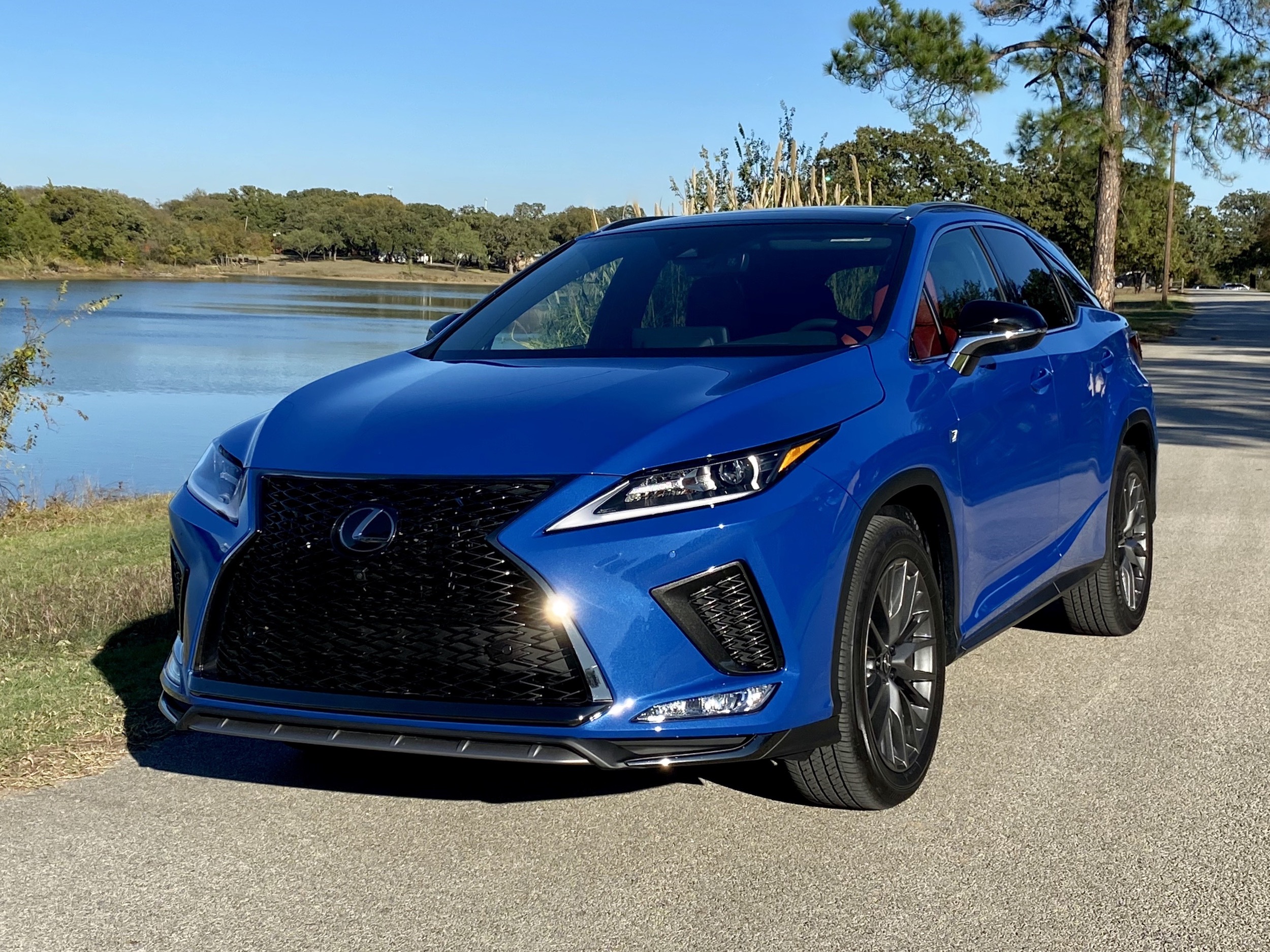
When people evaluate SUVs, they usually focus on performance, fuel efficiency, safety ratings, infotainment systems, and reliability. However, one of the most overlooked but highly frustrating long-term ownership issues is interior aging, especially components like sun visors. These small parts may seem insignificant at the time of purchase, but over 10 to 15 years of ownership, they often reveal the true quality of interior engineering.
Sun visor sagging occurs when the internal hinge mechanism weakens, adhesive materials degrade, or the foam and structural support inside the visor break down due to heat exposure and repeated usage. In hot climates, particularly regions with strong sunlight, interior cabin temperatures can regularly exceed 60°C when parked.
Over time, this heat cycles through materials, causing warping, loosening, and eventual sagging of interior components. In poorly engineered SUVs, sun visors begin to droop within just a few years, which not only looks unattractive but also becomes functionally inconvenient for drivers.
High-quality SUVs, however, are built differently. Manufacturers that prioritize long-term durability use reinforced pivot joints, heat-resistant adhesives, metal-supported hinge cores, and high-density foam materials. These design choices ensure that even after more than a decade of ownership, the sun visors remain firm, properly aligned, and fully functional.
In fact, some of the most durable SUVs on the market maintain near-new interior rigidity even after crossing 200,000 kilometers or more.
Interestingly, long-term interior durability is often correlated with vehicle engineering philosophy. Brands that emphasize reliability and conservative design tend to avoid overly complex interior components that degrade quickly. Instead, they focus on tested materials and simple but strong structural designs.
This is why many long-lasting SUVs also have reputations for strong dashboards, minimal rattling, and durable roof liners alongside their resistant sun visors.
In this article, we will explore 10 SUVs that are widely known for maintaining strong interior build quality even after 15 years of use. These vehicles are selected based on long-term owner feedback, reliability studies, and documented interior aging performance. Each model has demonstrated resistance to common aging problems such as sun visor sagging, headliner droop, dashboard cracking, and trim loosening.
ALSO READ: 9 Vehicles With Side Mirrors Wide Enough for Older Eyes
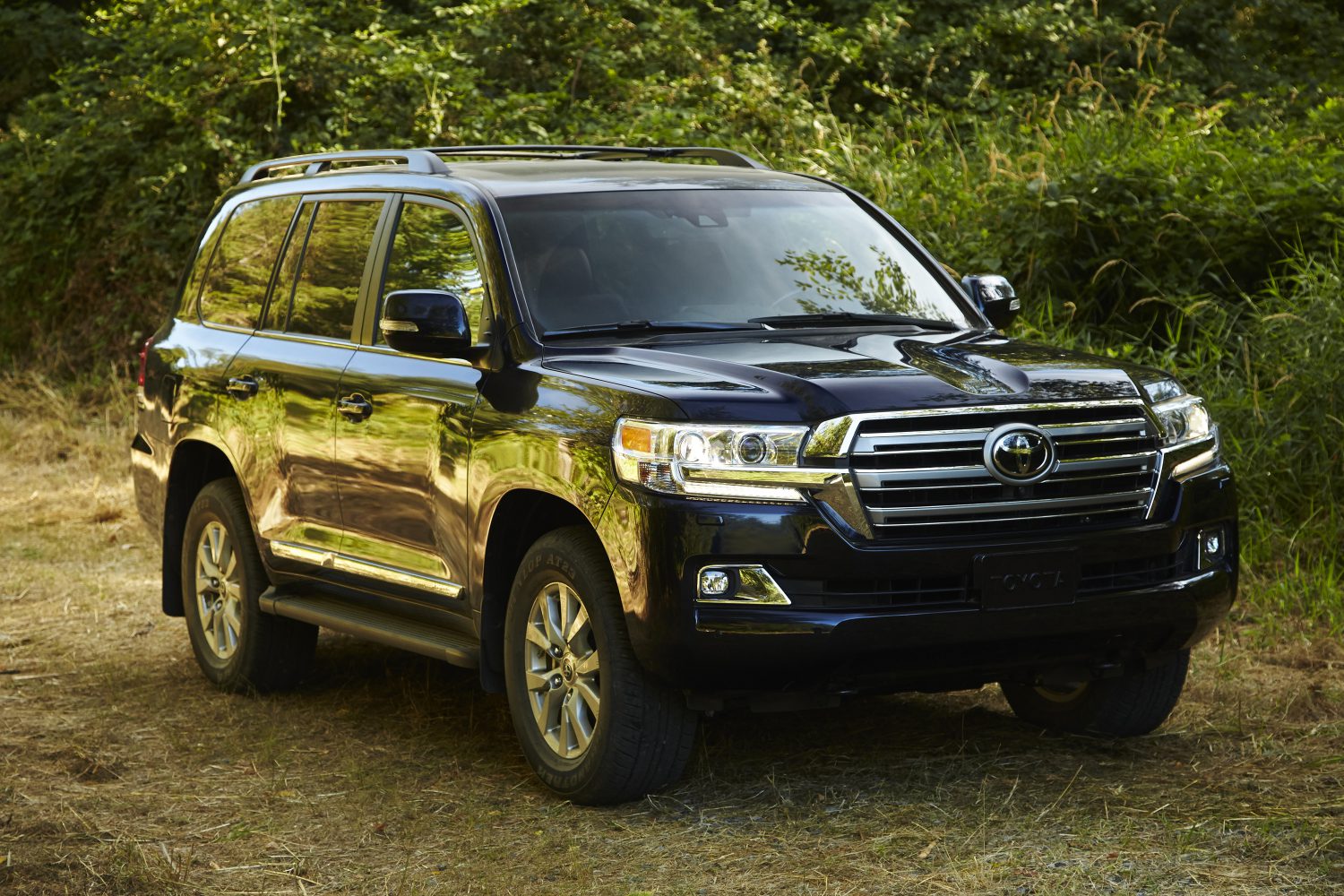
1. Toyota Land Cruiser
The Toyota Land Cruiser is often considered the benchmark for long-term SUV durability, and its interior resilience is just as impressive as its mechanical toughness. One of the standout aspects of the Land Cruiser is how its cabin components age with minimal degradation even after decades of use. Sun visors, in particular, are engineered to withstand both mechanical stress and environmental damage, which is why sagging is rarely reported even in high-mileage vehicles.
A key reason behind this durability is Toyota’s commitment to over-engineering critical touchpoints inside the cabin. The sun visor assembly in the Land Cruiser uses reinforced pivot points that rely on metal-supported joints rather than simple plastic friction hinges.
This means that even after thousands of adjustments over the years, the internal tension system remains stable. Unlike many SUVs, where the visor begins to droop due to weakened internal springs, the Land Cruiser maintains consistent resistance.
The selection of materials used inside the cabin also plays a significant role. Toyota prioritizes heat-resistant polymers and adhesives that do not break down easily under prolonged exposure to extreme temperatures. In regions where interior cabin heat can exceed 60°C during summer months, this becomes especially important. The structural integrity of the visor housing remains intact, preventing warping or loosening that would normally lead to sagging.
The Land Cruiser also benefits from a tightly controlled manufacturing process. Panel alignment, fastening points, and interior fittings are assembled with minimal tolerance for movement. This reduces vibration-induced wear over time. Even after 15 years of driving on rough terrain or long highway usage, the sun visors continue to sit flush against the roof lining without drooping or misalignment.
Long-term owner reports consistently highlight that the Land Cruiser’s cabin feels “tight” even after extensive mileage. While many vehicles develop rattles and loose fittings, the Land Cruiser maintains structural integrity across its interior components. This makes it one of the most reliable SUVs for buyers who prioritize long-term cabin durability alongside off-road capability.
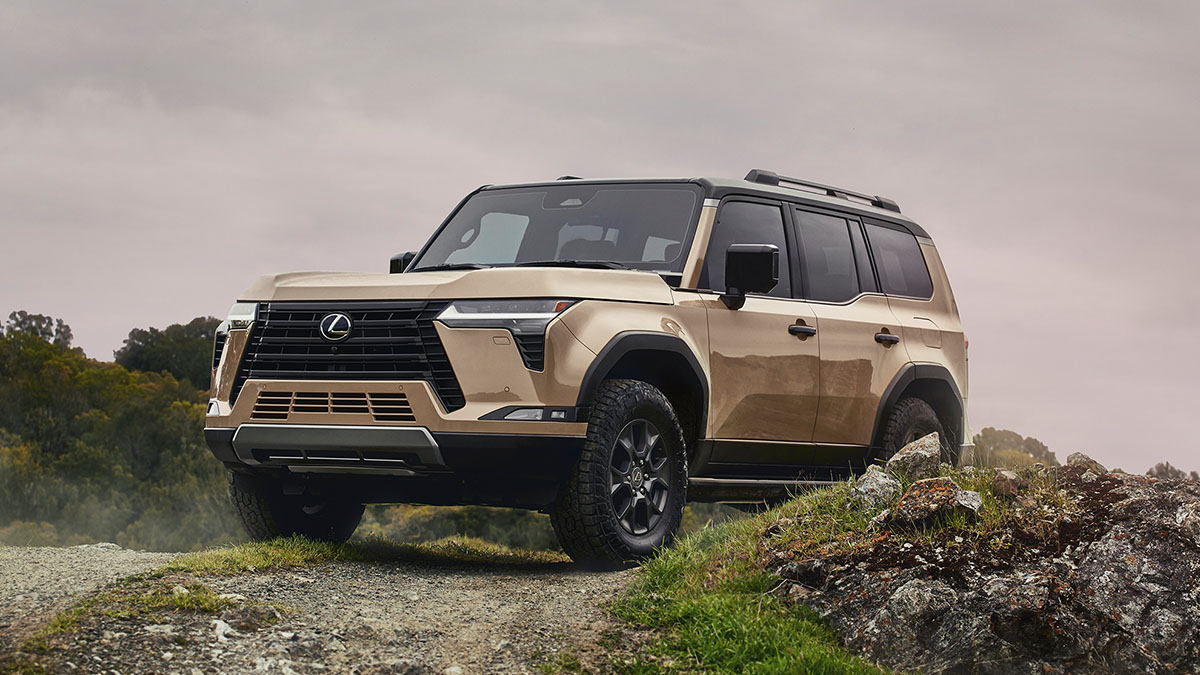
2. Lexus GX
The Lexus GX is a luxury SUV built on a rugged foundation, and its interior durability is one of its strongest long-term attributes. While many luxury vehicles prioritize soft-touch materials that age poorly, the GX strikes a balance between comfort and structural longevity. This balance is particularly evident in components like the sun visors, which remain firm and functional even after years of regular use.
One of the main reasons for this durability is the shared platform with Toyota’s proven body-on-frame architecture. This foundation reduces cabin flex and structural stress, which indirectly protects interior components from long-term wear. Sun visors in the GX benefit from this stability because they are less exposed to vibrations and structural shifting that typically loosen hinge mechanisms over time.
Lexus also applies higher manufacturing precision compared to standard mass-market vehicles. The sun visor assembly is engineered with tighter tolerances, ensuring that the pivot mechanism maintains consistent friction over time. This prevents the visor from gradually losing its holding strength, a common issue in SUVs that use lower-grade internal springs or plastic hinge systems.
Another contributing factor is the quality of materials used throughout the cabin. Lexus incorporates heat-resistant and UV-stable materials in high-contact areas, which helps prevent degradation from sunlight exposure. Since sun visors are frequently exposed to direct sunlight through the windshield, this resistance plays a crucial role in preventing material fatigue and sagging.
Over long-term ownership, the Lexus GX consistently demonstrates minimal interior aging. Owners often report that even after 10 to 15 years, the cabin retains a near-original feel. The sun visors remain firm, the roof lining stays intact, and there is little evidence of the drooping or loosening commonly seen in other luxury SUVs.
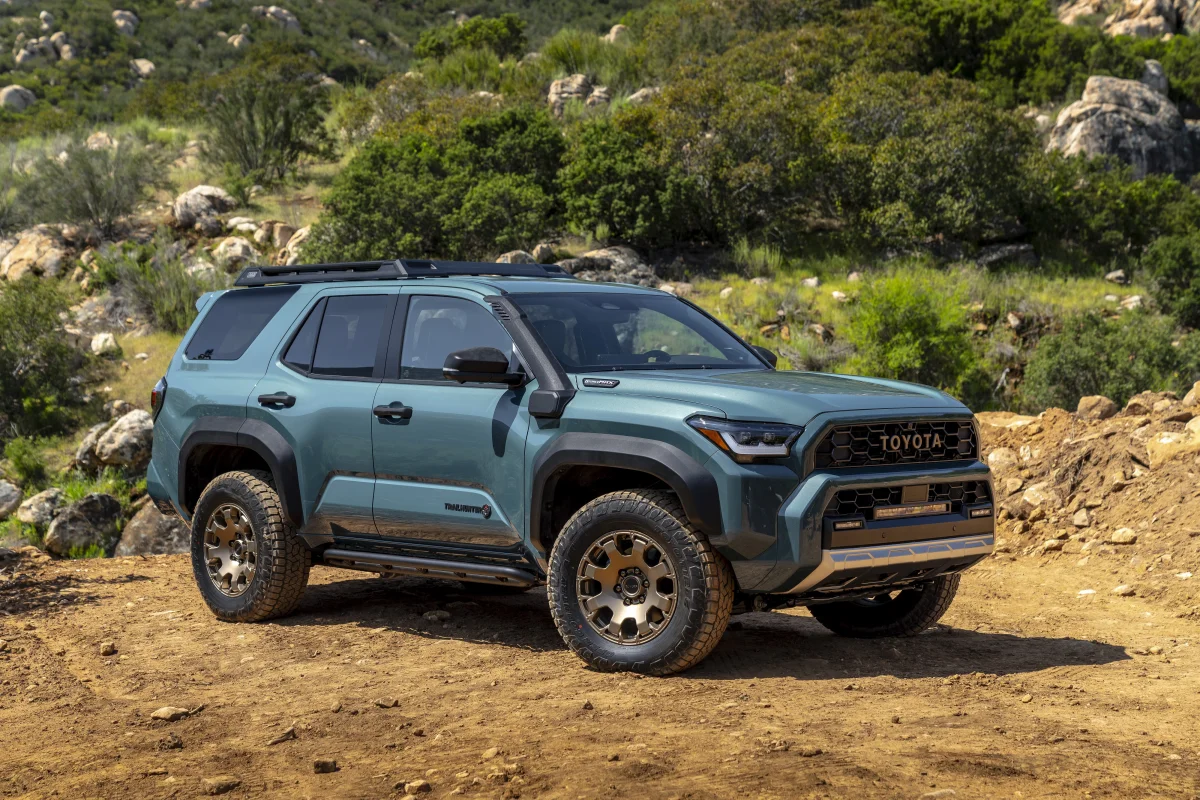
3. Toyota 4Runner
The Toyota 4Runner is one of the most mechanically simple yet incredibly durable SUVs available, and its interior reflects this philosophy. While it may not offer the luxury finishes of higher-end vehicles, its long-term structural reliability is exceptional. This is particularly evident in how well interior components like sun visors hold up over time.
The sun visor system in the 4Runner is designed with durability as a priority rather than aesthetic refinement. Toyota uses a straightforward mechanical hinge design that relies on robust internal tension rather than complex multi-part assemblies. This simplicity reduces the number of failure points, making it far less likely for the visor to sag or loosen over extended use.
Heat resistance is another key factor in the 4Runner’s long-term performance. The cabin materials are chosen specifically to withstand extreme temperature fluctuations, especially in markets where the vehicle is commonly used in desert or mountainous environments. This ensures that adhesives and internal foam structures inside the sun visor do not degrade prematurely.
The rigid body structure of the 4Runner also contributes to interior longevity. Because the SUV is built on a body-on-frame platform, it experiences less torsional flex compared to unibody crossovers. This stability reduces stress on interior mounting points, including those that support the sun visors, helping them maintain their original alignment for years.
Long-term ownership data consistently show that the 4Runner’s interior ages slowly compared to competitors. Even after high mileage, the cabin remains functionally intact, with sun visors staying firm and properly positioned. This makes it a top choice for buyers who want a rugged SUV that also holds up well inside the cabin over time.
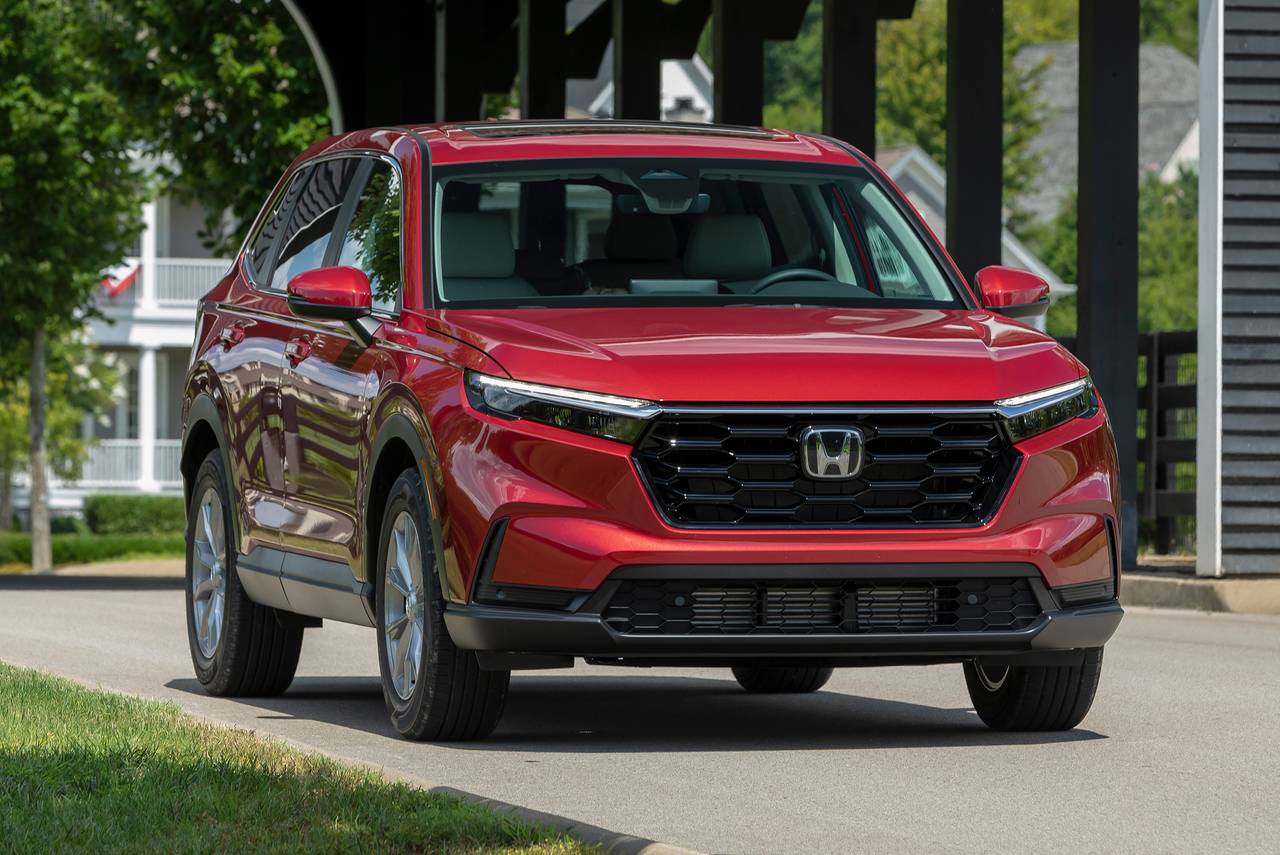
4. Honda CR-V
The Honda CR-V is one of the most popular compact SUVs globally, and its reputation for long-term reliability extends into its interior durability. Honda engineers design the CR-V with a strong emphasis on practical longevity, ensuring that even smaller components like sun visors maintain their function for many years.
The sun visor mechanism in the CR-V uses a balanced tension system that is carefully calibrated during assembly. This prevents early loosening and ensures that the visor remains stable in multiple positions. Even after years of daily use, the internal friction is typically sufficient to prevent sagging or uncontrolled movement.
Material selection also plays a major role in the CR-V’s durability. Honda uses heat-resistant plastics and reinforced foam structures inside the visor assembly to withstand prolonged exposure to sunlight and cabin heat. This reduces the risk of internal breakdown, which is one of the primary causes of visor sagging in many vehicles.
Another strength of the CR-V is its well-controlled cabin assembly process. Interior panels are tightly fitted, reducing vibration and movement during driving. This stability helps preserve the integrity of mounted components such as sun visors, which might otherwise loosen due to repeated road shocks.
Over time, CR-V owners consistently report that the interior remains solid and functional even after a decade or more of use. While minor cosmetic wear may occur, structural components like sun visors continue to perform reliably without drooping or losing alignment.
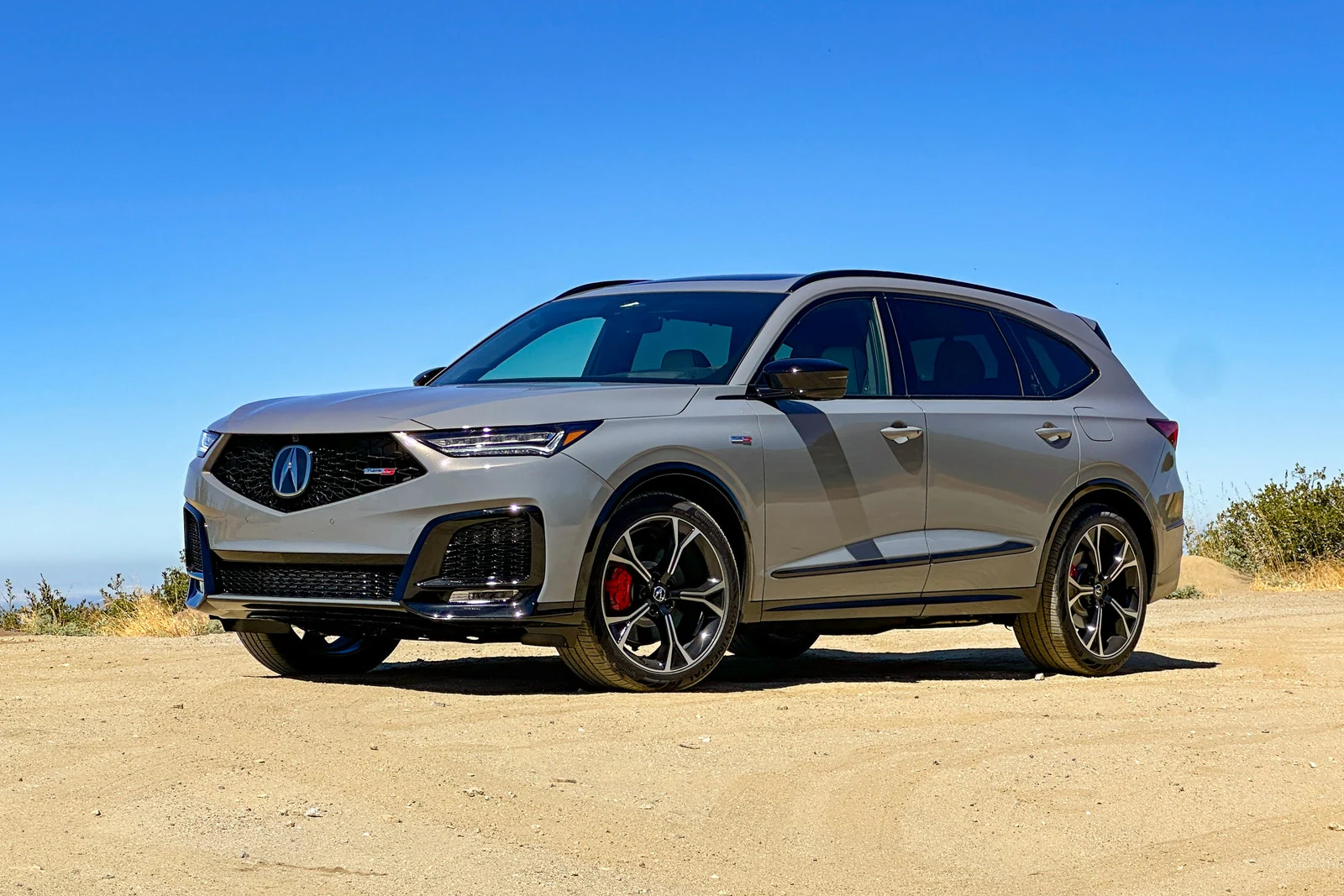
5. Acura MDX
The Acura MDX combines luxury refinement with Honda’s engineering reliability, resulting in an SUV that performs well in long-term interior durability. One of its most impressive characteristics is how well its cabin components maintain structural integrity over extended periods.
Sun visors in the MDX are built using reinforced hinge systems that provide consistent resistance even after years of adjustment. This prevents the gradual loosening that often leads to sagging in lesser-designed SUVs. Acura’s attention to mechanical precision ensures that each component is assembled with long-term stability in mind.
Inside the cabin, Acura uses higher-grade materials compared to standard Honda models. These materials are designed to resist UV exposure and heat degradation, which are major contributors to interior wear. As a result, the sun visors remain structurally sound even after prolonged exposure to harsh environmental conditions.
Another factor contributing to durability is the MDX’s rigid platform design. The SUV’s chassis reduces cabin flex, which in turn minimizes stress on interior mounting points. This helps maintain the alignment and stability of roof-mounted components such as sun visors.
Finally, long-term owner feedback highlights that the MDX maintains a refined interior feel even after many years of use. Unlike some luxury SUVs that develop loose fittings or sagging components, the MDX remains tight and well-assembled, making it a strong choice for long-term ownership.
ALSO READ: 10 Cars Mechanics Often Advise Against for Their Own Families
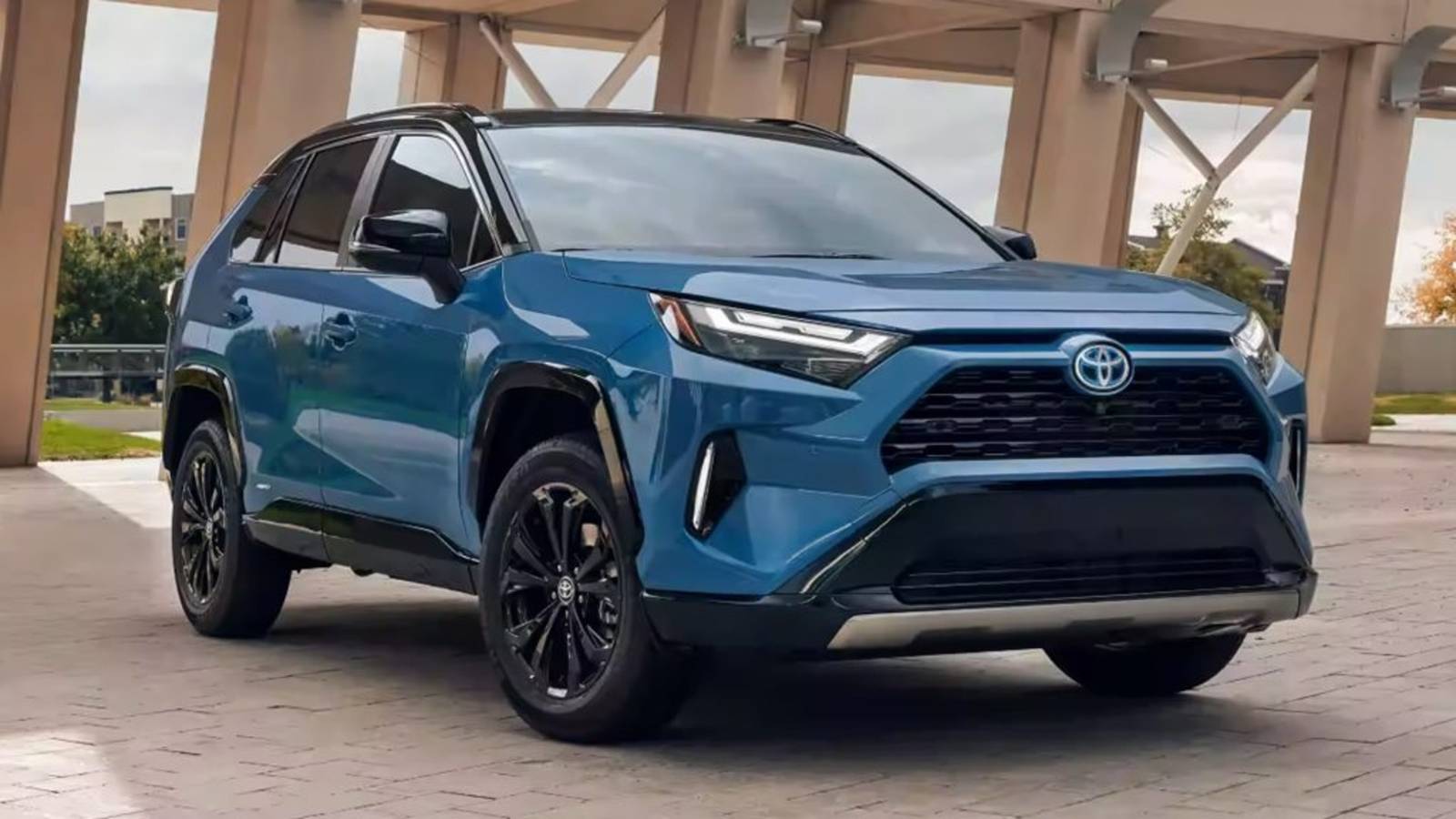
6. Toyota RAV4
The Toyota RAV4 is one of the most successful compact SUVs globally, and a major reason for its long-term popularity is its consistent interior durability. While it is not a luxury SUV, Toyota has engineered it in a way that prioritizes long-term functionality over short-lived aesthetic trends. This philosophy extends directly to components like sun visors, which remain stable even after many years of use.
One of the strongest aspects of the RAV4’s interior design is its simplicity. The sun visor assembly uses a straightforward hinge mechanism that avoids unnecessary complexity.
Instead of relying on fragile multi-link systems, Toyota uses a reinforced pivot joint that maintains consistent friction over time. This ensures that the visor does not gradually lose resistance, which is one of the main causes of sagging in older vehicles.
Heat management also plays a significant role in the RAV4’s durability. The cabin materials are designed to withstand prolonged exposure to sunlight and high temperatures without breaking down. The internal foam and adhesives inside the sun visor are specifically chosen to resist melting or weakening, which helps maintain structural integrity even after years of parking in hot climates.
The RAV4’s tight interior assembly also plays a key role. Toyota ensures that panels and trim pieces are securely fastened, reducing vibration and movement while driving. This stability prevents stress from transferring to roof-mounted components, including sun visors. As a result, the visor remains firmly anchored and properly aligned even after long-term use on rough roads or highways.
Over time, RAV4 owners consistently report that the interior holds up exceptionally well compared to other compact SUVs. Even after crossing 150,000 to 200,000 kilometers, the sun visors typically remain firm, functional, and free from the drooping issues commonly seen in less durable vehicles.
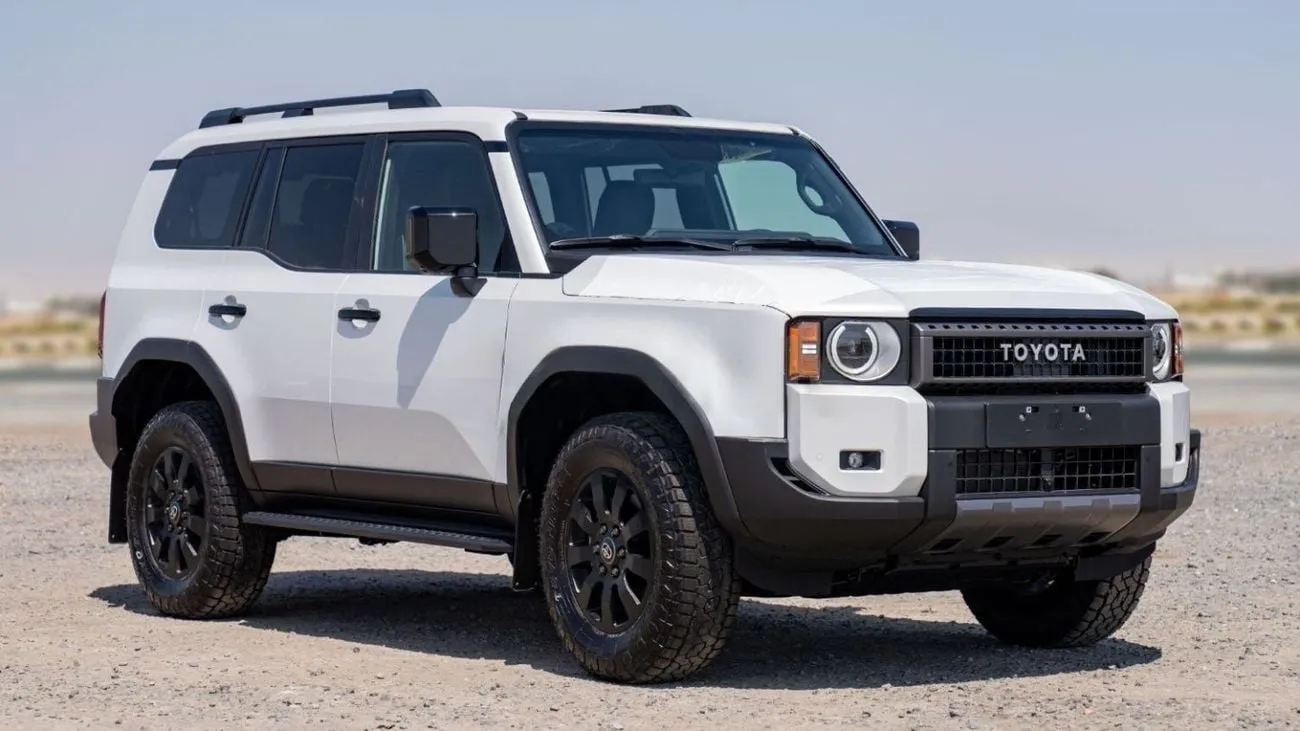
7. Toyota Land Cruiser Prado
The Toyota Land Cruiser Prado is engineered with the same durability-first philosophy as the larger Land Cruiser, making it one of the most reliable mid-size SUVs for long-term ownership. Its interior design is focused on endurance, ensuring that critical components remain functional even in harsh environments.
Sun visors in the Prado are built with reinforced internal structures that prioritize long-term strength over lightweight construction. The hinge mechanism uses durable materials that maintain consistent tension, preventing the gradual loosening that leads to sagging. Even after years of frequent adjustment, the visor typically retains its original firmness.
The Prado is also designed to operate in extreme climates, which directly influences interior material selection. Toyota uses heat-resistant polymers and adhesives that do not degrade easily under high cabin temperatures. This is especially important for sun visors, which are constantly exposed to direct sunlight through the windshield.
Another key strength of the Prado is its body-on-frame construction, which reduces chassis flex and improves structural stability. This stability ensures that interior mounting points do not shift or weaken over time. As a result, sun visors remain securely attached and properly aligned even after years of off-road driving or heavy usage.
Long-term reliability data consistently show that the Prado maintains excellent interior condition even after extended ownership. Owners frequently note that the cabin remains solid and well-preserved, with sun visors showing minimal signs of wear or sagging even after 10 to 15 years of service.
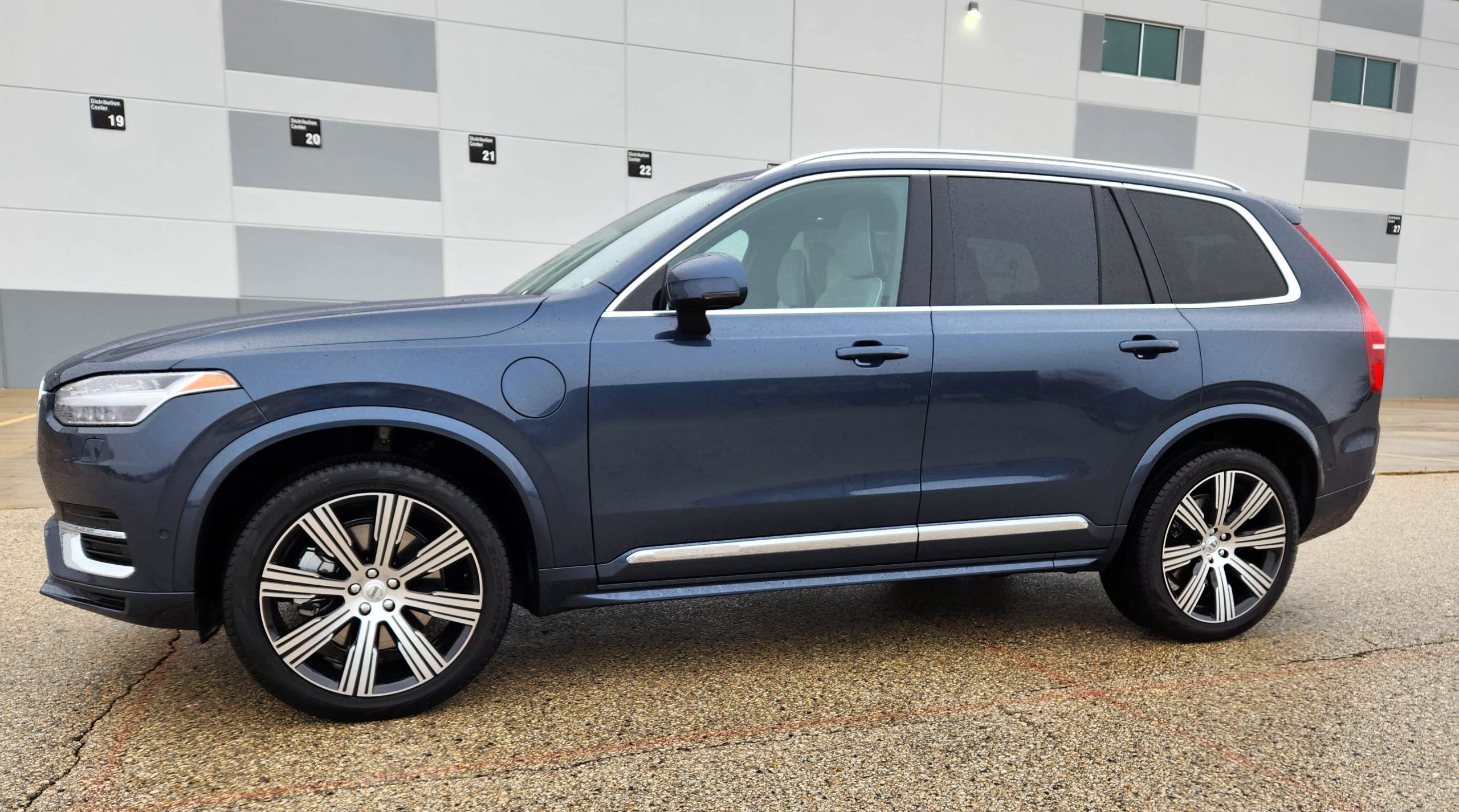
8. Volvo XC90
The Volvo XC90 is a premium SUV that combines Scandinavian design principles with a strong emphasis on long-term durability and safety. While it is known for advanced technology and luxury features, it also performs well in maintaining interior structural integrity over time.
One of the standout features of the XC90’s interior is its precision engineering. Sun visors are built with carefully calibrated hinge systems that maintain consistent tension for extended periods. Unlike cheaper designs that rely on basic plastic joints, Volvo uses more refined mechanisms that resist loosening and mechanical fatigue.
Material quality is another major strength. The XC90 uses UV-resistant and heat-stable materials throughout the cabin. Since sun visors are exposed to constant sunlight, this resistance is essential in preventing internal breakdown. The foam and adhesive layers inside the visor are engineered to maintain stability even under long-term thermal stress.
Volvo also focuses heavily on cabin rigidity and refinement. The XC90’s interior is tightly assembled, reducing vibration and preventing unnecessary movement of components during driving. This stability helps protect roof-mounted parts like sun visors from long-term stress, ensuring they remain firmly in place.
Over-extended ownership, the XC90 typically retains a premium feel inside the cabin. While some minor cosmetic aging may occur, structural components like sun visors generally remain stable and functional, contributing to its reputation as a durable luxury SUV.
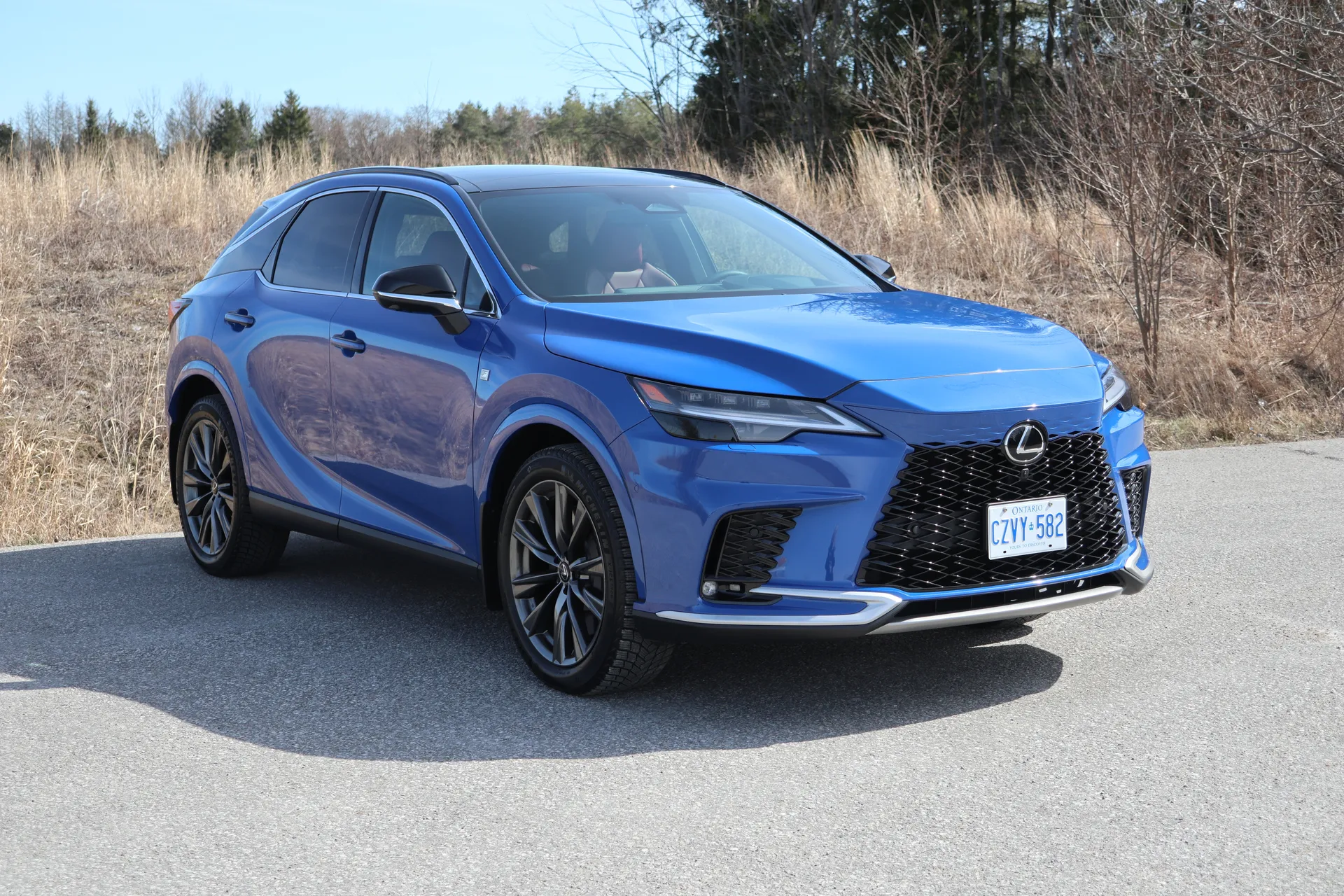
9. Lexus RX
The Lexus RX is one of the most popular luxury SUVs in the world, and its long-term reliability extends strongly into its interior design. Lexus places a strong emphasis on durability alongside comfort, which results in a cabin that ages gracefully over time.
Sun visors in the RX are engineered with high-quality hinge systems that maintain consistent resistance even after years of use. The internal spring and pivot structure are designed to prevent gradual loosening, which is a common cause of sagging in many SUVs. This ensures that the visor remains stable in all positions.
Lexus’s use of premium interior materials also plays a key role. The RX cabin is designed to resist heat, UV exposure, and long-term wear. Since sun visors are directly exposed to sunlight, this material quality helps prevent breakdown of internal foam and adhesives that could otherwise lead to deformation.
The RX also benefits from excellent build quality and tight assembly standards. Interior panels are securely fitted, minimizing vibration and movement during driving. This reduces stress on roof-mounted components and helps maintain long-term alignment and structural stability.
Over time, the Lexus RX consistently demonstrates strong interior aging performance. Even after a decade or more of ownership, the cabin remains refined, with sun visors typically retaining their firmness and functionality without noticeable sagging.
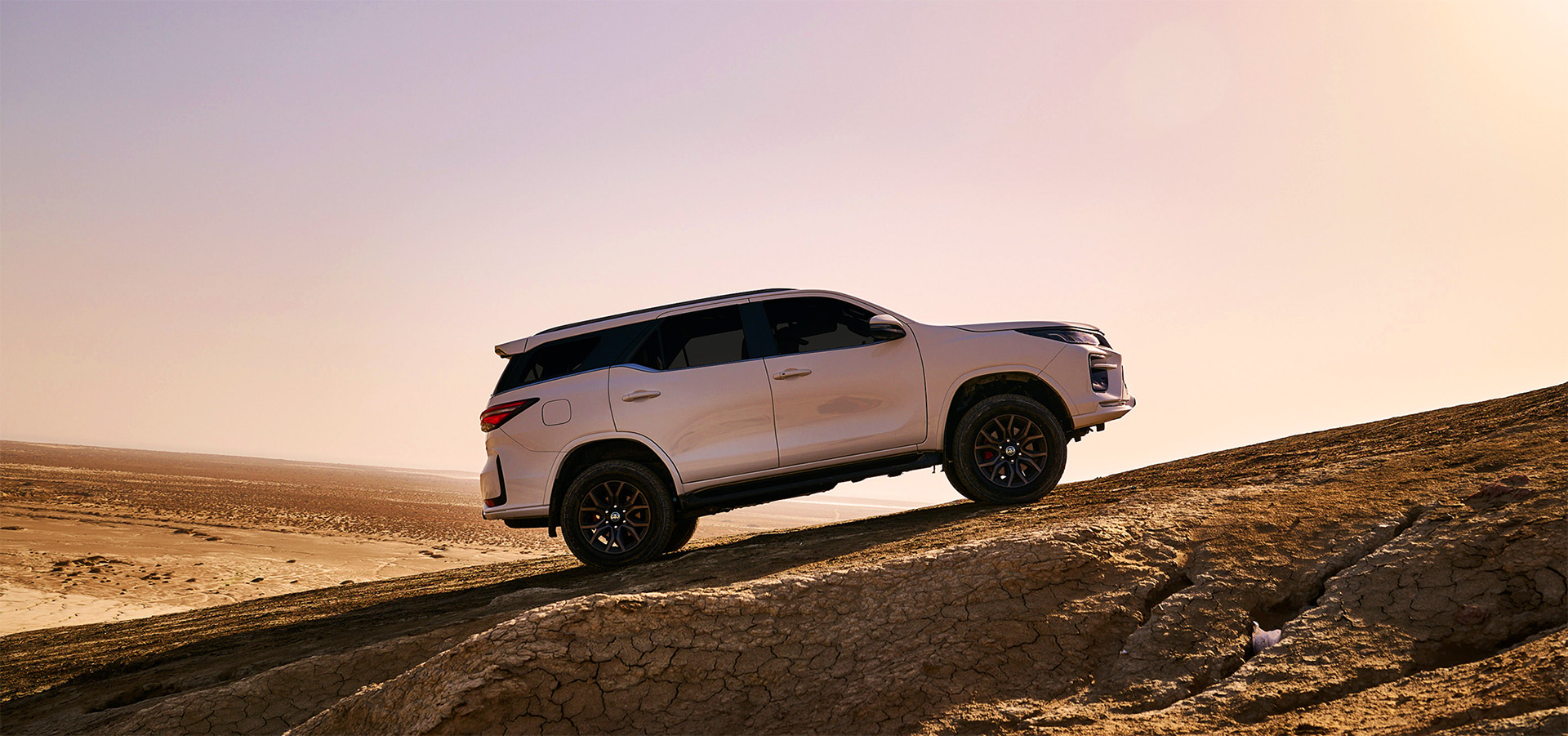
10. Toyota Fortuner
The Toyota Fortuner is one of the most widely used mid-size SUVs in demanding environments, particularly in regions with rough roads and extreme weather conditions. Its interior is built with durability as a primary goal, making it highly resistant to long-term wear and tear.
Sun visors in the Fortuner are designed with robust mechanical support systems that prioritize strength over luxury refinement. The hinge mechanism is built to withstand repeated usage without losing tension, which significantly reduces the chances of sagging over time.
The cabin materials are selected for resilience rather than premium softness. This includes heat-resistant plastics and durable foam structures that maintain their shape even under prolonged exposure to sunlight. These materials help prevent internal breakdown of the visor assembly.
Another key strength of the Fortuner is its rugged body-on-frame platform, which enhances structural rigidity. This reduces vibrations and movement within the cabin, helping preserve the alignment and integrity of interior components such as sun visors.
Long-term ownership data shows that the Fortuner holds up exceptionally well in harsh conditions. Even after many years of heavy use, the interior remains functional and solid, with sun visors typically staying firm and properly positioned without sagging or detachment.
