
When people shop for a car, the decision usually comes down to price, style, fuel economy, and features. However, if you ask experienced mechanics what they would actually buy for their own families, the conversation often shifts in a very different direction. Instead of focusing on marketing claims or showroom appeal, mechanics tend to prioritize long-term reliability, ease of repair, cost of ownership, and the likelihood of major mechanical or electrical failures over time.
This article explores 10 cars that mechanics frequently caution against recommending for family use based on widely reported reliability concerns, repair complexity, and ownership costs. It is important to understand that no car is universally “bad,” and every model has owners who enjoy trouble-free experiences. However, certain vehicles have developed reputations within the repair industry due to recurring issues that show up repeatedly in workshops.
Many of the cars discussed here are not necessarily poorly designed in every respect. Some offer comfort, performance, or affordability that makes them attractive at first glance. The problem often appears after a few years of ownership when maintenance costs rise, parts become expensive, or specific components fail more frequently than expected.
In some cases, manufacturers introduced technologies such as continuously variable transmissions or highly complex electronics that did not always age well in real-world driving conditions.
Mechanics tend to form opinions based on patterns they observe over hundreds or even thousands of repair cases. When the same types of failures appear repeatedly in the same models, it naturally influences what they would or would not recommend to someone close to them. This does not mean every example of these cars will fail, but it does highlight a higher probability of expensive repairs compared to more dependable alternatives in the same category.
Another key factor is the cost of ownership over time. Some vehicles may be inexpensive to purchase but become financially draining due to frequent repairs or high-cost parts. Others may require specialized labor that is not widely available, increasing both waiting time and repair bills. For families looking for dependable transportation, these long-term considerations matter far more than initial showroom impressions.
In the sections below, we break down 10 cars that mechanics often advise caution about, explaining the common issues associated with each model and why they tend to raise concerns in the repair community.
The goal is not to shame any brand or model but to provide a realistic perspective based on long-term ownership experiences and mechanical reliability trends. If you are considering a used or new vehicle, understanding these insights can help you make a more informed decision and potentially avoid costly surprises down the road.
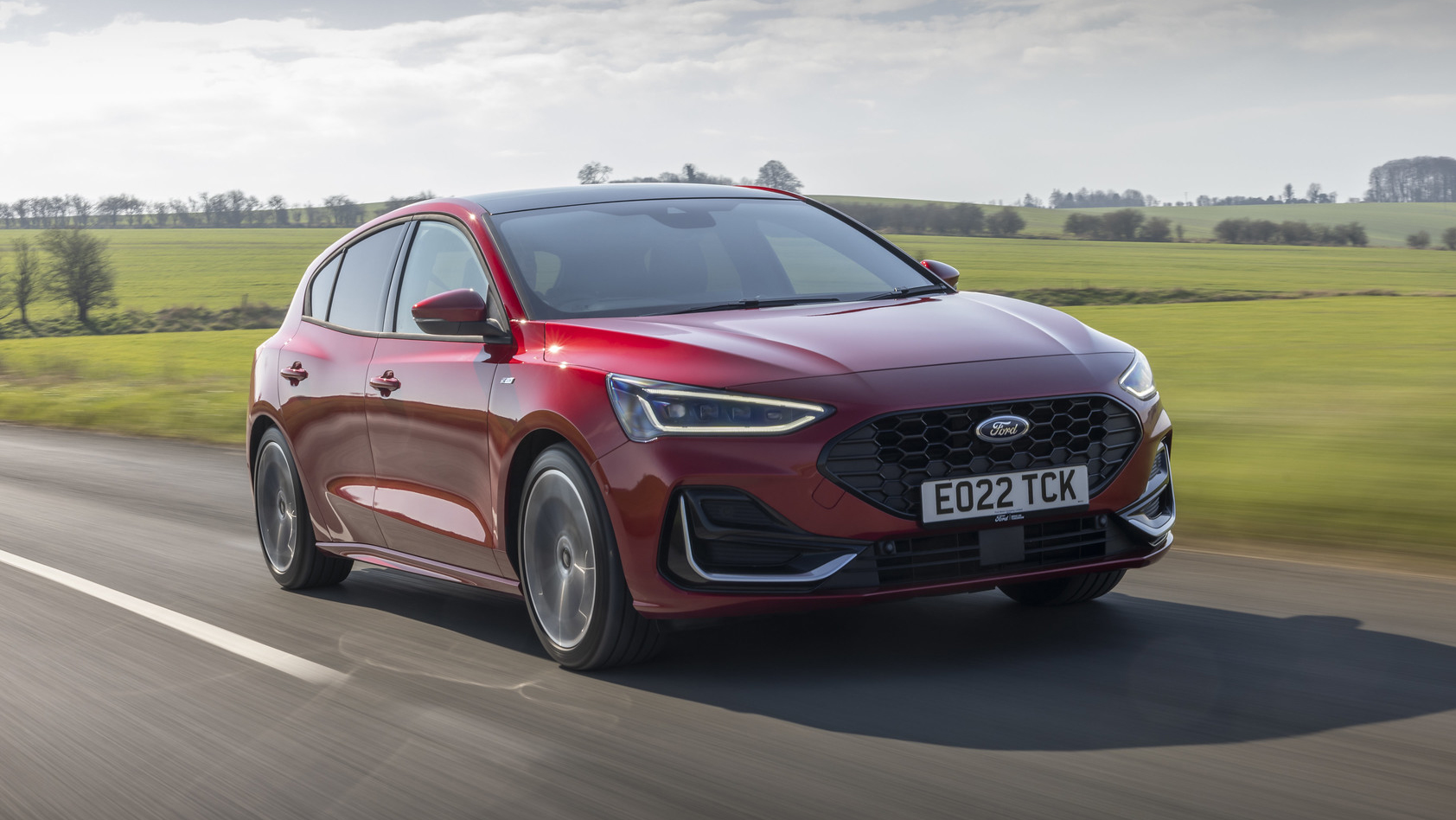
1. Ford Focus
The Ford Focus equipped with the PowerShift dual clutch transmission has become one of the most debated compact cars in modern automotive discussions, especially among mechanics and long-term owners.
On paper, the Focus offers several appealing qualities, such as solid fuel efficiency, a comfortable interior for its class, and a driving experience that feels more engaging than many economy sedans. However, the real concern begins to appear when the discussion shifts from short-term ownership to long-term reliability and repair history.
The biggest issue that mechanics consistently highlight is the PowerShift dual clutch transmission system. Unlike traditional automatic transmissions that use a torque converter, this system was designed to behave more like a manual gearbox operated automatically.
In theory, this improves fuel efficiency and reduces power loss. In real-world conditions, especially in heavy traffic environments common in many cities, the system often struggles. Drivers report jerky acceleration, hesitation during gear changes, and unpredictable shifting patterns that make the car feel inconsistent in daily use.
Mechanics frequently point out that these issues are not just minor inconveniences but often signal deeper mechanical and software-related problems. The clutch assemblies in some model years tend to wear out faster than expected, especially under stop-and-go driving conditions.
This leads to repeated visits to workshops for clutch replacements, transmission recalibrations, and software updates that do not always fully resolve the underlying behavior. Over time, owners may find themselves dealing with the same symptoms even after repairs have been performed.
Another major concern is the cost to repair relative to the vehicle’s market value. The Ford Focus is typically purchased as an affordable compact car, but transmission repairs can become extremely expensive, sometimes reaching a point where the repair cost is close to or even exceeds the resale value of the vehicle. This creates a financial dilemma for owners who expected a budget-friendly long-term commuter car but end up facing unexpectedly high maintenance expenses.
Despite these issues, it is important to recognize that not every Ford Focus is problematic. Manual transmission versions are generally considered far more reliable, and earlier traditional automatic models do not carry the same reputation for failure.
However, the widespread issues associated with the PowerShift system have significantly influenced how mechanics perceive this model when advising families, often leading them to recommend alternative compact cars with more proven transmission reliability.
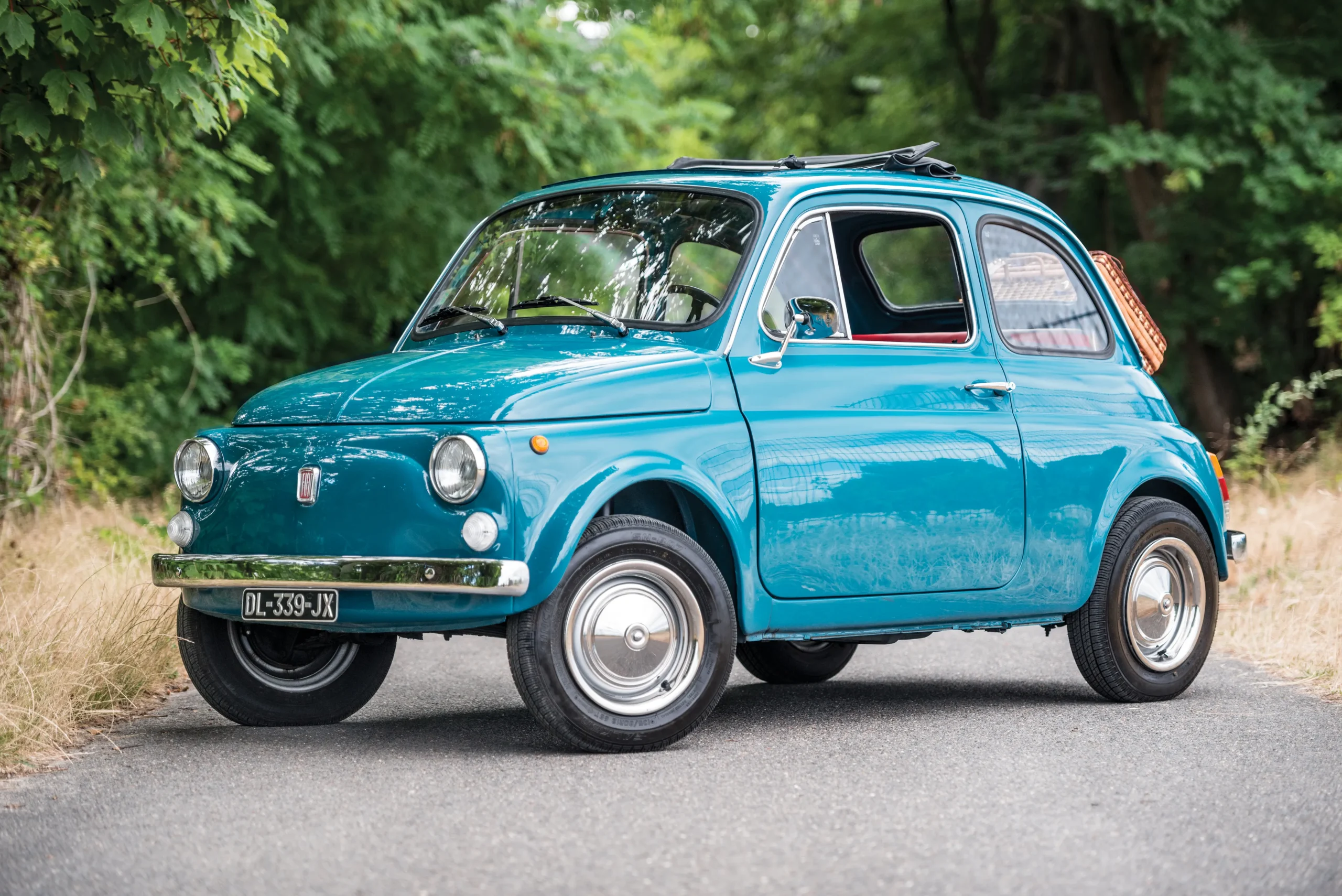
2. Fiat 500
The Fiat 500 is widely recognized for its charming retro-inspired design, compact size, and strong appeal as an urban commuter vehicle. It is often chosen by drivers who prioritize style, easy parking, and fuel efficiency in crowded city environments.
At first glance, it appears to be an ideal small car for daily use, especially for young drivers or individuals who mainly travel short distances. However, mechanics frequently raise concerns about its long-term durability and maintenance consistency.
One of the most commonly reported issues with the Fiat 500 is its electrical system. Over time, owners may experience a range of electrical glitches, including dashboard warning lights appearing without clear cause, sensor malfunctions, and intermittent failures in components such as power windows or infotainment systems. These problems can be difficult to diagnose because they often do not occur consistently, making the troubleshooting process longer and more expensive than expected.
In addition to electrical concerns, transmission behavior in automatic versions of the Fiat 500 has also been a point of criticism. Some drivers report rough or delayed shifting, especially as the vehicle accumulates mileage. While these issues may not always lead to complete transmission failure, they can affect driving comfort and contribute to a less refined experience over time. Mechanics often note that repeated minor issues can still result in significant long-term repair costs.
Suspension and engine components in the Fiat 500 are generally designed for light urban use, but they may show wear more quickly when the vehicle is driven on rough roads or used for extended highway travel.
This makes the car better suited for controlled city environments rather than mixed driving conditions. Over time, small repairs related to suspension bushings, mounts, and sensors can add up and increase the total cost of ownership.
Another important factor is parts availability and repair convenience. In some regions, Fiat parts can be more expensive or less readily available compared to mainstream Japanese or American compact cars. This can lead to longer repair times and higher labor costs, especially when specialized service is required. Mechanics often summarize the Fiat 500 as a stylish and enjoyable city car, but one that may not be the most dependable choice for long-term family ownership or high mileage use.
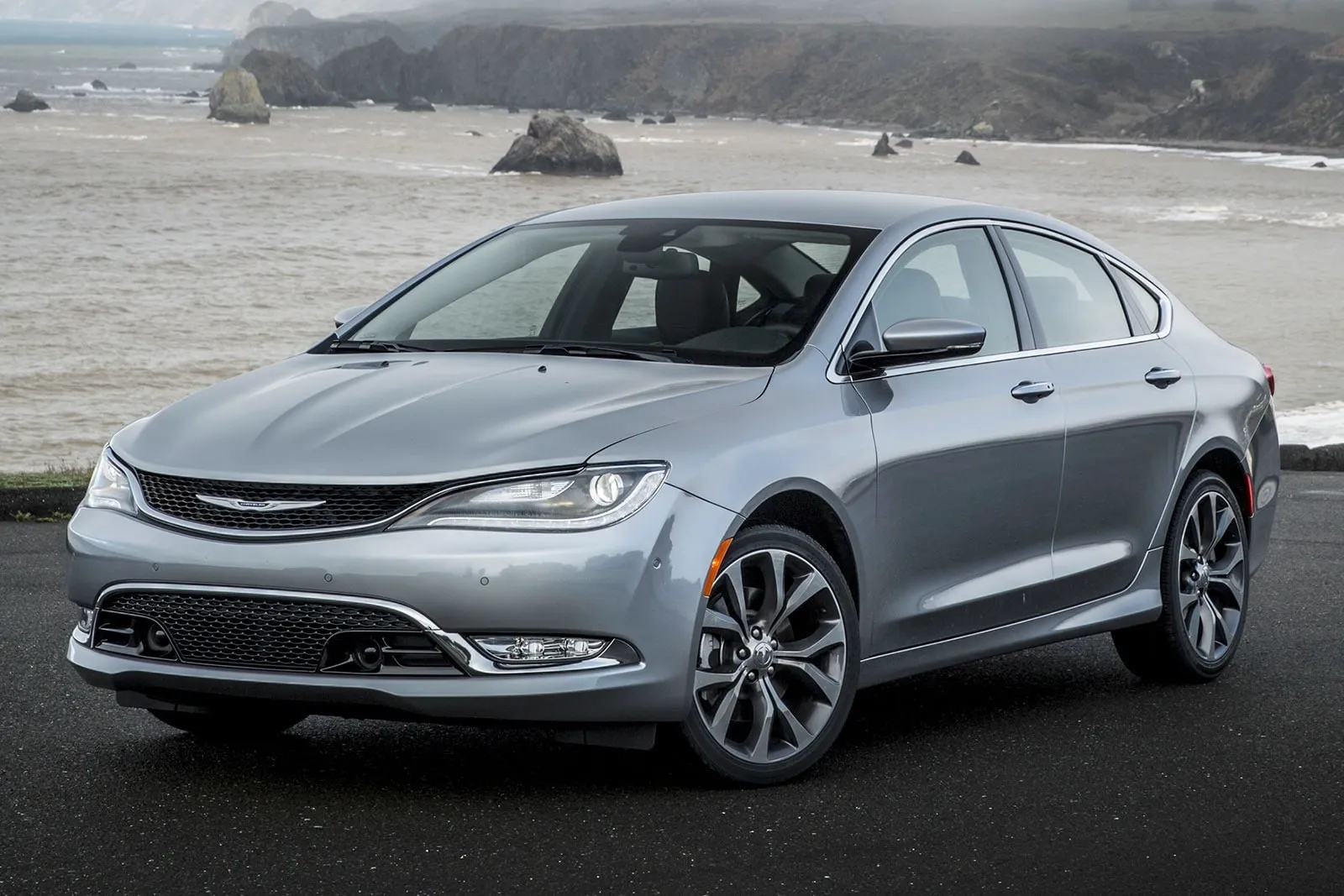
3. Chrysler 200
The Chrysler 200 entered the midsize sedan market with strong expectations, aiming to compete with well-established rivals by offering a comfortable interior, modern styling, and a relatively affordable price point. While it does succeed in providing a smooth ride and attractive design, mechanics often highlight a number of long-term reliability concerns that affect its reputation in the used car market.
One of the most frequently discussed issues involves the nine-speed automatic transmission used in many versions of the Chrysler 200. Drivers have reported inconsistent shifting behavior, hesitation during acceleration, and occasional harsh gear transitions.
These symptoms are often linked to software calibration issues as well as mechanical wear in the transmission system. While manufacturers have released updates to improve performance, mechanics note that these solutions do not always fully eliminate the problem.
Electrical system reliability is another area of concern. The Chrysler 200 incorporates a range of electronic features, including touchscreen infotainment systems, electronic power steering, and advanced sensor networks. While these features enhance driving comfort, they also introduce additional points of potential failure. Mechanics often encounter issues such as malfunctioning displays, inconsistent sensor readings, and electrical faults that can be difficult to trace.
Build quality consistency has also been mentioned in long-term ownership reports. Some interior materials, trim components, and smaller mechanical parts tend to wear faster than expected compared to competitors in the same category. This does not necessarily affect drivability immediately, but it contributes to a perception of lower long-term durability and higher maintenance frequency.
Another factor that influences mechanic opinions is resale value and long-term cost efficiency. As the vehicle ages, repair costs combined with depreciation can make it less attractive compared to more reliable midsize sedans. While the Chrysler 200 offers comfort and style, mechanics often suggest that families looking for dependable long-term transportation may find better value in models with stronger reliability track records.
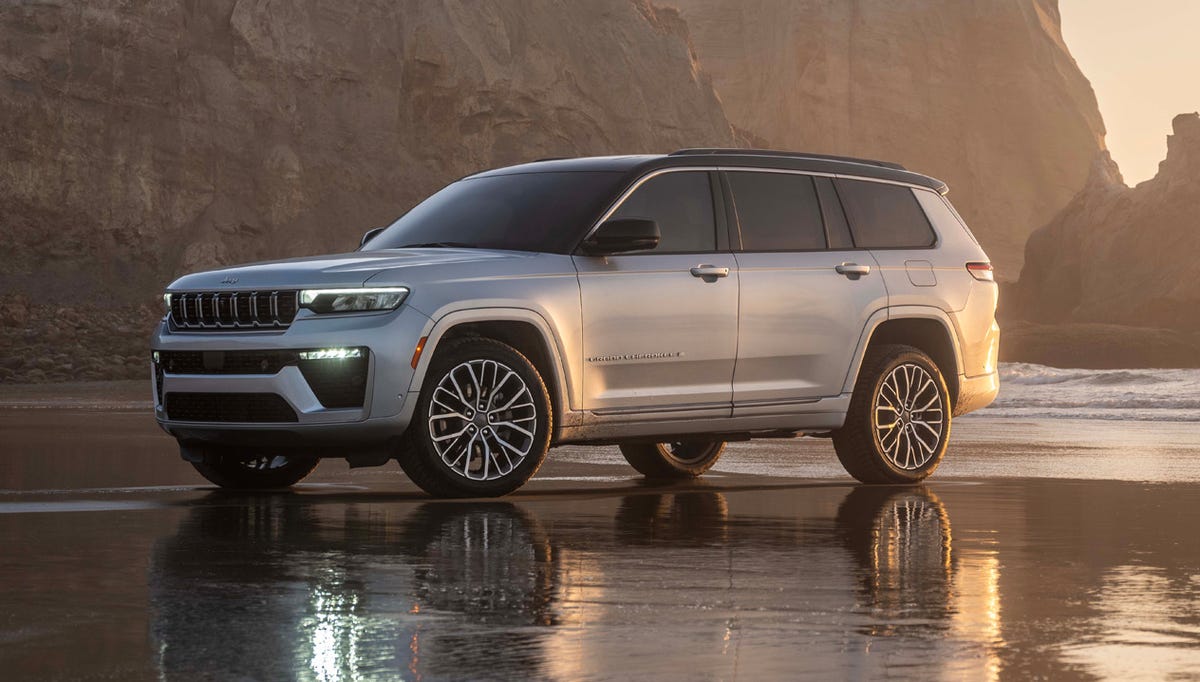
4. Jeep Cherokee
The Jeep Cherokee has long been associated with versatility, offering a balance between everyday usability and off-road capability. It appeals to drivers who want an SUV that can handle both city driving and rough terrain. However, certain model years, especially those equipped with the nine-speed automatic transmission, have developed a mixed reputation among mechanics due to recurring performance and reliability concerns.
A major issue frequently reported is transmission behavior. Drivers often experience delayed gear engagement, unpredictable shifting patterns, and hesitation during acceleration. These problems are particularly noticeable at low speeds or during stop-and-go driving conditions. Mechanics explain that the complexity of the transmission software, combined with calibration challenges, contributes to inconsistent performance that can be difficult to fully resolve.
In addition to transmission concerns, the Cherokee has also shown a tendency toward electrical system irregularities. Modern SUVs rely heavily on electronic control units, sensors, and software-driven systems. When these components malfunction, drivers may see warning lights, reduced engine power modes, or erratic behavior in features such as parking sensors and climate control systems. Diagnosing these issues often requires specialized tools and significant diagnostic time.
Suspension and drivetrain components are generally designed to handle a mix of road conditions, but long-term wear can still occur depending on driving habits and maintenance schedules. Mechanics sometimes note that while the Cherokee is capable in off-road situations, consistent heavy use or improper maintenance can accelerate wear on key components.
Despite these concerns, the Jeep Cherokee remains popular due to its brand reputation and off-road heritage. However, from a purely reliability-focused perspective, mechanics often advise careful evaluation of specific model years and maintenance history before considering it as a long-term family vehicle.
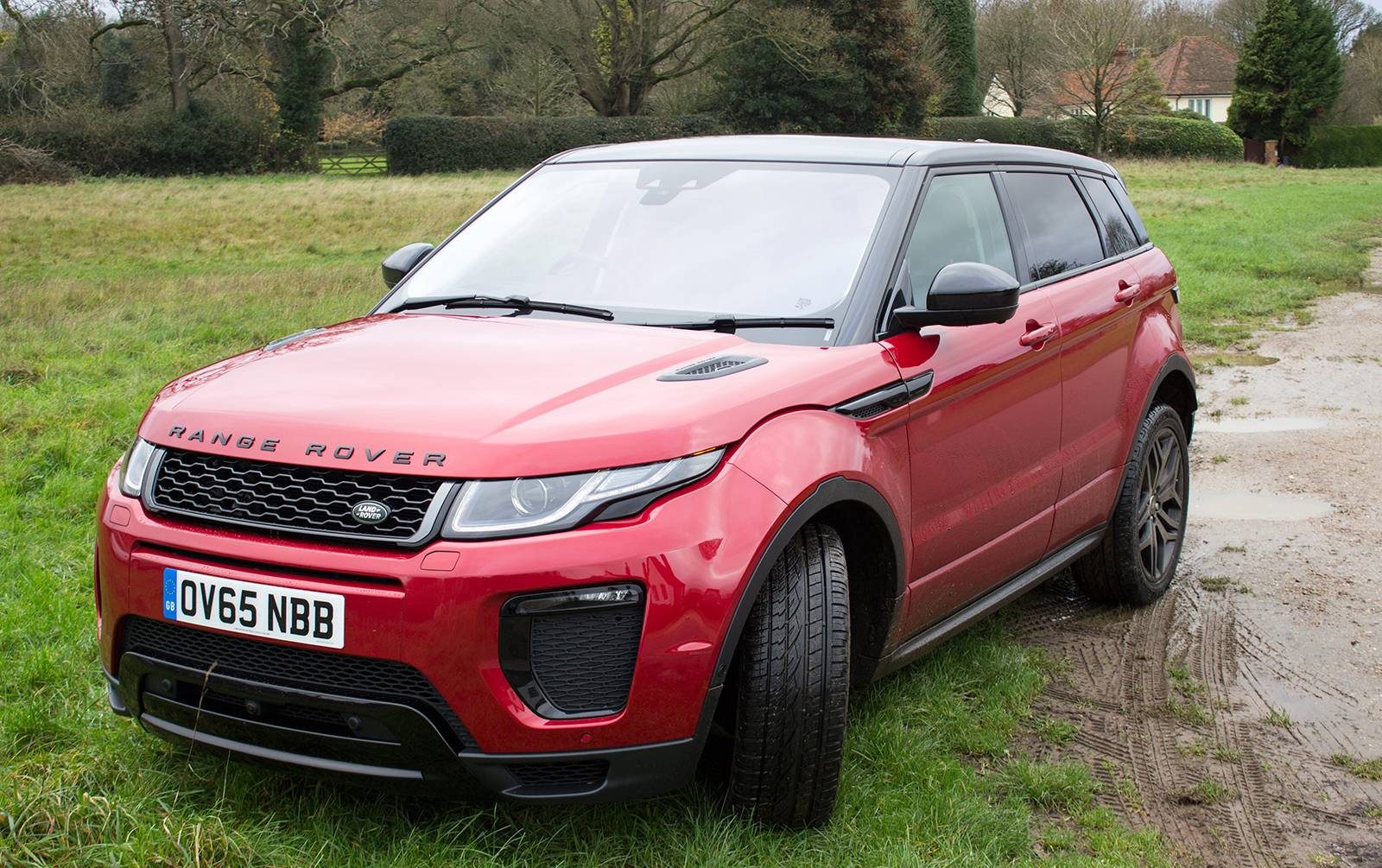
5. Range Rover Evoque
The Range Rover Evoque stands out as one of the most stylish compact luxury SUVs in its segment, offering premium design, advanced features, and strong brand appeal. It attracts buyers who value aesthetics, comfort, and status, and it delivers a driving experience that feels refined and upscale. However, mechanics often caution that long-term ownership costs and reliability concerns can be significantly higher than expected.
One of the most commonly reported problem areas is the vehicle’s electronic system complexity. The Evoque includes a wide range of advanced features such as digital displays, driver assistance systems, and integrated infotainment controls.
While these systems enhance convenience and luxury, they also increase the number of components that can potentially fail. Mechanics frequently encounter issues such as touchscreen malfunctions, sensor errors, and software glitches that require specialized diagnostics.
Engine-related and cooling system concerns have also been reported in some model years. These issues may include coolant leaks, thermostat failures, or sensor-related warnings that affect engine performance. Because luxury SUVs often use tightly packed engine compartments, even small repairs can require significant labor time, which increases service costs.
Another major factor influencing mechanic opinions is the cost of ownership. Routine maintenance for the Evoque is generally more expensive than that of non-luxury compact SUVs, and replacement parts can carry premium pricing. Over time, even standard servicing such as brake work, suspension maintenance, or electrical repairs can add up significantly.
Depreciation also plays a role in long-term value perception. While the Evoque retains strong brand appeal, its resale value combined with maintenance costs can make it less economical for long-term family use. Mechanics often describe it as a vehicle that offers an excellent short-term luxury experience but requires careful financial planning for long-term ownership stability.
Also read: 6 High-Mileage Commuters for the Omaha Metro vs. 6 Cars with Poor Resale Value
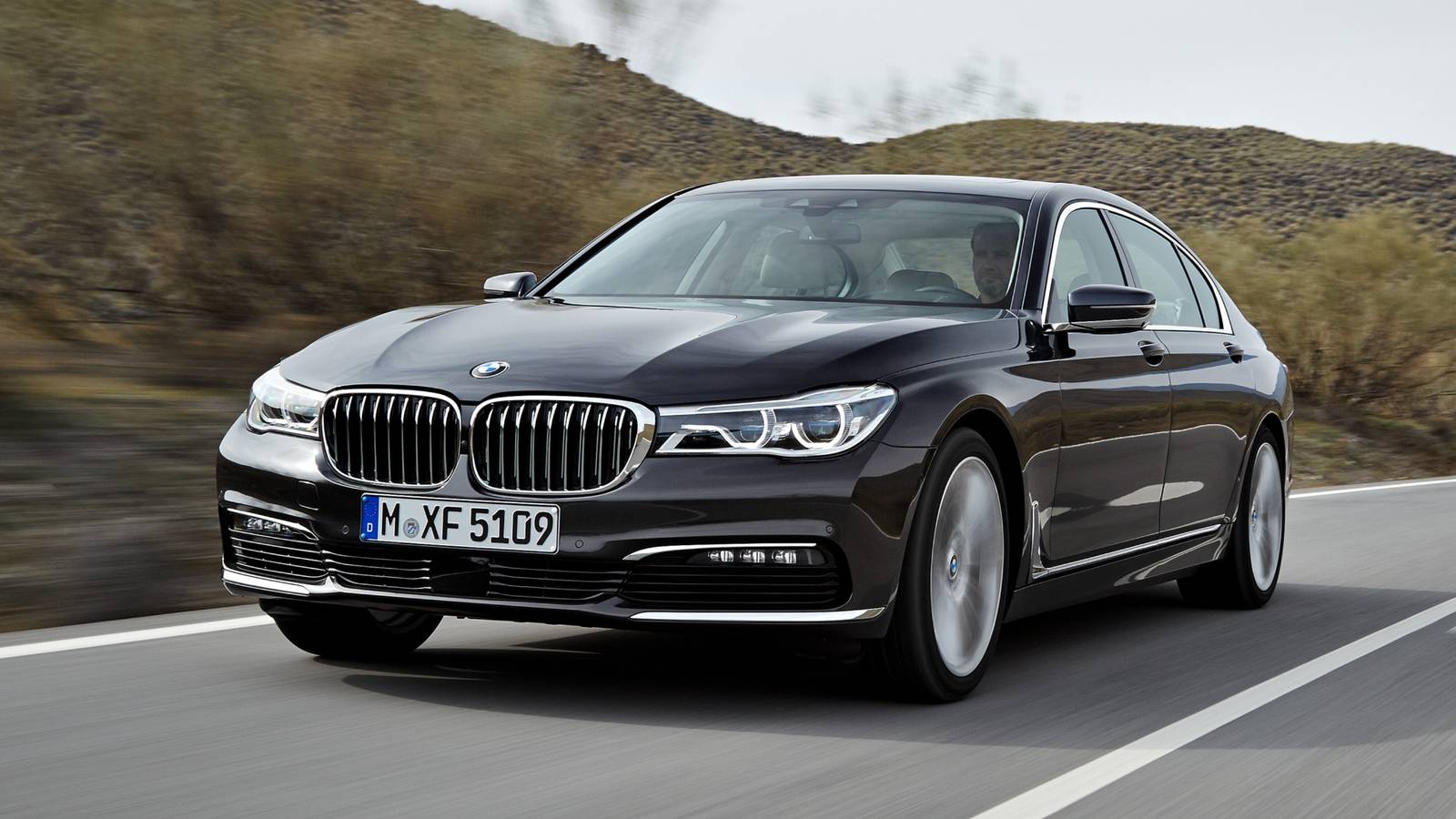
6. BMW 7 Series (Older Models)
Older versions of the BMW 7 Series are often admired for their luxury, advanced engineering, and strong performance, but they are also widely discussed among mechanics as vehicles that become significantly more expensive and complex to maintain as they age.
When new, the 7 Series delivers an exceptional driving experience with smooth power delivery, premium comfort features, and cutting-edge technology for its time. However, the same advanced systems that make it appealing can also become a major source of long-term ownership challenges.
One of the biggest concerns with older BMW 7 Series models is the complexity of their electronic systems. These vehicles were designed with highly integrated modules controlling everything from suspension settings to climate control, navigation, and driver assistance features.
While this creates a refined driving experience, it also means that when something goes wrong, diagnosis is not simple. Mechanics often need specialized diagnostic tools, and even then, identifying the root cause of an issue can take significant time and labor.
Engine-related maintenance is another important factor. As mileage increases, components such as gaskets, seals, cooling system parts, and sensors may begin to wear out. These repairs are often more expensive than average due to the tight engine bay design and the level of disassembly required. Even relatively common repairs like water pump or thermostat replacement can become labor-intensive, increasing total service costs.
Suspension systems in older 7 Series models, especially those equipped with air suspension, are another known maintenance concern. Air suspension components provide excellent ride comfort when functioning properly, but they are prone to leaks, compressor failures, and sensor issues over time. When these systems fail, repair costs can be significantly higher than traditional suspension setups, and replacement parts are not always inexpensive.
Mechanics often describe older BMW 7 Series models as vehicles that offer outstanding luxury but demand a level of financial commitment that may not suit most family buyers. They are best suited for owners who are prepared for ongoing maintenance expenses and understand the trade-off between comfort and long-term reliability.
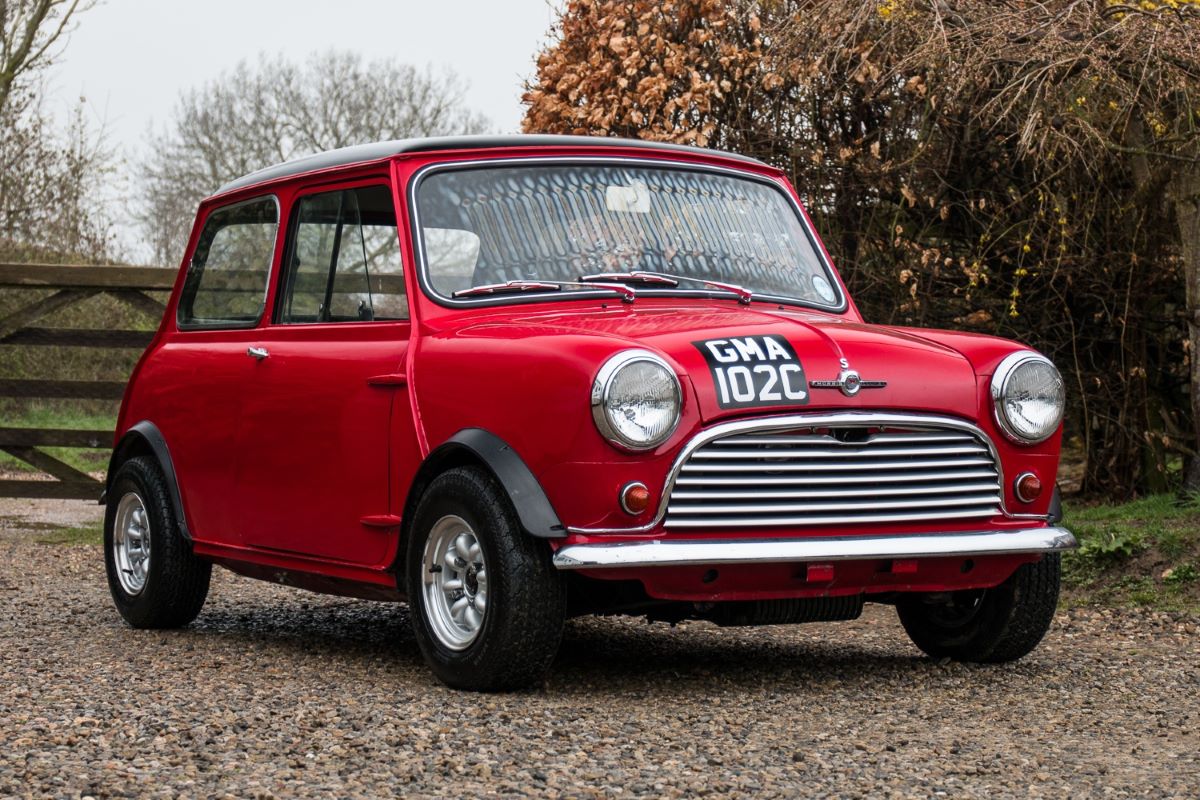
7. Mini Cooper
Older Mini Cooper models are well known for their iconic design, compact size, and sporty handling characteristics. They are especially popular among drivers who enjoy a fun driving experience in a small, urban-friendly package. However, mechanics often point out that certain generations of the Mini Cooper come with a reputation for higher maintenance needs and recurring mechanical issues, particularly as the vehicle ages beyond its early years.
One of the most commonly discussed concerns involves timing chain issues in specific engine variants. Over time, timing chain components can stretch or wear, leading to rattling noises, engine warning lights, and, in severe cases, potential engine damage if not addressed early. Mechanics emphasize that early detection is important, as ignoring these symptoms can lead to much more expensive repairs involving major engine work.
Cooling system reliability is another area that often requires attention. Components such as thermostats, water pumps, and coolant hoses may experience wear over time, leading to overheating risks if not maintained properly. In compact engine bays like those in the Mini Cooper, even small cooling system failures can escalate quickly if not repaired promptly.
Electrical system quirks are also reported in some models. While not every Mini Cooper experiences these issues, mechanics sometimes encounter sensor faults, warning light inconsistencies, and minor electronic glitches. These problems can be difficult to diagnose because they may appear intermittently rather than consistently.
Despite these concerns, the Mini Cooper continues to attract buyers due to its unique driving feel and strong brand identity. However, from a long-term ownership perspective, mechanics often recommend that potential buyers carefully consider maintenance history and expected repair costs before choosing it as a primary family vehicle.
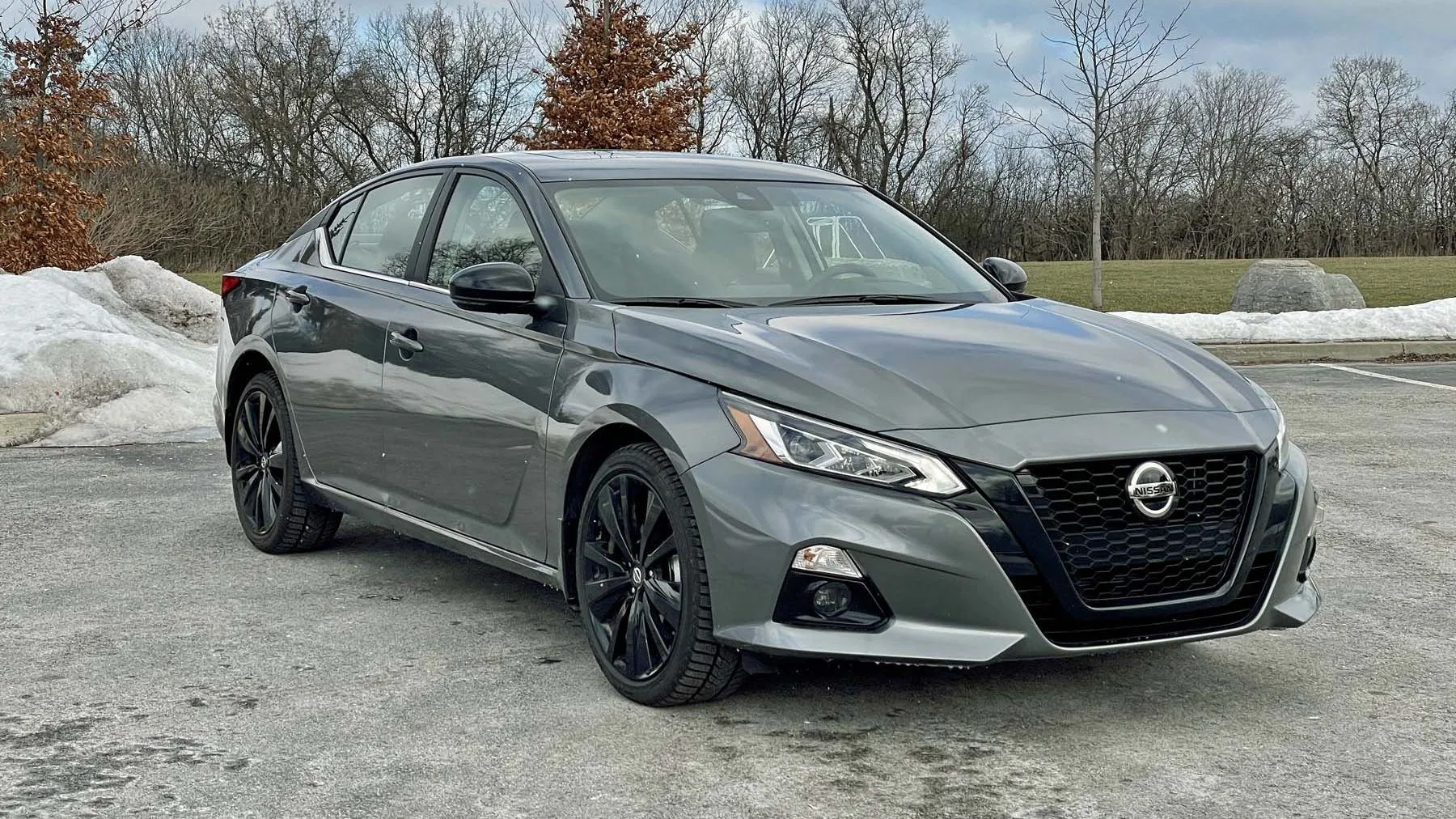
8. Nissan Altima and Sentra
Nissan Altima and Sentra models equipped with continuously variable transmissions, commonly known as CVTs, are frequently discussed in mechanic communities due to long-term durability concerns in certain production years. These vehicles are popular because they offer strong fuel efficiency, comfortable rides, and affordable pricing, making them attractive options in the midsize and compact sedan segments. However, the CVT system has been a central point of debate regarding long-term reliability.
The primary concern with CVT transmissions is their behavior under extended use. Unlike traditional automatic transmissions that use fixed gear ratios, CVTs rely on a belt and pulley system that continuously adjusts ratios for optimal efficiency.
While this design improves fuel economy and smoothness in theory, mechanics often report that in real-world driving conditions, especially under heavy traffic or prolonged highway use, these systems may experience wear more quickly than expected.
Common symptoms include slipping sensations, delayed acceleration response, and overheating during extended driving periods. In some cases, drivers may notice a loss of smooth power delivery or inconsistent engine behavior under load. Mechanics often identify these as early warning signs of transmission wear, which can eventually lead to more serious issues if not addressed.
Repair costs are another major factor influencing mechanics’ opinions. CVT repairs and replacements can be expensive, and in some cases, replacing the entire transmission assembly may be more cost-effective than attempting partial repairs. This can create financial stress for owners who expected a low-maintenance ownership experience based on the vehicle’s initial price point.
Despite improvements in newer CVT designs, earlier generations of Nissan CVTs contributed to a reputation that still influences buyer perception today. Mechanics often advise careful inspection of transmission condition and service history before purchasing used Altima or Sentra models equipped with CVTs.
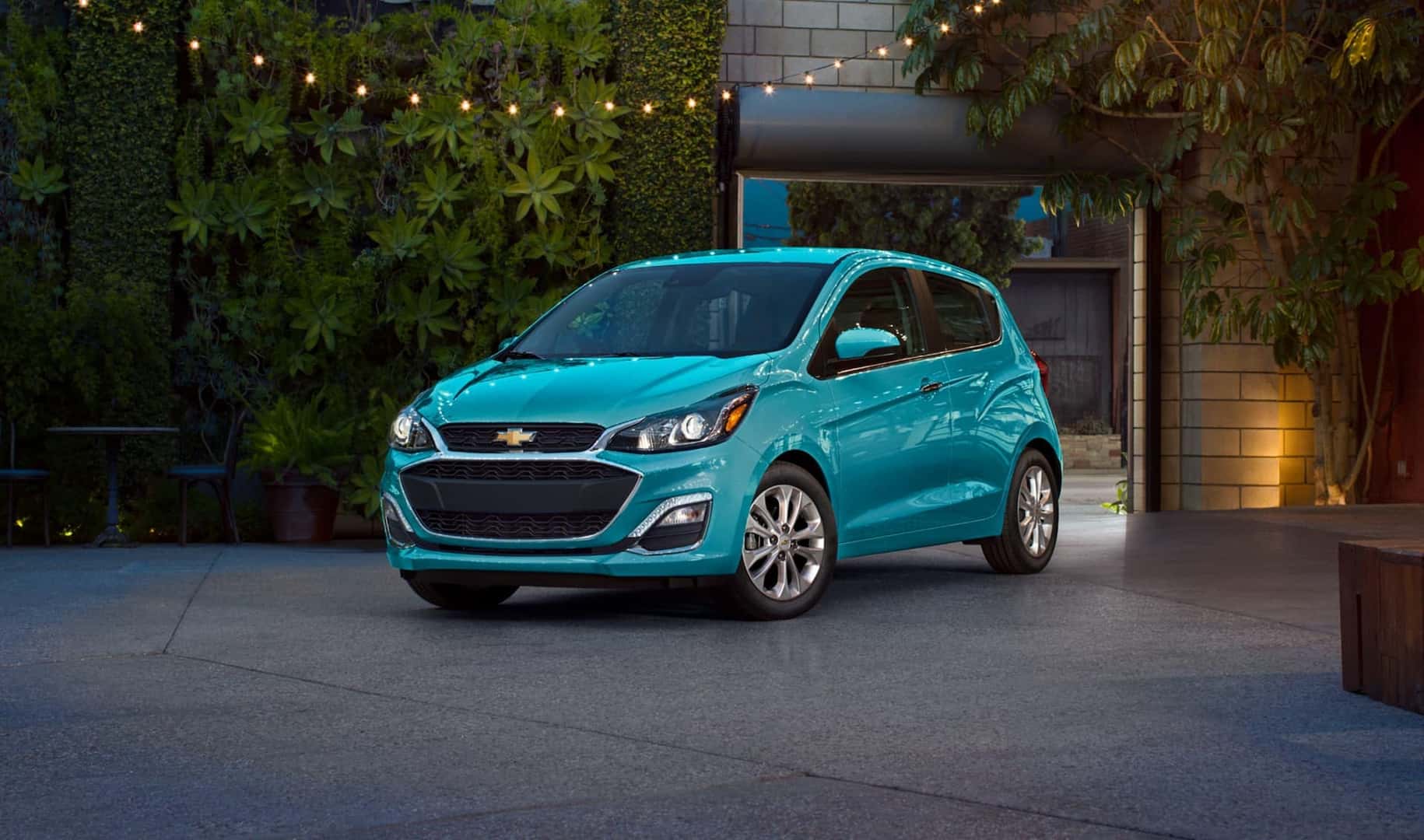
9. Chevrolet Spark
The Chevrolet Spark is designed as an entry-level city car aimed at affordability, fuel efficiency, and easy urban maneuverability. It is commonly chosen by first-time car buyers, students, or individuals who need a basic transportation solution for short-distance commuting. While it performs well in controlled city environments, mechanics often highlight limitations that affect its suitability for long-term or high-demand use.
One of the key observations regarding the Spark is its lightweight construction. While this helps improve fuel efficiency and makes the vehicle easy to handle in tight spaces, it can also result in faster wear of certain components when driven on uneven roads or under frequent load conditions. Suspension parts, in particular, may require more frequent attention compared to heavier, more robust vehicles.
Engine performance in the Spark is adequate for city driving but becomes less comfortable in highway conditions or when carrying multiple passengers. Mechanics often note that smaller engines operating near their performance limits over long periods may experience increased wear over time. This does not necessarily lead to immediate failure, but it can influence long-term durability.
Interior materials and build quality are designed to keep costs low, which means that wear and tear may become visible sooner than in higher-priced vehicles. Buttons, trim pieces, and seat materials may show signs of aging more quickly, especially in high-use environments.
Despite these limitations, the Spark remains an economical choice for short-term or low-mileage usage. Mechanics often describe it as a practical budget vehicle rather than a long-term family transportation solution, especially for drivers who require durability across varied driving conditions.
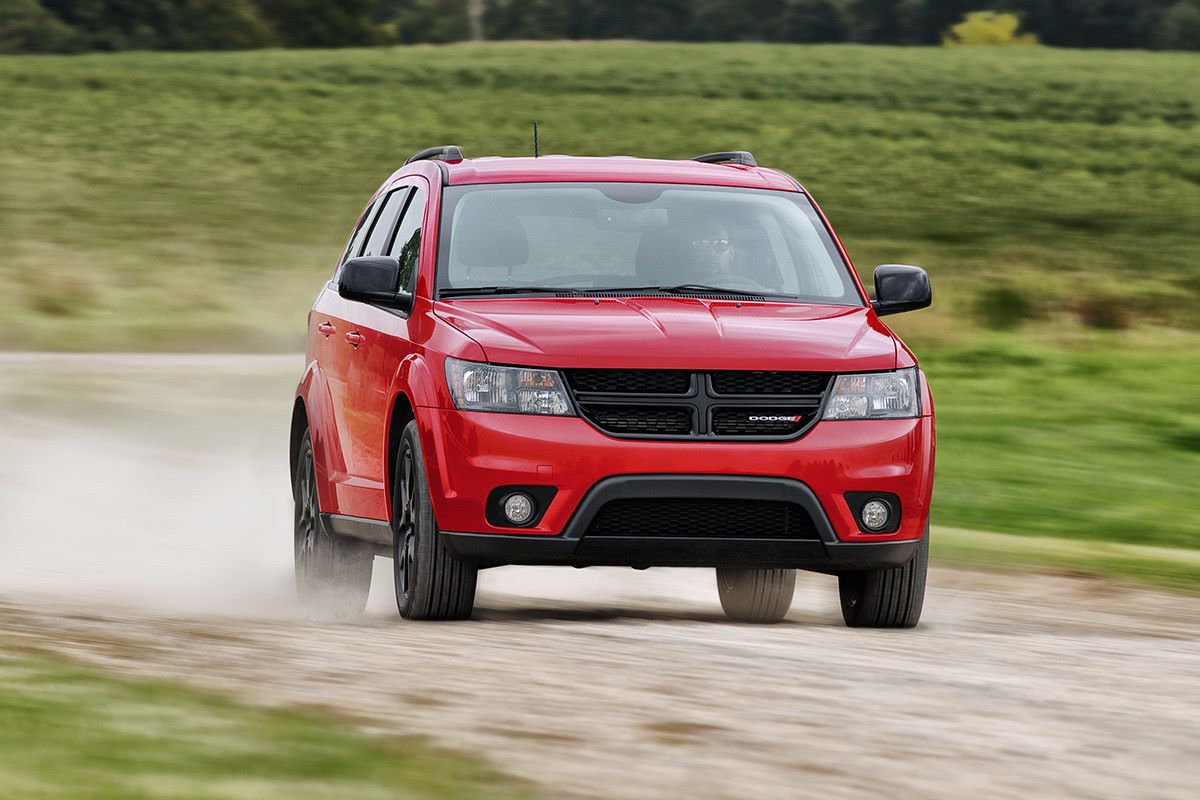
10. Dodge Journey
The Dodge Journey is a midsize SUV that has remained in production for many years with relatively limited updates, which has contributed to its mixed reputation in terms of modern reliability and long-term performance. While it offers spacious seating, straightforward controls, and an affordable price point in the used car market, mechanics often point out several concerns that affect its appeal as a dependable family SUV.
One of the most commonly reported issues is transmission performance. Many drivers have experienced hesitation during gear shifts, rough transitions, or delayed acceleration response. These symptoms are often more noticeable in older model years and can become more pronounced as the vehicle accumulates mileage. Mechanics frequently associate these issues with aging transmission design and inconsistent long-term durability.
Electrical system problems are another area of concern. The Dodge Journey includes various electronic features such as infotainment systems, climate controls, and sensor-based safety features. Over time, some owners report glitches such as unresponsive screens, sensor warnings, or intermittent electrical failures. While not every vehicle experiences these issues, they appear frequently enough in repair environments to influence mechanic recommendations.
Another important factor is platform age. The Journey was produced for an extended period with relatively minimal redesigns compared to competitors. This means that while it remains functional, its underlying engineering and technology may feel outdated when compared to more modern SUVs. Mechanics often note that newer competitors tend to offer better fuel efficiency, improved safety systems, and more reliable long-term components.
Despite these concerns, the Dodge Journey continues to appeal to buyers looking for affordability and space. However, mechanics typically recommend careful evaluation of maintenance history and long-term repair expectations before choosing it as a family vehicle intended for extended use.
Also read: 10 Cars That Are Cheapest To Fix At Any Mechanic in the United States
