

When it comes to long-term truck ownership, steering feel is one of the most important yet overlooked aspects of durability. A truck may still run and drive after 200,000 miles, but if the steering becomes loose, vague, or unstable, it quickly loses its confidence and safety on the road.
Drivers often describe this difference as a truck that feels “tight and planted” versus one that “wanders” or requires constant correction just to stay in a straight line. The difference is not random. It comes down to engineering design, suspension geometry, steering system type, build quality, maintenance habits, and even how the vehicle is typically used over its lifetime.
Trucks that maintain tight steering at very high mileage usually share a few common traits. They tend to use durable steering linkages, strong chassis construction, and conservative suspension designs that prioritize longevity over aggressive handling. Many of them are also designed for global or commercial markets, where reliability under harsh conditions is a priority.
Regular maintenance, such as alignment, ball joint replacement, tie rod servicing, and proper tire care, also plays a huge role. Even the best-engineered truck will develop steering looseness if neglected, but some platforms are simply more forgiving than others.
On the other hand, trucks that tend to develop wandering steering earlier often suffer from faster wear in steering components, softer suspension bushings, or more complex front-end setups that degrade more quickly under heavy use. Steering racks, idler arms, pitman arms, and control arm bushings can all contribute to instability when they wear out. In many cases, the truck still runs mechanically fine, but the driving confidence drops significantly.
Road feedback becomes inconsistent, and highway driving requires more correction input, especially at higher speeds or in windy conditions.
It is also important to understand that “wandering” does not always mean unsafe. It often reflects accumulated wear rather than design failure. A poorly maintained truck at 80,000 miles can feel worse than a well-maintained truck at 200,000 miles. However, certain models statistically show an earlier onset of steering looseness when compared across large ownership groups and long-term usage reports.
In this article, we will explore five trucks widely known for maintaining tight and stable steering even after crossing 200,000 miles, as well as five trucks that have a reputation among owners for developing wandering or loose steering behavior closer to the 80,000-mile range when not carefully maintained.
The goal is not to criticize any brand unfairly but to highlight real-world durability trends that matter for buyers, fleet owners, and long-term truck enthusiasts.
ALSO READ: 9 Vehicles With Side Mirrors Wide Enough for Older Eyes
5 Trucks With Steering That Stays Tight at 200K Miles
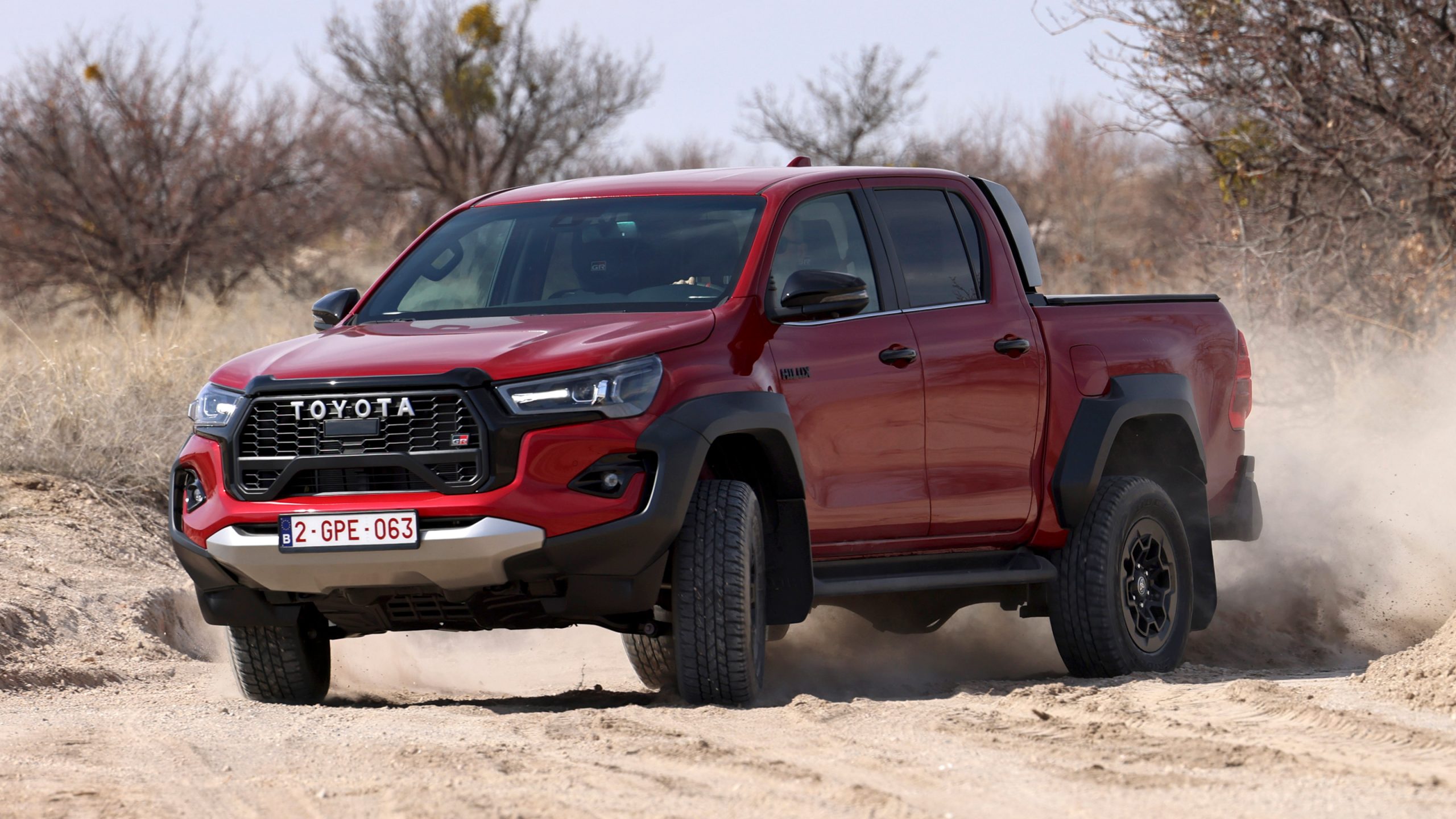
1. Toyota Hilux
The Toyota Hilux has earned a global reputation for being nearly indestructible, and its steering durability is one of the key reasons behind that reputation. Even after crossing 200,000 miles, many Hilux trucks continue to feel stable and predictable on the road. The steering does not develop excessive play quickly, which gives drivers confidence even in older high-mileage units. This consistency is especially valued in regions where vehicles are used in harsh working conditions.
A major reason for this long-term steering stability is the Hilux’s extremely robust chassis design. The ladder frame construction is engineered to resist twisting and flexing, which helps maintain alignment of the front suspension components. When the frame stays rigid, the steering system is less likely to develop looseness over time. This structural strength plays a big role in keeping the steering tight even under heavy loads.
The steering components themselves are also designed with durability in mind. Toyota uses reinforced tie rods, strong ball joints, and durable bushings that are less prone to early wear compared to more comfort-focused trucks. Even when wear does occur, it tends to happen gradually, allowing owners to correct issues before they become serious enough to affect highway stability.
Another important factor is the Hilux’s global usage profile. It is often used in agriculture, construction, mining, and rural transportation, where reliability matters more than luxury features. Because of this, the engineering philosophy prioritizes long-term mechanical strength over complex systems that might degrade faster. This simplicity helps the steering system age more gracefully over time.
Regular maintenance further enhances its longevity. Owners who perform routine alignment checks, replace worn suspension components on schedule, and avoid overloading the vehicle often report that the steering remains tight and responsive even after extremely high mileage. This combination of design strength and maintainability makes the Hilux one of the best examples of long-lasting steering performance.
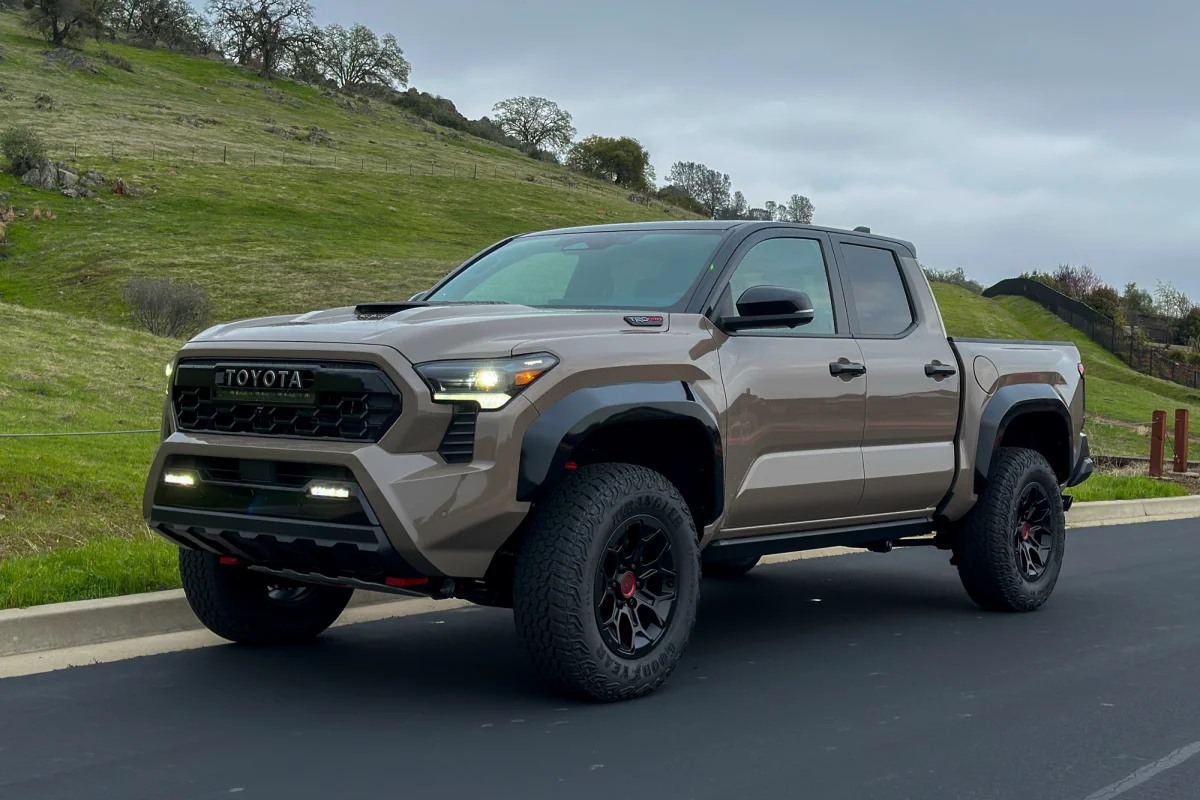
2. Toyota Tacoma
The Toyota Tacoma is one of the most respected midsize trucks in terms of long-term reliability, and its steering system is a major part of that reputation. Many Tacoma owners report that even after 200,000 miles, the truck still tracks straight on highways without constant correction. This is especially impressive given how often these trucks are used in off-road and utility applications.
One of the key strengths of the Tacoma is its well-balanced suspension geometry. It is designed to handle uneven terrain while still maintaining stable road behavior. This balance helps reduce uneven wear on steering components, which is a common cause of wandering in high-mileage trucks. The front end remains relatively stable even under mixed driving conditions.
The Tacoma also benefits from a strong and supportive owner maintenance culture. Because it is widely used in outdoor and work environments, many owners are proactive about servicing suspension components. This includes replacing bushings, tie rods, and ball joints before they fail completely. This preventative approach helps preserve steering tightness over the long term.
Another factor that contributes to its durability is the relatively simple and proven steering system design. The Tacoma avoids overly complex steering setups that can introduce additional wear points. Instead, it relies on a more mechanical and straightforward system that tends to degrade slowly rather than suddenly. This makes it easier to maintain a predictable steering feel over time.
Even when minor wear does occur, the Tacoma tends to communicate it early through small changes in steering feedback rather than sudden instability. This allows drivers to address issues before they become severe. As a result, many high-mileage Tacomas remain reliable daily drivers with stable and consistent steering performance.
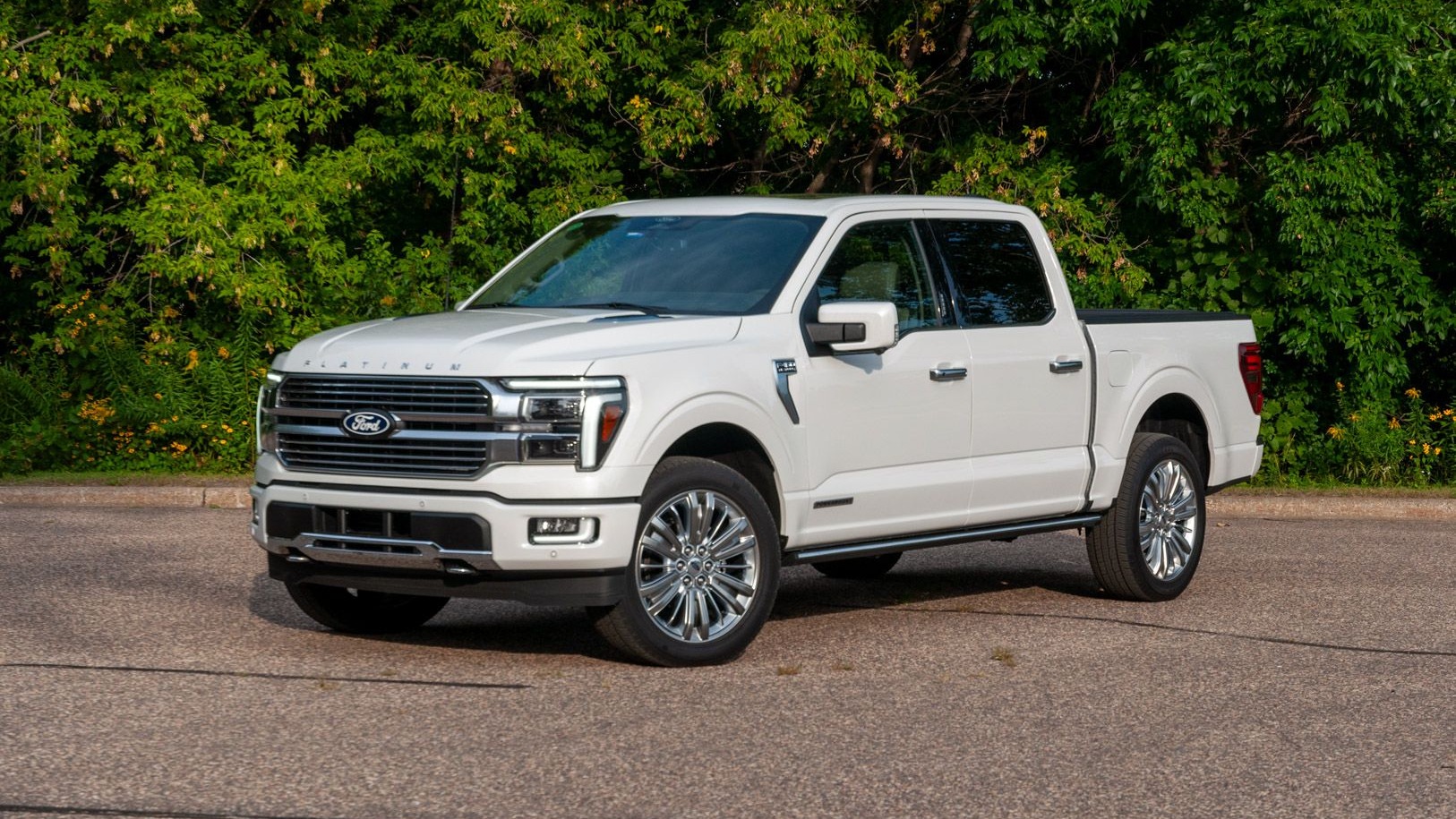
3. Ford F-150
The Ford F-150 is one of the most widely used trucks in the world, and its steering durability can vary depending on usage and maintenance history. However, well-maintained examples are fully capable of retaining tight and controlled steering even beyond 200,000 miles. This is especially true for newer generations that have benefited from continuous engineering improvements.
A major factor in the F-150’s long-term steering performance is its evolving chassis design. Ford has refined the suspension and steering systems across multiple generations, improving both durability and responsiveness. These improvements have helped reduce early wear issues that were more common in older models.
The F-150’s steering system is also designed to handle a wide range of applications, from light-duty commuting to heavy towing and commercial use. This versatility means that when properly maintained, the components are built to tolerate stress without rapid degradation. However, trucks that are heavily overloaded or poorly maintained can develop steering looseness much earlier.
Maintenance plays a critical role in keeping the F-150’s steering tight. Components such as tie rods, control arm bushings, and steering rack mounts require periodic inspection and replacement. Because these parts are widely available and relatively affordable, many owners choose to keep their trucks in good condition long after high mileage.
In real-world usage, well-cared-for F-150 trucks often remain stable on highways and responsive to steering input even after years of service. While not every unit will perform the same, those with a consistent maintenance history demonstrate that the platform is capable of long-term steering durability.
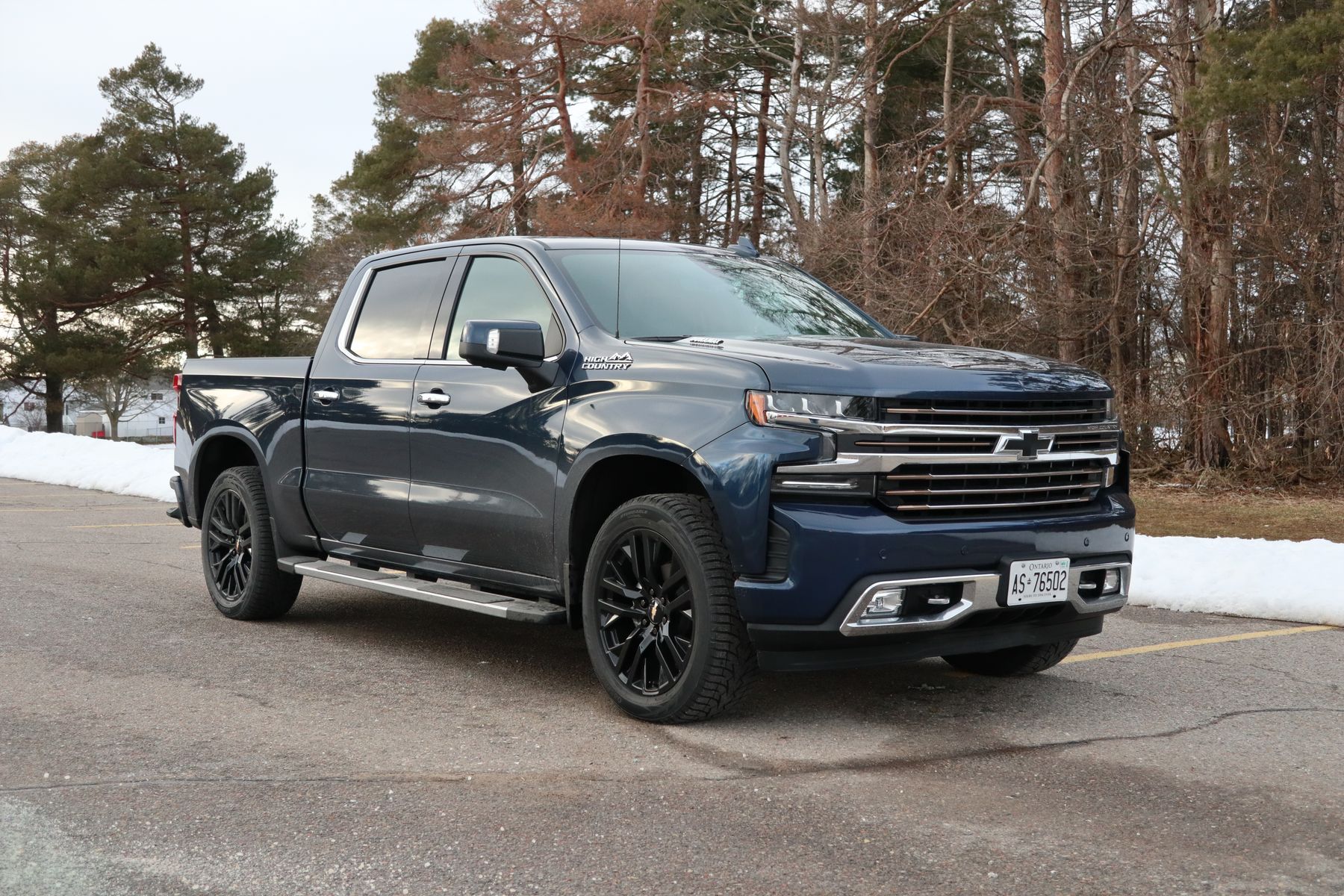
4. Chevrolet Silverado 1500 (GMT800 and GMT900 Era)
The Chevrolet Silverado 1500, particularly from the GMT800 and GMT900 generations, is known for its long-lasting mechanical simplicity and strong structural design. Many of these trucks are still in service today with very high mileage and retain acceptable steering stability when properly maintained.
One of the main reasons for this durability is the relatively straightforward steering linkage system used in these generations. While not the most modern design, it is built with strong components that wear gradually rather than failing suddenly. This allows owners to detect and repair issues before they significantly impact driving stability.
The Silverado also benefits from a strong aftermarket support network. Replacement parts for steering and suspension components are widely available and relatively easy to install. This makes it easier for owners to restore steering tightness even after long-term wear has occurred.
However, like all trucks, maintenance is critical. Neglected Silverado trucks can develop steering play earlier due to worn idler arms, pitman arms, and bushings. When these components are not replaced in time, steering precision begins to degrade, especially at highway speeds.
When properly cared for, though, these Silverado generations can remain stable and predictable even at high mileage. Many owners report that with routine front-end maintenance, the truck continues to feel solid and reliable well beyond 200,000 miles.
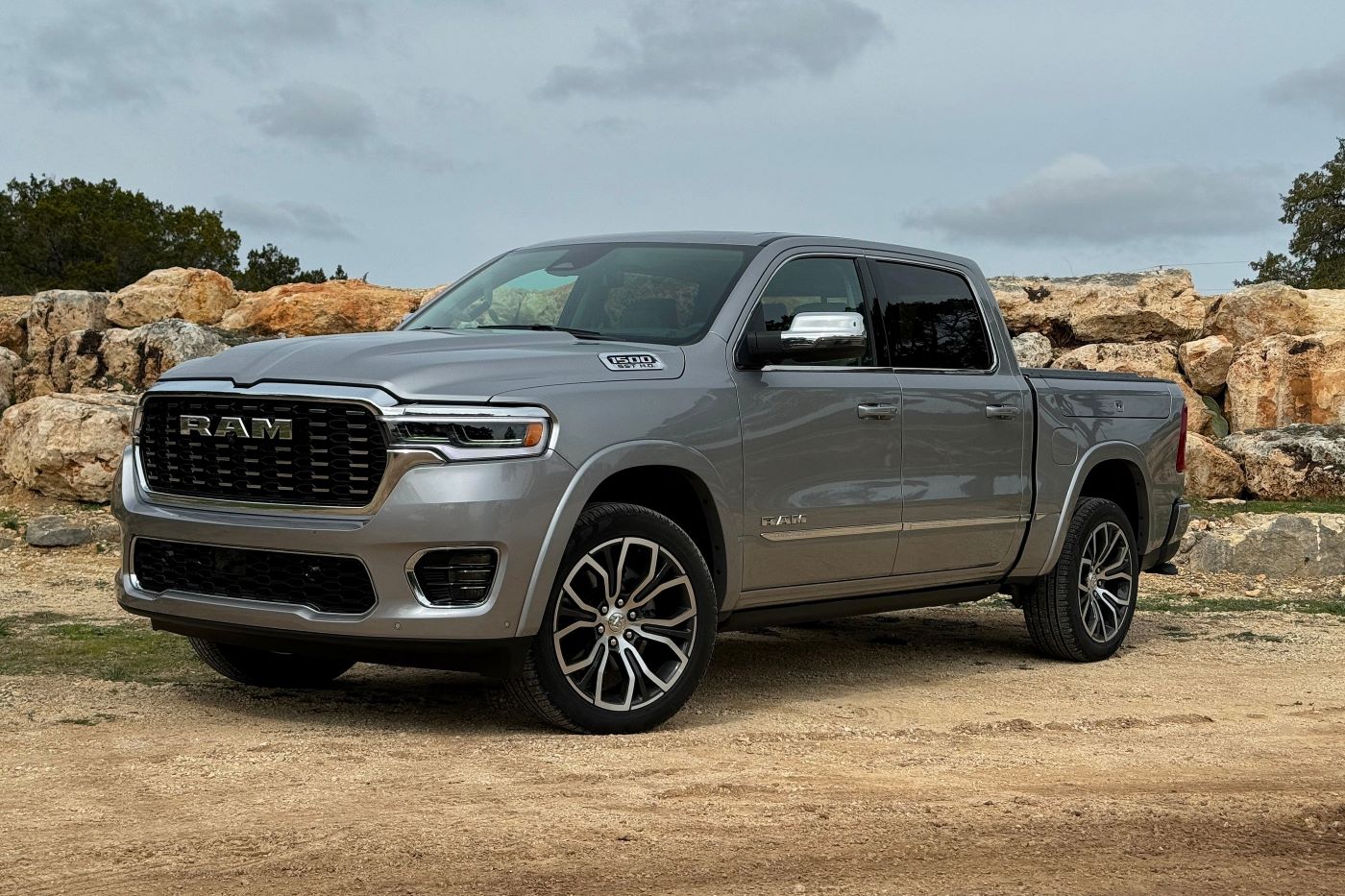
5. Ram 1500
The Ram 1500 has gone through significant evolution over the years, and its long-term steering performance depends heavily on model year and maintenance habits. When properly maintained, it can retain stable steering characteristics even at high mileage levels.
One of the strengths of the Ram 1500 is its comfortable suspension tuning combined with a capable chassis. This makes it a popular choice for long-distance driving and daily use. When the suspension and steering components are in good condition, the truck feels stable and composed on highways.
However, the steering system is sensitive to wear in components such as bushings and linkage joints. Once these parts begin to degrade, steering looseness can become noticeable. This is why regular maintenance is especially important for preserving steering quality in this platform.
Newer generations of the Ram 1500 have improved significantly in steering precision and durability. Engineering updates have helped reduce earlier concerns about wandering behavior, especially at higher mileage levels. These improvements have made the truck more competitive in long-term ownership reliability.
The Ram 1500 can perform well in terms of steering longevity when maintained properly. Its long-term behavior is strongly influenced by how consistently suspension components are inspected and replaced.
ALSO READ: 10 Cars Mechanics Often Advise Against for Their Own Families
5 Trucks That Tend to Wander at Around 80K Miles
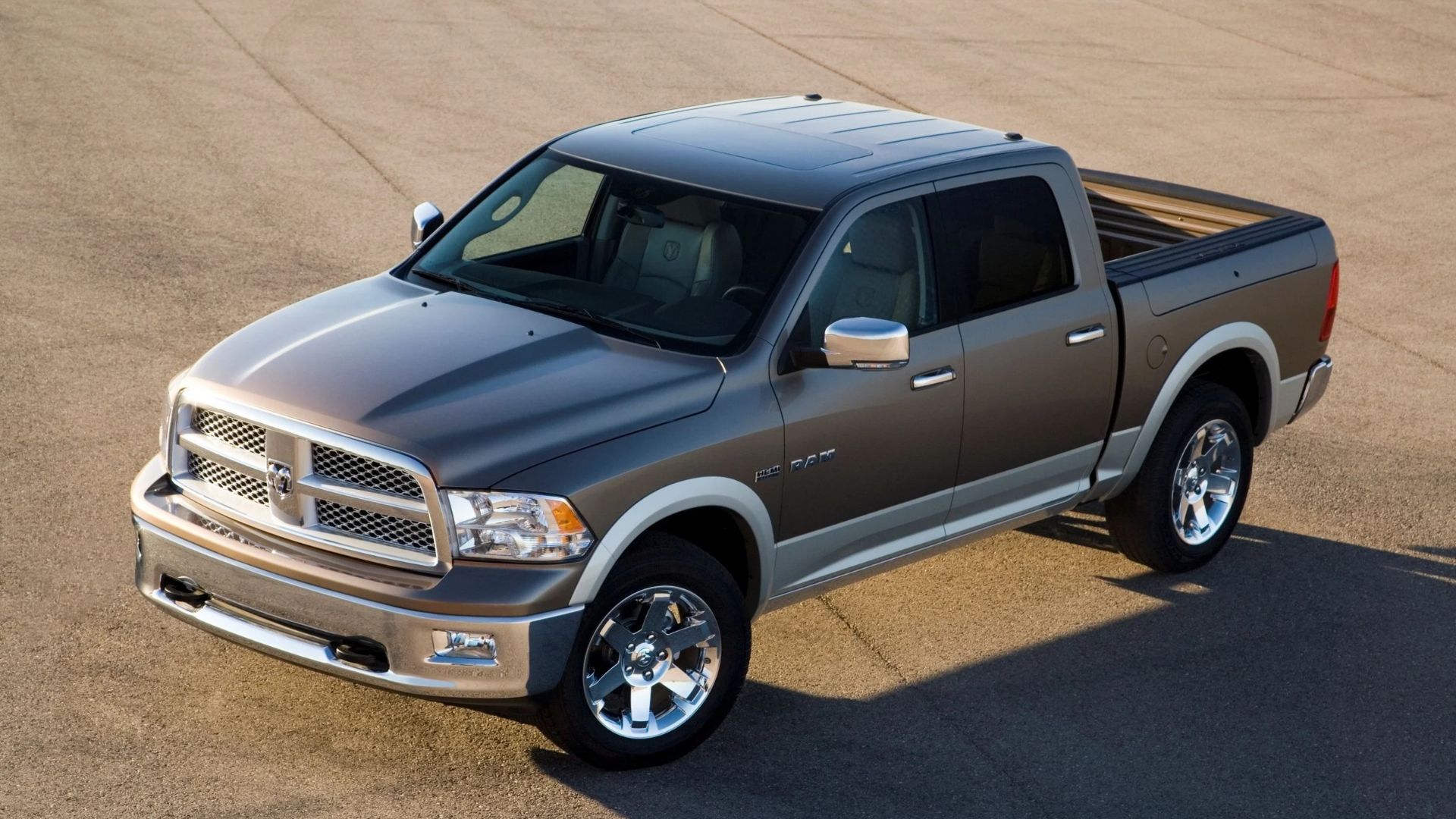
1. Ram 1500 Models
Older Dodge Ram 1500 models, particularly those from earlier generations, have often been discussed among owners for developing steering looseness earlier than expected. Around the 80,000-mile range, some trucks begin to show a wandering sensation, especially when driven at highway speeds or in crosswind conditions. This does not mean the truck becomes unsafe, but it does indicate wear in key steering components that affects driving confidence.
One of the most common contributors to this behavior is wear in the steering linkage system. Components such as the pitman arm, idler arm, and tie rod ends are known to experience gradual play over time. Once these parts begin to loosen, the steering wheel may feel less connected to the front wheels, requiring more frequent corrections to maintain a straight path.
Another factor is the traditional steering box design used in these older models. Unlike modern rack and pinion systems that offer tighter control, steering box setups can develop internal wear that increases steering slack. Over time, this slack translates into a less precise driving feel, especially at higher speeds where stability matters most.
Suspension bushings also play a significant role in steering stability. As rubber components age, they begin to soften and crack, allowing more movement in the front suspension geometry. This added movement contributes to a floating or wandering sensation, particularly when driving on uneven roads or during braking transitions.
Regular maintenance can greatly reduce these issues, but many of these trucks were used as work vehicles and may not have received consistent front-end servicing. As a result, steering looseness tends to appear earlier compared to more modern or heavily reinforced truck platforms.
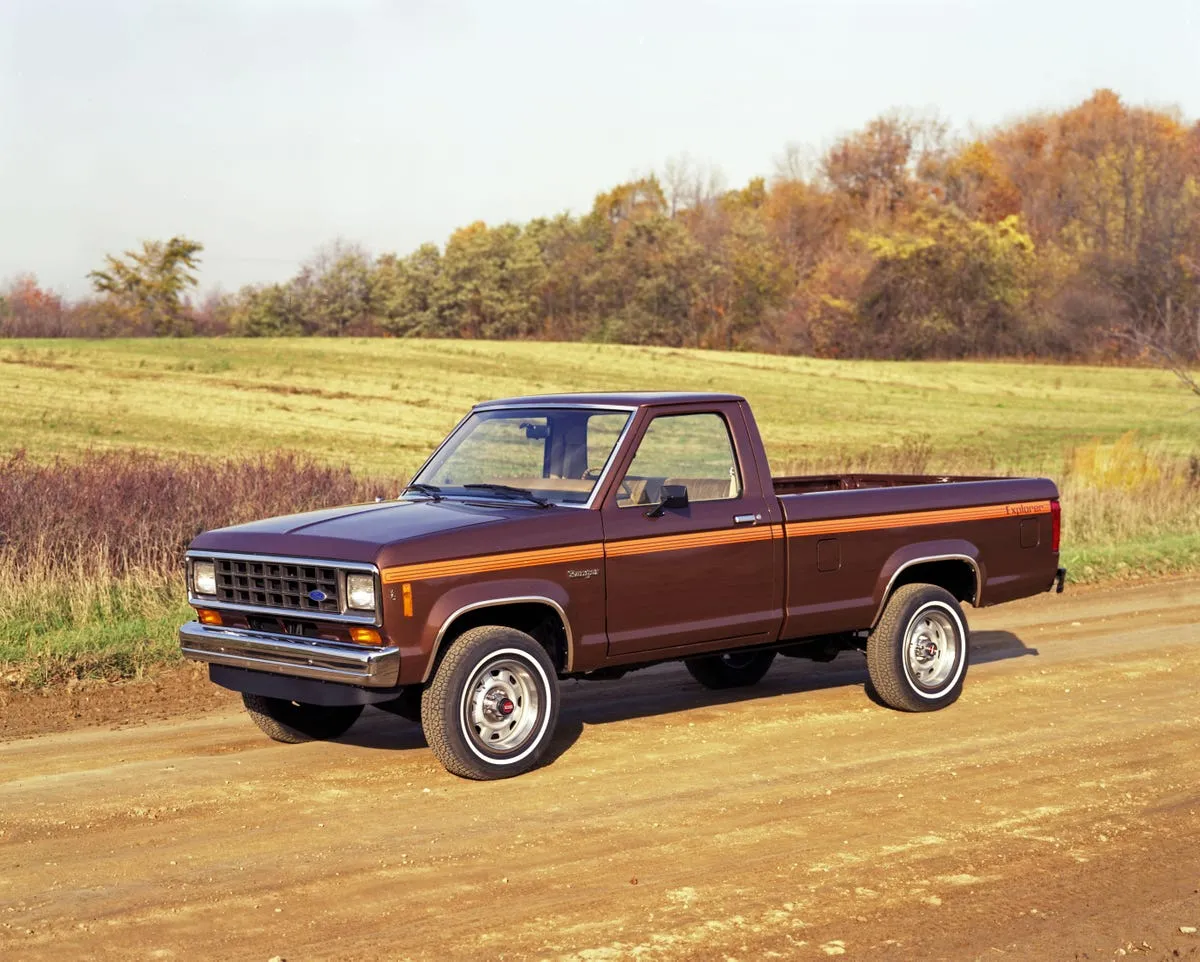
2. Ford Ranger
Older Ford Ranger models, especially those used in commercial or off-road environments, are known to develop steering looseness earlier than some larger pickup trucks. Around the 80,000-mile mark, some owners report increased steering correction requirements, particularly during highway driving.
A key reason for this is the Ranger’s lighter chassis and suspension setup. While this contributes to good fuel efficiency and maneuverability, it also means that steering and suspension components are subjected to higher relative stress when carrying heavy loads or driving on rough terrain.
Tie rod ends and ball joints are common wear points in these trucks. Once they begin to wear, even slightly, the steering feel becomes noticeably less stable. This often presents itself as a wandering sensation where the vehicle does not hold a perfectly straight line without continuous adjustment.
Wheel alignment sensitivity is another contributing factor. Because of the Ranger’s lighter weight and suspension geometry, even minor misalignment can have a noticeable effect on steering behavior. Over time, this can amplify the feeling of looseness if not corrected regularly.
Despite these issues, many Rangers remain reliable vehicles. However, maintaining tight steering requires more frequent inspection and replacement of suspension components compared to heavier-duty trucks.
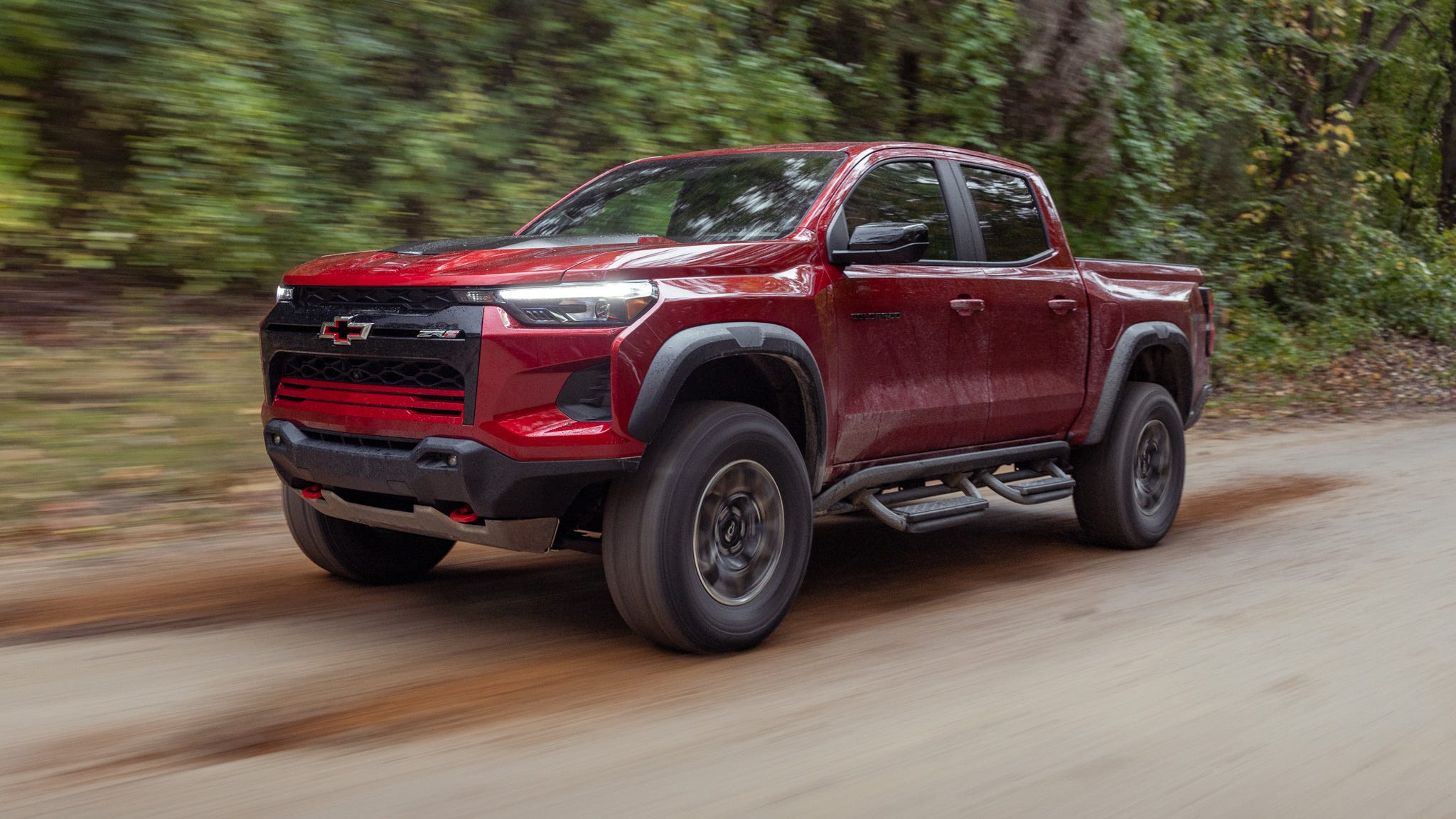
3. Chevrolet Colorado
Early Chevrolet Colorado models have been reported by some owners to develop steering looseness earlier than expected under certain usage conditions. Around or before 80,000 miles, some trucks begin to show signs of reduced steering precision, especially if they have been used for towing or rough road driving.
One of the contributing factors is the front suspension design used in early versions. While capable in many situations, it includes multiple bushings and joints that are more prone to wear under repeated stress. As these components degrade, small amounts of play begin to accumulate in the steering system.
Steering rack mounts and tie rod ends are also known wear points. Once these parts begin to loosen, the driver may notice reduced steering sharpness and a slight drifting effect on highways. This is often more noticeable at higher speeds, where small deviations become more pronounced.
Another factor is the vehicle’s relatively light frame compared to full-size trucks. While this improves efficiency and maneuverability, it also means that suspension components absorb more relative impact from road irregularities. Over time, this contributes to faster wear in steering-related parts.
Later models of the Colorado have improved significantly in durability, but early generations are more commonly associated with earlier steering degradation when compared to heavier-duty pickup platforms.
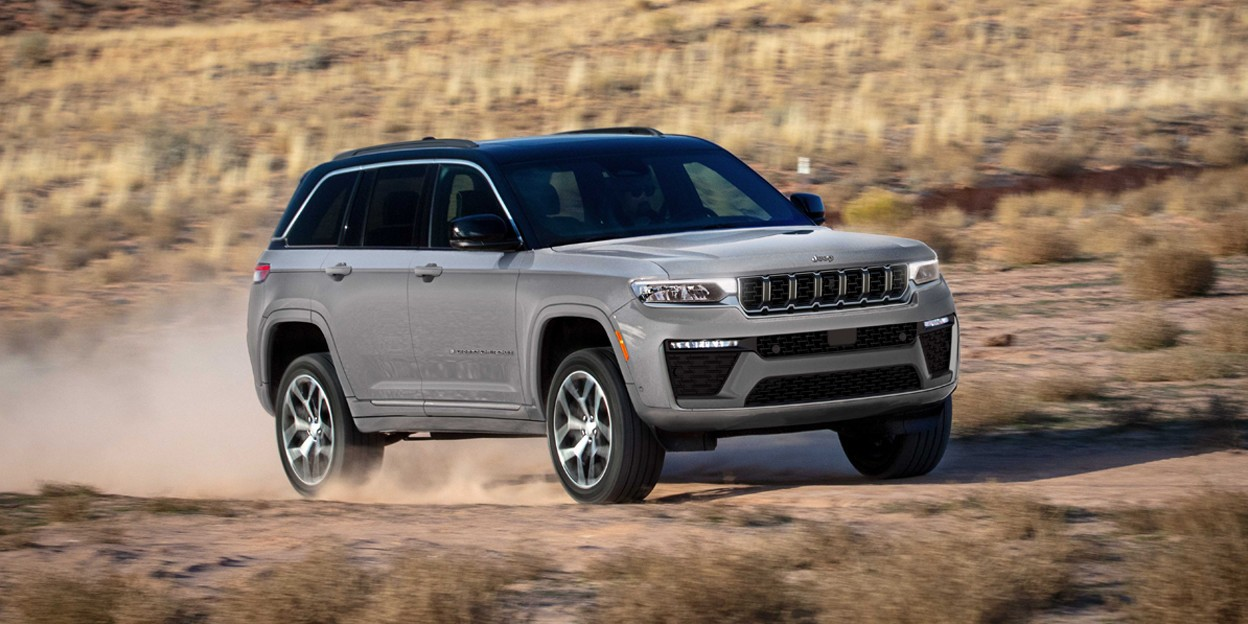
4. Jeep Grand Cherokee
The Jeep Grand Cherokee WJ generation is often mentioned in discussions about steering and suspension longevity, particularly because of its complex suspension design. Around the 80,000-mile range, some owners report increased steering looseness if regular maintenance has not been performed.
One of the main reasons for this is the multi-link suspension system used in the front end. While this design improves off-road capability and ride comfort, it also introduces multiple wear points that can degrade over time. As bushings and joints age, small amounts of movement begin to affect steering precision.
Ball joints and control arm bushings are especially important in this platform. When these components begin to wear, they allow subtle shifts in wheel alignment during driving. This leads to a wandering sensation, particularly at highway speeds where directional stability is critical.
Another factor is that the Grand Cherokee is often used in mixed environments, including city driving, highway travel, and off-road use. This variety of conditions can accelerate wear compared to vehicles used primarily on smooth roads.
Despite these challenges, the WJ remains a capable vehicle. However, maintaining tight steering requires consistent attention to suspension health and timely replacement of worn components.
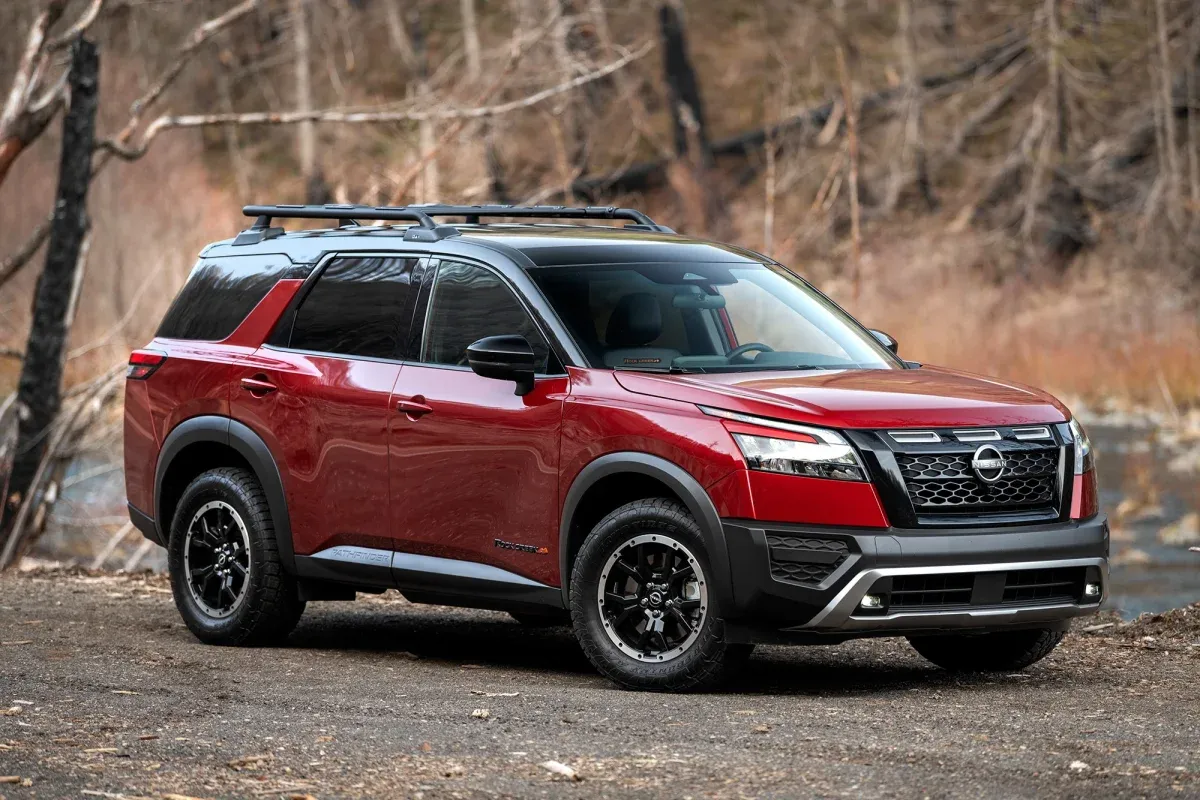
5. Nissan Pathfinder
Older Nissan Pathfinder models are generally reliable SUVs, but some versions have shown a tendency toward earlier steering looseness under certain conditions. Around 80,000 miles, drivers may begin to notice reduced steering sharpness, especially in vehicles that have experienced heavy use or inconsistent maintenance.
A primary factor is wear in suspension bushings and steering linkage components. As these parts age, they introduce small amounts of play into the steering system, which gradually affects directional stability. This is often experienced as a subtle drifting or wandering effect on highways.
The steering system itself is typically reliable, but it depends heavily on supporting suspension components to maintain precision. Once those supporting parts begin to degrade, the steering feel becomes less controlled even if the core system remains functional.
Alignment issues can also contribute significantly. If the vehicle is not regularly aligned, uneven tire wear and geometry changes can amplify steering instability. This effect becomes more noticeable at higher speeds or during long-distance driving.
While the Pathfinder remains a solid SUV, it requires consistent maintenance to preserve a tight steering feel over time. Without it, steering looseness can appear earlier compared to more heavy-duty or simpler truck platforms.
