Choosing the right vehicle for Uber driving is often the difference between consistent earnings and constant financial strain. Some cars are built to minimize running costs and handle heavy city use, while others look appealing on paper but become expensive to operate over time.
This comparison, titled “4 Used Hybrids for US Uber Drivers vs. 4 Gas Guzzlers That Eat Profits,” places efficient hybrid models like the Toyota Prius, Camry Hybrid, Honda Accord Hybrid, and Kia Niro Hybrid against larger SUVs, pickup trucks, and aging luxury sedans. The hybrids are designed to reduce fuel consumption, limit maintenance expenses, and stay reliable under high mileage conditions.
In contrast, heavier and less efficient vehicles may offer comfort, space, or prestige, but they often require significantly more money to keep on the road. For drivers focused on earnings, the key factor is not how the vehicle looks or feels, but how much income remains after fuel, repairs, and depreciation.
4 Used Hybrids for US Uber Drivers
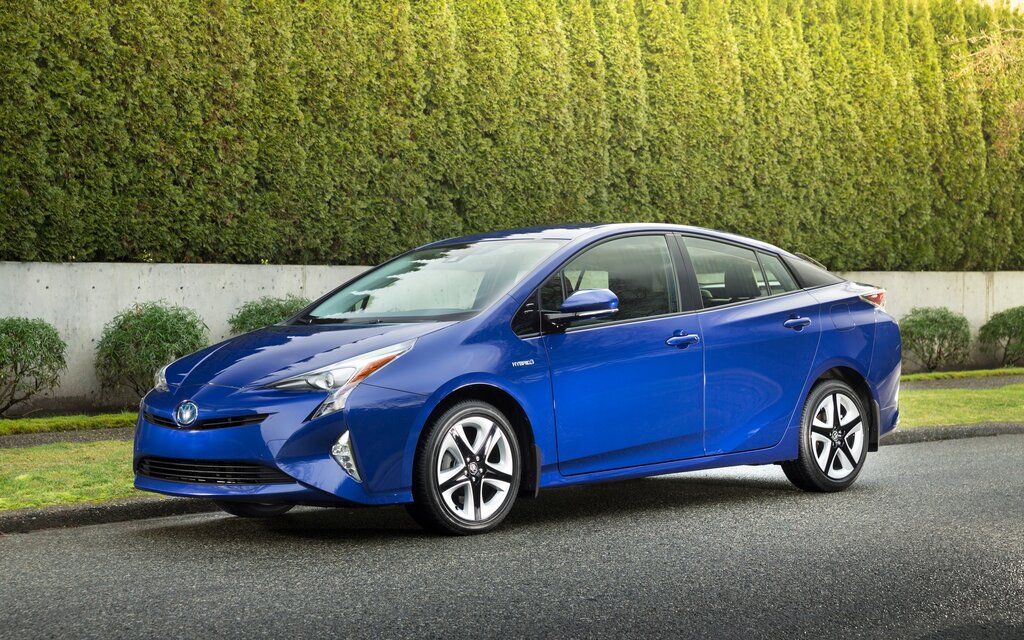
1. Toyota Prius (2016–2022)
Few vehicles have built a reputation for cost-efficiency quite like the Toyota Prius. Designed with hybrid technology at its core, this model excels in environments where constant stopping and starting would normally drive up fuel consumption. Instead, it thrives in city traffic, regularly achieving more than 50 MPG by intelligently alternating between its gasoline engine and electric motor. This makes it especially appealing for rideshare drivers who depend on minimizing daily operating costs.
Durability is another defining strength. The Prius is widely regarded as one of the most dependable vehicles on the road, with many examples comfortably exceeding 200,000 miles and even approaching 300,000 miles with routine care. Its engineering prioritizes longevity, which translates into fewer breakdowns and predictable maintenance expenses. Components such as brakes last longer thanks to regenerative braking, while replacement parts are generally affordable and easy to source.
The car’s design also supports practical, everyday use. Its hatchback body provides a surprising amount of cargo space, making it well-suited for transporting luggage or handling airport pickups. Passenger comfort is solid, with ample seating space and a smooth ride quality that works well for both short trips and longer journeys. Safety features are comprehensive, including driver-assist technologies like adaptive cruise control and lane departure warning, contributing to high safety ratings that benefit both drivers and passengers.
Performance is geared toward efficiency rather than excitement. The 1.8-liter engine paired with an electric motor produces modest power, but delivers a quiet and refined driving experience in typical urban conditions. The vehicle can operate on electric power alone at low speeds, and plug-in variants extend this capability with an electric-only range of around 34 miles. While acceleration is not particularly quick and the CVT transmission can cause the engine to rev loudly under heavy demand, these traits are minor trade-offs for its fuel-saving benefits.
Inside, the Prius adopts a slightly unconventional layout, with centrally positioned displays and a focus on functionality. The cabin offers good visibility in most directions, though rear visibility can be somewhat limited. Materials lean more toward durability than luxury, but build quality remains solid. Folding rear seats add flexibility, allowing drivers to expand cargo space when needed.
Running costs remain impressively low across the board. Fuel consumption is minimal, servicing is affordable, and insurance rates are typically reasonable for a vehicle in this class. With a reliability rating of around 90%, it stands as a dependable option for long-term ownership.
For drivers prioritizing efficiency, low expenses, and proven dependability, the Prius continues to deliver a compelling blend of practicality and innovation.
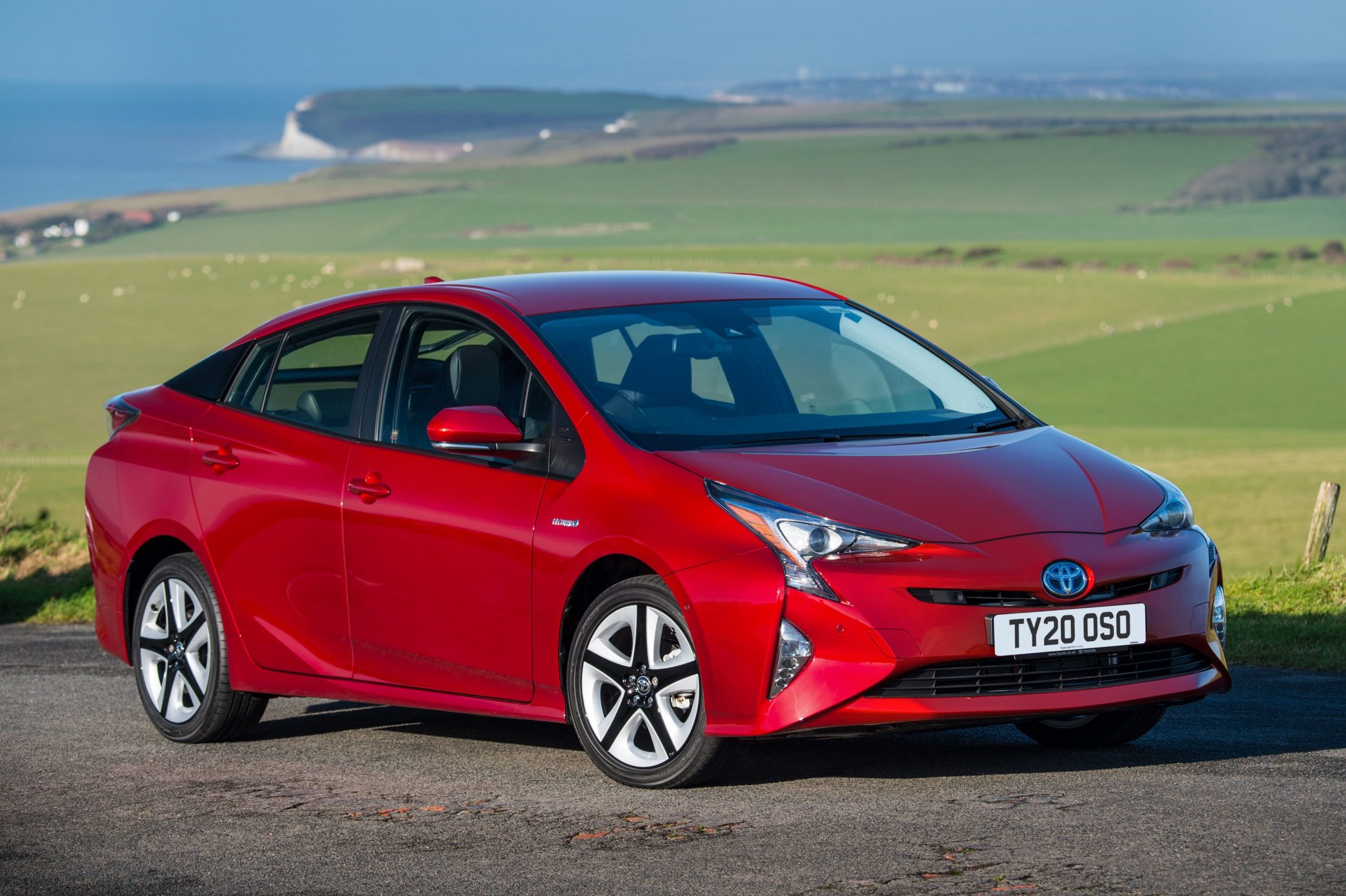
2. Toyota Camry Hybrid (2018–2023)
For drivers who want more than just basic efficiency, the Toyota Camry Hybrid offers a step up in comfort, space, and earning potential. Positioned as a midsize hybrid sedan, it blends the cost-saving benefits of hybrid technology with the feel of a more premium vehicle. This combination makes it particularly appealing for rideshare drivers aiming to access higher-tier services like Uber Comfort, where passenger experience plays a major role in ratings and tips.
Even with its larger size, the Camry Hybrid maintains impressive fuel economy. It typically delivers between 45 and 50 MPG, especially in urban environments where hybrid systems excel. Its ability to switch seamlessly between electric and gasoline power allows it to conserve fuel during idle periods and slow-moving traffic. This efficiency ensures that drivers can keep fuel expenses low without sacrificing the advantages of a bigger, more comfortable car.
The model’s reputation for reliability further strengthens its appeal. Toyota’s hybrid systems are widely known for their durability, and the 2018–2023 Camry continues this legacy. Built to handle long hours of daily use, it performs consistently even under the high mileage demands of rideshare driving. Maintenance requirements are modest, and the presence of regenerative braking helps reduce wear on key components like brake pads, contributing to lower long-term costs.
Passenger experience is where this vehicle truly shines. The interior is noticeably more spacious than that of smaller hybrids, offering generous rear legroom and a calm, quiet cabin. These qualities make longer trips more comfortable for passengers, which can translate into higher satisfaction and better feedback. The trunk is also a standout feature, providing ample space for luggage without compromise, thanks to the efficient placement of the battery beneath the rear seats.
On the road, the Camry Hybrid is tuned for smoothness rather than performance. Its suspension absorbs bumps effectively, making city driving and highway cruising relaxed and composed. While it is not designed for sporty handling, the steering remains predictable and easy to control. The CVT transmission can produce higher engine noise during rapid acceleration, but this is typical of hybrid systems and does not affect its reliability or efficiency.
Inside the cabin, the design prioritizes practicality. Materials are durable, and the layout is straightforward, though not as upscale as some rivals. Standard features include climate control, safety assist systems, and keyless entry, while higher trims add more convenience and technology. The infotainment system may feel slightly outdated, but it remains functional for everyday use.
For those seeking a vehicle that balances fuel efficiency, durability, and passenger comfort, the Camry Hybrid stands as a dependable and practical choice in the hybrid sedan segment.
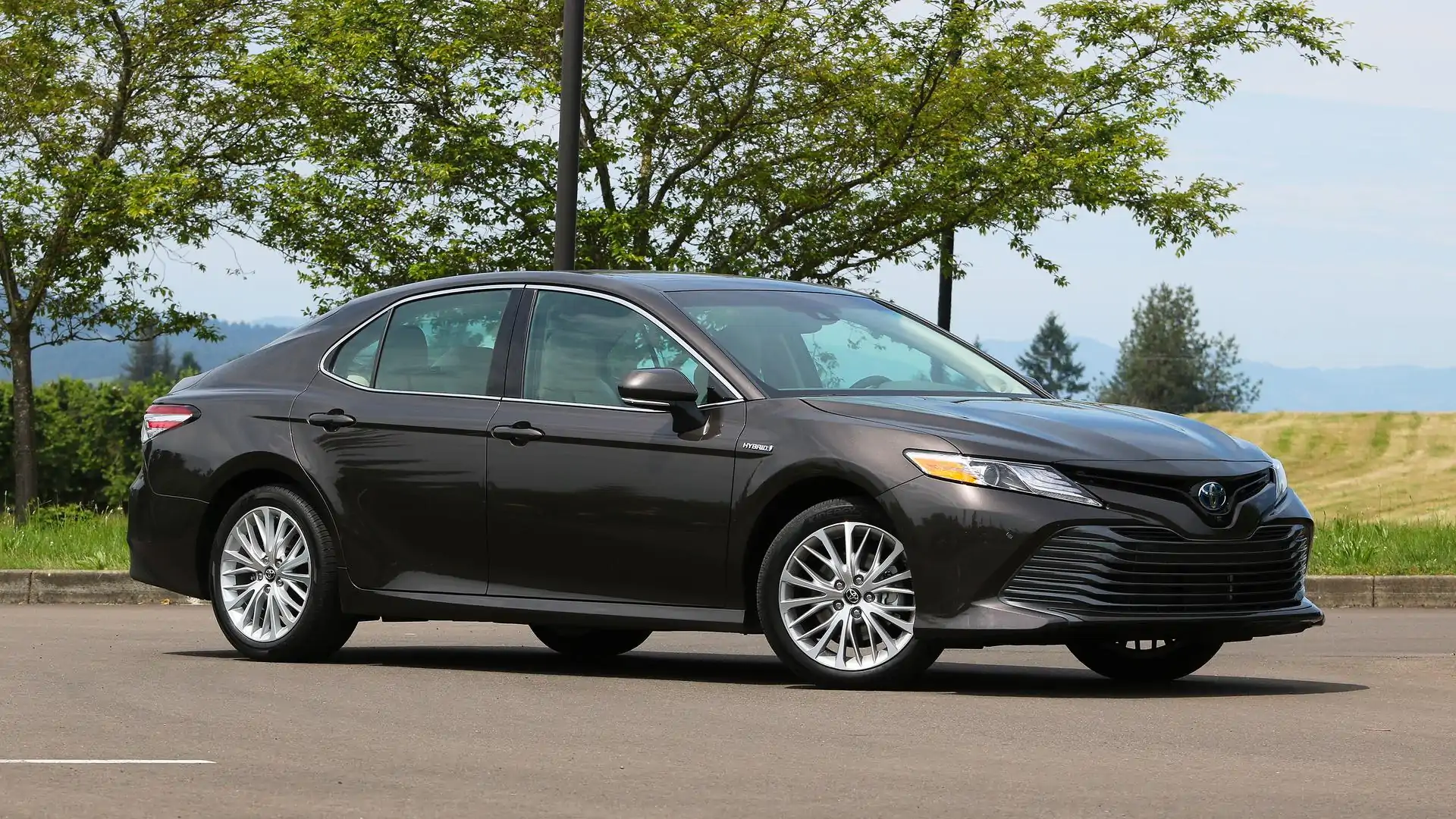
3. Honda Accord Hybrid (2018–2022)
For drivers looking for a hybrid that does not feel like a compromise, the Honda Accord Hybrid stands out as a strong all-rounder. It combines fuel efficiency, refined performance, and a spacious interior in a way that makes it suitable for both personal use and high-mileage driving, such as rideshare work. Instead of focusing only on the economy, it also delivers a more engaging and comfortable driving experience than many rivals.
At the core of its appeal is the dual-motor hybrid system, which provides smooth and responsive power delivery. Unlike some hybrids that feel sluggish, the Accord Hybrid accelerates confidently, especially in city traffic and highway merging situations. This balance of efficiency and performance gives it a more natural driving feel, which helps reduce fatigue during long hours on the road.
Fuel economy is a major advantage. The model typically achieves around 47 to 48 MPG combined, keeping running costs low even with heavy daily use. Because it does not require external charging, it offers hybrid efficiency without the inconvenience of plug-in dependency. This makes it particularly practical for drivers who need consistent uptime and simple refueling.
Inside, the Accord Hybrid feels more upscale than many competitors in its class. The cabin is spacious, especially in the rear seats, where passengers benefit from generous legroom and a comfortable seating position. The quiet interior and smooth ride quality contribute to a relaxed travel experience, which often leads to higher passenger satisfaction in ride services. The design is clean and functional, with intuitive controls and a layout that is easy to use.
Reliability is another strong point. The hybrid system is engineered for long-term durability, and newer models in this generation have relatively few reported mechanical issues. Maintenance costs remain manageable, and serious drivetrain problems are uncommon. Some minor software-related concerns, such as infotainment glitches or overly sensitive driver-assist features, have been reported but are typically resolved through updates.
Safety equipment is widely included, with systems like adaptive cruise control and lane-keeping assistance available on many trims. These features enhance both driver confidence and passenger safety during everyday use. Buyers should still confirm that recall repairs, including those related to fuel pumps or airbags in certain model years, have been properly completed.
From a value perspective, the Accord Hybrid maintains strong resale performance, helping offset its higher initial cost. Lower fuel consumption combined with dependable long-term ownership makes it a practical choice for drivers who prioritize efficiency without giving up comfort or refinement.
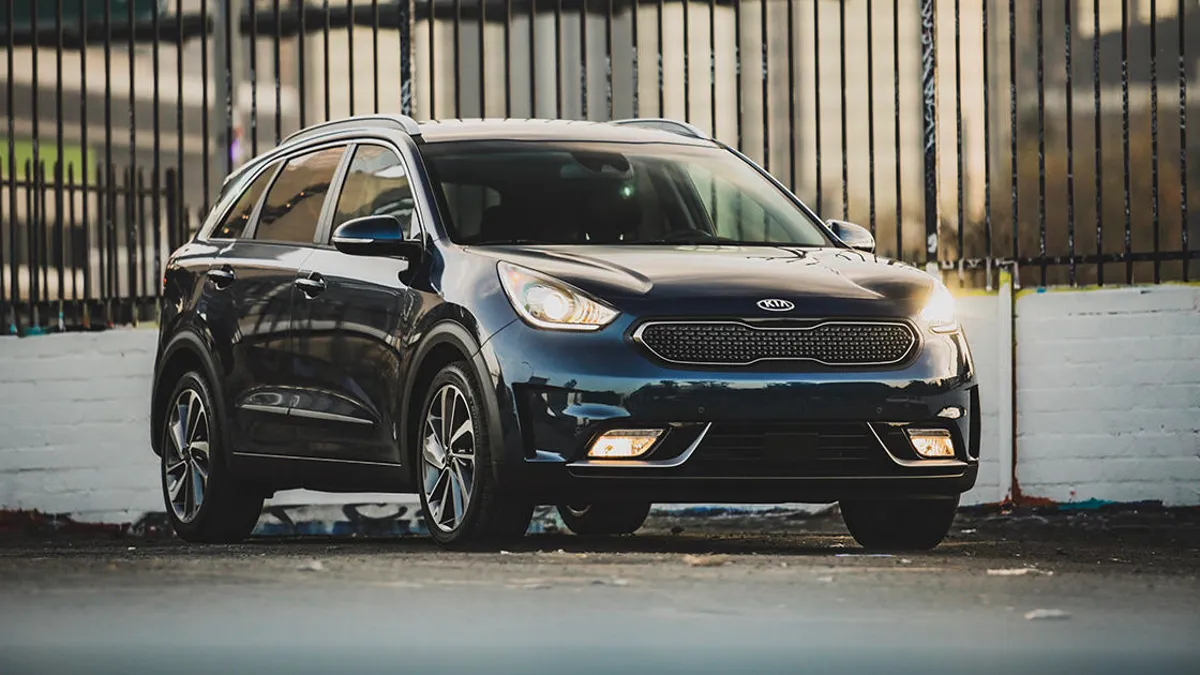
4. Kia Niro Hybrid (2019–2023)
Blending the efficiency of a hybrid with the practicality of a compact crossover, the Kia Niro Hybrid appeals to drivers who want flexibility without sacrificing fuel economy. Unlike traditional SUVs, it is built as a dedicated hybrid, allowing it to achieve around 50 MPG while still offering a higher seating position and roomy interior.
A major strength of the Niro lies in passenger comfort and accessibility. Its elevated roofline makes entry and exit easier compared to lower sedans, which is especially helpful for older passengers or those who prefer a more upright seating position. Inside, the cabin is spacious with generous headroom and decent rear legroom, making it suitable for both everyday use and rideshare duties. The layout is straightforward, with user-friendly controls and modern tech features like Apple CarPlay and Android Auto enhancing convenience.
Practicality extends to its cargo area as well. While the boot is slightly narrow, it remains functional enough for groceries, luggage, or airport trips. The vehicle’s compact size also works in its favor, making it easier to park in tight city spaces and handle crowded urban conditions without stress.
Under the hood, the Niro Hybrid uses a 1.6-liter engine paired with an electric motor, producing about 139 horsepower. Its performance is modest but sufficient for daily driving, offering smooth acceleration in most situations. Unlike many hybrids that rely on CVT gearboxes, the Niro features a 6-speed dual-clutch transmission. This gives it a more conventional driving feel, though shifts may occasionally feel less refined compared to smoother CVT systems.
Reliability is another strong point for the Niro. Many owners report high levels of satisfaction, and the model consistently earns solid ratings for dependability. Kia’s long powertrain warranty, often covering up to 10 years or 100,000 miles, provides extra reassurance for used buyers by helping reduce the risk of unexpected repair costs. Maintenance expenses are generally low, which makes it especially suitable for drivers who accumulate high mileage over time.
There are a few trade-offs to consider. Some owners have reported issues with the 12-volt battery losing charge, and base models equipped with halogen headlights may offer weaker visibility at night. Additionally, while the interior is durable, it lacks the premium feel found in some rivals.
For those seeking a fuel-efficient vehicle with added space and everyday practicality, the Niro Hybrid stands out as a reliable and economical option.
Also read: 5 Cars That Get Cheaper To Own Over Time And 5 That Get More Expensive Every Year
4 Gas Guzzlers That Eat Profits
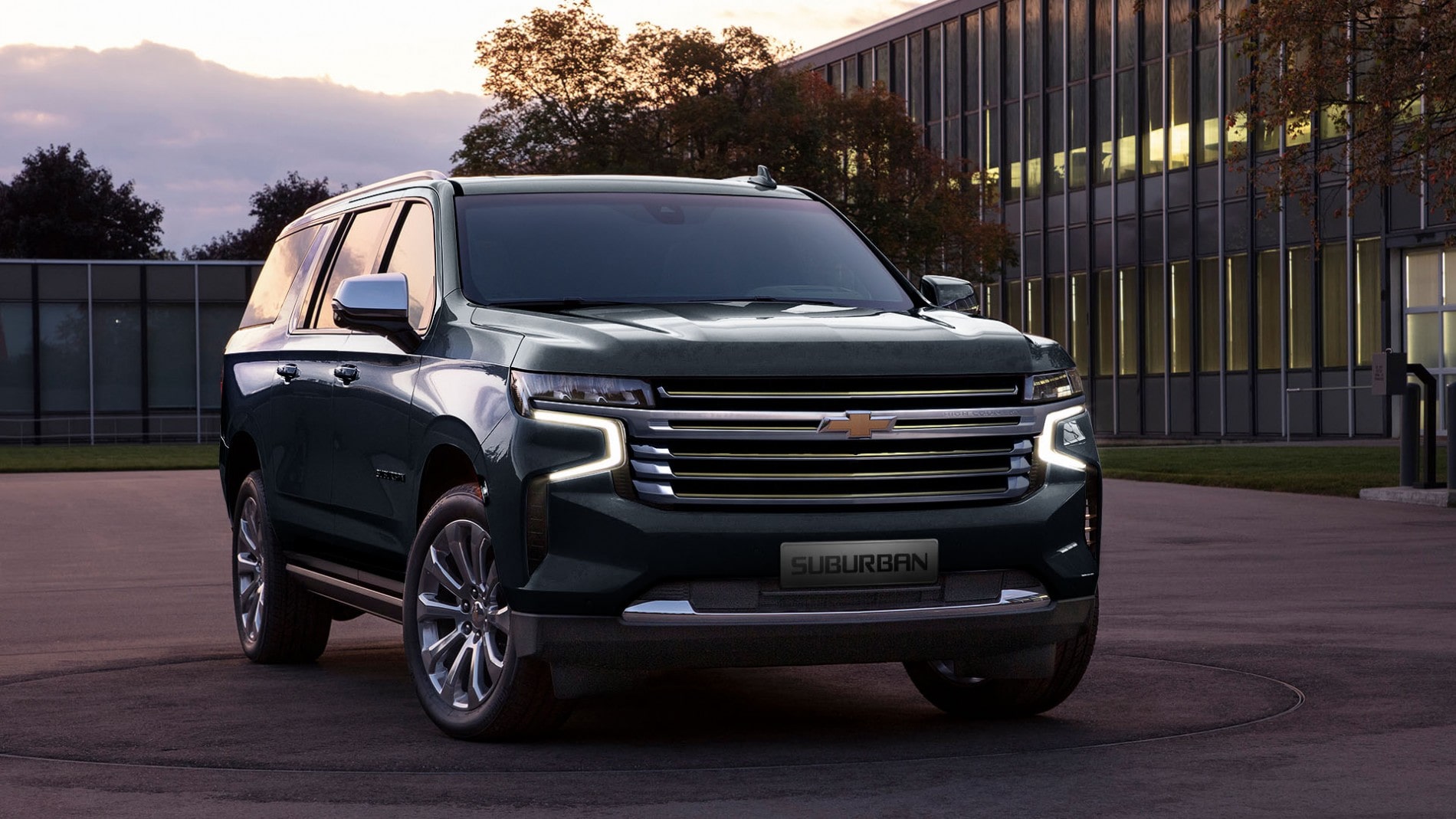
1. Chevrolet Suburban and Cadillac Escalade
The Chevrolet Suburban and Cadillac Escalade are commonly used by rideshare drivers targeting higher-paying categories like Uber XL and Uber Black SUV. Their large cabins, strong road presence, and ability to carry multiple passengers make them attractive for premium bookings. However, the financial reality of operating these vehicles often reduces their profitability compared to smaller, more efficient options.
Fuel consumption is one of the biggest drawbacks. Even hybrid versions of these SUVs deliver relatively poor efficiency, typically around 14 to 16 MPG in city driving and only slightly better on highways. In urban traffic, where rideshare drivers spend most of their time, frequent stopping and idling lead to rapid fuel usage. The combination of heavy vehicle weight and large engines makes fuel costs one of the most significant ongoing expenses.
Maintenance costs are also notably high. Due to their size and weight, components such as tires, brakes, and suspension systems wear out faster and are more expensive to replace than those on sedans or compact hybrids. The Escalade in particular often requires premium fuel, further increasing running costs. In older hybrid versions, the added complexity of hybrid systems introduces another risk, as repairs to batteries or electric components can be extremely expensive and sometimes not economically viable.
Initial purchase price and depreciation also affect long-term earnings. These vehicles often hold high resale values, which leads many buyers to finance them heavily. Large loan payments combined with rapid depreciation can place additional pressure on drivers trying to generate profit through rideshare work. Even with tax benefits available for commercial use, they do not fully offset the high cost of ownership.
While hybrid versions are marketed as more efficient, their fuel savings are limited in real-world rideshare conditions. At highway speeds, the difference between hybrid and non-hybrid models becomes less noticeable, reducing the justification for paying a premium for hybrid technology.
Although these SUVs excel in passenger space and service category eligibility, their high fuel consumption, maintenance demands, and depreciation often result in earnings being consumed by operating costs rather than contributing to profit.
2. Jeep Grand Cherokee V8
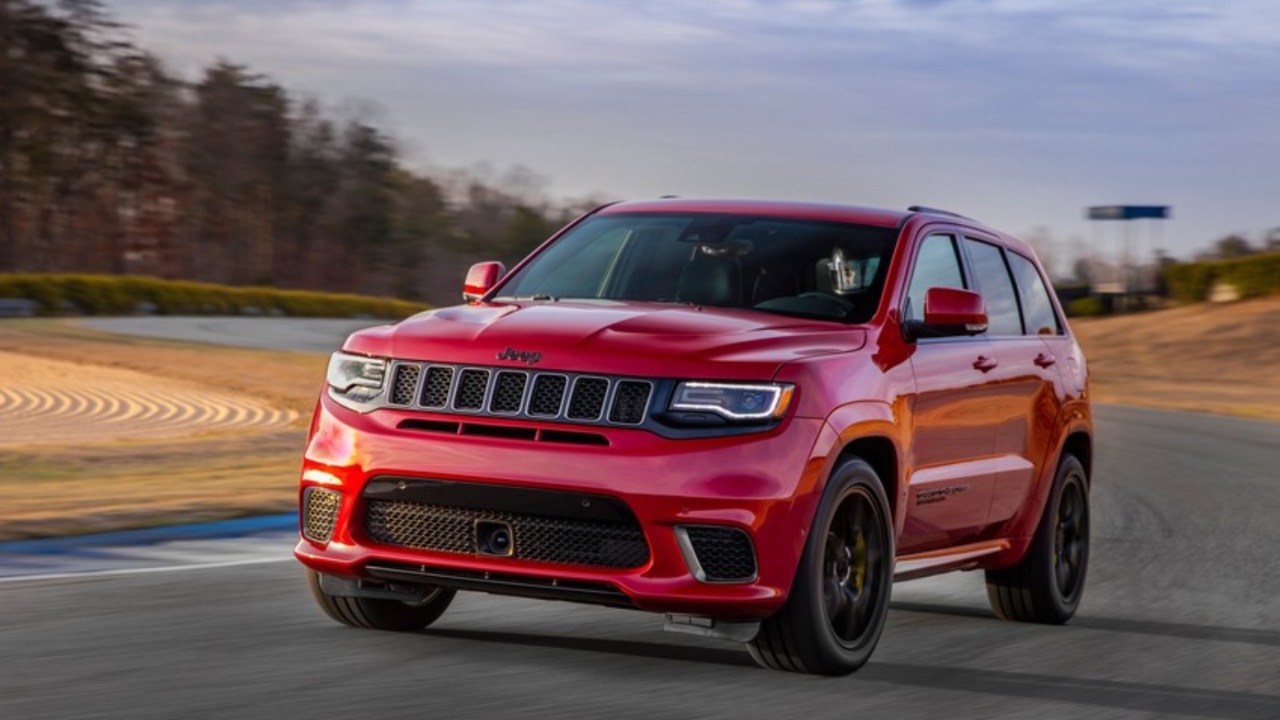
The Jeep Grand Cherokee is often seen as a strong all-around SUV for personal driving, offering comfort, power, and a premium feel. However, when used for rideshare work, its strengths are quickly outweighed by high operating costs that make it one of the least efficient options for earning money on the road.
Fuel consumption is the most significant drawback. V8 versions typically deliver around 14 MPG in city driving, and real-world figures can be even lower in heavy stop-and-go traffic. Because rideshare driving involves frequent idling and short trips, fuel costs accumulate rapidly. With a large fuel tank that requires frequent refilling, a substantial portion of daily earnings is consumed by gasoline expenses alone.
Maintenance and repair costs further reduce its practicality. Compared to more efficient hybrids or smaller sedans, the Grand Cherokee tends to have higher long-term servicing needs. Common issues include transmission wear, suspension repairs, oil leaks, and air conditioning failures. Its weight and performance-oriented design also lead to faster wear on brakes and tires, increasing routine maintenance expenses.
Unlike newer hybrid variants of the Jeep lineup, V8 models offer no meaningful efficiency improvements. They rely entirely on traditional gasoline engines, meaning there is no fuel-saving technology to offset high consumption. This keeps running costs consistently high regardless of driving conditions.
From an earnings perspective, the vehicle also faces limitations. In many rideshare markets, standard V8 Grand Cherokee models are only eligible for basic ride categories such as UberX or UberXL. They typically do not qualify for higher-paying premium services, which restricts revenue potential while maintaining high operating expenses. This imbalance often leads to low or even negative profit margins for drivers.
Passenger space and cargo capacity are adequate but not exceptional when compared to similarly priced SUVs or hybrid alternatives. Combined with rapid depreciation and ongoing maintenance demands, the long-term financial outlook remains weak for commercial use.
While the Grand Cherokee V8 delivers strong performance and comfort for personal driving, its high fuel usage and maintenance costs make it a challenging choice for drivers focused on consistent profitability in rideshare work.
3. Ford F-150 and Full-Size Pickups
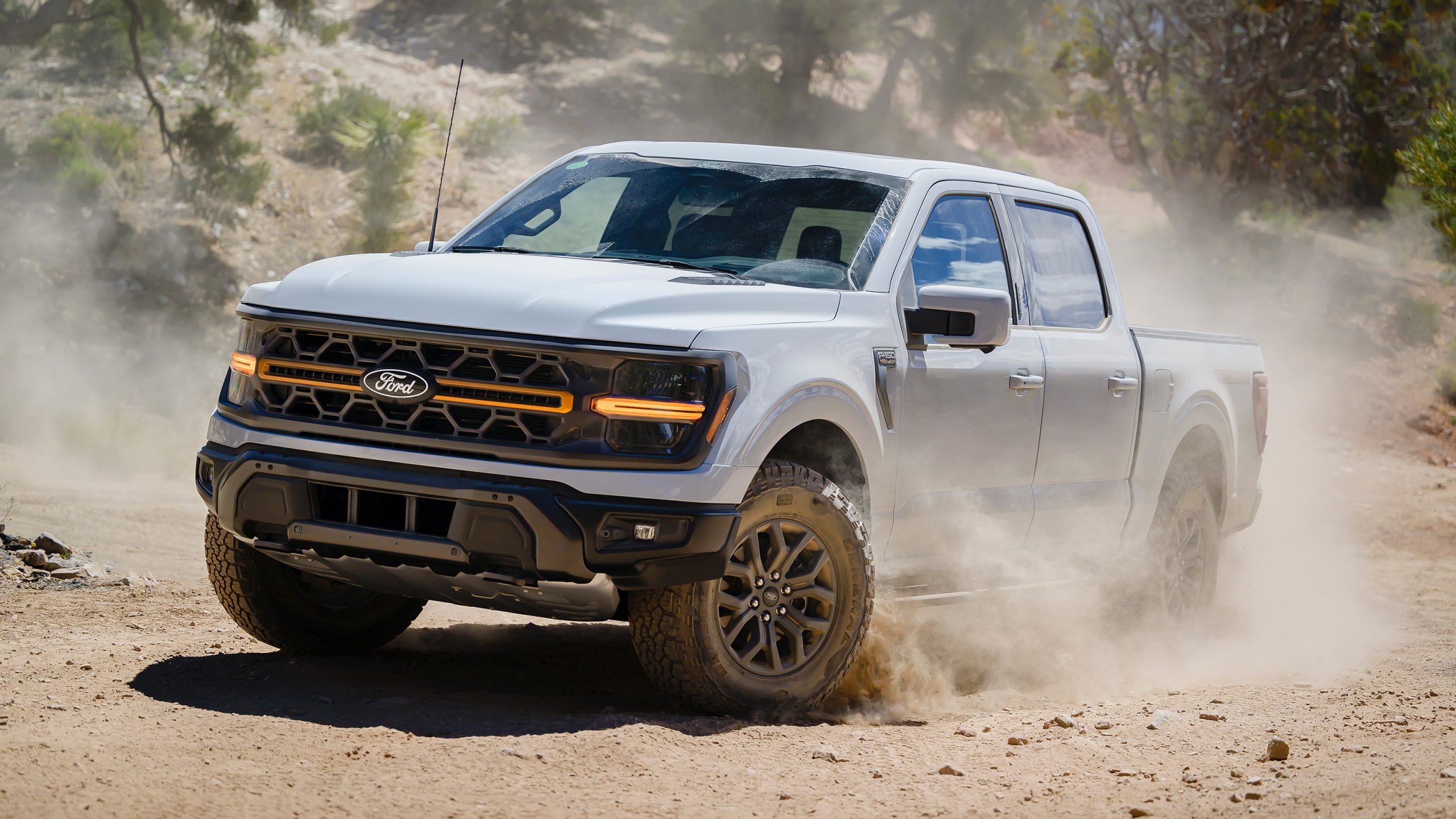
The Ford F-150 and similar full-size pickups are powerful and versatile vehicles, but they perform poorly in rideshare use due to high fuel consumption, elevated maintenance costs, and limited efficiency in city driving. While they excel in towing and highway cruising, they are poorly suited for stop-and-go urban conditions where Uber drivers spend most of their time.
Fuel economy is a major disadvantage. Even hybrid versions like the F-150 PowerBoost struggle in real-world conditions, often delivering only around 18 to 20 MPG instead of the advertised figures. Because these trucks are heavy and less aerodynamic, they consume significantly more fuel during acceleration and idling compared to smaller hybrids or sedans. This leads to high operating costs that quickly reduce driver earnings.
Maintenance expenses also add financial pressure. The hybrid system combines a turbocharged engine, electric motor, and complex transmission, which increases the likelihood of costly repairs over time. Owners have reported issues with electrical systems, transmission performance, and mechanical components such as axle bolts. For used models, out-of-warranty repairs can be especially expensive and unpredictable.
Reliability concerns further impact their suitability for rideshare work. Some model years have received low reliability ratings due to mechanical and electrical issues. These problems can result in downtime and additional repair costs, which directly affect driver income.
Another limitation is practicality. Although the F-150 offers strong towing capability and advanced features such as onboard power generation, these benefits are rarely used in passenger transport. At the same time, the high step-in height can make entry and exit less convenient for passengers, and cargo handling is less secure compared to enclosed trunks found in sedans or SUVs.
From an earnings perspective, the truck’s high fuel and maintenance costs often outweigh its ability to generate rideshare income. While it is a capable work vehicle in general use, it is not optimized for the efficiency and low operating costs required for profitable ride-hailing.
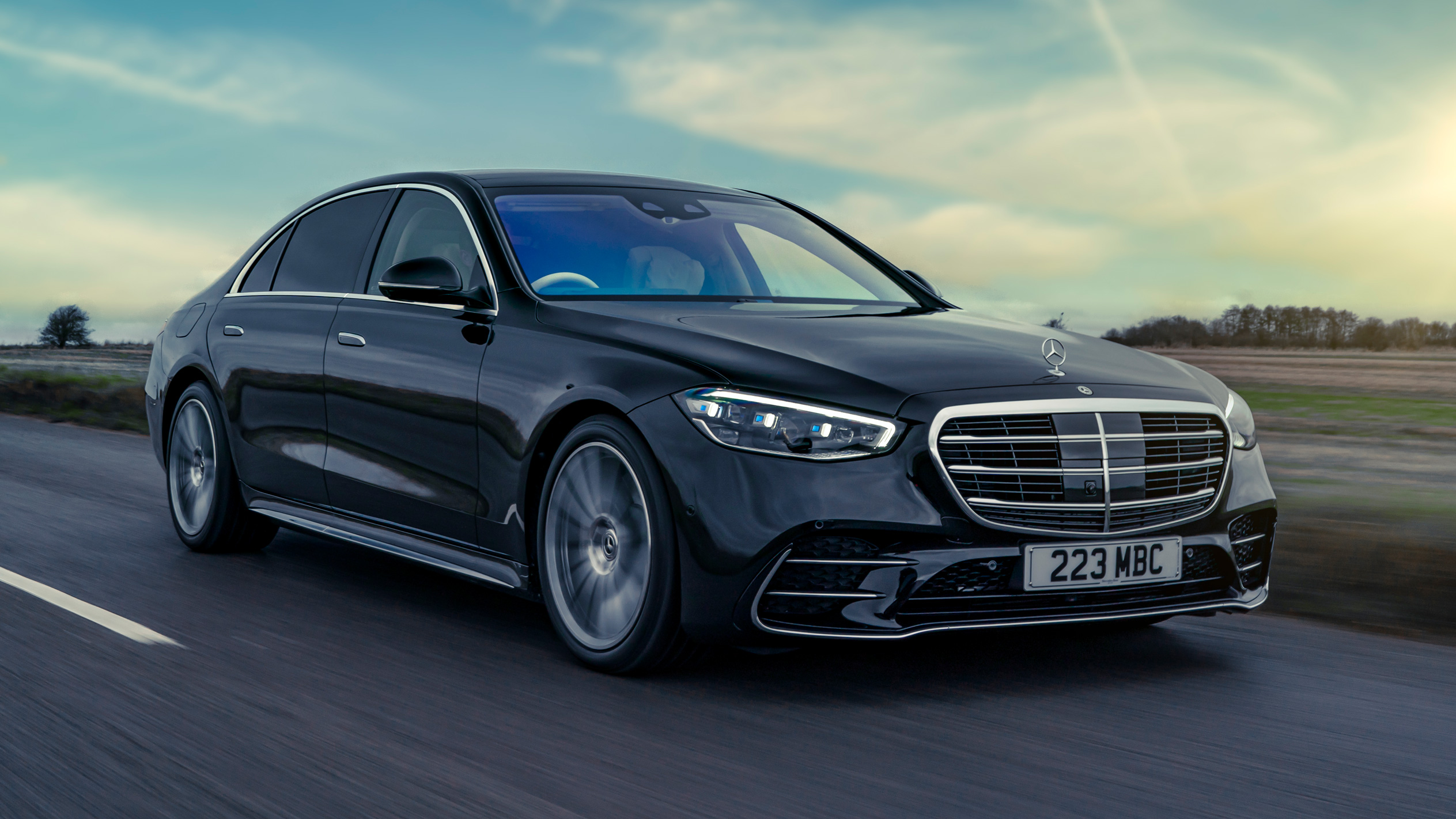
4. Older Mercedes-Benz S-Class and BMW 7 Series
The Mercedes-Benz S-Class and BMW 7 Series are often tempting purchases for drivers aiming to enter premium rideshare categories. They offer a high level of comfort, quiet cabins, and strong brand appeal, which can impress passengers. However, once used in high-mileage ride-hailing, these vehicles tend to become expensive to maintain and difficult to run profitably.
The main challenge is maintenance complexity. These luxury sedans rely on advanced systems such as air suspension, sophisticated electronics, and multiple sensors. As the vehicles age, these components become prone to failure, and repairs can be extremely costly. Even a single issue can lead to repair bills reaching thousands of dollars, quickly consuming earnings from weeks of driving.
Fuel consumption is another drawback. Most older S-Class and 7 Series models use large engines that require premium gasoline and perform poorly in city traffic. Frequent stopping and idling lead to low fuel efficiency, which increases daily operating costs. Even hybrid variants do not fully offset these expenses, as maintenance and repair costs remain high.
Depreciation further reduces their appeal. Luxury sedans lose value quickly, especially when accumulated mileage is high from rideshare use. This means resale returns are often much lower than expected, making them poor long-term investments for drivers relying on vehicle equity.
Reliability is also a concern when these cars are used intensively. While they are engineered for comfort rather than constant high-mileage operation, rideshare driving accelerates wear on already complex systems. This increases the likelihood of unexpected breakdowns and additional downtime.
Many of the premium features that define these vehicles, such as adaptive suspension, rear-seat entertainment systems, and advanced comfort settings, add complexity without improving earnings potential. Instead, they introduce more potential points of failure and higher repair costs.
Although these sedans deliver a superior passenger experience and strong brand prestige, their high fuel usage, expensive upkeep, and rapid depreciation often turn them into cost-heavy assets rather than profitable tools for rideshare work.
The financial gap between efficient hybrids and high-consumption vehicles becomes clear when operating costs are taken into account. Models like the Toyota Prius, Camry Hybrid, Honda Accord Hybrid, and Kia Niro Hybrid consistently help drivers retain more income through strong fuel economy, dependable performance, and lower maintenance requirements.
These vehicles are well-suited to the repetitive stop-and-go nature of daily driving for passengers, keeping expenses predictable and manageable. On the other hand, options such as the Chevrolet Suburban, Jeep Grand Cherokee V8, Ford F-150, and older luxury sedans like the Mercedes S-Class or BMW 7 Series tend to consume a large share of earnings through fuel use, repairs, and depreciation.
Even when they qualify for higher ride categories, the additional income rarely offsets their running costs. For drivers aiming to build stable, long-term income, prioritizing efficiency over size or prestige plays a decisive role in financial success on the road.
Also read: 12 Cars With Bulletproof Drivetrains You Can Buy for Peanuts