
Owning an SUV does not have to drain your wallet every time maintenance comes around. Many drivers assume that larger vehicles always mean higher service costs. That is simply not true for every model on the market. Some SUVs are surprisingly affordable to maintain, especially when it comes to routine oil changes.
Oil changes are the most frequent service any vehicle needs. Getting them done regularly keeps your engine running smoothly and extends the life of your car. Most people visit a local shop or quick-lube center for this basic service. The costs can vary widely depending on the vehicle you drive.
The good news is that several popular SUVs use standard oil filters and common oil types. These factors keep the price low at almost any service center you visit. You do not need a dealership or specialty shop to get the job done right. Independent mechanics and chain lube shops can handle these vehicles with ease.
This list covers ten SUVs that consistently receive oil changes for under $40. These are real-world prices at standard shops across the country. Each vehicle on this list is practical, reliable, and easy on your maintenance budget. Read on to find out which SUVs give you the best value at the oil change counter.
1. Honda CR-V
The Honda CR-V has been one of America’s favorite compact SUVs for decades. It earns that reputation not just through reliability but also through low maintenance costs. An oil change on most CR-V models costs between $25 and $38 at any standard shop. That price point makes it one of the most wallet-friendly SUVs you can own.
The CR-V uses conventional or synthetic blend oil depending on the engine year. Older models with the 2.4-liter four-cylinder engine are especially affordable to service. Even newer turbocharged versions stay within the $40 ceiling at competitive shops. The oil filter is easy to access, which keeps labor time and cost low.
Honda designed the CR-V with straightforward engine architecture. Mechanics do not need special tools or complicated procedures to perform a basic oil change. That simplicity translates directly into savings for the vehicle owner. Any certified technician can complete the service quickly and correctly.
The CR-V takes about 4.2 to 5.7 quarts of oil, depending on the engine. Standard 5W-20 or 0W-20 oil is widely available and inexpensive. These common oil grades are stocked at every auto parts store and service center. You will never struggle to find the right oil for this vehicle.
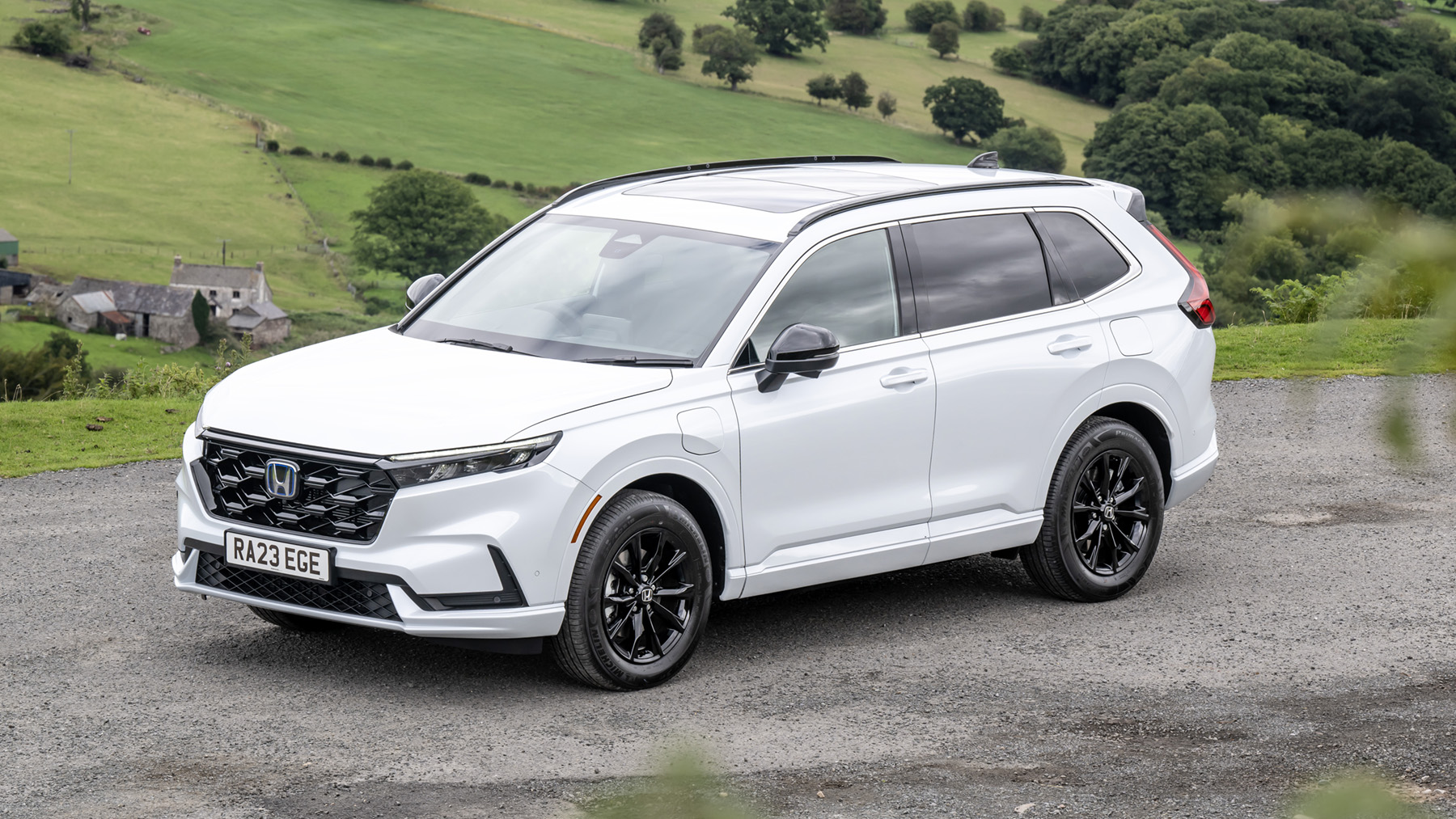
Many quick-lube chains offer special pricing for Honda CR-V oil changes. Jiffy Lube, Valvoline, and similar shops frequently run promotions on this popular model. Even without a coupon, the standard price stays under $40 at most locations. The CR-V rewards its owners with consistent and predictable service costs.
The resale value of the CR-V is also excellent, which adds to its ownership appeal. Low maintenance costs make it even more attractive for budget-conscious buyers. You get a spacious, comfortable, and fuel-efficient SUV without the expensive upkeep. The CR-V proves that smart engineering benefits both performance and your bank account.
Honda’s reputation for reliability is closely tied to how simple its vehicles are to maintain. The CR-V exemplifies this philosophy better than almost any other model in the lineup. Owners report years of trouble-free driving with nothing more than regular oil changes. That kind of dependability is rare and genuinely valuable in today’s automotive market.
If you are shopping for an SUV with low running costs, the CR-V belongs at the top of your list. It combines practicality, fuel economy, and cheap maintenance into one well-rounded package. The under-$40 oil change is just one example of how Honda keeps ownership costs manageable. This is a vehicle that truly works hard for your money every single day.
2. Toyota RAV4
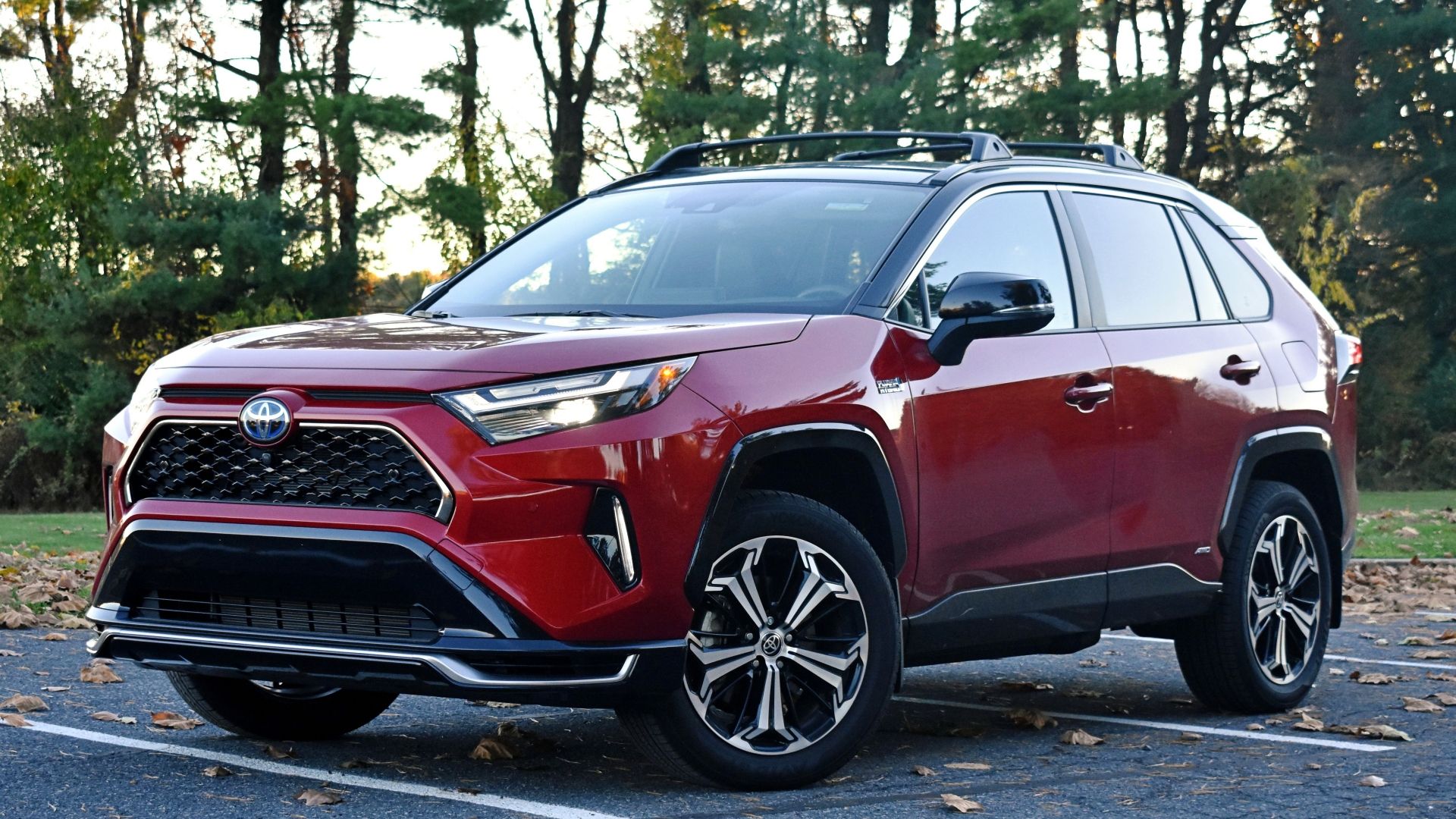
The Toyota RAV4 is the best-selling SUV in the United States for good reason. It offers outstanding reliability combined with some of the lowest maintenance costs in its class. Oil changes on the RAV4 typically run between $28 and $38 at independent shops. Even at dealerships, competitive pricing keeps the cost close to that range.
The RAV4 uses 0W-20 full synthetic oil in most modern configurations. Synthetic oil lasts longer between changes, which actually saves money over time. Toyota recommends oil changes every 10,000 miles on newer models. That extended interval means fewer trips to the shop throughout the year.
Toyota engineers designed the RAV4 engine for maximum accessibility. The oil drain plug and filter are easy to reach without lifting the vehicle high. Technicians can complete a full oil change in under 20 minutes on most RAV4 models. Fast service time means lower labor charges at any shop you visit.
The 2.5-liter four-cylinder engine found in most RAV4 models is remarkably efficient with oil. It holds about 4.4 quarts per change, which keeps material costs low. Smaller oil capacity means less synthetic oil is needed per service. That directly reduces the total bill at checkout.
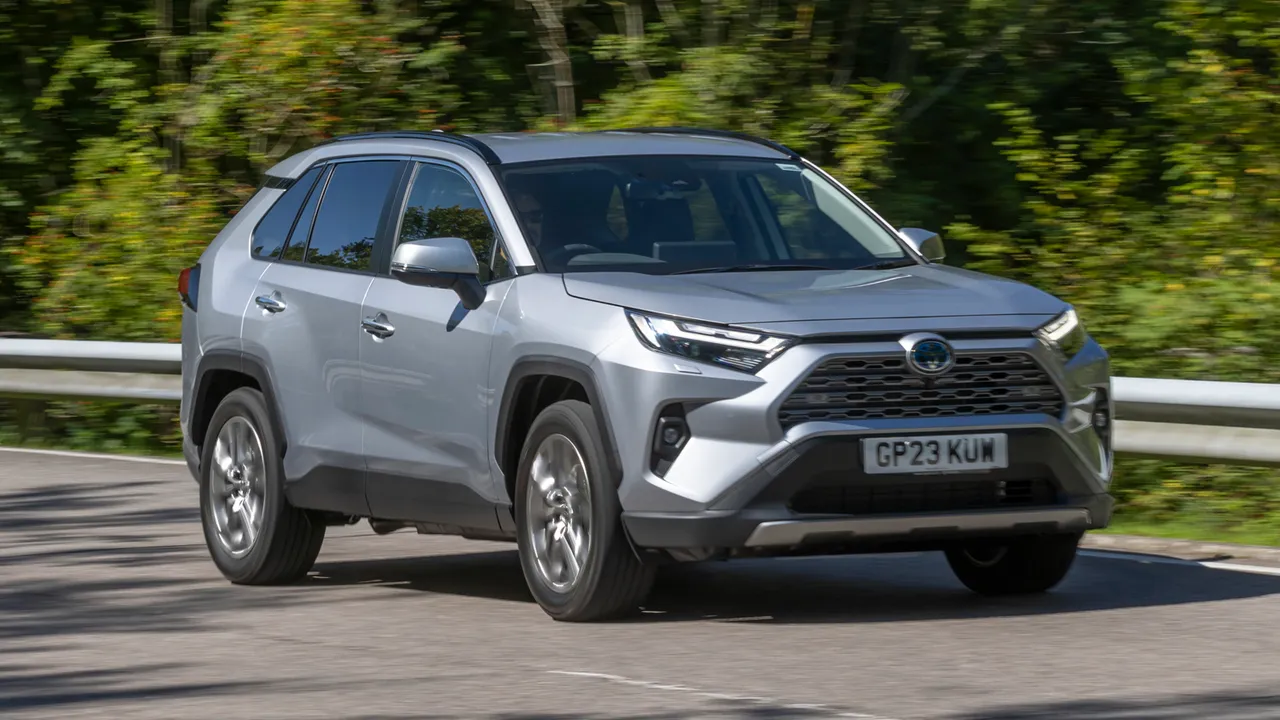
Toyota’s parts are universally available across the country. You will find RAV4-compatible filters at every auto parts retailer and most gas stations. This widespread availability prevents shops from charging premium prices for hard-to-find components. Competition among suppliers keeps prices fair and consistent nationwide.
The RAV4 Hybrid version also benefits from affordable oil changes. Its combined gas and electric powertrain actually reduces how often the gas engine runs hard. That gentler engine use can extend oil life even beyond the standard recommendation. Hybrid owners often spend even less on annual oil change costs than standard RAV4 drivers.
Independent mechanics across the country are deeply familiar with the RAV4. It is one of the most commonly serviced vehicles at every type of shop. That familiarity means faster, more accurate service with no guesswork involved. Experienced technicians can handle a RAV4 oil change without consulting a manual.
If long-term ownership value matters to you, the RAV4 is hard to beat. Low oil change costs are just the beginning of its financial advantages. This is a vehicle that holds its value, sips fuel, and asks very little in return for years of reliable service. The RAV4 earns its reputation one affordable oil change at a time.
3. Nissan Rogue
The Nissan Rogue is a practical and stylish compact SUV with a loyal customer base. It consistently ranks among the most affordable SUVs to maintain in its segment. Oil changes for the Rogue typically cost between $29 and $38 at most shops. That competitive price is driven by the vehicle’s simple and efficient engine design.
The current Rogue uses a 1.5-liter turbocharged three-cylinder engine in its latest generation. Older models featured the smooth and dependable 2.5-liter four-cylinder engine. Both engines use commonly available oil grades that are stocked everywhere. There is no need to source specialty oil for routine Rogue maintenance.
The Rogue holds approximately 3.9 to 5.1 quarts of oil depending on the engine version. Smaller oil capacity keeps per-change material costs noticeably low. Even with full synthetic oil, the total material cost remains modest. Shops pass those savings on to customers through competitive service pricing.
Nissan has made the Rogue engine compartment easy for mechanics. The oil filter housing is mounted in an accessible position on most model years. Quick access reduces the time a technician spends on the vehicle. Less time on the lift means lower labor charges for the customer.
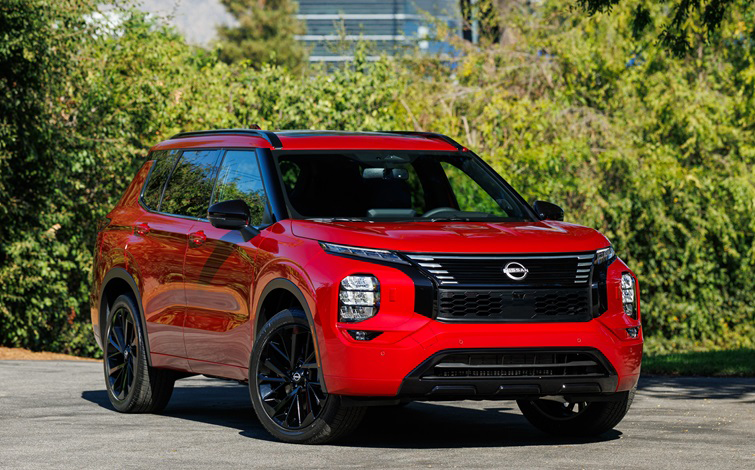
The Rogue is popular enough that every shop is familiar with its service requirements. Chain lube centers like Firestone and Midas service Rogues every single day. That high volume drives pricing competition among local shops. Customers benefit from shops trying to win their business with lower prices.
Nissan offers a standard oil life monitoring system on newer Rogue models. This system tells you exactly when an oil change is actually needed. Avoiding unnecessary early changes saves money over the course of a year. Smart oil monitoring is a feature that directly benefits your maintenance budget.
The Rogue’s combination of interior space and low running costs makes it a top pick for families. Parents can enjoy a comfortable and safe vehicle without worrying about expensive upkeep. Budget-friendly maintenance allows more money to be spent on fuel, insurance, or family adventures. The Rogue delivers practical value in every possible dimension of ownership.
Choosing the Nissan Rogue means choosing a predictable and affordable car care. You will rarely be surprised by an unusually high oil change bill. The cost stays flat, the service is fast, and the results keep your engine healthy. For drivers who value simplicity and savings, the Rogue is a genuinely smart choice.
4. Ford Escape
The Ford Escape has long been a staple of the American compact SUV market. It pairs versatile performance with surprisingly low maintenance costs. Most Escape owners pay between $28 and $39 for a standard oil change at any shop. Affordability is one of the key reasons the Escape continues to attract budget-minded buyers.
The Escape is available with multiple engine options across its various model years. The 1.5-liter EcoBoost four-cylinder is the most common engine found in recent models. It uses 5W-30 or 0W-20 oil, both of which are widely available and inexpensive. Common oil specifications ensure that no shop charges a premium for sourcing the right product.
Ford designed the Escape with service accessibility in mind. The engine bay provides enough room for technicians to work efficiently without specialized equipment. A standard oil change takes roughly 20 to 30 minutes at most service locations. Quick turnaround times help keep the total service cost within an affordable range.
The Escape holds approximately 4.5 to 5.0 quarts of oil, depending on the engine. That moderate capacity avoids the high material costs associated with larger truck-based SUVs. Four or five quarts of quality oil combined with an inexpensive filter keeps costs low. The math works in the owner’s favor on every service visit.

Ford has one of the largest dealer and independent service networks in the country. Escape parts are stocked at virtually every auto parts store from coast to coast. That universal availability eliminates any parts surcharge that smaller-volume vehicles might attract. You will always find a competitive price for the Escape service in any city or town.
The Escape Hybrid variant is especially interesting from a maintenance standpoint. Its regenerative braking system reduces wear on multiple components simultaneously. The hybrid powertrain also runs the combustion engine less aggressively in everyday driving. This gentler operation can extend oil life and reduce the number of annual changes needed.
Ford’s oil life monitoring system is standard equipment on newer Escape models. It calculates when an oil change is truly necessary based on driving conditions. This prevents the common mistake of changing oil too frequently and wasting money. Smart monitoring keeps maintenance costs precisely where they need to be.
The Ford Escape delivers a well-rounded ownership experience that goes beyond just a comfortable ride. Affordable oil changes are a small but meaningful reflection of its value. Drivers who choose the Escape are choosing a vehicle that respects their time and their budget. That combination of practicality and savings continues to make the Escape a top seller year after year.
Also Read: 5 SUVs That Look Better Than A Range Rover And 5 That Look Cheap Next To One
5. Chevrolet Equinox
The Chevrolet Equinox is one of General Motors’ most popular and enduring compact SUV offerings. It combines attractive styling with a reputation for low-cost routine maintenance. Oil changes on the Equinox typically cost between $27 and $38 at most shops. That consistently low price reflects the vehicle’s use of standard and widely available components.
The Equinox currently comes with a 1.5-liter turbocharged four-cylinder engine as its base option. A 2.0-liter turbocharged option is also available for drivers who want more power. Both engines use 0W-20 Dexos1 full synthetic oil as specified by General Motors. Dexos1 oil is not a specialty product and is readily available at all service centers.
General Motors developed the Dexos oil specification partly to reduce engine complexity. Engines designed around this oil standard are easier and cheaper to service. Technicians do not need to guess at oil grades or source uncommon products. That standardization directly benefits the owner at every oil change appointment.
The Equinox holds approximately 4.2 to 5.0 quarts of oil, depending on the engine. Moderate oil capacity means the material portion of the service bill stays low. An inexpensive Dexos1-certified oil and a standard filter are all that is needed. Total parts cost rarely exceeds $20, leaving room for affordable labor rates.
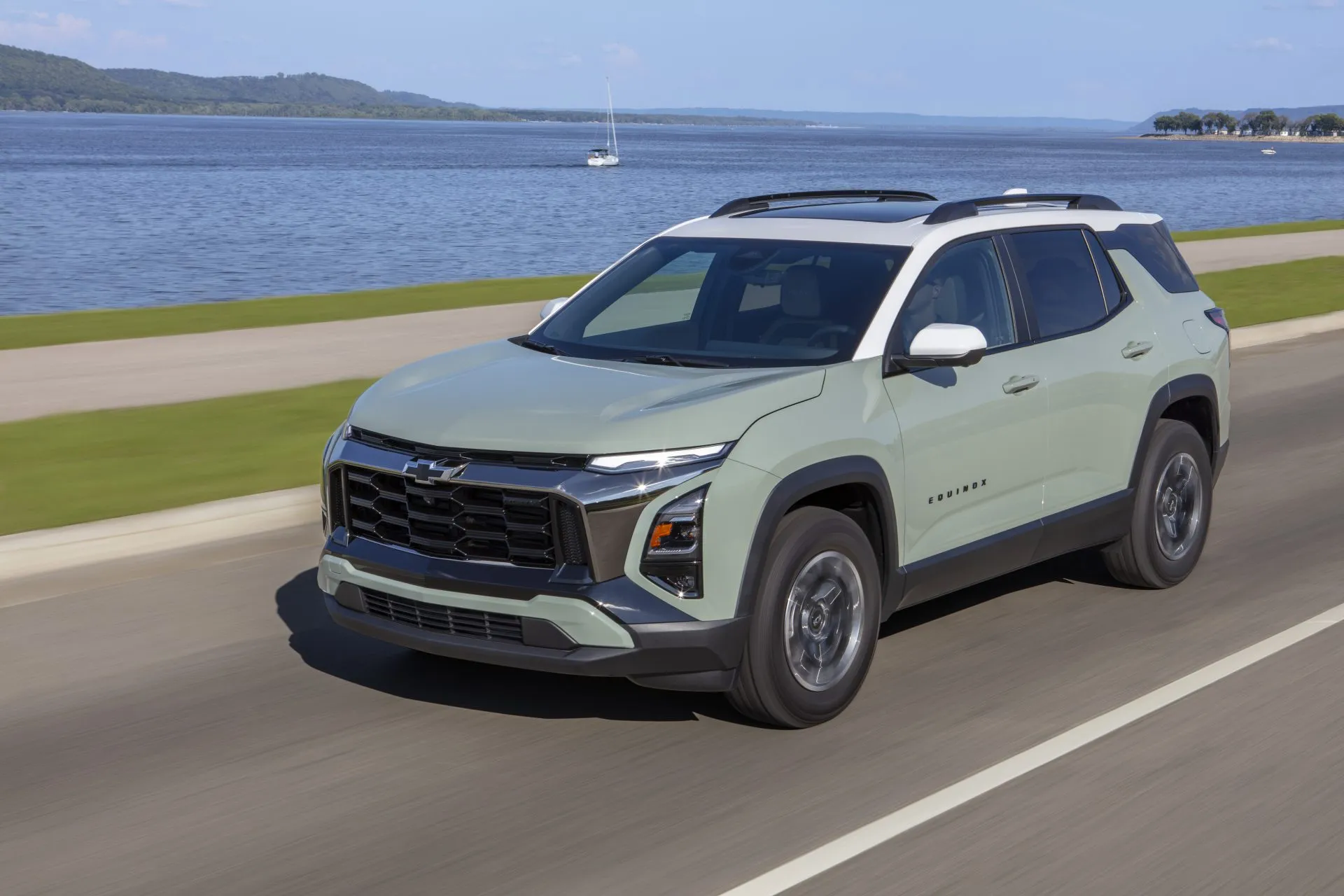
Chevrolet has a massive service network across the entire United States. Equinox parts are stocked at every major auto parts chain and most independent shops. This widespread availability prevents any single shop from inflating parts prices. Competition keeps the total oil change cost consistently within the budget range.
The Equinox also benefits from GM’s Oil Life Monitoring System, known as OLMS. This system analyzes driving patterns to determine when an oil change is truly needed. It prevents unnecessary early changes that waste both oil and money. Following OLMS recommendations rather than a fixed mileage schedule saves a noticeable amount annually.
Interior quality and technology features on the Equinox have improved significantly in recent years. Owners get a comfortable, modern cabin without paying premium maintenance prices. The value equation is favorable in every direction when you choose the Equinox. Affordable oil changes are simply one part of a broader story of smart ownership costs.
For families and commuters alike, the Equinox makes strong financial sense. It is a vehicle that handles daily responsibilities without demanding excessive upkeep costs. Every oil change stays predictably under $40, and the engine rewards that care with long-term reliability. The Chevrolet Equinox is proof that mainstream vehicles can deliver exceptional value.
6. Hyundai Tucson
The Hyundai Tucson has grown into one of the most competitive compact SUVs in today’s market. It offers impressive features, sharp styling, and genuinely low maintenance costs. Oil changes for the Tucson generally fall between $28 and $37 at independent shops. That price reflects Hyundai’s deliberate effort to keep ownership costs manageable for everyday drivers.
The Tucson comes with a 2.5-liter naturally aspirated four-cylinder engine as its standard option. A turbocharged 1.6-liter four-cylinder is available in higher trim levels and hybrid configurations. Both engines use 5W-30 or 0W-20 oil, which are among the most common grades available. No specialty oil is required, and pricing is straightforward at any service location.
Hyundai has invested heavily in making the Tucson easy to service. The engine layout provides clear access to the oil filter and drain plug from below. A trained technician can complete the oil change efficiently without needing to remove additional components. That straightforward access directly reduces labor time and cost.
The Tucson holds between 4.2 and 4.9 quarts of oil, depending on the engine variant. That capacity is on the lower end of the compact SUV spectrum. Less oil per change means lower material costs regardless of whether you use conventional or synthetic. The financial benefit is consistent across every service interval.
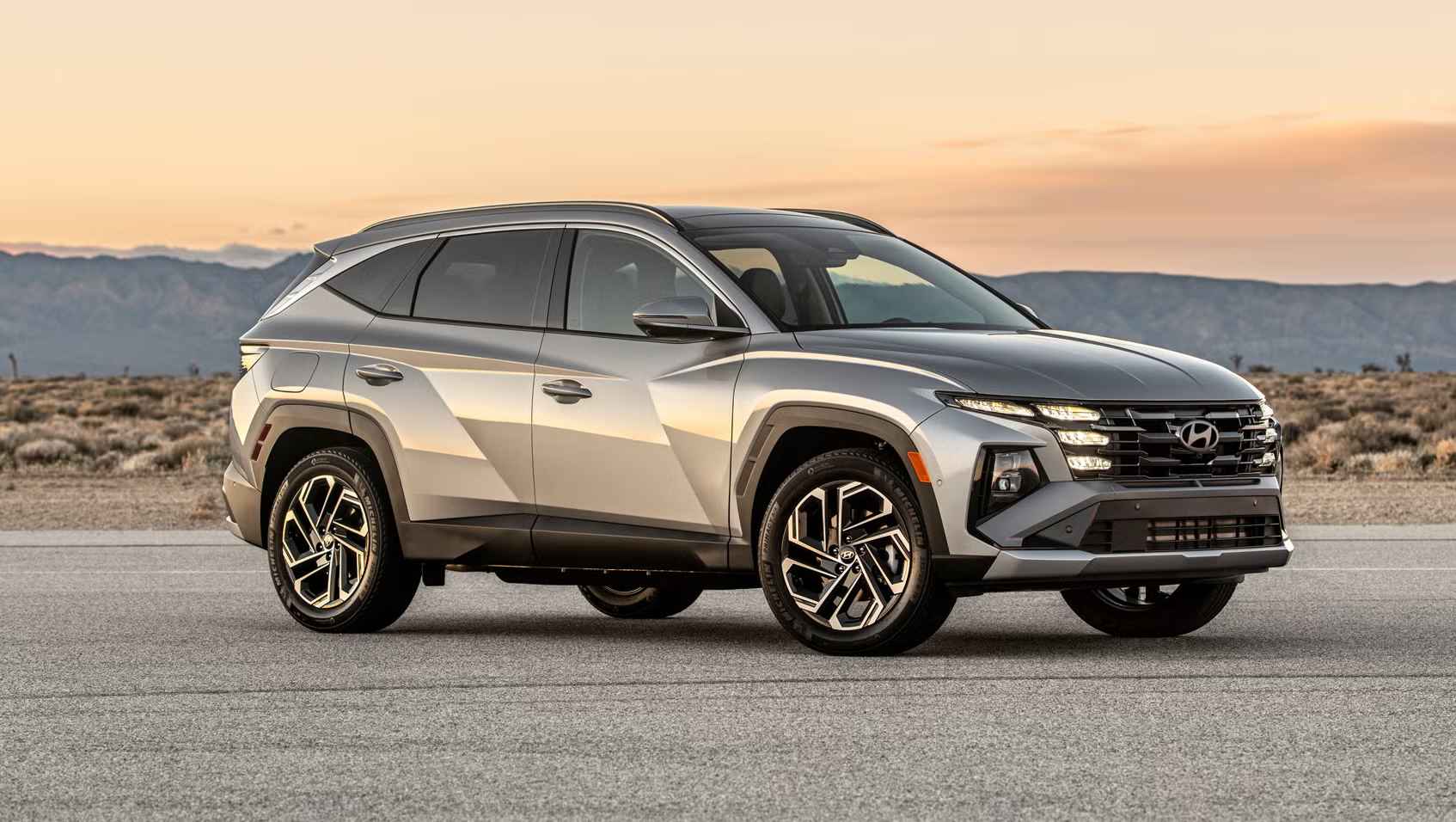
Hyundai’s parts availability has improved dramatically over the past decade. Major chains like AutoZone, O’Reilly, and Advance Auto Parts stock Tucson-compatible filters. Any shop can source the correct parts quickly without special ordering. That convenience prevents markup charges that sometimes apply to less common vehicles.
The Tucson Hybrid and Plug-In Hybrid variants offer additional savings on oil changes. Their electrified powertrains reduce the load on the combustion engine during everyday driving. Reduced engine stress can extend oil life well beyond the standard recommended interval. Plug-in hybrid owners who drive mostly on electric power may stretch the changes even further.
Hyundai backs the Tucson with one of the strongest warranties in the industry. The combination of a long warranty and low maintenance costs creates a very confident ownership experience. You spend less worrying about surprise repair bills when routine service is this affordable. Peace of mind is a genuine benefit that deserves recognition alongside the low price.
The Tucson represents a new generation of Korean automotive engineering at its most practical. It competes directly with Japanese rivals on reliability while offering lower purchase prices. Adding affordable oil changes to that equation makes Tucson one of the best value propositions in the SUV segment. Smart buyers who do their homework consistently end up choosing the Tucson.
7. Kia Sportage
The Kia Sportage shares its platform with the Hyundai Tucson and delivers similarly low maintenance costs. It has evolved from a budget option into a genuinely premium compact SUV at an accessible price. Oil changes on the Sportage typically run between $27 and $37 at most service shops. Consistent pricing reflects the vehicle’s use of standard, commonly available service components.
The Sportage offers a 2.5-liter four-cylinder engine as its base powertrain. A turbocharged 1.6-liter option is available in the Sportage X-Pro and Hybrid trims. Both engines are designed around conventional oil grades found at every auto supply outlet. No specialized formulas are required, making routine service simple and affordable everywhere.
Kia and Hyundai share engineering and parts sourcing across many models. This relationship means that Sportage parts benefit from the same wide distribution network as Tucson components. Any shop that services one is fully equipped to service the other. Shared platform advantages translate into practical cost savings for the owner.
The Sportage holds roughly 4.2 to 5.3 quarts of oil depending on engine size. Moderate oil volume keeps the material cost of every service visit predictably low. A standard oil filter for the Sportage is inexpensive and available at every major parts store. Budget-friendly components are a core part of what keeps the service price under $40.
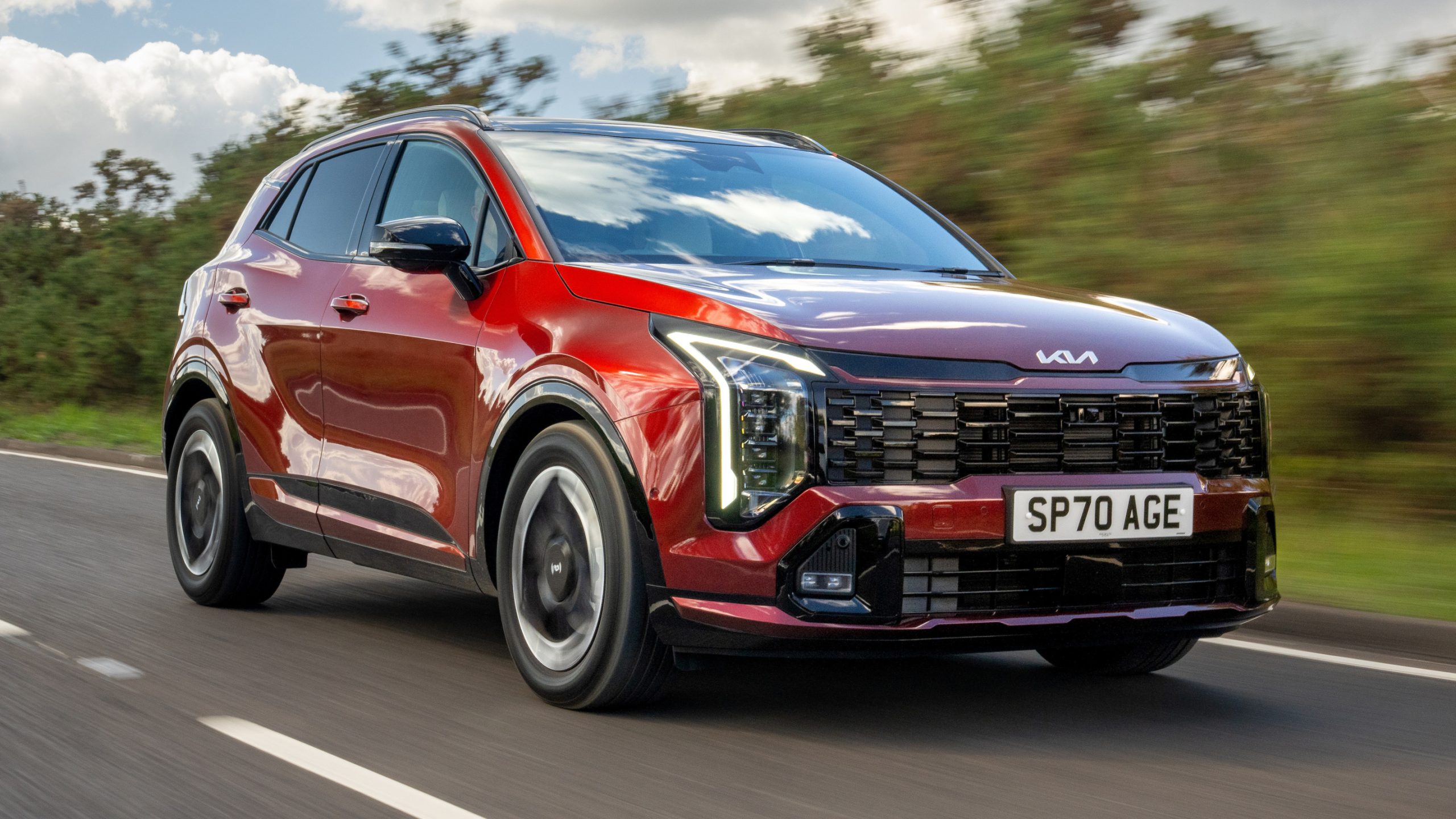
Kia has dramatically improved its reliability ratings over the past several years. Consumer reports now consistently rank Kia near the top for predicted reliability. A reliable engine that is also cheap to service is an outstanding combination. The Sportage delivers both qualities without asking owners to compromise on style or features.
The Sportage Hybrid adds another layer of value to an already affordable ownership package. Hybrid owners experience less engine wear due to the electric motor assisting under load. This reduced mechanical stress can noticeably extend the intervals between oil changes. Fewer visits to the shop per year means more money staying in your pocket.
Kia dealerships have also become more competitive with independent shops on service pricing. Many Kia service centers now offer oil change packages that rival quick-lube chains. That competitive pricing environment benefits owners no matter where they choose to have their vehicle serviced. Shopping around is easy, and the prices are almost always favorable.
The Sportage is an excellent choice for drivers who want style, space, and savings combined. Its bold exterior design turns heads while its service costs stay quietly affordable. Under-$40 oil changes are not an exception for the Sportage they are the standard expectation. This is a vehicle that delivers value in every dimension you can measure.
8. Subaru Forester
The Subaru Forester is beloved for its all-wheel drive capability and rugged outdoor personality. It is also one of the more affordable SUVs to maintain when it comes to routine oil changes. Most Forester owners pay between $30 and $39 at independent shops for a standard oil change. That price point is impressive given the Forester’s reputation as a capable and premium-feeling vehicle.
The Forester is powered by Subaru’s 2.5-liter naturally aspirated BOXER four-cylinder engine. This horizontally opposed engine layout is unique in the industry but surprisingly easy to service. The oil filter and drain plug are accessible from below without removing the skid plates on most trims. Straightforward access keeps service time short and labor costs low.
Subaru specifies 0W-20 full synthetic oil for the Forester in the most recent model years. Full synthetic might sound expensive, but the Forester’s 6,000-mile change interval keeps annual costs reasonable. You change the oil less often because the synthetic formulation lasts longer under normal conditions. That longer interval offsets the slightly higher cost of synthetic oil per quart.
The Forester holds approximately 4.4 quarts of oil per change. That is a smaller quantity than many competitors in the compact SUV segment. Smaller oil capacity directly reduces the material cost at every service visit. Combined with accessible filter placement, every Forester oil change is fast and inexpensive.
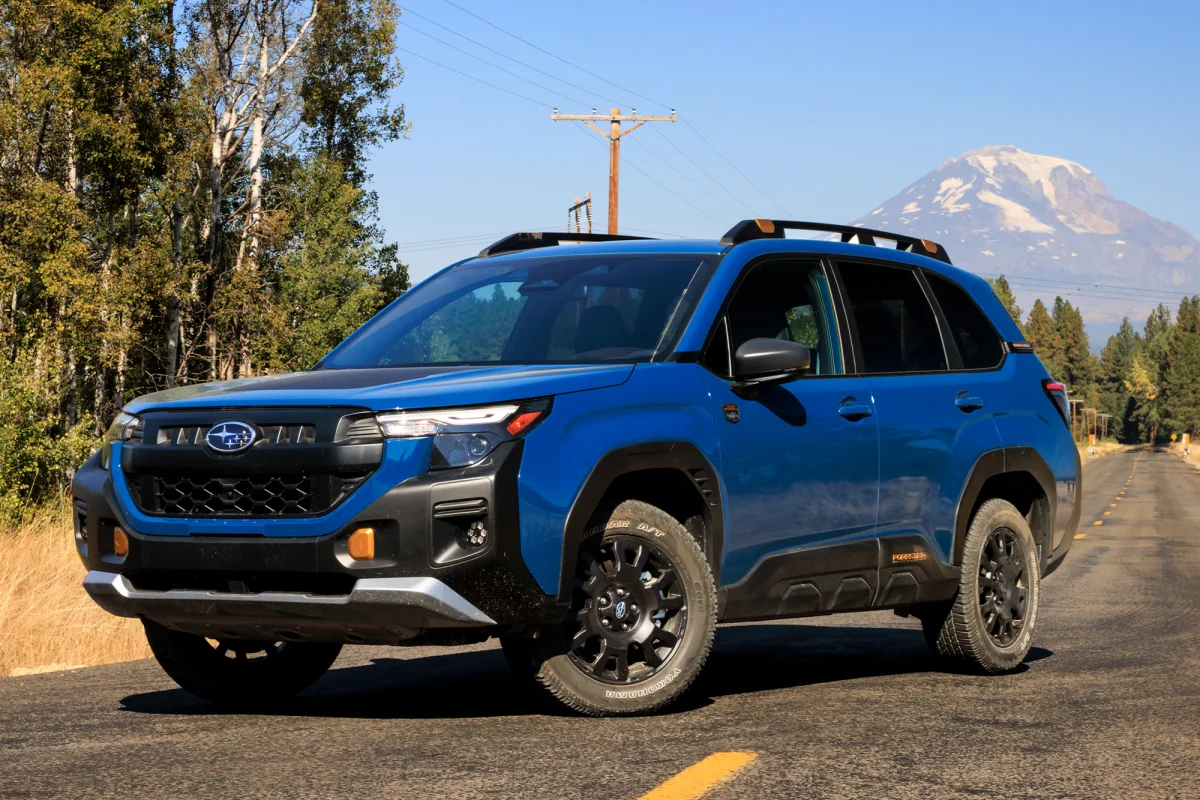
Subaru has built an extensive network of independent service shops across the country. Many mechanics specialize in Subaru vehicles and can service the Forester quickly. Specialty Subaru shops often offer competitive pricing that rivals chain lube centers. That competition keeps costs low even for owners who prefer working with Subaru experts.
The Forester’s symmetrical all-wheel drive system is one of its biggest selling points. Standard AWD on all trims means every driver gets confidence on wet, snowy, or uneven roads. Despite the added complexity of AWD, the oil change remains simple and affordable. Subaru managed to keep service costs down even with a premium drivetrain technology standard.
Subaru owners are known for their loyalty, and affordable maintenance is a major reason why. Once drivers discover how easy and cheap it is to own a Forester, they rarely switch brands. The combination of adventure capability and low upkeep costs creates a deeply satisfying ownership experience. You get a lot of vehicle for not a lot of maintenance expense.
The Forester is especially popular among outdoor enthusiasts, families, and practical-minded professionals. All of these buyers share a desire for capable transportation that does not punish them financially. Under-$40 oil changes are one clear example of how the Forester delivers on that promise. It is a vehicle that earns its following through genuine and measurable value.
9. Mazda CX-5
The Mazda CX-5 is widely regarded as the most premium-feeling compact SUV in its price range. Its refined interior, sporty handling, and upscale design set it apart from the competition. Despite its near-luxury feel, the CX-5 maintains oil change costs between $30 and $39 at most shops. That affordability is a pleasant surprise for a vehicle that feels so much more expensive than it is.
The CX-5 is powered by Mazda’s 2.5-liter SKYACTIV-G four-cylinder engine as its standard option. A turbocharged version of the same engine is available in higher trim levels. Both engines use 0W-20 full synthetic oil, which Mazda has optimized for maximum fuel efficiency. Despite the full synthetic specification, prices remain competitive at standard service locations.
Mazda engineered the CX-5 with serviceability as a priority alongside performance. The oil drain plug and filter are positioned for easy access from below the vehicle. A standard service visit at any shop takes approximately 20 minutes from start to finish. Short service times translate directly into lower labor charges on every bill.
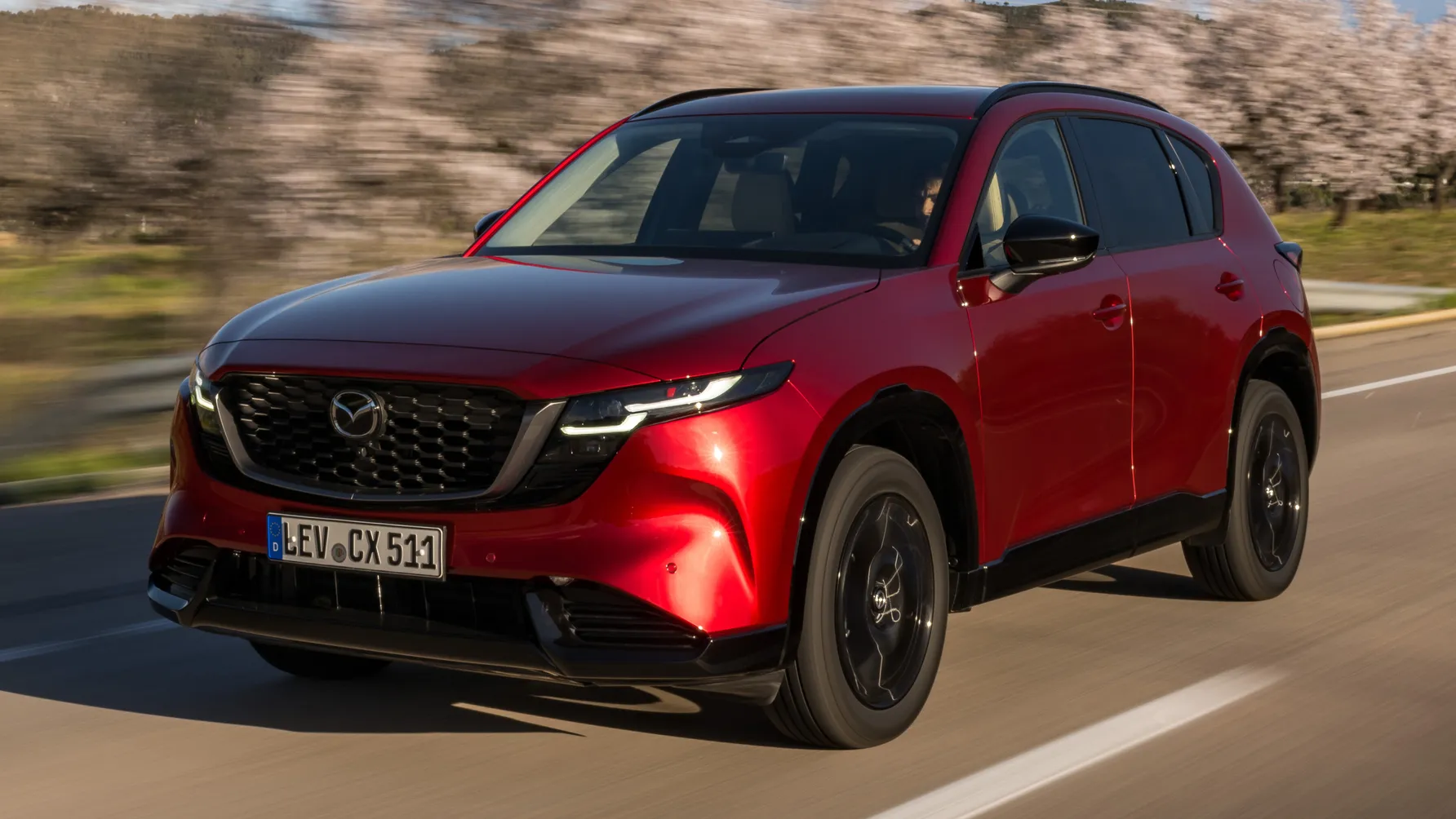
The CX-5 holds about 4.8 quarts of oil per change, which is a moderate and cost-effective amount. Quality synthetic oil combined with an inexpensive Mazda-compatible filter keeps material costs reasonable. The total parts cost for a CX-5 oil change is typically under $22 at retail prices. That leaves ample room for labor while keeping the total bill below $40.
Mazda parts are available at all major auto parts retailers across the country. The widespread distribution of Mazda filters and oil means no shop charges a sourcing premium. Any certified technician can service a CX-5 confidently with parts from the nearest auto store. That accessibility keeps pricing transparent and competitive in every market.
The CX-5’s fuel economy is another financial advantage that complements its low oil change cost. The SKYACTIV engine technology delivers excellent miles per gallon for its class. Lower fuel costs combined with affordable maintenance make the total ownership expense impressively low. The CX-5 competes financially with much less refined vehicles in the compact segment.
Mazda’s reliability ratings have improved steadily and now rival Toyota and Honda in consumer surveys. A reliable engine is one that rarely needs anything beyond routine oil changes. The CX-5 rewards owners who follow the service schedule with years of trouble-free driving. Consistent care at a low cost produces outstanding long-term results.
Choosing the Mazda CX-5 means getting a premium driving experience without premium maintenance bills. Every aspect of the vehicle feels thoughtfully crafted, including its service accessibility. The under-$40 oil change is one more reason why the CX-5 earns such enthusiastic reviews from owners. This is arguably the most satisfying vehicle on this entire list.
10. Toyota Highlander
The Toyota Highlander is a three-row midsize SUV that seats up to eight passengers comfortably. It is a larger vehicle than most on this list, yet it still manages to keep oil changes under $40. Most Highlander owners pay between $32 and $39 at independent shops for a standard oil change. That price is remarkable for an SUV of this size and capability.
The Highlander is powered by a 2.4-liter turbocharged four-cylinder engine in its latest generation. Previous generations used a naturally aspirated 3.5-liter V6, which also kept oil change costs manageable. The new turbocharged four-cylinder is smaller and requires less oil than the V6 it replaced. That reduction in oil volume directly lowers the cost of every service visit.
Toyota specifies 0W-16 full synthetic oil for the newest Highlander models with the turbocharged engine. This ultra-low viscosity oil is increasingly available at major auto parts stores. While slightly less common than 0W-20, it is not a specialty product that commands a significant price premium. Most shops stock it or can order it quickly at no extra charge.
The Highlander holds approximately 4.8 quarts of oil with the turbocharged four-cylinder engine. Previous V6 models required about 6.4 quarts, which was still within the affordable range. The shift to a smaller engine has made the new Highlander even cheaper to service. Toyota’s engineering decisions consistently benefit owners at the maintenance counter.

Toyota’s massive dealer network and parts distribution system ensure that Highlander components are always available. Filters, gaskets, and oil are stocked at virtually every auto supply store in the country. No shop needs to special-order anything for a routine Highlander oil change. That convenience prevents any markup that might otherwise push the cost above $40.
The Highlander Hybrid takes fuel efficiency and oil change savings to another level entirely. Its hybrid powertrain reduces combustion engine load during daily driving, extending oil life significantly. Hybrid owners report going well beyond the standard interval without compromising engine health. Fewer oil changes per year multiplied by an under-$40 price creates meaningful annual savings.
Toyota’s legendary reliability is fully present in the Highlander throughout its ownership cycle. Regular oil changes are virtually the only routine maintenance most Highlander owners report needing. A vehicle that needs little beyond oil changes and tire rotations is extraordinarily cheap to own long-term. The Highlander’s dependability is the foundation on which its low-maintenance reputation is built.
For families who need space, comfort, and third-row seating, the Highlander is hard to match. The fact that it also delivers oil changes under $40 makes it an outstanding value proposition. You get a full-size family hauler with the maintenance costs of a compact car. The Toyota Highlander proves that responsible engineering benefits everyone, especially at the service counter.
Also Read: 10 Cars With Dashboard Buttons Big Enough to Read Without Glasses
