
When people shop for an SUV, they usually focus on engine performance, mileage, safety ratings, infotainment systems, and road presence. However, one of the most frustrating long-term ownership issues that often gets overlooked is interior roof liner sagging.
The headliner, also called the roof liner, is the fabric or suede-like material attached to the inside roof of the vehicle. Over time, many SUVs develop a drooping ceiling where the fabric separates from the foam backing and starts hanging down. This issue is especially common in hot climates, humid regions, and older vehicles, where adhesives break down due to heat and UV exposure.
Roof liner sagging is not just a cosmetic issue. It can reduce visibility, interfere with dome lights, and make the interior feel worn out even if the vehicle is mechanically sound. The main causes include low-quality adhesive, foam degradation, poor ventilation design, and excessive cabin heat buildup when parked under the sun. Once the bonding layer fails, repairs are often temporary unless the entire headliner is replaced.
Some SUVs, however, are known for maintaining strong interior build quality even after many years of use. These vehicles typically use higher-grade adhesives, better heat-resistant foam backing, and improved cabin insulation that reduces temperature fluctuations. Luxury brands tend to perform better in this category, but a few mainstream SUVs also stand out due to strong engineering and interior material choices.
In this article, we explore 10 SUVs that are widely regarded for having roof liners that rarely sag or detach prematurely. These models are chosen based on long-term owner feedback, known interior durability trends, and manufacturing reputation for high-quality cabin construction.
While no vehicle is completely immune to aging, these SUVs consistently show better resistance to one of the most common interior aging problems in the automotive world.
ALSO READ: 9 Vehicles With Side Mirrors Wide Enough for Older Eyes
1. Lexus GX
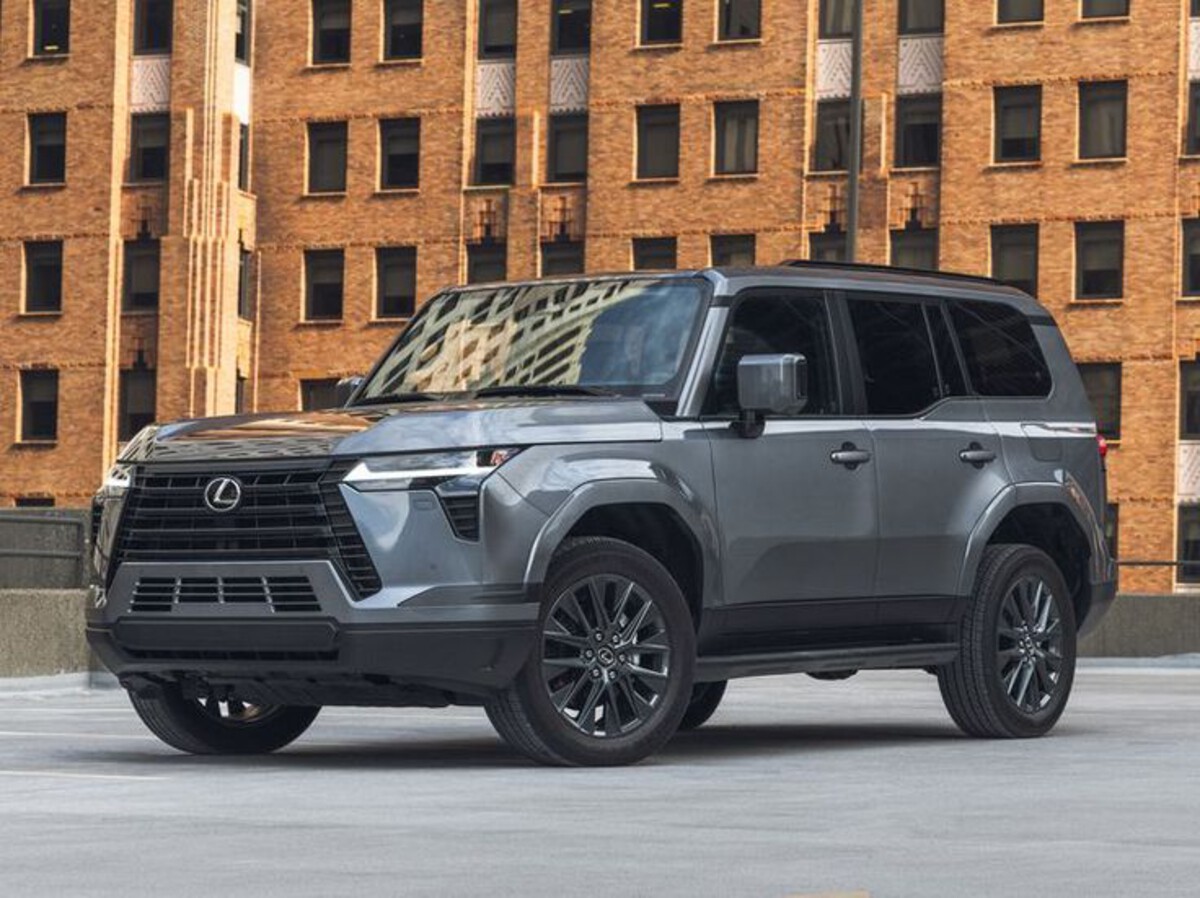
The Lexus GX is widely regarded as one of the most overbuilt luxury SUVs when it comes to long-term durability, and that reputation extends directly into its interior components, including the roof liner. Lexus has built its brand identity around reliability and refinement that does not degrade quickly over time.
Unlike many SUVs that prioritize soft-touch aesthetics at the cost of structural stability, the GX uses a more engineered approach where every interior layer is designed to resist heat, vibration, and aging.
One of the main reasons the GX avoids roof liner sagging is the quality of its adhesive bonding system. Lexus uses heat-resistant adhesives that maintain structural integrity even after years of exposure to high cabin temperatures. In many regions where SUVs are frequently parked under direct sunlight, interior roof temperatures can become extremely high, causing low-quality adhesives to weaken. The GX is specifically designed to slow this process through improved material chemistry and insulation.
Another important factor is the density and composition of the foam backing used behind the fabric. In cheaper SUVs, this foam often begins to break down into a powder-like substance after repeated heat cycles. Once this happens, the fabric loses its grip and begins to sag. In the GX, the foam is significantly more stable and resistant to internal degradation, which helps preserve the tightness of the headliner for much longer periods.
Owners often report that even after 8 to 12 years of use, especially in hot climates such as the Middle East or parts of South Asia, the roof liner in the GX remains firmly in place. This is not accidental but a result of Lexus prioritizing long-term material stability over cost reduction. While the GX may feel more utilitarian compared to modern tech-heavy SUVs, its interior aging resistance is one of its strongest advantages.
Finally, the structural rigidity of the GX cabin also plays a supporting role. Because the body-on-frame design is extremely solid, there is less flex in the roof structure during driving over rough terrain. This reduces mechanical stress on the headliner, helping it stay intact for a longer time.
2. Lexus RX Series
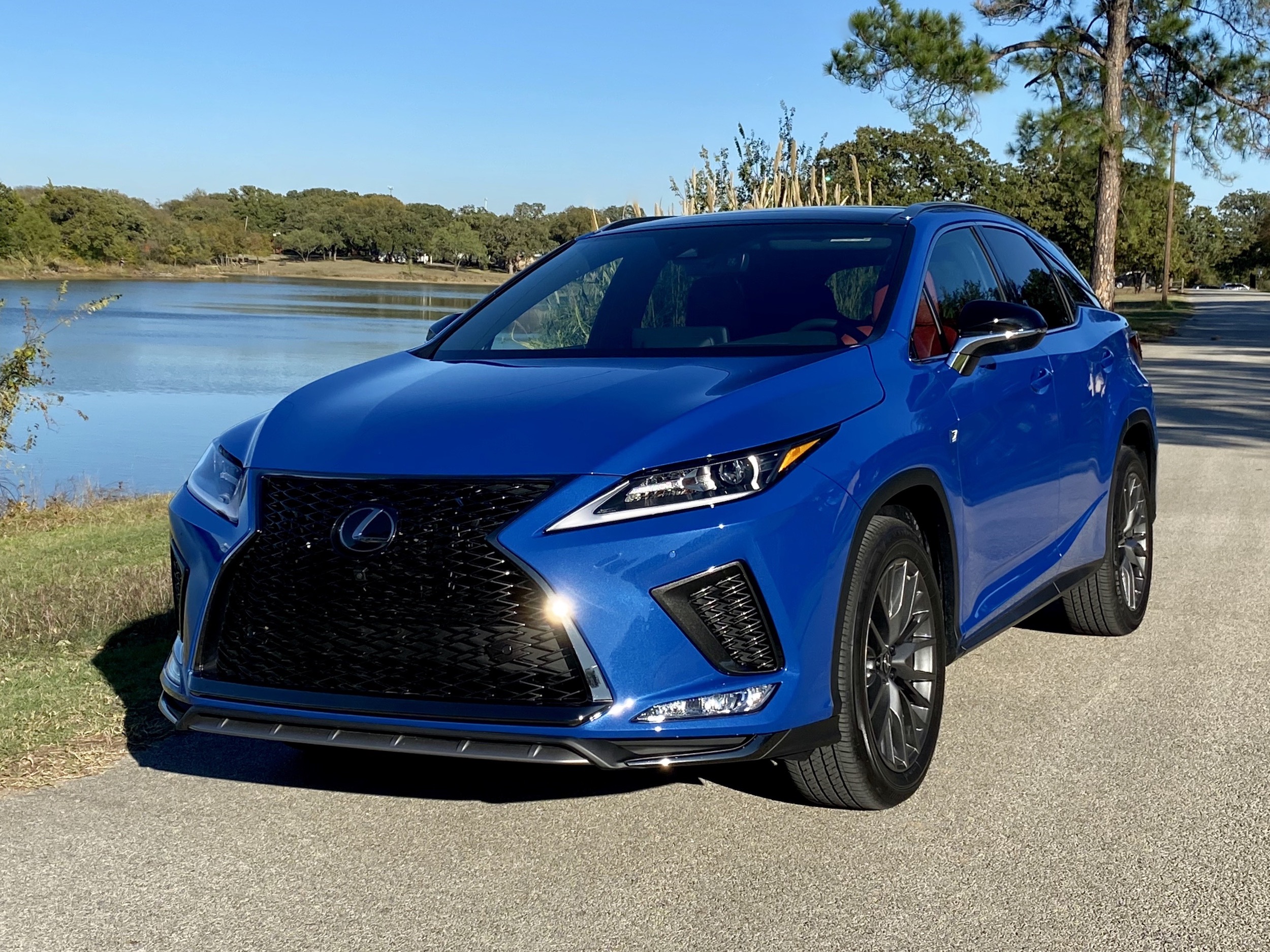
The Lexus RX series is one of the most popular luxury SUVs globally, and its reputation for interior durability is a major reason behind its strong resale value. The roof liner in the RX is designed with a focus on long-term consistency rather than just an initial premium feel. Lexus ensures that the materials used inside the RX maintain their structural integrity even after extended use in varying climates.
A key advantage of the RX is its use of advanced microfiber or suede-like headliner materials that are tightly bonded to reinforced foam layers. These materials are not only visually premium but also more stable under temperature fluctuations. Unlike basic fabric headliners that can loosen over time, the RX’s material system is engineered to resist separation at the adhesive layer.
Another important aspect is the adhesive technology itself. Lexus uses a more heat-stable bonding compound that reduces the risk of softening during prolonged exposure to high temperatures. In many SUVs, repeated cycles of heating during the day and cooling at night gradually weaken the adhesive, leading to sagging. The RX significantly slows this breakdown process.
The RX also benefits from excellent cabin insulation, which helps regulate internal temperature. When the roof does not experience extreme heat spikes, the stress on the adhesive layer is reduced. This indirect factor plays a major role in maintaining headliner stability over the long term.
Owners frequently note that even high-mileage RX models maintain a “tight cabin” feel, where interior panels, including the roof liner, remain firmly attached. This consistency is one of the reasons the RX is often recommended for buyers looking for a luxury SUV that does not deteriorate quickly inside.
3. Toyota 4Runner
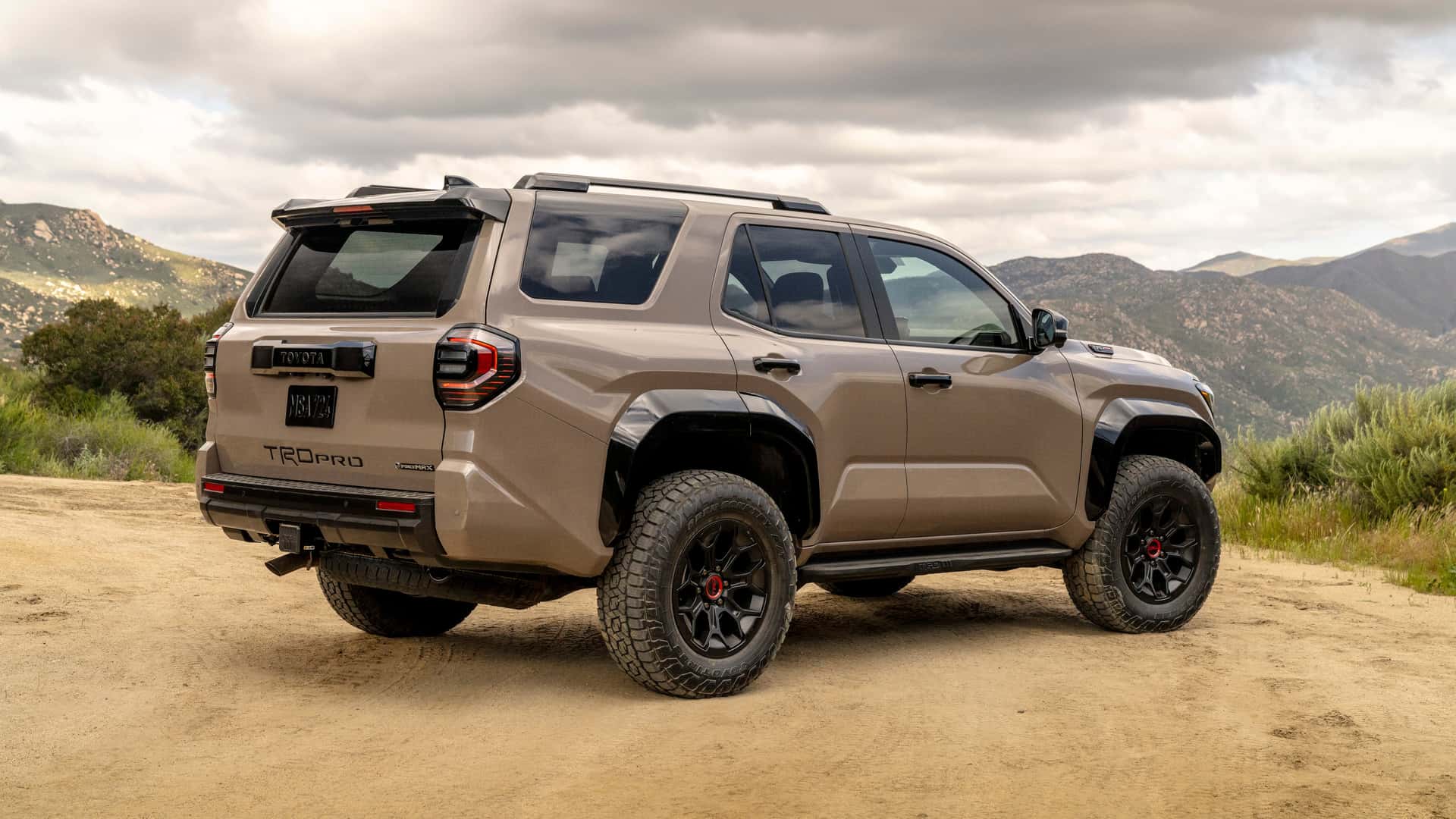
The Toyota 4Runner is not designed as a luxury SUV, but its strength lies in mechanical and structural durability that extends into its interior components. The roof liner in the 4Runner is engineered with practicality and ruggedness in mind, which ironically helps it resist sagging issues better than many soft luxury interiors.
One of the key design choices in the 4Runner is the use of thick, durable foam backing material. Instead of focusing on ultra-soft, lightweight materials that prioritize comfort, Toyota uses more robust composites that are better suited for long-term stability. This helps prevent early breakdown of the foam layer, which is one of the primary causes of sagging in many SUVs.
Another factor is the vehicle’s intended usage environment. The 4Runner is commonly used in off-road conditions where vibration, dust, and temperature changes are frequent. Because of this, Toyota reinforces interior bonding points more heavily than in standard road-focused SUVs. This additional reinforcement helps keep the headliner intact even under stressful driving conditions.
Heat resistance also plays an important role. While the 4Runner does not have the same luxury insulation as a Lexus, its materials are selected for durability rather than softness. This means the adhesive and foam combination is less likely to degrade quickly, especially in long-term ownership scenarios.
Many owners who keep their 4Runners for 10 to 15 years report that the interior roof remains structurally sound. Even when minor wear appears, it is typically localized rather than widespread sagging, which speaks to the stability of the design.
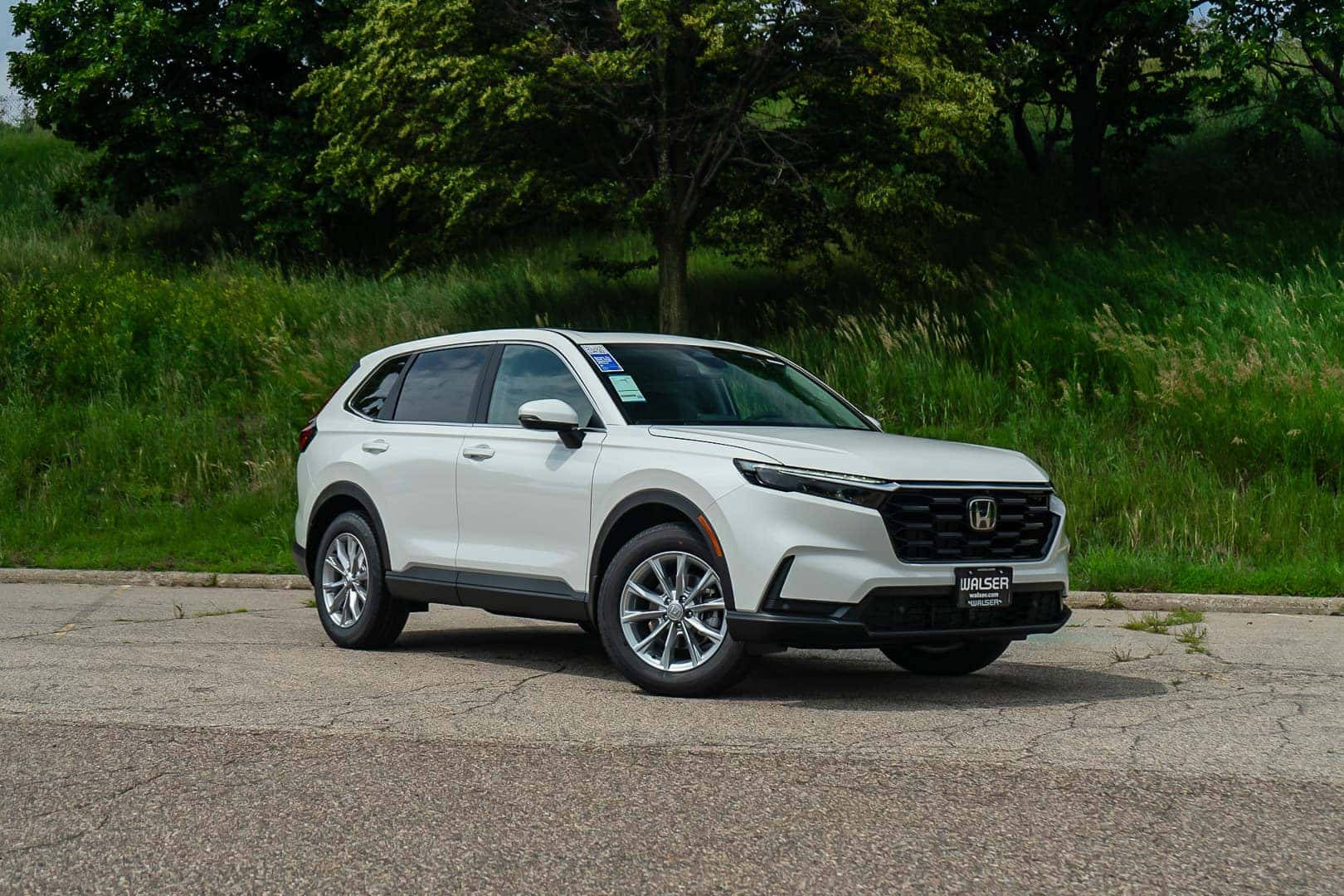
4. Honda CR-V
The Honda CR-V has built a strong reputation as a reliable and practical compact SUV, and its interior design reflects Honda’s focus on long-term usability. The roof liner in the CR-V is engineered with durability in mind, using materials that balance cost efficiency with resistance to aging.
One of the key strengths of the CR-V is the density of its foam backing layer. Honda uses a relatively firm foam structure that is less prone to early decomposition compared to softer, low-density alternatives found in some budget SUVs. This helps maintain the structural integrity of the headliner over time.
Another important factor is Honda’s adhesive formulation. While not as premium as luxury brands, it is designed to handle moderate heat exposure without rapid degradation. This makes the CR V particularly suitable for everyday driving conditions in warm climates.
The CR-V also benefits from a well-sealed cabin design that minimizes moisture intrusion. Moisture is a hidden contributor to headliner failure because it weakens adhesive bonds over time. By keeping the interior environment relatively dry and stable, Honda indirectly improves the lifespan of the roof liner.
Owners frequently highlight that even after years of family use, the CR V’s interior remains intact with minimal signs of sagging. While it may not feel ultra-luxurious, its durability makes it one of the most practical choices in its segment.
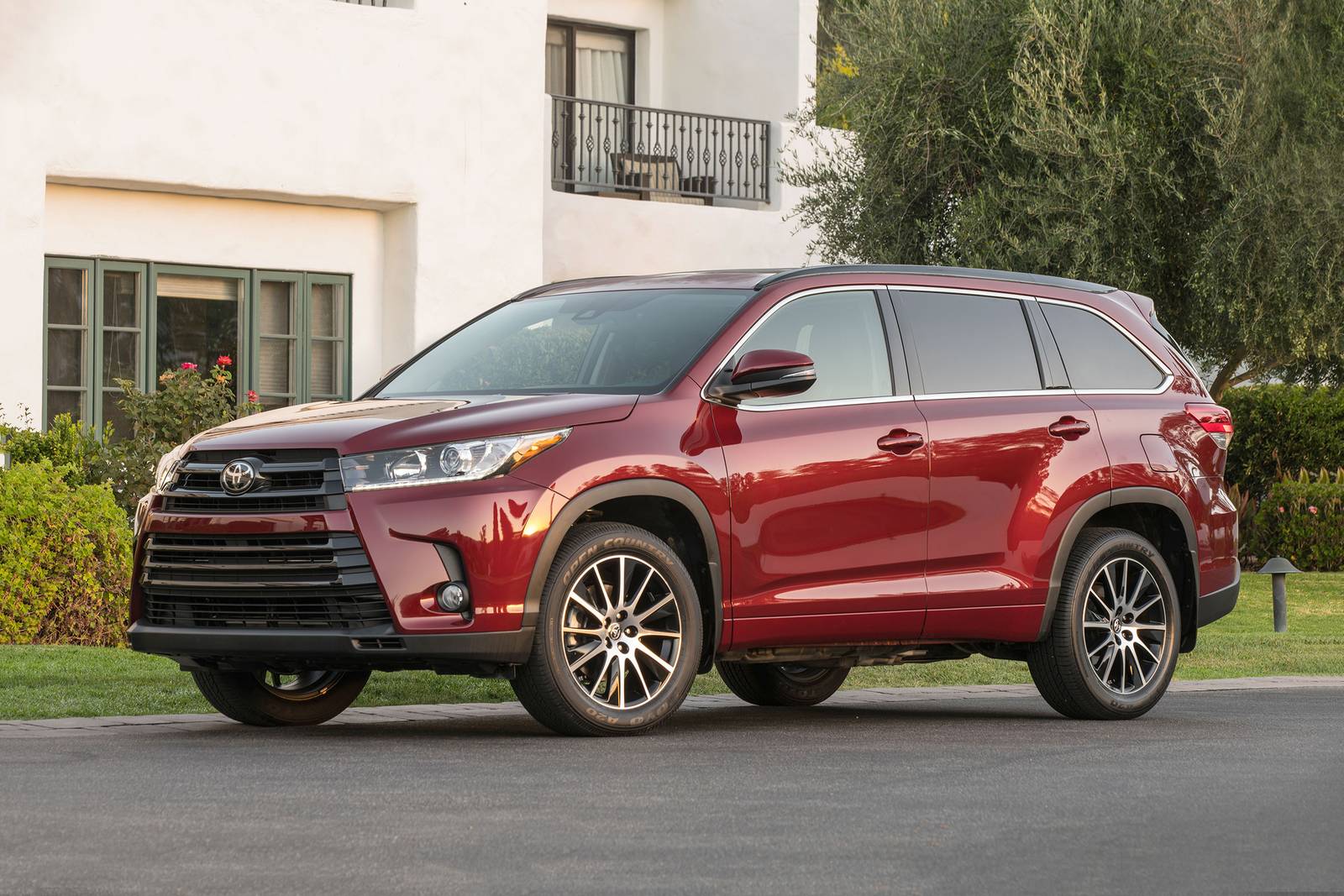
5. Toyota Highlander
The Toyota Highlander is designed as a long-term family SUV, and its interior durability reflects Toyota’s emphasis on reliability and low maintenance ownership. The roof liner in the Highlander is built to withstand daily wear and tear from passengers, temperature fluctuations, and long-term usage patterns.
One of the most important design aspects is the reinforced ceiling structure. The Highlander uses a more rigid roof frame that reduces flex during driving. This is important because structural movement can slowly weaken adhesive bonds over time. By minimizing this movement, Toyota improves the lifespan of the headliner.
Another major factor is cabin insulation quality. The Highlander is designed to maintain a stable internal temperature, which reduces the thermal stress placed on adhesive materials. When interior temperatures fluctuate less dramatically, the likelihood of adhesive breakdown decreases significantly.
Toyota also uses improved foam backing materials that resist breakdown under heat exposure. This helps maintain the shape and grip of the headliner even after many years of use. Unlike cheaper SUVs, where foam begins to crumble, the Highlander’s materials remain relatively stable.
Many long-term owners report that even after extensive family use, including exposure to children, luggage, and frequent travel, the roof liner remains firmly attached. This makes the Highlander one of the more dependable SUVs for interior longevity in the midsize segment.
ALSO READ: 10 Cars Mechanics Often Advise Against for Their Own Families
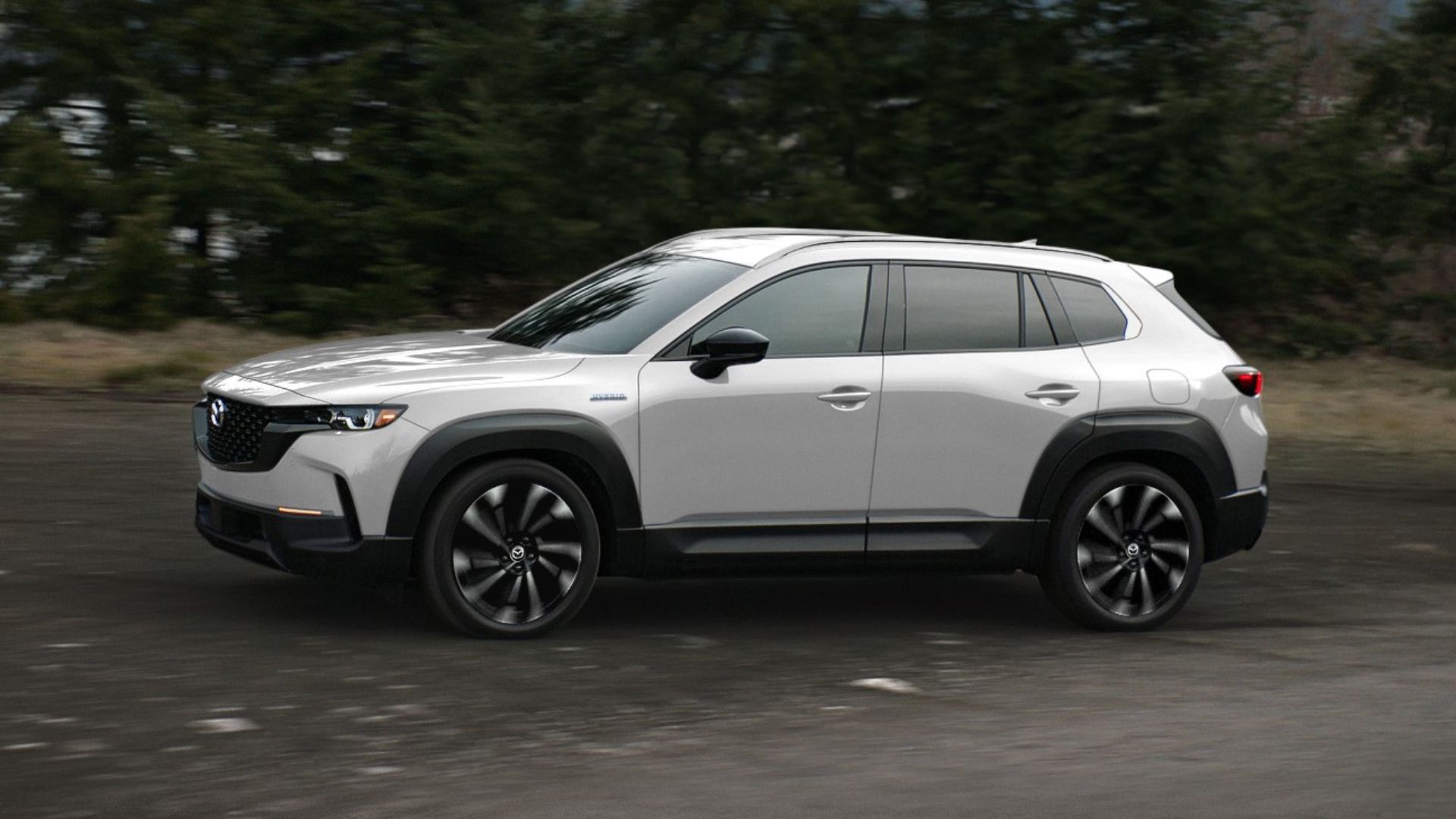
6. Mazda CX-5
The Mazda CX-5 has built a strong reputation in the compact SUV segment for offering near-luxury interior quality without the associated price tag. One of its most underrated strengths is the long-term stability of its interior materials, including the roof liner. Mazda places a strong emphasis on craftsmanship and tactile quality, and this approach extends to how interior components are assembled and bonded.
A key reason the CX-5 performs well in resisting roof liner sagging is the quality of its adhesive application and foam density selection. Mazda uses adhesives that are designed to maintain elasticity and bonding strength under moderate heat cycles. While not as extreme-duty as some luxury brands, this balance is effective for real-world driving conditions in most climates.
Another contributing factor is Mazda’s focus on cabin refinement and noise isolation. The CX-5 uses layered insulation materials in the roof structure that not only reduce cabin noise but also help stabilize temperature fluctuations. This is important because sudden heat changes are one of the main triggers for adhesive weakening over time.
The foam backing used in the CX-5 headliner is also more compact and structured compared to budget SUVs. Instead of soft, overly porous foam that deteriorates quickly, Mazda opts for a denser material that resists crumbling and separation. This helps the fabric remain tightly bonded for longer periods.
Owners often note that even after years of ownership, the CX-5 interior still feels “tight” and well put together. While it may not be marketed as a rugged SUV, its interior aging resistance makes it a strong choice for buyers who want a refined cabin that does not degrade quickly.
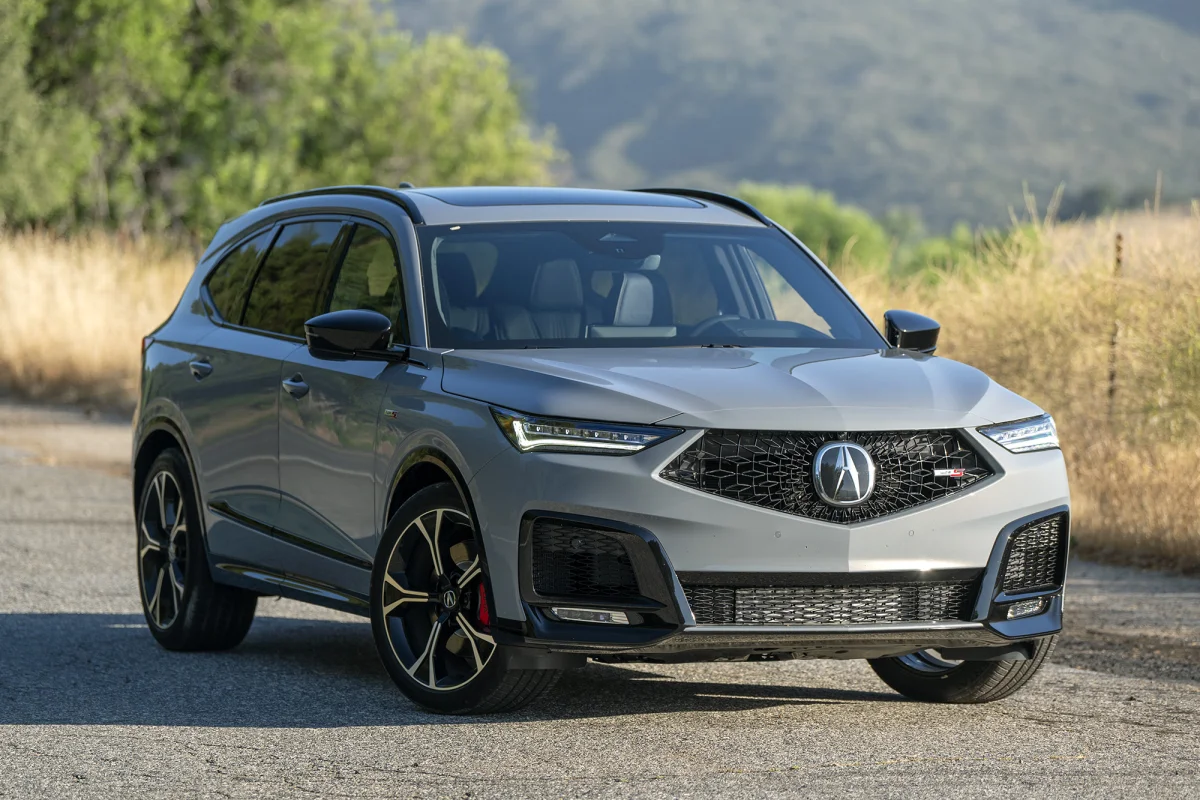
7. Acura MDX
The Acura MDX, as Honda’s luxury division SUV, benefits from upgraded interior engineering that significantly improves long-term durability compared to mainstream models. The roof liner in the MDX is constructed using higher-grade materials and improved bonding systems designed to withstand extended use in premium vehicle conditions.
One of the main strengths of the MDX is its improved adhesive technology. Acura uses stronger heat-resistant compounds that maintain structural integrity even under prolonged exposure to high cabin temperatures. This reduces the risk of gradual separation between the foam backing and fabric layer.
Another important factor is the enhanced foam density used in the headliner. The MDX uses a more stable foam composition that resists internal breakdown over time. In many lower-tier vehicles, foam degradation is the starting point of sagging issues, but Acura’s material selection significantly delays this process.
Cabin insulation is also a key contributor. The MDX is designed to maintain a quieter and more temperature-stable interior environment, which reduces thermal stress on adhesive materials. This indirectly improves the lifespan of the roof liner.
Owners of older MDX models frequently report that the interior remains well-preserved even after high mileage use. While some wear may appear in heavily used vehicles, complete roof liner sagging is relatively uncommon compared to many competitors in the same class.
8. Subaru Outback
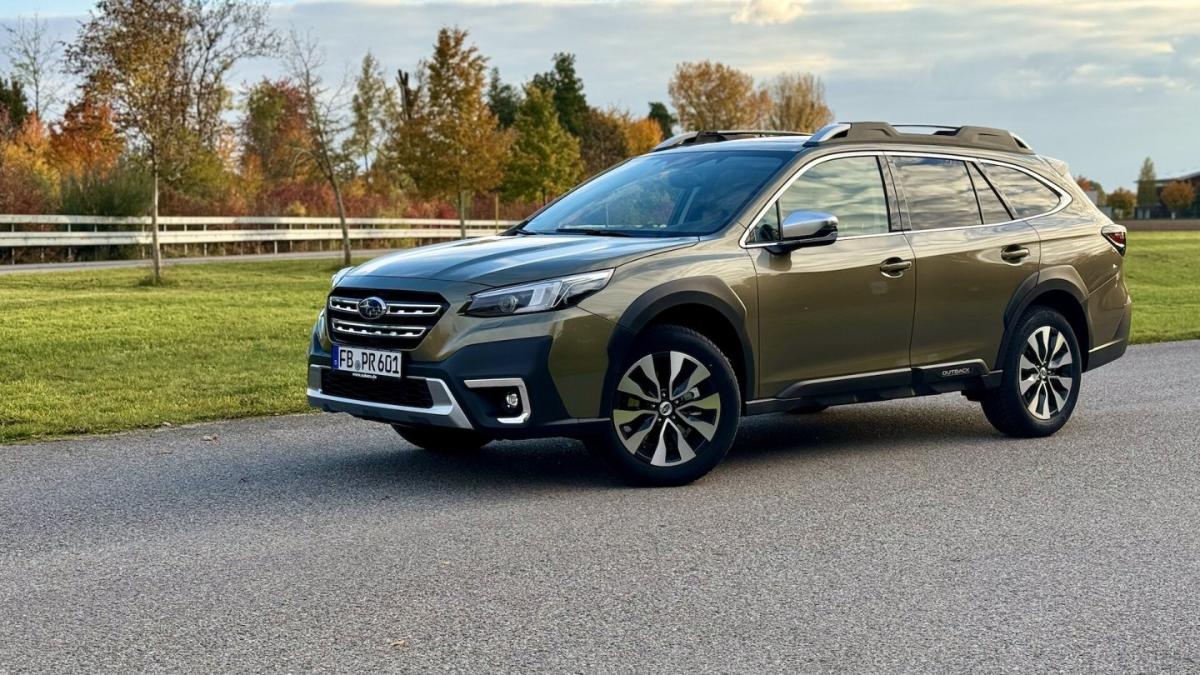
The Subaru Outback is designed with a strong focus on outdoor capability, durability, and all-weather performance. While it is often categorized as a crossover rather than a traditional SUV, its interior construction reflects Subaru’s engineering philosophy of building vehicles that can withstand harsh environmental conditions.
One of the key advantages of the Outback is its resistance to moisture and temperature variation. Subaru designs its interior materials, including the roof liner, to handle fluctuating climates, whether it is cold winters or hot summers. This environmental adaptability plays a major role in preventing early adhesive failure.
The foam backing used in the Outback’s headliner is engineered for stability rather than softness. It is designed to maintain its structure even when exposed to long-term humidity or dryness cycles. This helps reduce the breakdown that typically leads to sagging in many other vehicles.
Another factor is Subaru’s focus on cabin sealing. The Outback is built to be used in outdoor environments, which means better protection against dust, moisture, and air leakage. A more controlled interior environment helps preserve adhesive strength over time.
Owners who use the Outback for camping, road trips, or rural driving often report that the interior roof remains stable even after years of use. While it is not a luxury SUV, its durability in real-world conditions makes it a strong performer in long-term ownership scenarios.
9. Volvo XC60
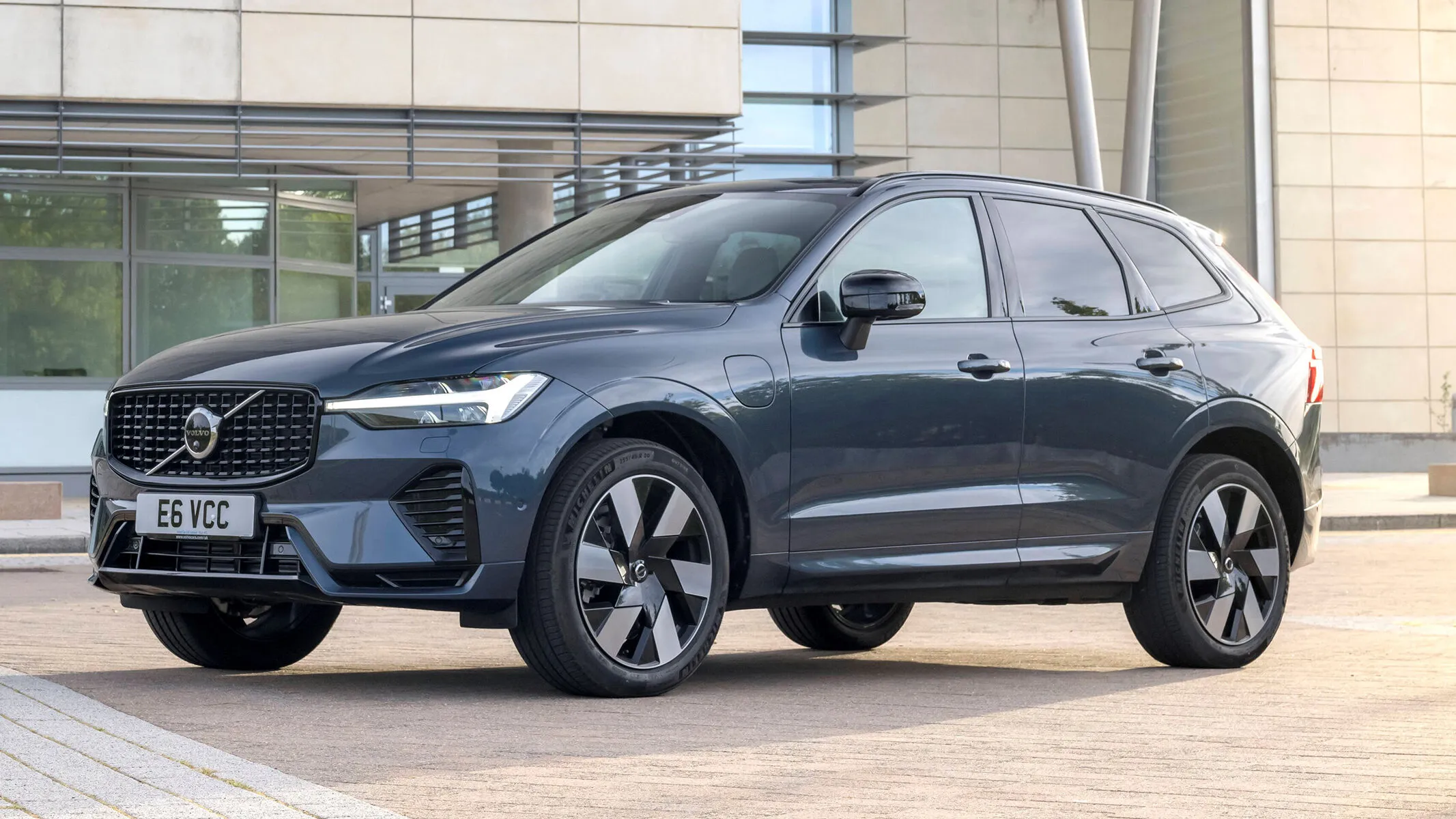
The Volvo XC60 represents Scandinavian design principles, where simplicity, safety, and long-term functionality are prioritized. This philosophy extends into the vehicle’s interior construction, including the roof liner, which is designed for durability as well as comfort.
One of the most important aspects of the XC60 is its high-quality adhesive system. Volvo uses bonding materials that are engineered to remain stable under a wide range of temperatures. This is particularly important in regions where seasonal variation can cause repeated expansion and contraction of interior materials.
Another strength is Volvo’s emphasis on insulation and climate control. The XC60 cabin is designed to maintain consistent internal temperatures, reducing stress on adhesives and foam layers. This stability helps prevent early breakdown of the headliner structure.
The foam backing used in Volvo interiors is also carefully selected for longevity. Rather than prioritizing ultra-soft materials, Volvo uses structured foam layers that maintain their shape over long periods. This reduces the risk of internal collapse, which is a common cause of sagging.
Many long-term XC60 owners report that even after years of ownership, the cabin still feels solid and well-assembled. The roof liner typically remains tight and properly attached, reflecting Volvo’s focus on engineering durability into everyday comfort.
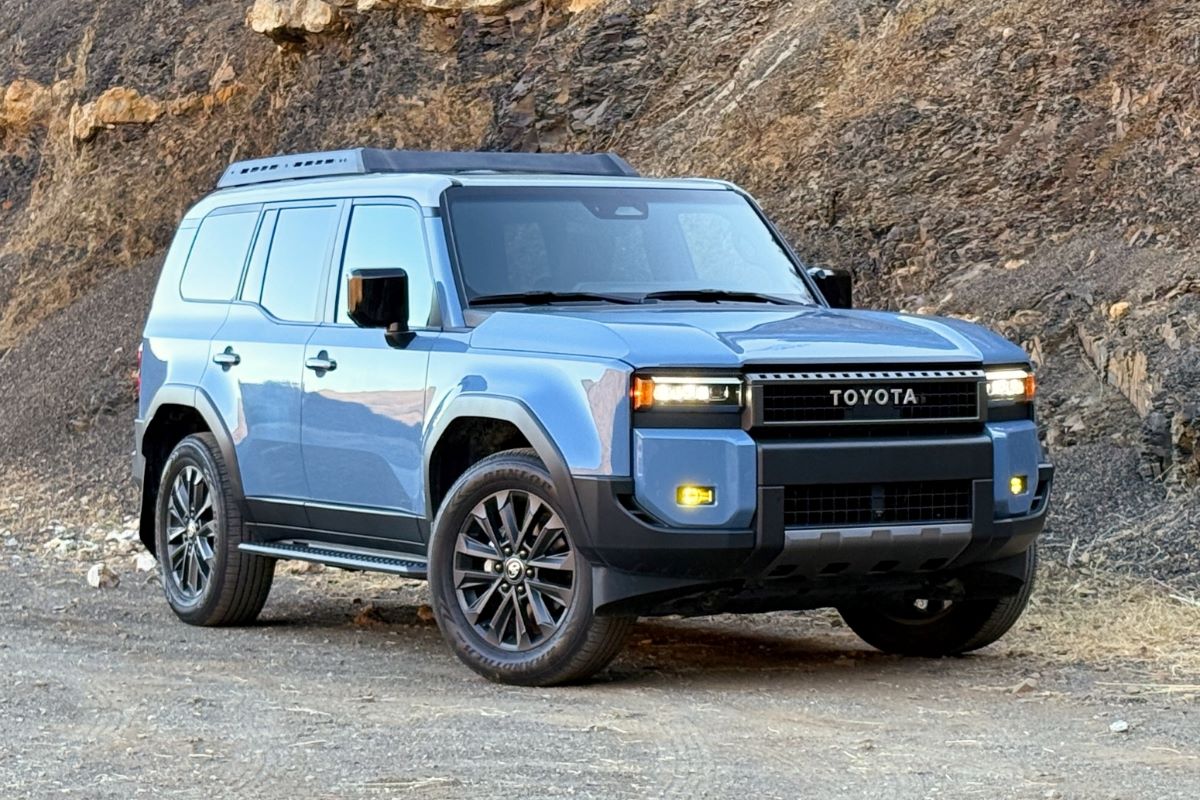
10. Toyota Land Cruiser
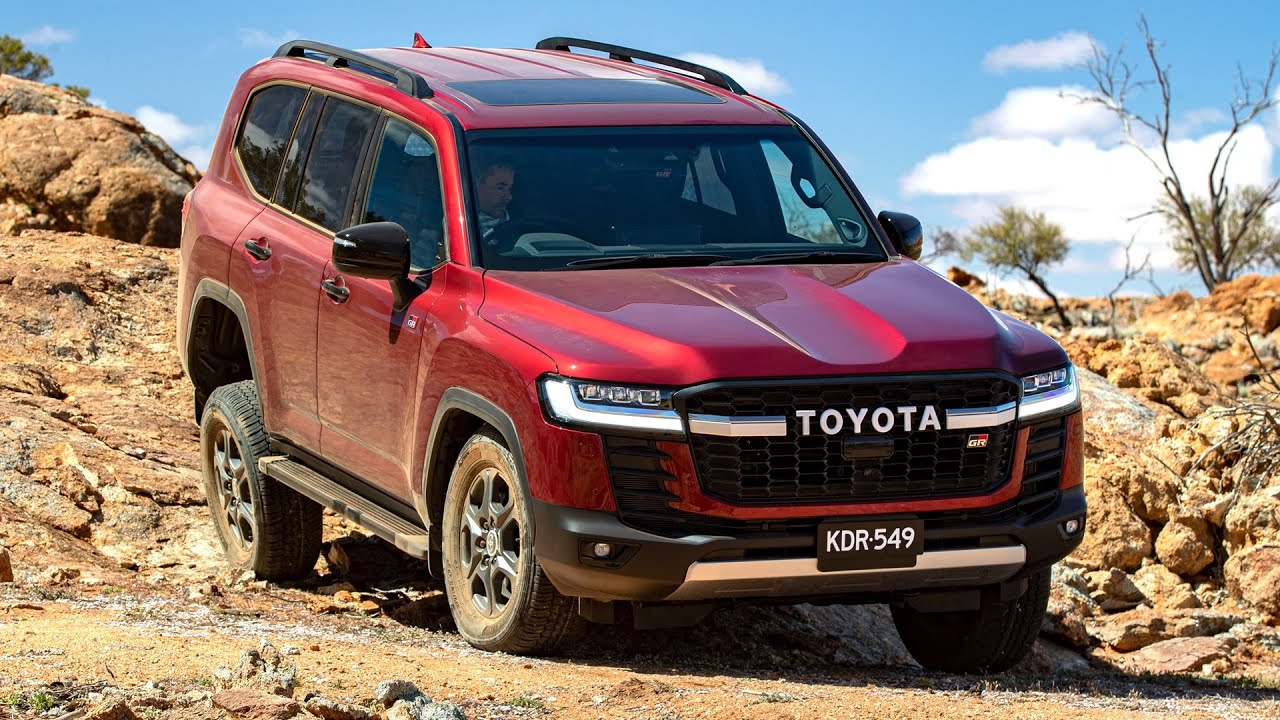
The Toyota Land Cruiser is widely considered one of the most durable SUVs ever produced, and its interior is engineered to match its legendary mechanical toughness. The roof liner in the Land Cruiser is built with a focus on extreme longevity, making it highly resistant to sagging even under harsh conditions.
One of the key reasons for this durability is the use of heavy-duty adhesive systems. Toyota designs the Land Cruiser for global use in some of the most extreme climates on Earth, including deserts, tropical regions, and mountainous terrain. The adhesives used in the roof liner are selected to withstand prolonged heat exposure without losing bonding strength.
Another important factor is the reinforced structural design of the cabin. The Land Cruiser’s body-on-frame construction provides exceptional rigidity, which minimizes flex in the roof structure. This reduces mechanical stress on the headliner, helping it remain securely attached over time.
The foam backing is also engineered for maximum stability rather than softness. Toyota prioritizes durability over luxury softness, ensuring that the material does not break down easily even after years of exposure to heat and vibration.
Owners frequently report that Land Cruisers remain structurally solid even after decades of use. The interior roof liner is often one of the least problematic components, reflecting the vehicle’s philosophy of extreme durability and long-term reliability.
