

Buying a used car can feel straightforward at first glance. The exterior shines, the interior smells fresh, and the engine starts without hesitation. That first impression often creates a sense of confidence, yet it rarely tells the full story. What sits beneath the hood carries far more truth than any polished surface or detailed listing.
Sellers focus on presentation because it shapes perception. Clean paint, vacuumed carpets, and a smooth test drive can easily distract from hidden issues that may become expensive problems later. A vehicle might appear well cared for, yet small signs under the hood can reveal neglect, shortcuts, or even attempts to hide damage.
Taking a closer look does not require advanced mechanical knowledge. A careful inspection of a few components can expose warning signs that are easy to overlook. These checks can save time, money, and frustration, especially when dealing with private sellers or vehicles without complete service records.
This guide pairs a common inspection point with a specific vehicle example, showing how these issues appear in real situations. From fluid conditions to wiring and structural details, every element plays a role in understanding the true condition of a car.
A smart buyer does not rely on appearance alone. Looking under the hood with intention transforms the buying process from guesswork into informed decision-making. What you find there may change everything.
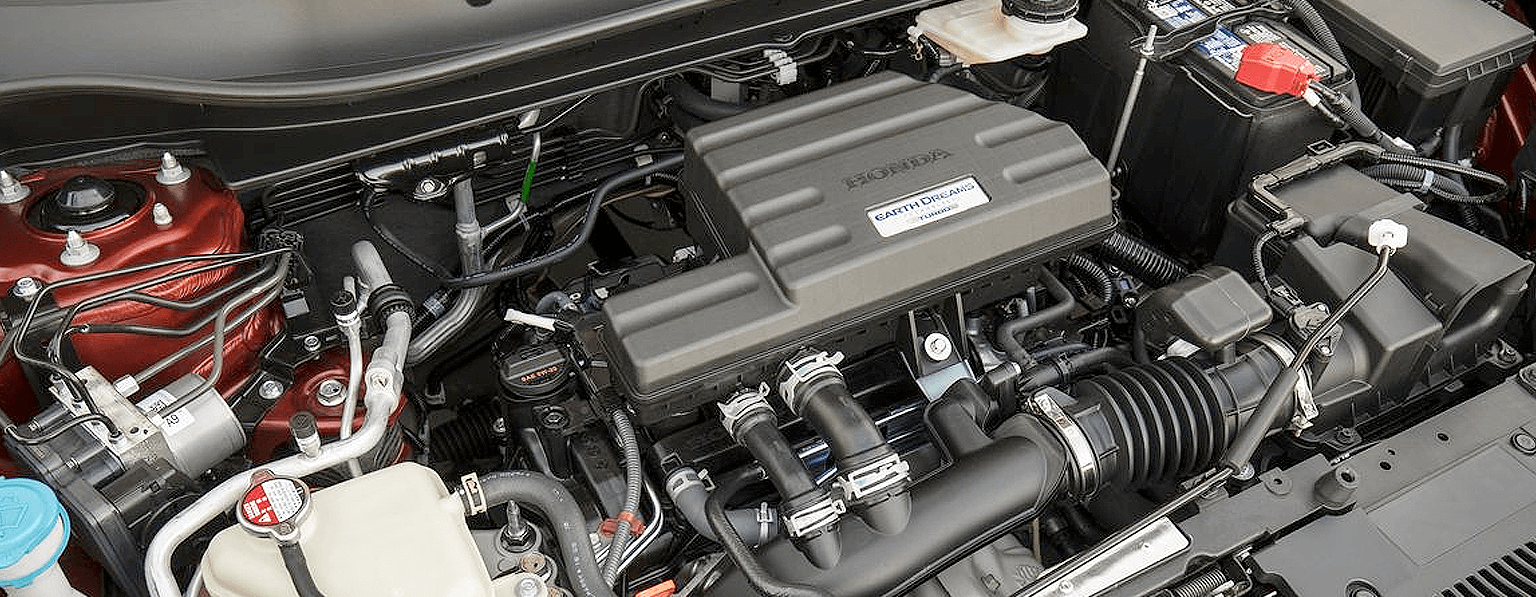
1. 2018 Honda Accord LX – Engine Oil Condition and Hidden Neglect
Start with engine oil because it reflects how a vehicle has been treated. On a 2018 Honda Accord LX, removing the dipstick and observing the oil color can reveal more than any seller’s claim. Fresh oil appears amber and clear, while dark, thick oil suggests extended intervals between changes. A gritty texture indicates contamination, which points to poor care.
A quick glance may not be enough. Rubbing a small amount between your fingers can expose sludge buildup. Sludge forms when oil breaks down due to heat and neglect. This buildup restricts lubrication, increasing wear on internal engine components. Sellers may change oil shortly before listing the car, hoping to mask this issue. That is why checking beneath the oil cap is equally important. Residue or thick deposits there signal long-term neglect.
Consistency in oil maintenance directly affects engine lifespan. Vehicles like the Accord are known for reliability, yet even dependable engines suffer when maintenance is ignored. A well-maintained engine runs smoothly and quietly, while a neglected one may develop ticking noises or reduced performance.
Another detail worth noting involves the oil level. Low oil may suggest leaks or excessive consumption. Both conditions require further inspection. A seller might top up fluids temporarily, so repeated checks during a test drive can reveal inconsistencies.
Pay attention to surrounding components. Oil stains around the engine block or valve cover often indicate leaks that may worsen after a long period of time. These repairs can become costly if ignored. A careful oil inspection provides insight into the owner’s habits.
It tells a story that cannot be hidden by a clean exterior. When evaluating a used vehicle, this simple step can separate a well-kept car from one that may demand costly repairs soon after purchase.
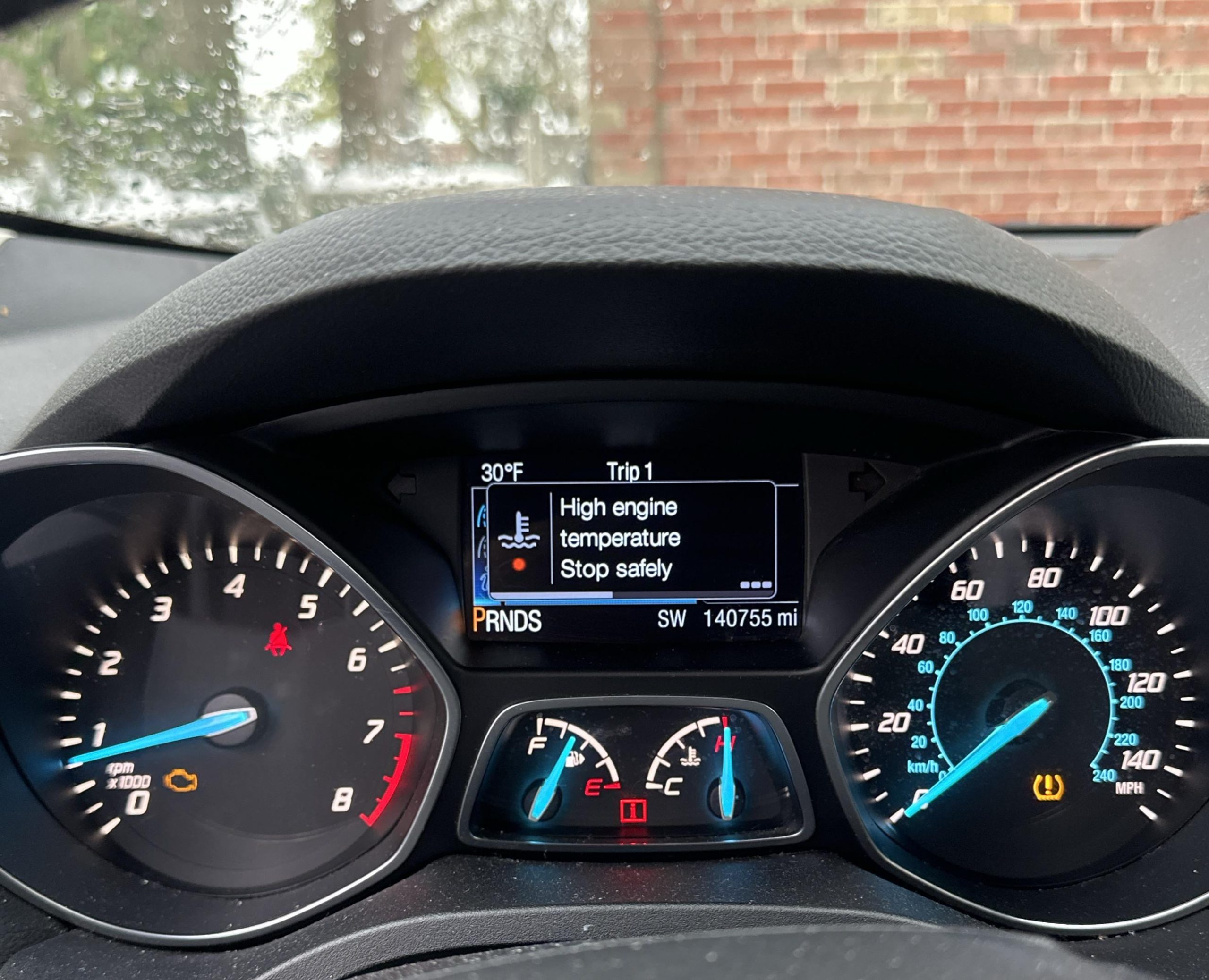
2. 2017 Ford Escape SE – Coolant System and Signs of Overheating
Coolant condition often goes unnoticed, yet it plays a major role in engine health. On a 2017 Ford Escape SE, inspecting the coolant reservoir reveals whether the system has been properly maintained. Healthy coolant appears bright, usually green, orange, or pink, depending on the type. A rusty or murky appearance signals contamination.
Opening the reservoir cap when the engine is cool allows a closer look. Sludge or oil residue floating in the coolant suggests internal engine problems, such as a failing head gasket. Sellers rarely mention overheating issues, yet the cooling system often provides clear evidence.
Hoses connected to the radiator deserve attention as well. Squeezing them gently can reveal their condition. Soft or brittle hoses indicate age and possible failure. Cracks or swelling suggest that replacement is overdue. These parts may seem minor, yet failure can lead to sudden overheating.
Radiator condition also matters. Corrosion around the cap or visible leaks points to poor upkeep. A seller might clean the engine bay, but residue often remains in hidden corners. Checking these areas carefully can uncover past issues. Temperature stability during a test drive adds another layer of insight.
If the gauge fluctuates or rises quickly, the cooling system may not be functioning properly. That behavior often indicates deeper problems. Cooling systems require consistent care. Neglect leads to overheating, which can cause severe engine damage. Repairing such damage often costs far more than routine maintenance would have.
Taking time to inspect coolant and related components helps reveal whether a vehicle has been maintained responsibly. This step protects buyers from unexpected repairs and ensures a more reliable ownership experience.
Also Read: 8 Tips for Negotiating the Lowest Interest Rate on a Car Loan in 2026
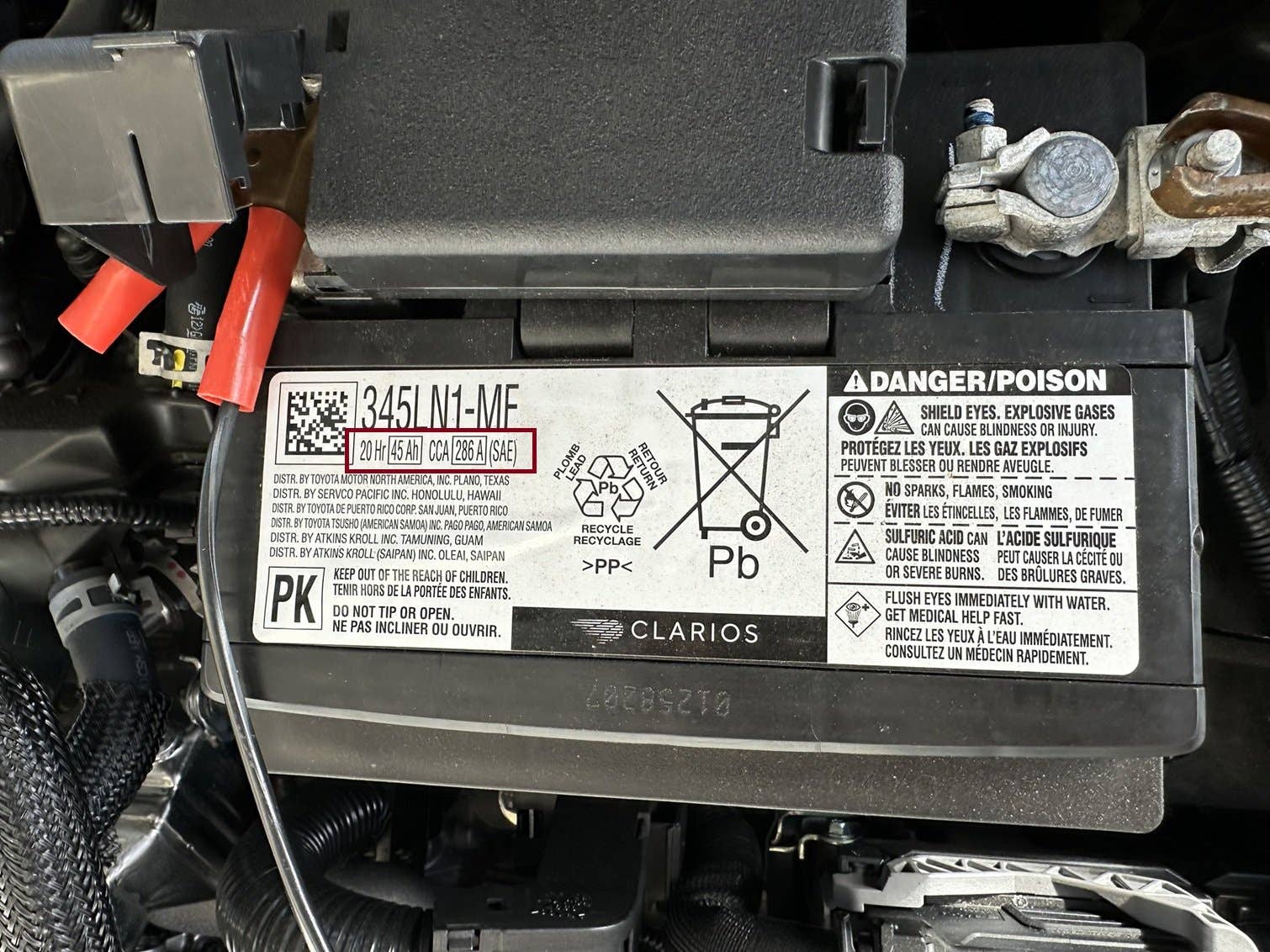
3. 2016 Toyota Corolla LE – Battery Health and Electrical Clues
Electrical systems depend heavily on battery condition. In a 2016 Toyota Corolla LE, the battery sits in plain view, making inspection straightforward. Corrosion on the terminals appears as a white or bluish residue. This buildup interferes with electrical flow and signals lack of maintenance.
Checking the battery label reveals its age. Most batteries last three to five years. An older battery may still function during a test drive, yet it could fail shortly after purchase. Sellers may avoid mentioning this detail, relying on the assumption that the car starts without issue.
Loose connections present another concern. Wires attached to the terminals should feel secure. Movement indicates poor contact, which can lead to intermittent electrical problems. These issues are often difficult to diagnose and may affect multiple systems.
Cables connected to the battery deserve equal attention. Fraying or exposed wires suggest wear that could lead to failure. Electrical repairs can become complicated, especially if damage extends beyond visible areas. Voltage stability plays a role during operation.
Dimming headlights or fluctuating dashboard lights may indicate charging system problems. These symptoms often point to alternator issues rather than the battery itself. Battery condition reflects the entire care. A clean, secure setup suggests regular attention, while corrosion and wear indicate neglect. Even a simple component like a battery can reveal patterns in maintenance habits.
Inspecting this area requires only a few minutes, yet it provides valuable information. Electrical reliability affects every aspect of driving, making this check essential when evaluating a used vehicle.
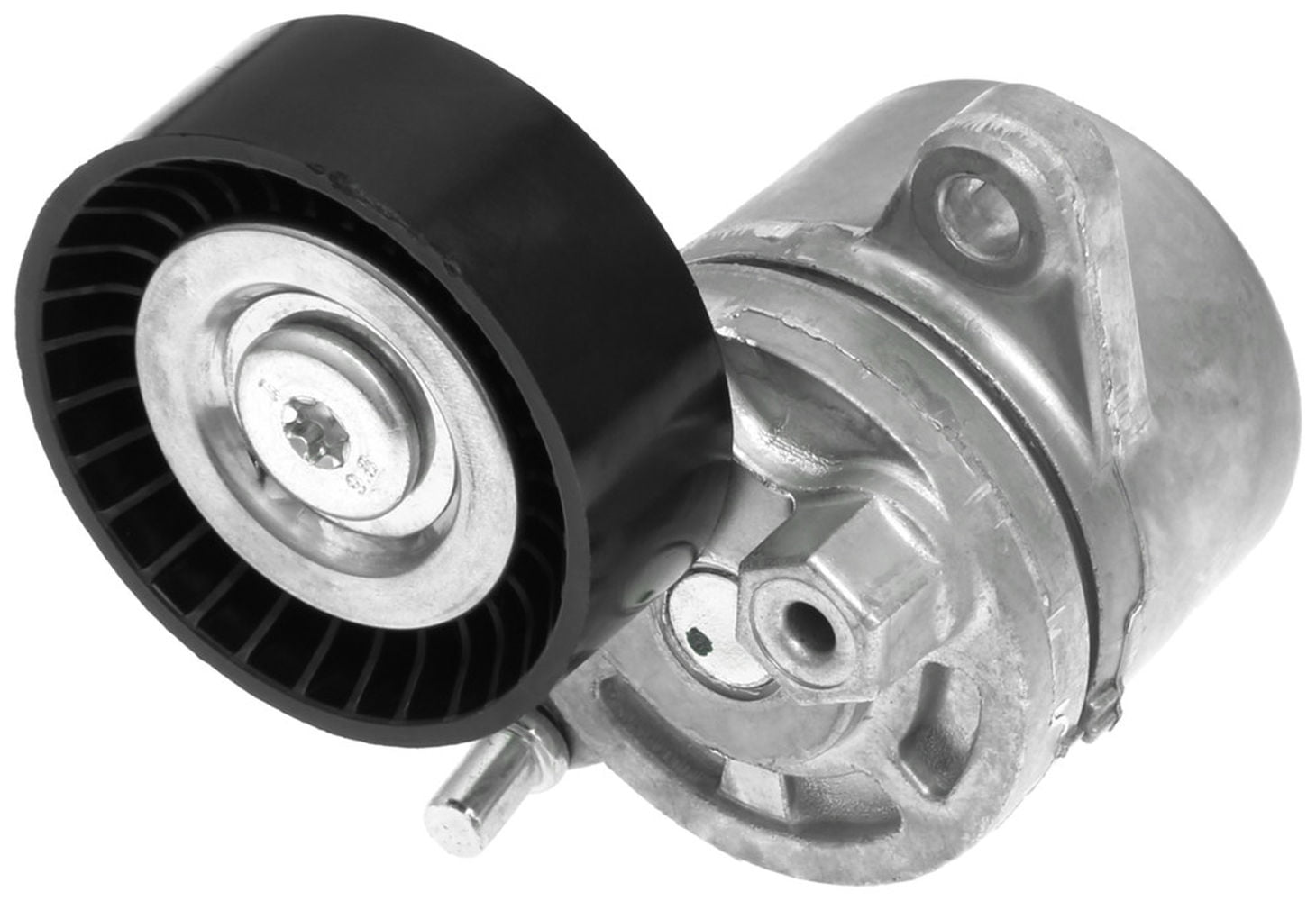
4. 2015 Nissan Altima S – Belts, Pulleys, and Wear Indicators
Mechanical components such as belts and pulleys operate continuously, yet they rarely receive attention during casual inspections. In a 2015 Nissan Altima S, these parts are visible once the hood is open, offering a chance to assess their condition.
Drive belts should appear smooth and free from cracks. Small fractures along the surface indicate wear that could lead to failure. A broken belt can disable critical systems such as the alternator or power steering, leaving the vehicle inoperable. Listening during engine operation adds another layer of evaluation.
Squealing noises often point to worn belts or misaligned pulleys. Sellers may dismiss these sounds as minor, yet they usually require immediate attention. Pulley condition matters as well. Wobbling or unusual movement suggests bearing wear.
This issue can lead to further damage if left unresolved. Observing these components while the engine runs can reveal problems that are not visible when the car is off. Tension within the belt system should feel firm. Excessive looseness indicates improper adjustment or wear. Proper tension ensures efficient operation of connected systems.
Replacing belts is relatively affordable, yet ignoring them can lead to more serious problems. A failed belt may cause overheating or loss of electrical charging, both of which can result in costly repairs. Evaluating belts and pulleys provides insight into how thoroughly a vehicle has been maintained. These components may not attract attention during a sale, yet their condition speaks clearly about the car’s reliability.
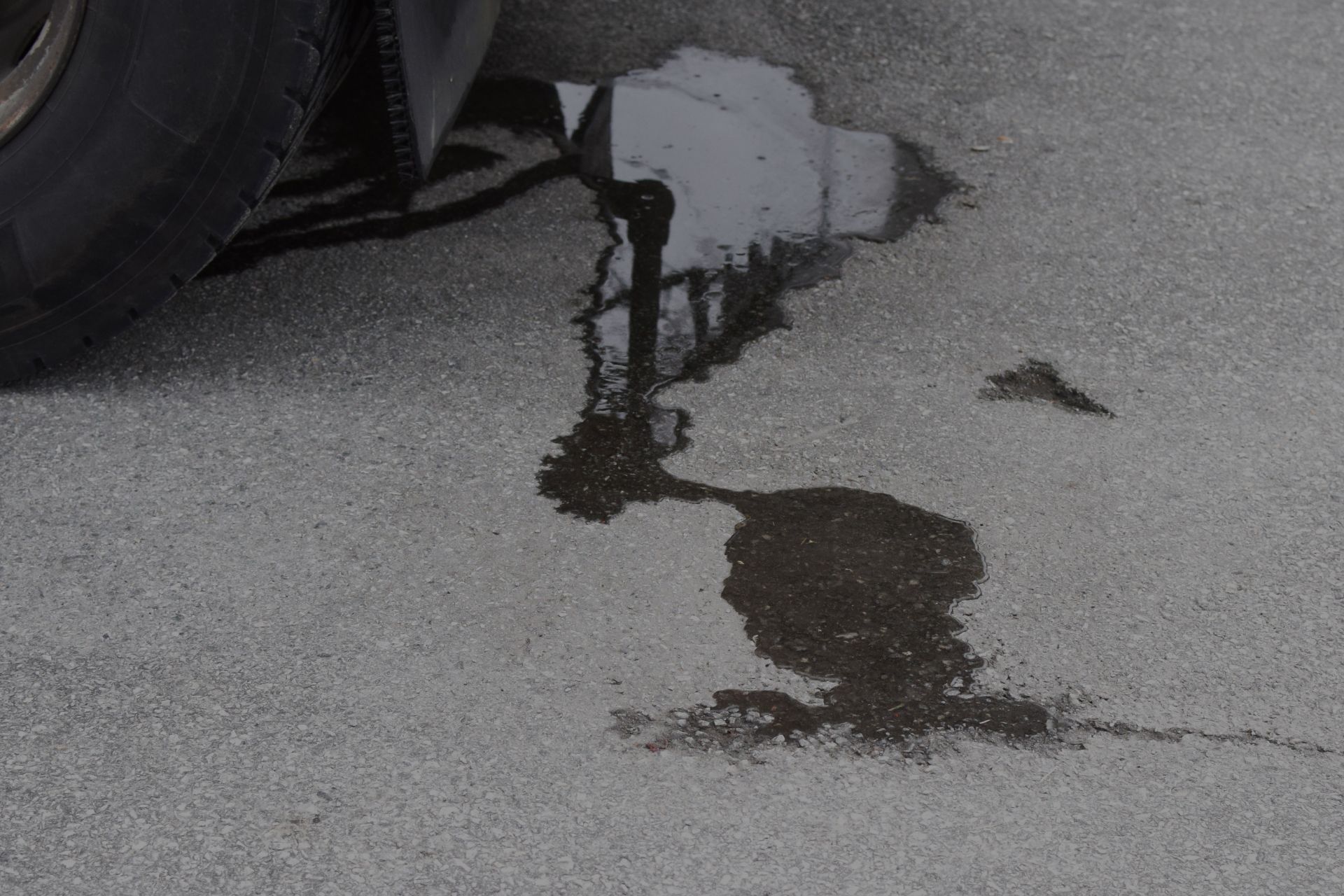
5. 2019 Chevrolet Malibu LT – Fluid Leaks and Hidden Residue
Fluid leaks often remain hidden beneath a clean engine bay. On a 2019 Chevrolet Malibu LT, careful observation can uncover signs that sellers may attempt to conceal. Oil, coolant, and transmission fluid each leave distinct traces. Inspecting the area beneath the engine reveals stains or damp spots.
Fresh leaks appear wet, while older ones leave dark, hardened residue. Cleaning may remove visible evidence, yet traces often remain in corners and along edges. Checking seals and gaskets provides further clarity. These components prevent fluids from escaping, yet they wear as time goes on. Visible seepage around these areas suggests that replacement may be necessary.
Transmission fluid leaks deserve special attention. This fluid typically appears reddish and has a distinct odor. Loss of transmission fluid can lead to severe damage if not addressed promptly. Smell can also reveal hidden issues. Burning odors may indicate fluid contacting hot engine parts. This condition often results from leaks that have gone unnoticed.
A test drive can confirm suspicions. After driving, rechecking the engine bay may reveal fresh leaks that were not visible earlier. This step helps identify active problems rather than past ones. Fluid integrity plays a central role in vehicle performance.
Leaks compromise this integrity and lead to long-term damage. Identifying these issues before purchase prevents unexpected expenses and ensures a more dependable driving experience.
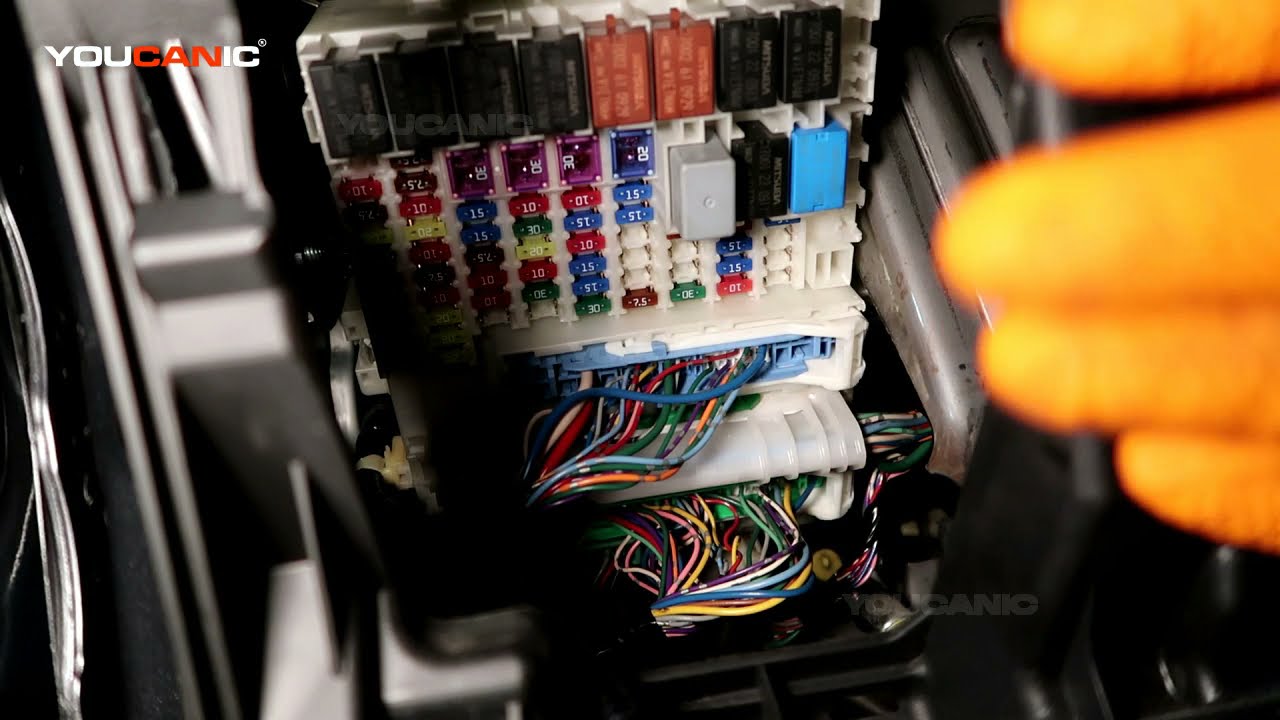
6. 2018 BMW 3 Series 330i – Wiring Condition and Hidden Electrical Repairs
Step beyond basic checks and focus attention on wiring integrity, especially in a 2018 BMW 3 Series 330i. Modern vehicles rely heavily on electronic systems, which means wiring health directly affects performance, safety, and long-term reliability. A seller may present a clean engine bay, yet wiring issues often remain concealed in less visible areas.
Careful observation reveals early warning signs. Factory wiring typically appears neatly routed, secured with clips, and protected by insulation. When wires look loosely arranged, taped together, or unevenly bundled, it suggests previous repairs. Such fixes may have been done quickly rather than properly, creating potential points of failure.
Color inconsistencies can also indicate replacement sections. Manufacturers use standardized wiring colors, so mismatched segments often reveal modifications. These changes might result from accident repairs or attempts to fix electrical faults without replacing entire harnesses.
Insulation quality deserves close inspection. Cracked or brittle coverings expose wires to moisture and heat, which can lead to corrosion or short circuits. In high-performance vehicles like the 330i, where electrical systems control multiple functions, even a small fault can trigger warning lights or reduce functionality.
Burn marks or melted sections signal overheating. These signs point to excessive current flow or faulty connections. Electrical fires may not always occur, yet the risk increases when wiring is compromised. Sellers rarely highlight such concerns, preferring to focus on visible condition.
Another detail involves connectors. These components should fit tightly and show no signs of corrosion. Loose or damaged connectors interrupt electrical flow, leading to intermittent issues that can be difficult to diagnose later. Engine bay cleaning may temporarily mask these problems.
Shiny surfaces can distract from underlying faults, so attention must remain on structural details rather than appearance. Using a flashlight helps reveal areas hidden beneath covers or along the firewall. Electrical repairs can become expensive, especially when faults spread across multiple systems.
Addressing wiring problems often requires specialized knowledge and tools, increasing labor costs. Early detection prevents unexpected expenses after purchase. Evaluating wiring condition offers insight into a vehicle’s history. It reveals whether repairs were handled with care or completed as quick fixes.
For buyers seeking reliability, this inspection step provides valuable information that goes far beyond surface-level presentation.
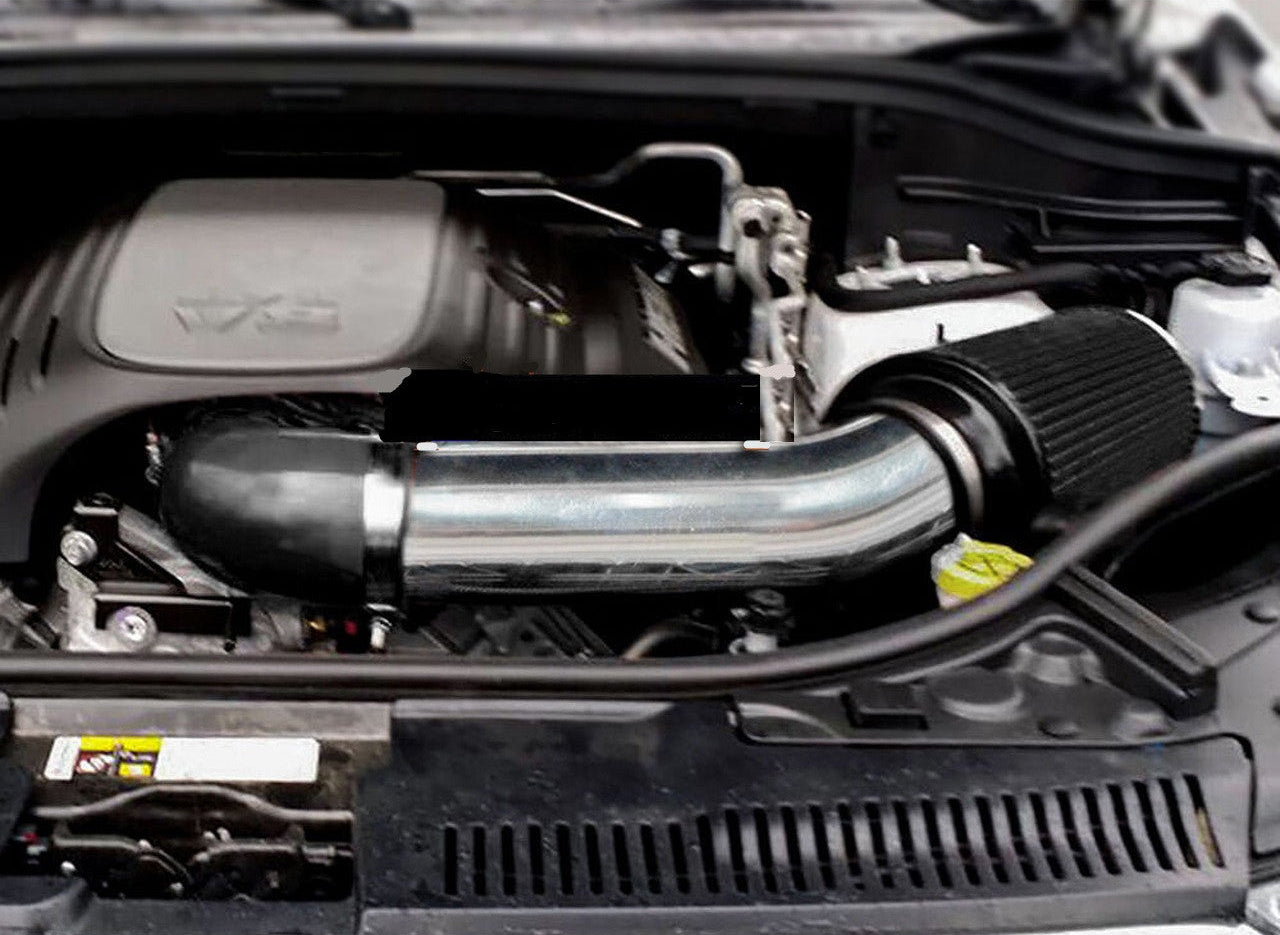
7. 2016 Jeep Grand Cherokee Laredo – Air Intake System and Filtration Neglect
Air intake systems play a vital role in engine performance, yet they often escape attention during inspections. In a 2016 Jeep Grand Cherokee Laredo, examining the intake components can reveal whether the engine has been protected from contaminants or exposed to harmful debris.
Begin with the air filter housing. Opening this compartment allows direct access to the filter element. A clean filter appears light in color, while a dark or clogged filter indicates prolonged use without replacement. Dirt accumulation restricts airflow, reducing engine efficiency and increasing fuel consumption.
Dust and debris inside the housing suggest that the filter has not been seated properly. Gaps around the edges allow unfiltered air to enter the engine, carrying particles that accelerate internal wear. Sellers may replace the filter before listing the vehicle, yet residue within the housing often remains.
Intake ducts deserve equal attention. Cracks or loose connections permit air leaks, which disrupt the engine’s air-fuel mixture. This imbalance can lead to rough idling or reduced power. Rubber components within the intake system may deteriorate as time goes on, especially when exposed to heat.
Mass airflow sensors, positioned within the intake path, measure incoming air. Contamination on these sensors affects accuracy, leading to performance issues. Visual inspection may reveal dirt buildup, though proper cleaning requires care to avoid damage.
Engine response during a test drive provides additional clues. Hesitation or sluggish acceleration may indicate restricted airflow. These symptoms often trace back to neglected intake components. Noise can also reveal issues. Whistling or hissing sounds suggest leaks within the intake system. Such sounds may appear minor, yet they often point to underlying problems that affect engine operation.
Routine maintenance of the air intake system protects engine health. Neglect allows contaminants to enter, increasing wear on internal components. Repairing such damage can become costly, especially if it affects valves or cylinders. Inspecting the intake system requires minimal effort, yet it provides valuable insight into maintenance habits.
A well-maintained system supports efficient performance, while neglecting signals potential long-term concerns. Buyers who take time to examine this area gain a clearer understanding of the vehicle’s condition.
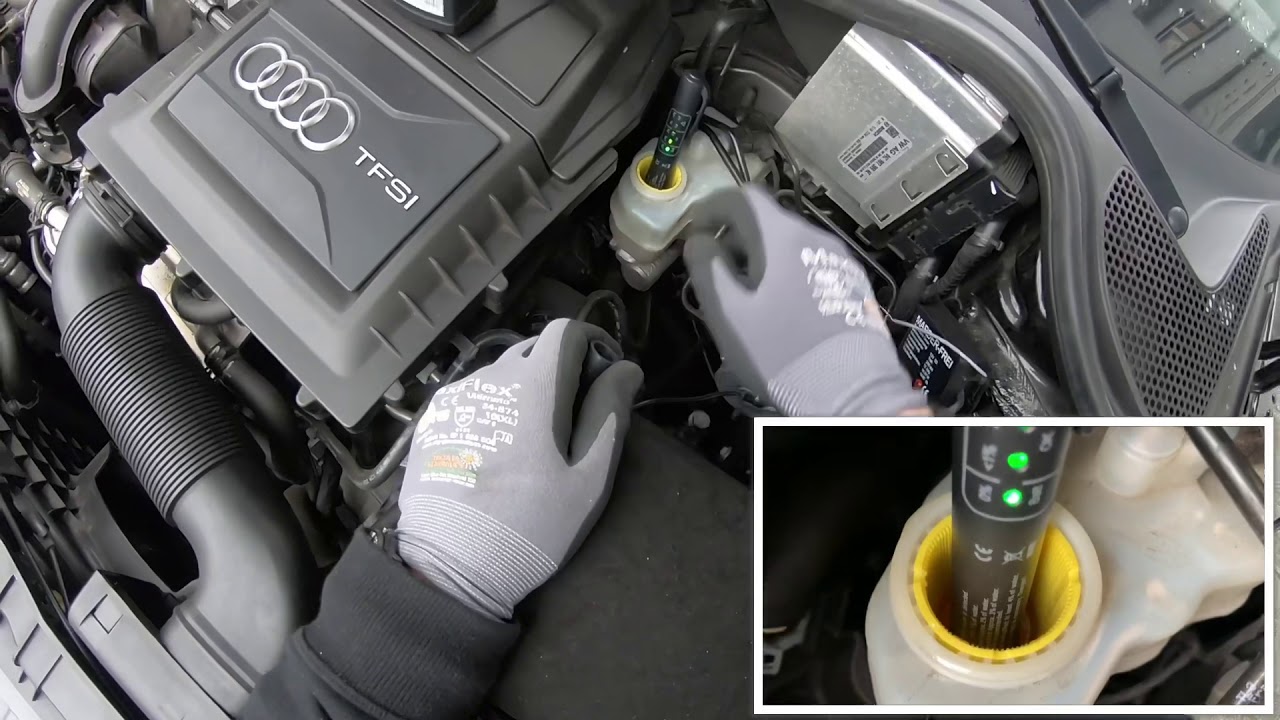
8. 2017 Audi A4 Premium – Brake Fluid and Hydraulic System Clarity
Brake fluid rarely attracts attention during a sale, yet it plays a critical role in vehicle safety. In a 2017 Audi A4 Premium, inspecting the brake fluid reservoir reveals whether the hydraulic system has been properly maintained. Fluid condition provides immediate insight.
Fresh brake fluid appears clear or slightly amber, while dark fluid indicates contamination and age. Moisture absorption occurs naturally as time goes on, reducing effectiveness and increasing the risk of brake failure under heavy use. Reservoir levels also matter. Low fluid may suggest leaks within the braking system.
These leaks can occur in lines, calipers, or master cylinders. Sellers may top off the reservoir temporarily, masking the issue until further use reveals the problem. Examining the reservoir cap and the surrounding area can expose residue. Sticky or damp surfaces often indicate slow leaks that may not be visible elsewhere. These small signs provide early warnings of larger issues.
Brake lines require visual inspection as well. Metal lines should appear free from corrosion, while rubber hoses must remain flexible without cracks. Damage in these areas compromises pressure delivery, reducing braking efficiency. Pedal feel during a test drive offers additional information.
A soft or spongy response often indicates air or moisture within the system. This condition reduces braking precision and requires immediate attention. Hydraulic systems depend on sealed integrity. Any breach allows contaminants to enter, affecting performance. Maintenance involves periodic fluid replacement, which some owners neglect due to a lack of visibility.
Heat exposure accelerates fluid degradation. Vehicles used in heavy traffic or hilly areas place greater demand on braking systems, making regular checks even more important. Sellers may not disclose such usage patterns. Repairing hydraulic issues can become expensive, especially if multiple components require replacement. Early detection through fluid inspection prevents unexpected costs and enhances safety.
Assessing brake fluid condition provides a direct measure of maintenance discipline. A clean, properly filled system indicates attention to detail, while neglected fluid signals potential risks. This simple check holds great importance in evaluating a vehicle’s readiness for safe operation.
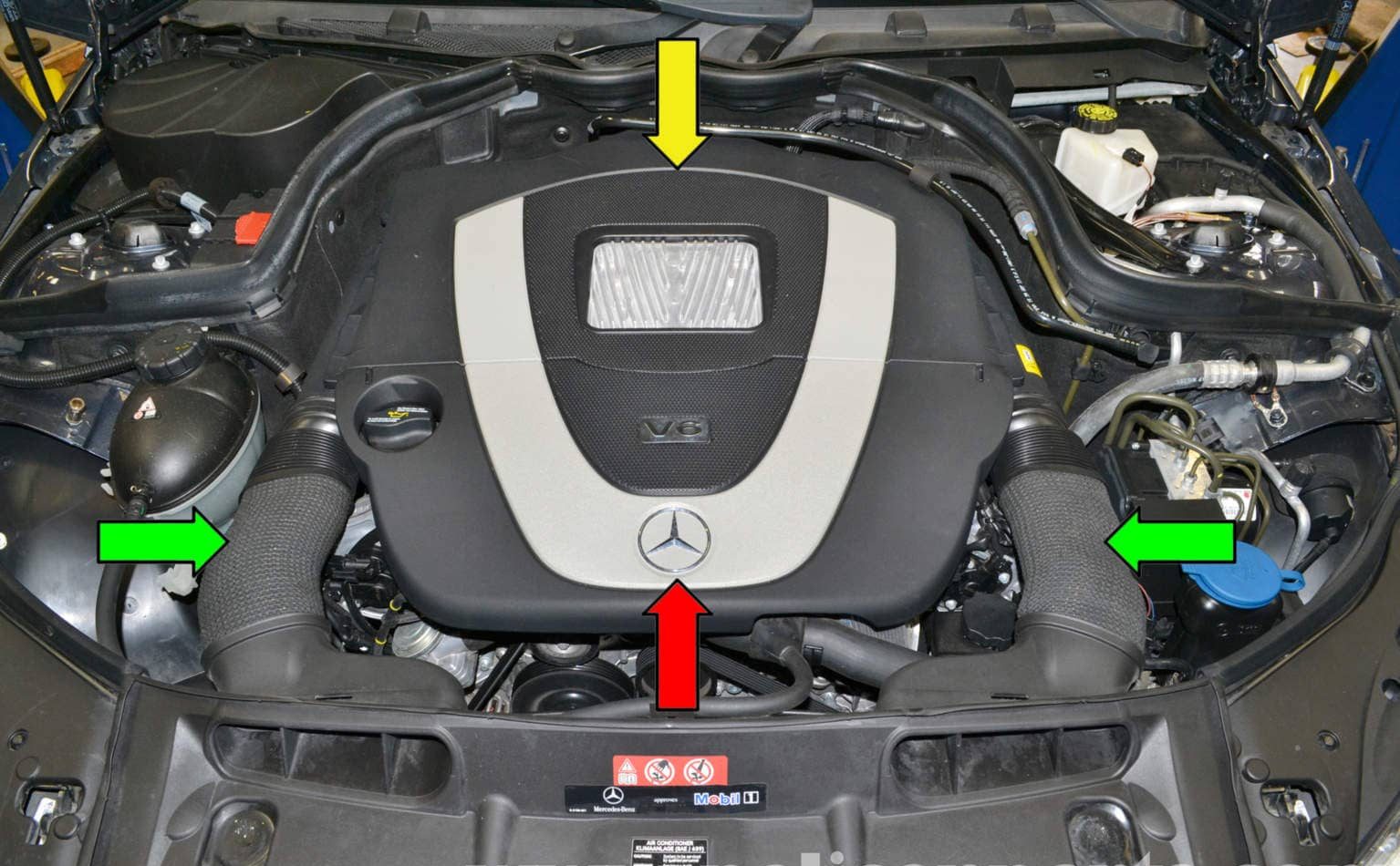
9. 2015 Mercedes-Benz C-Class C300 – Engine Mounts and Structural Stability
Attention often centers on visible components, yet structural elements like engine mounts deserve equal consideration. In a 2015 Mercedes-Benz C-Class C300, these mounts secure the engine to the frame, absorbing vibrations and maintaining alignment.
Oil contamination accelerates mount degradation. Leaks from nearby components can saturate the rubber, weakening its structure. Observing oily residue around the mounts suggests that both sealing and structural issues may be present.
Engine movement during operation provides further insight. With the hood open, a slight revving of the engine can reveal excessive motion. A stable engine remains relatively steady, while worn mounts allow noticeable shifting. This movement places additional stress on connected components.
Noise can also indicate problems. Clunking sounds during acceleration or gear changes often point to failing mounts. These sounds may seem minor, but they signal underlying wear that needs attention. Alignment also plays an important role in drivetrain performance. Worn mounts can affect positioning and lead to uneven wear on other components. Addressing this issue early helps prevent further complications.
Replacement costs vary depending on accessibility and labor requirements. Luxury vehicles like the C300 may require more involved procedures, increasing expenses. Identifying the issue before purchase allows for better negotiation or reconsideration.
Comfort is also affected. Increased vibration reduces driving refinement, which is a defining characteristic of this model. Maintaining mount integrity preserves the intended driving experience. Inspecting engine mounts requires careful observation, yet it provides valuable insight into structural condition. A stable mounting system supports both performance and comfort, making this check an important part of any thorough inspection.
Also Read: 8 Tips for Organizing Your Truck Bed to Maximize Daily Utility and Storage

10. 2018 Volkswagen Passat SE – Signs of Poor Previous Repairs and Quick Fixes
Final inspection should focus on evidence of previous repairs, especially in a 2018 Volkswagen Passat SE. Sellers may address visible issues while leaving underlying problems unresolved. Identifying these quick fixes helps reveal the true condition of the vehicle.
Paint overspray within the engine bay suggests prior bodywork. While repairs may be legitimate, uneven application indicates rushed work. Checking edges and hidden surfaces can expose inconsistencies. Fasteners provide additional clues. Missing or mismatched bolts often indicate disassembly.
When parts are reinstalled incorrectly, it raises questions about the quality of the repair process. Attention to detail matters in maintaining structural integrity. Sealants applied around components can reveal attempts to stop leaks temporarily. Excessive use of silicone or other materials suggests that proper repairs were avoided. These fixes may fail under normal operation.
Non-original parts also deserve attention. Replacement components should match factory specifications. When parts appear inconsistent or poorly fitted, it indicates shortcuts that may affect performance. Wiring modifications, as mentioned earlier, often accompany rushed repairs. Combined with other signs, they paint a clearer picture of the vehicle’s history.
Engine bay cleanliness can be misleading. A freshly cleaned surface may hide leaks or residue. Inspecting hard-to-reach areas helps uncover hidden issues that cleaning cannot remove. Test driving reinforces these observations. Unusual noises, vibrations, or inconsistent performance often connect to underlying repair problems. Observing behavior during operation provides confirmation.
Documentation plays a role in verification. Service records help explain repairs, while their absence raises uncertainty. Sellers who cannot provide details may be avoiding disclosure. Recognizing signs of poor repairs allows buyers to make informed decisions.
A vehicle with a history of shortcuts may require additional work to restore reliability. Identifying these issues before purchase protects against unexpected expenses. A careful inspection under the hood reveals more than surface condition. It exposes the true state of a vehicle, guiding buyers toward smarter choices and more dependable ownership experiences.
