
Some engines just refuse to die. Not because their owners coddle them in climate-controlled garages or baby them through careful driving schedules, but because they were engineered at a standard that daily use, high mileage, extreme temperatures, and the general abuse of real-world ownership cannot defeat.
These are the engines that keep running when everything around them has been replaced twice, rebuilt once, and painted over so many times that the original color is a mystery. Passing a vehicle down through generations is uncommon in modern car culture, where rapid depreciation and rapidly advancing technology make most vehicles feel obsolete within a decade.
But certain vehicles, powered by specific engines that were built with materials, tolerances, and engineering conservatism that exceeded what their era required, have accumulated documented service lives that span grandparents to grandchildren without fundamental engine failure.
This is not about classic cars maintained in show condition. Those vehicles are preserved, not driven. This is about engines in working vehicles that have been used as daily transportation, work trucks, and road trip companions across multiple family generations.
Engines that have been fueled with whatever grade was available at the pump, had their oil changed at irregular intervals by owners who understood that the manual said 5,000 miles but assumed 7,000 was probably fine, and survived the ownership transitions that come when a vehicle passes from parent to college student to young family without the careful service history documentation that preserves resale value on more fragile powertrains.
Nine specific engines follow. Each one has a documented or widely reported service history among enthusiast and owner communities that validates its generational durability. Each one has powered vehicles that were still running reliably when the person who originally bought the car was talking about retirement or had already reached it.
1. Toyota 22R-E 2.4-Liter Inline-Four in the 1989 Toyota Pickup 4×4 SR5
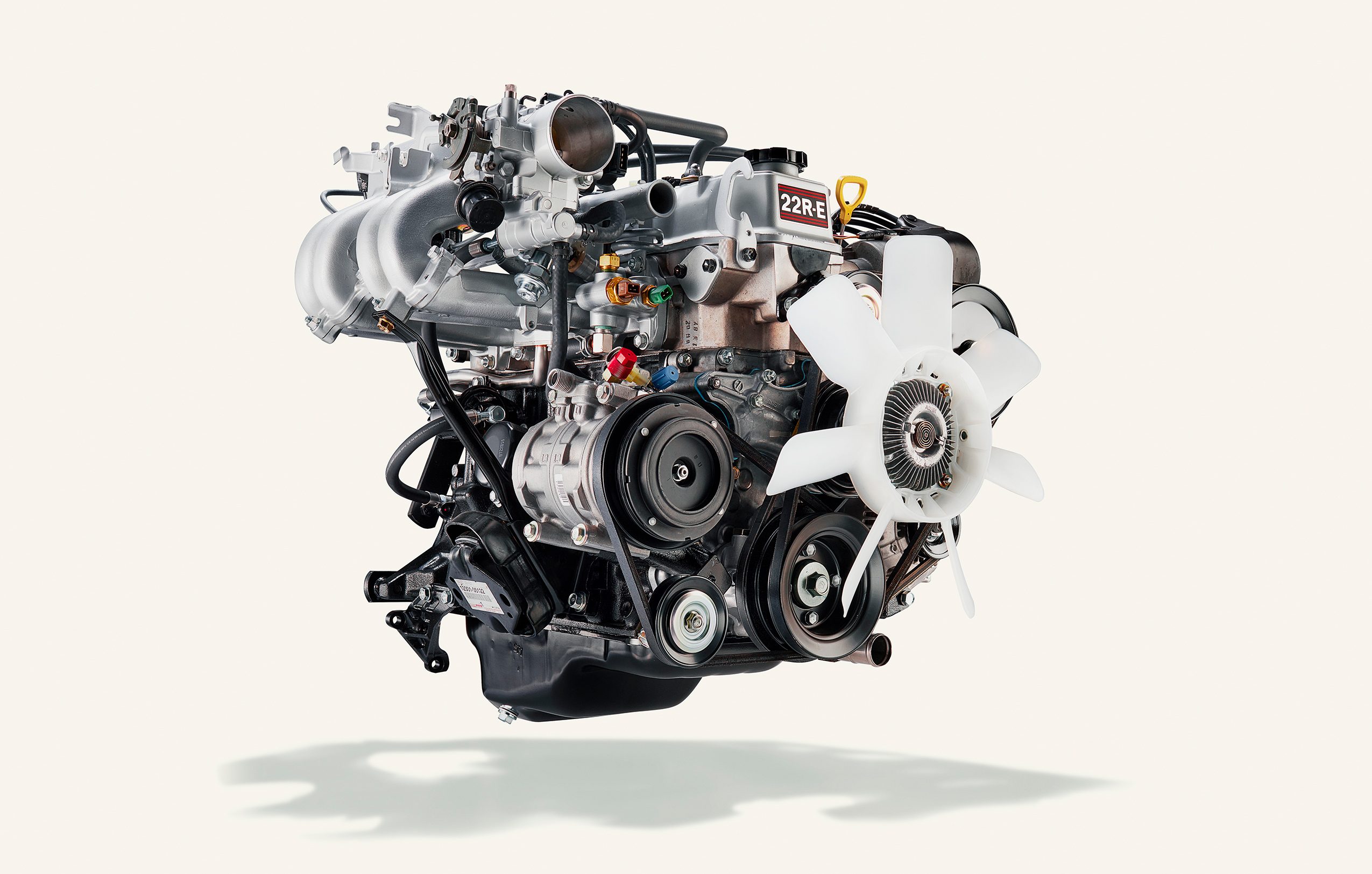
Ask any Toyota truck owner who drove a late-1980s pickup through three hundred thousand miles what they credit for the vehicle’s longevity, and the answer that comes back most consistently is the engine. Specifically, Toyota’s 22R-E 2.4-liter inline-four, which powered multiple generations of Toyota Pickup and 4Runner through the 1980s and into the 1990s, and which has accumulated a service history among its owner population that automotive historians genuinely use as an engineering case study in what a production engine can achieve when its fundamental architecture is sound.
Cast iron block construction with simple pushrod valve train operation and a fuel injection system that Toyota calibrated for reliability rather than maximum output gave the 22R-E a mechanical simplicity that makes its longevity almost self-evident in hindsight.
An engine with fewer failure points, built from materials that resist wear rather than minimizing weight, and calibrated for power delivery within conservative thermal and mechanical limits, produces a durability outcome that more ambitious engineering cannot reliably replicate.
Documented service histories in the Toyota 4×4 truck community include multiple examples of 22R-E engines reaching 400,000 to 500,000 miles with nothing more than regular oil changes, valve adjustments at appropriate intervals, and routine timing chain replacement.
These are not exceptional outliers maintained by obsessive mechanics with unlimited parts budgets. They are ordinary trucks driven by working owners in climates ranging from Minnesota winters to Arizona summers, with the kind of maintenance that owners actually perform rather than the kind that manufacturers ideally recommend.
Family continuity with the 22R-E is particularly well-documented in rural and agricultural communities where Toyota pickups became working tools that passed from parent to child to grandchild as the truck accumulated the kind of mileage that urban commuter vehicles rarely approach.
A 1989 Toyota Pickup 4×4 SR5 with 350,000 miles that runs reliably and is valued by a third owner in the original family is not a story told once. It is a pattern that Toyota’s own historical data acknowledges, and that the surviving population of these trucks in 2026 confirms by simply still existing in working condition at ages that most vehicles do not reach.
2. Honda D-Series 1.5-Liter SOHC in the 1995 Honda Civic EX Coupe
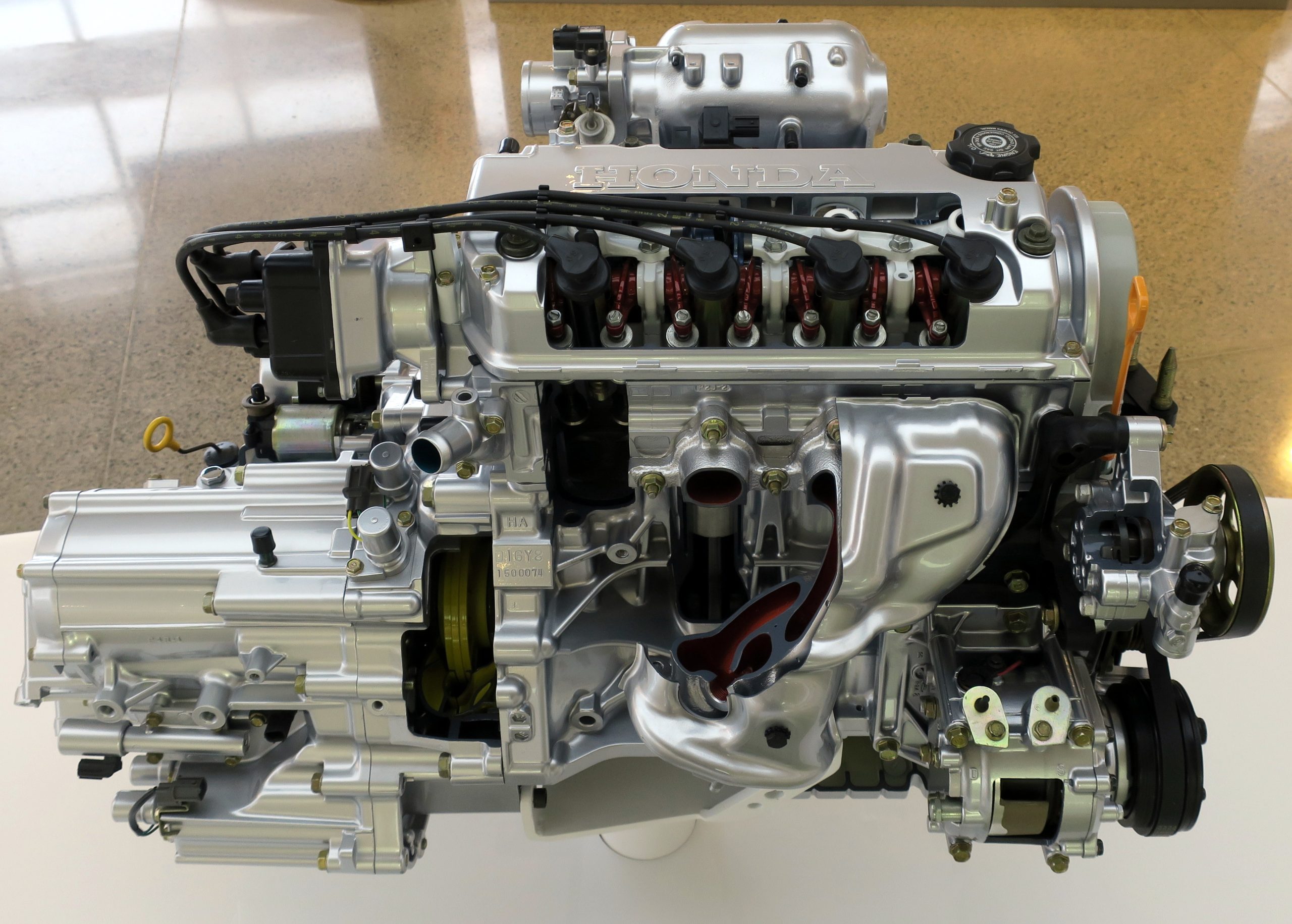
Honda’s D-series engine family represents an engineering philosophy that prioritizes long-term reliability through conservative specification, high manufacturing tolerance, and a design that resists the wear mechanisms that cause premature engine failure in more aggressively specified powertrains.
D-series engines in various displacement configurations powered Honda Civic models from the 1980s through the early 2000s, and the 1.5-liter SOHC version in the 1995 Civic EX has generated ownership documentation that validates Honda’s engineering conservatism with service records that defy the expectations of a small-displacement economy engine from the 1990s.
Aluminum alloy cylinder head over cast iron block construction in the D-series provides the thermal management efficiency of aluminum in the combustion chamber area while retaining the dimensional stability of iron in the lower block, where bearing and bore geometry must remain consistent across millions of thermal cycles.
This material combination, which Honda selected based on engineering research rather than cost minimization, produces an engine whose cylinder bore geometry remains within acceptable tolerance at mileages that cheaper construction methods could not maintain without accelerated wear.
Honda’s VTEC-E version of the D-series in higher Civic specifications added variable valve timing that improved fuel economy without sacrificing reliability, but even the simpler non-VTEC D-series versions demonstrated the same fundamental durability because the reliability foundation was in the engine’s construction quality rather than in any specific technology addition.
Civic owners in the 1990s who bought these cars as practical transportation have repeatedly reported that their original 1995 Civic EX Coupes were still running in the 2020s with original D-series engines, some having passed through family ownership chains that took them from parent to college-age child to another family member.
Total documented mileages above 250,000 miles are common in surviving D-series Civic populations, and examples above 300,000 miles appear regularly enough in owner forums to confirm that these numbers represent normal outcomes rather than exceptional achievements for engines that received reasonable care.
Also Read: 9 Pickup Trucks That Prove Four-Cylinder Engines Can Work Hard
3. Toyota 2UZ-FE 4.7-Litre V8 in the 2000 Toyota Land Cruiser and Lexus LX 470
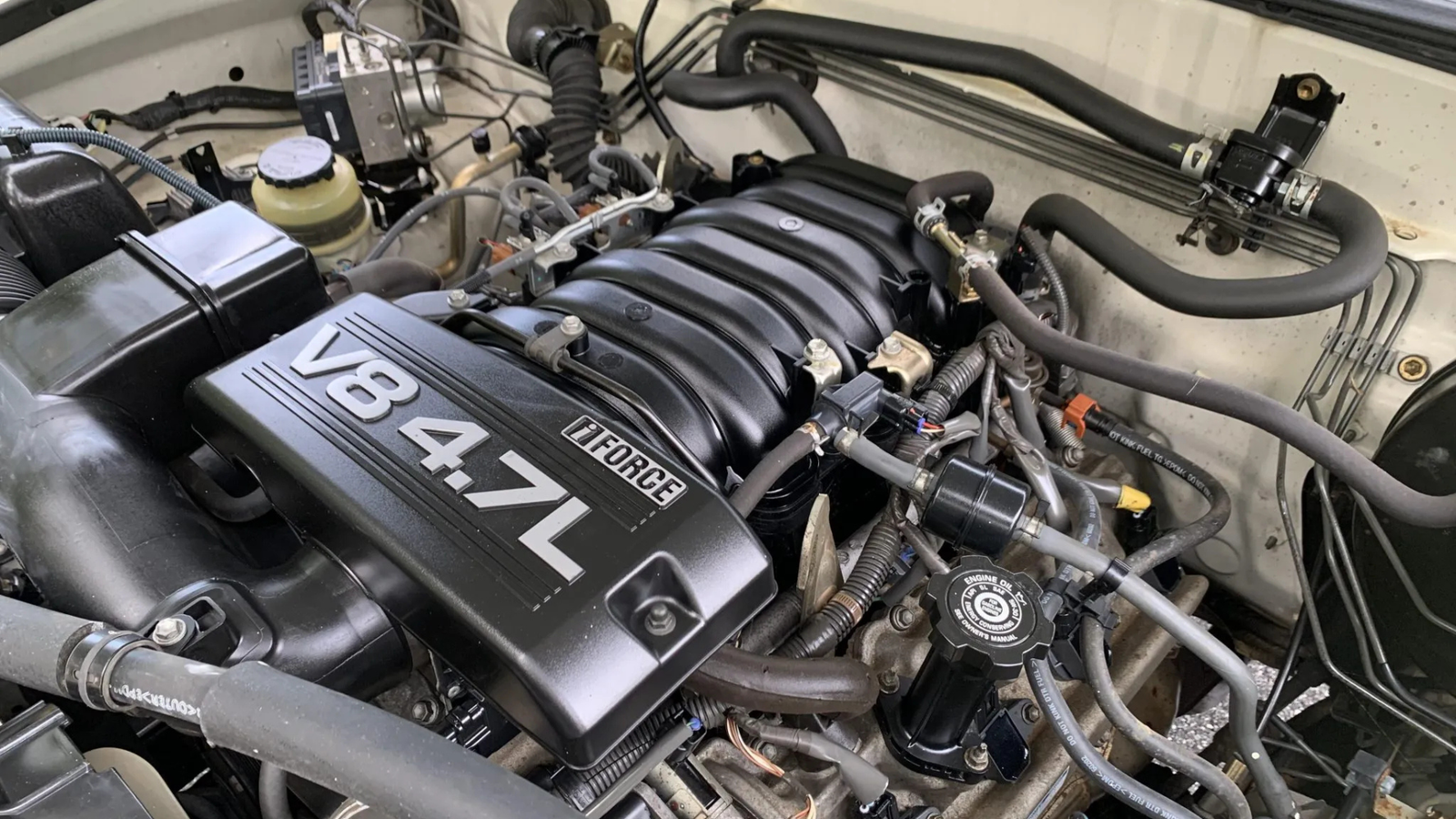
Toyota’s 2UZ-FE 4.7-litre V8 stands as a clear representation of deliberate engineering directed at durability rather than aggressive performance targets. Introduced within the company’s UZ engine family, this unit was installed in vehicles such as the Land Cruiser and Lexus LX 470, both of which were intended for long-distance travel, heavy-duty usage, and operation in regions with limited access to advanced servicing infrastructure.
The expectations placed on these vehicles required an engine capable of sustained reliability under varied environmental and operational conditions. The structural design of the 2UZ-FE reflects this requirement. Unlike many modern V8 engines that employ aluminium blocks for weight reduction, this engine utilises a cast-iron block.
This decision increases the whole engine weight, yet it provides enhanced strength and resistance to wear, particularly under high-load conditions. Cylinder walls maintain their integrity across extended mileage, while internal components such as the crankshaft and connecting rods are dimensioned to withstand prolonged stress without premature fatigue.
The engine also benefits from a conservative tuning approach. Power output is delivered within a range that avoids excessive strain on internal components. This ensures that combustion pressures and thermal loads remain within manageable limits, reducing the likelihood of internal damage over extended service periods.
Owners who operate these vehicles for towing, off-road driving, or long-distance travel benefit directly from this restrained calibration. Fuel injection and ignition systems are designed with reliability in mind. Electronic components are present but not overly dependent on intricate calibration processes that may fail under inconsistent maintenance conditions.
As a result, the engine continues to perform even when servicing schedules are not strictly adhered to, which reflects real-world ownership patterns rather than ideal maintenance assumptions. Maintenance requirements for the 2UZ-FE remain predictable and manageable. Routine servicing, such as oil changes, timing belt replacement, and cooling system checks, supports continued operation without major intervention.
When repairs become necessary, parts availability remains strong due to the engine’s widespread use across multiple Toyota and Lexus models. This accessibility reduces repair delays and ensures that the engine can be maintained in both urban and remote settings.
Documented usage across global markets provides strong evidence of its longevity. Vehicles equipped with the 2UZ-FE frequently exceed 300,000 miles with original internal components intact. In regions such as the Middle East, Africa, and Australia, where vehicles are exposed to high temperatures, dust, and demanding roads, this engine has maintained consistent performance across extended service periods.
Generational ownership patterns further reinforce its durability. Families and commercial operators have retained vehicles powered by this engine for decades, passing them between users without the need for engine replacement. Continued use in practical conditions rather than controlled preservation confirms its reliability.
The 2UZ-FE 4.7-litre V8 demonstrates how conservative engineering, durable materials, and accessible maintenance combine to produce an engine capable of sustained operation across multiple decades of real-world use.
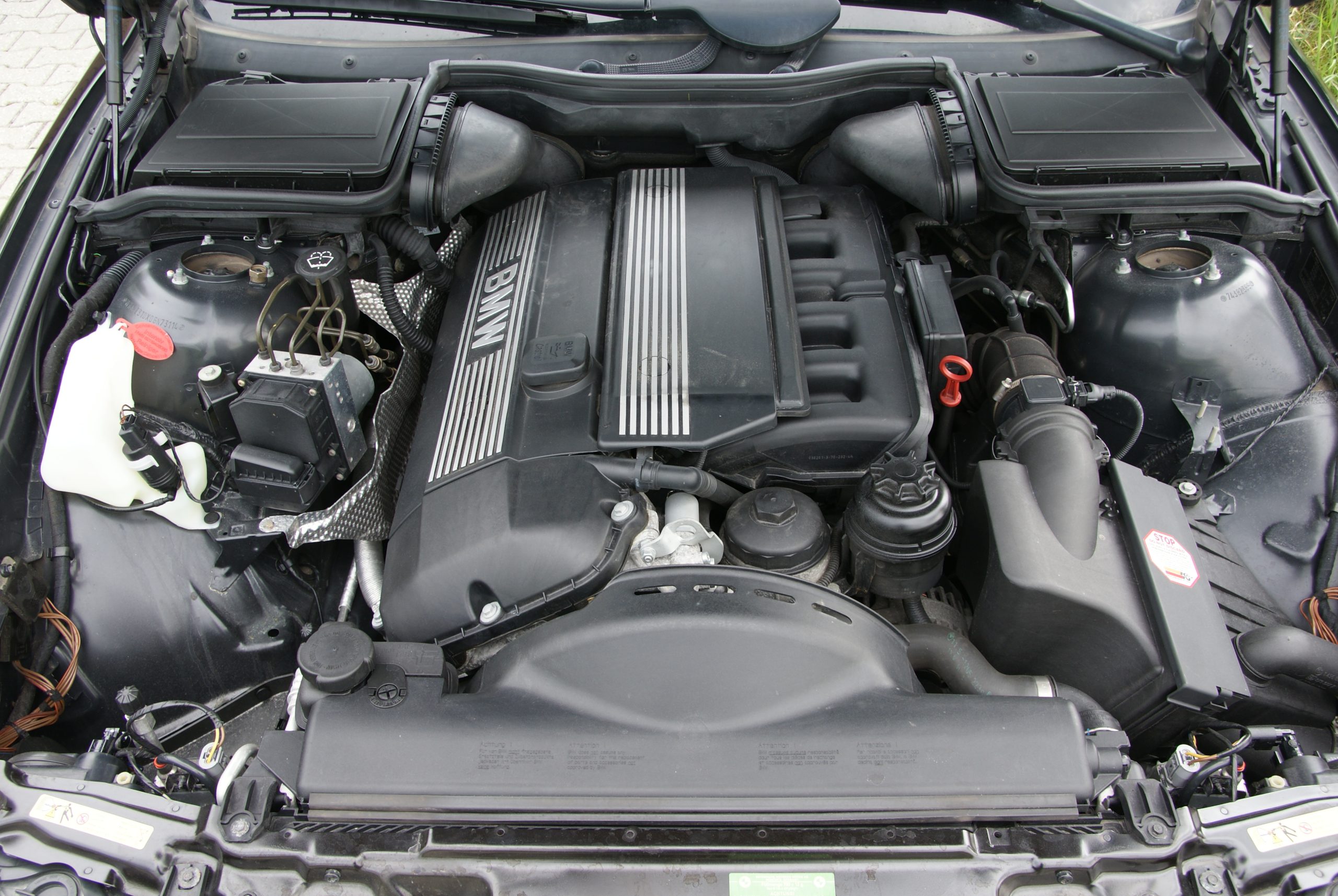
4. BMW M54 3.0-Litre Inline-Six in the 2003 BMW 330i E46
BMW’s M54 3.0-litre inline-six engine represents a balance between performance and durability that is rarely achieved within naturally aspirated petrol engines of its category. Installed in the 2003 BMW 330i E46, this engine was developed during a period when BMW prioritised mechanical precision and long-term reliability alongside driving performance.
The result is an engine that continues to demonstrate sustained usability well beyond the expectations typically associated with performance-oriented power units. The M54 engine features an aluminium block paired with an aluminium cylinder head, yet its construction maintains structural integrity through the use of cast-in iron cylinder liners.
This combination provides the thermal efficiency benefits of aluminium while preserving the wear resistance required for long service life. Internal tolerances are maintained with high precision, ensuring consistent combustion and reduced internal friction across extended mileage.
A defining feature of the M54 is its naturally aspirated configuration. Without reliance on turbocharging, the engine avoids the additional thermal and mechanical stress associated with forced induction systems. This contributes directly to its longevity, as fewer components are exposed to extreme operating conditions. Power delivery remains smooth and linear, reducing strain on drivetrain components during acceleration and sustained driving.
Variable valve timing technology, implemented through BMW’s double VANOS system, enhances efficiency and performance without introducing excessive mechanical vulnerability. When maintained properly, this system operates reliably and contributes to the engine’s balanced performance characteristics. It allows the engine to adapt to different driving conditions while maintaining controlled internal operation.
Cooling system design plays an important role in preserving engine health. Proper temperature regulation prevents overheating and limits wear on critical components such as the head gasket and cylinder walls. Owners who maintain the cooling system through regular inspection and replacement of wear items typically experience extended engine life without major internal failure.
Routine maintenance remains essential, though not burdensome. Regular oil changes using appropriate specifications, along with periodic servicing of ignition components and intake systems, support consistent operation. The engine’s design allows for accessible servicing, and parts availability remains strong due to its widespread use across multiple BMW models of the same era.
Ownership records from long-term users indicate that the M54 engine frequently exceeds 200,000 to 300,000 miles with proper care. Instances of higher mileage are documented among enthusiasts who maintain disciplined servicing practices. These figures are particularly relevant given the engine’s performance orientation, which would ordinarily suggest a shorter service life.
The M54 also supports continued use through rebuild potential. When wear eventually occurs, the engine can be restored to operational condition through established repair procedures. This extends its usable life and reduces the need for full vehicle replacement.
Generational continuity is less common in performance sedans compared with utility vehicles, yet examples exist where E46 models equipped with the M54 remain in active use across multiple ownership stages within families. Continued daily operation rather than limited use confirms its practical durability.
The BMW M54 3.0-litre inline-six demonstrates that precision engineering, balanced performance design, and disciplined maintenance can produce an engine capable of extended service without sacrificing driving quality.
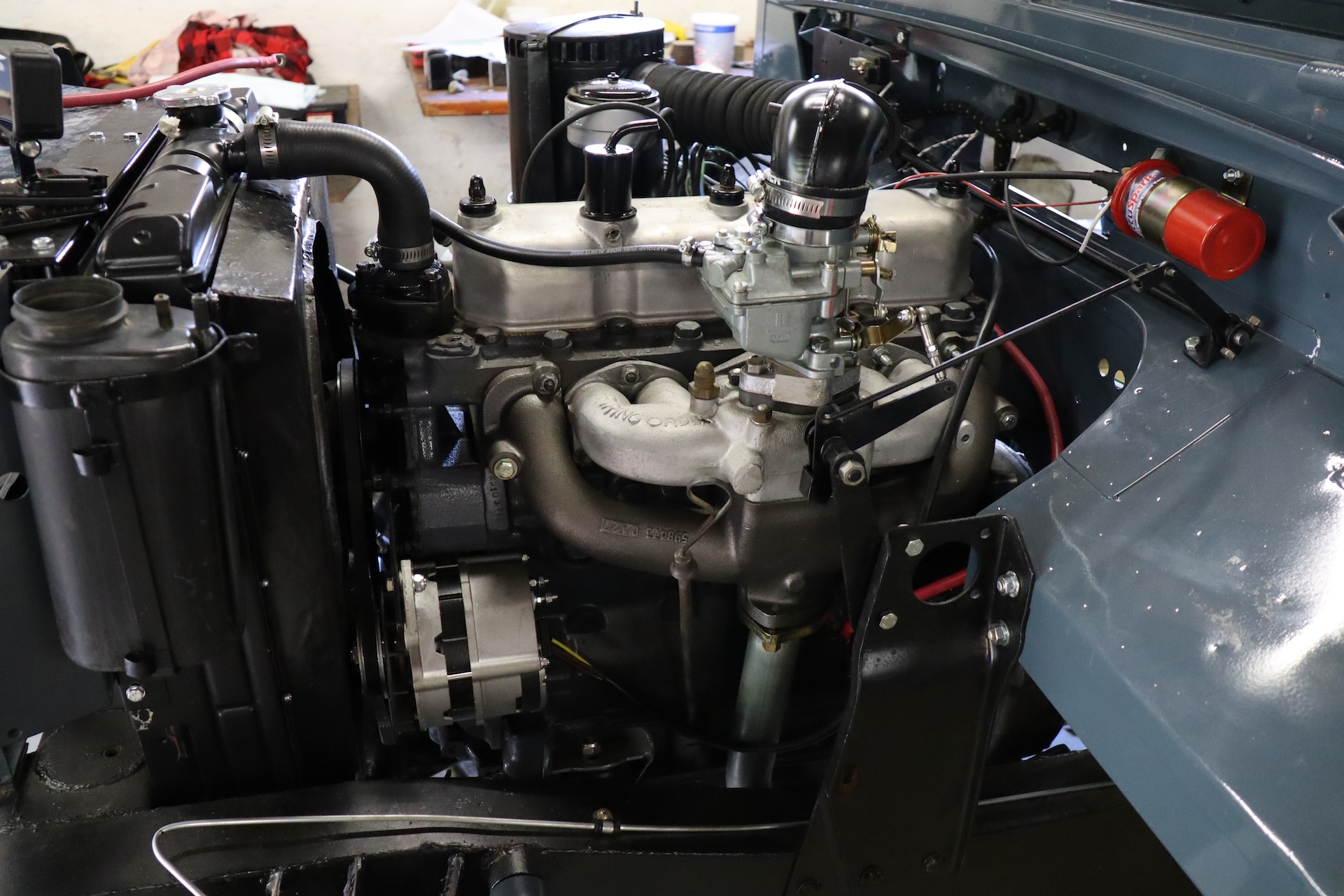
5. Land Rover 2.25-Liter Petrol Inline-Four in the 1979 Land Rover Series III 88-Inch SWB
Land Rover designed the Series III specifically for durability in environments where sophisticated engineering could not be maintained and where an engine that could be rebuilt with basic tools and locally available materials was more valuable than a more powerful but less serviceable alternative.
This design philosophy, which emerged from Land Rover’s experience supplying vehicles to agricultural, military, and exploration users worldwide, produced an engine of such fundamental mechanical simplicity that its longevity is less a surprise than an inevitable consequence of its construction.
2.25-liter petrol inline-four in the 1979 Land Rover Series III uses an engine design that Land Rover introduced in 1958 and continued producing with incremental improvements through the Series III era, accumulating two decades of refinement before the 1979 example was built.
Design longevity of this kind produces an engine whose failure modes are thoroughly understood, whose weak points have been addressed through successive revisions, and whose repair procedures are documented across technical literature that spans decades of professional and amateur mechanic experience.
Cast iron construction throughout, from block to head, provides dimensional stability across the extreme temperature ranges that Land Rovers encounter in global deployment. From desert heat to arctic cold, the all-iron construction expands and contracts predictably rather than creating the differential thermal expansion issues that mixed-material engines must manage through precision machining tolerances.
Families who purchased Series III Land Rovers for farm work in the 1970s and 1980s have reported that these vehicles remain in working use in 2024, with multiple examples cited in Land Rover owner publications of engines that have been in continuous service for forty years with periodic rebuilds that are straightforward enough for mechanically competent owners to complete without professional assistance.
Passing a working Series III from parent to child to grandchild while the original engine block remains in service is not a story unique to any single family in the Land Rover community. It is a recurring pattern that the platform’s design specifically enables.
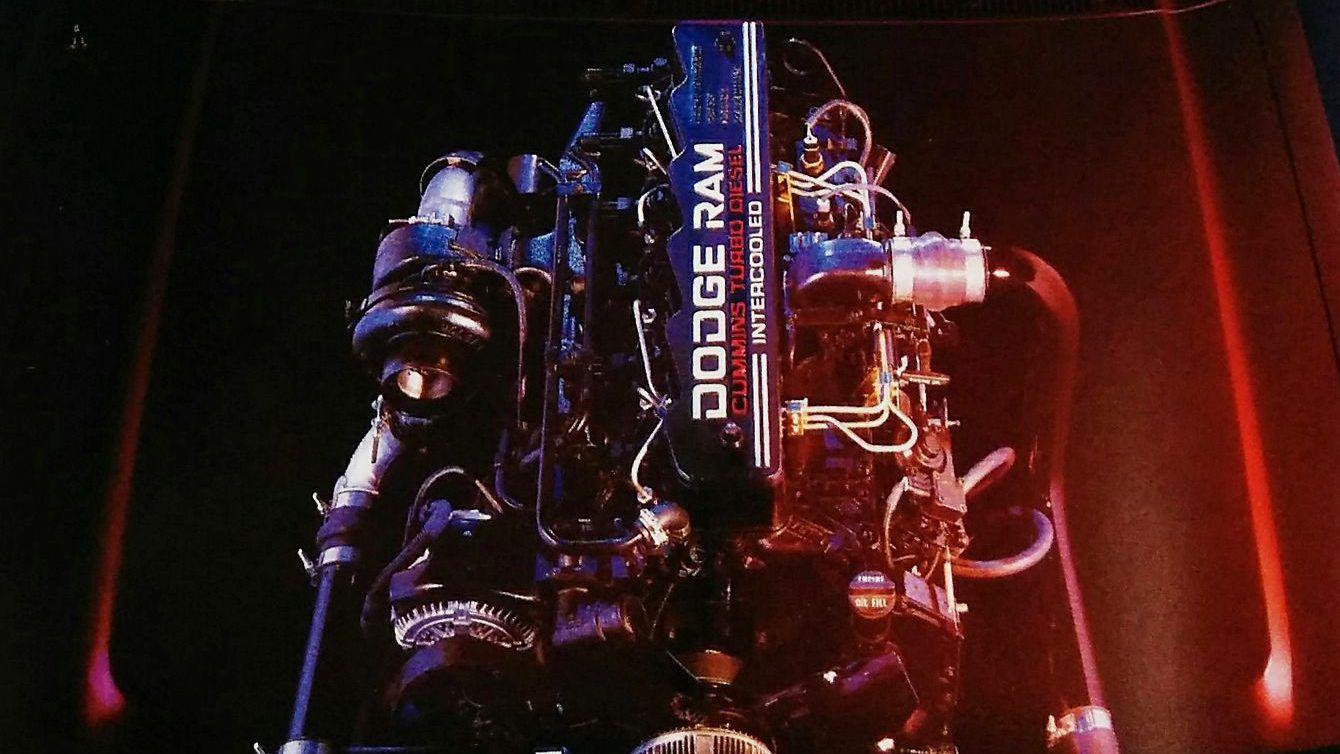
6. Cummins 5.9-Liter 12-Valve Inline-Six in the 1996 Dodge Ram 2500 Cummins
Diesel truck enthusiasts who discuss the Cummins 5.9-liter twelve-valve engine in pre-electronics configuration from the early-to-mid 1990s consistently use language that sounds like hyperbole until the service records are examined. “Unkillable” and “bulletproof” are terms applied casually to automotive products that do not deserve them, but for the mechanical injection 5.9 Cummins in the 1994 to 1998 Dodge Ram 2500 and 3500, the terms reflect documented service outcomes that justify the language.
12-valve 5.9 Cummins engine uses Bosch P7100 mechanical injection pump technology that operates without electronic control units, sensors, or software dependencies that can fail and render the engine inoperable. Mechanical injection delivers fuel based on a physical mechanism rather than an electronic signal, which means the failure modes are limited to mechanical wear rather than including the electronic component failures that modern common rail systems add to the potential failure list.
An engine with fewer failure points, all of them mechanical and all of them repairable with basic tools and widely available parts, produces an ownership experience that the documentation of surviving examples validates. Truck owners who purchased 1996 Dodge Ram 2500 Cummins pickups new have reported in multiple enthusiast publications that their original engines remain in service in 2024, now driven by the purchaser’s adult children or, in some cases, grandchildren who received the truck as a working vehicle rather than a collector’s item.
Total mileages from this population that exceed 500,000 miles are not exceptional outliers. They are the top end of a normal distribution that clusters its center of mass around 300,000 to 400,000 miles for properly maintained examples.
Farm families in agricultural communities represent the strongest generational transfer documentation for this engine, because farm trucks accumulate high mileage in variable conditions while often receiving service from the farm owner rather than professional mechanics, which tests the engine’s durability against the kind of maintenance that reflects real agricultural operation rather than idealized manufacturer recommendations.
Reports from farm families in the Midwest and Mountain West who are driving second and third-generation 5.9 Cummins trucks describe service lives that validate the engine’s extraordinary reputation with personal experience data.
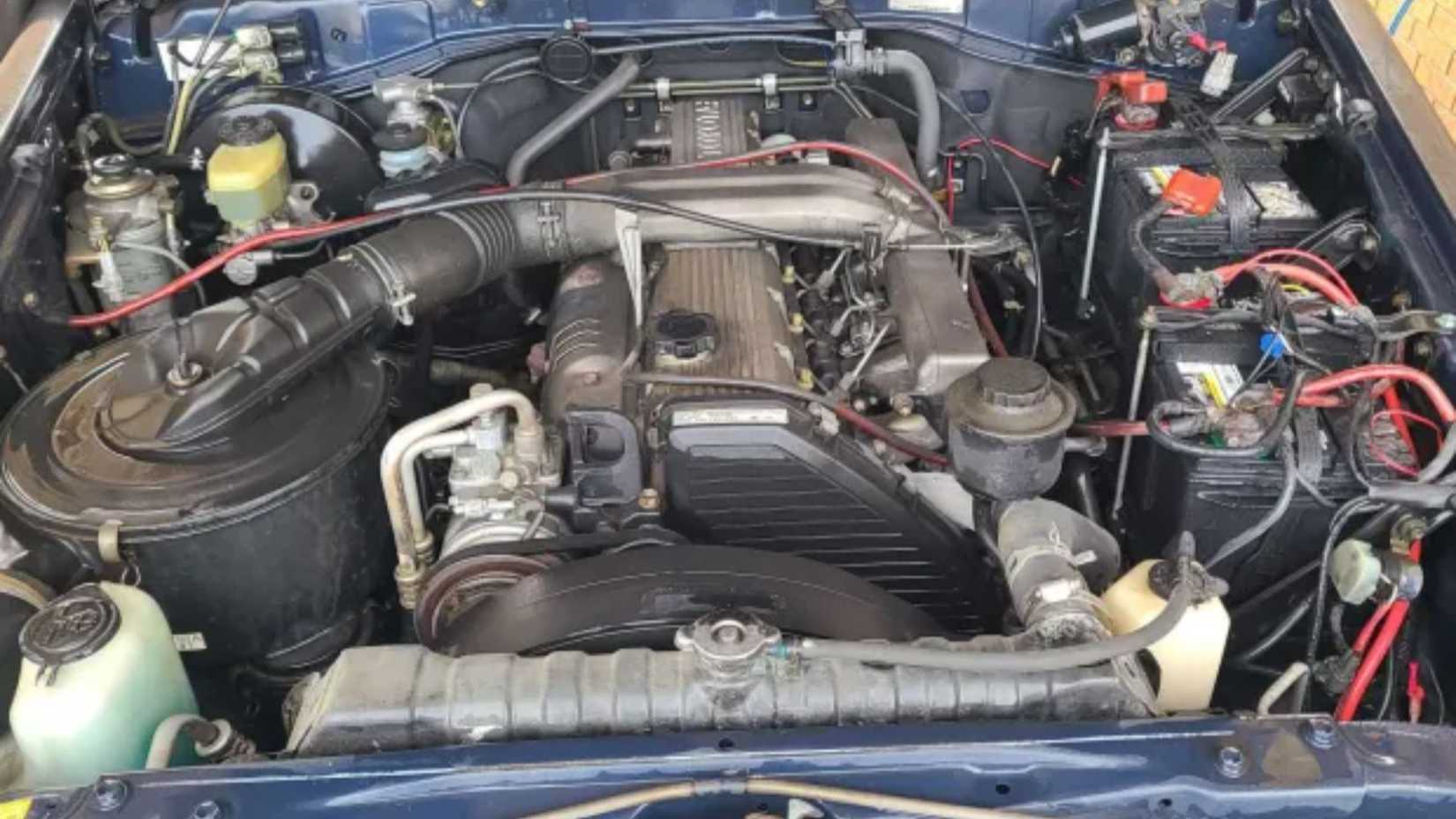
7. Toyota 1HZ 4.2-Liter Inline-Six Diesel in the 1997 Toyota Land Cruiser FJ80
Toyota’s 1HZ 4.2-liter inline-six diesel engine, available in international Land Cruiser markets including Australia, the Middle East, Africa, and South America but not officially sold in the North American market, represents Toyota’s diesel engineering at the extreme of longevity specification.
Commercial operators in Australia who ran Land Cruiser FJ80s as outback touring vehicles and station property trucks have documented engine service lives that are used in transport industry literature as benchmarks for what a diesel engine can achieve across sustained high-load commercial operation.
Naturally aspirated configuration without a turbocharger in the standard 1HZ specification eliminates the turbocharger as a potential failure point and reduces the thermal management complication that forced induction adds to any diesel engine’s service requirements. Natural aspiration at 4.2-liter displacement provides adequate output for the Land Cruiser’s weight and intended use while maintaining the mechanical simplicity that specifically contributes to extreme-service longevity.
Australian Land Cruiser owners who have published service documentation of 1HZ engines in outback touring and agricultural applications consistently report first overhaul requirements beyond 400,000 kilometers, which is approximately 249,000 miles, with some documented examples reaching 600,000 kilometers before requiring internal engine attention.
These service distances are achieved in conditions that include sustained high-load operation on dirt roads, dust exposure that challenges air filtration systems, and temperature extremes that test cooling system capacity continuously rather than occasionally.
Generational transfer of 1HZ Land Cruisers in Australian farming families follows a pattern similar to the 22R-E Toyota trucks in American rural communities, where the vehicle’s proven working capability in demanding conditions makes it valuable to subsequent family members who need the same capabilities rather than a replacement vehicle that may not match the Land Cruiser’s documented performance in the application.
Grandchildren who inherit 1HZ Land Cruisers in these communities are inheriting proven working tools whose engine reliability in their specific environment has been established across decades of family operational experience.
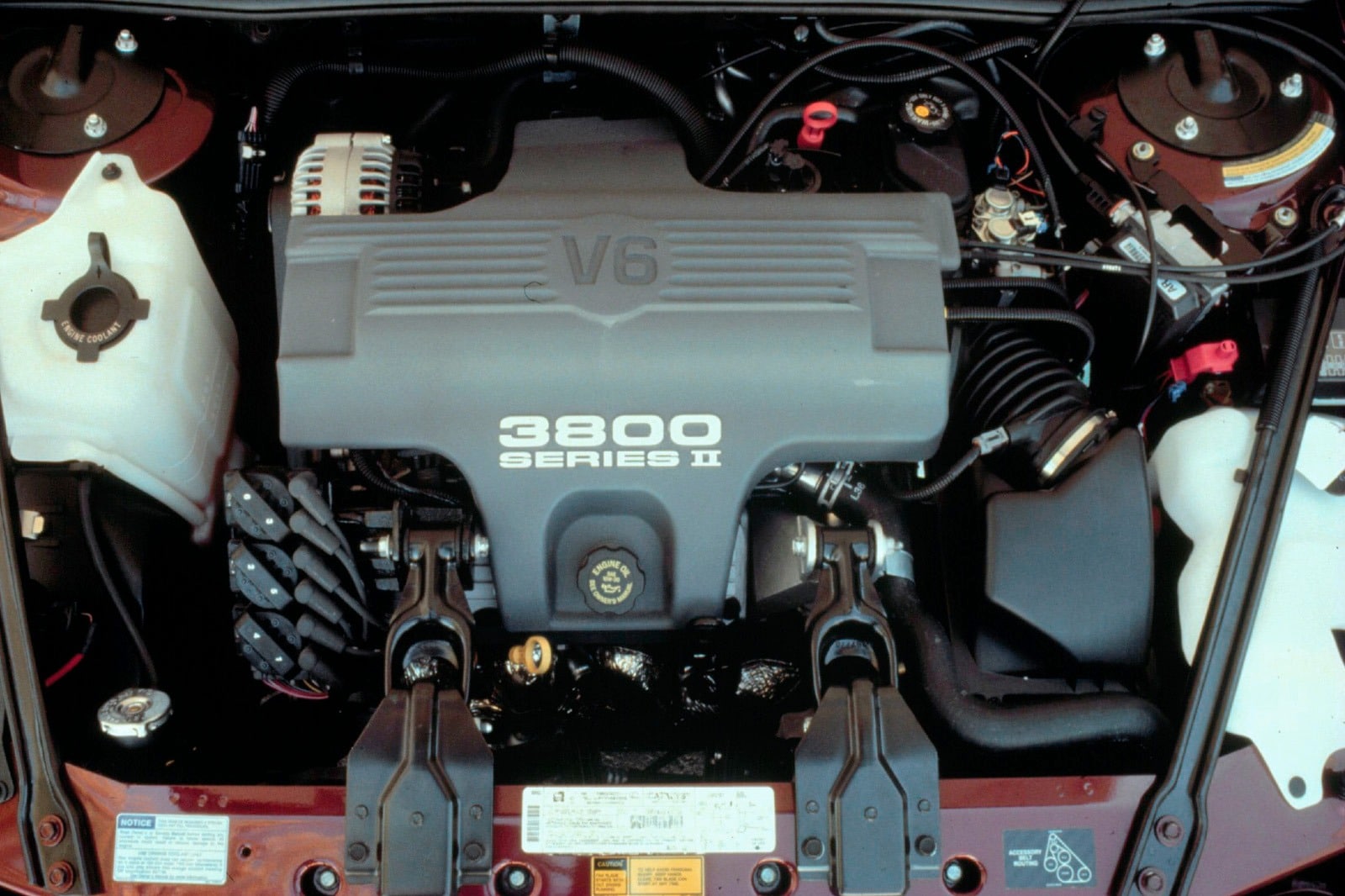
8. GM 3800 Series II 3.8-Litre V6 in the 2000 Buick LeSabre
General Motors’ 3800 Series II 3.8-litre V6 stands as one of the most proven mass-produced engines in North American automotive history, with a service record that reflects consistent durability across millions of vehicles. Installed in models such as the 2000 Buick LeSabre, this engine became widely recognised for its ability to sustain high mileage with minimal internal failure when maintained within reasonable standards.
The design of the 3800 Series II reflects a long period of refinement. Its origins trace back several decades, during which successive improvements addressed earlier weaknesses and strengthened internal components. By the time it reached the Series II configuration, the engine had developed into a highly dependable power unit with well-understood operating characteristics.
Cast iron block construction provides structural strength that supports long-term durability. This material choice ensures that cylinder walls maintain their shape under repeated thermal cycles, preserving compression and reducing wear. The aluminium cylinder head complements this structure by improving heat dissipation within the combustion chamber.
Mechanical simplicity contributes to its reliability. The pushrod valve train layout reduces the number of moving parts compared with dual overhead camshaft systems. Fewer components result in fewer potential failure points, which allows the engine to continue operating even when maintenance is not performed under ideal conditions.
Fuel injection and ignition systems were designed for consistency rather than aggressive performance output. This conservative calibration reduces stress on internal components and promotes steady operation across extended mileage. Routine servicing, such as oil changes, coolant maintenance, and periodic replacement of wear items, is generally sufficient to sustain long-term performance.
Documented ownership records indicate that many 3800 Series II engines exceed 300,000 miles without requiring major internal repairs. Instances approaching 400,000 miles are also recorded, particularly among vehicles used for long-distance commuting and fleet service. These results are not restricted to controlled environments, as many of these engines have operated under typical daily driving conditions.
Repair accessibility further strengthens its longevity. Widespread production ensured that parts remain available, while technicians across different regions have developed familiarity with the engine’s layout. This reduces repair costs and encourages continued use rather than vehicle replacement.
Generational ownership is common among vehicles equipped with this engine. Cars originally purchased for family transport continue to serve new drivers after many years of use. The engine’s consistent performance supports this transfer without requiring extensive refurbishment.
The GM 3800 Series II V6 demonstrates how gradual refinement, durable materials, and straightforward engineering can produce an engine capable of sustained operation across extended service life.
Also Read: 10 Forgotten Engines That Are Worth Resurrecting in 2026
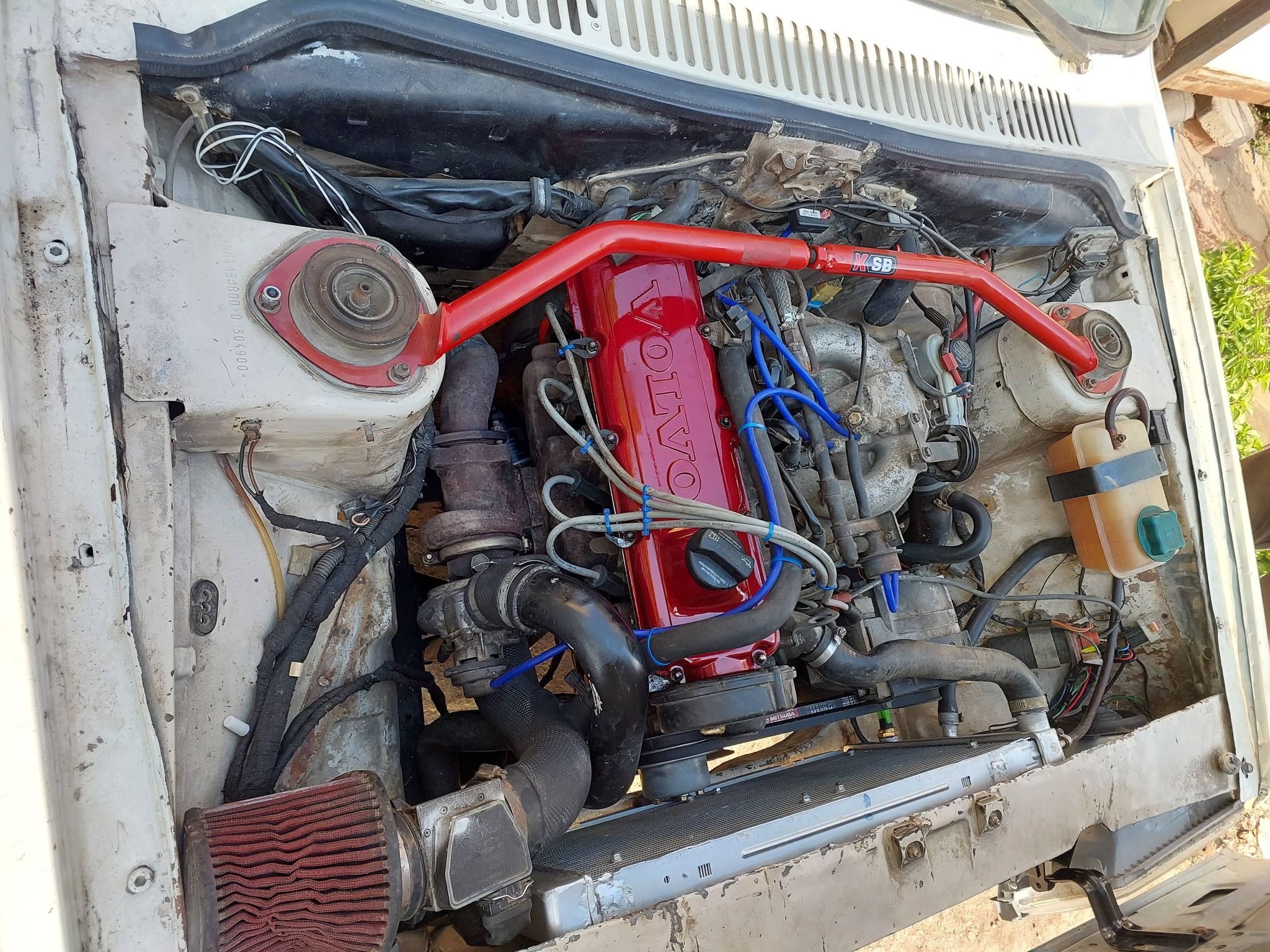
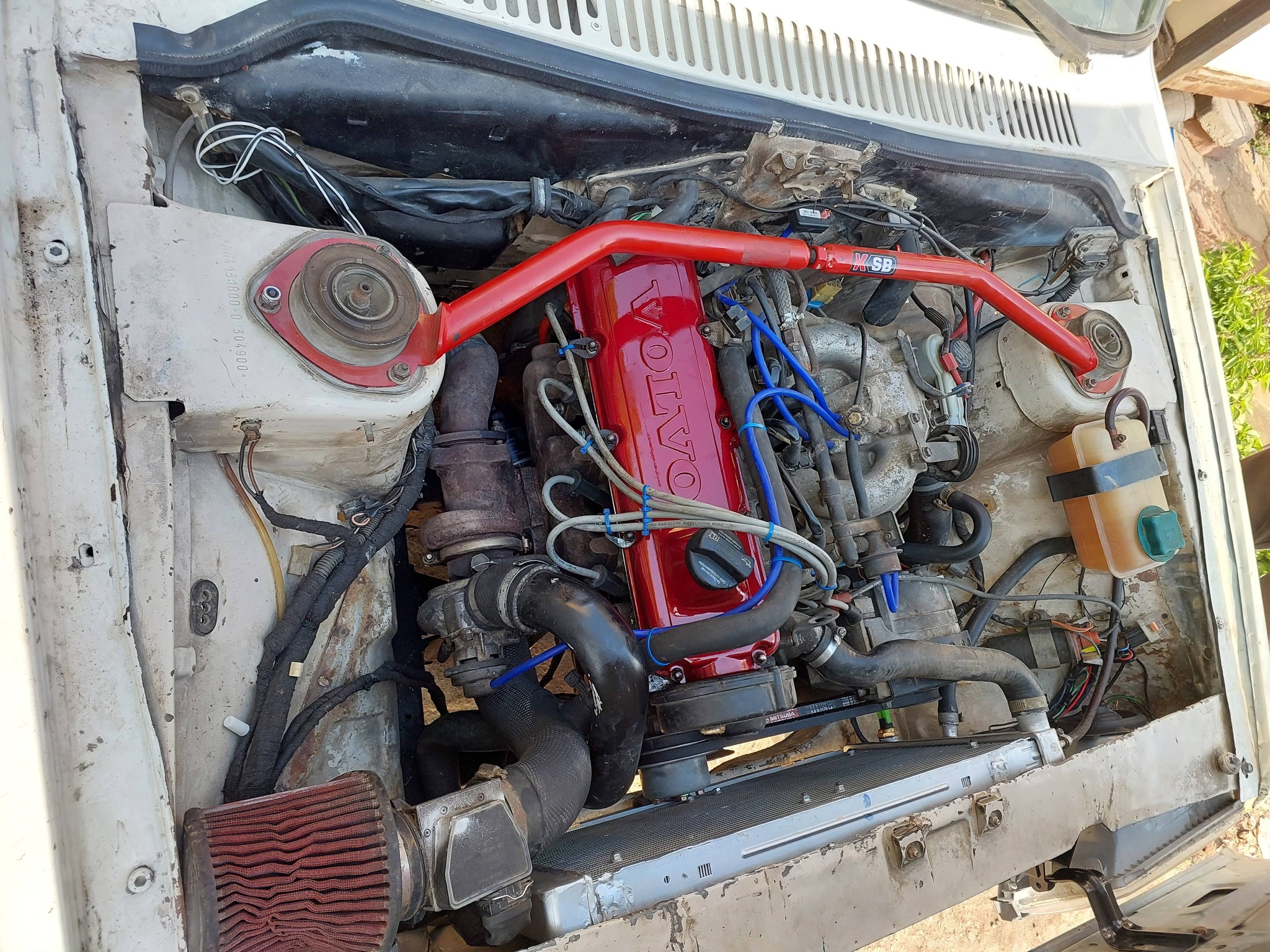
9. Volvo B230F 2.3-Litre Inline-Four in the 1993 Volvo 240
Volvo’s B230F 2.3-litre inline-four engine, fitted in the 1993 Volvo 240, represents a long-standing approach to durability grounded in simplicity, precision, and careful material selection. This engine forms part of Volvo’s redblock family, which gained recognition for its ability to sustain high mileage with minimal mechanical complications.
The B230F utilises a cast iron block paired with an aluminium cylinder head, a combination that balances thermal efficiency with structural strength. The iron block maintains bore stability across repeated heating and cooling cycles, while the aluminium head assists in heat dissipation within the combustion chamber. This arrangement supports consistent performance even after extended use.
One defining feature of the B230F is its straightforward mechanical layout. The single overhead camshaft design reduces the number of moving components when compared with more elaborate multi-cam systems. Fewer moving parts result in reduced wear points, which contribute directly to long-term reliability. Maintenance procedures remain accessible, allowing technicians to service the engine without specialised equipment.
Fuel delivery is managed through a reliable electronic injection system that prioritises consistency rather than peak performance. This ensures stable combustion and reduces stress on internal components. Ignition systems are similarly robust, maintaining dependable operation across varying environmental conditions.
Cooling system design plays an important role in preserving engine life. Adequate radiator capacity and effective coolant circulation prevent overheating, which is a common cause of engine wear in less durable designs. When maintained properly, the cooling system supports stable operating temperatures during both short-distance driving and extended journeys.
Owners have documented extensive mileage figures for the B230F, with many engines exceeding 300,000 miles without internal overhaul. Reports of engines approaching 400,000 miles are also present within owner communities. These outcomes reflect consistent engineering rather than isolated cases.
Maintenance requirements remain predictable. Regular oil changes, timing belt servicing, and basic component replacements are sufficient to sustain long-term operation. Parts availability continues to support these vehicles, ensuring that repairs can be completed without high cost or delay.
The Volvo 240 platform contributes to the engine’s longevity by providing a durable chassis and drivetrain. Vehicles equipped with the B230F have been used for daily commuting, long-distance travel, and commercial purposes such as taxi services. Continued operation under these varied conditions confirms the reliability of the engine.
Generational ownership is a recurring pattern among Volvo 240 vehicles. Cars purchased in the early 1990s remain in use today, often transferred between family members. The engine’s ability to remain functional across decades supports this continuity, allowing the vehicle to retain practical value rather than becoming obsolete.
The B230F engine demonstrates how disciplined engineering, durable construction, and straightforward maintenance can produce a power unit capable of sustained operation across multiple decades, maintaining reliability in everyday use without dependence on advanced technology.
