
Car interior lighting is one of those features that most drivers do not think about until they actually need it. Map lights, also called reading lights or overhead console lights, play a small but surprisingly important role in everyday driving comfort.
Whether you are checking a paper map at night, reading a document in the passenger seat, finding a dropped item, or simply adjusting controls without disturbing the driver, good cabin lighting can make a noticeable difference. On the other hand, poorly designed or underpowered map lights can feel almost useless, forcing drivers and passengers to rely on phone flashlights or strain their eyes in low visibility conditions.
Modern vehicles vary widely in how they approach interior lighting design. Some manufacturers invest in bright, well-positioned LED map lights with focused beams that illuminate exactly where needed without spilling too much glare. These systems are often paired with ambient lighting and smart cabin layouts, especially in mid-range and premium vehicles.
Others still rely on basic halogen bulbs or weak LED units that are placed poorly, resulting in dim lighting that fails to serve its purpose effectively. This difference is not always related to vehicle price alone, as even some expensive trims can have underwhelming interior lighting setups depending on design priorities.
In this article, we will compare two categories of vehicles. First, we will look at five vehicles that are commonly known for having effective, well-designed, and practical map lighting systems that enhance usability at night. These examples represent vehicles where interior lighting has been treated as a meaningful usability feature rather than an afterthought.
Then, we will examine five vehicles where map lights are often reported as weak, dim, or poorly positioned, making them less useful in real-world driving conditions.
The goal is not to criticize any specific brand unfairly, but to highlight how interior lighting quality can vary significantly across different vehicles and trims. Understanding these differences can help buyers make more informed decisions, especially if night driving comfort and cabin usability are important factors.
By the end of this comparison, you will have a clearer idea of which types of vehicles tend to get interior lighting right and which ones may leave you reaching for your phone flashlight more often than you would like.
ALSO READ: 8 Smells in a Used Car That Cost Thousands to Fix Later
5 Vehicles With Excellent Working Map Lights
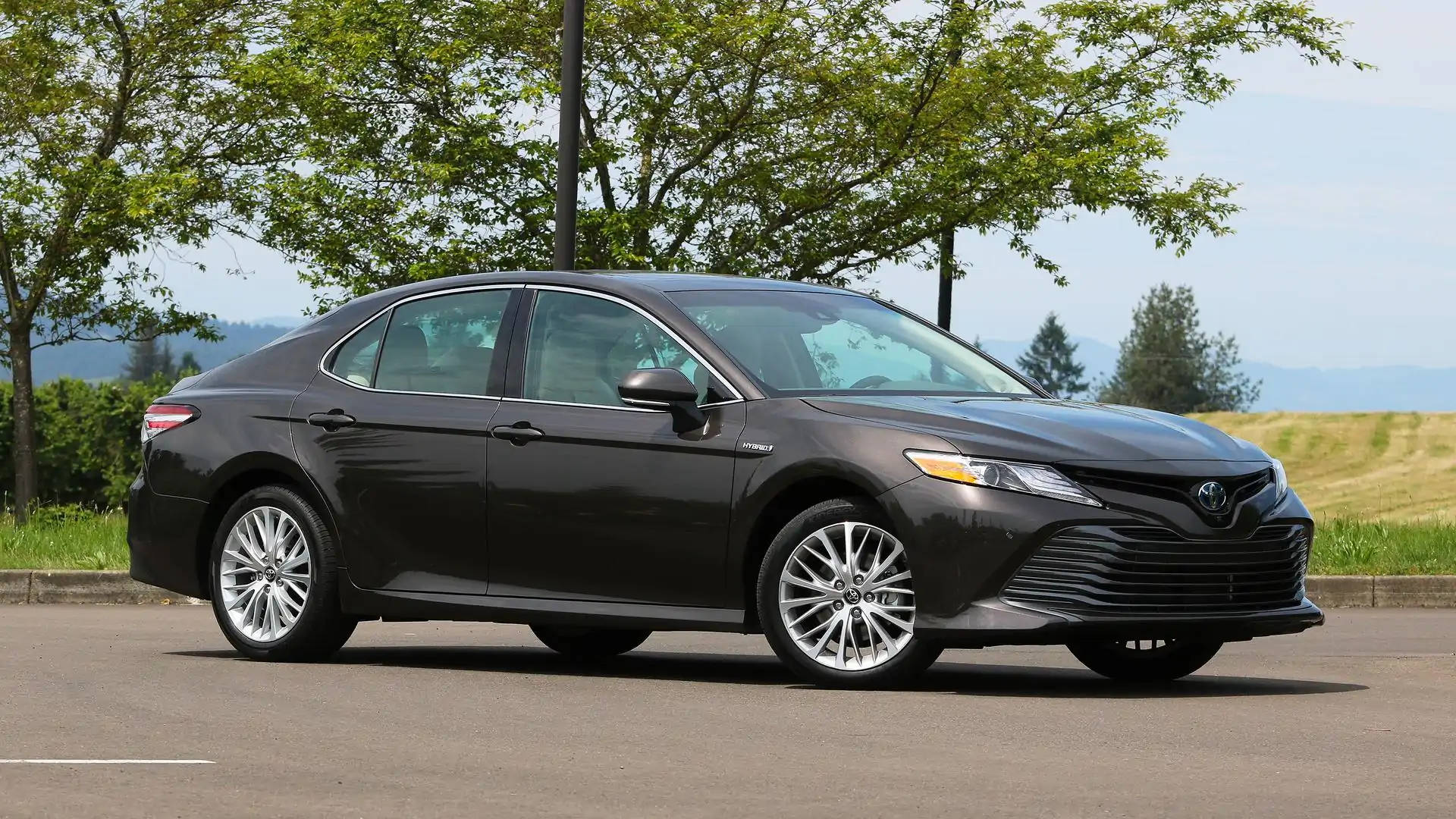
1. Toyota Camry
The Toyota Camry is widely regarded as one of the most practical midsize sedans, and its interior lighting system reflects Toyota’s focus on everyday usability. The map lights in recent Camry models are built around LED technology that delivers strong, clean illumination without unnecessary glare.
This makes them highly effective for reading documents, checking navigation details, or finding small items inside the cabin at night. The lighting is designed to feel natural rather than overly bright, which helps reduce eye fatigue during long drives.
One of the key strengths of the Camry’s map lights is their beam control. Instead of scattering light across the entire cabin, the system focuses illumination on the specific seating area where it is needed. This improves usability for both driver and front passenger.
Even when only one light is active, the output is sufficient for most tasks without disturbing the other occupant. This balance between brightness and focus is one of the reasons the Camry’s system feels well-engineered.
Another important aspect is placement. Toyota has positioned the overhead console lights in a way that minimizes shadows. Many budget systems fail here, creating uneven lighting or harsh contrast. In the Camry, the angle of the light ensures that hands, documents, or objects are clearly visible without requiring repositioning. This makes a noticeable difference during real-world nighttime use, especially in parked or low-light environments.
Durability also plays a role in the Camry’s strong reputation. The LED units are designed to maintain consistent brightness over many years of use. Unlike older halogen systems that gradually dim or discolor, the Camry’s lighting remains stable. This long-term reliability is particularly important for drivers who frequently travel at night or rely heavily on interior lighting for work-related tasks.
Finally, Toyota integrates the map lights into a simple but effective control system. The buttons are intuitive, responsive, and easy to locate without visual confirmation. This reduces distraction and improves safety. Combined with the cabin layout, the Camry’s lighting system is a strong example of how practical engineering can enhance everyday driving comfort without unnecessary complexity.
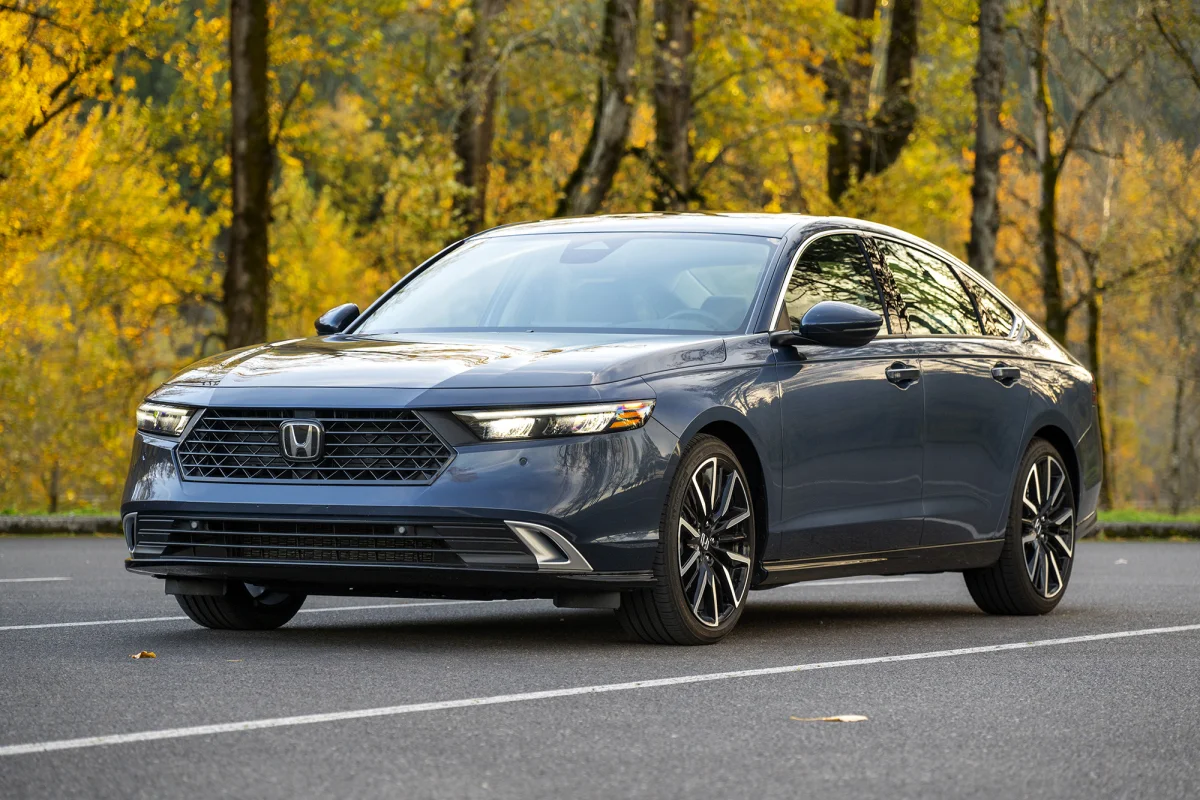
2. Honda Accord
The Honda Accord has built a strong reputation for interior ergonomics, and its map lighting system continues that tradition of thoughtful design. The LED reading lights in the Accord produce a crisp and well-balanced beam that is strong enough for detailed tasks while still being soft on the eyes. This makes them ideal for reading, document handling, or small cabin adjustments during nighttime driving.
A standout feature of the Accord’s lighting system is its directional efficiency. The lights are angled in a way that prioritizes task lighting rather than general illumination. This means the beam is concentrated where the user actually needs it, reducing wasted light and preventing distraction for the driver. It also ensures that passengers can use the light independently without affecting others in the cabin.
Honda has also focused heavily on ease of use. The controls for the map lights are positioned logically within the overhead console and can be operated with minimal effort. In many situations, users can activate or deactivate the lights without needing to fully shift attention away from the road or surroundings. This intuitive design contributes to a safer and more convenient driving experience.
The quality of light diffusion in the Accord is another strong point. Instead of producing harsh spots or uneven brightness, the system distributes light smoothly across the intended area. This reduces eye strain and improves visibility for extended use. The neutral color temperature also helps maintain comfort, especially during longer night journeys where fatigue can become an issue.
The Honda Accord demonstrates how a well-balanced lighting system can enhance cabin usability without drawing attention to itself. It is not overly complex or flashy, but it consistently performs well in real-world conditions, which is exactly what most drivers need from interior map lighting.
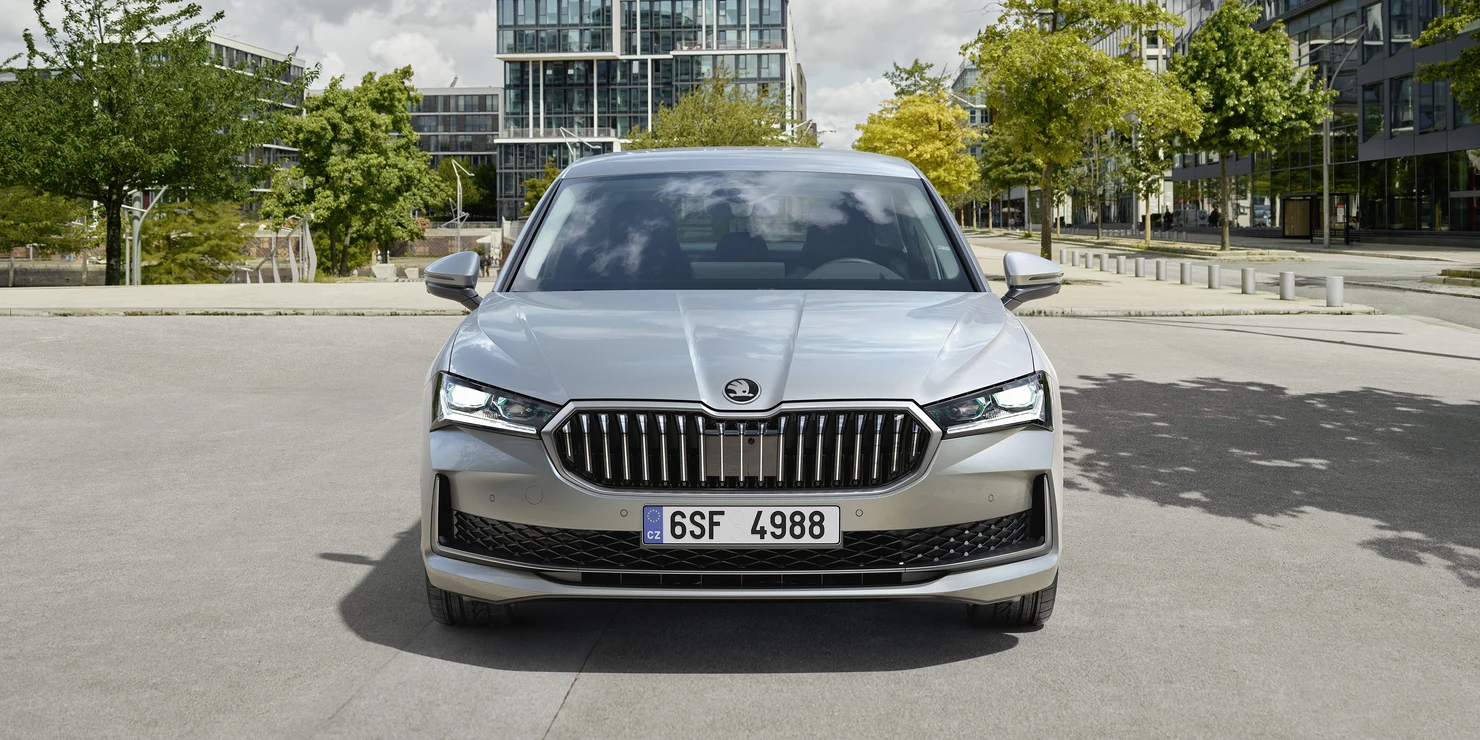
3. Skoda Superb
The Skoda Superb stands out for offering one of the most spacious and intelligently designed cabins in its segment, and its map lighting system complements that philosophy. The LED reading lights are powerful, evenly distributed, and capable of illuminating both front seating positions effectively without creating glare or hotspots. This makes them especially useful in a large cabin where weaker systems often struggle.
One of the most noticeable strengths of the Superb’s lighting is its consistency across the interior. Because the vehicle has a wider cabin than many competitors, Skoda has engineered the lighting system to ensure no passenger area feels underlit. Even rear passengers in higher trims benefit from additional lighting elements, creating a more uniform and comfortable environment at night.
The color temperature of the lighting is carefully chosen to avoid eye strain. It produces a neutral white tone that improves clarity while maintaining comfort during extended use. This is particularly helpful for passengers who may be reading or working inside the vehicle for long durations, such as during highway travel or business trips.
Skoda has also focused on minimizing visual disruption for the driver. The lighting is positioned so that it does not reflect onto the windshield or interfere with external visibility. This ensures that while passengers benefit from strong illumination, the driver remains focused on the road without distraction.
In addition, the control system is simple and well integrated into the cabin layout. The buttons are easy to locate and respond quickly, allowing users to activate lighting without confusion. Combined with the practicality of the Superb’s interior, the map lighting system reinforces the vehicle’s reputation as a comfort-focused and user-friendly sedan.
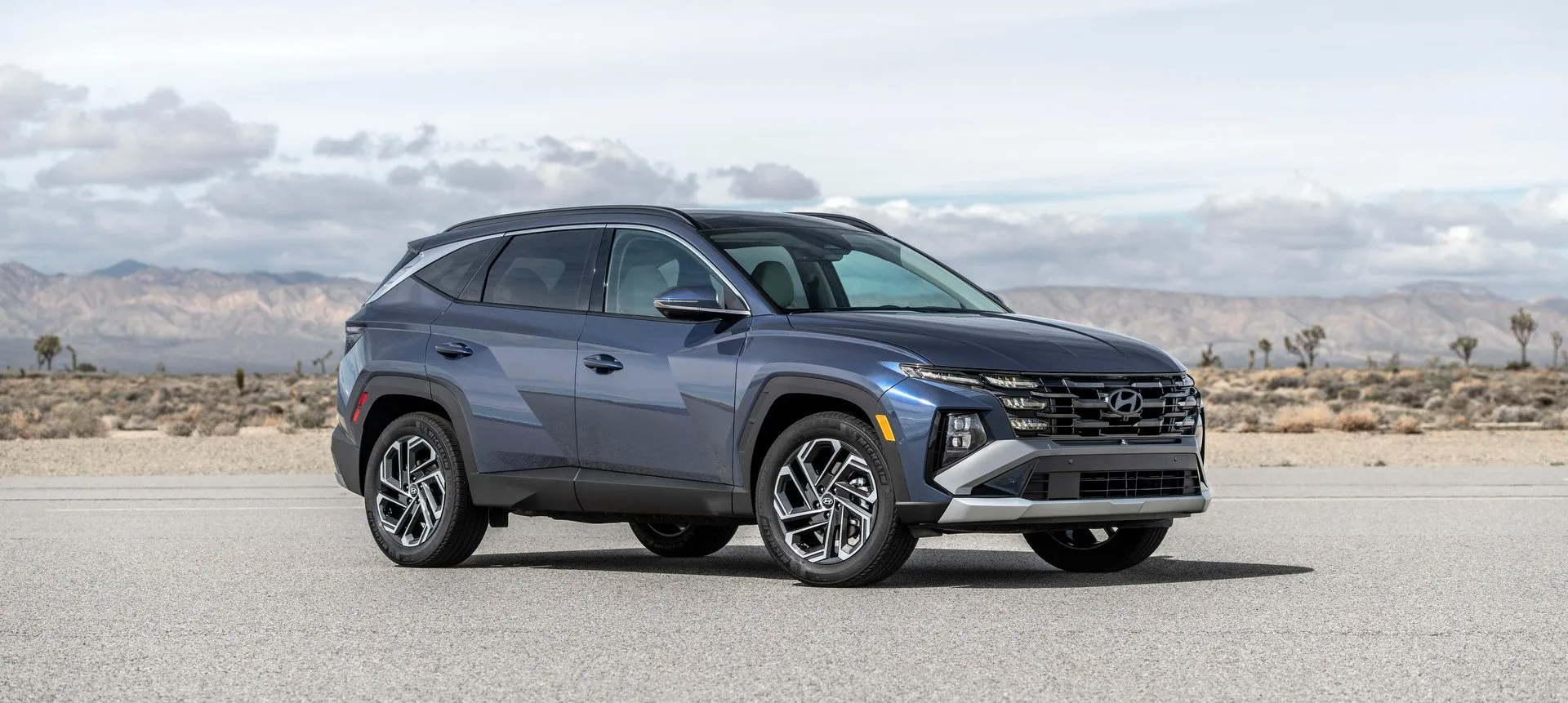
4. Hyundai Tucson
The Hyundai Tucson features one of the most modern interior lighting setups in the compact SUV segment, and its map lights are a key part of that design. Using efficient LED technology, the system delivers bright and focused illumination that works well for a variety of nighttime tasks. Whether it is reading, organizing items, or adjusting cabin settings, the lighting performs reliably across different use cases.
A major advantage of Tucson’s lighting system is its balance between brightness and comfort. Hyundai has tuned the output so that it is strong enough to be functional but not so intense that it causes glare or discomfort. This makes it suitable for both short and long duration use, particularly during night travel with family or passengers.
The overhead console design in the Tucson integrates multiple controls and features, yet the map lights remain clearly defined and easy to operate. Despite the modern and slightly complex layout, users can quickly identify and activate the lighting without confusion. This reflects Hyundai’s focus on intuitive user experience in newer models.
Another strong point is the consistency of performance across different variants. Even mid-level trims offer the same core lighting quality, ensuring that users do not need to upgrade to premium versions just to get usable map lights. This makes Tucson a strong value-oriented option in terms of interior functionality.
Finally, the LED system in Tucson is designed for efficiency and long-term reliability. It consumes less power while maintaining strong output, and it does not degrade quickly over time. This ensures that the lighting remains effective throughout the vehicle’s lifespan, making it a dependable feature for everyday use.
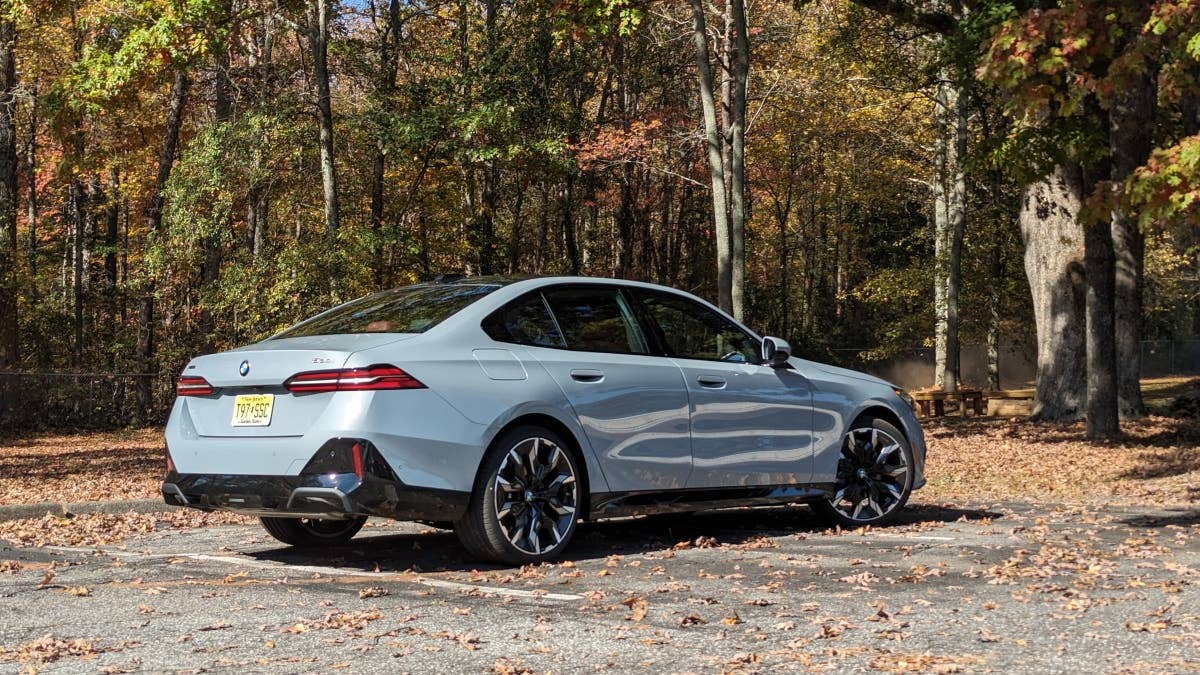
5. BMW 5 Series
The BMW 5 Series represents a premium approach to interior lighting, where map lights are designed not just for function but also for experience. The LED reading lights provide sharp, controlled illumination that feels precise and refined. Instead of simply lighting up an area, they create a focused environment that enhances usability without overwhelming the cabin.
One of the defining characteristics of the 5 Series lighting system is its integration with ambient lighting. The map lights work in harmony with the cabin illumination, creating a layered lighting effect that feels both natural and sophisticated. This enhances visibility while maintaining the premium atmosphere expected from a luxury sedan.
BMW has also emphasized customization and control. Depending on the configuration, passengers can adjust lighting direction and intensity to suit their personal needs. This level of flexibility is particularly useful for professionals or frequent travelers who may use the car as a mobile workspace during night journeys.
The quality of materials and optics used in the lighting system further improves performance. Light diffusion is carefully engineered to avoid harsh reflections or uneven brightness. Instead, the illumination feels smooth and well distributed, which reduces strain during extended use and improves comfort.
Finally, the BMW 5 Series demonstrates how interior lighting can become part of a luxury experience. It is not treated as a secondary feature but as an integral component of cabin design. This attention to detail ensures that even small elements like map lights contribute meaningfully to the driving experience.
ALSO READ: 9 Cars That Survive New Drivers Without a Single Major Repair
5 Vehicles With Dim or Underwhelming Map Lights
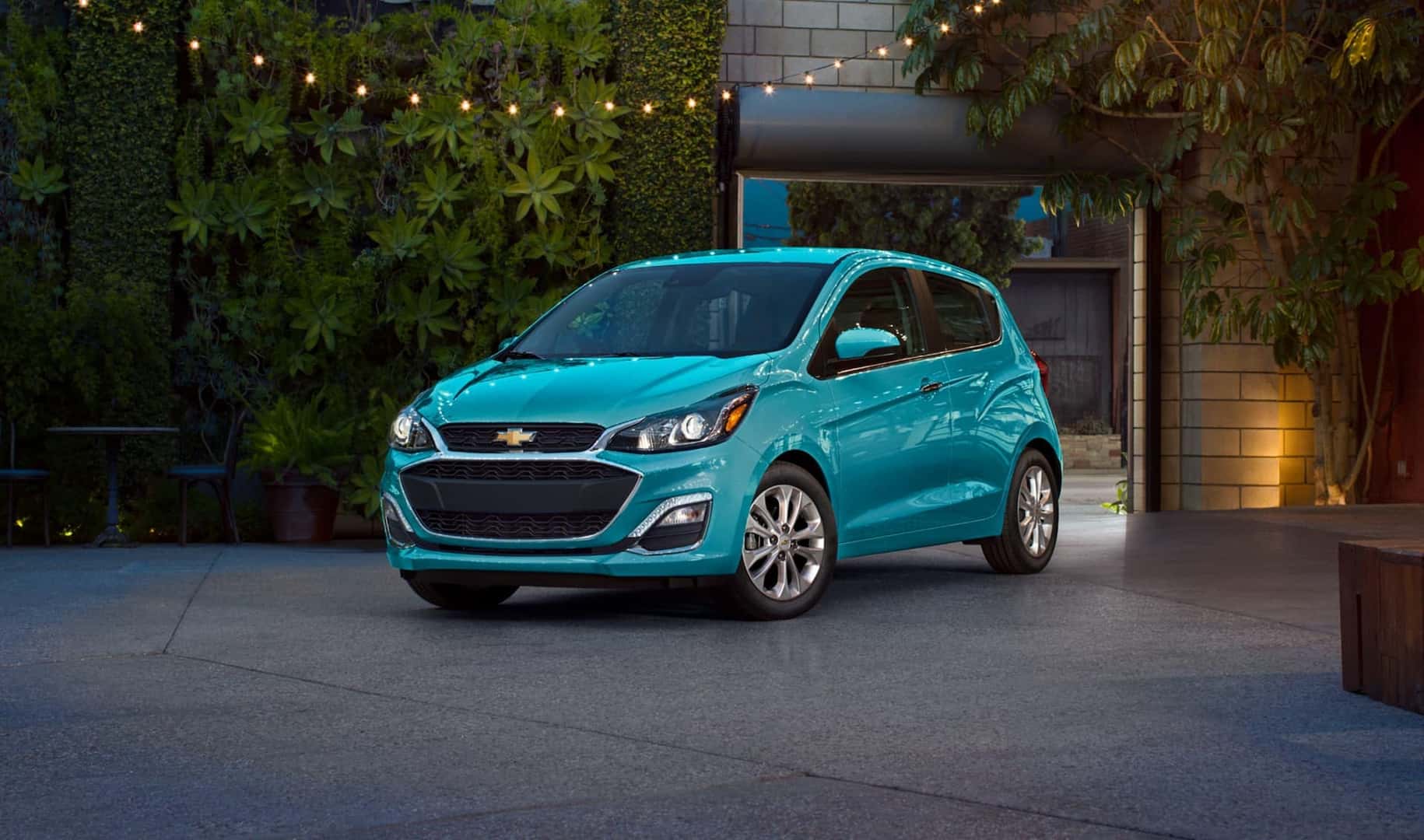
1. Chevrolet Spark
The Chevrolet Spark is a well-known budget hatchback in the US market, designed primarily for affordability and city commuting. Its map lighting system in base trims reflects that cost-focused approach. The overhead lights are typically small LED or halogen units, depending on model year, but the output is generally weak and limited in real-world usability. While they are sufficient for quick orientation inside the cabin, they do not provide strong illumination for tasks like reading or handling documents at night.
One of the main limitations is the brightness level. The light output is low enough that it struggles to fully illuminate both front seating positions. This means passengers often need to adjust their posture or bring objects closer to the light source to see clearly. In practical nighttime use, this reduces convenience and makes the system feel underpowered compared to competitors.
Another issue is the narrow spread of light. The Spark’s map lights tend to focus on a small central area rather than evenly distributing illumination across the cabin. This creates uneven visibility, where some areas are reasonably lit while others remain in shadow. This lack of balance reduces effectiveness.
The simplicity of the system also limits usability. There is minimal adjustability, and the lighting is not designed with directional control in mind. It is a basic overhead setup intended for cost efficiency rather than enhanced cabin comfort. This becomes noticeable when compared to newer subcompact vehicles with improved LED systems.
While the Chevrolet Spark performs well as an economical commuter car, its map lighting system is one of its weaker interior features. It meets basic needs but falls short in delivering practical nighttime usability.
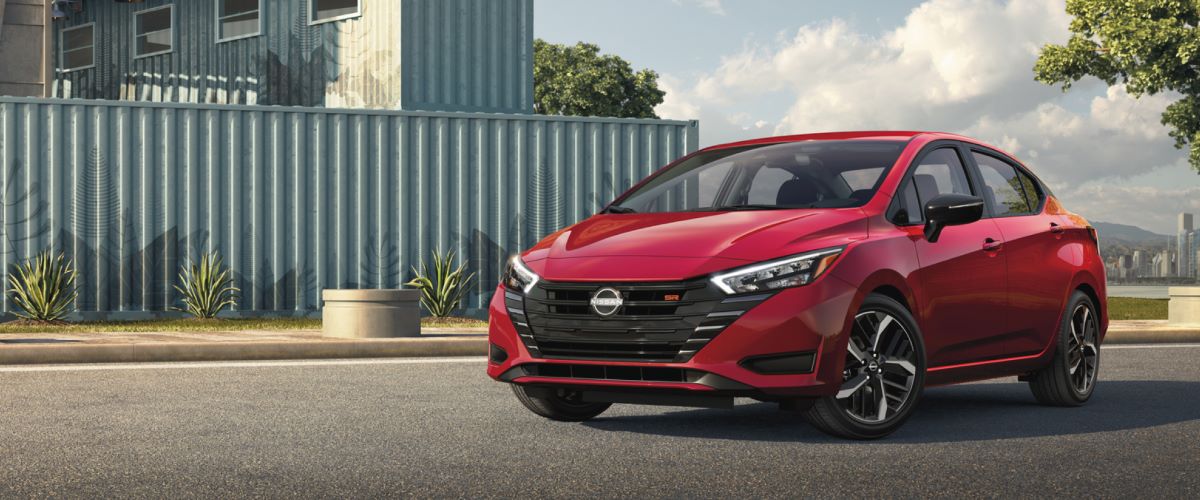
2. Nissan Versa
The Nissan Versa is one of the most affordable new cars in the US, and its interior design reflects a strong emphasis on value over premium features. In base models, the map lighting system is functional but modest, providing only limited illumination inside the cabin. The lights are usually small LED units, but their brightness is tuned conservatively.
A major limitation is insufficient light intensity for detailed tasks. While the system is fine for quickly locating items or orienting yourself in the dark, it is not strong enough for reading or extended use. Passengers often find themselves needing additional light sources for better visibility during nighttime travel.
The light distribution is also quite basic. Instead of covering both front occupants evenly, the illumination tends to stay concentrated in a small area near the center console. This uneven spread reduces practicality, especially when both driver and passenger need light at the same time.
Another drawback is the lack of refinement in beam direction. The system does not offer meaningful adjustability, which limits flexibility in real-world scenarios. This makes it less adaptable compared to more premium compact sedans that offer better focused lighting.
The Nissan Versa prioritizes affordability and efficiency, but its map lighting system reflects the compromises made to achieve its low price point. It is functional but not particularly effective for demanding nighttime use.
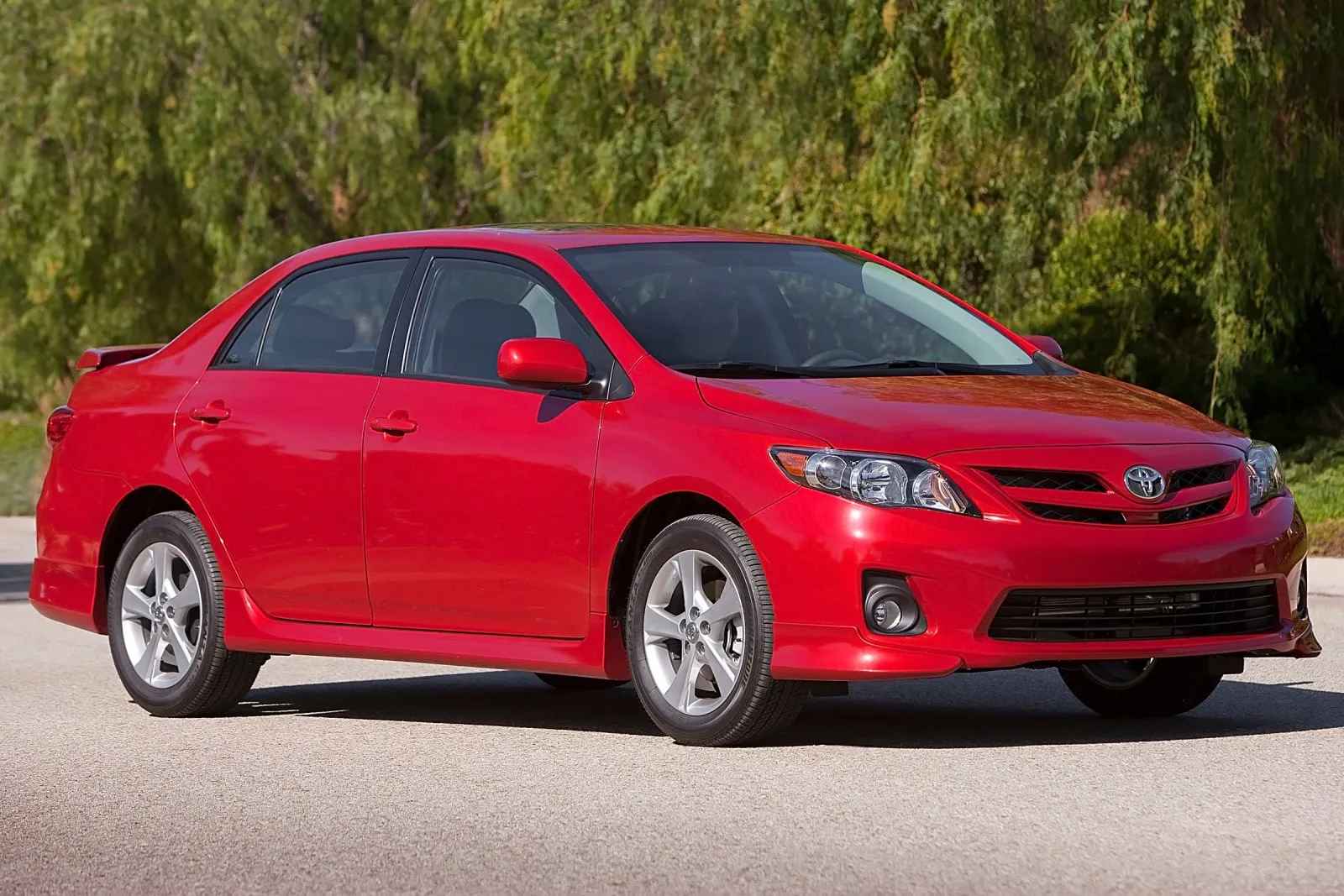
3. Toyota Corolla
The Toyota Corolla is one of the most popular compact sedans in the US, known for reliability and efficiency. However, in some base trims, the map lighting system is relatively modest and not as strong as buyers might expect from such a widely used vehicle. While newer versions use LED technology, brightness levels are often conservative.
One limitation is that the lighting is designed more for subtlety than intensity. The result is a soft glow that is comfortable on the eyes but not always sufficient for detailed tasks like reading small print or working with documents at night. This makes it less practical for extended cabin use in low-light conditions.
Another issue is light spread. The system provides reasonable coverage for the front cabin, but it does not strongly focus illumination where it is most needed. This can result in uneven lighting depending on seating position, especially when two passengers are using the lights simultaneously.
The Corolla’s design prioritizes simplicity and long-term reliability, which means the lighting system avoids complexity. However, this also means limited customization or directional control. Users cannot fine-tune the beam, which reduces flexibility compared to more advanced systems in higher-end Toyota models.
While the Corolla excels in dependability and everyday usability, its base trim map lighting system is not one of its strongest features. It is adequate but not particularly impressive in terms of brightness or precision.

4. Ford EcoSport
The Ford EcoSport, especially in its lower US trims, features a compact SUV design with a focus on affordability and practicality. However, its map lighting system is often considered underwhelming. The lights are typically small LED or halogen units, but the output is not particularly strong.
One of the key issues is low brightness relative to cabin size. Even though the EcoSport is a compact SUV, the lighting does not always effectively cover the front seating area. This can make nighttime tasks less convenient, especially for passengers trying to read or locate items.
Another limitation is uneven illumination. The light tends to be concentrated in a narrow zone rather than distributed evenly. This creates shadowed areas in the cabin that reduce usability. In real-world use, this means passengers may need to reposition themselves to get adequate lighting.
The system also lacks advanced directional control. The lighting is fixed and simple, without meaningful adjustment options. This limits flexibility and makes the system feel basic compared to newer competitors in the same segment.
The Ford EcoSport’s map lighting system reflects its budget-oriented design. It works for essential visibility but does not provide the level of comfort or usability found in more modern compact SUVs.
5. Jeep Renegade
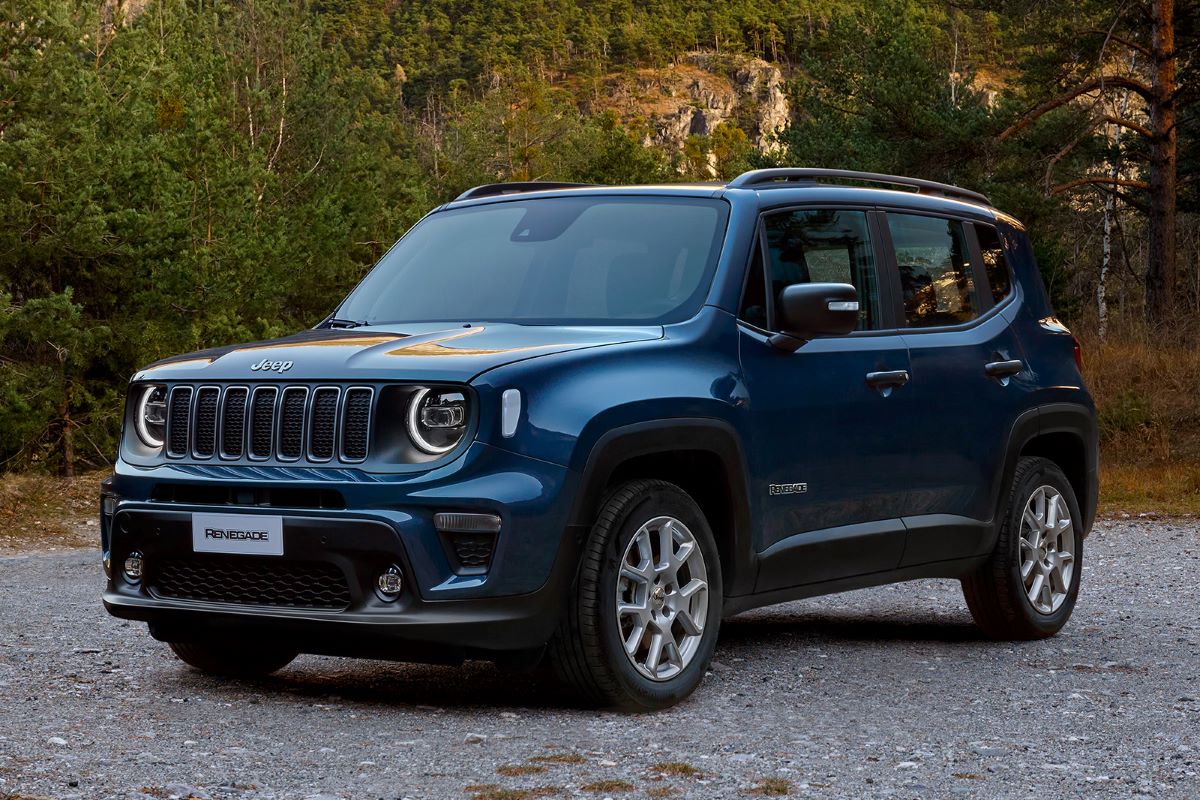
The Jeep Renegade is a popular compact SUV in the US known for its rugged styling and urban off-road appeal. However, its base trim map lighting system is often seen as underwhelming. The lights are generally small LED units, but their output is not particularly strong or well-focused.
One limitation is that the brightness level is moderate at best. While it is enough for quick cabin visibility, it is not sufficient for reading or detailed tasks without strain. This makes nighttime interior use less comfortable than expected in a modern SUV.
Another issue is light distribution. The system does not always provide even coverage across the front cabin, resulting in areas of weaker illumination. This reduces usability, especially when both front occupants need light simultaneously.
The design of the overhead console prioritizes style and integration with other controls, but the lighting itself is not highly optimized. There is limited adjustability, meaning users cannot significantly change the direction or focus of the light.
The Jeep Renegade’s map lighting system is functional but not particularly strong. It aligns with its compact SUV positioning, but falls short when compared to more refined lighting systems in similarly priced competitors.
