

Small interior details often reveal more about a vehicle’s long-term quality than headline features like horsepower or touchscreen size. One such detail is the centre console latch, a component most drivers use daily without much thought.
It holds personal items, documents, and valuables, and it is opened and closed countless times over the life of a vehicle. When it works well, it goes unnoticed. When it fails, it becomes a constant irritation that reminds the owner of declining build quality.
In many vehicles, the centre console latch is subjected to repeated stress from frequent use, temperature changes, and material fatigue. Over time, weak plastics can warp, hinges may loosen, and latching mechanisms can lose their precision.
This is especially noticeable in regions with extreme climates, such as the northern United States or parts of Europe, where temperature swings accelerate wear on interior components.
Some automakers address this by using stronger materials, reinforced hinges, and well-tested latch mechanisms that are designed to last for years without losing functionality. These vehicles tend to maintain a solid, secure feel even after a decade of use.
On the other hand, certain models suffer from cost-cutting measures or design flaws that lead to early wear, resulting in consoles that no longer close properly or require extra force to latch.
This article compares two distinct groups. The first highlights five vehicles where the centre console latch continues to function reliably even after ten years.
These models reflect thoughtful engineering and durable construction. The second group focuses on five vehicles where the latch mechanism is more prone to failure, often due to weaker materials or design compromises.
Understanding these differences can help buyers look beyond surface-level features and consider long-term usability. A well-built centre console may seem like a minor detail, but it contributes significantly to daily convenience and the full ownership experience.
Also Read: 6 Cars Where the Steering Still Feels New at 150K vs 6 That Get Loose Fast
5 Vehicles With Centre Consoles That Still Latch After 10 Years
Durability inside a vehicle is often judged by how well frequently used components hold up over time. The centre console is one of those areas that quietly undergoes constant wear.
Vehicles that maintain a firm, reliable latch after years of use typically share a few key traits. They rely on sturdy hinge designs, use higher-grade plastics or metal reinforcements, and ensure precise alignment between the lid and locking mechanism.
Another important factor is how the latch engages. In well-designed systems, the mechanism clicks securely into place without requiring excessive force. This reduces strain on the components and prevents premature wear.
Over time, this seemingly small advantage becomes significant, as the latch continues to function smoothly even after thousands of cycles.
Material choice also plays a crucial role. Consoles with thicker, more rigid structures are less likely to warp or misalign. This helps maintain the integrity of the latch, ensuring that it continues to close properly regardless of temperature changes or daily use.
The following five vehicles stand out because their centre consoles remain dependable long after many competitors begin to show issues. Each one demonstrates a different approach to achieving long-term durability, from conservative engineering to premium material selection.
1. Toyota Camry
The Toyota Camry has long been associated with reliability, and that reputation extends to its interior components. The centre console latch is a clear example of how Toyota prioritises durability in everyday features.
What makes the Camry stand out is its straightforward, no-nonsense design. The latch mechanism is not overly complex, which reduces the number of parts that can wear out or fail. It engages with a firm, satisfying click that remains consistent even after years of use. This simplicity is a key reason why the system holds up so well over time.
Another strength lies in the materials used. The console lid is constructed with a solid internal frame that resists flexing. This ensures that the latch alignment remains intact, preventing the gradual misalignment that often leads to failure in other vehicles. Even after repeated opening and closing, the structure maintains its shape.
Owners frequently note that older Camry models still have consoles that close just as securely as they did when new. This is particularly important for drivers who rely on the console for storing important items, as it provides a sense of security and consistency.
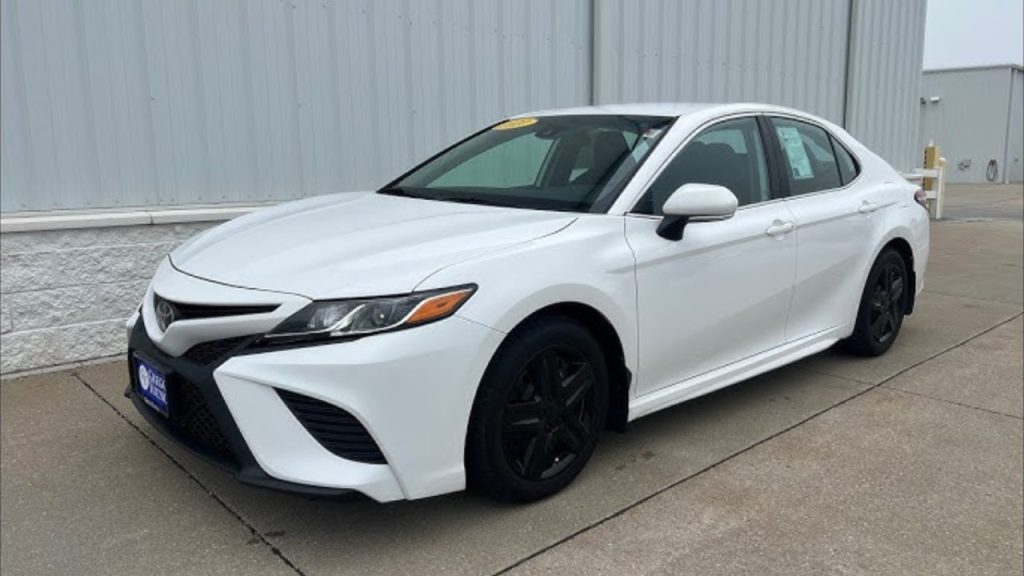
Temperature resilience also plays a role. The materials used in the latch and surrounding components handle both heat and cold without becoming brittle or losing their integrity. This allows the system to perform reliably in a wide range of climates.
The Camry is included because it demonstrates how a focus on simplicity and quality can produce long-lasting results. It shows that even the most frequently used interior features can remain dependable when engineered with care.
2. Honda CR-V
The Honda CR-V approaches interior durability with a practical mindset, and its centre console latch reflects that philosophy. Designed for everyday usability, the system is built to withstand frequent interaction without losing effectiveness.
One of the defining characteristics of the CR-V’s console is its smooth operation. The latch engages easily, requiring minimal effort, yet it holds firmly once closed. This balance reduces wear on both the latch and the hinge, allowing the system to maintain its performance over time.
Honda also pays close attention to alignment. The console lid fits precisely against the base, ensuring that the latch connects cleanly every time. This precision prevents the gradual loosening that can occur in less well-aligned systems, where repeated use causes components to shift.
The materials used are another highlight. The CR-V’s console components are designed to resist warping and deformation, even when exposed to temperature fluctuations. This stability helps preserve the integrity of the latch mechanism, keeping it functional for years.

A different aspect worth noting is how the hinge and latch work together. The hinge provides controlled movement, preventing the lid from slamming shut or opening too abruptly. This reduces stress on the latch, contributing to its longevity.
Drivers often report that even after a decade of use, the console still closes securely without any rattling or looseness. This consistency adds to the full sense of quality in the vehicle’s interior.
The CR-V earns its place here because it shows how thoughtful design and attention to detail can make a lasting difference. It proves that durability does not require complexity, just careful engineering and a focus on real-world usage.
3. Ford F-150
Step inside a well-used Ford F-150 that has spent years as a work truck, and one detail often stands out. The centre console still shuts with authority. This is not accidental. The F-150 is engineered with the expectation that it will be used hard, opened constantly, and exposed to dust, tools, and heavy daily use.
Unlike many passenger vehicles, the console lid in the F-150 is built with a thicker structural base. There is less flex when pressure is applied, which means the latch does not have to compensate for movement or misalignment. This stability is one of the biggest reasons it continues to function properly after years of use.
The latch itself has a slightly more mechanical feel compared to softer, more refined systems. It is designed to grab firmly rather than gently settle into place. That approach may not feel luxurious, but it significantly reduces the chances of wear-related failure. Each closure reinforces alignment instead of weakening it.
Another detail worth mentioning is how the hinge and latch absorb force. In many vehicles, repeated slamming gradually loosens the mechanism. In the F-150, the hinge is tuned to control motion, reducing impact stress on the latch. This extends the life of both components.
Owners who use their trucks for construction, hauling, or long-distance travel often rely on the console for storage of important items. The fact that it continues to latch securely after years of rough use speaks to its durability.

The F-150 appears here because it represents a durability-first approach. It is built to endure conditions that would quickly wear out weaker designs, and the centre console latch reflects that rugged philosophy.
4. Subaru Outback
The Subaru Outback offers a different kind of durability, one shaped by environmental demands rather than heavy-duty labour. This is a vehicle often driven through snow, rain, and fluctuating temperatures, and its interior components are built to handle those conditions without losing function.
The centre console latch benefits from Subaru’s focus on consistency. It does not rely on a tight or aggressive locking action. Instead, it uses a well-balanced mechanism that engages cleanly and holds securely without placing excessive strain on any single component.
One of the key strengths here is resistance to environmental wear. Materials used in the console structure are less prone to expansion and contraction, which helps maintain proper alignment between the lid and latch. In colder climates, where cheaper plastics can become brittle, the Outback’s components remain stable.
There is also a subtle reinforcement in the latch housing. This prevents the common issue of mounting points loosening over time. Even after years of repeated use, the latch continues to sit firmly in place, ensuring reliable operation.
Drivers who rely on the Outback for outdoor activities often open and close the console frequently, whether storing gear, maps, or personal items. Despite this constant use, the latch maintains its effectiveness, which contributes to the vehicle’s reputation for long-term dependability.
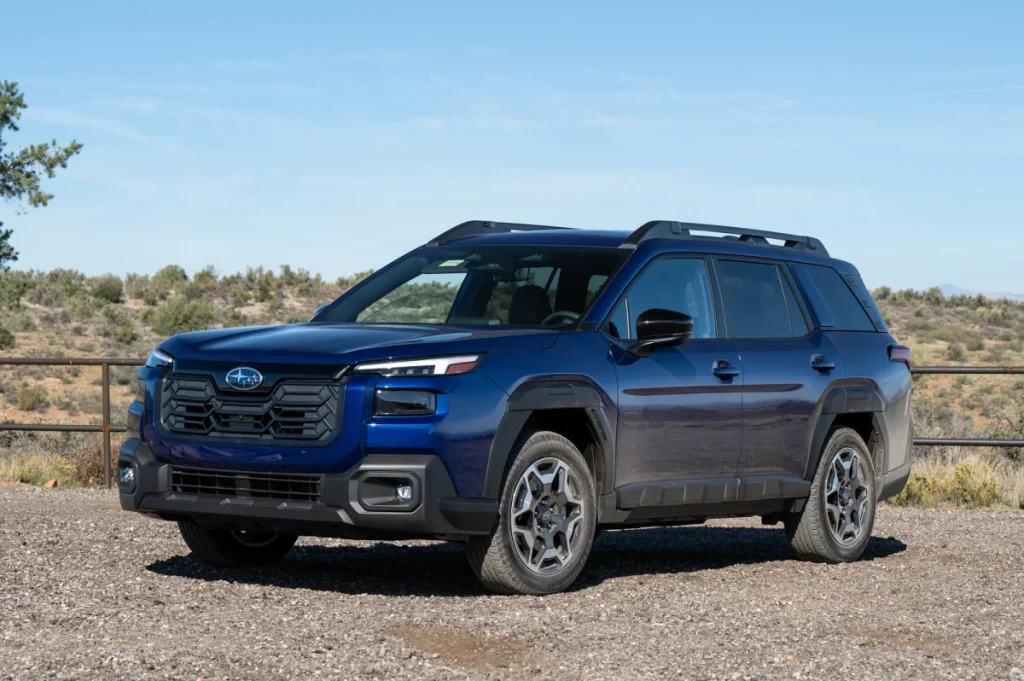
The Outback is included because it demonstrates how durability can be achieved through balance rather than brute strength. By minimising stress and ensuring stability, it delivers a centre console that continues to function properly long after many others begin to show wear.
5. Lexus GX
Open and close the centre console in a Lexus GX, and the action feels deliberate, almost engineered to resist time itself. This SUV carries over many design principles from body-on-frame platforms, and that rugged foundation influences even small interior components like the console latch.
The GX does not rely on lightweight construction to achieve refinement. Instead, the console lid has a dense, reinforced feel that prevents flexing. This rigidity ensures that the latch meets its contact point precisely every time, reducing uneven wear that typically causes failure in lesser designs.
A closer look reveals that the latch mechanism itself is more substantial than what is commonly found in many crossovers. It is not just a plastic clip engaging a thin catch. There is a layered structure that distributes force more evenly, which helps maintain its integrity after thousands of cycles.
Another aspect that contributes to longevity is how smoothly the lid closes. The motion is controlled, not abrupt, which prevents repeated shock from damaging the latch. Over years of use, this controlled engagement becomes a major advantage.

Owners of older GX models frequently point out that interior components still feel tightly assembled even after a decade. The console latch plays a small but noticeable role in that perception. It continues to close securely, with no rattling or looseness, reinforcing the sense of long-term quality.
This vehicle is included because it shows what happens when durability is treated as a core requirement rather than an afterthought. The centre console latch is built to last, matching the SUV’s broader reputation for toughness and reliability.
5 That Don’t
Not every vehicle manages to maintain the same level of durability in its interior components. The centre console latch, despite being used daily, is often overlooked during design and material selection. In some cases, manufacturers prioritise cost savings or lighter construction, which can lead to premature wear.
One of the most common problems is misalignment. As the console lid or base begins to flex or warp over time, the latch no longer lines up perfectly. This results in a weaker connection that either requires extra force to close or fails to stay shut entirely.
Material fatigue is another frequent issue. Thin plastics can degrade with repeated use, especially in environments with extreme temperatures. Heat can soften components, while cold can make them brittle, both of which contribute to eventual failure.
There is also the matter of latch design. Systems that rely on small, delicate clips are more prone to breaking compared to those with reinforced mechanisms. Once these clips wear down or snap, the entire console becomes unreliable.
The following five vehicles are included because their centre console latches tend to show these weaknesses over time. Each one highlights a different kind of issue, from structural flex to material degradation. These examples serve as a reminder that even minor components can significantly impact the ownership experience.
1. Jeep Cherokee
At first glance, the Jeep Cherokee offers a modern and comfortable interior. The centre console feels well-integrated into the cabin, and the latch works smoothly when the vehicle is new. The challenge begins to appear after extended use.
One of the primary concerns is the flexibility of the console lid. Over time, repeated pressure causes slight warping, which affects how the latch aligns with its catch. This misalignment does not happen instantly, but it gradually worsens with daily use.
The latch mechanism itself relies heavily on plastic components. While this keeps the system lightweight, it also makes it more vulnerable to wear. After years of opening and closing, the edges that secure the latch can begin to smooth out, reducing their ability to hold firmly.
Temperature changes add another layer of stress. In colder climates, the plastic can become less forgiving, increasing the risk of small cracks or weakened engagement points. In warmer conditions, slight softening can further affect alignment.
Drivers often notice that the console requires more effort to close as time goes on. Eventually, it may fail to latch securely, leading to frustration during everyday use.

The Cherokee appears here because it demonstrates how small compromises in material strength and structural rigidity can lead to noticeable long-term issues. The feature works well initially, but struggles to maintain that performance over time.
2. Nissan Altima
The Nissan Altima focuses on comfort and efficiency, but its centre console latch has shown signs of inconsistency as the vehicle ages. While it performs adequately in the early years, long-term durability is not always its strong point.
A key issue is the gradual weakening of the latch grip. The mechanism may still function, but it does not hold as tightly as it once did. This can result in the console popping open unexpectedly, especially when driving over uneven surfaces.
The design of the latch emphasises ease of use, which means it does not require much force to engage. While this is convenient, it also means there is less margin for wear. As the components age, even minor degradation can significantly affect performance.
Another factor is the construction of the console housing. It does not always maintain perfect alignment over time, particularly in vehicles that experience heavy daily use. This slight shift can interfere with the latch’s ability to connect securely.
Owners have reported that after several years, the console may need to be adjusted or closed carefully to ensure it stays shut. This kind of inconsistency can become an ongoing annoyance.

The Altima is included because it highlights how a focus on convenience and light operation can sometimes come at the expense of durability. The latch works well in the beginning, but may not retain its effectiveness as the vehicle ages.
3. Chevrolet Malibu
The Chevrolet Malibu presents a clean and comfortable cabin when new, and the centre console fits neatly into that design. The latch operates smoothly at first, requiring very little effort to close. That light action feels convenient in daily use, but it also hints at a system that does not have much tolerance for wear.
As the years pass, the first noticeable change is a slight looseness in how the lid meets the base. It is not immediately obvious, yet repeated use gradually widens that gap. Once alignment begins to drift, the latch has to work harder to secure the lid, which accelerates wear on its contact points.
Another factor is the relatively thin construction of the latch components. Instead of a reinforced engagement point, the system depends on a smaller plastic catch. This works well when new, though it becomes more vulnerable after thousands of open and closed cycles. The edges can wear down, reducing the firmness of the connection.
Environmental exposure adds pressure to the system. In warmer regions, prolonged heat inside the cabin can soften certain plastics, while colder conditions can make them less flexible. Both extremes contribute to a gradual loss of precision in how the latch operates.
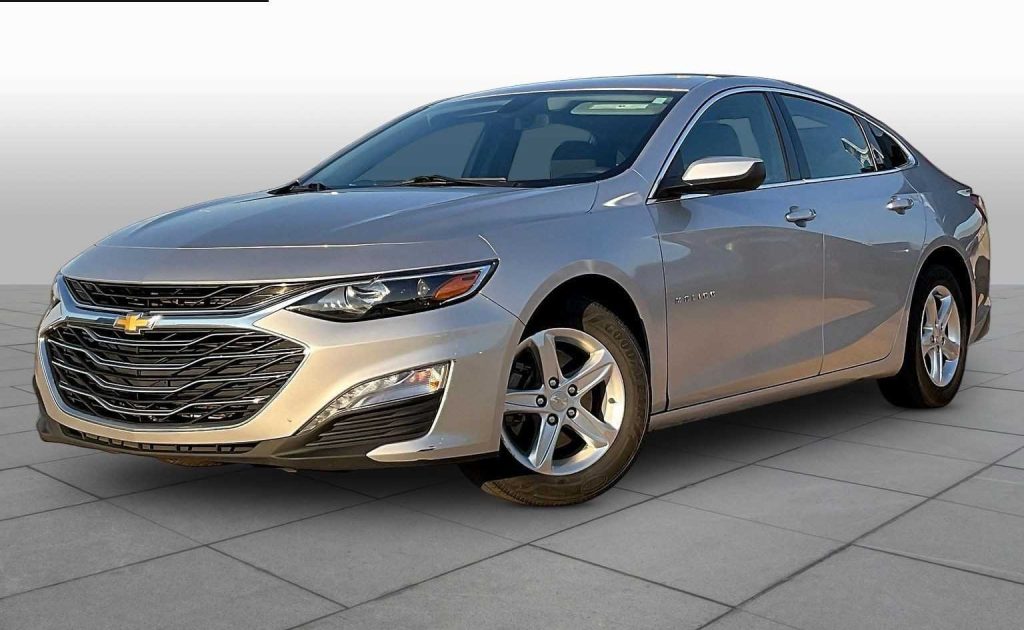
Drivers often describe a stage where the console is still closed,s but does not feel secure. It may require a second push or careful positioning to latch properly. Over time, this inconsistency can turn into a complete inability to stay shut.
The Malibu is included because it illustrates how small reductions in material strength and latch size can lead to noticeable long-term issues. The design favours ease and simplicity at first, yet that same approach leaves less room for durability as the vehicle ages.
4. Ford Escape
The Ford Escape takes a modern, user-friendly approach to interior design, and the centre console reflects that intention. The latch is designed to operate with minimal effort, making it easy to open and close during everyday driving. That convenience, however, can come with trade-offs over time.
One of the more subtle problems develops in the hinge rather than the latch itself. As the hinge experiences repeated movement, it can introduce slight play in the lid. This movement changes how the latch aligns, even if the latch components are still intact. The result is a system that feels less precise as the years go by.
The latch mechanism relies on a compact design that prioritises space efficiency. While this helps maintain a clean interior layout, it also means there is less structural reinforcement. With continuous use, the smaller engagement area becomes more susceptible to wear.
Another point worth noting is how the console reacts to pressure. Leaning on the lid or placing weight on it can gradually affect its alignment. Over time, this adds to the challenge of maintaining a consistent latch connection.
Owners sometimes notice a change in sound as well. The firm click heard in the early years may soften or become less distinct, signalling that the latch is no longer engaging as tightly as before. This is often an early indicator of declining reliability.

The Escape appears here because it shows how interconnected components can influence durability. Even if the latch itself is not the weakest part, surrounding elements like the hinge and lid structure can contribute to long-term issues.
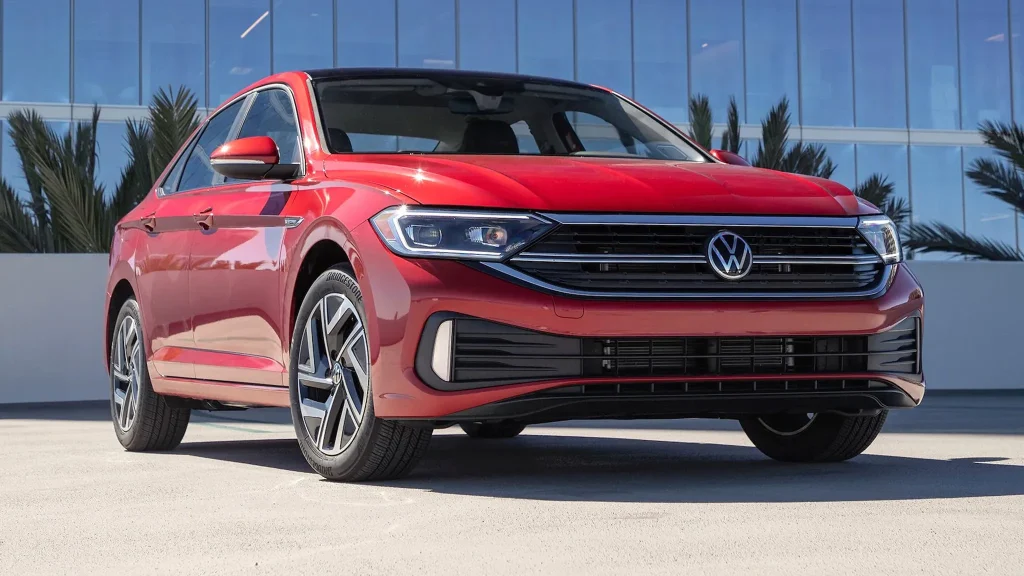
5. Volkswagen Jetta
The Volkswagen Jetta brings a refined and understated interior, with a centre console that feels well-integrated into the cabin design. The latch mechanism follows that same philosophy, offering a smooth and controlled action rather than a firm mechanical engagement.
This refined approach can make early use feel satisfying, yet it often depends on tight tolerances. When everything is perfectly aligned, the latch performs well. The challenge begins when small shifts occur over time, which is almost inevitable with regular use.
The system does not leave much room for variation. Even minor wear in the hinge or slight deformation in the console structure can affect how the latch connects. Instead of compensating for these changes, the mechanism may struggle to maintain a secure hold.
Material fatigue also plays a role. The latch components are designed for precision rather than heavy-duty use, and repeated cycles can gradually reduce their effectiveness. This does not usually result in sudden failure. Instead, the latch becomes less reliable, requiring more careful handling.
Another characteristic is the gradual loss of that initial tight feel. The console may still close, but it no longer inspires the same confidence. Drivers might find themselves pressing down more deliberately or checking twice to ensure it is secure.
The Jetta is included because it highlights a different kind of durability issue. It is not about immediate breakage but about how finely tuned systems can lose their effectiveness when exposed to long-term wear. The result is a feature that slowly becomes less dependable, affecting everyday usability in a subtle yet persistent way.
This comparison highlights how something as small as a centre console latch can reflect a vehicle’s long-term build quality.
In the first group, models like the Toyota Camry, Honda CR-V, Ford F-150, Subaru Outback, and Lexus GX show how durable materials, solid alignment, and well-designed mechanisms allow frequently used components to remain reliable even after a decade.
These vehicles prioritise structural rigidity and controlled latch engagement, which prevents wear from building up over time.
In contrast, vehicles such as the Jeep Cherokee, Nissan Altima, Chevrolet Malibu, Ford Escape, and Volkswagen Jetta demonstrate how lighter materials, tighter tolerances, and less reinforcement can lead to gradual failure. Issues like misalignment, weakening plastic components, and hinge play reduce latch effectiveness over time.
The key takeaway is that durability in everyday features comes down to engineering decisions that are not always visible at first glance. Buyers who value long-term usability should pay attention to these details, as they significantly impact daily convenience and ownership satisfaction.
Also Read: 5 SUVs With Quick Defrosting Rear Windows vs 5 That Take Forever
