
When winter hits, most drivers focus on engine performance, traction control, or All Wheel Drive capability, but one often overlooked feature can make or break your daily driving experience: the rear window defroster. It might seem like a small convenience, yet it directly impacts safety, visibility, and usability in cold and humid conditions.
Rear defrosters work differently from front systems, relying on embedded electric heating elements within the glass that gradually melt frost, fog, and ice. Unlike front defrosters that depend on airflow and engine heat, rear systems operate independently and typically clear the glass within 5 to 15 minutes, depending on conditions. However, not all SUVs are created equal in this regard.
Some modern SUVs are engineered with advanced electrical grids, optimized current flow, and smart climate integration that allow them to clear rear windows rapidly and evenly. These vehicles often include features like heated mirrors, automatic climate triggers, and high-output electrical systems that accelerate defrosting.
Others, however, lag behind due to outdated designs, weak electrical output, or uneven heat distribution. In these vehicles, drivers often find themselves waiting far longer than expected, sometimes needing to manually assist the process or simply drive with compromised rear visibility.
The difference between a fast and slow defroster is not just about comfort. It directly affects safety, especially in early morning commutes, foggy weather, or freezing rain conditions. A slow system can leave blind spots, delay departure times, and even increase the risk of accidents.
In this article, we break down five SUVs known for quick and efficient rear window defrosting and compare them with five that are often criticized for sluggish performance. Whether you live in a cold climate or just want a hassle-free morning routine, this comparison will help you understand which SUVs excel and which ones may test your patience.
Also Read: 10 Cars With Insurance Premiums Lower Than a Compact Sedan
SUVs With Quick Defrosting Rear Windows
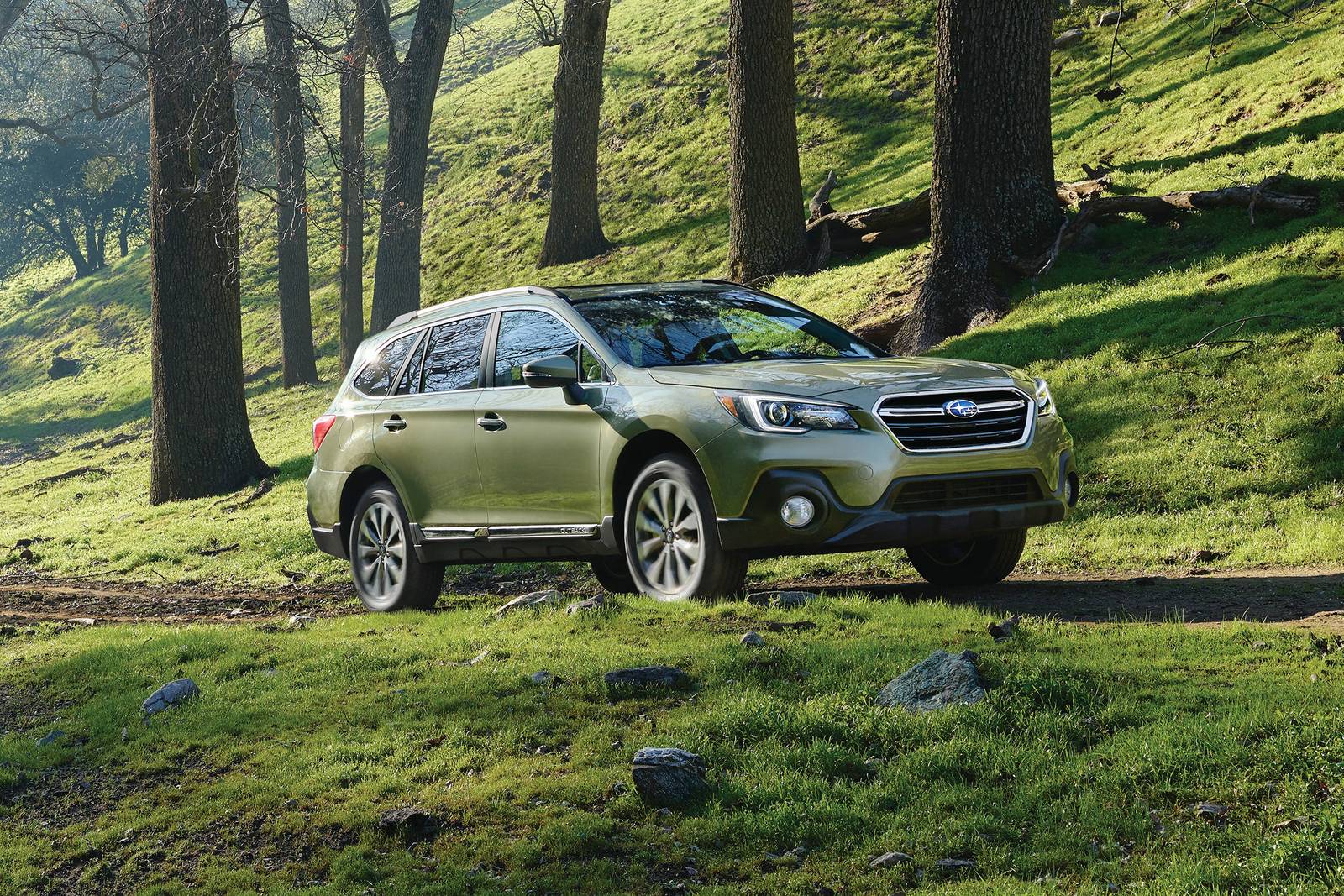
1. Subaru Outback
The Subaru Outback consistently ranks among the best vehicles for cold-weather performance, and its rear defroster plays a major role in that reputation. Subaru integrates a high-efficiency electric grid system that distributes heat evenly across the rear glass, ensuring that frost melts quickly without leaving streaks or cold patches.
This uniform heating is critical because uneven defrosting can leave parts of the window obstructed, reducing visibility even after several minutes. What makes the Outback especially effective is the way its rear defroster is engineered to cover nearly the entire glass surface in a tightly spaced heating element pattern, which reduces cold zones and speeds up ice breakdown from multiple points at once rather than relying on a few wide spaced heating lines.
Another key advantage is Subaru’s focus on cold-weather engineering. Many Outback trims include heated wiper zones and additional heating elements near the base of the glass, which help prevent ice from reforming once it has already melted.
While these features primarily assist the front windshield system, they reflect a broader design philosophy that prioritizes fast thermal response throughout the entire vehicle. The rear defroster benefits from this same attention to detail, often clearing light frost within just a few minutes even when temperatures drop significantly below freezing. This is especially noticeable in humid winter environments where frost tends to build up more aggressively overnight.
The Outback’s electrical system also supports rapid activation, which is often overlooked but extremely important in real-world conditions. The defroster begins generating heat almost immediately after being switched on, with minimal lag time, which aligns with best practice benchmarks for modern systems.
Combined with efficient cabin insulation and quick HVAC warm-up, the vehicle reduces the amount of moisture that settles on interior glass surfaces in the first place. This means the rear defroster is not constantly fighting heavy condensation buildup, allowing it to work more efficiently when needed.
Drivers in colder regions frequently report that the Outback allows them to start driving sooner compared to many other SUVs in its segment. This is not just about raw speed, but also consistency across varying weather conditions such as freezing rain, snowstorms, or rapid temperature drops overnight. Even after long exposure to harsh winter environments, the system tends to perform reliably without requiring repeated cycles or manual intervention, which is a key factor for daily usability.
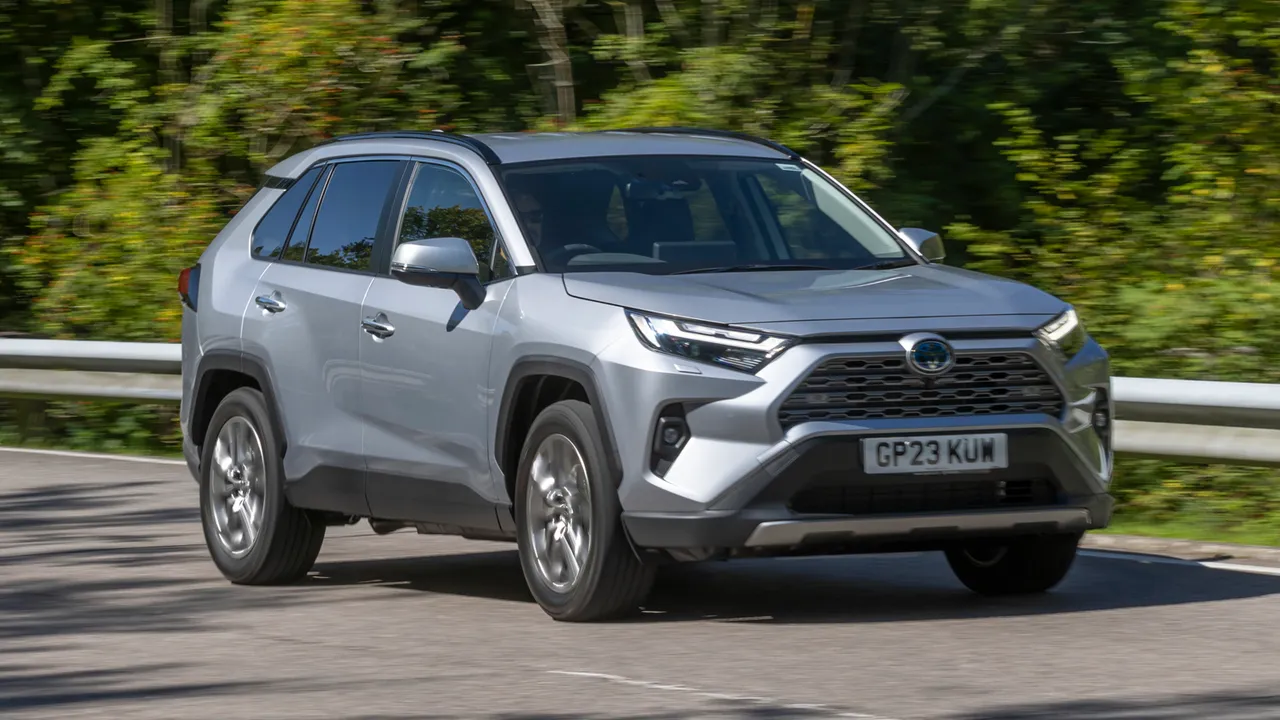
2. Toyota RAV4
The Toyota RAV4 stands out for its practical and efficient climate control system, which extends clearly to its rear defroster performance. Toyota’s approach focuses on simplicity, reliability, and long-term durability, using a well-calibrated electric grid that delivers consistent heat across the rear window. Instead of prioritizing aggressive heating spikes, the system emphasizes steady and even temperature distribution, which ensures that frost is cleared uniformly rather than in isolated patches that can reduce visibility.
One of the RAV4’s strongest advantages is how quickly its systems respond after startup. While rear defrosters are electrically powered and independent of engine heat, system efficiency still influences activation speed and energy stability.
Toyota’s electrical architecture allows the defroster to reach optimal performance quickly, reducing the time needed for full visibility restoration. This is particularly useful in early morning conditions where even a few minutes of delay can significantly affect departure time and safety.
Another important benefit is the seamless integration with other visibility enhancing features. Many RAV4 models include heated side mirrors that activate alongside the rear defroster, ensuring that multiple critical viewing surfaces are cleared at the same time.
This synchronized operation improves situational awareness, especially in wet, icy, or slushy conditions where mirrors and rear glass can fog up simultaneously. It also reduces the need for the driver to manually toggle multiple controls, simplifying cold-weather driving.
The vehicle’s airflow design further enhances rear defrost performance by actively reducing interior humidity levels. Lower humidity means less condensation forming on the glass in the first place, which reduces the workload placed on the defroster. This creates a more efficient cycle where the system is used for maintenance rather than heavy correction. The cabin heating system also distributes warm air in a way that minimizes cold spots, further limiting fog buildup.
Owners often highlight how the RAV4 handles everyday winter scenarios with minimal effort and predictable performance. Instead of waiting for extended periods, drivers typically experience a short, reliable defrost cycle that fits naturally into daily routines. This consistency is one of the reasons the RAV4 remains a popular choice in regions with moderate to severe winters.
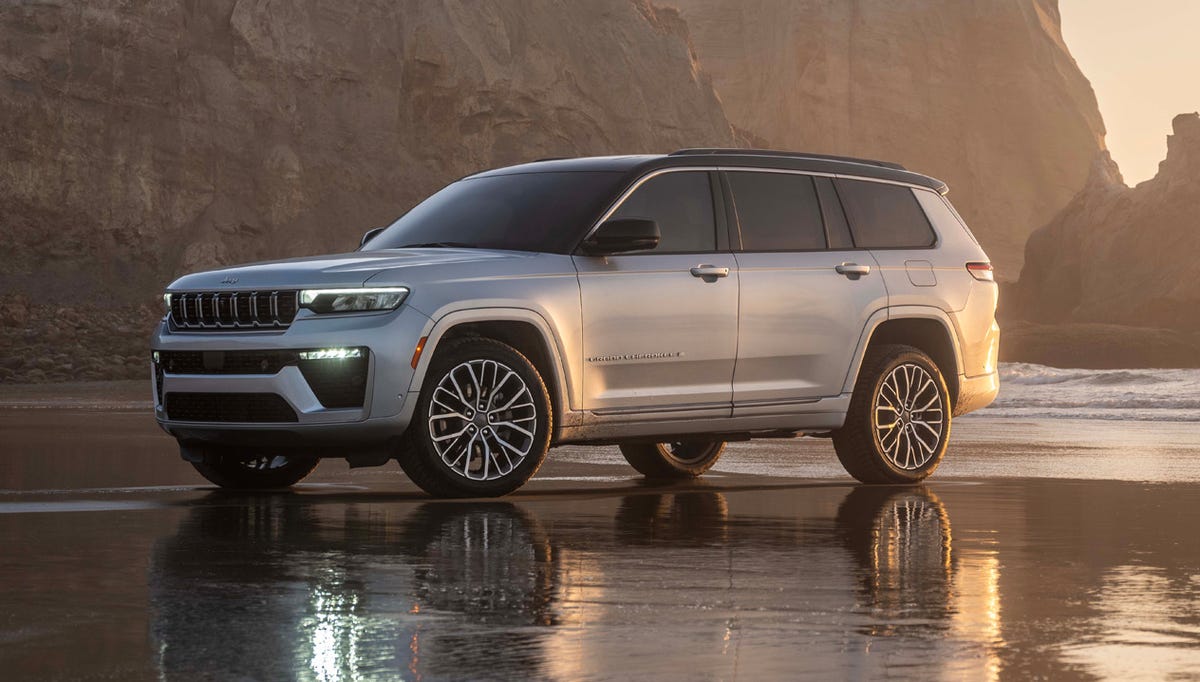
3. Jeep Grand Cherokee
The Jeep Grand Cherokee is built with a strong emphasis on durability and all-terrain capability, and its rear defroster reflects that rugged engineering philosophy. Designed to perform in both extreme cold and high humidity environments, the SUV features a high-output electrical system that supports rapid heating of the rear window grid.
This ensures that frost begins to break down quickly, even under challenging winter conditions where ice formation is thick or uneven.
One of the standout features of the Grand Cherokee is the availability of cold-weather packages that significantly enhance defrosting performance. These packages often include heated mirrors, heated steering wheel systems, and even heated washer nozzles that prevent fluid from freezing.
When combined with the rear defroster, these systems work in coordination to ensure that all major visibility points are cleared at the same time. This reduces the risk of partial obstruction where one surface is clear, but another remains fogged or iced over.
The Grand Cherokee also benefits from advanced climate control logic that prioritizes visibility over comfort during startup. When the defroster is activated, the system intelligently allocates electrical and thermal resources toward clearing glass surfaces first before focusing on cabin heating. This targeted approach results in noticeably faster defrost times and more efficient use of energy, especially during short trips where quick visibility is critical.
Another important factor is long-term durability. The heating elements embedded in the rear glass are designed to maintain consistent performance over extended use cycles, resisting wear caused by repeated heating and cooling.
This is particularly important for drivers in regions with frequent freeze-thaw cycles, where some systems can degrade over time and lose efficiency. The Grand Cherokee’s system is engineered to maintain stable output even after years of exposure to harsh winter environments.
Drivers who regularly face freezing rain, heavy frost, or snow-covered mornings often praise the Grand Cherokee for its dependable and predictable performance. It is not just about how quickly the glass clears but also about how consistently the system performs across different weather conditions without requiring repeated activation or manual adjustment.
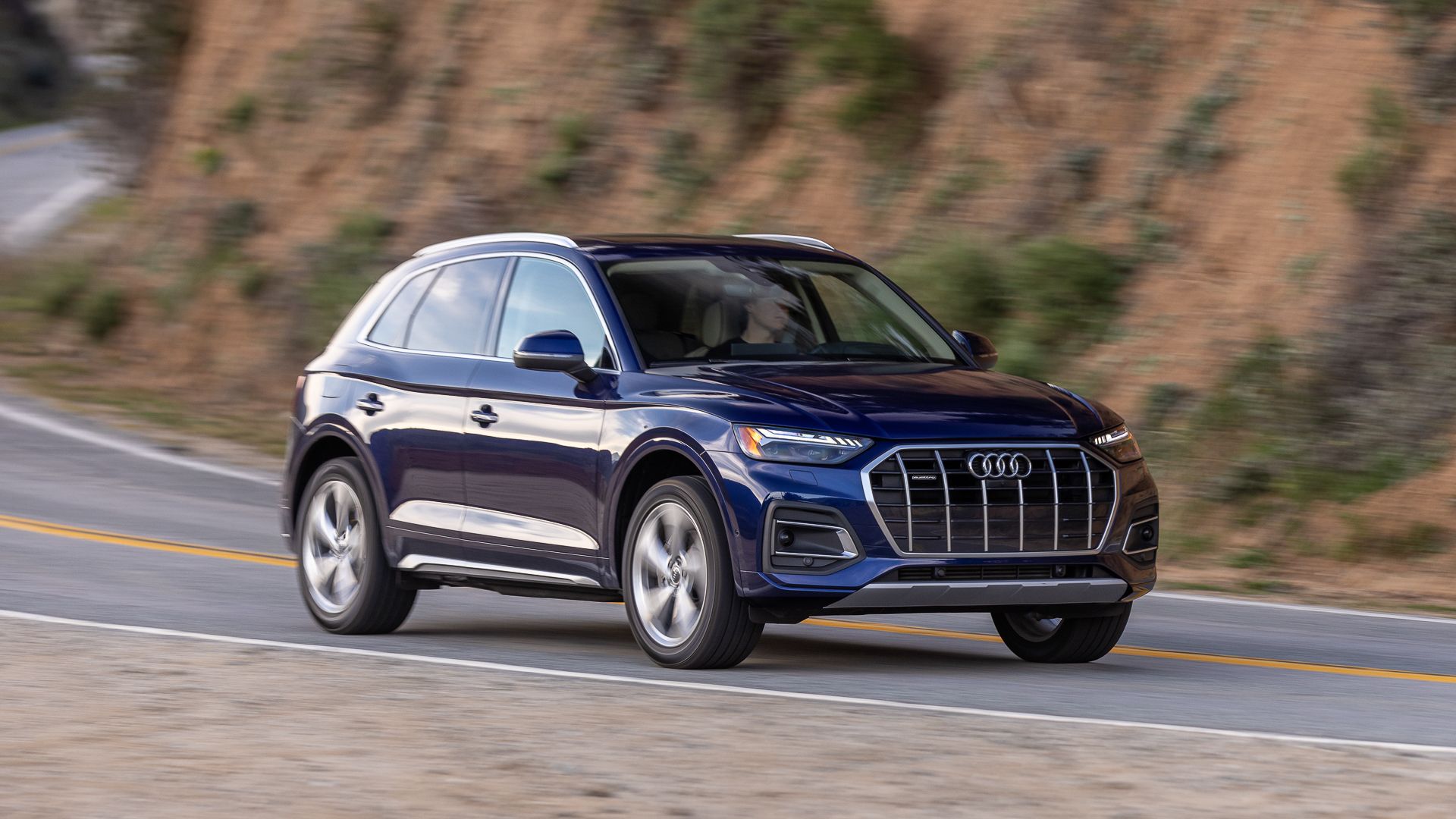
4. Audi Q5
The Audi Q5 represents the premium end of the SUV market, and its rear defroster benefits from advanced German engineering, precision electrical design, and highly optimized climate control systems.
Audi uses refined heating grids embedded into the rear glass that are engineered to distribute heat with exceptional accuracy, ensuring that frost and condensation are removed evenly across the entire surface. This reduces the likelihood of streaking or patchy clearing, which can sometimes occur in less sophisticated systems.
One of the defining characteristics of the Q5 is its highly responsive climate control system. Heating begins almost immediately after activation, and the system maintains a stable and controlled output rather than fluctuating between high and low intensity. This consistency is crucial because steady heating allows ice crystals to melt uniformly, reducing defrost time and improving visibility quality at a faster rate.
The Q5 also incorporates intelligent automation features that enhance usability in real-world conditions. In many configurations, the rear defroster can activate automatically based on temperature sensors and humidity readings, meaning the system may already be working before the driver even notices frost accumulation.
This proactive approach significantly reduces wait times and ensures that the vehicle is often ready to drive sooner than expected in cold conditions.
In addition, Audi’s focus on cabin insulation plays a major role in improving defrost efficiency. The Q5 is designed to minimize heat loss through glass surfaces and door seals, which helps maintain a stable interior environment. By reducing the amount of cold air infiltration and moisture buildup, the defroster is able to focus its energy more efficiently on clearing the rear window rather than constantly battling incoming condensation.
The Audi Q5 delivers a premium defrosting experience that blends speed, precision, and intelligent automation. It is especially effective in climates where quick transitions between indoor warmth and outdoor freezing conditions create frequent fogging challenges.

5. Ford Explorer
The Ford Explorer is a widely used midsize SUV that delivers strong and reliable rear window defrosting performance, supported by a straightforward yet effective electrical heating system. Its rear defroster uses a traditional embedded grid design that heats quickly and begins clearing frost within a short period after activation. While not overly complex, the system is engineered for durability and consistent performance across a wide range of weather conditions.
One of the Explorer’s key advantages is its integration with other visibility-related systems. When the rear defroster is activated, it often simultaneously engages heated side mirrors, ensuring that multiple critical viewing surfaces are cleared together. This coordinated functionality enhances driver awareness and reduces the need for manual control adjustments during cold-weather operation.
The system is also designed with automatic shutoff functionality, typically running for a set duration of around 10 to 15 minutes before turning off to conserve energy and prevent unnecessary load on the electrical system. This ensures that the rear window receives sufficient heating time while also maintaining system efficiency over repeated use cycles.
Another important aspect of the Explorer’s performance is its reliability across different driving conditions. Whether dealing with light frost, heavy ice, or fogged condensation, the system provides predictable results that drivers can depend on during daily commutes or long trips. It may not be the absolute fastest in the segment, but it consistently performs within a practical and acceptable time frame.
Also Read: 10 Cars That Survive Being Used as Daily Uber Vehicles
SUVs With Slow Rear Defrosting
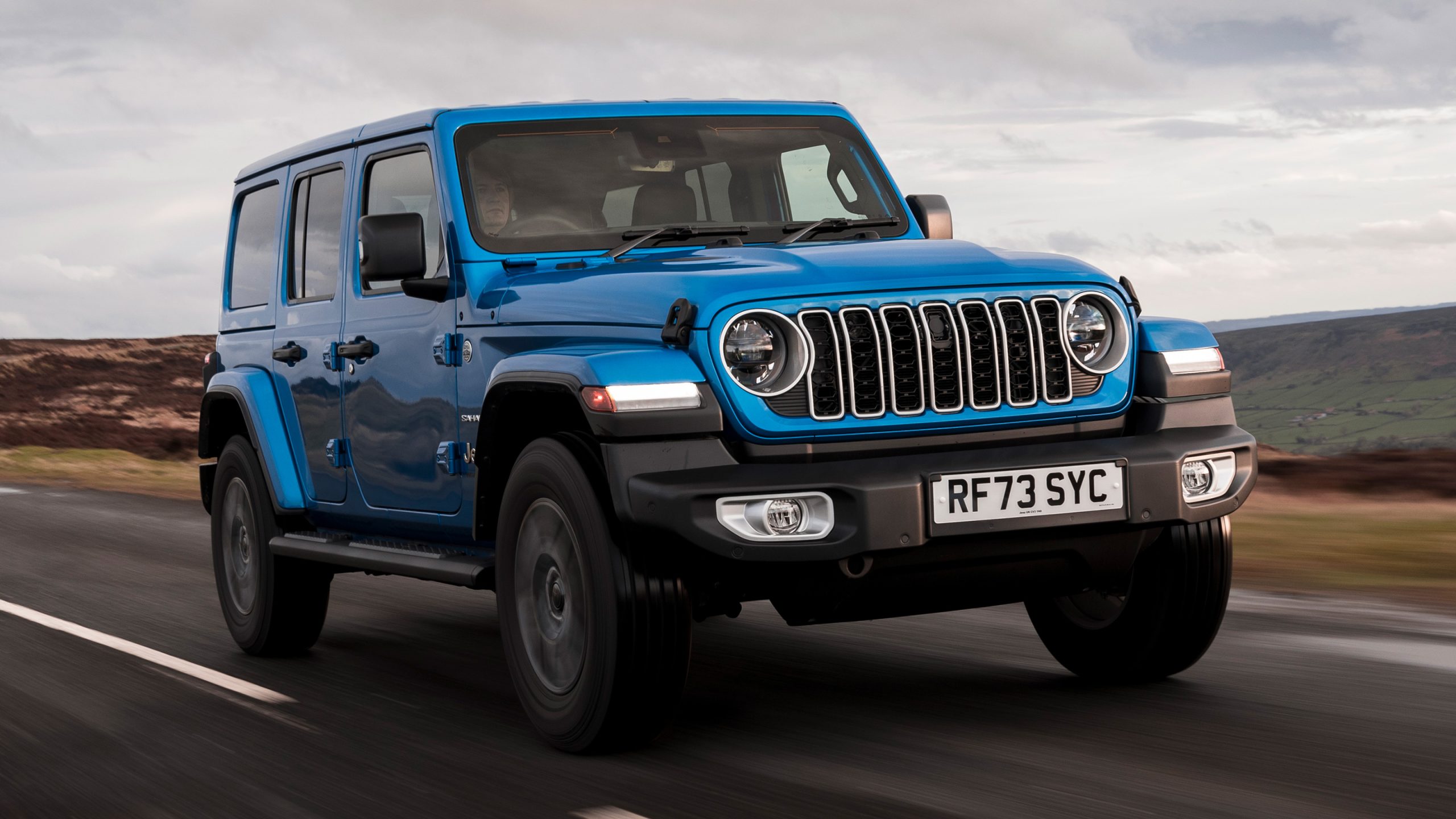
1. Jeep Wrangler
Older versions of the Jeep Wrangler are often criticized for their slower rear defrosting performance, and this largely comes down to its utilitarian engineering philosophy rather than a focus on climate comfort.
The Wrangler was originally designed for off-road durability, simplicity, and mechanical accessibility, which means many comfort-oriented systems, including HVAC optimization, were not prioritized in earlier generations. As a result, the rear defroster system in these models tends to be more basic, relying on a simpler heating grid that does not distribute heat as efficiently or evenly across the glass surface compared to more modern SUVs.
One of the main issues with older Wrangler defrosters is uneven heat distribution across the rear window. Instead of rapidly melting frost in a uniform pattern, certain sections of the glass may warm faster while others remain fogged or icy for a longer period.
This creates patchy visibility where parts of the window are clear, but critical areas remain obstructed. In real-world driving conditions, especially during early morning frost or snowfall, this inconsistency can require drivers to wait longer before safely reversing or changing lanes.
Another contributing factor is the vehicle’s electrical system capacity. Older Wrangler models generally have lower electrical output compared to modern SUVs equipped with high-efficiency alternators and optimized energy distribution systems.
Because the rear defroster depends entirely on electrical heating, limited power delivery can slow down how quickly the heating elements reach effective operating temperature. This delay becomes especially noticeable in extremely cold environments where initial heating demands are higher.
The Wrangler’s boxy, removable door and roof design also plays an indirect role in defrosting performance. These structural characteristics can lead to higher interior humidity levels because of increased air exchange with the outside environment.
When moisture levels inside the cabin rise, more condensation forms on the rear glass, forcing the defroster to work harder and longer to achieve full clarity. This makes the system feel even slower in real-world use than it might appear under controlled conditions.
Despite these limitations, it is important to understand that the Wrangler prioritizes rugged capability over comfort and convenience. While its rear defrosting performance may lag behind more modern crossovers, it remains functional and reliable enough for basic use. However, for drivers who frequently deal with heavy frost or need fast visibility restoration, older Wrangler models may feel noticeably less efficient compared to newer SUV designs.
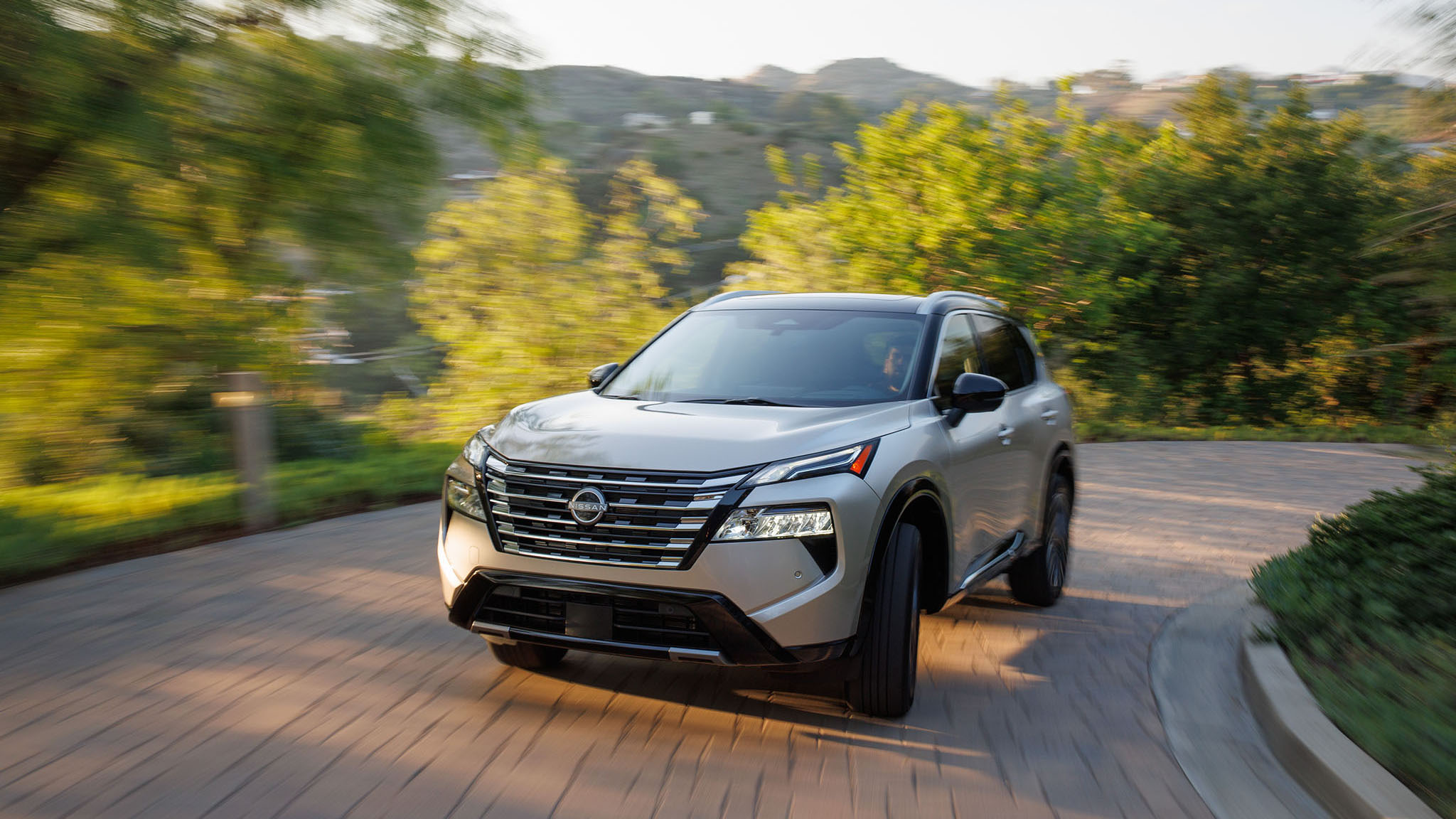
2. Nissan Rogue
Older generations of the Nissan Rogue often show slower rear defrosting performance due to a combination of simpler HVAC design and less advanced electrical optimization. While the system is fully functional and reliable in the long term, it lacks the faster response characteristics found in newer or more premium SUVs.
The rear defroster typically uses a standard heating grid that gradually warms the glass, but the initial activation phase can feel delayed compared to competitors with more responsive systems.
One of the key drawbacks is the slower ramp-up time before the heating elements reach optimal temperature. In cold morning conditions, this means that even after activation, drivers may need to wait several minutes before noticing significant clearing on the rear window. This delay is not due to failure but rather to conservative power delivery and system design choices aimed at balancing electrical load across multiple vehicle functions at once.
Another limitation is the lack of supporting climate features that enhance defrost efficiency. Older Rogue models often do not include heated side mirrors or advanced humidity management systems that help reduce condensation buildup. Without these supporting systems working in coordination, the rear defroster must handle all moisture removal on its own, increasing the total time required to fully clear the glass.
Interior humidity control is another contributing factor. In vehicles without highly optimized airflow systems, moisture can accumulate more easily on glass surfaces, especially when passengers enter the vehicle with snow or wet clothing. This increases the workload for the defroster, making it appear slower in everyday use.
The system is capable, but it often deals with more condensation than more modern SUVs with improved cabin sealing and ventilation design.
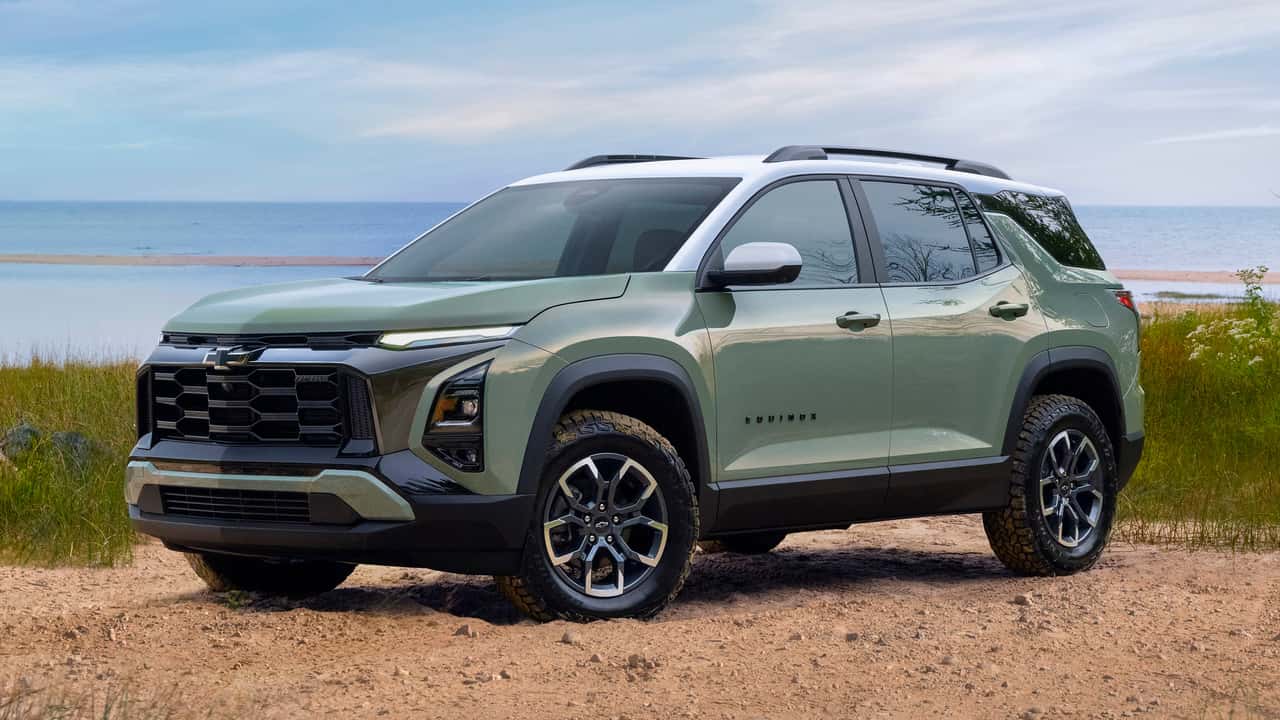
3. Chevrolet Equinox
The Chevrolet Equinox, in its base trims, is often considered a practical and budget-friendly SUV, but its rear defrosting system reflects its entry-level positioning. While the system is fully operational and safe for everyday use, it does not deliver the same level of speed or efficiency found in higher trim levels or more premium vehicles. The rear window heating grid is functional but relatively basic, which can result in slower and less uniform heat distribution.
One common issue with base trim Equinox models is uneven defrosting patterns. Certain sections of the rear window may clear faster than others, leaving streaks or cloudy patches that reduce visibility.
This uneven performance can be particularly noticeable during heavy frost conditions where thicker ice forms across the entire glass surface. Instead of melting uniformly, the system may take longer to reach full clarity across all areas.
Another factor affecting performance is limited electrical prioritization. In base models, the vehicle’s electrical system is designed to balance multiple functions without heavily prioritizing the defroster. This means that heating output may be shared with other systems such as cabin heating, infotainment, and auxiliary electronics, slightly reducing the speed at which the rear window reaches optimal temperature.
The absence of advanced climate integration also plays a role. Without features like automatic humidity regulation or coordinated mirror heating, the defroster operates as a standalone system rather than part of a larger visibility management network. This increases the time required to fully clear all relevant surfaces during cold-weather starts.
Despite these limitations, the Chevrolet Equinox remains functional and safe for everyday driving. However, in terms of rear defrosting speed and efficiency, especially in base configurations, it tends to lag behind more advanced SUVs designed with stronger cold-weather performance in mind.
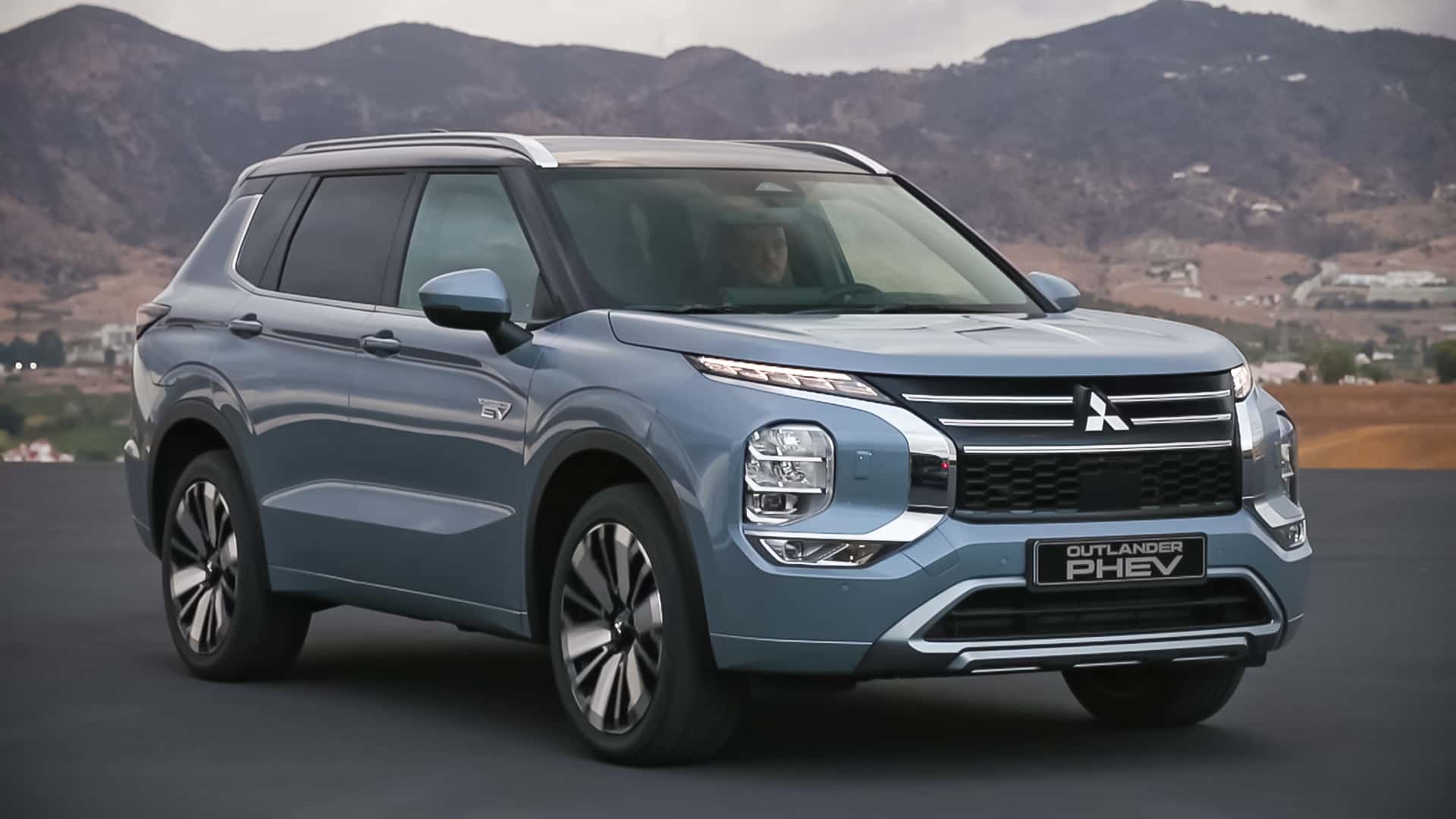
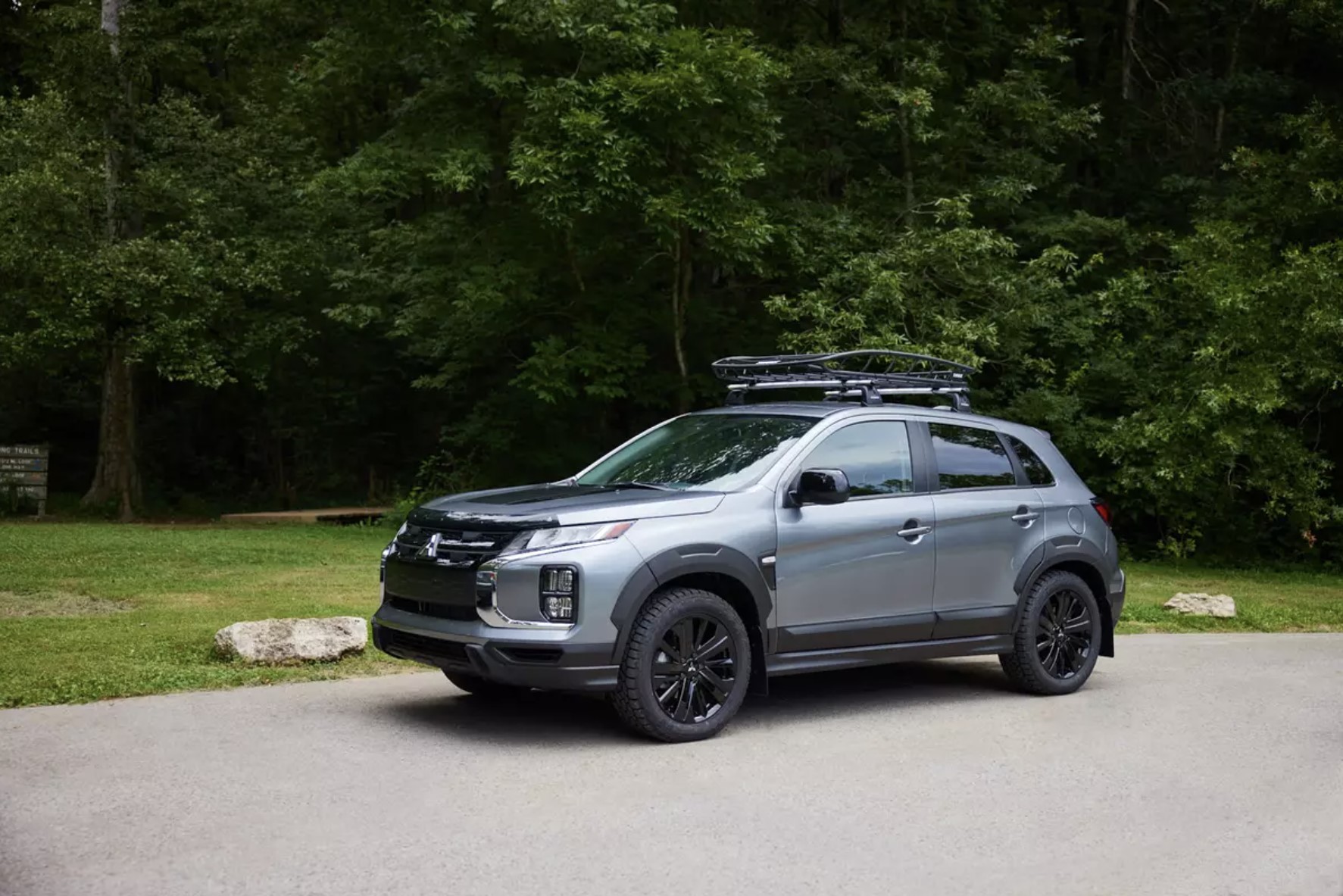
4. Mitsubishi Outlander
Older Mitsubishi Outlander models are often viewed as practical and affordable SUVs, but their rear defrosting systems reflect a more basic engineering approach. While the system is reliable and performs its intended function, it generally operates at a slower pace compared to more modern or premium competitors.
The heating grid embedded in the rear glass is functional but lacks the high density and advanced thermal distribution found in newer designs.
One of the main challenges is the slower activation and warming cycle. After the defroster is switched on, it may take longer for the system to reach full heating efficiency, especially in colder climates. This delay can be noticeable during early morning starts when frost or ice has already formed across the rear window surface. Drivers often need to wait longer before achieving safe rear visibility.
Another limitation is gradual performance degradation over time. In older vehicles, heating elements may lose efficiency due to wear, micro damage, or reduced electrical conductivity. This can lead to slower defrost times as the system ages, particularly if the vehicle has been exposed to repeated freeze-thaw cycles over multiple winters. In some cases, certain lines in the heating grid may also become weaker, further reducing effectiveness.
The Outlander’s climate control system in older models is also relatively simple, lacking advanced humidity regulation or coordinated defrost strategies.
Without strong airflow management inside the cabin, moisture can accumulate on glass surfaces more easily, increasing the amount of work required from the rear defroster. This makes the system feel slower during real-world usage, even if it is technically functioning as designed.
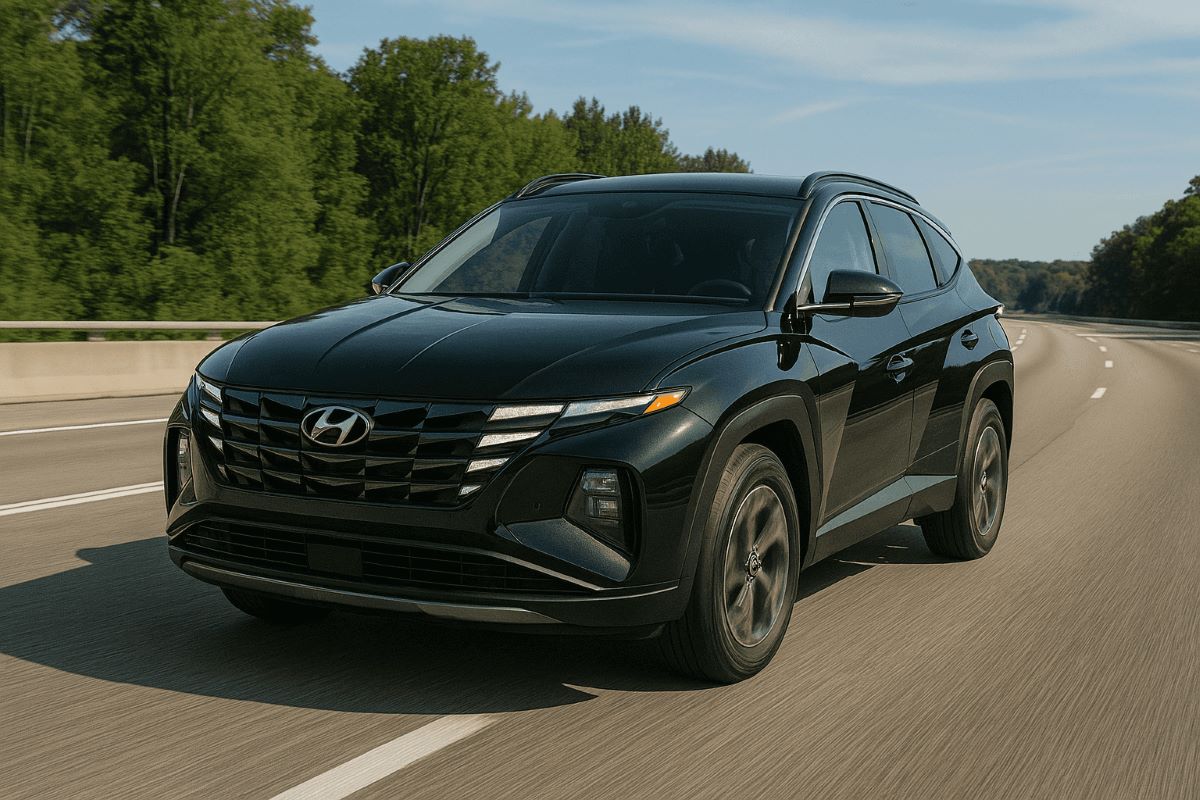
5. Hyundai Tucson
Older Hyundai Tucson models generally fall into the category of slower rear defrosting SUVs due to their basic system design and limited electrical optimization. While the rear defroster is reliable and safe for everyday driving, it does not offer the rapid heating response seen in newer SUVs or higher-end competitors. The heating elements are effective but tend to warm up gradually, which can result in longer waiting periods during cold starts.
One of the most noticeable issues is the delayed onset of visible clearing. Even after activation, it may take several minutes before frost or condensation begins to noticeably recede from the rear glass.
This is especially evident in colder climates where ice formation is thicker and more resistant to initial heating. The gradual temperature increase means that full defrosting often takes longer compared to more advanced systems.
Another factor is limited system integration. Older Tucson models typically do not feature coordinated defrosting systems that link rear glass heating with side mirror heating or automatic humidity control. As a result, the rear defroster operates independently, without the benefit of supportive systems that could accelerate visibility restoration.
Interior moisture management is also less advanced in these models. Without highly optimized ventilation and humidity control, condensation can build up more quickly on the rear glass, especially when multiple passengers enter the vehicle with wet clothing or snow. This increases the workload on the defroster and extends the total time required to achieve full clarity.
While newer Tucson models have significantly improved in terms of climate control and defrost efficiency, older versions remain slower and more basic in their performance. They are functional and dependable, but not optimized for fast winter visibility restoration.
