
Steering feel is one of those things most drivers take for granted until it starts to go wrong. A tight, responsive steering system gives you confidence on the highway and precision through corners. It is the invisible connection between your hands and the road beneath you.
Over time, steering components wear down. Tie rods loosen, rack-and-pinion seals fail, and bushings deteriorate under stress. Some cars are engineered to resist this decay far longer than others.
The difference between a well-built steering system and a cheap one becomes very clear around the 100,000-mile mark. By 150,000 miles, the gap is enormous. Some cars still feel dialed-in and precise. Others develop a vague, wandering quality that makes highway driving genuinely exhausting.
This comparison looks at both sides of that divide. Six cars have earned a reputation for maintaining tight, trustworthy steering well past 150,000 miles. Six others are known for developing slop, wander, and looseness far too early in their lifespan.
Understanding these differences before you buy can save you thousands in repairs. It can also save you years of frustration behind the wheel. Whether you are shopping used or simply curious, this guide cuts straight to what matters most: how the car actually steers when the miles pile up.
6 Cars Where the Steering Still Feels New at 150K
These cars are known for tight, precise steering systems and durable components that hold their feel even at high mileage. Models like the Toyota Camry, Honda Accord, and Mazda3 are often praised for steering that remains responsive and consistent over time.
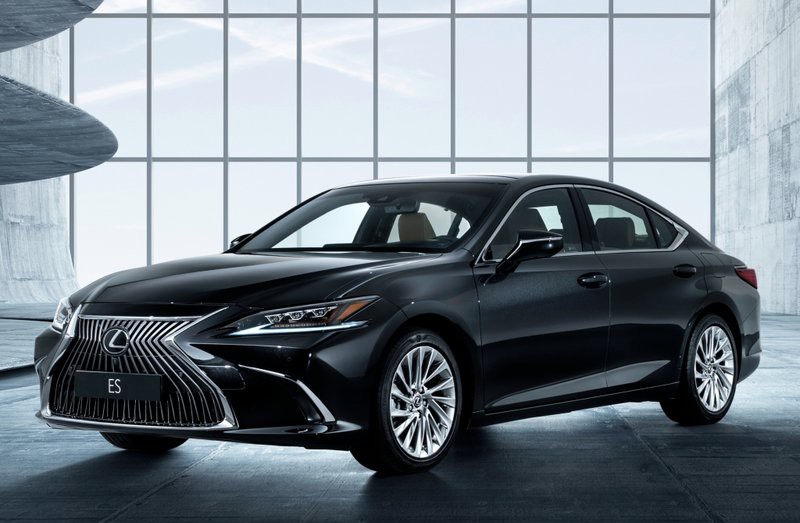
Vehicles such as the Lexus ES, Subaru Legacy, and BMW 3 Series also stand out with well-engineered steering racks and solid suspension components, helping maintain control and feedback even after years of use. Their build quality and tuning keep the driving experience confident and refined.
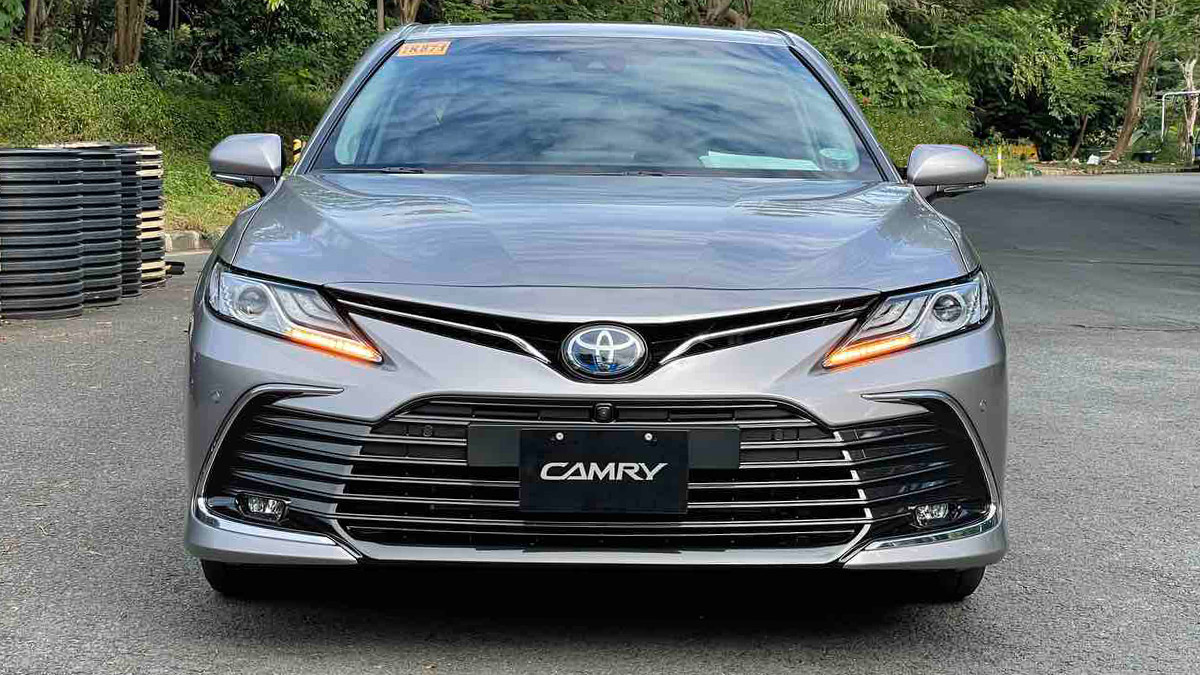
1. Toyota Camry (2012–2022)
The Toyota Camry is one of the most dependable sedans ever built. Its steering system is a major reason why so many high-mileage examples still feel composed and precise.
Toyota engineered the Camry’s electric power steering with long-term durability in mind. The components are sourced from suppliers with strict quality tolerances. This means the system holds up remarkably well under daily driving stress.
At 150,000 miles, most Camry owners report very little change in steering response. The wheel still centers properly after turns. There is no vague wandering on the highway that forces constant micro-corrections.
The rack-and-pinion unit on the Camry is sealed tightly from the factory. Contamination and moisture intrusion are two of the biggest enemies of steering longevity. Toyota’s design minimizes both effectively.
Tie rod ends on the Camry are robust and well-protected by quality boots. When those boots do eventually crack, replacement parts are affordable and widely available. This keeps long-term ownership costs low.
The Camry also benefits from a well-tuned front suspension geometry. Proper geometry reduces the stress placed on steering components during normal driving. Less stress means slower wear across every connected part.
Many Camry taxis and fleet vehicles have been documented past 300,000 miles with original steering racks. This is not a coincidence. It reflects deliberate engineering decisions made during the car’s development.
The electric power steering motor itself is positioned in a protected location on the Camry. Heat and vibration are reduced compared to hydraulic systems. This extends the life of the electronic components considerably.
Highway driving in an older Camry still feels planted and confident. The car tracks straight without constant correction. That quality alone makes long-distance trips far less fatiguing.
Even the steering wheel’s physical feedback through the column remains consistent over time. There is minimal play at the center. The car responds immediately when you make an input, just as it did when it was new.
Used Camrys with 150,000 miles are plentiful and affordable. Buyers consistently report that steering is one of the last things to show wear. That reputation has been earned through decades of real-world proof.
If you want a car that will steer like new deep into its life, the Camry is one of the safest choices available. Its steering system is one of the best arguments for the brand’s reliability reputation. Few sedans in this price range can match it for long-term precision.
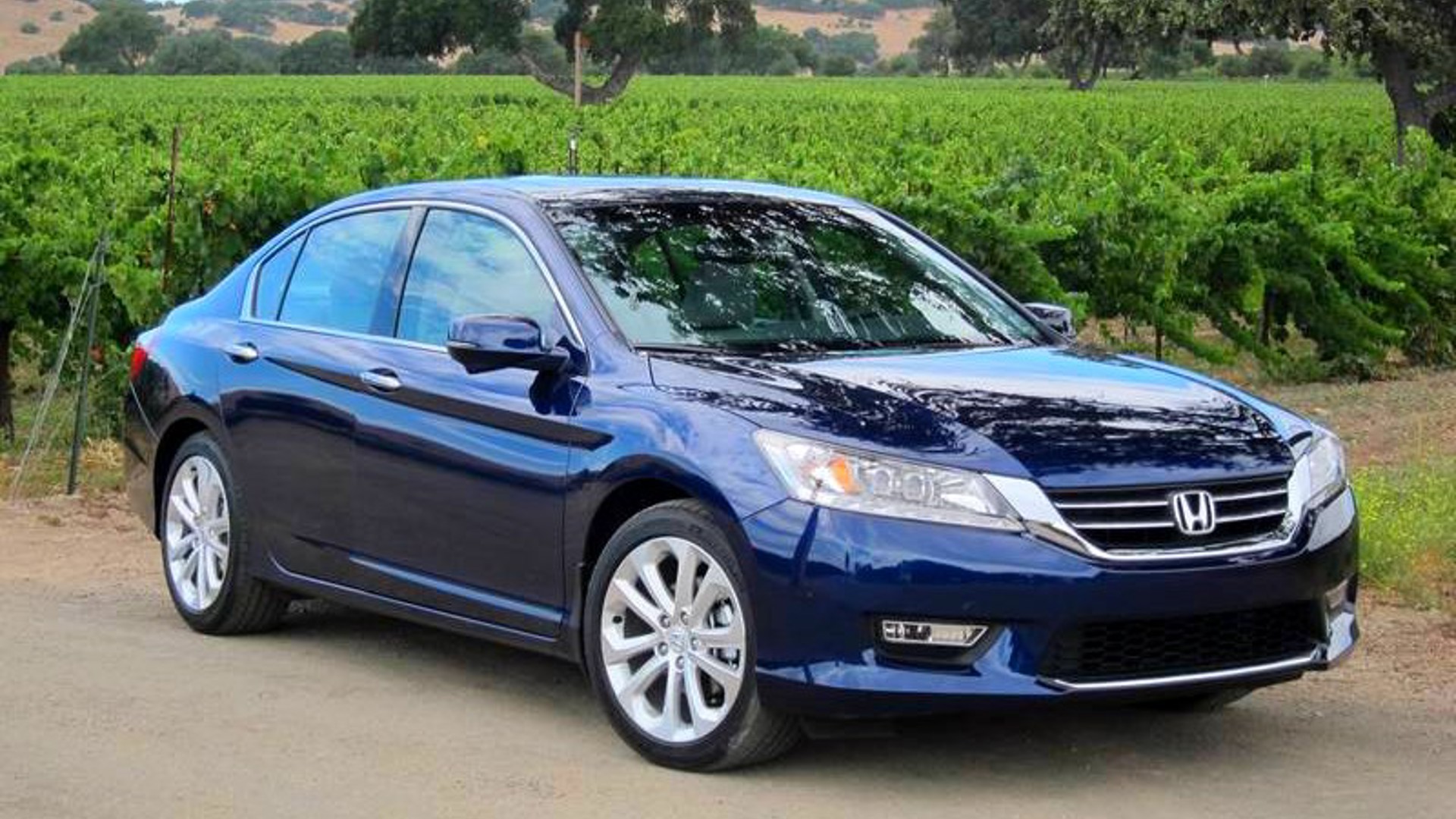
2. Honda Accord (2013–2022)
The Honda Accord has always been praised for its driving dynamics. What makes it exceptional is how well those dynamics are preserved over time and miles.
Honda’s electric power steering system debuted across Accord generations with a focus on tactile feedback. Engineers specifically tuned the system to deliver road feel without sacrificing longevity. That balance is difficult to achieve, and Honda does it well.
By 150,000 miles, an Accord’s steering typically retains most of its original character. The wheel feels weighted correctly. Inputs translate cleanly to wheel movement without delay or mushiness.
Honda uses high-quality seals and boots throughout the steering assembly. These components resist cracking and degradation better than cheaper alternatives. The result is a system that stays clean and lubricated far longer.
The Accord’s front subframe is a rigid, well-braced structure. Steering components mounted to a solid subframe experience less flex and vibration. That reduced stress level directly translates to slower wear on critical parts.
Tie rod ends on the Accord are known for their durability. Multiple mechanics have noted that they rarely need replacement before 120,000 to 150,000 miles. That is well above the industry average for this wear item.
Honda’s quality control on steering racks is notably consistent. Leaking racks are uncommon on Accords until very high mileage. When leaks do occur, replacement units are reasonably priced and easy to source.
The Accord’s wheel alignment tends to stay stable over time as well. Proper alignment reduces uneven wear on tires and reduces lateral stress on tie rods. Both factors contribute directly to steering longevity.
Drivers who push high-mileage Accords report that highway lane tracking remains excellent. The car holds its line without pulling or wandering. This is a direct reflection of the steering system’s integrity.
The column and intermediate shaft on the Accord are solid pieces. There is very little play or clunk that develops in these components over time. Many owners report zero steering column issues past 150,000 miles.
Honda dealerships and independent mechanics consistently rank the Accord high for steering reliability. Service records from high-mileage examples often show minimal steering-related repairs. That pattern speaks clearly to the car’s build quality.
Choosing a used Accord with high mileage is far less risky than most comparable cars. The steering system is one area where Honda’s reputation for reliability is thoroughly deserved. It remains one of the best long-term bets in its segment.
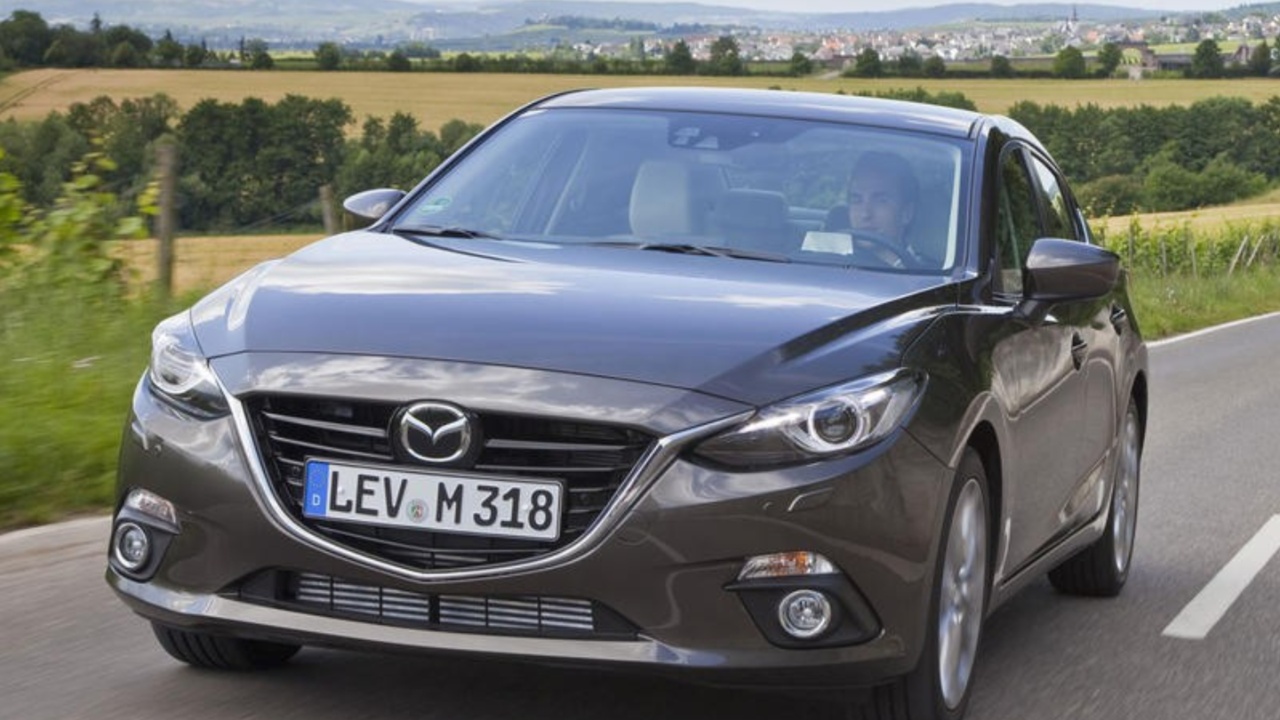
3. Mazda3 (2014–2023)
The Mazda3 punches far above its weight class in terms of driving feel. More impressively, it manages to maintain that feel for a very long time. Mazda developed its G-Vectoring Control system to work in harmony with the steering.
By subtly adjusting engine torque during cornering, the system reduces the load on front tires and steering components. Less mechanical stress results in dramatically slower wear.
The Mazda3’s steering rack is a precision unit with tight manufacturing tolerances. Mazda sources components from suppliers that meet demanding quality standards. This foundation gives the system an excellent starting point for long-term durability.
At 150,000 miles, Mazda3 drivers consistently describe the steering as still feeling alive and connected. There is a tactile quality to the wheel that most competitors lose much earlier. That sensation comes from tight components and a well-engineered column.
Mazda’s approach to chassis rigidity also plays a significant role. The Mazda3 body shell is one of the stiffer platforms in the compact segment. A rigid body transmits less harmful vibration into steering components over time.
The front suspension geometry on the Mazda3 is carefully optimized. It places minimal scrub stress on the steering during cornering and over bumps. This thoughtful geometry extends the life of every connected wear item.
Tie rod ends and ball joints on the Mazda3 are protected by durable rubber boots. These boots resist UV degradation and temperature cycling better than average. Grease stays in, contamination stays out, and components last longer.
Mazda also does not over-engineer artificial steering weight to mask component wear. The system’s feedback is genuine. When the car is in good shape, it feels precise because the parts are actually tight.
Owners who maintain their Mazda3s properly often report original steering racks lasting well past 150,000 miles. Fluid changes and alignment checks are the main maintenance items. Both are inexpensive and easy to perform.
The Mazda3 competes with far more expensive European cars for steering quality. At 150,000 miles, it still outsteers many newer budget competitors. That is a remarkable achievement for a mainstream compact car.
Buying a used Mazda3 with high mileage is widely considered a smart decision among enthusiast communities. The steering is specifically cited as a reason to trust these cars at higher odometer readings. Mazda has built something genuinely special here.
4. Lexus ES (2013–2023)
The Lexus ES is built on a philosophy of lasting refinement. Nothing about this car is designed to impress for a short time and then disappoint. Lexus is Toyota’s luxury division, and it inherits Toyota’s commitment to component quality. The steering system on the ES is built to a higher standard than most competitors in the luxury midsize segment. Quality is evident from the very first drive.
At 150,000 miles, the Lexus ES steering feels remarkably similar to a new car. The wheel turns with smooth, consistent resistance. There is no shimmy, no vagueness, and no clunking through the column.
Lexus uses premium seals, lubricants, and hardware throughout the steering assembly. These are not simply Toyota parts with a different badge. They are often upgraded components with tighter tolerances and better materials.
The electric power steering motor on the ES is positioned away from heat sources and protected from water intrusion. This thoughtful placement significantly extends the motor’s operational lifespan. Electronic components last longest when kept cool and dry.
Owners who buy used Lexus ES models frequently comment on how solid the steering feels. Even at 180,000 or 200,000 miles, many examples need only routine maintenance. That level of durability is rare in any segment.
The ES also benefits from a very smooth road manners focus during development. Soft compliance bushings reduce the shock and vibration that reaches the steering rack. Less impact loading means the rack wears far more slowly.
Lexus dealers are known for thorough pre-delivery inspections and quality checks. Cars leaving the factory with tight alignment and properly torqued components start life in the best possible condition. That matters for long-term wear patterns.
Alignment stability is also exceptional on the ES platform. The suspension geometry changes very little over time under normal driving conditions. Stable geometry keeps stress on tie rods and rack ends evenly distributed and low.
The steering column on the ES is a refined, rattle-free unit. It stays tight and clunk-free well into high mileage territory. Many owners report never needing to address the column at all through the car’s entire life.
For a premium used car buyer, the Lexus ES represents outstanding value. The steering system alone justifies serious consideration at high mileage. It is one of the finest examples of durability built into a luxury platform.
Also Read: 9 Vehicles Where the Yearly Registration Fee Stays Under $100
5. Subaru Outback (2015–2022)
The Subaru Outback faces more demanding conditions than almost any mainstream family car. Rough roads, variable weather, and off-road excursions are all part of its daily reality. Its steering system is built accordingly.
Subaru engineers the Outback’s steering to withstand constant exposure to dirt, moisture, and rough terrain impacts. Components are sealed more aggressively than on typical sedans. This extra protection pays dividends over time.
At 150,000 miles, most Outback owners report that steering still feels composed and accurate. There is no excessive play at the wheel. The car still tracks confidently on highways without wandering.
The Outback’s all-wheel-drive system creates unique demands on the front steering components. Subaru has specifically designed the steering geometry to accommodate these forces. The result is a system that wears evenly rather than prematurely on one side.
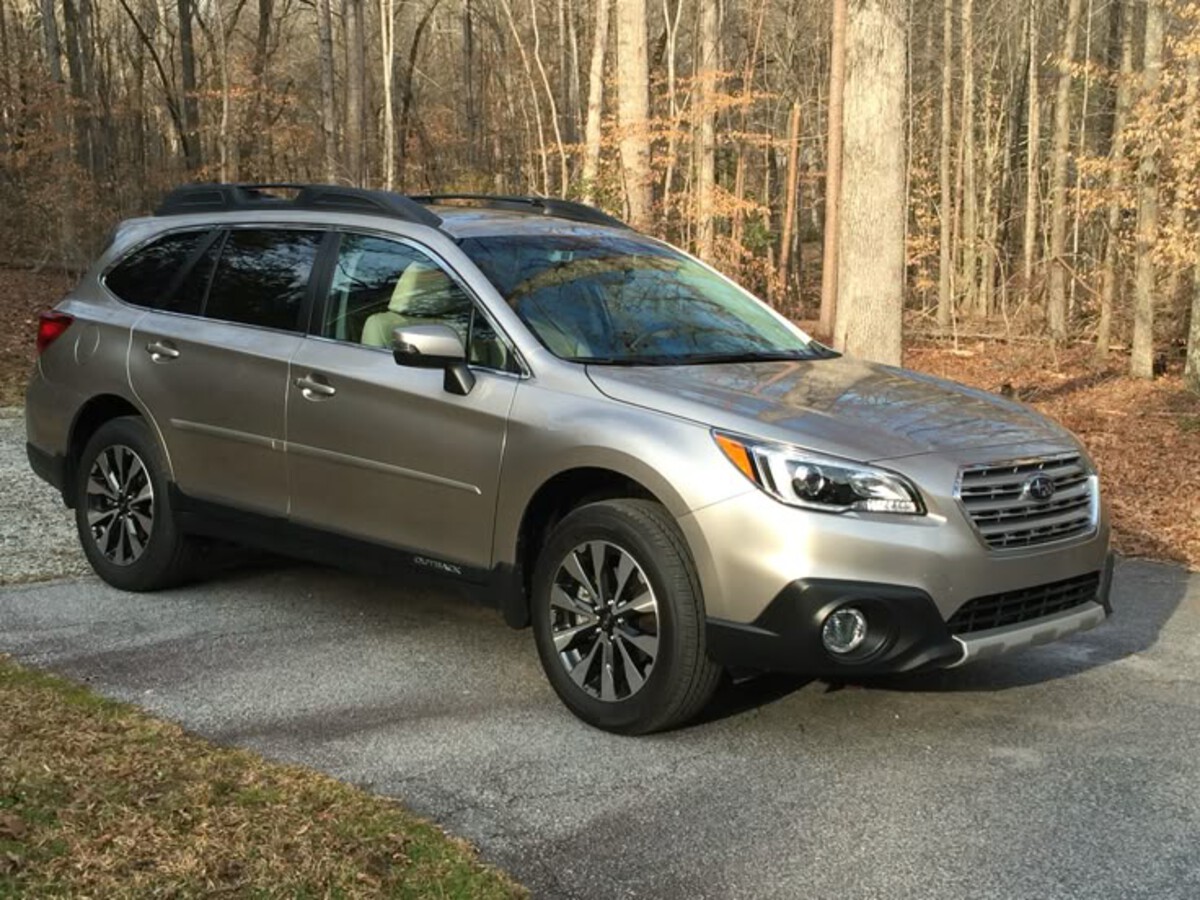
Subaru’s steering rack on the Outback generation from 2015 onward is notably robust. Early Outback generations had more issues with ra longevity. Subaru addressed those concerns with significant engineering improvements in the fifth generation.
Tie rod ends on the Outback are heavy-duty compared to typical front-wheel-drive sedans. They need to handle additional stress from the all-wheel-drive system. Subaru compensates with thicker materials and better protection.
The Outback’s electric power steering system is calibrated for off-road use as well as highway driving. This means the system is designed to handle wheel spin, bumps, and irregular traction. Those design demands make the system inherently more durable.
Many Outback owners live in regions with harsh winters and salted roads. Subaru applies additional corrosion protection to steering components. This helps prevent the premature degradation that kills steering systems in northern climates.
Subaru’s customer base tends to be attentive about maintenance, which helps. Regular alignment checks and tire rotations reduce stress on steering components significantly. Well-maintained Outbacks consistently show very slow steering wear.
The combination of robust components and a protective design makes the Outback exceptional for high-mileage ownership. Steering precision holds up even when the car is driven hard on unpaved surfaces. That is a genuine achievement for a mainstream vehicle.
For buyers who need versatility and durability together, the Outback delivers. The steering system is one of its most underappreciated strengths. It holds up through conditions that would destroy lesser systems far earlier.
6. BMW 3 Series (E90/F30, 2006–2019, Well-Maintained Examples)
The BMW 3 Series occupies a unique position on this list. It belongs here only with an important qualification it must be properly maintained by an owner who follows service intervals.
When a 3 Series is well cared for, its steering system is extraordinary. The hydraulic or electric rack delivers feedback that most cars simply cannot match. More importantly, quality examples hold onto that feedback for a very long time.
BMW engineers the 3 Series chassis with absolute steering precision as a top priority. Every component in the steering system is chosen to maximize feel and response. That engineering ambition results in hardware that, when maintained, lasts exceptionally well.
At 150,000 miles on a well-maintained F30 or E90, the steering still feels razor-sharp. Turn-in is crisp and immediate. There is no vagueness at center, and the wheel weights up correctly through corners.
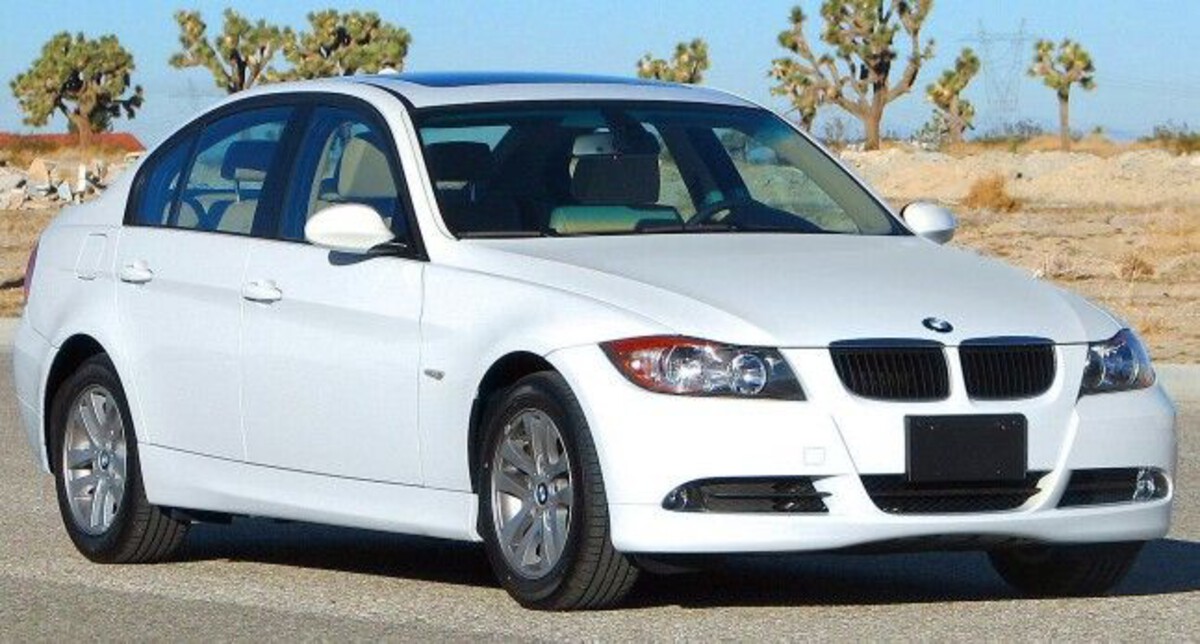
BMW uses high-quality steering rack seals that resist wear when fluid is changed regularly. Neglected fluid causes premature seal degradation. But owners who maintain their cars properly rarely face rack problems before very high mileage.
The 3 Series front suspension geometry is a masterpiece of engineering. It places steering components under minimal stress during aggressive driving. That precision geometry is actually a durability feature, not just a performance feature.
Tie rod ends and control arm bushings on the 3 Series are made from premium materials. They are more expensive to replace than economy car parts. But they also last longer when the car is maintained properly.
BMW’s steering column is a tight, premium unit with minimal slop from the factory. Well-maintained examples retain that tightness across very high mileage. The tactile connection between driver and wheel remains intact.
The hydraulic power steering fluid on older 3 Series models needs regular changes. Owners who perform this maintenance find that rack longevity improves dramatically. Fresh fluid prevents internal seal degradation and keeps pressure consistent.
High-mileage BMW 3 Series examples from careful owners are among the most rewarding used car purchases available. The steering is one of the primary reasons enthusiasts seek them out. It remains a benchmark even against newer, more affordable competitors.
6 That Get Loose Fast
These cars tend to develop a loose or vague steering feel early, often due to quicker wear in suspension bushings, steering racks, or tie rods. Over time, this can result in reduced precision, more play in the wheel, and less confidence while driving.
Models with softer components or less durable setups may feel unstable or disconnected, especially at higher speeds. While they may drive fine when new, the steering can degrade relatively quickly, making them less enjoyable and sometimes less safe as mileage increases.
1. Dodge Avenger (2008–2014)
The Dodge Avenger arrived with modest ambitions and delivered on them only briefly. Its steering system was never among its strengths, and time exposed its weaknesses quickly.
By 60,000 miles, many Avenger owners begin noticing a vagueness at the steering wheel center. The car no longer tracks as confidently as it once did. Small corrections become necessary on straight highways.
The Avenger’s rack-and-pinion unit was sourced with cost as a primary consideration. The internal tolerances were not tight enough for long-term durability. Wear begins accumulating relatively early in the car’s life.
Tie rod ends on the Avenger are a known weak point. Multiple owners report needing replacements well before 80,000 miles. Replacement parts are inexpensive, but the frequency of the problem adds up over time
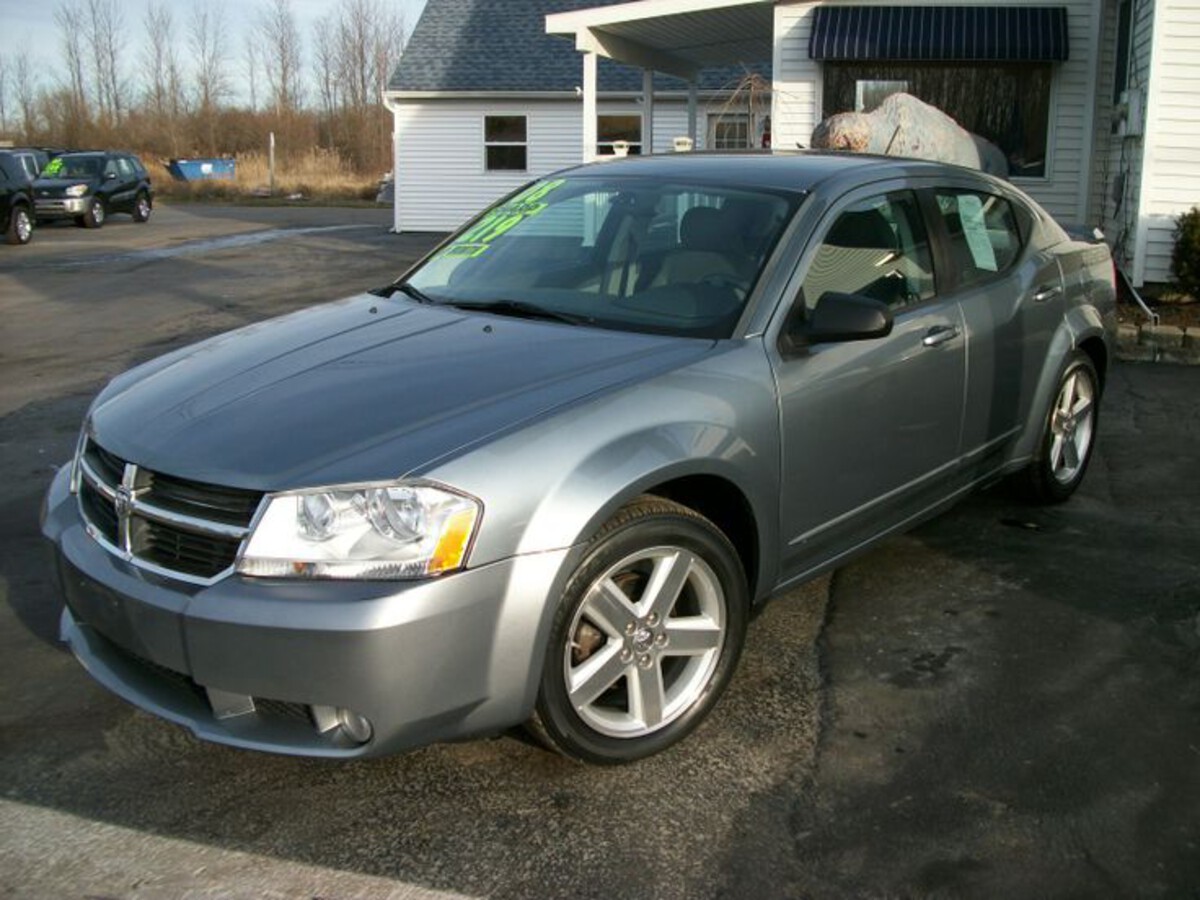
The steering column on the Avenger develops play and a subtle clunking sound over time. This is partly a mounting issue and partly a column quality issue. Neither problem inspires confidence during daily driving.
Chrysler’s quality control during this era was inconsistent. Some Avengers came from the factory with alignment that was slightly off. Persistent misalignment accelerates wear on tie rods and rack ends rapidly.
The power steering pump on hydraulic-equipped Avengers becomes noisy by 100,000 miles in many cases. Groaning on cold starts is often the first symptom. That noise indicates internal wear that degrades steering consistency.
The Avenger’s front suspension geometry is adequate but not precise. Small deviations in geometry create uneven loading on steering components. This asymmetric wear leads to the loose, one-sided feeling many owners describe.
Road feel through the Avenger’s steering was always somewhat numb. As components wear, that numbness becomes genuine vagueness. Drivers report feeling disconnected from the road in a way that is both noticeable and unpleasant.
At 150,000 miles, an Avenger’s steering system typically needs significant attention. Multiple components need replacement to restore even a fraction of the original precision. The cost of those repairs often exceeds the car’s remaining value.
The Avenger is a cautionary tale for budget used car buyers. Its steering system ages poorly and does so relatively quickly. Shopping for a high-mileage example requires careful pre-purchase inspection of every steering component.
The Dodge Avenger represents exactly the kind of compromised engineering that makes high-mileage ownership frustrating. Its steering system was never designed for the long haul. Reality confirmed that assessment consistently across hundreds of thousands of owner examples.
2. Chevrolet Cobalt (2005–2010)
The Chevrolet Cobalt was designed as an affordable commuter car. Affordability meant corners were cut in places that matter for long-term ownership, and the steering system paid a price.
The electric power steering on the Cobalt was one of the earliest mass-market implementations of the technology. Early EPS systems were not as refined as later generations. The Cobalt’s system suffered from both calibration issues and durability concerns.
By 70,000 miles, many Cobalt owners report that the steering feels slightly numb and imprecise. The feedback that existed when new gradually disappears. Inputs feel like they are going into a slightly elastic system rather than a mechanical one.
The steering rack on the Cobalt is prone to developing internal leaks earlier than expected. Seals degrade at a rate that suggests below-average quality materials. Once leaks begin, the consistency of power assistance becomes unpredictable.
Tie rod ends on the Cobalt wear out relatively quickly under normal driving conditions. Replacement intervals significantly shorter than average are well documented. This adds ongoing maintenance costs that Cobalt owners frequently cite as frustrating.
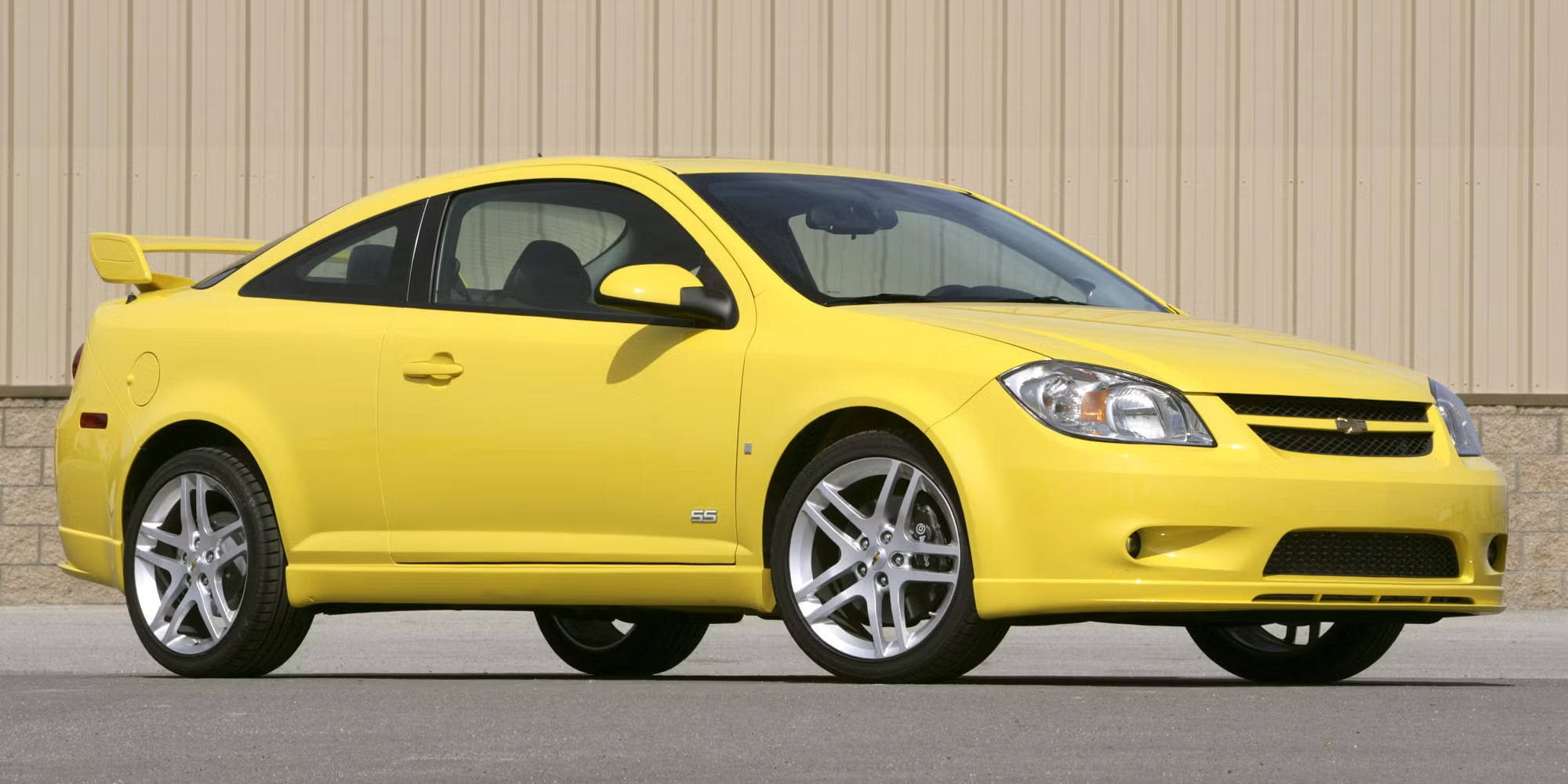
The Cobalt’s front suspension design creates scrub dynamics that place additional stress on steering components. This geometric issue accelerates wear beyond what the component quality alone would cause. It is a design problem layered on top of a materials problem.
Clunking sounds from the steering column are a very common complaint among Cobalt owners at moderate mileage. The intermediate shaft develops play that creates noise over bumps. This noise is both annoying and symptomatic of genuine wear.
The EPS motor on the Cobalt can also develop issues that affect steering behavior unpredictably. Intermittent loss of power assist or sudden changes in steering weight are reported. These electronic issues add a layer of unreliability beyond simple mechanical wear.
At 100,000 miles, a Cobalt steering system is often in noticeably degraded condition. At 150,000 miles, thorough rebuilding is usually needed for the system to function acceptably. The cost of that work often makes the effort economically questionable.
The Cobalt’s steering problems are widely documented across owner forums and mechanic networks. It became a reference point for how early EPS systems could fail. Later GM products improved significantly, but the Cobalt’s reputation stuck.
Buying a high-mileage Cobalt requires accepting that the steering system will need work. Budgeting for tie rods, possibly a rack, and column inspection is realistic. The car’s low purchase price often evaporates quickly in these repairs.
3. Ford Focus (2012–2018, Powershift Models)
The Ford Focus from this generation is primarily infamous for its transmission problems. However, its steering system has its own set of issues that deserve equal attention.
Ford introduced electric power steering on the Focus with a calibration that many drivers criticized from day one. The steering felt artificially light and disconnected from the road. That synthetic feel became worse as components wore.
The steering rack on this Focus generation is known for developing a clunk under certain conditions. Specifically, the rack moves slightly within its mounting points over time. That movement creates a knock-knock sensation during low-speed maneuvering.
Tie rod ends on the Focus wear at a faster-than-average rate. The combination of a stiff front suspension and the EPS system’s characteristics places unusual stress on these components. Replacements are affordable, but the frequency needed is above average.
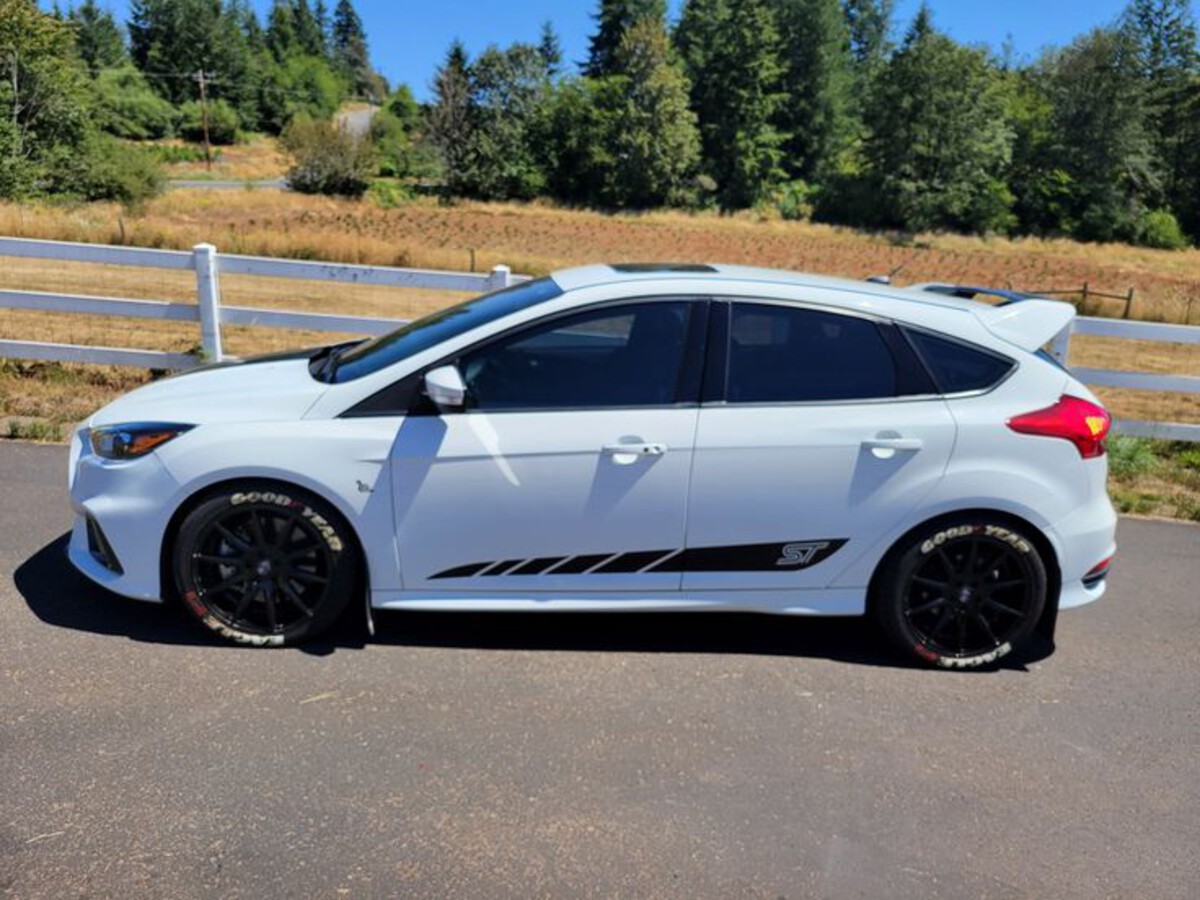
Ford’s EPS calibration on the Focus creates a system that masks wear poorly. As components loosen, the electronic assist actually makes it harder to detect changes in steering feel. Drivers may not notice deterioration until it becomes quite advanced.
The Focus also suffers from a column bearing issue that develops over time. A rough or notchy feeling through the wheel during parking maneuvers is a common symptom. This is separate from the rack problems and adds another layer of concern.
Front-end noise in older Focus models is a widespread complaint. Clunks, knocks, and creaks from the steering and suspension area are frequently reported. Identifying the exact source requires careful diagnosis as multiple components can be involved simultaneously.
At 80,000 to 100,000 miles, many Focus examples show measurable play in the steering rack. That play grows progressively worse without intervention. By 150,000 miles, the system typically requires comprehensive rebuilding.
The Focus’s reputation in the used car market reflects its steering and transmission issues combined. Mechanics who specialize in high-mileage Focuses report that steering repairs are nearly universal on examples above 100,000 miles. That is a damning statistic.
Ford has acknowledged some steering issues on the Focus through technical service bulletins. Solutions range from revised rack mounting hardware to software recalibrations. But these fixes do not fully address the underlying component quality concerns.
The Ford Focus from this era is a car that requires careful inspection before purchase at any significant mileage. Its driving experience deteriorates more quickly than its competitors. The steering is a central part of that deterioration story.
4. Chrysler 200 (2011–2017)
The Chrysler 200 was a genuinely attractive car that struggled with build quality issues beneath its appealing surface. The steering system was among the components that revealed those quality concerns over time.
The 200 used a hydraulic power steering system on most variants. While hydraulic systems can be very durable, the components used on the 200 were not of high quality. Wear began manifesting earlier than it should have for a modern vehicle.
By 60,000 to 70,000 miles, vagueness at the steering center is a common complaint. Drivers describe a growing sense that the car is not responding as precisely as it once did. The connection between wheel and road feels increasingly indirect.
The steering rack on the Chrysler 200 is prone to developing seal leaks at relatively modest mileage. Hydraulic fluid leaks reduce system pressure and create inconsistent power assist. The feel of the steering changes noticeably when this happens.
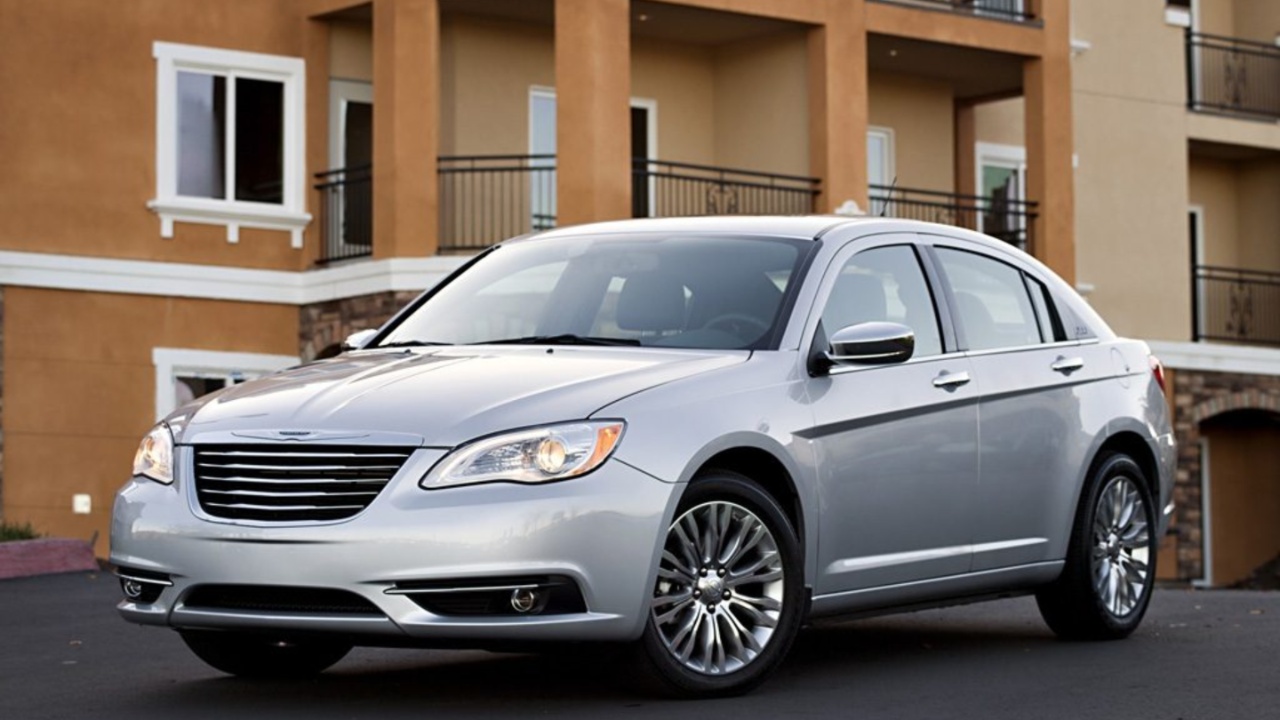
Tie rod ends on the 200 are a frequent replacement item. Mechanics report them wearing out at intervals that suggest below-specification component quality. Replacing them temporarily restores some steering precision, but other components continue to degrade.
The power steering pump on the 200 is another durability concern. Groaning and whining noises appear at moderate mileage in many examples. These sounds indicate pump wear that affects both reliability and steering consistency.
Chrysler’s front-end alignment on the 200 tends to drift over time. Suspension bushings that degrade allow geometry changes that accelerate steering wear. The interaction between these systems compounds the problem significantly.
The steering column on the 200 can develop a loose, rattling quality over time. Drivers describe it as feeling slightly disconnected. This is partly a column quality issue and partly related to mount degradation at higher mileage.
At 100,000 miles, a Chrysler 200 in typical condition often needs several steering components replaced simultaneously. Doing individual repairs helps only temporarily. The systemic nature of the wear means everything tends to go around the same time.
The 200 was discontinued after 2017, partly because market reception reflected these quality concerns. Resale values dropped quickly as buyers became aware of ownership issues. The steering system contributed meaningfully to the car’s poor reputation in the used market.
Buyers considering a high-mileage Chrysler 200 should budget specifically for steering work. A pre-purchase inspection focused on the rack, tie rods, and pump is strongly recommended. The car has redeeming qualities, but its steering is genuinely not among them.
5. Volkswagen Jetta (2011–2018, Base Trims)
The Volkswagen Jetta occupies a complicated space in the reliability conversation. Higher-trim, well-maintained examples can be reasonably durable. Base trim Jettas from this generation, however, have a steering story that is less encouraging.
VW equipped base trim Jettas with an EPS system that was calibrated acceptably when new. The problem is that the components behind that calibration were not built to the same standard as higher-specification VW products. Cost reduction was evident.
By 80,000 miles, base Jetta owners frequently report a growing play at the steering wheel center. The car no longer responds as crisply to small inputs. There is a dead zone in the center of the wheel’s travel that widens progressively.
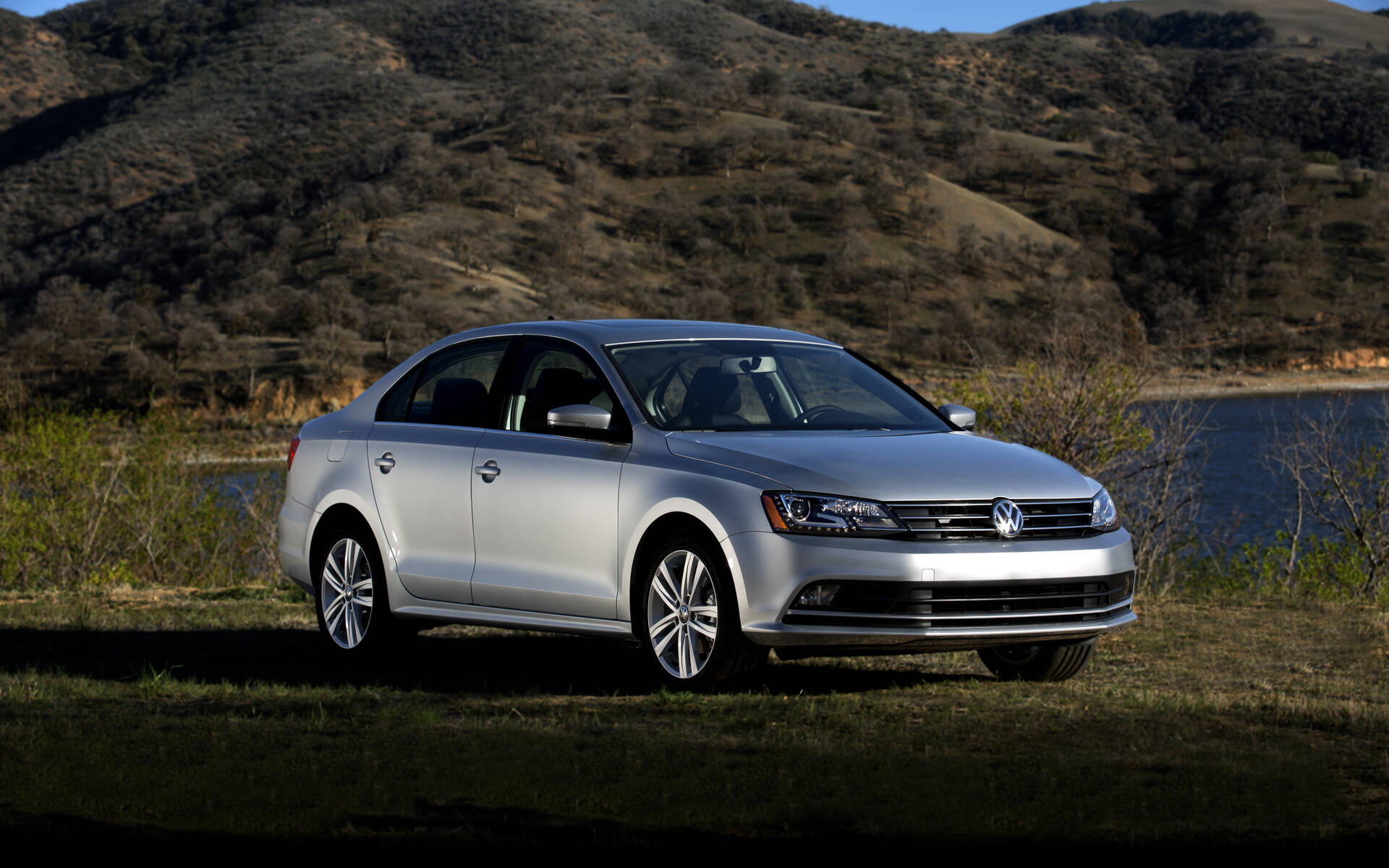
The EPS unit on base Jettas can develop electronic faults that affect steering feel in unpredictable ways. Intermittent changes in assist level are reported. These electronic issues are harder to diagnose and fix than straightforward mechanical wear.
Tie rod ends on the base Jetta wear at a faster-than-expected rate. The combination of the EPS system’s characteristics and front suspension geometry creates unusual wear patterns. Replacements provide temporary improvement, but the root causes remain.
VW’s front subframe on this Jetta generation can develop looseness in its mounting bushings. A loose subframe allows the entire steering and suspension assembly to shift slightly under load. That movement translates directly into imprecise, wandering steering.
The intermediate shaft on the Jetta is a known trouble point. A clunking sensation transmitted through the steering wheel on uneven roads is a widely reported issue. VW issued technical service bulletins for this problem, acknowledging its prevalence.
At 100,000 to 120,000 miles, base Jettas often need multiple steering components replaced to restore acceptable precision. The cost of those parts, combined with VW’s higher labor rates, makes these repairs expensive. The financial burden is significant for a budget-oriented vehicle.
Higher trim Jettas from this era, particularly those with the sport suspension packages, fare better. Better components and tighter specifications make a measurable difference in longevity. The base trim experience is the cautionary one.
VW ownership communities are well-versed in the Jetta’s steering issues. The knowledge base for these repairs is extensive. But the frequency with which those repairs are needed is itself an indictment of the base trim’s component quality.
Shopping for a used base Jetta requires specific attention to steering play and noise. Pre-purchase inspection of the rack mounts, intermediate shaft, and tie rods is essential. Without that inspection, buyers risk inheriting expensive repairs immediately.
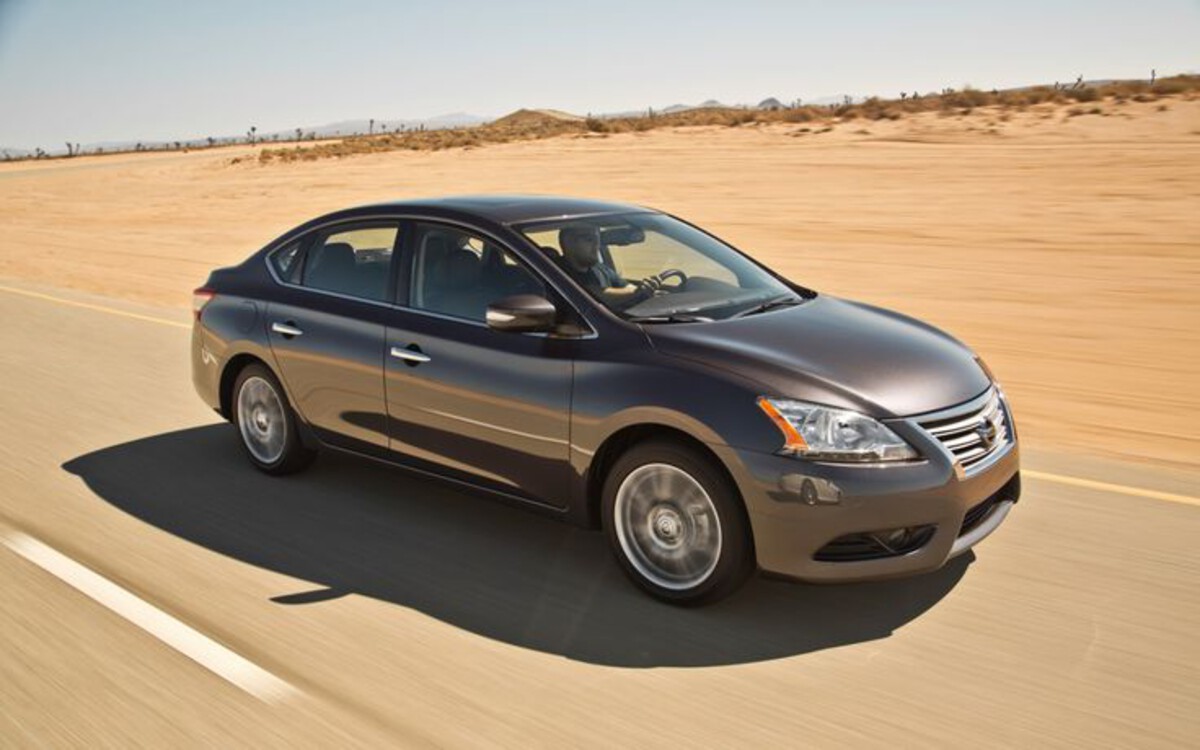
6. Nissan Sentra (2013–2019)
The Nissan Sentra is a practical, affordable compact car. It delivers reasonable transportation, but its steering system is one of the most frequently criticized components in its class for long-term durability.
Nissan’s electric power steering on the Sentra from this generation was calibrated to be extremely light. The intention was ease of driving in urban environments. The result was a system with almost no road feel and very little feedback, even when new.
As mileage accumulates, that lightness does not simply stay the same; it gets worse. By 80,000 miles, many Sentra owners describe the steering as feeling completely disconnected from the road. The wheel seems to operate the car through a layer of insulation.
The EPS rack on the Sentra is not a high-quality unit. Internal tolerances are loose compared to competitors in the same segment. This translates to measurable play developing relatively early in the car’s life.
Tie rod ends on the Sentra wear at a high rate. Mechanics who work frequently on these cars note that tie rod replacement is almost routine on examples above 90,000 miles. That wear rate is notably faster than competitors like the Civic or Corolla.
The Sentra’s front suspension geometry is not optimized for steering longevity. The design creates a scrub pattern that places consistent stress on the inner tie rod ends specifically. These components wear faster than the outer ends, and they are more expensive and labor-intensive to replace.
Nissan’s column intermediate shaft on the Sentra can develop play that creates a vague, sloppy sensation through the wheel. This is a mechanical problem that compounds the EPS calibration issues. Both problems occurring together create a genuinely unpleasant driving experience.
At 100,000 miles, a Sentra’s steering often needs a combination of tie rod replacements, alignment correction, and sometimes rack replacement. Doing only partial repairs often fails to restore adequate precision. The interconnected nature of the wear makes cheap fixes ineffective.
Nissan acknowledged some steering problems with technical service bulletins on certain Sentra model years. Revised components and recalibration procedures were issued. However, many examples in the used market predate or were never updated with these corrections.
The Sentra’s steering problems are among the most consistent criticisms in owner surveys for this generation. Satisfaction drops sharply after 80,000 miles, according to available data. This pattern has influenced the Sentra’s resale values negatively.
Buyers shopping for a used Sentra from this generation should approach with caution above 80,000 miles. A thorough pre-purchase inspection focused on steering components is essential. The car’s other attributes, fuel economy, and interior space do not compensate adequately for a compromised steering system at high mileage.
Also Read: 10 Cars With Insurance Premiums Lower Than a Compact Sedan
