

Fog lights are one of those features that sound simple on paper but become surprisingly complicated when you start paying attention to how they actually perform on the road. In theory, they are meant to cut through low-visibility conditions such as fog, heavy rain, or dust by projecting a wide, low beam that stays close to the ground.
In practice, however, not all fog lights are created equal. Some vehicles use them as genuine safety tools, carefully engineered to improve visibility without creating glare. Others treat them as styling accessories, adding visual flair to the front bumper but offering very little real-world benefit.
This contrast has become even more noticeable in modern vehicles. As headlight technology has advanced with LEDs, adaptive beams, and automatic high beams, fog lights have either evolved alongside them or been reduced to decorative elements.
In some cases, automakers have even kept the fog light housing but tuned the light output so poorly that it barely contributes anything meaningful in challenging weather.
For drivers who frequently deal with foggy highways, mountain roads, or monsoon conditions, this difference is not just cosmetic. It directly affects confidence and safety behind the wheel.
Another important factor is the beam pattern. Effective fog lights spread light horizontally while staying low, preventing reflection back into the driver’s eyes. Poor ones either mimic regular headlights or are too weak to matter.
Placement also plays a role, as lights mounted too high lose their effectiveness in dense fog. These technical details often go unnoticed until you actually need them, which is why evaluating fog lights requires real-world context rather than just spec sheets.
In this article, we are looking at both ends of the spectrum. First, we focus on vehicles that get fog lights right, where the feature genuinely adds value.
Then we move to cars where fog lights exist mostly for appearance, offering little practical use. The goal is to highlight how something small can make a noticeable difference in everyday driving conditions.
Also Read: 6 Cars Where the Steering Still Feels New at 150K vs 6 That Get Loose Fast
5 Vehicles With Fog Lights That Actually Work
Before examining individual models, it’s important to understand why certain vehicles stand out in this category. These aren’t simply cars with fog lights added on. They’re vehicles designed with real-world driving conditions in mind, where engineers made deliberate choices during development. The result is lighting that serves a clear function rather than just adding visual appeal.
These vehicles typically combine proper beam spread with correct mounting height. The light stays low and wide, illuminating road edges, lane markings, and obstacles without bouncing back in fog or rain.
This creates a calmer driving experience, especially during long night drives in poor weather. Another common trait is consistency. The fog lights blend well with the main headlights instead of clashing or overpowering them.
I am focusing on these vehicles because they represent thoughtful design. They show that even a small feature like fog lights can be executed with precision when the intention is clear.
Each model below demonstrates a different approach, from rugged off-road tuning to refined urban usability, ensuring that the discussion stays varied rather than repetitive.
1. Toyota Fortuner
The Toyota Fortuner approaches fog light functionality with a clear emphasis on durability and real-world usability. Designed for challenging environments, its lighting setup aligns closely with the vehicle’s off-road and all-weather capabilities.
The fog lights are positioned low within the front bumper, a placement that directly enhances their effectiveness. By keeping the beam close to the ground, the system minimises reflection in dense fog, rain, or dusty conditions. This results in improved visibility of lane boundaries and road edges, particularly on poorly lit or uneven surfaces.
Beam distribution is another strong point. Instead of concentrating light in a narrow path, the Fortuner’s fog lights spread illumination horizontally.
This wider coverage helps drivers detect obstacles beyond the central driving line, which is especially useful during rural driving or when traveling over unpaved terrain. The output remains controlled, avoiding excessive brightness that could interfere with the primary headlights.
Consistency across varying conditions further reinforces the system’s reliability. Whether used in early morning mist or heavy monsoon rain, the fog lights maintain stable performance without noticeable fluctuation in intensity or clarity. This predictability adds a layer of confidence for drivers who frequently encounter low-visibility scenarios.
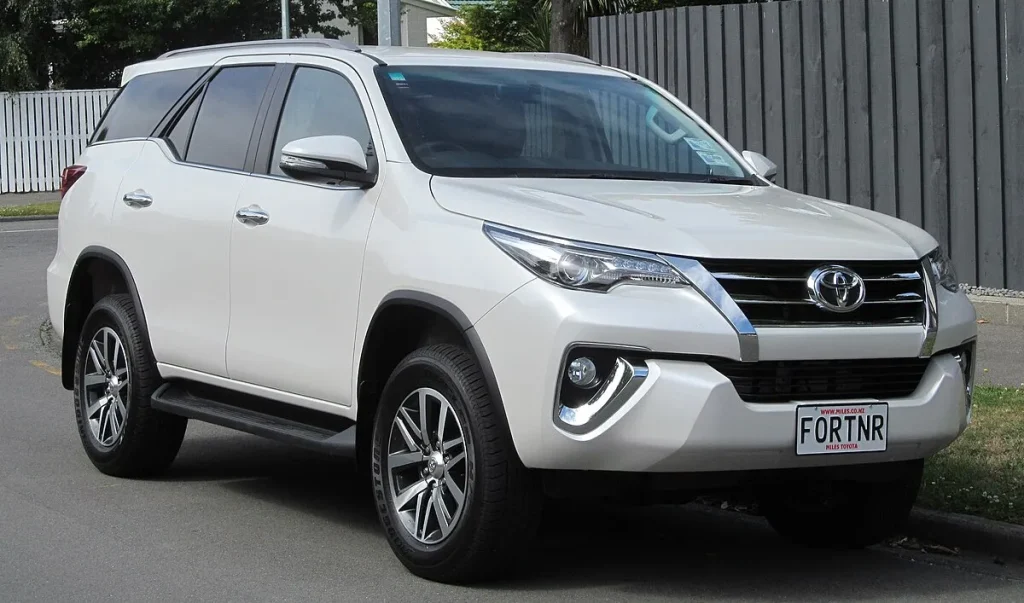
The Fortuner’s implementation reflects a practical engineering focus, where lighting serves as a functional tool rather than a design accessory. Its fog lights integrate seamlessly into the vehicle’s broader capability set, reinforcing its reputation as a dependable choice for demanding conditions.
2. Volvo XC90
The Volvo XC90 demonstrates a more refined approach to fog light design, aligning with the brand’s long-standing focus on safety and driver comfort. Rather than prioritising intensity alone, the system is engineered to deliver clarity without causing visual fatigue.
A defining characteristic of the XC90’s fog lights is their precision. The beam pattern is carefully controlled, ensuring that light is directed only where it contributes to visibility. This reduces unnecessary scatter, which can otherwise reflect toward the driver in foggy conditions. The result is a cleaner, more stable visual field.
Integration with the primary headlight system is handled with notable attention to detail. The fog lights match the colour temperature and intensity profile of the main beams, creating a cohesive lighting environment. This uniformity prevents abrupt transitions that could distract or strain the driver during extended night driving.
Another key strength lies in how the system balances illumination with comfort. Instead of overwhelming the road with brightness, the fog lights provide a measured output that enhances contrast and depth perception.
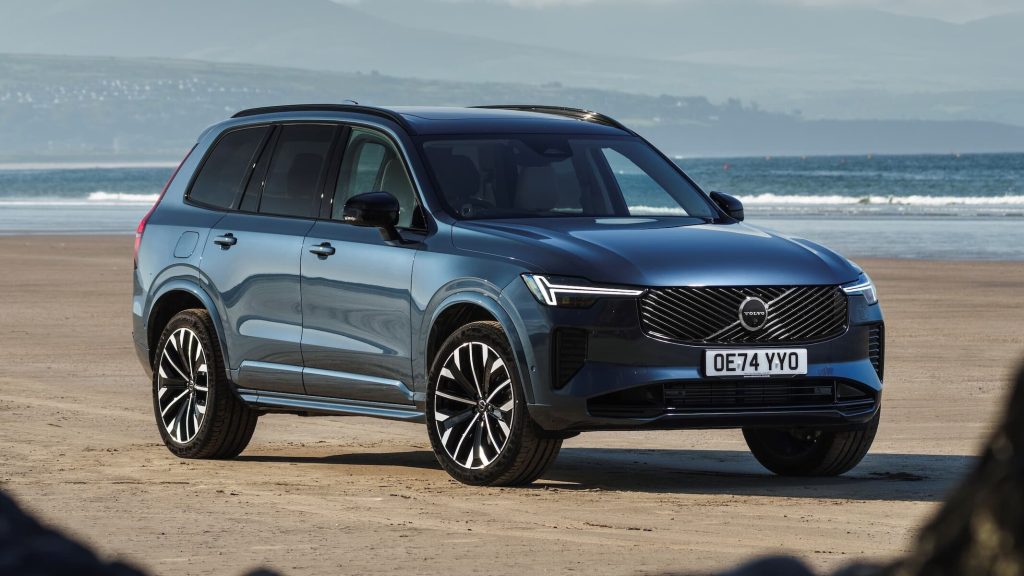
This approach is particularly effective in urban environments with reflective surfaces, where excessive light can reduce visibility rather than improve it.
The XC90 reflects a safety-oriented design philosophy, where every lighting element is tuned for practical benefit. Its fog lights contribute meaningfully to driver awareness while maintaining the refined character expected from a premium vehicle.
3. Land Rover Defender
Engineered with extreme conditions in mind, the Land Rover Defender integrates fog lights as part of a broader visibility strategy rather than treating them as an isolated feature. The vehicle’s design philosophy emphasises control in unpredictable environments, and the fog lighting system reflects that intent.
Instead of relying solely on brightness, the Defender’s fog lights focus on usable illumination. The beam is deliberately kept low and wide, reducing interference caused by airborne particles such as fog, sand, or snow.
This controlled projection allows drivers to maintain a clear view of terrain contours, which becomes critical when driving over uneven ground or along narrow trails.
The system also benefits from thoughtful housing design. The fog lights are recessed slightly within the bumper, offering protection from debris while maintaining optimal output angles. This detail ensures consistent performance even after prolonged exposure to harsh conditions, something that is often overlooked in less purpose-built vehicles.
Another distinguishing factor is how the lighting adapts to off-road usage. In low-speed scenarios, where precision matters more than distance, the fog lights provide a clear spread that enhances spatial awareness. This proves particularly useful when manoeuvring through tight spaces or assessing obstacles close to the vehicle.
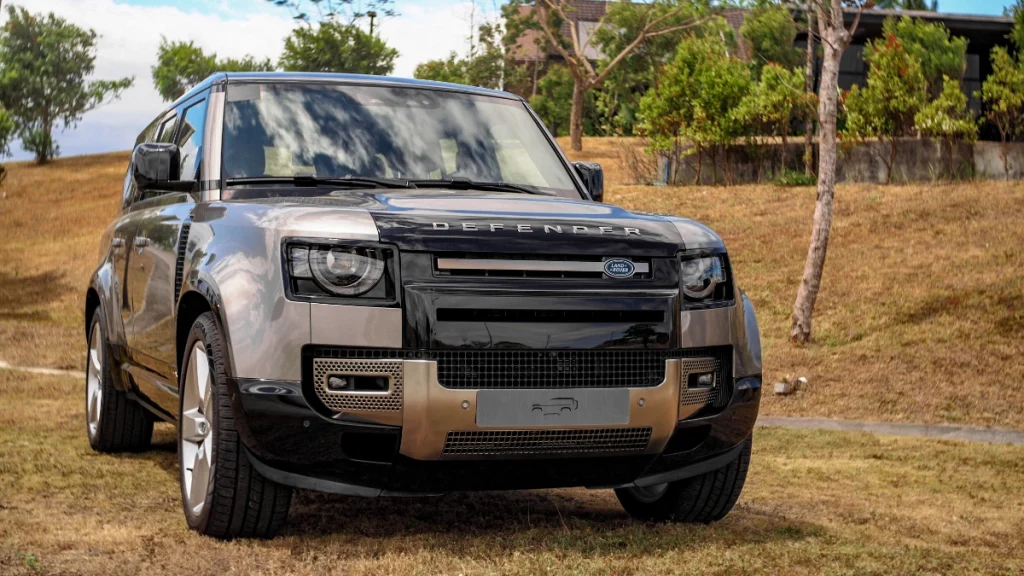
The Defender’s fog light setup aligns closely with its identity as a utility-focused machine. Every aspect of the system contributes to functional visibility, reinforcing its capability in environments where lighting performance is not optional but essential.
4. Skoda Superb
The Skoda Superb approaches fog light design from a completely different angle, prioritising everyday usability and long-distance comfort. Unlike rugged SUVs, this sedan focuses on refinement, yet still delivers a fog lighting system that performs with precision.
One of the most noticeable qualities is the smoothness of the light distribution. The fog lights produce a uniform spread that blends naturally with the vehicle’s headlights, avoiding harsh edges or uneven patches. This creates a more relaxed driving experience, especially during extended journeys in poor weather.
Placement plays a crucial role here as well. Positioned low and integrated cleanly into the front fascia, the fog lights maintain their effectiveness without disrupting the car’s aerodynamic profile. This balance between design and function highlights a careful approach to engineering rather than a compromise.
The Superb also demonstrates strong performance in wet conditions. On reflective road surfaces, where glare can become a problem, the fog lights maintain clarity without producing excessive bounce-back. This controlled behaviour improves contrast, making lane markings and road textures easier to identify.
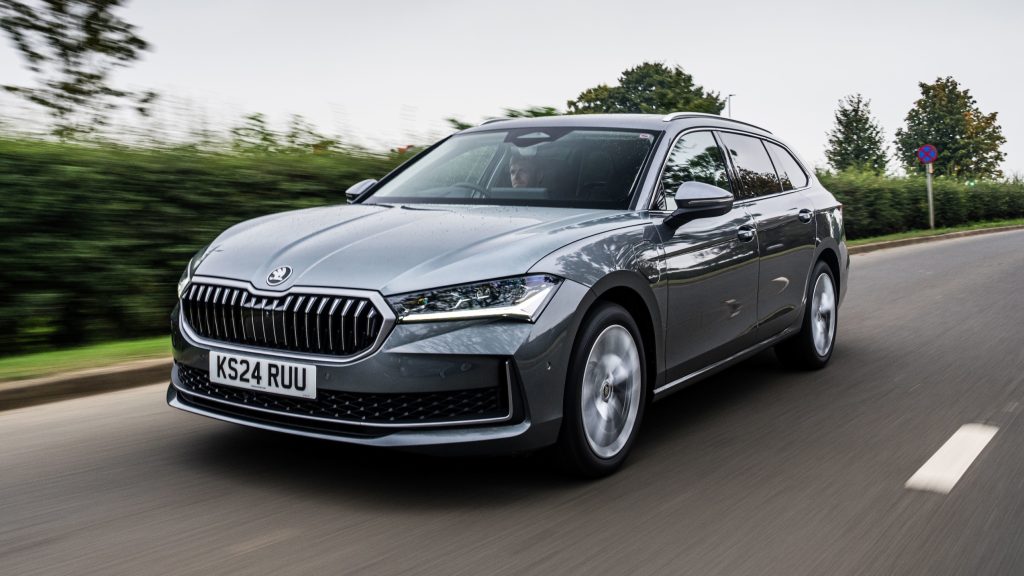
Another subtle advantage is the system’s predictability. The lighting output remains consistent across different speeds and environments, allowing drivers to rely on it without needing constant adjustment. This reliability becomes particularly valuable during highway driving, where changing conditions demand stable visibility.
The Superb showcases how a sedan can deliver effective fog lighting without adopting an aggressive or utilitarian approach. Its system is tuned for balance, ensuring that comfort and functionality coexist without compromise.
5. Toyota Hilux
The Toyota Hilux is widely recognised for its durability, and its fog light setup follows the same philosophy of resilience and practicality. Rather than being treated as a secondary feature, the fog lights are configured to support the vehicle’s demanding usage patterns across both urban and remote environments.
A key strength lies in how the system handles low-visibility terrain. The beam pattern is intentionally broad and directed downward, ensuring that light remains effective in fog, rain, or dusty conditions without reflecting toward the driver.
This controlled spread helps reveal immediate surroundings, including uneven ground, road edges, and potential obstacles that may not be visible with standard headlights alone.
Unlike many modern pickups that prioritise aggressive styling, the Hilux keeps its fog light design straightforward. The housings are positioned low and protected within the bumper structure, reducing exposure to damage from debris, mud, or water splashes.
This practical placement supports consistent output over time, even when the vehicle is used in harsh working conditions.
Another important aspect is how the fog lights behave during prolonged use. Instead of fluctuating in intensity or creating hotspots, the illumination remains stable, allowing drivers to maintain visual focus without distraction. This becomes particularly valuable during long drives in rural areas where lighting conditions can change unpredictably.
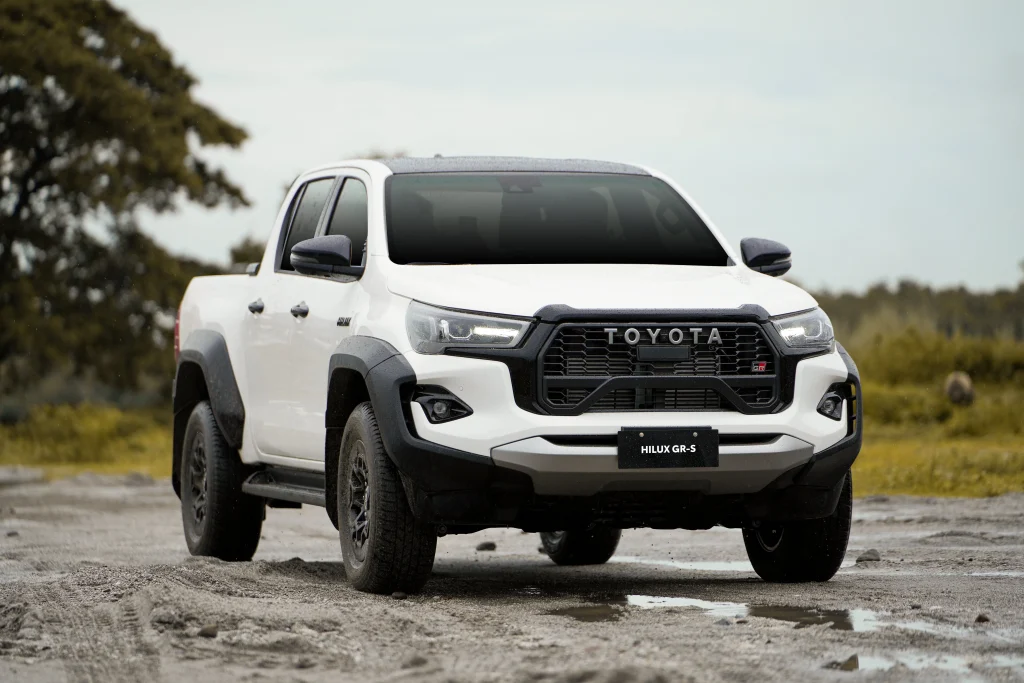
The Hilux represents a functional approach to vehicle lighting, where every element is designed to serve a purpose. Its fog lights contribute directly to situational awareness, reinforcing the vehicle’s reputation for reliability in environments where dependable visibility is essential.
5 Vehicles With Fog Lights That Are Just Decoration
Fog lights are not always designed with the same level of intent. In many modern vehicles, they exist primarily as styling elements, filling space in the front bumper or adding visual symmetry. While they may appear similar to functional systems at a glance, their real-world performance often falls short.
These types of fog lights typically suffer from poor beam control, excessive brightness in the wrong areas, or insufficient output altogether.
Some are positioned too high to be effective, while others simply replicate the function of standard headlights without offering any additional benefit. In certain cases, they are included only to maintain a feature checklist rather than to improve visibility.
This section focuses on vehicles where fog lights do not meaningfully enhance driving conditions. The intention is not to criticise design choices unnecessarily, but to highlight how functionality can sometimes be compromised in favour of aesthetics.
Each example demonstrates a different reason why fog lights may fail to deliver practical value, ensuring the discussion remains varied and informative.
1. Hyundai Creta
The Hyundai Creta presents a modern and visually appealing front-end design, but its fog lights lean more toward styling than functional performance. While they contribute to the vehicle’s full appearance, their effectiveness in low-visibility conditions is limited.
One of the primary concerns is beam focus. Instead of producing a wide, ground-hugging spread, the fog lights emit a pattern that lacks clear direction. This reduces their ability to illuminate road edges or provide meaningful assistance in foggy environments. The light often appears diffused rather than purposeful, which diminishes its practical value.
Positioning also plays a role in this limitation. The fog lights are integrated higher within the bumper design compared to traditional setups. This placement affects how the light interacts with fog or rain, increasing the likelihood of reflection back toward the driver rather than improving forward visibility.
In urban settings, where street lighting is already present, the difference may go unnoticed. However, in darker or more challenging conditions, the fog lights do not significantly enhance the driver’s field of vision. They function more as supplementary lighting rather than a dedicated solution for poor weather.
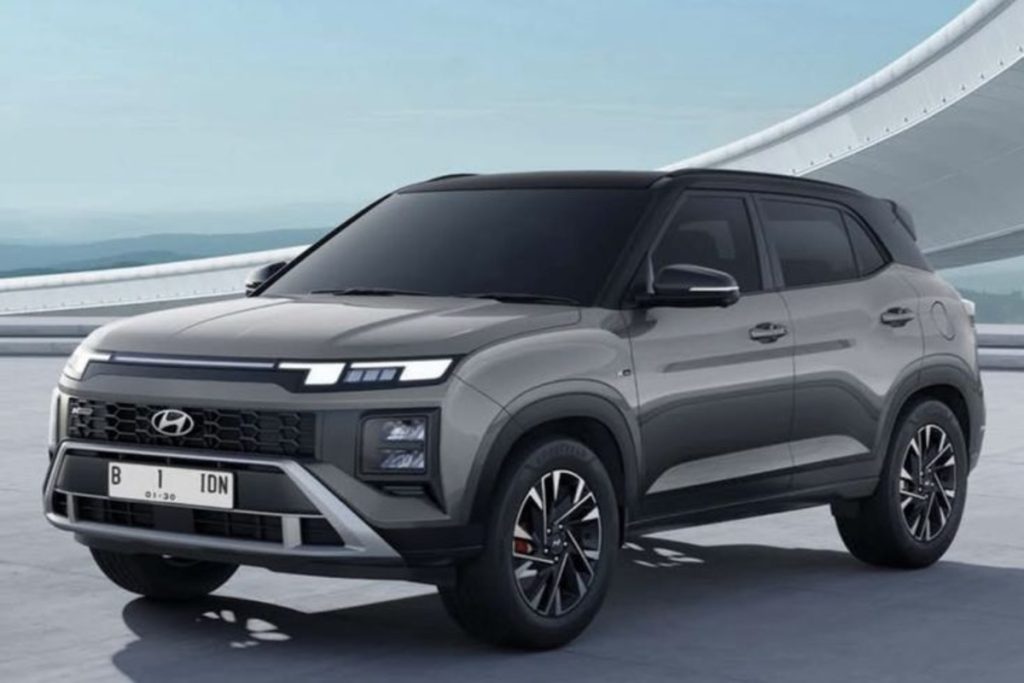
The Creta illustrates how design priorities can shift the role of fog lights. While visually integrated and aesthetically consistent with the vehicle’s styling, their real-world contribution remains minimal when compared to more purpose-built systems.
2. Kia Seltos
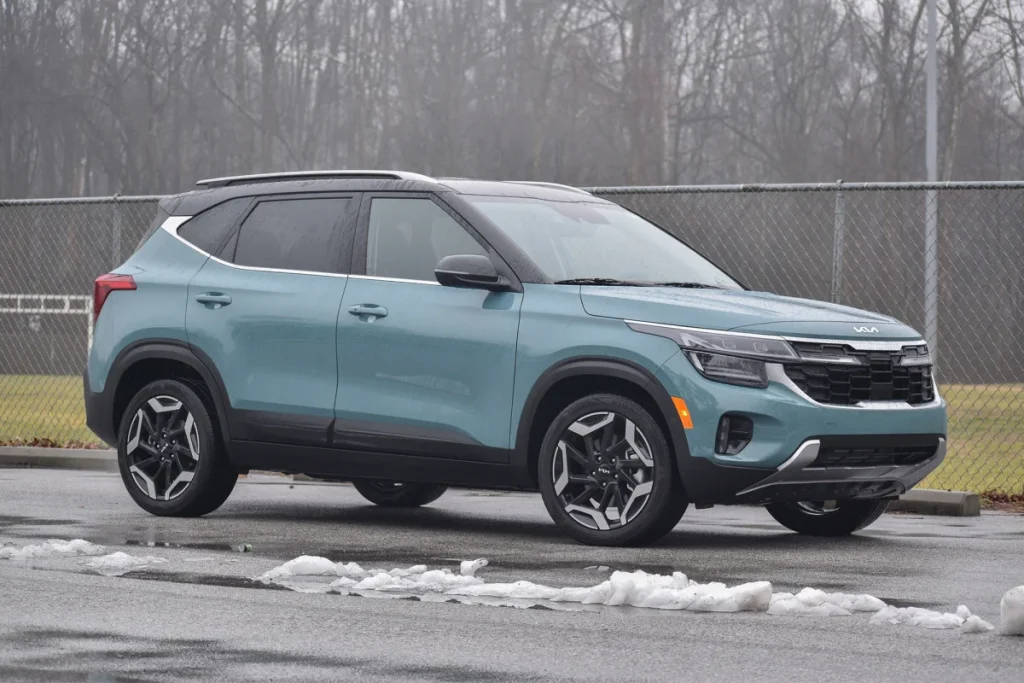
The Kia Seltosemphasisess visual appeal in its exterior design, and the fog light treatment reflects that priority. The lighting units are styled to complement the front fascia, but their contribution to actual visibility remains limited when conditions deteriorate.
A closer look at the beam pattern reveals the core issue. Instead of delivering a wide, low projection that stays close to the road surface, the fog lights produce a scattered output with insufficient lateral coverage.
This reduces their ability to highlight road edges or surface irregularities, which is the primary function expected from a properly engineered fog lighting system.
Another limitation becomes apparent in how the lights interact with reflective surfaces. During rainfall, the output tends to bounce back more than it should, creating mild glare that can distract rather than assist. This behaviour suggests that the beam is not adequately controlled for low-visibility environments, where precision matters more than intensity.
The placement of the fog lights further contributes to this outcome. Integrated within a design-focused housing, they sit in a position that favours aesthetics over optimal performance. While the visual integration is clean and modern, it compromises the effectiveness typically achieved through lower mounting points.
In everyday city driving, the difference may not be immediately noticeable, especially with well-lit roads. However, in darker environments or during early morning fog, the lack of functional depth becomes more evident. The lights provide presence rather than clarity, which limits their practical usefulness.
The Seltos represents a design-first approach where fog lights enhance the vehicle’s appearance but fall short of delivering the performance expected from a dedicated low-visibility lighting system.
3. Maruti Suzuki Baleno
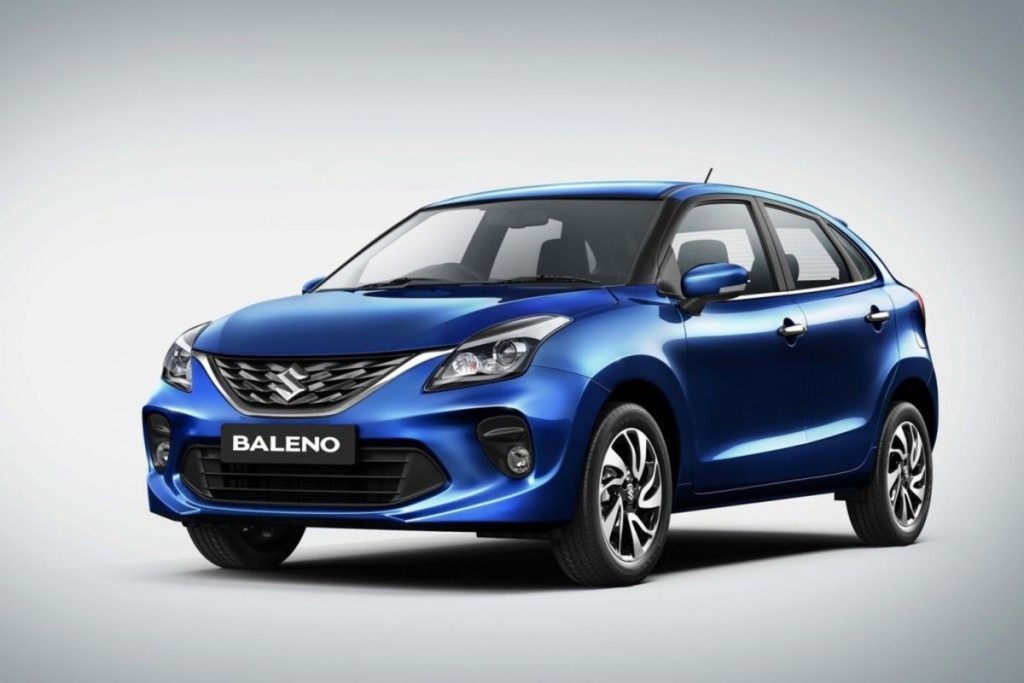
The Maruti Suzuki Baleno takes a more understated approach to exterior features, yet its fog lights still reflect a compromise between cost efficiency and functionality. While present as part of the feature set, their performance does not align with the demands of challenging weather conditions.
One noticeable characteristic is the limited intensity of the light output. The fog lights appear relatively weak, especially when compared to the vehicle’s primary headlights. This imbalance reduces their effectiveness, as they fail to provide a distinct layer of illumination that could assist in poor visibility.
Rather than producing a defined beam, the light disperses without a clear boundary. This lack of structure means that the illumination does not significantly improve contrast on the road surface. As a result, important visual cues such as lane markings or road edges remain difficult to identify in foggy or rainy conditions.
The design also reflects a minimalistic integration strategy. The fog lights are positioned within the lower bumper but do not benefit from advanced optics or beam shaping. This simplicity keeps costs in check but limits the system’s ability to perform beyond basic illumination.
Another aspect worth noting is how quickly the fog lights become redundant. In many scenarios, switching them on does not create a noticeable improvement over using low-beam headlights alone. This overlap reduces their relevance as a separate lighting function.
The Baleno highlights how fog lights can exist as part of a specification list without delivering meaningful real-world benefits. Their presence adds completeness to the feature set, but their contribution to visibility remains modest.
4. MG Hector
The MG Hector features a bold and modern design language, and its fog lights are integrated in a way that aligns with this visual identity. However, the emphasis on styling influences how effectively the system performs in low-visibility conditions.
Unlike traditional setups that prioritise beam control, Hector’s fog lights appear to focus more on visual symmetry. The light output lacks the sharp horizontal spread typically associated with effective fog lighting. Instead, it projects in a way that resembles auxiliary lighting rather than a specialised solution.
This becomes particularly noticeable in dense fog. Instead of cutting through the mist, the light tends to disperse and reflect, reducing forward clarity. The absence of a tightly controlled beam pattern limits its ability to provide meaningful assistance when it is most needed.
The placement within the front fascia also affects performance. Positioned in a way that complements the vehicle’s design lines, the fog lights do not sit as low as optimal setups found in more function-oriented vehicles. This compromises their ability to maintain a ground-focused beam.
Despite these limitations, the fog lights do contribute to the vehicle’s visual presence. When viewed from a design perspective, they enhance the front-end appeal and align with the full aesthetic direction. However, this comes at the cost of practical effectiveness.
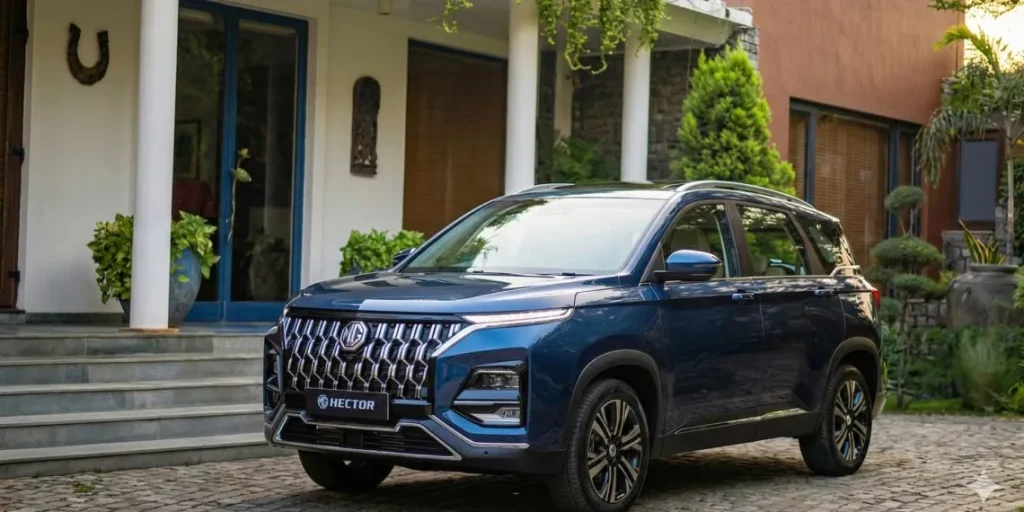
The Hector demonstrates how design priorities can shape the role of fog lights, shifting them from functional tools to visual elements that support styling rather than performance.
5. Honda City
The Honda City has long been associated with comfort and refinement, and its lighting system reflects a balanced but not necessarily specialised approach. The fog lights, while neatly integrated, do not deliver the level of performance expected for demanding weather conditions.
A key observation lies in how the light is distributed. The fog lights do not maintain a strong horizontal spread, which is essential for illuminating the road surface effectively in fog. Instead, the output feels closer to a supplementary beam that overlaps with the headlights rather than extending visibility in a meaningful way.
The intensity level also plays a role in limiting effectiveness. The brightness is moderate, which helps maintain visual comfort but reduces the system’s ability to cut through dense fog or heavy rain. This results in a lighting setup that feels consistent but not particularly impactful.
Integration with the full design is handled with precision. The fog lights blend seamlessly into the front bumper, maintaining the sedan’s clean and elegant appearance. However, this integration prioritises visual harmony over functional distinction.
In real-world driving, especially on highways with limited lighting, the fog lights do not significantly enhance visibility beyond what the main headlights already provide. Their contribution remains subtle, which may be sufficient for mild conditions but not for more demanding scenarios.
The City reflects a comfort-oriented design approach where fog lights are included as part of a complete feature package but are not engineered as a primary tool for low-visibility driving.
Fog lights are often treated as a minor feature, but their real-world impact becomes clear in challenging driving conditions such as fog, heavy rain, or dust.
This comparison highlights how differently manufacturers approach the same component, resulting in a noticeable gap between vehicles where fog lights genuinely improve visibility and those where they serve mostly as visual additions.
Vehicles like the Toyota Fortuner and Toyota Hilux demonstrate a strong focus on functionality. Their fog lights are positioned low, produce a wide beam, and maintain consistent output across varying environments.
This allows drivers to clearly identify road edges and obstacles without experiencing glare. Similarly, the Land Rover Defender emphasises controlled illumination suited for off-road conditions, while the Volvo XC90 and Skoda Superb take a more refined approach, balancing clarity with visual comfort.
In each of these vehicles, fog lights are engineered as a practical extension of the full lighting system rather than an isolated feature.
In contrast, models such as the Hyundai Creta and Kia Seltos reveal how design priorities can reduce effectiveness. Their fog lights often lack proper beam control or are positioned in a way that limits their ability to function in low-visibility conditions.
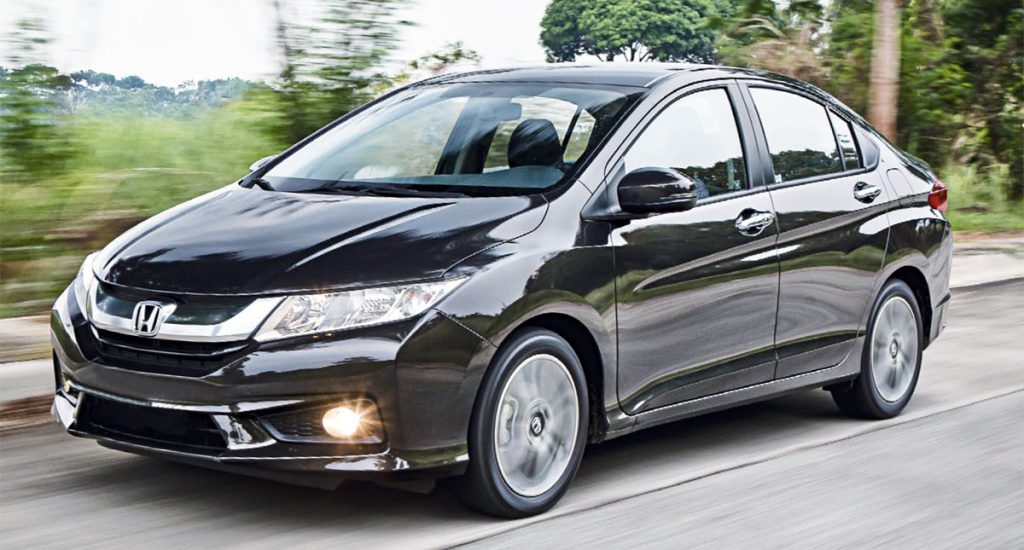
The Maruti Suzuki Baleno shows how cost-focused design can lead to weaker output and minimal impact, while the MG Hector integrates fog lights primarily as a styling element. The Honda City maintains refinement but does not deliver the specialised performance expected from a dedicated fog lighting system.
The key difference across these vehicles lies in engineering intent. Effective fog lights are designed with attention to beam pattern, placement, and real-world usability. Decorative ones, on the other hand, prioritise appearance or feature inclusion without delivering meaningful performance benefits.
This distinction becomes especially important for drivers who frequently encounter poor visibility, where proper fog lighting can significantly improve confidence and awareness on the road.
Ultimately, fog lights are not defined by their presence but by their execution. Their value depends entirely on how well they are designed to perform under the conditions they are meant to address.
Also Read: 7 Trucks Where The Tailgate Is Light Enough For Anyone To Lift
