
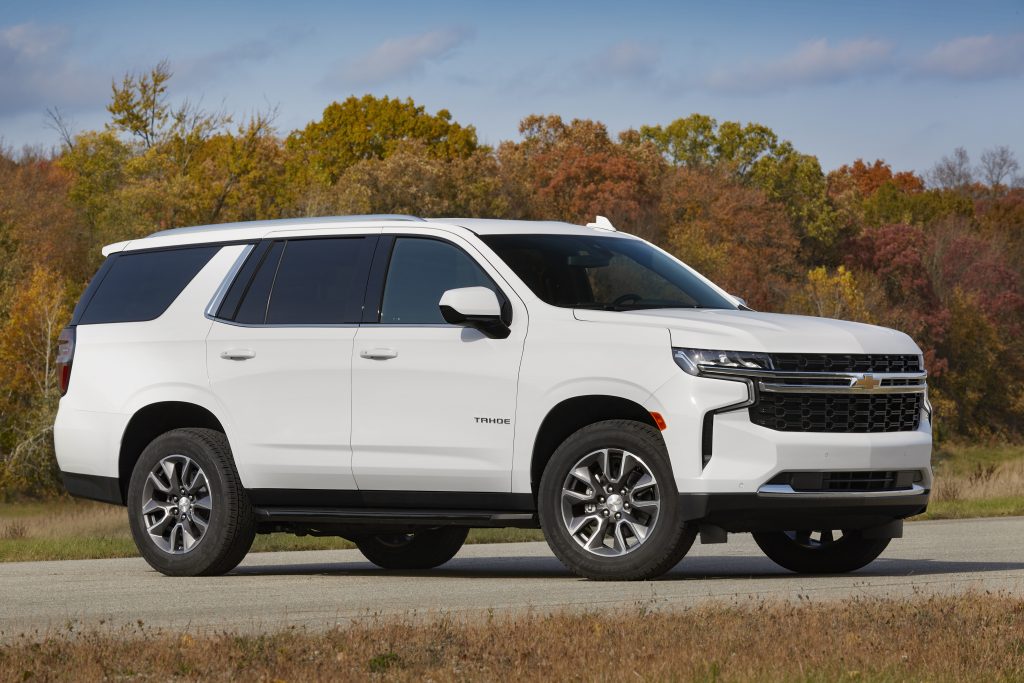
The SUV boom that dominates today’s automotive world did not begin in the 2010s. It was forged in the early and mid-2000s, a period many enthusiasts and mechanics now consider the golden age of long-lasting utility vehicles.
These SUVs were built at a time when manufacturers were transitioning from purely mechanical engineering to more electronics-driven platforms, but had not yet fully embraced the complexity that defines modern vehicles. The result was a rare balance of durability, simplicity, and capability that has allowed many of these machines to survive well beyond 200,000 miles with proper maintenance.
According to reliability data from sources like J.D. Power and RepairPal, many SUVs from this era consistently scored above 80 out of 100 in long-term dependability, a benchmark that still holds up impressively today.
What makes these 2000s SUVs so enduring is not just brand reputation but engineering philosophy. Engines were often naturally aspirated, transmissions were simpler, and electronic systems were less intrusive.
In contrast, many SUVs introduced in the 2010s embraced turbocharging, complex infotainment systems, and fuel-saving technologies that, while efficient, sometimes compromised long-term reliability.
Owners frequently report that older SUVs are easier to repair, cheaper to maintain, and more tolerant of high mileage. In fact, a reliable SUV is typically defined as one that can exceed 150,000 to 250,000 miles with minimal unplanned repairs, a threshold many 2000s models regularly surpass.
Another critical factor is build quality and overengineering. Brands like Toyota and Honda, in particular, produced SUVs that were intentionally conservative in design, prioritizing longevity over cutting-edge innovation. This philosophy resulted in vehicles like the 4Runner, CR V, and Lexus RX becoming legends in the used car market.
Even American SUVs such as the Chevrolet Tahoe proved that simple V8 powertrains could deliver both performance and durability when properly maintained.
Enthusiast communities and long-time owners often echo the same sentiment: vehicles from the 2000s were built to last, not just to lease. Online discussions frequently highlight models like the Toyota 4Runner and Land Cruiser as “tank-like,” capable of running well past 300,000 miles with basic upkeep.
These real-world experiences reinforce what the data already suggests. While the 2010s introduced more comfort, safety, and technology, many of those advancements came at the cost of mechanical simplicity and long-term resilience.
This article explores ten SUVs from the 2000s that have earned a reputation for outlasting many newer counterparts. These vehicles are not just nostalgic favorites but proven workhorses that continue to dominate the used market. Each one represents a different approach to durability, from rugged off-roaders to family-friendly crossovers, but they all share one common trait: they were built to endure.
Also Read: 10 Cars With Insurance Premiums Lower Than a Compact Sedan
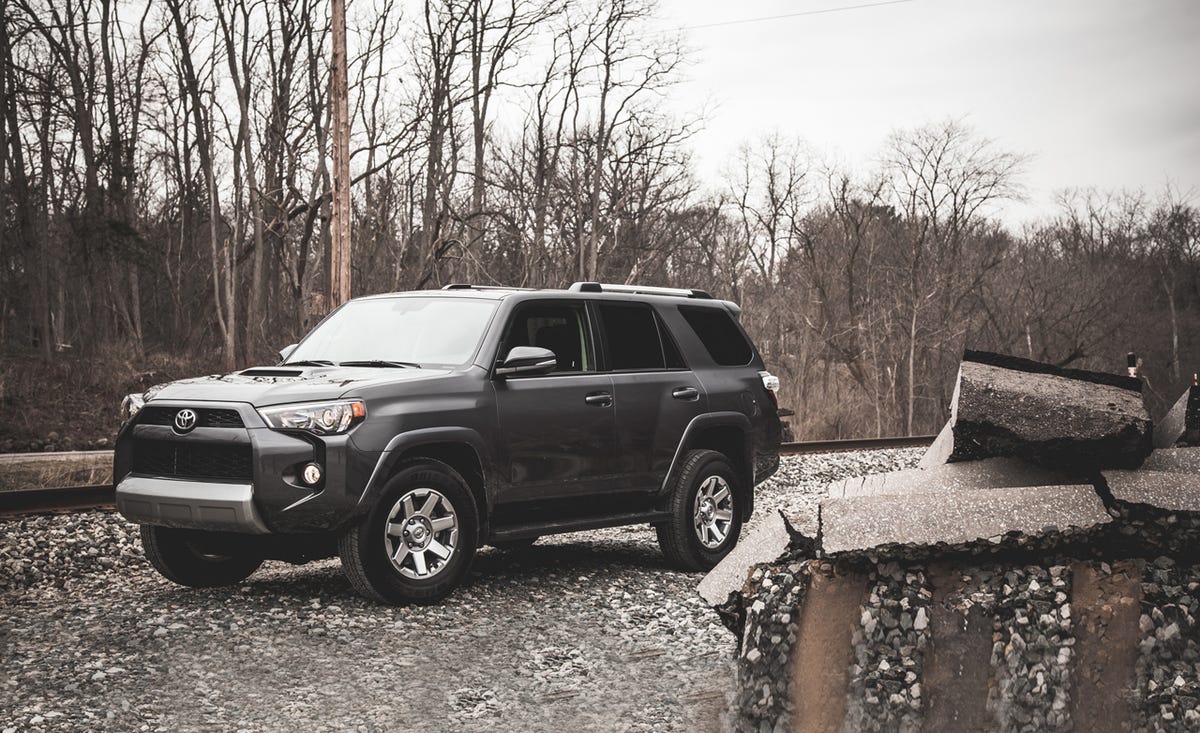
1. Toyota 4Runner
The Toyota 4Runner stands as one of the most iconic examples of long-term reliability in the SUV world. Built on a body-on-frame platform, it retained truck-like toughness at a time when many competitors were shifting to softer, car-based designs. This construction method alone contributed significantly to its durability, allowing it to withstand years of off-road abuse and heavy use without compromising structural integrity.
Under the hood, the 4Runner relied on naturally aspirated engines, particularly the 4.0-liter V6, known for its ability to run hundreds of thousands of miles with minimal issues.
Unlike many modern engines that rely on turbochargers and complex systems, this engine emphasized simplicity and proven engineering. Owners routinely report mileage figures exceeding 300,000 miles, a testament to its bulletproof design.
Maintenance is another area where the 4Runner shines. Its mechanical layout is straightforward, making repairs easier and often less expensive than newer SUVs packed with electronics. This simplicity has made it a favorite among DIY mechanics and off-road enthusiasts alike. Parts availability and strong aftermarket support further enhance its longevity.
The 4Runner’s off-road capability also contributes to its enduring appeal. Features like low range gearing, high ground clearance, and robust suspension systems allow it to handle harsh environments that would quickly wear down more delicate vehicles. This ruggedness translates into longevity even in everyday driving conditions.
The Toyota 4Runner represents a philosophy that prioritizes durability over trends. While newer SUVs may offer more technology and refinement, few can match the 4Runner’s reputation for lasting decades with proper care. It remains a benchmark for what a truly long-lasting SUV should be.
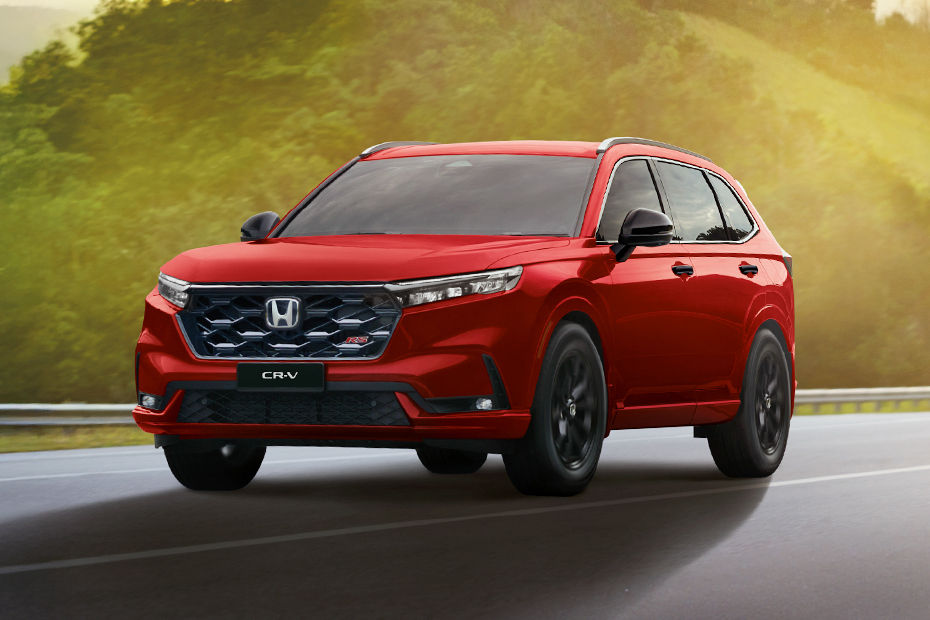
2. Honda CR-V
The Honda CR-V of the 2000s proved that reliability was not limited to rugged, body on frame SUVs. As a compact crossover, it offered a more comfortable and fuel efficient alternative while still delivering exceptional durability. Its second generation models, particularly around 2006, are widely regarded as some of the most dependable SUVs ever produced.
One of the key reasons behind the CR-V’s longevity is its engine. The 2.4-liter four-cylinder engine is known for its simplicity and efficiency, with very few major reliability concerns. Unlike many modern engines, it avoids excessive complexity, making it easier to maintain and less prone to costly failures. Reliability ratings for this model often exceed expectations, with strong scores from multiple sources.
Another factor contributing to the CR-V’s durability is its build quality. Honda’s attention to detail in manufacturing ensured that components aged well over time. Interior materials, suspension components, and drivetrain systems were all designed with longevity in mind, resulting in a vehicle that holds up remarkably well even after years of use.
The CR-V also benefits from lower ownership costs. Its fuel efficiency, combined with affordable maintenance and repair expenses, makes it a practical choice for long-term ownership. This affordability has helped it remain popular in the used car market, where buyers seek reliable transportation without high costs.
In comparison to many SUVs from the 2010s, the 2000s CR-V stands out for its balance of simplicity and dependability. It may lack the advanced features of newer models, but its ability to deliver consistent performance over time makes it a clear winner in terms of longevity.
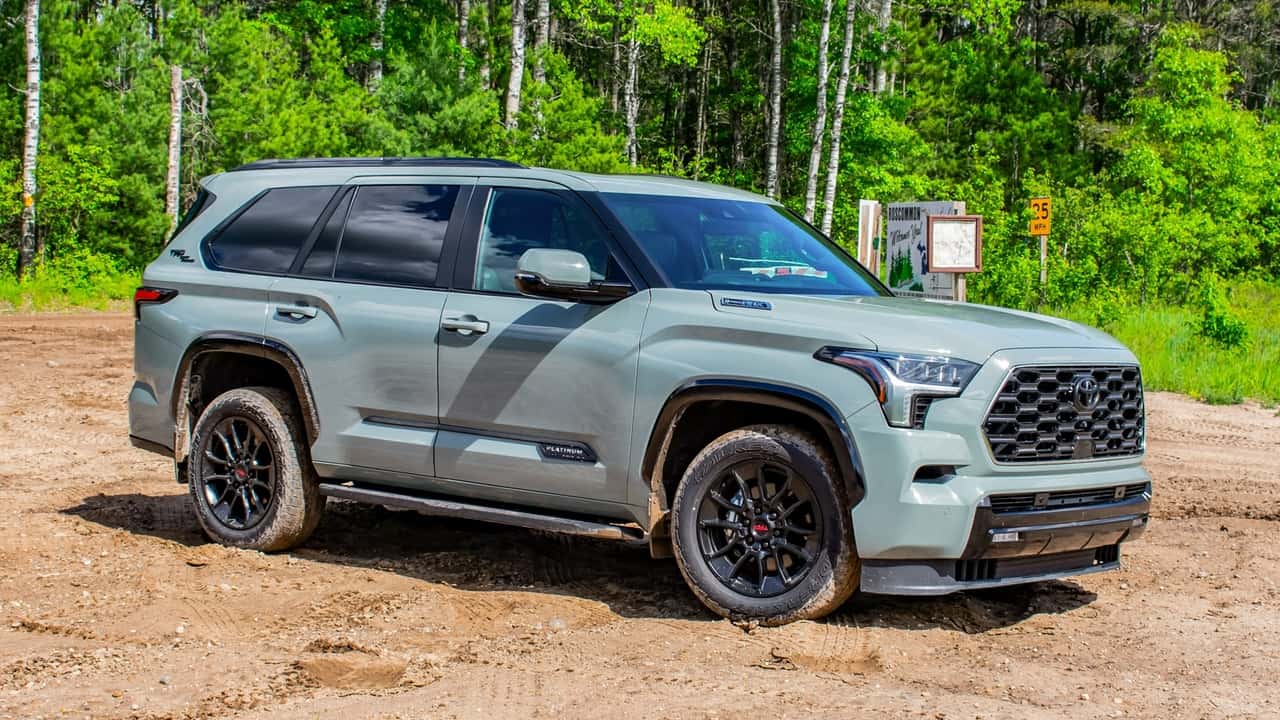
3. Toyota Sequoia
The Toyota Sequoia represents the full-size end of the reliability spectrum. Built on the same platform as the Toyota Tundra, it was designed to handle heavy loads, large families, and demanding conditions without breaking down. This truck-based architecture gives it a significant advantage in terms of durability.
At the heart of the Sequoia is a robust V8 engine, known for its strength and longevity. This engine, combined with a proven automatic transmission, creates a drivetrain that can handle high mileage with ease. Reliability scores for models like the 2006 Sequoia highlight its dependability, with strong ratings from industry sources.
The Sequoia’s size and capability also contribute to its long life. It was built to tow, haul, and endure, meaning that everyday driving places relatively little stress on its components. This overbuilt nature allows it to last longer than many smaller, more lightly constructed SUVs.
Interior durability is another strength. While not as luxurious as some competitors’, the materials used in the Sequoia are designed to withstand heavy use. This practicality ensures that the vehicle remains functional and comfortable even after years of ownership.
Compared to many 2010s full-size SUVs, which introduced more complex electronics and fuel-saving technologies, the 2000s Sequoia stands out for its straightforward engineering. It is a reminder that simplicity and strength often lead to the longest-lasting vehicles.
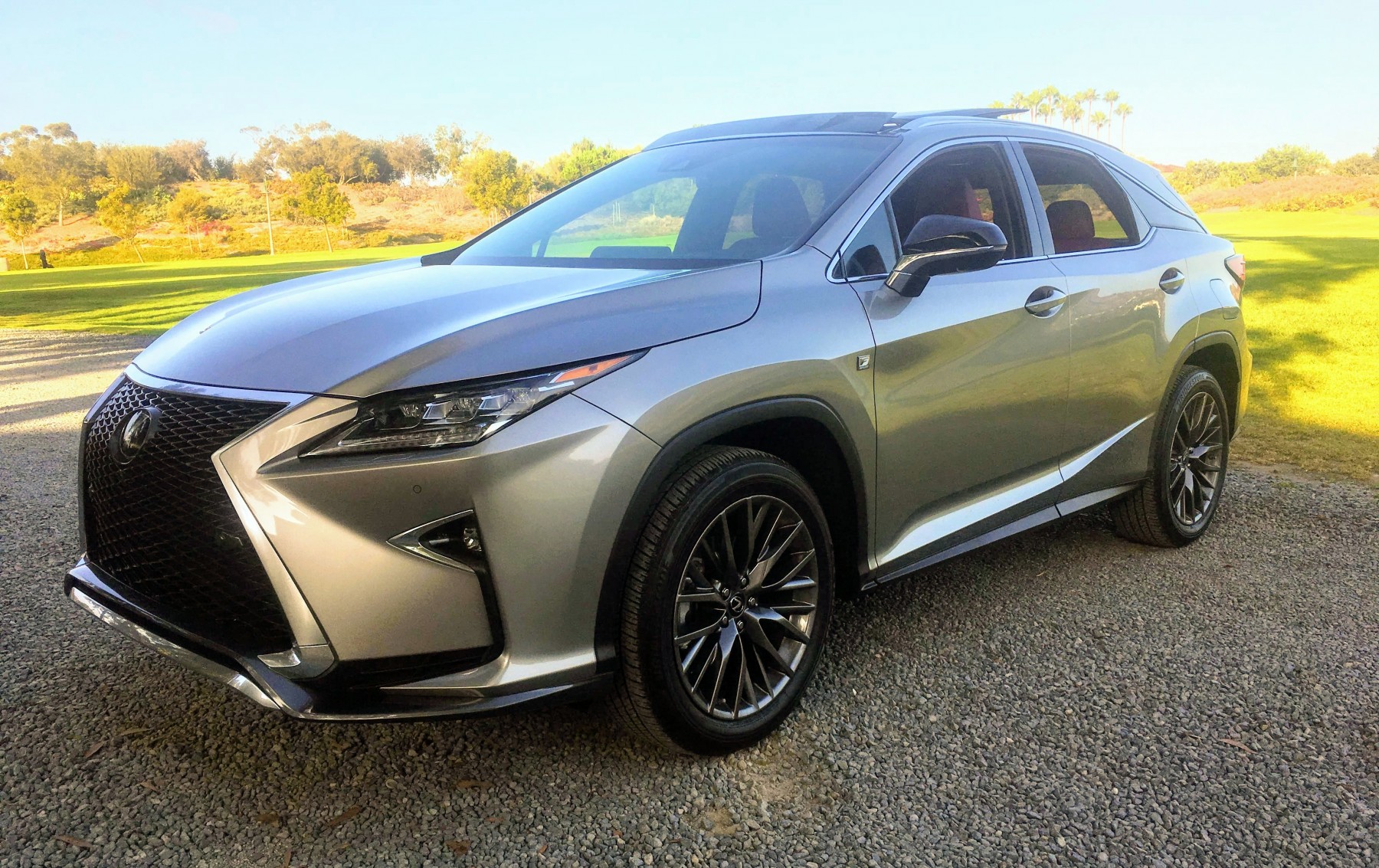
4. Lexus RX
The Lexus RX is often cited as one of the most reliable luxury SUVs ever made. Combining Toyota’s engineering with premium features, it offers a level of refinement without sacrificing durability. The 2010 model, in particular, achieved exceptionally high reliability ratings, making it a standout in its class.
One of the RX’s greatest strengths is its smooth and reliable V6 engine. Designed for longevity, it provides consistent performance without the complexity of turbocharging or other modern technologies. This simplicity contributes to its long-term dependability.
The RX also benefits from high-quality materials and meticulous assembly. Lexus is known for its attention to detail, and this is evident in the way these vehicles age. Interiors remain comfortable and functional even after years of use, while mechanical components continue to perform reliably.
Another advantage is the RX’s ease of ownership. Maintenance requirements are straightforward, and the vehicle’s reputation for reliability reduces the likelihood of unexpected repairs. This makes it an attractive option for buyers seeking a luxury SUV that can last for many years.
In contrast to many luxury SUVs from the 2010s, which often prioritize technology and performance over durability, the RX maintains a focus on long-term reliability. It demonstrates that luxury and longevity can coexist when engineering is done right.
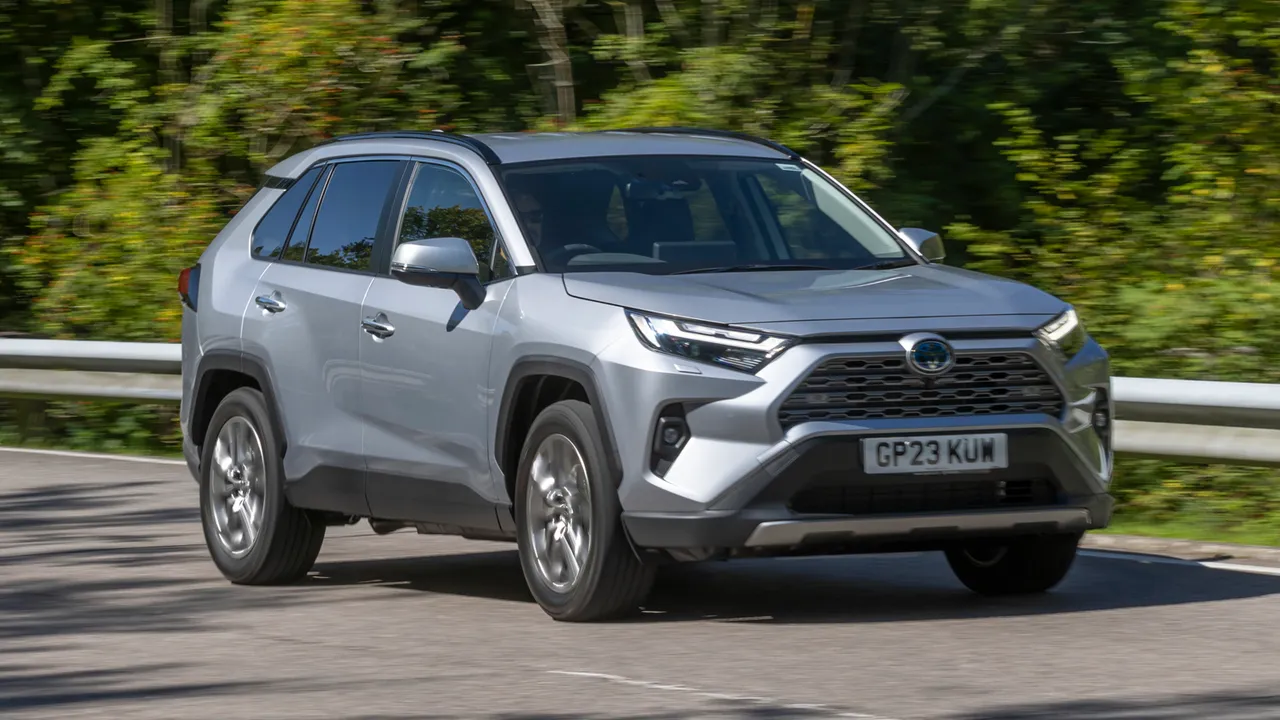
5. Toyota RAV4
The Toyota RAV4 played a significant role in popularizing compact SUVs, and its 2000s models are among the most reliable in the segment. Known for their simplicity and practicality, these vehicles have proven to be long-lasting and dependable.
The RAV4’s engine options are straightforward and efficient, avoiding the complexity that can lead to reliability issues. This simplicity makes it easier to maintain and less prone to major failures, contributing to its long lifespan.
Build quality is another key factor. Toyota’s reputation for durability is evident in the RAV4’s construction, with components designed to withstand years of use. This attention to detail ensures that the vehicle remains reliable even as it ages.
The RAV4 also offers low ownership costs, making it an attractive option for long-term use. Its fuel efficiency and affordable maintenance contribute to its popularity in the used market.
Compared to newer compact SUVs, the 2000s RAV4 stands out for its durability and ease of ownership. It may lack modern features, but its ability to deliver consistent performance over time makes it a strong contender for longevity.
Also Read: 10 Cars That Survive Being Used as Daily Uber Vehicles
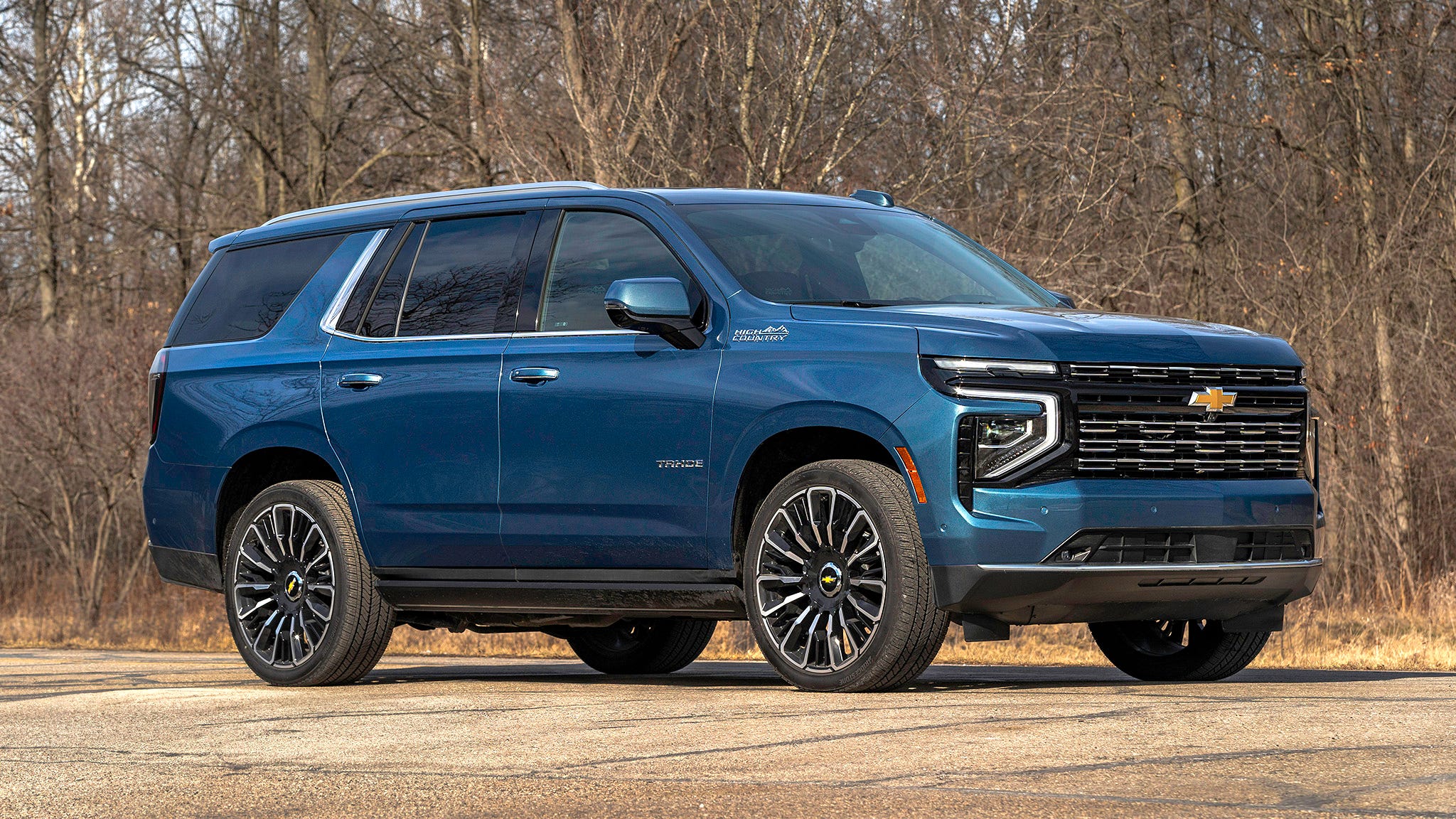
6. Chevrolet Tahoe
The Chevrolet Tahoe demonstrates that American SUVs can also excel in reliability. With its powerful V8 engine and robust construction, it offers a combination of performance and durability that has stood the test of time.
One of the Tahoe’s key strengths is its simple powertrain. The V8 engine, paired with a traditional automatic transmission, provides reliable performance without unnecessary complexity. This simplicity contributes to its long-term durability.
The Tahoe’s size and capability also play a role in its longevity. Built to handle heavy loads and towing, it is designed to endure demanding conditions. This overengineering allows it to last longer than many smaller SUVs.
Interior durability is another advantage. While not as refined as some competitors’, the materials used in the Tahoe are designed for heavy use, ensuring that the vehicle remains functional over time.
Compared to many 2010s SUVs, which often feature more complex systems, the 2000s Tahoe stands out for its straightforward engineering. It is a testament to the value of simplicity in achieving long-term reliability.
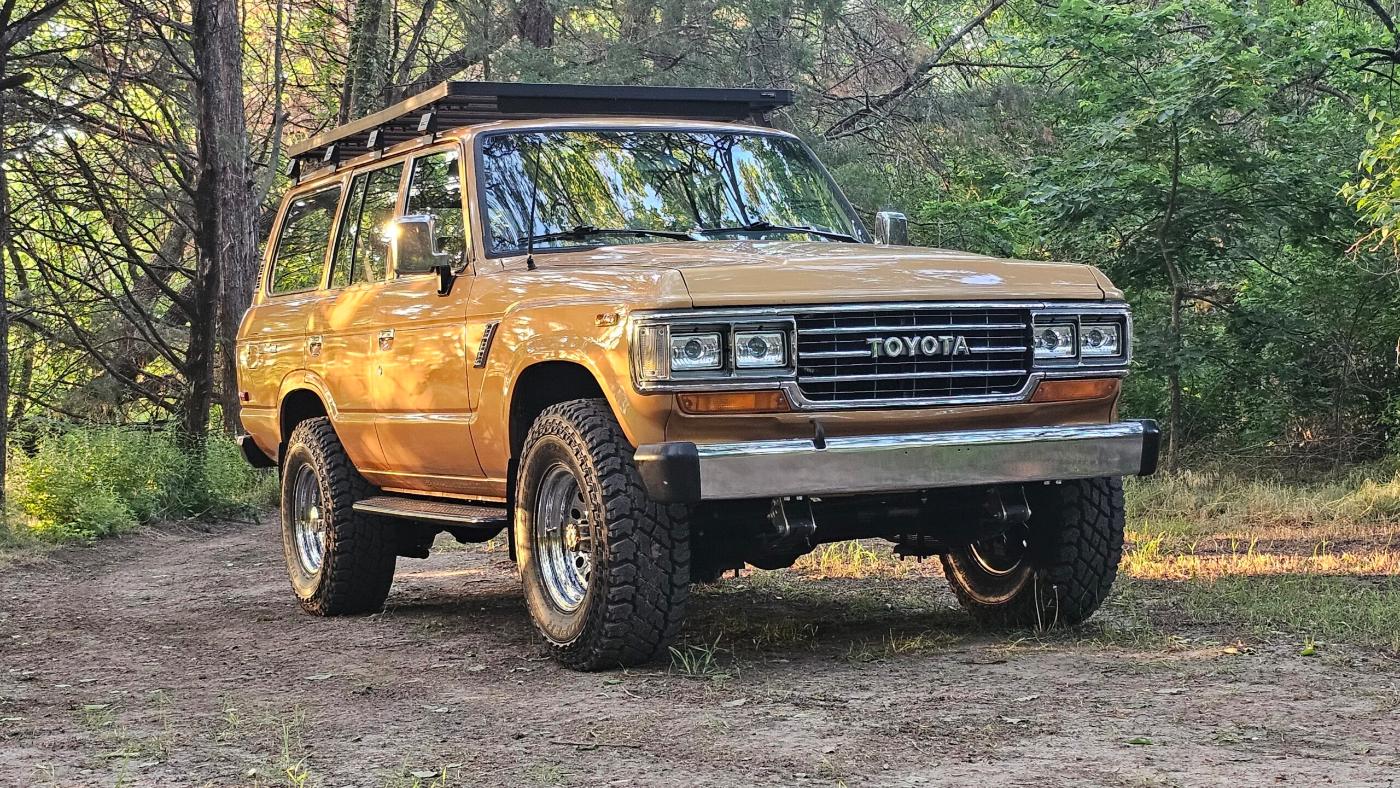
7. Toyota FJ Cruiser
The Toyota FJ Cruiser is a unique SUV that combines retro styling with modern reliability. Designed for off-road enthusiasts, it offers exceptional durability and capability.
The FJ Cruiser’s engine is known for its reliability, providing strong performance without excessive complexity. This simplicity contributes to its long lifespan, making it a popular choice among enthusiasts.
Its off-road capabilities are a major factor in its durability. Built to handle rough terrain, it features a strong suspension and sturdy construction that can withstand harsh conditions.
The FJ Cruiser also benefits from Toyota’s reputation for quality. Its components are designed to last, ensuring that the vehicle remains reliable even after years of use.
In comparison to many modern SUVs, the FJ Cruiser stands out for its focus on durability and capability. It is a reminder that true off-road vehicles are built to endure.
8. Ford Edge
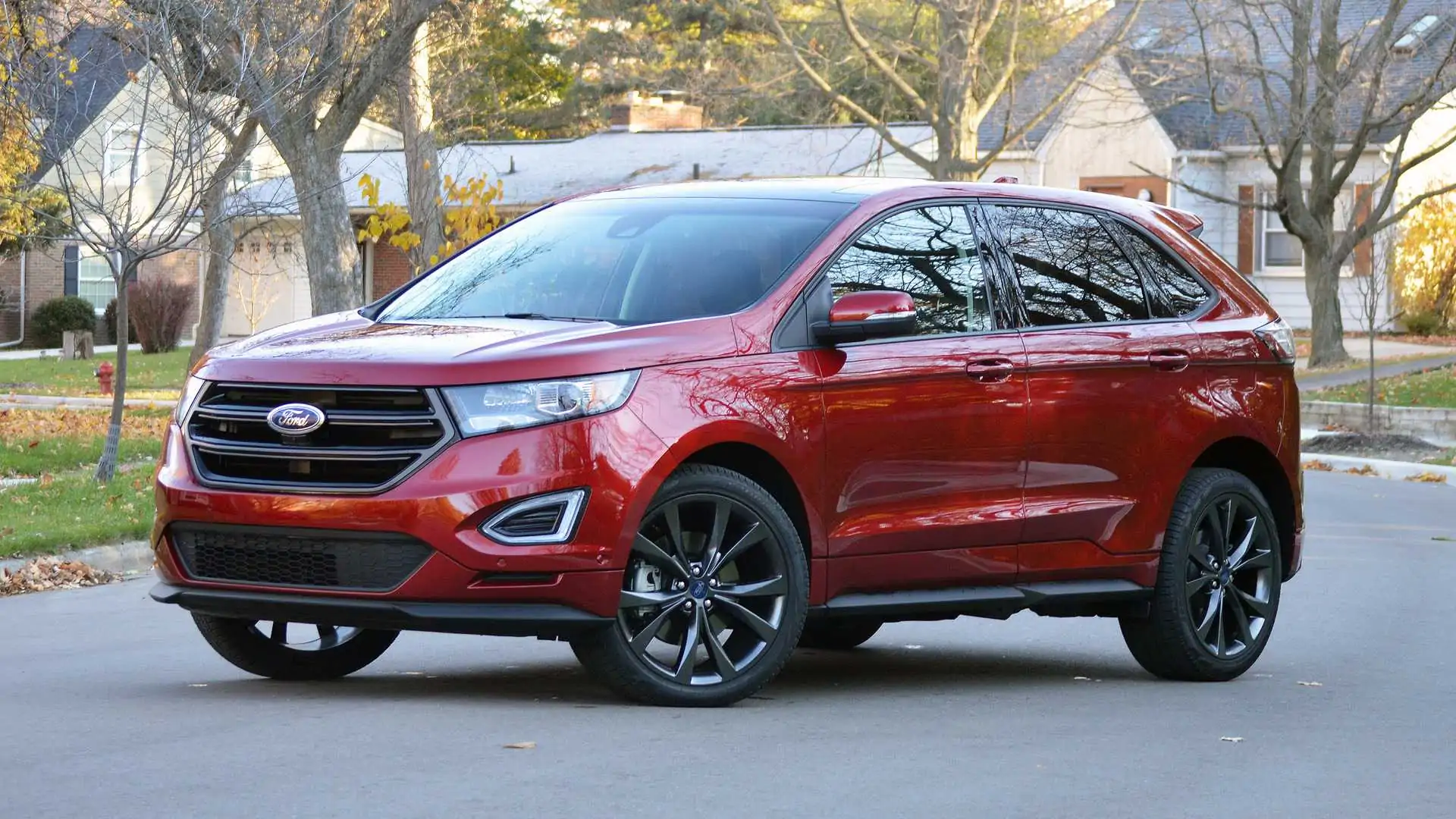
The Ford Edge, introduced in the mid-2000s, marked Ford’s serious entry into the midsize crossover SUV market. It was designed to bridge the gap between traditional SUVs and more car-like driving dynamics, offering comfort, space, and reliability in a modern package.
Unlike body-on-frame SUVs of its era, the Edge used a unibody platform, which improved ride quality and fuel efficiency while still maintaining decent durability. The 2008 model year, in particular, is often highlighted as one of the most balanced early versions in terms of reliability and long-term ownership experience.
One of the strongest aspects of the Ford Edge is its 3.5-liter V6 engine. This naturally aspirated engine became known for its smooth performance and relatively simple design compared to the turbocharged engines that became more common in the 2010s.
With proper maintenance, this engine has been reported to exceed 200,000 miles without major internal failures. The absence of overly complex forced induction systems contributed significantly to its long-term dependability.
The transmission used in early Edge models also played a role in its reputation. While not perfect, it was far less complicated than many modern dual-clutch or continuously variable transmissions found in later SUVs. This made repairs more straightforward and less expensive over time. Owners often note that routine maintenance like fluid changes can significantly extend the lifespan of the drivetrain.
Another important factor is the Edge’s relatively simple electronics system compared to those of newer vehicles. While it did offer features like basic infotainment and driver assistance, it did not rely heavily on software-driven systems that can become costly to repair or update. This reduced the risk of electronic failures that are now common in newer SUVs.
In terms of comfort and practicality, the Ford Edge strikes a strong balance. It offers a spacious cabin, supportive seating, and a smooth ride that holds up well even after years of use. Many owners report that interior components age reasonably well, especially compared to more cheaply built competitors from the same period.
The Ford Edge from the 2000s stands out as a dependable crossover that successfully blended modern comfort with old-school mechanical simplicity. While it may not be as rugged as body-on-frame SUVs, its long-term reliability and ease of maintenance allow it to compete strongly even against newer models from the 2010s.
9. Lexus GX
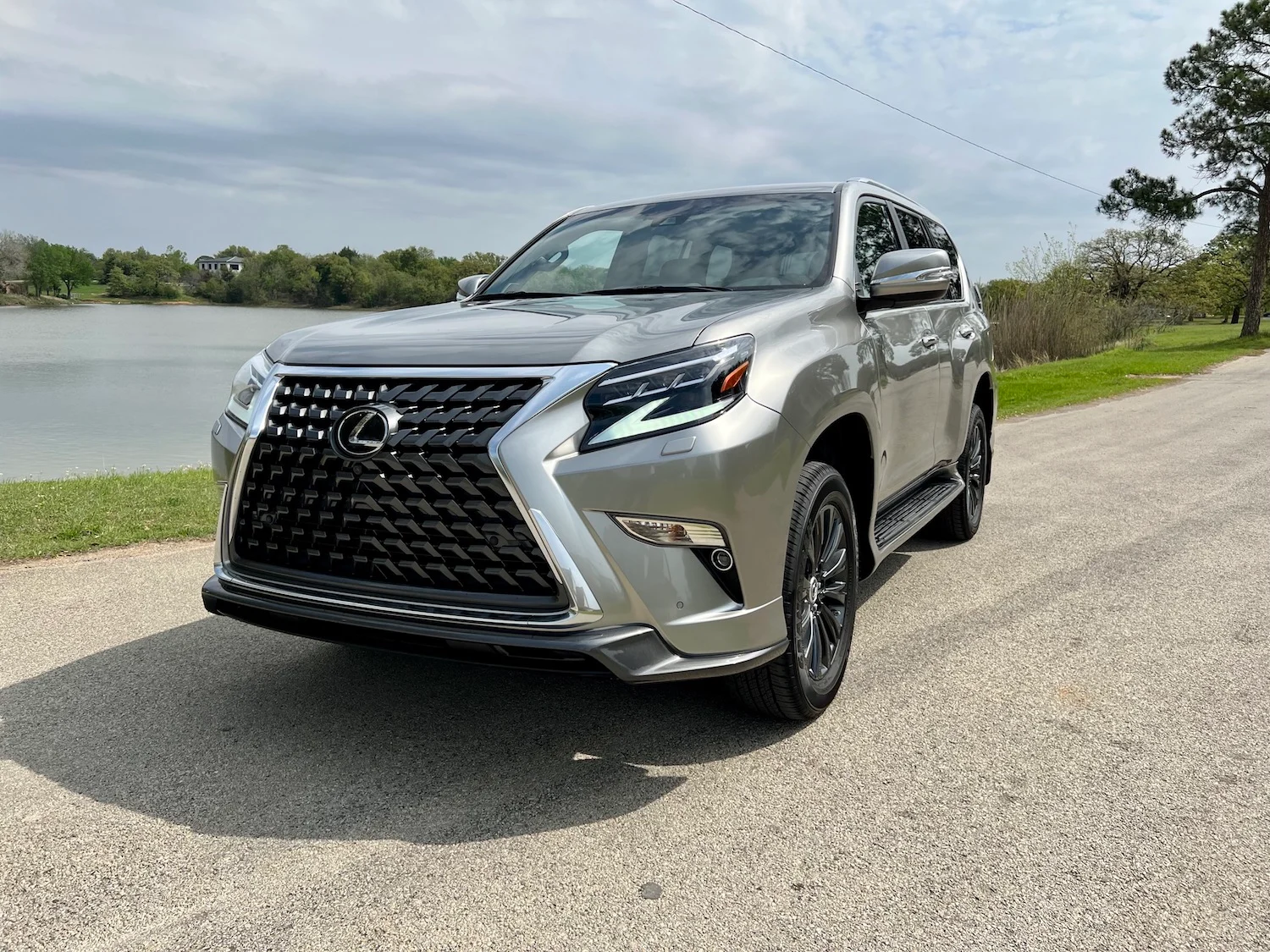
The Lexus GX is one of the most respected luxury SUVs ever built when it comes to durability. Based on the Toyota Land Cruiser Prado platform, it combines serious off-road engineering with Lexus-level comfort and refinement. Introduced in the early 2000s, the GX quickly gained a reputation for being nearly indestructible when properly maintained.
At the heart of the Lexus GX is its powerful 4.7-liter V8 engine, which is widely regarded as one of Toyota’s most reliable engines. This engine is overbuilt for longevity, meaning it operates well below its maximum stress levels during normal driving. This engineering philosophy allows it to handle extremely high mileage, often surpassing 300,000 miles with basic servicing.
The GX also features a full-time four-wheel-drive system with a robust transfer case. Unlike many modern SUVs that rely on electronically controlled AWD systems, the GX uses a more mechanical and durable setup. This makes it especially reliable in off-road or harsh driving conditions where electronic systems might fail.
Another key advantage is its body-on-frame construction. This type of architecture is shared with trucks and heavy-duty SUVs, giving the GX exceptional strength and resistance to structural fatigue. Even after years of use on rough terrain, the frame and suspension components tend to hold up remarkably well.
Inside, the Lexus GX offers a surprisingly luxurious experience for a rugged SUV. High-quality materials, well-built switches, and durable upholstery mean the interior ages slowly and gracefully. Unlike many luxury vehicles from the 2010s that rely heavily on fragile electronics and touch-based controls, the GX keeps things simple and long-lasting.
The Lexus GX is a rare combination of luxury and extreme durability. While newer SUVs may offer more advanced technology or fuel efficiency, few can match the GX’s ability to withstand years of abuse while continuing to perform reliably.
10. GMC Envoy
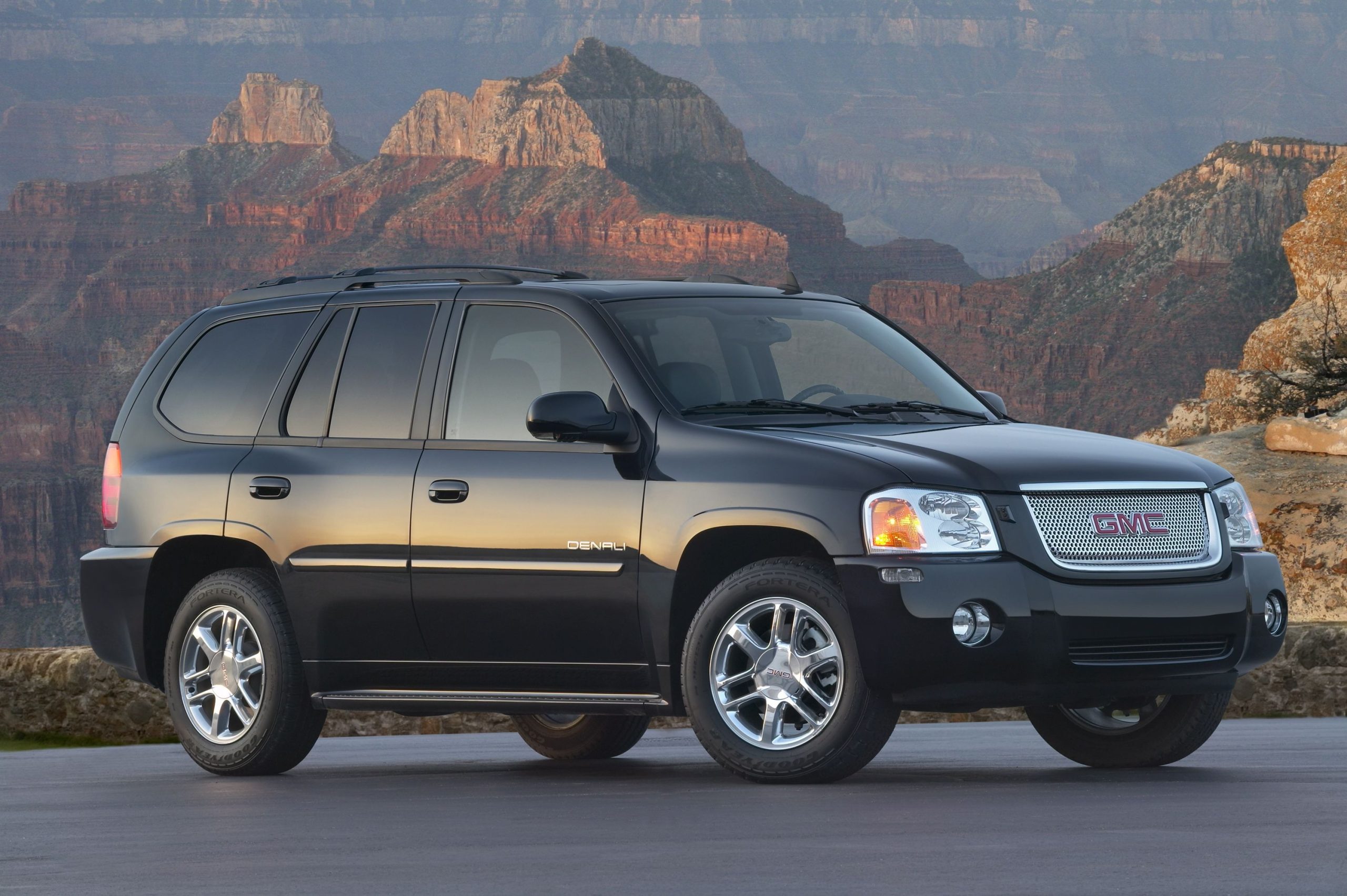
The GMC Envoy is often underrated in discussions about reliable SUVs from the 2000s, but it deserves recognition for its solid engineering and long-lasting performance. Built on a traditional body-on-frame platform, the Envoy was designed during a time when GM focused heavily on durability in its mid-size SUV lineup.
One of the key strengths of the Envoy is its inline-six engine, particularly the 4.2-liter variant. This engine is known for its smooth operation and surprising strength, often outperforming expectations in terms of longevity. It is not uncommon for well-maintained Envoys to exceed 200,000 miles without major engine issues.
The optional V8 engine also adds to its appeal, offering more power while maintaining acceptable reliability when properly serviced. Although slightly more complex than the inline-six, the V8 still benefits from GM’s proven engine architecture of the time.
Transmission performance in the Envoy is generally stable, especially when regular fluid maintenance is performed. While not the most advanced system, its simplicity works in favor of long-term reliability. Many owners appreciate that repairs are relatively inexpensive compared to newer SUVs with complex automatic or CVT systems.
The suspension system is another area where the Envoy shows durability. Designed for comfort and utility, it can handle rough roads and heavy loads without quickly wearing out. This makes it particularly suitable for rural or long-distance driving conditions.
Inside the cabin, the Envoy offers a functional and spacious layout. While not luxurious by modern standards, the materials are durable and designed to withstand years of use. Buttons, switches, and interior trim pieces tend to hold up better than many newer vehicles that rely on softer but less durable materials.
The GMC Envoy represents a classic example of early 2000s American SUV engineering done right. It may not have the prestige of luxury brands or the refinement of modern crossovers, but its long-term reliability makes it a strong contender among SUVs that outlast newer generations.
