
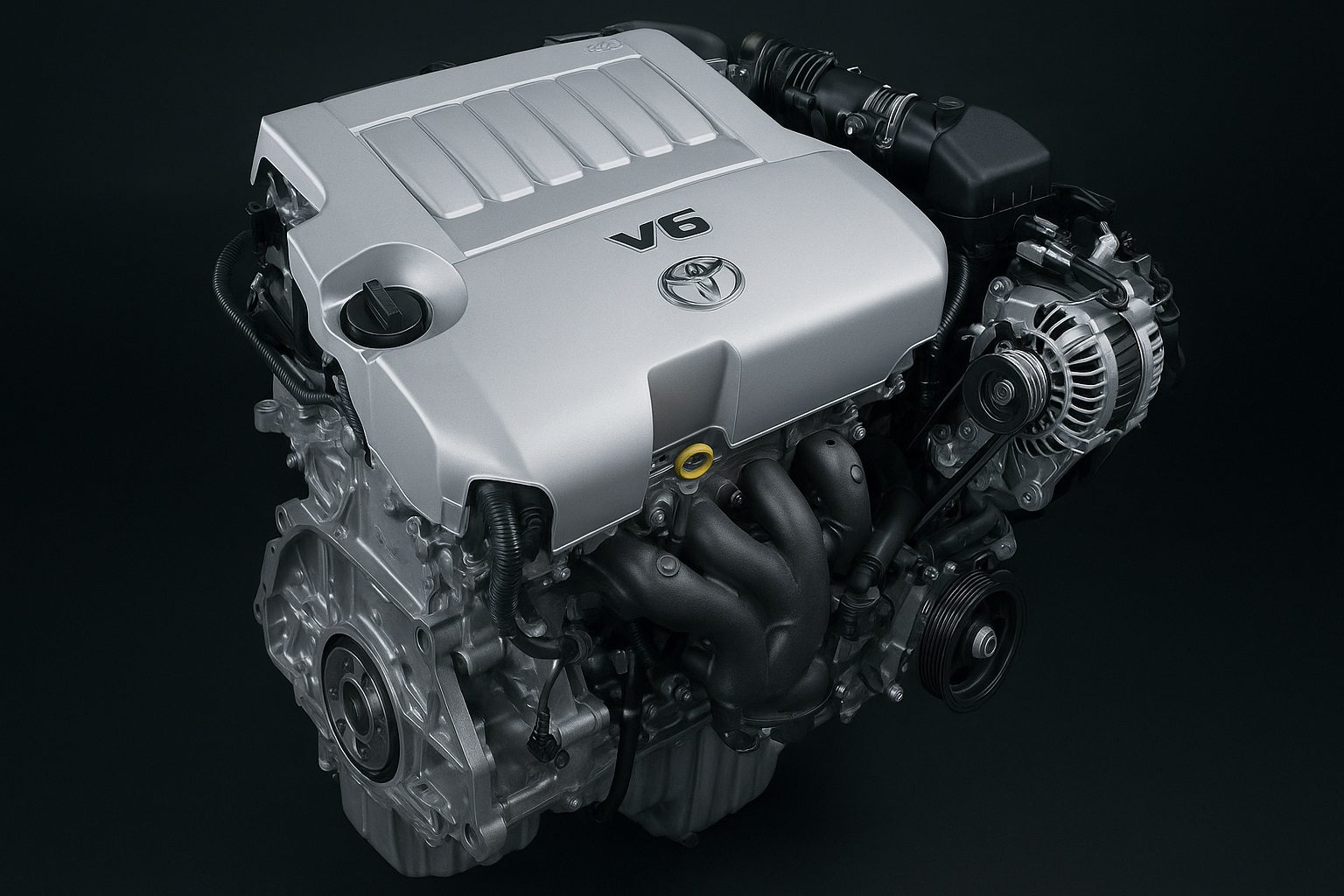
Toyota’s reputation for long-term reliability did not appear overnight. It was built carefully over decades, and one of the strongest pillars behind that reputation is its lineup of V6 engines.
From the late 1980s through the modern era, Toyota engineered multiple V6 families that powered sedans, SUVs, and trucks across global markets. These engines were not just designed to perform well when new, but to endure years of real-world use with minimal drama.
What makes Toyota V6 engines particularly interesting is how differently they evolved. Some prioritised simplicity and ruggedness, making them ideal for trucks and off-road vehicles. Others leaned toward refinement, focusing on smoothness, efficiency, and quiet operation for sedans and crossovers.
Despite these differences, many of them share a common trait that owners consistently highlight: the ability to keep running long after expectations are exceeded.
Reliability in this context is not just about avoiding breakdowns. It includes how an engine handles neglect, how expensive it is to maintain, how it behaves at high mileage, and whether it develops recurring issues.
Toyota’s best V6 engines excel in all these areas, often forgiving minor lapses in maintenance while continuing to deliver dependable performance.
At the same time, not every Toyota V6 is flawless. Some engines developed known issues that affected owner satisfaction, especially when compared to the brand’s highest standards.
Ranking them requires looking beyond brand loyalty and focusing on real ownership experiences, including durability, maintenance demands, and long-term consistency.
Another factor worth considering is the application. An engine designed for a heavy SUV faces different stresses than one used in a mid-size sedan. This influences how reliability is perceived. A truck engine that survives extreme use earns respect differently from a refined engine that quietly runs for decades in daily commuting.
This list ranks every major Toyota V6 engine family by long-term reliability, highlighting what makes each one stand out and where it falls short. The structure varies intentionally to reflect how differently these engines are remembered by those who have owned and maintained them.
Also Read: The 10 Most Bulletproof Diesel Engines Ever, Ranked
1. 2GR-FE (3.5L V6)
The Toyota 2GR-FE engine sits at the top because it represents a near-perfect balance between performance, efficiency, and durability. Introduced in the mid-2000s, it quickly became one of Toyota’s most widely used engines, powering vehicles like the Toyota Camry, Toyota Avalon, and Toyota Highlander.
Owners often describe this engine in terms of consistency rather than excitement. It starts reliably, runs smoothly, and rarely demands attention beyond routine maintenance. That predictability plays a major role in long-term satisfaction, especially for drivers who prioritise dependability over performance thrills.
From a technical standpoint, the 2GR-FE benefits from modern engineering without becoming overly complicated. Features like dual VVT-i improve efficiency and performance, yet they do not significantly increase the risk of failure. This careful balance allows the engine to remain durable even as it incorporates newer technology.
Another important aspect is how well it handles high mileage. Many examples exceed 300,000 kilometres with minimal internal wear. Owners frequently report that the engine maintains smooth operation and strong performance even after years of use, which reinforces confidence in its design.
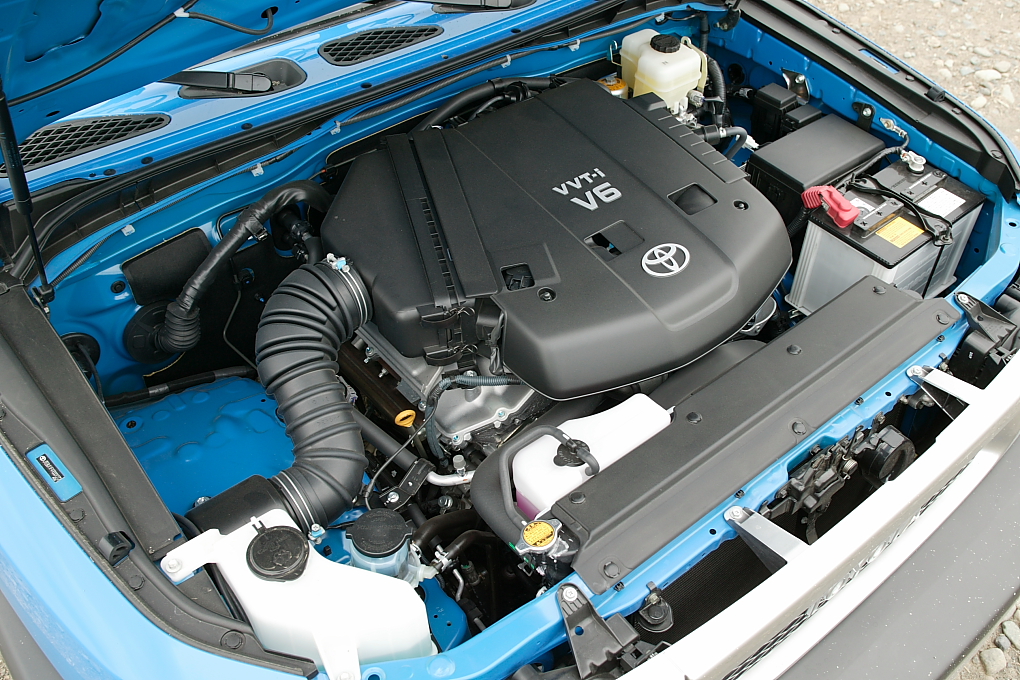
Maintenance costs remain reasonable, and parts availability is excellent due to its widespread use. This reduces the financial burden of ownership, making it an appealing choice for long-term use. Mechanics are also highly familiar with the engine, which simplifies servicing.
There are occasional concerns, such as water pump wear or minor oil line issues in early versions, but these problems are generally manageable and well-documented. They do not significantly impact the engine’s reputation.
Rather than excelling in just one area, the 2GR-FE succeeds by doing everything well. It delivers reliability without sacrificing refinement, making it one of the most trusted V6 engines Toyota has ever produced.
2. 1GR-FE (4.0L V6)
The Toyota 1GR-FE engine takes a completely different approach compared to the 2GR-FE. Built primarily for trucks and SUVs like the Toyota Tacoma and Toyota 4Runner, this engine focuses on durability under stress rather than refinement.
Its reputation is built on toughness. Owners who use their vehicles for off-roading, towing, or heavy-duty tasks consistently praise how well the engine handles demanding conditions. It does not feel strained easily, and that resilience contributes heavily to its strong reliability ratings.
Instead of emphasising smoothness, the 1GR-FE straightforwardly delivers dependable power. The engine design is relatively simple compared to more modern units, which reduces the likelihood of complex failures. This simplicity is a key reason why it performs so well over time.
A different perspective comes from how it tolerates neglect. While no engine benefits from poor maintenance, the 1GR-FE is known for continuing to operate even when servicing is not perfect. This forgiving nature makes it particularly appealing for owners who use their vehicles in challenging environments.
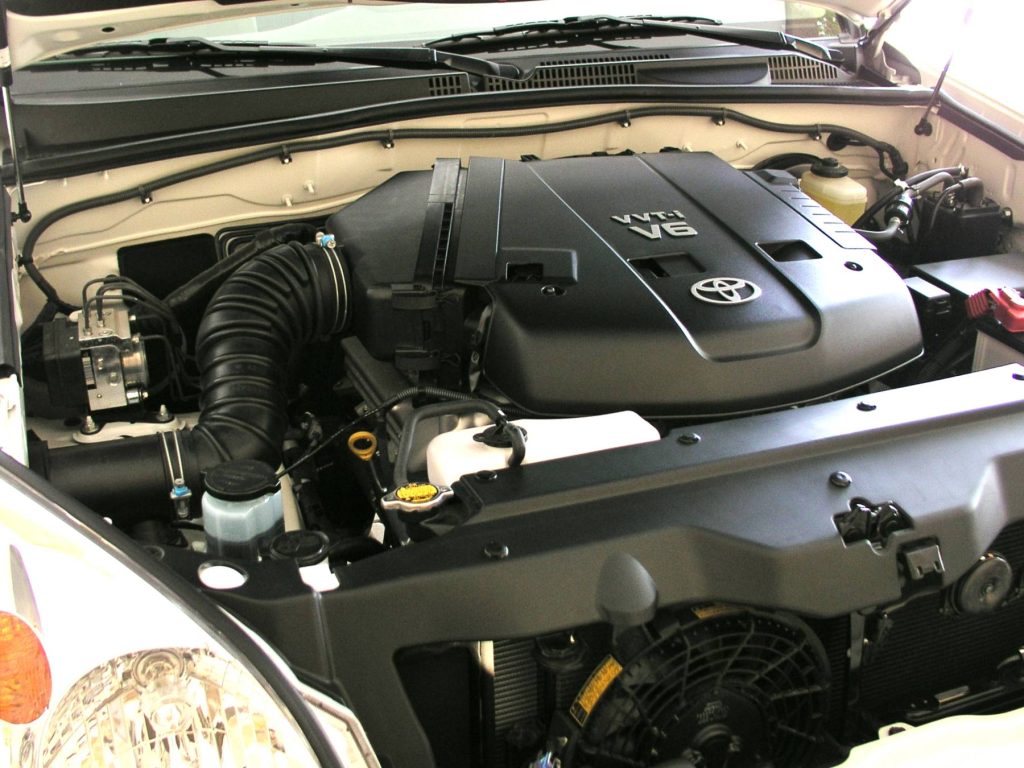
Fuel efficiency is not its strongest point, but most owners accept this trade-off in exchange for durability. The engine prioritises strength and longevity over economy, and that focus is reflected in its long-term performance.
In terms of maintenance, the 1GR-FE is relatively easy to service. Parts are widely available, and repairs are generally straightforward. This keeps ownership costs manageable, even as the vehicle ages.
Some owners mention minor issues such as water pump leaks or accessory component wear, but these are typically predictable and do not lead to major failures. The core engine remains highly reliable.
Where the 2GR-FE excels in balance, the 1GR-FE dominates in ruggedness. It is built to endure harsh conditions, and for many owners, that reliability under pressure is more valuable than refinement.
3. 3VZ-FE (3.0L V6)
The Toyota 3VZ-FE engine belongs to an earlier era of Toyota engineering, one where durability often came from simplicity rather than advanced technology. Found in vehicles like the Toyota Camry and Toyota Pickup, this engine built its reputation gradually through years of dependable service.
Owners tend to describe this engine in a matter-of-fact tone. It does not impress with performance or refinement, yet it rarely disappoints either. That steady, predictable behaviour is exactly what many drivers value. It simply keeps running without drawing attention to itself.
The structure of satisfaction here is tied closely to longevity. Many examples have crossed extremely high mileage figures with minimal internal issues. When maintained properly, the engine shows impressive resistance to wear, even after decades of use.
However, the 3VZ-FE is not without flaws. Head gasket concerns are well known, particularly in certain production years. This issue affected owner confidence, especially when compared to Toyota’s strongest engines. Yet, once addressed, the engine often continues to perform reliably for many more years.
A different angle to consider is how accessible this engine is for maintenance. Its relatively straightforward design allows for easier repairs compared to more modern engines. Mechanics familiar with older Toyota platforms often find it manageable to work on, which reduces long-term ownership stress.
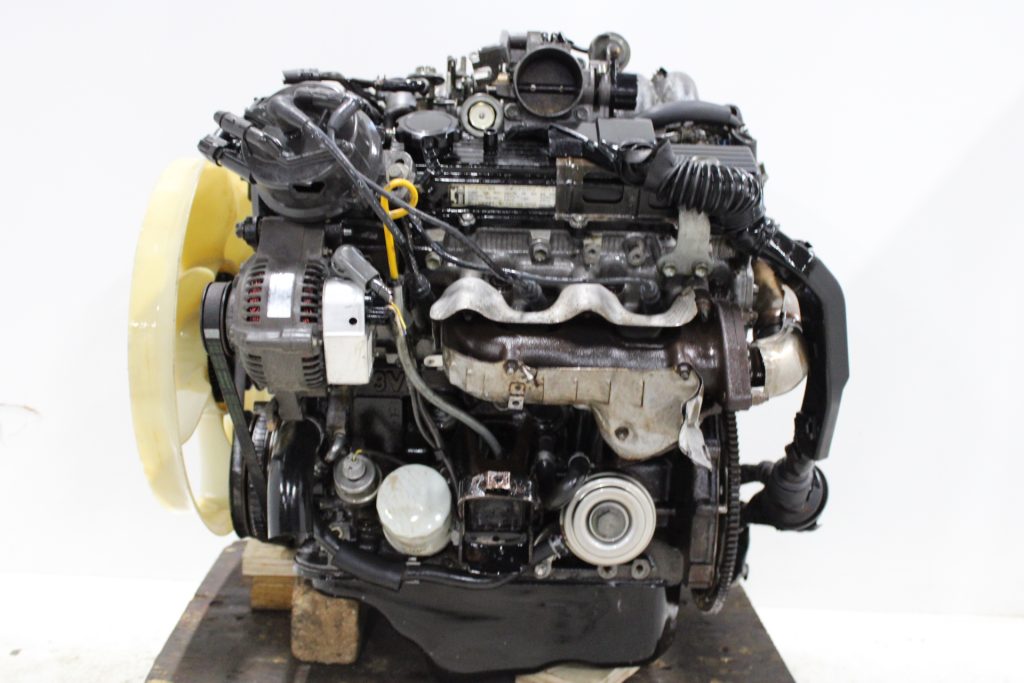
Driving experience is not its defining strength. It feels dated by modern standards, with modest power delivery and less refinement. Still, for many owners, that simplicity becomes an advantage rather than a drawback.
The 3VZ-FE earns its place through persistence. It may not be perfect, but it demonstrates a level of durability that reflects Toyota’s early commitment to reliability.
4. 3.5L V6 Hybrid Variant (2GR-FXE)
The Toyota 2GR-FXE engine represents a completely different philosophy, combining traditional V6 performance with hybrid efficiency. Used in vehicles like the Toyota Highlander Hybrid and Lexus RX 450h, it reflects Toyota’s ability to integrate advanced systems without sacrificing reliability.
Instead of focusing solely on the engine itself, satisfaction here comes from how well it works within a hybrid system. Owners often highlight the seamless transition between electric and gasoline power, which creates a smooth and refined driving experience.
From a reliability standpoint, this engine benefits from reduced mechanical stress. The electric motor assists during acceleration, which means the engine does not have to work as hard in certain situations. Over time, this can contribute to lower wear and longer lifespan.
Another perspective emerges when considering maintenance. Hybrid systems can appear complex, but Toyota’s design keeps them surprisingly manageable. The engine itself shares many characteristics with the standard 2GR-FE, which helps maintain reliability.
Fuel efficiency plays a major role in owner satisfaction. Drivers appreciate the ability to achieve better economy without giving up the power expected from a V6. This combination is particularly appealing for those who want both performance and efficiency.
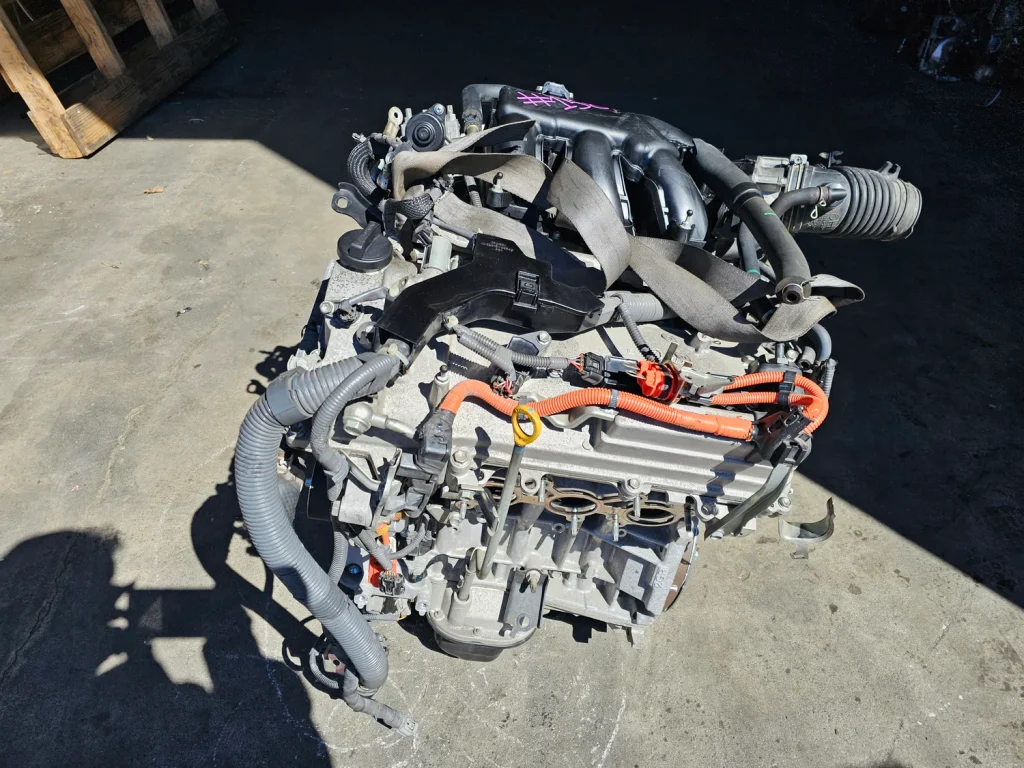
There are occasional concerns related to hybrid components, such as battery longevity, but these issues are separate from the engine itself. The V6 portion remains highly dependable and rarely becomes the source of major problems.
The 2GR-FXE stands out because it proves that advanced technology does not have to compromise durability. It delivers a refined, efficient experience while maintaining the reliability expected from Toyota.
5. 1MZ-FE (3.0L V6)
The Toyota 1MZ-FE engine tells a story of refinement meeting durability, though not without a few lessons along the way. This engine powered a wide range of vehicles, such as the Toyota Camry, Toyota Avalon, and even luxury applications like the Lexus ES 300.
Owners often begin their experience by noticing how smooth and quiet this engine feels. Compared to earlier Toyota V6 units, it delivers a more refined driving character, which made it especially popular in passenger cars. That first impression plays a big role in satisfaction, particularly for daily commuters.
Yet, long-term ownership reveals a more layered picture. One of the most discussed issues is oil sludge formation, especially in engines that have received consistent oil changes. This problem affected perception significantly, as it required owners to be more disciplined with maintenance than expected.
Despite that, many engines that were properly maintained continue to run reliably for hundreds of thousands of kilometres. This creates a divide in owner experiences. Those who followed maintenance schedules closely tend to report excellent durability, while others encountered avoidable issues.
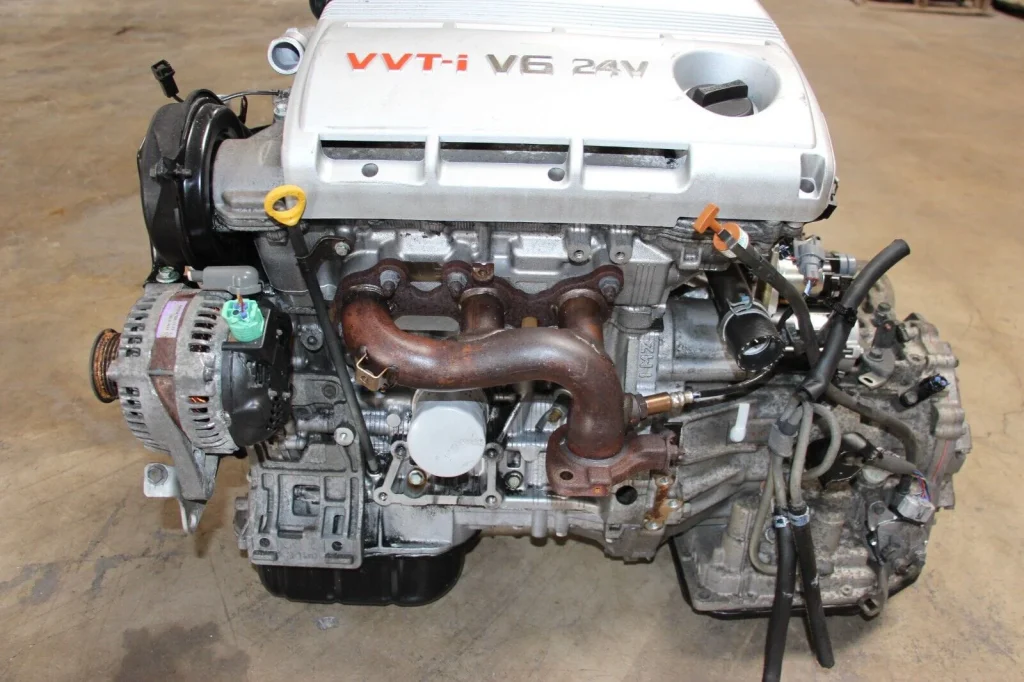
From a structural standpoint, the engine is well-built. Internal components hold up well over time, and catastrophic failures are relatively rare when care is consistent. That underlying strength helps preserve its reputation despite its known weaknesses.
Another dimension of satisfaction comes from how widely this engine was used. Parts are easy to find, mechanics are familiar with them, and repair costs remain manageable. This accessibility reduces the stress of long-term ownership.
Instead of being defined purely by reliability or flaws, the 1MZ-FE is remembered for how it rewards responsible ownership. It demands attention to maintenance, and in return, it offers longevity and smooth performance.
6. 2VZ-FE (2.5L V6)
The Toyota 2VZ-FE engine represents an earlier stage in Toyota’s V6 development, one that emphasised durability but had not yet reached the refinement seen in later engines. It appeared in vehicles like the Toyota Camry, marking one of Toyota’s first serious steps into V6-powered passenger cars.
Unlike newer engines that impress immediately, the 2VZ-FE builds its reputation gradually. Owners often describe it as dependable in a quiet, understated way. It does not deliver strong performance or advanced features, but it rarely creates problems.
Reliability here is closely tied to its mechanical simplicity. With fewer complex systems, there are fewer potential failure points. This straightforward design allows the engine to remain operational even as it ages, which contributes to long-term satisfaction.
However, it is not entirely free from criticism. Compared to later Toyota V6 engines, it feels less efficient and less refined. Noise levels, vibration, and full driving experience reflect the era in which it was designed.
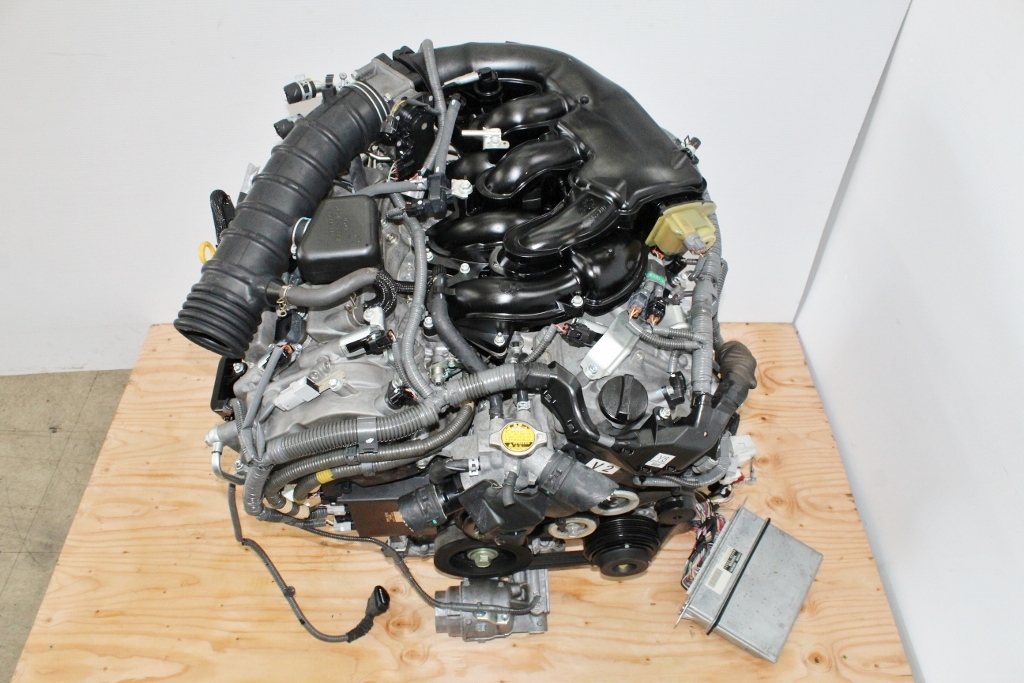
Another factor influencing satisfaction is availability. As time passes, parts for older engines like this become harder to find. This can make maintenance more challenging, especially for owners who intend to keep their vehicles for extended periods.
Still, many examples continue to run reliably decades after production ended. That longevity speaks to the strength of its core design, even if it lacks the sophistication of newer engines.
What defines the 2VZ-FE is not excellence in any single area, but its ability to endure. It represents a foundation upon which Toyota built its later, more advanced V6 engines.
7. 3VZ-E (3.0L V6)
The Toyota 3VZ-E engine lives in a very different corner of Toyota’s history, one shaped by utility rather than refinement. Found in vehicles like the Toyota 4Runner and Toyota Pickup, this engine built its reputation in demanding environments where reliability mattered more than comfort.
Ask long-term owners about it, and the responses tend to be mixed but deeply experience-driven. Some describe it as stubbornly durable, capable of surviving years of hard use. Others recall recurring frustrations, particularly related to head gasket failures. This split in feedback is central to understanding its ranking.
Instead of judging it purely on known issues, it helps to consider how it behaves after those issues are addressed. Many engines that received proper repairs continued operating for years without major problems. That resilience adds an unexpected layer to its reliability story.
Performance is not its highlight. Power delivery feels modest, especially in heavier vehicles. Yet, this limitation also means the engine is rarely pushed to extremes, which can contribute to longevity when driven conservatively.
Maintenance plays a decisive role here. Owners who stay attentive to cooling system health and general upkeep often report better experiences. Those who neglect these areas tend to encounter more frequent problems, reinforcing the importance of proper care.
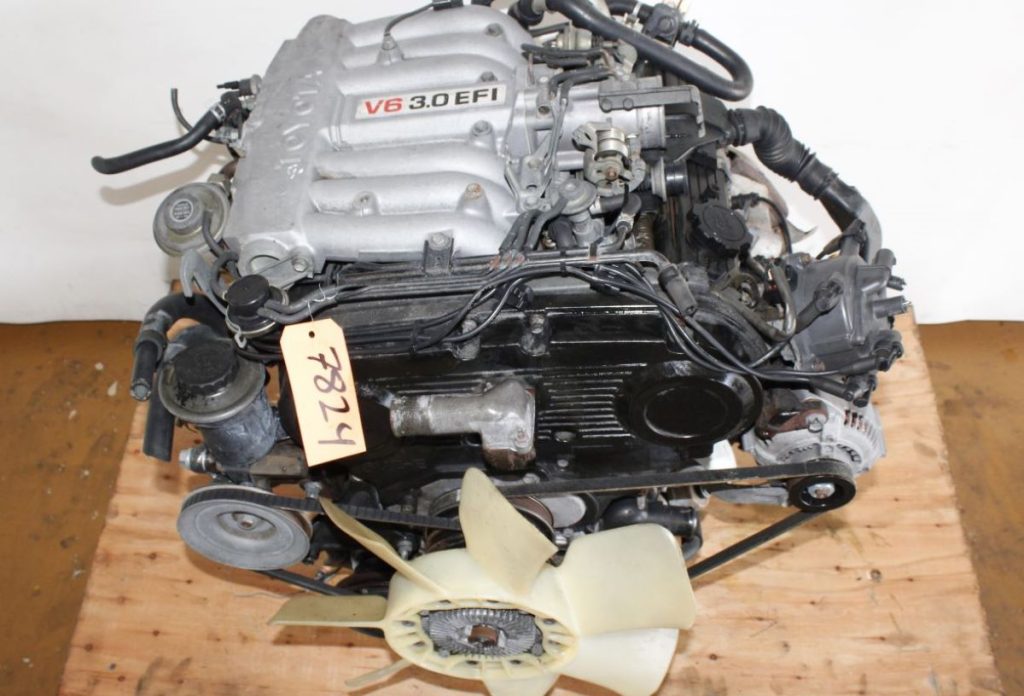
There is also a sense of mechanical honesty about this engine. It does not hide its age or limitations. What it offers is a straightforward, work-focused design that can endure when treated correctly.
Rather than being remembered as flawless, the 3VZ-E is remembered as resilient. It may require attention, but it rewards persistence with continued service.
8. 5VZ-FE (3.4L V6)
The Toyota 5VZ-FE engine represents a major step forward, often regarded as one of Toyota’s most trusted truck engines. Used in models like the Toyota Tacoma and Toyota 4Runner, it quickly gained a reputation for durability that still holds strong today.
Owners tend to speak about this engine with confidence rather than hesitation. It is known for starting reliably, handling heavy use, and maintaining performance over long periods. That consistency builds a level of trust that few engines achieve.
Unlike its predecessor, the 5VZ-FE addressed many of the earlier design concerns. Improvements in cooling and full construction reduced the likelihood of major issues, allowing the engine to deliver more dependable performance.
The driving experience reflects a balance between strength and usability. It provides enough power for off-road driving and towing without feeling overly strained. This versatility contributes to its strong reputation among truck and SUV owners.
A notable aspect of this engine is how well it ages. High-mileage examples are common, and many continue to operate without significant internal repairs. Owners often measure its reliability not just in years, but in the lack of unexpected failures.
Maintenance remains straightforward. The engine design allows for accessible servicing, and parts availability is excellent. This keeps ownership costs predictable and manageable over time.
There are minor concerns, such as timing belt maintenance requirements, but these are routine rather than problematic. When handled properly, they do not affect long-term durability.
The 5VZ-FE stands as a turning point in Toyota’s V6 development. It combines toughness with improved engineering, creating an engine that delivers lasting reliability across a wide range of conditions.
Toyota’s V6 engine history reflects a careful, methodical approach to building long-lasting powertrains that can handle a wide range of driving conditions. Across decades of development, the brand consistently focused on durability, ease of maintenance, and real-world usability rather than chasing extreme performance figures.
This philosophy is what allowed many of its V6 engines to remain reliable even after years of daily use and high mileage.
At the top of the reliability scale sits the Toyota 2GR-FE engine, which represents a modern benchmark for balance. It delivers smooth performance, strong power, and impressive longevity without introducing unnecessary complexity.
Owners trust it because it performs consistently across different types of vehicles, from sedans to SUVs, while maintaining manageable maintenance costs.
Its hybrid counterpart, the Toyota 2GR-FXE engine, builds on that foundation by adding efficiency without sacrificing dependability, showing how Toyota successfully integrated advanced technology into its reliability-focused mindset.
Truck-focused engines such as the Toyota 1GR-FE engine and Toyota 5VZ-FE engine highlight a different strength. These engines prioritise toughness and endurance under heavy loads, making them favourites among off-road enthusiasts and long-term owners.
Their ability to withstand demanding conditions with relatively simple designs contributes heavily to their strong reputation.
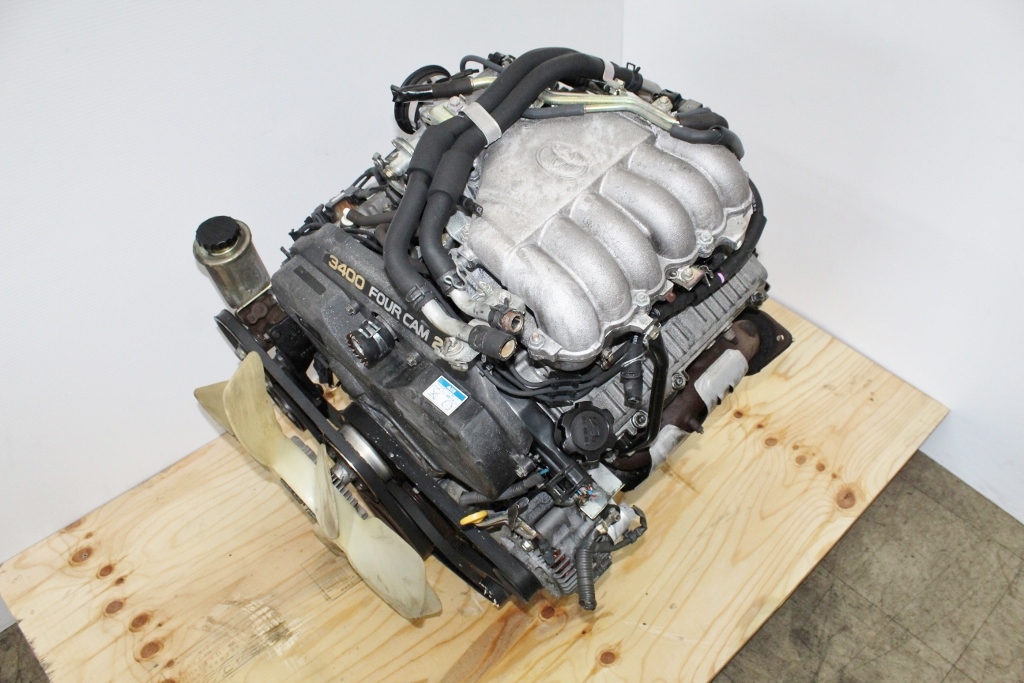
Earlier engines like the Toyota 3VZ-FE engine and Toyota 2VZ-FE engine reveal the foundation of Toyota’s reliability philosophy. While they may lack refinement and modern efficiency, they demonstrate durability through straightforward engineering. These engines often continue running for decades, proving that simplicity can be a powerful advantage.
Not every engine on the list achieved the same level of success. The Toyota 1MZ-FE engine introduced refinement but also required stricter maintenance to avoid issues like oil sludge.
Similarly, the Toyota 3VZ-E engine showed resilience but faced known concerns such as head gasket failures. These examples highlight that reliability is not just about design but also about how an engine is maintained over time.
A key takeaway from this ranking is that Toyota’s best V6 engines succeed because they align engineering with real-world needs. Whether designed for smooth daily driving or heavy-duty work, each engine performs its role effectively when properly maintained.
Longevity is not achieved through a single feature but through a combination of thoughtful design, accessible maintenance, and consistent performance.
In the end, Toyota’s V6 lineup stands as a strong example of how reliability evolves. Some engines set new standards, others laid the groundwork, and a few taught important lessons. Together, they form a legacy built on durability, trust, and the ability to keep going long after expectations have been met.
Also Read: 8 Trucks Where the Bed Outlasts Three Sets of Tailgate Hinges
