
In a pickup truck, the bed is more than just a storage area. It is the part that takes the most abuse over time. From hauling construction materials to carrying tools, machinery, and heavy loads, the bed experiences constant stress that few other components face.
While engines and transmissions often receive the most attention, a truly durable truck proves itself through how well its bed holds up after years of hard use.
Not all truck beds are built the same. Some begin to warp, rust, or weaken after repeated loading, while others remain structurally sound even after decades.
The difference usually comes down to material quality, reinforcement design, and how the bed distributes weight. Trucks that excel in this area tend to use thicker steel, stronger support crossmembers, and coatings that resist corrosion over time.
Another factor that separates long-lasting beds from weaker ones is how they handle impact. Dropping heavy cargo, sliding equipment across the surface, or exposing the bed to harsh environments can quickly reveal weaknesses.
A well-built bed absorbs these stresses without permanent deformation. It maintains its shape, keeps mounting points intact, and continues to function without compromise.
Interestingly, tailgate hinges often wear out faster than the bed itself. They deal with constant opening and closing, uneven weight distribution, and exposure to dust and debris.
In trucks with truly durable beds, it is common to see hinges replaced multiple times while the bed remains solid and usable. This contrast highlights just how resilient a well-engineered bed can be.
These trucks also benefit from practical design choices. Features like ribbed flooring, reinforced corners, and properly spaced supports help prevent long-term damage. Combined with good maintenance, these elements allow the bed to outlast not just years of use but multiple ownership cycles.
This list focuses on trucks known for beds that stand the test of time. These are vehicles where the cargo area remains dependable long after other components have been repaired or replaced.
Also Read: 8 SUVs Where Seniors Don’t Need to Climb to Get In
1. Toyota Hilux (2005–2015)
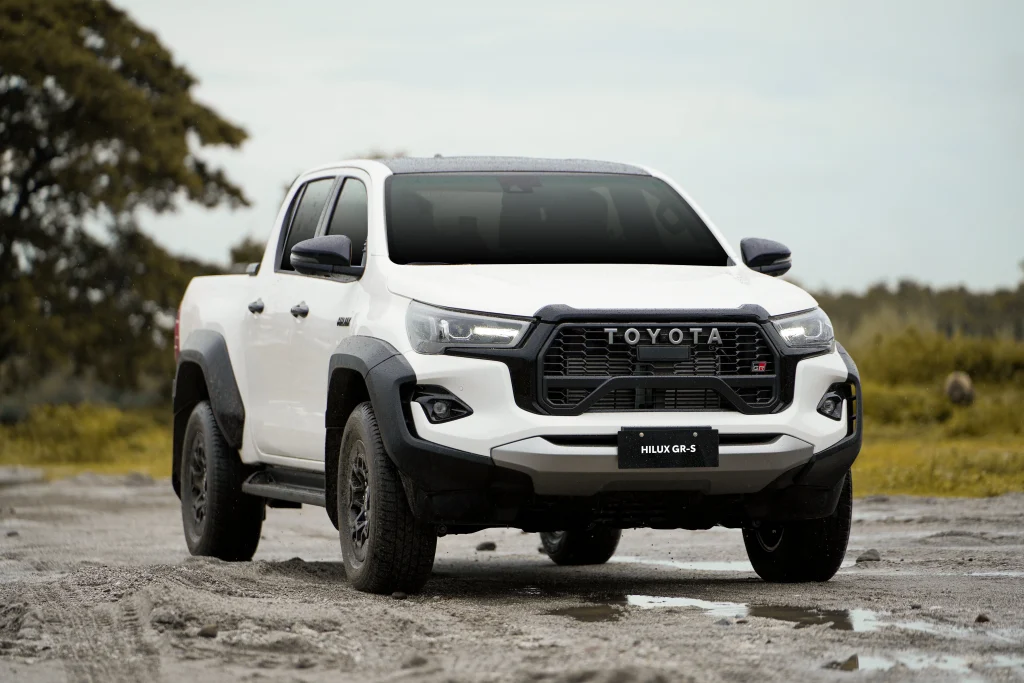
There is a reason the Toyota Hilux has earned a reputation for toughness across the world. Its bed is not designed for occasional use. It is built to handle constant, demanding workloads without showing signs of fatigue. The structure beneath the bed floor plays a major role in this durability, with strong crossmembers that support heavy loads evenly.
One of the defining characteristics of the Hilux bed is how it resists deformation. Even when loaded with uneven or shifting cargo, it maintains its shape. This is partly due to the ribbed steel floor, which adds strength without increasing unnecessary weight. These ribs act like reinforcement channels, preventing the surface from bending under pressure.
The side walls also contribute to the bed’s longevity. They are thick enough to withstand impacts from tools or materials without denting easily. Over time, this resistance helps preserve the full structure, ensuring that the bed remains functional even after years of rough handling.
Another factor that sets the Hilux apart is its ability to handle harsh environments. Whether exposed to dust, moisture, or extreme temperatures, the bed continues to perform reliably. Protective coatings and solid construction reduce the risk of corrosion, which is often the main cause of long-term damage in truck beds.
It is common to see Hilux trucks with heavily used tailgates that have required hinge replacements, while the bed itself remains intact. This contrast highlights how well the main structure is built. The hinges may wear out due to constant movement, but the bed continues to serve its purpose without weakening.
The design also makes practical use of space. The bed is not just strong but also efficient, allowing owners to carry a wide range of cargo without compromising stability. This versatility adds to its long-term value, as it can adapt to different needs over time.
Maintenance is straightforward, which encourages owners to keep the bed in good condition. Regular cleaning and occasional protective treatments are usually enough to preserve its strength. This simplicity contributes to its reputation for lasting through multiple ownership cycles.
There is also a sense of reliability that comes from using a Hilux bed. It does not feel fragile or easily damaged. Instead, it provides a solid platform that can handle demanding tasks without hesitation. That confidence is built through years of proven performance.
Many of these trucks have been used in industries where durability is not optional. Construction, agriculture, and remote operations all place heavy demands on the bed. Despite this, the Hilux continues to hold up, often outlasting expectations.
The Toyota Hilux demonstrates that a well-designed bed can remain dependable long after other parts have been replaced. Its strength, resilience, and practical design make it a standout choice for long-term durability.
2. Ford F-250 Super Duty (2008–2016)
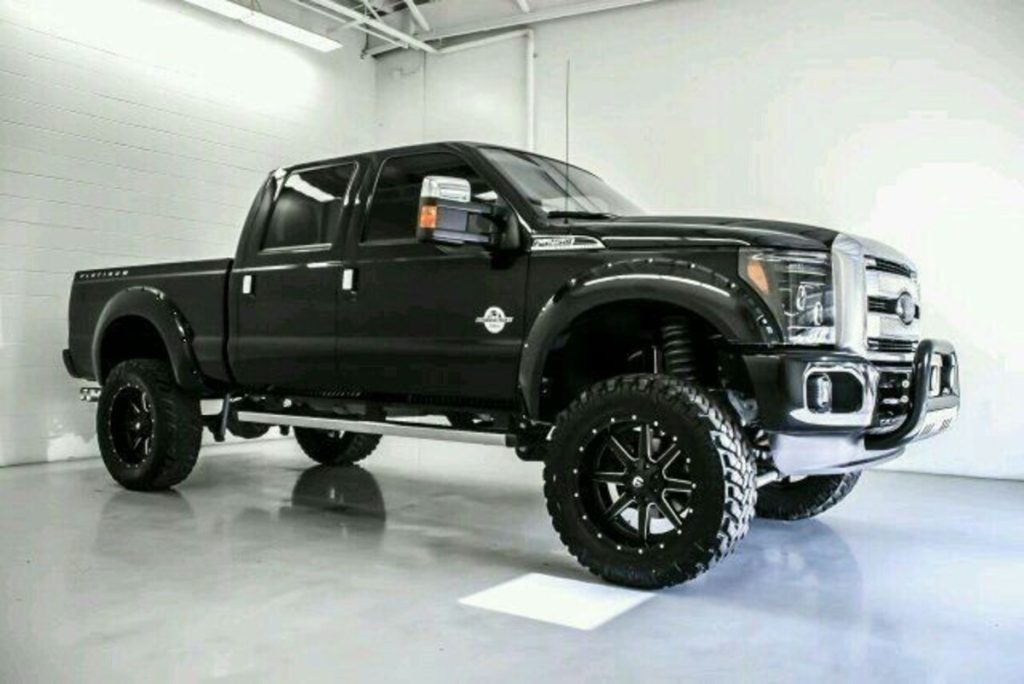
The Ford F-250 Super Duty approaches bed durability from a heavy-duty perspective. This is a truck built for serious work, and its bed reflects that purpose. It is designed to handle substantial loads without compromising structural integrity, making it one of the most reliable options for long-term use.
The bed floor is constructed with thick steel that resists bending under heavy weight. Unlike lighter-duty trucks, where the bed may flex over time, the F-250 maintains a firm surface even when subjected to demanding conditions. This stability is essential for carrying equipment and materials that place uneven stress on the structure.
Support comes from a network of reinforced crossmembers beneath the bed. These components distribute weight evenly, reducing the risk of localised damage. By preventing stress from concentrating in one area, the design helps extend the life of the entire bed.
Another notable feature is how well the bed handles repeated impact. Dropping heavy items or sliding cargo across the surface does not easily cause permanent damage. The material is tough enough to absorb these forces, maintaining its shape and functionality over time.
The side panels are equally robust, protecting against dents and deformation. This added strength ensures that the bed remains structurally sound even after years of use. It also helps maintain alignment, which is important for proper tailgate operation.
Speaking of tailgates, the hinges on these trucks often show wear before the bed itself does. Constant use and exposure to dirt and debris can lead to hinge issues, but the bed remains unaffected. This difference highlights the durability of the main structure.
Corrosion resistance is another strength, particularly when the bed is properly maintained. Protective coatings and design features help minimise exposure to moisture, allowing the bed to remain in good condition for extended periods.
The size of the bed also contributes to its practicality. It can handle large loads without compromising stability, making it suitable for a wide range of tasks. This versatility ensures that the truck remains useful across different stages of ownership.
There is a certain confidence that comes with using a Super Duty bed. It feels solid and dependable, capable of handling demanding work without hesitation. That reliability is one of the reasons these trucks are often kept for many years.
Many F-250 trucks transition from one owner to another, each putting the bed through different challenges. Despite this, the structure continues to hold up, proving its long-term durability.
The Ford F-250 Super Duty shows what happens when a truck is built with serious work in mind. Its bed is not just strong but consistently reliable, making it capable of outlasting multiple sets of tailgate hinges without losing functionality.
3. Chevrolet Silverado 1500 (2007–2013)
The Chevrolet Silverado from this generation takes a balanced approach to bed durability, blending everyday usability with long-term toughness.
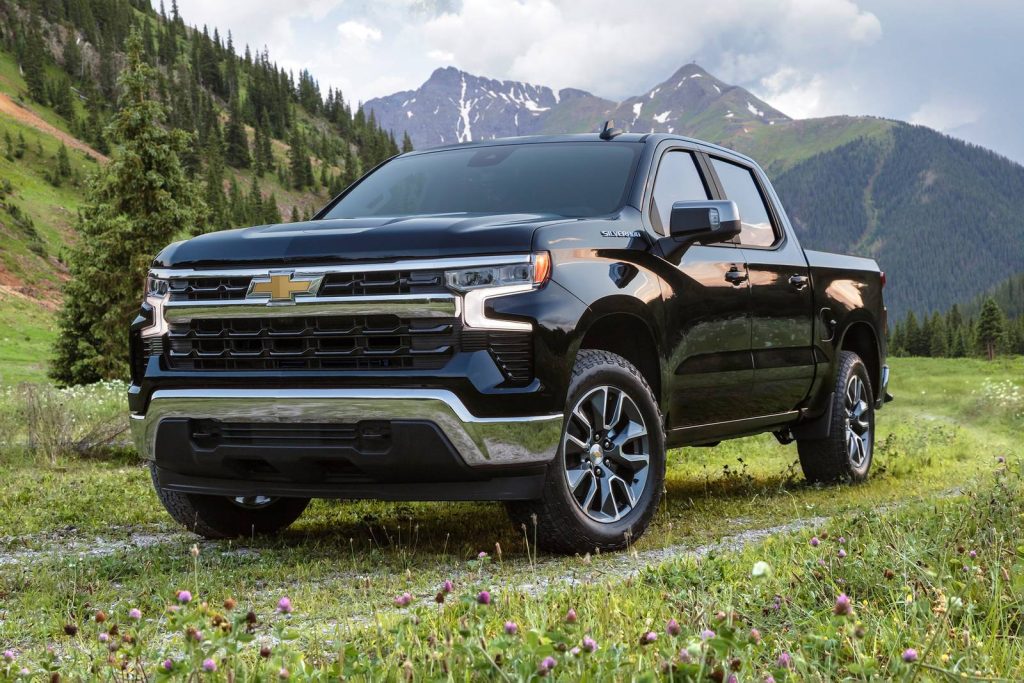
It may not present itself as aggressively as heavy-duty trucks, yet its cargo bed has quietly proven its ability to endure years of demanding work. The strength begins with the underlying structure, where reinforced crossmembers provide a stable base that resists flex under load.
Rather than relying purely on thickness, the Silverado’s bed uses smart shaping to maintain rigidity. The ribbed steel floor is designed to channel weight across the surface, reducing pressure on any single point.
This design helps prevent the kind of warping that often appears in beds exposed to uneven loads over time. Even when used for hauling materials that shift during transport, the bed tends to retain its original form.
A different perspective reveals another advantage. The Silverado’s bed is often used in mixed conditions, from light personal use to moderate work duties. This variety exposes it to repeated loading and unloading cycles, which can gradually weaken poorly built structures.
Yet this bed handles those cycles without showing significant fatigue, suggesting that its design accounts for long-term stress rather than just immediate strength.
The side panels contribute more than expected. They are shaped to add structural support, acting almost like extensions of the floor’s reinforcement. This integration helps the bed resist twisting forces, especially when carrying loads that are not evenly distributed. Over time, this reduces the likelihood of misalignment or deformation.
Attention also needs to be given to how the bed handles surface wear. Scratches and dents are inevitable in any working truck, but the Silverado’s bed tends to absorb these without compromising its integrity. The damage remains superficial in many cases, leaving the core structure unaffected. That distinction becomes important as the truck ages.
Tailgate hinges on these models often become the first point of wear, particularly with frequent use. They are exposed to constant motion and external elements, which leads to gradual deterioration.
Meanwhile, the bed itself continues to function without issue, reinforcing the idea that its construction is built for longevity rather than convenience.
Corrosion resistance depends on maintenance, yet the design does include measures to limit moisture accumulation. Proper care can keep the bed in strong condition for years, allowing it to remain reliable through different ownership periods. This makes it a practical choice for buyers looking at used trucks.
Driving with a loaded bed reveals how well it maintains stability. There is no excessive movement or unsettling flex, which indicates that the structure is holding firm. That consistent behaviour is often what separates durable beds from those that begin to weaken over time.
Many Silverado trucks have seen varied usage, from daily commuting to occasional heavy hauling. Despite these differences, the bed continues to perform as expected, adapting without losing strength. This flexibility adds to its long-term value.
The Chevrolet Silverado’s bed may not always be the centre of attention, but it proves its worth through reliability. It handles years of use with quiet resilience, often outlasting components like tailgate hinges without requiring major attention.
4. Nissan Titan (2004–2015)
The Nissan Titan approaches bed durability with a focus on resilience and straightforward engineering. It does not rely on overly complex solutions. Instead, it builds strength through solid materials and a design that prioritises real-world use. The result is a cargo bed that handles repeated stress without gradually losing its structural integrity.
A closer look at the bed floor shows a surface built to take punishment. The steel used here is not just thick but also shaped to resist bending under pressure. This allows the bed to handle heavy loads without developing permanent deformation. Even when cargo is uneven or poorly positioned, the structure holds up.
The Titan’s bed also benefits from a well-supported underside. Crossmembers are placed strategically to carry weight efficiently, preventing stress from concentrating in specific areas. This distribution plays a key role in extending the life of the bed, especially in trucks that are used regularly for hauling.
Another angle to consider is how the bed reacts to impact. Dropping tools, sliding equipment, or loading materials quickly can create stress points. The Titan’s design absorbs these impacts without compromising the full structure. Over time, this resistance to damage becomes one of its defining strengths.
The side walls add another layer of durability. They are reinforced enough to withstand contact without easily bending, which helps maintain the shape of the bed. This is particularly important when dealing with loads that shift during transport, as the walls help contain movement without transferring excessive stress to the floor.
Tailgate hinges, however, tell a different story. Frequent use and exposure to external elements can lead to wear, requiring replacement over time. The bed itself remains unaffected by this, continuing to provide a stable platform for cargo. This contrast highlights the difference between moving components and the fixed structure.
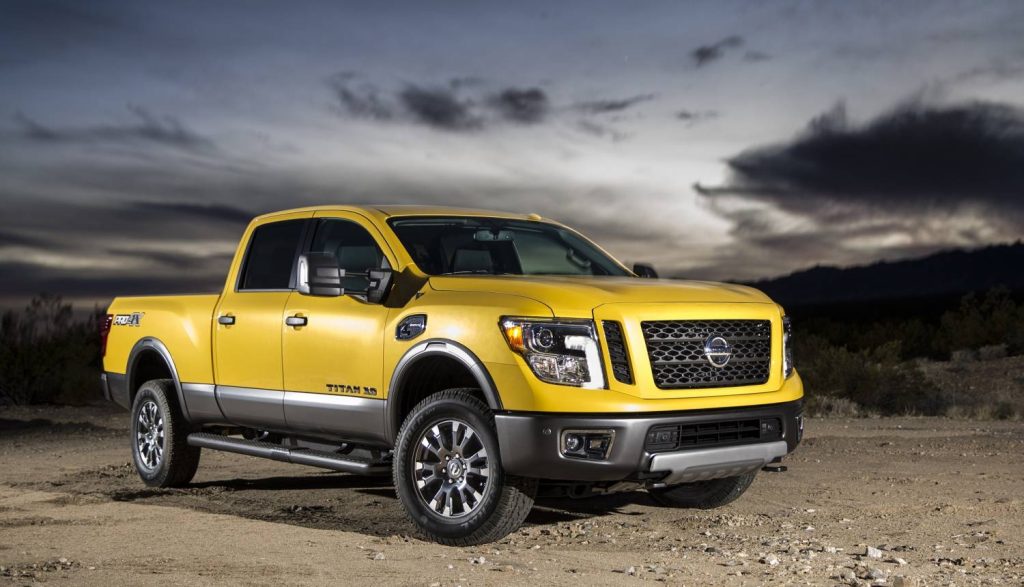
Corrosion resistance is supported by protective coatings and a design that reduces moisture buildup. With regular maintenance, the bed can remain in strong condition for many years. This makes it a reliable option for those who plan to keep their truck long-term or pass it on to another owner.
The Titan also offers practical features that support durability. Tie-down points and bed design elements help secure cargo, reducing unnecessary movement that could cause damage. By limiting shifting loads, the bed experiences less stress over time.
Driving with a loaded Titan reinforces its strength. The bed does not feel unstable or prone to flex, which suggests that the structure is handling the weight effectively. This consistency adds confidence, especially when carrying heavier items.
Over the years, many Titan trucks have been used in demanding roles. Despite this, the bed continues to perform without significant issues, maintaining its shape and functionality through different ownership cycles.
The Nissan Titan demonstrates that durability can come from simplicity done right. Its bed is built to handle real work, and it continues to do so long after other components have needed attention.
5. Toyota Tacoma (2005–2015)
The Toyota Tacoma approaches bed durability with a design that prioritises resistance to long-term wear rather than just initial strength. One of its most notable features is the composite bed used in many models, which changes the conversation entirely.
Instead of relying on traditional steel alone, this material resists dents, scratches, and corrosion in a way that gives it a unique advantage over time.
From a practical standpoint, the composite surface handles repeated loading without developing the same kind of fatigue seen in metal beds. Heavy items can be placed directly onto the surface without leaving lasting impressions.
This ability to absorb impact without permanent damage is one of the key reasons these beds continue to look and function well after years of use.
Another benefit comes from how the bed interacts with the rest of the truck. The structure underneath provides solid support, ensuring that the composite material is not left to handle stress on its own. This combination of materials and reinforcement creates a balanced system that holds up under different types of loads.
The Tacoma’s bed also stands out in terms of corrosion resistance. Unlike steel beds that require constant attention to prevent rust, the composite design eliminates that concern almost entirely. This makes it especially valuable in environments where moisture or debris would otherwise cause long-term damage.
Tailgate hinges, however, still experience wear due to constant use. They are exposed to movement and environmental factors, which lead to gradual deterioration. Meanwhile, the bed itself remains unaffected, continuing to provide a reliable cargo area even as other components need replacement.
Another subtle advantage is how easy the bed is to maintain. Cleaning does not require special treatments, and the surface remains durable without additional protection. This simplicity encourages regular upkeep, which further extends its lifespan.
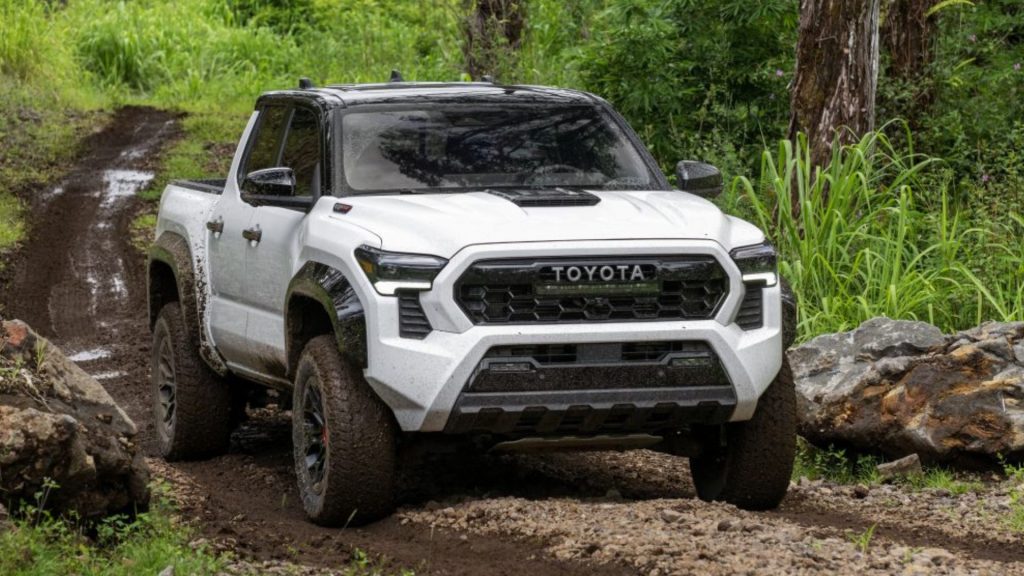
The driving experience with a loaded Tacoma reflects this durability. The bed remains stable, with no signs of flex or weakness. This consistency adds confidence, especially when carrying uneven or shifting cargo.
Over time, many Tacoma trucks transition between different types of owners. Some use them for light daily tasks, while others rely on them for more demanding work. Despite these varied uses, the bed continues to perform reliably.
The Toyota Tacoma proves that durability can come from innovation as much as tradition. Its bed is designed to resist the common issues that shorten the life of other trucks, allowing it to remain dependable through years of use and multiple ownership cycles.
6. Ram 1500 (2009–2018)
The Ram 1500 takes a slightly different route when it comes to bed durability, focusing on a blend of strength and refinement. While it may present a more comfortable driving experience than some work-focused trucks, its bed is built to handle long-term use without losing structural integrity.
The steel bed floor is reinforced in a way that helps it resist bending under pressure. Instead of relying solely on thickness, the design uses shaping and support to maintain rigidity. This approach allows the bed to handle heavy loads while still keeping the eight manageable.
Support from underneath plays a major role here. Crossmembers are positioned to distribute weight evenly, preventing stress from concentrating in one area. This helps the bed maintain its shape over time, even when used for carrying uneven cargo.
The side panels contribute to the full strength as well. They are designed to withstand impacts without easily deforming, which helps preserve the bed’s structure. This is particularly useful when loading items that may shift during transport.
Tailgate hinges often show signs of wear before the bed itself. Frequent use and exposure to dirt can lead to issues that require replacement. Despite this, the bed continues to function as intended, highlighting the durability of its core structure.
Another aspect worth noting is how the bed handles daily use. It is not limited to heavy-duty tasks but performs equally well in lighter scenarios. This versatility means it experiences a range of conditions, yet it continues to hold up without significant issues.
Corrosion resistance depends on maintenance, but the design includes features that help reduce moisture buildup. With regular care, the bed can remain in good condition for many years, supporting long-term ownership.
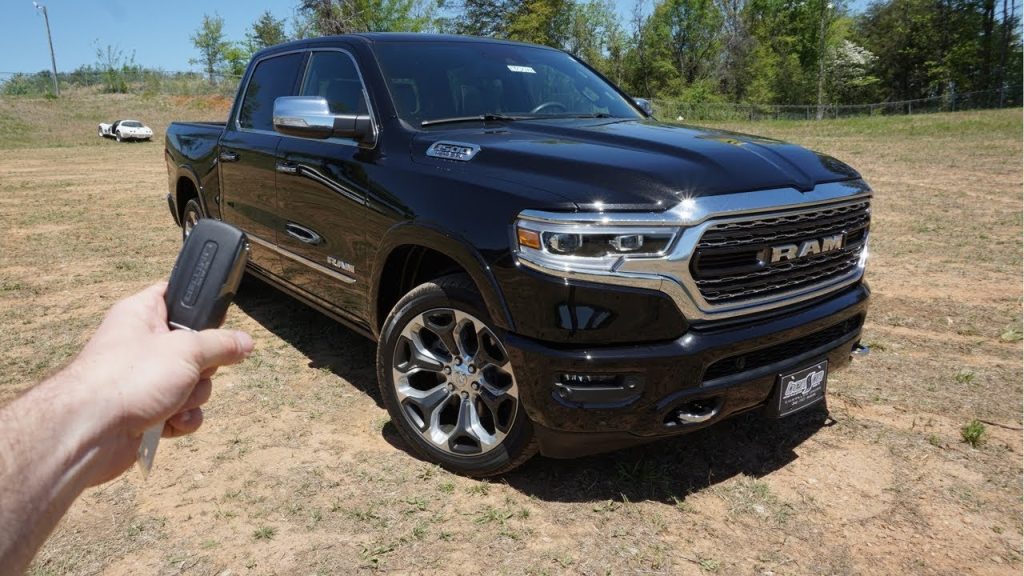
Driving with a loaded Ram 1500 reveals a stable and controlled feel. The bed does not exhibit excessive movement, which indicates that the structure is handling the weight effectively. This consistency is a sign of a well-built design.
Many of these trucks move between different owners, each using them for different purposes. Through these transitions, the bed continues to perform without losing its strength or reliability.
The Ram 1500 shows that a truck can offer comfort without sacrificing durability. Its bed is built to handle real-world use, remaining dependable even as other components require attention over time.
7. GMC Sierra 2500HD (2011–2016)
The GMC Sierra 2500HD treats bed durability as a core requirement rather than an added benefit. This truck is built for demanding workloads, and its cargo bed reflects that purpose through a structure designed to handle repeated stress without losing strength.
The bed floor uses thick steel reinforced with deep ribs that help maintain rigidity. These ribs are not just for appearance. They channel weight across the surface, preventing localised bending that can weaken the structure over time. Even when carrying heavy or uneven loads, the bed tends to hold its shape.
Support underneath is equally important. The crossmembers are spaced to provide consistent reinforcement, ensuring that no single section carries excessive stress. This balanced support system allows the bed to handle long-term use without developing weak points.
Side walls add to the durability by resisting impacts that could otherwise compromise the structure. They help keep the bed aligned, which becomes especially important as the truck ages. A bed that stays aligned continues to function properly without creating additional strain on other components.
Tailgate hinges often require attention after years of use, particularly in trucks that see regular work. They deal with constant movement and exposure to dust and debris. Meanwhile, the bed itself remains solid, continuing to support heavy loads without issue.
Corrosion resistance depends on care, yet the design helps reduce moisture retention. With basic maintenance, the bed can remain in strong condition for extended periods. This makes it a reliable choice for long-term ownership.
Driving with a full load highlights the bed’s stability. There is no excessive flex or shifting, which indicates that the structure is doing its job effectively. That consistency builds confidence over time.
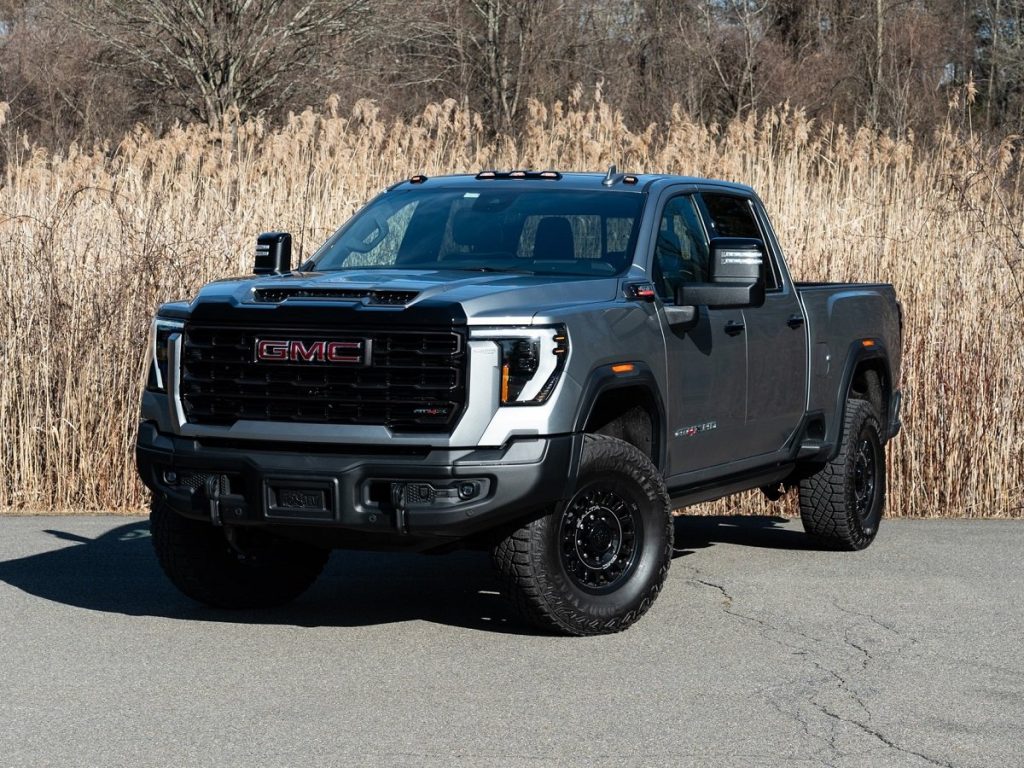
The GMC Sierra 2500HD demonstrates how a properly reinforced bed can outlast years of demanding use, often remaining dependable even after multiple hinge replacements.
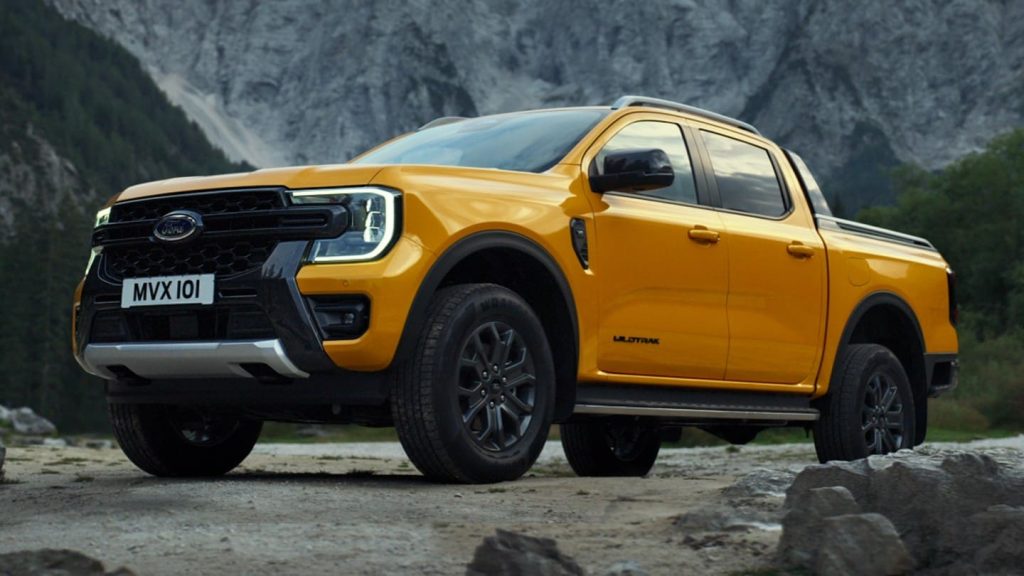
8. Ford Ranger (2001–2011)
The Ford Ranger from this period proves that a smaller truck can still deliver impressive bed durability. While it may not carry the same heavy-duty image as larger pickups, its cargo bed is built with a focus on practical strength and long-term usability.
The steel bed floor is designed with a simple yet effective ribbed pattern that helps distribute weight evenly. This prevents the kind of bending that can occur when loads are placed unevenly. Over time, this design helps the bed maintain its original shape.
Unlike more complex setups, the Ranger relies on straightforward construction. This simplicity reduces potential weak points, allowing the bed to handle repeated use without developing structural issues. It may not appear overly reinforced, yet it performs reliably in everyday conditions.
The side panels are sturdy enough to withstand regular contact with tools and materials. They help maintain the full structure, ensuring that the bed remains aligned even after years of use. This contributes to the truck’s long-term dependability.
Tailgate hinges often wear out faster due to frequent operation. They are exposed to constant movement and environmental factors, which lead to gradual deterioration. The bed, however, continues to function without being affected by these issues.
Maintenance is easy, which encourages owners to keep the bed in good condition. Regular cleaning and basic care are usually enough to preserve its strength over time.
When carrying loads, the Ranger’s bed remains stable and predictable. There is no excessive movement or instability, which reflects the effectiveness of its design.
Many of these trucks have been used in a variety of roles, from personal transport to light work duties. Despite this, the bed continues to hold up, proving its durability across different ownership cycles.
The Ford Ranger shows that durability does not always require size or complexity. A well-designed bed can remain dependable for years, outlasting multiple sets of hinges while continuing to serve its purpose.
Also Read: 8 Crossovers With Fold-Flat Rear Seats That Actually Lay Flat
