
Diesel engines have a reputation that gasoline engines simply cannot match when it comes to sheer, documented, real-world longevity. Walk into any diesel mechanic’s shop and ask which engines they have seen hit 500,000 miles, and you will get a list. Ask which ones have hit a million, and the list gets shorter, but it does not disappear.
Diesel engines built to specific engineering standards, in the right applications, maintained with appropriate discipline, produce service lives that make any gasoline alternative look disposable by comparison. What earns a diesel engine a spot on a bulletproof list is not a single quality. It is the convergence of several engineering decisions that work together to produce exceptional durability.
Cast iron construction that maintains dimensional stability across millions of thermal cycles. Forged steel rotating assemblies with bearing clearances calibrated for the operating conditions the engine actually experiences. Injection systems designed for the specific fuel characteristics and pressure ranges that provide efficient combustion without the component fatigue that over-engineered high-pressure systems introduce. Cooling systems with adequate capacity for sustained full-load operation rather than just adequate for intermittent use.
Ten diesel engines, ranked by the combination of documented service life evidence, engineering quality, real-world operating reliability, and the breadth of applications in which they demonstrated their durability credentials. Some of these are well known to truck and diesel enthusiasts.
A few might surprise readers who thought they already knew which diesel engines belonged on the short list. All of them earned their position through the most credible evidence available: documented operational history from the vehicles and applications that tested them hardest.
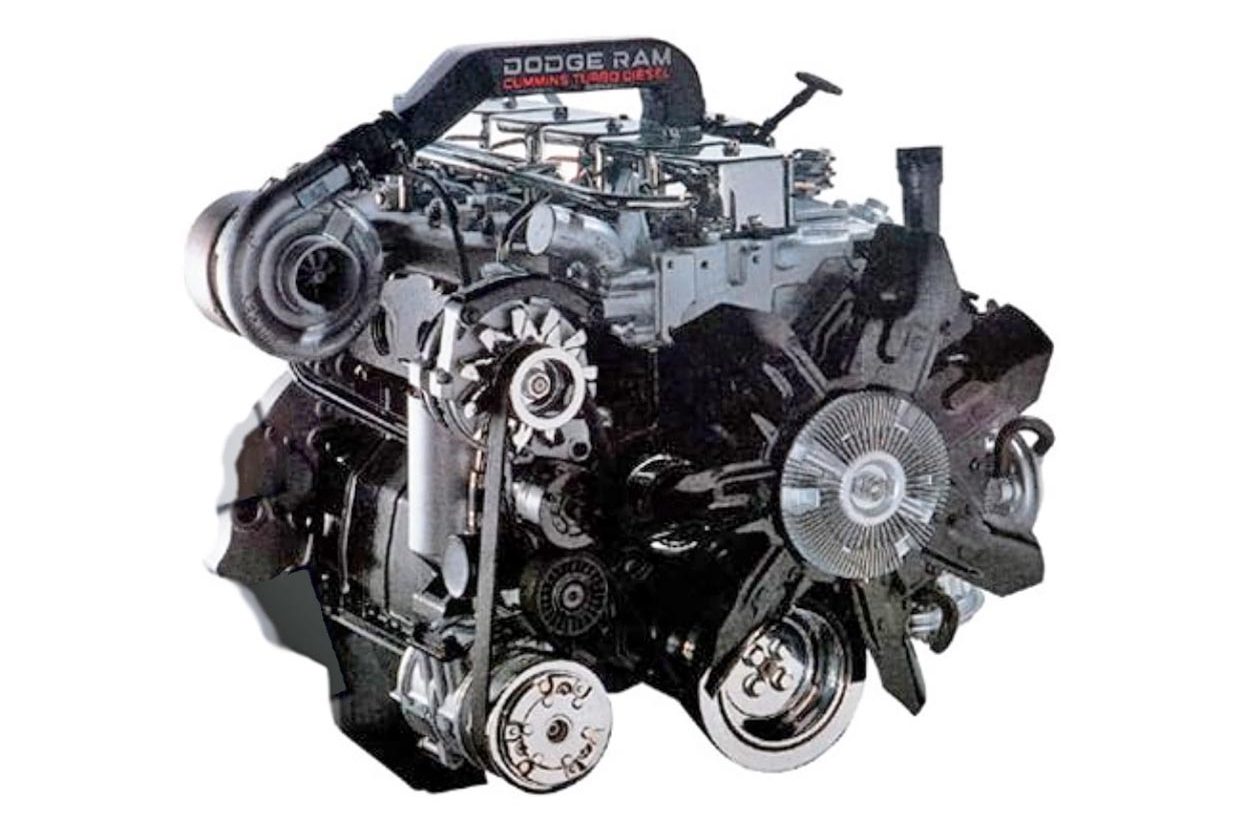
1. Cummins 5.9-Liter 6BT (1989 to 1998)
Positioning the Cummins 5.9-liter 6BT at the top of this ranking is not a controversial choice among anyone who has spent meaningful time in the diesel truck and heavy equipment world, and the reason is simple: no other diesel engine in history has produced documented 500,000 to 1,000,000-mile service lives across such a diverse range of vehicles, applications, and operators with such consistency.
This is the engine that mechanics cite when they want to explain what bulletproof actually means applied to a production diesel. Mechanical Bosch P7100 injection pump operation without electronic control unit governance is the feature that most directly explains the 6BT’s legendary reliability in the context of real-world use.
An engine whose fuel delivery is controlled entirely by mechanical components has no electronic control module to fail, no injection control pressure sensor to drift out of specification, and no software calibration to develop inconsistencies under specific operating conditions.
When something goes wrong with a P7100-equipped 6BT, the failure is mechanical, visible, and addressable with tools available at any reasonably equipped shop. This serviceability is not separate from reliability. It is a fundamental component of it. Cast iron block-and-head construction provides dimensional stability under thermal cycling that aluminum alternatives fundamentally cannot match at equivalent stress levels.
Each combustion cycle heats and cools the cylinder walls, head gasket surfaces, and combustion chamber through a temperature range that stresses every material in the combustion path. Cast iron’s lower thermal expansion coefficient and higher stiffness at temperature maintain bore roundness, gasket sealing surfaces, and valve seat geometry across millions of cycles with a consistency that aluminum requires considerably more engineering to approach.
Forged steel connecting rods and crankshaft provide fatigue resistance under the cyclic loading that diesel combustion creates with each power stroke, where peak cylinder pressure of 1,800 to 2,000 PSI applies a concentrated force to the piston crown and connecting rod that must be absorbed through the rod bearing and transmitted smoothly to the crankshaft without the micro-crack initiation that inadequate material quality or section design produces at high cycle counts.
The 6BT’s forged rotating assembly handles this loading across millions of cycles because the material quality and section geometry were specified for the actual loads rather than for minimum cost at rated output. Conservative factory power output at 160 to 215 horsepower from 5.9 liters, depending on specific calibration, placed the engine comfortably within its mechanical margins for the truck and commercial vehicle applications it served.
An engine operating at 60 to 70 percent of its ultimate capacity accumulates fatigue at a rate that is an order of magnitude lower than one operating at or near its limit, and the 6BT’s factory calibration specifically created this favorable margin.
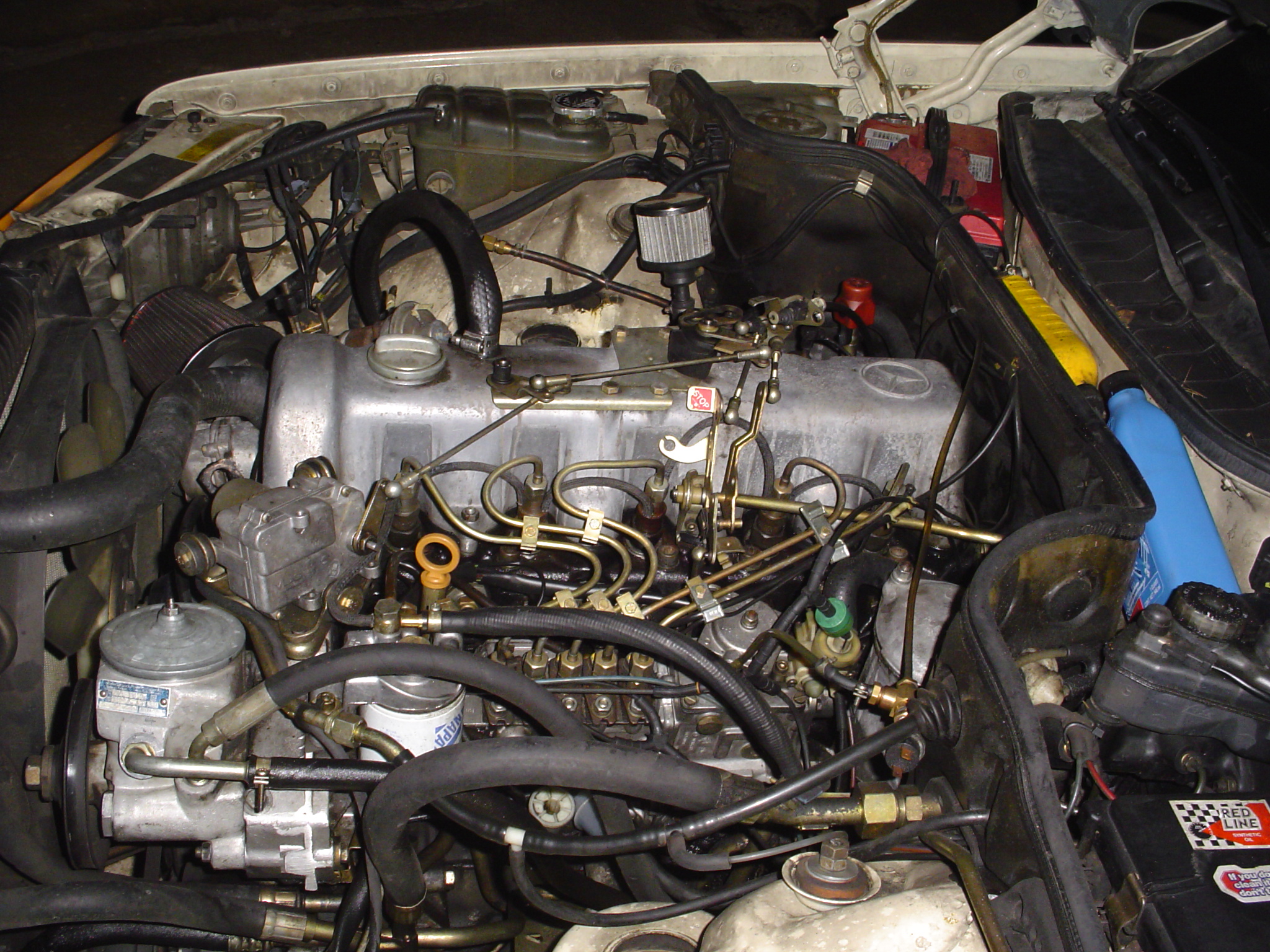
2. Mercedes-Benz OM617 3.0-Liter Turbo Five-Cylinder (1978 to 1991)
Mercedes-Benz’s OM617 turbo diesel five-cylinder is the engine that established the W123 and W126 sedan and wagon models as the most documented high-mileage diesel passenger cars in automotive history, and its ranking at second on this list reflects both the quality of the engineering and the extraordinary breadth of real-world service data available from taxi fleets, personal owners, and commercial operators across multiple continents.
OM617 design reflected Mercedes-Benz’s mid-century diesel engineering philosophy of building substantial mechanical safety margins into every component, a philosophy that produced engines requiring more initial material investment than minimum-specification competitors but whose operating cost across their service lives justified that investment many times over.
Cast iron block and head construction, generously dimensioned bearing surfaces, and a Bosch injection system calibrated for the specific demands of passenger car diesel operation provided the foundation for service lives that Mercedes-Benz’s own fleet operations validated as commercially viable in taxi applications, where financial accountability required honest assessment of operating cost per kilometer.
Oil capacity of approximately 8.0 quarts for the OM617 turbo reflects Mercedes’s awareness that this engine would be deployed in commercial applications where oil change intervals might be stretched and where sustained high-load operation would stress the oil chemistry more aggressively than light personal vehicle use.
Generous oil capacity dilutes contamination and degradation products across a larger volume, extending the period before oil condition reaches the threshold where bearing damage becomes likely. This is not an accidental specification but a deliberate design decision that reflected Mercedes’s understanding of real-world commercial diesel operation.
Documented OM617 service lives exceeding 500,000 miles in taxi applications are recorded in Mercedes-Benz service records from German, Swiss, and Greek taxi fleet operations, where vehicles were tracked through multiple owners and the complete service histories were maintained as part of vehicle certification requirements.
Personal ownership documentation from enthusiast communities adds a different category of evidence, with W123 owners who acquired vehicles with high mileage and continued accumulating additional mileage, providing direct personal testimony about what these engines tolerate under real ownership conditions.
Turbocharger service is the specific maintenance requirement that most directly determines OM617 service life trajectory in real-world use. Turbocharger bearing condition depends on oil pressure and quality at startup and shutdown, and OM617 engines, whose turbos were maintained with consistent oil service and brief idle periods before shutdown to allow bearing temperature reduction, showed turbocharger service lives extending well beyond the engine itself’s first overhaul interval.
Engines with neglected turbocharger maintenance showed turbo failures that, if addressed promptly, did not damage the underlying engine architecture.
Also Read: 10 Diesel Engines Rated for a Million Miles Between Overhauls
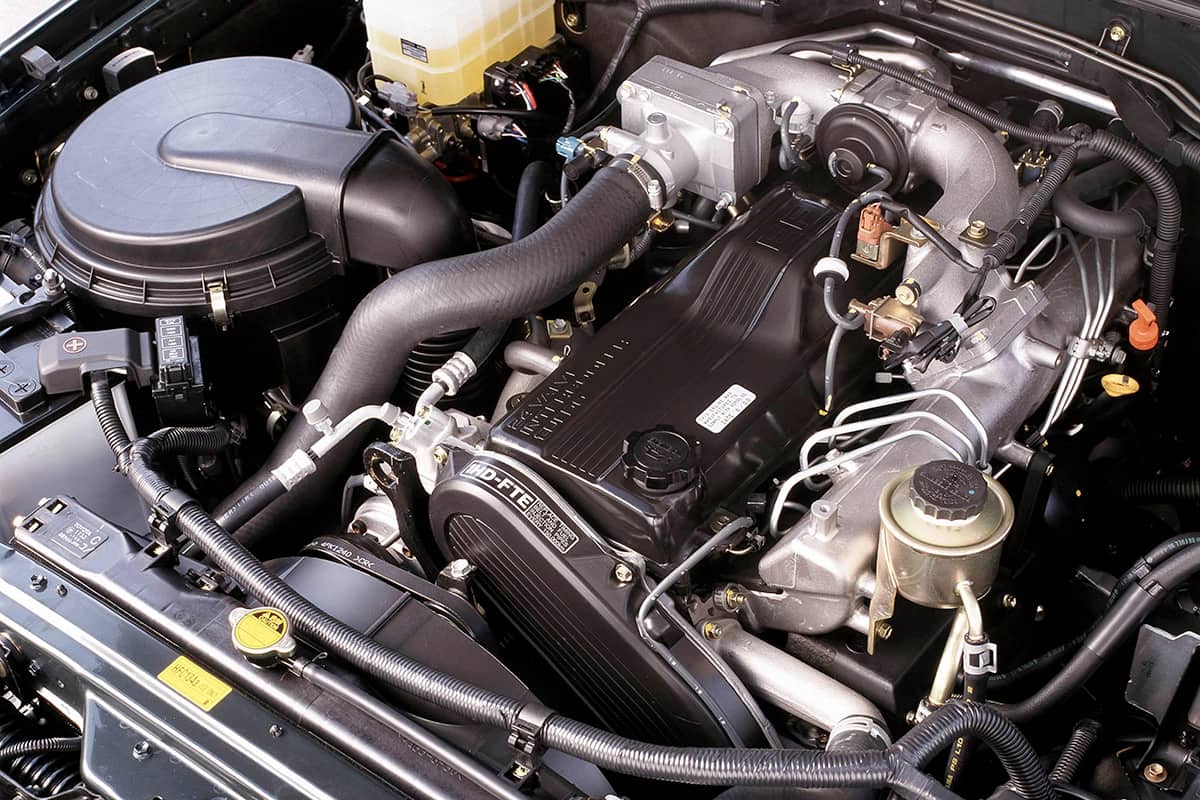
3. Toyota 1HD-FTE 4.2-Liter Inline-Six (1992 to 2007)
Toyota’s 1HD-FTE 4.2-liter turbocharged inline-six diesel earned its reputation through sustained service in demanding operating environments rather than through exposure in mass consumer markets. Although absent from factory production vehicles in North America, this engine became widely respected among Land Cruiser operators who relied on it for professional, expedition, and commercial duties across multiple continents. Its standing rests on documented endurance rather than regional popularity.
Engineering priorities for the 1HD-FTE reflected the Land Cruiser’s role as a working platform. Material selection, internal dimensions, and operating tolerances favored durability ahead of cost reduction or peak output targets. Such decisions aligned with expectations placed on vehicles required to perform reliably in remote areas where mechanical failure carried serious consequences.
Fuel delivery relied on direct injection without a common rail architecture. This approach reduced system intricacy while retaining dependable combustion control. Mechanical simplicity lowered the number of potential failure points and allowed servicing without advanced electronic diagnostic tools. For operators working far from specialised facilities, this characteristic proved essential.
Thermal stability represented another strength. A cast iron block delivered consistent dimensional behaviour across extreme temperature conditions. Reliable cold starts in freezing climates and sustained load operation in high ambient heat remained achievable without accelerated wear. This stability supported extended service intervals and predictable performance.
Owner-maintained records from Australian working vehicle operators and organised four-wheel-drive groups document service lives commonly reaching four hundred thousand to seven hundred thousand kilometres. These records, maintained for operational accountability, provide credible evidence of durability achieved through disciplined engineering and maintenance.
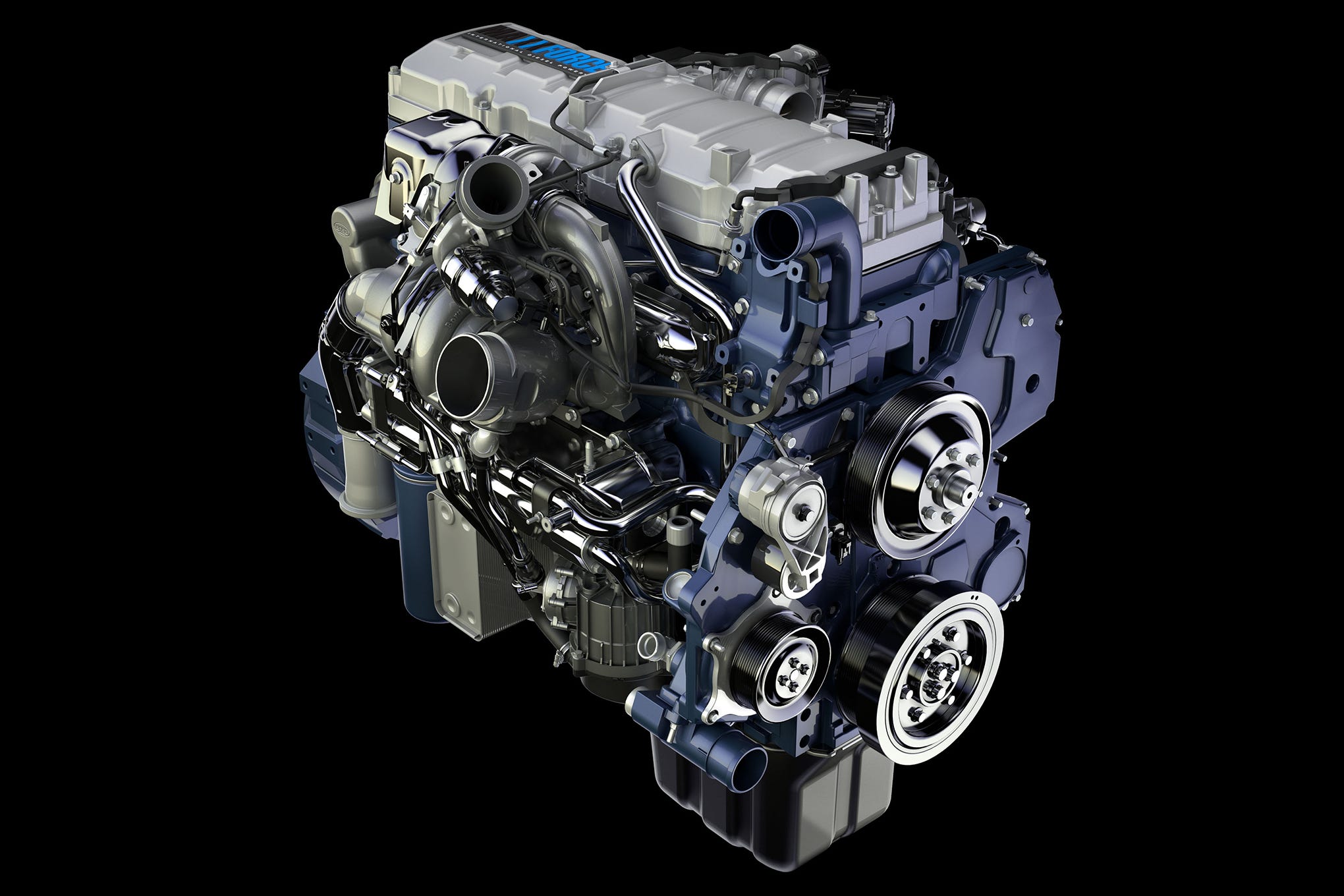
4. International DT466 7.6-Liter Inline-Six (1993 to 2007)
International Navistar’s DT466 7.6-liter inline-six developed its reputation through widespread commercial deployment rather than selective application. Installation across school buses, medium-duty trucks, agricultural machinery, and institutional fleets produced a large body of maintenance documentation spanning decades. Few diesel engines benefit from such consistently recorded service histories.
Construction centred on cast iron block and head architecture, combined with conservative power calibration. Output levels were selected to preserve mechanical margins, extending component life under continuous duty cycles. Fleet operators prioritising cost control found this approach aligned well with long-term asset planning.
Fuel system development progressed from mechanical injection to electronically managed HEUI configurations. Early mechanical versions offered straightforward servicing, while HEUI-equipped engines required closer attention to oil quality and pressure. Both systems delivered long service lives when maintained according to specification, with later variants rewarding disciplined lubrication practices.
Medium-duty applications imposed repetitive stop-start operation, variable load conditions, and frequent cold starts. DT466 architecture absorbed these stresses through robust internal components and generous bearing specifications. Such characteristics reduced fatigue accumulation across extended periods of use.
Maintenance records from school transport authorities and commercial fleets consistently report first overhaul intervals between four hundred thousand and six hundred thousand miles. These figures stem from audited fleet data rather than anecdotal claims, reinforcing the credibility of DT466 durability assessments.
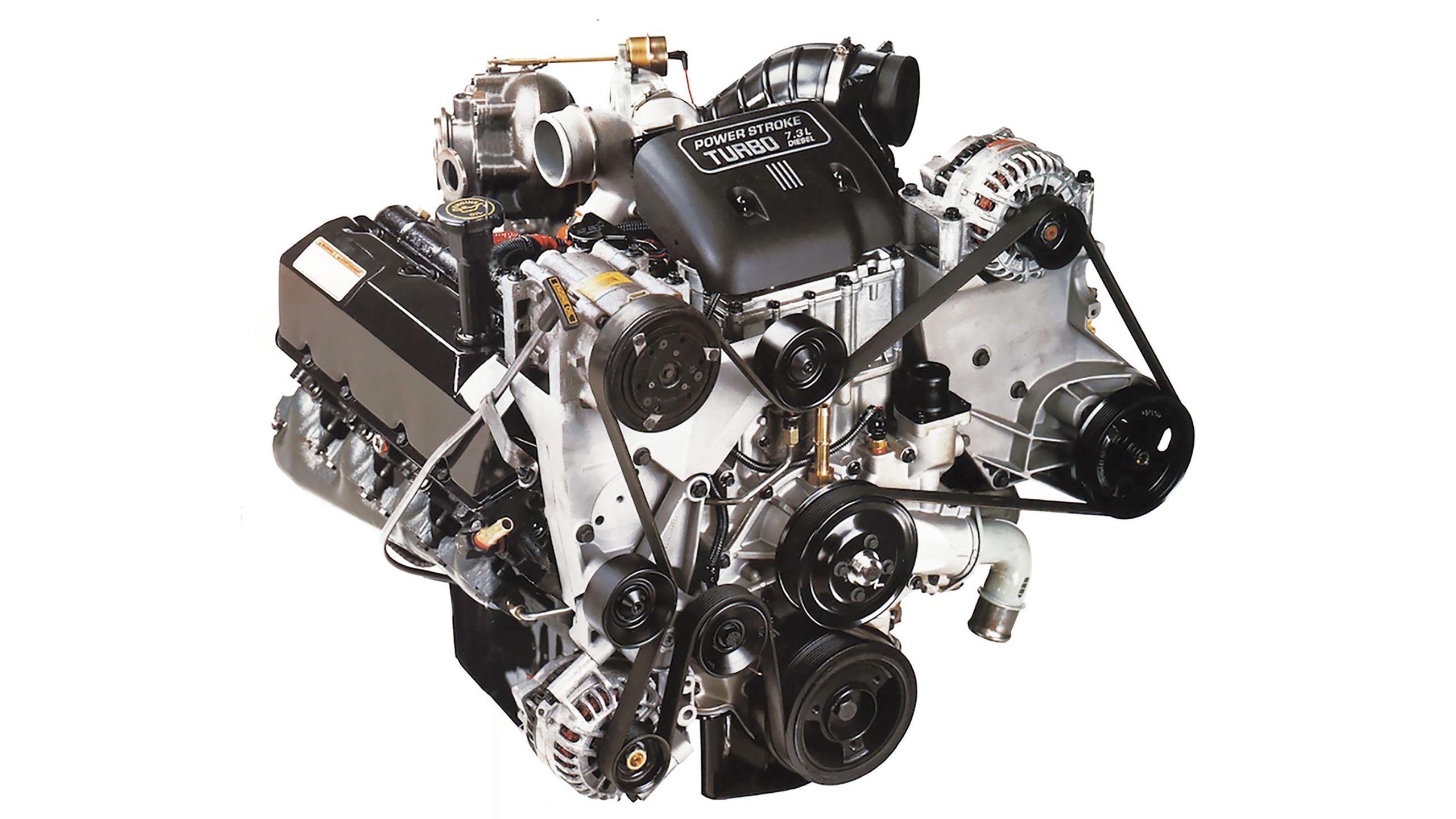
5. Ford 7.3-Liter Power Stroke HEUI (1994 to 2003)
Ford’s 7.3-liter Power Stroke diesel achieved lasting recognition through dependable service in both commercial and private ownership. Built by International Navistar for Ford Super Duty trucks, this engine combined industrial diesel construction with light truck adaptability, creating a platform trusted by operators who depended on consistent performance.
HEUI fuel injection relied on high-pressure engine oil rather than a separate fuel pump. This system delivered controlled injection pressures without the extreme demands of later fuel architectures. Dependence on oil condition placed responsibility on owners, yet those adhering to proper service practices benefited from stable injector performance.
Cast iron construction supported long-term dimensional stability across repeated thermal cycles. Bore wear, bearing alignment, and sealing surfaces maintained integrity under sustained towing and work use. Manufacturing standards reflected Navistar’s commercial engine background rather than passenger vehicle cost targets.
Oil capacity exceeding fourteen quarts provided a substantial thermal and contamination buffer. This reserve proved valuable in high-load operation, where lubricant degradation occurred more rapidly. Larger oil volume extended service intervals and reduced internal wear.
Fleet records and ownership documentation consistently show service lives surpassing three hundred thousand miles without internal overhaul, with higher mileages recorded frequently enough to be expected rather than exceptional. Such consistency supports the 7.3-liter’s reputation as a durable and well-engineered diesel platform.
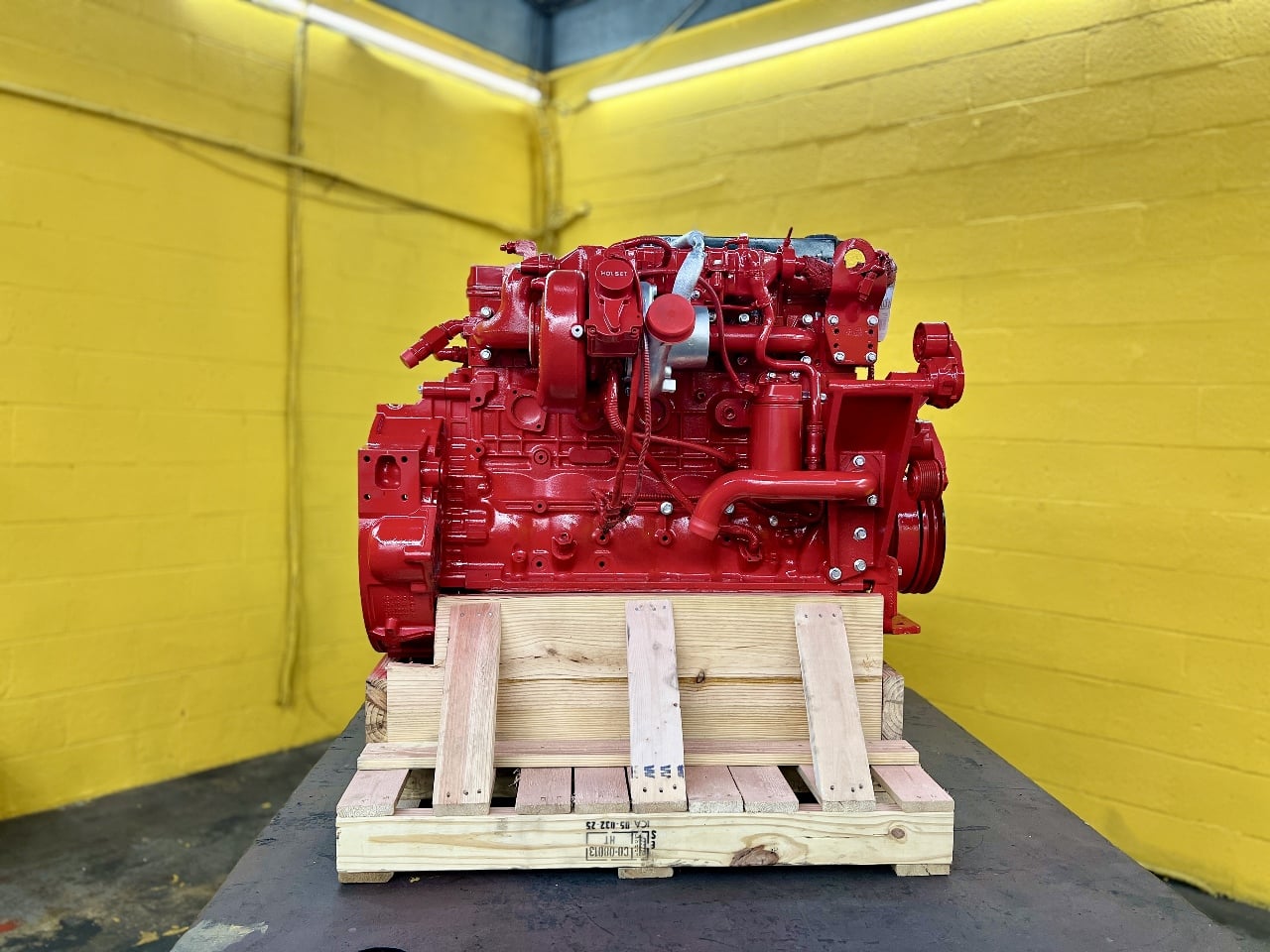
6. Cummins 6.7-Liter ISB6.7 (2007 to Present)
Cummins’ transition from the legendary 5.9-liter 6BT to the 6.7-liter ISB6.7 required addressing the emissions compliance challenges that modern regulatory environments imposed while preserving the fundamental mechanical durability that had made Cummins the dominant name in light-duty truck diesel.
The ISB6.7’s success at this balance earns it the sixth position on this ranking, with its modern emissions architecture representing the most capable demonstration that bulletproof durability and emissions compliance are not mutually exclusive. Forged steel rotating assembly, consistent with Cummins’ manufacturing standards from the 6BT, provides the fatigue resistance under cyclic diesel combustion loading that the ISB6.7’s application in Ram heavy-duty trucks and commercial vehicles demands.
Forged components in the ISB6.7’s rods and crankshaft maintain dimensional accuracy at bearing clearances across the mileage accumulation that commercial fleet service creates, preserving oil film integrity at surfaces whose geometric precision determines whether adequate hydrodynamic lubrication is maintained throughout the engine’s service life.
Emissions system integration, including EGR and diesel particulate filter requirements, represents the specific service requirement that differentiates the ISB6.7’s ownership experience from the mechanical 6BT. DPF maintenance, EGR cooler attention, and the additional service items that emissions compliance introduces extend the maintenance scope that ISB6.7 ownership requires compared to pre-emissions equivalents.
Owners who manage these additional service items correctly find an engine whose fundamental mechanical durability matches the 6BT legacy, while those who defer or neglect emissions system maintenance face failures that can progress to engine damage. Ram 2500 and 3500 fleet applications of the ISB6.7 across the production period from 2007 through the current production year have accumulated sufficient service history to establish the engine’s long-term durability credentials in demanding commercial use.
Fleet management records from agricultural and construction operations document ISB6.7 service lives consistent with the 6BT standard when emissions systems are properly maintained, providing the evidence base that places this modern engine among the most durable diesels ever produced.
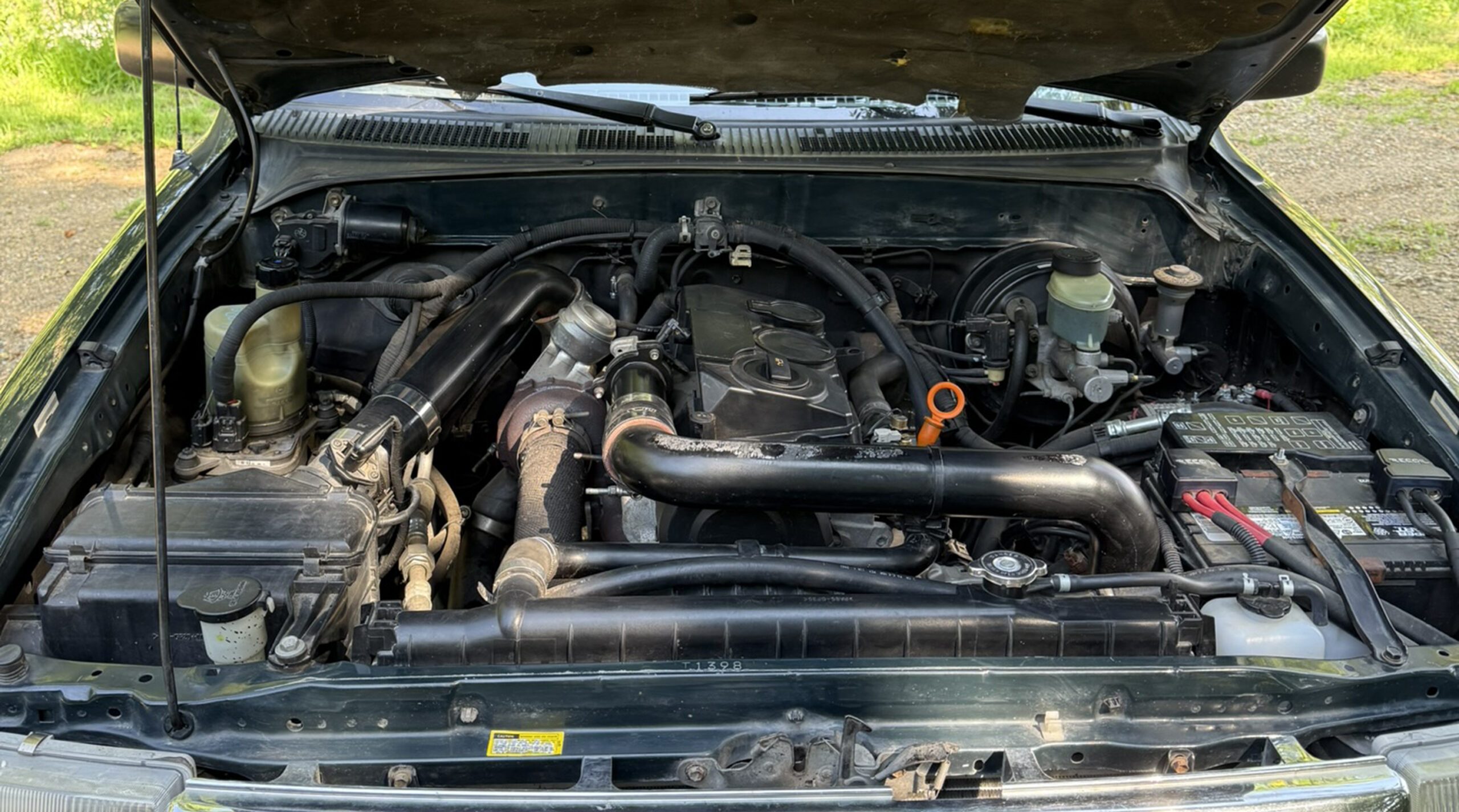
7. Volkswagen 1.9-Liter TDI (ALH Code, 1996 to 2003)
Volkswagen’s ALH-code 1.9-liter TDI, used in the Golf, Jetta, New Beetle, and related platform vehicles from 1996 through 2003, is a passenger car diesel whose documented high-mileage service lives in personal ownership applications are proportionally as impressive as the commercial diesel records from larger engines on this list, even if the absolute mileage numbers are lower due to the vehicle type rather than any limitation in the engine’s design quality.
ALH code TDI injection system uses a conventional mechanical pump injection approach rather than the higher-pressure unit injector or common rail systems that subsequent TDI generations employed. This mechanical injection provides inherent serviceability advantages in that pump diagnosis and adjustment do not require specialized electronic equipment, and pump failures produce gradual performance changes rather than the sudden, driveability-destroying failures that can occur with electronic injection system failures.
Cast iron block provides dimensional stability that Volkswagen engineers specified for the longevity requirements of a diesel engine in a passenger car application, where marketing claims of diesel longevity needed to be deliverable in real-world ownership.
Volkswagen’s diesel heritage from the air-cooled Rabbit diesel through the water-cooled first-generation TDI provided engineering experience that informed the ALH’s block and head specifications with a maturity that reflected genuine diesel development expertise rather than first-generation attempts at compression ignition passenger car application.
Oil capacity at approximately 4.5 liters is modest by larger diesel standards, and ALH TDI longevity in high-mileage applications depends on consistent short oil change intervals that compensate for the modest volume buffer. Owners who maintained their ALH engines with 5,000-mile or shorter oil change intervals using quality diesel-rated oil found engine internals at 200,000 to 300,000 miles in condition that mechanics described as impressive for the mileage.
Owners who extended intervals more liberally found faster degradation, which reflects the modest volume buffer’s reduced tolerance for interval extension compared to larger diesel applications with greater oil capacity.
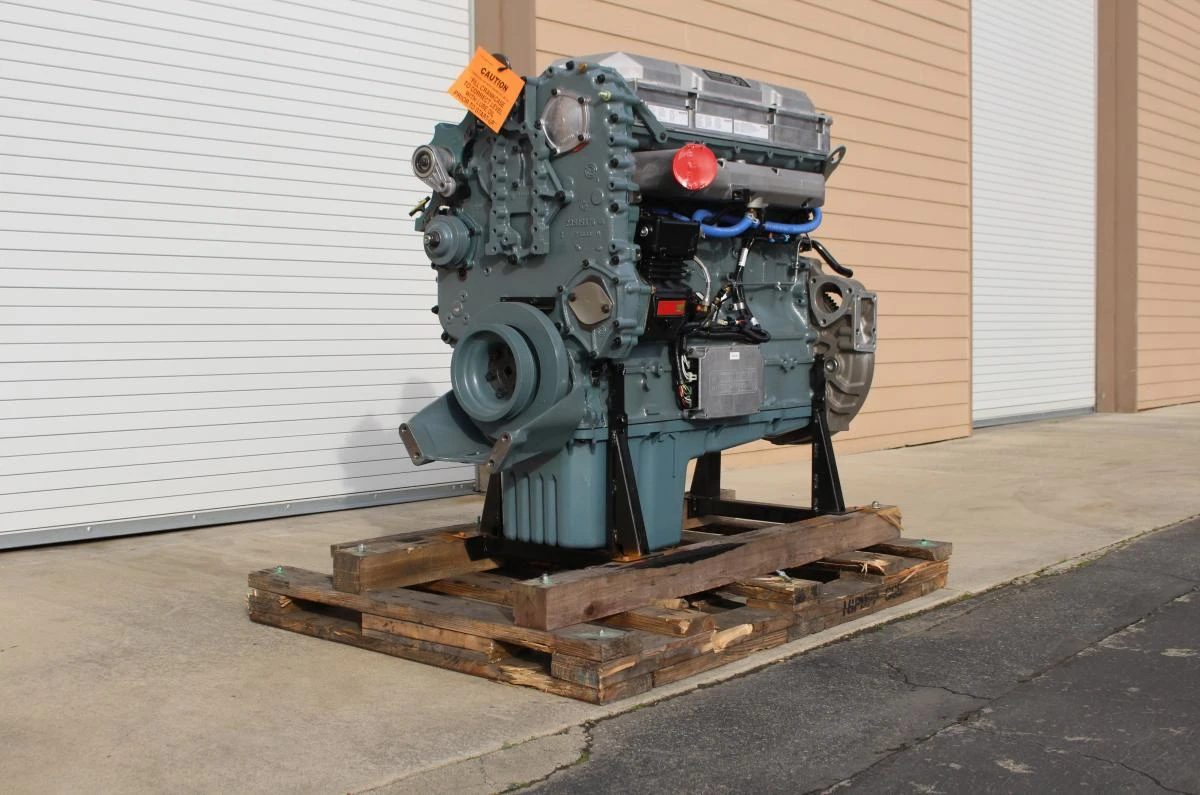
8. Detroit Diesel Series 60 12.7-Liter (1987 to 2010)
Detroit Diesel’s Series 60 12.7-liter inline six earned its place in commercial transport through disciplined engineering and verifiable service performance across decades of continuous use. Its position within long-haul trucking fleets did not rest on marketing claims but on operational records that demonstrated efficiency, output stability, and mechanical dependability under sustained duty cycles. Fleet operators adopted this engine because ownership costs aligned consistently with projected financial models across extended service horizons.
Electronic unit injection introduced precise fuel delivery across varying altitude, temperature, and load conditions. This system delivered measurable control advantages compared with mechanically governed designs while remaining serviceable within ordinary fleet maintenance networks.
Detroit Diesel supported this architecture with broad technician training and tool availability, ensuring faults could be addressed at regional workshops without reliance on factory-only intervention. That service accessibility preserved uptime, a priority for long-distance operators.
The inline six layout contributed to measurable mechanical balance. Reduced vibration lowered cumulative fatigue stress on mounts, driveline interfaces, cab structures, and frame assemblies. Over extended mileage, this reduction translated into improved durability for surrounding systems, extending usable truck life beyond what engine mileage alone might suggest.
Fleet maintenance documentation consistently records service lives ranging from eight hundred thousand to one million miles in line haul operations. These records were maintained for compliance, budgeting, and asset valuation rather than promotional use, lending strong credibility to durability claims. Oil analysis programs and scheduled overhauls formed part of standard operating practice, reinforcing reliability outcomes.
Series 60 performance represents disciplined engineering applied at scale. Its durability profile reflects sustained commercial validation rather than isolated examples, supporting its standing as a benchmark for long-service diesel engines.
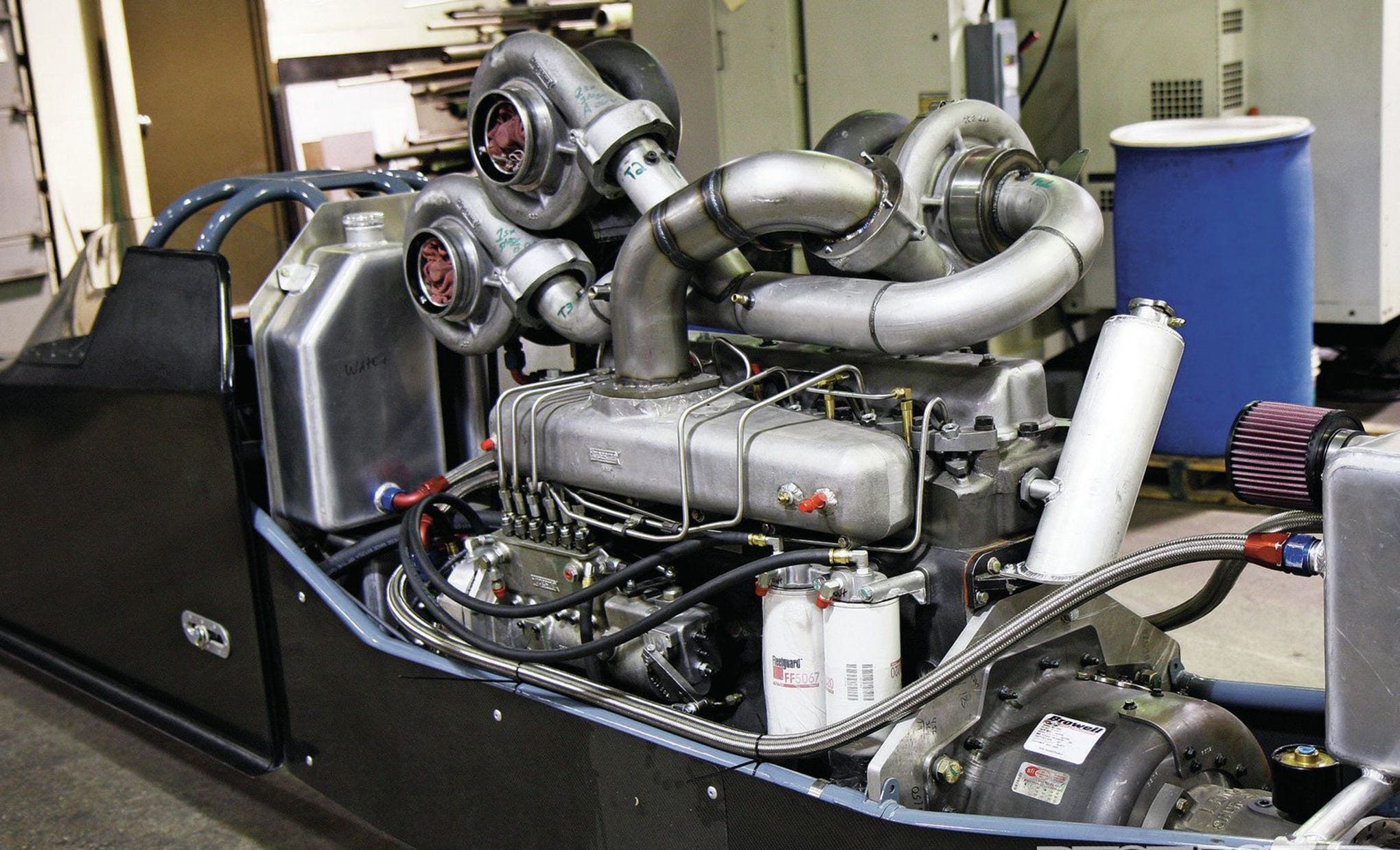
9. Navistar DT466E 7.6-Liter (1993 to 2004) in the International 4300 Medium Duty
Navistar’s DT466E reflects the electronically managed development of the proven DT466 platform, applied extensively within the International 4300 medium-duty truck across municipal, commercial, and institutional fleets. This engine’s service record spans diverse duty cycles, offering unusually broad documentation of long-term operational behaviour under varied conditions.
Electronic fuel management improved efficiency and emissions control while retaining conservative operating margins embedded within the original mechanical design. Calibration choices prioritised longevity and thermal stability rather than extracting maximum output. This approach preserved bearing life, cooling reserve, and combustion stability across repeated duty cycles.
Medium-duty applications impose unique stresses. Frequent stop and start operation, cold start repetition, variable payloads, and urban driving patterns create accelerated mechanical cycling. DT466E architecture addressed these demands through cast iron construction, robust crankshaft design, and conservative bearing specifications. These characteristics absorbed repeated load variation without premature wear.
Maintenance records from city councils, public works units, school transport departments, and delivery fleets provide extensive evidence of durability. Documented service life commonly extends between four hundred thousand and six hundred thousand miles, with numerous units remaining operational beyond warranty periods. These records exist for audit, budget planning, and regulatory reporting, reinforcing their reliability.
DT466E performance reflects engineering restraint matched to application reality. Its documented endurance within medium-duty service environments supports its reputation as a dependable commercial asset rather than a short-cycle power unit.
Also Read: 12 Best Diesel Engines Ever Featured in an American Pickup Truck
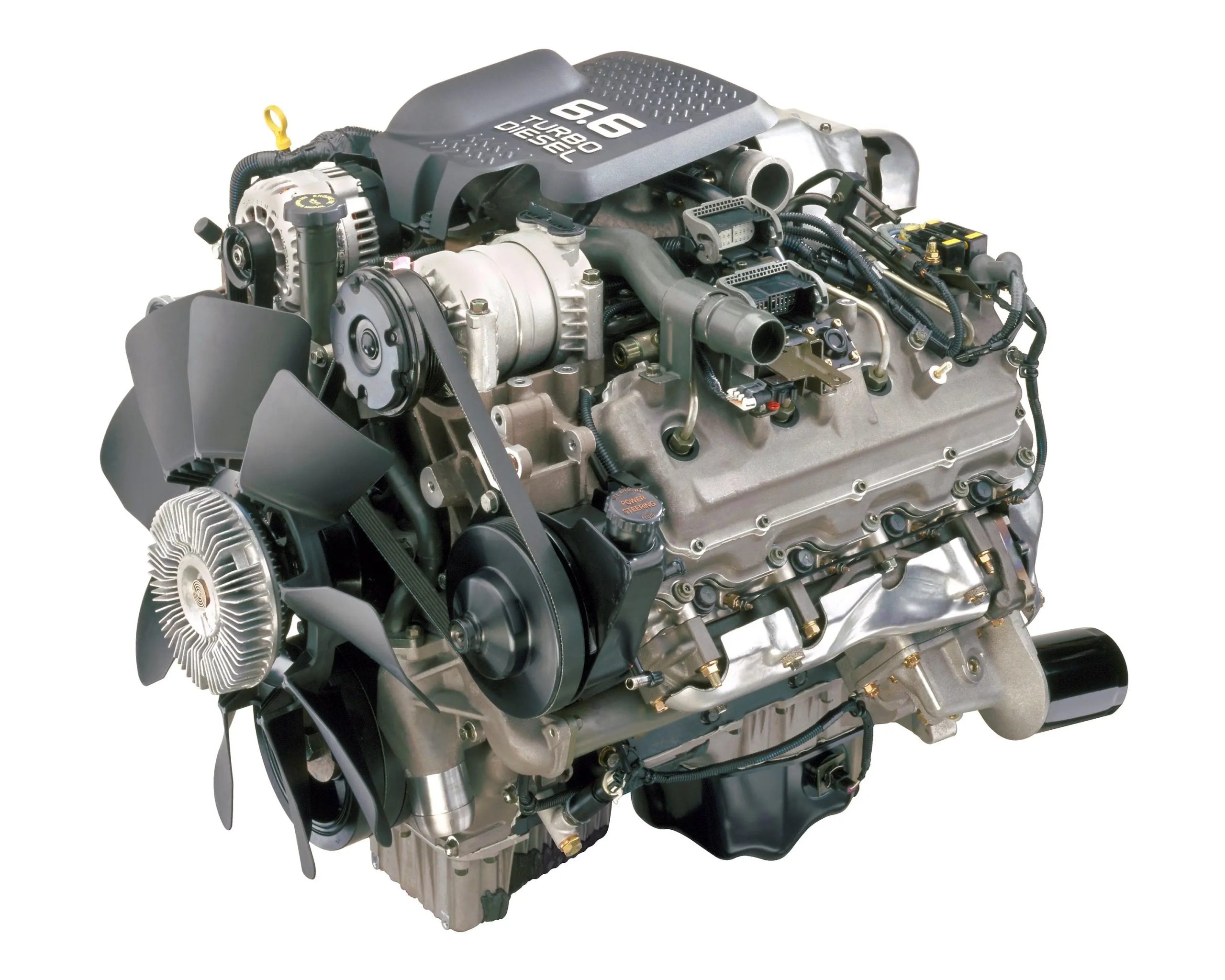
10. Duramax 6.6-Liter LB7 (2001 to 2004) With Resolved Injectors
General Motors’ LB7 Duramax 6.6-liter diesel, the first Duramax engine installed in Chevrolet and GMC heavy-duty trucks, closes this ranking with an honest assessment that places it at tenth specifically because its documented longevity requires a qualification that no other engine on this list requires: the LB7’s exceptional service life potential is fully realized only in examples that had their fuel injectors replaced under warranty or through subsequent service.
LB7 injector failures were the specific and acknowledged weakness that placed the LB7 in warranty-covered territory for injector replacement, with Chevrolet covering injector replacement on qualifying vehicles through an extended warranty provision that acknowledged the injectors’ failure pattern.
Injectors positioned inside the valve covers in a configuration that complicated replacement and contributed to the high replacement labor cost became the defining service history event for a large proportion of LB7-equipped trucks. Examples that received injector replacement and continued accumulating mileage beyond that service event demonstrated the underlying engine architecture’s genuine durability.
Post-injector-replacement LB7 service lives follow a pattern that justifies the engine’s ranking at tenth on a bulletproof list despite the injector caveat. Cast iron block construction, forged rotating assembly, and Isuzu’s industrial diesel engineering heritage applied through the Duramax development partnership produced an engine whose fundamental mechanical architecture was capable of the service lives that properly maintained post-replacement examples achieved. Fleet operators who managed LB7 engines through the injector service event and continued operating them in demanding commercial service documented engine service lives that validated the underlying architecture’s quality.
LB7 Duramax engines in Chevrolet Silverado 2500HD and 3500HD Classic applications, where injector service was completed and where subsequent maintenance included consistent oil changes at appropriate intervals, have documented 300,000 to 400,000-mile service lives in personal and light commercial ownership that the Duramax enthusiast community tracks with the detail that reflects genuine investment in understanding this specific engine’s longevity potential.
