

Air conditioning is no longer a luxury in modern cars. It is a basic necessity, especially in hot and humid climates where temperatures can soar beyond comfort. When you buy a car, you expect the AC to work reliably for years. Unfortunately, not all vehicles are built with the same level of engineering precision.
Some cars are designed with robust AC systems that hold refrigerant for a decade or more. These vehicles use high-quality seals, durable compressors, and well-engineered condensers that resist leaks. Owners of these cars rarely think about their AC; it simply works, year after year.
On the other hand, some cars are notorious for AC systems that lose their cool within a year or two. They suffer from weak seals, poorly designed components, and chronic refrigerant leaks. Owners end up spending thousands on recharges, repairs, and replacements.
This article breaks down five cars known for exceptional long-term AC performance and five that are infamous for frustrating AC failures. Whether you are buying a new car or diagnosing your current one, this guide will help you understand what separates a reliable cooling system from a costly annual headache. Knowledge is your best tool before signing any deal.
5 Cars Where the Air Conditioning Still Blows Cold After a Decade
These cars are known for durable AC components, well-sealed systems, and reliable compressors that continue delivering strong cooling even after many years. Models like the Toyota Corolla, Honda Civic, and Lexus ES are often praised for AC systems that stay effective without frequent maintenance.
Vehicles such as the Mazda3 and Hyundai Elantra also stand out with consistent cooling performance and fewer refrigerant leaks, keeping cabins comfortable even in hot climates. Their robust HVAC design helps them maintain performance well beyond a decade.
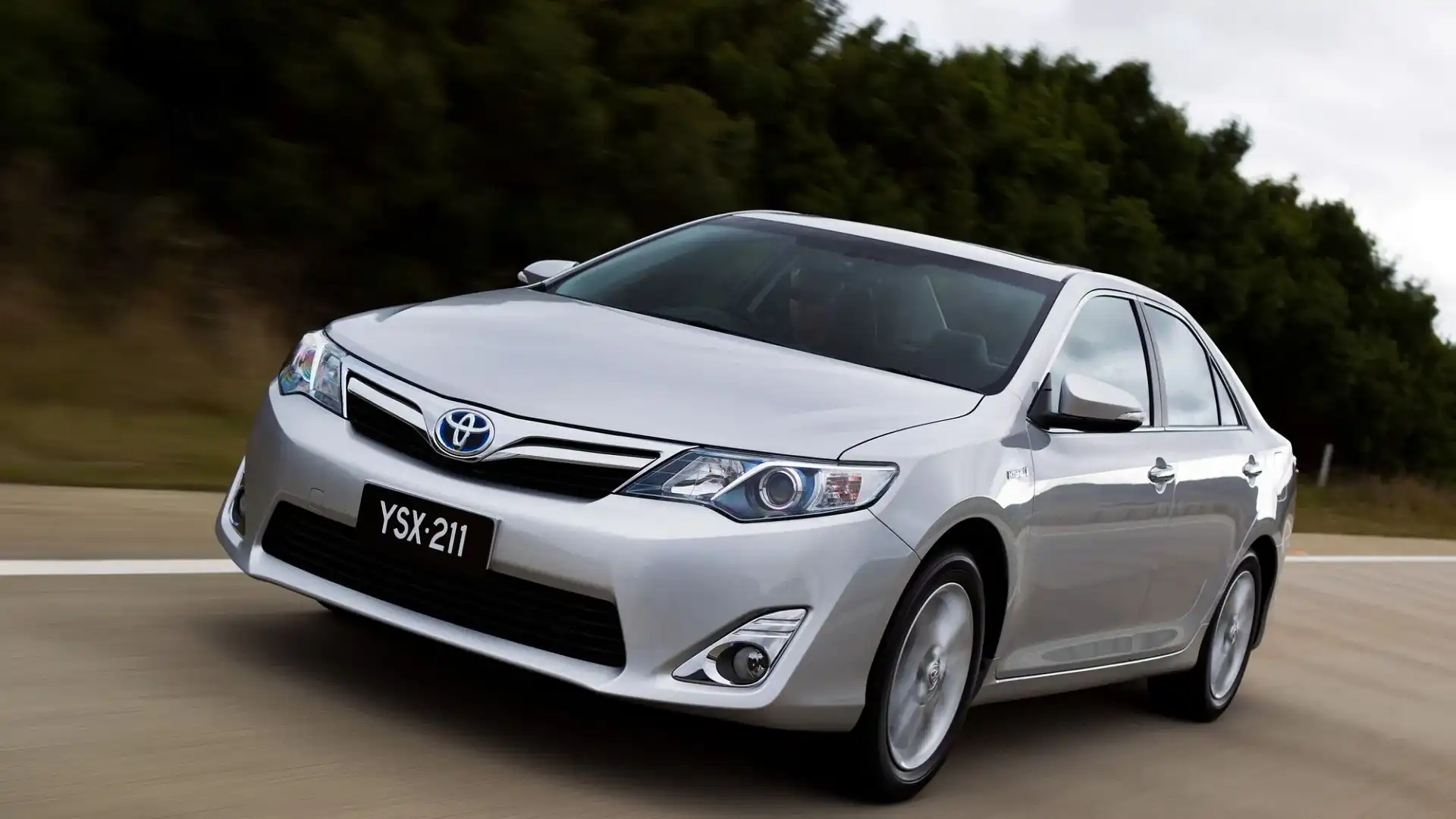
1. Toyota Camry (2010–2020)
The Toyota Camry has long been celebrated as one of the most dependable sedans ever made. Its AC system is a major reason why owners hold on to these cars for well over a decade.
Toyota engineers designed the Camry’s AC with a focus on long-term durability. The compressor is built to tight tolerances, and the seals used throughout the system are made from high-grade materials that resist cracking over time.
The condenser in the Camry is positioned strategically to receive maximum airflow. This prevents the unit from overheating and degrading faster than it should.
One of the key reasons the Camry AC lasts so long is the quality of its O-rings and hose connections. These small components are often the first to fail in inferior systems, but Toyota sources parts that maintain integrity for years.
Refrigerant retention is exceptional in the Camry. Owners who service their cars regularly report that the AC still blows ice-cold even after 12 to 15 years of use.
The Camry also benefits from a well-sealed firewall and dashboard. This prevents moisture and heat from warping any of the AC components prematurely.
Toyota’s supplier relationships also play a role. The company works with Denso, one of the world’s most respected manufacturers of automotive AC components. Denso parts are known globally for their longevity and reliability.
Many Camry owners in hot climates report never needing an AC recharge during the entire ownership period. This is a remarkable achievement for any vehicle, especially one used in extreme heat.
The 2012 to 2017 models are particularly praised in this regard. These years saw refinements to the AC system that made it even more efficient and leak-resistant than earlier versions.
Workshop mechanics frequently note that Camry AC jobs are rare compared to other sedans. When they do come in, it is usually due to a worn cabin filter or a blower motor, not a refrigerant leak.
The Camry also uses a variable displacement compressor in several trims. This compressor adjusts its output based on cooling demand, which reduces stress on the system and extends its lifespan significantly.
Fuel efficiency is another benefit of this design. A compressor that works smarter rather than harder uses less engine power and generates less heat in the process.
The Camry’s reputation for AC reliability is not just anecdotal. Consumer surveys and reliability indexes from organizations like J.D. Power consistently rank it among the top performers for climate control durability.
If you want a car that will keep you cool through summer after summer without draining your wallet on AC repairs, the Toyota Camry is one of the safest bets in the market today.
2. Honda Accord (2008–2022)
The Honda Accord is another household name when it comes to automotive reliability. Its AC system is no exception to this reputation, consistently delivering cold air well into the vehicle’s second decade.
Honda designed the Accord’s AC with robust aluminum components that resist corrosion far better than cheaper alternatives. Aluminum condensers and evaporators hold up better in humid and coastal environments.
The Accord uses a reliable serpentine belt-driven compressor. This design is simple, proven, and far less prone to failure than more complex electronically driven systems found in some luxury vehicles.
Honda’s engineering team pays close attention to refrigerant line connections. The fittings are precision-machined to minimize the micro-leaks that slowly drain refrigerant from lesser systems over time.
The dual-zone climate control found in many Accord trims is a sign of system maturity. A manufacturer does not offer precise independent temperature control unless the underlying AC architecture is solid and trustworthy.

The Accord also benefits from effective cabin insulation. When a car’s interior is well-insulated, the AC system does not have to work as hard to maintain the desired temperature, which reduces wear on all components.
Many Accord owners in tropical regions report using their AC every single day for over ten years. These are some of the most demanding conditions imaginable, and the system holds up remarkably well under such stress.
The 2013 to 2017 generation Accord is particularly well-regarded for AC performance. These models struck an ideal balance between performance, efficiency, and component quality that remains difficult to match.
Honda uses SANDEN compressors in many Accord variants. SANDEN is a globally respected brand whose compressors are known to last well beyond 150,000 miles with proper maintenance.
Regular cabin air filter changes are almost all that Accord owners need to keep the AC system in top shape. This is a five-minute job that costs very little and makes a noticeable difference in airflow efficiency.
Service centers frequently comment on how rarely Accord AC systems develop significant issues. When problems do arise, they are often traced to user neglect rather than manufacturing defects.
The Accord’s dashboard design also helps. The vents are engineered to distribute air evenly throughout the cabin, which means the system reaches the desired temperature faster and cycles off sooner.
Less cycling means less wear. Less wear means longer component life. This logical chain of engineering decisions is why the Honda Accord continues to earn praise from long-term owners and mechanics alike.
Buying a used Honda Accord with high mileage is often a safer choice than buying a newer car from a less reliable brand. The AC system alone is reason enough to make this a wise investment.
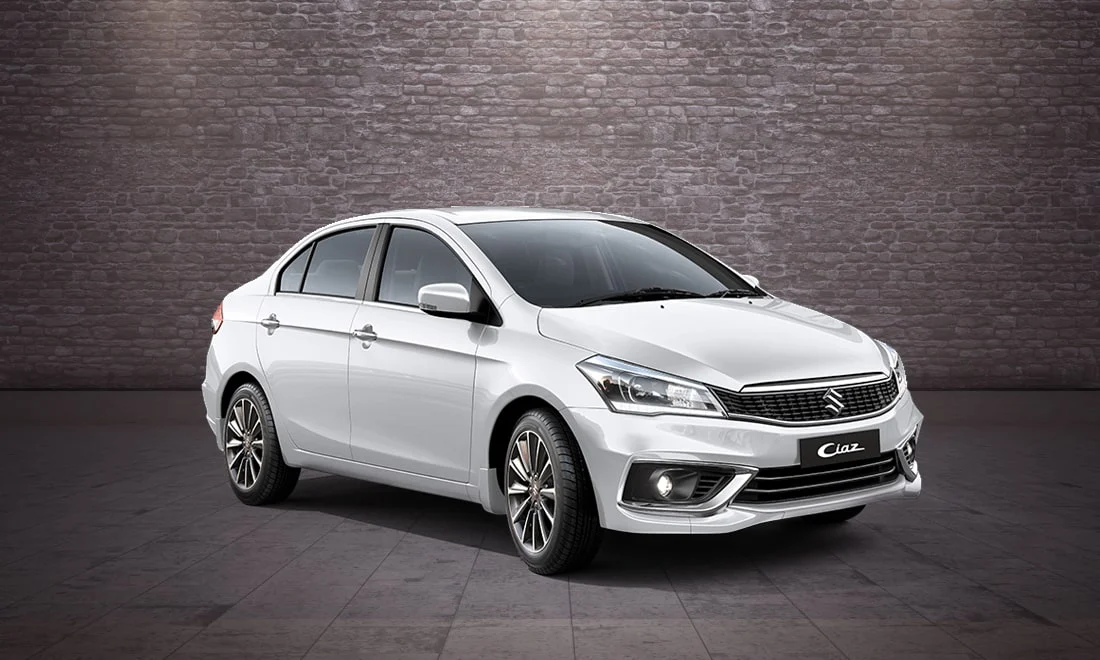
3. Maruti Suzuki Ciaz (2014–Present)
In the Indian market, the Maruti Suzuki Ciaz has earned a strong reputation for AC performance. This is particularly significant given India’s extreme summer temperatures that regularly exceed 45 degrees Celsius.
Maruti Suzuki partnered with Denso to develop the Ciaz’s climate control system. This collaboration brought Japanese engineering precision to an affordable Indian sedan, with impressive long-term results.
The Ciaz uses a compact but highly efficient rotary compressor. This type of compressor is known for smooth operation and resistance to the kind of mechanical stress that typically causes failures in hot-weather driving.
The condenser in the Ciaz is generously sized relative to the car’s footprint. This allows heat to be expelled from the refrigerant more efficiently, which means the system does not have to work overtime to keep the cabin cool.
Refrigerant lines in the Ciaz are routed carefully to avoid contact with hot engine components. This thoughtful routing prevents heat soak, which is a common cause of premature seal degradation in poorly engineered systems.
Maruti’s service network across India also plays a supporting role. Owners can access genuine parts and trained technicians even in smaller towns, which ensures the AC system receives proper care throughout its life.
The Ciaz’s interior is also fairly well-insulated for its price point. Good insulation means the AC cools the cabin quickly and maintains temperature without constant compressor engagement, which reduces long-term wear.
Owners in cities like Nagpur, Jaipur, and Chennai, known for brutal summer heat, frequently praise the Ciaz AC for its consistent performance. These are cities where a weak AC system would be exposed very quickly.
The cabin air filtration in the Ciaz is also commendable. Effective filtration keeps dust and debris out of the evaporator, which prevents blockages that can reduce airflow and force the system to work harder.
Mechanics who service the Ciaz regularly note that refrigerant levels rarely need topping up between scheduled services. This is a strong indicator of a well-sealed and well-engineered AC system from the factory.
The 2017 facelift model brought improvements to the climate control interface without compromising the reliability of the underlying system. These updates focused on user experience while maintaining the same trusted architecture.
Long-term ownership surveys in India consistently show the Ciaz among the top performers for AC satisfaction. This is a hard metric to fake; owners who sweat through summer after summer know exactly which cars deliver.
For buyers prioritizing AC performance in a budget-to-midrange Indian sedan, the Ciaz remains one of the most compelling options available in the market today.
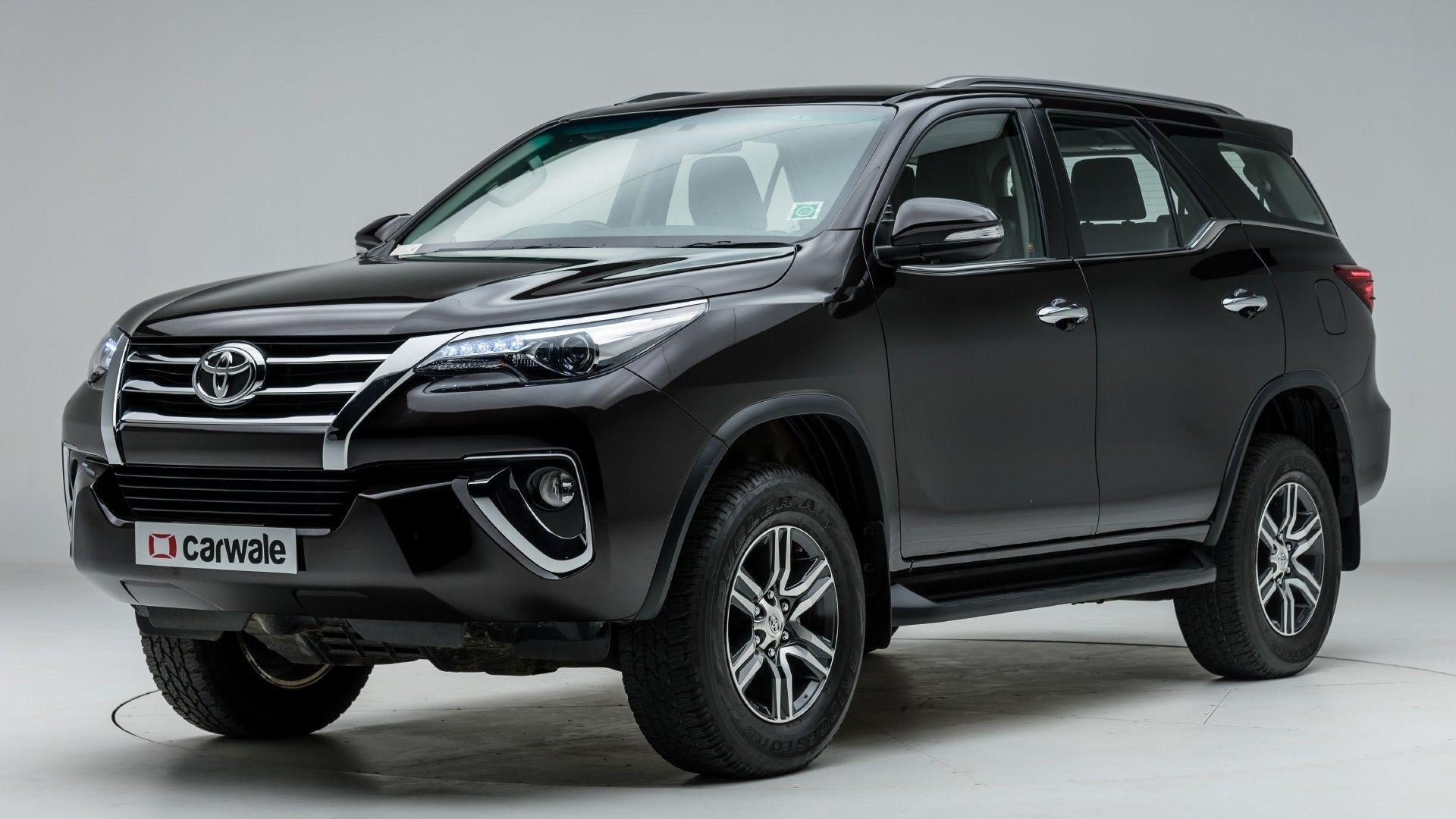
4. Toyota Fortuner (2016–Present)
The Toyota Fortuner is a rugged SUV designed for demanding road conditions. Its AC system is built to match this tough reputation, delivering powerful cooling even under the harshest conditions.
The Fortuner’s AC is designed to cool a large three-row cabin efficiently. This is no easy task, especially when driving through dusty, unpaved terrain under a blazing afternoon sun.
Toyota equipped the Fortuner with a high-capacity compressor that is over-engineered for the task at hand. This excess capacity means the system is rarely running at maximum stress, which significantly extends its working life.
The rear AC vents in the Fortuner are a thoughtful addition. By delivering cold air directly to second and third-row passengers, the front evaporator does not need to compensate for a long, warm cabin interior.
The Fortuner uses thick, braided refrigerant hoses rather than the thinner rubber lines found in economy vehicles. These hoses are far more resistant to cracking, heat, and pressure fluctuations over long periods.
Dust is one of the biggest threats to an AC system in rural and off-road use. The Fortuner’s cabin air filtration system is robust enough to handle dusty environments without choking the evaporator or reducing airflow.
Toyota’s use of Denso components throughout the Fortuner’s AC system guarantees a baseline of quality that few competitors at this price point can match. Denso parts are designed for longevity in tough conditions.
Owners who take the Fortuner on long highway drives across Rajasthan or other desert regions report that the AC never falters. It continues to deliver cold air consistently, even when outside temperatures are extreme.
Fleet operators who use the Fortuner as a staff carrier or travel vehicle speak highly of its AC durability. In these use cases, the system runs for eight to ten hours a day, which is a serious stress test for any vehicle.
The Fortuner’s large engine also helps. A bigger engine means the compressor takes a smaller percentage of total available power, which reduces the mechanical strain placed on the belt drive and compressor internals.
Refrigerant leaks are essentially unheard of in well-maintained Fortuners. The system’s seals and fittings are tight from the factory and remain that way through years of demanding use.
The Fortuner also holds its resale value extremely well. Part of this value is driven by the confidence buyers have in its reliability, including the AC system that has proven itself across diverse and demanding climates.
If you need an SUV that will keep a full family cool on a long road trip through India’s hottest regions, the Toyota Fortuner is a vehicle you can trust completely.
Also Read: Why Buying a 10-Year-Old Luxury Car Is Almost Always a Mistake
5. Hyundai Creta (2018–Present)
The Hyundai Creta has become one of India’s best-selling compact SUVs. A major reason for its popularity is its surprisingly robust AC system, which performs well even after years of intense use.
Hyundai invested heavily in the Creta’s climate control system to meet the demands of the Indian market. The engineers understood that Indian buyers prioritize AC performance above almost every other comfort feature.
The Creta features a strong blower motor that delivers high airflow even at moderate fan settings. High airflow means faster cabin cooling, which reduces the total time the compressor needs to run, extending its lifespan.
The compressor fitted in the Creta is a scroll-type unit, which is quieter and more efficient than traditional piston compressors. Scroll compressors also have fewer moving parts, which translates directly to fewer failure points.
Hyundai’s engineers placed the condenser in an optimal location at the front of the vehicle. This positioning ensures that even slow-moving urban traffic provides enough airflow to cool the refrigerant effectively.

The Creta also features an automatic climate control system in its higher trims. Automatic systems maintain temperature more precisely, which prevents the compressor from working harder than necessary.
Long-term owners in Maharashtra, Gujarat, and Telangana report consistent AC performance over five to seven years. These are states with both extreme heat and high humidity, which places double the stress on any cooling system.
Hyundai’s after-sales service network in India is one of the most extensive in the country. Access to genuine spare parts and trained technicians helps owners maintain the AC system in factory-fresh condition for longer.
The cabin insulation in the Creta is notably better than many rivals at its price point. Better insulation means the car retains cold air longer after the engine is switched off, reducing the initial cooling load each time you restart.
Hyundai also fitted the Creta with a pollen and dust filter that is easy to access and replace. Keeping this filter clean is one of the simplest and most effective ways to maintain AC performance over the years.
Used Creta models with over 80,000 kilometers are frequently found with fully functional AC systems. This is a testament to the quality of engineering that Hyundai put into this vehicle from the beginning.
The 2020 second-generation Creta brought further refinements to the AC system. Better sealing, improved duct design, and a more capable compressor made an already reliable system even more dependable.
For Indian buyers seeking a compact SUV with long-term AC reliability, the Hyundai Creta stands as one of the most sensible and satisfying choices available across all budget segments.
5 That Need a Recharge Every Year
These cars are often associated with frequent refrigerant leaks, weak seals, or less durable AC components, leading to reduced cooling performance over time. Owners may notice warm air, inconsistent cooling, or the need for regular AC recharges just to maintain basic comfort.
Common issues include leaky hoses, failing compressors, or worn seals, which can make the system lose efficiency quickly. Over time, repeated fixes and recharges can become costly and frustrating, making these vehicles less reliable in terms of long-term AC performance.
1. Ford EcoSport (2013–2021)
The Ford EcoSport was marketed as a practical and sporty compact SUV for urban buyers. However, its AC system quickly became one of the most talked-about reliability complaints among Indian owners.
The EcoSport’s AC problems are well-documented and widespread. Owners across multiple model years report that refrigerant levels drop noticeably within six to twelve months, requiring a recharge to restore cooling performance.
Ford used relatively thin rubber refrigerant lines in the EcoSport. These lines are prone to developing micro-cracks over time, especially when exposed to the engine bay heat that the EcoSport’s compact engine compartment generates.
The condenser in the EcoSport is positioned close to the radiator. This proximity means the condenser absorbs additional heat from the radiator, making it work harder and wear out faster than it should.
The compressor in early EcoSport models had a reputation for premature failure. Replacement compressors were not cheap, and many owners found themselves spending significant money within the first five years of ownership.

Ford’s quality control during the EcoSport’s production years was inconsistent. Some units left the factory with improperly torqued fittings or substandard O-rings that began leaking almost immediately after delivery.
Service centers in India reported a high volume of EcoSport AC complaints during the model’s peak years. Technicians frequently found refrigerant levels at half or less of the recommended charge, even in relatively new vehicles.
The EcoSport’s cabin insulation was also criticized for being inadequate. Poor insulation means the AC must work harder and longer to cool the cabin, which accelerates wear on every component in the system.
Replacement parts for the EcoSport were often expensive relative to the car’s price segment. Owners found themselves spending between eight thousand and twenty thousand rupees annually on AC maintenance, which was deeply frustrating.
Ford’s limited service network in smaller Indian cities made the situation worse. Owners in tier-two cities often had to travel significant distances to find a qualified service center that could properly diagnose AC issues.
The turbocharged EcoBoost engine in some EcoSport variants generated considerable heat. This engine bay heat accelerated the degradation of AC seals and hoses, making the refrigerant loss problem even more severe.
Ford eventually made some improvements to the EcoSport in later model years. However, by that point, the car’s AC reputation was already established, and many buyers had moved to alternatives with better reliability records.
The EcoSport teaches an important lesson about compact SUV engineering. A small engine bay that runs hot is an enemy of AC system longevity, and buyers should always research AC reliability before purchasing any compact vehicle.
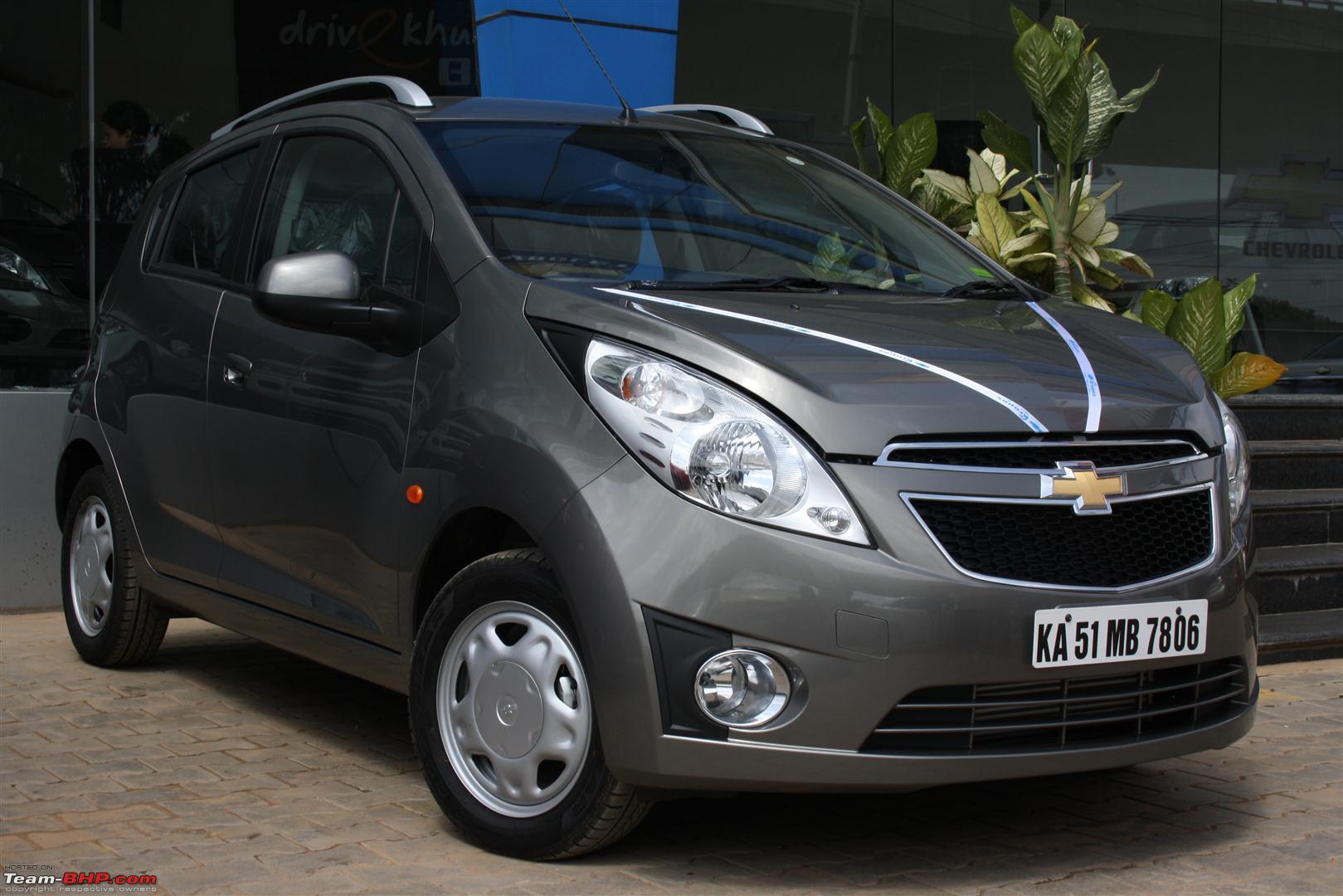
2. Chevrolet Beat (2010–2019)
The Chevrolet Beat was a popular hatchback in India known for its stylish looks and peppy performance. Unfortunately, its AC system earned a very different kind of reputation among long-term owners.
Beat owners consistently reported that AC cooling diminished noticeably within the first two to three years of ownership. This early degradation suggested fundamental issues with the system’s design or component quality.
The Beat used a compact compressor that was undersized for Indian climate conditions. In a country where ambient temperatures regularly exceed 40 degrees Celsius, an undersized compressor is continuously running near its maximum capacity.
Running near maximum capacity continuously creates significant heat and mechanical stress. This shortens the compressor’s life dramatically and also accelerates wear on the belts, pulleys, and seals connected to it.
The refrigerant hoses in the Beat were noted for being particularly susceptible to cracking. Mechanics who worked on these vehicles regularly found refrigerant stains around hose connections, a telltale sign of ongoing leaks.
Chevrolet’s decision to use certain cost-cutting components in the Beat’s AC system became apparent over time. Lower-grade O-rings and fittings that were adequate in cooler climates simply could not withstand India’s harsh conditions.
The Beat’s dashboard ducting also received criticism. Uneven airflow meant that some parts of the cabin received cold air while others remained uncomfortably warm, forcing owners to run the fan at high speed constantly.
High fan speed means a higher load on the blower motor. A constantly overworked blower motor heats up the surrounding components, including the evaporator housing, which accelerates the aging of nearby seals.
General Motors’ after-sales support in India was another source of frustration. After GM’s announcement of reduced Indian market presence, spare parts became harder to source and more expensive to purchase.
Owners who tried to maintain their Beat AC systems found that even after a professional recharge, cooling would deteriorate again within months. This cycle of recharge and decline became a familiar and costly routine.
The Beat’s compact engine bay offered little room for proper AC component installation. Tight packaging meant that heat from the engine soaked into AC lines and components more readily than in larger vehicles.
Workshop data from independent mechanics showed that the Beat had one of the highest rates of AC-related service visits among hatchbacks in its class. This frequency of visits was a clear signal of systemic design shortcomings.
The Beat remains a cautionary tale about what happens when AC systems are not engineered to match the specific climate demands of the market they are sold into. Good looks and a fun driving experience cannot compensate for chronic cooling failures.
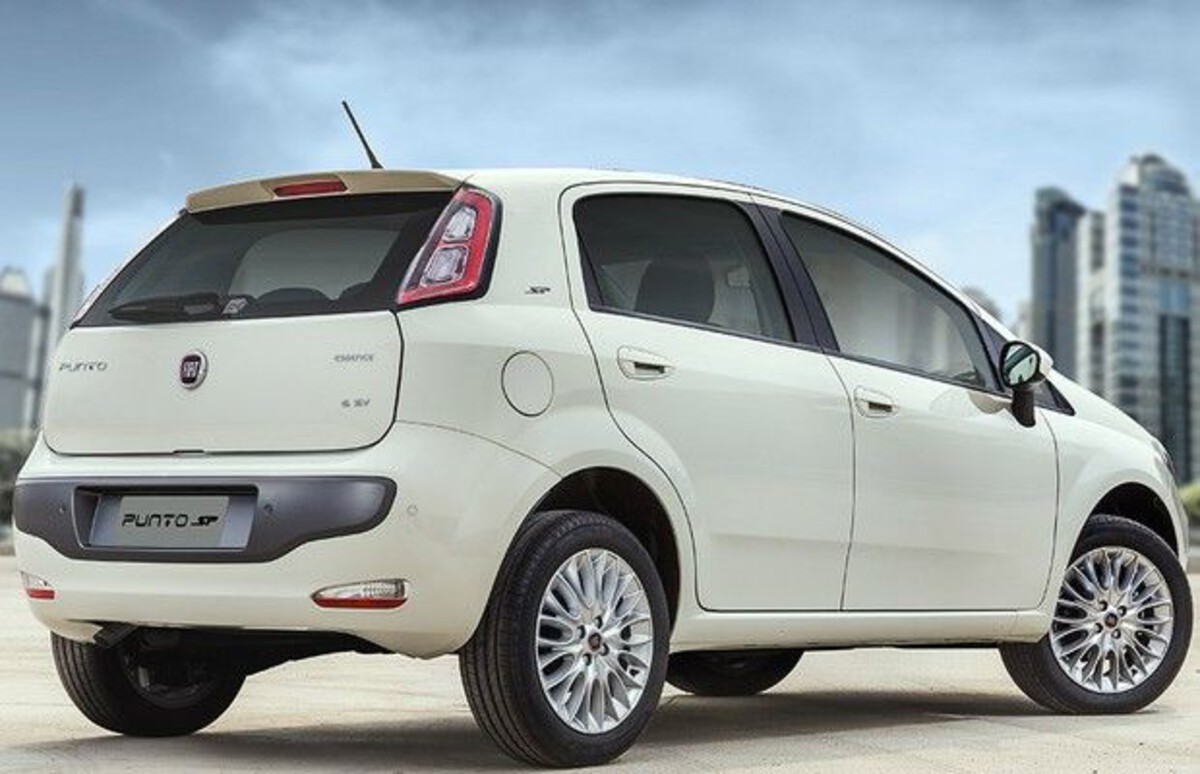
3. Fiat Punto (2009–2018)
The Fiat Punto arrived in India with promises of European sophistication and driving pleasure. While it delivered on some fronts, its AC system became a recurring source of disappointment for Indian owners.
Fiat’s AC systems in the Punto generation were engineered primarily for European conditions. European summers are mild compared to India’s brutal heat, and this design mismatch showed up quickly in Indian ownership experiences.
The Punto’s evaporator was one of the first components to show signs of trouble. Owners reported reduced cooling efficiency within two to three years, often caused by refrigerant loss through a leaking evaporator core.
An evaporator replacement in the Punto required significant dashboard disassembly. This made the repair both time-consuming and expensive, with labor costs sometimes exceeding the cost of the parts themselves.
The refrigerant lines in the Punto used connectors that mechanics found difficult to work with. Improper connection during servicing could introduce small but persistent leaks, which made every subsequent service more complicated.
Fiat’s limited dealership network in India meant that many Punto owners had to rely on unauthorized service centers. Unqualified technicians working on a complex AC system is a recipe for accelerated deterioration.
The Punto’s compressor was not particularly robust for Indian conditions. In cities where traffic congestion forces vehicles to idle in direct sunlight for extended periods, the compressor runs almost continuously for hours.
Continuous compressor operation generates heat and accelerates wear on the compressor clutch. A failed compressor clutch is one of the most common and expensive AC repairs associated with the Punto.
Owners in cities like Mumbai and Delhi, where high humidity compounds the cooling challenge, found the Punto’s AC performance particularly disappointing. High humidity demands more from the evaporator, which was already underperforming.
Refrigerant consumption in the Punto was high enough that many owners made AC recharging an annual ritual. They budgeted for it the same way they budgeted for oil changes, accepting it as an unavoidable ownership cost.
Fiat’s decision to exit significant portions of the Indian market left Punto owners in a difficult position. Sourcing original AC components became increasingly challenging, forcing owners to accept non-genuine parts of varying quality.
The Punto’s story is a reminder that European engineering does not automatically translate to reliability in tropical climates. AC systems must be specifically calibrated for the temperatures, humidity, and usage patterns of each target market.
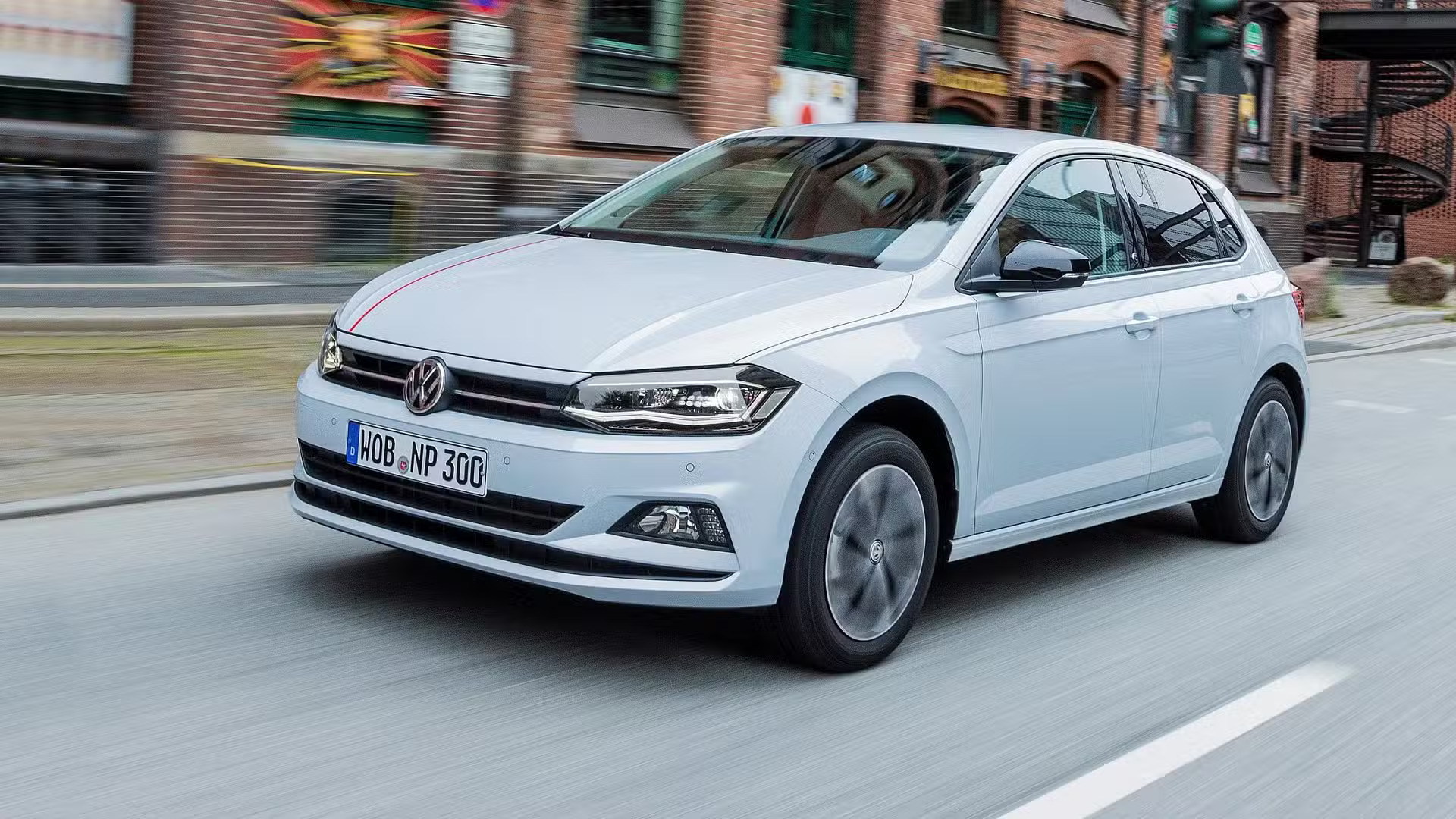
4. Volkswagen Polo (Pre-2018 Models)
The Volkswagen Polo is widely respected for its build quality, precise handling, and refined interior. However, pre-2018 models developed a notable reputation for AC system issues that frustrated many loyal owners.
The AC problems in the older Polo were primarily related to refrigerant leaks. Owners reported that cooling performance would drop noticeably over a season, with the system often needing a full recharge by the following summer.
Volkswagen engineers used a serpentine compressor layout in the Polo that, while efficient in theory, placed the compressor close to significant heat sources. This proximity accelerated the aging of nearby seals and gaskets.
The condenser in the pre-2018 Polo was positioned in a way that made it vulnerable to stone chips and road debris. Physical damage to the condenser, even minor dents, could create leak points that gradually empty the system.
The evaporator housing in the Polo also attracted criticism. Poor drainage design meant that moisture accumulated in the housing, creating conditions for corrosion that eventually ate through the evaporator material.
A corroded evaporator is one of the most difficult and expensive AC repairs a car owner can face. In the Polo, this issue appeared in enough vehicles to become a known problem within Volkswagen’s own service community.
Volkswagen’s genuine parts are expensive relative to competitors’. When AC components needed replacement in the Polo, owners faced repair bills that often seemed disproportionate to the car’s price and market positioning.
The automatic climate control system in higher Polo trims added electronic complexity. More electronics mean more potential failure points, and some owners experienced sensor failures that caused erratic AC behavior unrelated to refrigerant levels.
Independent workshops in India noted that Polo AC jobs were among the more technically demanding in the compact car segment. Complexity meant higher labor charges, which added to the total cost of keeping the system functional.
Volkswagen did make meaningful improvements to the Polo’s AC system in the 2018 facelift and subsequent updates. The updated condenser design and improved sealing addressed many of the issues that had plagued earlier models.
However, a large number of pre-2018 Polos are still on Indian roads. Owners of these vehicles continue to deal with AC reliability challenges and the associated annual costs of maintaining a system that was not built for long-term tropical use.
The Polo’s AC story reflects a broader challenge for European automakers entering the Indian market. Adapting a car designed for moderate climates to one of the world’s hottest and most demanding environments requires more than badge engineering.
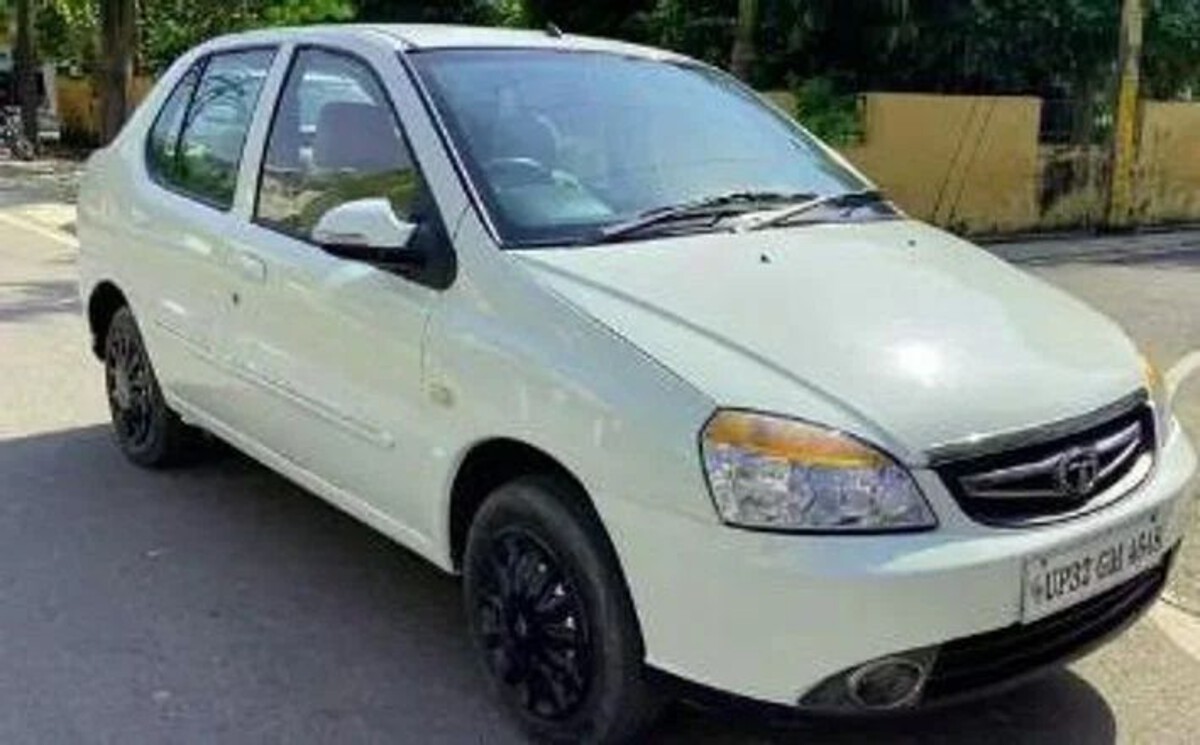
5. Tata Indica / Indigo (2005–2015)
The Tata Indica and its sibling, the Indigo, were milestone vehicles in India’s automotive history. They proved that India could produce its own cars for its own people. However, the AC systems in these models told a very different story.
Both the Indica and Indigo suffered from AC reliability issues that spanned the entire production run. These were not isolated incidents; they were systemic problems that affected a large proportion of vehicles produced.
The compressor used in these Tata models was sourced from suppliers who prioritized cost over longevity. In a hot country like India, where the AC is switched on the moment the driver enters the car, a weak compressor fails quickly.
Refrigerant hose quality was another serious concern. The hoses used in the Indica and Indigo were prone to swelling, cracking, and ultimately leaking, often within the first two to three years of ownership.
The O-ring seals in these vehicles were particularly problematic. Made from standard rubber compounds that were not rated for sustained exposure to high temperatures, they hardened and lost their sealing ability relatively quickly.
Once O-rings failed, refrigerant began escaping from multiple points simultaneously. A system leaking from several locations at once is nearly impossible to simply recharge; it requires a full diagnostic and replacement of multiple components.
The condenser in the Indica was thin and lightly constructed. In urban environments with constant stop-and-go traffic, the condenser had minimal airflow at low speeds, causing it to operate at excessive temperatures that shortened its life.
Tata’s service quality during this period was inconsistent across dealerships. Some service centers recharged the AC without properly diagnosing the root cause of refrigerant loss, which meant the problem returned quickly and repeatedly.
Replacement AC parts for the Indica were inexpensive, but this economy came with a quality trade-off. Cheap replacement compressors and condensers often failed within a year, restarting the entire expensive cycle of breakdown and repair.
Many Indica and Indigo owners in hot states like Andhra Pradesh and Tamil Nadu gave up on the AC entirely after repeated failures. They drove without cooling in temperatures above 40 degrees, which speaks volumes about the frustration the system caused.
The taxi industry, which used large numbers of Indica vehicles, suffered particularly from AC reliability problems. Fleet operators eventually moved to other platforms because the cost of maintaining working AC in the Indica simply was not sustainable.
Tata Motors has made enormous strides in quality since the Indica era. Modern Tata vehicles like the Nexon and Harrier are far more reliable and have largely shed the poor reputation that the Indica and Indigo helped create.
The story of the Indica AC is ultimately a lesson in the cost of cutting corners on climate control. In a country as hot as India, the AC is not a feature; it is a lifeline. And a lifeline that fails repeatedly is worse than one never promised at all.
Also Read: 4 SUVs That Tow a Camper With Ease vs 4 That Struggle With a Jet Ski
