New England winters are brutal on vehicles, and nowhere is that more obvious than on pickup truck frames exposed to road salt, slush, and freeze–thaw cycles. Over time, corrosion can weaken structural components, reduce safety, and shorten a truck’s usable lifespan. However, not all trucks age the same in these conditions.
Some modern pickups have been engineered with advanced materials, coatings, and structural designs specifically aimed at resisting rust from the inside out. This guide, “8 Trucks Where the Frame Doesn’t Rust in New England Winters,” looks at models that have significantly improved corrosion protection through aluminum bodies, boxed steel frames, galvanized components, and factory-applied anti-rust treatments.
From heavy-duty workhorses to midsize and light-duty pickups, each truck on this list represents a different engineering approach to surviving harsh winter environments while maintaining long-term durability and structural integrity under constant exposure to salt-heavy roads.
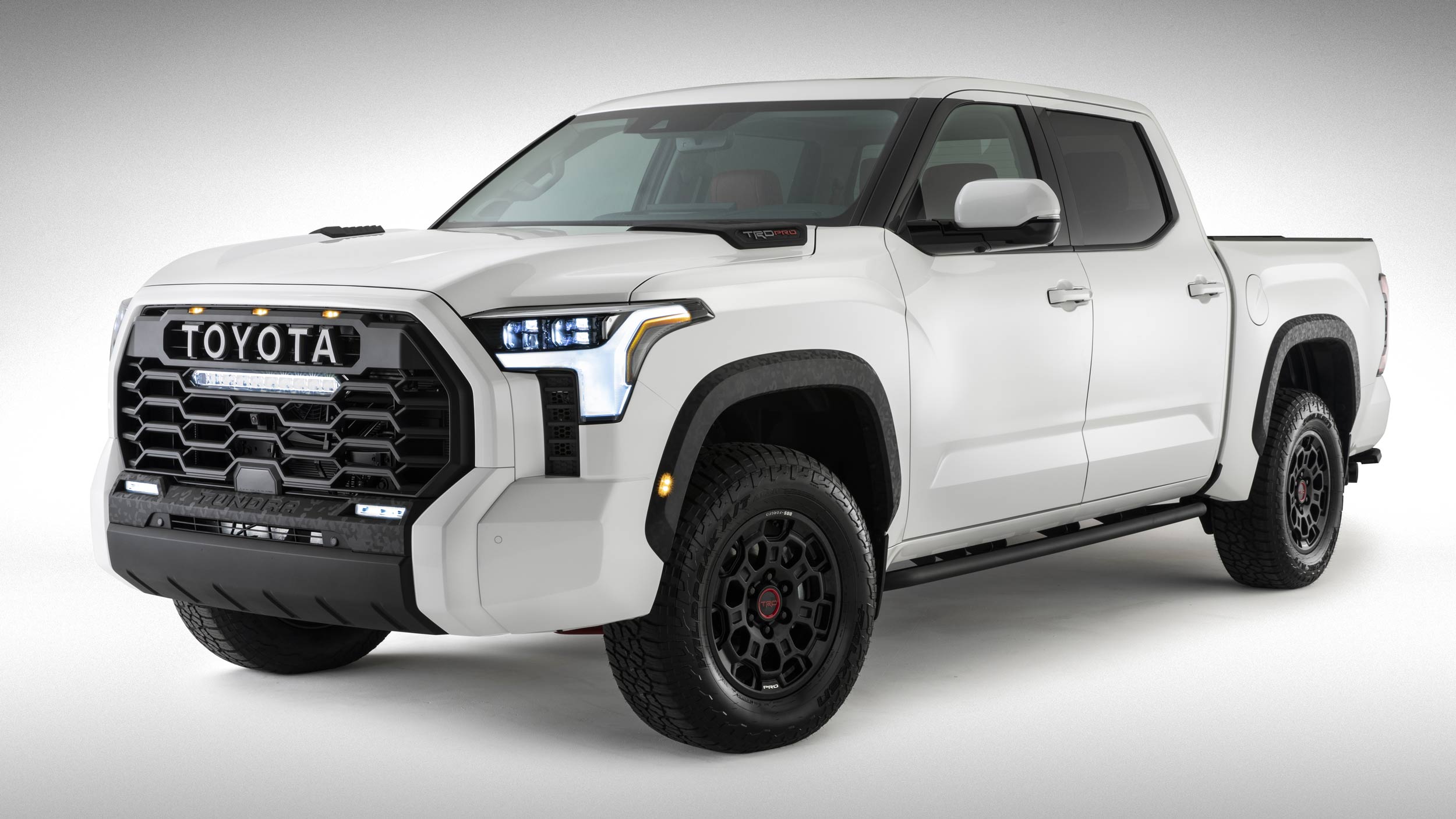
1. Toyota Tundra (2022–Present)
The third-generation Toyota Tundra, produced from 2022 to the present, represents a major redesign focused on long-term durability, especially in environments where road salt and moisture accelerate corrosion. Built on the TNGA-F platform, this generation addresses historical frame rust concerns by introducing a fully boxed, high-strength steel frame with improved factory-applied anti-corrosion coatings. Engineers specifically redesigned the structure to remove areas where salt and slush previously accumulated, reducing internal exposure to moisture that often led to rust in earlier models.
A key improvement lies in the frame architecture itself. Toyota reinforced critical stress zones with thicker steel sections while using smoother laser-welded joints that reduce gaps where corrosion can begin. Additional internal wax coatings are applied inside frame rails to further protect against hidden rust formation. These updates collectively make the chassis significantly more resistant to long-term environmental wear compared to previous generations.
Beyond the frame, Toyota expanded rust resistance to other structural components. The truck bed is now made from a composite material reinforced with aluminum, eliminating traditional steel bed corrosion issues. The tailgate also uses aluminum for added durability. In addition, the rear suspension has been replaced with a coil-spring multi-link setup, removing leaf springs that historically trapped moisture and contributed to rust buildup.
Performance has also evolved significantly. The 2022 Tundra no longer uses a V8 engine, instead offering a twin-turbo V6 paired with a 10-speed automatic transmission. Output ranges from 348 to 389 horsepower in standard form, while a hybrid version produces up to 437 horsepower and 583 lb-ft of torque. This hybrid configuration improves acceleration, with a 0 to 60 mph time as quick as 5.7 seconds. Despite these gains, towing capacity reaches up to 12,000 pounds, which remains slightly below some rivals.
Fuel efficiency is improved but still modest for the segment, with highway ratings reaching the mid-20 mpg range depending on configuration. Interior quality has also been upgraded, featuring larger digital displays, improved materials, and expanded storage solutions. Higher trims include premium finishes such as wood accents and a 14-inch touchscreen with modern connectivity features.
Safety is comprehensive across all models, with standard driver assistance systems including adaptive cruise control, lane-keeping assist, and automatic emergency braking. Toyota also offers competitive warranty coverage and complimentary maintenance for two years, adding to long-term ownership value.
The third-generation Toyota Tundra delivers a more advanced and corrosion-resistant platform while balancing modern performance, comfort, and utility for demanding conditions.
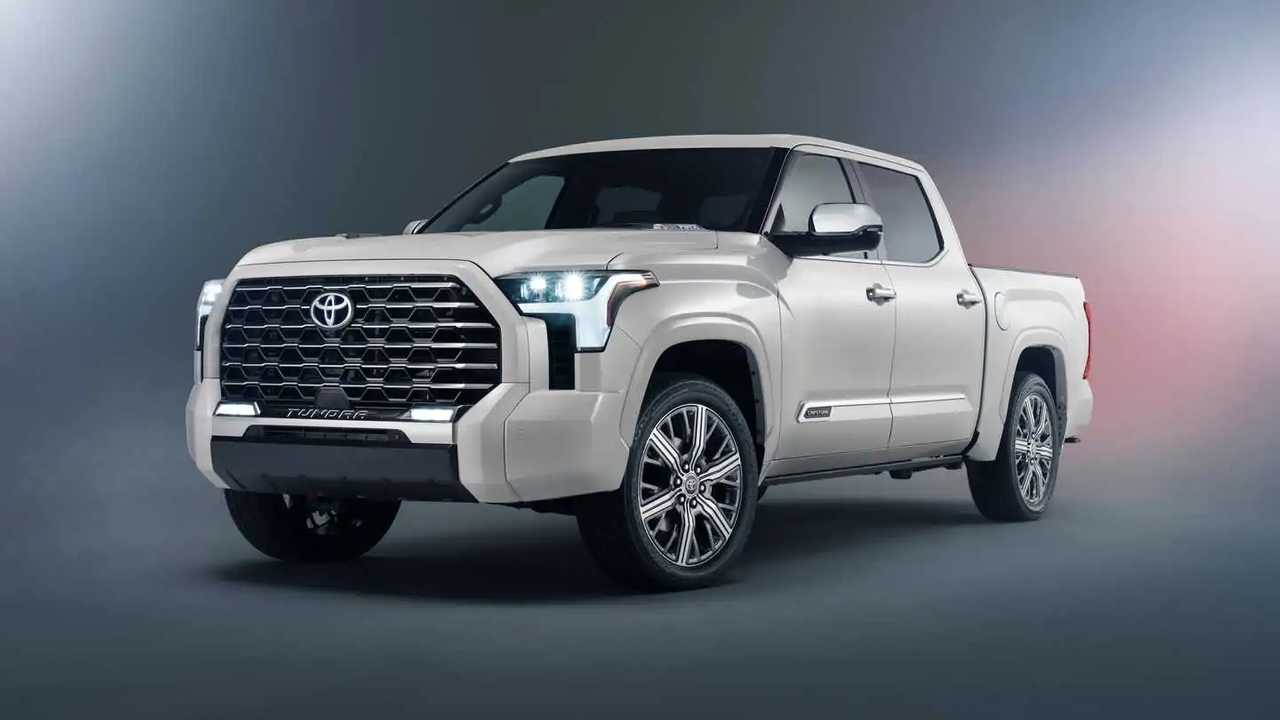
2. Ford F-150 (2015–Present)
The Ford F-150 underwent a major transformation beginning with the 13th generation (2015–2020) and continuing into the 14th generation (2021–present), shifting from a traditional steel body to a military-grade aluminum alloy construction. This change was introduced to improve durability, particularly in regions where road salt and winter weather accelerate corrosion in conventional trucks.
The aluminum body panels are central to this improvement. Unlike steel, aluminum does not form red rust. Instead, it develops a protective oxide layer that helps shield the surface from further corrosion. This makes the exterior far more resistant to common long-term damage on doors, fenders, rocker panels, and bed surfaces, which are typically vulnerable areas in older steel-bodied pickups.
Even with the aluminum body, the F-150 continues to use a high-strength steel frame for structural integrity and towing performance. Ford applies protective coatings and isolation techniques to reduce corrosion where steel and aluminum components meet. Although the frame can still develop surface rust after prolonged exposure to harsh conditions, it is generally less likely to suffer the deep structural decay seen in older generations of steel-only trucks.
The switch to aluminum also reduced vehicle weight by several hundred pounds. This weight reduction contributes to better fuel efficiency, improved handling, and stronger performance without sacrificing capability. Depending on configuration, the F-150 maintains impressive towing capacities of up to roughly 12,000 pounds and payload ratings exceeding 3,000 pounds.
Powertrain options include turbocharged EcoBoost V6 engines, a naturally aspirated V6, and a hybrid variant in newer models. These engines deliver strong torque output while improving efficiency compared to older V8-focused setups. A 10-speed automatic transmission in later models further enhances smoothness and responsiveness across different driving conditions.
Inside the cabin, the F-150 features upgraded materials and modern technology. Larger touchscreen displays, digital instrument clusters, advanced safety systems, and improved interior ergonomics contribute to a more refined driving experience. Practical features such as fold-flat rear seats, expanded storage compartments, and improved bed management systems increase everyday functionality.
The aluminum body construction represents a major advancement in pickup truck design, significantly reducing long-term exterior corrosion while maintaining strength, capability, and modern usability.
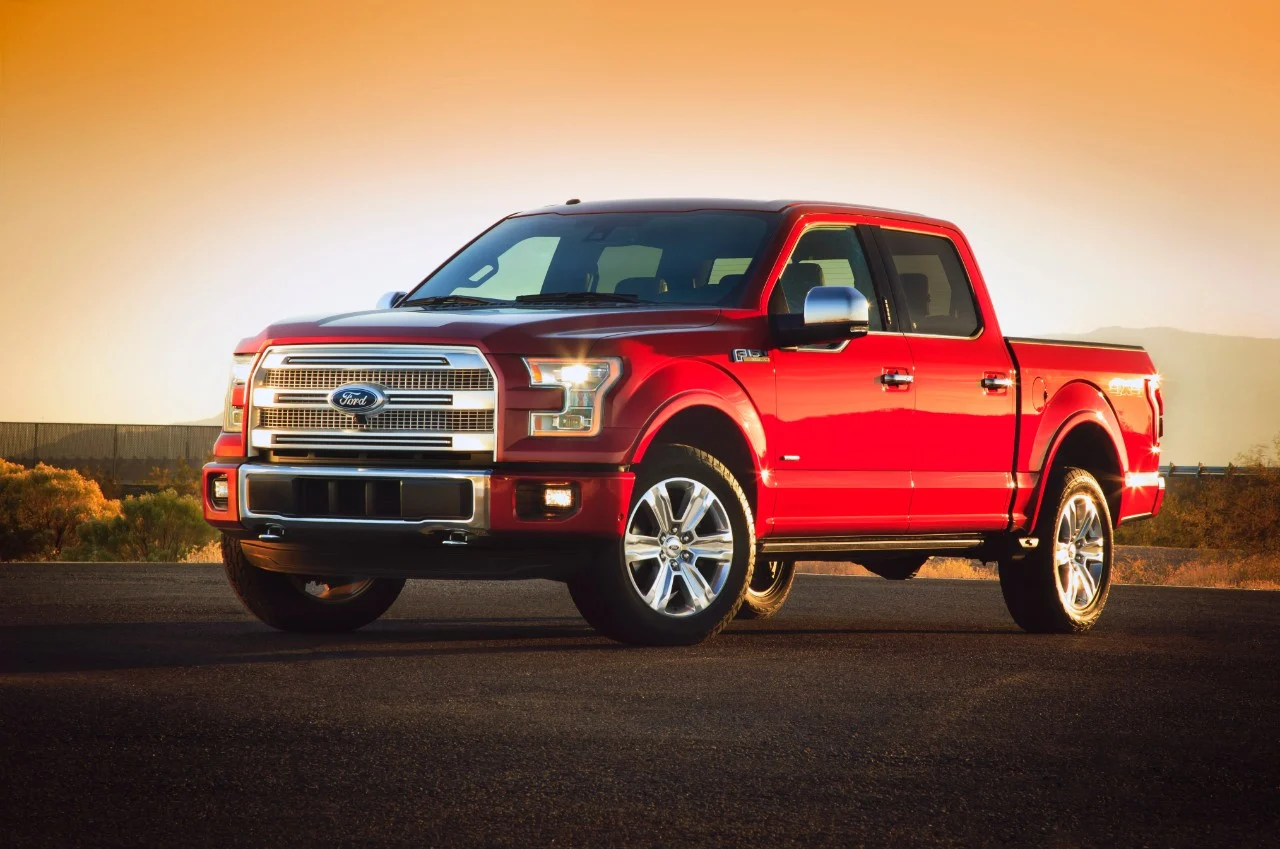
3. Honda Ridgeline (2017–Present)
The 2017–present Honda Ridgeline takes a different approach to pickup truck design, and that difference plays a major role in its strong resistance to rust. Instead of using a traditional body-on-frame layout like most trucks, it is built on a unibody structure, which integrates the body and frame into a single, sealed platform. This design reduces the exposed cavities where salt, moisture, and debris typically collect, helping limit long-term corrosion in winter conditions.
A key advantage of the Ridgeline is its Sheet-Molded Composite (SMC) truck bed. Unlike steel beds that can rust and corrode over time, the composite material is completely rust-proof and also resistant to dents and scratches. This eliminates one of the most common weak points found in conventional pickups used in salt-heavy environments.
Honda also reinforces durability through the use of galvanized, high-strength steel and advanced factory-applied corrosion-resistant coatings. The underside of the vehicle is protected with additional shielding, plastic wheel well liners, and stone-resistant paint on lower body panels. These measures help reduce damage from road salt, slush, and gravel, which are major contributors to rust formation.
The current generation also benefits from important improvements over earlier Ridgeline models produced between 2006 and 2014. Those first-generation trucks experienced notable frame corrosion issues in some salt-belt regions, leading to recalls. The 2017 redesign addressed these problems with updated materials and improved protection strategies, making the newer models significantly more reliable in harsh climates.
Mechanically, the Ridgeline is powered by a 3.5-liter V6 engine producing about 280 horsepower, paired with a six-speed automatic transmission. It delivers smooth and predictable performance, with strong everyday drivability. Its coil-spring independent rear suspension further enhances ride comfort, giving it a more car-like feel compared to the leaf-spring setups used in most rival trucks.
Inside the cabin, the Ridgeline focuses on practicality and comfort. It offers a spacious rear seat, clever storage solutions, and unique features such as an in-bed trunk and dual-action tailgate. While its infotainment system has received mixed feedback, higher trims provide upgraded audio systems and innovative bed-based speaker setups.
The Ridgeline’s combination of unibody construction, composite materials, and corrosion-resistant engineering makes it one of the most rust-resistant pickups available for long-term use in harsh winter environments.
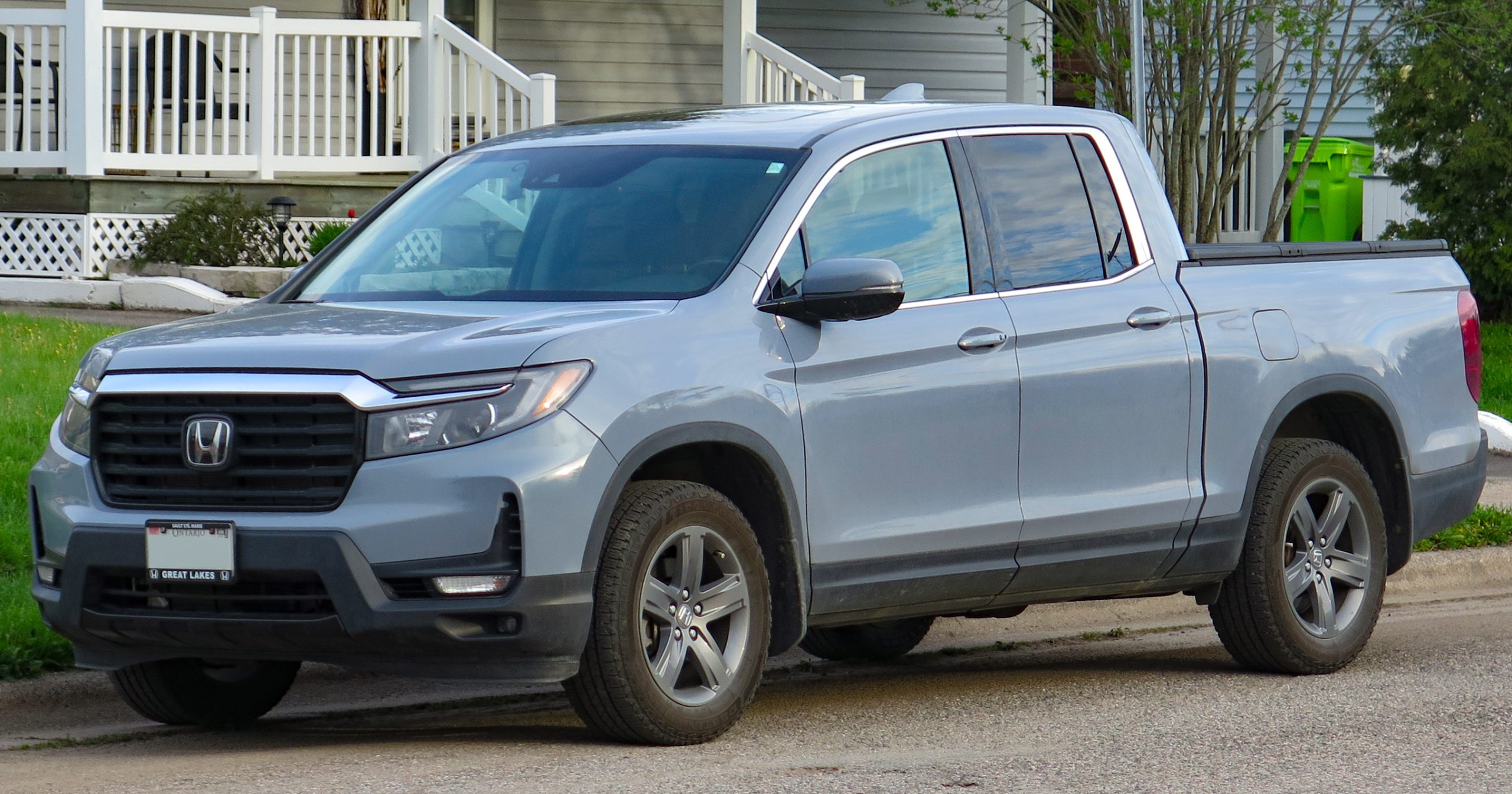
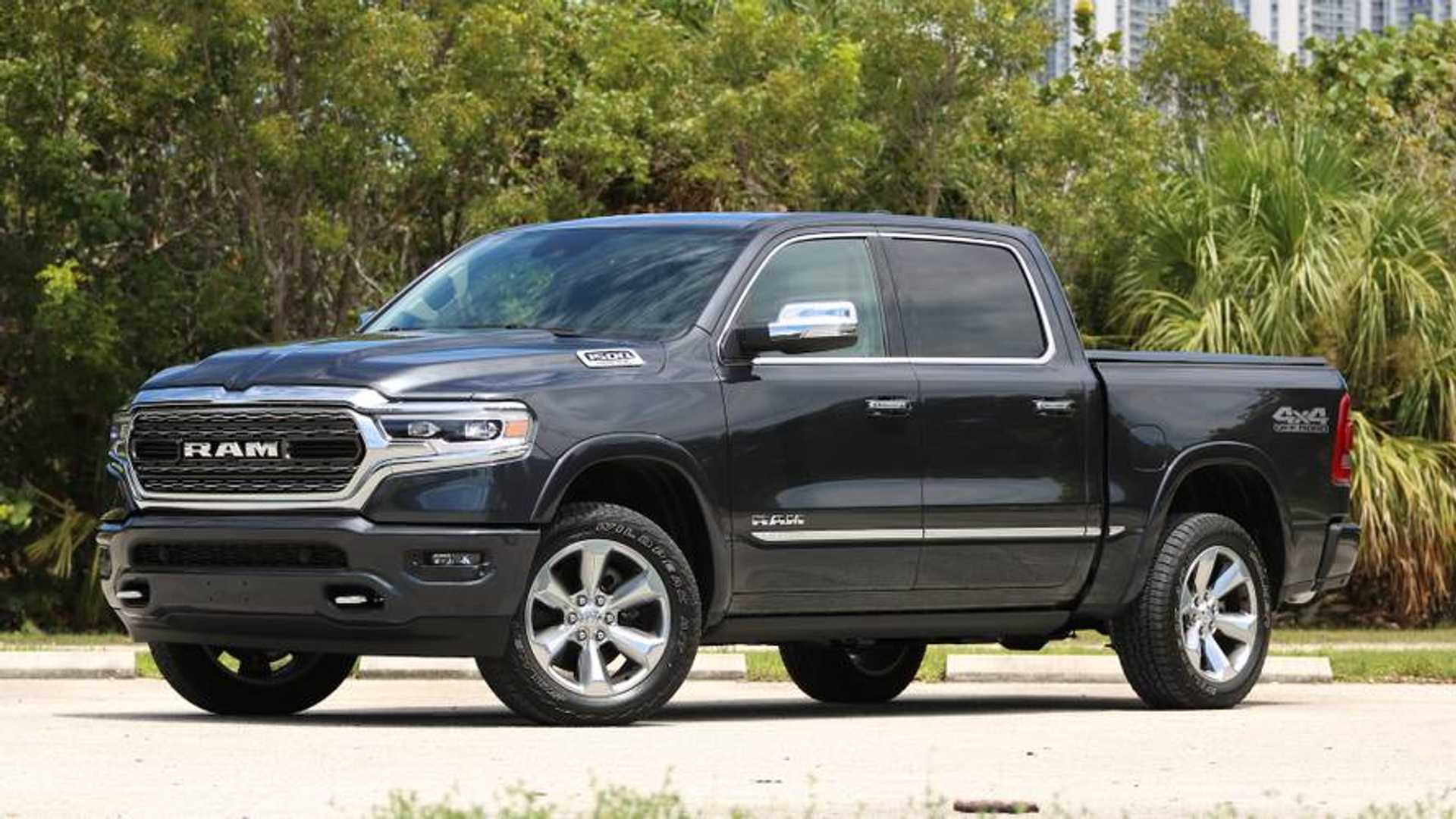
4. Ram 1500 (2019–Present)
With the 2019 redesign, the Ram 1500 (DT generation) introduced a more durable approach to long-term rust resistance, especially for drivers in harsh winter climates. Earlier generations were often criticized for corrosion issues, particularly in vulnerable areas like cab corners and underbody seams. The latest version addresses these concerns through a combination of stronger materials, better sealing, and improved water management.
At the core of the improvement is a fully boxed, high-strength steel frame. Nearly the entire structure is made from reinforced steel treated with an advanced electrocoating process, which creates a more uniform and protective barrier against moisture and road salt compared to older coating methods. This helps reduce the risk of corrosion starting at the surface and spreading into structural areas.
The redesigned frame also benefits from increased rigidity. Because the structure flexes less during driving, protective coatings are less likely to crack or wear down in high-stress areas. This helps preserve the integrity of the frame over long periods of exposure to winter conditions.
Another key improvement is the redesigned drainage system. Ram engineered the underbody to allow water, slush, and salt to flow out more effectively instead of pooling in hidden cavities. Better sealing around body panels also reduces the chances of moisture getting trapped in areas that were historically prone to rust in earlier models.
To further reduce corrosion exposure, Ram incorporates aluminum components such as the hood and tailgate. These materials do not rust like steel, which helps lower the number of vulnerable surfaces on the vehicle.
Even with these improvements, long-term care still plays an important role in preserving the truck’s condition. Regular underbody washing during winter helps remove salt buildup, while oil-based undercoating treatments are commonly used in high-salt regions to provide extra protection for welds and exposed metal sections.
Beyond durability, the Ram 1500 maintains strong capability and comfort. It offers multiple engine options, including V6, V8, and diesel variants, along with available mild hybrid technology. Towing capacity can reach up to 12,750 pounds depending on configuration, and its coil-spring or air suspension system delivers a smoother ride than many competitors.
Inside, the truck emphasizes comfort and technology with a spacious cabin, premium materials in higher trims, and advanced infotainment and safety systems.
The DT generation Ram 1500 blends improved rust resistance with modern capability and refinement, making it better suited for long-term use in demanding environments.
Also read: 5 Cars With Quiet Belt Tensioners vs 5 That Squeal Every Cold Morning
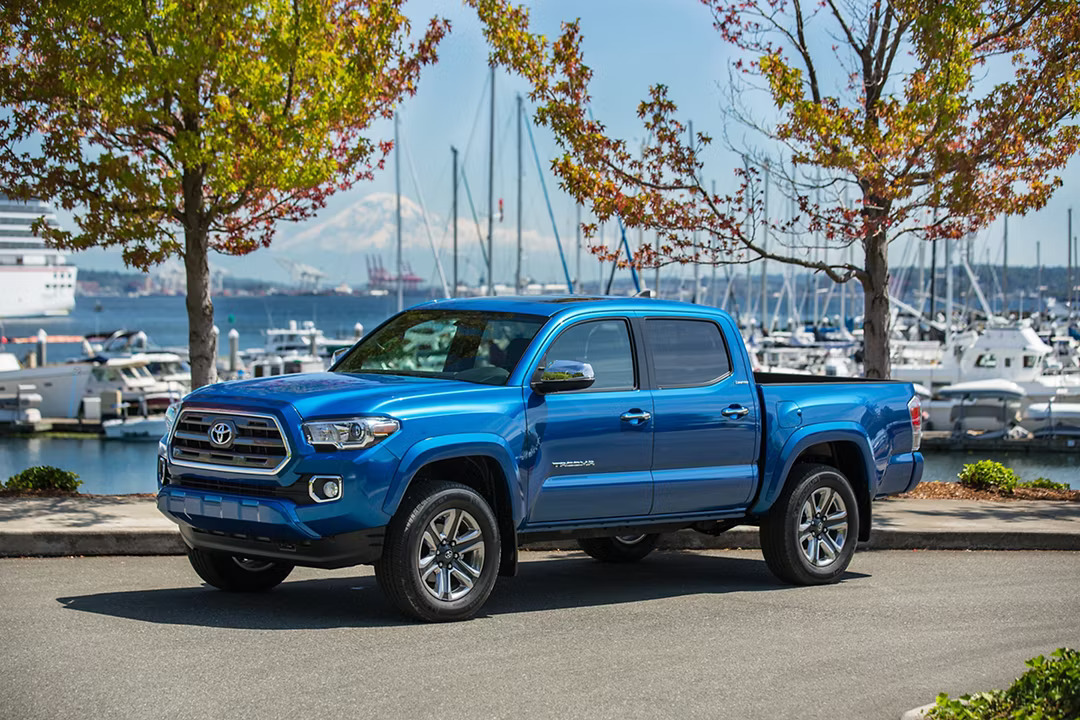
5. Toyota Tacoma (2018–Present)
The 2018–present Toyota Tacoma builds on Toyota’s response to earlier frame corrosion problems, introducing a more durable midsize truck designed to handle harsh winter climates. For regions like New England, where road salt and moisture heavily impact vehicle longevity, this generation is widely regarded as a major improvement in long-term resistance to rust and structural wear.
A central upgrade is the redesigned frame architecture. The Tacoma now uses a more enclosed boxed frame structure that reduces exposed channels where saltwater and debris can accumulate. This change helps limit internal corrosion, which was a major issue in earlier generations. Toyota also enhanced factory-applied corrosion protection with improved e-coating processes, creating a stronger barrier against moisture intrusion.
Material improvements extend beyond the frame. Galvanized steel is used more extensively throughout the body and supporting structures, adding another layer of defense against rust formation. Certain components, including suspension elements, incorporate corrosion-resistant materials designed to reduce long-term seizure and degradation in winter environments. These updates reflect Toyota’s broader manufacturing improvements following extensive industry scrutiny and past recall experiences.
Even with these upgrades, long-term durability still depends on maintenance practices in salt-heavy regions. Owners commonly use underbody washing routines and protective coatings such as oil-based sprays to slow corrosion development. While factory protection is significantly better than earlier models, consistent care remains important for preserving frame integrity over time.
Mechanically, the Tacoma continues to emphasize rugged performance. The available 3.5-liter V6 engine provides adequate power for towing and everyday driving, while the base four-cylinder is less capable and generally considered underwhelming. Transmission options include a six-speed automatic and a manual, with the manual preferred by some for durability and driving control. Ride quality is firm, particularly in off-road configurations, but remains stable and predictable on rough surfaces.
Inside, the Tacoma retains a functional, utilitarian design. Cabin materials prioritize durability over refinement, and interior storage is limited compared to competitors. Higher trims offer upgraded seating surfaces, but adjustments and comfort features remain basic. The infotainment system is straightforward and reliable, but lacks some modern smartphone integration features found in rival trucks.
This generation of Tacoma reflects a clear shift toward improved corrosion resistance and long-term dependability, making it a stronger candidate for drivers facing demanding winter conditions.
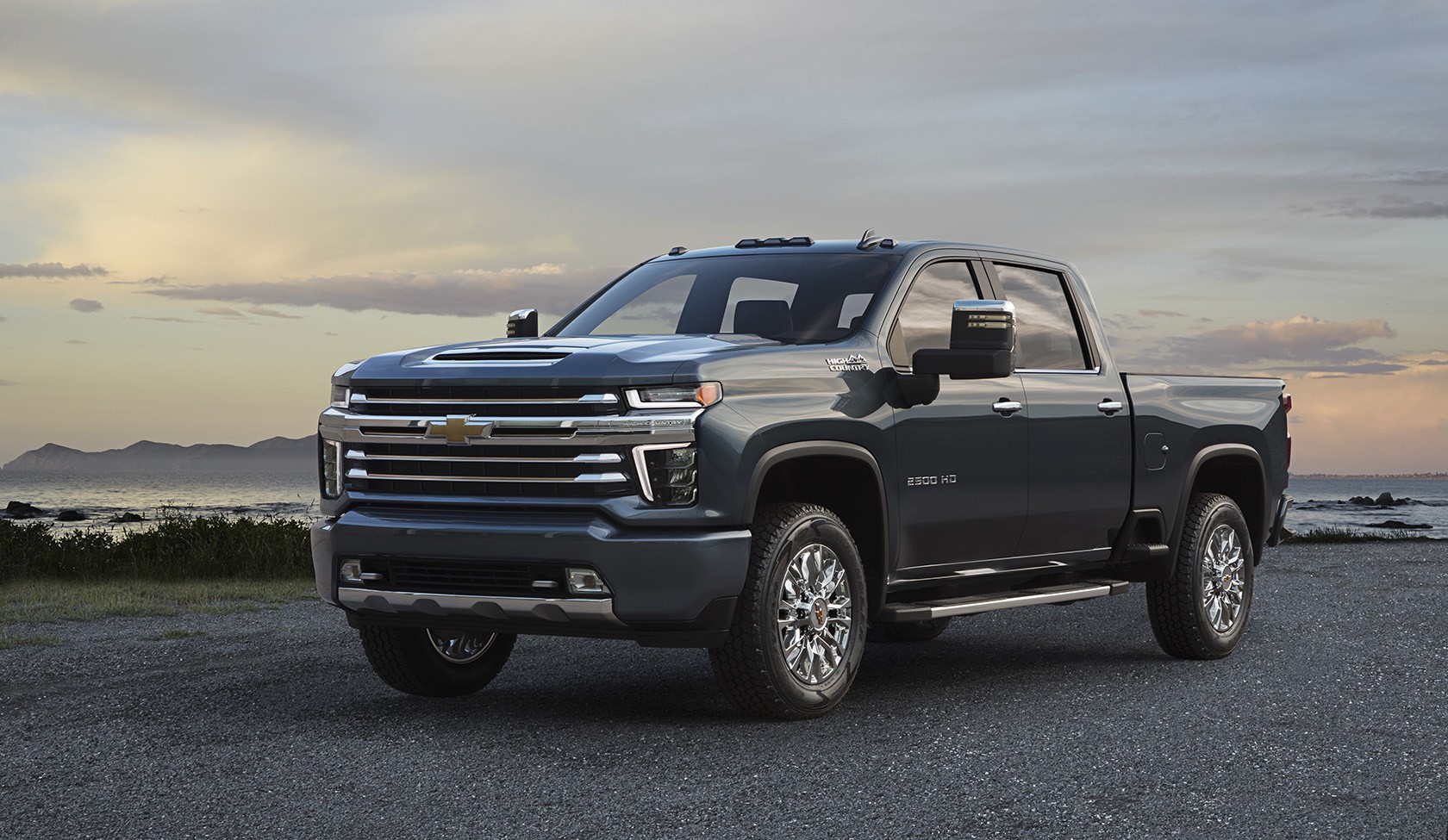
6. Chevrolet Silverado 3500 HD (2020–Present)
Built for serious workloads and extreme environments, the 2020–present Chevrolet Silverado 3500 HD represents GM’s most capable heavy-duty pickup, combining immense towing strength with upgraded corrosion protection aimed at extending service life in harsh, salt-heavy regions. It is commonly used in commercial fleets, snow removal operations, and long-distance hauling where durability is critical.
At the core of its durability is a reinforced, thick-gauge steel frame designed to handle maximum towing and payload stress. Unlike fully boxed light-duty frames, the Silverado HD retains sections of open C-channel design toward the rear. This allows snow, salt, and debris to drain away more easily, reducing the risk of moisture being trapped in enclosed sections where corrosion typically begins.
To further protect the structure, General Motors applies an advanced factory wax-based coating often referred to as Nox-Rust or “Hot Wax.” This coating is applied through a dipping process, ensuring deep coverage across welds, seams, and internal cavities that are difficult to reach with traditional paint systems. The wax layer also has a degree of flexibility, allowing it to reseal minor abrasions caused by road debris, helping maintain a continuous protective barrier against salt and moisture.
The truck’s design also supports real-world winter use. A modular front fascia makes snowplow installation easier, which has helped establish the 3500 HD as a common choice for plow operators working through long winter seasons. The Durabed cargo system adds strength and practicality with reinforced construction and multiple tie-down points for heavy-duty hauling needs.
Even with strong factory protection, long-term ownership in corrosive climates still requires maintenance. Some model years have experienced issues with wax coating wear, leading to service updates and dealer-applied repairs. As a result, many owners supplement factory protection with aftermarket oil-based coatings such as Fluid Film to reduce long-term rust risk on exposed components.
Performance is a major strength of the Silverado HD lineup. The available 6.6-liter Duramax diesel engine paired with a 10-speed Allison transmission delivers strong torque output and controlled towing performance, while a gasoline V8 remains available for alternative configurations. When properly equipped, towing capacity reaches up to 35,500 pounds, supported by advanced trailering technology, including multiple camera perspectives to assist with large loads.
Inside, earlier models prioritized function over refinement, though later updates improved comfort and technology significantly. Despite some variability in interior quality across early model years, the Silverado 3500 HD remains a top-tier heavy-duty truck built for demanding work and severe winter conditions.
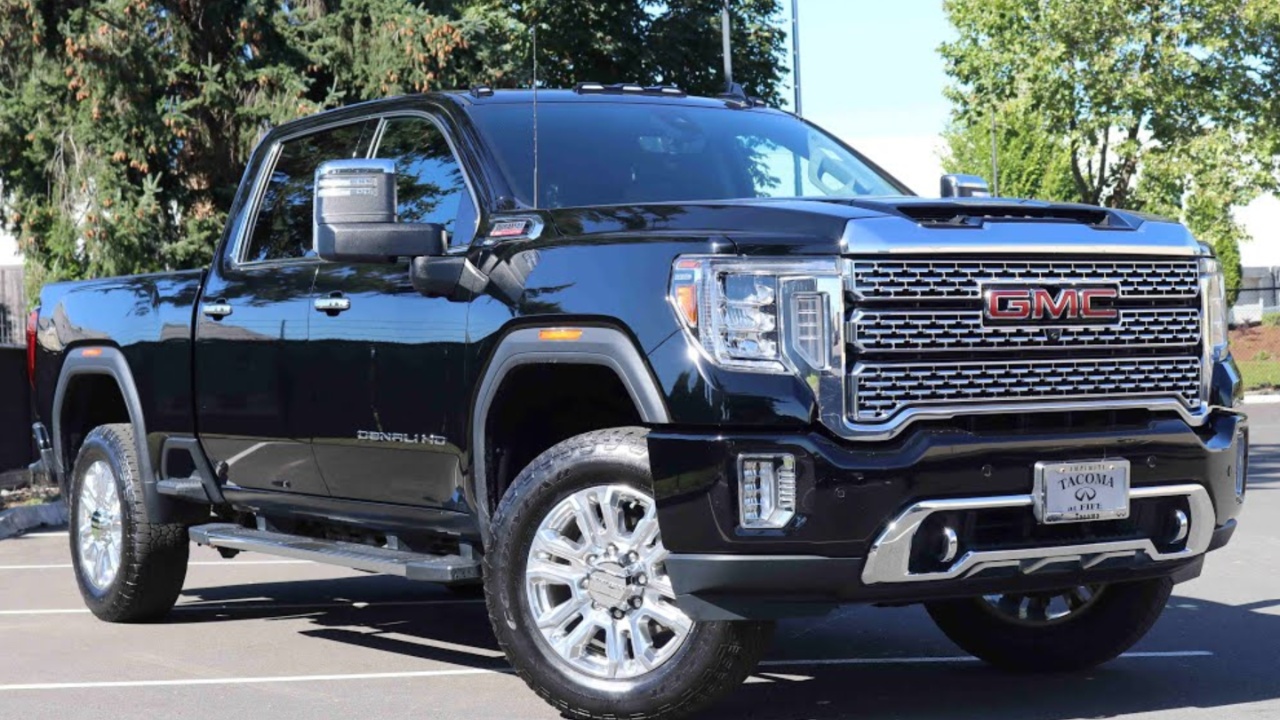
7. GMC Sierra (3500 HD 2020–Present)
The 2020–present GMC Sierra 3500 HD is engineered as a premium heavy-duty truck designed to withstand demanding workloads and harsh winter conditions, particularly in salt-heavy regions like New England. Sharing its structural foundation with the Chevrolet Silverado HD, it relies on a massively reinforced steel ladder frame built for extreme durability, towing strength, and long-term resistance to structural fatigue.
A major advantage of this generation is its updated frame construction and corrosion protection systems. The fully boxed steel frame uses high-strength materials and improved factory-applied coatings that help resist rust caused by road salt and moisture exposure. Compared to earlier generations, this design reduces vulnerable areas where corrosion can develop, especially in high-stress zones of the chassis. GMC also improves protection through galvanized steel in key body panels and enhanced sealing techniques that limit water intrusion.
Another important feature is its advanced towing-focused engineering. The Sierra 3500 HD is designed to handle extreme loads, with maximum towing capacity reaching up to 35,500 pounds in dual-rear-wheel diesel configurations. It uses a 6.6-liter Duramax turbodiesel engine paired with a 10-speed Allison automatic transmission, delivering strong torque output and smooth power delivery under heavy load. A newly updated gasoline V8 is also available, offering improved performance over earlier versions.
To support winter and commercial use, GMC offers features such as four-wheel drive availability across trims and a Snow Plow Prep Package that includes reinforced front suspension components and electrical upgrades for plow systems. These additions make the truck especially useful for snow removal and municipal work.
Inside, the Sierra 3500 HD offers a range of trims from basic work-focused models to the luxury Denali. Higher trims include leather upholstery, advanced infotainment systems, and improved driver-assist features. However, earlier model years were often criticized for dated interior design and smaller screens compared to competitors. Technology includes multiple camera views for towing assistance, a head-up display, and driver safety systems such as blind-spot monitoring and lane-keeping assist.
While performance and capability are strong points, comfort and interior refinement have historically lagged behind rivals, though improvements continue in newer updates. Despite this, the Sierra 3500 HD remains a leading choice for buyers needing maximum towing strength, winter durability, and heavy-duty reliability in demanding environments.
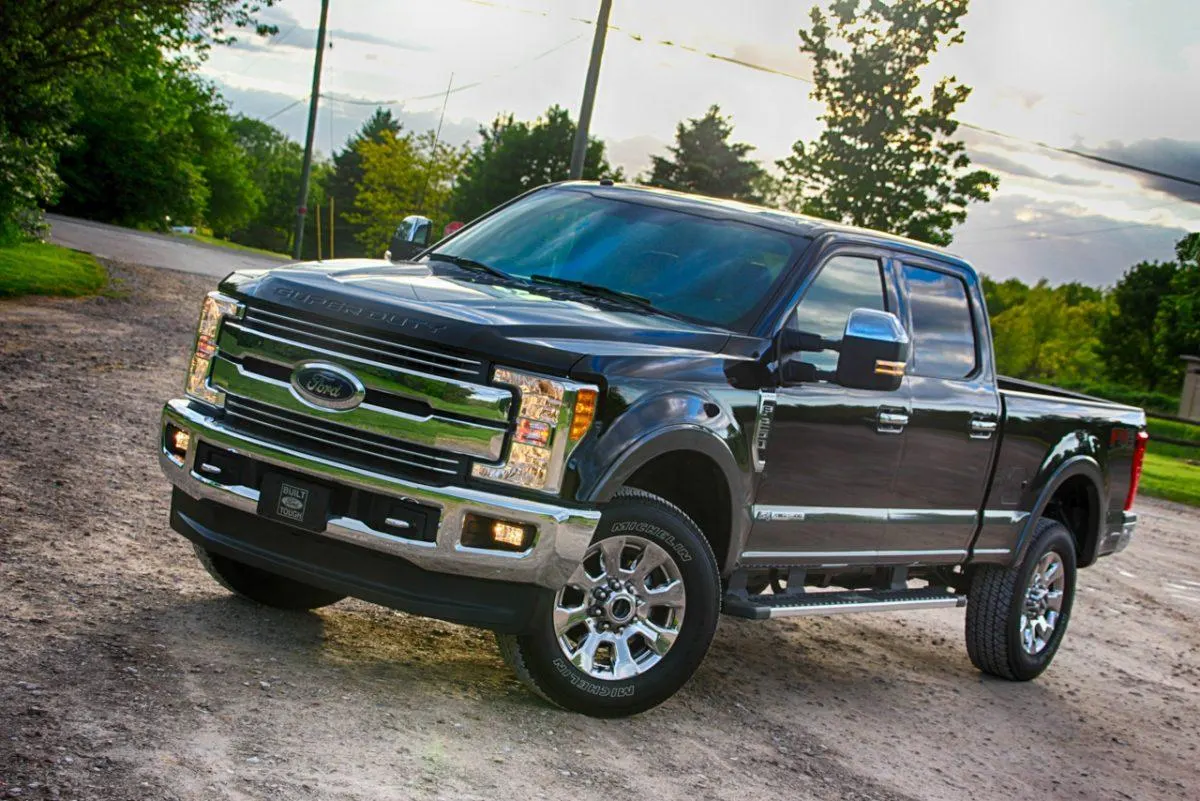
8. Ford Super Duty (2017–Present)
The 2017–present Ford Super Duty lineup, including the F-250 and F-350, represents a major redesign focused on combining extreme towing capability with improved corrosion resistance for long-term durability in harsh environments such as New England winters. This generation introduces a unique blend of a lightweight aluminum body and a heavily reinforced steel frame, creating a truck engineered for both strength and longevity.
A key advancement is the use of military-grade aluminum alloy for the body panels. Unlike traditional steel bodies, aluminum does not rust in the same way, meaning common problem areas such as rocker panels, doors, and bed surfaces are far less vulnerable to long-term corrosion. This significantly improves exterior durability, helping the truck maintain its appearance and structural integrity over time even in salt-heavy climates.
Supporting the body is a fully boxed, high-strength steel frame that is approximately 95 percent high-strength steel and up to 24 times stiffer than previous designs. This increased rigidity improves towing stability and reduces frame flex, which can contribute to paint cracking and eventual corrosion in lesser-built trucks. Ford further protects the frame with an advanced electro-coating process that applies a uniform epoxy layer across the entire structure, sealing it against moisture and road salt intrusion.
Additional corrosion resistance is achieved through improved coatings on suspension components, axles, and steering systems. These areas are often the first to show rust in winter climates, so enhanced factory protection helps extend service life. Despite these upgrades, light surface rust can still occur on exposed steel parts, making preventative maintenance such as undercoating a common practice among owners in northern regions.
Performance is a major strength of the Super Duty platform. Engine options include a 6.7-liter Power Stroke diesel V8 producing strong torque for heavy towing, and a 6.2-liter gasoline V8 for general-duty use. Depending on configuration, towing capacity can exceed 30,000 pounds with gooseneck setups, making it one of the most capable trucks in its class. Payload ratings also remain among the highest in the segment.
Technology features include multiple camera systems for towing assistance, trailer monitoring, blind-spot detection with trailer coverage, and Ford’s SYNC infotainment system. Combined with multiple trim levels ranging from work-focused XL models to luxury-oriented Platinum variants, the Super Duty offers both utility and refinement.
This generation stands out for its balanced approach, delivering high durability, reduced body corrosion risk, and class-leading towing strength for demanding work environments.
Choosing a truck that can withstand New England winters is less about avoiding all corrosion and more about selecting a platform designed to slow it down and prevent structural damage over time.
The trucks featured in this list demonstrate how modern engineering has reshaped durability standards through aluminum body panels, improved frame coatings, boxed steel structures, and better drainage designs that reduce salt buildup in critical areas. While no vehicle is completely immune to rust in such aggressive climates, these models are built to delay its progression significantly when properly maintained.
Regular underbody washing, seasonal inspections, and optional protective coatings can further extend their lifespan. Whether the priority is heavy towing, daily commuting, or long-term ownership without major structural issues, these trucks show that thoughtful design choices can make a measurable difference in resisting the corrosion challenges that define winter driving in the Northeast.
Also read: 10 Cars That Don’t Need a Block Heater in North Dakota