

When it comes to automotive reliability and daily driving comfort, most people think about engine power, fuel efficiency, or interior features. However, one of the most overlooked contributors to a smooth driving experience is the accessory belt system, especially the belt tensioner.
This small but critical component ensures that the serpentine belt maintains proper tension as it drives essential engine accessories like the alternator, power steering pump, air conditioning compressor, and sometimes the water pump. If the tensioner is working correctly, the belt runs quietly and efficiently. If it is worn or poorly designed, it can create one of the most irritating sounds a driver will ever hear, a loud squeal during cold starts.
A cold morning belt squeal is a common automotive complaint across many climates. It usually occurs because the rubber belt hardens in low temperatures and temporarily loses grip on the pulleys, especially if the tensioner cannot maintain optimal pressure.
Research and mechanical diagnostics consistently show that improper tension, worn tensioner springs, pulley misalignment, or glazed belts are the primary causes of these noises. In many cases, the sound disappears after a few minutes as the engine warms up and the belt regains flexibility. However, if the tensioner is weak or failing, the noise will return daily and eventually worsen over time, potentially leading to belt failure or accessory damage.
Interestingly, not all vehicles suffer equally from this issue. Some car models are engineered with high-quality automatic tensioners that maintain consistent belt pressure across a wide temperature range. These vehicles are known for near-silent cold starts even after years of use.
On the other hand, certain engines, especially older or poorly maintained designs, are notorious for producing loud squeals every cold morning. This difference is often due to variations in tensioner design, pulley alignment systems, belt routing complexity, and material quality of the belt itself.
In this article, we will explore both ends of the spectrum. First, we will examine five cars known for having quiet, reliable belt tensioner systems that resist cold-weather noise. Then, we will look at five vehicles that are frequently reported to produce squealing or chirping sounds on cold starts. The goal is to help you understand which engineering choices lead to smooth operation and which ones tend to develop annoying belt noise issues over time.
Whether you are a car enthusiast, a buyer researching reliability, or simply someone tired of hearing that embarrassing morning squeal in your driveway, this breakdown will give you a clear and practical perspective on how different vehicles handle one of the most common accessory drive problems.
ALSO READ: 8 Smells in a Used Car That Cost Thousands to Fix Later
5 Cars With Quiet Belt Tensioners
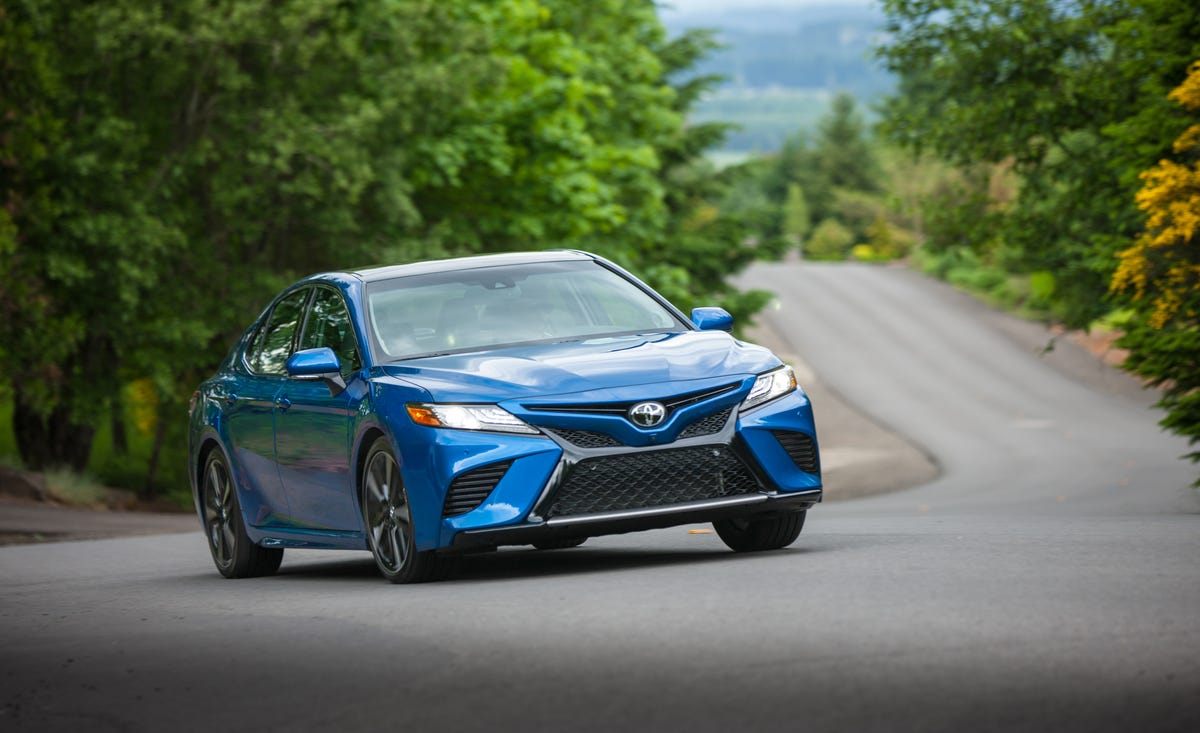
1. Toyota Camry
The Toyota Camry is widely regarded as one of the most dependable midsize sedans in the world, and its belt tensioner system is a key part of that reputation. Toyota designs the Camry’s accessory drive system with a strong focus on long-term stability rather than short-term performance peaks. The result is a system that maintains consistent belt tension even when exposed to extreme temperature fluctuations.
One of the reasons the Camry remains so quiet during cold starts is the precision engineering of its automatic tensioner. It uses a spring-loaded mechanism that compensates smoothly for belt shrinkage in cold weather. Instead of allowing sudden changes in belt pressure, it gradually adjusts tension, preventing the slip and grab cycle that typically causes squealing sounds.
Another important factor is Toyota’s use of high-quality OEM serpentine belts that resist glazing and hardening. In colder climates, many belts lose flexibility, but the Camry’s belt materials are formulated to remain pliable, reducing friction spikes during startup. This combination of durable materials and smart tension control makes the system extremely quiet, even after high mileage use.
Maintenance also plays a role in the Camry’s performance. Because the engine bay layout is simple and accessible, belts and tensioners are easier to inspect and replace when needed. This reduces the likelihood of long-term neglect, which is one of the biggest contributors to belt squeal in other vehicles.
Finally, the Camry’s accessory load distribution is well balanced. Alternator, AC compressor, and power steering components are aligned in a way that minimizes uneven stress on the belt, which further reduces the chance of cold start noise.
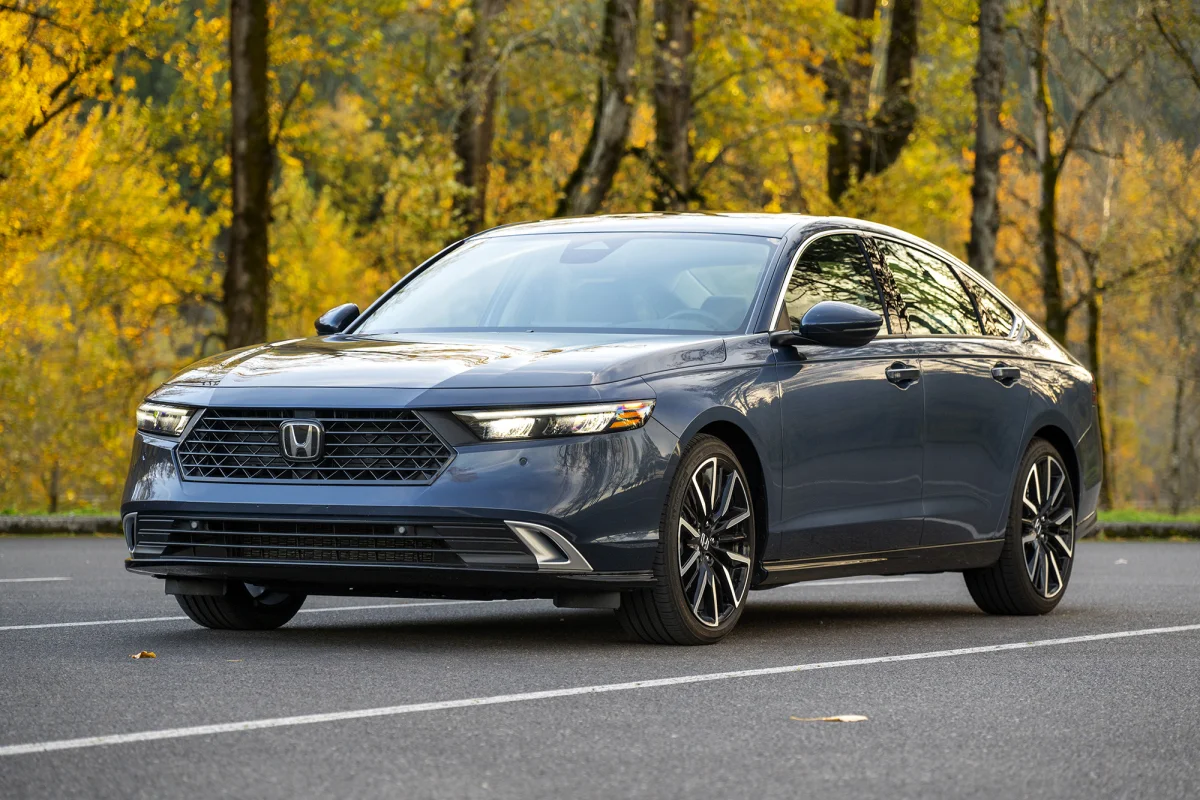
2. Honda Accord
The Honda Accord is another benchmark for reliability, and its belt tensioner system reflects Honda’s engineering philosophy of mechanical simplicity and efficiency. Rather than overcomplicating the design, Honda focuses on smooth, predictable tension delivery that performs consistently across different driving conditions.
The Accord’s tensioner uses a strong internal damping system that reduces oscillation during engine startup. This damping effect is crucial in cold weather because it prevents the belt from vibrating excessively when the engine RPM is unstable. Without this control, belts can momentarily lose grip on pulleys and produce the characteristic squealing sound.
Another strength of the Accord’s system is its relatively simple belt routing layout. Fewer sharp angles and fewer accessory complications mean the belt experiences less stress as it rotates. This reduces wear patterns that often lead to uneven contact and slipping during cold starts.
Honda also ensures that pulley alignment remains precise over long periods of use. Even small misalignments can amplify belt noise in cold weather, but the Accord’s engine design maintains tight tolerances, helping the belt run smoothly even after years of driving.
Additionally, Honda engines typically warm up quickly, which helps stabilize belt performance sooner than in many competing vehicles. As the engine reaches operating temperature faster, the belt regains flexibility and friction stability, eliminating any brief startup noise.
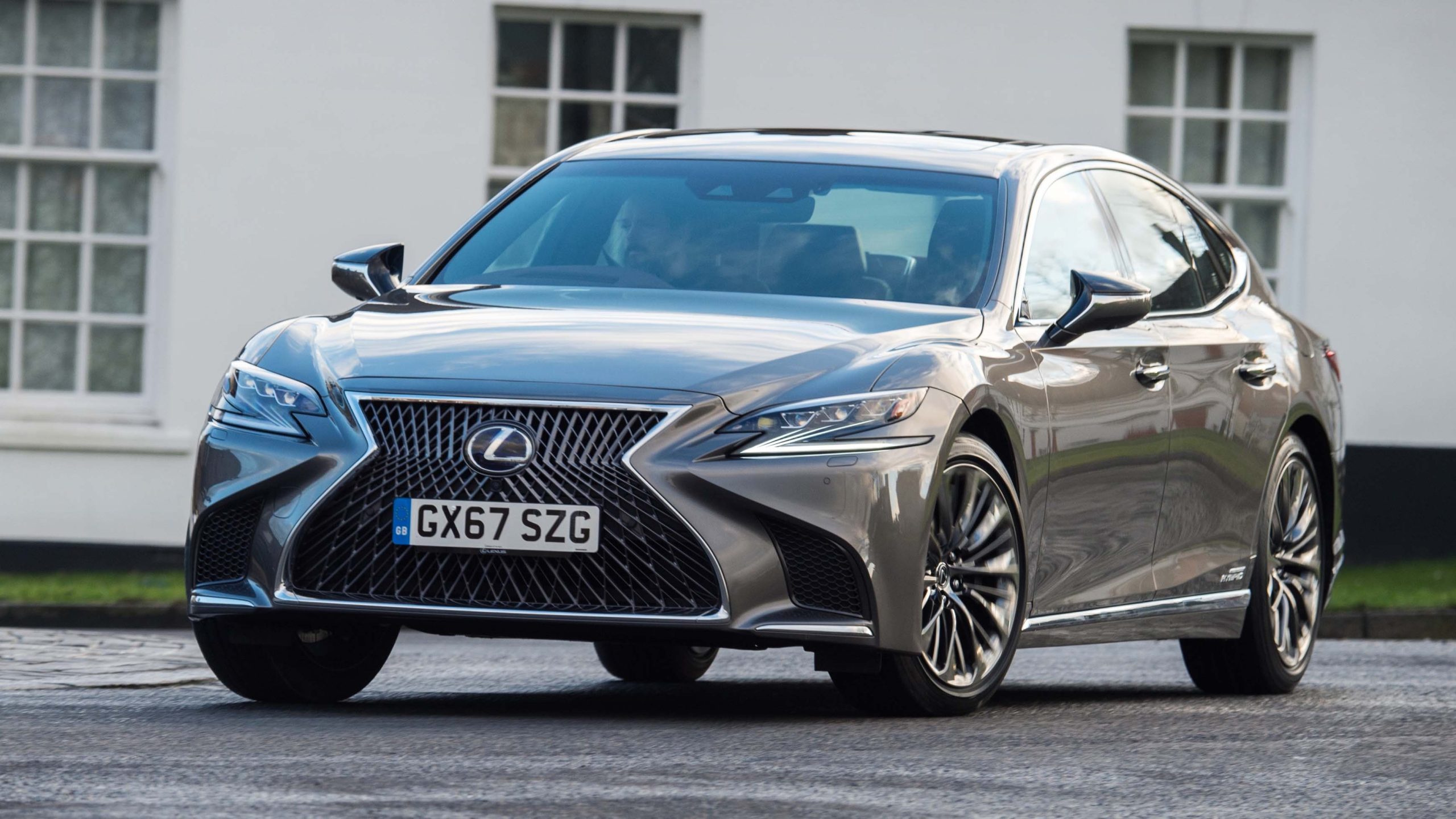
3. Lexus ES Series
The Lexus ES represents a luxury approach to mechanical refinement, and its belt tensioner system is engineered with an emphasis on absolute quietness. Built on Toyota’s proven mechanical foundation, the ES takes reliability further by refining every component involved in the accessory drive system.
The tensioner in the Lexus ES is designed with high-precision damping, which ensures that belt pressure changes are almost imperceptible. This prevents the micro slipping that often leads to cold start squeal in less refined systems. Even under heavy electrical load, such as when the AC and defroster are both active, the system maintains stable belt engagement.
Another major factor is the use of premium-grade materials throughout the belt system. The serpentine belt is engineered for high flexibility retention, meaning it does not stiffen as dramatically in cold temperatures. This reduces the likelihood of friction spikes when the engine first starts.
The ES also benefits from superior engine bay insulation. While this does not directly affect the belt tensioner, it helps maintain more stable operating temperatures around the accessory system, which indirectly improves belt behavior in colder conditions.
Finally, Lexus pays close attention to NVH (noise, vibration, harshness) engineering. Even if a small amount of belt vibration occurs, it is absorbed and dampened before it can become audible in the cabin, making the ES one of the quietest vehicles in its class during cold starts.
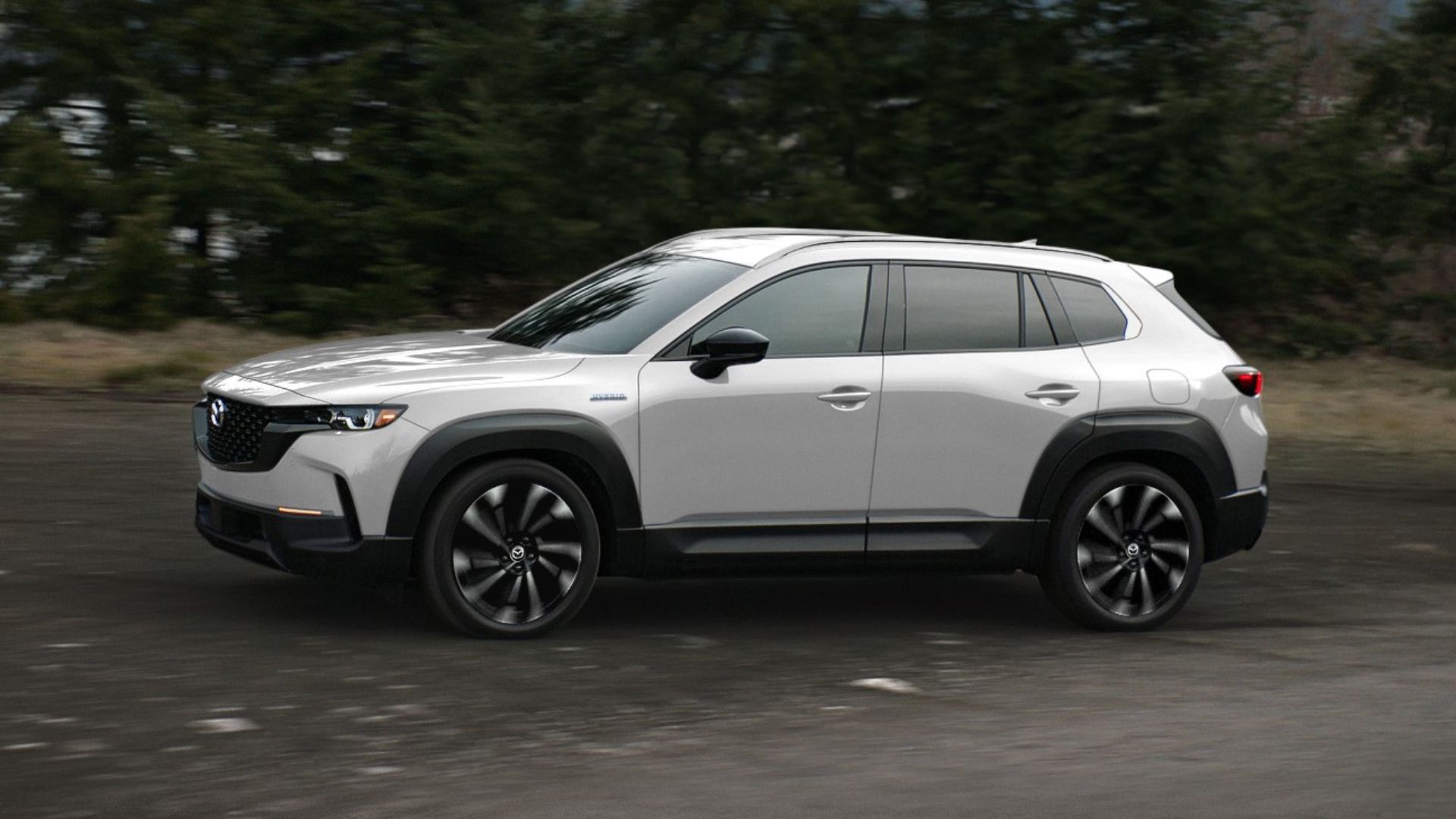
4. Mazda CX 5
The Mazda CX 5 stands out for its balance of performance and refinement, and its belt tensioner system reflects Mazda’s focus on smooth mechanical harmony. Unlike some manufacturers that prioritize durability alone, Mazda designs its tensioner systems to actively reduce vibration and harmonic imbalance.
The CX 5’s tensioner is tuned to respond quickly but smoothly to changes in belt load. This is particularly important during cold starts when accessory loads fluctuate as systems like the alternator and AC compressor engage. By reducing sudden tension shifts, Mazda prevents the brief slipping that typically causes squealing.
Mazda also places strong emphasis on belt material quality. The serpentine belt used in the CX 5 maintains flexibility in low temperatures, which significantly reduces startup friction. This ensures that even on freezing mornings, the belt can grip pulleys consistently from the moment the engine fires up.
Another important factor is the relatively compact and efficient accessory layout in Mazda engines. The belt path is designed to avoid unnecessary strain, reducing wear on both the belt and tensioner components over time.
In addition, Mazda engines tend to operate with smooth RPM transitions during startup. This reduces sudden torque spikes on the belt system, helping maintain quiet operation even under cold conditions.
ALSO READ: 9 Cars That Survive New Drivers Without a Single Major Repair
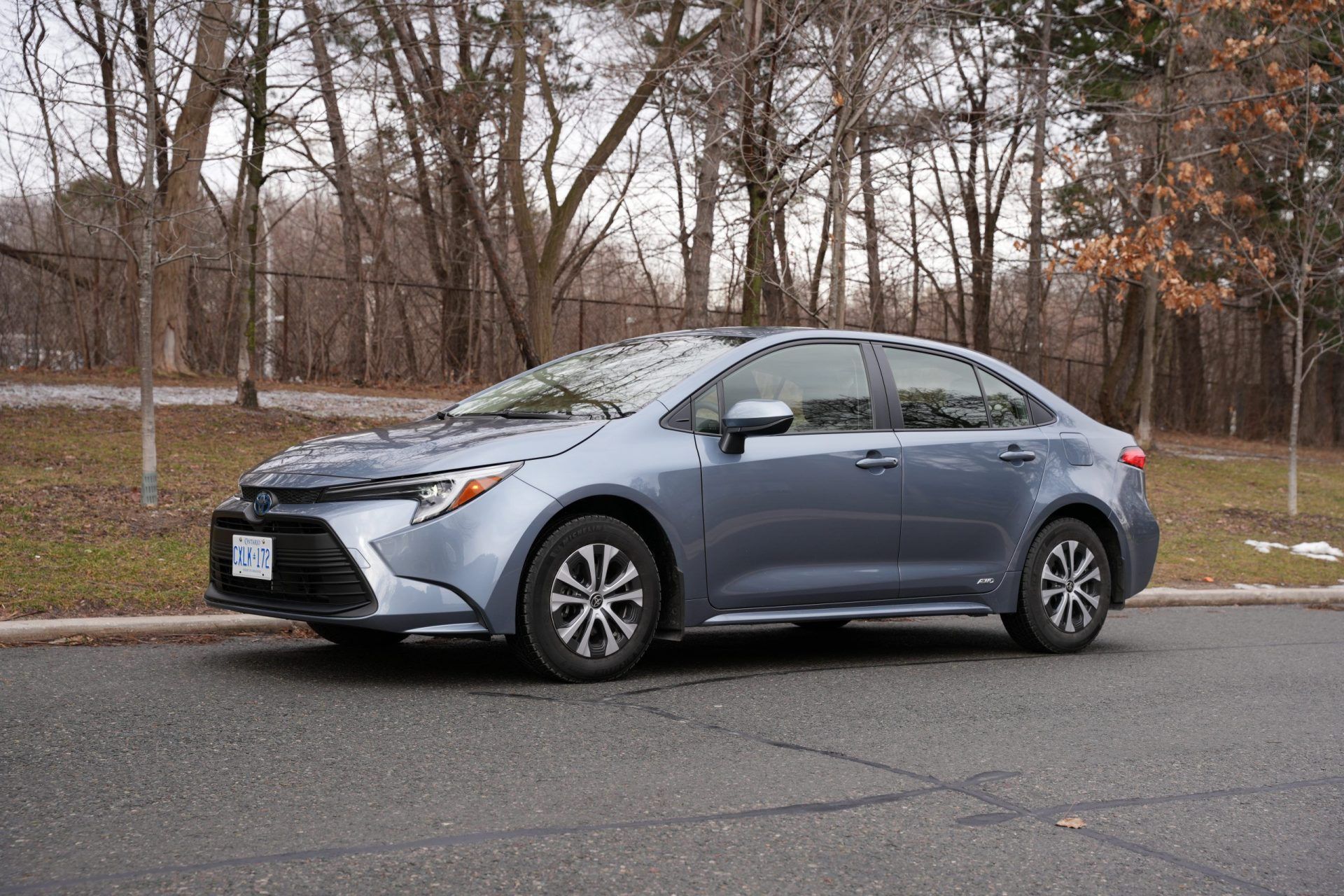
5. Toyota Corolla
The Toyota Corolla is one of the most widely used compact cars globally, and its reputation for low maintenance extends directly to its belt tensioner system. Designed for simplicity and long-term dependability, the Corolla’s accessory drive system avoids unnecessary complexity that could introduce noise or wear.
The automatic tensioner in the Corolla is built to maintain steady pressure across a wide range of temperatures. Even in colder environments, it compensates for belt contraction without overcorrecting, which helps prevent the slip cycles that cause squealing sounds.
Another advantage is the Corolla’s lightweight accessory load. Because the engine is designed for efficiency rather than high output, the belt does not experience extreme stress during startup. This reduces the chances of momentary slippage under cold conditions.
Toyota also ensures that belt routing remains straightforward and efficient. With fewer sharp angles and fewer high-resistance pulleys, the belt operates with less friction, contributing to quieter performance.
Finally, Corolla owners tend to benefit from consistent maintenance schedules, as the vehicle is often used as a daily commuter. Regular belt inspections and timely replacements help ensure the tensioner system continues to perform quietly over the long term.
5 Cars That Squeal Every Cold Morning

1. Ford Escape
The older Ford Escape models, particularly those from the early 2000s to mid 2010s, have long been associated with accessory belt noise issues during cold starts. One of the main contributors is the gradual weakening of the automatic belt tensioner over time. As the internal spring loses strength, it becomes less capable of maintaining steady pressure on the serpentine belt when temperatures drop, which is exactly when rubber components become stiff and less flexible.
In cold weather, this combination becomes especially problematic. The belt hardens overnight, and the tensioner is not strong enough to instantly compensate for the reduced grip. As a result, the belt briefly slips over the alternator or AC compressor pulley, producing a high-pitched squeal that can last several seconds after startup. While the noise often fades as the engine warms up, it tends to return every cold morning once the tensioner begins to wear.
Another factor is the relatively complex accessory layout in some Escape engines. More pulleys mean more points of friction, and each additional contact point increases the chances of misalignment or uneven wear. Over time, even a slight pulley wobble can amplify belt noise during startup conditions.
Environmental factors also make the issue worse. In colder regions, moisture can settle on pulleys overnight, reducing initial belt grip even further. When combined with an aging tensioner, this creates a predictable pattern of cold start squealing that many owners recognize immediately.
Maintenance history plays a huge role in how severe the problem becomes. Vehicles with infrequent belt inspections or delayed tensioner replacements are far more likely to develop persistent cold start squeal, sometimes lasting until the components are fully replaced.
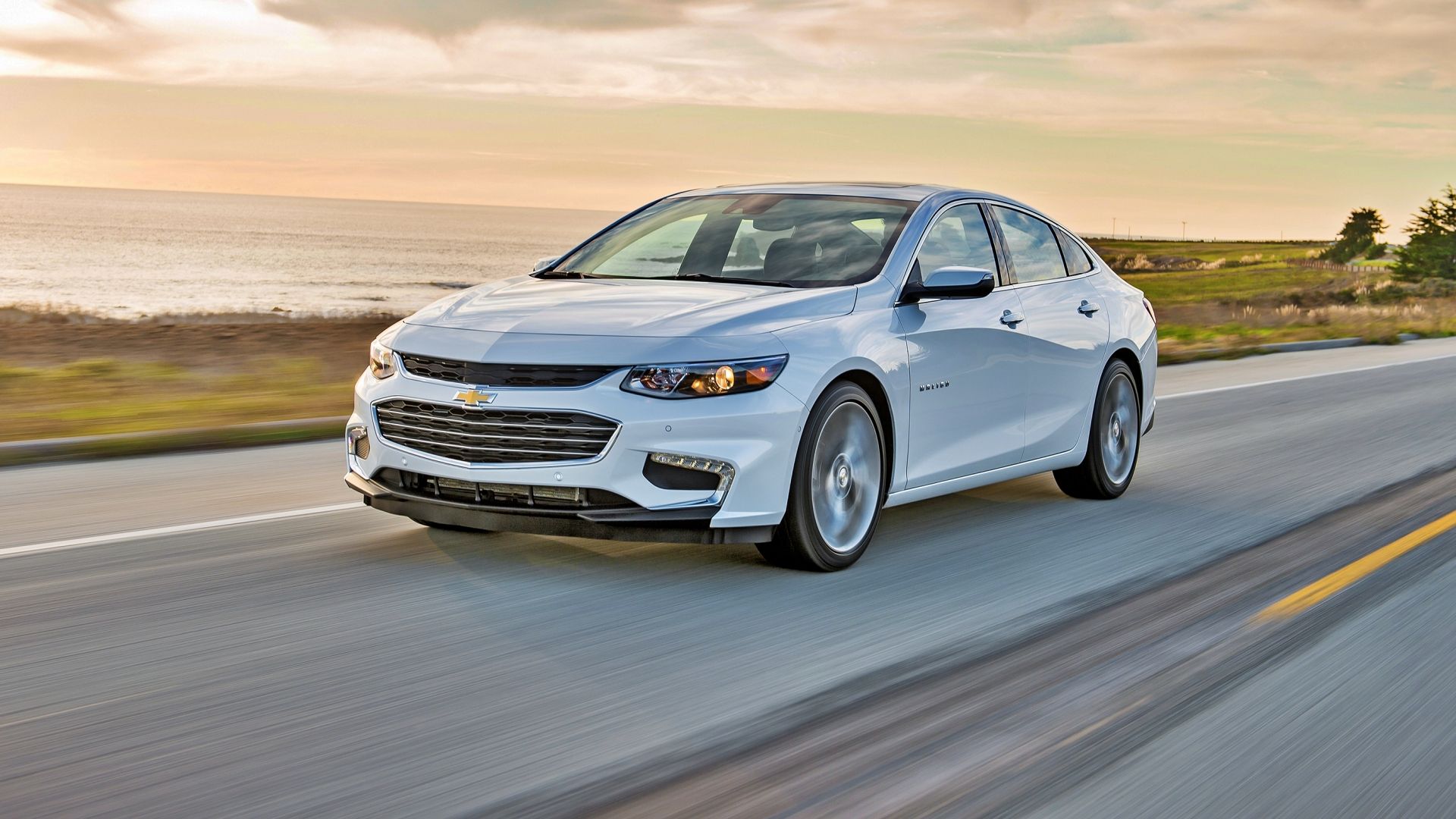
2. Chevrolet Malibu (2008 to 2014 Models)
The Chevrolet Malibu from this generation is another vehicle frequently reported to produce a belt squeal during cold starts. One of the primary reasons is the gradual degradation of the automatic tensioner system, which tends to lose responsiveness over higher mileage use.
In these Malibu engines, the tensioner must constantly adjust to changing accessory loads. When cold temperatures are introduced, the belt stiffens, and the tensioner struggles to maintain smooth pressure balance. This mismatch leads to brief but noticeable slipping at startup, especially when electrical loads like headlights, rear defroster, and AC systems activate simultaneously.
Another issue lies in pulley wear patterns. Over time, some pulleys develop slight glazing or uneven surfaces, which reduces friction consistency. When the engine is cold, this uneven surface grip becomes more noticeable, increasing the likelihood of squealing until the belt warms and softens.
The design of the engine bay also contributes indirectly. While not overly complex, the accessory layout does not always distribute load evenly across the belt path. This can create localized stress points that accelerate wear on both the belt and tensioner.
In many cases, owners report that the squeal begins as a brief chirp and gradually becomes a longer sustained noise over months. This is a classic sign of a weakening tensioner combined with belt aging. Without replacement, the issue rarely resolves on its own and typically worsens during the winter months.
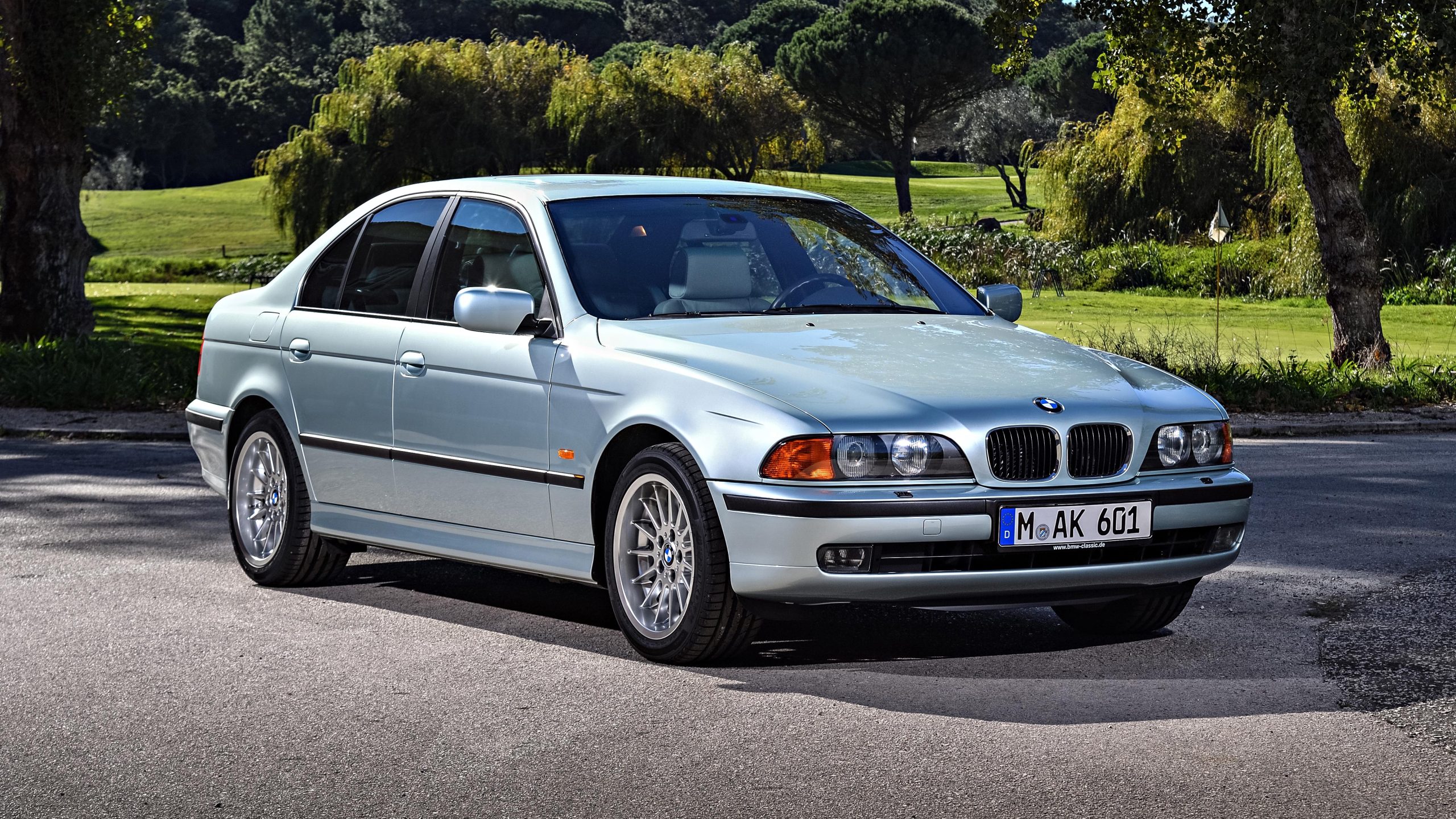
3. BMW 3 Series
Certain older BMW 3 Series models equipped with N-series engines are well known among mechanics for accessory belt noise issues, particularly during cold starts. One of the main reasons is the tight and complex engine bay design, which leaves limited space for optimal belt routing.
This compact design increases belt stress because the serpentine belt must navigate multiple closely spaced pulleys with relatively sharp angles. When the engine is cold, the stiffness of the belt makes it more difficult to maintain smooth contact across all pulley surfaces, which can lead to temporary slippage and squealing.
Another contributing factor is the higher accessory load typical of BMW engines. These systems often power multiple high-demand components simultaneously, including advanced electrical systems, AC compressors, and steering assistance systems. At startup, this sudden load shift can momentarily overwhelm the belt tensioner before it stabilizes.
As the tensioner ages, its damping ability decreases. This leads to small oscillations in belt tension during engine startup, which becomes especially noticeable in cold temperatures. These oscillations are one of the primary causes of the characteristic BMW cold start squeal reported by owners.
Pulley wear is also a significant factor. BMW accessory systems rely on precise alignment, and even minor deviations can amplify noise. Over time, bearings in idler pulleys or the alternator can contribute to uneven rotation, making belt slip more likely when the engine is cold.
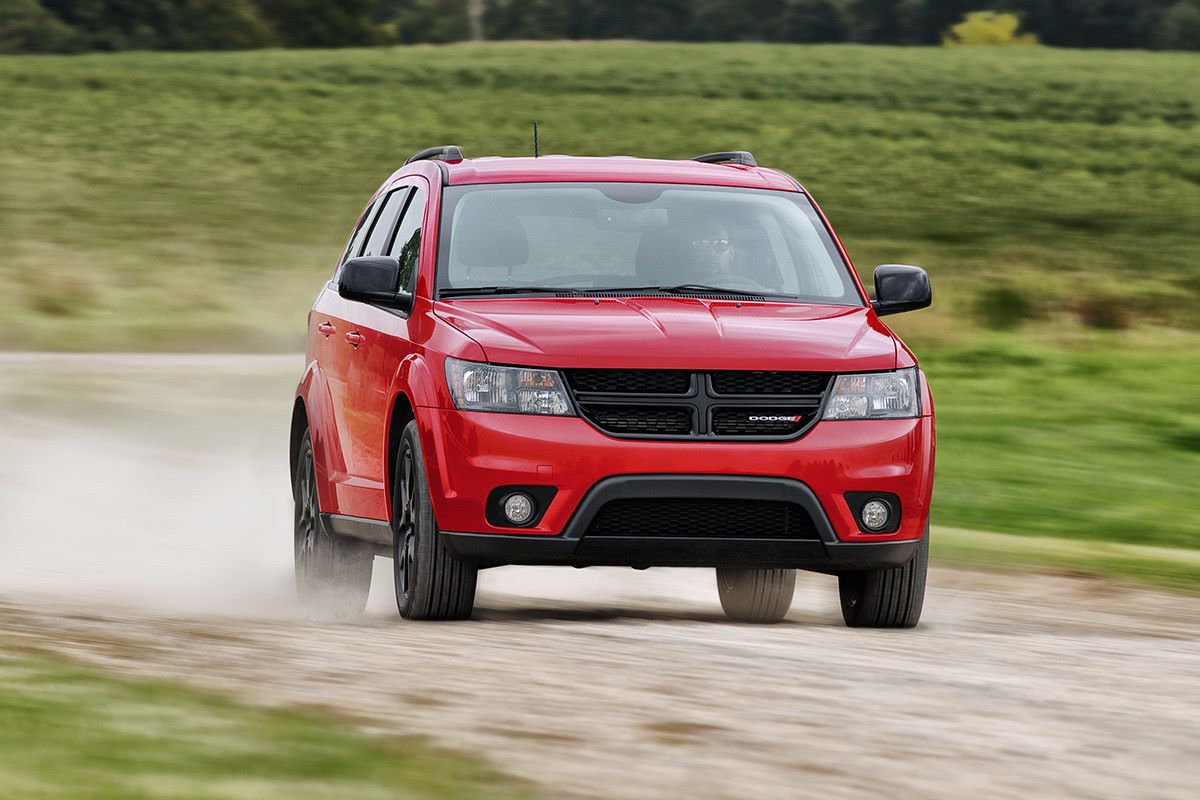
4. Dodge Journey
The Dodge Journey has developed a reputation for belt noise issues in colder climates, particularly in higher mileage vehicles. One of the key weaknesses is the long-term durability of the belt tensioner assembly, which can gradually lose consistent pressure output over time.
When the engine is cold, the serpentine belt becomes less flexible, and if the tensioner is not operating at full strength, it cannot maintain optimal grip on the accessory pulleys. This results in a noticeable squealing sound that often persists for several seconds after startup.
Another contributing factor is pulley wear combined with exposure to environmental conditions. Dust, moisture, and temperature fluctuations can affect pulley surfaces, reducing friction and increasing the likelihood of slippage during initial engine operation.
The Journey’s engine layout also places moderate stress on the belt system due to the number of driven accessories. While not overly complex, the system requires consistent tension to operate quietly, which becomes difficult as components age.
In many cases, the squeal starts as an occasional cold-weather noise but becomes more frequent as the tensioner weakens. Once this happens, belt replacement alone is usually not enough, and the tensioner or idler pulleys must also be serviced to fully resolve the issue.
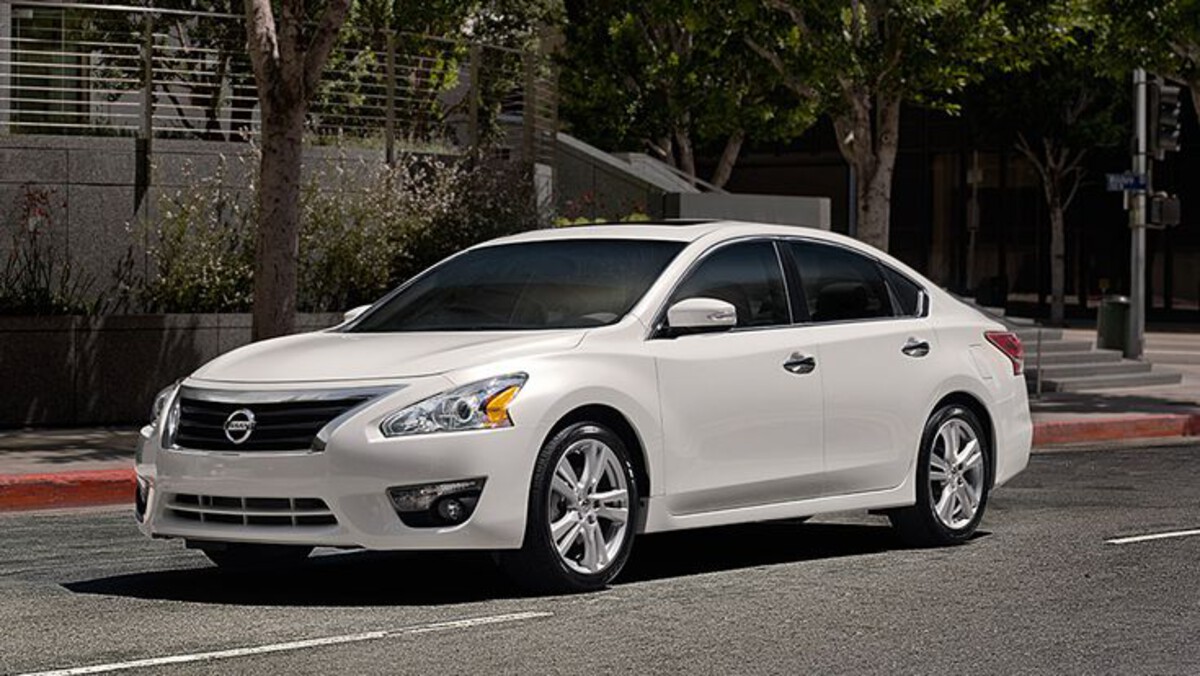
5. Nissan Altima
Older Nissan Altima models are frequently mentioned in discussions about cold start belt squeal, especially those with higher mileage. The issue is primarily linked to aging tensioner assemblies and gradual pulley wear over time.
As the tensioner spring weakens, it becomes less effective at maintaining steady belt pressure during cold starts. This allows the serpentine belt to slip momentarily, producing a sharp squealing sound that is often most noticeable during the first few seconds after ignition.
Cold weather makes this issue more pronounced because rubber belts lose elasticity and become more rigid overnight. This increases friction instability between the belt and pulley surfaces, especially if those surfaces have developed glazing or wear marks.
Another factor is the alternator load behavior in these vehicles. At startup, the alternator can place sudden demand on the belt system, and if the tensioner is not fully responsive, this can trigger brief slipping events.
Over time, if the issue is not addressed, the squeal becomes more consistent and may occur even in mild temperatures. In many cases, replacing both the belt and tensioner assembly is required to restore quiet operation.
