
Roads are not always kind. Potholes, speed bumps, cracked asphalt, and uneven surfaces are a daily reality for millions of drivers around the world. The suspension system of a car is its first and most important line of defense against all of that punishment. It determines whether your morning commute feels like gliding on silk or surviving a mechanical bull ride.
Not all suspensions are created equal. Some cars are engineered with such sophistication that you barely feel a pothole even when you drive straight into one. Others seem to find every crack in the road and amplify it directly into your spine. The difference often comes down to engineering philosophy, component quality, and the kind of driver the manufacturer had in mind.
Luxury sedans and premium SUVs tend to prioritize ride comfort above all else. Sports cars and budget hatchbacks often sacrifice smoothness for handling precision or cost-cutting. Knowing which category your car falls into can save you a lot of frustration.
In this article, we break down five cars that absolutely excel at swallowing rough roads whole. We also highlight five cars that will rattle your coffee, your teeth, and your patience. Whether you are buying new or just curious, this guide has you covered.
5 Cars With Suspensions That Soak Up Potholes
These cars are known for soft, well-tuned suspension systems that absorb bumps, cracks, and potholes with ease. Models like the Toyota Camry, Honda Accord, and Hyundai Elantra prioritize comfort, offering a smooth and composed ride even on rough roads.
Vehicles such as the Subaru Outback and Mazda CX-5 also balance comfort with control, using well-damped suspension setups that reduce harsh impacts. These cars are ideal for daily driving, especially in areas with poor road conditions, where ride quality matters most.
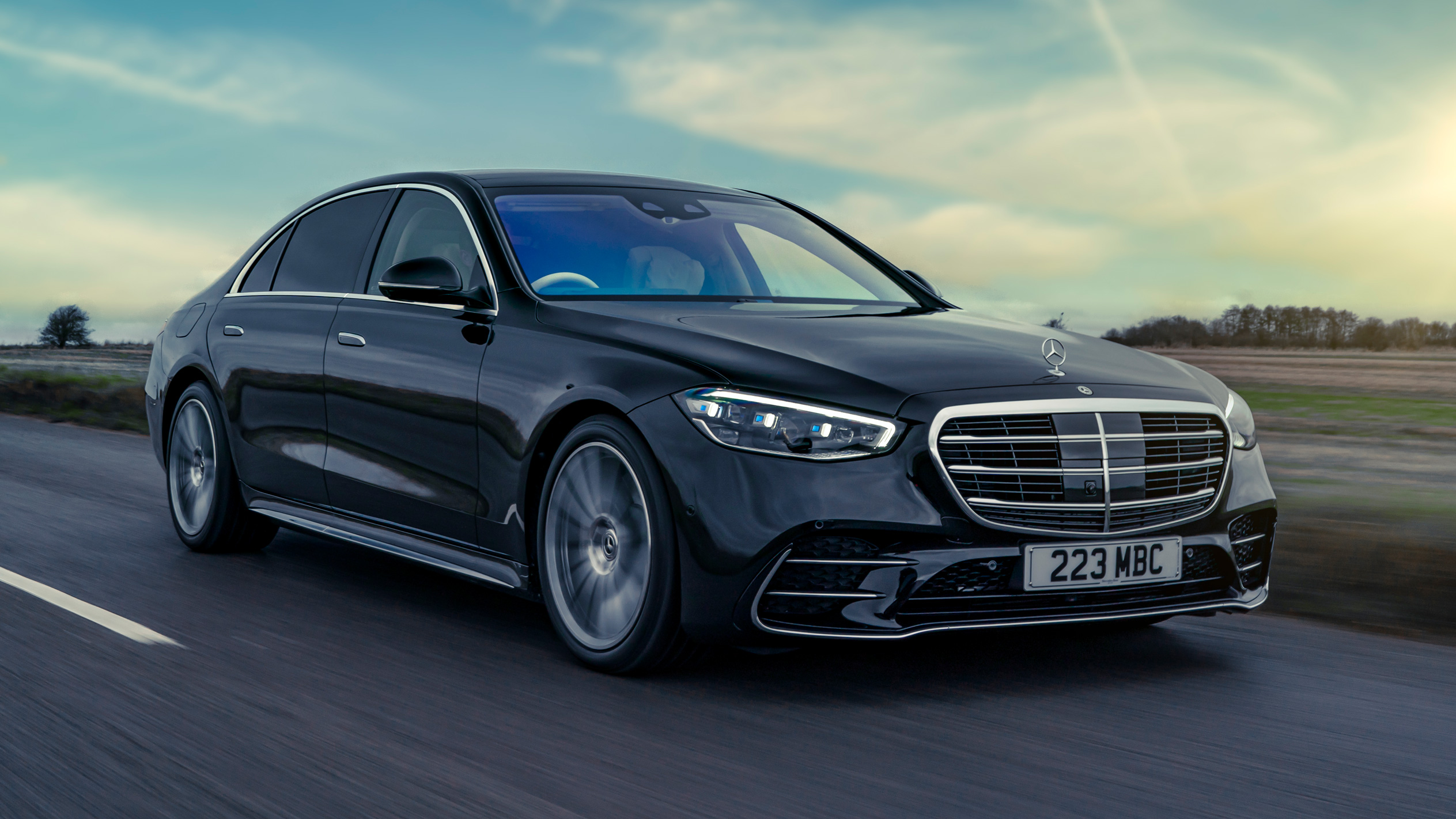
1. Mercedes-Benz S-Class
The Mercedes-Benz S-Class is not just a car. It is a rolling statement about what suspension engineering can achieve when cost is no object. Mercedes has spent decades perfecting the ride quality of its flagship sedan. The result is a car that seems to float above the road rather than drive on it.
The S-Class uses an advanced air suspension system called E-ACTIVE BODY CONTROL. This system uses a 48-volt electrical network to actively push and pull each wheel independently. It reacts to road imperfections in milliseconds, well before the bump can transfer into the cabin.
The system also uses a front-mounted camera. It scans the road ahead and pre-adjusts the suspension before each wheel even reaches a pothole or ridge. This is predictive comfort, not just reactive.
Each corner of the car operates with complete independence. A pothole under the left front wheel has almost zero effect on the right rear passenger. The isolation is that complete.
The cabin itself adds another layer of insulation. Thick acoustic glass, generous sound deadening, and soft leather seating all work together with the suspension. You do not just feel comfortable you feel cocooned.
The S-Class also offers multiple driving modes. In Comfort mode, the suspension softens further to absorb the worst urban roads. In Sport mode, it firms up without ever becoming genuinely harsh.
This car is the benchmark that every other luxury sedan is measured against. Rolls-Royce and Bentley may argue the point, but the S-Class does it at a slightly more accessible price. No other car in its class offers this level of technology with this level of real-world effectiveness.
Road testers consistently rank the S-Class at or near the top for ride quality. Owners in cities with notoriously bad roads, such as Chicago, Mumbai, or London frequently cite it as the reason they bought the car. The S-Class does not avoid potholes. It simply refuses to acknowledge them. If you want the gold standard in suspension comfort, this is your car. Everything else on this list is excellent. The S-Class is exceptional.
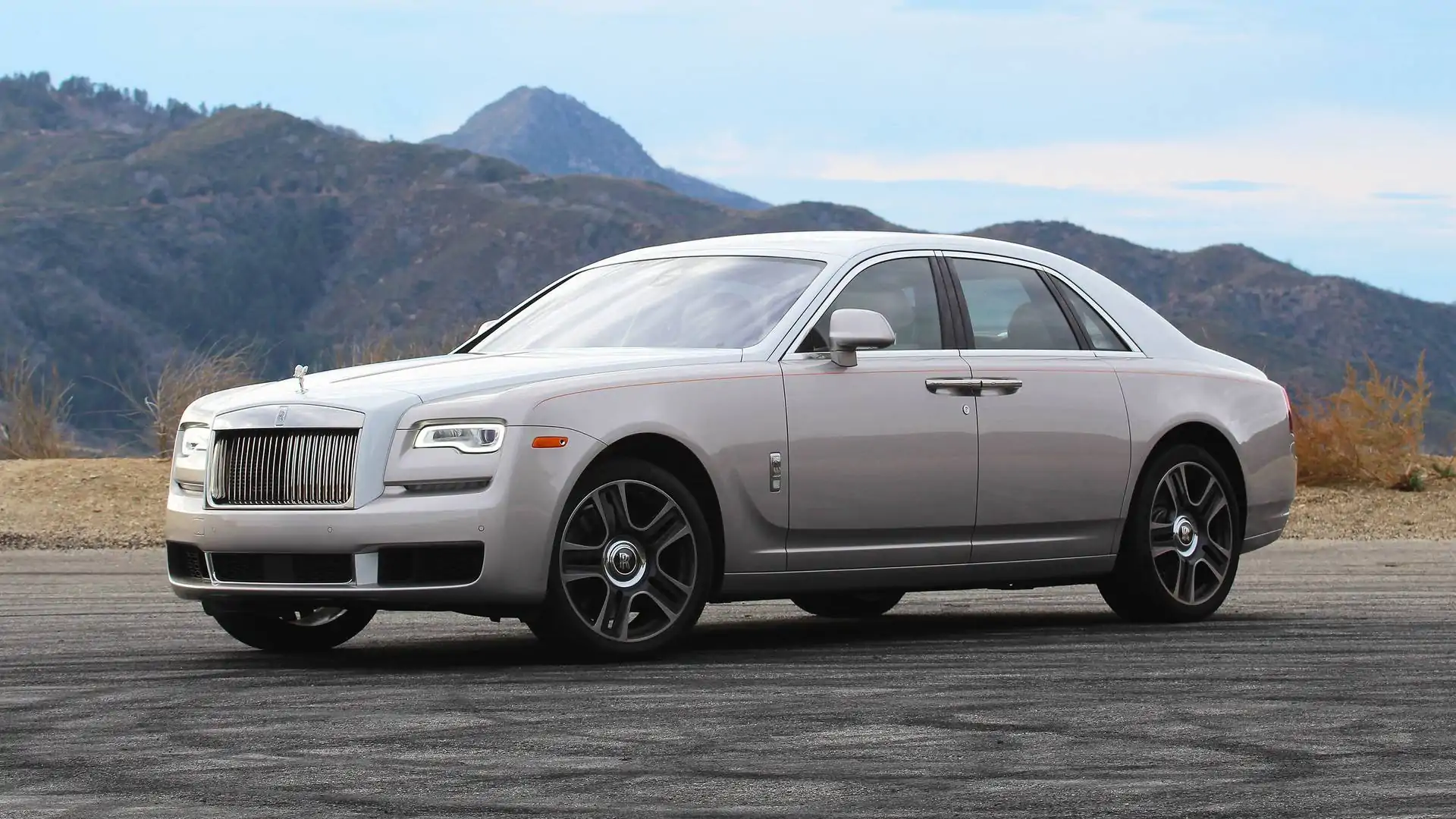
2. Rolls-Royce Ghost
Rolls-Royce calls its ride quality the “Magic Carpet Ride.” That is not marketing language. It is an accurate description of what this car does to rough roads.
The Ghost is built on an all-aluminum spaceframe architecture. This structure is extraordinarily stiff, which gives the suspension the rigid base it needs to work effectively. A flexible chassis undermines even the best suspension components.
Rolls-Royce uses a sophisticated air suspension with continuous damping control. Each damper adjusts its firmness hundreds of times per second. The system is always reading the road and always correcting itself.
The Ghost also features self-leveling technology. Whether you have one passenger or four heavy adults, the ride height and suspension behavior remain consistent. The car adapts to its load without asking you to do anything.
Wheel size matters enormously for ride quality. Rolls-Royce carefully calibrates the tire profile and wheel diameter to maintain a thick sidewall. That sidewall acts as an additional cushion between the rim and the road surface.
The sheer weight of the Ghost also contributes to its composure. At over 2,400 kilograms, it has tremendous inertia. Small road imperfections simply cannot disturb a car this massive when the suspension is tuned correctly.
The interior soundproofing is legendary. Rolls-Royce uses over 130 kilograms of sound-deadening material in the Ghost. Road noise, tire noise, and wind noise are all reduced to near silence.
Even at low speeds on cobblestone streets, the Ghost remains serene. This is where many cars falter low-speed urban driving often feels worse than highway cruising. The Ghost disagrees with that rule entirely.
The experience is almost surreal. Passengers in the rear often describe it as sitting in a very expensive living room that happens to be moving. That is exactly what Rolls-Royce intended. Every engineering decision in this car serves the singular goal of complete passenger isolation from the outside world.
3. Citroën C5 Aircross
Citroën has a long and celebrated history of prioritizing ride comfort above almost everything else. The C5 Aircross continues that tradition with its excellent Progressive Hydraulic Cushions suspension.
This system uses hydraulic bump stops at both ends of each damper’s travel. Most cars become harsh when a bump is severe enough to compress the suspension fully. The Citroën uses these hydraulic cushions to progressively resist that final compression. The result is a suspension that never feels like it has bottomed out.
The C5 Aircross also offers Advanced Comfort seats as an option. These seats have an extra layer of foam that acts almost like a secondary suspension system for your body. The car is soft, and then the seat is soft on top of that.
This is a family SUV priced far below the German competition. Yet in terms of ride quality, it genuinely challenges cars that cost twice as much. That is a remarkable achievement for Citroën’s engineers.
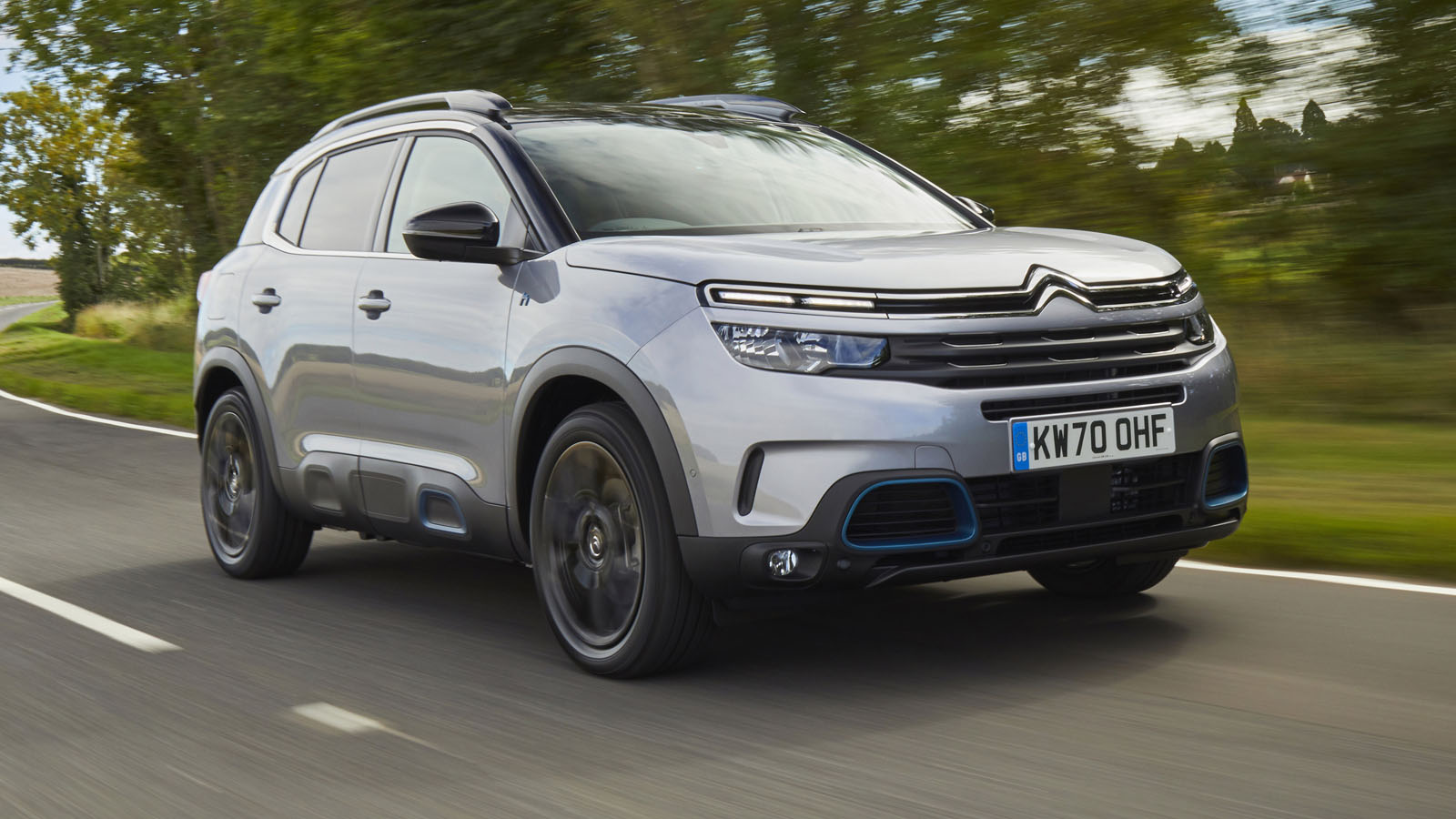
The ride height of an SUV naturally helps with pothole absorption. The C5 Aircross combines that inherent advantage with specifically tuned suspension geometry. Together, they create a vehicle that is unusually forgiving of bad tarmac.
French roads are not always smooth either. Citroën engineers the C5 Aircross to handle the varied road surfaces found across Europe. That real-world testing background shows up directly in how the car behaves on imperfect tarmac.
The suspension tuning leans heavily toward comfort rather than sporty handling. Body roll through corners is noticeable. But for buyers who prioritize daily comfort over enthusiastic driving, that is a very acceptable trade-off.
Even on motorway expansion joints those sharp ridges that can crash through cheap suspensions the C5 Aircross remains composed. It absorbs the hit and moves on without drama. That everyday composure is what makes this car a genuine hidden gem in the ride quality conversation.
4. BMW 7 Series
The BMW 7 Series occupies a fascinating position. It is a luxury sedan that must deliver both outstanding ride quality and genuine driver engagement. Somehow, it manages both.
The 7 Series uses an Executive Drive Pro suspension system in higher trims. This active suspension uses electronic actuators at each corner to counteract body movement. It can firm up under cornering and soften under straight-line cruising almost instantaneously.
BMW also integrates a camera-based road preview system. Like the Mercedes S-Class, the 7 Series reads the road surface ahead and adjusts suspension settings before the wheel arrives at a bump. This forward-thinking approach dramatically reduces the perceived harshness of rough roads.
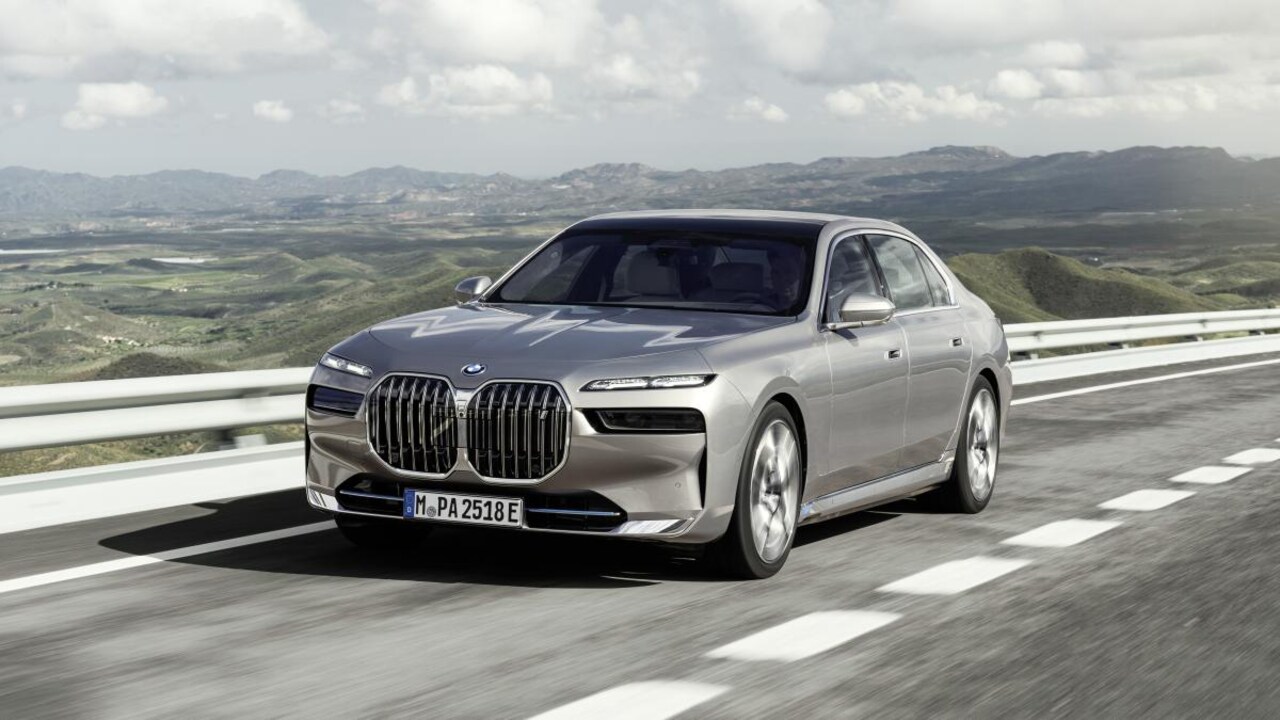
The air suspension option gives the 7 Series adjustable ride height as well. On the motorway, it can lower itself for better aerodynamics and stability. In urban environments, it raises up slightly to give extra clearance over speed bumps and debris.
One area where the 7 Series outshines even the S-Class is driver feedback. While remaining supremely comfortable, it does not completely disconnect the driver from the road. There is a subtle but satisfying sense of control that BMW loyalists deeply appreciate.
The 48-volt mild hybrid system in newer models also powers the active anti-roll system. This electronically reduces body lean in corners without compromising straight-line ride quality. It is a clever solution to an age-old engineering compromise.
Interior noise suppression is excellent. BMW uses acoustic laminated glass and triple door seals on the 7 Series. Road and wind noise are kept firmly outside where they belong.
The 7 Series proves that a car can be sporty and comfortable simultaneously. It is not quite as pillowy as the S-Class in pure comfort terms. But it is more engaging, and for many drivers, that balance is precisely what they want from a flagship luxury sedan.
Also Read: Why You Should Stop Trading In Your Car Every Three Years
5. Range Rover (Full-Size)
The Range Rover manages something that very few vehicles in history have achieved. It is equally at home on a rutted dirt track and a smooth motorway. On both surfaces, it rides beautifully.
The full-size Range Rover uses a sophisticated air suspension with Terrain Response technology. The system automatically adjusts ride height and damper settings based on the surface being driven. It does this without any input from the driver in its automatic mode.
The air springs allow an enormous range of adjustment. At maximum height, the Range Rover can wade through nearly a meter of water. At road height, it sits low enough to deliver a refined, car-like ride experience on tarmac.
Potholes are simply not a challenge for a vehicle designed to crawl over boulders. The Range Rover’s suspension travel is enormous by road car standards. Even deep urban potholes fall well within its comfort zone.
Land Rover’s air suspension has been continuously refined over multiple generations. The current system is remarkably quiet and smooth in its operation. You rarely hear or feel it adjusting — it just keeps the car level and composed.
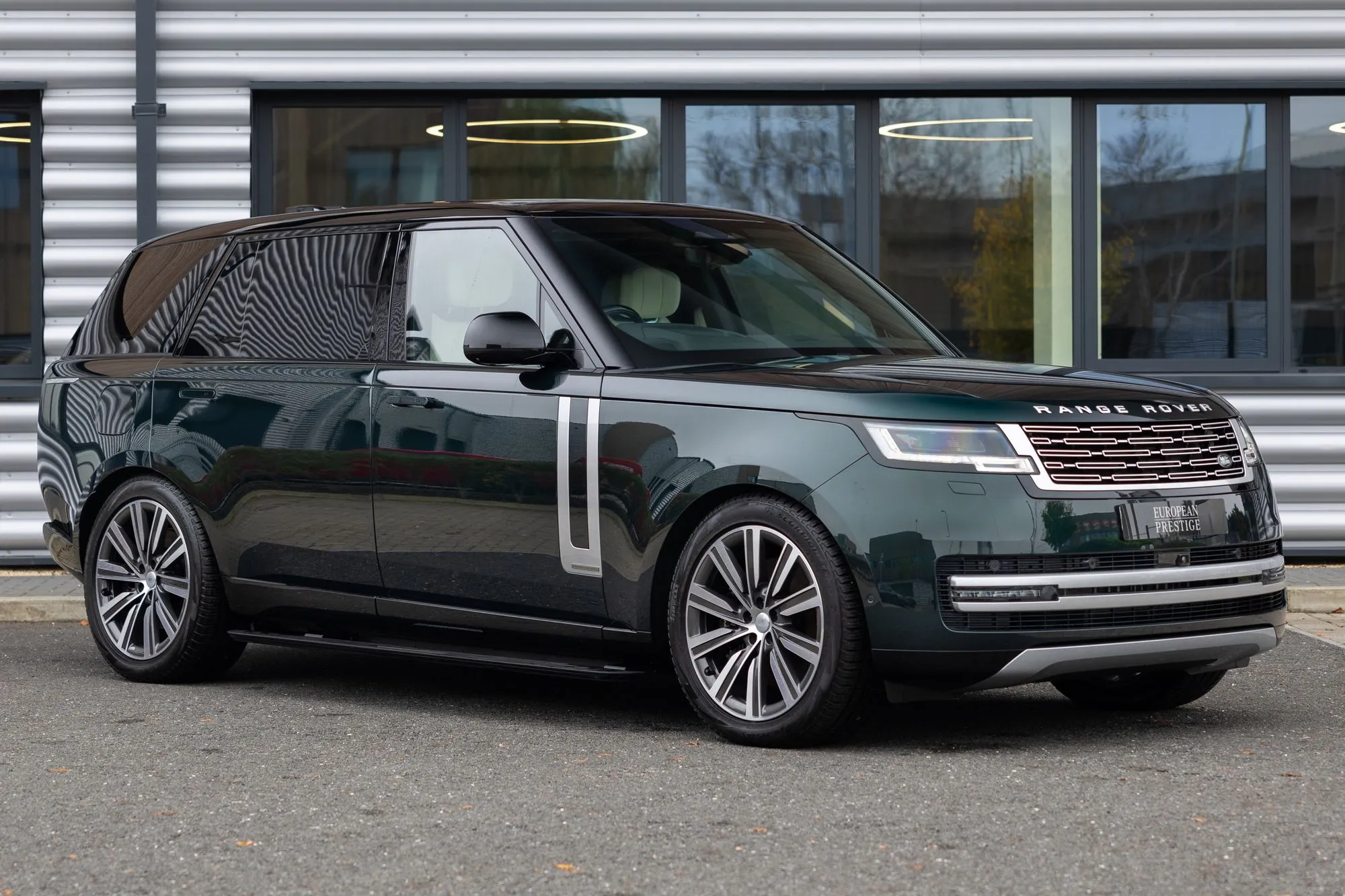
The Range Rover also benefits from its considerable mass, similar to the Rolls-Royce Ghost. Weighing in at over 2,500 kilograms in some configurations, it simply powers through surface imperfections. Inertia becomes a comfort tool when the suspension is tuned correctly.
Inside, the Range Rover cabin is genuinely luxurious. Soft leather, excellent sound insulation, and superb seat comfort all contribute to the experience. The suspension does its job, and everything around you reinforces the sensation of effortless travel.
Some SUVs sacrifice on-road refinement for off-road capability. The Range Rover refuses that compromise. It is one of the very few vehicles that is genuinely exceptional in both environments. For drivers who want cloud-like ride quality without giving up practicality, this is a compelling choice.
5 That Bounce Like a Rodeo
These cars are often tuned for stiff handling or come with poorly damped suspension, causing them to feel bouncy and unsettled over uneven roads. Sport-focused setups, low-profile tires, or budget suspension designs can amplify every bump, making rides uncomfortable.
Models with firm suspensions or less refined tuning may struggle to absorb potholes, leading to excessive cabin movement and fatigue on longer drives. While they may handle well on smooth roads, rough surfaces can turn them into a jittery, uncomfortable experience.
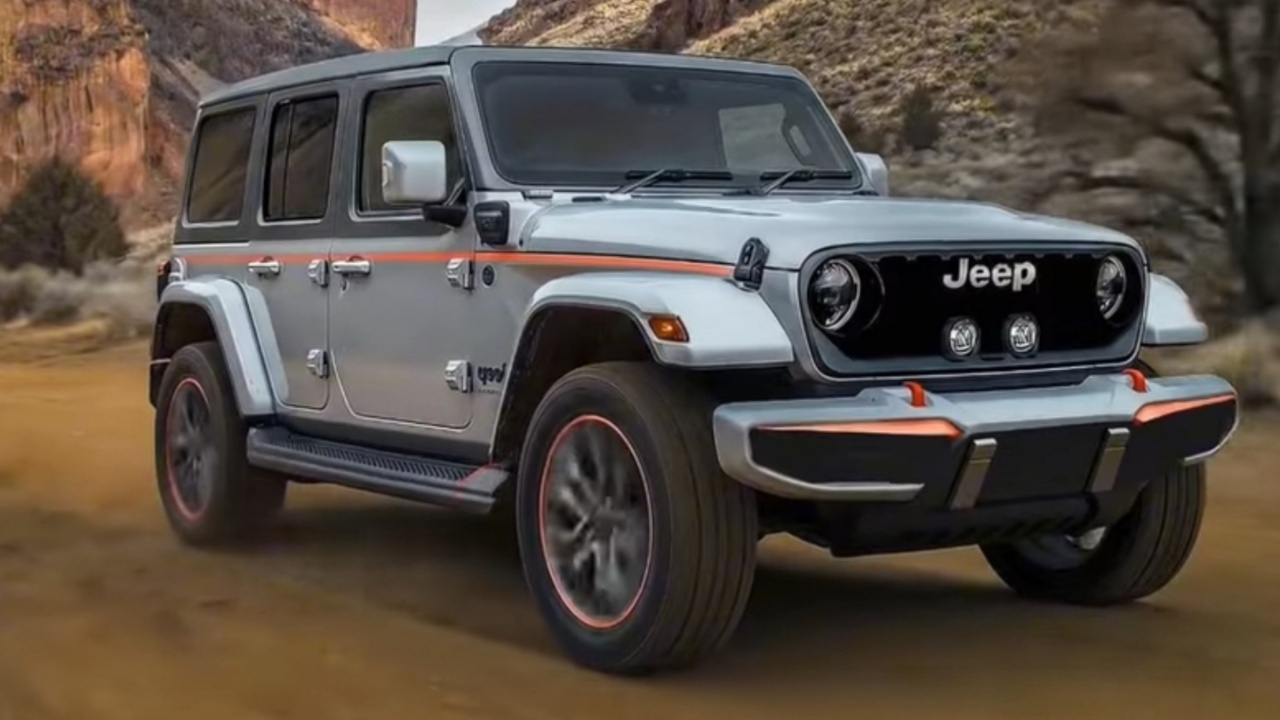
1. Jeep Wrangler
The Jeep Wrangler is an icon. It is beloved by millions of off-road enthusiasts around the world. On a rocky mountain trail, it is nearly unstoppable. On a potholed city street, it is something altogether different.
The Wrangler uses a solid front axle design that dates back to its military vehicle ancestors. This setup is incredibly strong and effective off-road. On regular roads, however, it introduces a rocking, bouncing motion that many drivers find exhausting.
A solid axle means both front wheels are connected through a rigid beam. When one wheel hits a bump, the movement is shared with the other. Independent suspension systems isolate each wheel the Wrangler cannot do that up front.
The suspension is tuned for maximum articulation the ability to flex dramatically over uneven terrain. That same flexibility translates into excessive body movement on smooth roads. The car rocks, pitches, and wallows in ways modern road cars simply do not.
Short wheelbase versions are particularly prone to this behavior. The TJ and JK two-door models can feel almost boat-like on undulating roads. Even the longer four-door JL Wrangler does not fully escape the fundamental dynamics of its design.
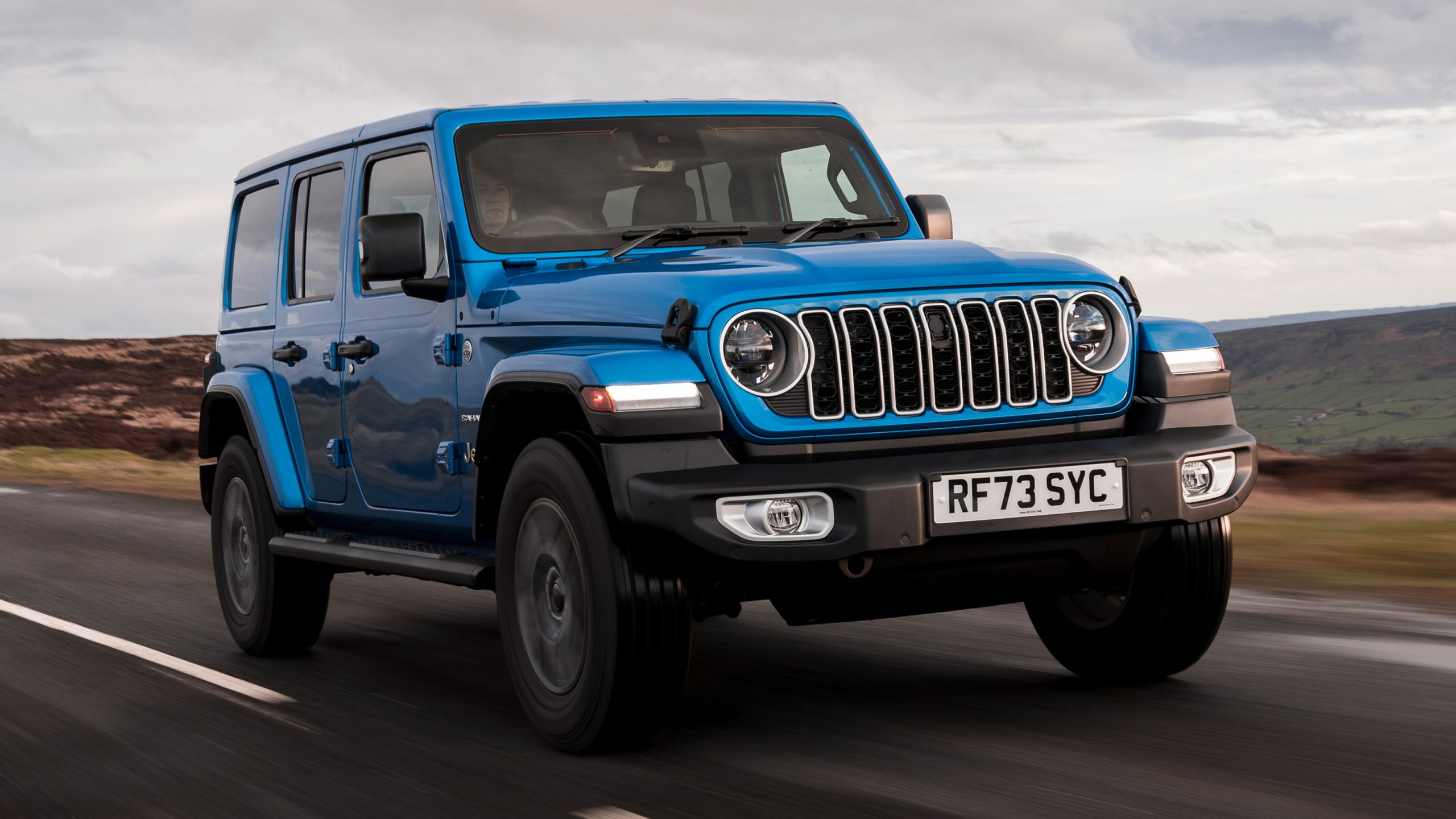
Steering on the Wrangler is another area that amplifies road harshness. The recirculating ball steering system has more play than modern rack-and-pinion setups. Combined with the solid axle, it can feel vague and reactive over rough surfaces.
Tire choice makes the Wrangler’s ride even harsher for many buyers. Factory all-terrain tires are stiffer than road-biased tires. Many owners then upgrade to even chunkier off-road tires, which only worsens on-road comfort.
None of this is a criticism of the Wrangler’s purpose. It is brilliant at what it is designed to do. If you value off-road adventure over daily comfort, it remains one of the best vehicles money can buy. Just do not expect it to baby you on the morning commute.
2. Lotus Elise
The Lotus Elise is a masterpiece of lightweight sports car engineering. It weighs barely 700 kilograms in base form. That extraordinary lightness is both its greatest strength and the source of its punishing ride quality.
Lotus famously follows the philosophy of adding lightness. Every gram is scrutinized and eliminated where possible. Suspension components are minimized, bushings are stiff, and spring rates are high. The result is a car that communicates everything the road has to say whether you want to hear it or not.
The Elise uses pushrod suspension with very short travel. This design is excellent for precise handling and fast cornering. On a smooth race circuit, it feels absolutely perfect. On a British B-road full of frost heaves, it feels like punishment.
The tub-style chassis sits extremely low to the ground. Ground clearance is minimal the Elise genuinely struggles with speed bumps in many configurations. Raised lane markers and drainage channels can make unpleasant contact with the underside.
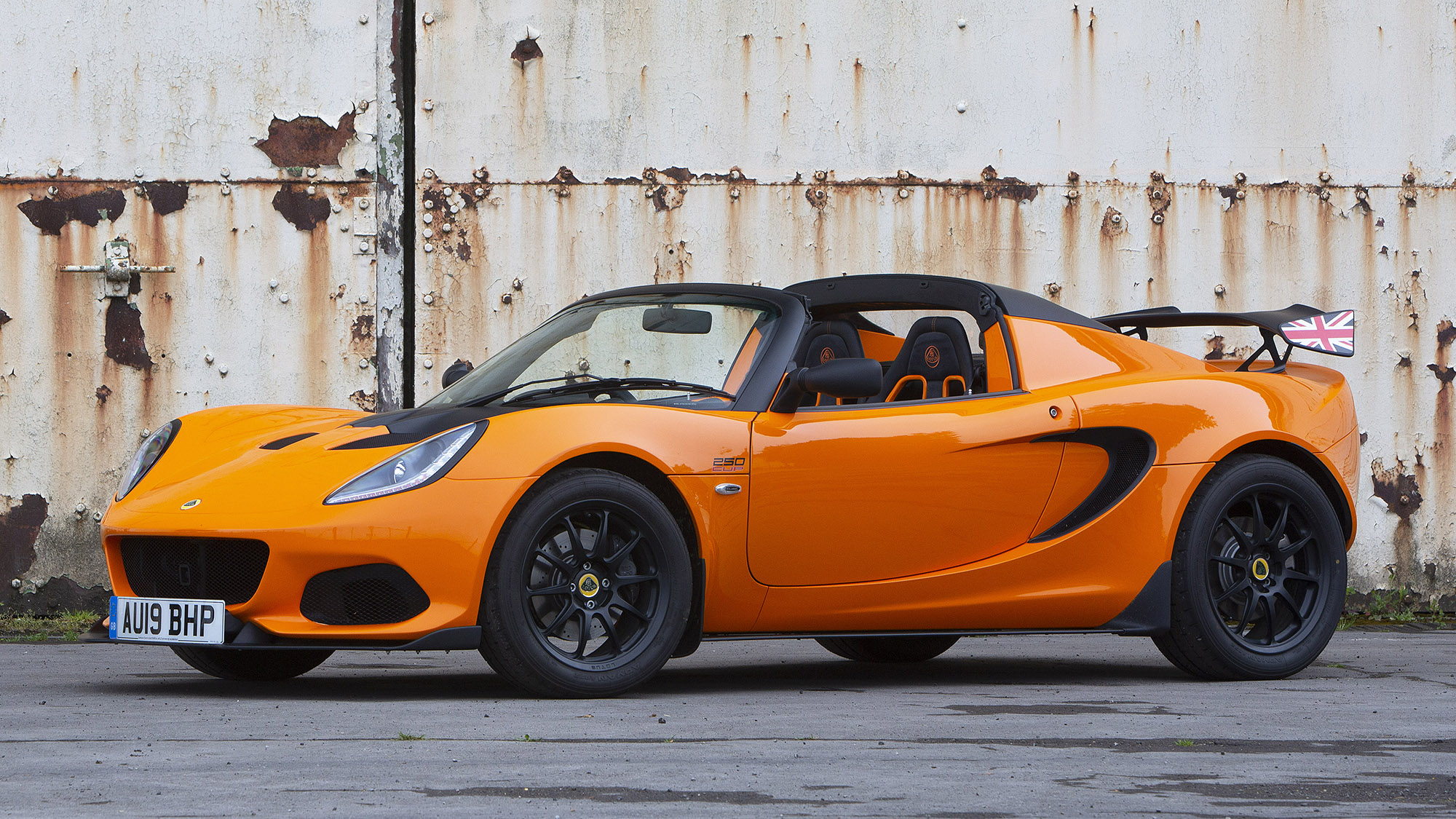
There is no real sound insulation in the Elise. The cabin is largely exposed aluminum and fiberglass. Road noise, tire roar, and impact thuds are all amplified rather than suppressed. Every pothole is an event, both felt and heard.
The seating position makes everything worse. You sit almost directly on the rear axle in a reclined position with your legs extended. Your body is perfectly positioned to feel every vibration the chassis transmits. There is nowhere for the energy to go except straight through you.
Dedicated Lotus fans celebrate all of this. They call it driver feedback, road feel, and connection. They are not wrong, the Elise does communicate brilliantly. But for daily use on imperfect roads, that communication becomes relentless noise.
The Elise is a car you drive on weekends to your favorite twisting road. It is not a car you use for grocery runs or school drop-offs. Those who try to use it as a daily driver typically regret that decision within a few weeks.
3. Dodge Challenger
The Dodge Challenger is a throwback in the best possible sense. It is enormous, it is powerful, and it makes no apologies for being a blunt instrument. Unfortunately, its suspension philosophy is also something of a throwback.
The Challenger is based on a platform that shares DNA with the Mercedes-Benz E-Class from the early 2000s. That platform has been heavily modified over the years, but it remains fundamentally dated in its dynamics. The suspension setup, while serviceable, does not match the sophistication of modern sport sedans.
At nearly 1,900 kilograms, the Challenger is a very heavy car. A heavy car with a firm suspension transmits a great deal of energy. When a heavy object hits a bump and the suspension cannot absorb it adequately, the entire car shudders.
The base Challenger rides on a suspension tuned more for straight-line stability than all-round refinement. Impacts from potholes are transmitted crisply into the cabin. Passengers feel every significant road imperfection as a distinct jolt.
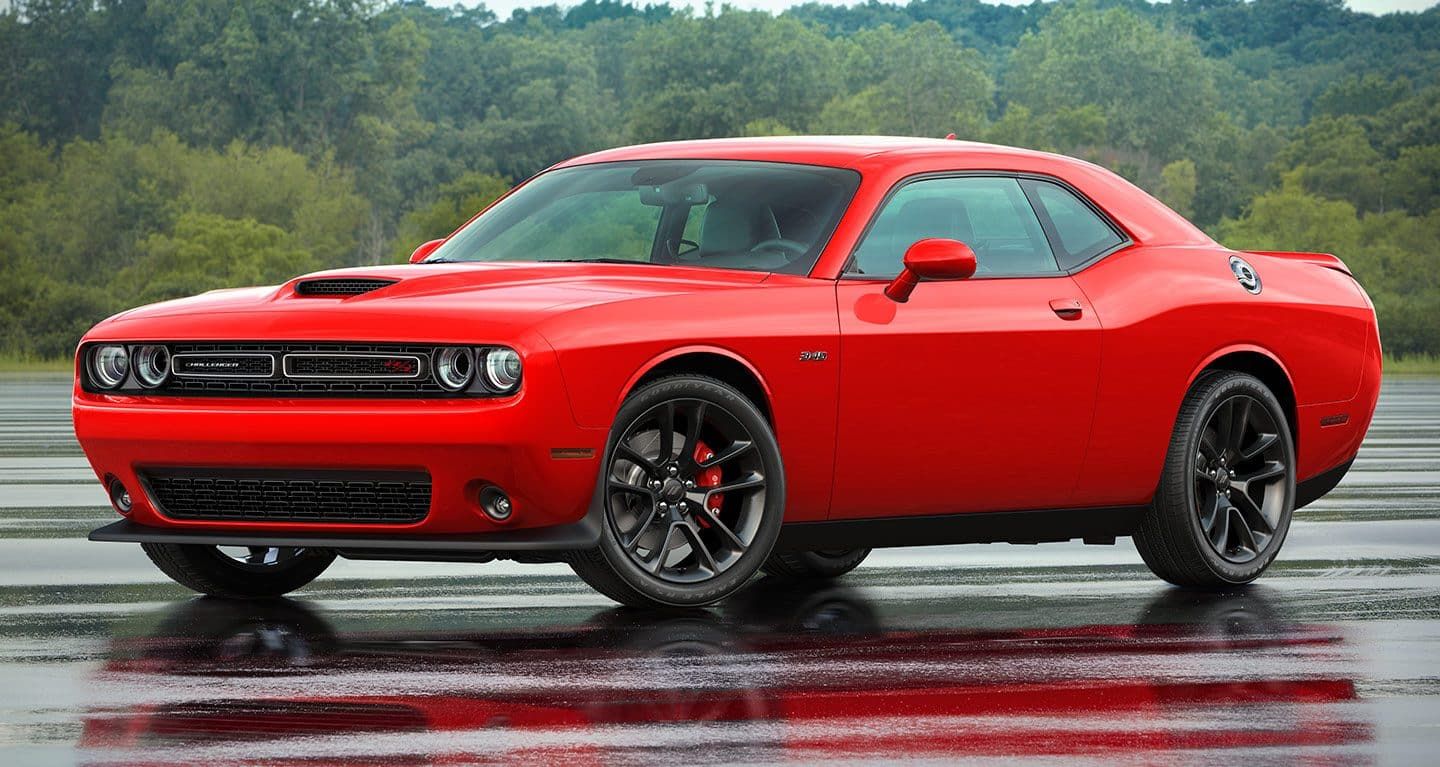
The R/T and Scat Pack models come with performance-oriented suspension tuning. These are firmer still. At lower speeds in urban environments, they can feel genuinely harsh. The car was designed around highway cruising and drag strip launches not potholed city streets.
The Challenger also has a very long wheelbase. This helps with high-speed stability but can create a pitching motion over undulating roads. The nose rises and falls in a slow, ship-like rhythm that some drivers find uncomfortable on certain road surfaces.
Wide performance tires with low-profile sidewalls are fitted to sportier models. These tires have very little flex in their sidewalls. They transmit road texture and impacts almost directly to the wheels with little cushioning effect.
The Challenger remains an enormously appealing car for the right driver in the right environment. On a highway or an empty back road, it is deeply satisfying. In a city with deteriorating pavement, it reveals the limitations of its aging bones quite openly.
4. Renault Clio (Sport/RS Models)
Hot hatches exist in a complicated zone. They need to handle well enough to justify the Sport badge, while remaining practical enough for daily use. The Renault Clio RS has historically leaned too far toward the sporting side of that balance for many buyers.
The Clio RS uses a significantly stiffer suspension setup compared to the standard Clio. Spring rates are higher, dampers are firmer, and anti-roll bar stiffness is increased. These changes deliver genuinely impressive cornering ability. They also make the car considerably harsher on imperfect roads.
On a smooth, well-maintained road, the Clio RS feels wonderful. It is sharp, responsive, and engaging. Move it onto a typical urban road with surface patches, drain covers, and expansion joints, and the character changes dramatically.
Sharp-edged potholes catch the Clio RS particularly badly. The stiff suspension does not absorb them — it deflects off them instead. This can cause the car to deviate from its intended line on rough surfaces, which is both uncomfortable and slightly disconcerting.
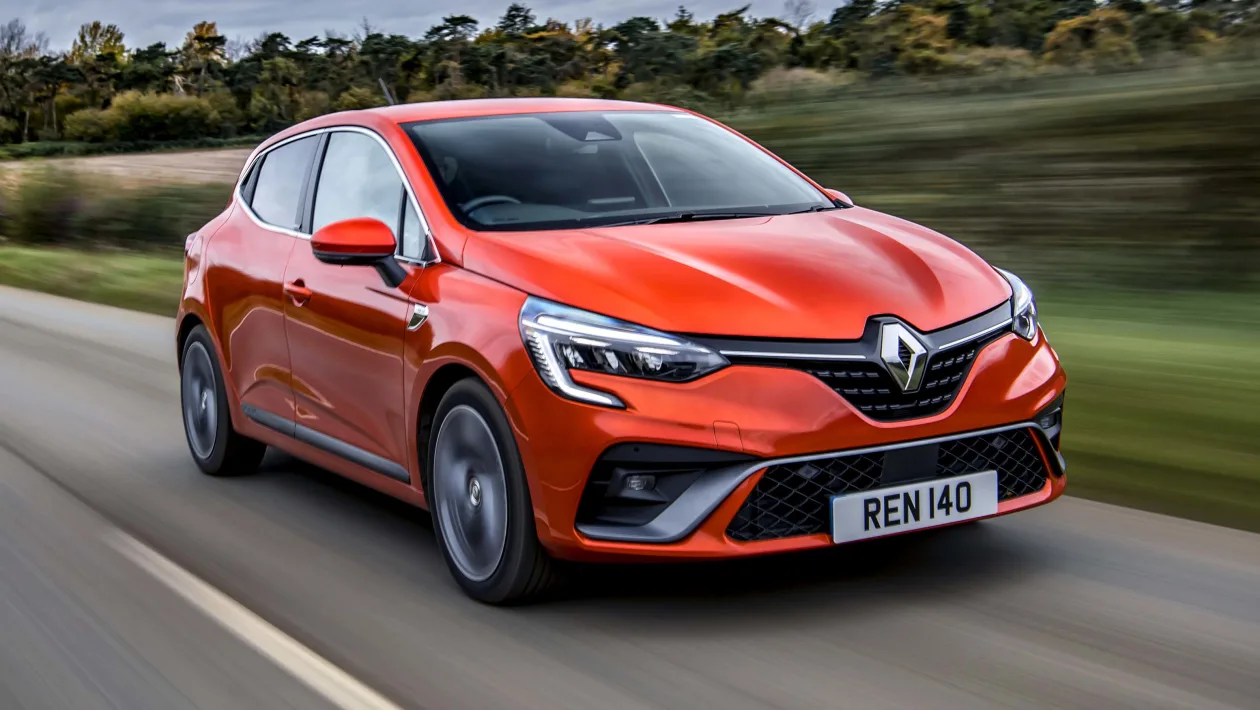
The Cup chassis version, which removes the rear anti-roll bar in favor of a blade-style torsion beam, divides opinion further. On smooth tarmac it handles brilliantly. On rough tarmac it can hop and skip in a way that reduces driver confidence rather than increasing it.
Short-sidewall tires on larger alloy wheels compound the problem. Many buyers specify the larger wheel options for aesthetic reasons. They rarely consider that a larger wheel requires a lower-profile tire, which in turn provides less cushioning over bumps.
The cabin in the Clio RS is not particularly well-insulated either. Road noise from the performance tires intrudes noticeably. Impact thuds from potholes are sharp and clearly audible. It gives the interior a slightly raw, unrefined character.
For buyers who primarily drive on good roads and enjoy spirited driving, the Clio RS is genuinely excellent. For buyers who face daily urban punishment, the standard Clio with its softer suspension is a vastly more sensible and comfortable choice.
5. Toyota GR86
The Toyota GR86 is one of the most celebrated affordable sports cars of its generation. It is lightweight, beautifully balanced, and enormous fun on a winding road. On a typical urban commute riddled with potholes and speed bumps, it is considerably less enjoyable.
The GR86 is designed with a low center of gravity as a primary engineering goal. Everything is positioned as low as possible. The flat-four engine sits low in the engine bay. The seats sit low in the chassis. And the suspension is tuned for a very low, flat, controlled ride.
This tuning philosophy delivers exceptional cornering dynamics. Body roll is minimal. Responses are immediate and precise. On a track day or a mountain road, this car is simply brilliant. On Monday morning’s potholed commute, that same firmness becomes tiresome.
The GR86 uses conventional coilover-style suspension without adaptive damping. There is no Comfort mode to soften the blow of rough surfaces. What you get is one setting firm applied to every road condition you encounter.
Low-profile performance tires contribute significantly to the harsh ride. The GR86 uses 215/40 section tires on 17-inch wheels. A 40-series sidewall is not tall enough to offer meaningful cushioning over sharp road imperfections. The rim absorbs most of what the tire cannot, and then the suspension absorbs the rest often incompletely.
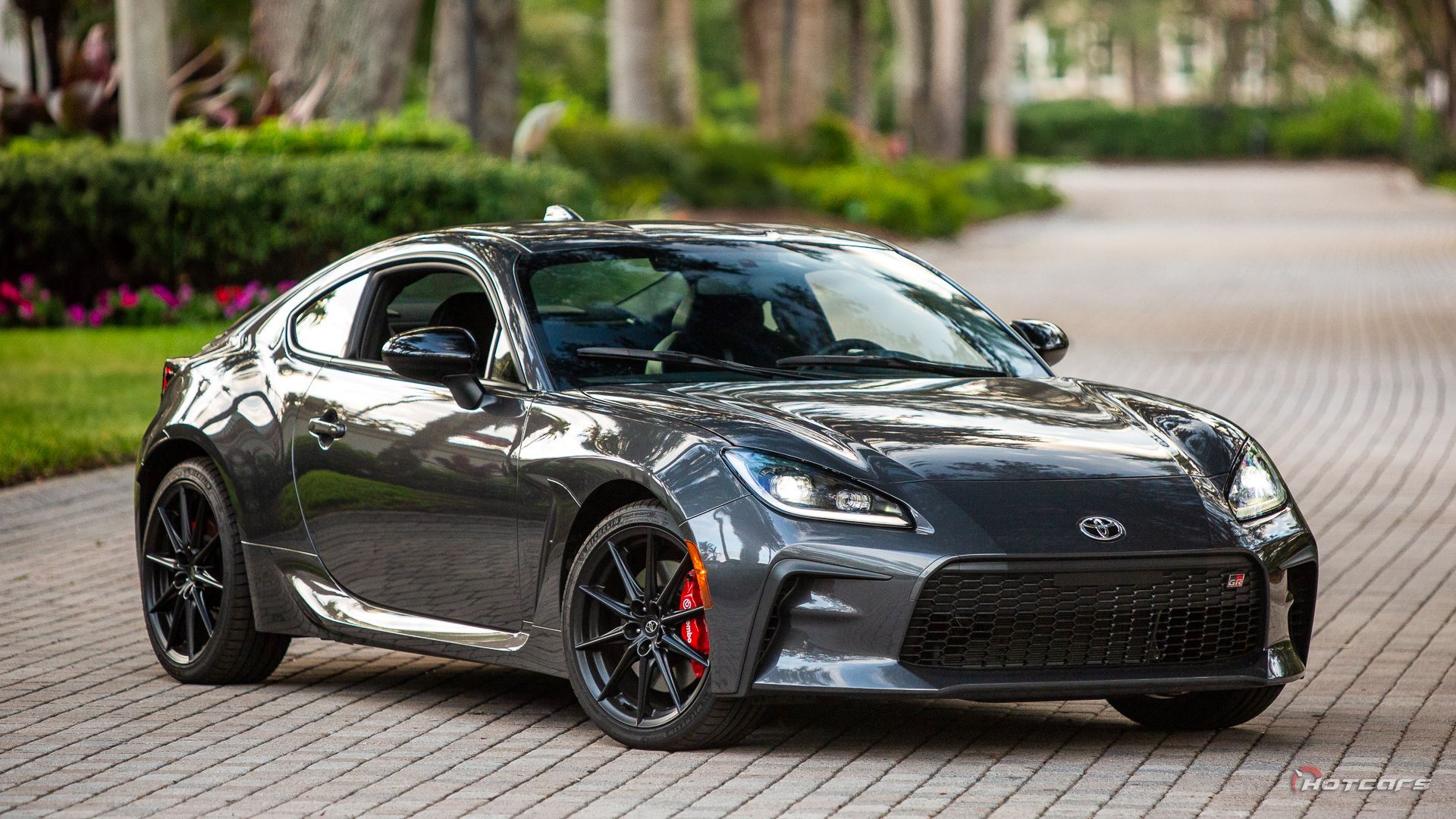
Interior refinement in the GR86 is adequate but not outstanding. Noise insulation is modest by modern standards. Road roar from the performance tires is always present in the background. A sharp pothole hit produces a loud bang that echoes through the cabin.
Ground clearance is also a minor but real issue. The GR86 sits low enough that tall speed bumps require careful approach angles. Steep driveway ramps and unexpected surface changes can scrape the front spoiler. These are not problems that buyers of softer family cars ever need to consider.
None of this diminishes the GR86 as a sports car. It is one of the best driving experiences available at its price point. But it belongs on this list because it asks you to accept a genuinely uncomfortable everyday ride in exchange for its weekend brilliance. That is a trade-off every potential buyer should understand before signing the paperwork.
Also Read: The Honest Reason Toyotas Cost More Than Hondas at the Same Mileage
