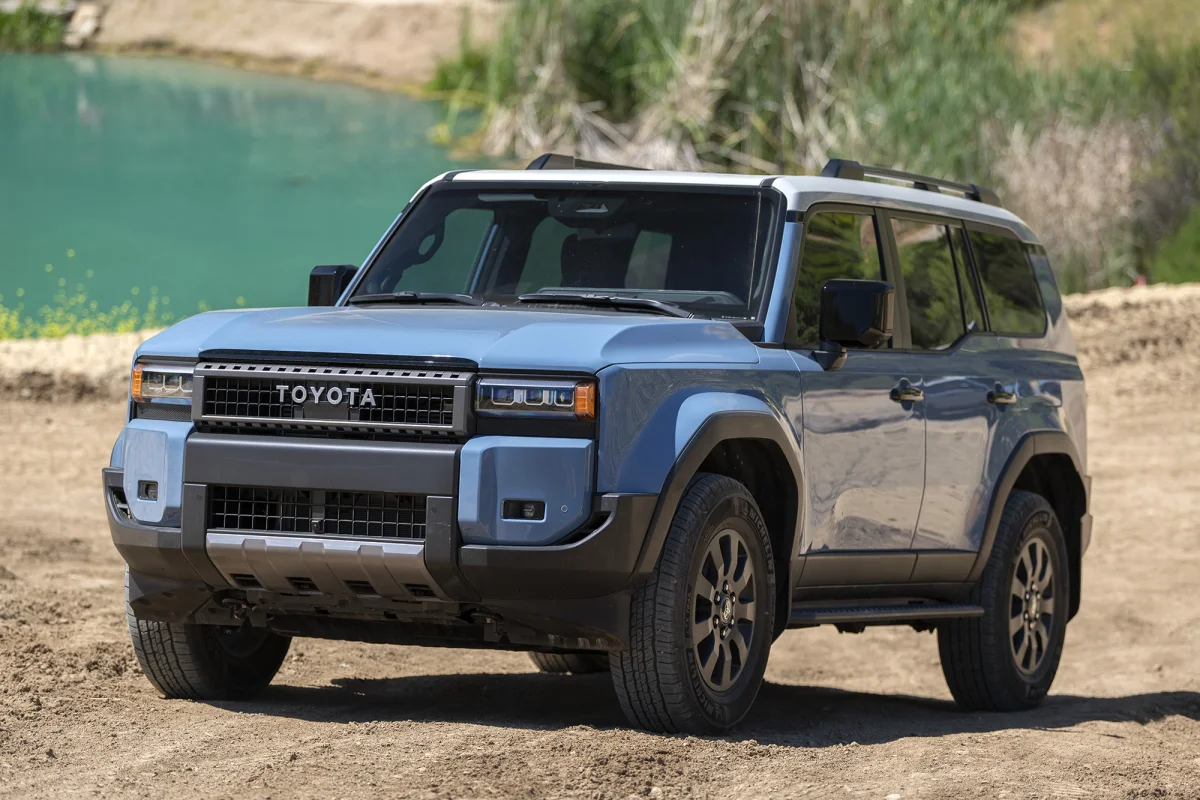
Coastal highways place unique demands on vehicles because constant exposure to saltwater air, humidity, sand, and sudden weather changes can accelerate wear and corrosion. Not every SUV is built to cope with these conditions over time.
The models in this list are selected for their proven resistance to rust, strong traction systems, and durable construction that helps them perform reliably near the ocean. From luxury-oriented SUVs to rugged off-road machines, each one is engineered to stay dependable on wet roads, sandy stretches, and storm-affected coastlines while still offering comfort and practicality for everyday use.
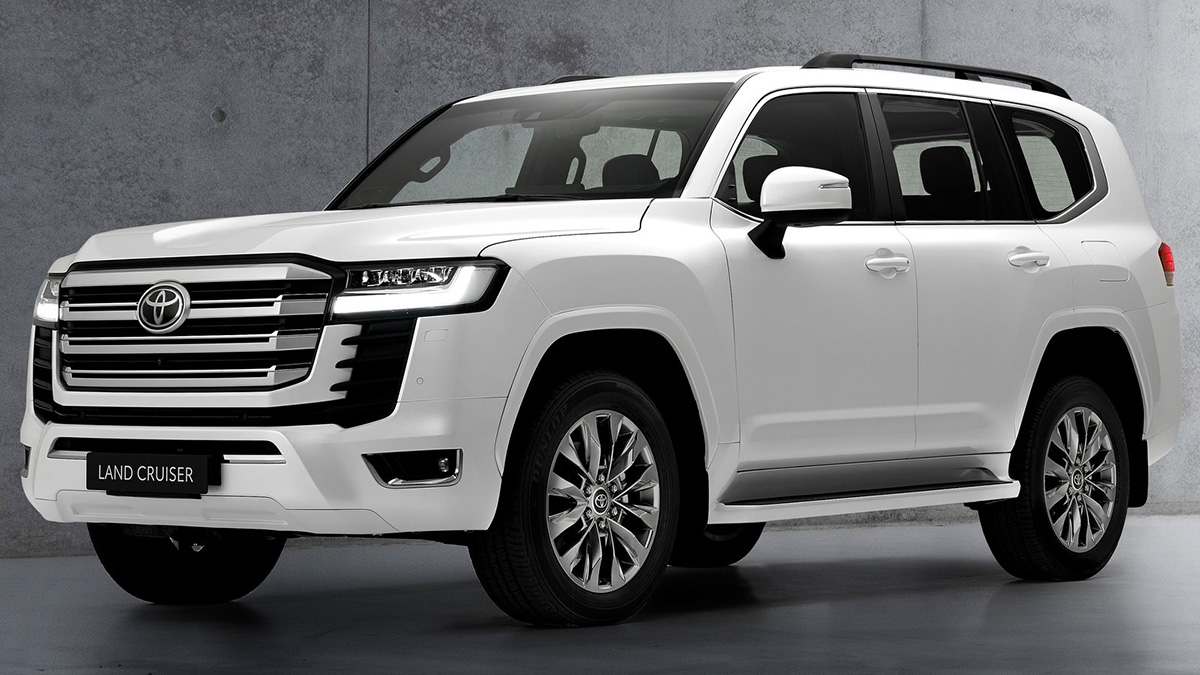
1. Toyota Land Cruiser
Engineered with longevity and resilience in mind, the Toyota Land Cruiser has earned its reputation as a go-to SUV for harsh coastal environments. Its fully boxed ladder-frame chassis and high-strength, rust-resistant steel construction provide a solid foundation capable of enduring constant exposure to salt-laden air, moisture, and rough terrain. The cabin, often likened to a “bank vault,” is tightly sealed against the elements, while reinforced suspension components ensure durability even after years of demanding use.
A major advantage of the Land Cruiser lies in its superior corrosion protection. Enhanced paint quality, advanced sealing techniques, and carefully selected materials help guard against rust far more effectively than standard vehicles. This allows it to remain structurally sound and dependable for decades, making it especially valuable in coastal regions where environmental wear is a constant concern. Its long lifespan also contributes to strong resale value, particularly in markets known for harsh conditions.
Performance is equally impressive when conditions become challenging. Equipped with a full-time four-wheel-drive system, locking center differential, and advanced off-road technologies, the Land Cruiser handles sand, mud, and uneven coastal terrain with confidence. Its 600 mm water-wading capability adds another layer of practicality, enabling it to navigate flooded roads and storm-affected areas without compromising reliability.
The latest model introduces a hybrid powertrain that pairs a turbocharged 2.4-liter engine with electric motors, producing 326 horsepower. This setup, combined with an eight-speed automatic transmission, offers solid torque and improved efficiency. While acceleration may not match some rivals, it delivers a smoother and quieter driving experience compared to vehicles like the Ford Bronco and Jeep Wrangler.
Inside, the Land Cruiser blends rugged capability with modern comfort, offering updated infotainment systems, driver-assistance features, and a refined interior. Its ability to combine durability, advanced engineering, and everyday usability makes it a dependable choice for drivers facing demanding coastal conditions.
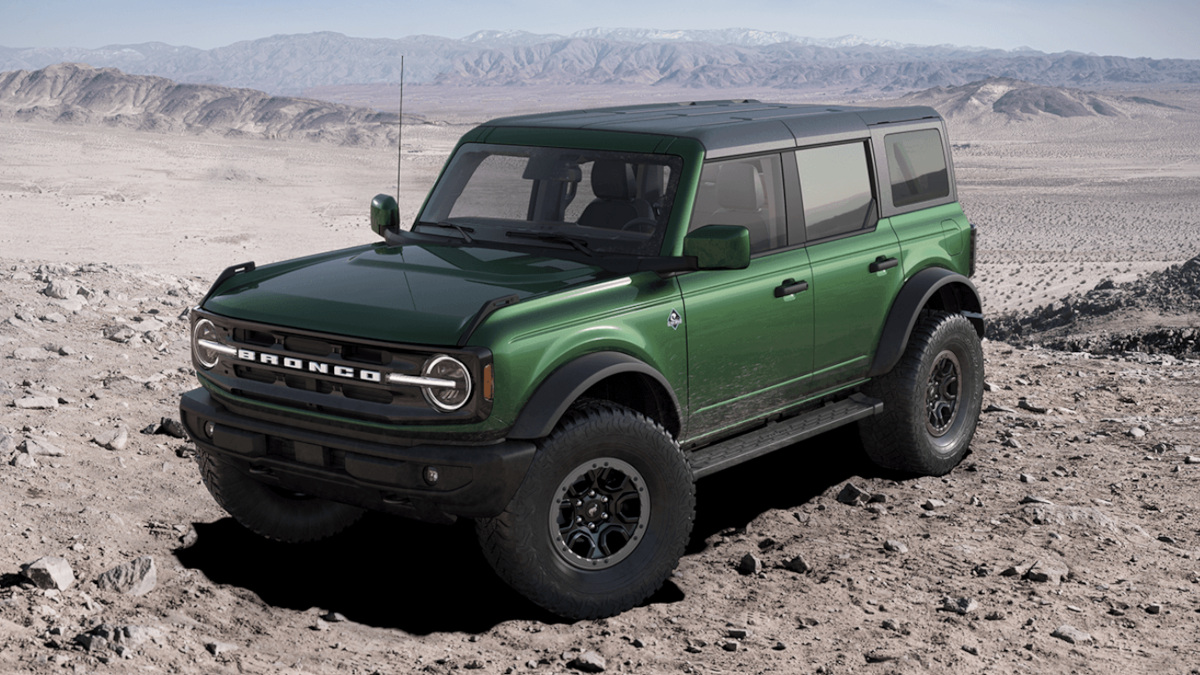
2. Ford Bronco
Built with adventure at its core, the Ford Bronco is especially well-suited for coastal environments where sand, salt, and water demand extra durability. Its rugged design includes corrosion-resistant materials and a high-clearance chassis that allows it to move confidently across dunes, rocky shores, and uneven coastal paths. Optional upgrades such as larger tires and suspension enhancements further improve its ability to handle challenging terrain near the sea.
The Bronco’s performance in sandy and wet conditions is strengthened by its advanced terrain management system, known as G.O.A.T. Modes®. This system includes a dedicated “Sand” setting that adjusts throttle response and traction control for better grip on loose surfaces. With standard four-wheel drive, available locking differentials, and strong ground clearance, the vehicle is well equipped for beach driving and off-road trails. Its water-fording capability, reaching up to 925 mm in certain trims, also allows it to pass through shallow floodwaters or tidal zones with confidence.
Inside, the Bronco focuses on practicality and ease of maintenance. The cabin is designed with water-resistant materials, optional marine-grade vinyl seating, and rubberized flooring that can handle exposure to sand and moisture. Built-in drain plugs make cleaning simple, allowing owners to rinse out dirt and salt after outdoor use. These features make it a reliable companion for beach outings and coastal adventures.
Another defining feature is its open-air design. The removable roof and doors create a unique driving experience that connects passengers directly with the surrounding environment. This makes scenic coastal drives more immersive while maintaining the utility of a capable off-road SUV.
The Bronco offers two engine choices, including a turbocharged four-cylinder and a twin-turbo V6, paired with either a manual or automatic transmission. It delivers strong off-road capability while remaining comfortable enough for daily driving, with more stable on-road handling than the Jeep Wrangler.
With its mix of durability, smart interior design, and coastal-ready performance, the Bronco serves as a versatile option for both everyday use and shoreline exploration.
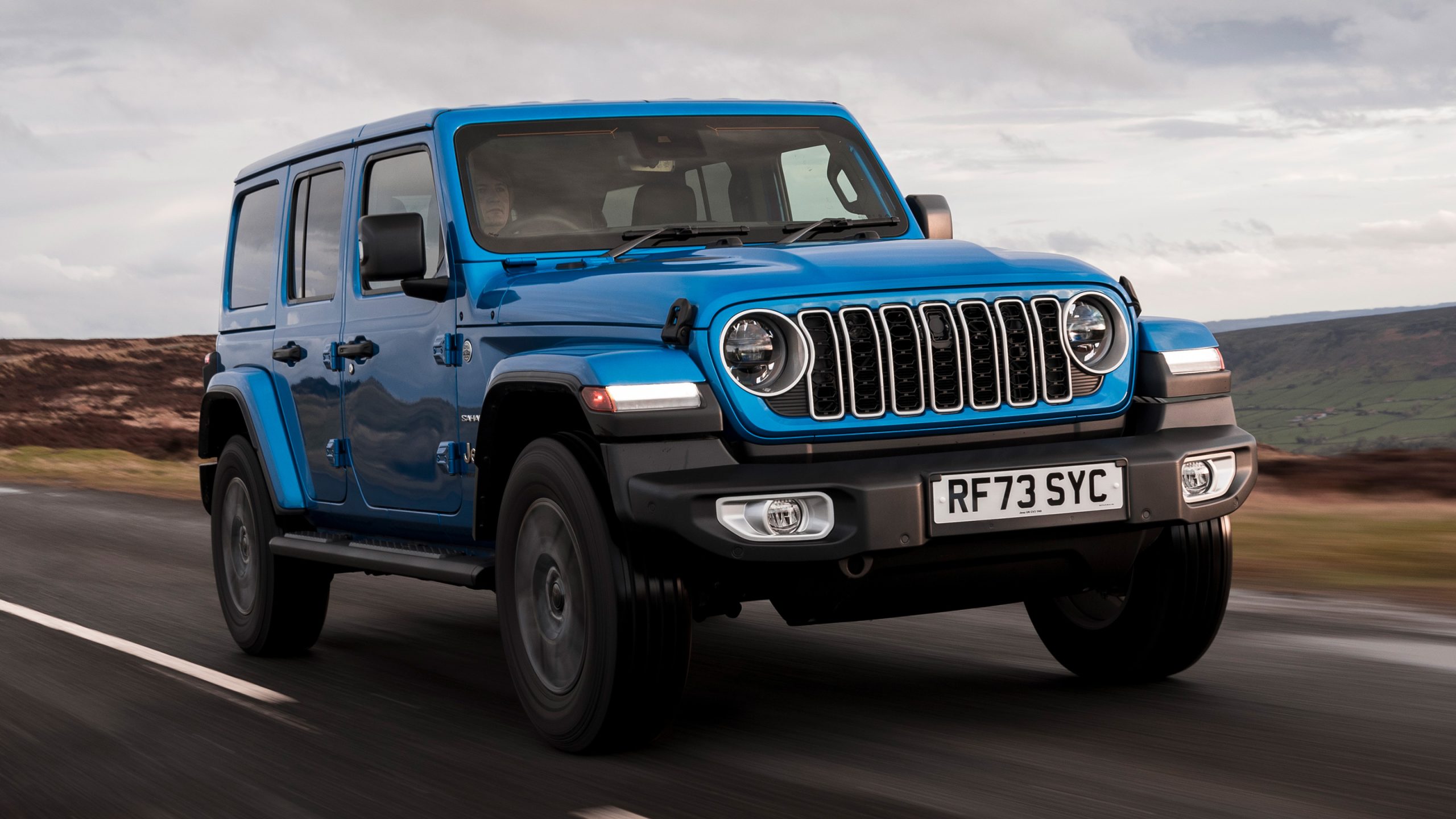
3. Jeep Wrangler
Few vehicles capture the spirit of coastal driving as well as the Jeep Wrangler, a model built with both adventure and durability in mind. Known for its unmistakable design and open-air capability, the Wrangler is especially suited for seaside environments where sand, salt, and humidity can challenge ordinary vehicles. Its rugged construction and high-clearance stance allow it to move easily across soft sand and uneven coastal terrain, making it a reliable companion for beach exploration and outdoor activities.
A defining strength of the Wrangler is its ability to handle harsh environmental conditions. It features sealed electronics and elevated air intakes that help protect critical components from water and salt exposure. This design supports long-term use in humid, corrosive climates. Many owners further enhance protection by applying aftermarket coatings to shield the underbody from rust, extending the vehicle’s lifespan in coastal regions.
The interior emphasizes practicality and ease of maintenance. With durable materials, washable surfaces, and integrated drain plugs, the cabin can be cleaned quickly after exposure to sand, seawater, or mud. This makes it especially useful for beachgoers who frequently carry wet gear or sandy equipment. The Wrangler also offers removable doors, roof panels, and a fold-down windshield, allowing drivers and passengers to enjoy an immersive open-air experience along scenic coastlines.
Performance remains one of its core strengths. The Wrangler comes equipped with a capable four-wheel-drive system and a range of engine options, including a V6, a turbocharged four-cylinder, and a high-performance V8. These are paired with manual or automatic transmissions, providing flexibility for different driving preferences. While its handling feels more traditional compared to modern crossovers, it excels in off-road situations where traction and durability matter most.
Inside, the Wrangler includes a straightforward infotainment system with smartphone connectivity and optional navigation features. Its focus stays on utility rather than luxury, offering just enough comfort for daily use. With its combination of toughness, coastal-ready features, and unmistakable open-air design, it remains a top choice for drivers who prioritize adventure and resilience by the sea.
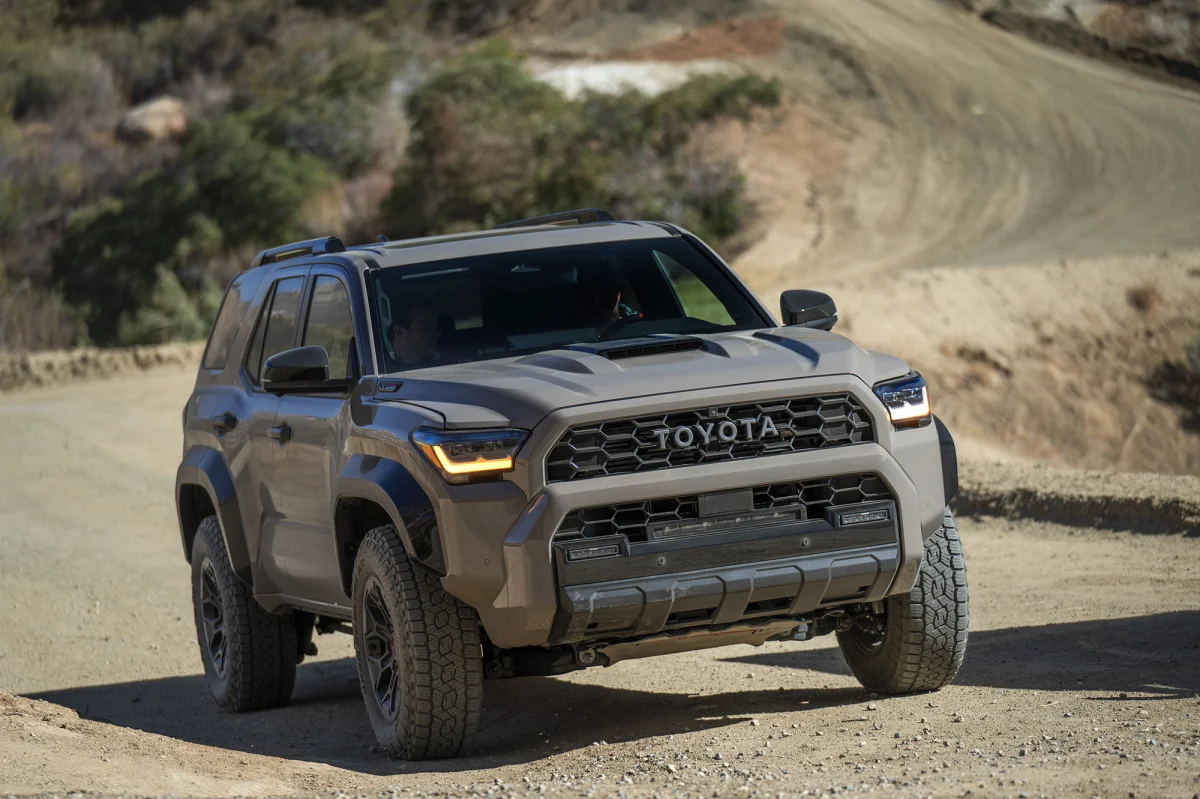
4. Toyota 4Runner
The Toyota 4Runner is widely recognized as one of the most dependable SUVs for coastal environments where salt air, humidity, and sandy terrain constantly test vehicle durability. Built on a traditional body-on-frame platform, it is engineered for long-term strength rather than refinement, making it especially suited for beachside driving, boat ramps, and coastal roads exposed to harsh weather conditions.
A key advantage of the 4Runner is its rugged construction, which resists structural fatigue and handles corrosion better than many lighter unibody SUVs. While regular maintenance, such as undercarriage rinsing, is recommended to remove salt buildup, the vehicle’s core components are known for lasting many years with minimal mechanical issues. Many owners also apply rust-prevention treatments to further protect the frame in humid seaside climates.
Performance is centered around a 278-horsepower turbocharged 2.4-liter engine paired with an eight-speed automatic transmission. Rear-wheel drive is standard, while an available full-time four-wheel drive system adds a two-speed transfer case for improved traction on sand and uneven coastal surfaces. Additional off-road features, such as a locking rear differential, stabilizer bar disconnect, and crawl control, enhance its capability in soft terrain. While not particularly fast, with a 0–60 mph time of around 7.5 seconds, it prioritizes control and stability over speed.
On coastal roads, the 4Runner performs thanks to 9.1 inches of ground clearance and strong suspension tuning. Its 4WD system provides consistent grip on sandy paths and wet pavement, making it a dependable option for beach access and recreational towing. With a maximum towing capacity of up to 6,000 pounds, it is well-suited for hauling boats, trailers, and outdoor equipment.
Inside, the cabin is practical and durable, sharing design elements with the Toyota Tacoma. It offers flexible seating, including an optional third row, and strong cargo capacity that expands significantly with folded seats. Modern technology includes wireless smartphone integration, optional large displays, and Toyota’s Safety Sense 3.0 suite with adaptive cruise control and lane assistance.
With its reputation for longevity, strong resale value, and proven mechanical reliability, the Toyota 4Runner remains a trusted choice for coastal drivers seeking a tough, low-maintenance SUV capable of handling salt-heavy environments for years.
5. Land Rover Defender
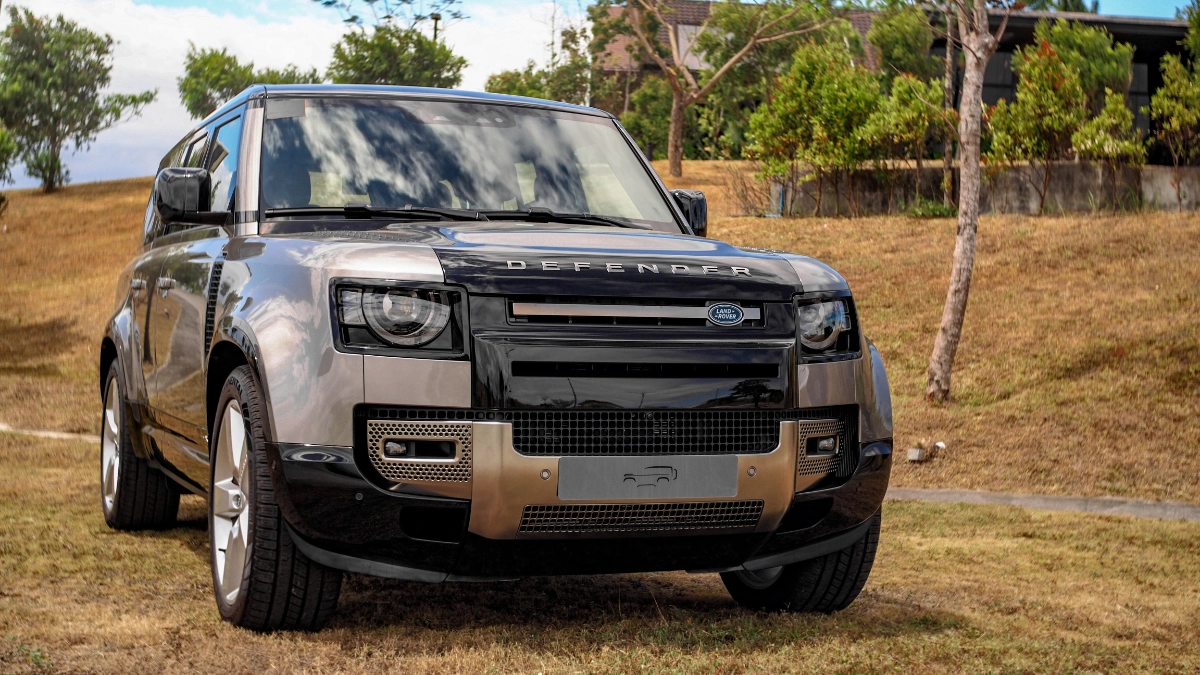
The Land Rover Defender is designed for environments where coastal conditions constantly test a vehicle’s durability, combining rugged engineering with modern comfort. It is built to handle salt-heavy air, flooded roads, sandy beaches, and uneven coastal terrain while still delivering a refined driving experience suitable for daily use.
One of its most important strengths is its water-wading capability of up to 900 mm, supported by Wade Sensing technology that helps drivers monitor water depth in real time. This feature is especially useful in coastal regions where tidal flooding or shallow water crossings are common. The available air suspension system adds further capability by raising the vehicle to clear deep water, debris, or soft sand with improved confidence.
To adapt to changing terrain, the Defender uses an advanced Terrain Response system that automatically adjusts driving settings for surfaces such as sand, mud, and wet ground. This ensures consistent traction and stability across unpredictable coastal conditions. Its aluminum-intensive body construction also improves resistance to corrosion from salt exposure, helping the vehicle maintain long-term durability in seaside climates.
Powertrain options include a turbocharged four-cylinder engine, a mild-hybrid inline-six, and high-performance V8 variants. All models are paired with an eight-speed automatic transmission and standard four-wheel drive with locking differentials. This range of engines allows the Defender to balance efficiency, towing strength, and strong acceleration depending on the configuration.
Inside, the cabin blends rugged practicality with modern comfort. It uses durable materials, exposed structural elements, and a functional layout designed for demanding use. A large touchscreen infotainment system provides navigation, smartphone integration, and software updates, while optional premium audio systems and digital displays add convenience for everyday driving.
Cargo and seating layouts vary by body style, with longer versions offering additional space and flexibility for passengers or gear. Even compact models provide practical storage for outdoor equipment, making them suitable for both adventure trips and regular coastal commuting.
With its combination of deep-water capability, advanced off-road systems, corrosion resistance, and refined interior design, the Defender stands as a highly capable SUV for coastal environments and beyond.
Also read: 10 Cars Where the Paint Holds Up Better Than the Engine Internals
6. Subaru Outback
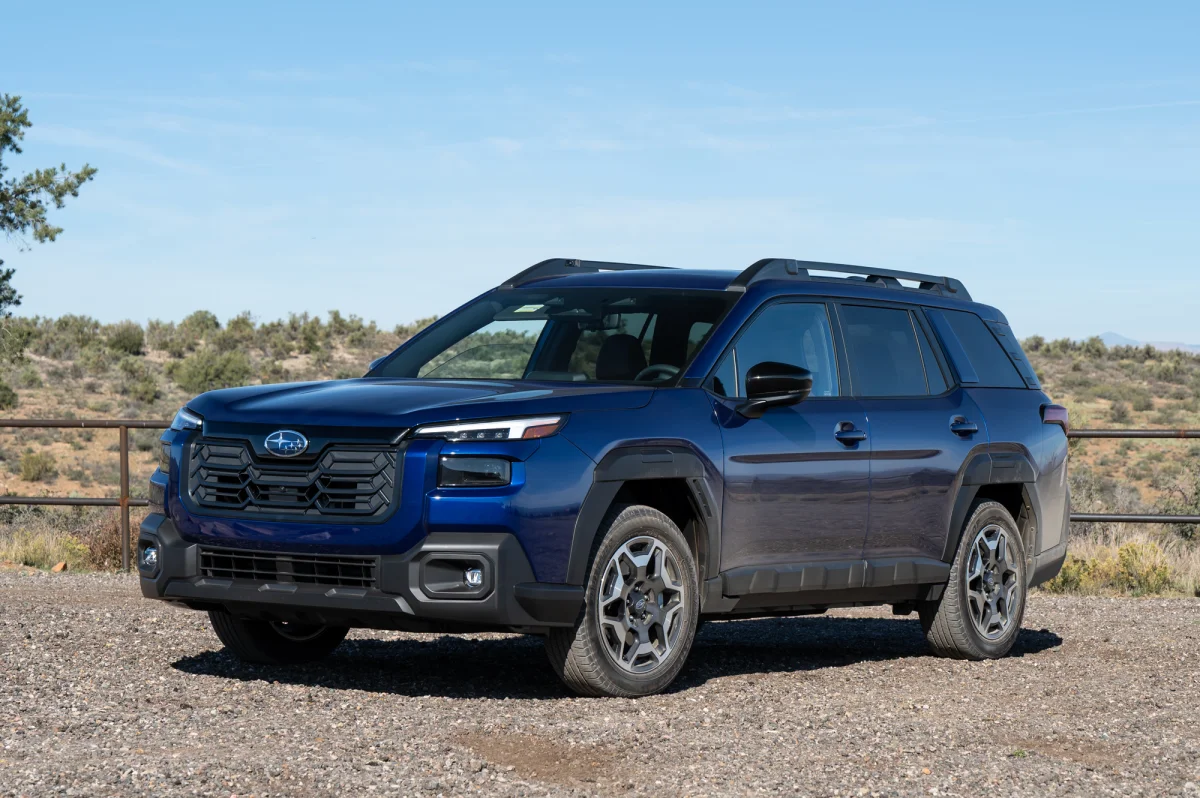
Blending wagon practicality with SUV capability, the Subaru Outback has become a popular choice for drivers in coastal regions who need confidence in changing weather and terrain. It is engineered for environments where salt air, wet roads, sand, and humidity are part of daily driving, offering a balance of comfort, durability, and light off-road ability.
A major advantage of the Outback is its standard Symmetrical All-Wheel Drive system, which delivers consistent traction across slippery or unstable surfaces. Combined with ground clearance ranging from 8.7 to 9.5 inches, depending on trim, it handles sandy beaches, coastal dirt roads, and storm-soaked highways with ease. Its rust-resistant construction also helps it withstand long-term exposure to salty sea air, a common challenge in coastal climates.
Utility is a core part of its design. The Outback offers a large cargo area with up to 75.6 cubic feet of space and strong roof rails that support outdoor gear such as kayaks, surfboards, and camping equipment. This makes it especially suited for active coastal lifestyles. The interior is designed for practicality, using durable materials that are easy to clean after exposure to sand, water, or outdoor activity. Its compact footprint also improves maneuverability on narrow seaside roads and crowded parking areas near beaches.
Performance options include a 180-horsepower 2.5-liter engine and a 260-horsepower turbocharged 2.4-liter engine, both paired with a continuously variable transmission. While the base engine focuses on efficiency, the turbocharged version provides stronger acceleration and improved towing capability. When properly equipped, the Outback can tow up to 3,500 pounds, making it suitable for small boats or trailers commonly used in coastal recreation.
Inside, the cabin features a modern layout with a large 12.1-inch infotainment display, smartphone integration, and advanced driver-assistance systems such as adaptive cruise control and lane-keeping assist. These features enhance safety and convenience during long coastal drives or unpredictable weather conditions.
With its combination of all-weather traction, practical cargo space, durable design, and efficient performance, the Outback remains a dependable vehicle for coastal living and outdoor exploration.
7. Hyundai Palisade
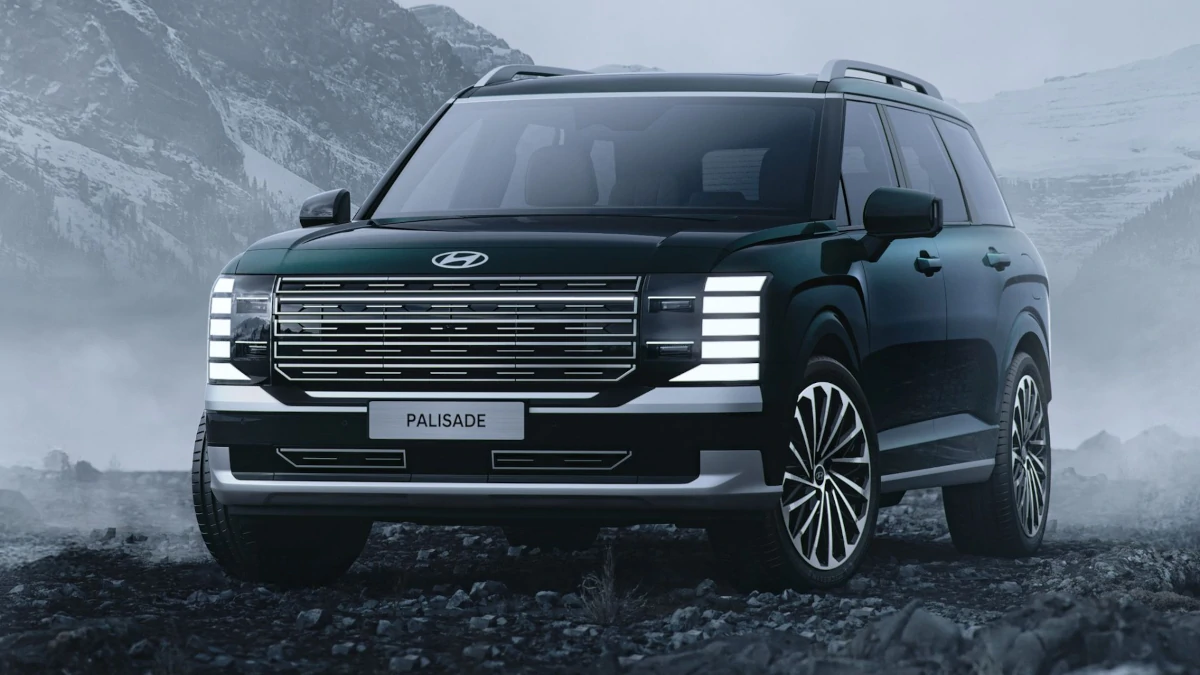
Designed to balance everyday comfort with long-term durability, the Hyundai Palisade has become a strong option for drivers in coastal regions where humidity, salt air, and changing road conditions are common. It is built as a spacious three-row SUV that prioritizes passenger comfort while still offering the strength needed for wet, sandy, and wind-affected coastal roads.
A major advantage of the Palisade is its resistance to coastal wear. It uses high-tensile steel and protective coatings that help slow corrosion caused by salty air, making it more reliable in seaside climates compared to many standard SUVs. Its stable chassis design also contributes to confident handling, especially on long highway stretches along the coast, where wind and uneven pavement can affect smaller vehicles.
Traction and control are supported by standard all-wheel drive, which improves stability on wet roads, sandy surfaces, and slippery conditions often found near beaches. The available XRT Pro variant adds extra ground clearance and terrain modes designed for sand, mud, and snow, giving it additional versatility for light off-pavement driving. These features make it suitable for both urban coastal driving and weekend beach trips.
Power comes from a 3.5-liter V6 engine producing 287 horsepower, paired with an eight-speed automatic transmission. The setup focuses on smooth and steady performance rather than aggressive acceleration, making it well-suited for family use and long-distance travel. A hybrid option is also available, offering improved efficiency and a more relaxed driving experience in stop-and-go conditions.
Inside, the Palisade emphasizes space and comfort. It offers seating for up to eight passengers with flexible arrangements, including optional captain’s chairs for added comfort in the second row. The cabin is designed with premium materials and practical storage solutions, making it ideal for carrying passengers and beach gear together. Cargo space expands significantly when rear seats are folded, supporting road trips and outdoor activities.
Modern technology enhances usability, with dual 12.3-inch displays, smartphone connectivity, navigation, and available premium audio systems. A full suite of driver-assistance features, including adaptive cruise control and lane-keeping assist, adds safety and convenience for coastal highway driving.
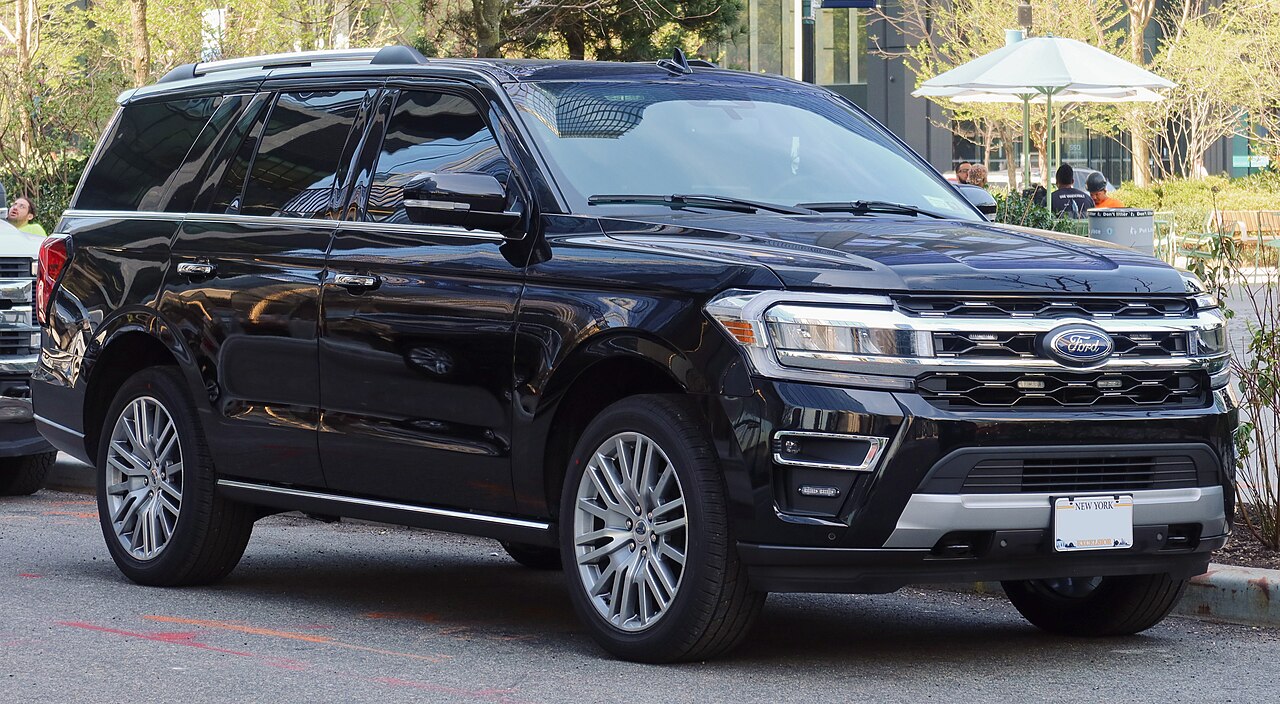
8. Ford Expedition
The Ford Expedition is designed for families and travelers who need maximum space, strong towing ability, and dependable performance in coastal environments. Built on a high-strength aluminum-alloy body, it offers improved resistance to salt-air corrosion compared to traditional steel construction, making it well-suited for long-term use near the ocean. Its robust design, high ground clearance, and intelligent drive systems allow it to transition smoothly between highways, sandy overlooks, and wet coastal roads.
A key strength of the Expedition is its advanced four-wheel-drive system with selectable terrain modes, including settings for sand and mud. This helps maintain traction on loose beach surfaces and slippery coastal highways. Combined with its powerful twin-turbocharged 3.5-liter EcoBoost V6 engine, the SUV delivers strong torque for towing boats, trailers, and beach equipment while maintaining stable highway performance. Output ranges from 400 to 440 horsepower, depending on configuration, paired with a responsive 10-speed automatic transmission.
Despite its size, the Expedition delivers impressive acceleration, with high-output versions reaching highway speeds quickly for a vehicle of its weight. An available off-road-focused Tremor variant adds skid plates, upgraded suspension, and specialized driving features such as rock crawl mode and trail turn assist, improving capability in more rugged coastal areas.
Inside, the Expedition prioritizes comfort and utility. It offers one of the most spacious cabins in its class, with seating for up to eight passengers and a third row that remains usable for adults. Both rear rows fold flat to create a large cargo area, making it ideal for transporting beach gear, camping supplies, or sports equipment. Higher trims include premium materials, massaging seats, and advanced comfort features designed for long trips.
Technology is centered around a large 24-inch digital display system that integrates infotainment, driver information, and connectivity features. Wireless smartphone integration, built-in Wi-Fi, and over-the-air updates enhance convenience, while Ford’s BlueCruise hands-free driving system supports long highway journeys.
With strong towing capacity, durable construction, advanced safety systems, and exceptional interior space, the Expedition stands out as a capable and comfortable SUV for demanding coastal travel and large-family adventures.
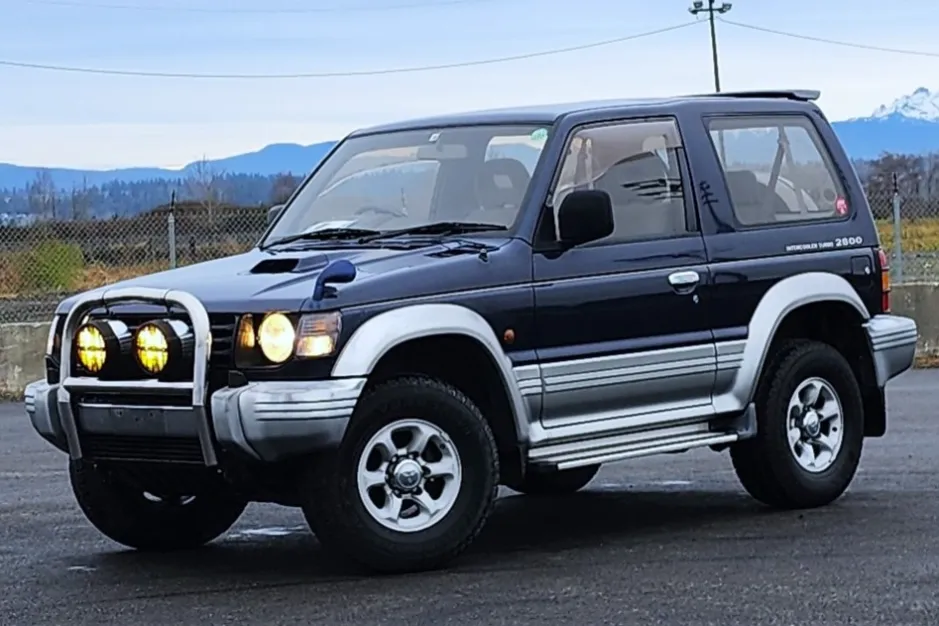
9. Mitsubishi Pajero
The Mitsubishi Pajero has built a long-standing reputation as a dependable SUV designed for harsh environments, especially coastal regions where salt air, humidity, and seasonal flooding can quickly wear down ordinary vehicles. Its strength lies in its ability to handle sandy beaches, wet highways, and low-lying roads affected by storm surges, making it a trusted option for drivers who regularly face unpredictable seaside conditions.
At the core of its durability is a robust body-on-frame construction combined with corrosion-resistant steel and protective underbody coatings. These materials help reduce damage caused by salt exposure, which is a major concern in coastal climates. Many Pajero models are equipped with reliable diesel engines, particularly the 4M41 unit, known for long service life and steady torque delivery. This mechanical simplicity has contributed to its reputation for dependability, especially in regions where maintenance access may be limited.
A major highlight is the Super Select 4WD system, which allows the driver to switch between different traction modes depending on surface conditions. This includes settings designed for loose sand, wet pavement, and muddy tracks, giving the Pajero strong adaptability on shifting coastal terrain. High ground clearance further supports its ability to pass over uneven ground and shallow water exposure, which is common in coastal flood zones.
Inside, the Pajero prioritizes practicality and comfort. Its suspension system is tuned to absorb rough surfaces, providing a stable ride during long coastal journeys. Visibility from the driver’s seat is also strong, helping with confidence on narrow seaside roads. However, the interior design feels dated compared to newer SUVs, and cabin space in the rear can be limited. The diesel engine, while durable, produces noticeable noise and is not particularly fuel-efficient.
Despite these drawbacks, the Pajero remains highly valued as a used SUV for those who prioritize strength and reliability over modern technology. Its combination of rugged engineering, proven 4WD capability, and resistance to coastal wear makes it a solid choice for long-term use in salt-heavy, humid environments where durability matters most.
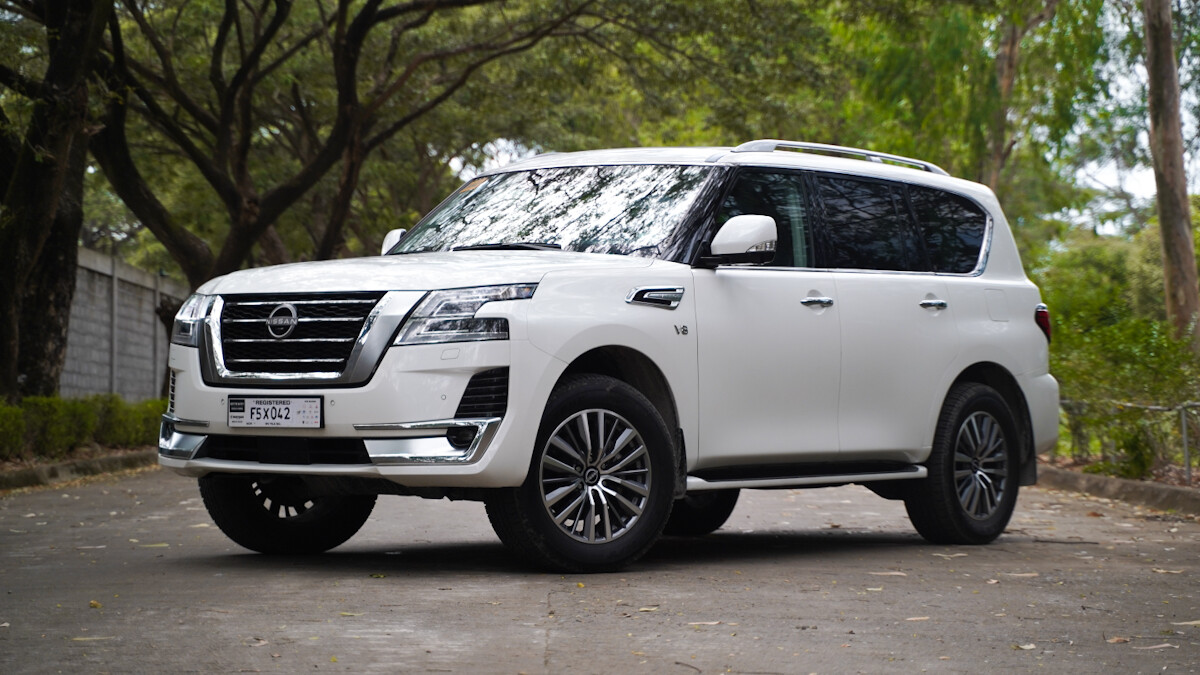
10. Nissan Patrol
The Nissan Patrol stands as one of the most capable full-size SUVs designed for harsh coastal, desert, and salt-heavy environments. Built for regions where heat, sand, and salt exposure constantly challenge vehicle durability, it has earned a strong reputation for toughness, reliability, and long-distance endurance. Its combination of a powerful engine, reinforced construction, and advanced off-road systems makes it especially effective on sandy beaches, coastal highways, and flood-prone lowlands.
At the core of its strength is a robust body-on-frame architecture supported by high-strength steel and aluminum components. This structure is engineered to withstand corrosion from salty air while maintaining stability under heavy loads. The Patrol is powered by strong V6 engines, including a twin-turbo 3.5-liter producing 419 horsepower and significant torque, allowing it to move its large frame with surprising ease. A naturally aspirated V6 is also available, though the turbocharged version better suits demanding terrain and long highway stretches.
Designed primarily for markets such as the Middle East, Australia, and parts of Africa, the Patrol prioritizes durability over electrification or lightweight efficiency. Its large 100-liter fuel tank supports long-distance travel in remote coastal regions where refueling may be infrequent. Instead of hybrid systems, Nissan emphasizes mechanical strength and simplicity to ensure reliability in extreme conditions.
The SUV uses an advanced independent suspension system with air-adjustable height, improving comfort on uneven coastal roads and sandy surfaces. A nine-speed automatic transmission with low-range capability enhances control in difficult terrain. Dedicated off-road features include selectable driving modes, automatic terrain management, and a built-in air compressor for adjusting tire pressure when driving on soft sand.
Inside, the Patrol offers a spacious and functional cabin with seating for up to seven passengers and generous cargo capacity. Dual 14.3-inch screens, climate monitoring technology, and modern connectivity features improve comfort, although the interior materials focus more on durability than luxury refinement.
While its size and weight limit on-road agility compared to more premium off-road SUVs, the Patrol remains highly respected for its strength, reliability, and ability to perform in some of the world’s toughest coastal environments.
The SUVs featured in this list show different approaches to surviving harsh coastal environments while maintaining strong usability. Vehicles such as the Toyota Land Cruiser and Nissan Patrol focus on long-term durability and heavy-duty engineering that can handle salt-heavy air and rough terrain for years.
Models like the Ford Bronco and Jeep Wrangler prioritize off-road freedom, making them ideal for beach access and sandy trails. Family-friendly options such as the Hyundai Palisade and Subaru Outback combine comfort with corrosion resistance, making daily coastal commuting easier.
Larger SUVs like the Ford Expedition provide maximum space and towing strength for boats and outdoor gear, while the Toyota 4Runner and Mitsubishi Pajero continue to stand out for their proven reliability and simple, rugged construction.
The Land Rover Defender adds advanced technology and deep water capability for more demanding conditions. Together, these SUVs represent some of the most capable and durable options for drivers who live near the sea and need vehicles that can handle saltwater exposure without compromising performance or practicality.
Also read: 12 Cars That Fundamentally Changed How American Families Travel