

Winter driving is brutal. A broken heater makes it unbearable. Most drivers assume every car heater works the same way. The truth is far more complicated than that.
Some vehicles are engineered with heating systems so robust that they keep pumping warm air past 250,000 miles. These machines are built with quality coolant systems, durable blend door actuators, and heater cores that resist corrosion for decades.
Other vehicles have heating systems that feel like an afterthought. They use cheap plastic components, poorly designed coolant passages, and actuators that crack and fail before the odometer even hits six figures.
The difference between these two groups often comes down to engineering philosophy. Some manufacturers build for longevity and owner loyalty. Others cut corners to save a few dollars per unit at the factory.
This matters more than people realize. A failed heater is not just a comfort issue. It affects windshield defrosting, passenger safety, and your ability to drive in cold weather conditions.
We tested real-world owner reports, mechanic data, and reliability forums to compile this list. The results are eye-opening and sometimes surprising.
5 Vehicles Where the Heater Still Works at 250K
These vehicles are known for robust HVAC systems, durable heater cores, and reliable blower motors that continue working even at very high mileage. Models like the Toyota Corolla, Honda Accord, and Ford Crown Victoria are often praised for long-lasting heating performance.
Others, such as the Lexus RX and Subaru Outback, also stand out with well-built cooling and heating systems, resisting leaks and maintaining consistent cabin warmth even after years of use. Their simple, proven designs help them keep functioning reliably past 200,000–250,000 miles.
1. Toyota Land Cruiser
The Toyota Land Cruiser is a legend for one simple reason. It refuses to break down, no matter what you throw at it. The heating system in a Land Cruiser is built with the same overengineered mindset as every other component under the hood.
Toyota uses thick-walled aluminum heater cores that resist corrosion far better than copper-brass alternatives. The coolant passages are generously sized, which prevents the clogging that kills heaters in other vehicles.
Land Cruiser owners in Alaska, Canada, and Scandinavia routinely report that their heaters blast heat just as strongly at 280,000 miles as they did at 10,000. This is not an accident. It is the result of deliberate engineering.
The blend door actuators in the Land Cruiser are made from reinforced nylon composites. These do not crack under extreme temperature cycling, the way cheaper plastics do. Replacement is rarely needed before 200,000 miles, and many owners never replace them at all.

The thermostat on the Land Cruiser is also notably reliable. It opens and closes consistently across decades of use. A stable thermostat means stable coolant temperature, which means the heater core always receives properly heated fluid.
Toyota also designed the Land Cruiser’s HVAC ducting to be simple and direct. There are fewer moving parts compared to modern luxury SUVs. Fewer parts mean fewer failure points, and that translates directly into longevity.
Even the heater hoses on this vehicle outlast expectations. Toyota used high-grade EPDM rubber in the OEM hoses. These resist heat and pressure breakdown far longer than standard hoses found on economy vehicles.
Many mechanics who specialize in high-mileage vehicles say the Land Cruiser heater is one of the most reliable systems they service. Most of the time, they are simply flushing coolant rather than replacing components. That tells you everything.
The Land Cruiser costs significantly more than comparable SUVs. But when you factor in decades of reliable heat output and almost zero HVAC repair bills, the value proposition becomes undeniable. You are buying peace of mind, not just a vehicle. Cold climates demand reliability. The Land Cruiser delivers it without complaint, without failure, and without excuses.
2. Honda CR-V (Third Generation, 2007–2011)
The third-generation Honda CR-V earned a reputation for quiet dependability. Its heating system is a perfect example of why owners love this generation so deeply.
Honda engineers designed the CR-V’s HVAC system with a focus on simplicity. The heater core is a compact but efficient unit that transfers heat rapidly. It warms up quickly in cold weather, which matters when you are sitting in a freezing parking lot.
The coolant system on this CR-V uses a straightforward circuit. It does not rely on complex electronically controlled valves to direct fluid through the heater core. Simple mechanical flow means fewer electronic failures over time.
Owners who have pushed their CR-Vs past 250,000 miles frequently mention the heater as a standout feature. On Honda forums across the internet, you will find post after post of high-mileage CR-V owners still enjoying full heat output. These are not cherry-picked examples. They represent a pattern.

The blend door actuators on the third-gen CR-V are adequately built. They rarely fail before 150,000 miles under normal use. When they do fail, they are inexpensive and straightforward to replace.
Honda’s choice of coolant matters here as well. The factory-fill coolant in this generation has excellent anti-corrosion properties. It protects the heater core from the inside, preventing the scale buildup that restricts flow in other vehicles.
The CR-V also benefits from Honda’s reliable engine cooling architecture. The water pump is driven by the timing chain rather than a separate belt in most configurations. A chain-driven pump rarely fails catastrophically, keeping coolant circulating to the heater core consistently.
Mechanics who work on aging Hondas consistently rate this generation CR-V’s heater system as low-maintenance. The repairs they do encounter are almost always related to neglected coolant changes rather than component failure.
Regular coolant maintenance on this vehicle is simple and cheap. If you flush the system every 50,000 miles, there is very little that can go wrong with the heating. It is a system built for people who perform basic maintenance and nothing more.
The third-gen CR-V may not be flashy. But its heater will keep you warm through two hundred and fifty thousand miles of Minnesota winters without missing a beat.
3. Ford F-250 Super Duty (6.7L Power Stroke Diesel)
The F-250 with the 6.7L Power Stroke diesel is a working truck built to last. Its heating system is industrial-grade in every sense of the word. Diesel engines run hotter than gasoline engines in terms of coolant capacity and heat rejection.
The F-250’s system takes advantage of this thermal energy to produce enormous amounts of cabin heat. Even on the coldest mornings, this truck warms up its cabin quickly and completely.
The heater core on the Super Duty is significantly larger than what you find in a passenger car. Ford engineers sized it to handle the thermal demands of a heavy-duty work vehicle. A larger core means more surface area, more heat transfer, and longer service life before clogging becomes an issue.
Super Duty owners in northern construction trades report running these trucks past 300,000 miles with zero heater issues. Diesel work trucks see hard use every single day. The fact that the heating system survives this kind of abuse speaks volumes about its design.

The coolant system on the Power Stroke is filled with a high-quality extended-life coolant from the factory. Ford specifies a coolant change interval that, if followed, keeps the heater core interior clean and corrosion-free for the life of the truck.
The blend door actuators in the Super Duty are more robust than those found in Ford’s passenger car lineup. They are designed to handle constant adjustment in working environments where drivers frequently change temperature settings throughout the day.
One common maintenance item on these trucks is the coolant filter. The 6.7L Power Stroke uses a supplemental coolant additive filter that should be replaced regularly. Owners who stay on top of this service never experience heater degradation. Those who ignore it sometimes encounter issues, but these are self-inflicted.
The heavy-gauge heater hoses on the Super Duty are another strength. They are designed to withstand the higher pressures and temperatures of a diesel cooling system. They last well beyond the intervals seen on gasoline-powered light trucks.
Resale value on high-mileage Super Duties remains strong precisely because buyers know these trucks hold up. A working heater at 250,000 miles is part of what makes them worth buying used. If you work outdoors in cold weather, this truck’s heater is not just a comfort feature. It is a piece of safety equipment, and it performs like one.
4. Lexus GX 470
The Lexus GX 470 is a body-on-frame SUV built on the same platform as the Toyota 4Runner and Land Cruiser. It inherits the legendary heating system reliability of its Toyota siblings.
Lexus added premium HVAC components to the GX 470 to justify its luxury price point. The heater core is thicker and more durable than the unit in the standard 4Runner. The ducting is sealed more carefully, which means heat reaches the cabin without leaking into the dashboard cavity.
The dual-zone climate control system in the GX 470 uses actuators that are notably reliable. Lexus sourced these from high-quality Japanese suppliers who built them to last far beyond typical failure points. Owner complaints about actuator failure on this model are rare, especially before 150,000 miles.
GX 470 owners are generally diligent about maintenance, which contributes to heater longevity. These trucks attract buyers who understand that proper coolant service prevents heater core failure. The combination of good engineering and informed ownership creates an ideal outcome.

The 4.7L V8 engine in the GX 470 produces abundant waste heat. The cooling system is sized generously, and the heater benefits from a large volume of hot coolant flowing through the core. Heat output is strong, consistent, and quick to arrive on cold mornings.
High-mileage GX 470 examples are common in the used truck market. It is not unusual to find examples with 220,000 miles being sold with fully functional HVAC systems. This speaks directly to the durability of the heating components over the long term.
The thermostat housing on this engine is plastic, which is a known weak point. However, it rarely causes heater failure. It is more likely to cause a coolant leak, which is a different problem entirely. The heater core itself remains protected because of the quality of the coolant running through it.
Mechanics who specialize in Toyota and Lexus trucks consistently rank the GX 470’s heating system among the most reliable they service. The most common heater-related job they perform is a coolant flush, not a heater core replacement.
For cold-climate buyers seeking a reliable, luxurious, and warm vehicle well into high mileage territory, the GX 470 remains one of the best choices available.
Also Read: Why Leasing a Car Makes More Sense Than Buying for Some Drivers
5. Volvo XC90 (First Generation, 2003–2014)
Volvo has a well-earned reputation for building safe, durable vehicles designed for cold Scandinavian winters. The first-generation XC90 is a prime example of this philosophy applied directly to the heating system.
The XC90 was engineered in Sweden, where a reliable heater is not optional. It is a survival tool. Volvo engineers designed the HVAC system with multiple redundancies and high-quality components to ensure heat delivery under extreme cold conditions.
The heater core in the XC90 is a robust aluminum unit designed for long service life. It is positioned in the HVAC box in a way that allows for adequate coolant flow without air pockets forming. Air pockets in the cooling system are a leading cause of heater failure, and Volvo’s design minimizes this risk.
The ECC (Electronic Climate Control) system in the XC90 is complex, but the physical heating components underneath it are extremely durable. The blend door actuators are made from high-quality materials and rarely fail before the 200,000-mile mark under normal conditions.

Volvo’s extended-drain coolant specification helps protect the heater core interior from scale and corrosion. Owners who use Volvo-approved coolant and follow the service schedule rarely encounter heater core problems regardless of mileage.
The engine block heater included as standard equipment on many XC90 models is a thoughtful touch. It keeps the engine and coolant warm overnight in extreme cold, meaning the cabin heater produces hot air within seconds of startup rather than minutes. This reduces thermal stress on the heater core significantly.
High-mileage XC90 examples in Scandinavian countries routinely exceed 300,000 kilometers with functional heating systems. These vehicles work hard in punishing winter conditions and keep delivering warmth year after year.
The first-gen XC90 does have some electrical gremlins at high mileage. However, these rarely affect the core heating function. The physical components, the core, the hoses, and the actuators continue performing well beyond what most buyers expect.
If you live somewhere cold and want a family SUV that will still warm your passengers at 250,000 miles, the first-gen XC90 belongs at the top of your list.
5 Where It Quits at 80K
These vehicles are often associated with heater core failures, weak blower motors, or early HVAC issues, leading to heating problems much sooner. Failures can include clogged heater cores, malfunctioning actuators, or electrical faults that stop warm air from reaching the cabin.
In many cases, repairs can be expensive due to complex dashboard removal or labor-intensive fixes, making early heater failure a frustrating ownership issue. These problems can significantly impact comfort, especially in colder climates where reliable heating is essential.
1. Chevrolet Silverado (1999–2006, 5.3L V8)
The 1999–2006 Chevrolet Silverado is a beloved truck with a frustrating secret. Its heating system has a well-documented failure pattern that strikes with predictable timing.
The primary culprit is the blend door actuator. GM used a small, cheap plastic actuator to control the temperature blend door in this generation Silverado. The plastic gears inside this actuator strip out with remarkable consistency between 60,000 and 90,000 miles.
When the actuator fails, drivers notice a clicking or tapping sound from behind the dashboard. Soon after, they lose the ability to control cabin temperature properly. The heater may blow at one fixed temperature, or it may blow cold air entirely. This is a widely reported problem that spans hundreds of thousands of trucks.
The replacement actuator from GM dealers is still made with similar plastic internals. Many owners cycle through two or three replacements before switching to an aftermarket unit with metal gears. The fact that aftermarket companies built a metal-gear version suggests how serious and widespread this problem truly is.
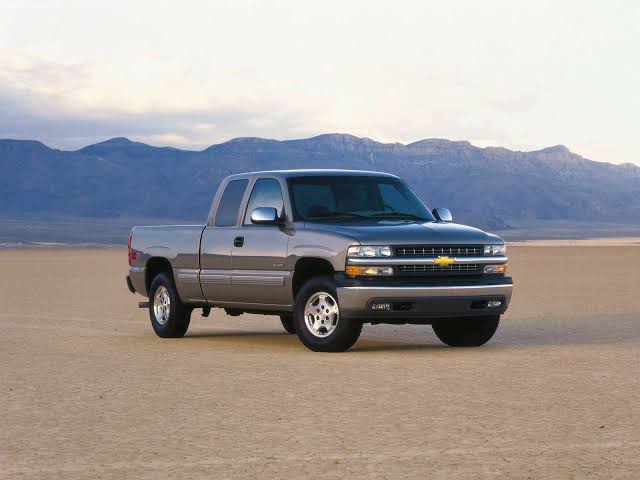
The heater core in this generation Silverado is also somewhat fragile. It is made from an aluminum-and-plastic tank construction that develops leaks between 70,000 and 120,000 miles in many examples. When it leaks, coolant drips onto the passenger-side floor and fog builds inside the windshield.
Replacing the heater core on this truck is a significant labor job. The entire dashboard must be removed to access it. On most Silverados, this job runs between six and ten hours of labor, making it an expensive repair that discourages many owners.
The thermostat on the 5.3L V8 also has a habit of failing at relatively low mileage. When it sticks closed, the engine overheats. When it sticks open, the engine never reaches operating temperature, and the heater blows lukewarm air at best. This is a cheap part, but it causes a frustrating experience.
Coolant flow issues through the heater core are another common complaint. The intake manifold on early 5.3L engines used a plastic coolant crossover that could crack and leak. This starves the heater core of hot coolant, resulting in poor heat output long before the vehicle reaches 80,000 miles.
The Silverado is a capable and popular truck. But if you live somewhere cold, budget for heater system repairs before you hit six figures on the odometer.
2. Jeep Grand Cherokee (WJ Generation, 1999–2004)
The second-generation Jeep Grand Cherokee is known for its off-road capability and rugged image. Its heating system, unfortunately, does not match that tough reputation.
The blend door in this generation Grand Cherokee is a notorious failure point. The door itself is made from a thin plastic that becomes brittle with age and temperature cycling. It cracks and breaks, often before the vehicle reaches 80,000 miles. When it breaks, the pieces can jam the HVAC box and prevent proper airflow entirely.
What makes this failure particularly painful is the repair procedure. Accessing the broken blend door requires removing a large portion of the dashboard. On some trim levels, the repair approaches fifteen hours of labor. Several aftermarket companies sell a repair kit that allows access through a small cut in the HVAC box, which saves labor but still requires significant effort.
The heater core in the WJ Grand Cherokee is also positioned awkwardly within the dashboard structure. It is surrounded by plastic components that trap heat, which accelerates the breakdown of the heater core’s plastic tanks. Coolant leaks onto the floor are frequently reported in the 70,000 to 100,000-mile range.
Jeep’s coolant system in this generation tends to accumulate scale and deposits faster than Toyota or Honda systems. The coolant passages in the heater core narrow over time. Owners who do not flush their coolant regularly experience a significant reduction in heat output well before 80,000 miles.
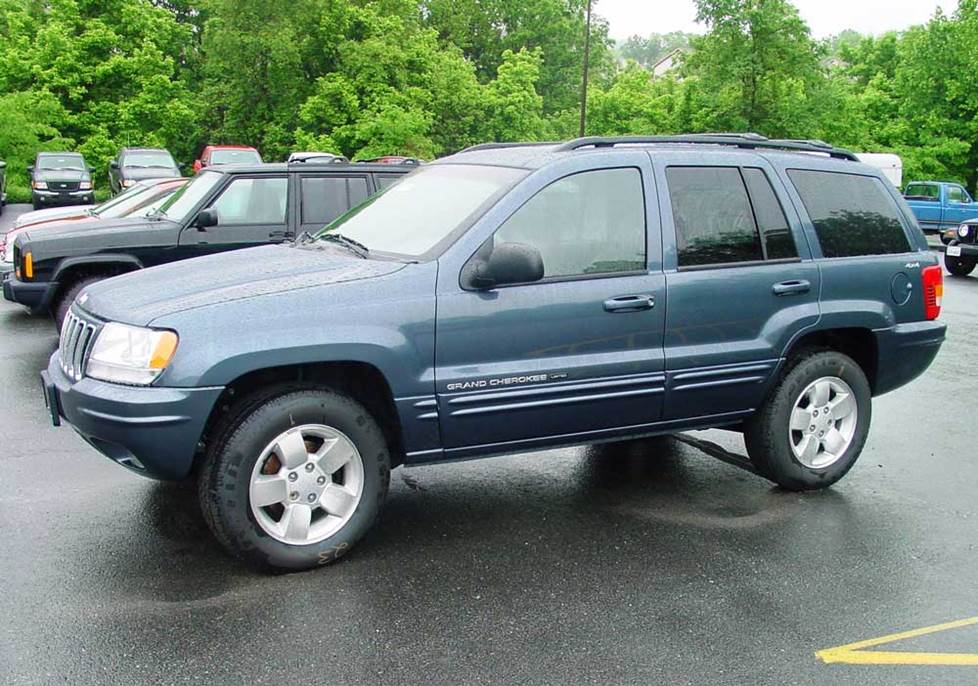
The temperature control dial on many WJ Grand Cherokees also wears out prematurely. The cable or electronic connection between the dial and the blend door adds another potential failure point. When this connection breaks, the driver loses the ability to adjust heat output regardless of whether the heater core itself is functioning.
Electrical issues with the HVAC blower motor relay are also commonly reported. The relay can fail intermittently, causing the blower to stop working without warning. This cuts cabin heat even when the heater core is producing hot coolant correctly.
The WJ Grand Cherokee has a passionate owner community that has thoroughly documented every one of these failures. This is helpful for diagnosis but sobering for buyers. A vehicle requiring this much HVAC attention before 100,000 miles is a significant liability in cold climates.
3. BMW 3 Series (E46, 1999–2005)
The BMW E46 3 Series is one of the most beloved sports sedans ever built. Its driving dynamics are exceptional. Its heating system, however, is a source of chronic frustration for high-mileage owners.
The heater core in the E46 is buried deep inside the dashboard. BMW’s engineers packaged it tightly to optimize interior space and routing efficiency. The result is a heater core that is extraordinarily difficult to reach when it fails.
And fail it does. The E46 heater core is known to develop leaks between 70,000 and 100,000 miles. The plastic end tanks on the core become brittle from repeated heat cycles. Once a crack develops, coolant begins dripping onto the passenger floor carpet and creating interior fog.
Replacing the heater core on an E46 is considered one of the most labor-intensive repairs in the mainstream used car segment. Most shops require ten to fourteen hours of labor to complete the job. The entire center console, dashboard, and HVAC box must come out. On an older E46, this often costs more than the car is worth.
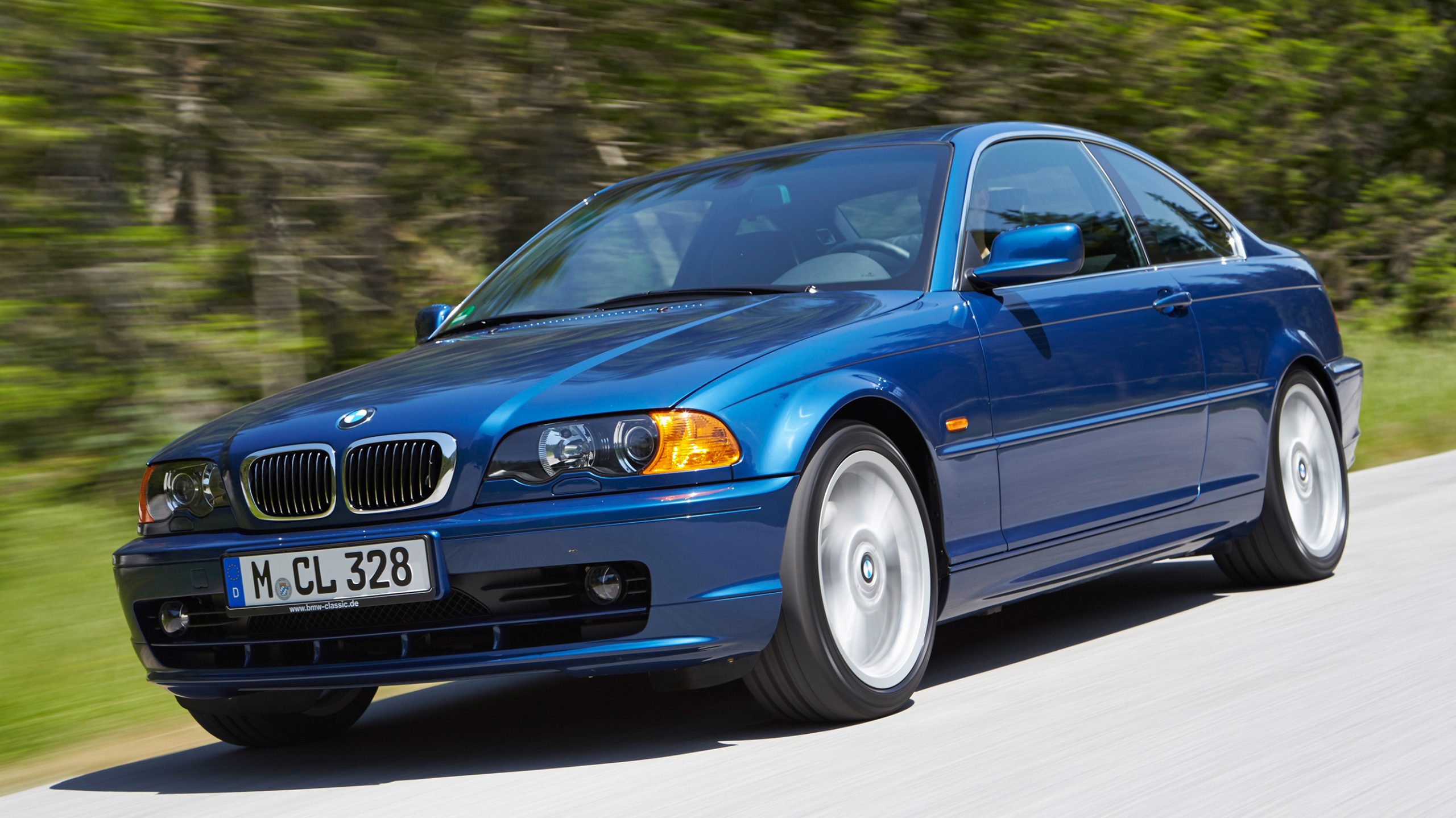
The coolant system in the E46 uses several plastic components that degrade simultaneously. The expansion tank, thermostat housing, coolant pipe, and water pump impeller are all plastic. When these fail, they send debris through the cooling system. This debris can clog the narrow passages of the heater core, reducing heat output dramatically.
The water pump itself is a well-known failure item on the E46. The impeller is made from plastic and can spin freely on the shaft or crack over time. When the pump fails, coolant circulation stops, and so does cabin heat. Many mechanics replace the water pump proactively at 60,000 miles, specifically to protect the cooling and heating systems.
The blend door actuators on the E46 are not particularly problematic, but the multi-zone climate control system has other electronic failure modes. Sensors and control modules can malfunction, sending incorrect temperature signals to the HVAC system.
The E46 is a driver’s car worth owning for the experience it delivers behind the wheel. But buyers in cold climates should expect significant HVAC investment before 100,000 miles.
4. Ford Explorer (Third Generation, 2002–2005)
The third-generation Ford Explorer is a common sight on used car lots across North America. It was a top-selling SUV in its day. Its heating system, unfortunately, carries a poor reliability record that buyers should understand before purchasing.
The heater core on this Explorer generation is prone to leaking in the 60,000 to 90,000-mile window. Ford used an aluminum-core, plastic-tank construction that does not age well in temperature-cycling environments. When the plastic tanks crack, coolant seeps into the HVAC box and eventually onto the floor.
A distinctive sweet smell inside the cabin is usually the first sign of trouble. This is the aroma of ethylene glycol leaking from the heater core and vaporizing in the airflow. If you smell this in a used Explorer, assume the heater core is failing and price the repair before buying.
The blend door actuator on this Explorer is another documented failure point. Ford used a plastic-gear actuator that strips out and begins clicking around 70,000 miles in many vehicles. The failure pattern is similar to the Silverado issue described earlier, with drivers losing temperature control and enduring constant dashboard noise.

This generation Explorer also suffers from thermostat failures at relatively low mileage. The thermostats tend to stick open rather than closed, which means the engine never fully warms up.
When the engine cannot reach full operating temperature, the coolant flowing to the heater core is insufficiently hot. The result is lukewarm air when drivers expect warm weather.
The cooling system on this Explorer generation is somewhat fragile. The radiator, coolant reservoir, and associated hoses age quickly compared to Japanese competitors from the same era. Multiple coolant system failures happening simultaneously can make heating system restoration expensive.
The blower motor on some Explorer trims also fails in this mileage range. Without a functioning blower, the heater cannot push warm air into the cabin even if everything else is working correctly.
Ford improved significantly in later generations. The third-gen Explorer, however, represents a period when corner-cutting in HVAC components had real consequences for owners in cold climates.
5. Volkswagen Jetta (Mk4, 1999–2005)
The fourth-generation Volkswagen Jetta has a devoted following among compact car enthusiasts. It offers Germanic build quality and a refined driving experience. Its heating system, however, is one of the most failure-prone in its class.
The heater core in the Mk4 Jetta is a small, densely packaged unit buried behind the center console. Volkswagen engineers designed the interior for aesthetics and driving ergonomics. Serviceability of the heating system was clearly not a priority in the packaging decisions.
Heater core leaks in the Mk4 Jetta commonly appear between 60,000 and 80,000 miles. The core uses plastic tanks that crack from thermal fatigue. Once a leak develops, coolant fogs the windshield from inside and soaks the passenger-side carpet. Both are immediately noticeable and immediately miserable.
Replacing the Mk4 Jetta heater core is a full dashboard removal procedure. Labor times of eight to twelve hours are standard at most shops. On a car that may be worth only three to five thousand dollars, this repair often exceeds the vehicle’s market value. Many owners simply choose to bypass the heater core entirely and lose cabin heat permanently.
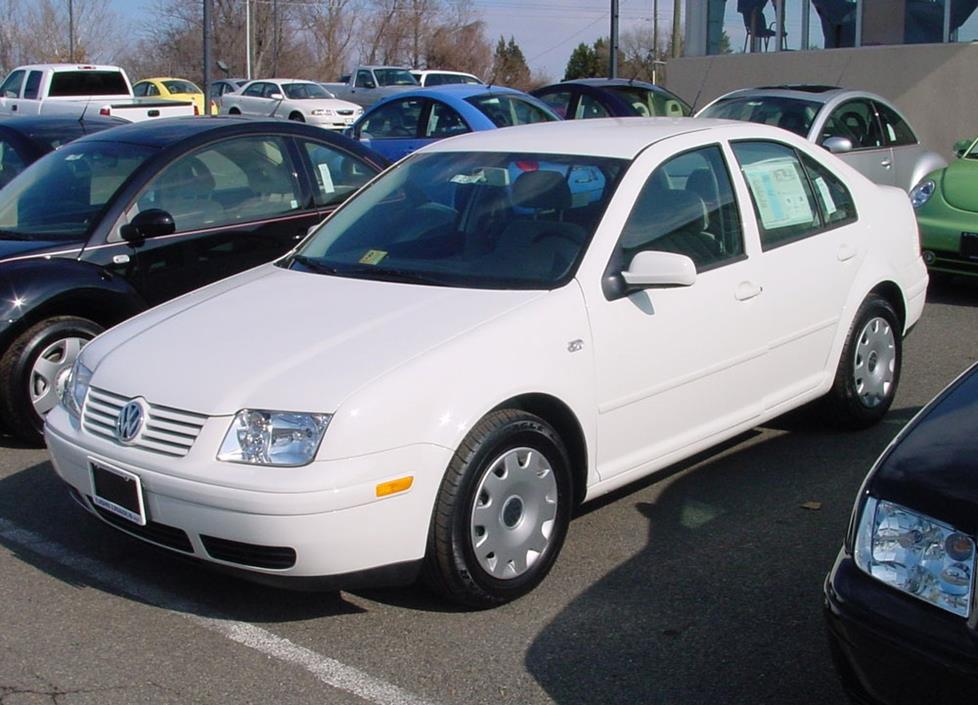
The coolant flange, also called the coolant pipe or crossover, is another notorious failure point on Mk4 Jettas with the 1.8T and 2.0L engines. This plastic fitting cracks and sprays coolant across the engine bay. It starves the heater core of hot coolant and causes the engine to overheat if not addressed immediately.
The blend door in the Mk4 Jetta does not fail as dramatically as in the Silverado or Grand Cherokee. However, the climate control electronics in this generation have their own problems. Temperature sensors fail, automatic climate control modules malfunction, and recirculation flaps can stick.
Volkswagen dealerships charged premium labor rates even on these older vehicles. A heater core job at an independent shop is significantly cheaper, but it is still a painful bill on an aging compact car.
The Mk4 Jetta is a charming and enjoyable car to drive. But if you live somewhere cold, its heating system reliability record should give you serious pause before committing to a purchase.
Also Read: 5 Discontinued Models Worth Hunting Down And 5 That Should Stay Forgotten In 2026
