
Fuel costs are one of the biggest ongoing expenses for any SUV owner. Choosing the wrong vehicle can quietly drain hundreds of dollars from your wallet every single year. Many buyers fall into a trap when shopping for SUVs. They get dazzled by horsepower numbers and luxury badges, never realizing the hidden fuel cost that comes with the vehicle.
Some SUVs are engineered smartly and run perfectly fine on regular 87-octane gasoline. Their engines are tuned to deliver great performance without demanding expensive premium fuel at every fill-up. On the other hand, some SUVs list premium fuel as “recommended” rather than required. This clever wording allows manufacturers to dodge criticism while still pressuring owners into spending more at the pump.
The difference between regular and premium gas can be 50 to 80 cents per gallon, depending on your location. Over a year of driving, that gap adds up to several hundred dollars in extra costs.
This guide breaks down six SUVs that genuinely run great on regular fuel. It also exposes six popular SUVs that technically allow regular gas but quietly underperform when you don’t use premium. Understanding this distinction will make you a smarter, more financially savvy SUV buyer in today’s expensive market.
6 SUVs That Don’t Need Premium Gas
These SUVs are designed to run efficiently on regular fuel without sacrificing performance, making them more affordable to own in the long run. Models like the Toyota RAV4, Honda CR-V, and Subaru Forester are tuned for reliability and efficiency, delivering solid performance on standard gasoline.
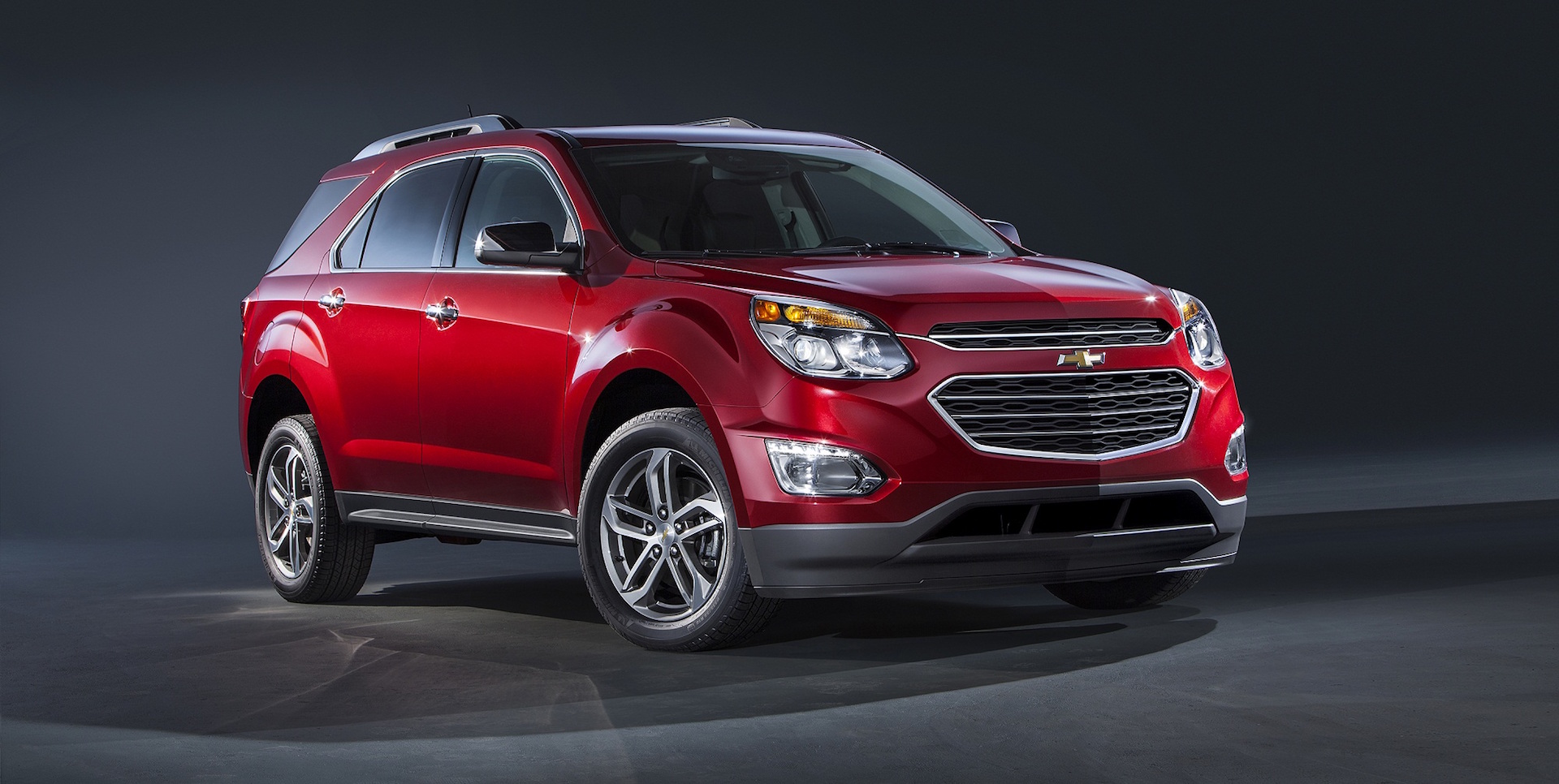
Others, such as the Hyundai Tucson, Kia Sportage, and Chevrolet Equinox, also provide good power and smooth driving without requiring higher-octane fuel, helping owners save money on everyday running costs while maintaining dependable performance.
1. Toyota 4 RAV4 (2.5L 4-Cylinder Engine)
The Toyota RAV4 is one of the best-selling SUVs in the entire world. It has earned that title not just through good marketing, but through genuine engineering excellence.
Toyota built the RAV4 around a 2.5-liter four-cylinder engine that is specifically designed for regular 87-octane gasoline. There is no asterisk in the manual, no fine print suggesting premium is preferred. Toyota says regular fuel, and they mean it completely.
The engine produces a solid 203 horsepower in its standard configuration. That number feels more than adequate for daily commuting, highway driving, and light off-road adventures.
The RAV4 doesn’t chase sports car performance figures. It chases reliability, efficiency, and long-term ownership satisfaction, and it delivers on all three fronts consistently.
Toyota’s engineering philosophy centers around building engines that perform at their best under real-world conditions. The RAV4’s engine is tuned with a compression ratio that works harmoniously with regular fuel. You won’t experience knocking, pinging, or reduced performance when you fill up with 87-octane at any gas station. The engine simply runs the way Toyota designed it to run.
Fuel economy figures for the RAV4 are genuinely impressive for its class. You can expect around 27 mpg in the city and 35 mpg on the highway with the standard front-wheel-drive setup. These numbers don’t require premium fuel to achieve. They represent real-world performance that Toyota engineers validated with regular gasoline during development.
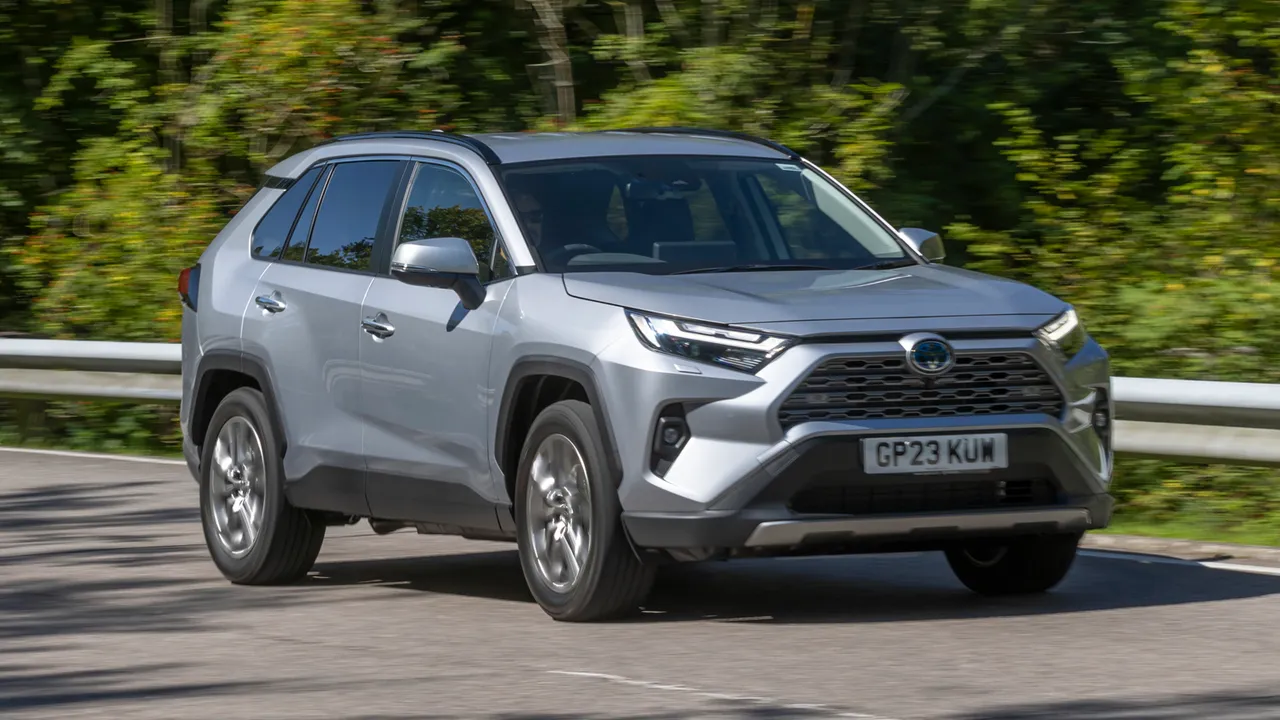
The hybrid version of the RAV4 takes efficiency even further without changing the fuel requirement. It still runs on regular gasoline while delivering combined fuel economy figures that approach 40 mpg. This makes the RAV4 Hybrid one of the most cost-efficient SUVs available at any price point in today’s market. Owners save money on both fuel grade and fuel quantity simultaneously.
Long-term ownership costs for the RAV4 are among the lowest in the SUV segment. Maintenance is straightforward, parts are affordable, and the fuel requirement never changes over time. There’s no situation where a RAV4 owner suddenly needs to switch to premium. That consistency is incredibly valuable when you’re budgeting for five or ten years of ownership costs ahead.
The RAV4 also holds its resale value exceptionally well. Buyers in the used market know exactly what they’re getting: a proven, regular-fuel SUV with a stellar reputation. You’re not just saving money at the pump today. You’re protecting your investment for the day you eventually decide to sell or trade in the vehicle.
2. Honda CR-V (1.5L Turbocharged Engine)
The Honda CR-V is another SUV that confidently runs on regular 87-octane gasoline. Honda engineers built the 1.5-liter turbocharged engine with regular fuel compatibility as a core design goal. This wasn’t an afterthought or a budget compromise. It was a deliberate engineering decision that reflects Honda’s commitment to practical ownership.
The turbocharged engine produces 190 horsepower and 179 lb-ft of torque. Those figures deliver a genuinely spirited driving experience for an everyday family SUV. The turbocharger adds low-end punch that makes the CR-V feel lively during city driving and confident during highway merges. You get performance and efficiency without any premium fuel penalty whatsoever.
Honda’s VTEC and i-VTEC technology play a major role in making this engine so fuel-flexible. The variable valve timing system continuously optimizes engine performance across different driving conditions. It doesn’t need high-octane fuel to maintain its efficiency because the system is constantly adapting to real-time conditions. This intelligent engineering is what separates Honda from brands that rely on fuel octane to do the work.
Fuel economy for the CR-V with the 1.5T engine comes in around 28 mpg city and 34 mpg highway. Those numbers are achieved consistently with regular 87-octane fuel in everyday driving. Honda publishes these figures based on regular fuel testing, not premium. What you see on the window sticker is exactly what you’ll get at the pump.
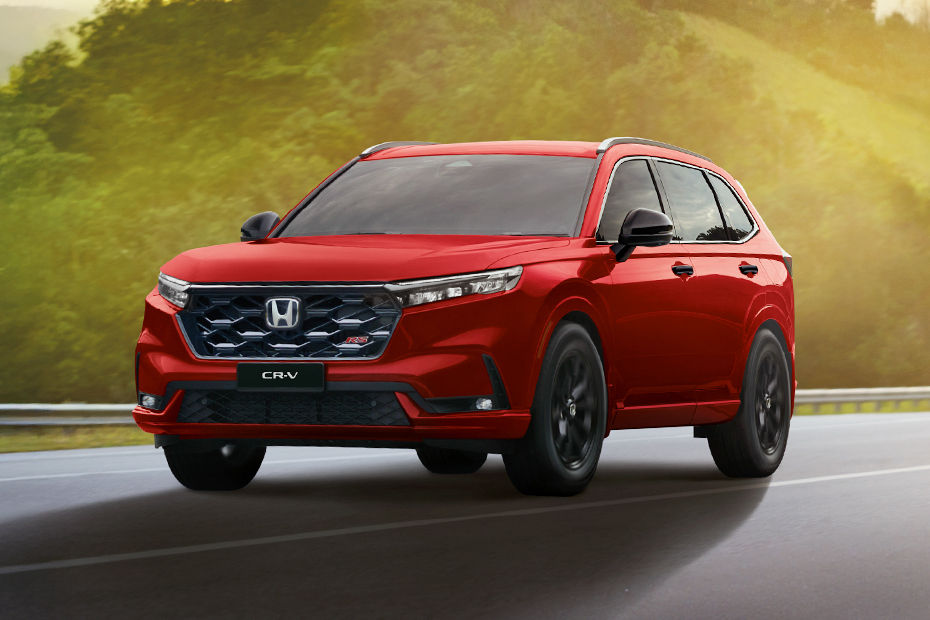
The CR-V has been through numerous generations, and each one has maintained the regular-fuel requirement. Honda hasn’t gradually shifted toward premium fuel as they’ve added technology and performance. That track record of consistency builds real confidence for long-term owners. You know that a decade from now, your CR-V will still be filling up on regular gas without issue.
Cargo space, interior quality, and driving comfort all add to the CR-V’s ownership appeal. But it’s the no-nonsense fuel requirement that makes it stand out in a category crowded with hidden costs. Honda has built a vehicle that respects your budget at every level. The CR-V proves that smart engineering doesn’t need to cost extra at the pump.
3. Ford Explorer (2.3L EcoBoost Engine)
The Ford Explorer with the base 2.3-liter EcoBoost four-cylinder engine runs on regular unleaded gasoline. Ford made this clear in the owner’s manual without any confusing language about recommendations or preferences. The 2.3L EcoBoost produces 300 horsepower, which is a remarkably strong number for a regular-fuel engine in this segment. Ford’s engineers achieved this by optimizing the engine’s compression ratio and direct injection system for 87-octane operation.
This is a genuinely large, three-row SUV that seats up to seven passengers comfortably. The fact that it delivers 300 horsepower on regular fuel makes it an outstanding value proposition. Many competitors in the three-row segment require premium fuel to produce similar power figures. Ford essentially gives you luxury-segment performance with economy-fuel operating costs built right in.
The EcoBoost engine technology is a key reason why this works so well. Direct fuel injection delivers gasoline precisely into the combustion chamber at high pressure. This process allows for better combustion efficiency even with lower-octane fuel. The result is strong performance without the octane dependency that plagues many turbocharged competitors.
Towing capacity with the 2.3L EcoBoost Explorer reaches up to 5,600 pounds when properly equipped. That’s a meaningful towing number for family road trips with boats, trailers, or campers. Most buyers never tow anywhere near that limit in real life. But knowing the capability exists, powered by regular fuel, makes the Explorer an even more versatile ownership proposition.
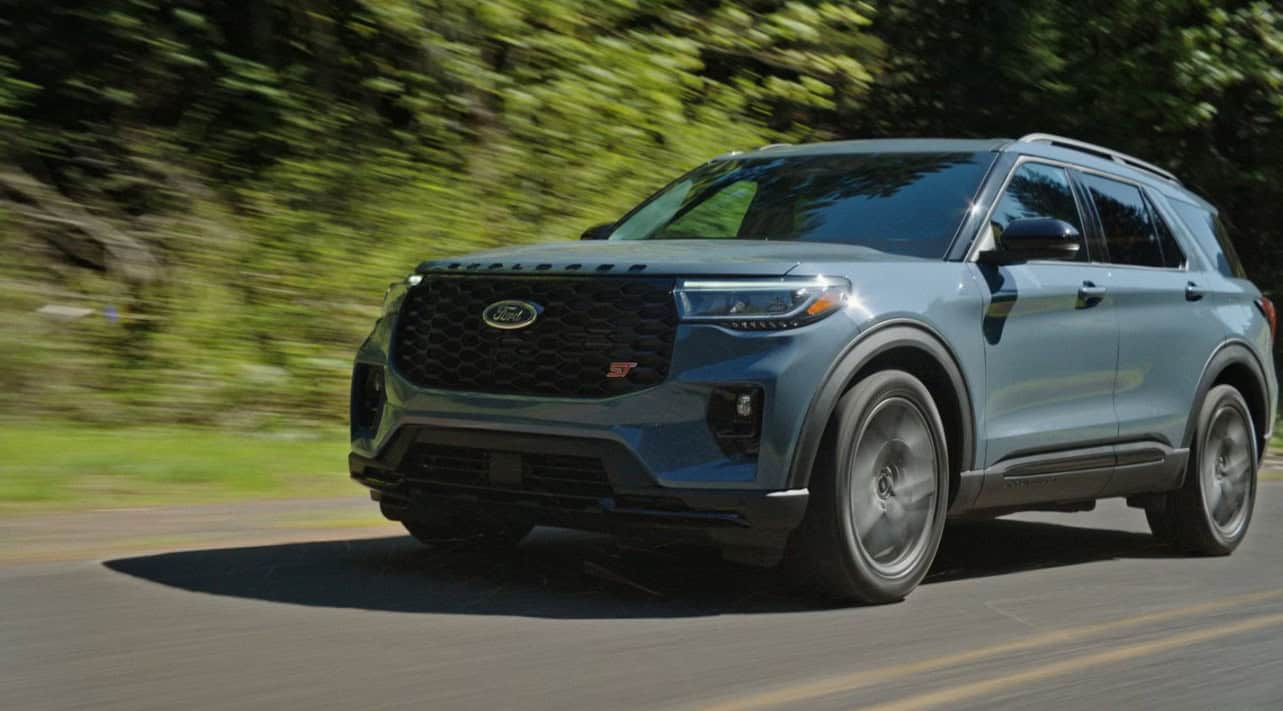
Ford has continued to develop and refine the EcoBoost family of engines over many years. The 2.3L version in the Explorer benefits from that accumulated engineering experience.
It starts reliably in cold weather, maintains performance in extreme heat, and never complains about regular fuel. Ford builds these engines for North American driving conditions where premium fuel isn’t always conveniently available.
The Explorer’s fuel economy is respectable for its size, coming in around 21 mpg city and 28 mpg highway. Those figures are achieved with regular fuel, which keeps the total cost of ownership very manageable.
You’re moving a large, capable, seven-passenger SUV on 87-octane gas. That combination of size, performance, and fuel economy is genuinely difficult to beat at the Explorer’s price point.
4. Chevrolet Equinox (1.5L Turbocharged Engine)
The Chevrolet Equinox is a compact SUV that General Motors has built around a 1.5-liter turbocharged four-cylinder engine. This engine is explicitly designed and tuned for regular 87-octane gasoline. Chevy doesn’t hedge or suggest that premium might improve things. They simply engineer the engine to perform at its best on the fuel that most Americans use every single day.
The 1.5T engine produces 175 horsepower and 203 lb-ft of torque. The torque figure is more important for daily driving than the horsepower number. Torque is what gets you moving confidently from traffic lights and what makes passing on the highway feel effortless. The Equinox delivers that torque right where you need it, all on regular fuel.
General Motors designed the Equinox for the mainstream American family buyer. This means affordability, practicality, and low operating costs were all prioritized during development. Requiring premium fuel would have contradicted every one of those design goals. Instead, GM built a powertrain that serves the buyer’s long-term financial interests without sacrificing day-to-day drivability.

The Equinox achieves around 28 mpg city and 33 mpg highway with front-wheel drive. These are solid efficiency numbers for a mainstream compact SUV with a turbocharged engine. The turbocharger provides extra power when you demand it and steps aside for fuel efficiency when you don’t. This flexible performance profile works perfectly with regular 87-octane fuel across all driving scenarios.
Interior space in the Equinox is very competitive for its class. The rear seat offers genuine legroom for adult passengers, and the cargo area handles weekly grocery runs with ease. Chevy has invested in making the interior feel upscale without pushing the price into premium territory. That same value-focused philosophy applies directly to the fuel requirement as well.
Resale values for the Equinox are decent, and long-term reliability has improved substantially in recent generations. Owners report consistent performance over high mileage without any issues related to fuel grade. The engine runs cleanly on regular fuel for the entire life of the vehicle. That predictability is something that every practical SUV buyer should genuinely appreciate and seek out.
Also Read: The Real Reason Used Truck Prices Aren’t Coming Down Anytime Soon
5. Subaru Forester (2.5L Naturally Aspirated Engine)
The Subaru Forester uses a 2.5-liter naturally aspirated four-cylinder engine that runs on regular 87-octane gasoline. Subaru’s BOXER engine design is unique in the industry, positioning cylinders horizontally rather than vertically. This layout lowers the center of gravity and contributes to the Forester’s excellent all-wheel-drive handling. None of this engineering sophistication requires premium fuel to function properly.
The engine produces 182 horsepower, which is adequate for the Forester’s intended purpose as a practical all-weather SUV. Subaru didn’t build the Forester to compete with sporty crossovers or performance SUVs. They built it for people who need reliable all-wheel drive, excellent visibility, and sensible fuel costs year-round. The regular-fuel requirement fits perfectly into that ownership philosophy.
Subaru’s Symmetrical All-Wheel Drive system is standard on every Forester trim level. This is a significant advantage over competitors who charge extra for AWD or offer it only on higher trims. Getting standard AWD with a regular-fuel engine makes the Forester an outstanding value in colder climates. You get genuine all-weather capability without any premium fuel surcharge built into the operating costs.
The Forester’s fuel economy comes in around 26 mpg city and 33 mpg highway. Those numbers won’t win any efficiency awards, but they’re respectable for a standard AWD SUV. More importantly, those figures are achieved consistently on regular fuel in real-world driving. Subaru owners in snowy climates aren’t penalized for needing AWD capability.
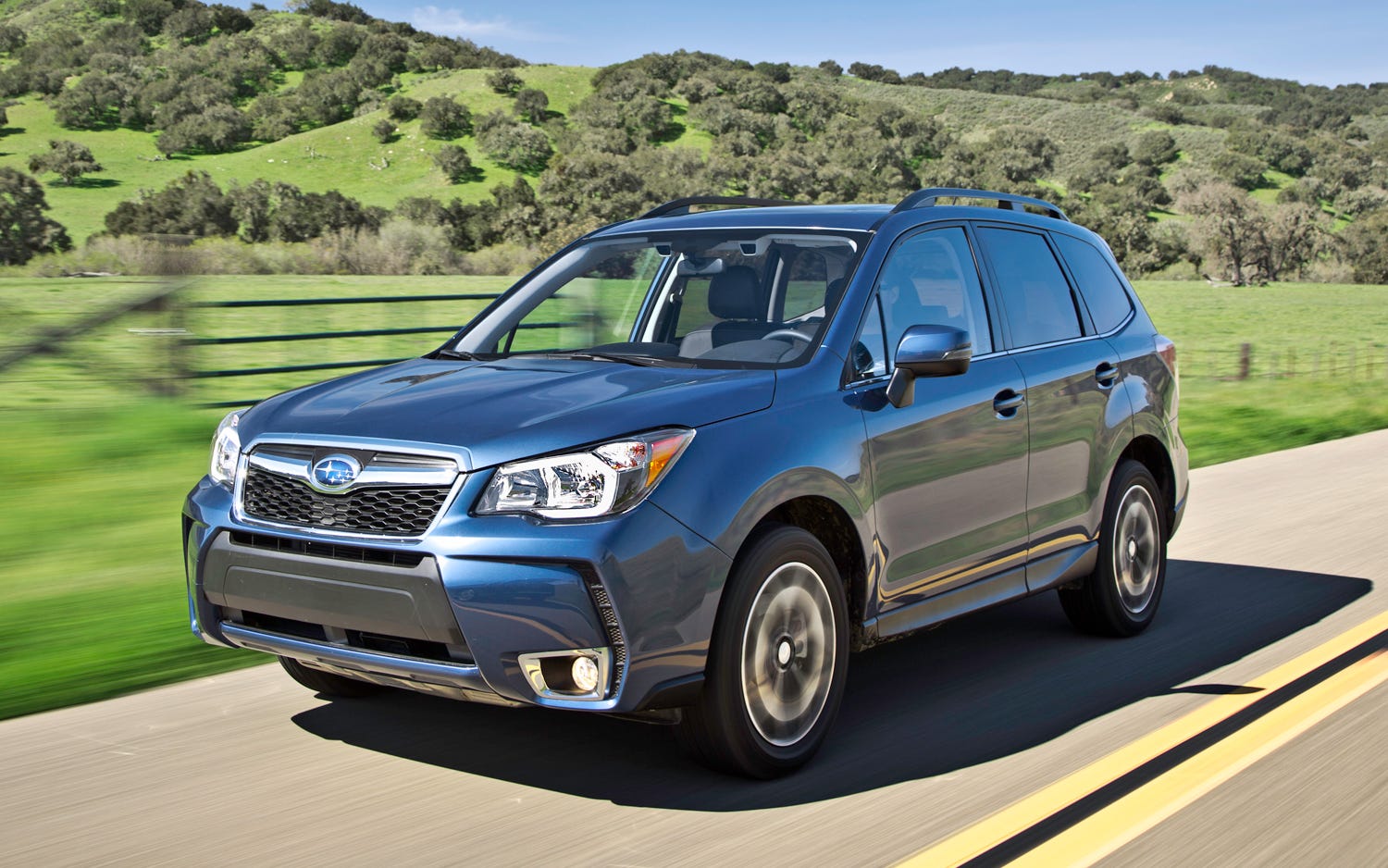
Ground clearance on the Forester is notably generous at 8.7 inches. This makes it genuinely capable of light trails, unpaved roads, and deep snow. Most Forester owners use that clearance regularly, not just on special occasions. Combining this real-world utility with a regular-fuel engine creates an SUV that’s ready for any condition without expensive fuel demands.
Subaru has cultivated a fiercely loyal ownership community around vehicles like the Forester. Much of that loyalty stems from the brand’s honesty and transparency about what its vehicles need. The Forester asks for regular fuel, handles remarkably well in adverse conditions, and delivers consistent reliability. In a market full of complexity and hidden costs, that straightforward ownership experience is worth celebrating.
6. Hyundai Tucson (2.5L Naturally Aspirated Engine)
The Hyundai Tucson, with its 2.5-liter naturally aspirated four-cylinder engine, is another excellent regular-fuel SUV. Hyundai engineers specifically calibrated this engine to deliver its full rated performance on 87-octane gasoline. The owner’s manual is unambiguous on this point, with no suggestions about premium fuel improving performance. Hyundai built the engine to be complete and capable exactly as specified.
The 2.5L engine produces 187 horsepower and 178 lb-ft of torque. These figures make the Tucson lively enough for confident daily driving in urban and suburban environments. The naturally aspirated design means there’s no turbocharger creating additional octane sensitivity. What you get is smooth, linear power delivery that works beautifully with regular fuel at all times.
Hyundai has made enormous strides in build quality, interior design, and technology over the past decade. The Tucson now competes seriously with established players like the RAV4 and CR-V on every metric that matters. The regular-fuel requirement is one area where Hyundai has never compromised or confused buyers. It’s always been straightforward, and that consistency builds real trust with budget-conscious shoppers.
Fuel economy for the Tucson 2.5L comes in at around 26 mpg city and 33 mpg highway. These numbers make it a competitive choice in the compact SUV segment on efficiency grounds. The naturally aspirated engine doesn’t chase peak efficiency numbers the way hybrids do. But it delivers consistent, predictable fuel economy that owners can realistically achieve in everyday driving without trying hard.
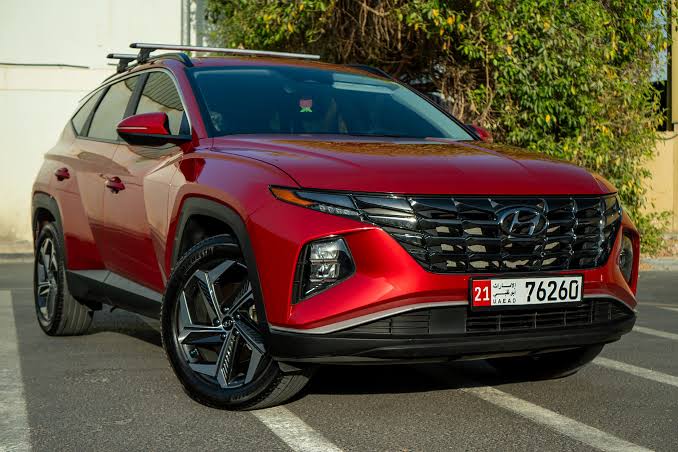
The Tucson’s warranty package remains one of the best in the industry, at five years bumper-to-bumper and ten years on the powertrain. This coverage gives buyers exceptional confidence about long-term ownership costs. Knowing that the engine is covered for ten years and runs on regular fuel creates a very appealing total cost of ownership picture. Hyundai essentially removes two of the biggest financial worries from the equation simultaneously.
Hyundai also offers a well-executed hybrid version of the Tucson that similarly runs on regular fuel. The Tucson Hybrid delivers significantly better fuel economy while maintaining the same regular-fuel requirement. This gives buyers a clear upgrade path to better efficiency without stepping into premium-fuel territory. The entire Tucson lineup respects the owner’s budget from day one, all the way through the ownership journey.
6 That Pretend They Do
These SUVs recommend or require premium fuel without delivering a noticeable performance advantage, making them more expensive to run without clear benefits. Some turbocharged or luxury-branded models fall into this category, where higher-octane fuel is suggested more for marketing or minor performance gains than necessity.
In many cases, these SUVs can run on regular fuel with little difference in everyday driving, but owners end up paying extra at the pump. This makes them less practical for buyers who want true value and efficiency rather than inflated fuel requirements.
1. BMW X5 (3.0L TwinPower Turbo, “Recommended” Premium)
The BMW X5 is one of the most desirable luxury SUVs on the market today. It carries impressive performance credentials, a stunning interior, and a price tag that starts around $65,000. BMW officially states that premium 91-octane fuel is “recommended” for the X5’s turbocharged inline-six engine. That single word recommended does a lot of heavy lifting when it comes to managing owner expectations and fuel costs.
Technically, you can put regular 87-octane fuel in a BMW X5. The engine won’t immediately seize, and the vehicle will continue moving forward. But the engine control unit will detect the lower-octane fuel and begin retarding ignition timing to prevent knock. This retarding process directly reduces horsepower output and engine efficiency in measurable ways.
BMW rates the X5’s 3.0L engine at 335 horsepower on premium fuel. When you run it on regular fuel, you’re giving up a meaningful portion of that output. BMW doesn’t publish the exact reduction figure, but independent tests have shown losses of 20 to 30 horsepower in some turbocharged applications. You’re paying $65,000 for a car you’re not fully using when you skip premium.

The fuel economy penalty is equally real and consistent. The X5 is already not a fuel-efficiency champion, coming in at around 21 mpg city and 26 mpg highway. Running on regular fuel pushes those numbers lower as the engine compensates for reduced combustion quality. You end up spending more per mile on fuel even though you’re buying cheaper gas per gallon.
BMW’s “recommended” language is a legal and marketing strategy that protects the company from warranty claims while still pushing owners toward premium fuel. If your engine develops knock-related issues from long-term regular fuel use, BMW can point to their recommendation as a warning you chose to ignore. The word “recommended” carries much more weight in practice than it appears to carry on paper.
The total cost of owning a BMW X5 on regular fuel is higher than most buyers realize during the purchase decision. You lose performance, you lose efficiency, and you potentially create long-term engine stress. For a vehicle at this price point, regularly skipping premium fuel creates a genuine mismatch between what you paid for and what you’re actually getting on a daily basis.
2. Mercedes-Benz GLE (3.0L Inline-6 Turbo)
The Mercedes-Benz GLE is a flagship mid-size luxury SUV that projects success, sophistication, and engineering excellence. The base engine is a 3.0-liter inline-six turbocharged unit producing 362 horsepower with the EQ Boost mild-hybrid system. Mercedes officially recommends premium 91-octane fuel for this engine. They allow regular fuel in the technical documentation, but with performance caveats that most salespeople won’t volunteer during the buying process.
The GLE starts at around $62,000 and can easily exceed $80,000 with popular packages. At that price, the expectation is that the vehicle performs as advertised all the time. Regular fuel undermines that expectation in practical ways that compound over time. The engine’s sophisticated turbocharging and direct injection systems are optimized for higher-octane combustion chemistry that regular fuel cannot fully support.
Mercedes engineers the GLE’s turbo system to work at higher boost pressures that demand premium fuel’s knock resistance. When regular fuel is used, the ECU reduces boost pressure to prevent engine damage. Lower boost pressure means less power, less torque, and a less satisfying driving experience. The GLE becomes a slower, less capable vehicle than its specifications suggest.

The GLE’s fuel economy already requires attention, coming in around 20 mpg city and 26 mpg highway. These figures represent premium-fuel performance as Mercedes intended.
Using regular fuel worsens these numbers because the engine’s thermal efficiency drops when combustion quality is compromised. You spend less at each fill-up but fill up more frequently, often negating the per-gallon savings entirely.
Mercedes dealerships rarely explain this dynamic during sales presentations. They’re focused on the driving experience, the technology features, and the prestige of the badge. The fuel recommendation gets buried in documentation that most buyers skim rather than read carefully. By the time an owner realizes what “recommended” really means for their daily experience, they’re already committed to years of ownership.
The Mercedes-Benz brand carries enormous aspirational appeal that makes this fuel situation particularly frustrating. Buyers who stretch their budgets to afford a GLE deserve full transparency about operating costs. Running on regular fuel doesn’t just reduce performance; it creates a psychological gap between what you believed you were buying and what you’re actually experiencing at the wheel every day.
3. Audi Q7 (3.0L TFSI V6)
The Audi Q7 is a three-row luxury SUV that competes directly with the BMW X5 and Mercedes GLE. It’s powered by a supercharged 3.0-liter V6 engine producing 335 horsepower. Audi recommends premium 91-octane fuel and, like its German competitors, uses that recommendation as cover for what is effectively a requirement for full performance delivery. The Q7 can run on regular fuel, but it won’t run well on regular fuel over time.
Audi’s TFSI supercharging technology is designed around premium fuel’s combustion characteristics. The supercharger builds boost pressure quickly, and the combustion process needs high-octane fuel to handle that pressure without pre-igniting. When regular fuel is used, the engine management system pulls timing and reduces boost. This conservative response protects the engine but significantly diminishes the driving experience you paid for.
The Q7 starts at around $60,000 and is commonly purchased with options that push it well past $75,000. Buyers at this price point are investing in a complete experience, performance, luxury, technology, and prestige. Regular fuel quietly degrades one of the four pillars of that experience without any warning light or obvious indication on the dashboard. The degradation happens silently in the engine management software.
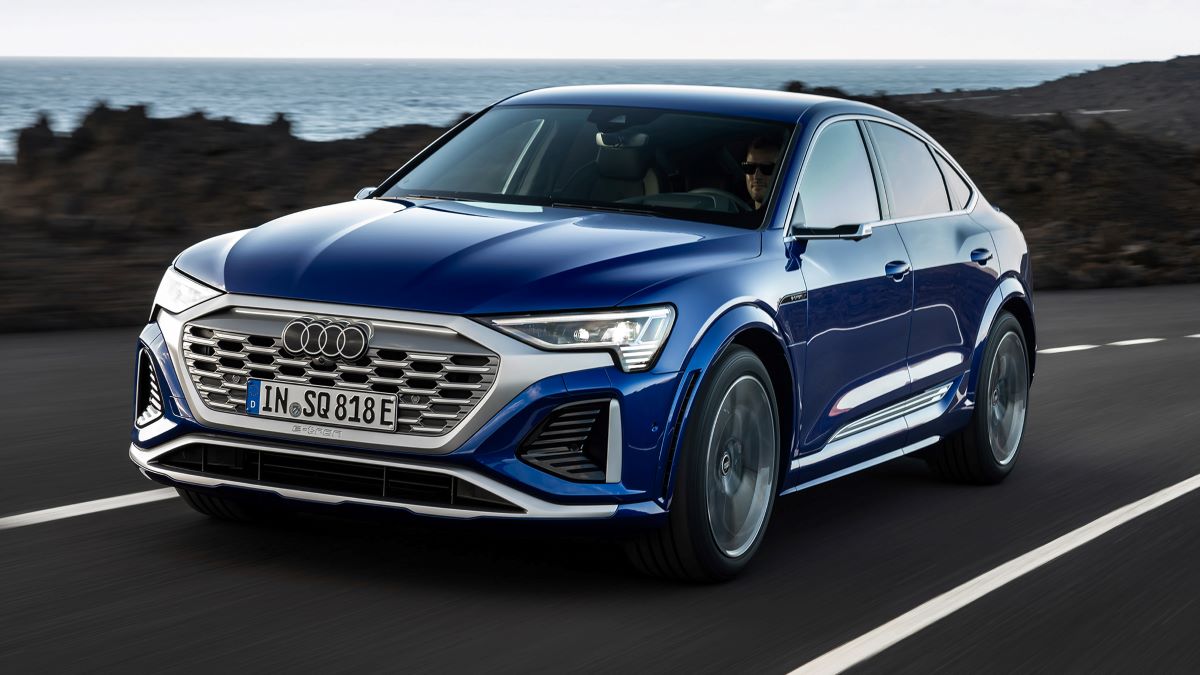
Audi does provide somewhat transparent documentation about the fuel recommendation in their owner’s manuals. They acknowledge that regular fuel can be used in emergencies or when premium is unavailable.
But they’re clear that performance and efficiency will suffer. The word “emergency” in that context should be very informative for potential buyers during their decision-making process.
Fuel costs for the Q7 are already substantial, given its size and performance targets. The combination of lower fuel economy and higher fuel grade creates a high ongoing cost that rivals a second car payment for some drivers.
When you add regular-fuel penalties on top of an already expensive operating profile, the Q7 becomes one of the most costly vehicles to operate in its segment.
The Q7 remains an excellent vehicle in many respects. The interior quality is outstanding, the three-row practicality is genuine, and the all-wheel drive system is class-leading. But the premium-fuel dependency is a real limitation that deserves honest acknowledgment.
Buyers should factor premium fuel costs into every financial comparison they make when considering the Q7 against non-German alternatives in the luxury SUV space.
4. Lexus RX 350 (3.5L V6)
The Lexus RX 350 occupies an interesting position in the premium SUV market. It carries a luxury badge and commands a price starting around $50,000. Yet Lexus recommends premium fuel for its 3.5-liter V6 engine while simultaneously marketing the vehicle as a more practical and reliable alternative to European luxury brands. This creates a contradiction that deserves careful examination from potential buyers.
The 3.5L V6 is a naturally aspirated engine, which is somewhat unusual among modern premium SUVs that have widely adopted turbocharging. Natural aspiration generally makes an engine less sensitive to fuel octane than forced induction.
However, Lexus designed this V6 with a relatively high compression ratio of 11.8:1 to maximize power and efficiency. That high compression ratio is what creates the premium fuel recommendation.
Lexus rates the engine at 295 horsepower on premium fuel. Using regular fuel in a high-compression naturally aspirated engine causes combustion timing issues similar to those in turbocharged engines.
The ECU retards timing to prevent knock, and power output drops noticeably. Owners who regularly use 87-octane in their RX 350 are consistently receiving less performance than Lexus’s published specifications.
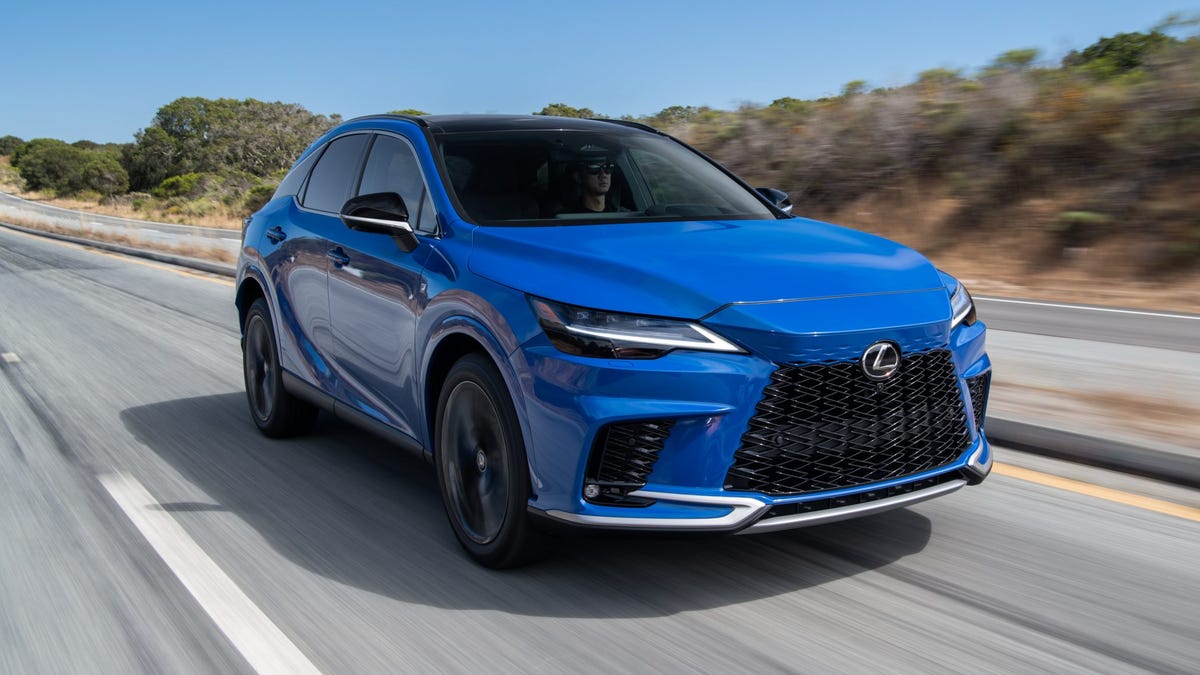
The RX 350 is frequently positioned as a Toyota RAV4’s more sophisticated sibling. Toyota builds the RAV4 to run perfectly on regular fuel. Lexus takes a similar platform philosophy and installs a high-compression engine that needs premium fuel to deliver its full capability.
This creates a meaningful cost-of-ownership difference between the two vehicles that doesn’t get enough attention during the cross-shopping process.
Lexus’s reliability reputation is genuinely excellent, and this clouds the premium-fuel issue for many buyers. People rightly trust that a Lexus will run for 200,000 miles without major mechanical failures. But that reliability doesn’t mean the engine is indifferent to fuel quality. It means the engine is well-built enough to tolerate regular fuel without failing, but it performs equally on both grades.
Long-term RX 350 owners who use regular fuel consistently do report slightly lower fuel economy and occasionally note that the vehicle feels slightly less responsive than expected.
These are subtle degradations that accumulate over years of ownership. The cumulative performance gap over five or six years of regular-fuel use represents a meaningful departure from what the $50,000 purchase price was meant to deliver day after day.
5. Cadillac Escalade (6.2L V8)
The Cadillac Escalade is America’s most iconic full-size luxury SUV. It’s a cultural symbol as much as a vehicle, representing success, status, and uncompromising American excess.
The base engine is a massive 6.2-liter V8 producing 420 horsepower. Cadillac recommends premium 93-octane fuel for this engine, and the recommendation has real teeth in terms of performance and efficiency implications.
The 6.2L V8 uses General Motors’ Dynamic Fuel Management system, which can shut down up to six of eight cylinders during light loads to improve efficiency.
This cylinder deactivation technology is sophisticated and works best when the engine is calibrated for premium fuel. Using regular fuel in an Escalade doesn’t just affect peak power; it affects how efficiently the cylinder deactivation system can operate during everyday driving scenarios.
The Escalade starts at around $80,000 and routinely sells for over $100,000 with options. At that price point, filling up with regular fuel feels almost contradictory to the vehicle’s identity.
Yet many owners do exactly that, particularly when premium prices spike during summer months or in regions where premium availability is inconsistent. The engine tolerates it, but the performance concession is real.
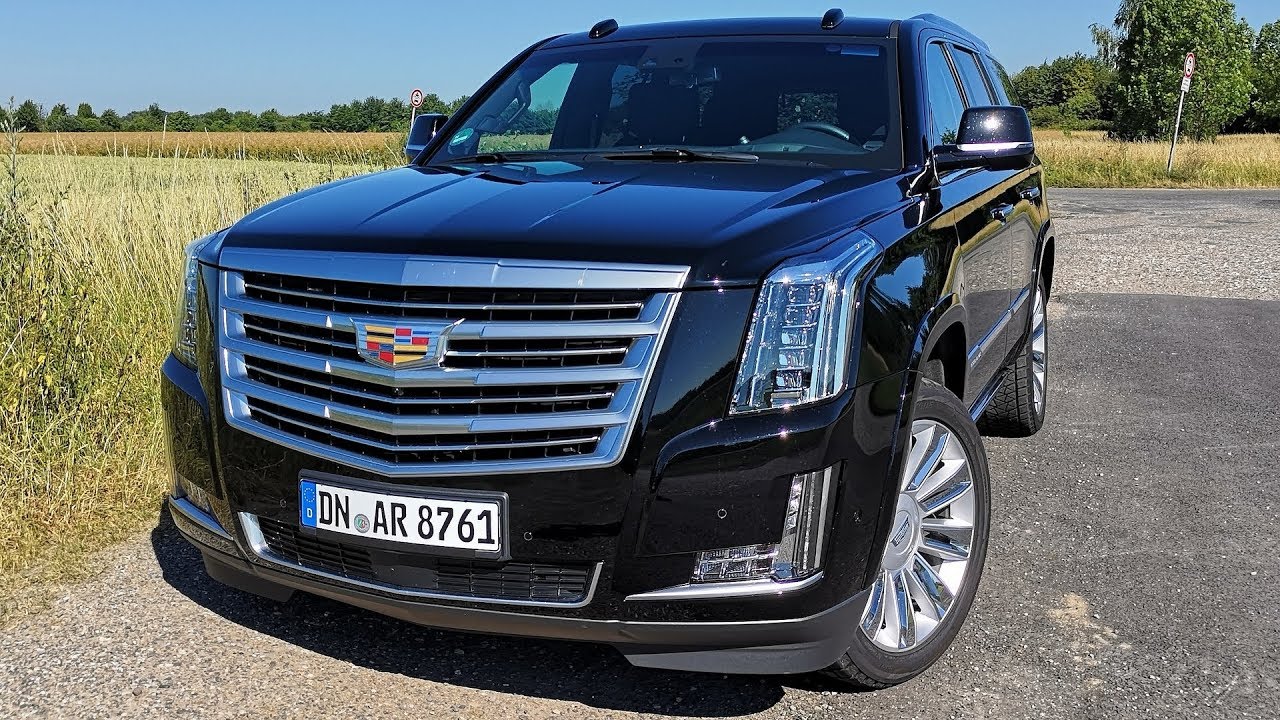
Fuel economy for the Escalade is already a significant concern, coming in around 14 mpg city and 19 mpg highway. These figures apply when using premium fuel as recommended.
Regular fuel pushes those numbers lower by reducing combustion efficiency. An Escalade owner who switches from premium to regular fuel to save money at the pump often ends up spending nearly as much due to increased consumption volume.
The Escalade’s cylinder deactivation system also works less effectively on regular fuel because the engine timing adjustments for lower-octane combustion interfere with the deactivation calibration.
The system still functions, but the fuel savings from cylinder deactivation are reduced. This creates a compounding efficiency loss that makes the seemingly logical decision to use cheaper fuel surprisingly counterproductive in practice.
Cadillac’s target buyer for the Escalade is someone who isn’t particularly price-sensitive at the pump. The marketing assumes that Escalade owners will use premium fuel without much deliberation.
But in reality, a significant percentage of Escalade owners regularly use regular fuel, either by choice or due to fuel availability. This large, expensive, fuel-thirsty SUV deserves complete transparency about what its recommended fuel grade actually means for ownership costs.
6. Jeep Grand Cherokee (5.7L HEMI V8)
The Jeep Grand Cherokee with the 5.7-liter HEMI V8 occupies a unique space in the SUV market. It blends genuine off-road capability with V8 performance and a starting price around $45,000. Jeep recommends 89-octane fuel at a minimum and premium for optimal performance.
This mid-grade recommendation creates confusion for buyers who might assume a mainstream American truck brand would simply require regular fuel like most competitors.
The 5.7L HEMI produces 357 horsepower, which is a strong figure for a mainstream mid-size SUV. The HEMI engine has a long history in Chrysler products and carries significant enthusiast credibility.
But the engine’s design and compression ratio make it sensitive to fuel quality in ways that affect the everyday driving experience rather than just peak performance numbers on a track.
Jeep’s recommendation of 89-octane minimum is unusual in today’s market, where most engines choose clearly between regular 87 or premium 91. Mid-grade 89-octane fuel is becoming harder to find at many gas stations as fuel retailers streamline their pump selections.
Many Grand Cherokee HEMI owners end up choosing between 87 and 91 because 89 isn’t conveniently available. This puts them in a performance gray zone that Jeep’s recommendation doesn’t cleanly resolve.
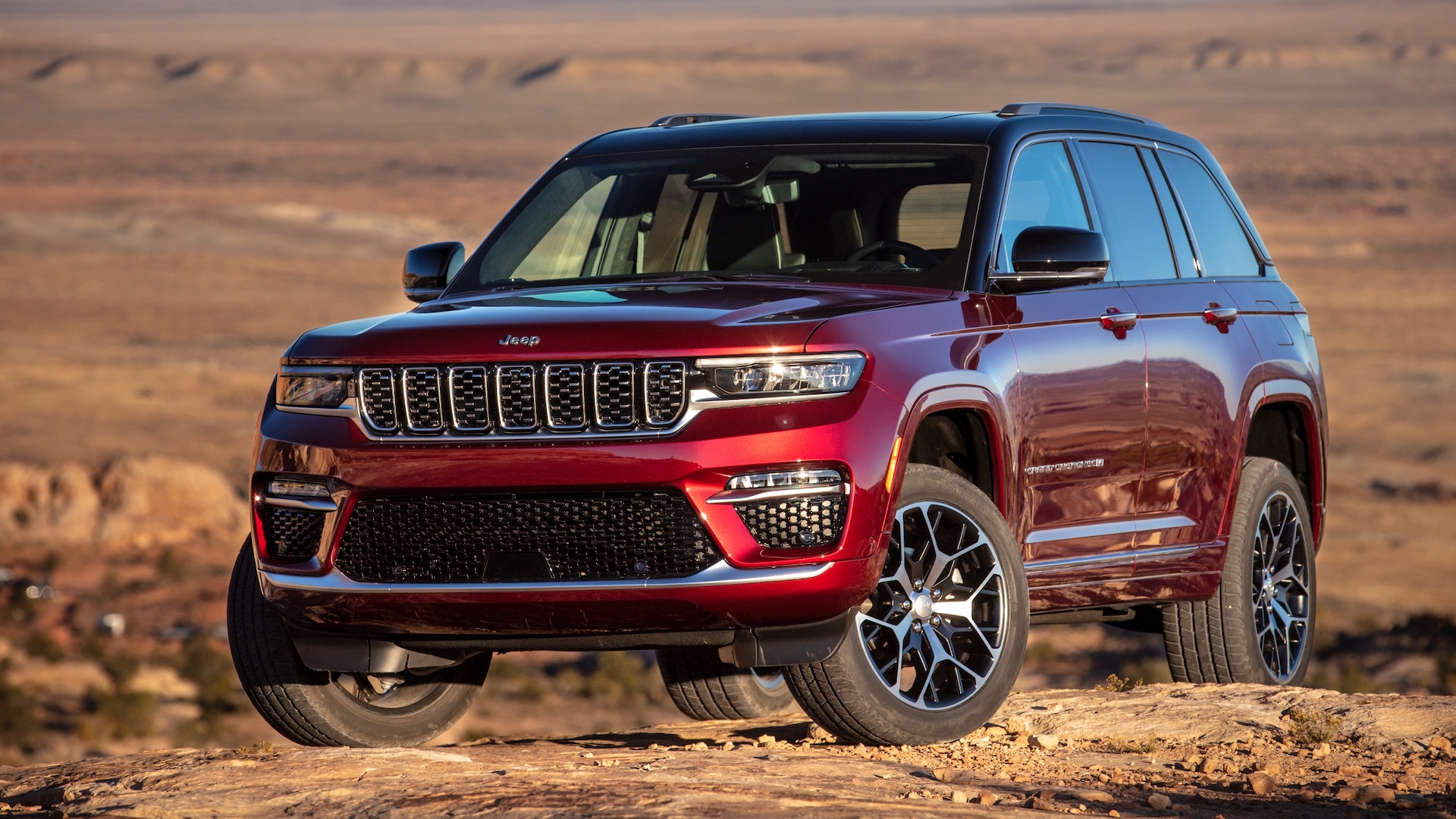
The HEMI’s cylinder deactivation system, called Multi-Displacement System, faces similar challenges to the Escalade’s system when running on lower octane fuel. The system deactivates four cylinders during steady-state highway driving to improve fuel economy.
When ignition timing is retarded due to lower octane fuel, the MDS system’s efficiency gains are partially offset. You get less economy from the deactivation system than you would with proper octane fuel.
Grand Cherokee owners who regularly tow or use the available Quadra-Drive off-road system feel the premium-fuel recommendation most acutely. Towing places heavy loads on the engine for sustained periods, and combustion quality becomes critical during those high-demand situations.
Using 87-octane while towing near the Grand Cherokee’s 7,200-pound capacity creates meaningful power and reliability concerns that cautious owners should take seriously.
The Grand Cherokee’s ownership experience is excellent in many ways. The interior has become genuinely premium in recent generations, the off-road capability is legitimate, and the brand heritage is unmatched.
But the fuel recommendation adds a layer of complexity that competes directly with the vehicle’s mainstream appeal and accessible pricing. A $45,000 SUV that performs best on premium fuel creates a financial profile that buyers don’t always fully appreciate until they’re already committed to ownership.
Also Read: Why Buying a New Car in 2026 Might Be the Worst Financial Move You Make
