

In the fast-paced world of auto auctions, decisions are often made in seconds rather than minutes. Professional buyers, dealers, and resellers train themselves to evaluate a vehicle extremely quickly because auction lanes move fast, and hesitation can mean losing a profitable opportunity.
When a car rolls into view, experienced buyers may only have 30 seconds or less to decide whether it is worth bidding on. This short window forces them to rely on pattern recognition, instinct built from experience, and a highly structured mental checklist.
Auto auctions, whether physical or online live bidding formats, are designed for speed and volume. Vehicles are typically sold as is, meaning there are no guarantees beyond what is visible or briefly inspectable. Because of this, buyers must quickly assess risk versus reward.
They are not trying to fully inspect every detail of a vehicle in those few seconds. Instead, they are looking for obvious signals that suggest profit potential, hidden damage, or costly repairs. This ability is what separates experienced buyers from beginners, who often overpay or avoid good deals due to uncertainty.
During those critical seconds, buyers focus on key indicators such as exterior condition, tire wear, visible mechanical issues, interior cleanliness, and signs of previous accident damage. They also quickly connect what they see with market demand and resale value. For example, a slightly worn but popular model might still be a strong buy, while a clean-looking vehicle with signs of flood damage might be instantly rejected. The goal is not perfection, but profitability and manageable risk.
Another important factor is that auction buyers often operate under strict budgets and resale targets. They are not buying for personal use but for resale, which means every decision is tied to potential return on investment. This mindset changes how they evaluate vehicles.
A small cosmetic flaw might not matter at all if the car is mechanically strong and in demand. On the other hand, a hidden mechanical issue can instantly eliminate a vehicle from consideration.
Understanding what auto auction buyers look for in just 30 seconds can give anyone a clearer view of how the industry works. It reveals a highly disciplined process where speed, experience, and risk assessment come together. The following sections break down exactly what these buyers focus on in those brief but critical moments before they place a bid.
Also Read: 10 Cars With Insurance Premiums Lower Than a Compact Sedan

Vehicle Exterior Inspection Signals
When an auction vehicle enters the buyer’s field of view, the exterior is the first and most immediate source of information. In just a few seconds, experienced buyers scan the body lines, paint consistency, panel alignment, and presentation.
They are not looking for perfection, but rather for inconsistencies that may indicate past accidents, poor repairs, or underlying structural damage. Even subtle differences in paint shade between panels can suggest previous bodywork, which can affect resale value.
Buyers also pay attention to the stance of the vehicle. If one side appears lower than the other, it may indicate suspension issues or frame damage. Gaps between panels are another quick indicator. Uneven gaps around doors, hood, or trunk can signal that the vehicle has been in a collision and not properly restored. These visual cues are extremely important because they can reveal problems that are expensive to fix and not always disclosed in auction listings.
Another major factor is rust and corrosion. In a 30-second glance, buyers often check wheel arches, lower door edges, and under the bumpers. Surface rust might be acceptable depending on the market, but structural rust is a major red flag. Buyers know that rust repair can quickly become unprofitable, especially if it affects the frame or load-bearing components of the vehicle.
Glass condition and lighting elements also matter. Cracked windshields, foggy headlights, or broken taillights may seem minor, but they contribute to repair costs that reduce profit margins. Buyers mentally tally these issues instantly. Even if a vehicle looks appealing, visible damage in these areas can influence whether it is worth bidding at all.
Finally, buyers quickly assess presentation. A clean, well-maintained exterior suggests that the previous owner took care of the vehicle, which often correlates with better mechanical condition. Dirt, dents, and neglect can signal the opposite. While not always accurate, these visual impressions help buyers decide in seconds whether to continue evaluating or move on.

Tire, Wheel, and Underbody Quick Checks
Tires and wheels are one of the fastest indicators of how a vehicle has been maintained, and auction buyers know how to read them instantly. In a brief scan, they look at tread depth, tire brand consistency, and uneven wear patterns. Uneven wear can indicate alignment issues, suspension problems, or neglect in regular maintenance. Since tires are expensive to replace, worn or mismatched tires can significantly reduce a vehicle’s profitability.
Wheel condition is also carefully observed. Scratched, bent, or corroded rims may suggest a rough driving history or curb damage. Buyers often check whether all wheels match, because mismatched wheels can indicate previous accidents or partial replacements. While cosmetic, wheels influence both resale appeal and buyer perception in the retail market.
Underbody visibility is more limited in 30 seconds, but experienced buyers still try to glance at what they can see. They look for fluid leaks, heavy rust buildup, or visible damage to suspension components. Even a quick glimpse of dripping oil or coolant can immediately disqualify a vehicle from bidding. Leaks often signal expensive repairs that reduce profit margins.
Suspension height and wheel alignment also provide clues. If a vehicle appears to sag or sit unevenly, it may have worn shocks, broken springs, or structural damage. Buyers mentally flag these issues because they often require more labor-intensive repairs. Even if the engine is strong, suspension problems can make a vehicle less desirable in resale markets.
Tires, wheels, and underbody indicators give buyers a fast but powerful snapshot of mechanical health. These elements help them quickly decide whether the vehicle is likely to be a safe investment or a potential financial risk.
Also Read: 10 Cars That Survive Being Used as Daily Uber Vehicles

Interior Condition and Odor Clues
The interior of a vehicle tells a detailed story, even when examined in just a few seconds. Auction buyers often glance through the window or quickly open a door to assess seats, dashboard condition, and cleanliness. They are looking for signs of heavy wear, neglect, or damage that might not be immediately visible in photos or exterior inspection.
Seat condition is one of the first things noticed. Torn upholstery, heavy staining, or collapsed cushioning can indicate high mileage or poor care. Buyers know that interior restoration can be costly, especially for leather seats or modern infotainment systems. Even small imperfections are mentally added to the total repair cost.
Dashboard and electronic systems are also important. Buyers quickly scan for warning lights, cracked dashboards, or missing components. A lit check engine light or visible damage to controls can immediately reduce interest. Since electronics are expensive to diagnose and repair, any visible issue raises concern.
Odor is a surprisingly powerful factor. Even in a short moment, experienced buyers can detect the smells of smoke, mold, or dampness. These odors often indicate deeper problems such as water damage, poor maintenance, or long term smoking exposure. Vehicles with strong odors are often avoided because they are difficult to fully restore.
Finally, general cleanliness plays a psychological role. A clean interior suggests careful ownership, while cluttered or dirty interiors suggest neglect. Buyers use this as a quick heuristic to judge how well the vehicle was maintained mechanically, even though it is not always perfectly accurate.

Engine Bay and Fluid Red Flags
Although full mechanical inspection is not possible in 30 seconds, buyers still prioritize a quick visual scan of the engine bay. When the hood is open, they immediately look for obvious signs of trouble such as leaks, corrosion, or missing components. This rapid check helps them avoid vehicles with high repair risk.
Fluid condition is one of the most important indicators. Buyers look for oil leaks around the engine block, coolant residue, or transmission fluid signs. Fresh leaks are especially concerning because they suggest active mechanical issues. Even a small visible leak can be enough to stop bidding interest entirely.
Wiring and hose condition also matter. Loose, cracked, or poorly repaired wiring can indicate previous mechanical work or neglect. Similarly, brittle hoses suggest age and potential future breakdowns. Buyers understand that these components are essential for engine reliability and can be expensive to replace when multiple issues exist.
Corrosion and dirt buildup provide additional clues. A heavily dirty engine bay might indicate poor maintenance, while unusually clean areas in contrast with surrounding dirt can suggest recent repairs or part replacements. Experienced buyers interpret these patterns quickly to assess whether the engine has been properly maintained.
Lastly, buyers may glance at the battery and mounting points. A weak or corroded battery setup can indicate electrical issues or long periods of inactivity. While these checks are brief, they play a major role in determining whether the vehicle is worth further bidding consideration.
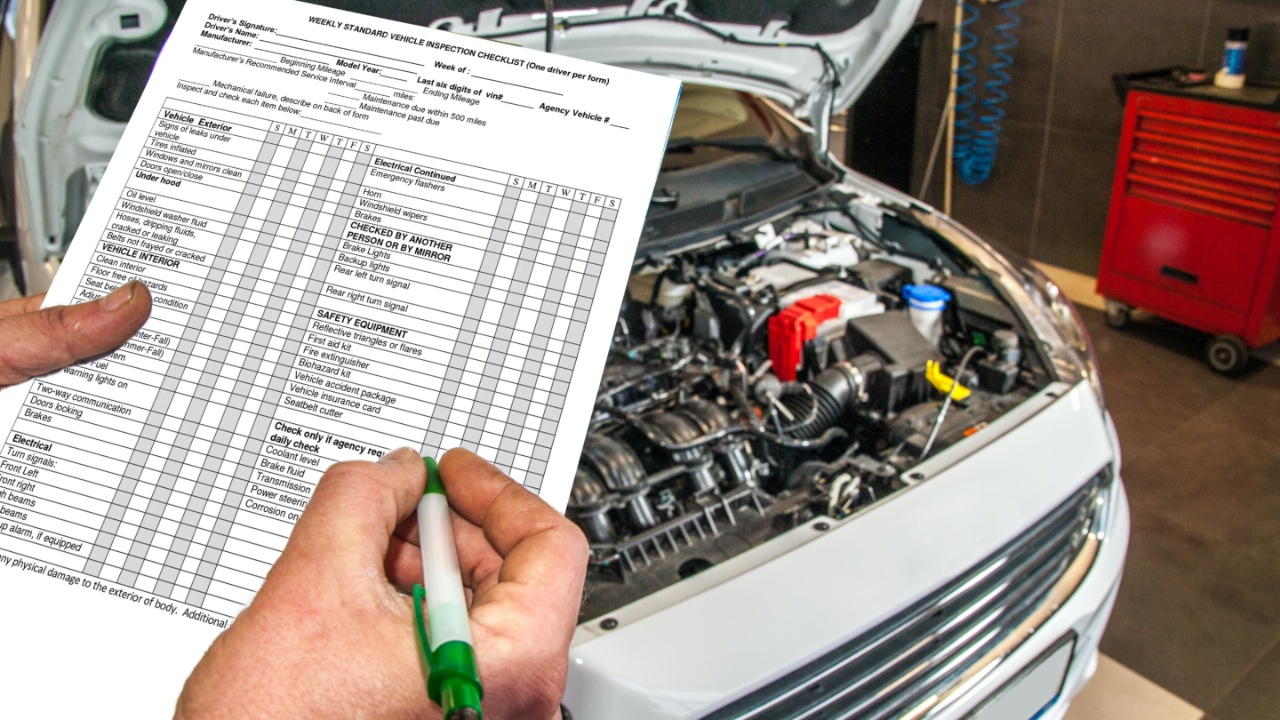
Paperwork, Market Value, and Auction Strategy
Beyond physical inspection, experienced auction buyers also rely on mental access to paperwork and market data. Even in a 30 second window, they often already know or quickly recall key details such as model year, trim level, mileage range, and typical resale value. This allows them to instantly compare the vehicle against market expectations.
Title status is a critical factor. Buyers quickly consider whether a vehicle has a clean title, salvage history, or other branding issues. Even if the vehicle looks good, a problematic title can significantly reduce resale value or limit buyer interest in retail markets. This makes title knowledge a major part of fast decision making.
Market demand plays a huge role in bidding decisions. Popular models with strong resale demand are often prioritized even if they have minor flaws. Conversely, vehicles that are hard to sell or have low demand are quickly rejected, even if they appear in good condition. Buyers are constantly balancing condition against demand.
Auction strategy also influences decisions. Some buyers specialize in certain vehicle types, such as economy cars, SUVs, or fleet vehicles. In those 30 seconds, they are filtering based on their niche. If a vehicle does not match their buying strategy, they move on immediately to avoid wasted capital and effort.
Finally, pricing discipline is essential. Buyers set strict maximum bid limits based on repair costs, resale value, and expected profit margins. Even if a vehicle looks promising, they will not exceed their calculated threshold. This disciplined approach ensures long term profitability in a fast moving auction environment.
