
The 2010s were a defining decade for the automotive world, marking a major transition between traditional mechanical engineering and the rapid rise of electrification, turbocharging, and digital driving assistance systems.
During this period, manufacturers experimented more freely than ever before, balancing efficiency regulations with the emotional appeal of driving. As a result, a number of cars produced in this decade are now increasingly being recognized as future classics.
Enthusiasts, collectors, and automotive analysts are already identifying specific models that stand out not just for performance, but also for cultural significance, design philosophy, and engineering innovation.
One of the strongest reasons certain 2010s vehicles are expected to become collector items is their connection to the end of an era. Many of these cars represent the last time manufacturers offered naturally aspirated engines, manual transmissions, or pure driver focused platforms before widespread hybridization and electrification became dominant.
As emission standards tightened globally, automakers were forced to rethink performance, making many 2010s models unique snapshots of a disappearing automotive philosophy. This makes them especially appealing to collectors who value authenticity and mechanical engagement.
Another important factor is limited production and niche appeal. Several cars from this decade were never intended to be mass market successes, but rather engineering showcases or passion projects from manufacturers. Whether it is a lightweight sports coupe, a hybrid hypercar, or a high performance sedan, scarcity plays a major role in future valuation.
Historically, vehicles that were underappreciated at launch often gain significant value once production ends and enthusiasts realize their importance in automotive history.
Technology also plays a dual role in shaping collectability. While modern vehicles are often criticized for being overly computerized, some 2010s models struck a balance between analog feel and digital enhancement.
These cars introduced advanced systems such as torque vectoring, adaptive suspension, hybrid performance boosts, and early driver assistance features, while still preserving a sense of driver involvement. This combination makes them historically significant as transitional models that bridge two automotive eras.
Finally, cultural impact cannot be ignored. Many of the vehicles from this decade became icons through motorsport, video games, social media, and global car communities. They were not just transportation tools but symbols of identity and passion for a generation of drivers. As time progresses, these emotional connections will only strengthen their desirability in the collector market.
With these factors in mind, the following list explores nine standout vehicles from the 2010s that are highly likely to become sought after collector items within the next decade.
Also Read: 10 Cars With Insurance Premiums Lower Than a Compact Sedan
1. Toyota GT86 and Subaru BRZ
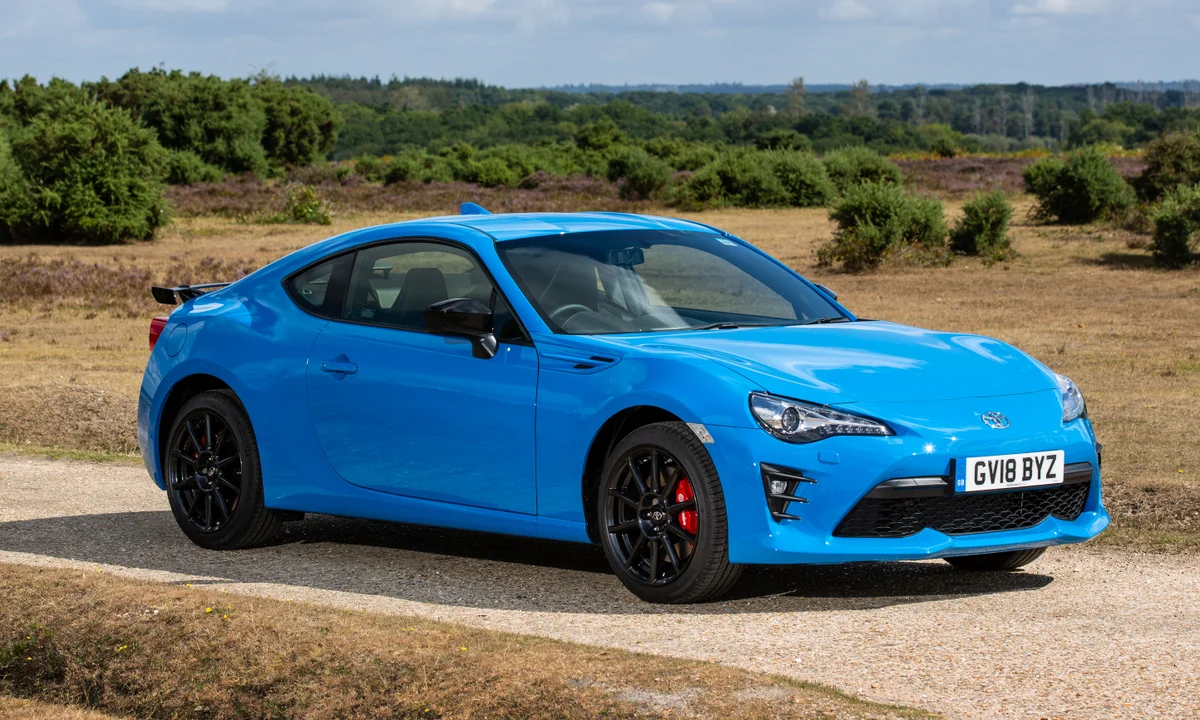
The Toyota GT86 and Subaru BRZ twins represent one of the most important modern interpretations of the affordable sports coupe. Designed with a focus on lightweight balance and rear wheel drive dynamics, these cars were engineered to prioritize driving enjoyment over outright power. Their low center of gravity, boxer engine layout, and near perfect weight distribution made them instant favorites among enthusiasts who valued handling precision.
One of the key reasons these cars are expected to become collector items is their simplicity. In an era where most performance vehicles are becoming increasingly complex and electronically assisted, the GT86 and BRZ remain refreshingly analog in feel. The naturally aspirated engine, manual transmission option, and minimal driver aids create an experience that is becoming increasingly rare. This simplicity will likely be highly valued in the future.
Another important aspect is their cultural influence. These cars became extremely popular in drifting communities and motorsport inspired modifications. Their predictable handling characteristics made them ideal platforms for learning performance driving techniques. As a result, they developed a strong global fanbase that continues to grow even after newer generations have been introduced.
From a design perspective, the GT86 and BRZ also represent a collaboration between two major Japanese manufacturers, which adds to their historical significance. Joint development projects of this scale are not common, and this partnership created a unique identity that stands apart from other sports coupes in the same price range.
As production years pass, well maintained stock examples are expected to become increasingly rare. Collectors typically seek original condition vehicles, and many GT86 and BRZ models have already been heavily modified. This will likely increase the value of untouched examples in the coming decade.
2. Nissan GT-R R35
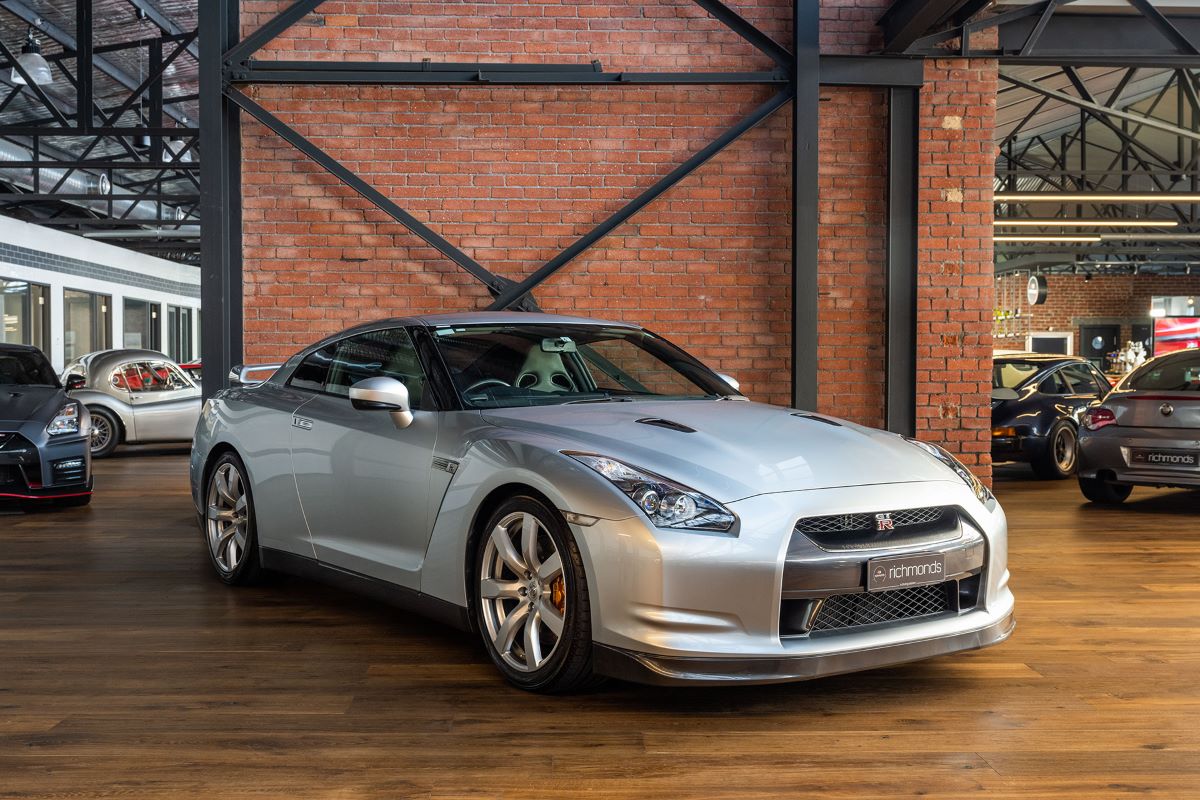
The Nissan GT-R R35 is often referred to as one of the most technologically advanced performance cars of its time. Introduced in the late 2000s and refined throughout the 2010s, it became famous for delivering supercar level performance at a relatively accessible price point.
Its twin turbocharged V6 engine, advanced all wheel drive system, and sophisticated launch control made it a benchmark in straight line and track performance.
One of the strongest arguments for its future collectability is its long production cycle with continuous evolution. Unlike many sports cars that are redesigned every few years, the GT-R R35 maintained its core platform for over a decade. This means early and late versions represent a clear timeline of engineering refinement, making each variant historically important.
The GT-R also gained legendary status in global car culture. It was heavily featured in racing games, tuning communities, and automotive media. Its nickname, Godzilla, reflects its dominance in performance comparisons against far more expensive European rivals. This cultural identity will continue to influence its desirability among collectors.
From a technical standpoint, the GT-R introduced advanced features such as dual clutch transmission technology and sophisticated torque distribution systems that were ahead of their time. These innovations helped shape the direction of future performance vehicles, making the R35 a technological milestone.
As regulations push future GT-R models toward hybridization or electrification, the R35 will likely be seen as the final pure evolution of Nissan’s traditional high performance engineering philosophy.
3. BMW i8
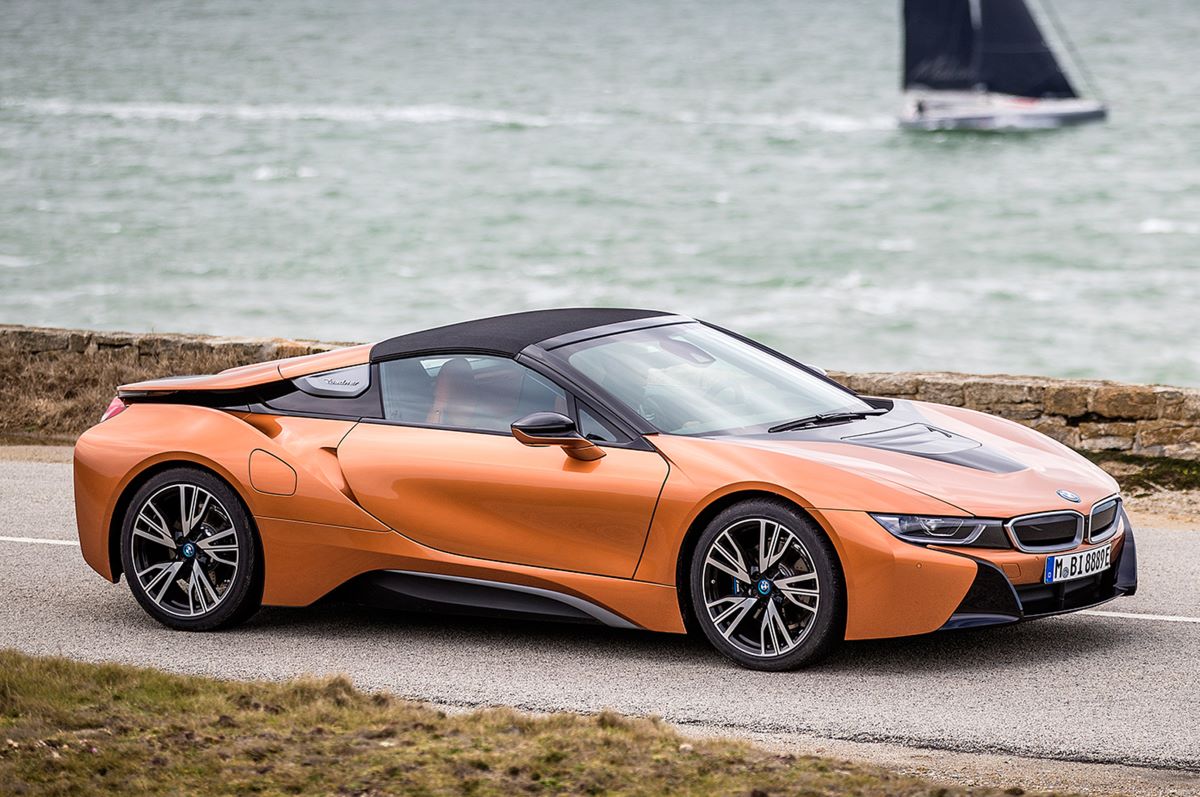
The BMW i8 stands out as one of the most visually distinctive vehicles of the 2010s. With its futuristic design, scissor style doors, and hybrid powertrain, it represented BMW’s vision of sustainable performance. The combination of a turbocharged three cylinder engine and electric motor created an innovative plug in hybrid sports car long before such concepts became mainstream.
One major reason the i8 is expected to become a collector item is its groundbreaking design language. Even years after its release, the car still looks like a concept vehicle brought to life. Its aerodynamic structure and lightweight carbon fiber reinforced chassis were ahead of their time and continue to impress automotive designers.
The i8 also marks an important transition in performance philosophy. It demonstrated that efficiency and excitement could coexist in a sports car format. While it was not the fastest car in its class, it redefined expectations for hybrid performance vehicles and paved the way for future electrified sports cars.
Another factor is its relatively limited production volume compared to mainstream BMW models. As the brand moves further into full electrification, the i8 will likely be remembered as an experimental milestone that bridged internal combustion and electric mobility.
Collectors often value vehicles that represent turning points in automotive history, and the BMW i8 clearly fits this category due to its innovation, design, and symbolic importance.
4. Honda Civic Type R FK8
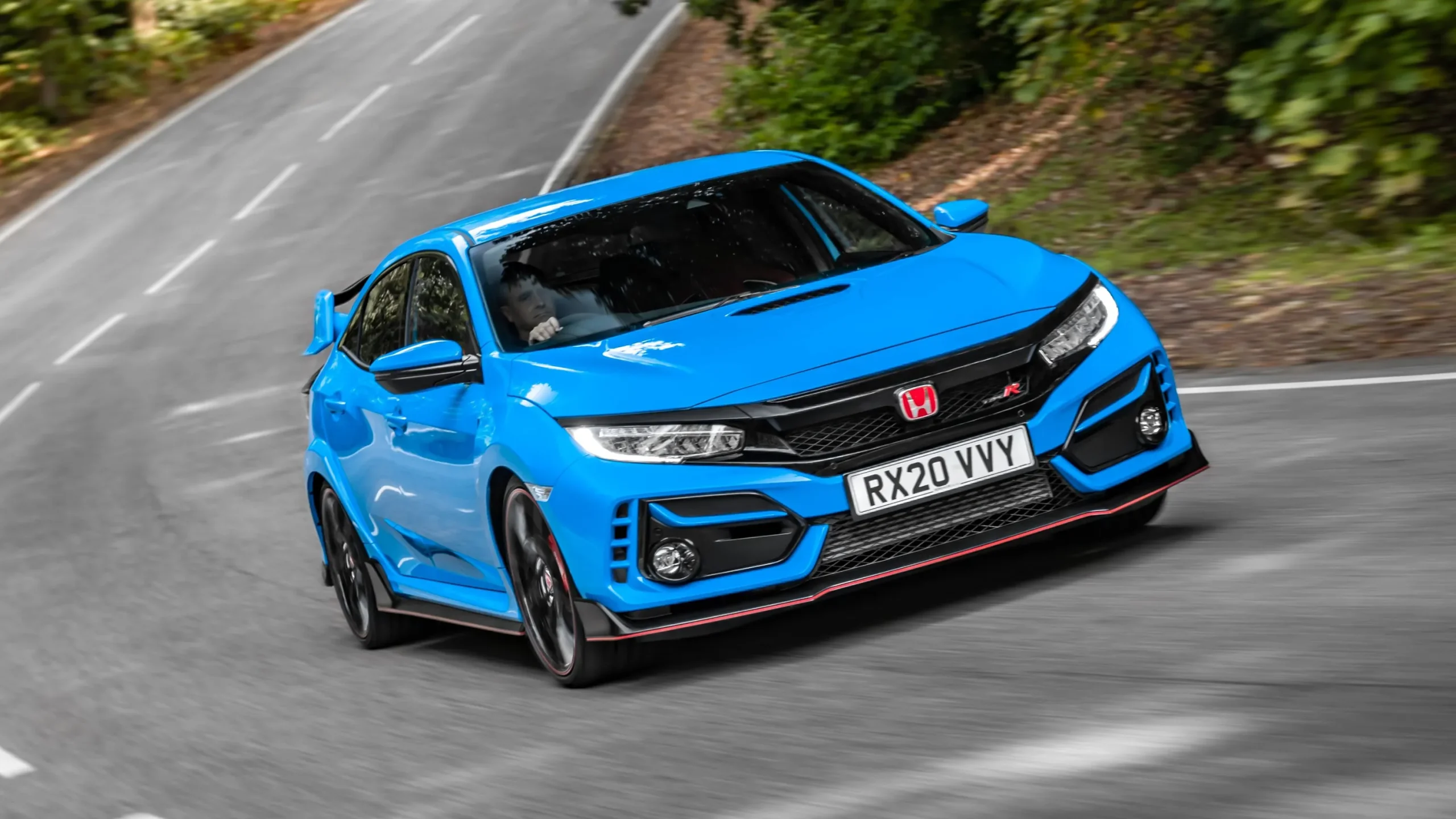
The Honda Civic Type R FK8 is widely regarded as one of the most capable front wheel drive performance cars ever produced. Known for its aggressive styling and track focused engineering, it redefined expectations for hot hatchbacks during the late 2010s.
A major reason for its future collector potential is its raw driving character. Despite modern enhancements, the FK8 retained a strong mechanical connection between driver and road. Its turbocharged engine delivered impressive performance, while its suspension and aerodynamic design were optimized for circuit driving.
The FK8 also holds significance as part of Honda’s long standing Type R heritage. Each generation of Type R models has become increasingly desirable among enthusiasts, and the FK8 continues that tradition with a more extreme and mature approach.
Its bold design also contributes to its collectability. While controversial at launch, its aggressive aerodynamics and large rear wing have become defining characteristics that set it apart from competitors. Over time, such distinctive styling often becomes iconic.
As Honda gradually shifts toward electrification, the FK8 will likely be remembered as one of the last pure high performance internal combustion Type R models, increasing its historical value.
5. Mazda MX-5 ND
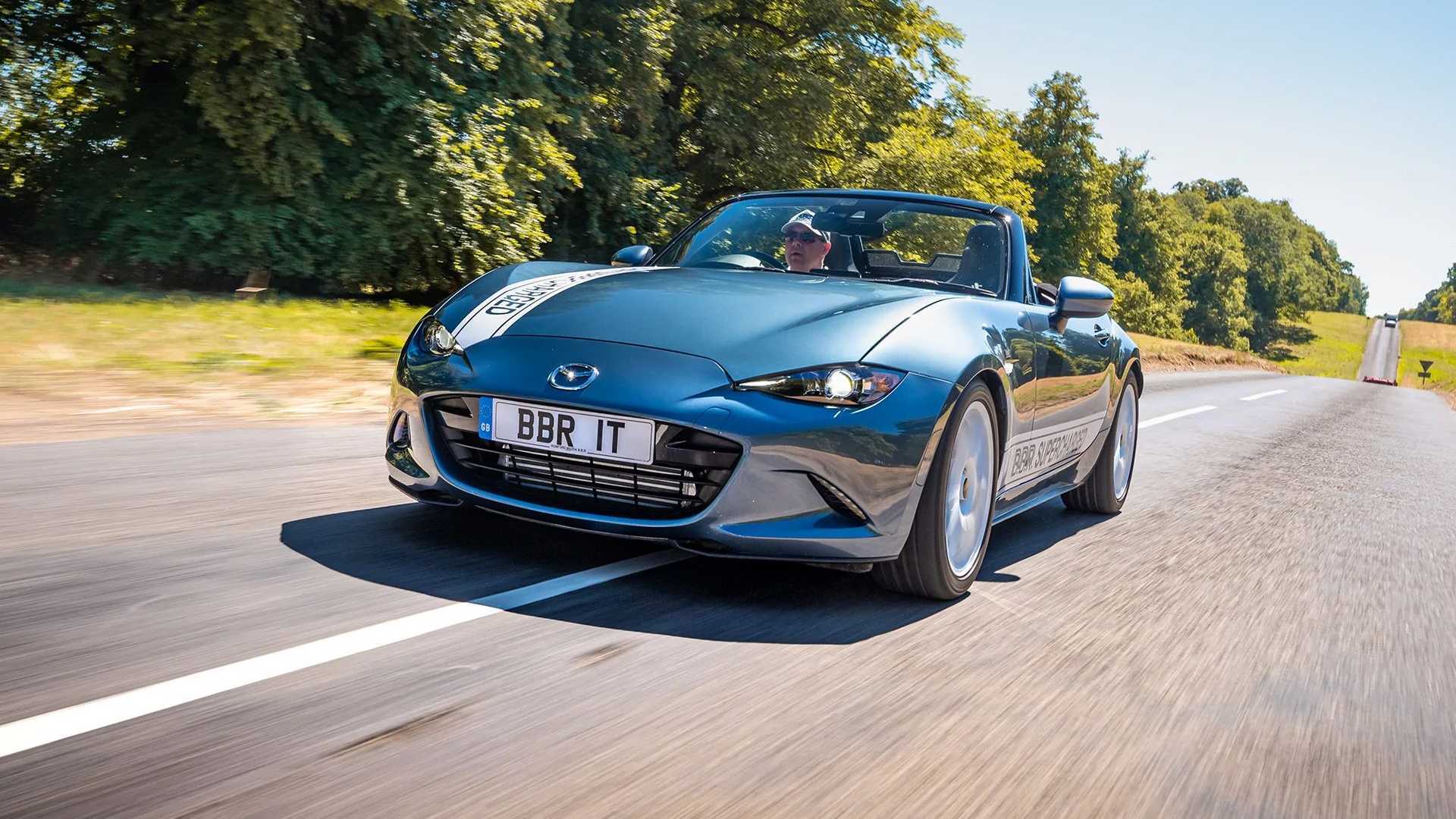
The Mazda MX-5 ND continues the legacy of the world’s most popular lightweight roadster. Known for its simplicity, balance, and driving purity, it represents a philosophy that prioritizes enjoyment over raw power.
One of the key reasons the MX-5 ND will become a collector item is its commitment to lightweight engineering. In a world where cars are becoming heavier and more complex, the ND generation remains one of the purest expressions of the original MX-5 concept.
Its manual transmission and naturally aspirated engine options further enhance its appeal. These features are becoming increasingly rare in modern vehicles, making the ND an important representation of traditional driving engagement.
The MX-5 also has a strong global enthusiast community, which ensures long term interest and preservation of well maintained examples. Its affordability also means many were driven extensively, which will make clean versions more valuable over time.
As the automotive industry transitions toward electrification, the MX-5 ND will likely be remembered as one of the final accessible analog roadsters.
Also Read: 10 Cars That Survive Being Used as Daily Uber Vehicles
6. Ford Focus RS
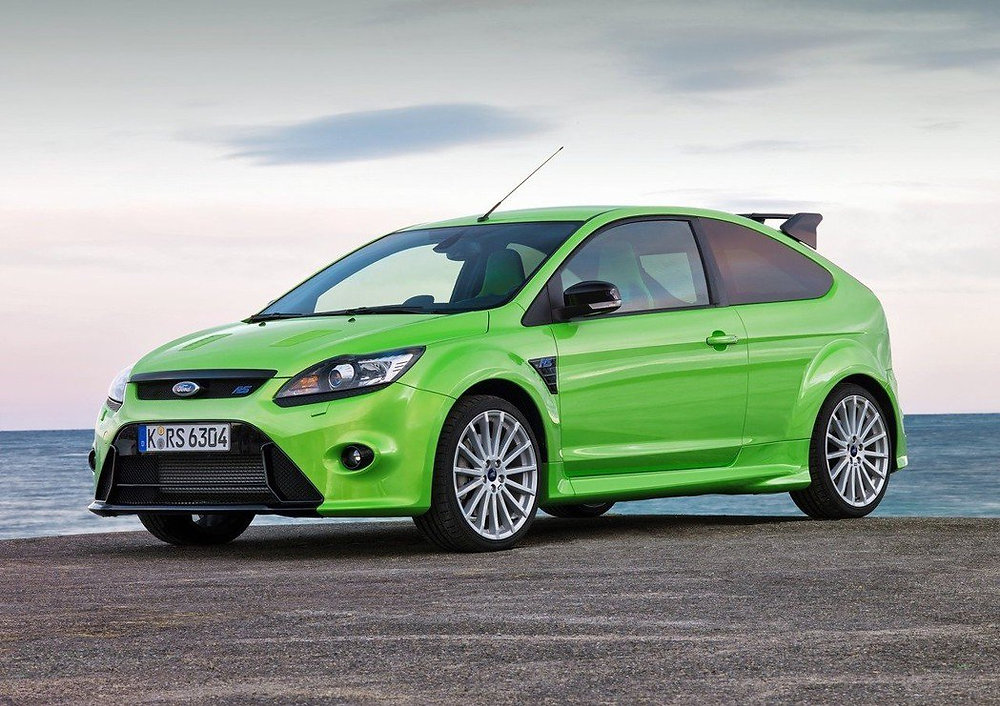
The Ford Focus RS Mk3 represents one of the most extreme interpretations of the hot hatch formula ever produced in the 2010s. Developed by Ford Performance, this generation of the Focus RS was designed not just as a fast hatchback, but as a serious performance machine capable of challenging sports cars in certain conditions.
Its 2.3 liter EcoBoost turbocharged engine delivered explosive acceleration, while its advanced all wheel drive system introduced a unique torque vectoring setup that could actively distribute power between the rear wheels. This allowed the car to behave in a way that no previous Focus RS had ever achieved, including the ability to generate controlled oversteer and even perform drift oriented driving modes.
One of the strongest reasons the Focus RS Mk3 is expected to become a future collector item is its raw and unapologetic driving character. Unlike many modern performance vehicles that rely heavily on electronic smoothing and artificial sound enhancement, the Focus RS maintains a more mechanical and engaging feel.
The exhaust pops, turbocharged surge, and aggressive suspension tuning all contribute to a driving experience that feels intense and unfiltered. This level of engagement is becoming increasingly rare as manufacturers move toward electrified and highly assisted performance systems.
Another important factor is its motorsport inspired engineering. The Focus RS draws heavily from Ford’s rally heritage, particularly its involvement in the World Rally Championship. This influence is visible in its chassis tuning, aerodynamic design, and all wheel drive system behavior.
Enthusiasts appreciate this connection because it gives the vehicle a sense of authenticity and competition derived DNA that is not purely cosmetic. Over time, cars with strong motorsport lineage tend to gain significant collector interest.
The production numbers and regional availability also contribute to its future rarity. While it was produced in reasonable volumes, many examples have been heavily modified or driven aggressively, which reduces the number of preserved, stock condition vehicles.
As automotive enthusiasts increasingly seek original and well maintained examples, the Focus RS Mk3 is likely to stand out as a defining performance hatchback of its era.
Finally, its cultural impact in the automotive community cannot be ignored. It became a favorite in driving reviews, enthusiast forums, and social media content focused on performance driving. This strong emotional connection ensures that its reputation will continue to grow long after production ended, solidifying its place as a future collectible.
7. Chevrolet Camaro ZL1 1LE
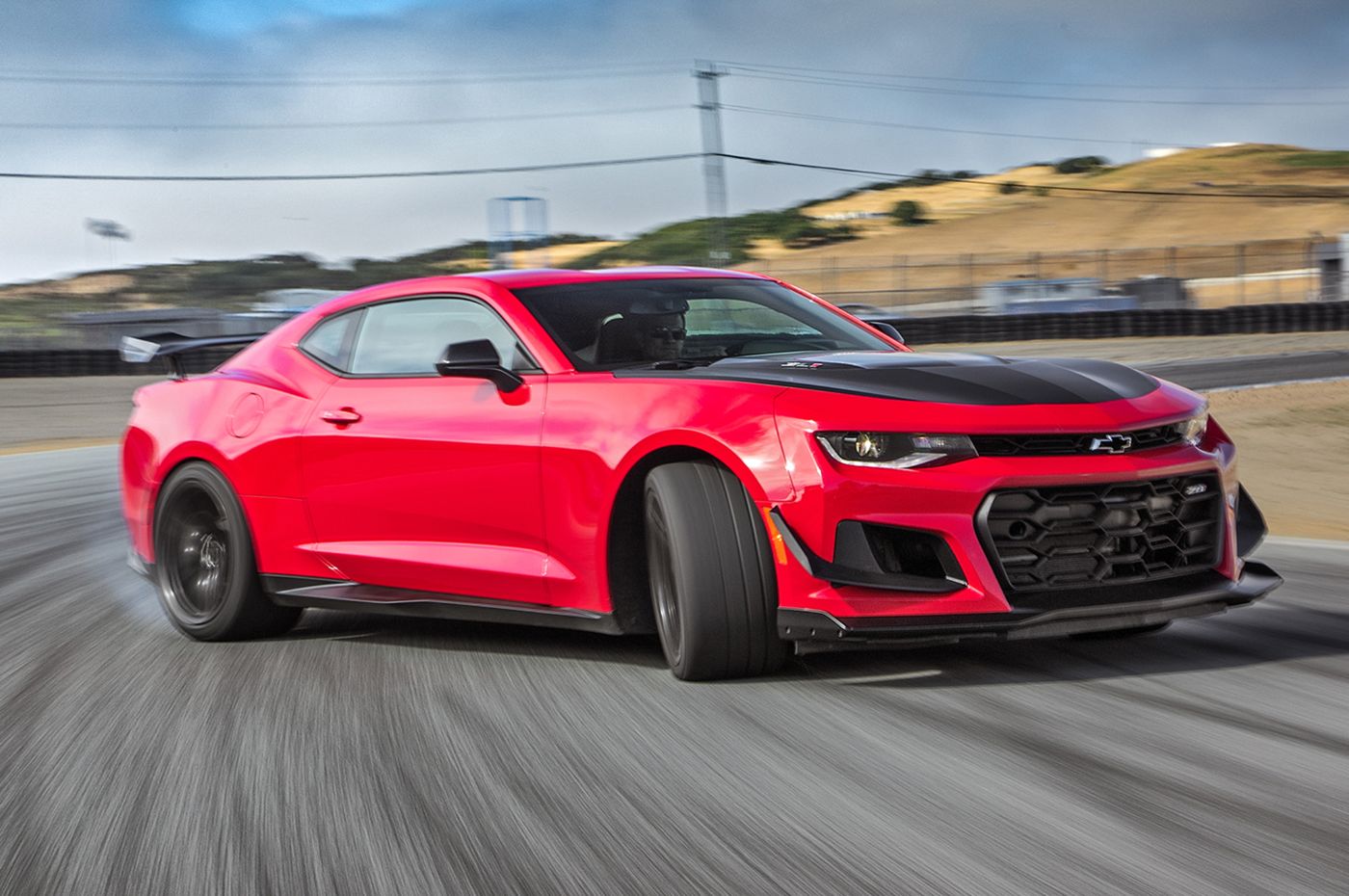
The Chevrolet Camaro ZL1 1LE is widely regarded as one of the most track focused muscle cars ever built in the modern automotive era. It takes the already powerful ZL1 platform and pushes it further with aggressive aerodynamic enhancements, suspension upgrades, and weight reduction measures designed specifically for circuit performance.
At its core, it is powered by a supercharged V8 engine that produces immense horsepower and torque, delivering acceleration that rivals far more expensive exotic sports cars.
What makes the ZL1 1LE particularly significant from a collector standpoint is its uncompromising engineering philosophy. Unlike many modern performance vehicles that aim to balance comfort, efficiency, and speed, this car focuses almost entirely on performance capability.
Its suspension setup is extremely firm, its aerodynamic components are functional rather than decorative, and its tires are track oriented, all of which make it a vehicle designed for serious driving rather than daily convenience. This level of specialization is becoming increasingly rare in the automotive world, which enhances its long term appeal.
Another major factor contributing to its collectability is its position in the timeline of American muscle cars. The ZL1 1LE represents one of the final stages of high displacement, supercharged V8 performance before the industry shifts heavily toward electrification and hybrid assisted powertrains.
As emissions regulations become stricter, vehicles like this will likely be remembered as the peak of traditional American performance engineering. This historical context significantly increases its desirability among collectors.
The driving experience itself also plays a key role in its future value. On a racetrack, the ZL1 1LE is capable of competing with vehicles from Porsche and other high performance European brands, which was once considered unlikely for a muscle car.
Its magnetic ride control system, aerodynamic downforce package, and precise steering response all contribute to a level of handling sophistication that challenges traditional expectations of the muscle car category.
Additionally, its aggressive styling ensures it remains visually distinctive. The large rear wing, front splitter, and wide stance are not only functional but also visually symbolic of its performance intent. As automotive design trends become more streamlined and efficiency focused, such bold and aggressive styling will likely be appreciated even more in hindsight.
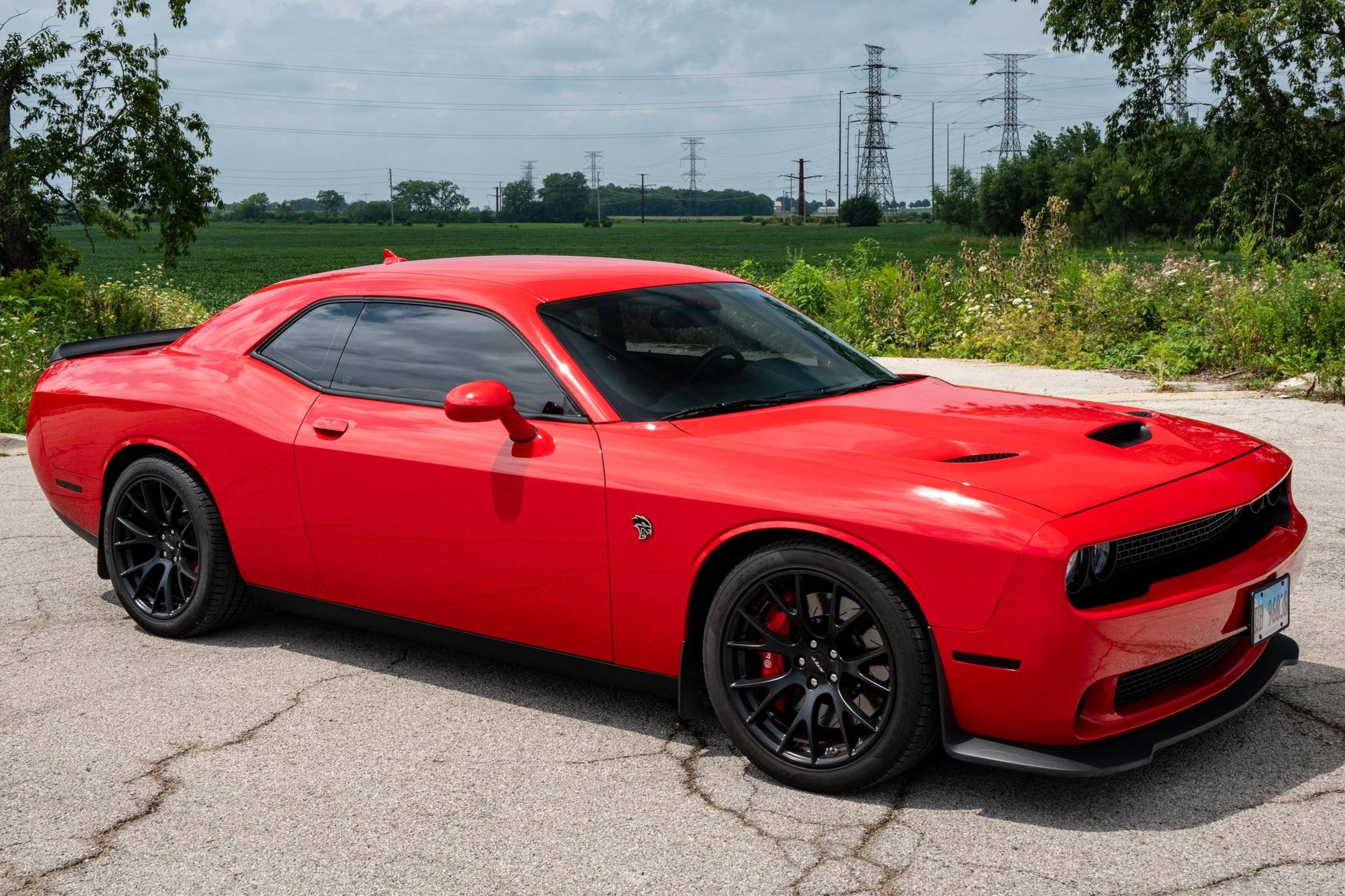
8. Dodge Challenger Hellcat
The Dodge Challenger Hellcat stands as one of the most powerful and emotionally charged production cars of the 2010s. Equipped with a supercharged 6.2 liter HEMI V8 engine, it produces extraordinary horsepower figures that placed it at the top of the modern muscle car hierarchy.
Unlike many competitors that gradually shifted toward smaller turbocharged engines or hybrid systems, the Hellcat remained committed to delivering raw, unfiltered power in its most traditional form.
One of the most important reasons the Hellcat is expected to become a collector item is its symbolic representation of the end of an automotive era. It embodies the philosophy of excess, where performance is defined by displacement and forced induction rather than efficiency or technological optimization.
As global regulations continue to push manufacturers away from large engines, the Hellcat will likely be remembered as one of the last mainstream vehicles to fully embrace this level of mechanical intensity.
The driving experience is another major factor that strengthens its future collectability. The sheer acceleration capability of the Hellcat is overwhelming, and it delivers power in a way that feels almost theatrical. The supercharger whine, exhaust noise, and tire shredding torque create an experience that is both dramatic and unmistakably unique. This sensory intensity is something that modern electric performance cars, despite their speed, do not replicate in the same emotional way.
Cultural impact also plays a significant role in its long term value. The Hellcat became a social media phenomenon, widely recognized for its burnout videos, drag racing dominance, and enthusiast appeal. It developed a reputation as a symbol of American performance culture, often associated with freedom, excess, and unrestrained power. Vehicles that achieve this level of cultural identity tend to maintain strong collector interest even after production ends.
Over time, well preserved Hellcat models are expected to become increasingly rare due to their high performance nature. Many were driven aggressively, modified heavily, or used in competitive environments, which reduces the number of original condition examples. This scarcity, combined with its historical significance, ensures that the Hellcat will remain a highly desirable collectible.
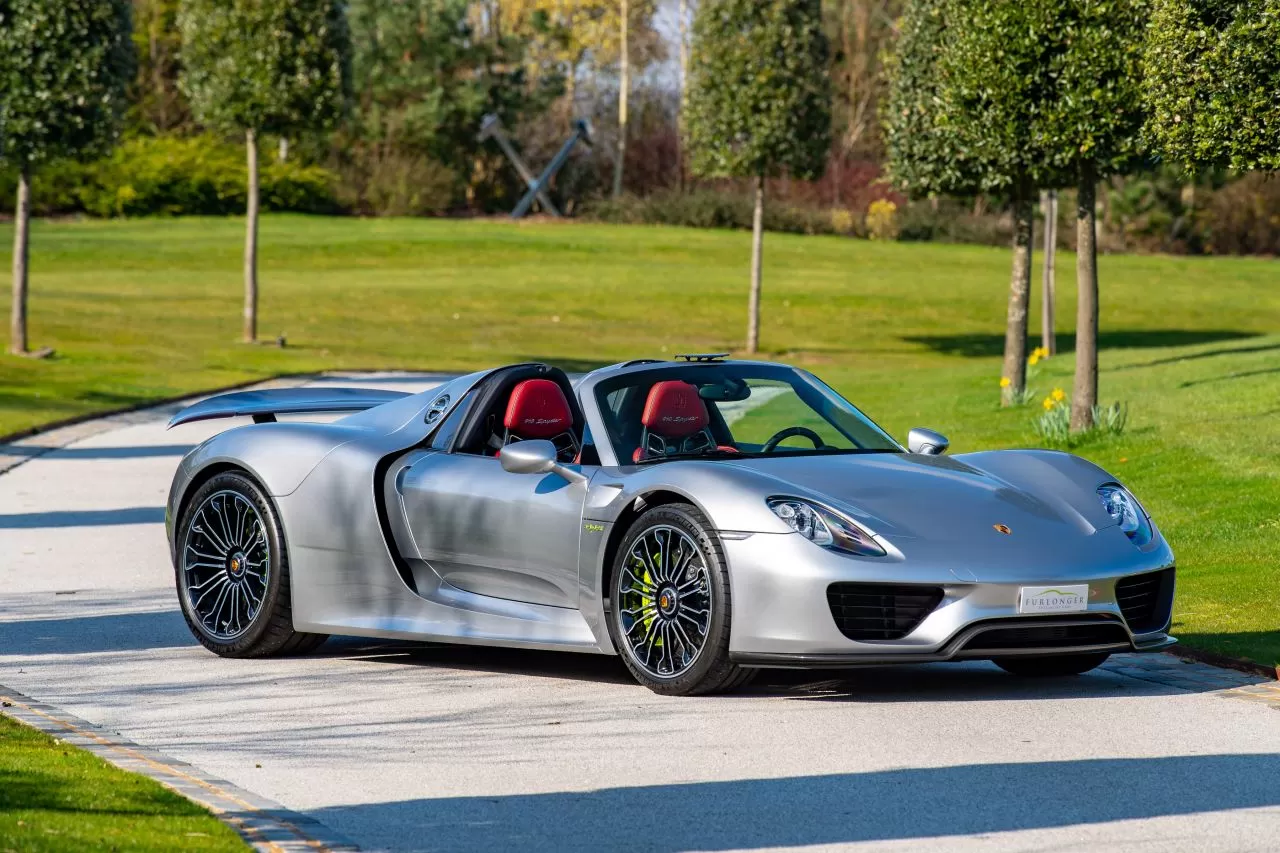
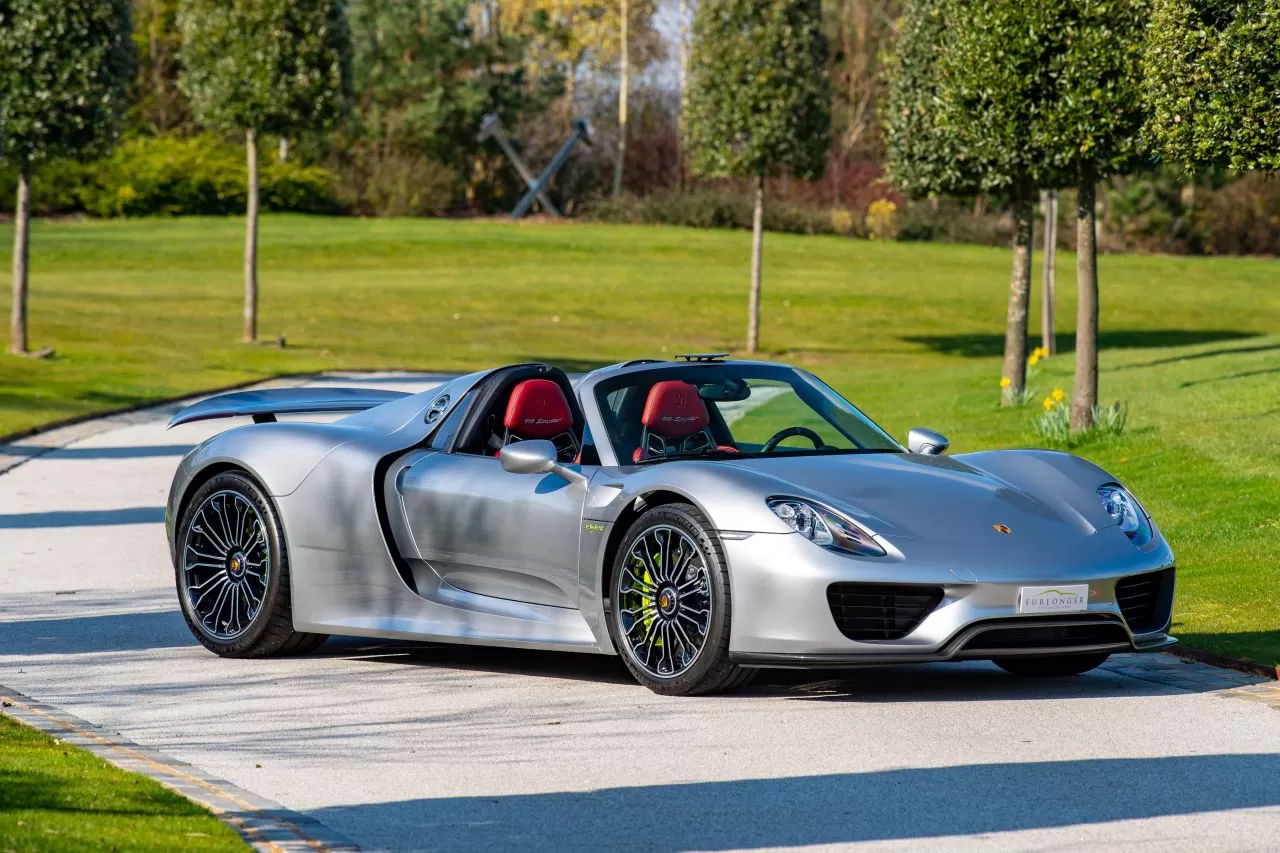
9. Porsche 918 Spyder
The Porsche 918 Spyder is one of the most technologically advanced and historically significant hypercars of the 2010s. It represents a breakthrough moment in automotive engineering, combining a naturally aspirated V8 engine with hybrid electric motors to create a performance system that delivers both extreme speed and impressive efficiency.
This combination allowed it to achieve supercar level performance while also showcasing the future potential of hybrid technology.
One of the key reasons the 918 Spyder is expected to become a highly valuable collector item is its extremely limited production. Only a small number of units were manufactured, making it inherently rare from the moment it was released. Rarity is one of the most important factors in collector car valuation, and in this case, it is combined with cutting edge engineering and brand prestige, making it even more significant.
The 918 Spyder also holds historical importance as part of what is often referred to as the hybrid hypercar trio, alongside competitors from Ferrari and McLaren.
This group of vehicles defined a new era in performance car development, where electrification was no longer just about efficiency but also about enhancing speed and driving dynamics. The 918 Spyder stood out for its ability to deliver consistent performance across both road and track environments.
From a technological perspective, the 918 Spyder introduced advanced systems such as torque vectoring, all wheel drive integration with electric motors, and multiple driving modes that significantly altered vehicle behavior.
These innovations were ahead of their time and have influenced the design of modern performance hybrids and electric vehicles. As automotive technology continues to evolve, early pioneers like the 918 Spyder gain historical significance for their role in shaping future development.
Finally, its association with the Porsche brand further strengthens its collector status. Porsche has a long history of producing vehicles that appreciate in value, especially limited production performance models.
The 918 Spyder fits perfectly into this tradition, combining innovation, rarity, and emotional appeal in a way that ensures its long term desirability among collectors and enthusiasts.
