
Buying a used car is always a decision that involves balancing cost, condition, and risk, but that balance becomes much more complicated when the vehicle comes without any service records. Service history is one of the most reliable ways to understand how a car has been maintained over its lifetime, and when that information is missing, buyers are left with gaps that cannot be easily filled by inspection alone.
In practical terms, service records act as a documented timeline of care, showing whether oil changes were done regularly, whether major components were replaced on schedule, and whether the vehicle received timely attention when issues first appeared. Without this documentation, you are essentially evaluating a machine without knowing how it was treated, which introduces uncertainty into nearly every aspect of ownership.
However, the absence of service records does not automatically mean the car is unreliable or that it should be avoided completely. Many cars without documented histories still run well and can provide years of service, especially if they were driven gently and maintained informally by owners who did not keep receipts or records.
In some cases, particularly in older vehicles or budget segments, service documentation may simply have been lost rather than never created. This is especially common in private sales where owners rely on local mechanics who do not maintain digital records. The key issue is not just the absence of paperwork itself, but the level of risk you are willing to accept in exchange for potentially lower pricing.
Understanding whether you should trust such a vehicle requires a deeper evaluation of mechanical condition, ownership behavior, and market pricing. It also requires awareness of what you are giving up by ignoring service history. While a physical inspection can reveal the current condition, it cannot fully reveal past neglect or hidden wear.
This makes decision-making more complex, because buyers must weigh visible conditions against invisible risks. In this article, we will explore in detail why service records matter, what dangers come with missing history, when it might still be safe to proceed, and how to properly evaluate a vehicle in such situations so that you can make a confident and informed decision.
Also Read: 10 Cars With Insurance Premiums Lower Than a Compact Sedan

Why are Service Records important in Used Cars?
Service records are one of the strongest indicators of a vehicle’s long-term health because they provide a structured and chronological record of how the car has been maintained over time. Every vehicle is designed with a maintenance schedule that includes routine oil changes, filter replacements, brake inspections, coolant flushes, and periodic replacement of wear-sensitive components such as belts, spark plugs, and transmission fluids.
When these services are performed on time and properly documented, they significantly increase the lifespan of the vehicle and reduce the likelihood of sudden mechanical failure. Without these records, however, there is no reliable way to confirm whether these essential tasks were actually completed, which creates a significant gap in understanding the vehicle’s mechanical condition.
In addition to routine maintenance, service records also provide insight into how a car responded to problems over its lifetime. For example, if a vehicle had recurring engine issues or electrical faults, proper documentation would show whether those problems were addressed properly or repeatedly ignored.
This type of information is extremely valuable because it helps buyers distinguish between a well-maintained vehicle that had minor issues fixed correctly and a neglected vehicle that has unresolved underlying problems. Without this history, you are forced to rely solely on physical inspection, which only reveals the current state but not the journey that led there.
Another important aspect of service records is that they help verify mileage authenticity. In many cases, consistent service documentation includes recorded odometer readings, which can be cross-checked over time to ensure that mileage has not been tampered with.
When this paper trail is missing, it becomes harder to confirm whether the odometer reading is accurate or manipulated. This is particularly important because mileage plays a major role in determining vehicle value, expected lifespan, and maintenance needs. A car with an uncertain mileage history carries a higher level of financial risk, even if it appears to be in good condition externally.
Finally, service records also impact resale value significantly. Vehicles with complete and verifiable service history tend to sell faster and at higher prices because future buyers feel more confident about their condition. On the other hand, a car without records often faces reduced demand and lower resale value because the uncertainty continues throughout its lifecycle.
This means that the absence of service history is not just a short-term buying concern but a long term ownership factor that affects financial return and marketability.

The Risks of Buying a Used Car
The most significant risk of purchasing a car without service records is the presence of unknown mechanical wear that cannot be easily detected during a visual inspection or test drive. While a car may appear to be functioning normally at the time of purchase, internal components such as the engine, transmission, and cooling system may have experienced inconsistent maintenance or prolonged neglect.
This hidden wear does not always produce immediate symptoms, but it often leads to unexpected breakdowns shortly after purchase, resulting in high repair costs that could have been avoided with proper historical information.
Engine health is one of the biggest concerns in such cases because regular oil changes are essential for reducing friction and preventing internal damage. If oil changes were skipped or delayed for long periods, carbon buildup and metal wear may have already occurred inside the engine.
These issues are not always visible externally and may only become apparent when performance begins to decline or when major components fail. In severe cases, engine repair or replacement can cost more than the value of the car itself, making it one of the most financially risky areas when service history is unknown.
Transmission systems also pose a major risk because they rely heavily on fluid quality and scheduled maintenance. Automatic transmissions, in particular, require clean and properly maintained fluid to operate smoothly. If transmission servicing is neglected, shifting issues, slipping gears, or complete transmission failure can occur.
These problems are expensive to repair and often develop gradually, meaning they may not be obvious during a short test drive. Without service records, it is impossible to confirm whether this critical maintenance was performed.
Suspension, brakes, and steering components also become uncertain when service history is missing. These systems are directly related to safety, and wear in these areas can affect handling, stopping distance, and driving stability. Worn brake fluid, degraded shock absorbers, or loose steering components may not be immediately visible but can significantly impact safety over time. Without documentation, there is no way to know when these components were last inspected or replaced.
There is also the added risk of accident damage or poor-quality repairs that were never recorded. A vehicle may have been involved in collisions and repaired without proper documentation, leaving behind structural weaknesses that are difficult to detect without professional inspection. This makes service history not just a maintenance record but also an indirect indicator of how responsibly the vehicle has been treated.

A Used Car Can Still Be Safe
Despite the risks, there are situations where a car without service records can still be a reasonable and safe purchase, provided that other strong indicators of condition are present. One of the most important factors in such cases is the physical condition of the vehicle.
If the car shows minimal wear, runs smoothly, and passes a detailed mechanical inspection, it may indicate that it was maintained reasonably well even without formal documentation. In some cases, owners simply fail to keep records despite performing regular maintenance at trusted local workshops.
Another situation where missing service history may be less concerning is when the vehicle is older and priced accordingly. In lower market segments, buyers often accept a higher level of risk in exchange for affordability.
If the price reflects the absence of documentation, and the vehicle is still in good operational condition, it may represent fair value. The key is ensuring that the price reduction is significant enough to offset potential future repair costs.
Low mileage vehicles can also be safer even without service records, especially if wear and tear is consistent with light usage. A car that has been driven gently over short distances is less likely to have experienced severe mechanical stress compared to one that has been heavily used, even if documentation is missing. However, this assumption should still be verified through inspection rather than taken at face value.
Another positive factor is a stable ownership history. A single long-term owner is generally more reliable than multiple unknown owners because it suggests consistent usage patterns and potentially more careful maintenance habits. Even if paperwork is missing, verbal history combined with physical condition can sometimes provide reasonable assurance.
In all these cases, however, caution is still necessary. Even if the car appears sound, the absence of a service history means that unknown risks still exist. The decision should therefore be based on a combination of inspection results, pricing advantage, and your willingness to handle potential repairs.
Also Read: 10 Cars That Survive Being Used as Daily Uber Vehicles
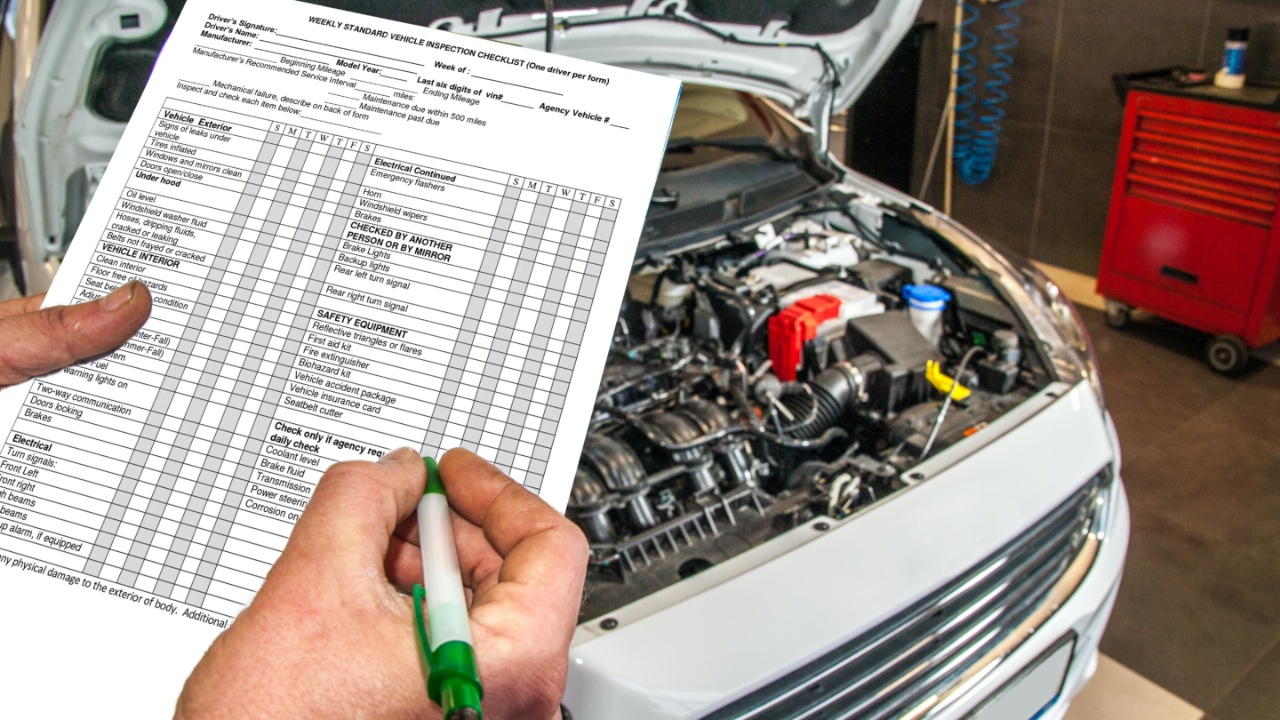
Check a Car’s History Before Buying
When considering a vehicle without service records, a structured evaluation process becomes essential to reduce uncertainty and avoid costly mistakes. The first step is a comprehensive physical inspection of the exterior and interior.
This includes checking for signs of repainting, uneven panel alignment, rust, or previous body damage that may suggest accident history. Inside the cabin, excessive wear on seats, steering wheel, and pedals compared to the claimed mileage can also indicate inconsistencies in usage history.
A professional diagnostic scan is highly recommended because it can detect hidden electronic or engine-related faults that are not visible during normal inspection. Modern vehicles rely heavily on sensors and onboard computers, and error codes stored in the system can reveal past or current issues that were never repaired properly.
This step is especially important when service history is unavailable, as it helps uncover problems that paperwork would normally highlight.
A thorough test drive is equally important and should not be rushed. During the drive, pay attention to engine response, gear shifting smoothness, braking efficiency, and suspension behavior. Any hesitation, unusual noise, vibration, or warning lights should be taken seriously. The test drive should include different driving conditions such as slow traffic, acceleration, and higher speeds to fully assess performance.
Tyre condition and alignment also provide valuable clues about maintenance habits. Uneven tyre wear may indicate suspension or alignment issues, while excessively worn tyres on a low-mileage car may suggest odometer inconsistencies. Brake condition and fluid responsiveness should also be carefully evaluated.
Finally, independent mechanical inspection is one of the most important steps before purchase. A qualified mechanic can identify hidden issues, estimate repair needs, and provide a realistic assessment of vehicle health. This step often compensates for missing service records by giving you a professional opinion based on the current condition.

A used car without service records exists in a category of higher uncertainty rather than automatic rejection. It is not inherently a bad purchase, but it requires a more careful and disciplined approach to evaluation. The absence of documentation means you lose visibility into the vehicle’s past, and that gap must be compensated through detailed inspection, diagnostic testing, and realistic pricing negotiation.
If the car is in strong physical condition, passes mechanical inspection, and is priced significantly below comparable vehicles with full service history, it can be a reasonable and practical purchase. In such cases, the financial savings may outweigh the potential risks, especially if you are prepared for possible maintenance costs in the future. However, if there are signs of neglect, inconsistent condition, or seller hesitation, the risk increases significantly, and walking away becomes the safer option.
Trust in such a vehicle should not be based on documentation but on verified condition and professional evaluation. A missing service record does not always indicate a bad car, but it always indicates incomplete information. In used car buying, incomplete information is the single biggest source of risk, and how you manage that risk determines whether the purchase becomes a smart decision or an expensive mistake.
