
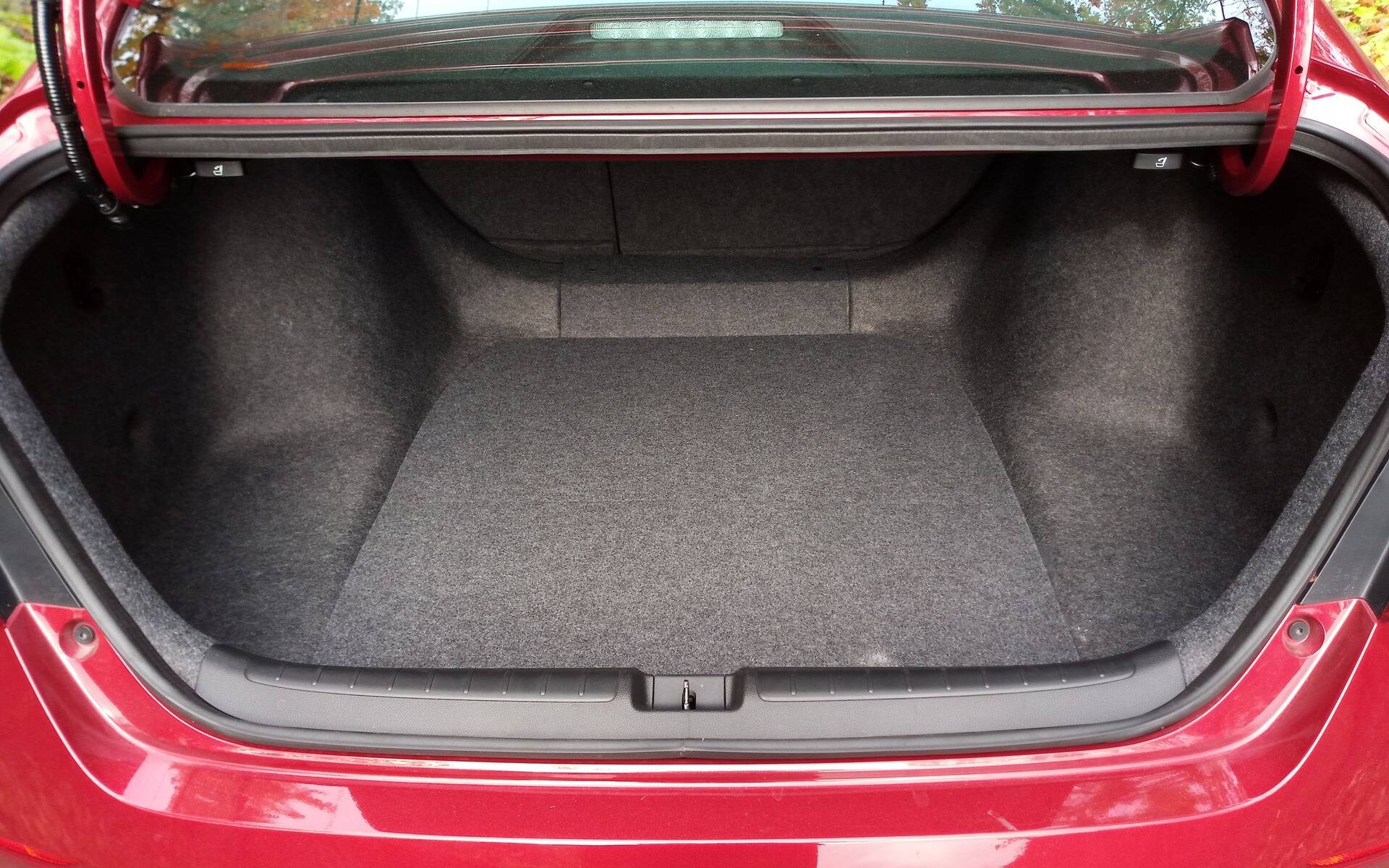
When you place a 2005 Toyota Camry beside a 2025 Toyota Camry, a clear pattern emerges. The newer model occupies more road space in terms of exterior dimensions, yet offers less usable capacity in critical areas, particularly the boot.
A 2005 Camry offered 15.0 cubic feet of trunk space. Current Camry generations offer between 14.1 and 15.1 cubic feet, depending on the specific configuration. Same general concept, a decade and a half of automotive progress, and somehow the luggage space barely budged or actually shrank.
This pattern repeats across nearly every sedan, hatchback, and compact car segment. Buyers who purchased a 2004 Honda Accord with 14.0 cubic feet of trunk space and trade it in for a 2024 model, expecting more room, are frequently disappointed to find measurements that are similar or marginally improved despite the new car being larger, more expensive, and representing twenty years of engineering advancement. What is happening, and why?
Trunk shrinkage is not an accident or a failure of automotive engineering. It is the predictable result of eight specific engineering, regulatory, market, and design forces that have been consistently prioritizing other attributes over cargo volume across the past two decades. Understanding these forces does not make small trunks less frustrating, but it does explain why the problem exists and why it is not going away without specific, deliberate decisions by manufacturers who decide to prioritize volume.
This page covers all eight reasons honestly, with specific current vehicles as examples of each force’s visible impact on cargo space. Read through all eight before your next car purchase, because trunk space is one of those features you only fully appreciate when you do not have enough of it.
1. Electrification Hardware Has to Go Somewhere, and That Somewhere Is Your Trunk
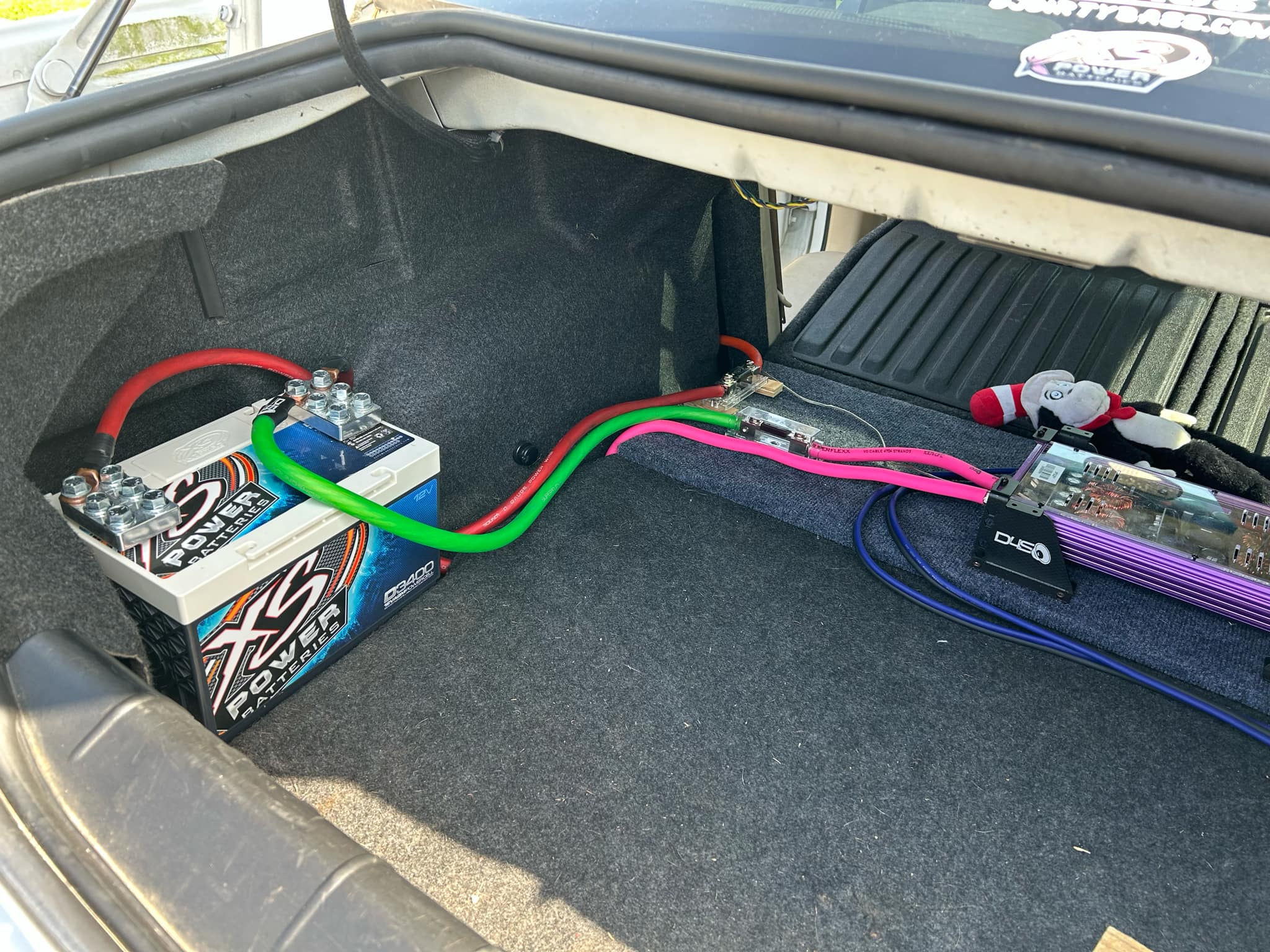
Battery packs are large, heavy, and need to be positioned low in the vehicle for both center-of-gravity management and structural integration reasons. Hybrid and plug-in hybrid vehicles carry high-voltage battery systems whose physical dimensions directly compete with trunk space in vehicles where engineering and packaging decisions have not fully resolved this conflict.
Understanding exactly how this happens at the component level explains why hybrid versions of the same car consistently offer less trunk space than their conventional powertrain equivalents. A conventional internal combustion sedan uses the space beneath the trunk floor primarily for the spare tire, some sound deadening, and possibly a few ancillary components.
This space is not generous, but it is not claimed by anything that competes with luggage volume. Hybrid and plug-in hybrid systems introduce high-voltage battery modules that occupy this floor space, raise the cargo floor height to accommodate the battery thickness beneath it, and in some configurations extend battery modules into the cargo area itself, visually shrinking the available volume.
Honda Accord Hybrid EX-L (eleventh generation) carries a 1.3 kWh lithium-ion battery beneath the trunk floor that raises the floor height by approximately 5 inches compared to the gasoline equivalent, reducing trunk volume to 14.8 cubic feet compared to the gasoline Accord Sport’s 16.7 cubic feet.
This 1.9 cubic foot difference represents a meaningful real-world reduction, and it exists entirely because the battery needed to go somewhere and the trunk floor was the available location. Honda’s engineers did not choose this outcome because they preferred smaller trunks. They accommodated it because the packaging constraints of the hybrid system made the trunk the path of least engineering resistance.
Plug-in hybrid systems carry larger battery packs than standard hybrid systems, and the trunk space penalty scales proportionally. Chrysler Pacifica Plug-In Hybrid (PHEV) minivan loses approximately 40 percent of its cargo space compared to the standard Pacifica because the larger PHEV battery occupies the under-floor storage area that the standard model uses for second and third-row seat storage and additional cargo management.
This is a minivan losing meaningful cargo space to a battery pack, which illustrates how pervasive electrification packaging constraints affect cargo volume regardless of vehicle type. Fully electric vehicles face the same challenge but have a different resolution. Manufacturers designing purpose-built EVs from a clean sheet can route the battery pack into a skateboard floor structure that optimizes both center of gravity and interior packaging, potentially recovering cargo volume that hybrid conversions lose.
Rivian R1S AWD and Volvo EX90 Pure Electric are purpose-built EV examples where careful battery integration preserved or improved cargo space relative to comparable combustion vehicles. Retrofit hybrids and plug-in hybrid conversions of existing combustion platforms rarely achieve this packaging optimization because the vehicle architecture was not originally designed to accommodate the battery in the optimal location.

2. Pedestrian Safety Regulations Are Physically Reshaping the Rear of Every Car
Pedestrian impact regulations implemented in both the US and international markets since 2005 have progressively required manufacturers to create crumple zones, deformation clearances, and energy-absorbing structures at the rear and front of vehicles that physically consume space that once contributed to trunk volume.
This is a safety engineering story that directly explains a portion of trunk volume loss that no amount of packaging efficiency can fully recover. Rear pedestrian impact regulations require energy-absorbing structures behind the rear bumper fascia that compress progressively during a rear-impact collision to protect both the vehicle occupant and any pedestrian struck from behind.
These crumple structures occupy space between the rear bumper’s outer surface and the rear trunk wall, increasing the physical distance between the exterior of the car and the available cargo space inside it. Every millimeter of crumple space added for safety regulation compliance is a millimeter removed from potential trunk depth.
Toyota Corolla sedan (E210 generation) illustrates this relationship clearly. Comparing the 2004 Corolla’s 13.6 cubic feet of trunk space with the current generation’s 13.1 cubic feet, while noting that the current car’s external trunk length is virtually identical, reveals that the current car’s rear structure contains more safety engineering content in the same external space, leaving less room for luggage. This is not a failure of Toyota’s packaging engineers.
It is the mathematically predictable result of adding content to a fixed space. Trunk floor reinforcement structures required for side-impact load path management at the rear of the vehicle consume trunk floor thickness that directly reduces available internal height in the cargo area.
Modern vehicles require load paths that can manage oblique rear impacts through the body structure rather than relying on the trunk structure itself to absorb energy, and these load paths require structural members that pass through the trunk area at heights that were not present in pre-regulation vehicle structures.
Rear lighting regulations that require larger, more widely spaced lighting assemblies with specific performance characteristics in multiple conditions have consumed rear quarter panel real estate that once contributed to trunk opening width and height. LED lighting systems allowed some of this to be recovered through thinner lamp assemblies, but the regulatory requirement for specific minimum illumination areas and placement requirements has constrained trunk opening dimensions in ways that earlier lighting regulations did not impose.
BMW 3 Series Sedan G20 trunk specification of 480 liters compares with the E46 generation’s 440 liters, which shows a nominal improvement. What this comparison obscures is that the G20’s external dimensions are substantially larger than the E46’s, meaning the volume efficiency of trunk packaging relative to external car size has actually decreased.
More external car volume produces only slightly more trunk volume because the growing content of safety structures, drive components, and electrical systems consumes the expected gains.
Also Read: 6 Cars Where the Steering Still Feels New at 150K vs 6 That Get Loose Fast
3. Acoustic Engineering and Noise Deadening Have Taken Over Trunk Walls
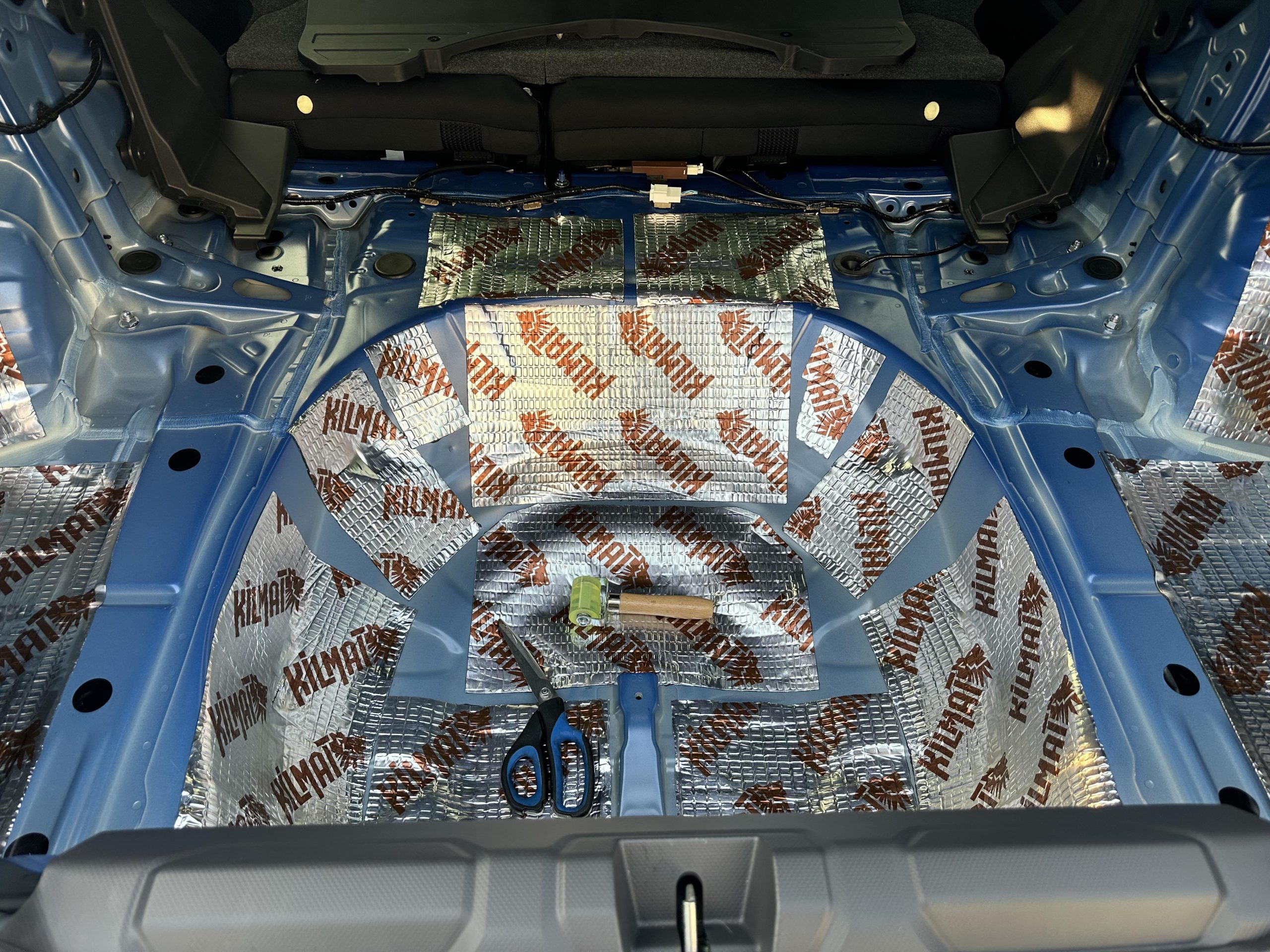
Buyer expectations regarding cabin quietness have changed sharply between the mid-2000s and the present decade. Vehicles released around 2026 are judged by far stricter standards of noise control than those produced in 2005. Meeting these expectations requires extensive use of sound-absorbing and vibration-damping materials applied to body panels, wheel arches, boot floors, and side walls that sit close to the passenger cabin.
Acoustic engineering now consumes more physical material than many other vehicle design disciplines, and the boot area has become one of the main zones for noise suppression efforts. Sound-deadening layers applied to inner boot panels usually add measurable thickness to each surface.
Depending on the acoustic target, these layers may range from thin composite sheets to dense multilayer pads. When applied across multiple boot surfaces, the reduction in usable space accumulates. This leads to a measurable loss in cargo capacity even though the change remains hidden behind trim panels. Buyers rarely see this reduction, yet its effect on volume is real and consistent across modern vehicle designs.
Premium manufacturers deliberately accept this reduction in cargo capacity in exchange for quieter cabins. Vehicles such as the seventh-generation Lexus ES 350 are engineered to meet low interior noise targets during highway driving. Achieving such refinement requires additional mass in the boot walls and floor, which reduces available cargo volume compared with the untreated body shell. Buyers drawn to these vehicles value ride comfort and acoustic isolation, even when that choice reduces luggage capacity.
Wheel arch treatment further reduces boot width. Tyre noise enters the cabin through the arches, requiring thick acoustic layers along inner panels that sit directly beside the boot cavity. These layers narrow the lower corners of the boot, affecting the loading of large rectangular items.
Structural vibration control also demands added mass beneath the boot floor. Manufacturers that avoid these measures produce louder vehicles, while those that apply them deliver quieter cabins at the cost of storage space.
4. Styling Priorities Have Won the War Against Cargo Practicality
Automotive styling priorities have changed the physical shape of modern vehicles in ways that directly reduce cargo capacity. Sloped rear windows, fastback profiles, tapered rear ends, and coupe-inspired rooflines create visual appeal and strong showroom reactions, yet these shapes compress boot height and depth. During the past two decades, manufacturers have consistently moved toward lower and sleeker rear designs because buyers respond positively to these forms when making purchase decisions.
Sedans such as the Mazda6 illustrate this trade-off clearly. Its low roofline and flowing rear design give the vehicle an athletic appearance, yet this styling choice reduces the available boot volume that the external dimensions might otherwise support. The design decision reflects buyer preference for appearance rather than storage capacity, even if some owners later wish for additional cargo room.
Fastback and hatchback style sedans face a similar issue. Sloping rear glass consumes vertical cargo space that a traditional boot lid would preserve. The Kia Stinger demonstrates how generous published cargo figures can still feel restrictive in daily use. The tailgate opening height limits the loading of tall items, reducing practical usability despite acceptable volume figures.
Luxury manufacturers also follow this direction. The Mercedes-Benz C-Class W206 adopted a more dramatic rear roofline than its predecessor. This decision reduced boot capacity because the roof slope extends further forward into the cargo area. Market research showed that buyers preferred the newer styling, leading the manufacturer to accept the storage reduction.
Purchase behaviour consistently shows buyers selecting visually striking designs over upright, storage-focused alternatives at similar prices. Manufacturers respond by designing vehicles that match these preferences, ensuring that styling priorities continue to consume boot space in future models.
5. Fuel Tank Size, Shape, and Position Have Become More Complicated
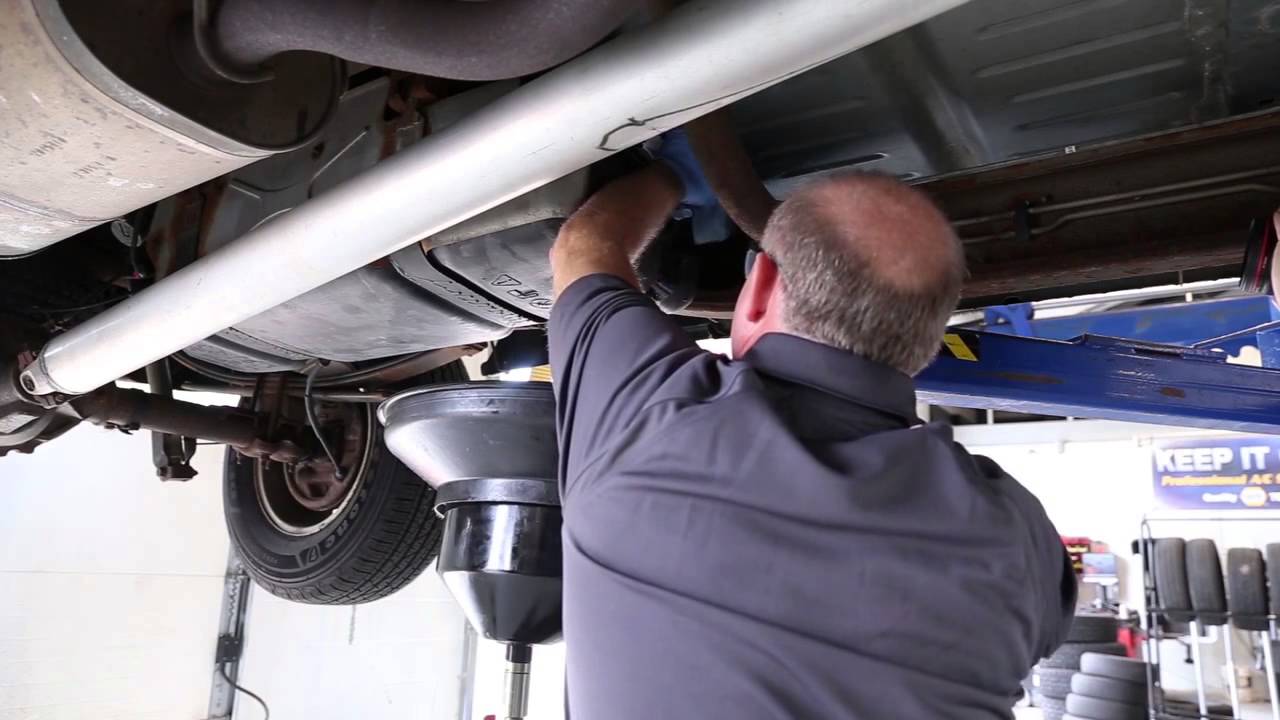
Fuel system design in modern vehicles now requires careful coordination between tank geometry, placement limits, emissions control hardware, crash protection rules, and fuel movement control. Earlier vehicle designs from the early 2000s could rely on simple rectangular or mildly contoured tanks mounted behind the rear axle.
Current vehicles no longer allow such straightforward solutions. Engineers must now design tanks with irregular contours that fit around driveline parts, exhaust routing, and underbody reinforcements while still maintaining safe fuel delivery under varied driving conditions. These design demands directly influence boot floor height, luggage area width, and rear packaging efficiency.
Crash protection standards require fuel systems to remain intact during rear, side, and rollover impacts. To achieve this, tanks are often placed closer to the centre of the vehicle, shielded by structural members. This positioning improves safety but reduces the physical space available behind the rear seats.
The fuel tank frequently occupies the area that older vehicles reserved for deep, flat cargo floors. As a result, the luggage compartment loses depth even when exterior vehicle dimensions increase. Modern evaporative emissions control systems also require additional space.
Vapour lines, charcoal canisters, purge valves, and mounting brackets must be housed near the tank and routed safely to the engine. These components occupy the underfloor and rear body space that older systems did not require. While these systems are far more effective at controlling fuel vapour release, they reduce available storage volume beneath the boot floor.
Vehicles such as the seventh-generation Subaru Outback Wilderness AWD illustrate this packaging outcome. Despite being larger externally than earlier models, its cargo volume behind the rear seats measures slightly less than that of a much older generation. All Wheel Drive routing, fuel system hardware, and raised ride height consume the expected gains.
Saddle-shaped tanks further reduce practicality by creating uneven boot floors. Irregular surfaces prevent efficient stacking of luggage, meaning published cargo figures do not always reflect real loading experience. Buyers often discover this difference only after ownership begins.
6. Rear Suspension Complication Has Expanded Into Trunk Space
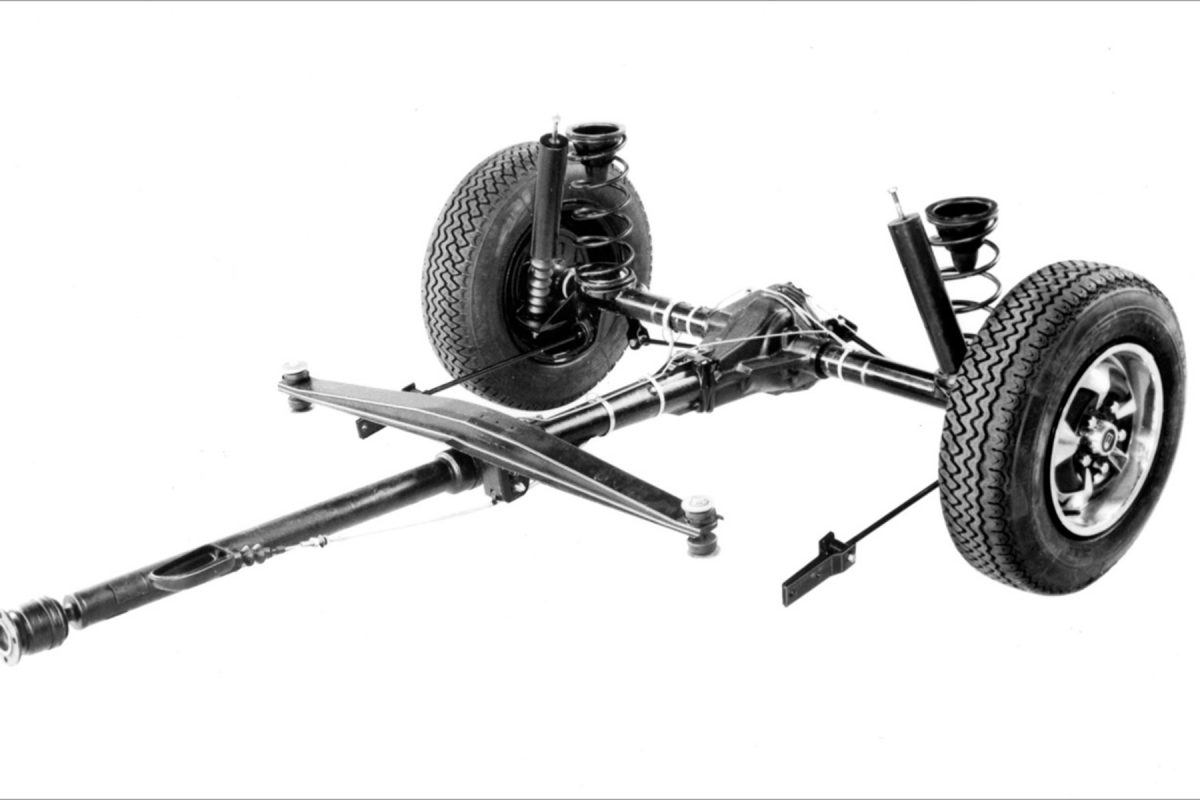
Rear suspension design has changed substantially in modern vehicles due to rising expectations for ride comfort, road holding, and stability at higher speeds. Simpler bend beam suspensions once dominated family cars because they were compact, inexpensive, and easy to package.
Present designs increasingly rely on multi-link independent rear suspension systems, which offer better wheel control but require far more physical space. This change has a direct effect on boot shape and usable cargo width. Multi-link rear suspension systems consist of several arms, links, and mounting points that must move freely throughout suspension travel.
Upper and lower control arms, toe links, camber links, and trailing arms all require clearance. These components sit near the rear wheels, precisely where older vehicles allowed cargo space to extend fully to the corners. The result is a narrowed lower boot profile that reduces usable width at the floor level. This narrowing reflects structural necessity rather than styling choice.
The Genesis G70 sedan demonstrates this limitation clearly. Its boot capacity appears acceptable on paper, yet the lower rear corners intrude inward due to suspension hardware. Large rectangular luggage must be positioned carefully to avoid these areas, reducing practical packing efficiency beyond what published measurements imply.
Adaptive suspension systems introduce additional constraints. Electronic dampers, actuators, control modules, and wiring looms require secure mounting near suspension assemblies. These elements further reduce corner clearance in the boot area. Vehicles equipped with electronically controlled suspension consistently show more intrusion than versions using passive dampers.
The Volkswagen Arteon sedan presents a similar situation. Its stated boot volume sounds generous, yet the usable space is restricted by suspension intrusions at floor level. Flat loading across the full width becomes difficult, making real-world capacity lower than figures suggest. This suspension-driven packaging compromise now defines many modern vehicle designs.
7. Advanced Driver Assistance Hardware Has Claimed Rear Bumper Real Estate
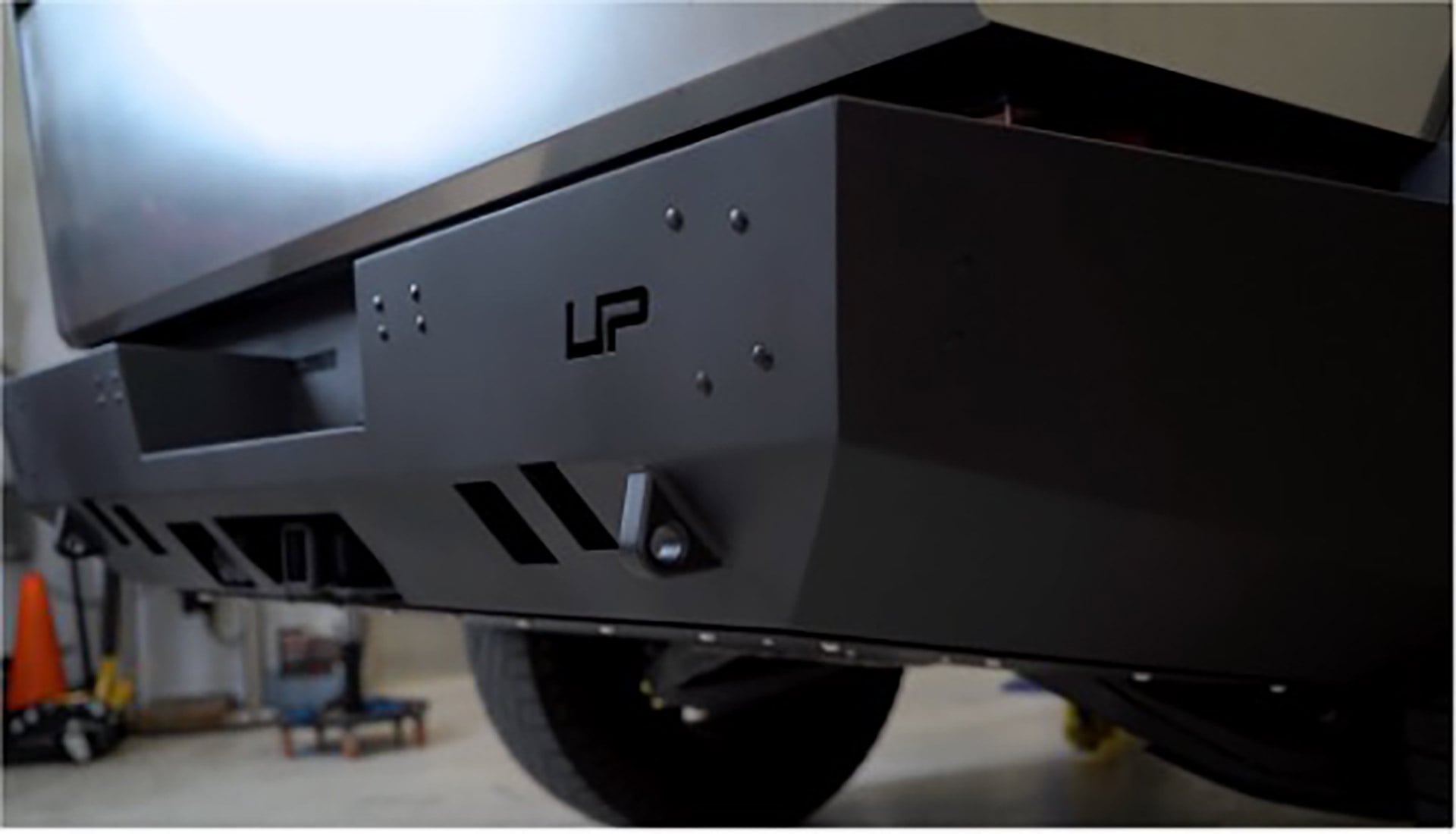
Radar sensors, ultrasonic sensors, and camera systems for adaptive cruise control, blind spot monitoring, rear cross-traffic alert, and parking assistance systems require physical mounting locations at the vehicle’s corners and rear bumper that intrude into the structural space traditionally available for trunk packaging.
Advanced driver assistance systems have become standard or near-standard equipment on most new vehicles, and their hardware installation requirements directly affect the packaging space available at the rear of the vehicle. Long-range radar sensors for adaptive cruise control and automatic emergency braking require clear sight lines through the front and rear bumper fascia with mounting structures that position them precisely for reliable performance.
Rear-facing long-range radar, used for blind spot monitoring and rear collision warning systems, requires mounting in the rear quarter panel or rear bumper area with clear sight lines to the sides and behind the vehicle. These mounting locations compete with structural members that would otherwise contribute to trunk packaging space.
Ultrasonic parking sensors require mounting points around the rear bumper perimeter at specific heights and angles for reliable obstacle detection across the full parking scenario range. Bumper mounting provisions for four to eight ultrasonic sensors add material and structural content to the rear bumper assembly that reduces the compression available between the bumper’s outer surface and the trunk structure, directly reducing effective trunk depth compared to bumper designs without sensor mounting requirements.
Nissan Maxima SR Sedan (eighth generation) illustrates the cumulative hardware integration challenge, with its ProPilot Assist system, Intelligent Forward Collision Warning, and full complement of parking sensors and cameras requiring hardware integration across the front and rear of the vehicle that collectively reduces packaging efficiency compared to a hypothetical equivalent car without these systems.
Nissan’s engineers integrated these systems as professionally as possible, but the physics of adding hardware to a finite packaging space produced the predictable result: less trunk volume than the car’s external size would otherwise support. Camera systems for 360-degree surround view require corner-mounted wide-angle cameras whose installation housings add content to the front and rear quarter panels adjacent to the trunk structure.
Housing installation requires cutouts and reinforcement structures in body panels that reduce the structural efficiency of corner packaging and can create obstructions in trunk corner areas that reduce the practical cargo volume below the nominal measurement.
Also Read: 4 Cars With Working Cruise Control After 200K vs 4 Where It Fails by 100K
8. Battery Pack Positioning in Mild Hybrid Systems Creates Invisible Trunk Volume Loss
Mild hybrid systems that provide start-stop, regenerative braking, and light electrical assistance without providing full electric drive capability have proliferated across modern vehicle lineups as a fuel economy improvement that requires minimal drivetrain modification.
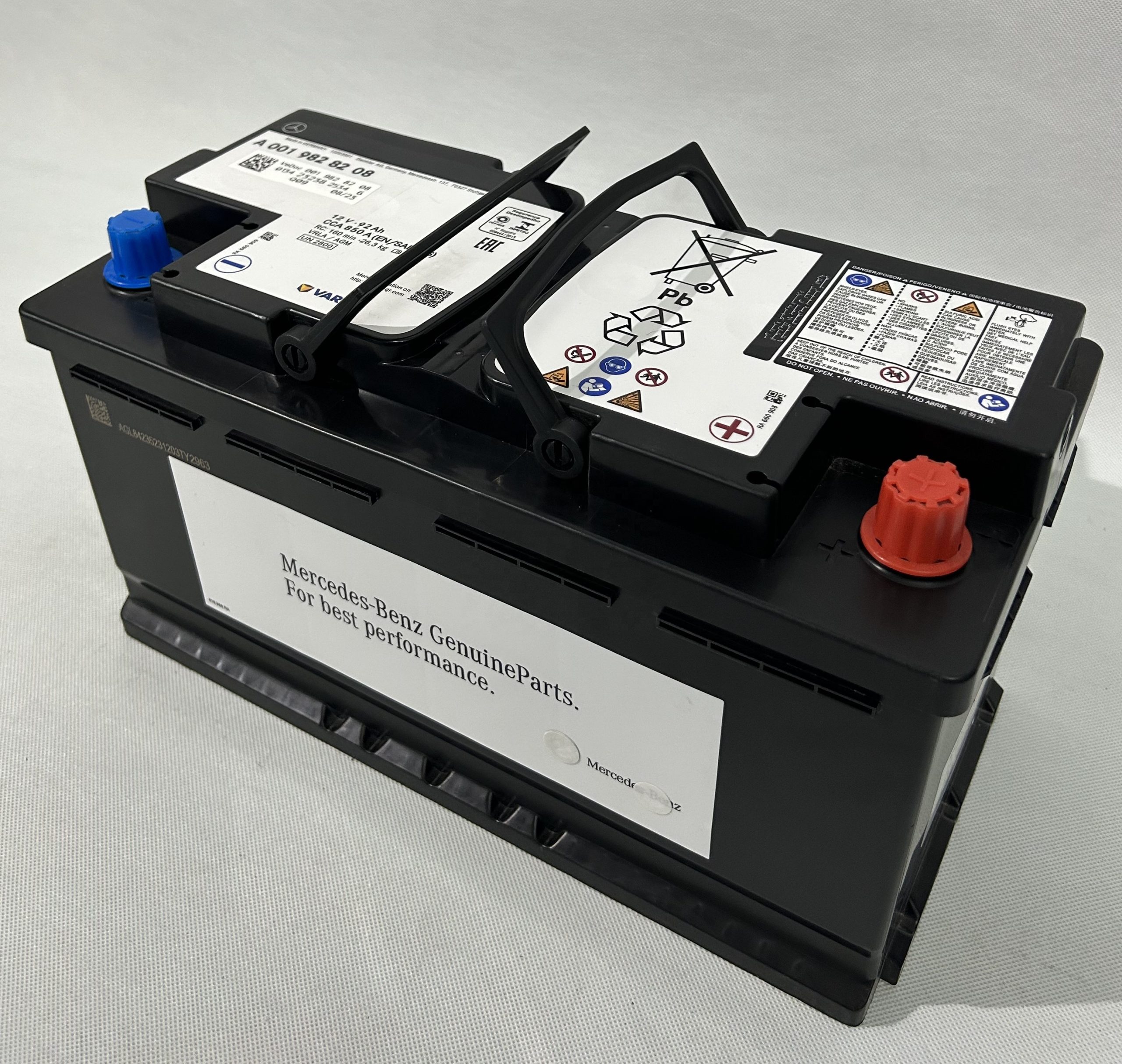
These 48-volt and 12-volt enhanced hybrid systems use lithium-ion battery packs that are smaller than full hybrid systems but still require physical positioning in the vehicle, and their most common mounting location is beneath the trunk floor, directly consuming the spare tire well space that earlier vehicles used for the full-size or compact spare.
Trunk spare tire elimination driven by mild hybrid battery placement has proceeded alongside a broader industry trend toward run-flat tires and tire inflation kits as spare tire substitutes, which manufacturers adopted partly for weight and fuel economy reasons and partly because the space freed by spare tire elimination was needed for battery packs rather than available for cargo improvement.
Buyers who discover their new car lacks a spare tire are typically informed about the inflation kit substitute, but they are rarely told that the space where a spare would have been is occupied by a battery pack whose presence reduces trunk volume from what the car could otherwise have provided.
Audi A4 Sedan 40 TFSI Quattro (B9.5 generation) with mild hybrid system positions its lithium-ion 48-volt battery in the trunk area beneath the cargo floor, raising the floor height compared to non-mild-hybrid configurations and eliminating the spare tire well that the non-hybrid version uses.
Trunk volume in the mild hybrid A4 measures approximately 20 liters less than the standard gasoline equivalent, a reduction that buyers focused on the fuel economy benefits of mild hybrid operation may not notice until they discover the raised trunk floor when loading luggage.
Start-stop system battery packs in vehicles that use conventional starter-alternator mild hybrid architecture are sometimes positioned in the engine bay but more frequently in the trunk area, where their weight provides favorable rear weight distribution. Engine bay positioning avoids trunk volume impact but creates under hood packaging challenges.
Trunk positioning solves under hood packaging but creates the floor height and spare tire elimination issues that reduce cargo space. Most manufacturers choose trunk positioning for its chassis dynamics benefit, accepting the cargo volume reduction as the price of better weight balance.
