
Cruise control is one of those features most drivers take for granted. It sits quietly in the background, ready to make long highway drives effortless and fuel-efficient. But not every car treats this system with equal respect.
Some vehicles are engineered so well that their cruise control works flawlessly even after 200,000 hard miles. Others start giving up on this basic function before the odometer even hits 100,000.
This difference is not random. It comes down to engineering philosophy, component quality, and how well a manufacturer integrates electronics with mechanical systems.
Cheap sensors, fragile clock springs, and poorly sealed control modules are the usual culprits behind early failures. Meanwhile, vehicles built with robust wiring harnesses and high-quality stalk switches tend to keep cruise control alive for decades.
In this article, we break down eight vehicles into two clear camps. The first four are cars and trucks that owners consistently report as having dependable, long-lasting cruise control systems.
The second four are vehicles where this feature becomes unreliable, glitchy, or completely dead well before hitting six figures on the odometer. Whether you are buying used or planning for future repairs, this guide will help you make smarter decisions on the road ahead.
4 Cars With Working Cruise Control After 200K
These cars are known for durable electronics, reliable throttle systems, and long-lasting switches, allowing cruise control to keep working even at very high mileage. Models like the Toyota Camry, Honda Accord, and Ford Crown Victoria are often praised for simple, proven systems that rarely fail.
Vehicles such as the Lexus ES also stand out with well-built components and consistent electronic reliability, ensuring cruise control continues to function smoothly even after years of highway use and heavy mileage.
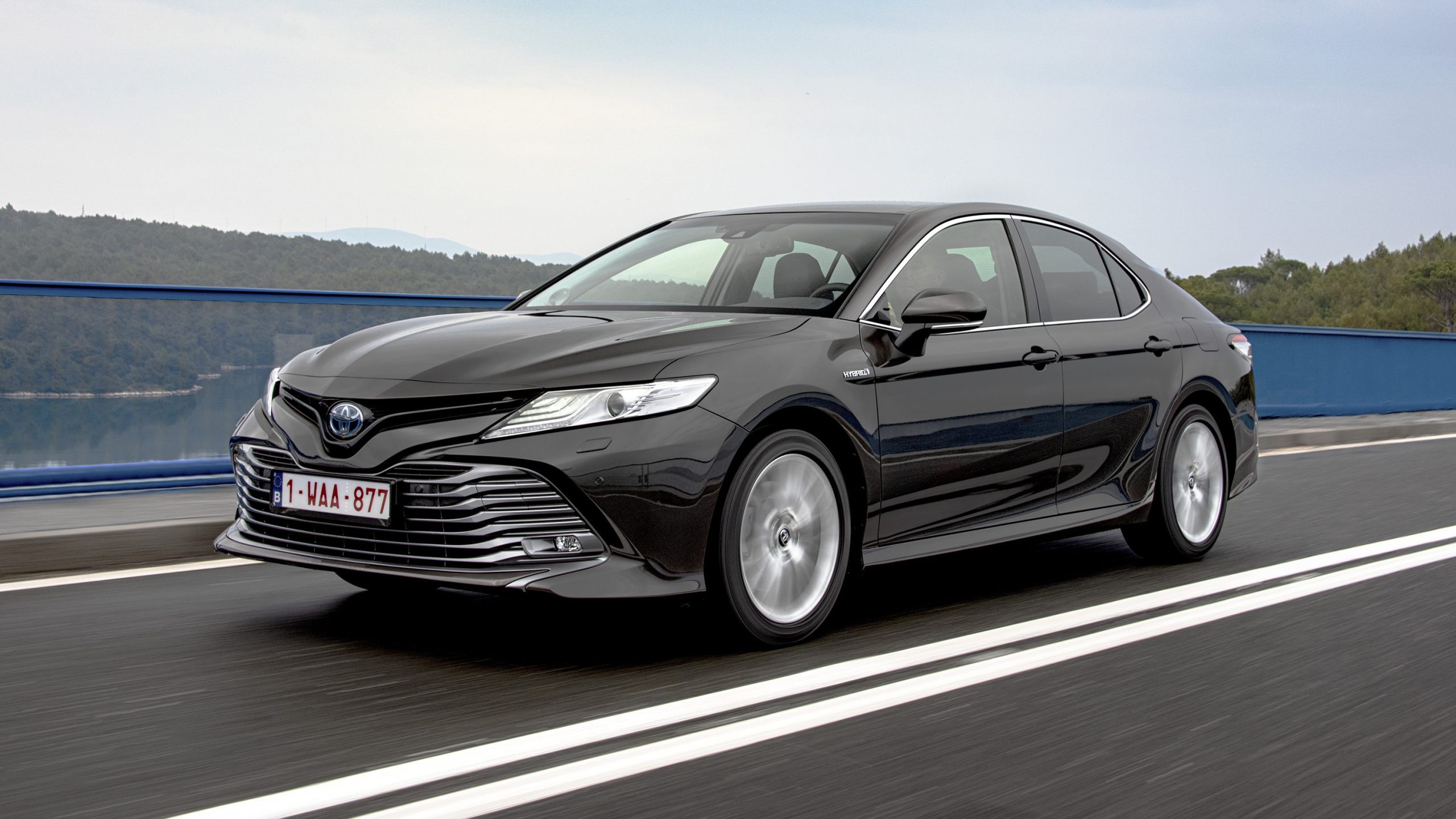
1. Toyota Camry
The Toyota Camry has built its entire reputation on doing the ordinary things extraordinarily well. It is not flashy, and it does not try to be. What it does instead is deliver consistent, dependable performance across every single system under its hood and inside its cabin, including cruise control.
Camry owners regularly report their cruise control systems functioning perfectly at 200,000, 250,000, and even 300,000 miles. This is not a coincidence or a lucky anomaly. Toyota engineers this system with high-quality stalk switches that are resistant to wear. The wiring harnesses are sealed properly and designed to withstand years of temperature cycling without cracking or corroding.
The cruise control module in the Camry is tightly integrated with the vehicle speed sensor. This sensor is known for its durability across generations of Camry models. When the sensor stays accurate, the cruise control system stays functional, and in the Camry, the sensor almost always stays accurate.
One of the biggest enemies of cruise control is the clock spring, the coiled wiring connector behind the steering wheel. In many cars, this component wears out and breaks the electrical connection to the cruise control buttons. Toyota uses a robust clock spring design in the Camry that holds up far better than competitors. Owners replacing clock springs on 150,000-mile Camrys often find the original part still intact.
The brake pedal switch is another critical component. It signals the cruise control system to disengage when you press the brakes. In the Camry, this switch is straightforward, mechanical, and built to last. It rarely becomes a source of failure even at high mileage.
Throttle body cleanliness also plays a role in cruise control behavior. A dirty throttle body can cause the engine to hunt for the right RPM when cruise is engaged. The Camry’s engine management system compensates well for minor deposits, keeping cruise control smooth even without frequent cleaning.
Electrically, the Camry uses conservative, proven circuit designs. Toyota does not chase cutting-edge electronics in economy models. This conservatism pays off at high mileage when complex systems in other cars start developing mysterious faults. Simple circuits mean fewer points of failure.
The transmission also plays a supporting role. The Camry’s automatic transmission communicates cleanly with the cruise control system. Gear hunting, a common complaint in vehicles with worn transmissions, is rarely an issue because the transmission holds gears confidently under cruise conditions.
Real-world Camry owners on enthusiast forums frequently share stories of buying used examples at 180,000 miles and driving them another 100,000 without touching the cruise control system. That kind of testimony, repeated thousands of times across the internet, reflects a genuine engineering reality. The Camry earns its reputation every single day on highways around the world.
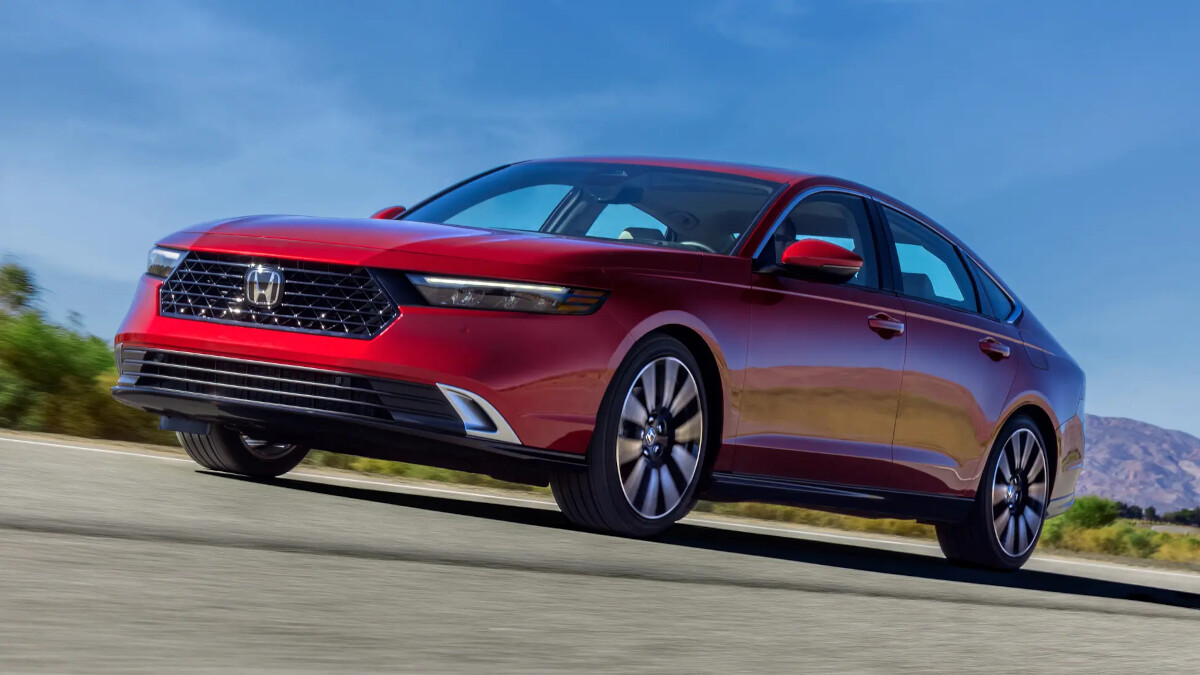
2. Honda Accord
The Honda Accord has always competed directly with the Camry for the title of most dependable midsize sedan. In the cruise control department, the Accord holds its own remarkably well. Honda’s engineering culture prioritizes system integration, and nowhere is that more visible than in how the Accord manages long-term electronic reliability.
Accord cruise control systems from the sixth, seventh, and eighth generation models are particularly celebrated by high-mileage owners. These cars use simple, direct cruise control architectures. There are fewer processors involved, which means fewer opportunities for software or hardware failures to disrupt the system.
The Accord’s main cruise control relay is housed in a protected location. It avoids the kind of moisture exposure that kills cruise control in many other vehicles. Honda’s attention to relay placement reflects a broader philosophy of protecting electrical components from the elements.
Honda uses high-quality speed sensors in the Accord. The vehicle speed signal feeds directly and cleanly into the cruise control module. This clean signal processing is a major reason why Accord cruise control stays accurate and responsive well into high mileage territory.
The throttle cable in older Accord models is a mechanical component that ages predictably. Owners can feel when it starts to stretch slightly. This predictability means they can replace it before it causes cruise control problems. Mechanical systems often outlast electronic ones simply because their failure modes are easier to anticipate.
In newer drive-by-wire Accord models, Honda’s electronic throttle control is well-calibrated. The system does not over-correct or hunt when holding a set speed. Smooth throttle management at highway speeds is a sign of mature, well-tuned software, and the Accord delivers this even as it ages.
The steering column assembly in the Accord, including the cruise control stalk and clock spring, is built to a high standard. Honda tests these components through thousands of switch cycles before approving them for production. That testing pays off when real-world owners operate the system daily for fifteen years.
Accord owners who drive high-mileage taxi drivers, rideshare operators, and long-distance commuters consistently rate cruise control reliability highly. These are exactly the users who would notice any failure quickly. Their positive reports are the most honest endorsement a system can receive.
The Accord also benefits from a vast owner community and aftermarket support. If something does eventually go wrong, replacement parts are affordable and widely available. This means even when the system needs service, it can be restored quickly and cheaply, making the Accord a smart long-term investment for highway drivers.
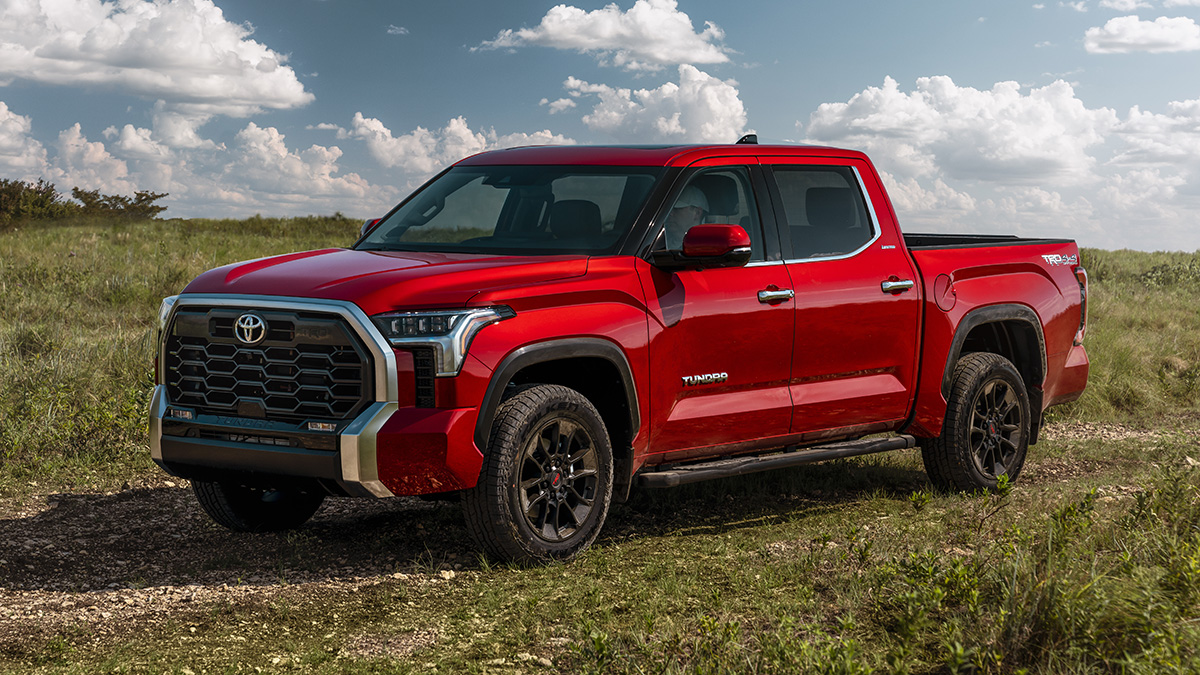
3. Toyota Tundra
Pickup trucks face harsher conditions than passenger cars. They tow heavy loads, drive through weather extremes, and accumulate work miles that are harder on systems than easy highway commuting. Against this backdrop, the Toyota Tundra’s cruise control reliability is genuinely impressive. It holds up under conditions that destroy lesser systems.
The Tundra uses a cruise control setup that is deeply integrated with its towing and engine management systems. When you set cruise while towing, the system works with the transmission to manage downhill grades and maintain speed on uphill climbs. This integration is sophisticated, yet it remains reliable far beyond 200,000 miles.
Toyota’s wiring harness quality in the Tundra is exceptional. These harnesses are designed to withstand engine bay heat, vibration, and moisture. Connectors use weatherproof seals that keep corrosion out for years. Corroded connectors are one of the top causes of cruise control failure in trucks, and the Tundra largely avoids this problem through superior sealing.
The brake light switch in the Tundra is a durable, high-quality component. It disengages cruise control reliably every single time. Some trucks develop issues where the brake switch loses calibration and randomly cancels cruise. Tundra owners rarely report this problem, even at extreme mileage.
The Tundra’s throttle body is generously sized and easy to clean. A clean throttle body supports smooth cruise control operation at highway speeds. Toyota also designs the Tundra’s idle control system to work harmoniously with cruise, preventing the surging behavior that plagues cruise control in other trucks.
Speed sensors on the Tundra are wheel-mounted and protected from road debris. The sensors send clean, consistent signals to the cruise control module. Clean sensor signals mean the system can hold speed accurately without constant micro-corrections that wear out actuators over time.
The Tundra’s cruise control actuator, the component that physically controls throttle position, is built to commercial-grade standards. Toyota knows Tundra owners work their trucks hard. The actuator is designed with this reality in mind. It tolerates heat, vibration, and sustained use better than actuators in most competing trucks.
Long-haul Tundra owners, those who regularly drive 500 to 1,000 miles in a single stretch, report cruise control working perfectly at 220,000, 240,000, and beyond. For a truck that also works hard on job sites, this kind of reliability is extraordinary. The Tundra proves that cruise control durability and work-truck toughness are not mutually exclusive qualities.
4. Subaru Outback
The Subaru Outback attracts a specific kind of driver, one who drives long distances, often through challenging weather, and expects their car to perform consistently. Cruise control is essential to this lifestyle. Fortunately, the Outback delivers cruise control that matches the demands of its adventurous owners.
Outback cruise control systems from the 2005 through 2015 generation are particularly well-regarded. These systems use straightforward electronic architectures. The cruise control module communicates clearly with the engine management computer, and this communication stays clean even as mileage climbs.
Subaru’s AWD system means the Outback constantly monitors wheel speed at all four corners. This data feeds directly into the cruise control system. Having four wheel speed inputs rather than one gives the cruise control more accurate speed data to work with. More accurate data means more consistent speed maintenance on highways.
The Outback’s cruise control stalk is mounted on the steering column in a way that protects it from accidental damage. Many drivers unconsciously bump cruise control stalks, causing premature wear. The Outback’s placement minimizes this contact. Fewer accidental hits mean the stalk lasts longer.
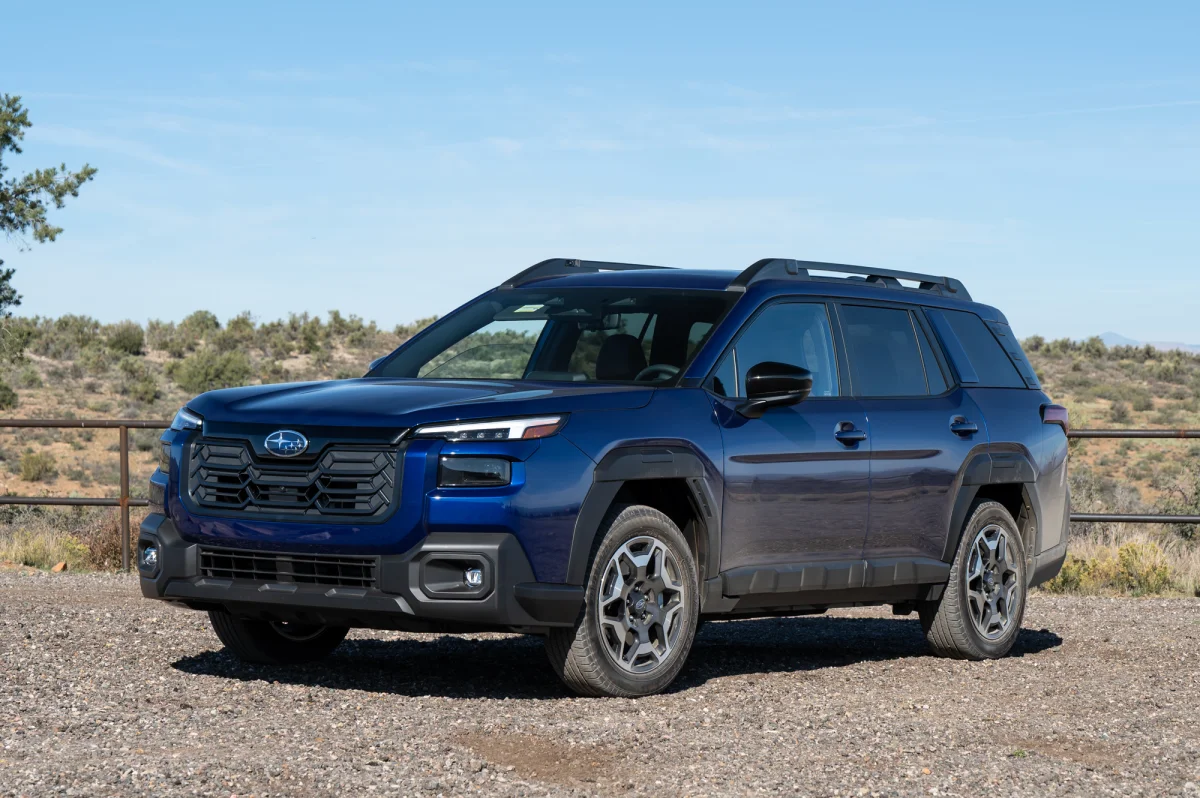
Subaru builds the Outback with cold-weather operation in mind. Electrical connectors and wiring are treated to resist moisture and freeze-thaw cycling. This is crucial for cruise control reliability in northern climates where temperature swings are extreme. A system that survives Minnesota winters at 200,000 miles is genuinely engineered for longevity.
The throttle response in the Outback is smooth and linear. This linearity makes it easy for the cruise control system to maintain exact speeds without hunting. A car that responds predictably to small throttle inputs is inherently easier to control automatically, and the Outback’s engine management is tuned with this in mind.
Outback owners who drive primarily on interstate highways, a common usage pattern for this vehicle, report cruise control functioning reliably well past 200,000 miles. The system rarely needs anything beyond occasional inspection of the brake switch and throttle body cleaning. Low maintenance requirements at high mileage are the hallmark of a well-engineered system.
The Outback also benefits from Subaru’s growing reputation for building cars that age gracefully. While the brand has faced criticism for head gasket issues in older models, the electrical and cruise control systems are consistently praised by high-mileage owners. This split reputation actually highlights the cruise control’s strength, it performs well even in cars with other challenges.
Also Read: 9 Used Car Features That Look Cool But Break Within a Year
4 Where It Fails by 100K
These cars are more likely to experience early cruise control issues, often due to failing switches, sensors, or electronic modules. Problems can include unresponsive buttons, inconsistent speed holding, or complete system failure.
In many cases, the issues stem from complex electronic systems or lower-quality components, leading to repairs that can be frustrating and sometimes costly. For drivers who rely on cruise control for long trips, these failures can become a noticeable inconvenience.
1. Ford Focus (2012–2018)
The Ford Focus from this era has developed a complicated reputation among owners. It is a stylish, fun-to-drive compact car that unfortunately carries significant electronic reliability baggage. Cruise control failure is among the most commonly reported problems, and it often arrives before the odometer hits 80,000 miles.
The Focus’s cruise control issues are often tied to its infamous PowerShift dual-clutch transmission. This transmission communicates with virtually every driver assistance system in the car, including cruise control. When the transmission develops its well-documented shudder and slip issues, it disrupts the cruise control system’s ability to hold speed consistently.
Owners report cruise control randomly disengaging on highways with no apparent reason. The car cancels the set speed, returns control to the driver, and offers no dashboard explanation. This behavior is unsettling on busy highways. It forces drivers to abandon the feature entirely rather than risk unexpected speed changes.
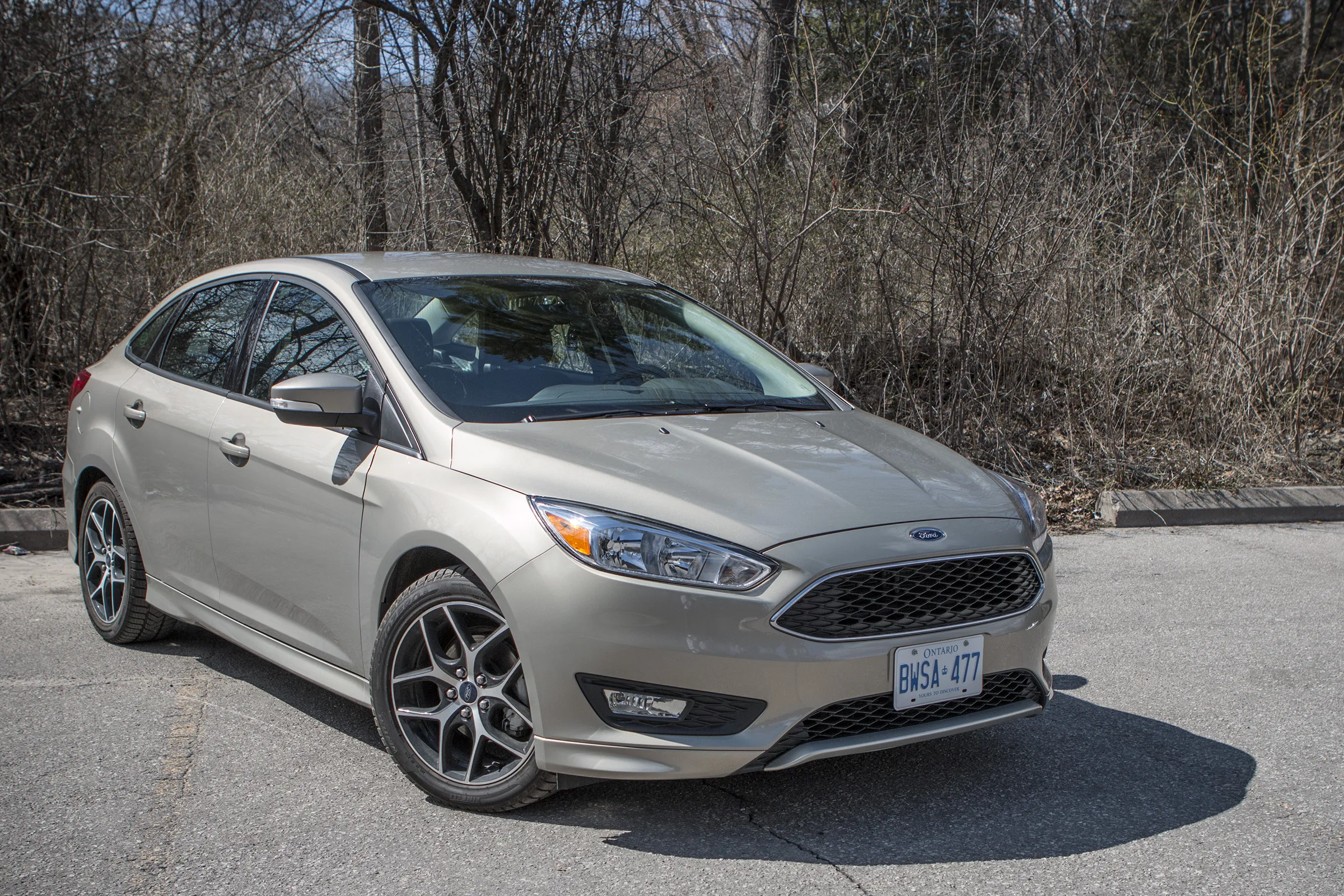
The brake light switch in the Focus has also been identified as an early failure point. When this switch loses its precise calibration, which happens relatively quickly due to component quality, it sends false signals to the cruise control module. The module interprets these false signals as brake pedal applications and cancels the cruise accordingly.
Ford’s wiring harness quality in this generation Focus is not up to the standards of Japanese competitors. Connectors can develop resistance over time, causing intermittent electrical faults that are maddeningly difficult to diagnose. Cruise control systems are particularly sensitive to connector resistance because they rely on fast, accurate signal transmission.
The Focus’s throttle-by-wire system, while technically competent, shows calibration drift over time. As the system ages, the cruise control module struggles to issue precise throttle commands. The result is a cruise system that surges and hunts, speeding up and slowing down repeatedly around the set speed rather than holding steady.
Software updates from Ford have addressed some cruise control issues, but not all. Many owners report that dealer updates temporarily improve behavior before problems return. This pattern suggests the issues are partly hardware-based rather than purely software-related. Software cannot fully compensate for failing physical components.
The steering column clock spring in the Focus is a known wear point. This component carries the electrical signals from cruise control buttons on the steering wheel. When it begins to fail, which often happens before 90,000 miles, the buttons become intermittent or stop working entirely. Clock spring replacement is a moderately expensive repair that should not be necessary on a relatively young vehicle.
2. Chrysler 200 (2011–2017)
The Chrysler 200 arrived with genuine promise. It represented Chrysler’s attempt to compete seriously in the midsize sedan market. The interior was attractive, and the feature list was competitive. But underneath the glossy presentation, reliability problems accumulated quickly, and cruise control was among the systems that suffered early.
The 200’s cruise control issues often trace back to its electronic throttle control system. The throttle control module in this car is sensitive to heat cycling. As the engine bay heats up and cools down through thousands of cycles, the module’s calibration shifts. This shifting calibration throws off cruise control accuracy.
Owners frequently report the cruise control light illuminating, the set speed appearing on the dashboard, but the throttle not responding correctly. The system appears functional from a user interface perspective, but fails to actually control vehicle speed. This disconnect between display and function is a particular source of frustration.
The Chrysler 200 uses a complex network of modules that communicate through the vehicle’s CAN bus system. When any module on this network develops communication errors, which happens relatively early in the 200’s lifespan, it can corrupt the cruise control signals. Diagnosing which module is causing the problem requires expensive dealer-level diagnostic equipment.
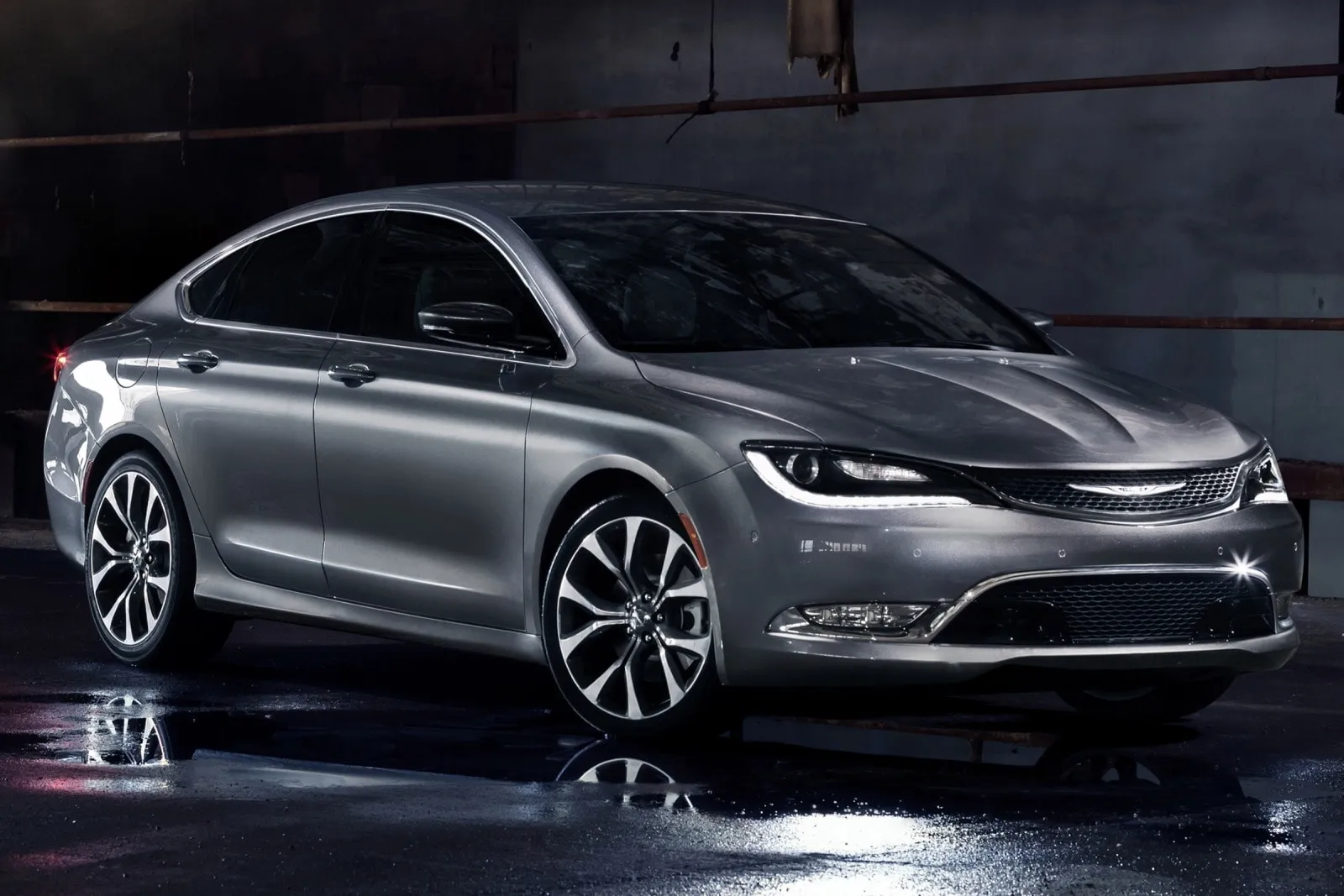
The 200’s brake pedal position sensor is a known trouble spot. This sensor not only signals the brake lights but also communicates directly with the cruise control module. Early sensor failure leads to cruise control that randomly cancels, refuses to engage, or behaves erratically. Replacement is straightforward but should not be needed at 60,000 or 70,000 miles.
Chrysler’s quality control during this era was inconsistent. Some 200s run perfectly for years, while others develop multiple problems simultaneously. This inconsistency makes it difficult for owners to plan for maintenance or predict reliability. Cruise control failure in some examples appears as early as 55,000 miles, an unacceptably low threshold for a modern feature.
The steering wheel controls in the 200, including cruise control buttons, are part of an integrated module that is expensive to replace. When individual buttons fail, which they do at a higher rate than competitors owners face a choice between expensive repairs or permanently losing steering wheel cruise control access. This forces the use of the stalk, which is less convenient during actual highway driving.
The 200 also suffers from software instability in its infotainment and driver assistance systems. Because these systems share processing resources and communication networks, a fault in one area can cascade into another. Cruise control drops and random cancellations are sometimes traced back to infotainment module faults, a connection that makes diagnosis even more complex.
3. Volkswagen Jetta (2011–2018)
Volkswagen has always marketed itself on the strength of German engineering precision. The Jetta is the brand’s entry point into the American market, a well-priced sedan that promises European driving quality. Unfortunately, the Jetta’s cruise control system reveals a gap between marketing promise and real-world performance that many owners discover before reaching 100,000 miles.
The Jetta’s cruise control failures often begin with the multi-function steering wheel stalk. This single stalk controls turn signals, cruise control, and sometimes wipers. The cruise control portion of the stalk uses small internal switches that wear out faster than they should. Once internal switch contacts become unreliable, the cruise control system receives inconsistent commands.
The clock spring, that critical coiled connector behind the steering wheel, is a significant problem in the Jetta. Volkswagen’s clock spring design in this era is known for premature wear. Many owners discover cruise control button failure between 70,000 and 90,000 miles. Replacement clock springs are available, but the repair requires steering wheel removal, which adds labor cost.
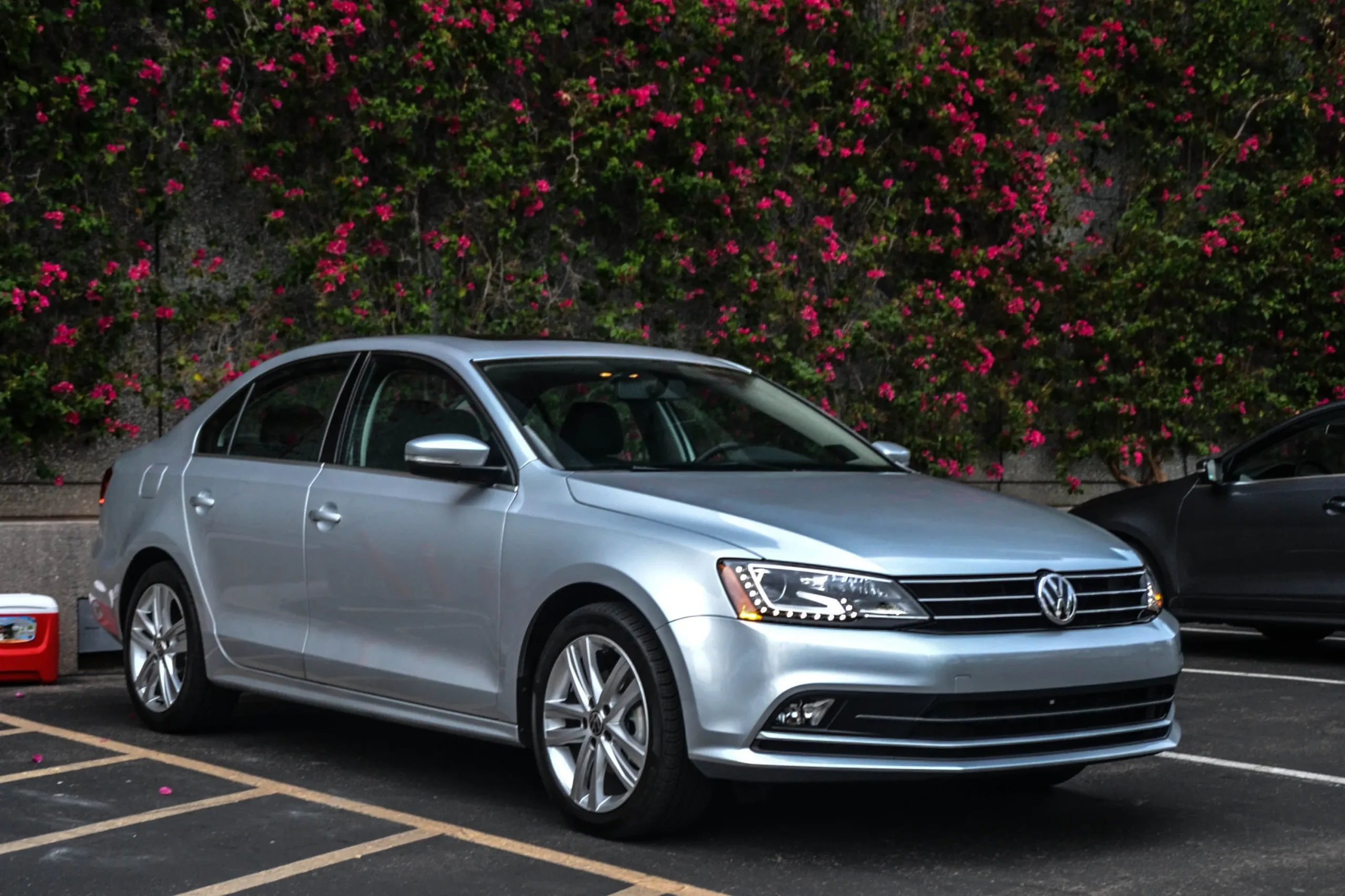
Volkswagen’s electrical systems in this period are notoriously sensitive to moisture. The Jetta’s footwell area, where several cruise control-related control units are mounted, can accumulate moisture from HVAC condensation or door seal leaks. Moisture in control units causes unpredictable electronic behavior, and cruise control is among the first systems to show symptoms.
The Jetta’s throttle valve control module is another documented trouble point. Volkswagen’s drive-by-wire throttle system in this generation requires clean, accurate feedback to function well. When the throttle valve develops carbon deposits, which it does on direct injection engines, the cruise control system struggles to maintain precise speed control.
Carbon buildup on intake valves is a broad problem with VW’s direct injection engines. Unlike port injection engines that wash intake valves with fuel, direct injection leaves valves exposed to combustion residue. This buildup causes hesitation and inconsistent throttle response that translates directly into poor cruise control behavior. Walnut blasting the intake valves is an effective fix, but it costs several hundred dollars and is not a standard maintenance item most owners anticipate.
The Jetta’s ABS module communicates vehicle speed to the cruise control system. When the ABS module develops faults which occurs earlier than average in this generation, the speed signal becomes unreliable. An unreliable speed signal causes the cruise control to either disengage frequently or hunt constantly around the set speed. ABS module replacement is expensive, and cruise control recovery depends on it.
Owners who bought the Jetta expecting German quality were particularly disappointed by these failures. The car’s driving dynamics genuinely are impressive. The ride, handling, and steering feel are excellent. But electronic reliability below the surface tells a different story, one where cruise control becomes unreliable before the car reaches what most buyers would consider middle age.
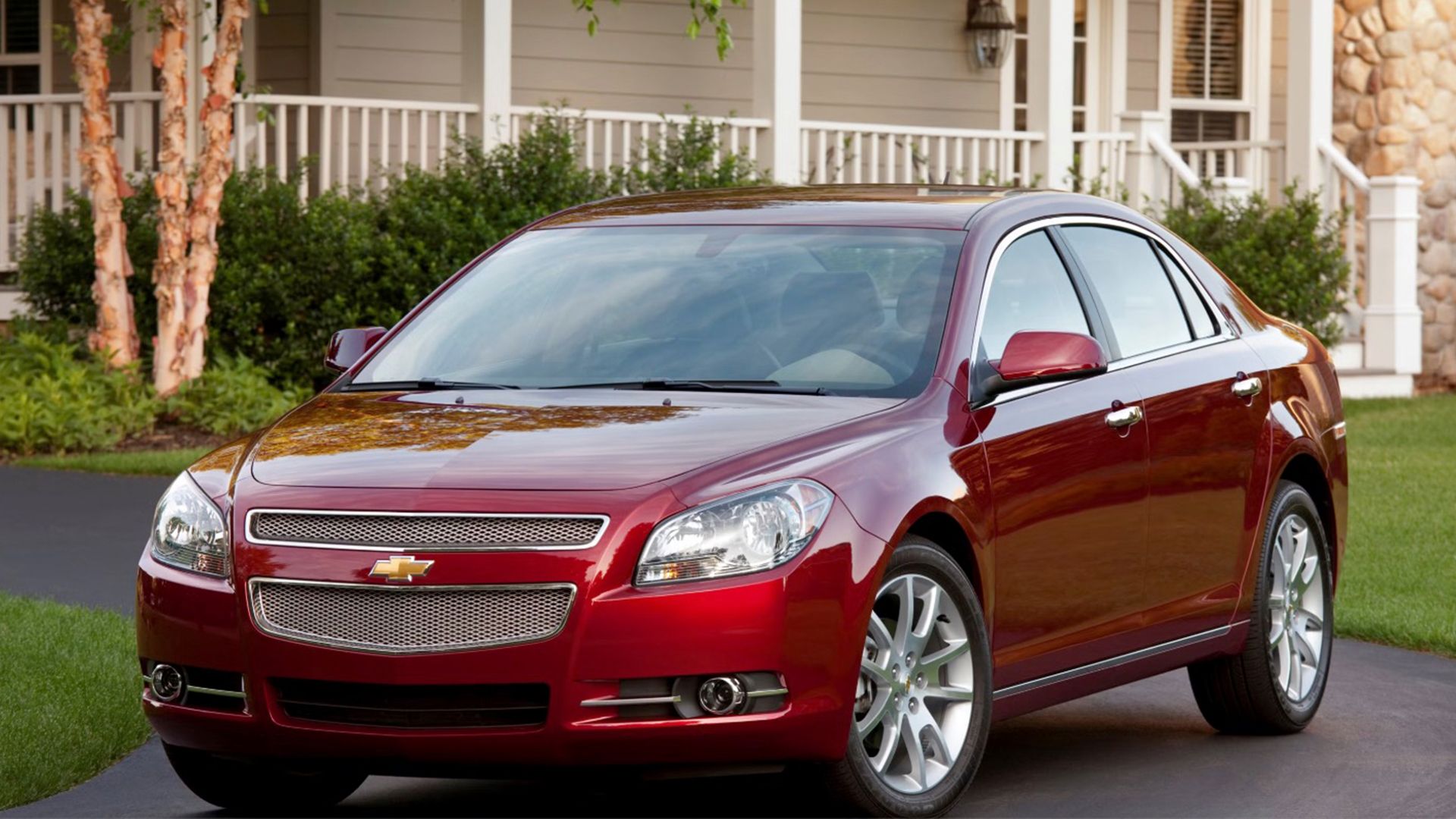
4. Chevrolet Malibu (2013–2017)
The Chevrolet Malibu occupies familiar territory as a mainstream American midsize sedan competing against the Camry and Accord. On paper, the Malibu checks all the right boxes. It is comfortable, well-equipped, and reasonably priced. But in practice, the cruise control system reveals reliability weaknesses that surface well before the 100,000-mile mark.
The most commonly reported cruise control problem in the Malibu is unexpected system shutdown. Owners set their speed on the highway, and after a few minutes, sometimes seconds, the cruise control cancels itself without warning. No warning lights appear. No error messages explain the cancellation. The system simply quits and must be re-engaged.
This behavior traces back to the Malibu’s throttle actuator control system. The TAC module monitors throttle position and communicates with the cruise control module continuously. When the TAC module develops faults, often due to internal component degradation, it sends corrupted data that causes the cruise control to initiate a safety shutdown. The safety feature designed to protect the driver ironically becomes the source of the problem.
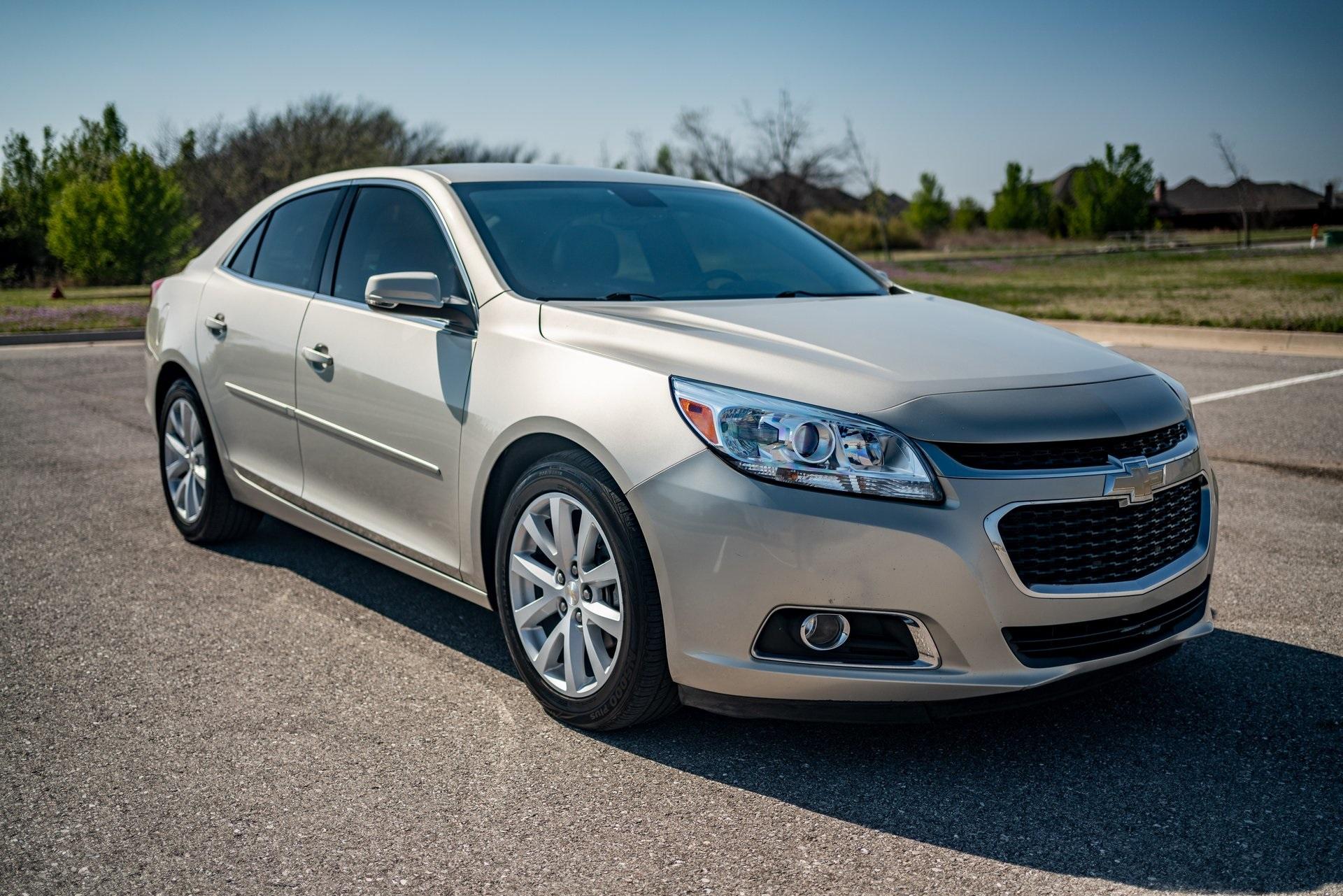
The vacuum brake booster in older Malibu configurations interacts with the cruise control system in ways that cause problems as it ages. A booster developing small leaks changes the feel and timing of brake pedal application. This altered timing confuses the brake switch, which then sends ambiguous signals to the cruise control module. The module responds by cancelling cruise control as a precaution.
The Malibu’s electronic power steering system also plays an unexpected role in cruise control reliability. The EPS module monitors driving inputs and communicates this data across the car’s network. When the EPS module begins to show early signs of wear, which it does more frequently in the 2013–2017 Malibu than owners expect, the resulting network noise can interfere with cruise control signals.
General Motors’ use of body control modules in the Malibu centralizes many functions, but also centralizes failure points. The BCM controls a wide range of electrical features, and cruise control relies on it for several key functions. BCM corruption caused by voltage spikes, poor connections, or software faults can affect cruise control behavior in ways that are difficult to trace without GM-specific diagnostic tools.
The instrument cluster in the Malibu sometimes displays false cruise control engagement indicators. Owners see the cruise symbol lit up on the dashboard even when the system has internally disabled itself. This misleading display causes confusion and delays proper diagnosis. A driver trusting the instrument cluster assumes everything is fine while the actual cruise control circuit has already faulted.
Electrical connector quality throughout the Malibu’s systems is average at best. Connectors in the engine bay and under the dash show corrosion and resistance buildup faster than competing vehicles. Since cruise control depends on clean electrical signals across multiple connectors, any resistance increase degrades system performance. Cleaning and treating connectors can temporarily restore function, but the underlying quality issue eventually reasserts itself.
The Malibu’s failures are particularly frustrating because they rarely result in a clean, diagnosable fault code. Instead, the car produces intermittent issues that come and go unpredictably. Mechanics cannot reliably reproduce the problem during inspections. This leads to expensive diagnostic time without definitive repairs a pattern that exhausts owner patience and wallets long before the odometer reaches six figures.
Also Read: 10 Reasons a Used Car With Low Mileage Could Still Be a Bad Deal
