
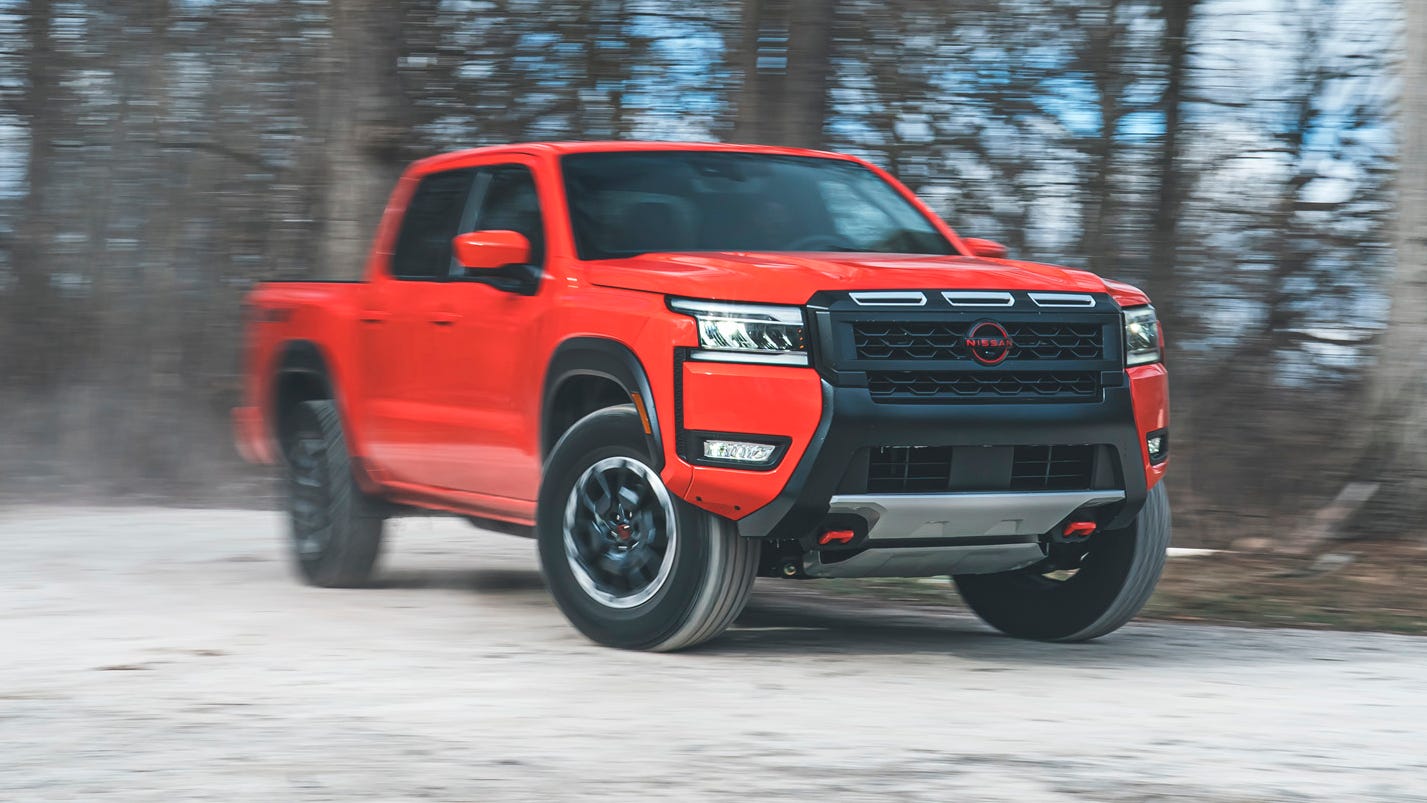
Pickup trucks have always carried a reputation for honesty. They were built to work, built to last, and built with features that made everyday ownership feel straightforward. A driver could step out of an older truck and into a newer one without needing a manual to understand how things worked.
Familiar controls, durable materials, and practical hardware created trust that lasted long after the first payment. That relationship is changing. Modern pickups are quieter, more efficient, and packed with digital features, yet small decisions made during redesigns have slowly erased functions that owners relied on without thinking about them.
These were not luxury extras. They were simple, useful elements that made trucks dependable during long trips, rough weather, jobsite use, and years of ownership. Buyers often notice what is new, while missing what quietly disappeared. That realization usually arrives during daily use rather than on the showroom floor.
This page looks closely at features fading away from pickup trucks and explains why their absence matters more than spec sheets suggest. Each section highlights a different loss, supported by real vehicle examples and ownership realities that many buyers only discover after the purchase.
1. Full-Size Spare Tires Are No Longer Guaranteed
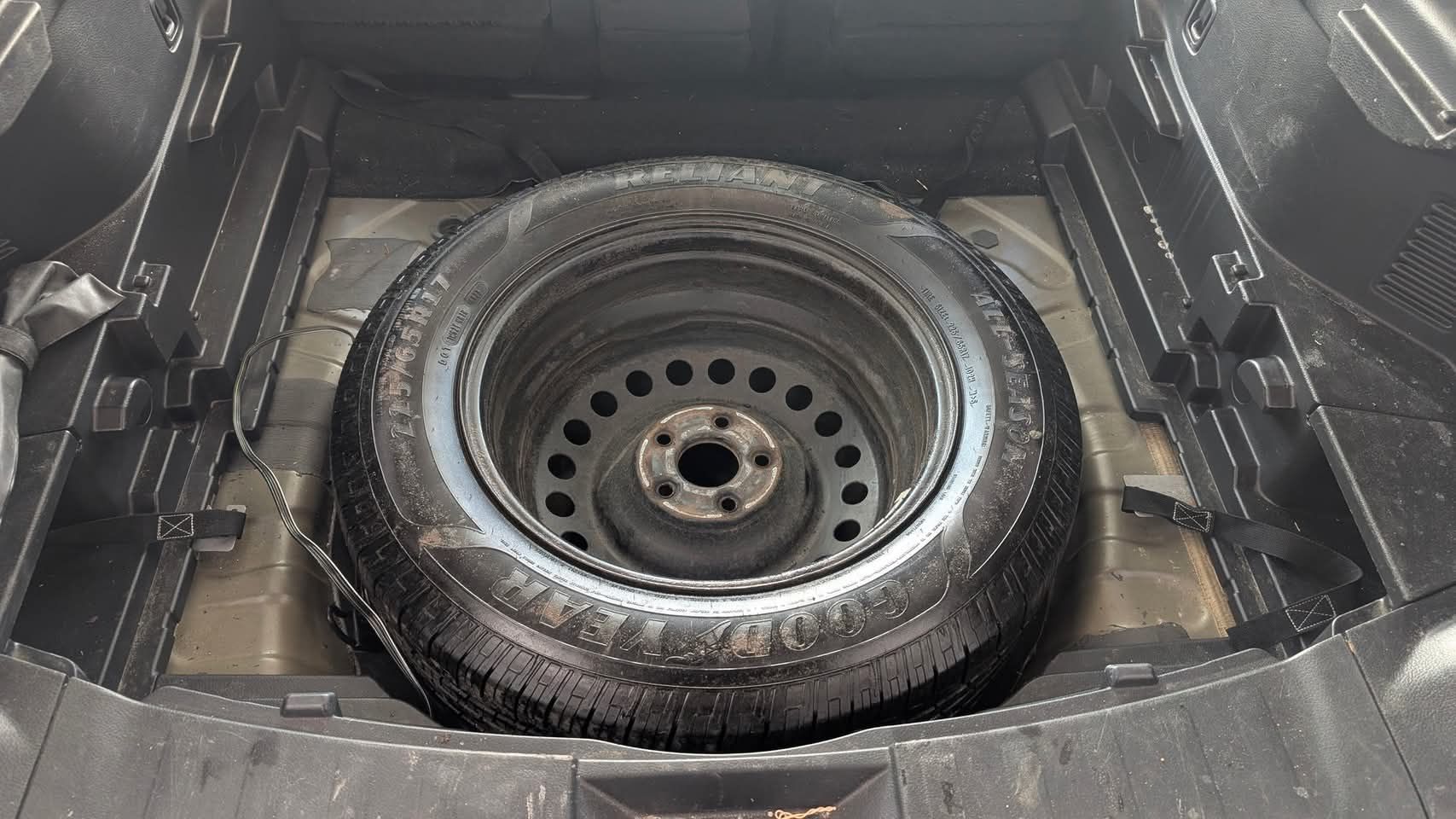
Confidence used to come standard with pickup ownership. A flat tire rarely caused panic because a matching spare waited underneath the bed. Full-size spares allowed normal driving, proper towing alignment, and flexibility when repairs could not happen immediately. That expectation has weakened in recent years as compact spares and tire repair kits replace full-size replacements.
Cost savings drive this change. Compact spares weigh less and reduce material expense. Space reclaimed beneath the bed supports larger exhaust components or fuel tanks. None of these advantages helps a driver stranded far from help. Compact spares impose speed limits, reduce traction, and shorten usable distance. Repair kits fail when sidewalls split or debris causes wide damage.
Ford Ranger Lariat SuperCrew 4×4 models illustrate the issue clearly. Buyers expect trail readiness and utility, yet many versions ship without a matching spare. Toyota Tundra SR5 CrewMax trucks have followed a similar direction in certain trims. Nissan Titan SV Crew Cab configurations also reduced standard spare provisions.
Real-world use exposes the problem quickly. Towing with a compact spare introduces driveline stress and handling instability. Work crews face downtime that older trucks rarely caused. Long-distance travelers must rely on roadside assistance instead of self-sufficiency.
Ownership habits adjust in response. Drivers carry plug kits, compressors, and, once, unnecessary backup plans. Buyers now ask questions that used to feel absurd, such as spare tire size confirmation. A pickup still performs its tasks, yet the assurance that once came naturally now depends on careful option selection.
2. Physical Climate Control Knobs Are Being Replaced by Touchscreens
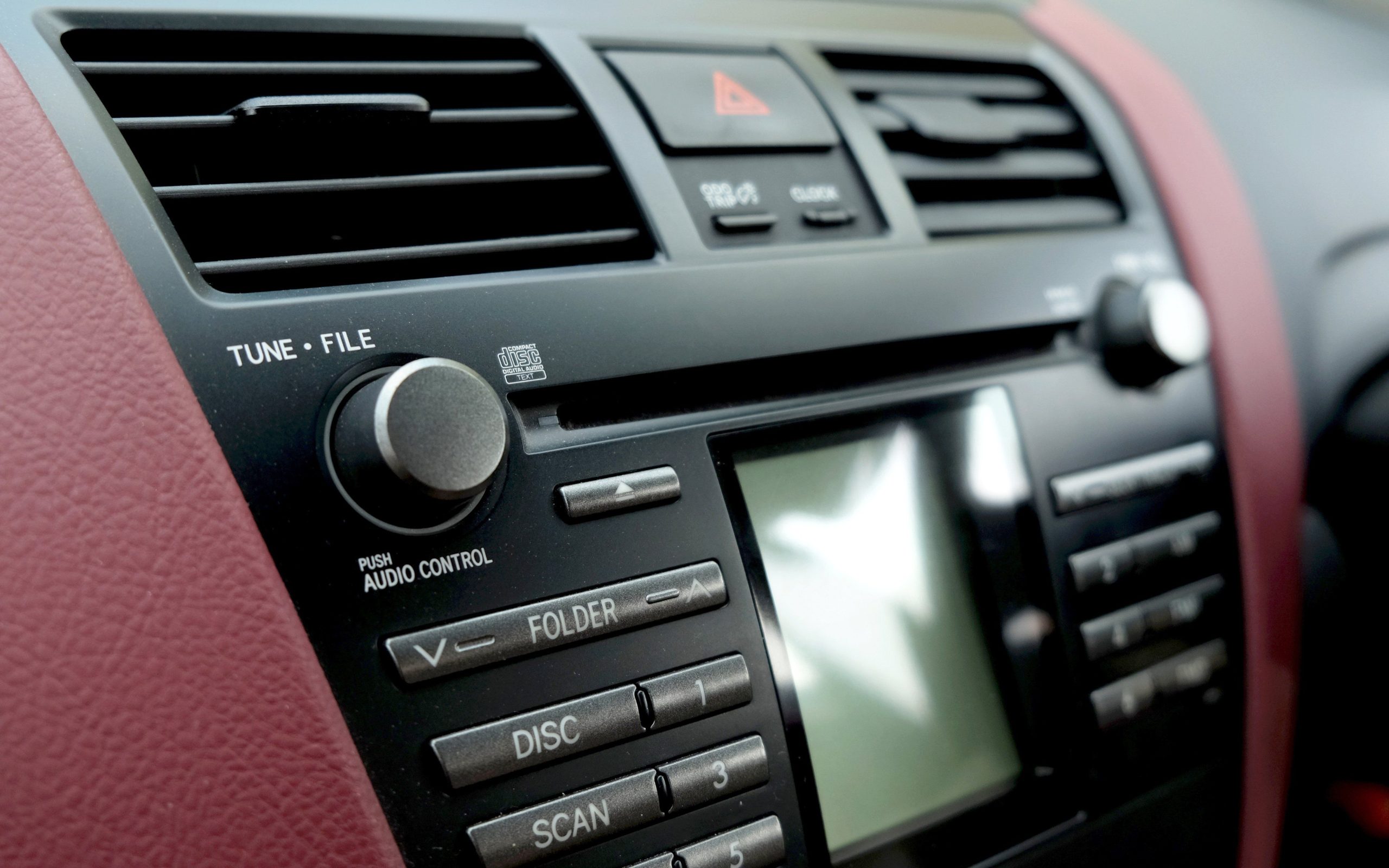
Muscle memory once ruled cabin controls. Drivers adjusted the temperature or fan speed without looking away from traffic. Physical knobs provided resistance, feedback, and reliability that endured years of use. Touchscreens promise flexibility and a clean look, yet remove that intuitive control.
Distraction becomes the first casualty. Adjusting airflow now requires visual confirmation and menu navigation. Gloved hands struggle with smooth glass surfaces. Bright sunlight creates glare that hides icons. Software lag delays response during moments when quick changes matter.
Jeep Gladiator Overland models transitioned many climate functions into screen-based menus. Chevrolet Colorado LT Crew Cab versions followed suit. GMC Canyon Denali trucks emphasize digital interfaces that replace traditional knobs almost entirely. Longevity raises additional concerns.
Physical switches wear gradually and remain usable. Screens depend on software stability and hardware longevity. A failed display can disable multiple functions at once. Repair costs exceed those of individual switches by a wide margin. Daily driving highlights the inconvenience.
Quick adjustments during sudden weather changes feel awkward. Passengers hesitate to interact with unfamiliar systems. What once felt natural now feels like operating a device rather than driving a truck. Buyers who value simplicity notice this loss immediately.
Cabin technology feels impressive during demonstrations, yet routine use reveals how much effort replaces ease. Control that once required instinct now demands attention.
Also Read: 10 Most Overrated Pickup Trucks American Buyers Still Worship
3. Steel Bed Floors Are Being Replaced by Composite Materials
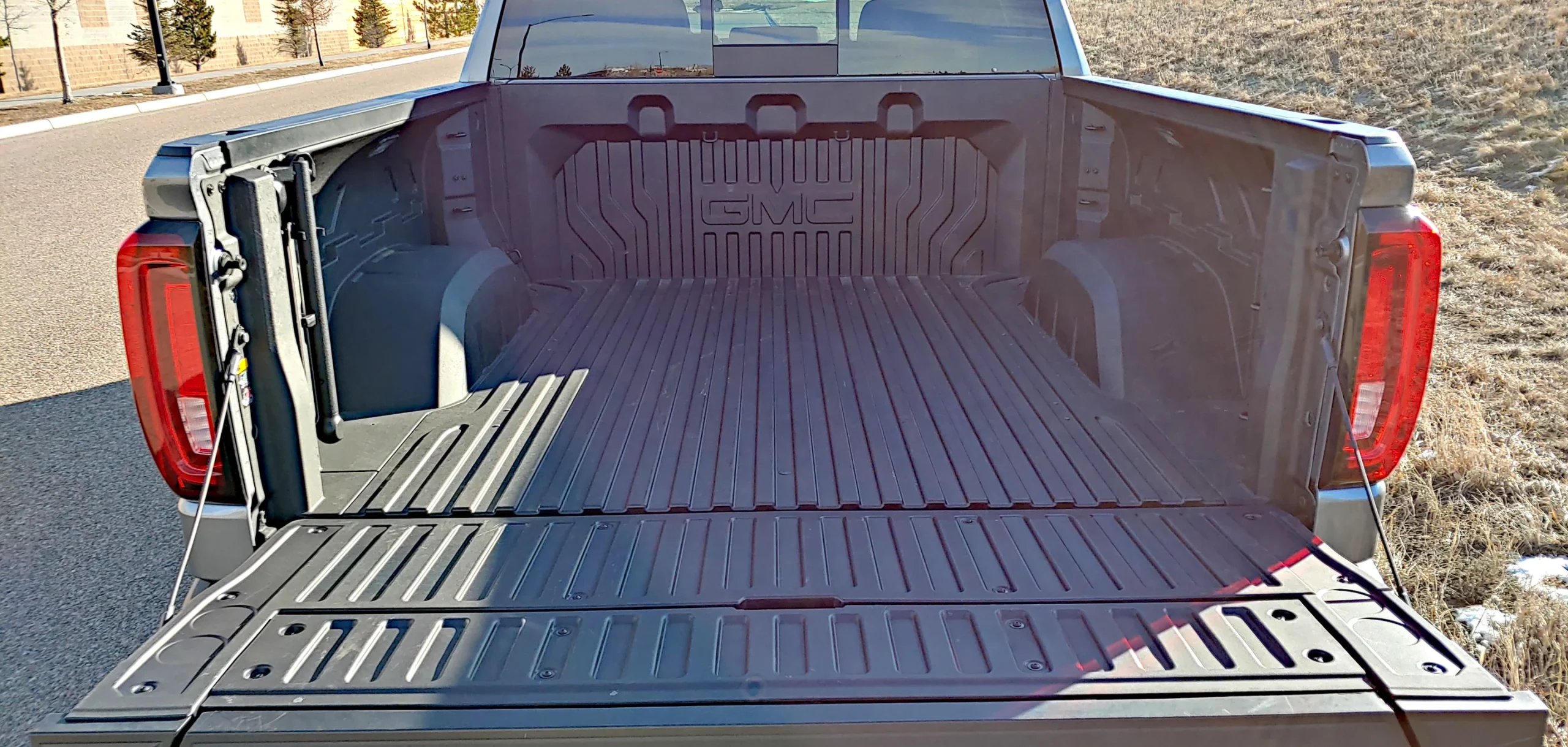
Pickup truck bed construction once relied on plain steel, chosen for its strength, predictability, and tolerance for abuse. Steel floors accepted dents, scratches, and surface corrosion as part of daily labour. These marks rarely affected function. Owners understood how steel behaved under weight, friction, and heat. Repairs were familiar, often involving welding, hammering, or straightforward panel replacement.
That long-standing relationship between material and purpose has been altered by the introduction of composite bed floors. Composite beds are promoted as modern solutions that resist rust and reduce vehicle weight. These materials combine reinforced plastics and resins engineered to handle load-bearing tasks.
While corrosion resistance solves one historical problem, it introduces different limitations. Composite surfaces respond to impact in ways that differ sharply from steel. Instead of bending or denting, they are more likely to chip, crack, or gouge. The visual damage appears harsher, even when structural strength remains intact.
Daily work exposes these differences quickly. Sliding generators, toolboxes, or building materials across composite floors leaves deep scoring rather than gradual surface wear. Steel accepts friction as a normal consequence of labour. Composite materials show damage earlier, and that damage often spreads beyond the initial contact point.
Repairs also demand specialised processes, frequently requiring complete panel replacement rather than local correction. Costs rise, and downtime increases. Heat presents another challenge. Steel tolerates sparks, grinding debris, and brief contact with hot equipment.
Composite materials react poorly to heat exposure. Prolonged contact can weaken surface layers or distort internal reinforcement. Owners involved in construction, fabrication, or agricultural work must modify habits that remember steel’s tolerance. What was once routine now carries risk.
Accessory installation has also changed. Drilling into steel beds allowed custom mounting of racks, tie-down points, and tool storage. Composite beds often require manufacturer-approved hardware to avoid structural compromise. This restricts flexibility and increases dependence on branded accessories. For operators who value adaptability, this limitation alters how the truck serves its role.
Ageing patterns differ as well. Steel aged visibly yet predictably. Surface rust could be managed, and wear told a history of use. Composite beds do not rust, but they display damage in sharper, less forgiving ways. Cracks and gouges draw attention and reduce perceived durability, even when load capacity remains unchanged.
Trust between the owner and the vehicle is shaped by material behaviour. The bed is not decorative. It carries equipment, absorbs impact, and endures misuse by design. When its surface feels fragile or expensive to repair, confidence declines. Composite beds perform their assigned tasks, yet they demand caution rather than resilience. That adjustment affects how owners work, load, and rely on their trucks each day.
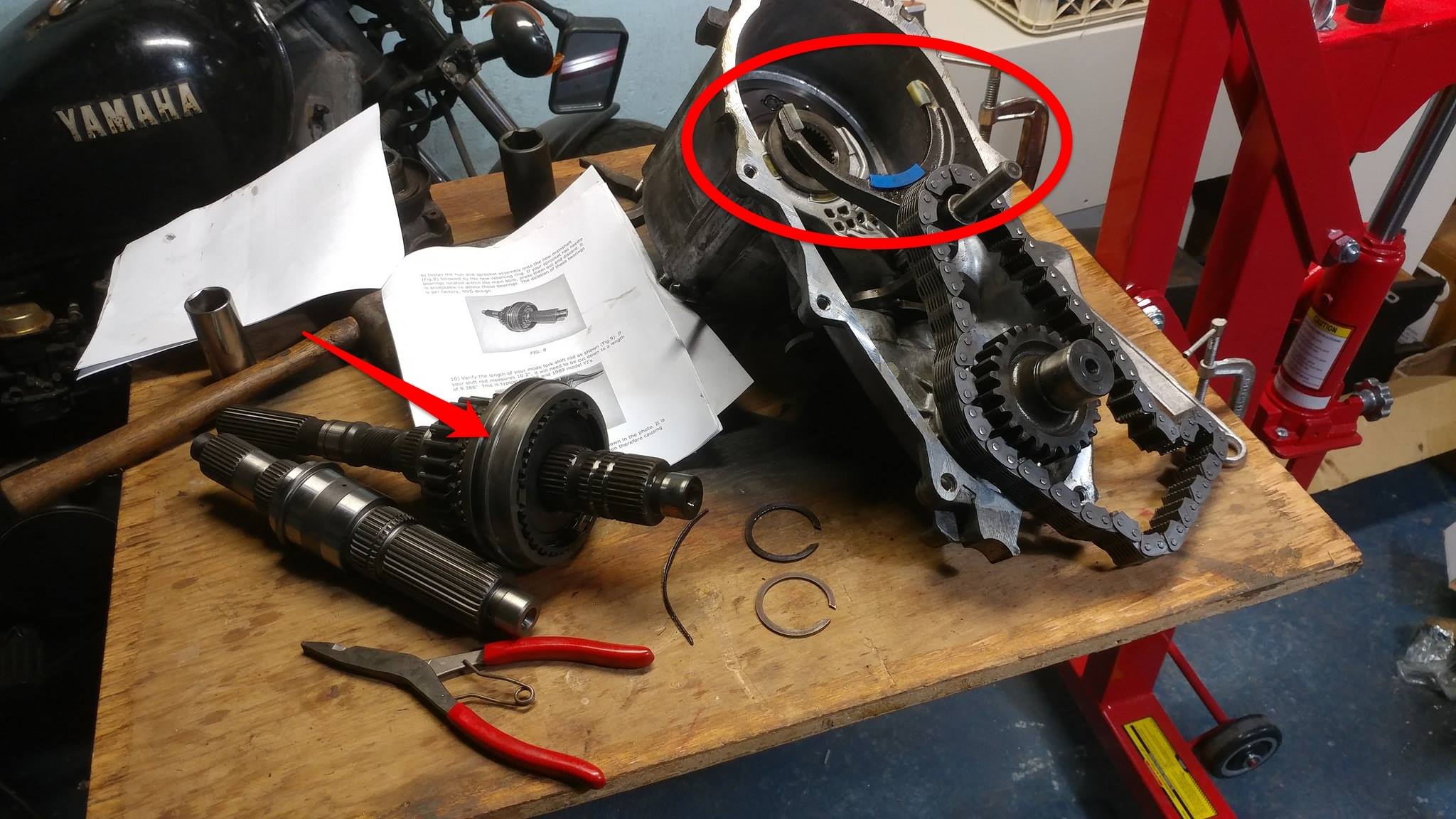
4. Manual Transfer Case Levers Are Being Replaced by Electronic Selectors
Four-wheel-drive systems once relied on direct mechanical engagement. A driver moved a lever, felt resistance through the drivetrain, and understood that gears had meshed. That physical action delivered certainty. It required effort and intention, reinforcing the seriousness of engaging additional traction.
Electronic selectors have replaced this experience with buttons, switches, and rotary dials governed by sensors and control units. Manufacturers adopted electronic engagement for packaging efficiency and ease of use. These systems integrate with traction control, stability programs, and drive mode management.
Drivers can engage four-wheel drive without stopping or leaving their seats. For urban use and light off-road conditions, this convenience appeals to many buyers. The concern emerges when conditions become harsh and unpredictable. Electronic systems depend on motors, wiring, and software logic.
Mud, water, and extreme temperatures place stress on these components. When sensors detect conditions outside programmed parameters, the system may refuse engagement. In recovery situations, delay creates frustration and risk. Mechanical levers responded directly to driver input, regardless of external readings.
Mechanical systems also communicated their status clearly. Resistance in the lever, sound from the gears, and vehicle movement confirmed engagement. Electronic selectors rely on indicator lights and screen messages. When faults occur, drivers must trust diagnostics rather than physical feedback. That dependence changes the driver’s relationship with the vehicle during demanding conditions.
Maintenance and repair further widen the divide. Mechanical linkages wore gradually. Problems announced themselves through stiffness, noise, or partial engagement. Skilled technicians could inspect and adjust components without specialised diagnostic tools. Electronic actuators often fail abruptly. Repair involves fault codes, replacement modules, and higher labour costs. Field repairs become unrealistic.
There is also a psychological element. Engaging a lever required preparation and awareness. It reminded drivers that they were altering the vehicle’s behaviour. Electronic selectors reduce that sense of responsibility. The system becomes abstract, managed by logic rather than judgment. For experienced drivers, this feels like distance rather than progress.
Electronic engagement systems function adequately under normal conditions. Their benefits suit drivers who rarely face demanding environments. Yet for those who depend on four-wheel drive as a working tool, the loss of mechanical certainty carries weight. Control matters most when conditions deteriorate. Replacing physical engagement with electronic mediation changes not just operation, but trust itself.
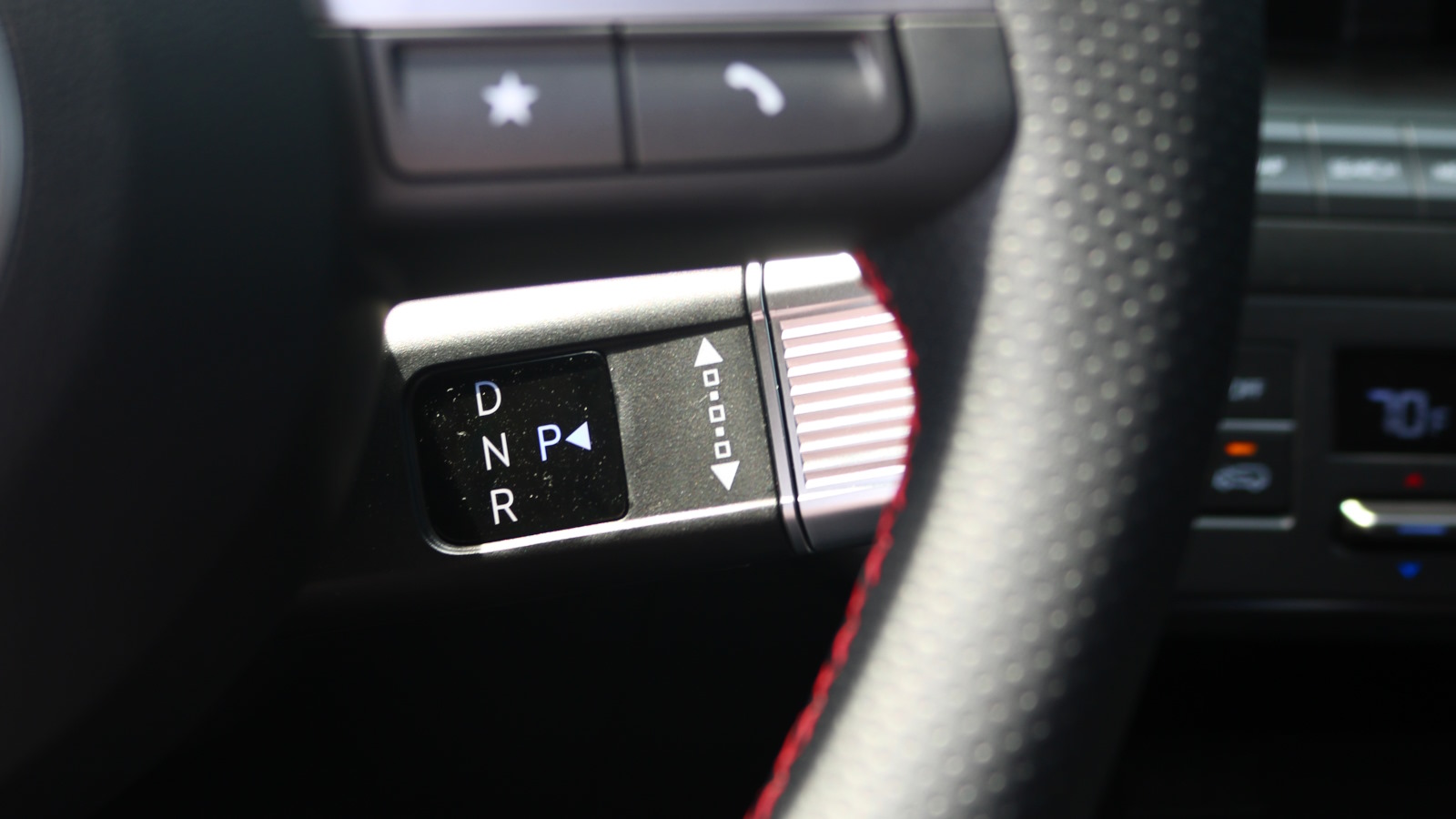
5. Column-Mounted Gear Selectors Are Quietly Disappearing
Once upon a time, shifting gears in a pickup truck involved a sturdy lever mounted on the steering column. That placement felt natural, freeing up floor space and reinforcing the truck’s identity as a tool designed around practicality. Column-mounted shifters also carried a mechanical honesty. Movement translated directly into gear selection, with little ambiguity about what the transmission was doing.
Design priorities have moved elsewhere. Floor-mounted shifters, rotary dials, and push-button selectors now dominate cabins. Ram 1500 Laramie Crew Cab trucks rely on rotary selectors. Ford F-150 Platinum SuperCrew models moved to console shifters. GMC Sierra 1500 Denali Ultimate follows the same path. Each approach presents a clean interior aesthetic, yet sacrifices functional benefits that long-time owners valued.
Cabin space suffers first. Floor-mounted shifters consume room that once held storage, cupholders, or space for work gear. Bench seats become harder to justify without a column shifter, reducing front-row passenger capacity. Fleet buyers and families notice this loss quickly, especially during long drives or jobsite use.
Usability changes also surface. Rotary dials lack tactile clarity during quick maneuvers such as backing trailers or repositioning in tight spaces. Button-based systems require visual confirmation, pulling attention away from the surroundings. Mechanical levers allowed instinctive movement without second-guessing.
Durability raises another concern. Column shifters used proven linkages that tolerated decades of use. Electronic selectors depend on sensors, actuators, and software logic. Failure points multiply, and repairs often require specialized diagnostics. What once involved a cable adjustment now demands component replacement.
Drivers accustomed to older layouts often describe a sense of disconnection. Shifting feels less intentional, more like issuing a request than commanding a response. Trucks still perform their duties, yet interaction feels diluted. That subtle change affects daily satisfaction more than marketing material suggests.

6. Simple Analog Gauges Are Giving Way to Full Digital Displays
Instrument clusters once communicated information with clarity and restraint. Speed, fuel level, temperature, and engine speed appeared through analog needles that conveyed trends at a glance. Digital clusters promise customization and visual appeal, yet replace intuitive reading with layered menus and changing graphics.
Manufacturers highlight flexibility. Screens adapt to drive modes, towing conditions, and personal preferences. Chevrolet Silverado 1500 High Country models use expansive digital clusters. Toyota Tundra Capstone adopts similar displays. Nissan Frontier Pro-4X follows suit with mixed digital layouts.
Information density creates the challenge. Too much data competes for attention. Fonts change with settings. Colors move with modes. What once required a brief glance now demands interpretation. Analog needles conveyed urgency through movement rather than numbers.
Longevity also enters the discussion. Screens depend on software updates and hardware reliability. Pixel failures, lag, and screen burn-in affect usability. Analog gauges aged gracefully and remained readable even after decades. Cold-weather performance matters as well. Digital displays sometimes lag during startup in low temperatures. Analog systems responded instantly. For work trucks used year-round, that delay feels unnecessary.
Drivers who prefer clarity over spectacle notice fatigue during long drives. Constant visual variation distracts rather than informs. Digital clusters look impressive during demonstrations, yet daily use reveals how simplicity once served drivers better.
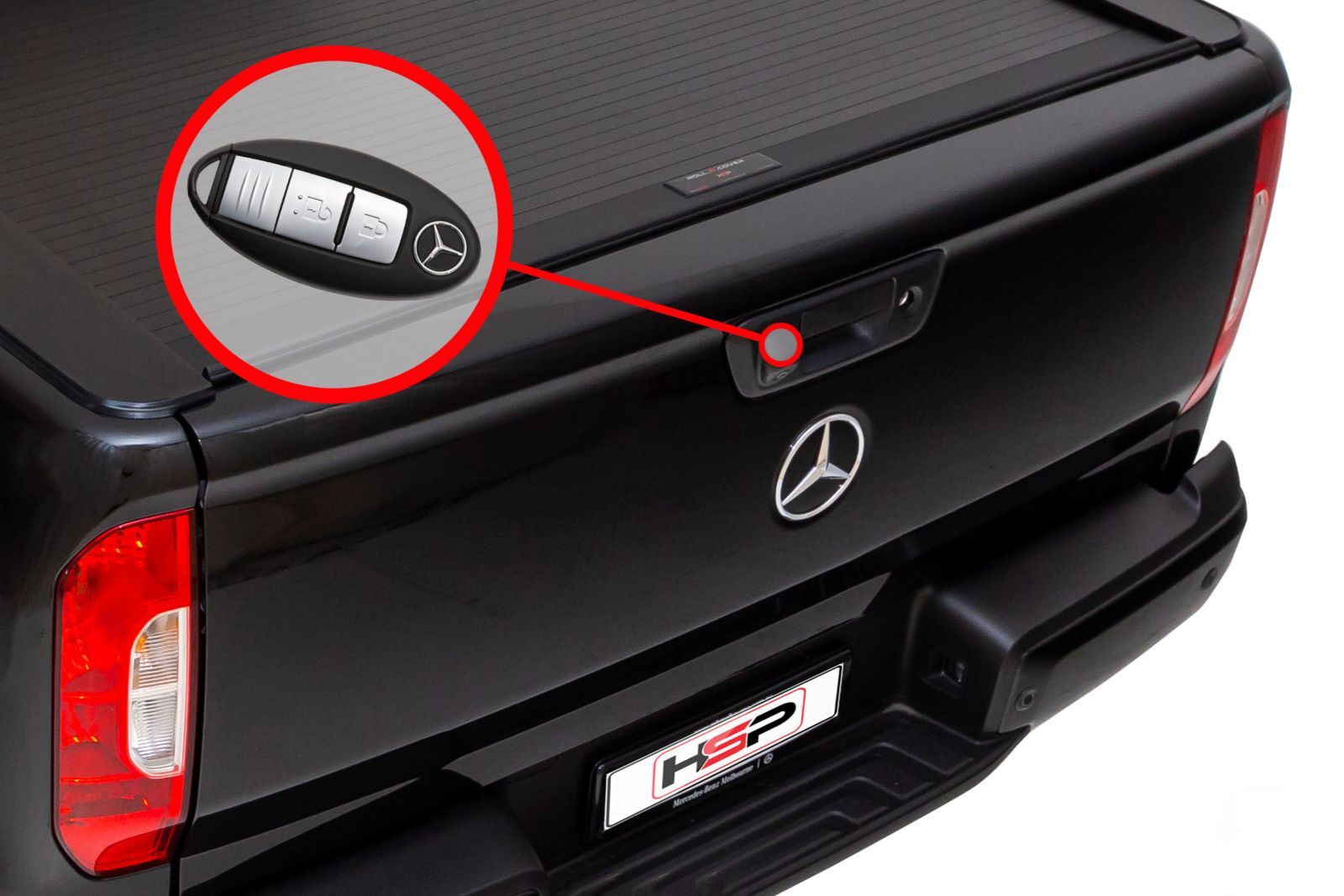
7. Lockable Tailgates With Physical Keys Are Becoming Rare
Vehicle security for pickup trucks was once anchored on straightforward mechanical systems that relied on physical metal keys and robust lock cylinders. A tailgate secured with a keyed lock provided certainty that did not depend on electrical power, software logic, or sensor calibration.
Once engaged, the lock remained engaged until deliberately released with the correct key. That reliability created a strong sense of assurance for owners who routinely transported tools, equipment, or personal property in the truck bed. Modern pickup truck design has steadily moved away from this arrangement. Electronic tailgate locking systems now dominate, tying tailgate operation into the central locking architecture of the vehicle.
Models such as the Ford F-150 XLT SuperCrew depend entirely on powered actuators controlled through key fobs or interior switches. Similar systems appear on the key fobs or interior switches. Similar systems appearChevrolet Silverado 1500 LT Trail Boss and the Hyundai Santa Cruz Limited, where mechanical key access has been eliminated or reduced to emergency-only functions.
From a usability standpoint, electronic systems offer surface-level convenience. A single button secures all entry points simultaneously, saving time during routine use. That benefit weakens sharply once electrical power becomes unavailable. A discharged battery or a failed actuator can leave a tailgate inaccessible, even when the vehicle owner possesses the correct key. Mechanical locks did not face such dependency, functioning consistently regardless of the vehicle’s electrical condition.
Worksite environments expose further weaknesses. Dust, fine debris, moisture, and vibration place heavy demands on moving components. Traditional keyed tailgate locks tolerated such conditions with minimal degradation. Electronic actuators and wiring introduce sensitivity to contamination, increasing the likelihood of malfunction.
Repairs rarely involve simple part replacement and often require specialized diagnostic tools, extending downtime and raising ownership costs. Security confidence also changes in subtle ways. Physical locks provide tactile and audible confirmation through resistance and engagement sounds.
Electronic systems replace that feedback with indicator lights or dashboard messages, shifting trust from direct interaction to system interpretation. Owners storing valuable items overnight often recognize this difference clearly, even if it is difficult to quantify.
Experiences involving dead batteries tend to leave lasting impressions. Discovering an immovable tailgate during an urgent moment outweighs years of routine convenience. That memory shapes future purchasing preferences, reinforcing appreciation for mechanical solutions that function independently of software or power availability.
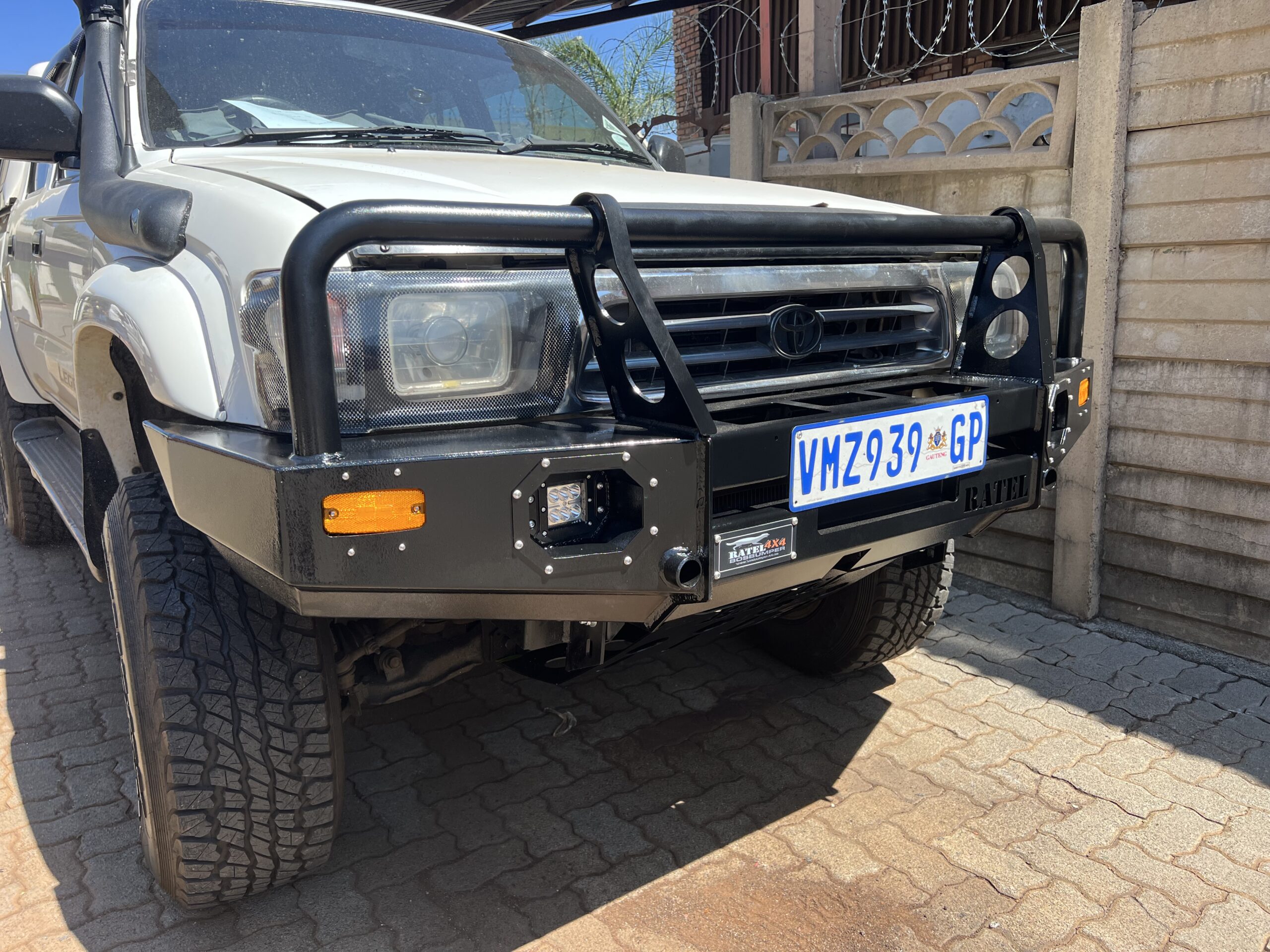
8. Thick Steel Bumpers Are Being Replaced by Lightweight Designs
Pickup truck bumpers once carried a dual responsibility of protection and utility. Heavy-gauge steel construction absorbed low-speed impacts, supported recovery points, and tolerated harsh use without immediate cosmetic concern. Scratches and dents rarely affected function. Strength and mass were accepted attributes, closely tied to the truck’s working identity.
Design priorities have changed. Weight reduction targets, fuel efficiency goals, and styling preferences now influence bumper construction. Modern assemblies often combine plastic exterior covers, aluminum reinforcement, and integrated sensor housings. Vehicles such as the Toyota Tundra Limited CrewMax demonstrate this transition clearly, prioritizing reduced mass and refined appearance.
Comparable approaches appear on the Ford Ranger Wildtrak and the Chevrolet Colorado ZR2, where advanced driver assistance systems dictate bumper geometry and material choices. Functional consequences emerge quickly for owners who rely on their trucks beyond paved roads.
Recovery points integrated into lighter bumpers often lack the structural confidence of older steel designs. Aftermarket reinforcement becomes necessary for off-road use, adding expense that earlier designs avoided. Minor impacts that once resulted in superficial marks now produce cracked plastic or displaced sensors.
Repair considerations add another layer. Modern bumper assemblies contain calibration-dependent components that require precise alignment after even small collisions. Plastic covers fracture rather than deform, demanding full replacement. Steel bumpers tolerated straightening, repainting, or continued use without repair. Ownership costs rise as a result, even for incidents that do not affect drivability.
Daily driving reinforces these differences. Parking lot contact, trail debris, or loading mishaps now generate concern where none existed before. Confidence in front and rear protection diminishes quietly, replaced by caution around minor obstacles. For drivers who value durability and resilience, the change alters how the truck is used, even if performance figures remain strong.
Visual appeal benefits from smoother surfaces and integrated lighting. That refinement, however, arrives with a trade-off in robustness. Trucks continue to perform demanding tasks, yet their protective components now reflect passenger vehicle priorities rather than work-focused resilience.
Also Read: 10 Pickup Trucks With Original Owners Still Driving Past 500,000 Miles
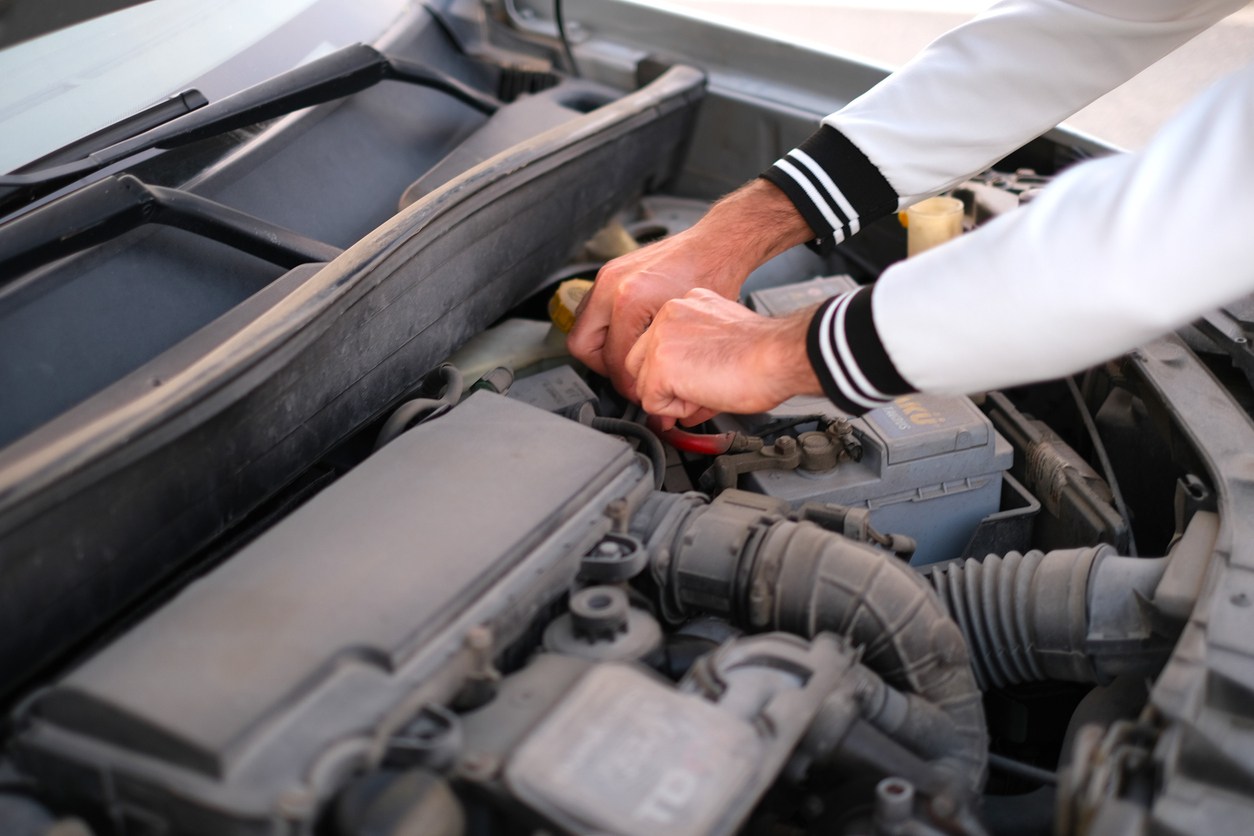
9. Under-Hood Service Accessibility Is Rapidly Declining
Earlier pickup truck engine bays reflected an emphasis on accessibility and clarity. Components sat in logical positions, allowing owners to inspect, service, or replace parts without extensive disassembly. Routine tasks such as checking belts, replacing batteries, or topping fluids felt approachable and transparent.
Contemporary powertrain design places different demands on available space. Turbocharging, emissions hardware, hybrid integration, and aerodynamic considerations drive tighter packaging. The Ram 1500 Limited EcoDiesel illustrates this approach, where engine bay density supports efficiency targets but restricts physical access.
Similar layouts appear in the Ford Maverick Lariat Hybrid and the Toyota Tacoma Trailhunter, each balancing performance goals with regulatory requirements. Practical effects become apparent during basic maintenance. Battery replacement often requires the removal of surrounding components.
Belt inspection may demand specialized tools or partial disassembly. Fluid reservoirs hide beneath covers or structural members. Tasks once completed at home now push owners toward service centers. Thermal management adds further strain.
Dense packaging traps heat around sensitive components, affecting long-term durability. Earlier designs allowed airflow and visual monitoring of hoses, wiring, and seals. Modern layouts conceal potential issues until warning indicators appear, reducing opportunities for preventive attention.
Ownership experience changes as a result. Drivers who value familiarity with their vehicles feel distanced from mechanical systems. Responsibility moves from personal oversight to electronic monitoring. Trust centers on sensors and alerts rather than observation and understanding.
That separation influences perception of reliability. Trucks remain capable and powerful, yet accessibility no longer supports hands-on interaction. For buyers who appreciate transparency and service friendliness, declining under-hood access represents a meaningful loss, altering how ownership feels long after the purchase decision.
