
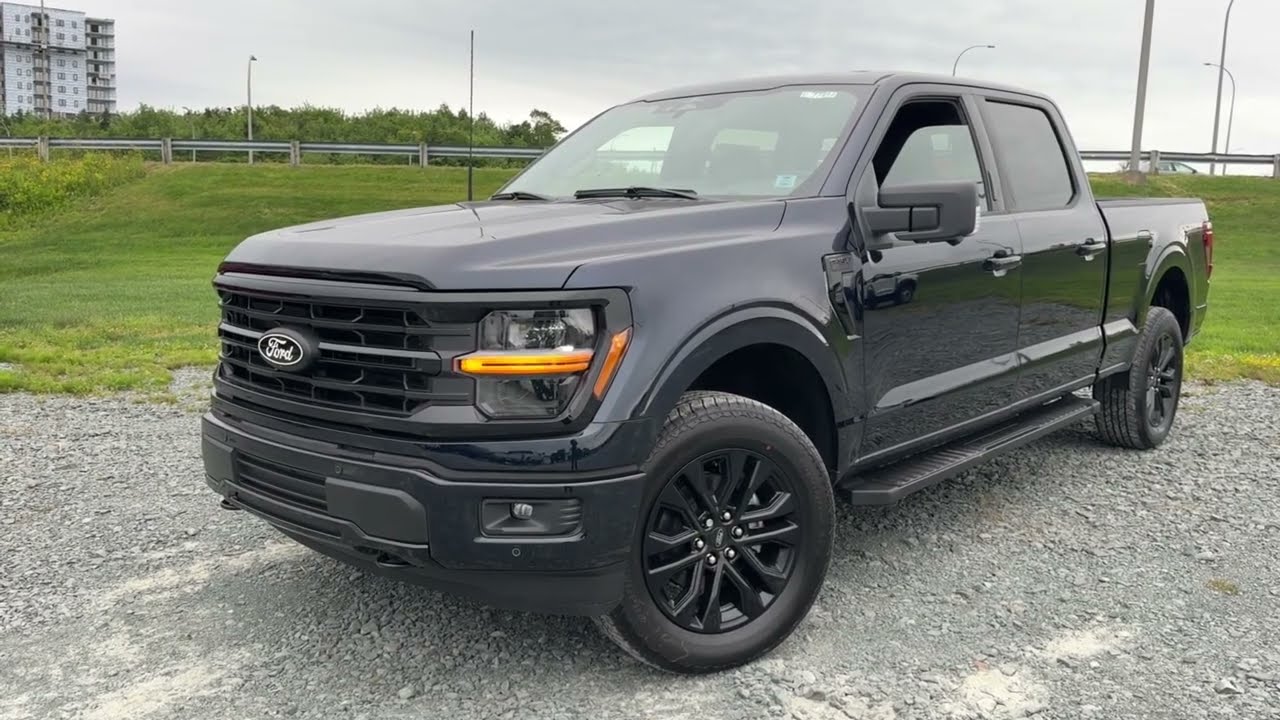
Pickup trucks hold a unique place in American culture. They represent strength, independence, and the promise of getting any job done without hesitation. Walk through any dealership lot, and you will see rows of bold designs, lifted suspensions, and badges that signal capability.
Marketing has done its job well, shaping certain models into legends that buyers continue to trust year after year. Yet reputation does not always match reality. Some trucks earn praise based on legacy rather than current performance.
Others rely on styling and brand loyalty while falling short in areas like ride quality, reliability, or long-term ownership costs. That does not mean these trucks are bad. It simply means they may not deserve the level of admiration they receive.
A closer look reveals a pattern. High sales numbers and strong brand recognition can overshadow flaws that owners eventually experience. From dated interiors to underwhelming efficiency, certain pickups continue to attract buyers even when better alternatives exist.
This page takes a balanced view of ten pickup trucks that receive widespread praise but come with trade-offs that are often overlooked. Each has strengths, yet each also has reasons mechanics, reviewers, and even owners sometimes question the hype.
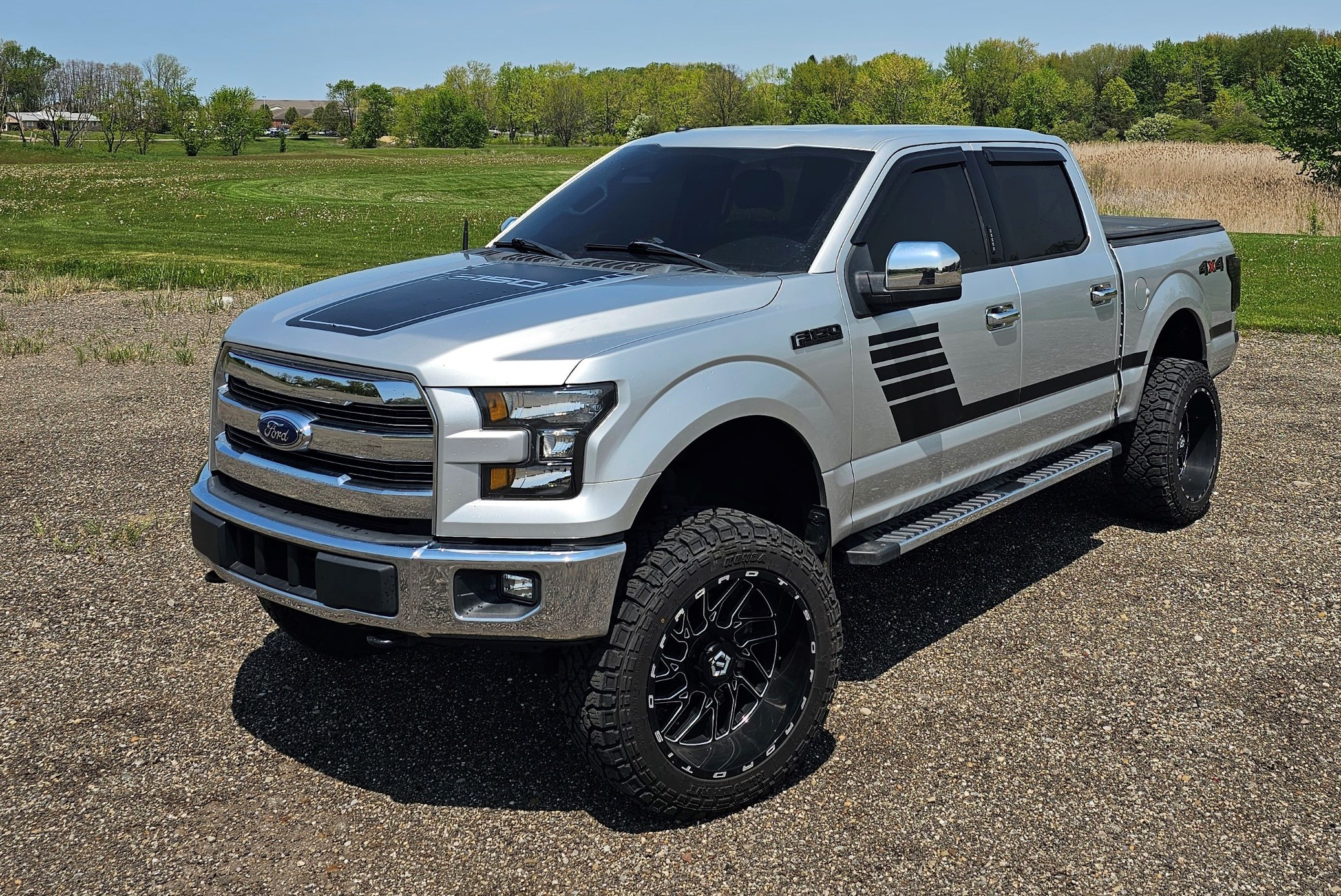
1. Ford F-150 5.0L V8
Few vehicles carry as much recognition as the Ford F-150 with the 5.0-liter V8 engine. Its history alone keeps it at the top of sales charts, and that legacy plays a major role in how buyers perceive it. However, reputation can sometimes outpace current expectations.
Consider the driving experience first. While the V8 delivers respectable power, it does not always feel as refined as newer turbocharged alternatives. Acceleration can feel strong at higher speeds, yet daily driving may reveal a lack of smooth responsiveness compared to smaller, more efficient engines.
Fuel economy becomes another talking point. Owners often expect modern efficiency, yet the V8 setup tends to consume more fuel than competing powertrains. For drivers who use their truck primarily for commuting, this can become an ongoing expense that adds up quickly.
Interior quality has improved across recent generations, but some configurations still rely on materials that do not match the price point. Entry-level trims can feel basic, leaving buyers questioning where the premium cost is justified.
Reliability discussions vary depending on usage. Some owners report long-term durability, while others encounter issues related to sensors, transmission behavior, or electronic features. This inconsistency can affect confidence, especially for those expecting a trouble-free experience.
Towing and hauling capabilities remain strong, and that continues to attract buyers who need real work performance. Still, many owners rarely push the truck to those limits, meaning they carry the burden of a powerful engine without fully benefiting from it.
Brand loyalty plays a major role here. Buyers often return to the F-150 out of familiarity, even when competitors offer better value in certain areas. That loyalty keeps the model at the top, even as expectations develop. Admiration for the F-150 is easy to understand. Yet a closer look shows that its popularity is not always based on current strengths alone.
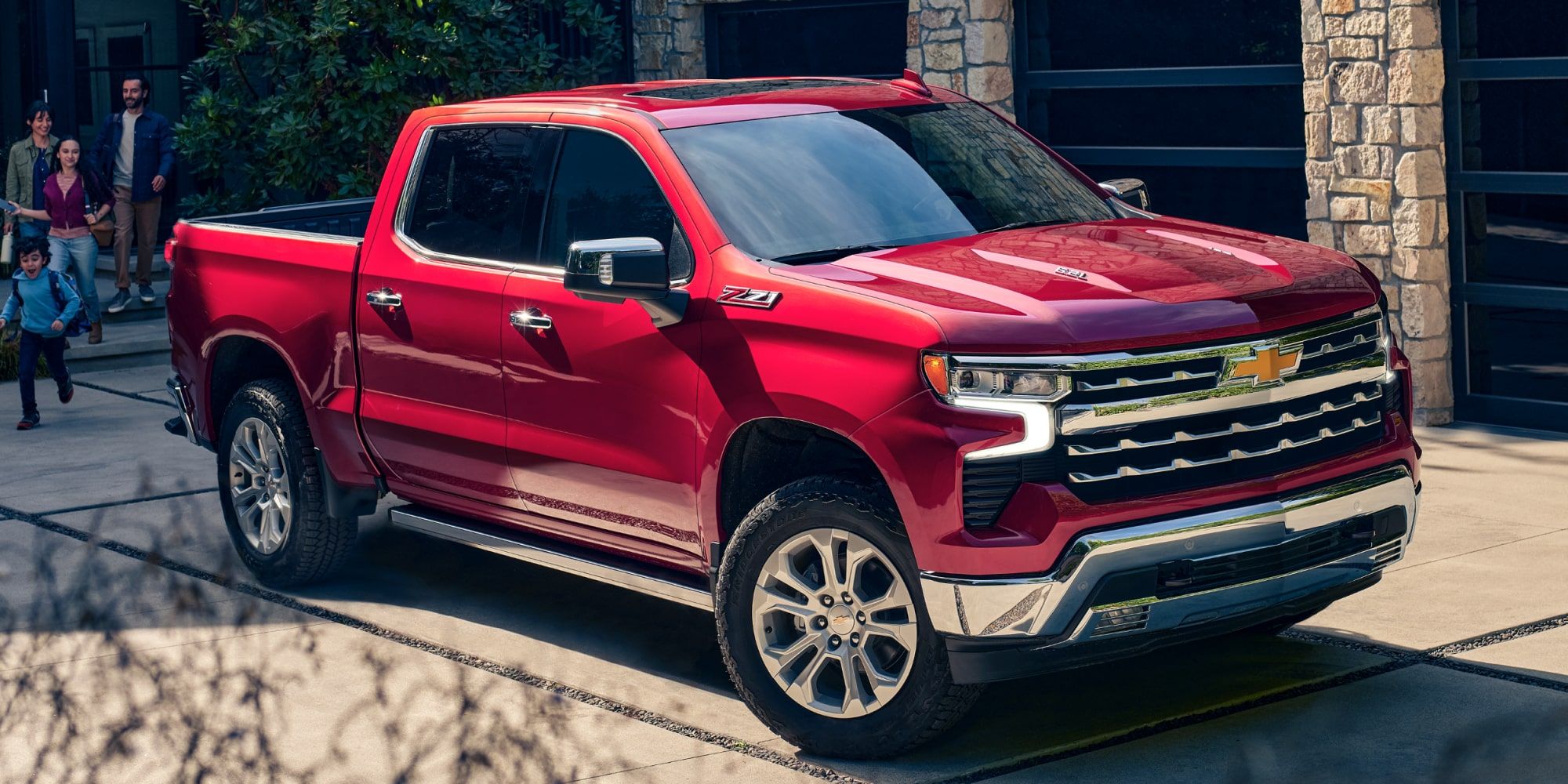
2. Chevrolet Silverado 1500 5.3L V8
Bold styling and a familiar badge help the Chevrolet Silverado 1500 with the 5.3-liter V8 maintain strong appeal. Buyers often associate it with durability and straightforward performance. Still, real-world ownership can reveal a different story.
Start with ride quality. On smooth roads, the truck performs adequately, yet uneven surfaces can expose a stiffer suspension setup. Drivers seeking comfort during daily use may find the experience less refined than expected. Transmission behavior has drawn attention from owners and reviewers alike.
Movements can feel unpredictable at times, particularly during low-speed driving. This inconsistency can affect confidence behind the wheel. Interior design presents another mixed impression. Higher trims offer attractive finishes, but lower trims rely heavily on hard plastics. Given the price range, some buyers expect a more cohesive cabin experience.
Fuel efficiency follows a familiar pattern for V8 trucks. While power delivery remains strong, the cost of maintaining that performance becomes noticeable during frequent driving. This trade-off may not suit everyone. Reliability discussions often center on long-term ownership.
Some drivers report smooth operation, while others encounter issues related to lifters or engine components. These reports create uncertainty for prospective buyers. Towing capability remains a strength, and the Silverado continues to perform well in work-related tasks.
However, many owners rarely use the truck for heavy-duty purposes, which raises questions about whether its full potential is truly necessary. Brand recognition and familiarity keep the Silverado in high demand. Buyers trust the name, even when alternatives may offer a more balanced experience. Strong sales numbers tell one side of the story. Day-to-day ownership sometimes reveals another.
Also Read: 8 Pickup Trucks With Frames That Refuse to Crack Under Heavy Towing
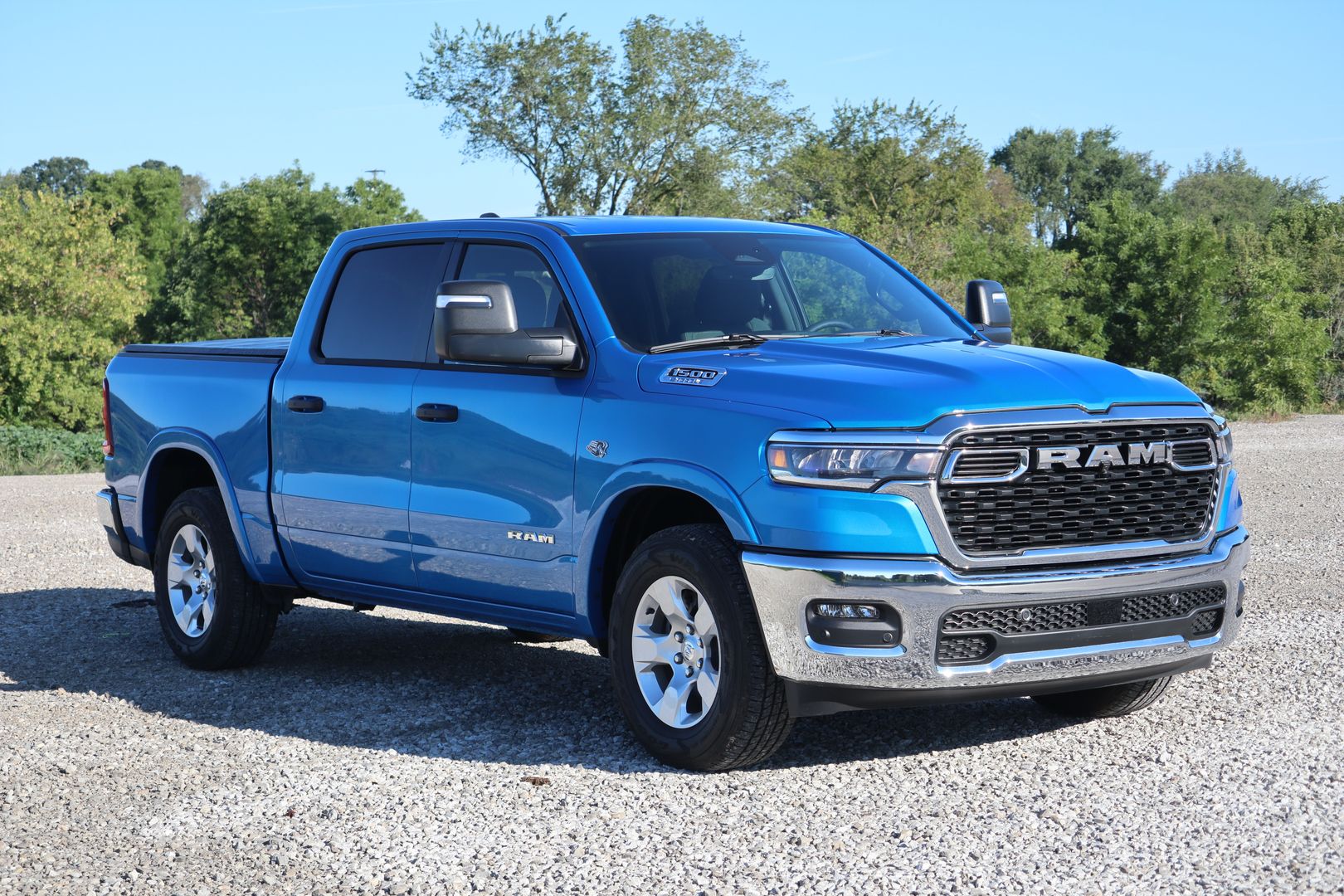
3. Ram 1500 5.7L HEMI
Smooth ride quality often places the Ram 1500 with the 5.7-liter HEMI engine high on buyer lists. Its coil-spring rear suspension gives it an edge in comfort compared to traditional leaf-spring setups. Still, that comfort comes with trade-offs.
Step into the cabin, and the appeal becomes clear. Materials and design feel upscale, especially in higher trims. This focus on interior quality attracts buyers who want more than just utility from their truck. Fuel consumption tells a different story. The HEMI V8 delivers strong performance, yet efficiency takes a hit.
Drivers who rely on their truck for daily commuting may find themselves visiting fuel stations more often than expected. Payload capacity does not always match expectations. While towing numbers remain competitive, the softer suspension can limit how much weight the truck can carry in the bed.
For some buyers, this becomes a practical limitation. Reliability remains a topic of discussion. Certain model years have faced concerns related to exhaust manifold bolts and electrical systems. These issues may not affect every owner, but they contribute to mixed perceptions.
Driving dynamics feel composed on highways, though tighter turns can reveal body movement that is less controlled than some competitors. This may not bother casual drivers, yet it stands out when compared directly. Technology features add convenience, but they also introduce additional points of failure.
As systems become more advanced, maintaining them can become more demanding. Buyers often choose the Ram 1500 for its comfort and interior quality. Those priorities are valid, though they sometimes overshadow areas where the truck falls short.
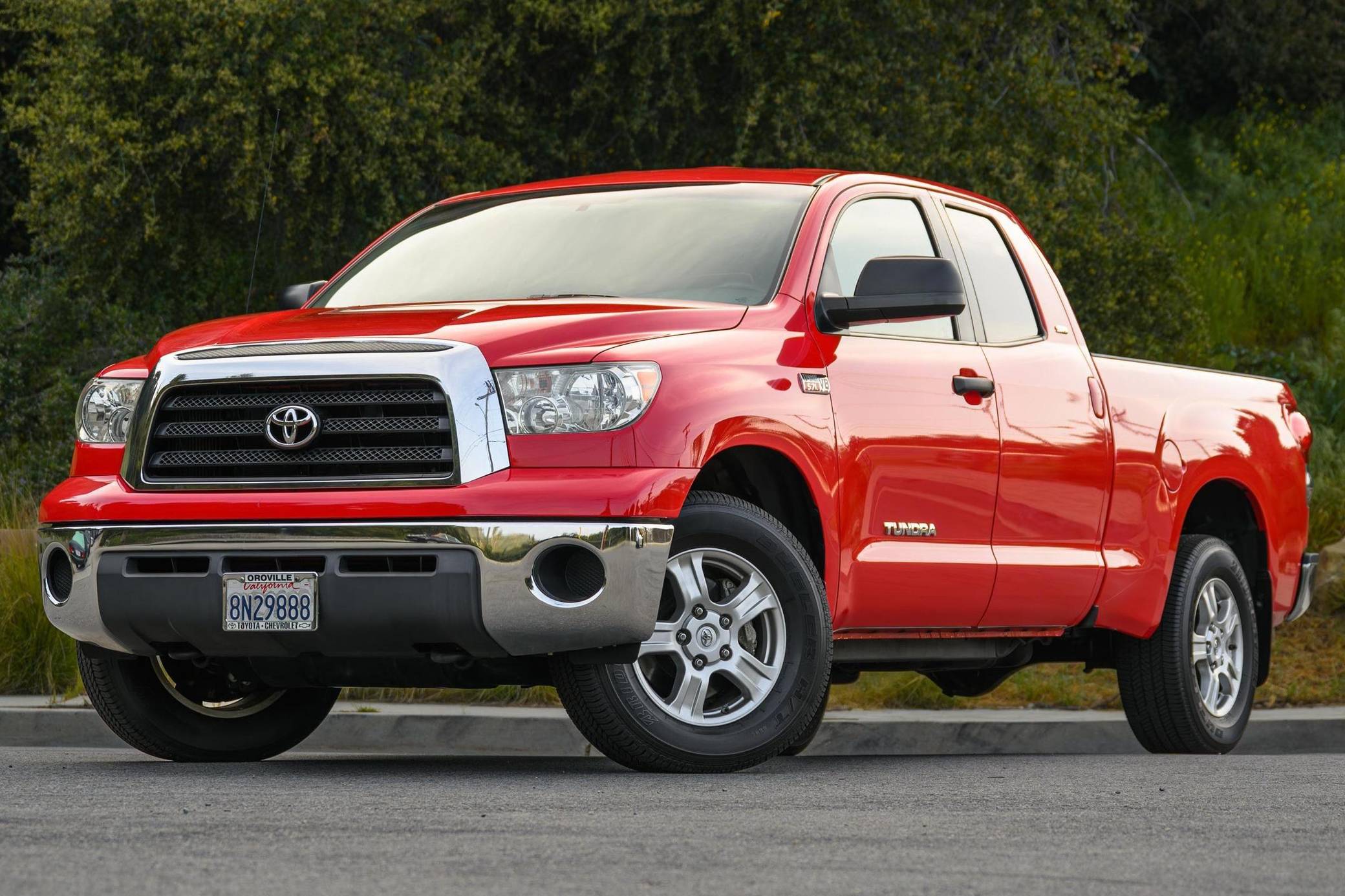
4. Toyota Tundra 5.7L V8 (Second Generation)
Reliability has long defined the Toyota Tundra with the 5.7-liter V8 engine. Its reputation encourages buyers to trust it without hesitation. Yet age plays a role in shaping its current standing. Look at the design, and it becomes clear that updates have been limited.
While durability remains a strength, the platform feels dated when compared to newer competitors. This affects everything from ride quality to interior features. Fuel economy is one of the most discussed drawbacks. The V8 engine delivers dependable power, yet efficiency lags behind modern standards.
Owners often accept this as part of the package, though it remains a consideration. Interior technology does not always meet expectations for the price. Basic infotainment systems and limited driver-assistance features can make the truck feel behind the curve.
Ride comfort varies depending on road conditions. While the truck handles work tasks effectively, daily driving may feel less refined than in newer models. Reliability continues to attract buyers, and many owners report years of dependable service.
That strength cannot be ignored, though it does not erase the limitations of an older design. Towing and hauling capabilities remain solid, yet they are no longer unmatched within the segment. Competitors have closed the gap while offering more modern features. Loyalty to the brand plays a major role in keeping the Tundra popular.
Buyers trust its history, even when newer trucks offer more balanced packages. Confidence in durability is well placed. Expectations for modern features may require a second look.
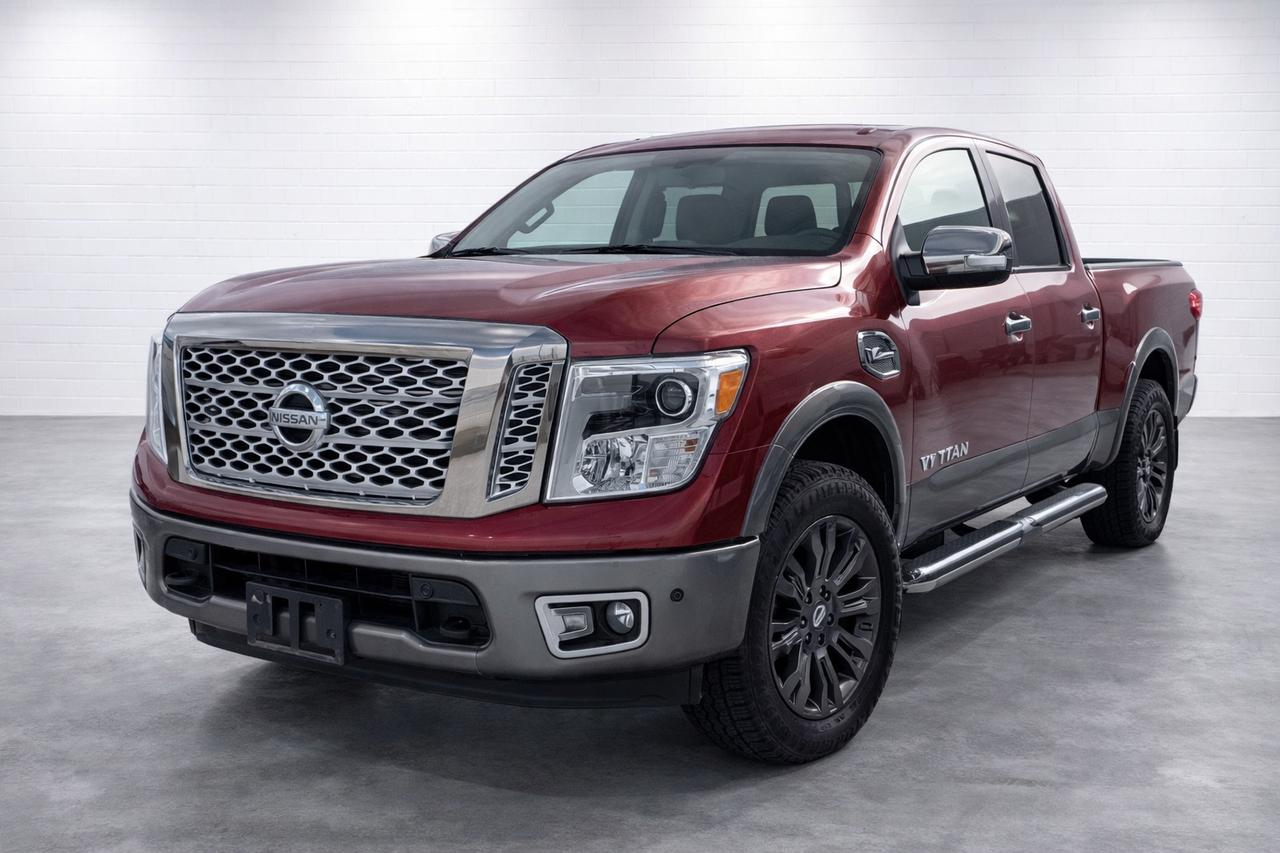
5. Nissan Titan 5.6L V8
A powerful engine and straightforward design define the Nissan Titan with the 5.6-liter V8. Despite these qualities, it often struggles to justify its position in a crowded market. Performance feels strong in a straight line. Acceleration and towing capability meet expectations, giving the truck a solid foundation. Yet this strength does not always translate into a complete package.
Interior design presents a mixed impression. Some trims offer comfort and usable technology, while others feel less refined than similarly priced competitors. This inconsistency can influence buyer perception. Fuel efficiency remains a drawback. Like many V8 trucks, the Titan consumes more fuel than smaller engines. For drivers focused on daily use, this becomes a practical concern.
Ride quality does not always match expectations. While the truck handles basic tasks effectively, it may feel less composed on uneven roads compared to rivals. Brand recognition plays a role in its challenges. Competing against long-established names makes it harder for the Titan to attract attention, even when it offers competitive features.
Reliability discussions vary. Some owners report dependable performance, while others encounter issues that affect long-term satisfaction. Towing capability remains respectable, though it does not clearly surpass competitors. This leaves the Titan in a position where it meets expectations without exceeding them.
Buyers seeking a straightforward truck may find value here. Standing out in a competitive segment requires more than meeting the baseline.
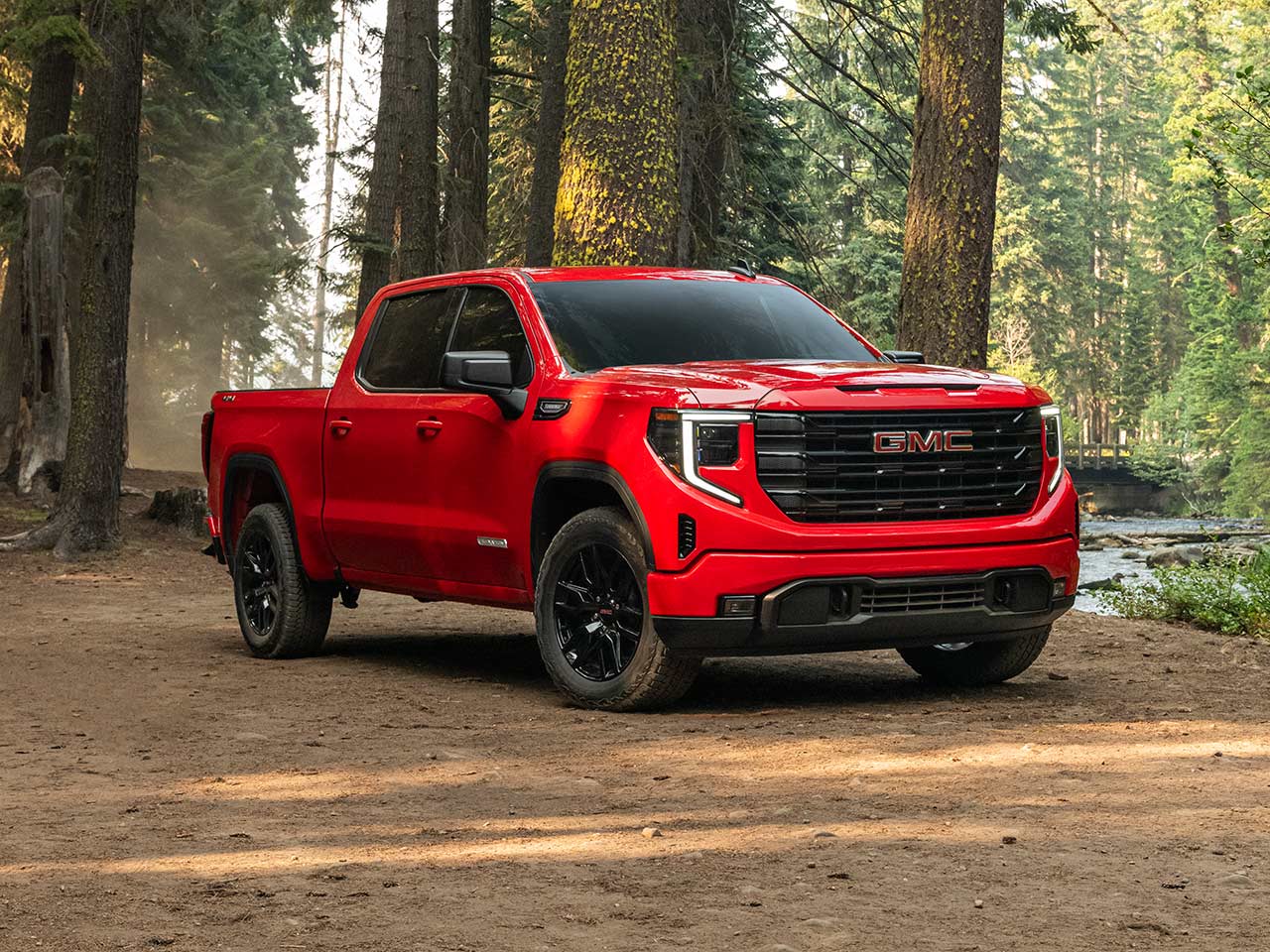
6. GMC Sierra 1500 6.2L V8
Luxury branding gives the GMC Sierra 1500 with the 6.2-liter V8 a strong presence, and buyers often approach it expecting a step above its Chevrolet counterpart. That expectation creates pressure, especially when the experience does not always justify the higher price.
First impressions tend to be positive. Bold styling, a tall stance, and upscale trims present an image of refinement mixed with strength. Step closer, though, and the distinction between this truck and its sibling models begins to blur. Underneath the surface, many components are shared, raising questions about what truly separates the Sierra from less expensive alternatives.
Power delivery from the 6.2-liter V8 feels impressive. Acceleration is quick for a truck of its size, and towing capability remains strong. However, that performance comes with fuel consumption that may catch some owners off guard. Daily driving quickly highlights the cost of maintaining such output.
Interior quality varies depending on trim level. High-end versions offer premium materials and advanced technology, while lower trims feel less special despite the brand’s upscale positioning. This inconsistency can leave buyers unsure about where the value truly lies.
Transmission performance has received mixed reactions. Some drivers report smooth operation, while others notice hesitation or uneven shifting during certain driving conditions. Such variation affects confidence in long-term ownership.
Technology features add convenience but also introduce potential maintenance concerns. Advanced infotainment systems, driver assistance features, and digital displays require proper calibration and updates. When issues arise, repairs can become time-consuming.
Ride quality sits in the middle ground. Highway cruising feels composed, though rough surfaces may reveal stiffness that contrasts with the truck’s premium image. Drivers expecting a luxury-like ride may find the experience less refined than anticipated.
Brand perception plays a strong role in the Sierra’s popularity. Buyers associate GMC with professionalism and quality, often choosing it based on that image. Even so, the gap between perception and reality can become clear during ownership. Admiration for the Sierra remains strong. Questions about its value continue to follow it.
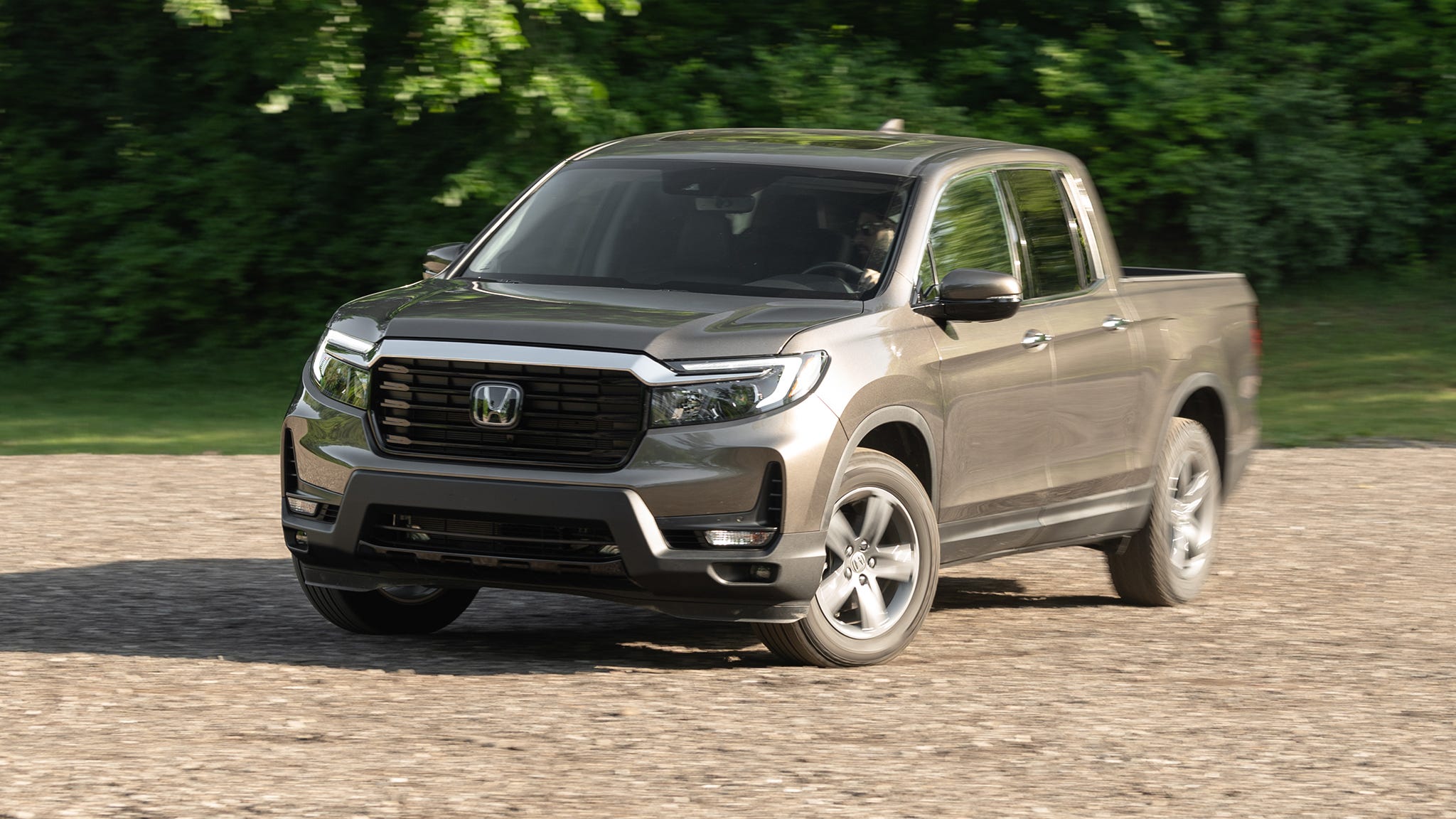
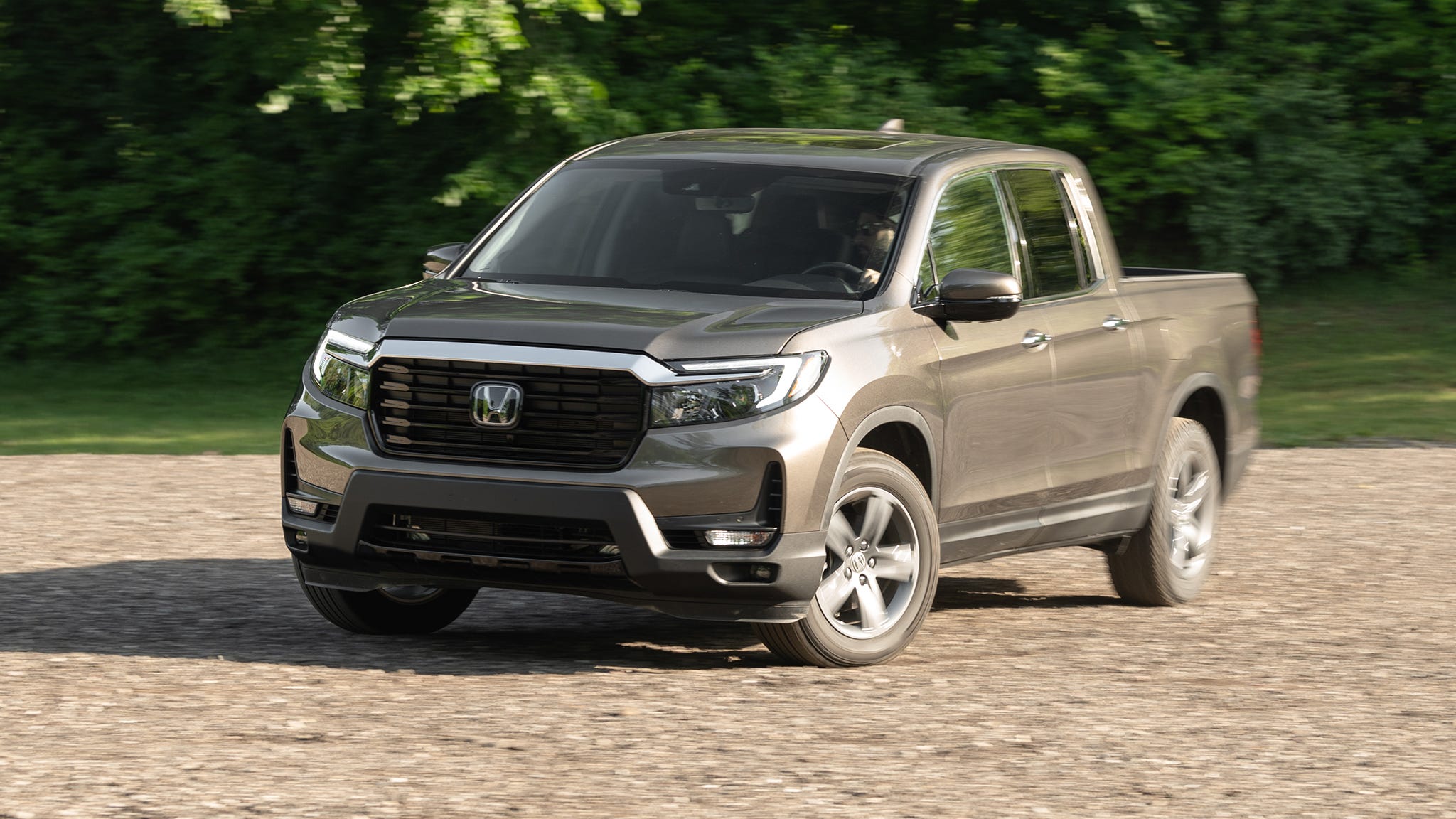
7. Honda Ridgeline RTL-E
Practical design defines the Honda Ridgeline RTL-E, yet its approach to the pickup formula often sparks debate. Buyers appreciate its comfort and versatility, though some question whether it fully delivers the rugged character expected from a truck.
Construction sets it apart immediately. Built on a unibody platform rather than a traditional body-on-frame design, the Ridgeline prioritizes ride comfort and handling. This choice results in a smoother driving experience, especially during daily use, but it also limits its appeal for heavy-duty tasks.
Interior comfort stands as a major strength. Seating feels supportive, and the cabin layout resembles that of a well-equipped SUV. For drivers who spend long hours behind the wheel, this design becomes a clear advantage.
Towing capacity, however, does not match traditional competitors. While it handles moderate loads effectively, it falls short for buyers who require maximum hauling capability. This limitation shapes how the truck is perceived within the segment.
Off-road performance reflects a similar pattern. The all-wheel-drive system provides confidence on light trails, yet it lacks the rugged durability associated with more traditional pickups. Drivers seeking extreme capability may look elsewhere.
Engine performance remains steady and predictable. The V6 delivers adequate power for everyday use, though it does not aim to compete with larger engines in terms of raw output. This balanced approach suits some buyers while leaving others wanting more.
Fuel efficiency compares favorably with many V8-powered trucks, offering a practical advantage for daily driving. Even so, this benefit may not outweigh its limitations for those who prioritize strength. Perception plays a major role in how the Ridgeline is viewed.
Some drivers value its comfort and versatility, while others struggle to see it as a true pickup. That divide shapes its reputation. Respect for its design continues to grow. The debate about its place within the segment remains active.
8. Chevrolet Colorado Z71 V6
Mid-size trucks attract buyers looking for a balance between capability and convenience. The Chevrolet Colorado Z71 with the V6 engine aims to meet those expectations, though real-world use sometimes reveals compromises. Size works in its favor.
Maneuvering through tight spaces feels easier than in full-size trucks, making it a practical choice for urban environments. This advantage draws buyers who do not need the scale of larger pickups. Interior quality, however, may not match expectations.
Materials and design can feel basic, especially when compared to newer competitors in the same category. Buyers expecting refinement may find the cabin lacking. Ride comfort varies depending on conditions. Smooth roads present a controlled experience, while rough surfaces can highlight stiffness. This inconsistency affects long-distance comfort.
Engine performance delivers adequate power, though acceleration may feel less responsive under heavy load. Drivers who expect strong performance in all situations may notice this limitation. Transmission behavior has received mixed feedback.
Some owners experience smooth moves, while others report hesitation or uneven responses during certain driving scenarios. This inconsistency can affect confidence. Off-road capability remains a strength for the Z71 trim. Features designed for rough roads provide added confidence, though this focus does not fully offset its other shortcomings.
Fuel efficiency sits in a moderate range. It does not match smaller vehicles, yet it also avoids the higher consumption associated with full-size V8 trucks. This middle-ground approach appeals to some buyers. Market competition continues to intensify.
Newer mid-size trucks offer improved interiors, advanced technology, and refined driving dynamics. This places Colorado in a position where it must compete harder to maintain relevance. Appeal remains steady due to its practicality. Questions about refinement and value continue to shape its perception.
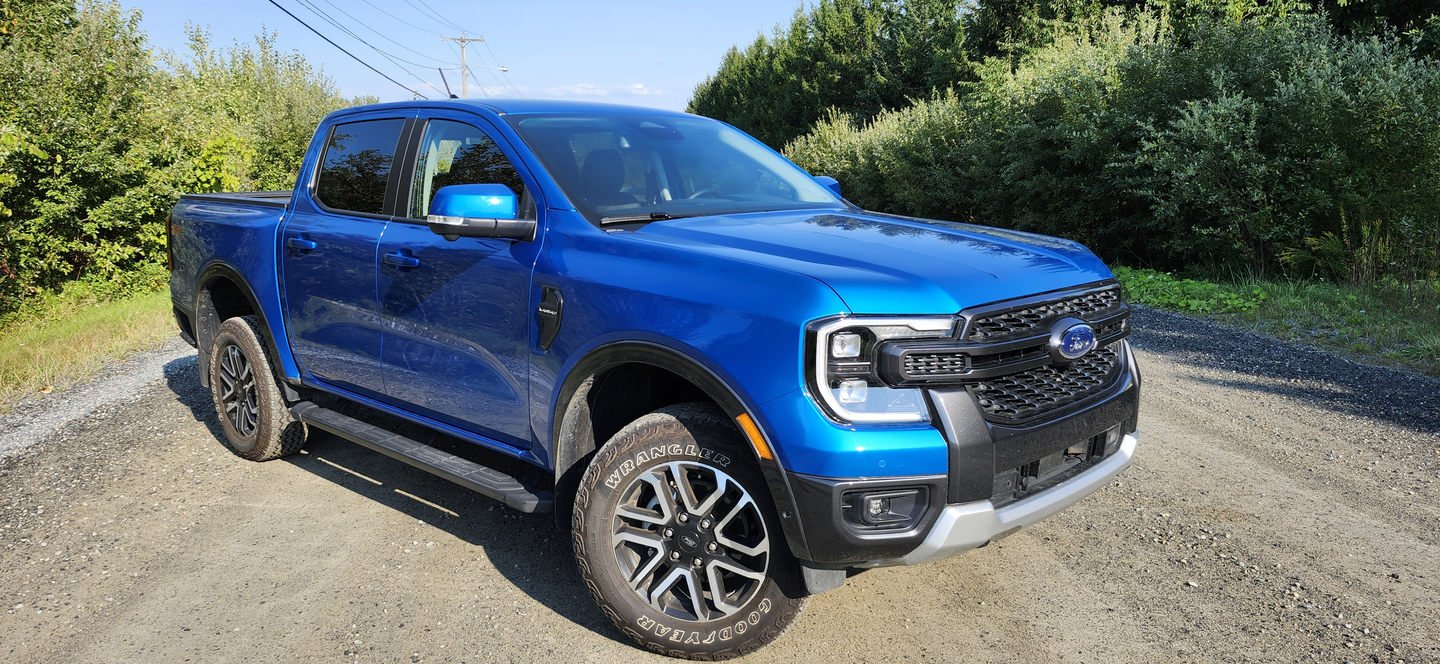
9. Ford Ranger 2.3L EcoBoost
Returning to the U.S. market brought renewed attention to the Ford Ranger with the 2.3-liter EcoBoost engine. Buyers welcomed its reputation for durability and efficiency, though expectations sometimes exceeded what the truck delivers. Turbocharged performance defines the driving experience.
The engine provides solid power for a mid-size truck, especially during highway driving. Even so, acceleration under heavy load may feel less confident than anticipated. Transmission response can vary depending on driving conditions. Some drivers notice smooth operation, while others experience hesitation or abrupt moves. This variation affects the entire driving impression.
Interior design reflects a focus on functionality rather than refinement. Materials and layout feel practical, though not particularly modern when compared to newer rivals. Buyers expecting a more premium cabin may feel underwhelmed. Ride quality leans toward firmness.
While this supports durability, it can reduce comfort during daily commuting. Long drives may highlight this characteristic. Technology features provide essential functionality, though they may not match the advanced systems found in competing models.
This affects how the truck is perceived in a market that increasingly values connectivity and convenience. Fuel efficiency remains a positive aspect. The EcoBoost engine offers better economy than larger engines, making it attractive for drivers seeking lower running costs.
Towing capability meets expectations for its class, allowing it to handle moderate workloads effectively. This balance appeals to buyers who need capability without stepping into a full-size truck. Reputation plays a strong role in its popularity.
Buyers trust the Ranger name, even when the current model faces strong competition. Confidence in the badge remains high. Real-world impressions sometimes reveal areas where improvement is needed.
Also Read: 12 Pickup Trucks Mechanics Recommend Buying Used In 2026
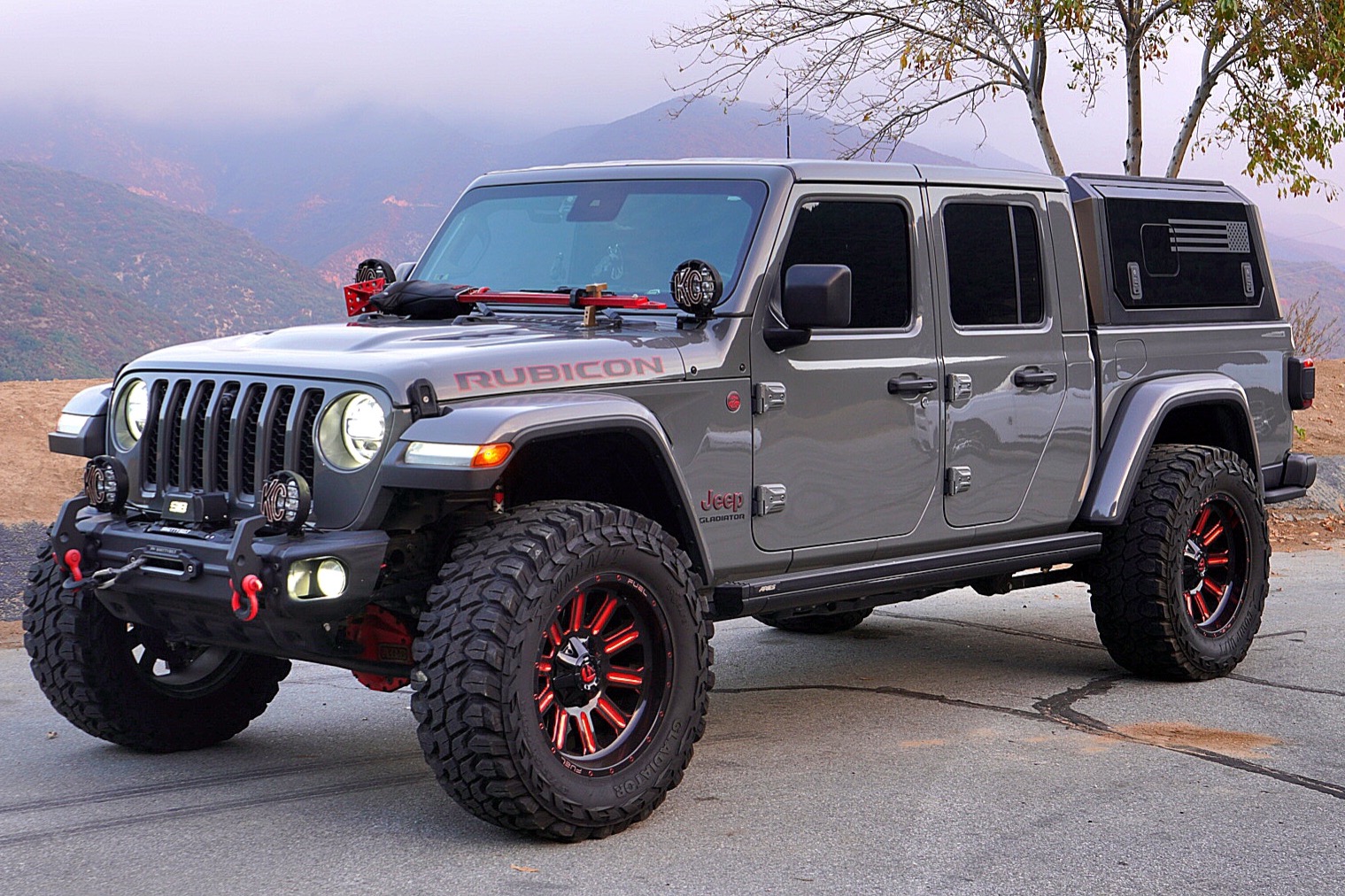
10. Jeep Gladiator Rubicon
Distinctive design sets the Jeep Gladiator Rubicon apart from nearly every other pickup on the road. Its rugged appearance and off-road capability attract buyers who value adventure and individuality. However, daily usability raises important questions.
Off-road performance stands as its strongest attribute. Solid axles, advanced four-wheel-drive systems, and specialized features allow it to tackle challenging roads with confidence. For enthusiasts, this capability holds strong appeal.
Ride quality tells a different story during everyday driving. The same features that enhance off-road performance can lead to a less comfortable experience on paved roads. Handling may feel less stable compared to more traditional trucks.
Interior space presents limitations. Cabin design prioritizes style and rugged character, which can reduce practicality for passengers. Storage options may also feel limited. Engine performance meets basic expectations, though it does not deliver standout power for its size and price. Buyers seeking strong acceleration may find it lacking.
Fuel efficiency remains a concern. The combination of weight, design, and drivetrain results in higher consumption compared to some competitors. This becomes noticeable during regular use. Price plays a central role in its perception.
The cost of entry for the Rubicon trim is high, and additional features can push it even further. Buyers must decide whether the unique design justifies the expense. Practicality for daily tasks can be limited. While it functions as a pickup, its design priorities lean heavily toward off-road capability rather than utility.
Brand identity carries a strong influence. Jeep’s reputation for adventure continues to attract buyers, even when the truck’s everyday usability may not align with expectations. Admiration for the Gladiator remains strong. Evaluating its practicality requires a careful look at how it will be used.
