
Cars break down. That truth applies to luxury sedans, economy hatchbacks, sports cars, and family SUVs alike. What separates a smart automotive investment from a financial nightmare is not whether a vehicle eventually needs repairs, but whether those repairs are actually worth paying for.
Some cars continue rewarding owners long after major maintenance bills appear. Others become endless money pits that drain bank accounts while delivering constant frustration.
Many buyers panic the moment they hear a large repair estimate. A failing transmission, worn suspension, engine oil leaks, or electrical faults can immediately make a vehicle seem worthless.
Yet certain cars are engineered so well that fixing them still makes financial sense. These vehicles often have durable drivetrains, strong resale value, widely available parts, and long operating life remaining after repairs are completed. Spending money on them can actually save owners from the far greater cost of replacing the vehicle entirely.
At the opposite end are cars that tempt owners into repeated repair cycles despite having poor long-term prospects. A cheap purchase price sometimes hides serious reliability flaws, expensive parts, weak transmissions, or complicated electronics that continue failing one system after another.
Owners become trapped in a cycle where each repair only reveals another problem waiting around the corner. Eventually, the vehicle costs more to keep alive than it is truly worth.
This topic matters because modern vehicles have become incredibly expensive. Replacing a car today often means taking on large monthly payments, high insurance costs, and rising interest rates. For many drivers, deciding whether to repair or walk away is one of the most important financial decisions tied to vehicle ownership.
The cars in this comparison represent two very different ownership experiences. Some prove their value through durability and dependable engineering that justify repair costs.
Others have gained reputations for draining money while offering little confidence that the next breakdown will not happen soon after. Knowing the difference can help buyers avoid expensive mistakes and make far smarter decisions when repair bills finally arrive.
Also Read: 5 Trucks With Mirrors That Stay Adjusted vs 5 That Vibrate Loose
5 Cars That Are Worth the Repair
Repair bills can feel painful in the moment, especially when a mechanic presents a long list of parts and labour costs. Still, some vehicles continue delivering dependable service long after major maintenance becomes necessary.
These cars earn loyalty because they combine durable engineering, strong resale value, affordable parts availability, and the ability to survive high mileage without falling apart completely.
In many cases, owners who repair these vehicles end up saving far more money than people rushing into a replacement purchase.
A well-built car with a solid engine and transmission can easily provide several more years of reliable transportation after suspension work, cooling system repairs, or timing belt service. That makes the investment worthwhile because the vehicle still has meaningful life remaining.
Another important factor is predictability. Certain cars develop reputations for having manageable maintenance patterns.
Mechanics know how to repair them, replacement parts remain easy to source, and problems are usually straightforward rather than catastrophic. Owners can plan for repairs instead of constantly fearing surprise breakdowns.
Vehicles that deserve repair also tend to age gracefully. Interiors hold together well, drivetrains remain durable under stress, and resale demand stays healthy even at high mileage. This means money spent on maintenance is not instantly wasted. The car still retains practical value afterwards.
The following cars earned strong reputations because owners repeatedly discovered that repairing them made better financial sense than replacing them.
Some became famous for crossing 200,000 miles with proper care, while others developed loyal fan bases because they remained dependable despite age. These are the vehicles people fix with confidence instead of regret.
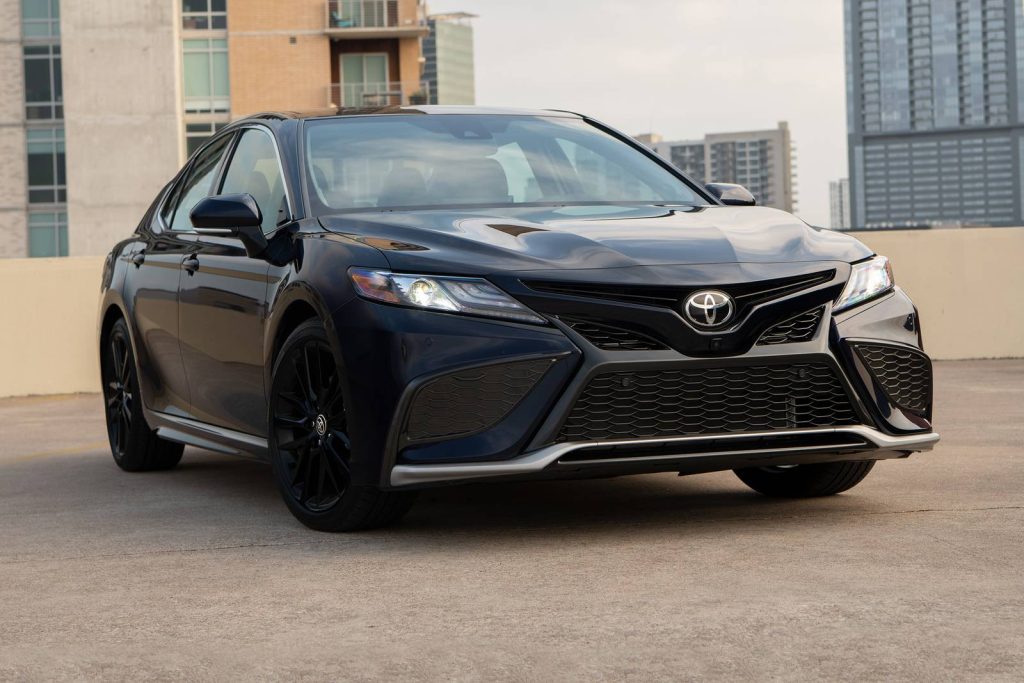
1. Toyota Camry
The Toyota Camry became one of the most respected sedans in automotive history because it consistently proves worth repairing,g even after expensive maintenance appears.
Many vehicles begin falling apart once they reach high mileage, but the Camry often continues operating reliably for years after major services are completed. The long-term durability changes how owners view repair costs.
One reason the Camry deserves investment is its powertrain reliability. Toyota built these engines and transmissions with simplicity and consistency rather than chasing risky engineering trends. As a result, repairs are usually manageable compared to luxury brands with highly complex systems.
Timing chain service, suspension replacement, water pumps, and brake work may cost money, but owners frequently recover that investment through years of additional dependable driving.
Another important advantage involves parts availability. Because millions of Camrys were sold globally, replacement components remain widely available and reasonably priced. Independent repair shops know the platform extremely well, which keeps labour costs more predictable than on rare or overly specialised vehicles.
The Camry also holds value surprisingly well for a mainstream sedan. Even older models with higher mileage still attract buyers because people trust their reputation. This means owners repairing a Camry are usually maintaining a vehicle that still carries meaningful resale demand rather than throwing money into something nobody wants.
Fuel economy plays a role, too. A repaired Camry continues saving money through efficient daily driving, especially for commuters covering large distances every week. Many owners realise that paying for maintenance once is far cheaper than taking on years of monthly payments for a new vehicle.
Another reason people continue fixing Camrys is emotional trust. Drivers become comfortable with a car that starts every morning and behaves predictably. That confidence matters. Instead of worrying about constant breakdowns, owners often feel reassured that once the repair is completed, the car will likely continue operating reliably for a long time.
The Camry may not be the most exciting vehicle on the road, but few cars reward responsible maintenance better. For drivers focused on financial practicality and dependable transportation, repairing a solid Camry almost always makes sense.
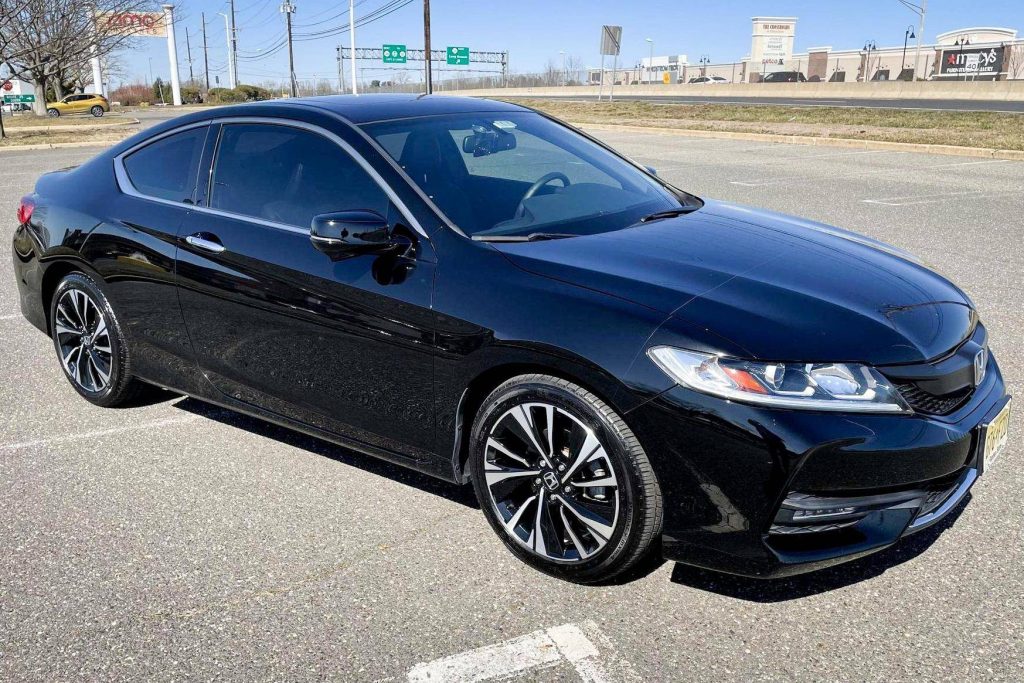
2. Honda Accord
The Honda Accord built its reputation through balance. It combines reliability, comfort, fuel efficiency, and long-term durability in a way few midsize sedans have consistently matched. Because of that, the Accord remains one of the smartest vehicles to repair rather than replace when maintenance costs appear.
What makes the Accord special is how well it ages mechanically. Many cars begin developing serious drivetrain problems as mileage rises, yet properly maintained Accords often continue running smoothly far beyond expectations.
Engines from several generations became famous for lasting hundreds of thousands of miles with routine care. This gives owners confidence that spending money on repairs is not simply delaying the inevitable.
Repair costs also stay relatively reasonable. Honda engineered the Accord with widespread serviceability, meaning mechanics across the country are familiar with the platform. Whether the car needs suspension work, alternator replacement, air conditioning repair, or steering components, parts remain accessible without shocking owners financially.
Another reason the Accord deserves repair investment is its daily usability. Even older models continue providing comfortable seating, respectable fuel economy, and practical cabin space. Drivers repairing an Accord are not just saving an old machine. They are preserving a vehicle that still functions extremely well in modern traffic conditions.
Unlike some cars that lose all market appeal with age, the Accord maintains strong demand in the used market. Buyers actively search for clean examples because they trust Honda’s reliability. That resale strength helps justify repair costs since the vehicle still holds measurable value afterwards.
The Accord also tends to avoid the endless repair cycle that ruins ownership experiences in poorly engineered cars. Once maintenance issues are addressed, owners frequently enjoy long periods of dependable driving instead of immediately facing another catastrophic failure. That predictability creates peace of mind.
For many families, students, and commuters, the Accord becomes more than transportation. It becomes a dependable part of daily life. When a car consistently proves trustworthy year after year, repairing it feels far smarter than gambling on an unknown replacement vehicle with hidden problems waiting to appear.
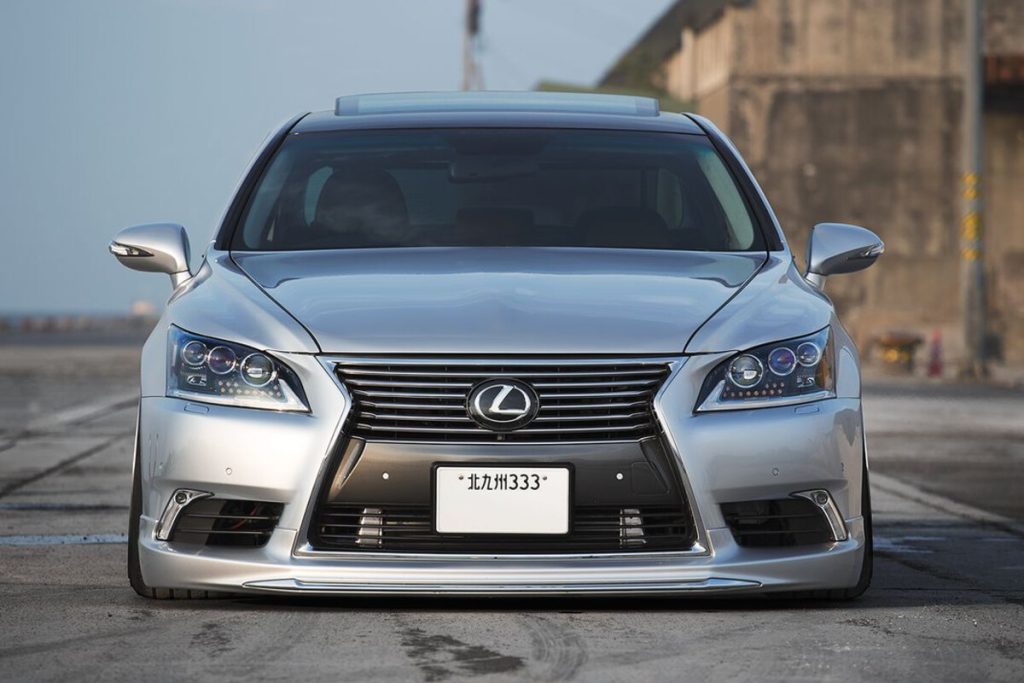
3. Lexus LS 430
The Lexus LS 430 represents one of the clearest examples of a luxury car that remains worth repairing even as repair bills increase with age. While many premium sedans become financial disasters after warranty coverage ends, the LS 430 gained a reputation for durability that rivals many mainstream economy cars.
Owners often discover that fixing one still makes better sense than replacing it with a newer luxury vehicle full of unpredictable technology.
A major reason lies in the engineering quality behind the car. Toyota designed the LS 430 with extreme attention to refinement and long-term reliability.
The V8 engine is known for smooth operation and excellent longevity when basic maintenance is performed consistently. Transmissions in these cars also tend to age gracefully compared to German luxury rivals from the same era.
Another factor is build quality. Interiors hold together impressively well even after years of use. Seats, dashboard materials, switches, and cabin electronics generally age with far fewer failures than many competitors. This matters because owners repairing an LS 430 are still preserving a vehicle that feels premium long after purchase.
The driving experience also helps justify repairs. Even older examples deliver quiet highway comfort, stable handling, and strong ride quality that many newer economy cars cannot match. Owners often realise that spending money on suspension work or timing belt service still leaves them with a refined luxury sedan capable of many more dependable miles.
Fuel economy is not the car’s strongest point, but the durability and comfort balance often outweigh that drawback.
A properly maintained LS 430 continues delivering reliable transportation without the overwhelming repair nightmares associated with ageing luxury brands. That reputation is why many enthusiasts gladly invest in repairs instead of walking away from the car.
4. Ford Crown Victoria
The Ford Crown Victoria earned legendary status because of its toughness, simplicity, and ability to survive brutal daily use.
Police departments, taxi fleets, and government agencies relied on these sedans for years because they could absorb enormous mileage without collapsing under constant stress. That same durability makes the Crown Victoria a car worth repairing even after major maintenance becomes necessary.
One of the car’s biggest strengths is mechanical simplicity. Unlike modern vehicles packed with complicated turbocharged systems and sensitive electronics, the Crown Victoria uses straightforward engineering that mechanics understand well.
Repairs are often less intimidating and less expensive than on newer cars filled with advanced technology.
The 4.6-liter V8 engine became especially respected for long-term dependability. These engines regularly crossed extremely high mileage figures with proper maintenance. Transmissions also proved durable when serviced regularly, giving owners confidence that repair money was being invested into a platform capable of lasting many more years.
Another advantage involves parts availability. Because so many Crown Victorias served in commercial fleets, replacement components remain widely available and affordable. Owners can repair suspension systems, steering components, cooling systems, and brakes without facing luxury-level pricing.
The car’s body-on-frame construction adds another layer of durability. Minor accidents and suspension wear are often easier to repair compared to modern unibody sedans. This made the Crown Victoria extremely popular among drivers wanting dependable transportation without constant financial stress.
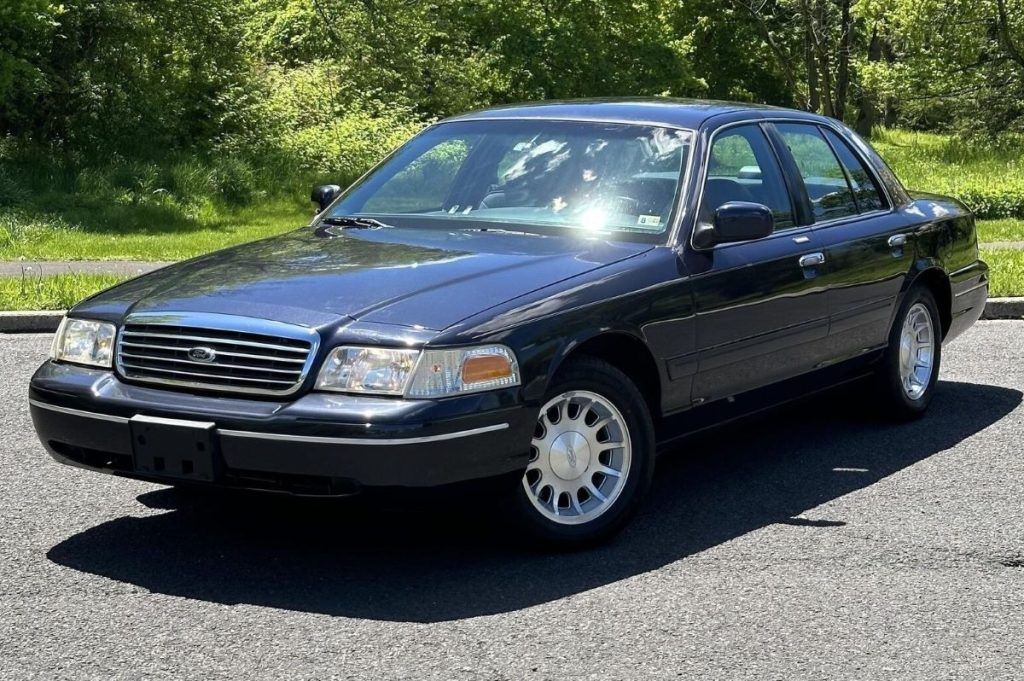
Comfort also plays a role. The car delivers a smooth highway ride, spacious seating, and strong visibility that many drivers still appreciate today. Even older examples remain practical daily transportation.
For owners who value reliability and low operating stress, repairing a Crown Victoria often makes perfect sense. Few sedans earned a stronger reputation for surviving hard use while remaining mechanically trustworthy year after year.
5. Mazda Miata
The Mazda Miata proves that a small sports car can still be worth repairing long after most performance vehicles become financial burdens.
Many sporty cars develop expensive mechanical problems as they age, especially when previous owners drive them aggressively. The Miata stands apart because it combines driving enjoyment with surprising reliability and manageable repair costs.
One reason the Miata deserves repair investment is its lightweight, simple design. Mazda avoided unnecessary complexity in many generations of the car, allowing owners to maintain and repair it without facing overwhelming labour costs.
Engines are generally dependable, transmissions hold up well when treated properly, and routine maintenance remains relatively affordable compared to other sports cars.
Another factor is the car’s loyal enthusiast community. Because the Miata has such a massive fan base, replacement parts remain widely available at different price ranges. Owners can find factory components, aftermarket upgrades, and repair advice easily, making long-term ownership far less stressful than with rare performance cars.
The Miata also holds its value remarkably well. Clean examples continue attracting buyers because people trust the car’s reputation for reliability and pure driving enjoyment.
This means money spent on suspension repairs, clutch replacement, or cooling system maintenance often helps preserve a vehicle that still carries strong market demand.
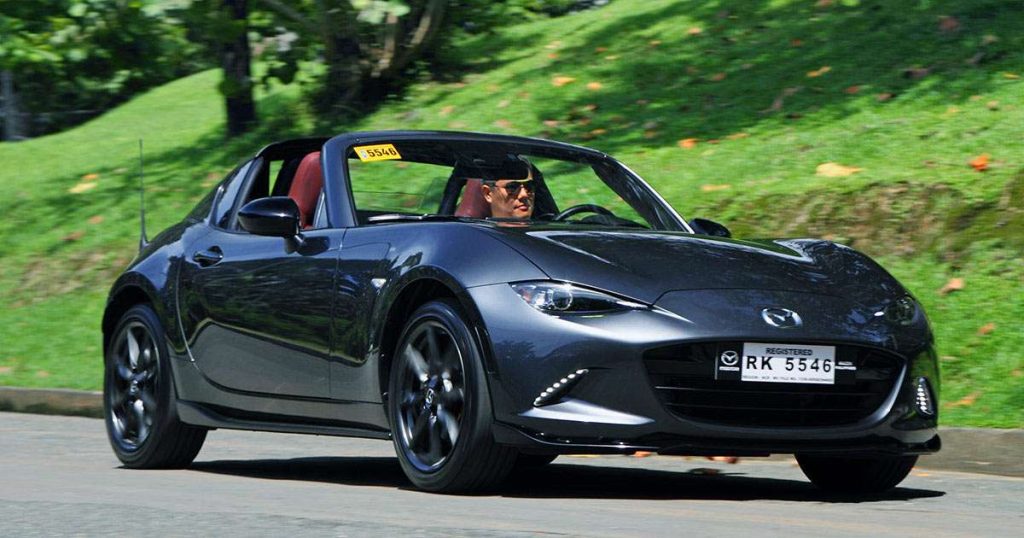
Driving satisfaction matters too. Many owners become emotionally attached to the Miata because few affordable cars deliver such engaging handling and open-air fun. Repairing the vehicle feels rewarding because the ownership experience remains enjoyable afterwards.
Unlike high-performance sports cars that punish owners with endless breakdowns, the Miata usually responds well to proper care. Once repairs are completed, drivers often enjoy years of dependable use with relatively few surprises.
That balance between affordability, reliability, and entertainment makes the Miata one of the smartest enthusiast cars to keep fixing instead of abandoning.
5 You Should Walk Away From
Not every car deserves another repair bill. Some vehicles reach a point where continued maintenance becomes financially reckless rather than responsible.
Owners often convince themselves that fixing one more issue will finally solve everything, only to face another expensive breakdown weeks later. This cycle traps people into spending thousands on cars that never truly become dependable.
The biggest warning sign is repeated major failures. A transmission replacement followed by electrical problems, suspension damage, and engine leaks usually means deeper trouble is waiting. Certain cars develop reputations for exactly this pattern.
They may look attractive because of luxury features, low purchase prices, or strong performance numbers, but long-term ownership becomes exhausting.
Another problem involves parts and labour costs. Some vehicles require specialised repairs so expensive that even basic maintenance feels unreasonable once the car ages. Owners quickly discover that keeping the vehicle alive costs far more than the car is actually worth in the real market.
Poor reliability engineering also matters. A vehicle filled with complicated electronics and fragile systems can become impossible to trust after high mileage. Even when one repair is finished successfully, another warning light often appears immediately afterwards.
The cars in this section earned reputations for creating these frustrations. Many were appealing when new, but age exposed serious weaknesses that make major repairs difficult to justify. In these situations, walking away usually protects owners from deeper financial losses and endless mechanical stress.
1. BMW 7 Series (E65 Generation)
The BMW 7 Series from the E65 generation became infamous for how quickly repair costs could spiral out of control as the car aged. When new, it impressed buyers with advanced technology, luxury features, and strong performance. Years later, many owners discovered that maintaining the car beyond warranty coverage could become financially exhausting.
One of the biggest issues involved the overwhelming complexity packed into the vehicle. BMW introduced highly advanced electronics, complicated infotainment systems, adaptive suspension components, and sensitive sensors throughout the car.
As these systems aged, failures became increasingly common. A single warning light could trigger diagnostic work costing hundreds before repairs even began.
The car’s engines and cooling systems also developed expensive maintenance concerns. Oil leaks, valve seal issues, cooling component failures, and electrical problems frequently appeared as mileage increased. Because the engine bay was tightly packed, labour costs rose quickly even for repairs that seemed relatively minor at first glance.
Another reason many mechanics advise walking away is the unpredictable ownership experience. Fixing one issue often reveals another waiting underneath. Owners sometimes spend thousands addressing suspension problems only to face transmission warnings or electrical malfunctions shortly afterwards.
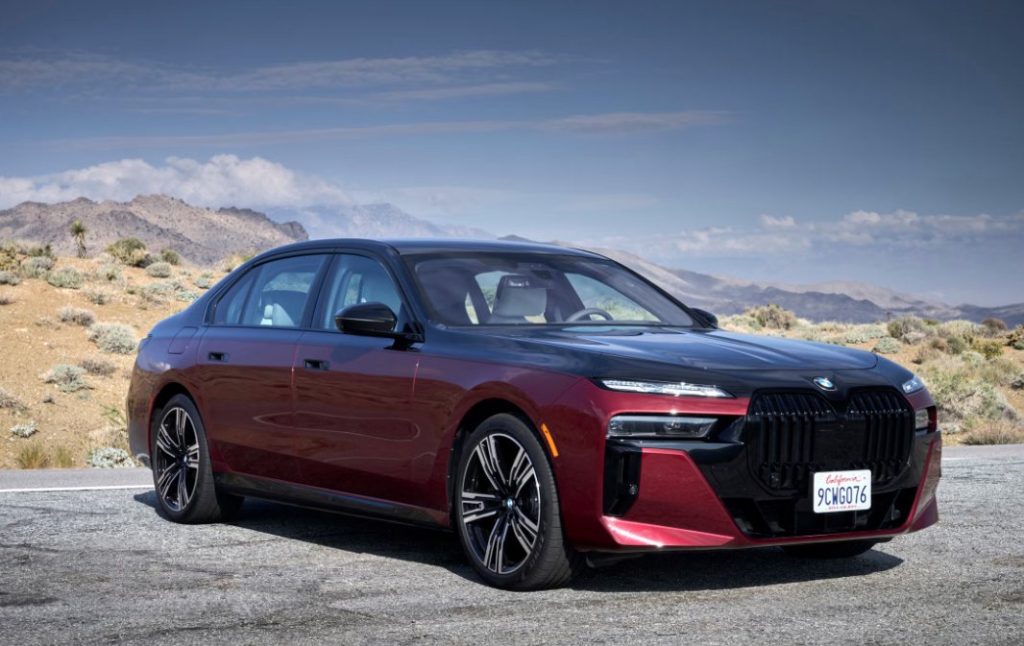
Depreciation makes the situation worse. Older 7 Series models lose value rapidly, meaning repair costs can easily exceed the vehicle’s actual market worth. Spending luxury-level repair money on a heavily depreciated sedan rarely makes financial sense for average owners.
The driving experience remains impressive when the car works properly, but reliability concerns overshadow that enjoyment over time.
Buyers attracted by low used prices often underestimate the true ownership costs waiting ahead. For many people, walking away from an ageing E65 generation 7 Series prevents endless repair bills and constant mechanical frustration.
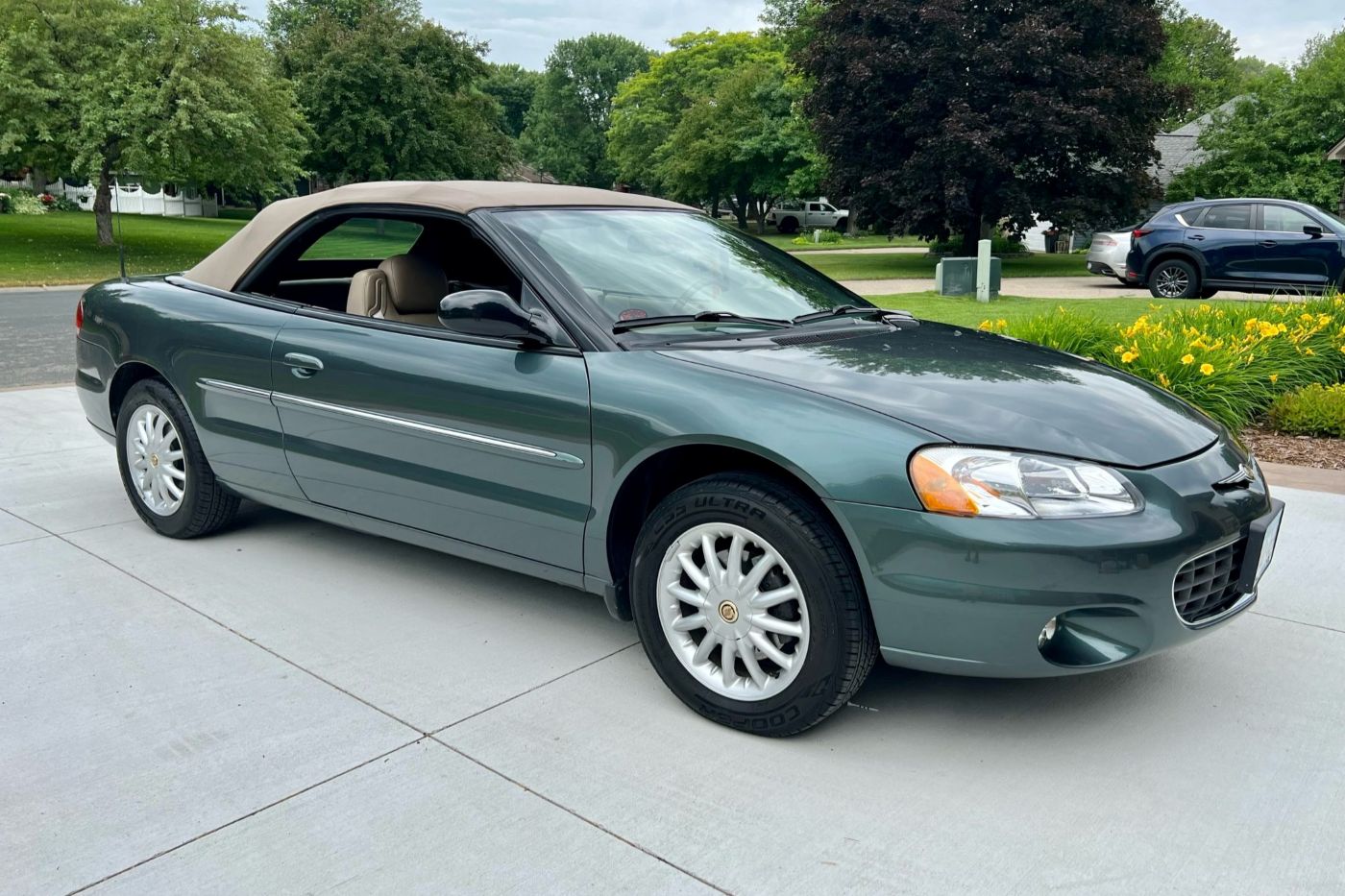
2. Chrysler Sebring
The Chrysler Sebring became known as a budget-friendly midsize car, but many older examples developed enough reliability concerns that expensive repairs rarely felt worthwhile. While the car offered affordable transportation when new, ageing Sebrings often trapped owners in frustrating cycles of mechanical and electrical problems.
One major weakness involved drivetrain reliability. Certain engines developed oil sludge issues, rough operation, and cooling system failures as mileage increased.
Automatic transmissions in some model years also gained a poor reputation for durability. Once serious transmission problems appeared, repair costs often exceeded the remaining value of the vehicle itself.
Interior quality created another source of frustration. Cheap cabin materials aged poorly, leading to broken trim pieces, failing switches, and rattling interiors. Even after mechanical repairs were completed, many Sebrings still felt worn out and outdated compared to competing sedans from the same era.
Electrical problems became especially irritating for long-term owners. Faulty sensors, power accessory failures, and inconsistent warning lights created recurring trips to repair shops. Diagnosing these issues sometimes costs more than owners expected because problems were not always straightforward.
Another reason to walk away is weak resale demand. Unlike reliable Japanese sedans that maintain strong used market value, the Sebring depreciated heavily. Owners investing large repair sums rarely recovered that money because the vehicle itself remained difficult to sell afterwards.
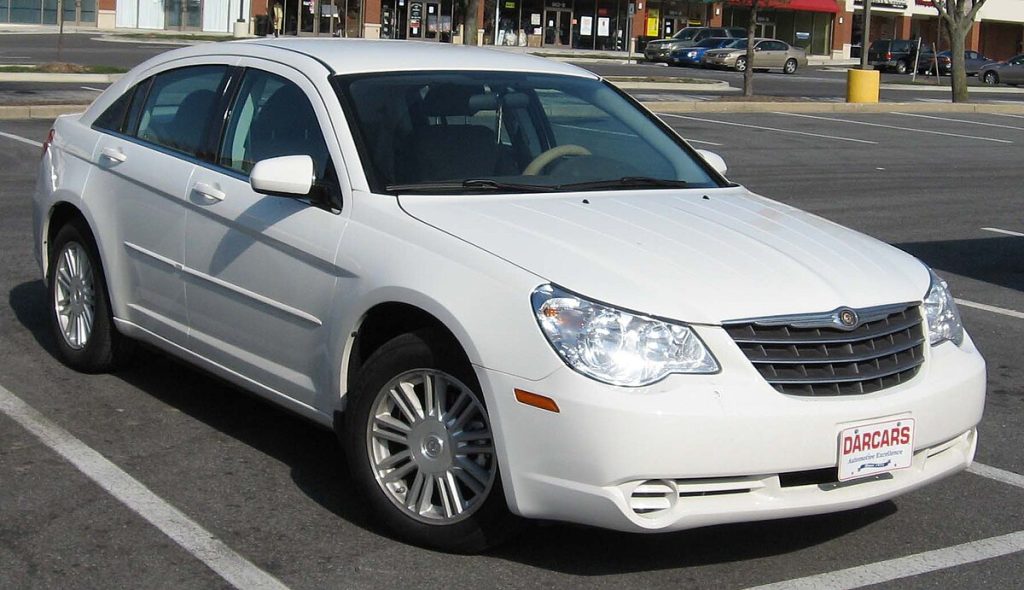
The Sebring was never designed to be a long-lasting, premium vehicle, and age exposed many of its engineering compromises.
Once major repairs begin stacking together, keeping the car alive usually becomes a losing financial battle. For most drivers, replacing the vehicle makes far more sense than continuing to pour money into repeated repairs and declining reliability.
3. Land Rover Range Rover (2000s Models)
The 2000s Range Rover offered luxury, off-road capability, and commanding road presence, but many ageing examples became notorious for expensive repairs that rarely seemed to end. Buyers were often attracted by heavily depreciated prices, only to discover that maintaining the vehicle could cost more than owning a newer, more dependable SUV.
One of the biggest problems involved electrical reliability. Older Range Rovers developed frequent issues with air suspension systems, dashboard electronics, navigation units, door modules, and warning sensors. Diagnosing these faults could become extremely time-consuming because one failing component often triggers multiple system alerts at once.
Air suspension failures became especially expensive. The system delivered an excellent ride when functioning correctly, but ageing compressors, leaking air springs, and failing control modules created major repair bills. Owners who ignored the problem often faced additional suspension damage later.
Engine and cooling system concerns added more financial pressure. Oil leaks, overheating risks, and cooling component failures became increasingly common with higher mileage. Since the engine bay was crowded and complex, labour costs rose quickly during repairs.
The biggest reason many people walk away is unpredictability. Even after expensive maintenance, another major issue frequently appeared soon afterwards. Owners often described the experience as constantly chasing problems instead of enjoying the vehicle.
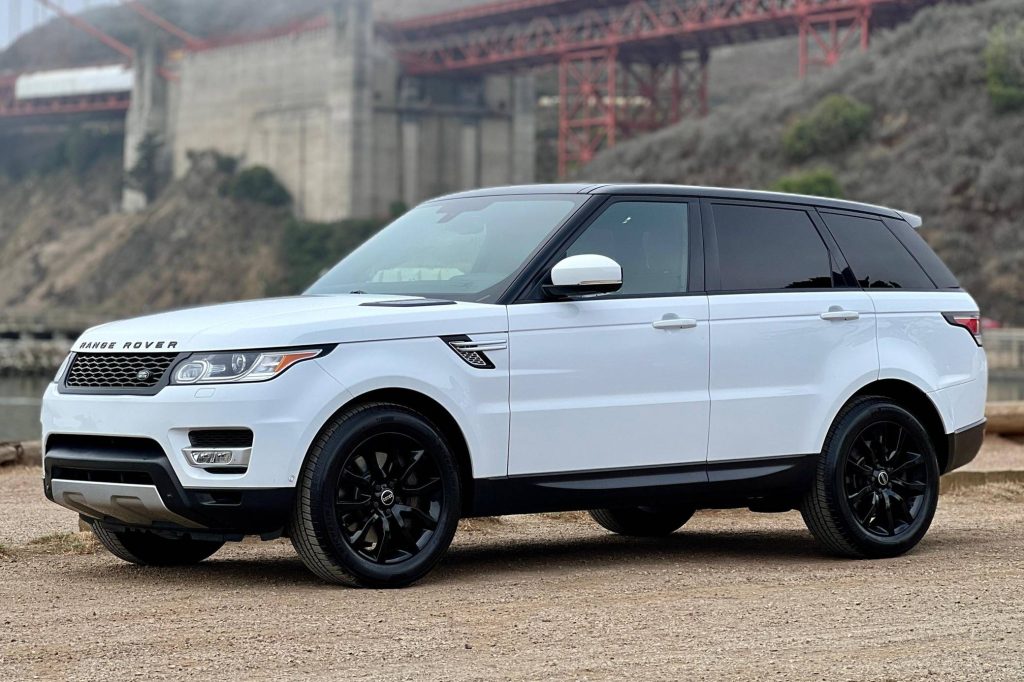
Depreciation also works against the Range Rover. Repair bills can easily surpass the SUV’s actual market value, especially once the vehicle reaches an older age. Spending thousands repeatedly on a heavily depreciated luxury SUV rarely makes practical sense.
The Range Rover still delivers comfort and prestige, but long-term ownership becomes difficult without a very large repair budget. For many buyers, walking away early prevents endless mechanical headaches and overwhelming maintenance expenses.
4. Mini Cooper (Early Turbocharged Models)
The early turbocharged Mini Cooper gained popularity because of its fun handling, compact size, and distinctive styling. Unfortunately, many owners later discovered that these cars could become expensive and frustrating to maintain as mileage increased.
A major concern involved engine reliability. Turbocharged models often suffered timing chain problems, oil leaks, carbon buildup, and cooling system failures.
Timing chain noise became one of the most feared warning signs because ignoring it could lead to catastrophic engine damage. Repairs were expensive due to the cramped engine layout and labour-intensive service procedures.
The Mini’s small size also made basic maintenance harder than many owners expected. Mechanics frequently needed extra labour time simply to access components buried tightly inside the engine bay. Even relatively ordinary repairs sometimes produced shockingly high estimates.
Electrical gremlins added another layer of frustration. Window regulators, sensors, warning lights, and electronic accessories developed failures that seemed minor individually but became exhausting collectively. Owners often fixed one issue only to face another shortly afterwards.
Another problem is that many used Minis were driven aggressively. Buyers searching for cheap examples today often encounter vehicles with neglected maintenance histories and hidden wear from years of hard driving. That creates even greater financial risk once repairs begin.
While the Mini Cooper remains entertaining to drive, the ownership experience changes dramatically after major problems appear. Repair costs climb quickly, especially at Europe’s speciality shops, and resale values rarely justify continued investment.
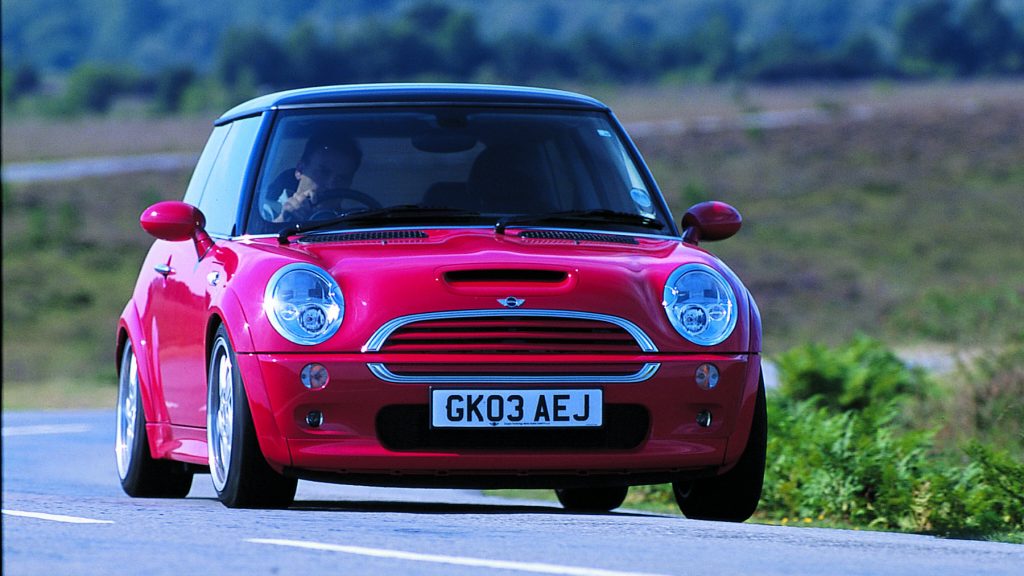
For drivers wanting dependable long-term transportation, walking away from an ageing turbocharged Mini Cooper is usually the safer financial decision. The car’s charm and personality cannot always compensate for the constant maintenance demands that emerge with age.
5. Audi A8 (Early 2000s Models)
The early 2000s Audi A8 delivered impressive luxury, advanced technology, and strong performance when new, but ageing examples often became extremely difficult to justify repairing. Many owners were initially attracted by mileage-based prices, only to realise the maintenance costs still reflected the car’s original luxury status.
One major issue involved the complicated electronics spread throughout the vehicle. Air suspension components, infotainment systems, sensors, power accessories, and control modules frequently developed failures as the car aged. Diagnosing electrical problems alone could become very expensive because multiple systems were deeply connected.
The engines also demanded costly maintenance. Timing chain service, oil leaks, cooling system repairs, and transmission concerns often appeared at higher mileage. Labour costs climbed rapidly because the car’s engineering made repairs time-consuming and difficult to access.
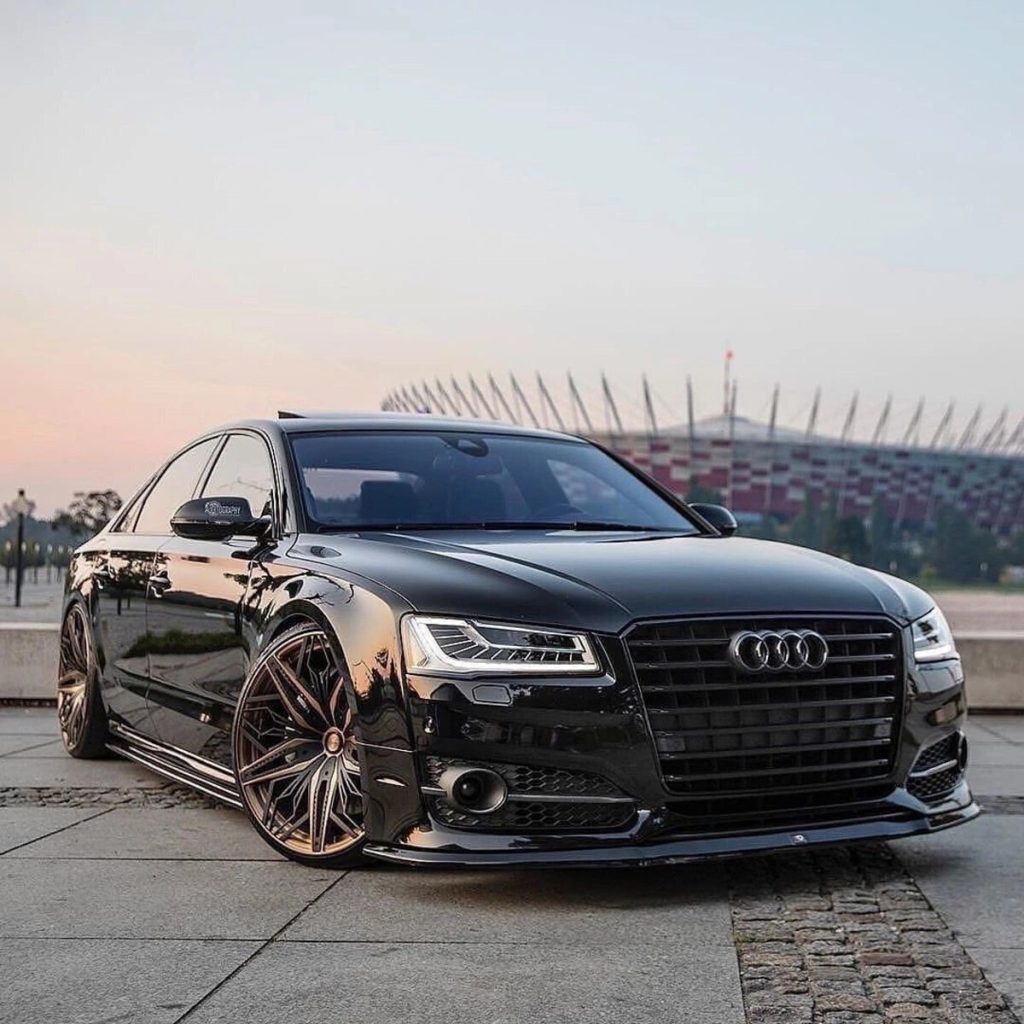
Another problem was depreciation. Even clean A8 models lost value heavily over time, meaning owners could spend thousands on repairs without increasing the car’s worth in any meaningful way. A single major failure could exceed the vehicle’s market value.
The A8 still offered smooth highway comfort and premium features, but long-term ownership became financially draining for many people.
Once expensive repairs started stacking together, walking away usually made far more sense than continuing to invest in a luxury sedan with unpredictable reliability and extremely high maintenance costs.
Also Read: 5 Cars With Genuinely Cold AC at Idle vs 5 That Only Cool While Moving
