
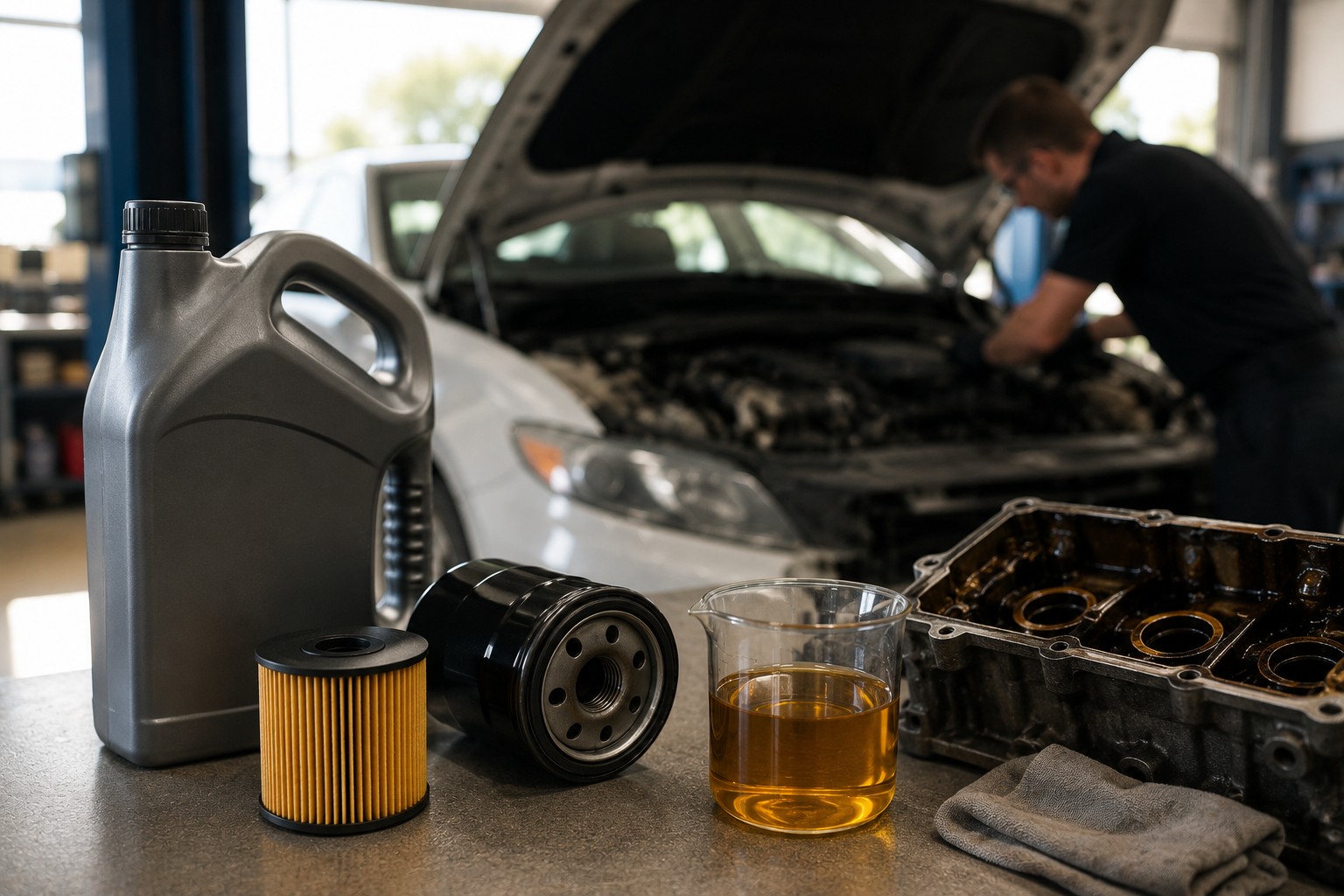
Synthetic oil has changed the way we think about engine maintenance. Many car owners are still confused about how often they should actually change it. The old rule of “every 3,000 miles” was built around conventional oil. That outdated advice no longer applies to modern synthetic formulas.
Car manufacturers and oil companies often give different recommendations. This creates real confusion for everyday drivers who just want to protect their engines. Some people change their oil too early and waste money. Others wait too long and risk serious engine damage.
Synthetic oil is engineered to last longer and perform better under stress. It resists heat, sludge, and breakdown far more effectively than conventional oil. But “longer lasting” does not mean “change it whenever you feel like it.” There are real limits, and ignoring them has consequences.
This guide breaks down the honest facts about synthetic oil change intervals. We will cover why intervals vary, what actually degrades your oil, and what the right schedule looks like. Whether you drive a new car or an older model, this information will save you money and protect your engine for the long run.
Why Synthetic Oil Lasts Longer Than Conventional Oil
Synthetic oil is made from chemically engineered base molecules. These molecules are uniform in size and shape, which makes the oil far more stable. Conventional oil comes from crude petroleum and contains irregular molecules. Those irregular molecules break down faster under heat and pressure.
Because synthetic oil is more chemically stable, it resists oxidation much longer. Oxidation is what causes oil to thicken, darken, and lose its lubricating ability. When oil oxidizes, it stops protecting your engine properly. Synthetic oil slows this process dramatically compared to conventional oil.
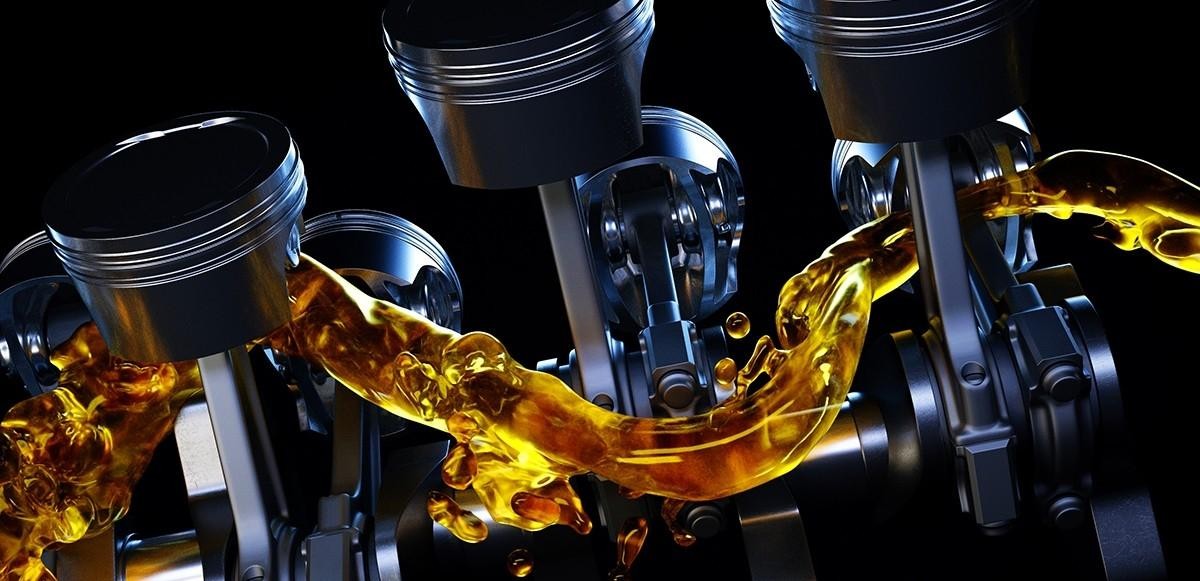
Synthetic oil also contains advanced additive packages. These additives fight sludge, reduce friction, and protect metal surfaces at extreme temperatures. They are designed to stay effective for thousands of miles longer. This is the core reason synthetic oil allows longer change intervals.
However, additives do eventually get used up. The oil itself may remain stable, but the protective chemistry weakens over time. This is why even synthetic oil must be changed on a schedule. No oil lasts forever, no matter what the marketing says.
What the Numbers Actually Mean
Most synthetic oils are marketed for 7,500 to 10,000-mile intervals. Some full synthetics claim intervals of up to 15,000 miles. These numbers come from laboratory testing under controlled conditions. Real-world driving is rarely that clean or consistent.
Your actual interval depends heavily on how you drive. Short trips under 10 miles are extremely hard on oil. The engine never fully warms up, and moisture builds up inside the oil. This shortens the effective life of even the best synthetic oil.
Highway driving is much easier on oil than city driving. Consistent speeds reduce heat spikes and combustion byproducts. Drivers who mostly use highways can safely reach the higher end of recommended intervals. City drivers should stay closer to the lower end of the range.
Many modern vehicles come with oil life monitoring systems. These systems measure driving conditions in real time and estimate oil degradation. They are generally accurate and worth trusting. But they are not a replacement for regular visual inspection of your oil level and color.
Also Read: 4 Cars With Working Cruise Control After 200K vs 4 Where It Fails by 100K
Factors That Shorten Your Oil Change Interval
Driving in extreme heat or extreme cold puts extra stress on your oil. High temperatures cause oil to thin out and lose viscosity faster. Cold temperatures make oil thick and slow to circulate at startup. Both conditions accelerate wear and shorten the oil’s effective life.
Towing and hauling heavy loads is another major factor. When your engine works harder, it produces more heat and combustion gases. These gases blow past the piston rings and contaminate the oil. This process, called blow-by, degrades oil quality much faster than normal driving.

Dusty and dirty environments also shorten oil life significantly. Dirt particles enter the engine through the air intake and get into the oil. Your oil filter catches most of them, but not all. Over time, dirty oil becomes abrasive and can scratch engine components.
Older engines consume and contaminate oil faster than new ones. Worn seals and rings allow more blow-by gases into the oil. An older engine may need oil changes more frequently, even with synthetic oil. Always factor in your vehicle’s age and condition when deciding on intervals.
What Happens When You Wait Too Long
Oil that is overdue for a change becomes thick and sludgy. Sludge is a sticky, dark residue that blocks oil passages in the engine. When oil cannot flow freely, critical parts do not get lubricated. This leads to accelerated wear and, eventually, serious engine damage.
Long-overdue oil also loses its ability to handle heat properly. The oil breaks down and forms varnish deposits on metal surfaces. These deposits reduce efficiency and can cause parts to stick or seize. Engine repair from oil neglect is extremely expensive.
Turbo engines are especially vulnerable to oil degradation. Turbos spin at incredibly high speeds and generate massive heat. They need clean, fresh oil to stay properly lubricated. Neglecting oil changes on a turbocharged engine can destroy the turbo within months.
Even if your engine survives oil neglect for a while, the damage accumulates silently. You may not notice problems immediately, but the wear adds up. By the time symptoms appear, the damage is already done. Regular oil changes are cheap insurance against very costly repairs.
The Right Interval for Most Drivers
For most drivers using full synthetic oil, a 7,500-mile interval is a safe and practical choice. This covers the majority of driving styles and conditions without being overly conservative. It gives you a buffer below the maximum rated life of the oil. It also ensures your additive package stays effective throughout the interval.
If you drive under severe conditions, consider changing oil every 5,000 miles. Severe conditions include frequent short trips, towing, extreme temperatures, and dusty environments. This slightly shorter interval adds meaningful protection without costing much more. Peace of mind is worth the extra quart of oil once a year.
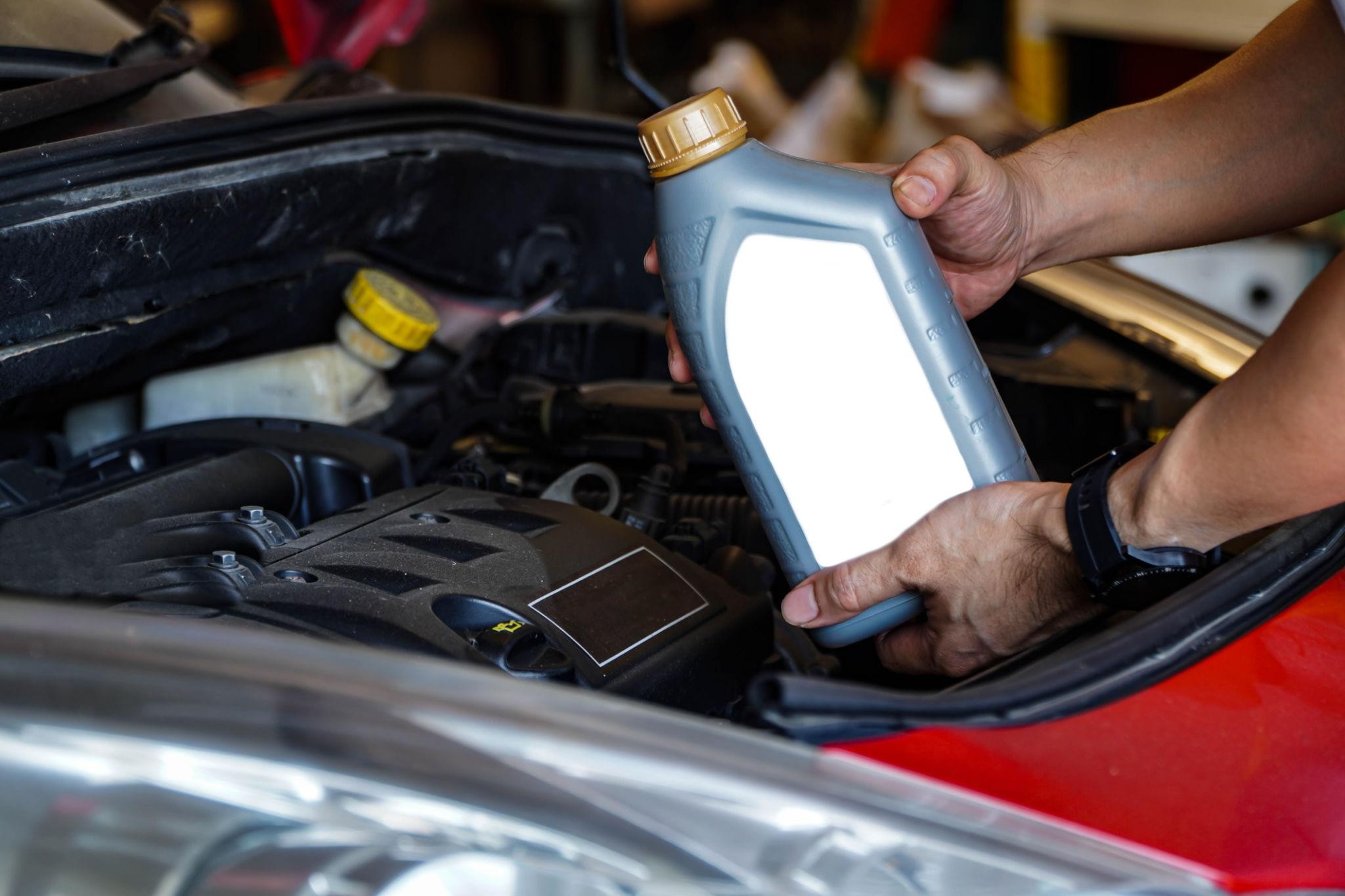
If you do mostly highway driving in a modern vehicle, 10,000 miles may be perfectly fine. Follow your oil life monitor and check the oil regularly between changes. Do not let the monitor drop below 10 to 15 percent before scheduling a change. Staying ahead of the alert is always better than reacting to it.
Always follow the interval recommended in your owner’s manual as a starting baseline. Adjust that interval based on your actual driving conditions and habits. Use a high-quality synthetic oil that meets your manufacturer’s specifications. Taking these simple steps will keep your engine healthy for hundreds of thousands of miles.
Also Read: 6 Cars Where the Steering Still Feels New at 150K vs 6 That Get Loose Fast
