
Car manufacturers constantly promise that every new generation is better than the one before it. More technology, improved efficiency, larger screens, extra safety systems, and updated styling are usually presented as proof of progress.
On paper, newer cars almost always appear superior. Yet once drivers spend real time behind the wheel, a different reality sometimes becomes clear. Certain older generations simply feel better built, more enjoyable to drive, easier to maintain, and more connected to the road than the models that replaced them.
This happens for several reasons. In many cases, automakers move toward turbocharged engines, softer steering, heavier bodies, and increasingly digital interiors.
While these changes may improve fuel economy or satisfy regulations, they can remove the character that made the earlier model special. A car may become faster in a straight line yet lose the balanced handling, simplicity, or mechanical feel that drivers loved.
Another issue is complexity. Older generations often relied on proven engineering and straightforward controls. Newer models introduce layers of software, touchscreens, electronic driver aids, and complicated hybrid systems that can make the experience feel artificial.
Instead of improving usability, some of these additions create distractions and long-term reliability concerns.
Design also plays an important role. Many previous generations had cleaner styling and more distinctive proportions. Modern redesigns sometimes chase trends rather than identity, leading to cars that look less memorable despite being newer.
Importantly, this conversation is not about nostalgia alone. Many enthusiasts, mechanics, and longtime owners genuinely believe certain older generations outperform their replacements in daily driving, reliability, comfort, and durability. These are cars where the redesign may have added features but removed something far more valuable in the process.
The vehicles on this list are examples of that phenomenon. Their older generations delivered such a complete package that the newer versions struggled to improve meaningfully. In some cases, the replacement became heavier or more complicated. In others, it lost personality or long-term dependability.
Below are ten cars where the old generation beats the new one in nearly every area that matters to drivers.
Also Read: The Top 8 Honda Engines Ever Built, Ranked by Mileage Records
1. BMW 5 Series E39 (1995–2003)
The BMW E39 5 Series is often described as one of the greatest sedans ever made, and much of that praise comes from how naturally balanced it feels compared to the generations that followed. Later 5 Series models became larger, more isolated, and increasingly dependent on electronics, but the E39 stayed focused on the driving experience first.
One reason the older generation continues to stand above newer versions is steering feel. The hydraulic steering system communicates road texture and front tire grip with remarkable clarity.
Modern BMW sedans use electric steering setups that may be more efficient, yet they rarely provide the same level of feedback. In the E39, every corner feels connected and deliberate.
The chassis tuning also deserves recognition. BMW engineers managed to combine ride comfort with agility in a way newer models struggle to replicate.
The suspension absorbs rough pavement gracefully while still allowing the car to remain responsive during spirited driving. Many newer luxury sedans lean too far toward softness or artificial sportiness, but the E39 feels naturally composed.
Another important advantage is simplicity. Compared to modern 5 Series generations packed with digital systems and layered menus, the E39 cabin feels intuitive and driver-focused. Physical buttons and clear gauges reduce distraction, making the car easier and more satisfying to use daily.
The engine character plays a major role as well. Inline six-cylinder models deliver smooth, linear power without relying on turbocharging. Acceleration feels progressive and predictable instead of abrupt or software-controlled. This gives the car a mechanical honesty that many newer versions have lost.
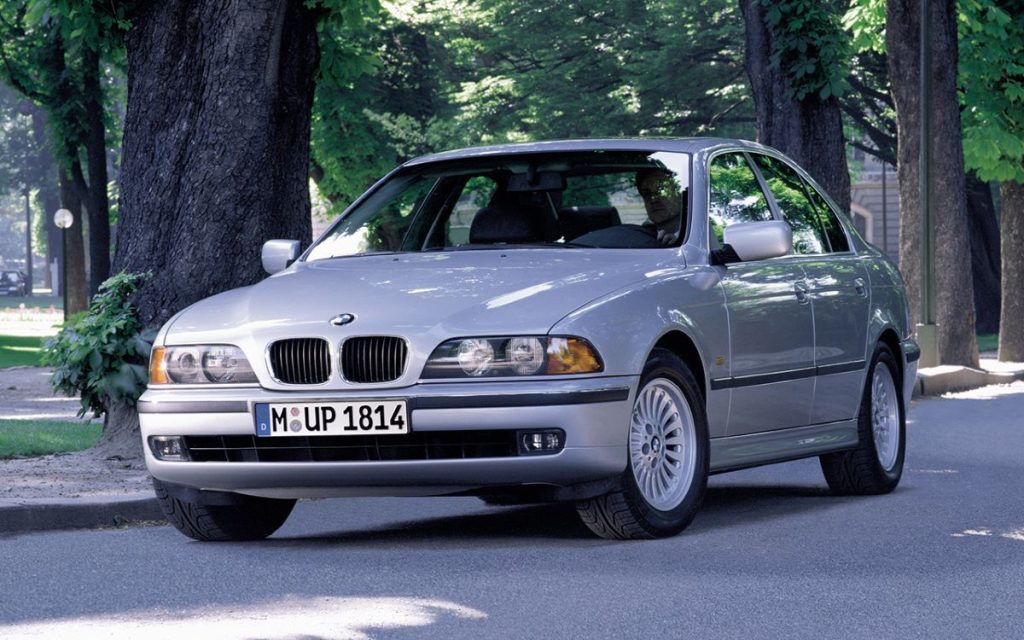
Build quality is another area where the E39 continues to impress. Even after decades, many examples still feel structurally solid. Doors close with weight, the chassis remains tight, and the interior avoids the excessive creaking that sometimes affects more modern luxury cars.
Styling has aged remarkably well, too. The proportions remain elegant and understated without chasing aggressive trends. Newer generations often appear oversized or overly complex by comparison.
Driving the E39 today reveals why so many enthusiasts still prefer it. The car feels alive without being exhausting and refined without becoming disconnected. Every control input produces a response that feels carefully engineered rather than digitally filtered.
The BMW E39 5 Series represents a period when luxury sedans prioritized balance and driver involvement above technology overload. That philosophy is exactly why many drivers still believe it surpasses the newer generations that replaced it.
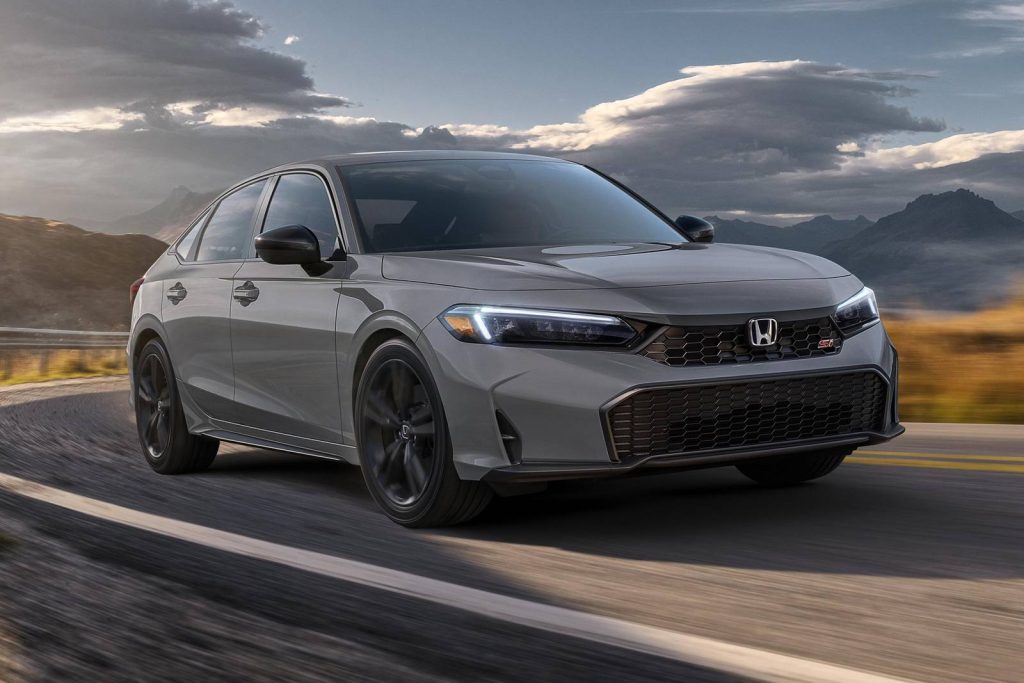
2. Honda Civic Eighth Generation (2006–2011)
The eighth-generation Honda Civic arrived with bold styling, sharp handling, and a sense of lightness that made it immediately engaging. While newer Civic generations have become more refined and technologically advanced, many drivers still believe this older model delivers a more satisfying and honest experience.
Part of its appeal comes from simplicity. The car feels straightforward in the best possible way. Controls are easy to understand, visibility is excellent, and the driving experience remains free from unnecessary complexity.
Modern civics offer more features, but they also introduce larger screens, heavier structures, and more electronic intervention that can dilute the connection between driver and machine.
The steering in the eighth generation stands out because of how responsive it feels. Inputs are immediate, and the chassis reacts eagerly without feeling nervous. Newer models may offer improved grip and power, yet they often feel larger and less playful during normal driving.
Weight also contributes to the difference. This generation Civic remains relatively light compared to current versions. That lighter structure improves agility, braking feel, and cornering balance. Instead of relying heavily on electronic systems to create excitement, the car achieves engagement naturally through its proportions and tuning.
Engine reliability is another reason enthusiasts continue praising this generation. The naturally aspirated four-cylinder engines are known for durability and predictable performance. They deliver smooth power without turbo lag or complicated hybrid assistance systems.
Interior durability has also aged well. Materials may not feel luxurious, but they hold up impressively over time. Many owners report fewer electronic issues compared to newer generations filled with more advanced software and digital interfaces.
Fuel economy remains competitive even by modern standards, proving that efficiency does not always require smaller turbocharged engines or hybrid systems. The car achieves practicality without sacrificing responsiveness.
The Si variant deserves special mention because it captured a level of driver involvement that newer sport compact cars sometimes struggle to match. The high-revving engine, precise manual transmission, and balanced chassis created an experience that felt genuinely engaging.
Another subtle strength is visibility. Thin pillars and a lower beltline provide a sense of openness that many newer cars lack due to larger body structures and safety requirements.
The eighth-generation Honda Civic succeeded because it balanced affordability, reliability, efficiency, and driving enjoyment without overcomplicating the formula. While newer Civics excel in certain measurable areas, this older generation continues to feel lighter, sharper, and more connected in ways many drivers still prefer.
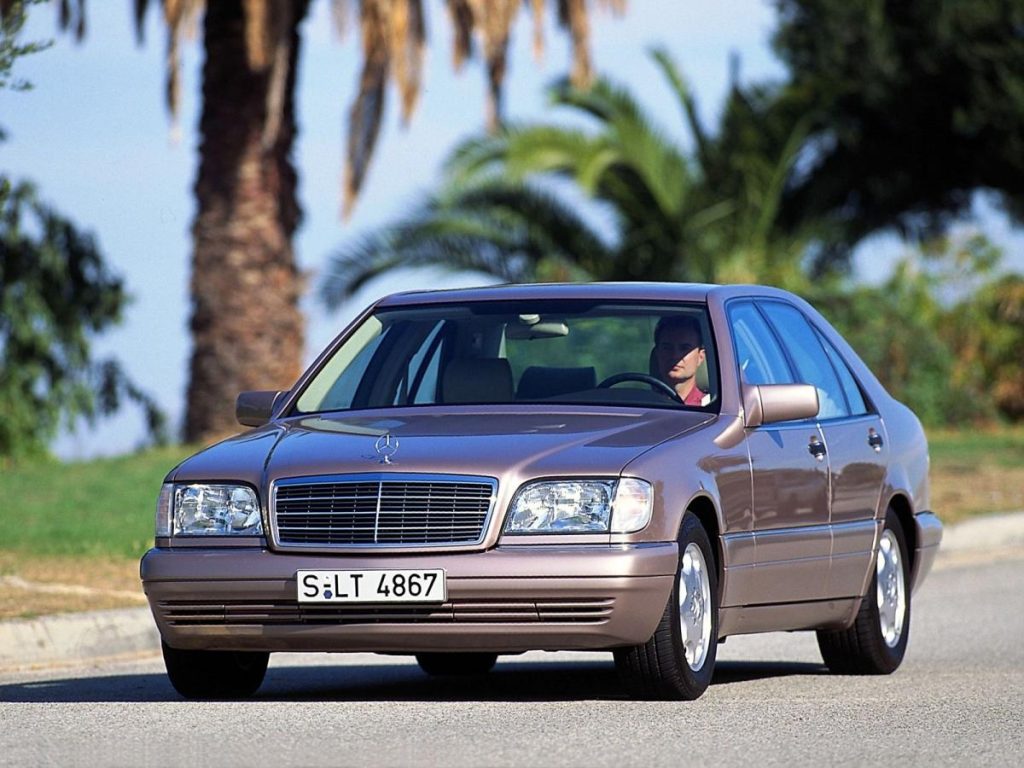
3. Mercedes-Benz S-Class W140 (1991–1998)
The Mercedes-Benz W140 S-Class came from an era when engineers were given extraordinary freedom to prioritize durability, refinement, and structural integrity above cost-cutting. That philosophy created a sedan that many enthusiasts still consider superior to newer S-Class generations despite the massive technological advancements that followed.
One of the biggest differences becomes obvious the moment the doors close. The W140 feels incredibly solid, almost vault-like in its construction. Modern luxury sedans may be lighter and more efficient, but few deliver the same sense of structural confidence. The body feels dense, carefully assembled, and built with long-term durability in mind.
Ride quality is another area where the older generation still excels. Instead of relying heavily on adaptive suspension systems and electronic adjustments, the W140 achieves comfort through chassis engineering and weight distribution. The car glides over rough roads with remarkable stability while maintaining composure at high speeds.
The steering also feels more natural compared to many newer luxury sedans. There is genuine weight and feedback rather than the overly isolated sensation common in modern electronically assisted systems. Drivers remain aware of the road without sacrificing comfort.
Another important strength is interior design. The cabin avoids touchscreen overload and instead focuses on physical controls with satisfying tactile feedback. Every switch and button feels deliberate, creating an experience that remains intuitive even decades later.
Engine options from this era also delivered smoothness without excessive complexity. Inline-six and V8 models provided effortless power in a refined, predictable manner. Newer turbocharged setups may produce better efficiency figures, but they often lose some of the mechanical smoothness that defined the W140.
Noise insulation remains exceptional even by current standards. Highway cruising feels calm and controlled without completely isolating occupants from the outside world. This balance contributes to the car’s timeless character.
Styling is another reason the W140 has aged so gracefully. Its design communicates authority without relying on exaggerated lines or oversized grilles. Many modern luxury sedans appear more aggressive but less elegant.
The W140 represents a generation of Mercedes engineering focused on permanence rather than rapid technological change. That commitment to quality is exactly why many drivers still consider it better than the newer S-Class generations that followed.
4. Toyota Land Cruiser J100 (1998–2007)
The Toyota Land Cruiser J100 remains one of the clearest examples of an older generation outperforming its successor through durability, simplicity, and genuine capability. While newer Land Cruisers offer more technology and luxury, many longtime owners still prefer the J100 because it feels tougher, easier to maintain, and more mechanically dependable.
The first thing that separates the J100 from newer generations is its construction. The chassis feels incredibly robust, capable of handling years of abuse without developing rattles or structural weakness. Modern SUVs often prioritize comfort and efficiency, but the J100 was engineered with longevity as the primary goal.
Its naturally aspirated engines also contribute heavily to its reputation. Power delivery is smooth and predictable, without relying on turbochargers or complicated hybrid systems. This simplicity improves reliability and creates a more consistent driving experience over time.
Off-road capability remains another major strength. The suspension setup and four-wheel drive system were designed for real-world durability rather than electronic simulation. Drivers can feel the mechanical confidence of the vehicle on difficult terrain instead of depending entirely on software management systems.
Visibility is noticeably better than in many newer SUVs. The upright shape, thinner pillars, and straightforward cabin layout create a commanding driving position that feels practical rather than overly stylized.
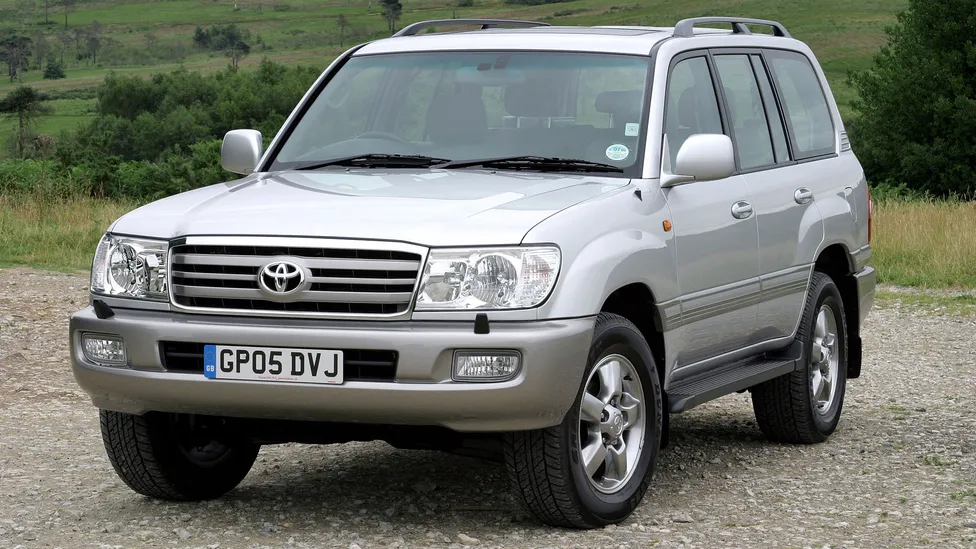
Another reason enthusiasts prefer the J100 is the long-term ownership experience. Repairs are generally more manageable, and the vehicle avoids much of the electronic complexity that can become expensive in newer luxury SUVs. Owners often keep these vehicles for decades because they continue functioning reliably with proper maintenance.
Ride comfort also deserves attention. Despite its rugged construction, the J100 delivers a smooth and stable highway experience. It feels substantial without becoming disconnected from the road.
Interior design reflects practicality rather than excessive digital integration. Physical controls remain easy to use even in rough conditions, which adds to the SUV’s usability during long trips or off-road driving.
Styling has aged exceptionally well, too. The proportions remain clean and purposeful without chasing temporary trends. Newer SUVs sometimes appear oversized or overly complicated by comparison.
The Toyota Land Cruiser J100 succeeded because it combined comfort, durability, and capability without unnecessary complication. That balance is why many drivers still believe it surpasses the newer generations that followed.
5. Porsche 911 997 (2004–2012)
The Porsche 911 997 represents a moment before the 911 became larger, more digital, and increasingly filtered through electronic systems. While newer generations are unquestionably faster on paper, many enthusiasts still consider the 997 the sweeter car to drive because it preserves a more direct and mechanical connection between driver and machine.
One of the biggest reasons is steering feel. The 997 uses hydraulic steering that communicates texture, grip, and weight transfer with remarkable precision.
Later electric systems improved efficiency, but they lost some of the natural feedback that made earlier 911s feel alive. In the 997, even small steering inputs create an immediate sense of involvement.
The size of the car also contributes heavily to its appeal. Compared to modern 911 generations, the 997 feels compact and agile. Narrower dimensions make it easier to place on the road, especially through tight corners. Newer versions have grown noticeably larger, reducing some of that playful character.
Engine response is another area where the older generation stands apart. Naturally aspirated models deliver instant throttle reaction and smooth power delivery without relying heavily on turbocharging.
Drivers can feel the engine building revs progressively, creating a more rewarding experience than the abrupt torque delivery common in newer turbocharged sports cars.
The interior reflects a simpler era as well. Controls are focused on driving instead of large digital displays. Physical buttons and a clean dashboard layout reduce distractions, allowing the car to feel purpose-built rather than technology-centered.
Ride quality deserves attention, too. The suspension remains firm enough for enthusiastic driving while still absorbing imperfections naturally. Many newer performance cars lean heavily on adaptive systems that sometimes feel artificial or inconsistent.
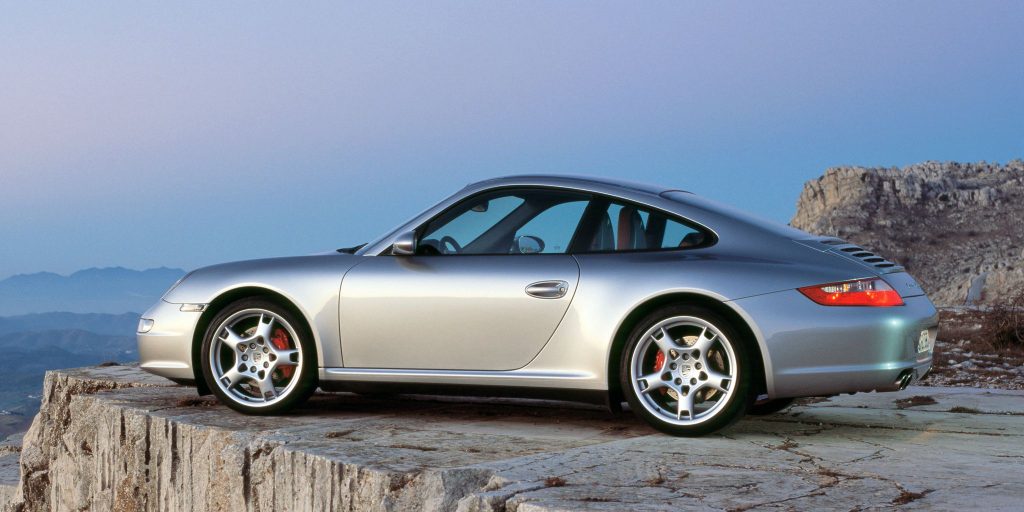
Sound also plays a major role in the 997’s appeal. The flat-six engine produces a genuine mechanical tone that changes beautifully through the rev range. Modern sound regulations and turbocharging have altered much of that character in newer generations.
The 997 succeeds because it balances performance, usability, and engagement in a remarkably natural way. It still feels fast and refined today, yet it never sacrifices driver involvement for technology. That purity is exactly why many enthusiasts continue choosing it over newer 911 models.
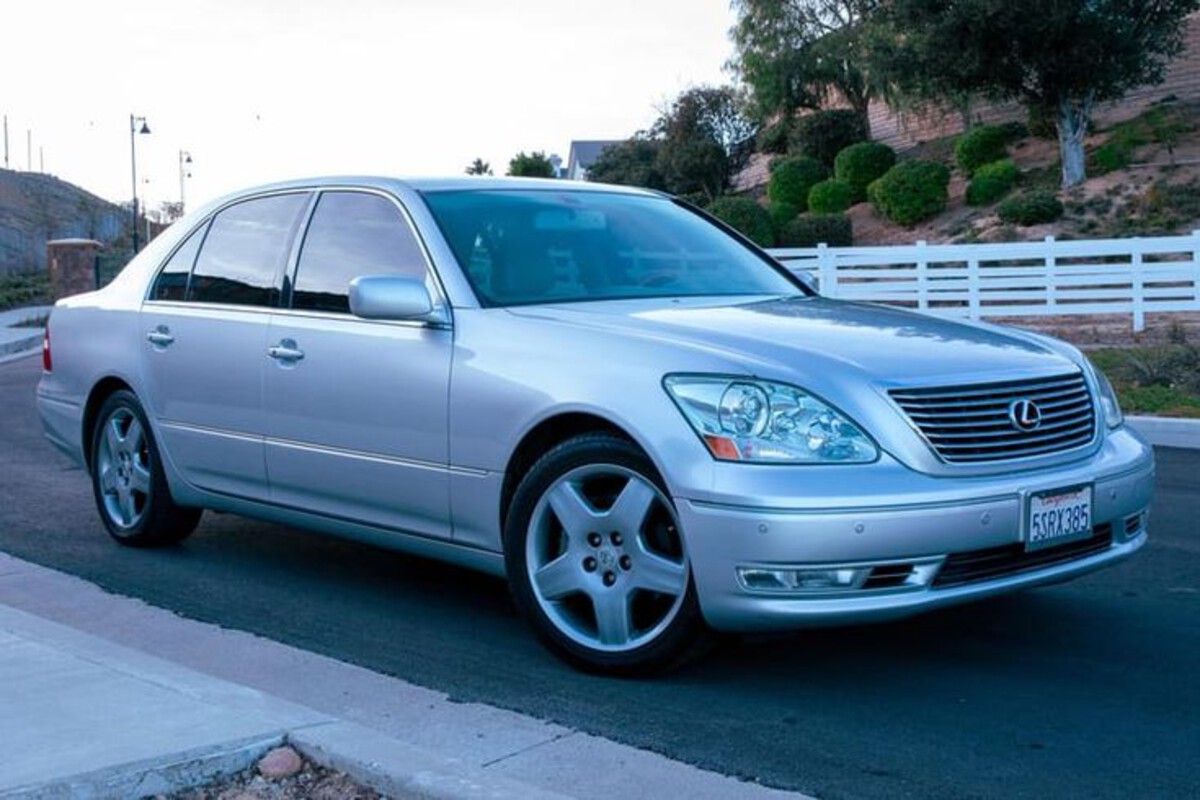
6. Lexus LS 430 (2000–2006)
The Lexus LS 430 remains one of the finest examples of luxury engineering focused on refinement and long-term quality rather than flashy innovation. While modern luxury sedans offer larger screens and more software-driven features, many drivers still believe the LS 430 delivers a calmer, smoother, and more dependable experience.
Ride quality is perhaps the strongest reason this generation continues to stand out. The suspension absorbs rough roads with incredible smoothness while maintaining stability at highway speeds.
Many modern luxury cars attempt to achieve comfort through adaptive electronics, yet the LS 430 accomplishes it through careful chassis tuning and exceptional build quality.
The naturally aspirated V8 engine adds to the sedan’s timeless appeal. Power delivery is effortless and linear, without turbo lag or artificial enhancement. Acceleration feels smooth and refined rather than aggressive, perfectly matching the character of the car.
Interior quality remains deeply impressive even by today’s standards. Materials were chosen for durability as much as appearance, and many examples still look remarkably fresh after decades of use. Buttons, switches, and controls operate with a precision that newer luxury cars sometimes struggle to maintain long-term.
Another reason owners continue praising the LS 430 is its reliability. Unlike newer luxury sedans filled with complicated hybrid systems, layered infotainment software, and countless electronic modules, the LS 430 stays relatively straightforward. This simplicity contributes to lower ownership stress and better long-term dependability.
Cabin quietness is exceptional. Road noise, wind noise, and engine sound are controlled so effectively that long drives feel relaxing instead of tiring. Yet the car avoids feeling completely disconnected from the outside world.
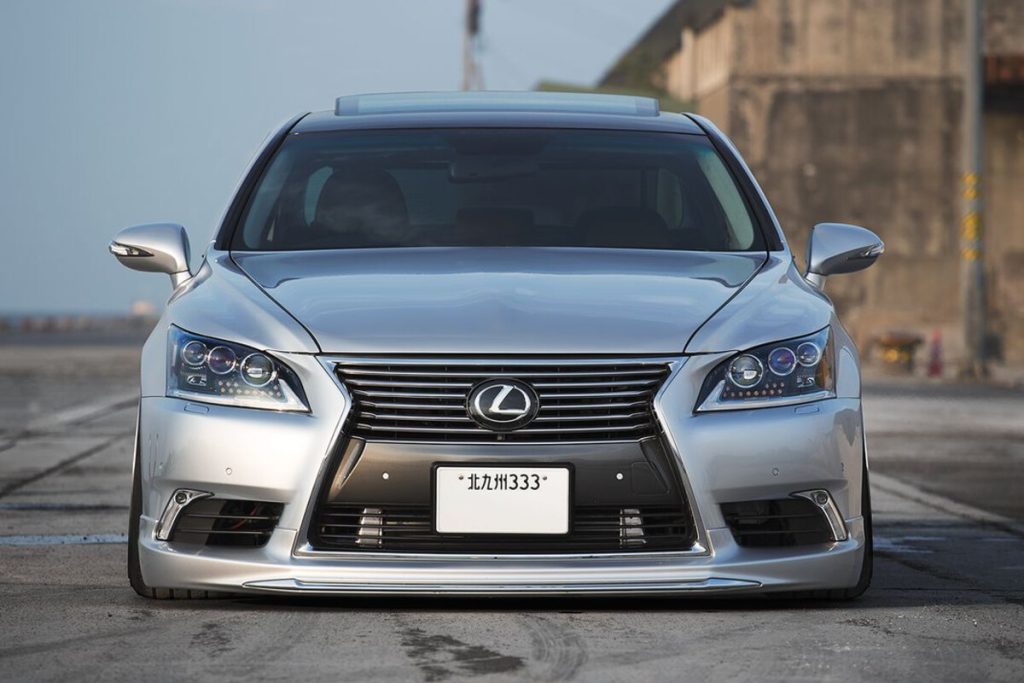
The steering is tuned for smoothness rather than aggressive sportiness, but it still feels natural and predictable. Modern luxury sedans often attempt to imitate sports cars, while the LS 430 confidently embraces comfort and composure instead.
Styling has also aged gracefully. The design remains elegant and understated without relying on oversized grilles or dramatic body lines. It communicates sophistication through proportion rather than exaggeration.
Driving the LS 430 today reveals how thoughtfully engineered it was. Everything operates with consistency and refinement, from the transmission shifts to the suspension movement.
The Lexus LS 430 proves that luxury does not require constant technological reinvention. Its older generation remains superior to many newer sedans because it focuses on comfort, durability, and effortless usability above temporary trends.
7. Mazda MX-5 Miata NC (2006–2015)
The Mazda MX-5 Miata NC often gets overlooked because earlier and later Miata generations receive more attention, yet this version captures something many modern sports cars have lost. It delivers simple, lightweight driving enjoyment without relying on excessive power, complicated electronics, or artificial performance tricks.
One of the strongest advantages of the NC generation is steering feel. The car reacts instantly to driver inputs, creating a direct connection between the wheel and the road. Modern sports cars may produce faster lap times, but many feel heavier and less communicative during everyday driving.
Balance is another major reason enthusiasts continue to appreciate the NC. Weight distribution is carefully managed, allowing the car to rotate naturally through corners. Instead of forcing the driver to manage overwhelming horsepower, the Miata rewards precision and smoothness.
The naturally aspirated engine contributes heavily to this experience. Throttle response feels immediate and predictable, with power building progressively through the rev range. Many newer turbocharged sports cars deliver sudden torque, but the NC keeps the driving experience linear and engaging. It’s relatively lightweight, which also separates it from modern alternatives. Newer sports cars often gain mass due to added technology and safety systems, which can dull agility. The NC still feels nimble and playful without needing extreme suspension stiffness.
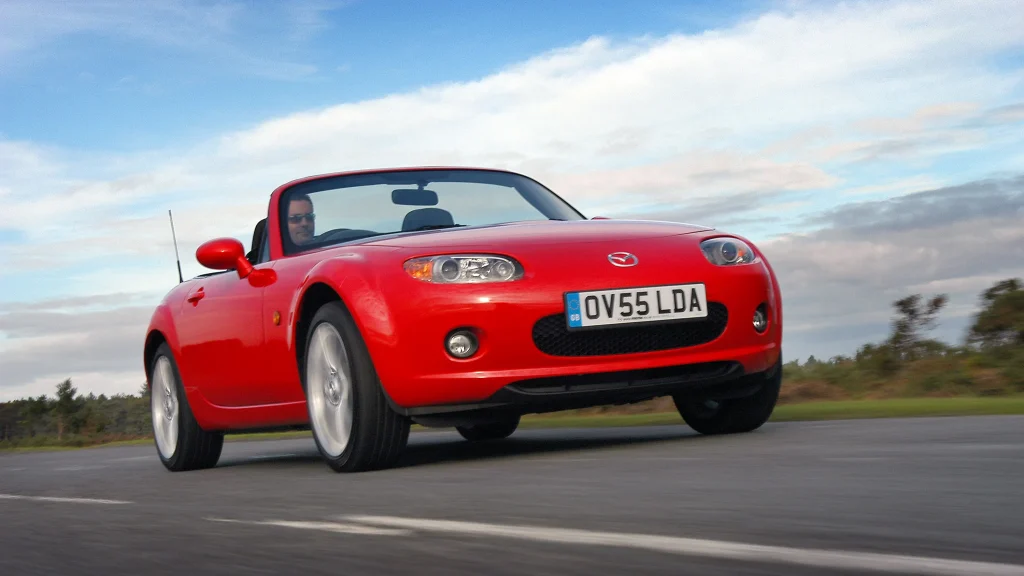
The manual transmission remains one of the best features of the car. Gear changes are short, mechanical, and satisfying in a way many modern gearboxes struggle to replicate. Every shift adds to the sense of involvement behind the wheel.
Another overlooked advantage is visibility. The compact proportions and open cabin create a stronger sense of connection with the environment. Many modern sports cars feel enclosed and oversized by comparison.
The interior reflects the car’s straightforward philosophy. Controls are simple, easy to reach, and focused entirely on driving rather than digital distractions. This simplicity helps the car age gracefully.
The Mazda MX-5 Miata NC succeeds because it understands that driving enjoyment does not come from raw speed alone. Its lighter weight, balanced chassis, and mechanical honesty allow it to remain more engaging than many newer sports cars filled with far more technology.
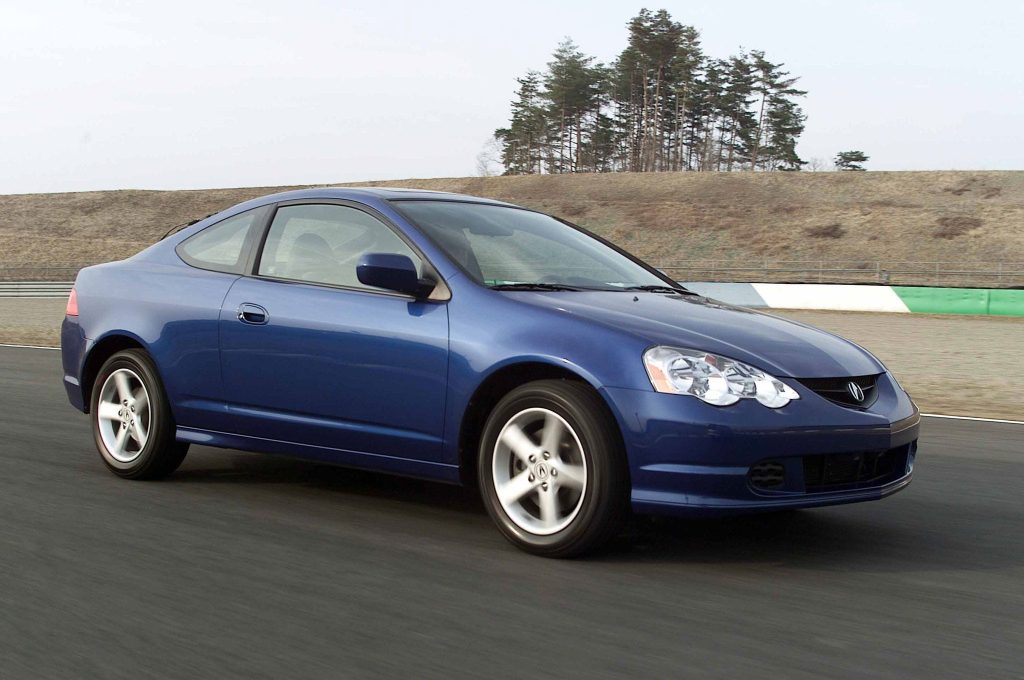
8. Acura RSX Type-S (2002–2006)
The Acura RSX Type-S arrived during the golden age of high-revving sport compacts, and even today, it delivers a level of excitement many newer performance cars fail to match. While modern hot hatches and coupes produce more horsepower, they often lose the raw energy and driver connection that made the RSX Type-S special.
The heart of the experience is the naturally aspirated K-series engine. Unlike modern turbocharged setups that rely heavily on low-end torque, this engine rewards drivers who push it toward higher revs. The power delivery feels energetic and mechanical, creating a sense of anticipation every time the tachometer climbs.
Its six-speed manual transmission remains one of the finest in any front-wheel-drive car. Gear changes feel precise and light, encouraging enthusiastic driving even at moderate speeds. Many modern transmissions are technically faster, but few feel as satisfying.
The chassis tuning also deserves praise. The RSX Type-S changes direction quickly and predictably without feeling overly stiff. It maintains an excellent balance between daily usability and sporty handling, which is something many newer performance cars struggle to achieve.
Another important advantage is weight. The RSX Type-S feels compact and agile because it avoids the bulk that affects many modern vehicles. This lighter structure improves responsiveness and gives the car a playful personality.
Steering feedback remains another highlight. Drivers can genuinely sense front tire grip and road texture, making the car feel connected and engaging. Many newer electronically assisted systems reduce this level of communication.
Interior simplicity helps the experience age well, too. Physical controls, clear gauges, and excellent visibility create a driver-focused environment without unnecessary distractions.
Reliability also plays a role in the car’s enduring reputation. The naturally aspirated drivetrain is durable and relatively straightforward compared to modern turbocharged performance cars with increasingly complex electronics.
The Acura RSX Type-S remains beloved because it captures a style of driving enjoyment that has become increasingly rare. It proves that lightweight engineering, precise controls, and high-revving character can create a more memorable experience than raw numbers alone.
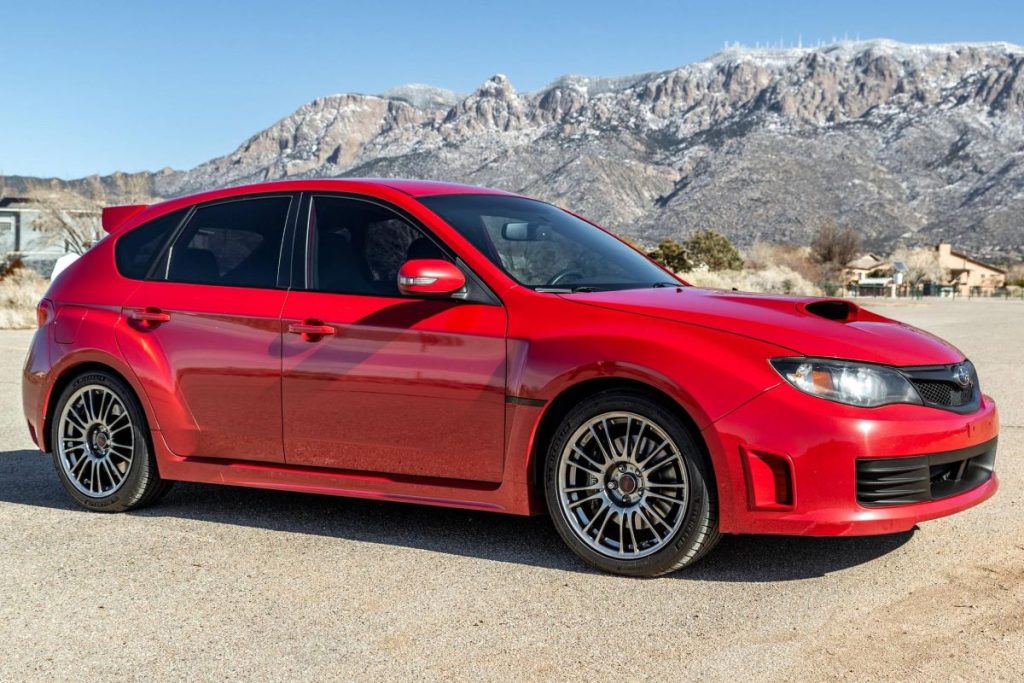
9. Subaru WRX STI Hatchback (2008–2014)
The Subaru WRX STI hatchback from this era delivered a driving experience that felt raw, mechanical, and deeply connected to the road. While newer WRX models have become more refined and technology-focused, many enthusiasts still believe the older STI offers a far more exciting and authentic character.
One of the biggest reasons is the drivetrain. The turbocharged boxer engine, combined with Subaru’s symmetrical all-wheel drive system, created a sense of traction and confidence that felt aggressive yet predictable. Modern performance sedans may produce faster acceleration numbers, but they often feel heavily filtered by software and electronic systems.
The steering in the STI hatchback feels direct and alive. Drivers can sense grip changes and road texture in a way many newer cars struggle to communicate. This feedback creates confidence during spirited driving and makes ordinary roads feel engaging.
Another major advantage is the manual transmission. The gear changes feel mechanical and deliberate, adding to the car’s energetic personality. Many modern performance cars have moved toward automatic transmissions for speed and efficiency, but the STI’s manual gearbox remains part of what makes it memorable.
The hatchback design itself also added practicality without sacrificing performance. Drivers could enjoy sharp handling and strong acceleration while still having usable cargo space. Later generations moved away from this balance, becoming more conventional in design.
Suspension tuning gave the STI a focused personality. It felt firm and planted during cornering without becoming completely uncomfortable during daily driving. Many newer cars attempt to simulate sportiness through adaptive electronics, but the STI achieved it naturally through chassis setup and mechanical grip.
The interior may appear simple by modern standards, yet that simplicity helps the car age well. Physical controls and clear gauges keep the focus on driving rather than endless digital interaction.
Another reason enthusiasts still prefer this generation is personality. The engine sound, turbo response, and all-wheel drive grip combine to create a car that feels distinctive rather than overly polished.
The Subaru WRX STI hatchback succeeded because it prioritized driver engagement above refinement trends. That focus is exactly why many enthusiasts still consider it better than the newer WRX generations that followed.
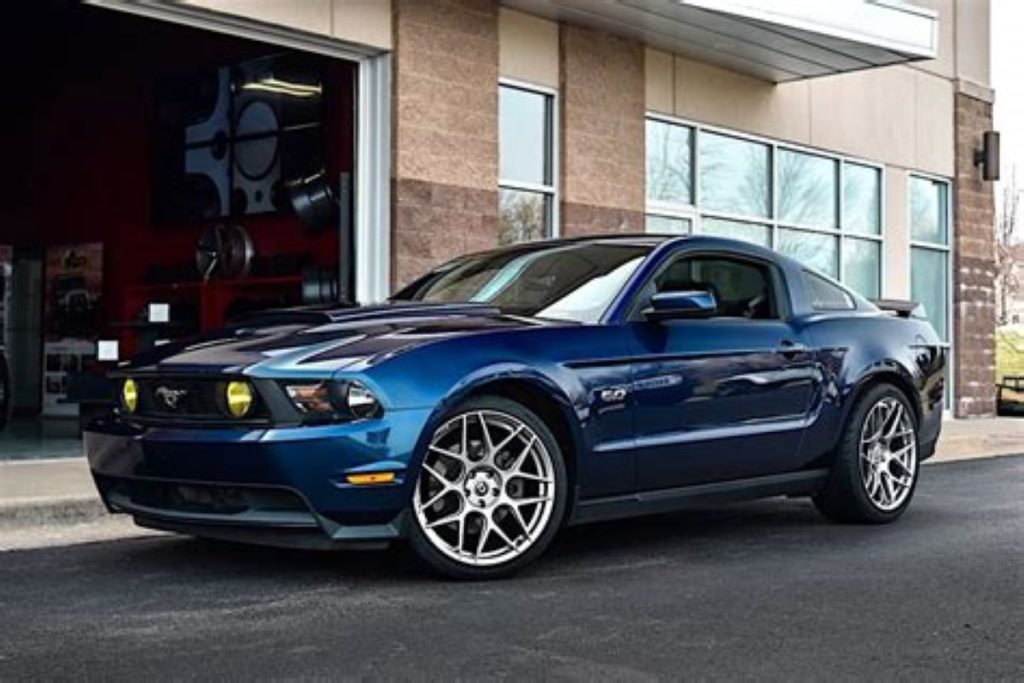
10. Ford Mustang S197 (2005–2014)
The Ford Mustang S197 brought back the spirit of classic American muscle while still feeling modern enough for everyday driving. Although newer Mustangs are objectively quicker and more technologically advanced, many drivers still believe the S197 generation delivers a more authentic and enjoyable experience.
One major reason is character. The S197 feels mechanical and physical in ways that newer performance cars sometimes avoid. Steering effort, throttle response, and body movement all remind the driver that they are operating a powerful rear-wheel-drive coupe rather than a heavily computer-managed machine.
The styling also played a huge role in the car’s success. Inspired by the original Mustangs of the 1960s, the design feels timeless without becoming overly aggressive. Newer generations appear sharper and more aerodynamic, yet many enthusiasts prefer the cleaner and more muscular proportions of the S197.
Engine personality remains another highlight. The naturally aspirated V8 models deliver immediate response and a deep exhaust tone that feels genuine. Modern turbocharged engines may offer more efficiency, but they often lose the emotional appeal that defined classic muscle cars.
The chassis balance improved dramatically compared to older Mustangs, giving the S197 better handling while still maintaining its traditional muscle car attitude. It feels playful and engaging without becoming overly refined or sterile.
Manual transmission models continue to attract enthusiasts because of their direct and satisfying gear changes. Combined with rear-wheel drive, they create a level of involvement that many newer, automatic-focused performance cars struggle to provide.
Interior design also reflects a simpler philosophy. Physical controls dominate the cabin, making the driving experience feel more focused and less dependent on digital systems.
Another advantage is the emotional connection the car creates. Driving the S197 feels special even at lower speeds because the car constantly communicates its personality through sound, vibration, and response.
The Ford Mustang S197 proves that performance is not just about lap times or technology. Sometimes a car becomes memorable because of how it makes the driver feel, and this generation continues to deliver that experience better than many newer performance coupes.
Also Read: 10 Things Auto Manufacturers Quietly Removed From New Cars in 2026
